The Analysis of E-Cadherin, N-Cadherin, Vimentin, HER-2, CEA, CA15-3 and SF Expression in the Diagnosis of Canine Mammary Tumors
College of Veterinary Medicine, Jilin University, No. 5333 Xi’an Road, Changchun 130062, China
*
Author to whom correspondence should be addressed.
†
These authors contributed equally to this work.
Animals 2022, 12(21), 3050; https://doi.org/10.3390/ani12213050
Submission received: 16 September 2022
/
Revised: 2 November 2022
/
Accepted: 4 November 2022
/
Published: 6 November 2022
(This article belongs to the Special Issue Recent Advances in Canine Mammary Tumors)
Simple Summary
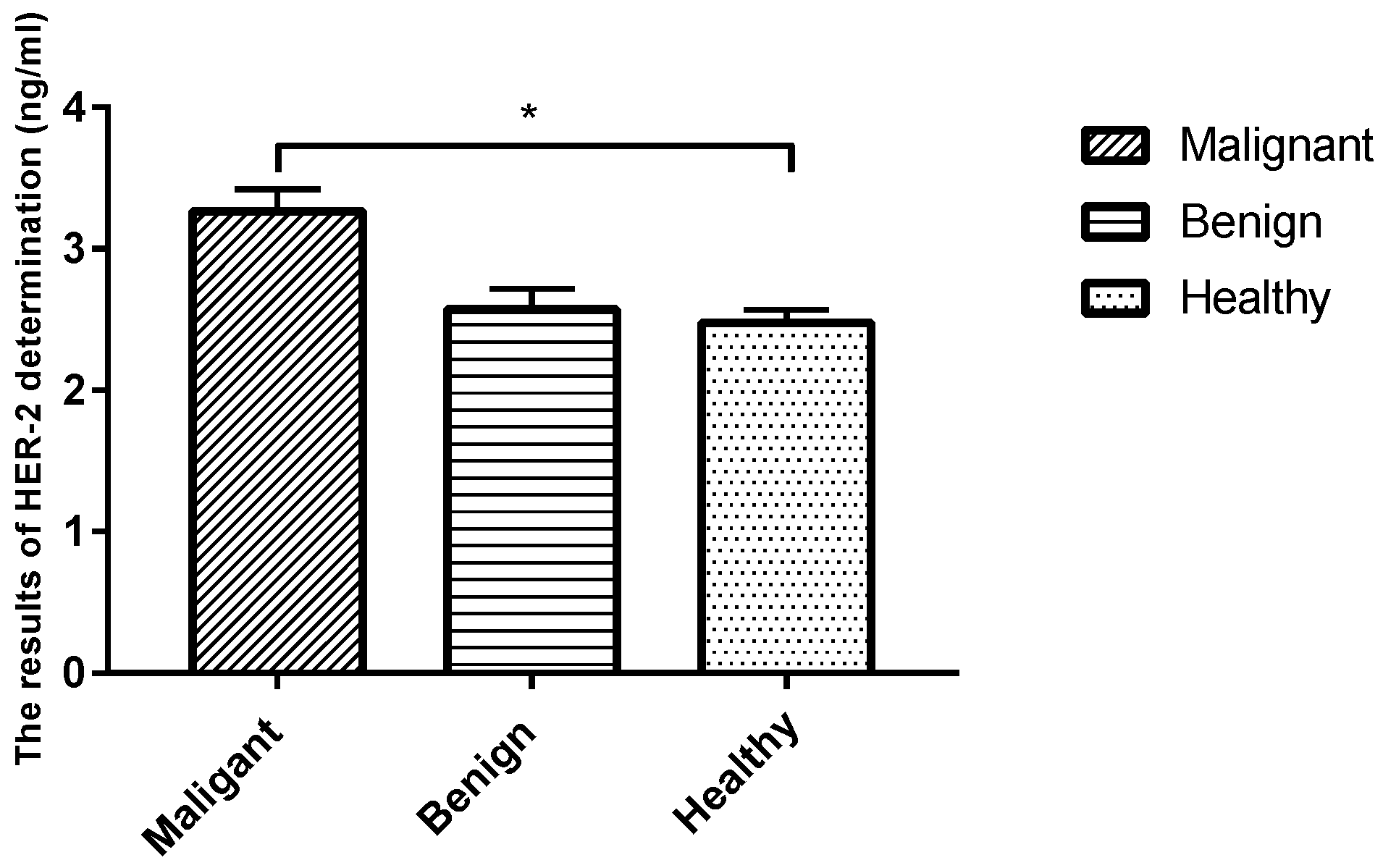
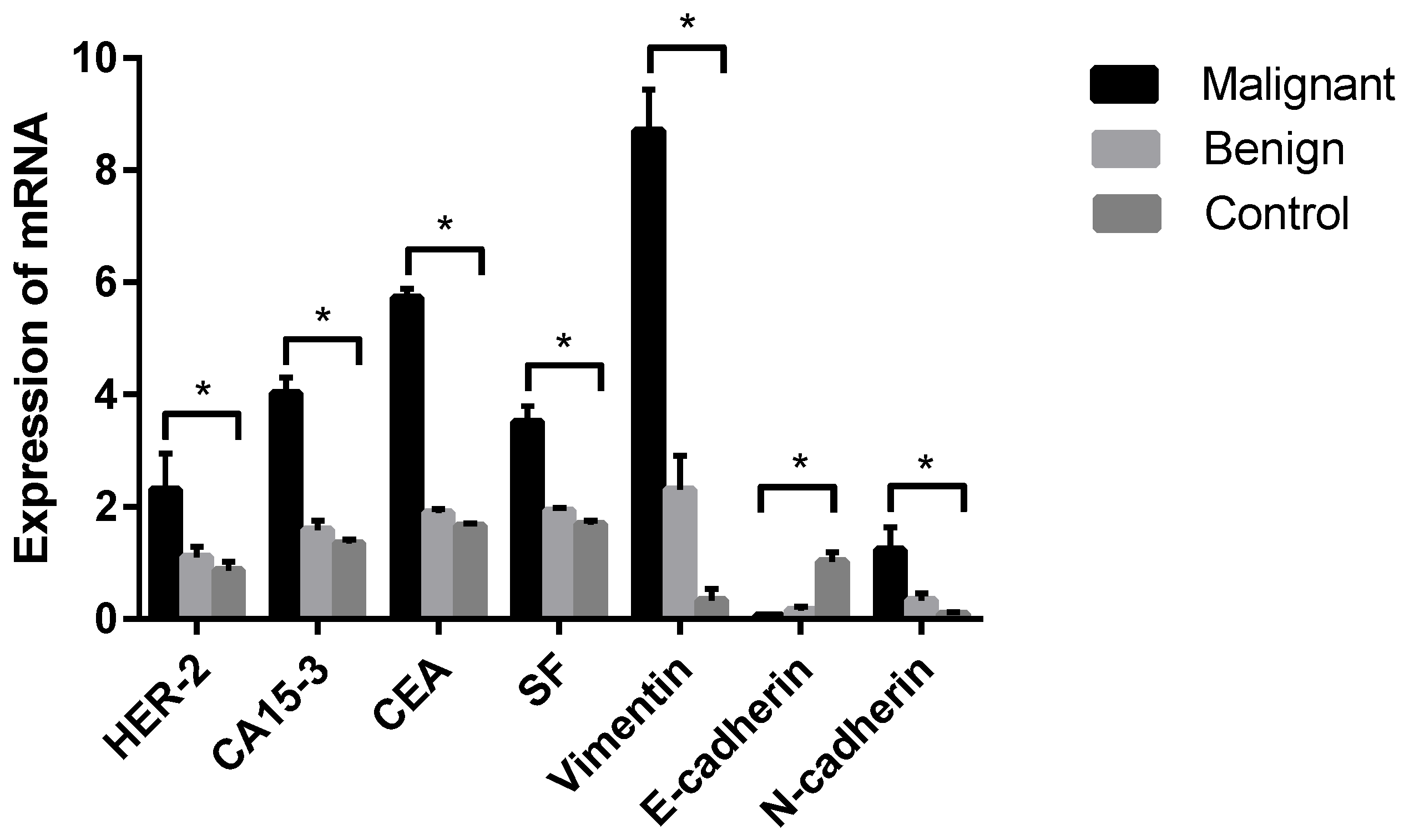
Canine mammary tumors (CMTs) are the most common neoplasms in female dogs, and their high rate of recurrence and metastasis result in a poor prognosis; therefore, timely and effective diagnosis is essential. In this study, the tumors were identified by histopathology and combined with X-ray and ultrasonography to assess the presence of organ metastases. Changes in certain indicators that suggested multiple direct or paraneoplastic changes associated with tumors were detected/suspected by hematological examination. Enzyme-linked immunosorbent assay (ELISA) revealed that HER-2 serum concentrations were significantly different between healthy dogs and dogs with malignant tumors. mRNA expression of HER-2, E-cadherin, N-cadherin, Vimentin, CEA, CA15-3 and SF were measured in CMT tissues by qPCR. The expression of these tumor markers (except for E-cadherin) in the malignant tumor group was significantly higher than in the benign group and the healthy control group (p < 0.05), however, there were no significant differences between the benign mammary tumor group and the healthy control group (p > 0.05). Measurement of biomarkers in dogs by serological and molecular biological assays represents a milestone in the early diagnosis of tumors, assessment of disease progression and response to chemotherapy.
Abstract
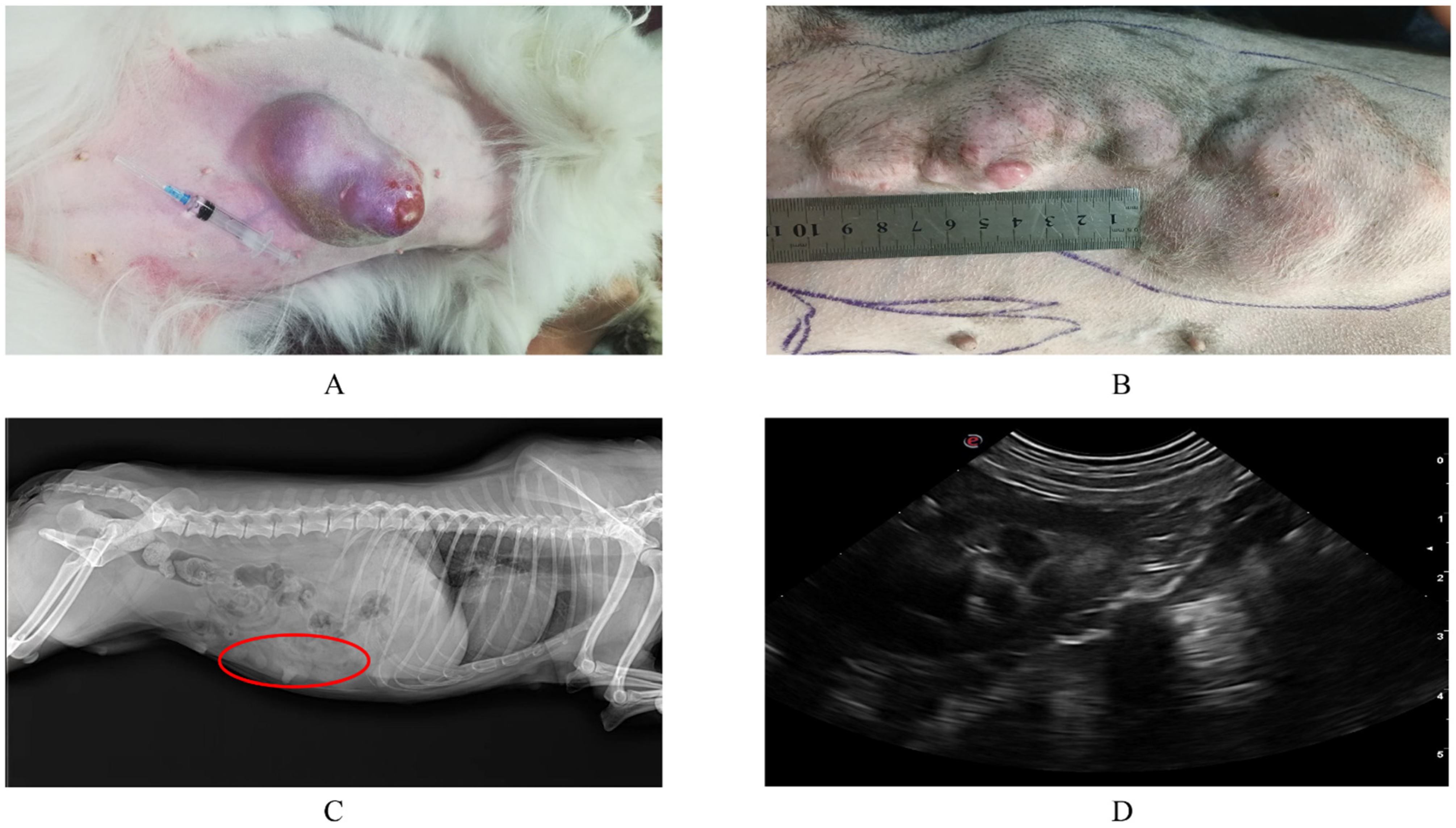
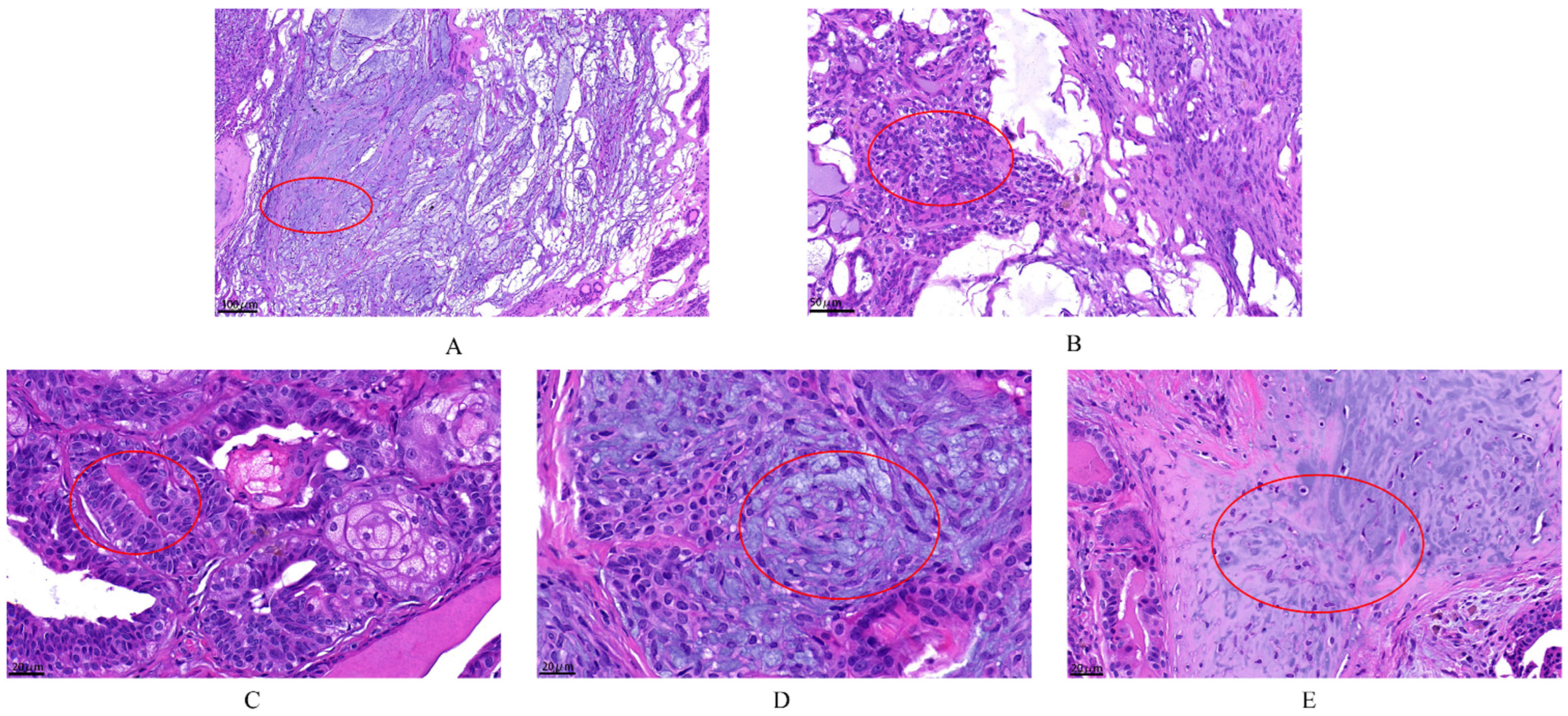
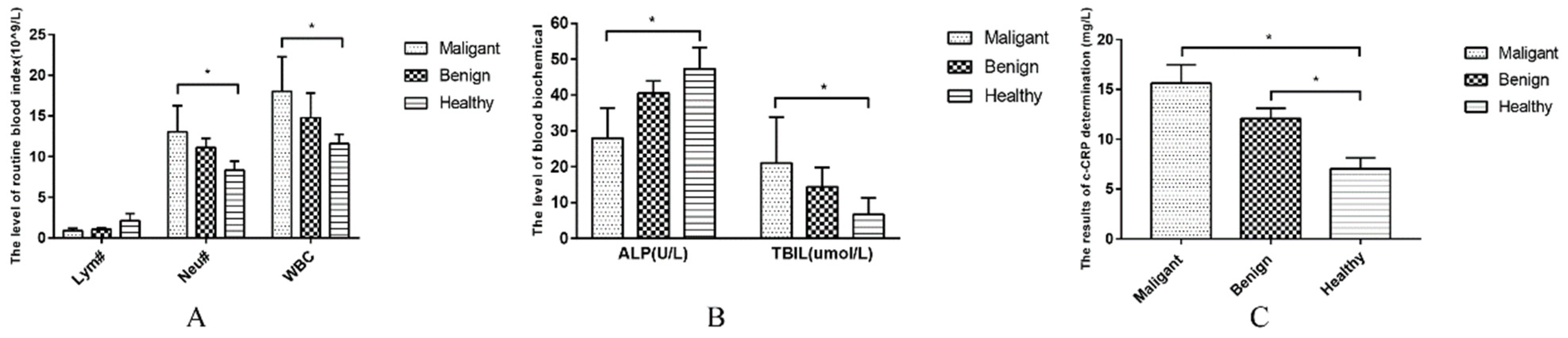
Canine mammary tumors (CMTs) are one of the most common tumors in female dogs, and they are associated with a poor prognosis owing to their high rate of recurrence and metastasis rates, which make their diagnosis especially important in clinical veterinary medicine. In this study, the characteristics of tumors were observed in dogs suffering from CMTs, and clinical diagnosis and histopathology were used to identify tumors. Furthermore, the expression levels of tumor markers for CMTs were analyzed by enzyme-linked immunosorbent assay (ELISA) and quantitative PCR (qPCR). Upon clinical examination, dogs with CMTs displayed a distinct and irregular mass in the mammary gland, and X-ray (Latero-lateral and ventro-dorsal views) and ultrasonography of the abdomen revealed a moderately echogenic mass at the mammary gland with slightly stronger density than the surrounding tissue. A total of 30 tumors were identified by histopathology, 11 benign and 19 malignant. Changes in some indicators in dogs suffering from CMTs and healthy dogs suggested that there were multiple direct or paraneoplastic changes associated with tumors that could be detected/suspected by hematological examination, and ELISA revealed the HER-2 serum concentrations were significantly different between healthy animals and those with malignant tumors. qPCR indicated that tumor markers N-cadherin, Vimentin, HER-2, CEA, CA15-3 and SF were higher in dogs with malignant tumors than healthy dogs, with a low level of E-cadherin in malignant tumors. This study verified that serological tests and molecular biological tests were essential to the early diagnosis, treatment and prognosis of dogs with tumors.