Altered Hypoxia-Induced and Heat Shock Protein Immunostaining in Secondary Hair Follicles Associated with Changes in Altitude and Temperature in Tibetan Cashmere Goats

1
College of Animal Science and Technology, Agricultural University, Lanzhou 730070, China
2
School of Fundamental Sciences, Massey University, Palmerston North 4410, New Zealand
3
Gansu Key Laboratory of Herbivorous Animal Biotechnology, College of Animal Science and Technology, Gansu Agricultural University, Lanzhou 730070, China
4
Institute of Animal Sciences, Tibet Academy of Agricultural and Animal Husbandry Sciences, Lhasa 850009, China
5
College of Veterinary Medicine, Gansu Agricultural University, Lanzhou 730070, China
6
School of Veterinary Science, Massey University, Palmerston North 4410, New Zealand
*
Authors to whom correspondence should be addressed.
†
These authors have contributed equally to this work.
Animals 2021, 11(10), 2798; https://doi.org/10.3390/ani11102798
Submission received: 26 July 2021
/
Revised: 16 September 2021
/
Accepted: 22 September 2021
/
Published: 25 September 2021
(This article belongs to the Section Small Ruminants)
Simple Summary
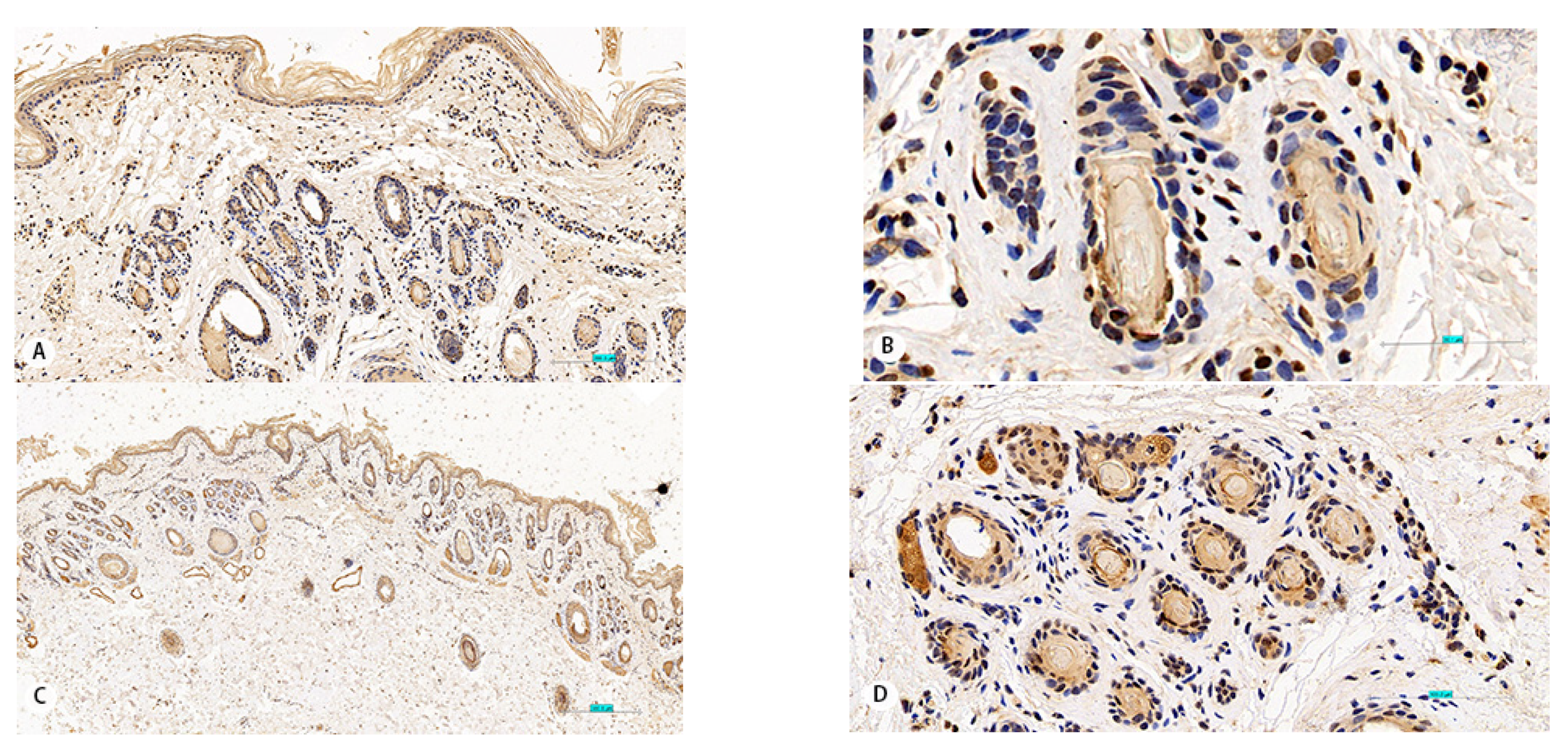
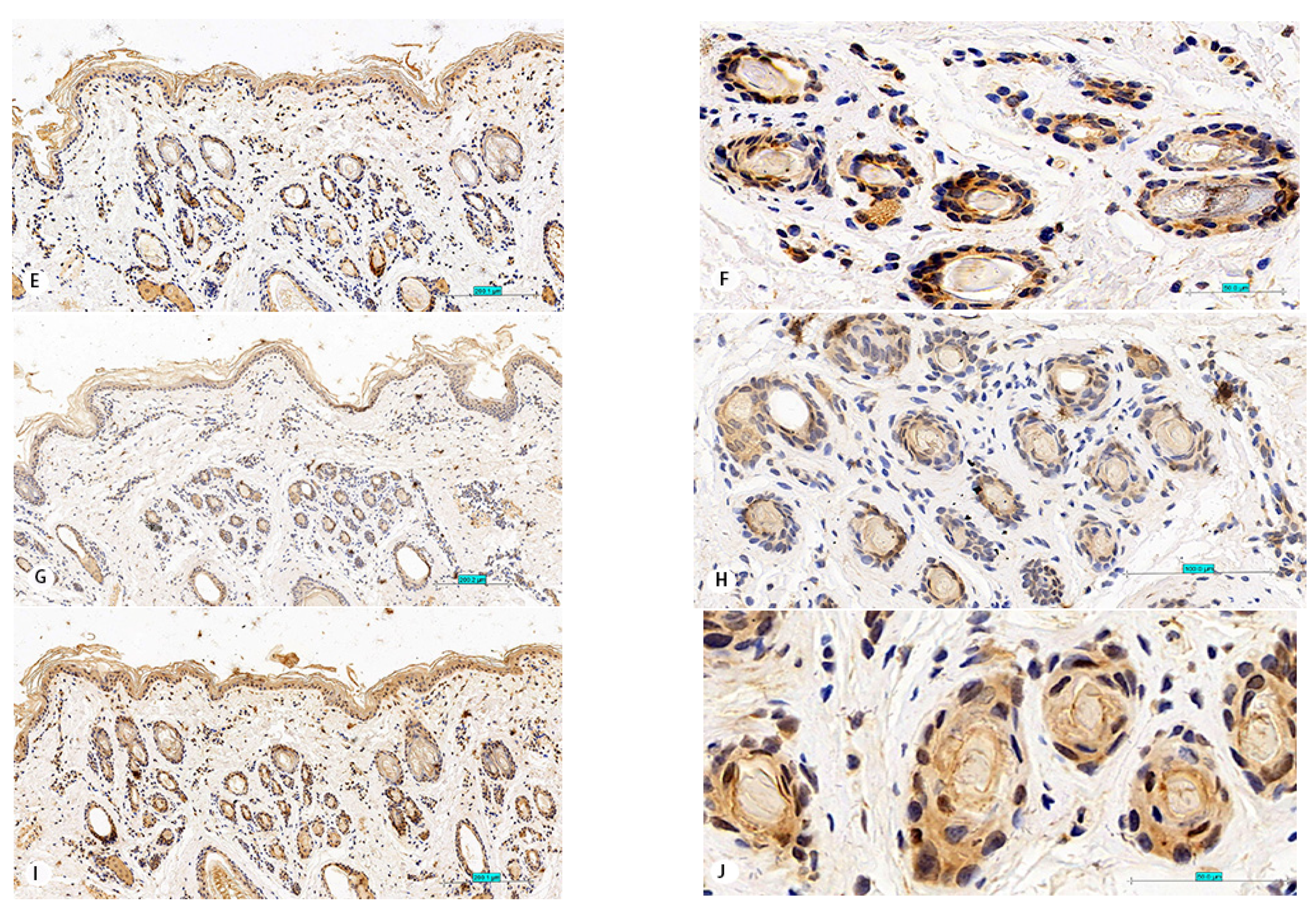
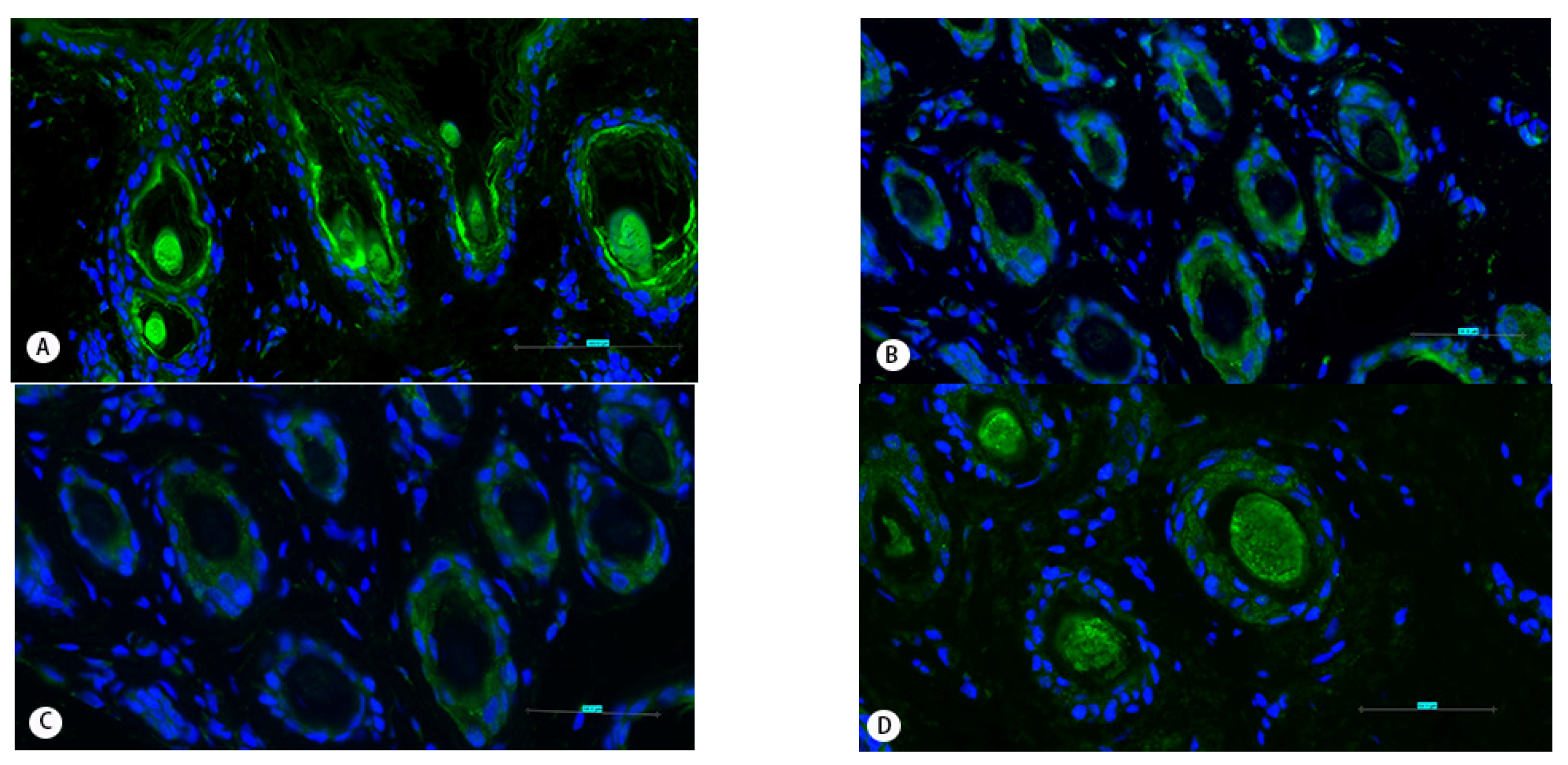
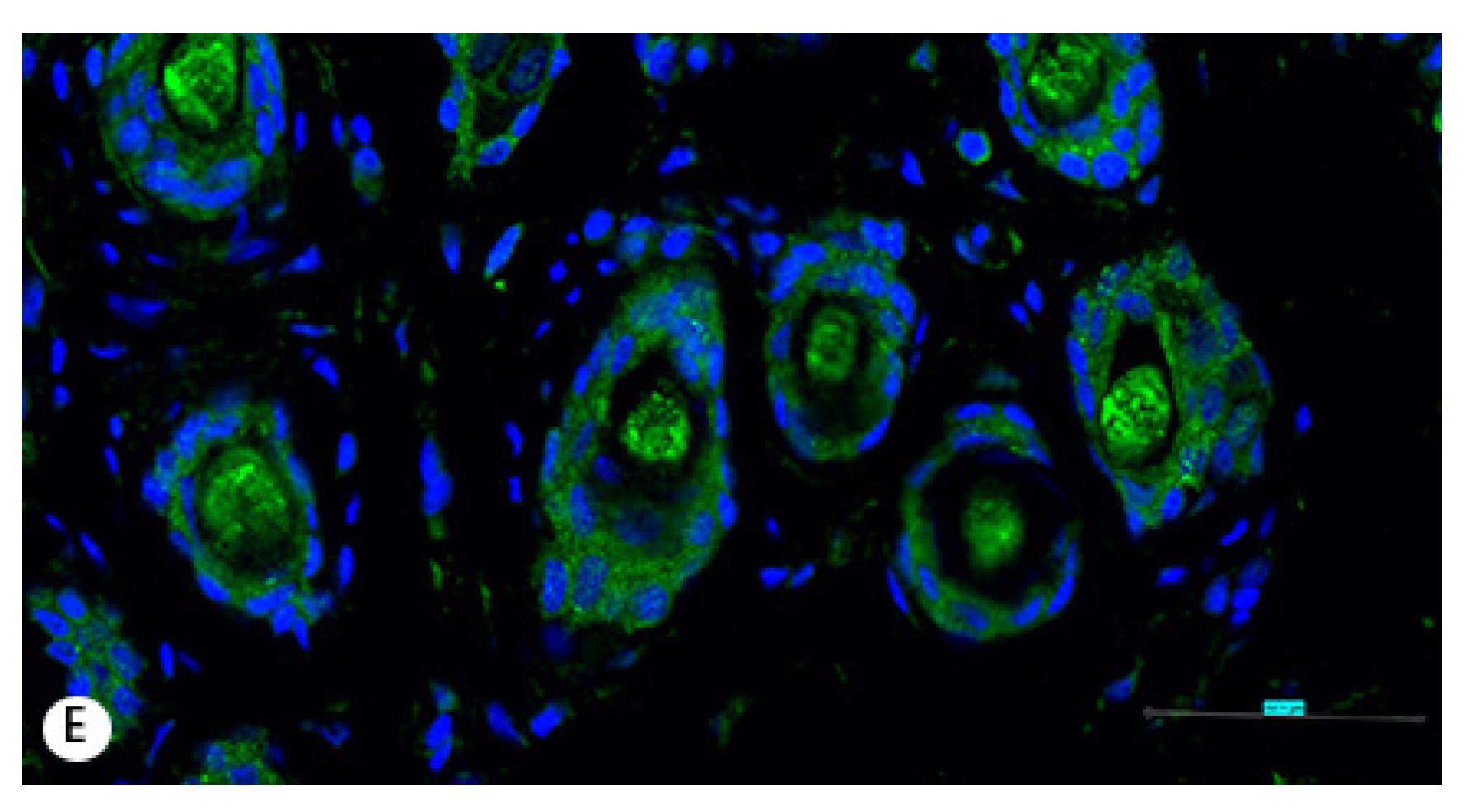
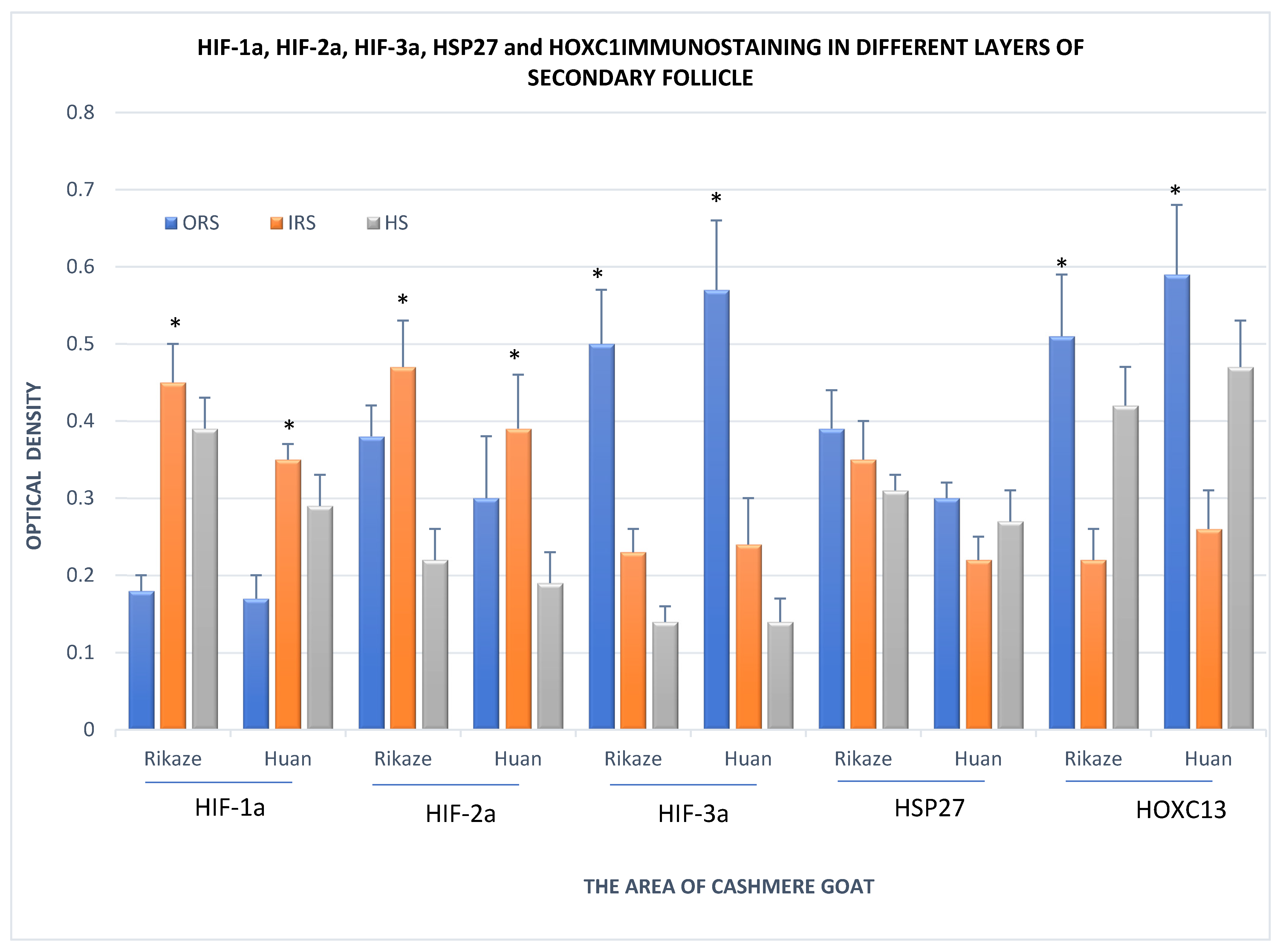
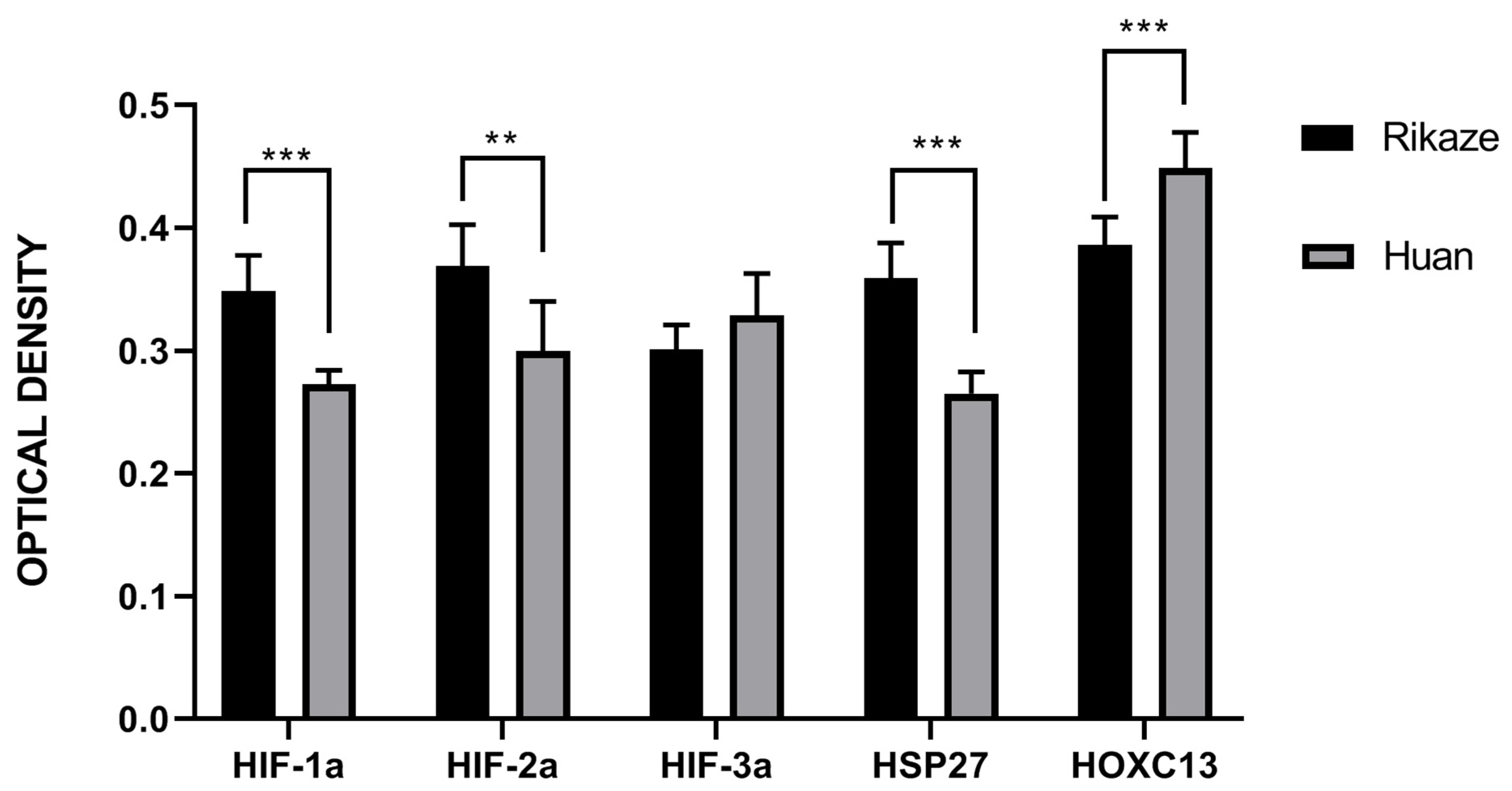
Cashmere goats in Tibet are adapted to a high altitude, cold climate, high solar radiation, and hypoxia. The aim of the present study was to compare the morphology of the secondary hair follicles and immunostaining of hair follicle regulatory proteins in Tibetan cashmere goats from a high altitude and low temperature (Rikaze) to goats from a lower altitude and comparatively warm temperature (Huan). We conclude that, at the same time of the year, the secondary hair follicles were at different development stages. HIF-1a protein immunostaining in the inner root sheath (IRS) and hair shaft (HS) was higher than the immunostaining in the outer root sheath (ORS). In contrast, immunostaining for HIF-2a protein in the ORS and IRS was higher than that present in the HS. Immunostaining for HIF-3a protein was higher in the ORS than the IRS while HOXC13 protein immunostaining was higher in the ORS than the IRS and HS. Immunostaining in secondary hair follicles for HIF-1a, HIF-2a, and HSP27 protein in the cashmere goats living in Rikaze was significantly higher than that in the secondary hair follicles of cashmere goats from Huan. In contrast, HOX13 protein immunostaining was significantly higher in cashmere goats from Huan than from Rikaze. These results are useful in understanding how altitude and temperature influence secondary hair follicle development.
Abstract
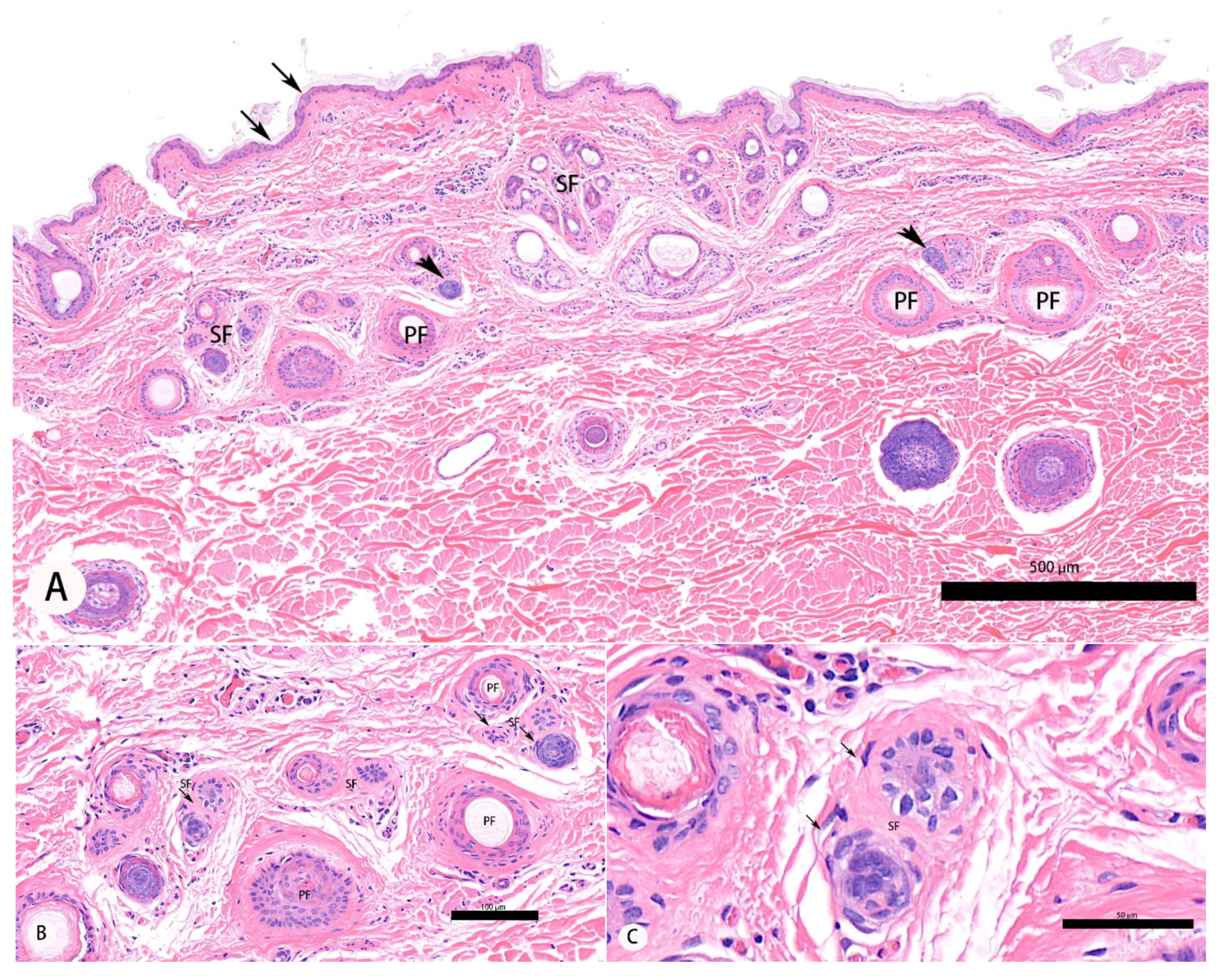
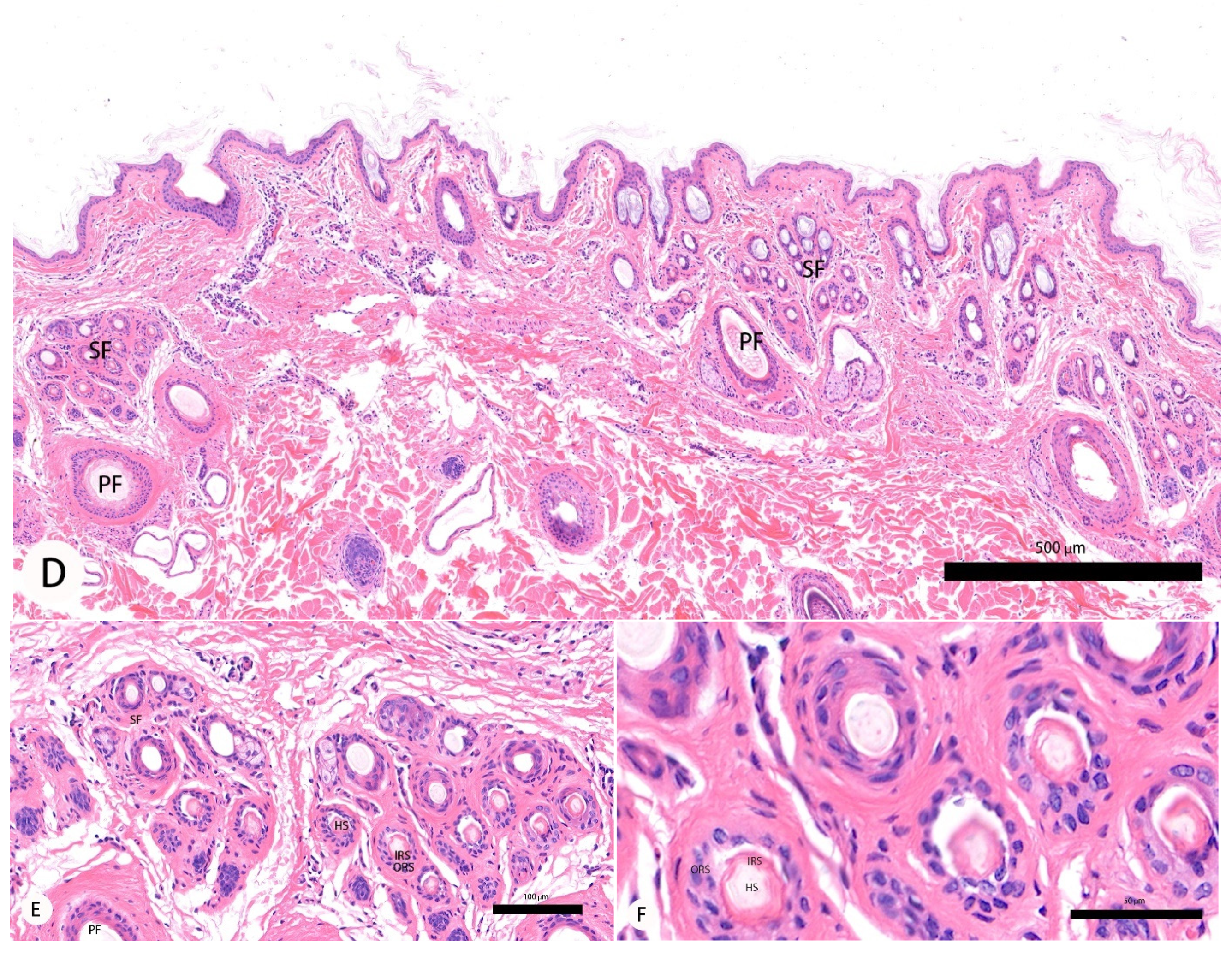
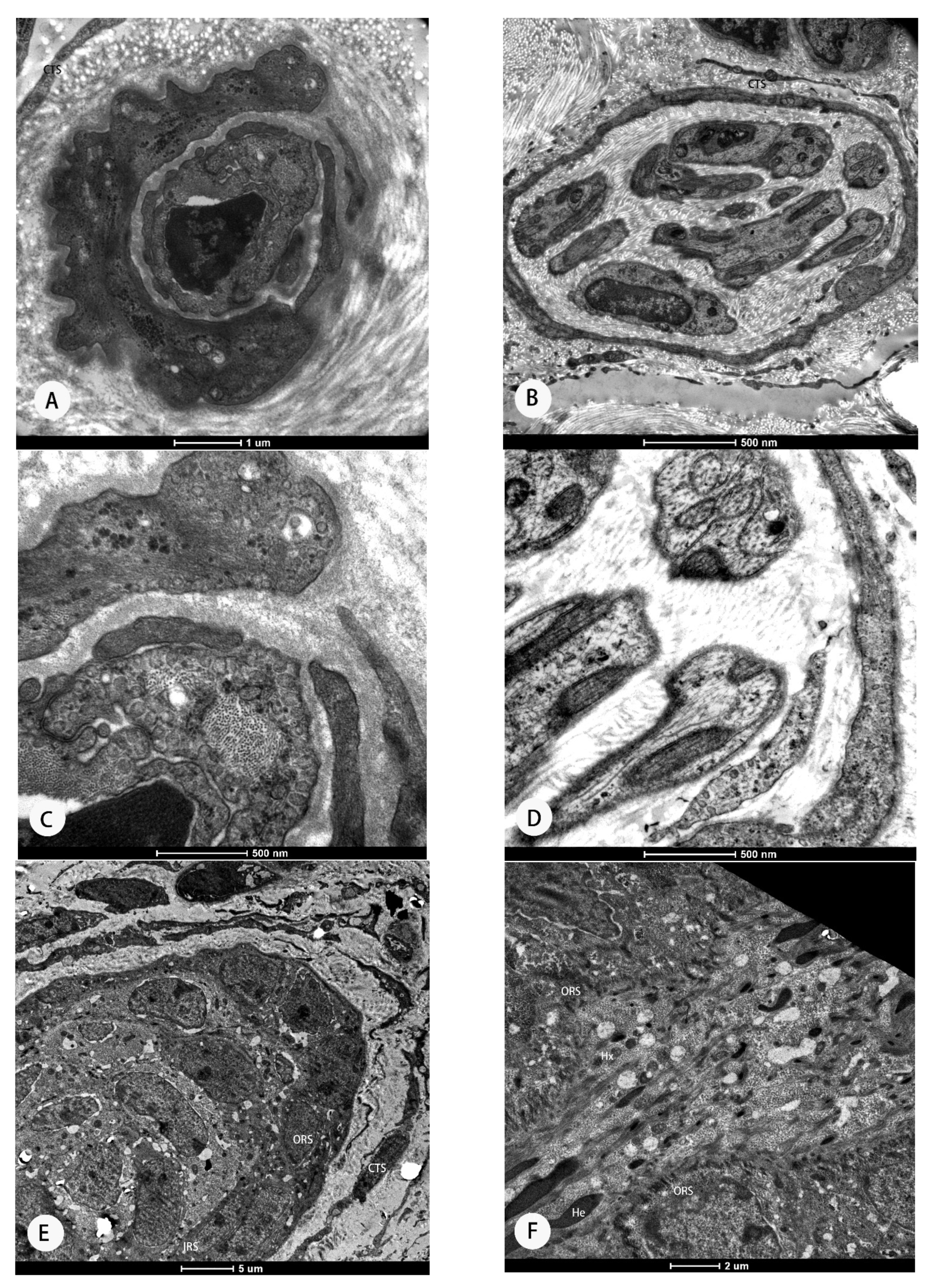
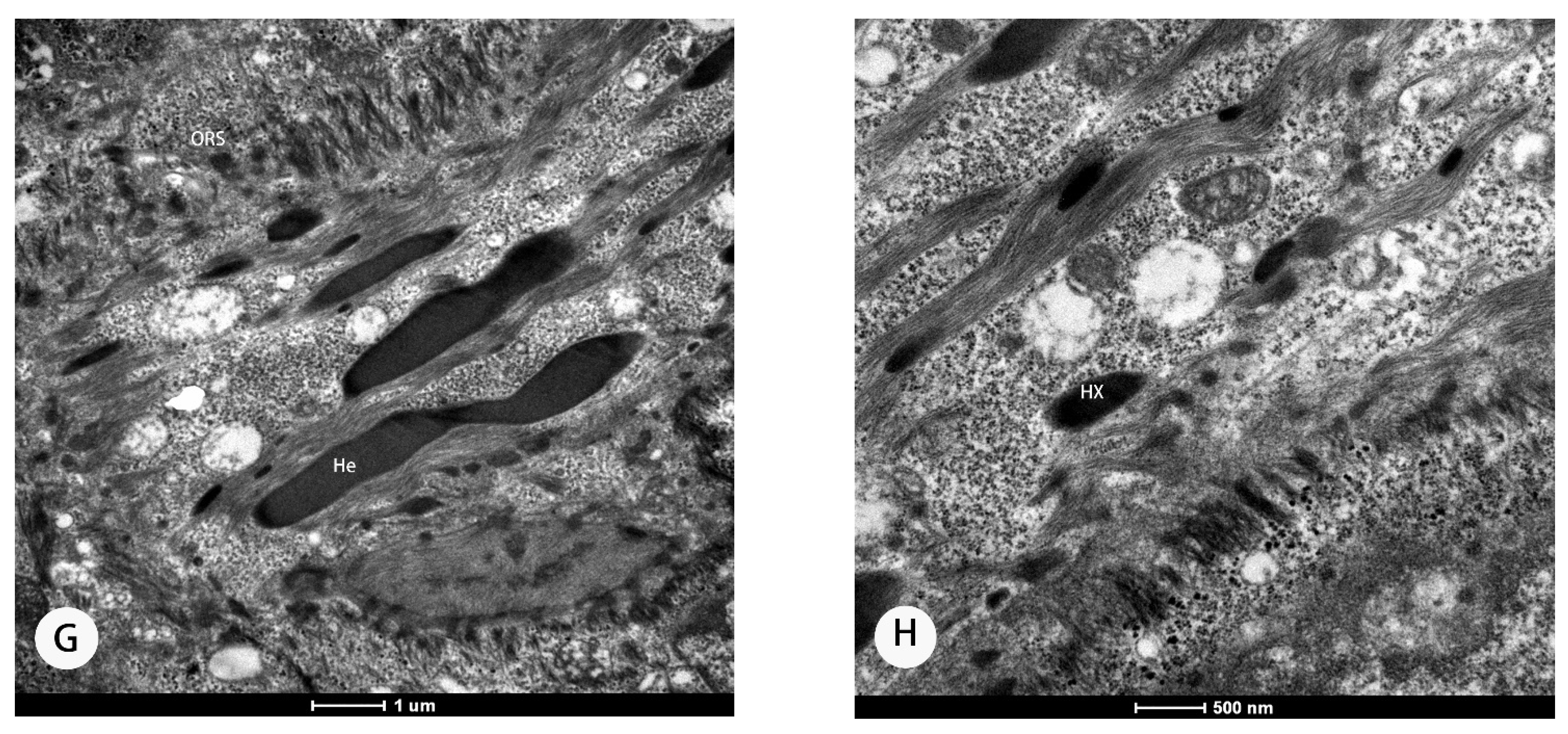
This experiment compared secondary hair follicles (SFs) in Tibetan cashmere goats from two different steppes that were at different altitudes and had different temperatures. Twenty-four 2-year-old goats were studied. Twelve goats were from Rikaze in Tibet which is at an altitude of above 5000 m with an average temperature of 0 °C. The other 12 studied goats were from Huan County of Gansu Province which is around 2000 m above sea level with an average temperature of 9.2 °C. The structural features of SFs were assessed using light microscopy and transmission electron microscopy. The presence of HIF-1a, HIF-2a, HIF-3a, HSP27, and HOXC13 proteins was studied using immunohistochemistry and immunofluorescence. Light and electron microscopy revealed that the SFs of the Tibetan cashmere goats that lived in the Rikaze Steppe were in the proanagen stage in May. However, the SFs of the goats from the lower warmer Huan County were in the anagen stage at the same time. Immunohistochemistry revealed intense immunostaining for HIF-1a protein in the inner root sheath (IRS) and hair shaft (HS); immunostaining against HIF-2a in the outer root sheath (ORS) and IRS; HIF-3a protein immunostaining in the ORS; HSP27 immunostaining in the ORS, IRS, and HS; and HOXC13 immunostaining in the ORS and HS. HIF-1a protein expression in the IRS and HS was higher than the expression in the ORS (p < 0.05) while the expression of HIF-2a protein was higher in the ORS and IRS than the HS (p < 0.05). The expression of HIF-3a protein was higher in the ORS than in the IRS (p < 0.05). Expression of HOXC13 protein was higher in the ORS than in the IRS and HS (p < 0.05). Immunostaining of HIF-1a, HIF-2a, and HSP27 protein was significantly higher in SFs from cashmere goats from Rikaze than in goats from Huan (p < 0.05). In contrast, HOX13 protein immunostaining was significantly higher in cashmere goats from Huan than from Rikaze (p < 0.05). Significant differences were observed in the SFs of cashmere goats from two locations that differ in altitude and temperature. This suggests the differences in the secondary hair follicles could be due to the hypoxia and lower temperatures experienced by the goats in Rikaze. These results are useful in understanding how altitude and temperature influence SF development. Hair produced by the SFs are used for down fiber. Therefore, understanding of the factors that influence SF development will allow the production and harvest of these valuable fibers to be maximized.
Keywords:
steppe; Tibetan cashmere goat; secondary hair follicle