Article

Itaconate: A Nexus Metabolite Fueling Leishmania Survival Through Lipid Metabolism Modulation

1
Biochemistry, Biotechnology and Immunophysiopathology Research Team, Health and Environment Laboratory, Ain Chock Faculty of Sciences, Hassan II University of Casablanca (UH2C), Casablanca 20100, Morocco
2
Immunopathology of Infectious and Systemic Diseases, Laboratory of Cellular and Molecular Pathology, Faculty of Medicine and Pharmacy, Hassan II University of Casablanca (UH2C), Casablanca 20000, Morocco
*
Author to whom correspondence should be addressed.
These authors contributed equally to this work.
Microorganisms 2025, 13(3), 531; https://doi.org/10.3390/microorganisms13030531

Submission received: 22 January 2025 / Revised: 21 February 2025 / Accepted: 25 February 2025 / Published: 27 February 2025
(This article belongs to the Special Issue Antileishmanial Agents)

Abstract

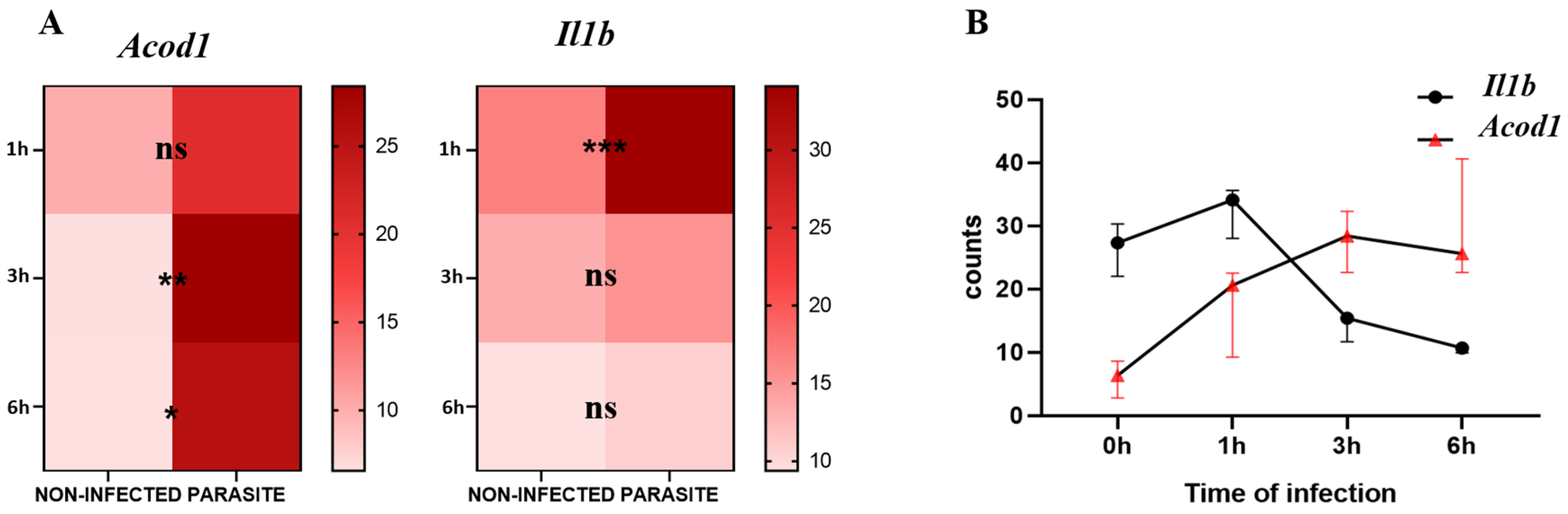
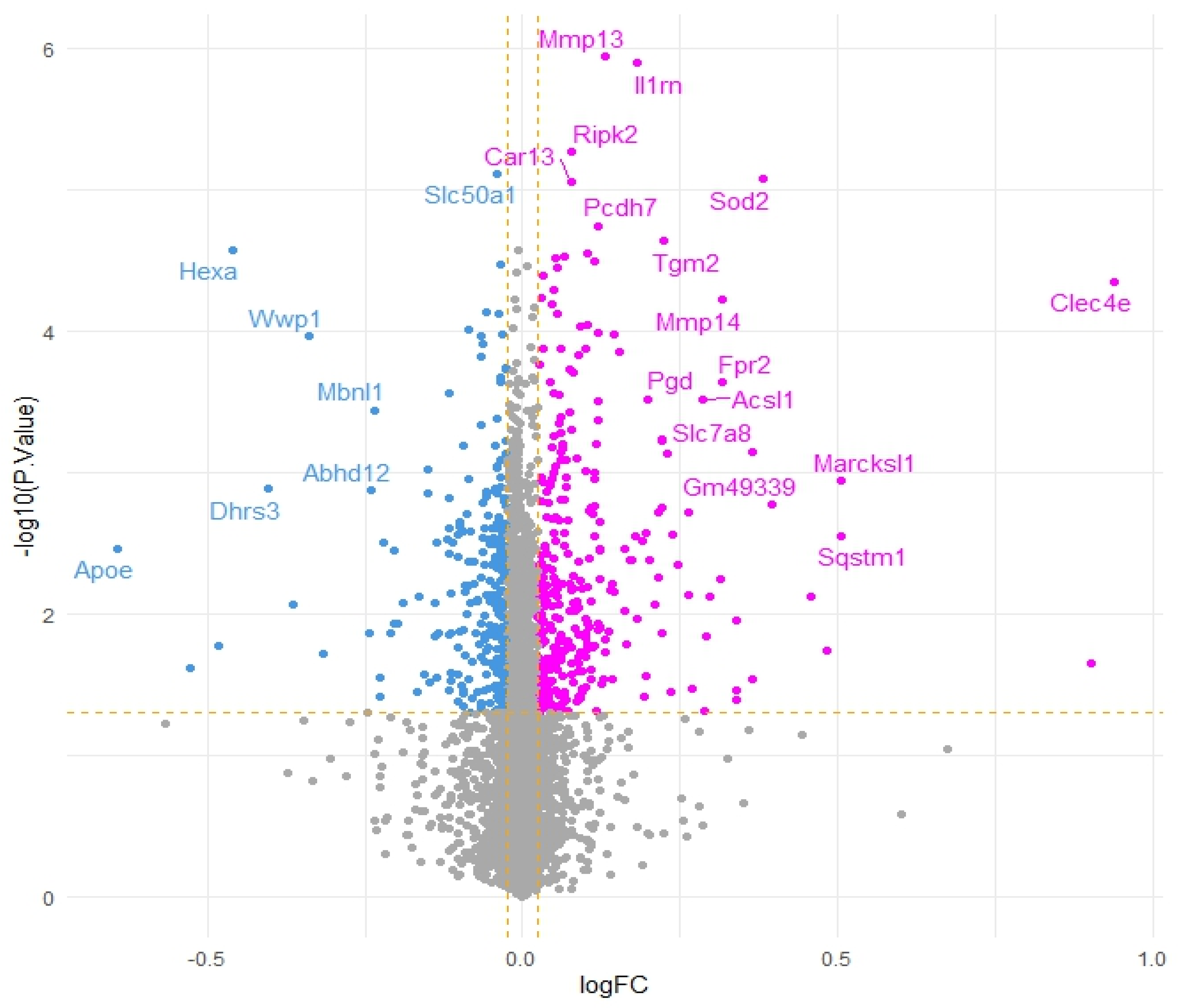
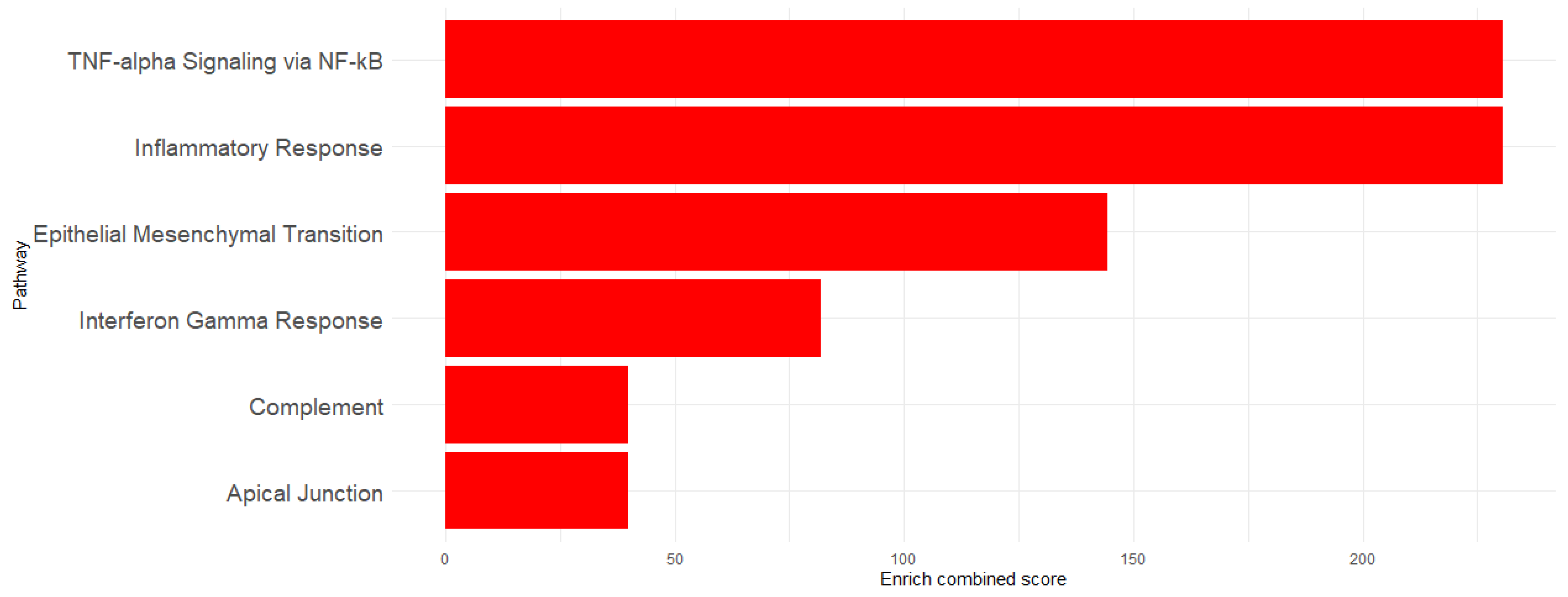
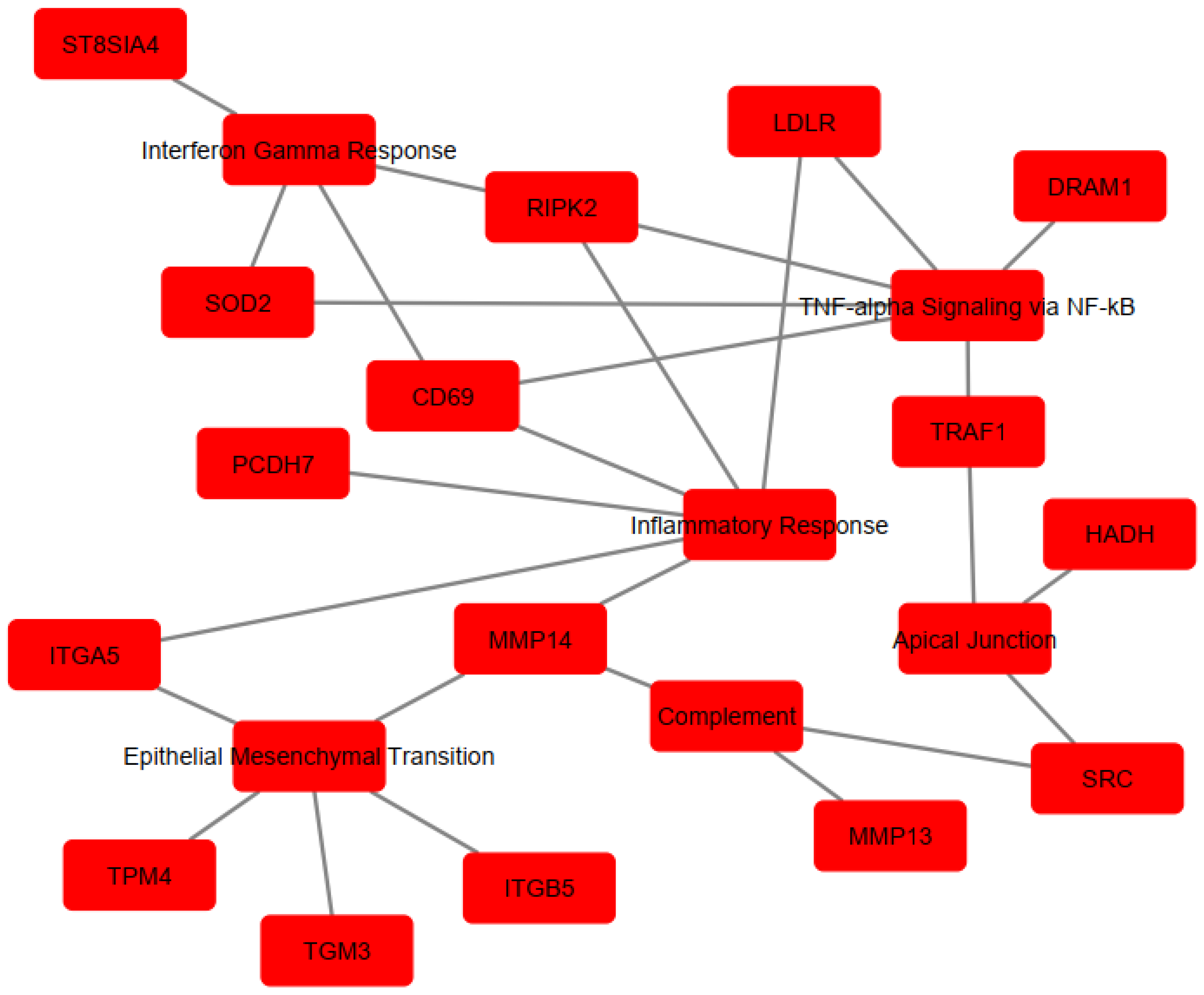
Leishmaniasis, caused by the Leishmania parasite, is a neglected public health issue. Leishmania mainly infects macrophages, where metabolic reprogramming shapes their plasticity (M1/M2), affecting the host’s resistance or susceptibility to infection. The development of this infection is influenced by immune responses, with an excessive anti-inflammatory reaction linked to negative outcomes through the modulation of various mediators. Itaconate, produced by the Acod1 gene, is recognized for its anti-inflammatory effects, but its function in leishmaniasis is not well understood. This study aimed to investigate the potential role of itaconate in leishmaniasis. Using transcriptomic data from L. major-infected BMDMs, we assessed the expression dynamics of Il1b and Acod1 and performed pathway enrichment analysis to determine the profile of genes co-expressed with Acod1. Early Acod1 upregulation followed by later Il1b downregulation was noted, indicating a shift towards an anti-inflammatory response. Among the genes co-expressed with Acod1, Ldlr, Hadh, and Src are closely associated with lipid metabolism and the polarization of macrophages towards the M2 phenotype, thereby creating a favorable environment for the survival of Leishmania. Overall, these findings suggest that Acod1 and its co-expressed genes may affect the outcome of Leishmania infection by modulating host metabolism. Accordingly, targeting itaconate-associated pathways could provide a novel therapeutic strategy for leishmaniasis.
Keywords: Leishmania; itaconate; Acod1; IL1b; Ldlr; Src; Hadh; M1/M2 macrophages Leishmania; itaconate; Acod1; IL1b; Ldlr; Src; Hadh; M1/M2 macrophages