


Abstract
The invasive plant Sphagneticola trilobata (Asteraceae), known for its rapid growth and strong adaptability, has spread widely across tropical and subtropical regions worldwide, posing a serious threat to local plant diversity. Traditional weed control approaches have limited effectiveness, and the overuse of chemical herbicides such as glyphosate not only leads to resistance but also harms the environment. This study elucidated the important roles of jasmonic acid (JA) and arbuscular mycorrhizal fungi (AMF) in jointly promoting the herbicide resistance of S. trilobata. Firstly, the herbicide tolerance of S. trilobata was tested. Then, a field experiment was conducted to test the relation between AMF colonization and herbicide resistance in S. trilobata by high-throughput sequencing, and the metabolomics analysis was conducted to test the secondary metabolite difference by AMF colonization. Lastly, a greenhouse experiment was conducted to assess the synergistic effects of JA and AMF on S. trilobata’s herbicide resistance. Results showed that invasive S. trilobata has stronger glyphosate tolerance than its native congener. The field experiment showed that glyphosate treatment significantly increased the AMF colonization in S. trilobata and altered the composition of the rhizosphere AMF community. Metabolomics analysis revealed that AMF colonization upregulates the expression of stress-related metabolites, especially JA content. The greenhouse experiment further validated that both AMF colonization and JA application could enhance the stem and root length and plant biomass. Under glyphosate application, AMF and JA enhanced plant growth and relative chlorophyll content, while reducing relative flavonol and anthocyanin contents. Furthermore, the interaction of AMF and JA treatments led to a significant synergistic effect in plant growth and resistance to glyphosate. Our findings emphasize the necessity to simultaneously consider eliminating the promoting effects of JA and AMF on the herbicide resistance when implementing chemical control management strategies for the control of S. trilobata. This study provides new theoretical bases and sustainable control strategies for invasive plant management, as well as important references for research on plant-microbe interactions and stress resistance mechanisms.
1. Introduction
The spread of invasive plant species poses a significant threat to biodiversity, ecosystem stability, and agricultural productivity [1,2]. Invasive plants typically grow rapidly and are highly resistant to stress conditions, enabling them to quickly monopolize resources and form dominant populations [3,4]. They reproduce in a variety of ways, spread rapidly, and are highly tolerant to environmental changes and pests [5,6]. These characteristics make invasive plants extremely difficult to eradicate completely, and conventional physical or chemical control approaches are often ineffective [7,8]. Therefore, their management has become a long-term challenge in ecological protection, requiring sustained and comprehensive management strategies. One such invasive species is Sphagneticola trilobata (L.) Pruski (Asteraceae), which has spread across tropical and subtropical regions, outcompeting native flora and disrupting ecosystems [9]. S. trilobata is an herbaceous perennial plant native to Central and South America but is now widespread in many tropical and subtropical regions, including Southeast Asia, Africa, and the Pacific Islands. Its invasiveness is attributed to several factors, including its ability to form dense ground cover that suppresses native plant species, its capacity for vegetative reproduction, and its tolerance to a wide range of environmental conditions [10]. These traits make S. trilobata a formidable competitor in both disturbed and undisturbed ecosystems. Once established, this species alters nutrient cycling, reduces biodiversity, and can affect the structure and function of ecosystems. Controlling S. trilobata has been a significant challenge. However, traditional mechanical and chemical control methods, including manual removal and the application of herbicides like glyphosate, have been only partially successful [11]. The extensive use of herbicides to manage invasive species has raised concerns about the development of herbicide resistance in target plants [12]. Herbicide resistance can occur through various mechanisms, including changes in the herbicide target site, enhanced metabolic detoxification of the herbicide, or alterations in herbicide absorption and translocation within the plant [13]. Known for its rapid vegetative growth, high reproductive rate, and adaptability to various environmental conditions, S. trilobata has become difficult to manage using conventional methods, including the application of herbicides [14].
Glyphosate is widely employed for the control of invasive species, but its overuse can lead to the development of resistance, negative environmental impacts, and non-target species damage [15,16]. It is a broad-spectrum herbicide and acts by inhibiting the shikimate pathway, essential for the biosynthesis of aromatic amino acids in plants [17]. However, over-reliance on glyphosate has led to several issues, including resistance in certain plant populations and adverse environmental effects, such as soil degradation and the contamination of water bodies [18]. Glyphosate resistance in various species has become an increasingly significant issue, particularly in invasive plants that possess high genetic variability and adaptability. In the case of S. trilobata, there is evidence suggesting that this species may possess traits that allow it to tolerate glyphosate treatment; when it comes to its native species, S. calendulacea (L.) Pruski (Asteraceae), few studies report on their tolerance to glyphosate. This tolerance may arise from physiological adaptations, such as increased production of antioxidants to mitigate oxidative stress, or changes in root morphology that limit herbicide uptake [19,20]. Consequently, managing S. trilobata through herbicide application alone is becoming increasingly unsustainable, necessitating the exploration of alternative strategies that enhance plant resistance while reducing reliance on chemicals [19]. In a field survey, we found that herbicide does not completely kill S. trilobata, but that new leaves could regrow from the wilting stems and new shoots from the roots (Figure S1). Hence, the mechanisms that confer strong resistance to herbicides of this invasive weed need to be well studied.
Arbuscular mycorrhizal fungi (AMF) are symbiotic organisms that form mutualistic associations with the roots of most terrestrial plants [21]. Through this symbiotic relationship, AMF enhance plant nutrient acquisition, particularly phosphorus, and improve water uptake, which is critical for plant survival under stress conditions. In return, the plant supplies the fungi with carbohydrates derived from photosynthesis [22]. AMF are known to confer numerous benefits to their host plants, including enhanced tolerance to drought, salinity, and heavy metal toxicity. Recent studies have also demonstrated that AMF can improve plant resistance to herbicides [23]. By improving nutrient and water uptake, AMF-colonized plants are better able to withstand the physiological stress induced by herbicides [24]. Additionally, AMF can influence plant defense signaling pathways, including the JA pathway, thereby enhancing the plant’s overall stress response. AMF colonization has been shown to alter root morphology, increasing root surface area and promoting root branching, which may reduce herbicide absorption and improve plant resilience [23,25]. Furthermore, AMF can enhance the production of antioxidant compounds in plants, which helps to detoxify reactive oxygen species (ROS) generated during herbicide exposure [26].
Jasmonic acid (JA) has a potential role in enhancing plant herbicide resistance, and we should focus on its synergistic effects in mitigating herbicide-induced stress [27]. JA is a plant hormone that plays a central role in regulating plant responses to biotic and abiotic stresses [28]. Initially identified for its role in plant defense against herbivores, JA has since been recognized for its broader functions in modulating plant growth, development, and stress responses. The JA signaling pathway is activated in response to various environmental stimuli, including wounding, pathogen attack, and herbicide exposure [29]. Upon activation, JA triggers the expression of defense-related genes that lead to the production of secondary metabolites, such as flavonoids, alkaloids, and terpenoids, which protect plants from damage [30]. JA also interacts with other plant hormones, such as salicylic acid (SA) and ethylene, to fine-tune defense responses based on the type of stress encountered [31]. For example, while SA is typically involved in defense against biotrophic pathogens, JA is more closely associated with responses to necrotrophic pathogens and herbivores [32]. This hormone crosstalk allows plants to allocate resources efficiently, optimizing defense mechanisms in response to specific threats. Several studies have highlighted JA’s potential role in enhancing plant resistance to herbicides [33]. By regulating the production of detoxifying enzymes and antioxidant compounds, JA can mitigate the oxidative damage caused by herbicides like glyphosate. Furthermore, JA has been shown to influence root architecture, improving the plant’s ability to absorb water and nutrients under stress conditions [34]. Hence, we hypothesize that JA may contribute to enhancing the herbicide resistance of invasive species like S. trilobata.
There is growing evidence that JA and AMF interact synergistically to enhance plant stress tolerance [35,36,37,38,39]. The crosstalk between JA signaling and AMF colonization may lead to a more robust defense response in plants, as AMF can enhance JA-mediated defense pathways [40]. However, does the interaction between JA and AMF symbiosis contribute to the herbicide resistance of invasive weeds? To address this gap, we conducted a comprehensive study to (1) evaluate the herbicide tolerance of the invasive S. trilobata, (2) analyze the changes in AMF communities after herbicide application to the invasive weed in field, (3) detect the JA content of AMF symbiosis with the invasive weed, and (4) investigate the interaction of JA and AMF in the herbicide resistance of the invasive weed in a greenhouse experiment. This study could give a clear explanation about the contribution of JA and AMF to the herbicide resistance of invasive weeds.
2. Materials and Methods
2.1. Test of Plant Tolerance to Herbicide
To detect the herbicide tolerance of the invasive S. trilobata, four different concentrations of 77.7% glyphosate ammonium salt soluble granule herbicide (Jiangsu Good Harvest-Weien Agrochemicals Co., Ltd., Qidong, Jiangsu, China) were applied to S. trilobata and its native congener S. calendulacea according to previous studies [41,42]. Stems of S. trilobata were collected from Huizhou City (23°12′ N, 113°96′ E), Guangdong Province, China, and stems of S. calendulacea were collected from a greenhouse at Jiangsu University (32°12.02′ N, 119°31.76′ E), Zhenjiang City, Jiangsu Province, China; both were propagated in the greenhouse at Jiangsu University. The glyphosate concentrations included 0, 50, 100, and 200 mg·L−1 for both species, with 5 replicates per treatment (4 treatment × 5 replicates × 2 species = 40 plants). Plant stem segments were inserted into plastic flower pots (9 ×8 ×8 cm), which were filled with 250 g of washed and dried river sand. After 2 weeks of plant growth, herbicide solutions of different concentrations were sprayed onto the plant leaves and irrigated into the roots every 2 weeks for herbicide treatment. Each pot received 10 mL of spray and irrigation. The control group (herbicide concentration of 0 mg·L−1) received the same volume of sterile water sprayed onto the leaves and irrigated into the roots. All flower pots were randomly placed in the greenhouse (temperature: 25 °C; photoperiod: 16 h/8 h) for cultivation. To ensure plant growth, sterile water was applied daily, and 0.5 × Hoagland nutrient solution was added weekly to meet the plants’ nutritional requirements.
After about two months of growth, all the plants were harvested. After herbicide application, some leaves became brown and withered, so we counted these damaged leaves in each plant. The tolerance index of each part of the plant is calculated using the following formula [43]:
2.2. Field Sampling for AMF Diversity Response to Herbicide
To explore the AMF community response to herbicides, a field experiment was carried out in a wasteland of Guangxi Botanical Garden of Medical Plants (22°51.2′ N, 108°22.27′ E), Nanning, Guangxi Province, according to the method by Hu et al., 2024 [44]. Two populations of S. trilobata with the same growth stage were randomly selected. In each population, there were three plots (2 m × 2 m) that were about 20 m apart. One population received no herbicide application (CK), while the other population was treated with 800 mg·L−1 of 77.7% glyphosate ammonium salt soluble granule herbicide (HC) every month for four times. After approximately half a year of plant growth, 8 random plant individuals from the 3 plots in each population were collected (2 treatment × 8 replicates = 16 plants), and fine roots were sampled from a depth of 10–30 cm below the soil surface around each plant for AMF colonization detection. Rhizosphere soil was also collected and was homogenized, passed through a 2 mm sieve, and then stored at −20 °C for later determination of AMF diversity.
2.3. Assessment of AMF Colonization
According to the method of Qi et al. [45], hyphal staining was performed, and the AMF colonization rate was assessed. The fine roots were removed, washed with sterilized water, and cut into root segments approximately 2 cm long. First, the root segments were digested in a 10% KOH solution at 70 °C for 7 min, then rinsed with distilled water; the root segments were then rinsed in a 30% H2O2 solution for 5 min, followed by rinsing with distilled water; subsequently, the root segments were acidified in a 1% HCl solution for 3 min, then rinsed with distilled water. Next, place the root segments in a 0.05% trypan blue solution and stain them in a 70 °C water bath for 15 min, then remove and rinse with sterilized water. Finally, place the rinsed root segments in a 50% lactic acid solution for decolorization for 10 min, remove them, and observe the mycelium morphology under a microscope. The mycelium abundance of the infected root segments is classified into the following four grades: 0–25%, 26–50%, 51–75%, and 76–100%. The mycorrhizal infection rate is calculated using the following formula [46]:
2.4. Analysis of AMF Diversity
The rhizosphere soil stored at −20 °C was mixed uniformly and transferred into pre-labeled 2 mL centrifuge tubes for high-throughput sequencing analysis of AMF at Beijing Biomarker Technologies Co., Ltd. (Beijing, China). DNA from AMF in the rhizosphere soil was extracted using the TGuide S96 magnetic bead-based soil genomic DNA extraction kit (Tiangen Biotech (Beijng) Co., Ltd., Beijing, China). The concentration of the extracted DNA was measured using a microplate reader (FlexA−200, Hangzhou Allsheng Instruments Co., Ltd., Hangzhou, China). Based on the measurement results, the DNA was amplified. The PCR products were subjected to electrophoresis using 1.8% agarose to assess their integrity. After passing the quality control, the DNA was used to construct a library, which was subjected to quality control using the Qsep-400 method. Fusion primer PCR was performed using total DNA from each sample as a template. The PCR amplification primers were specific primers for AMF, AMV4.5NF (5’-AAGCTCGTAGTTGAATTTCG-3’), and AMDGR (5’-CCCAACTATCCCTATTAATCAT-3’) [47]. PCR system (10 μL): 5–50 ng of sample genomic DNA, 0.3 μL each of primers AMV4.5NF (10 μmol·L−1) and AMDGR (10 μmol·L−1), 5 μL of KOD FX Neo Buffer, 2 μL of dNTP (2 mmol·L−1 each), 0.2 μL of KOD FX Neo, and ddH2O to a total volume of 10 μL. PCR conditions: 95 °C for 5 min; 95 °C for 30 s, 50 °C for 30 s, 72 °C for 40 s, repeated for 25 cycles; 72 °C for 7 min; store at 4 °C.
The purity of the PCR amplification products was detected using 1.8% agarose gel electrophoresis. Column purification was performed using the DNA Purification Kit (Omega Bio-tek, Inc., Norcross, GA, USA). The purified products were used as templates for the second round of PCR amplification. The PCR products were mixed in equal amounts based on their concentrations and purified again. Gel recovery was performed using the Monarch DNA Gel Recovery Kit (New England Biolabs, Ipswich, MA, USA), and high-throughput sequencing was conducted on the Novaseq 6000 (Illumina, Inc., San Diego, CA, USA) sequencing platform. Sequencing was performed by Beijing Biomarker Technologies Co., Ltd. (Beijing, China), followed by assembly and quality filtering of the raw reads, and removal of chimeric sequences to obtain the final valid data, which were categorized into features (OTUs, ASVs), diversity analysis, and differential analysis. The Silva SSU reference database (v138) was used to taxonomically classify the ASV sequence with a naive Bayes classifier, and the community composition of each sample group was aggregated at the genus level. Sequences were clustered at a similarity level of 97%, with a threshold of 0.005% of the total number of sequenced sequences used to filter OTUs. First, the feature sequences were aligned with reference databases (Silva, Unite, Greengenes, NCBI, Fungene, MaarjAM) using classify-consensus-blast. Sequences that could not be precisely aligned with the reference databases were classified using the classify-sklearn classifier, and OTUs were annotated taxonomically. We used QIIME2 (v2020.6) to calculate Chao1 richness, ACE richness estimator, and Shannon diversity index from the rarefied OTU table. The R package vegan was used to perform a permutational multivariate analysis of variance (PERMANOVA) analysis.
2.5. Metabolomics Analysis of the Effect of AMF on the Growth of S. trilobata
To access the secondary metabolites, especially JA changes in the AMF symbiosis with S. trilobata. We planted S. trilobata stems inoculated with an AMF strain Entrophospora etunicata (W.N.Becker & Gerd.) Błaszk., Niezgoda, B.T.Goto & Magurno. The AMF inoculum used in this experiment was self-propagating, which contained about 14 spores per gram [48]. There are two treatments in this experiment, including AMF inoculation (+AMF) and non-AMF inoculation (−AMF). For +AMF treatment, the mixture of 10 g of E. etunicata and 240 g of sand was added to the flowerpots, and 10 g of sterile inoculum (sterilized at 121 °C for 2 h) mixed with 240 g of sand for the −AMF treatment. There were three replicates for these two treatments (2 treatments × 3 replicates = 6 plots). All the pots were placed in the greenhouse of Jiangsu University and watered daily with sterile water and supplemented with 1× Hoagland nutrient solution once a week. The leaf samples of these two treatments were collected for metabolomics analysis (Suzhou Panomix Biomedical Tech Co., Ltd., Suzhou, China) after 2 months of incubation.
Metabolites from the leaf samples were extracted according to the method described by Vasilev et al. [49]. Then we weighed appropriate amounts of the leaf samples and placed them in 2 mL centrifuge tubes, added 600 µL of methanol solution (containing 2-chloro-L-phenylalanine at 4 ppm), stored at −20 °C, vortexed for 30 s, then placed the centrifuge tube containing 100 mg of glass beads into a tissue grinder and ground at 60 Hz for 90 s. Next, sonicate at room temperature for 15 min, then centrifuge at 4 °C and 12,000 rpm for 10 min. Finally, filter the supernatant through a 0.22 μm membrane, add the filtrate to the detection vial, and use it for LC-MS detection.
The LC analysis was performed on a Vanquish UHPLC System (Thermo Fisher Scientific Inc., Waltham, MA, USA). Chromatography was carried out with an ACQUITY UPLC ® HSS T3 (150 × 2.1 mm, 1.8 μm) (Waters, Milford, MA, USA). The column was maintained at 40 °C. The flow rate and injection volume were set at 0.25 mL/min and 2 μL, respectively. For LC-ESI (+)-MS analysis, the mobile phases consisted of (C) 0.1% formic acid in acetonitrile (v/v) and (D) 0.1% formic acid in water (v/v). Separation was conducted under the following gradient: 0~1 min, 2% C; 1~9 min, 2%~50% C; 9~12 min, 50%~98% C; 12~13.5 min, 98% C; 13.5~14 min, 98%~2% C; 14~20 min, 2% C. For LC-ESI (−)-MS analysis, the analytes were carried out with (A) acetonitrile and (B) ammonium formate (5 mM). Separation was conducted under the following gradient: 0~1 min, 2%A; 1~9 min, 2%~50%A; 9~12 min, 50%~98%A; 12~13.5 min, 98%A; 13.5~14 min, 98%~2%A; 14~17 min, 2%A.
Mass spectrometric detection of metabolites was performed on Orbitrap Exploris 120 (Thermo Fisher Scientific Inc., Waltham, MA, USA) with an ESI ion source. Simultaneous MS1 and MS/MS (Full MS-ddMS2 mode, data-dependent MS/MS) acquisition was used. The parameters were as follows: sheath gas pressure, 30 arb; aux gas flow, 10 arb; spray voltage, 3.50 kV and −2.50 kV for ESI(+) and ESI(−), respectively; capillary temperature, 325 °C; MS1 range, m/z 100–1000; MS1 resolving power, 60,000 FWHM; number of data dependent scans per cycle, 4; MS/MS resolving power, 15,000 FWHM; normalized collision energy, 30%; dynamic exclusion time, automatic.
We converted the raw mass spectrometry data files into mzXML format, used the R package XCMS to perform peak detection, peak filtering, and peak alignment on the data, obtaining a list of quantified compounds. Under parameter settings where the molecular weight error is less than 30 ppm, we used public databases such as HMDB (http://www.hmdb.ca, accessed on 1 December 2025), MassBank (http://www.massbank.jp/, accessed on 1 December 2025), LipidMaps (http://www.lipidmaps.org, accessed on 1 December 2025), mzCloud (https://www.mzcloud.org, accessed on 1 December 2025), KEGG (http://www.genome.jp/kegg/, accessed on 1 December 2025), and the in-house standard substance library (BioDeep, http://v2.biodeep.cn/, accessed on 1 December 2025) of Panomix Biomedical Tech Co., Ltd. (Suzhou, China) for substance identification. Finally, the R package Ropls was used to perform PCA, differential metabolite analysis, and JA content analysis.
2.6. Role of Jasmonate Acid and AMF in Enhancing Herbicide Resistance of S. trilobata
To validate the roles of JA and AMF in herbicide resistance of S. trilobata, a factorial block design greenhouse experiment was conducted. Plant stems were inserted into plastic flower pots (9 × 8 × 8 cm), which were filled with 250 g of washed and dried river sand. There were eight treatments in this experiment: herbicide treatment (+HC) with 77.7% ammonium glyphosate soluble granules, and without any herbicide application (−HC). In addition, there were four treatments in each herbicide treatment. That is, (1) control treatment (CK), where there was no AMF inoculation or JA application. (2) AMF inoculation treatment (+AMF), where the mixture of 10 g of E. etunicata (approximately 140 ± 20 spores) and 240 g of sand was added to the flowerpots. (3) JA application treatment (+JA), where methyl dihydrojasmonate and jasmonic acid have similar signaling functions and can activate the same defense genes and metabolic pathways [50,51,52,53,54]. Therefore, plants were treated with 2 mg·L−1 methyl dihydrojasmonate (Sangon Biotech, Shanghai Co., Ltd., Shanghai, China) after one week of growth. (4) Plants received both AMF inoculation and JA treatment (+AMF + JA) during growth. For herbicide treatment, a 100 mg·L−1 herbicide solution was sprayed on the leaves of S. trilobata every two weeks, and the roots were irrigated after the new branches of S. trilobata grew to about 10 cm. An herbicide solution was sprayed twice during the experiment. There are five replicates for these eight treatments (8 treatments × 5 replicates = 40 plants). We randomly placed all the pots in the greenhouse under natural light. In order to meet the nutritional requirements for plant growth, Hoagland’s nutrient solution was added every week [55].
After two months of growth, all forty plants were harvested, and growth variables were determined, including stem length, leaf biomass, stem biomass, root length, and root biomass. The relative content of chlorophyll, flavonol, and anthocyanin in the second pair of leaves from the top of each plant was determined by the Multi pigment measuring MPM-100 GPS instrument (Opti-Sciences Inc., Hudson, NH, USA). The WinRHIZO root analysis system (Regent Instrument Inc., Québec, QC, Canada) was used to scan the root morphology. Each part of the plant was dried at 80 °C to constant mass, and the biomass (dry weight) of the plant was obtained after weighing.
2.7. Data Analysis
Before data analysis, the normality and homogeneity of variance of all the data were assessed using IBM SPSS Statistics V24.0 software. In the field experiments, A t-test was used to evaluate the significant differences in mycorrhizal colonization rate and in each hyphae abundance range between CK and HC treatments. A t-test was also used to evaluate the significant differences in JA content between −AMF and +AMF treatments. In the greenhouse experiment, Tukey’s test (p < 0.05) was used to test the difference in growth and physiological indicators among different treatments, and the interactions of JA, AMF, and herbicide on the growth of S. trilobata were evaluated by a three-way ANOVA. All data were plotted using Origin 2021 (ver. 9.8.0.200) software.
3. Results
3.1. Plant Tolerance to Herbicide Concentration Gradients
It was found that all three herbicide concentrations can cause leaf damage both for S. trilobata and S. calendulacea, with no significant difference for S. trilobata among the gradient herbicide concentrations. While the damaged leaf number applied with the highest concentration was significantly higher than with low concentration in S. calendulacea (Figure 1a). As herbicide concentration increases, the tolerance index of stem, leaf, and root of S. trilobata and S. calendulacea showed a significant decreasing trend (Figure 1b–d). Notably, there was no significant difference between 50 and 100 mg·L−1, or between 100 and 200 mg·L−1 in the stem and root tolerance index, and between 100 and 200 mg·L−1 in the leaf tolerance index for S. trilobata; however, there were significant differences among these gradient concentrations in S. calendulacea.
Figure 1.
Damaged leaf number (a), stem tolerance index (b), leaf tolerance index (c), and root tolerance index (d) of invasive Sphagneticola trilobata and native Sphagneticola calendulacea under different concentrations of herbicide. Different letters indicate significant differences under different treatments. (p < 0.05, Mean ± SE, n = 5).
3.2. The Effects of Herbicide on the AMF Community of S. trilobata
The mycorrhizal colonization rate in the glyphosate-exposed field population was significantly higher than the control population (Figure 2a, p < 0.001). The hyphae abundance range in 0–25% was higher in the CK population compared with the HC population. While the hyphae abundance range in 50–75% and 75–100% were significantly higher in the HC population compared to the CK population (Figure 2b).
Figure 2.
Mycorrhizal colonization rate (a), hyphae abundance (b), Simpson index (c), Shannon index (d), composition distribution and relative abundance (e), and the cluster heatmap of the species abundance at genus level of AMF (f) in the rhizosphere soil of Sphagneticola trilobata under different treatments. CK: population without herbicide application treatment; HC: population with herbicide application treatment. (* p < 0.05; ** p < 0.01; *** p < 0.001, Mean ± SE, n = 8).
We found that there were no significant differences in the Simpson index and the Shannon index of the AMF community between CK and HC populations (Figure 2c,d). The AMF communities had the highest relative abundances for the genus Glomus. However, there were obviously differences between these two populations. There were significant differences between these two populations in the relative abundance of Glomus, unclassified-Glomeromycota, and unclassified Glomerales (Figure 2e). The species abundance clustering heatmap also showed that there were significant differences between CK and HC populations in the rhizosphere AMF community (Figure 2f).
3.3. Metabolomics Analysis of the Effects of AMF on S. trilobata
As the application of herbicides caused significant differences in the AMF communities of S. trilobata, we conducted a non-targeted metabolome analysis using the plant samples inoculated with AMF to explore the metabolic mechanism. The principal component analysis (PCA) exhibited differences between with and without AMF inoculation along the first principal component (PC1) (Figure 3a,b). Notably, PC1 accounted for 24.4% and 20.9% of the total variance in the positive and negative ion modes, respectively.
Figure 3.
PCA scores of positive ion mode (a), PCA scores of negative ion mode (b), and jasmonic acid (e) relative content of Sphagneticola trilobata under different treatments. Statistical histogram (c) and heat map (d) of different expressed metabolites of Sphagneticola trilobata under different treatments. −AMF: without AMF inoculation; +AMF: with AMF inoculation (*** p < 0.001, Mean ± SE, n = 3).
Differential metabolites were screened from the sample-level substance list using the predefined p ≤ 0.05 and VIP ≥ 1 thresholds in statistical tests. Among them, VIP stands for Variable Importance in the Projection, and it is a core indicator used in the OPLS-DA model for filtering key variables. Generally, in the context of OPLS-DA, it specifically refers to the contribution of the first predictive principal component, so the full name is VIP score for the first predictive component. It is generally considered that variables with VIP values greater than 1 have statistical significance in distinguishing groups. These variables are potential biomarkers or key differentiators. In this experiment, 80 differential metabolites were identified from these two treatments, including 57 up-regulated and 23 down-regulated metabolites (Figure 3c,d). The metabolites were significantly different between these two treatments (Figure 3d). Especially, inoculating with AMF significantly increased the relative content of jasmonic acid (Figure 3e).
3.4. Effects of JA and AMF on the Growth of S. trilobata Under Herbicide Application
In the absence of herbicide, both AMF inoculation and JA application significantly increased the stem length of S. trilobata (Figure 4a). Furthermore, +AMF +JA treatment remarkably increased plant stem length, leaf biomass, and stem biomass compared to their individual effects (Figure 4a–c). Herbicide application significantly reduced the stem length, leaf biomass, and stem biomass of S. trilobata (Figure 4a–c). Under herbicide stress, +AMF or +JA treatment significantly increased stem length, leaf biomass, and stem biomass. +AMF +JA treatment further significantly increased these growth traits, and also better than their individual effects (Figure 4a–c).
Figure 4.
Stem length (a), leaf biomass (b), stem biomass (c), root morphology (d), root length (e), root biomass (f), chlorophyll relative content (g), flavonol relative content (h), and anthocyanin relative content (i) of Sphagneticola trilobata under different treatments. −HC: without herbicide application; +HC: with herbicide application; CK (Light blue): without AMF inoculation or methyl dihydrojasmonate application; +AMF (Dark blue), with AMF inoculation; +JA (Red), with methyl dihydrojasmonate application; +AMF + JA (Orange), with AMF inoculation and methyl dihydrojasmonate application. Different letters indicate significant differences in plants under different treatments (p < 0.05, Mean ± SE, n = 5).
The root morphology of S. trilobata was changed by AMF inoculation, methyl dihydrojasmonate, and herbicide application (Figure 4d). Without herbicide, AMF inoculation did not significantly affect, whereas +JA treatment significantly increased root length or root biomass. Furthermore, +AMF +JA treatment significantly enhanced root length and biomass, and also increased their individual effects (Figure 4e,f). Herbicide application significantly reduced root length and root biomass. However, under herbicide stress, +AMF or +JA treatments significantly increased root length and root biomass. In addition, compared with their individual effects, the combined treatment significantly increased root length and root biomass under herbicide application (Figure 4e,f).
In the absence of herbicide, both +AMF and +JA significantly increased chlorophyll relative content and decreased flavonol relative content in S. trilobata, while anthocyanin relative content remained unchanged. Also, +AMF + JA treatment significantly increased chlorophyll and decreased flavonol relative content without affecting anthocyanin levels (Figure 4g–i). With herbicide application, chlorophyll relative content significantly decreased, whereas flavonol and anthocyanin relative contents significantly increased. Both +AMF and +JA treatments significantly increased chlorophyll relative content and decreased both flavonol and anthocyanin relative contents. Compared with their individual effects, +AMF +JA treatment significantly increased chlorophyll relative content while significantly decreasing flavonol and anthocyanin relative contents (Figure 4g–i).
4. Discussion
In this study, we found that invasive S. trilobata had greater herbicide tolerance than its native congener S. calendulacea. In the field survey, we found that herbicides could change AMF colonization and diversity in the S. trilobata population. AMF inoculation could significantly change the metabolites of S. trilobata, especially JA content. Lastly, we found that AMF symbiosis and JA application could enhance the herbicide resistance of S. trilobata; also, their combination effects had greater effects than their individual effects.
4.1. Role of AMF in Plant Resistance to Herbicides
In the field experiment, we found that herbicide significantly increased AMF colonization rate and changed AMF community in the invasive weed S. trilobata (Figure 2). Some recent reports have also suggested that herbicide stress can increase colonization rates [46,56]. This may be because plants facing moderate to low levels of chemical stress activate compensatory or defensive mechanisms [57,58]. In addition, microorganisms can metabolize herbicides to support their growth [59,60], which may release more nutrients into the soil microbial community and support higher microbial diversity, including AMF diversity [61]. To better absorb nutrients and water and resist the physiological stress caused by herbicides, plants may actively strengthen their symbiotic relationship with AMF [62,63,64], secreting more signaling substances (such as lonicerin) to attract AMF colonization and provide them with more energy [65,66].
On the other hand, the dominant AMF communities had changed in the herbicide application population (Figure 2). Among these, Glomus and unclassified-Glomeromycota, Acaulospora, and Claroideoglomus can form symbiotic associations with plant roots, significantly influencing the host’s nutrient absorption and especially stress tolerance [67,68,69,70], for example, Glomus can enhance the absorption of nutrients such as phosphorus, promote proline accumulation, and enhance plant’s tolerance to drought [71,72]; Glomeromycota can enhance plant’s resistance to biotic and abiotic stresses by activating its local and systemic defense mechanisms [73]; Acaulospora can improve wheat’s tolerance efficiency to alkaline stress [74]; Claroideoglomus enhance soybean’s symbiotic performance, increase nitrogenase activity, and also enhance the growth, phosphorus uptake, and phosphate transporter gene Pht expression of olive (Olea europaea L., Oleaceae) plantlets [75,76]. Under herbicide stress, S. trilobata may actively screen and recruit AMF partners that can help it degrade or tolerate herbicide toxicity or provide key nutrients more efficiently through chemical signals such as root exudates to ensure its survival [77,78]. Some studies have pointed out that invasive plants often develop higher stress adaptability through microbial interactions, giving them an advantage over native species [79].
4.2. Role of JA and Its Interaction with AMF in Plant Resistance to Herbicides
Study indicates that AMF are powerful biological allies in enhancing plants’ resistance to biotic and abiotic stresses [80]. Their mechanisms of action are comprehensive, including enhancing the survival, growth, and reproductive capacity of host plants under adverse conditions through synergistic mechanisms such as constructing extensive underground absorption networks, optimizing plant nutrient and water status, regulating ion balance and osmotic potential, activating antioxidant defense systems, and isolating and immobilizing toxic substances [81,82,83,84]. Studies have also shown that with symbiosis with AMF, host plants may undergo metabolic changes that confer advantages in the resistance to biotic and abiotic stress. Shan et al. [85] found that AMF primarily promote lateral root development and plant growth of apple (Malus pumila Mill., Rosaceae) by influencing glucose metabolism, fatty acid metabolism, and hormone metabolism.
Meanwhile, the invasive plant S. trilobata can increase the concentration of flavonoids in root exudates, strengthening its symbiosis with AMF, thereby enhancing its tolerance to environmental stress [86]. Our study also found that 80 differentially expressed metabolites had changed with AMF symbiosis (Figure 3). These altered secondary metabolites may play crucial roles in environmental adaptation and resistance to stress [87,88,89]. This study identified 35 differentially expressed metabolites with significantly increased relative abundance and large fold changes, including jasmonic acid (JA). Studies have shown that JA regulates antioxidant responses and activates the expression of defense genes to coordinate plant immune responses [90], thereby enhancing plant resistance to environmental stress. Research indicates that JA can also influence plants’ resistance to herbicides. For example, exogenous application of JA can regulate plant toxicity responses to mitigate the negative effects of the herbicide metamitron on tobacco (Nicotiana tabacum L., Solanaceae) [91]; Zhang et al. [92] noted that between wheat and neighboring ryegrass (Lolium perenne L., Poaceae), JA drives wheat to accelerate the release of hydroxamic acid into the environment and convert it into stable products, thereby activating the ryegrass antioxidant system or disrupting metabolic pathways, indirectly enhancing ryegrass’s adaptability to the stress of the herbicide imazethapyr, forming a synergistic defense mechanism between plants, and mitigating the stress effects of the herbicide on ryegrass. Other studies have also shown that JA hormone signaling may play an important role in the resistance of barnyard grass (Echinochloa crusgalli (L.) P.Beauv., Poaceae) to the stress of the herbicide quinoline acid [93]. Therefore, JA is one of the key factors in plants’ resistance to herbicide stress.
The results of this study also indicate that inoculation with AMF and application of jasmonate can alleviate the inhibitory effect of herbicide stress on the growth of S. trilobata. Glyphosate herbicides inhibit plant growth by blocking the shikimate pathway in plants, forming irreversible enzyme-inhibitor complexes, thereby inhibiting the synthesis of essential protein precursors and aromatic amino acids required for plant growth [94], leading to metabolic disorders, growth arrest, and ultimately death [95,96]. Concurrently, the accumulation of shikimate and its precursor compounds within plants leads to the accumulation of reactive oxygen species (ROS), thereby inducing oxidative damage in plants [97], a mechanism similar to that of certain pathogenic organisms infecting plants [98,99]. Mycorrhizal colonization can enhance plant disease resistance by inducing the synthesis of jasmonic acid and salicylic acid in plants [100] or by activating the plant antioxidant enzyme system (e.g., POD, PPO) and defense genes (e.g., MYC2) through the jasmonic acid pathway, thereby enhancing resistance to pathogens [101]. Therefore, in this study, when S. trilobata is subjected to herbicide stress, interaction with AMF can activate the defense system of S. trilobata, regulate plant-related physiological and signal transduction pathways, and likely increase endogenous hormone content and induce the production of stress-related secondary metabolites [102,103], thereby enhancing the tolerance of S. trilobata plants to herbicides.
On the other hand, this study indicates that JA and AMF exhibit synergistic effects in enhancing S. trilobata’s herbicide resistance against glyphosate-induced stress (Figure 4). These findings are consistent with previous studies, indicating that JA promotes symbiotic relationships and creates a favorable environment for AMF even under chemical stress [104], and highlight JA’s role in enhancing plant defense mechanisms and alleviating oxidative stress by triggering antioxidant responses (such as upregulating flavonoid synthesis) [105,106,107,108]. This synergistic effect may be attributed to JA promoting AMF colonization, while AMF helps maintain nutrient flow (particularly phosphorus, which is crucial for chlorophyll synthesis) and stress tolerance [109]. AMF helps maintain photosynthetic efficiency by improving nutrient absorption, enabling S. trilobata to better tolerate herbicide-induced damage. This also explains the significant increase in chlorophyll content observed when JA and AMF are applied together [110]. These findings have important implications for developing integrated weed management strategies that reduce reliance on chemical herbicides by combining JA and AMF.
4.3. Ecological Implications of AMF Symbiosis in Invasive Weed Resistance to Herbicide
This study reveals the important roles of AMF and their interaction with the plant hormone jasmonic acid in enabling invasive weeds to respond to herbicide exposure. Previous studies have also demonstrated that AMF and plant hormones can promote plant invasion in multiple ways [111]. For example, AMF can significantly enhance phosphorus uptake and growth rate in Sporobolus alterniflorus Loisel. P.M.Peterson & Saarela (Poaceae) under phosphorus-deficient conditions [109,112]. AMF can also enhance the environmental stress tolerance of invasive plants, including salt and drought stresses [113,114]. AMF symbiosis with ragweed (Ambrosia artemisiifolia L., Asteraceae) could contribute to its competition with other native plants [115]. Additionally, AMF can assist invasive plants in resource allocation and promote plant invasion [116,117]. On the other hand, AMF can also interact with plant hormones through signal interaction and functional complementarity to further enhance invasion [118,119].
Herbicides are currently the most effective chemical and are widely used in weed management [120]. However, in this study, we found that AMF symbiosis could regulate jasmonic acid to enhance the herbicide resistance of the invasive weed. The widespread use of herbicides also has led to the herbicide tolerance of plant species [121,122]. That might lead to greater herbicide applications, resulting in a vicious circle in weed management. Consequently, incorporating the interaction of JA and AMF into weed management strategies, such as by disrupting the AMF symbiosis with weed or blocking the pathway of JA synthesis, might improve the efficiency of herbicide application. Moreover, further exploration of the mechanisms of interactions of JA and AMF response to herbicides will provide deeper insights into the management of invasive species. Disrupting the close relationship between plants and mycorrhiza symbiosis, and also decreasing plant JA content, might improve weeding efficiency, which might provide a new potential idea for weed control.
In summary, we found that herbicide application could significantly affect the AMF diversity of the invasive weed S. trilobata and also that AMF symbiosis could enhance JA content. We also verified that the interaction of JA and AMF symbiosis could enhance the resistance to herbicides of the invasive weed. The scientific novelty of this study lies in the new theoretical basis and sustainable control strategies for invasive plant management, as well as important references for research on plant-microbe interactions and stress resistance mechanisms. We are looking forward to further studies that reveal the key microbial taxa, functional genes, and signaling pathways, and elucidate the molecular and physiological ecological mechanisms that drive plant invasion and enhance stress resistance. At the same time, we should focus on how these interaction mechanisms respond dynamically in the context of climate change (such as drought, saline-alkali, and other compound stresses), so as to lay a foundation for predicting the evolution trend of invasive plants in changing environments and providing forward prevention and control strategies.
Supplementary Materials
The following supporting information can be downloaded at: https://www.mdpi.com/article/10.3390/microorganisms13122817/s1. Figure S1: The population of Sphagneticola trilobata without herbicide application (a) and the new-born shoots of Sphagneticola trilobata after glyphosate application (b).
Author Contributions
Conceptualization, S.Q. and Z.D.; methodology, H.X. and Z.S.; data curation, H.X., R.C., M.Y., Z.G. and R.Z.; writing—original draft preparation, M.N. and H.X.; writing—review and editing, G.R., S.Q. and Z.D.; supervision, S.Q. and Z.D.; funding acquisition, S.Q., Z.D. and D.D.; resource, Z.D. and D.D. All authors have read and agreed to the published version of the manuscript.
Funding
This research was funded by the National Natural Science Foundation of China (32171509, 32271587), the Carbon peak and Carbon Neutrality Technology Innovation Foundation of Jiangsu Province (BK20220030), and the Student Research Project of Jiangsu University (24A184). Part of the funding for this research was supported by Priority Academic Program Development of Jiangsu Higher Education Institutions (PAPD) and Drug Efficacy and Health Risk Assessment Key Laboratory of Zhenjiang (SS2024006).
Institutional Review Board Statement
Not applicable.
Informed Consent Statement
Not applicable.
Data Availability Statement
The original contributions presented in this study are included in the article/Supplementary Material. Further inquiries can be directed to the corresponding authors.
Acknowledgments
We thank Wan Lingyun from Guangxi Botanical Garden of Medical Plants for his kind help with the field investigation.
Conflicts of Interest
The authors declare no conflicts of interest.
References
- Yadav, S.P.S.; Mehata, D.K.; Pokhrel, S.; Ghimire, N.P.; Gyawali, P.; Katel, S.; Timsina, U. Invasive alien plant species (Banmara): Investigating its invasive potential, ecological consequences on biodiversity, and management strategies. J. Agric. Food Res. 2024, 15, 101031. [Google Scholar] [CrossRef] [Scilit]
- Jia, J.; Dai, Z.; Li, F.; Liu, Y. How will global environmental changes affect the growth of alien plants? Front. Plant Sci. 2016, 7, 1623. [Google Scholar] [CrossRef] [Scilit]
- Huang, R.; Oduor, A.M.O.; Yan, Y.; Yu, W.; Chao, C.; Dong, L.; Jin, S.; Li, F. Nutrient enrichment, propagule pressure, and herbivory interactively influence the competitive ability of an invasive alien macrophyte Myriophyllum aquaticum. Front. Plant Sci. 2024, 15, 1411767. [Google Scholar] [CrossRef] [Scilit]
- Lebret, K.; Kritzberg, E.S.; Rengefors, K. Population genetic structure of a microalgal species under expansion. PLoS ONE 2013, 8, e82510. [Google Scholar] [CrossRef] [Scilit] [PubMed]
- Nunez-Mir, G.C.; McCary, M.A. Invasive plants and their root traits are linked to the homogenization of soil microbial communities across the United States. Proc. Natl. Acad. Sci. USA 2024, 121, e2418632121. [Google Scholar] [CrossRef] [Scilit]
- Zhou, L.; Yu, H.; Yang, K.; Chen, L.; Yin, W.; Ding, J. Latitudinal and longitudinal trends of seed traits indicate adaptive strategies of an invasive plant. Front. Plant Sci. 2021, 12, 657813. [Google Scholar] [CrossRef] [Scilit]
- Ngondya, I.B.; Treydte, A.C.; Ndakidemi, P.A.; Munishi, L.K. Can Cynodon dactylon suppress the growth and development of the invasive weeds Tagetes minuta and Gutenbergia cordifolia? Plants 2019, 8, 576. [Google Scholar] [CrossRef] [Scilit]
- Mudgal, G.; Kaur, J.; Chand, K.; Parashar, M.; Dhar, S.K.; Singh, G.B.; Gururani, M.A. Mitigating the mistletoe menace: Biotechnological and smart management approaches. Biology 2022, 11, 1645. [Google Scholar] [CrossRef] [Scilit]
- Cai, M.; Lin, X.; Peng, J.; Zhang, J.; Chen, M.; Huang, J.; Chen, L.; Sun, F.; Ding, W.; Peng, C. Why is the invasive plant Sphagneticola trilobata more resistant to high temperature than its native congener? Int. J. Mol. Sci. 2021, 22, 748. [Google Scholar] [CrossRef] [Scilit]
- Zhang, Q.; Wang, Y.; Weng, Z.; Chen, G.; Peng, C. Adaptation of the invasive plant Sphagneticola trilobata (L.) Pruski to drought stress. Plants 2024, 13, 2207. [Google Scholar] [CrossRef] [Scilit] [PubMed]
- Sun, J.; Rutherford, S.; Saif Ullah, M.; Ullah, I.; Javed, Q.; Rasool, G.; Ajmal, M.; Azeem, A.; Nazir, M.J.; Du, D. Plant–soil feedback during biological invasions: Effect of litter decomposition from an invasive plant (Sphagneticola trilobata) on its native congener (S. calendulacea). J. Plant Ecol. 2022, 15, 610–624. [Google Scholar] [CrossRef] [Scilit]
- Perotti, V.E.; Larran, A.S.; Palmieri, V.E.; Martinatto, A.K.; Permingeat, H.R. Herbicide resistant weeds: A call to integrate conventional agricultural practices, molecular biology knowledge and new technologies. Plant Sci. 2020, 290, 110255. [Google Scholar] [CrossRef] [Scilit]
- Gaines, T.A.; Slavov, G.T.; Hughes, D.; Küpper, A.; Sparks, C.D.; Oliva, J.; Vila-Aiub, M.M.; Garcia, M.A.; Merotto, A., Jr; Neve, P. Investigating the origins and evolution of a glyphosate-resistant weed invasion in South America. Mol. Ecol. 2021, 30, 5360–5372. [Google Scholar] [CrossRef] [Scilit]
- Araújo, C.A.; Morgado, C.S.; Gomes, A.K.C.; Gomes, A.C.C.; Simas, N.K. Asteraceae family: A review of its allelopathic potential and the case of Acmella oleracea and Sphagneticola trilobata. Rodriguésia 2021, 72, e01622020. [Google Scholar] [CrossRef] [Scilit]
- Afzal, M.R.; Naz, M.; Wan, J.; Dai, Z.; Ullah, R.; Rehman, S.U.; Du, D. Insights into the mechanisms involved in lead (Pb) tolerance in invasive plants—The current status of understanding. Plants 2023, 12, 2084. [Google Scholar] [CrossRef] [Scilit]
- Li, H.; Travlos, I.; Qi, L.; Kanatas, P.; Wang, P. Optimization of herbicide use: Study on spreading and evaporation characteristics of glyphosate-organic silicone mixture droplets on weed leaves. Agronomy 2019, 9, 547. [Google Scholar] [CrossRef] [Scilit]
- Wang, F.; Xu, Y.; Li, W.; Chen, Z.; Wang, J.; Fan, F.; Tao, Y.; Jiang, Y.; Zhu, Q.-H.; Yang, J. Creating a novel herbicide-tolerance OsALS allele using CRISPR/Cas9-mediated gene editing. Crop J. 2021, 9, 305–312. [Google Scholar] [CrossRef] [Scilit]
- Fuchs, B.; Saikkonen, K.; Helander, M. Glyphosate-modulated biosynthesis driving plant defense and species interactions. Trends Plant Sci. 2021, 26, 312–323. [Google Scholar] [CrossRef] [Scilit] [PubMed]
- Qi, S.-S.; Manoharan, B.; Dhandapani, V.; Jegadeesan, S.; Rutherford, S.; Wan, J.S.; Huang, P.; Dai, Z.-C.; Du, D.-L. Pathogen resistance in Sphagneticola trilobata (Singapore daisy): Molecular associations and differentially expressed genes in response to disease from a widespread fungus. Genetica 2022, 150, 13–26. [Google Scholar] [CrossRef] [Scilit]
- Augusthy, S.; Nizam, A.; Kumar, A. The diversity, drivers, consequences and management of plant invasions in the mangrove ecosystems. Sci. Total Environ. 2024, 945, 173851. [Google Scholar] [CrossRef] [Scilit]
- Maitra, S.; Brestic, M.; Bhadra, P.; Shankar, T.; Praharaj, S.; Palai, J.B.; Shah, M.M.R.; Barek, V.; Ondrisik, P.; Skalický, M. Bioinoculants—Natural biological resources for sustainable plant production. Microorganisms 2021, 10, 51. [Google Scholar] [CrossRef] [Scilit]
- Khaliq, A.; Perveen, S.; Alamer, K.H.; Zia Ul Haq, M.; Rafique, Z.; Alsudays, I.M.; Althobaiti, A.T.; Saleh, M.A.; Hussain, S.; Attia, H. Arbuscular mycorrhizal fungi symbiosis to enhance plant–soil interaction. Sustainability 2022, 14, 7840. [Google Scholar] [CrossRef] [Scilit]
- Ortas, I.; Rafique, M.; Çekiç, F. Do Mycorrhizal Fungi enable plants to cope with abiotic stresses by overcoming the detrimental effects of salinity and improving drought tolerance? In Symbiotic Soil Microorganisms. Soil Biology; Shrivastava, N., Mahajan, S., Varma, A., Eds.; Springer: Cham, Switzerland, 2021; Volume 60. [Google Scholar] [CrossRef] [Scilit]
- Basu, S.; Rabara, R.C.; Negi, S. AMF: The future prospect for sustainable agriculture. Physiol. Mol. Plant Pathol. 2018, 102, 36–45. [Google Scholar] [CrossRef] [Scilit]
- Song, Y.Y.; Ye, M.; Li, C.Y.; Wang, R.L.; Wei, X.C.; Luo, S.M.; Zeng, R.S. Priming of anti-herbivore defense in tomato by arbuscular mycorrhizal fungus and involvement of the jasmonate pathway. J. Chem. Ecol. 2013, 39, 1036–1044. [Google Scholar] [CrossRef] [Scilit]
- Fan, X.; Song, F. Responses of nonenzymatic antioxidants to atrazine in arbuscular mycorrhizal roots of Medicago sativa L. Mycorrhiza 2018, 28, 567–571. [Google Scholar] [CrossRef] [Scilit] [PubMed]
- Chen, Q.; Wu, W.W.; Qi, S.S.; Cheng, H.; Li, Q.; Ran, Q.; Dai, Z.C.; Du, D.L.; Egan, S.; Thomas, T. Arbuscular mycorrhizal fungi improve the growth and disease resistance of the invasive plant Wedelia trilobata. J. Appl. Microbiol. 2021, 130, 582–591. [Google Scholar] [CrossRef] [Scilit]
- Gao, Z.; Gao, S.; Li, P.; Zhang, Y.; Ma, B.; Wang, Y. Exogenous methyl jasmonate promotes salt stress-induced growth inhibition and prioritizes defense response of Nitraria tangutorum Bobr. Physiol. Plant. 2021, 172, 162–175. [Google Scholar] [CrossRef] [Scilit]
- Manoharan, B.; Qi, S.-S.; Dhandapani, V.; Chen, Q.; Rutherford, S.; Wan, J.S.; Jegadeesan, S.; Yang, H.-Y.; Li, Q.; Li, J. Gene expression profiling reveals enhanced defense responses in an invasive weed compared to its native congener during pathogenesis. Int. J. Mol. Sci. 2019, 20, 4916. [Google Scholar] [CrossRef] [Scilit]
- Sherif, S.; Shukla, M.; Murch, S.; Bernier, L.; Saxena, P. Simultaneous induction of jasmonic acid and disease-responsive genes signifies tolerance of American elm to Dutch elm disease. Sci. Rep. 2016, 6, 21934. [Google Scholar] [CrossRef] [Scilit]
- Gilroy, E.; Breen, S. Interplay between phytohormone signalling pathways in plant defence–other than salicylic acid and jasmonic acid. Essays Biochem. 2022, 66, 657–671. [Google Scholar] [CrossRef] [Scilit]
- Yang, Y.-X.; J Ahammed, G.; Wu, C.; Fan, S.-y.; Zhou, Y.-H. Crosstalk among jasmonate, salicylate and ethylene signaling pathways in plant disease and immune responses. Curr. Protein Pept. Sci. 2015, 16, 450–461. [Google Scholar] [CrossRef] [Scilit]
- Shahid, M.; Shafi, Z.; Ilyas, T.; Singh, U.B.; Pichtel, J. Crosstalk between phytohormones and pesticides: Insights into unravelling the crucial roles of plant growth regulators in improving crop resilience to pesticide stress. Sci. Hortic. 2024, 338, 113663. [Google Scholar] [CrossRef] [Scilit]
- Ali, A.; Malangisha, G.K.; Yang, H.; Li, C.; Wang, C.; Yang, Y.; Mahmoud, A.; Khan, J.; Yang, J.; Hu, Z. Strigolactone alleviates herbicide toxicity via maintaining antioxidant homeostasis in watermelon (Citrullus lanatus). Agriculture 2021, 11, 419. [Google Scholar] [CrossRef] [Scilit]
- Tian, L.; Zou, Y.-N.; Wu, Q.-S.; Kuča, K. Mycorrhiza-induced plant defence responses in trifoliate orange infected by Phytophthora parasitica. Acta Physiol. Plant. 2021, 43, 45. [Google Scholar] [CrossRef] [Scilit]
- Liu, M.; Wang, H.; Lin, Z.; Ke, J.; Zhang, P.; Zhang, F.; Ru, D.; Zhang, L.; Xiao, Y.; Liu, X. Arbuscular mycorrhizal fungi inhibit necrotrophic, but not biotrophic, aboveground plant pathogens: A meta-analysis and experimental study. New Phytol. 2024, 241, 1308–1320. [Google Scholar] [CrossRef] [Scilit] [PubMed]
- Zhang, X.; Jin, X.; Li, J.; Dini-Andreote, F.; Li, H.; Khashi u Rahman, M.; Du, M.; Wu, F.; Wei, Z.; Zhou, X.; et al. Common mycorrhizal networks facilitate plant disease resistance by altering rhizosphere microbiome assembly. Cell Host Microbe 2025, 33, 1765–1778.e7. [Google Scholar] [CrossRef] [Scilit] [PubMed]
- Gao, Y.; Huang, S.; Zhang, J.; Zhu, L.; Zhan, B.; Yu, X.; Chen, Y. JA signaling inhibitor JAZ is involved in regulation of AM symbiosis with Cassava, including symbiosis establishment and Cassava growth. J. Fungi 2025, 11, 601. [Google Scholar] [CrossRef] [Scilit] [PubMed]
- Kaur, S.; Suseela, V. Unraveling arbuscular mycorrhiza-induced changes in plant primary and secondary metabolome. Metabolites 2020, 10, 335. [Google Scholar] [CrossRef] [Scilit]
- Formenti, L.; Rasmann, S. Mycorrhizal fungi enhance resistance to herbivores in tomato plants with reduced jasmonic acid production. Agronomy 2019, 9, 131. [Google Scholar] [CrossRef] [Scilit]
- Negrín Dastis, J.O.; McGuinness, B.; Tadiri, C.P.; Yargeau, V.; Gonzalez, A. Connectivity mediates the spatial ecological impacts of a glyphosate-based herbicide in experimental metaecosystems. Oecologia 2024, 205, 709–723. [Google Scholar] [CrossRef] [Scilit]
- Lechner, U.; Straube, G. Influence of substrate concentration on the induction of amidases in herbicide degradation. Z. Allg. Mikrobiol. 1984, 24, 581–584. [Google Scholar] [CrossRef] [Scilit]
- Wang, C.; Liu, Y.; Li, C.; Li, Y.; Du, D. The invasive plant Amaranthus spinosus L. exhibits a stronger resistance to drought than the native plant A. tricolor L. under co-cultivation conditions when treated with light drought. Plants 2024, 13, 2251. [Google Scholar] [CrossRef] [Scilit]
- Hu, D.; Jiang, X.; Dai, Z.; Chen, D.; Zhang, Y.; Qi, S.; Du, D. Arbuscular mycorrhizal fungi enhance the capacity of invasive Sphagneticola trilobata to tolerate herbicides. Chin. J. Plant Ecol. 2024, 48, 651–659. [Google Scholar] [CrossRef] [Scilit]
- Qi, S.; Wang, J.; Wan, L.; Dai, Z.; da Silva Matos, D.M.; Du, D.; Egan, S.; Bonser, S.P.; Thomas, T.; Moles, A.T. Arbuscular mycorrhizal fungi contribute to phosphorous uptake and allocation strategies of Solidago canadensis in a phosphorous-deficient environment. Front. Plant Sci. 2022, 13, 831654. [Google Scholar] [CrossRef] [Scilit] [PubMed]
- Qi, S.; Chen, D.; Yan, M.; Huang, Z.; Yu, H.; Ren, G.; Xiong, H.a.; Fu, W.; Zhao, B.; Dai, Z.; et al. Arbuscular mycorrhizal fungi enhance glyphosate resistance in an invasive weed: Implications for eco-environmental risks. Appl. Soil Ecol. 2025, 212, 106203. [Google Scholar] [CrossRef] [Scilit]
- Van Geel, M.; Busschaert, P.; Honnay, O.; Lievens, B. Evaluation of six primer pairs targeting the nuclear rRNA operon for characterization of arbuscular mycorrhizal fungal (AMF) communities using 454 pyrosequencing. J. Microbiol. Methods 2014, 106, 93–100. [Google Scholar] [CrossRef] [Scilit]
- Pang, F.; Xia, W.K.; He, M.; Qi, S.S.; Dai, Z.C.; Du, D.L. Nitrogen-fixing bacteria alleviates competition between arbuscular mycorrhizal fungi and Solidago canadensis for nutrients under nitrogen limitation. Chin. J. Plant Ecol. 2020, 44, 782–790. [Google Scholar] [CrossRef] [Scilit]
- Vasilev, N.; Boccard, J.; Lang, G.; Grömping, U.; Fischer, R.; Goepfert, S.; Rudaz, S.; Schillberg, S. Structured plant metabolomics for the simultaneous exploration of multiple factors. Sci. Rep. 2016, 6, 37390. [Google Scholar] [CrossRef] [Scilit]
- Pozo, M.J.; Van Loon, L.C.; Pieterse, C.M.J. Jasmonates—Signals in plant-microbe interactions. J. Plant Growth Regul. 2004, 23, 211–222. [Google Scholar] [CrossRef] [Scilit]
- Li, J.; Wang, J.; Wu, X.; Liu, D.; Li, J.; Li, J.; Liu, S.; Gao, W. Jasmonic acid and methyl dihydrojasmonate enhance saponin biosynthesis as well as expression of functional genes in adventitious roots of Panax notoginseng FH Chen. Biotechnol. Appl. Biochem. 2017, 64, 225–238. [Google Scholar] [CrossRef] [Scilit]
- Qian, Y.; Zhu, C.; Xia, K.; Gan, L. Effects of methyl dihydrojasmonate on seedling growth and drought resistance in tall fescue. J. Nanjing Agric. Univ. 2009, 32, 47–51. [Google Scholar] [CrossRef]
- Yang, Y.; Zheng, H.; Li, B.; Ji, J.; Yu, L. Effects of methyl jasmonate and methyl dihydrojasmonate on the cell growth and flavonoids accumulation in cell suspension culture of Glycyrrhiza inflata Bat. Plant Physiol. J. 2008, 5, 903–906. [Google Scholar] [CrossRef] [Scilit]
- Li, Z.; Gu, Y.; Hu, Z.; Zhang, F.; Li, Y.; Tian, M.; Tian, W.; Tian, W.; Li, J. Integrated analysis of transcriptome and metabolome reveal the enhancement of methyl dihydrojasmonate on physiological indicators and polyphyllins biosynthesis in Paris polyphylla var. yunnanensis. J. Plant Growth Regul. 2024, 43, 4517–4531. [Google Scholar] [CrossRef] [Scilit]
- Chen, Q.; Cheng, H.; Li, Q.; He, F.; Wu, W.; Qi, S.; Dai, Z.; Du, D. Arbuscular mycorrhizal fungi promote the growth of Wedelia trilobata under low phosphorus environment. Jiangsu Agric. Sci. 2020, 48, 103–107. [Google Scholar] [CrossRef]
- Jakobsen, I.; Murmann, L.M.; Rosendahl, S. Hormetic responses in arbuscular mycorrhizal fungi. Soil Biol. Biochem. 2021, 159, 108299. [Google Scholar] [CrossRef] [Scilit]
- Macias-Benitez, S.; Navarro-Torre, S.; Caballero, P.; Martín, L.; Revilla, E.; Castaño, A.; Parrado, J. Biostimulant capacity of an enzymatic extract from rice bran against ozone-induced damage in Capsicum annum. Front. Plant Sci. 2021, 12, 749422. [Google Scholar] [CrossRef] [Scilit]
- Bashir, S.; Kaur, N.; Vadhel, A.; Verma, A.K.; Girdhar, M.; Malik, T.; Kumar, A.; Mohan, A. Unravelling herbicide stress and its impact on metabolite profiling in Cannabis sativa: An investigative study. J. Cannabis Res. 2025, 7, 40. [Google Scholar] [CrossRef] [Scilit]
- Jin, L.; Gu, Y.; Xiao, M.; Chen, J.; Li, B. The history of Solidago canadensis invasion and the development of its mycorrhizal associations in newly-reclaimed land. Funct. Plant Biol. 2004, 31, 979–986. [Google Scholar] [CrossRef] [Scilit]
- Chávez-Ortiz, P.; Tapia-Torres, Y.; Larsen, J.; García-Oliva, F. Glyphosate-based herbicides alter soil carbon and phosphorus dynamics and microbial activity. Appl. Soil Ecol. 2022, 169, 104256. [Google Scholar] [CrossRef] [Scilit]
- Chen, W.; Gao, Y.; Shi, G.; Li, J.; Fan, G.; Yang, C.; Wang, B.; Tong, F.; Li, Y. Enhanced degradation of fomesafen by a rhizobial strain Sinorhizobium sp. W16 in symbiotic association with soybean. Appl. Soil Ecol. 2023, 187, 104847. [Google Scholar] [CrossRef] [Scilit]
- Wang, Y.; Dong, F.; Tang, M. Transcriptome analysis of arbuscular mycorrhizal Casuarina glauca in damage mitigation of roots on NaCl stress. Microorganisms 2022, 10, 15. [Google Scholar] [CrossRef] [Scilit]
- Kuang, Y.; Li, X.; Wang, Z.; Wang, X.; Wei, H.; Chen, H.; Hu, W.; Tang, M. Effects of arbuscular mycorrhizal fungi on the growth and root cell ultrastructure of Eucalyptus grandis under cadmium stress. J. Fungi 2023, 9, 140. [Google Scholar] [CrossRef] [Scilit] [PubMed]
- Wang, X.; Ma, J.; Fang, C.; Zhu, J.; Wang, S.; Yang, Z. Soil types create different rhizosphere ecosystems and profoundly affect the growth characteristics of ratoon sugarcane. Front. Microbiol. 2025, 16, 1541329. [Google Scholar] [CrossRef] [Scilit] [PubMed]
- Yang, B.; Zheng, M.; Dong, W.; Xu, P.; Zheng, Y.; Yang, W.; Luo, Y.; Guo, J.; Niu, D.; Yu, Y.; et al. Plant disease resistance-related pathways recruit beneficial bacteria by remodeling root exudates upon Bacillus cereus AR156 treatment. Microbiol. Spectr. 2023, 11, e03611-22. [Google Scholar] [CrossRef] [Scilit]
- Lin, Q.; Li, M.; Wang, Y.; Xu, Z.; Li, L. Root exudates and chemotactic strains mediate bacterial community assembly in the rhizosphere soil of Casuarina equisetifolia L. Front. Plant Sci. 2022, 13, 988442. [Google Scholar] [CrossRef] [Scilit]
- Melo, C.F.d.; Gomes, E.W.F.; Oliveira, J.P.; Fernandes, J.G.; Messias, A.S. Analysis of the atriplex subjected to Claroideoglomus etunicatum and to the desalinator reject. Curr. J. Appl. Sci. Technol. 2019, 36, 1–7. [Google Scholar] [CrossRef] [Scilit]
- Benaffari, W.; Boutasknit, A.; Anli, M.; Ait-El-Mokhtar, M.; Ait-Rahou, Y.; Ben-Laouane, R.; Ben Ahmed, H.; Mitsui, T.; Baslam, M.; Meddich, A. The native arbuscular mycorrhizal fungi and vermicompost-based organic amendments enhance soil fertility, growth performance, and the drought stress tolerance of quinoa. Plants 2022, 11, 393. [Google Scholar] [CrossRef] [Scilit]
- Ouhaddou, R.; Meddich, A.; Ikan, C.; Lahlali, R.; Ait Barka, E.; Hajirezaei, M.-R.; Duponnois, R.; Baslam, M. Enhancing maize productivity and soil health under salt stress through physiological adaptation and metabolic regulation using indigenous biostimulants. Plants 2023, 12, 3703. [Google Scholar] [CrossRef] [Scilit] [PubMed]
- Chafai, W.; Gabardi, S.E.; Douira, A.; Khalid, A. Diversity and mycorrhizal potential of arbuscular mycorrhizal fungi in two natural soils in the eastern region of Morocco. Asian J. Agric. Biol. 2022, 2, 202102101. [Google Scholar] [CrossRef] [Scilit]
- Fadiji, A.E.; Orozco-Mosqueda, M.D.; Santos-Villalobos, S.D.; Santoyo, G.; Babalola, O.O. Recent developments in the application of plant growth-promoting drought adaptive rhizobacteria for drought mitigation. Plants 2022, 11, 3090. [Google Scholar] [CrossRef] [Scilit]
- Barros-Rodríguez, A.; Rangseekaew, P.; Lasudee, K.; Pathom-aree, W.; Manzanera, M. Impacts of agriculture on the environment and soil microbial biodiversity. Plants 2021, 10, 2325. [Google Scholar] [CrossRef] [Scilit]
- Degani, O.; Gordani, A.; Becher, P.; Chen, A.; Rabinovitz, O. Crop rotation and minimal tillage selectively affect maize growth promotion under late wilt disease stress. J. Fungi 2022, 8, 586. [Google Scholar] [CrossRef] [Scilit]
- Farghaly, F.A.; Nafady, N.A.; Abdel-Wahab, D.A. The efficiency of arbuscular mycorrhiza in increasing tolerance of Triticum aestivum L. to alkaline stress. BMC Plant Biol. 2022, 22, 490. [Google Scholar] [CrossRef] [Scilit] [PubMed]
- Wu, T.; Pan, L.; Zipori, I.; Mao, J.; Li, R.; Li, Y.; Li, Y.; Jing, Y.; Chen, H. Arbuscular mycorrhizal fungi enhanced the growth, phosphorus uptake and Pht expression of olive (Olea europaea L.) plantlets. PeerJ 2022, 10, e13813. [Google Scholar] [CrossRef] [Scilit] [PubMed]
- Hashem, A.; Abd_Allah, E.F.; Alqarawi, A.A.; Wirth, S.; Egamberdieva, D. Comparing symbiotic performance and physiological responses of two soybean cultivars to arbuscular mycorrhizal fungi under salt stress. Saudi J. Biol. Sci. 2019, 26, 38–48. [Google Scholar] [CrossRef] [Scilit]
- Duan, M.; Li, X.; Wu, X.; Long, S.; Huang, H.; Li, Y.; Liu, Q.-H.; Zhu, G.; Feng, B.; Qin, S.; et al. Dictyophora indusiata and Bacillus aryabhattai improve sugarcane yield by endogenously associating with the root and regulating flavonoid metabolism. Front. Plant Sci. 2024, 15, 1326917. [Google Scholar] [CrossRef] [Scilit]
- Liu, H.; Su, Y.; Ye, C.; Zuo, D.; Wang, L.; Mei, X.; Deng, W.; Liu, Y.; Huang, H.; Hao, J.; et al. Nucleotides enriched under heat stress recruit beneficial rhizomicrobes to protect plants from heat and root-rot stresses. Microbiome 2025, 13, 160. [Google Scholar] [CrossRef] [Scilit] [PubMed]
- Elsheikh, E.A.E.; El-Keblawy, A.; Mosa, K.A.; Okoh, A.I.; Saadoun, I. Role of endophytes and rhizosphere microbes in promoting the invasion of exotic plants in arid and semi-arid areas: A review. Sustainability 2021, 13, 13081. [Google Scholar] [CrossRef] [Scilit]
- Weng, W.; Yan, J.; Zhou, M.; Yao, X.; Gao, A.; Ma, C.; Cheng, J.; Ruan, J. Roles of arbuscular mycorrhizal fungi as a biocontrol agent in the control of plant diseases. Microorganisms 2022, 10, 1266. [Google Scholar] [CrossRef] [Scilit]
- Benaffari, W.; Soussani, F.-E.; Boutasknit, A.; Toubali, S.; Hassine, A.B.; Ahmed, H.B.; Lahlali, R.; Meddich, A. Arbuscular mycorrhizal fungi improve drought tolerance of quinoa grown in compost-amended soils by altering primary and secondary metabolite levels. Phyton Int. J. Exp. Bot. 2024, 93, 2285–2302. [Google Scholar] [CrossRef] [Scilit]
- BÁRzana, G.; Aroca, R.; Ruiz-Lozano, J.M. Localized and non-localized effects of arbuscular mycorrhizal symbiosis on accumulation of osmolytes and aquaporins and on antioxidant systems in maize plants subjected to total or partial root drying. Plant Cell Environ. 2015, 38, 1613–1627. [Google Scholar] [CrossRef] [Scilit] [PubMed]
- Cui, Z.; Chen, R.; Li, T.; Zou, B.; Geng, G.; Xu, Y.; Stevanato, P.; Yu, L.; Nurminsky, V.N.; Liu, J.; et al. Arbuscular mycorrhizal fungi enhance tolerance to drought stress by altering the physiological and biochemical characteristics of sugar beet. Sugar Tech 2024, 26, 1377–1392. [Google Scholar] [CrossRef] [Scilit]
- Batsis, J.A.; Boateng, G.G.; Seo, L.M.; Petersen, C.L.; Fortuna, K.L.; Wechsler, E.V.; Peterson, R.J.; Cook, S.B.; Pidgeon, D.; Dokko, R.S.; et al. Development and usability assessment of a connected resistance exercise band application for strength-monitoring. World Acad. Sci. Eng. Technol. 2019, 13, 340–348. [Google Scholar] [CrossRef] [Scilit]
- Jing, S.; Li, Y.; Zhu, L.; Su, J.; Yang, T.; Liu, B.; Ma, B.; Ma, F.; Li, M.; Zhang, M. Transcriptomics and metabolomics reveal effect of arbuscular mycorrhizal fungi on growth and development of apple plants. Front. Plant Sci. 2022, 13, 1052464. [Google Scholar] [CrossRef] [Scilit] [PubMed]
- Tian, B.; Pei, Y.; Huang, W.; Ding, J.; Siemann, E. Increasing flavonoid concentrations in root exudates enhance associations between arbuscular mycorrhizal fungi and an invasive plant. ISME J. 2021, 15, 1919–1930. [Google Scholar] [CrossRef] [Scilit]
- Liu, Q.; Huang, L.; Fu, C.; Zhang, T.; Ding, W.; Yang, C. Genotype-environment interaction of crocin in Gardenia jasminoides by AMMI and GGE biplot analysis. Food Sci. Nutr. 2022, 10, 4080–4087. [Google Scholar] [CrossRef] [Scilit]
- Hildebrandt, T.M. Synthesis versus degradation: Directions of amino acid metabolism during Arabidopsis abiotic stress response. Plant Mol. Biol. 2018, 98, 121–135. [Google Scholar] [CrossRef] [Scilit]
- Ibragić, S.; Dahija, S.; Karalija, E. The good, the bad, and the epigenetic: Stress-induced metabolite regulation and transgenerational effects. Epigenomes 2025, 9, 10. [Google Scholar] [CrossRef] [Scilit]
- Wu, F.; Sun, C.; Zhu, Z.; Deng, L.; Yu, F.; Xie, Q.; Li, C. A multiprotein regulatory module, MED16–MBR1&2, controls MED25 homeostasis during jasmonate signaling. Nat. Commun. 2025, 16, 772. [Google Scholar] [CrossRef] [Scilit]
- Kaya, A.; Doganlar, Z.B. Exogenous jasmonic acid induces stress tolerance in tobacco (Nicotiana tabacum) exposed to imazapic. Ecotoxicol. Environ. Saf. 2016, 124, 470–479. [Google Scholar] [CrossRef] [Scilit]
- Zhang, Q.; Li, J.; Chen, H.; Xuan, X.; Xu, D.; Wen, Y. Mechanisms underlying allelopathic disturbance of herbicide imazethapyr on wheat and its neighboring ryegrass (Lolium perenne). J. Agric. Food Chem. 2024, 72, 3445–3455. [Google Scholar] [CrossRef] [Scilit]
- Cao, J.J.; Peng, Q.; Yang, X.; Yang, Q.; Bai, L.Y.; Li, Y.F.; Zhang, Z.C.; Gu, T. Differences in exogenous methyl jasmonate-induced quinclorac resistance between resistant and sensitive barnyardgrass and the underlying mechanism. Chin. J. Appl. Ecol. 2020, 31, 2293–2298. [Google Scholar] [CrossRef] [Scilit]
- Guo, Y.; Cheng, L.; Long, W.; Gao, J.; Zhang, J.; Chen, S.; Pu, H.; Hu, M. Synergistic mutations of two rapeseed AHAS genes confer high resistance to sulfonylurea herbicides for weed control. Theor. Appl. Genet. 2020, 133, 2811–2824. [Google Scholar] [CrossRef] [Scilit]
- Steinrücken, H.C.; Amrhein, N. The herbicide glyphosate is a potent inhibitor of 5-enolpyruvylshikimic acid-3-phosphate synthase. Biochem. Biophys. Res. Commun. 1980, 94, 1207–1212. [Google Scholar] [CrossRef] [Scilit]
- Steinrücken, H.C.; Amrhein, N. 5-Enolpyruvylshikimate-3-phosphate synthase of Klebsiella pneumoniae. 1. Purification and properties. Eur. J. Biochem. 1984, 143, 341–349. [Google Scholar] [CrossRef] [Scilit]
- Gomes, M.P.; Smedbol, E.; Chalifour, A.; Hénault-Ethier, L.; Labrecque, M.; Lepage, L.; Lucotte, M.; Juneau, P. Alteration of plant physiology by glyphosate and its by-product aminomethylphosphonic acid: An overview. J. Exp. Bot. 2014, 65, 4691–4703. [Google Scholar] [CrossRef] [Scilit]
- Menke, J.; Dong, Y.; Kistler, H.C. Fusarium graminearum Tri12p influences virulence to wheat and trichothecene accumulation. Mol. Plant Microbe Interact. 2012, 25, 1408–1418. [Google Scholar] [CrossRef] [Scilit] [PubMed]
- Mei, X.-Y.; Hong, Y.-Q.; Chen, G.-H. Review on analysis methodology of phenoxy acid herbicide residues. Food Anal. Methods 2016, 9, 1532–1561. [Google Scholar] [CrossRef] [Scilit]
- Lu, J.; Wang, M.; Jiang, P.; Zeng, L. Functioning mechanism of plant signal substances generated in mycorrhizal symbionts. J. Huaqiao Univ. Nat. Sci. 2012, 33, 290–295. [Google Scholar] [CrossRef]
- Yang, M.; Guo, H.; Duan, G.; Wang, Z.; Fan, G.; Li, J. Role and mechanism of arbuscular mycorrhizal fungi in enhancing plant stress resistance and soil improvement: A review. China Powder Sci. Technol. 2024, 30, 164–172. [Google Scholar] [CrossRef]
- Dowarah, B.; Gill, S.S.; Agarwala, N. Arbuscular mycorrhizal fungi in conferring tolerance to biotic stresses in plants. J. Plant Growth Regul. 2022, 41, 1429–1444. [Google Scholar] [CrossRef] [Scilit]
- Hao, Z.; Xie, W.; Chen, B. Arbuscular mycorrhizal symbiosis affects plant immunity to viral infection and accumulation. Viruses 2019, 11, 534. [Google Scholar] [CrossRef] [Scilit]
- Bedini, A.; Mercy, L.; Schneider, C.; Franken, P.; Lucic-Mercy, E. Unraveling the initial plant hormone signaling, metabolic mechanisms and plant defense triggering the endomycorrhizal symbiosis behavior. Front. Plant Sci. 2018, 9, 1800. [Google Scholar] [CrossRef] [Scilit] [PubMed]
- Kashyap, S.; Biswal, B.; Bhakuni, K.; Ali, G.; Bhattacharjee, S.; Yadav, M.R.; Kumar, R. Chapter 20—Amelioration of abiotic stresses in forage crop production using microbial stimulants: An overview. In Microbial Biostimulants for Plant Growth and Abiotic Stress Amelioration; Chauhan, P.S., Bisht, N., Agarwal, R., Eds.; Elsevier: Amsterdam, The Netherlands, 2024; pp. 397–456. [Google Scholar] [CrossRef] [Scilit]
- Jiang, D.; Lin, R.; Tan, M.; Yan, J.; Yan, S. The mycorrhizal-induced growth promotion and insect resistance reduction in Populus alba × P. berolinensis seedlings: A multi-omics study. Tree Physiol. 2022, 42, 1059–1069. [Google Scholar] [CrossRef] [Scilit]
- Rahman, M.M.; Mostofa, M.G.; Keya, S.S.; Ghosh, P.K.; Abdelrahman, M.; Anik, T.R.; Gupta, A.; Tran, L.-S.P. Jasmonic acid priming augments antioxidant defense and photosynthesis in soybean to alleviate combined heat and drought stress effects. Plant Physiol. Biochem. 2024, 206, 108193. [Google Scholar] [CrossRef] [Scilit] [PubMed]
- Guo, X.; Liu, X.-Y.; Jiang, S.-Y.; Guo, S.-X.; Wang, J.-F.; Hu, Y.; Li, S.-M.; Li, H.-M.; Wang, T.; Sun, Y.-K.; et al. Allelopathy and arbuscular mycorrhizal fungi interactions shape plant invasion outcomes. NeoBiota 2023, 89, 187–207. [Google Scholar] [CrossRef] [Scilit]
- Mwampashi, L.L.; Magubika, A.J.; Ringo, J.F.; Theonest, D.J.; Tryphone, G.M.; Chilagane, L.A.; Nassary, E.K. Exploring agro-ecological significance, knowledge gaps, and research priorities in arbuscular mycorrhizal fungi. Front. Microbiol. 2024, 15, 1491861. [Google Scholar] [CrossRef] [Scilit]
- Wahab, A.; Muhammad, M.; Munir, A.; Abdi, G.; Zaman, W.; Ayaz, A.; Khizar, C.; Reddy, S.P.P. Role of arbuscular mycorrhizal fungi in regulating growth, enhancing productivity, and potentially influencing ecosystems under abiotic and biotic stresses. Plants 2023, 12, 3102. [Google Scholar] [CrossRef] [Scilit]
- Kumari, M.; Swarupa, P.; Kesari, K.K.; Kumar, A. Microbial inoculants as plant biostimulants: A review on risk status. Life 2022, 13, 12. [Google Scholar] [CrossRef] [Scilit]
- Xiao, X.; Liao, X.; Yan, Q.; Xie, Y.; Chen, J.; Liang, G.; Chen, M.; Xiao, S.; Chen, Y.; Liu, J. Arbuscular mycorrhizal fungi improve the growth, water status, and nutrient uptake of Cinnamomum migao and the soil nutrient stoichiometry under drought stress and recovery. J. Fungi 2023, 9, 321. [Google Scholar] [CrossRef] [Scilit]
- Xue, L.; Liu, P.; Wu, A.; Dong, L.; Wu, Q.; Zhao, M.; Liu, H.; Li, Y.; Zhang, N.; Wang, Y. Resistance of mycorrhizal Cinnamomum camphora seedlings to salt spray depends on K+ and P uptake. J. Fungi 2023, 9, 964. [Google Scholar] [CrossRef] [Scilit] [PubMed]
- Li, Z.; Zhang, Y.; Liu, C.; Gao, Y.; Han, L.; Chu, H. Arbuscular mycorrhizal fungi contribute to reactive oxygen species homeostasis of Bombax ceiba L. under drought stress. Front. Microbiol. 2022, 13, 991781. [Google Scholar] [CrossRef] [Scilit]
- Pei, Y.; Siemann, E.; Tian, B.; Ding, J. Root flavonoids are related to enhanced AMF colonization of an invasive tree. AoB Plants 2020, 12, plaa002. [Google Scholar] [CrossRef] [Scilit]
- Ji, Y.; Liu, W.; Liu, R.; Wan, F.; Li, M. Functions and mechanisms of arbuscular mycorrhizal fungi in succession of exotic invasive plants. Plant Physiol. J. 2013, 49, 973–980. [Google Scholar] [CrossRef]
- Yang, K.; Sun, J.; Wang, Y.; Du, E.; Meng, Y.; Sang, X.; Zhang, F. Effects of invasive plants interacting with native plants on colonization of arbuscular mycorrhizal fungi. Mycosystema 2019, 38, 1938–1947. [Google Scholar] [CrossRef]
- Ujvári, G.; Turrini, A.; Avio, L.; Agnolucci, M. Possible role of arbuscular mycorrhizal fungi and associated bacteria in the recruitment of endophytic bacterial communities by plant roots. Mycorrhiza 2021, 31, 527–544. [Google Scholar] [CrossRef] [Scilit]
- Mitra, D.; Panneerselvam, P.; Chidambaranathan, P.; Nayak, A.K.; Priyadarshini, A.; Senapati, A.; Mohapatra, P.K.D. Strigolactone GR24-mediated mitigation of phosphorus deficiency through mycorrhization in aerobic rice. Curr. Res. Microb. Sci. 2024, 6, 100229. [Google Scholar] [CrossRef] [Scilit]
- Guo, Y.; Liu, C.; Long, W.; Gao, J.; Zhang, J.; Chen, S.; Pu, H.; Hu, M. Development and molecular analysis of a novel acetohydroxyacid synthase rapeseed mutant with high resistance to sulfonylurea herbicides. Crop J. 2022, 10, 56–66. [Google Scholar] [CrossRef] [Scilit]
- Niu, Z.; Rehman, T.; Young, J.; Johnson, W.G.; Yokoo, T.; Young, B.; Jin, J. Hyperspectral analysis for discriminating herbicide site of action: A novel approach for accelerating herbicide research. Sensors 2023, 23, 9300. [Google Scholar] [CrossRef] [Scilit] [PubMed]
- Yang, X.; Beres, Z.T.; Jin, L.; Parrish, J.T.; Zhao, W.; Mackey, D.; Snow, A.A. Effects of over-expressing a native gene encoding 5-enolpyruvylshikimate-3-phosphate synthase (EPSPS) on glyphosate resistance in Arabidopsis thaliana. PLoS ONE 2017, 12, e0175820. [Google Scholar] [CrossRef] [Scilit]
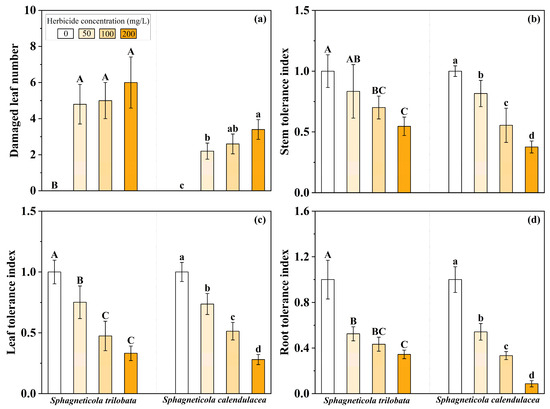
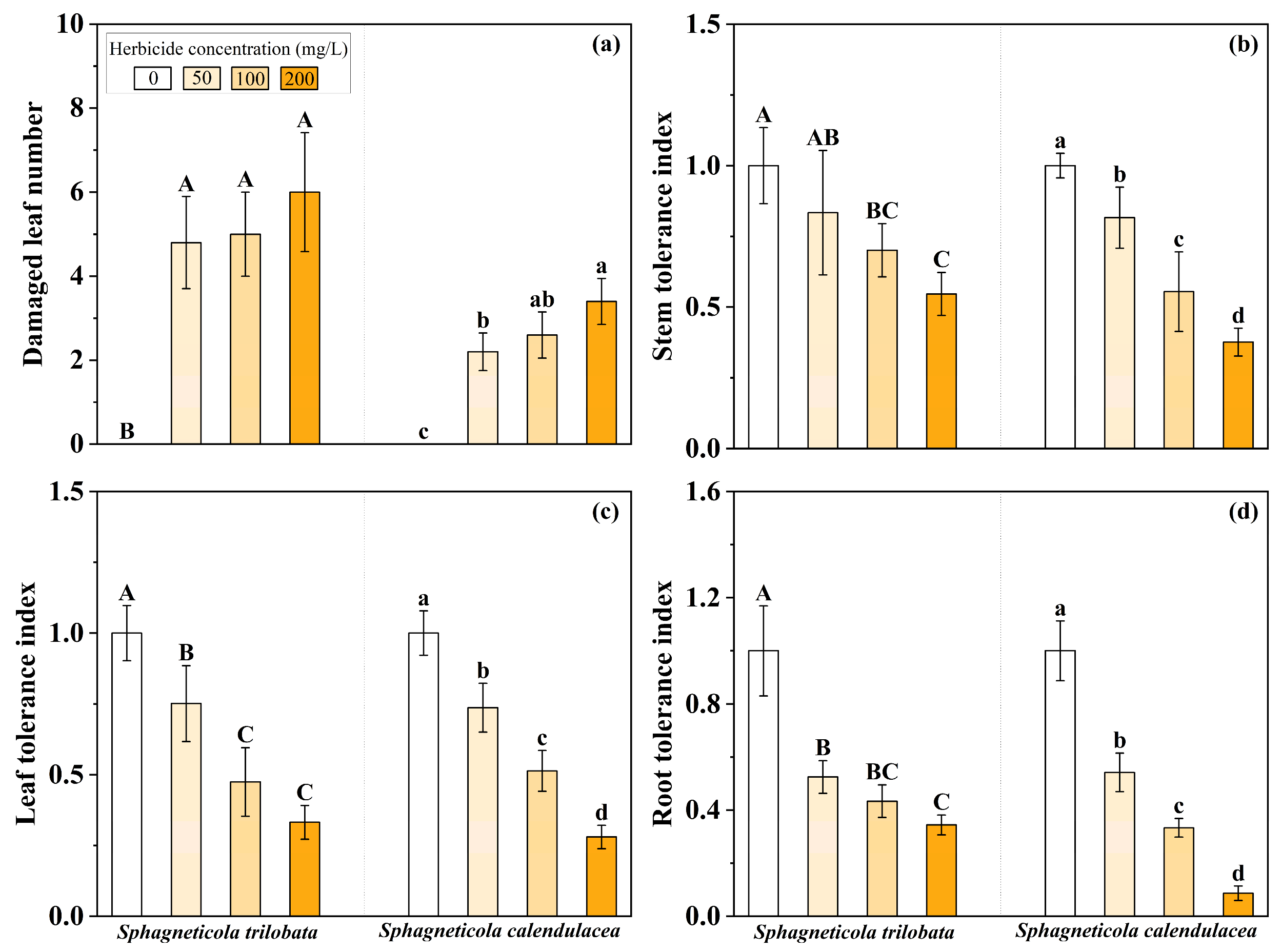
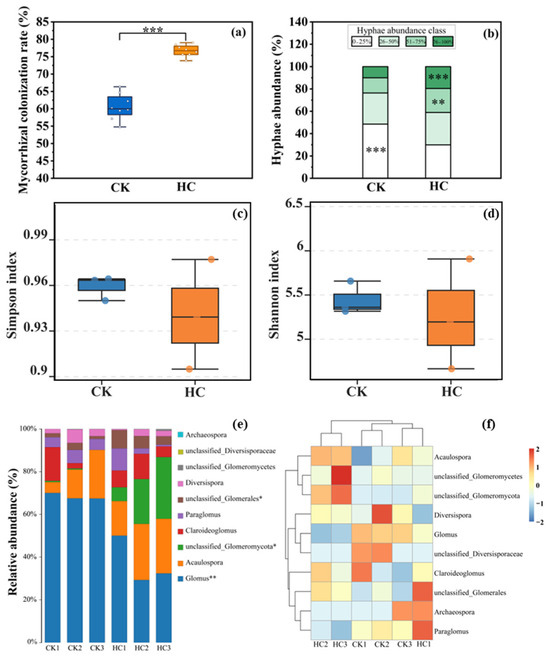
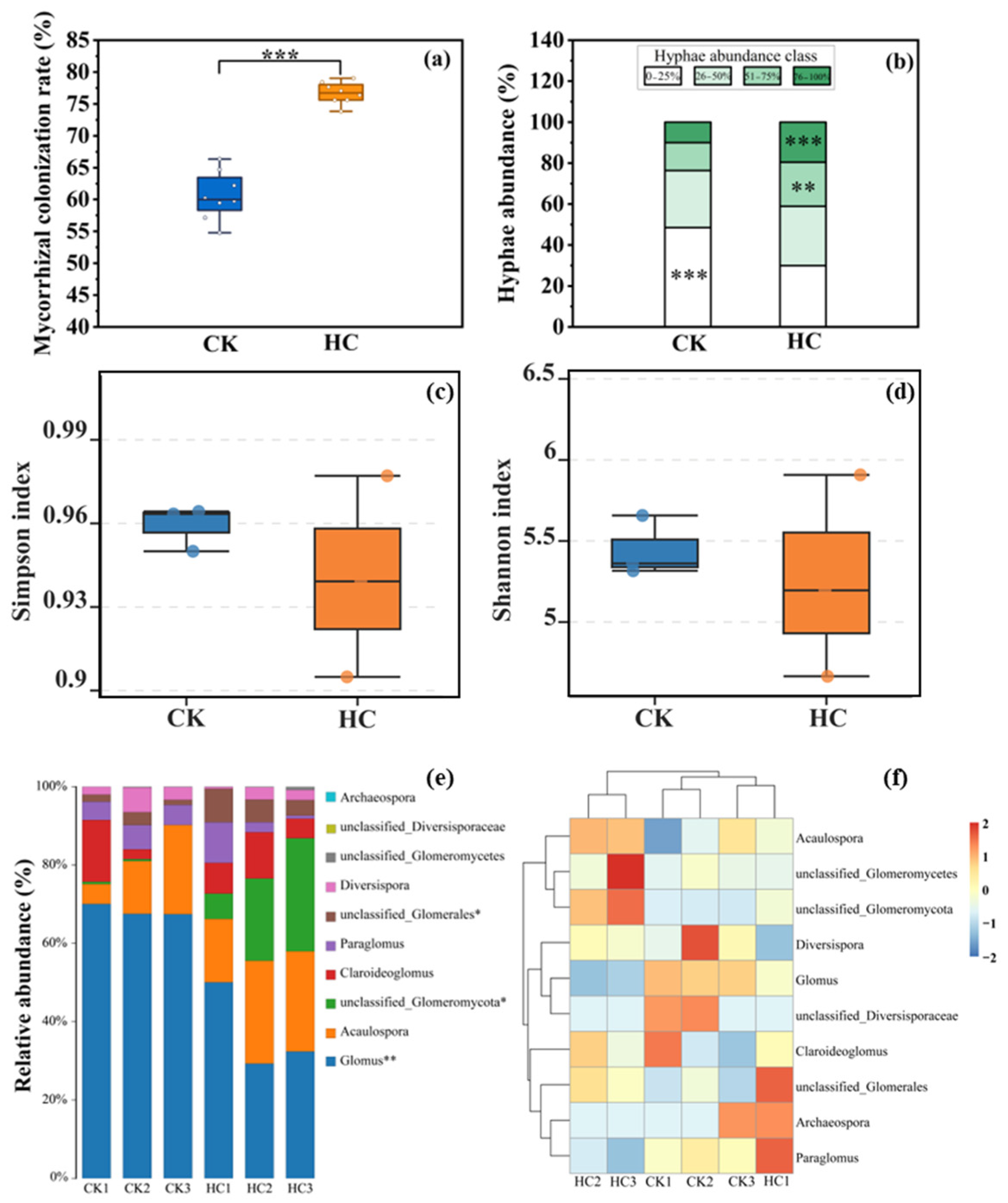
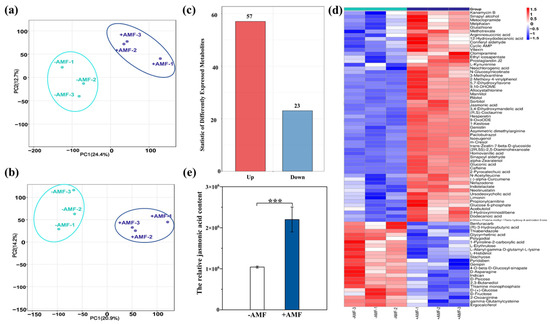
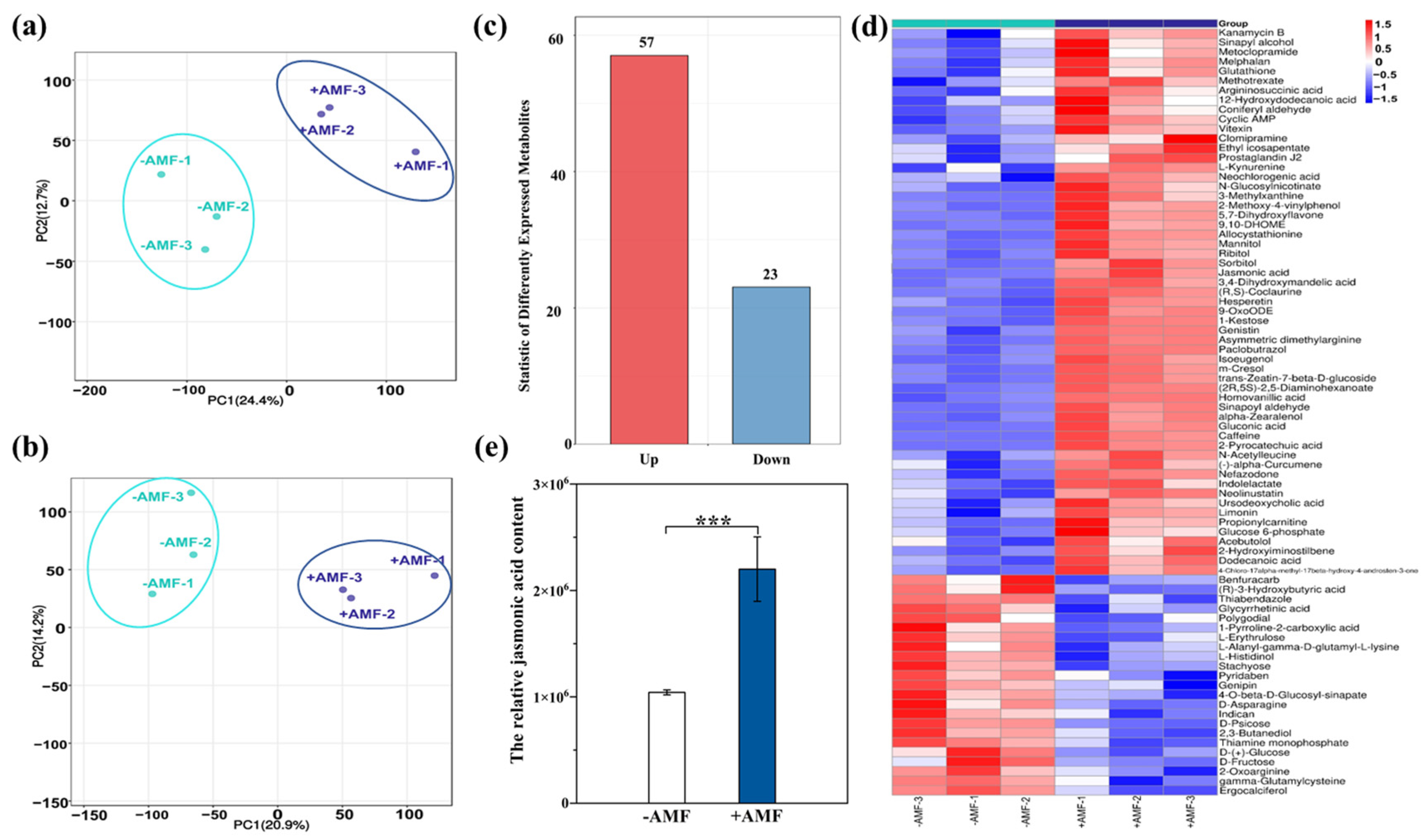
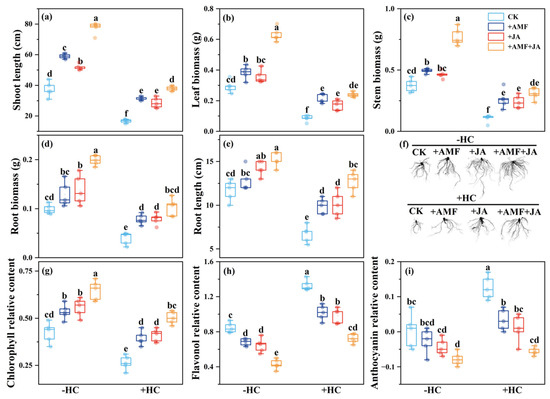
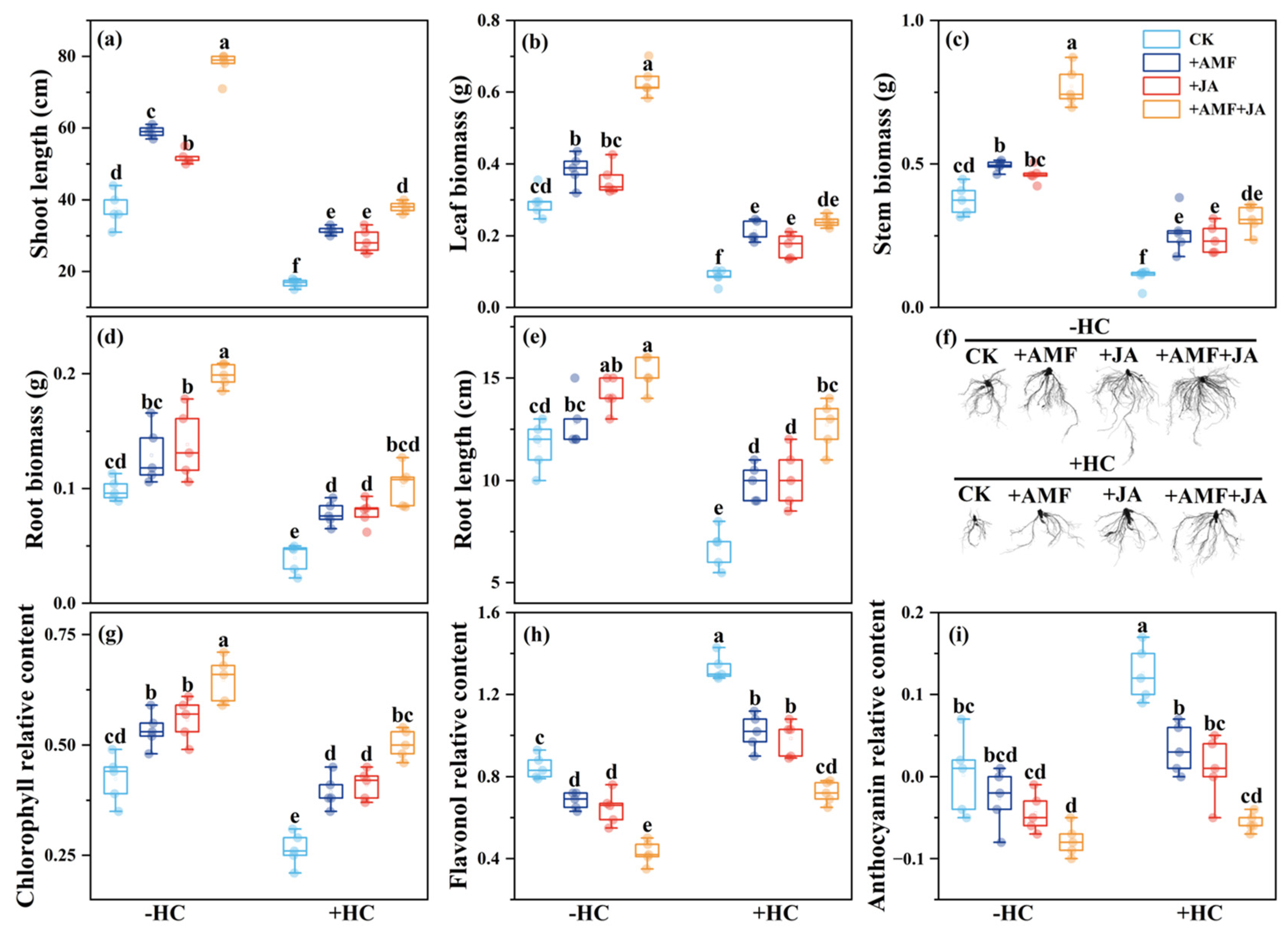
Disclaimer/Publisher’s Note: The statements, opinions and data contained in all publications are solely those of the individual author(s) and contributor(s) and not of MDPI and/or the editor(s). MDPI and/or the editor(s) disclaim responsibility for any injury to people or property resulting from any ideas, methods, instructions or products referred to in the content. |
© 2025 by the authors. Licensee MDPI, Basel, Switzerland. This article is an open access article distributed under the terms and conditions of the Creative Commons Attribution (CC BY) license (https://creativecommons.org/licenses/by/4.0/).