


Abstract
We investigated the effects of vancomycin, estradiol, ethanol, and their combinations on the growth of mono- and binary-species biofilms of Lactobacillus paracasei and Staphylococcus aureus. It was found that vancomycin at a subinhibitory concentration of 0.001 µg/mL, estradiol, and ethanol acted antagonistically in all cases. This effect was observed across all strains studied. Furthermore, the effects of the active compounds were evident at population, cellular and molecular levels, and were reflected in changes to the count of colony-forming units (CFUs), gene expression, and the physiological and biochemical characteristics of cells (e.g., lipid composition of membranes and the extracellular matrix). Therefore, at subinhibitory concentrations of vancomycin in the medium, estradiol can modulate the antibiotic’s effect on biofilms, thereby regulating deeply microbial communities.
1. Introduction
The human microbiota is tightly interconnected with the human organism through signalling and metabolic exchange [1]. Today, aspects of this interkingdom signalling and the regulatory pathways of the holobiont ‘human and microbiota’ [2] are studied within the framework of microbial endocrinology [3]. The human microbiota comprises thousands of species from all three domains of life, as well as a myriad of viruses [4], and predominantly exists in the form of biofilms [5]. Biofilms are highly complex microbial communities; even monospecies models pose challenges in medical, industrial and microbiological respects [6,7]. Hence, the regulatory processes within microbial biofilms require extensive investigation.
A prospective strategy for combating biofilm infections is to identify enhancers for existing drugs and antibiotics, thereby making them more effective against biofilms [8]. Those enhancers are compounds that lack direct antimicrobial activity, which reduces the likelihood of microorganisms developing resistance. Such compounds may be produced naturally by the host and include humoral factors, such as hormones and neurotransmitters. Additionally, these regulatory compounds can modulate the microbiota, shifting the balance toward commensal microbes and enhancing their protective properties. At the beginning of 21st century, several studies demonstrated the impact of certain hormones on bacteria’s susceptibility to antibiotics [9,10]. In recent years, additional data has emerged [11,12].
The effects of hormones on microorganisms are well-known. For example, catecholamines such as norepinephrine and epinephrine significantly stimulate the growth of various bacteria, and mechanisms of hormone action have been proposed for some members of the Enterobacteriaceae family [13]. Natriuretic peptides regulate the metabolism and molecular state of multispecies biofilms of Cutibacterium acnes and Staphylococcus aureus or Staphylococcus epidermidis [14,15]. A recent review provides a comprehensive overview of hormones as microbial effectors [16]. Steroids, particularly estradiol, have also been a focus of recent research. Estradiol has been shown to affect Lactobacillus crispatus [17,18], Pseudomonas aeruginosa [19], and various soil microorganisms [20]. For example, estradiol and other steroid hormones can modulate quorum-sensing systems in P. aeruginosa [21,22]. The growth and virulence of Prevotella aurantica, a pathogen isolated from the human oral cavity, are stimulated by estradiol via the dipeptidyl peptidase IV pathway [23]. Additionally, estradiol alters the virulence of uropathogenic E. coli [24]. There are advances in the understanding of the effects of steroids on bacteria, microbial steroid metabolism and steroid-induced alterations in microbiota structure [25]. However, while estradiol’s influence on Gram-negative pathogens is relatively well documented, its role in Gram-positive biofilms and antibiotic modulation, and the mechanisms of estradiol action on microorganisms and their variability remain poorly understood. For example, the mechanism by which estradiol shifts S. aureus adherence to epithelial cells via the estrogen receptor α-associated signaling pathway in eukaryotic cells is now knowns [26]. However, the processes occurring in bacterial cells of different microbial species are not well understood. Therefore, it is crucial to investigate how human steroid hormones influence other members of the microbiota within biofilms, and how they modulate the efficacy of antibiotics. We started from 17β-estradiol, a hormone frequently used in pharmacology as a component of hormonal therapies, contraceptive etc.
Lactobacillus species are typically the dominant constituents in the human vaginal microbiota and help maintain a healthy microenvironment by lowering pH, producing bacteriocins, and generating hydrogen peroxide (H2O2) [27]. Specifically, Lactobacillus paracasei [28] and Lactobacillus gasseri [29] are components of healthy vaginal microbiota. However, S. aureus can colonize the vaginal mucosa and cause disorders such as aerobic vaginitis. The frequency of S. aureus vaginal colonization can be high, reaching up to 40% in certain groups [30]. Due to the extreme toughness of some S. aureus strains, such as MRSA (methicillin-resistant S. aureus), specific drugs are needed to treeat MRSA and S. aureus in general. Vancomycin is one such antibiotic used to treat S. aureus-associated vaginosis [31]. Since these bacteria colonize the vaginal mucosa and are exposed to estradiol and vancomycin, it is important to investigate the potential combined effects. Due to the strong antibacterial properties of ethanol, which is produced by various vaginal microorganisms [32] and used as an estradiol solvent, it is important to also check the combined effect of ethanol and vancomycin as an additional control. The aim of this study is therefore to examine how estradiol modulates vancomycin activity against mono- and dual-species biofilms of S. aureus and L. paracasei, including L. gasseri as an additional microbial marker. We hypothesize that estradiol actually is able to modify efficacy of vancomycin and biofilm development in mono- and dual-species systems of L. paracasei and S. aureus.
2. Materials and Methods
2.1. Strains and Storage
Staphylococcus aureus 209P (ATCC 6538P) is a commonly used strain for investigating the effects of antibiotics and is maintained in many microbial collections, including the VKM collection (Pushchino, Russia). Lactobacillus paracasei AK508 was obtained from the Lomonosov Moscow State University collection (Moscow, Russia). The AK508 strain was originally isolated from kvass wort. L. paracasei 27W was obtained from the Russian Collection of Industrial Microorganisms (NRC “Kurchatov Institute”, Moscow, Russia). Lactobacillus gasseri ATCC 33323, a type of strain that was isolated from vaginal mucus, was obtained from the Korean Collection for Type Cultures (KCTC, Jeongeup, South Korea). All strains were stored in liquid nitrogen at −196 °C.
2.2. Active Compounds
Vancomycin (FarmConcept, Redkino, Russia) was supplied as a sterile lyophilized powder. It was dissolved in 10 mL of sterile Milli-Q water and stored at −20 °C for up to 21 days. For the experiments, serial dilutions were prepared in a sterile medium to achieve the following test concentrations: 0.001, 0.01, 0.05, 0.1, 0.5, 1, 2, 4, 6, 8, 10, 20, 30, 40, 100, and 500 µg/mL.
β-Estradiol (Merck, Darmstadt, Germany) was dissolved in ethanol (Donskoy Distillery, Yepifan, Russia) to achieve a final stock concentration of 100 mg/mL, then stored at −20 °C. Also, estradiol stock solutions were kept in the dark to prevent potential light-mediated degradation. For the experiments, estradiol stock solutions in ethanol were prepared and added to a liquid or 1.5% agar medium at volumes yielding a baseline concentration of 2.2 × 10⁻¹⁰ M in the medium, as previously described [33]. This concentration corresponds to the normal physiological level in the blood plasma of midluteal-phase women [34]. Blood plasma concentration is a more stable parameter because the concentration of estradiol in vaginal mucus is highly variable. It depends not only on the phase of the menstrual cycle, but also on vaginal health and the use of hormonal drugs. eSince ethanol, the solvent for estradiol, can affect bacterial cells, equivalent volumes of ethanol were added to the corresponding control media. The final ethanol concentration in the medium was 0.06‰.
2.3. Bacterial Cultures
Staphylococcus aureus 209P, stored in liquid nitrogen, was streaked into tubes containing 5 mL of semi-solid lysogeny broth (LB, Dia-M, Moscow, Russia), supplemented with 0.5% agar (Dia-M, Moscow, Russia). Tubes The tubes were incubated and then stored as described previously [15,33]. Liquid cultures of S. aureus 209P were obtained and adjusted as described previously [15]. 24 h cultures were obtained, and their OD540 was adjusted as described previously [15]. Cultures of Lactobacillus paracasei AK508 were prepared as described previously [33].
Lactobacillus gasseri ATCC 33323 was cultivated similarly to L. paracasei AK508, except for preculture on modified de Man–Rogosa–Sharpe (MRS) medium with the following composition (g/L): peptone (Dia-M) 20; glucose (Dia-M) 20; yeast extract (Dia-M) 5; sodium acetate (Reachem) 5; ammonium chloride (Reachem) 2; sodium citrate (Reachem) 2; potassium diphosphate (Reachem) 2; Tween 80 (Dia-M) 1; magnesium sulfate (Reachem) 0.1; manganese sulfate (Reachem) 0.05; pH 7.0. Liquid MRS cultures were obtained after 72 h of incubation at 37 °C.
2.4. Cultivation of Monospecies and Dual-Species Biofilms
2.4.1. Monospecies Biofilms on Polytetrafluoroethylene Cubes
Biofilms were grown anaerobically on polytetrafluoroethylene (PTFE) cubes for 72 h at 33 °C with shaking at 150 rpm as described previously [33]. As previously described, ethanol-only controls matched the estradiol solvent volume. An additional control was tested: a vancomycin plus ethanol combination. For the ethanol and vancomycin samples, tubes with no additions served as controls. For estradiol and vancomycin plus ethanol samples, ethanol-treated bacteria served as controls. For vancomycin plus estradiol samples, the vancomycin plus ethanol samples served as controls.
Biofilm fixation, CV-staining and OD590 of CV extracts in ethanol were measured as described previously [33].
Based on these results, a vancomycin concentration of 0.001 µg/mL, which produced a moderate and statistically significant effect on biofilms of at least one type of biofilm, was selected for subsequent experiments.
2.4.2. Monospecies and Dual-Species Biofilms on Glass Fiber Filters
For counting colony-forming units (CFUs), analyzing metabolic activity, and extracting RNA, biofilms were obtained on the surface of GF/F glass microfiber filters (Whatman, Maidstone, UK). Bacterial cultures were prepared as previously described [15,33]. Two inoculation schemes were used. First, the suspensions were adjusted to an OD540 of 1 with PS, and then they were mixed in equal volumes to obtain dual-species cultures, as previously described [33,35]. Monospecies cultures for this scheme were prepared by diluting an OD 1 suspension 1:1 with saline. Second, since lactobacilli markedly inhibited staphylococci, an additional series used different initial ODs: S. aureus was adjusted to an OD540 of 2 and L. paracasei was adjusted to an OD540 of 0.5. Dual-species cultures were obtained by mixing these suspensions in equal volumes.
Biofilms were formed on 1.5% RCM agar supplemented with active compounds (2.2 × 10⁻¹⁰ M estradiol, 0.06% ethanol, and 0.001 µg/mL vancomycin) or their combinations. The compounds were added to sterile glass vials, followed by 20 mL of melted RCM agar cooled to 50 °C. The mixture was then poured into Petri dishes. Sterile Whatman GF/F glass fiber filters (20 × 20 mm; nominal pore diameter 200 nm) were placed on the solidified medium. Ten microliters of the prepared mono- or dual-species culture were applied to the center of each filter; and each condition was duplicated on two filters. The biofilms were then incubated anaerobically for 72 h at 33 °C.
2.4.3. Monospecies and Dual-Species Biofilms in 24-Well Glass-Bottom Plates
For confocal microscopy, biofilms were grown in 24-well flat-bottom glass plates (Eppendorf, Hamburg, Germany) for 72 h at 33 °C. The inocula were prepared as described in Section 2.4.2. L. paracasei was adjusted to an OD540 of 0.5 and S. aureus to an OD540 of 2. Dual-species communities were obtained by mixing the monospecies suspensions in equal volumes. Then, one milliliter of liquid RCM, with or without active compounds at the indicated concentrations, and 17 µL of the prepared cell suspension were added to each well. The plates were then incubated anaerobically for 72 h using a GasPak bags (BD, Franklin Lakes, NJ, USA) supplemented with Anaerogaz sashets (NIKI-MLT, Saint Petersburg, Russia). Anaerogas sachets provide 14–16% of CO2, 4–6% of H2 and <0.1% of O2. After incubation, the supernatant was removed, and the biofilms were washed once with sterile PS. The PS was discarded and plates were air-dried at RT. The biofilms were fixed with 1 mL of 96% ethanol for 20 min at RT. The ethanol was then discarded, and plates were dried at RT. The fixed samples were stained by fluorescent in situ hybridization (FISH).
2.4.4. Biofilms in 96-Well Polystyrene Microtiter Plates
To evaluate the impact of estradiol on bacteria when absorbed onto a carrier surface, biofilms were cultivated in 96-well microtiter plates. The 96-well polystyrene plates (Wuxi Nest Biotechnology, Wuxi, China) were chosen for high-throughput adhesion test because their surface properties are similar to those of the PTFE. Estradiol was diluted to 2.2 × 10⁻¹⁰ M in three solvents: sterile physiological saline (PS), ethanol, or sterile RCM. For the wells that were to receive estradiol, 200 µL of the estradiol solution in one of the solvents was added. Control wells received 200 µL of the corresponding solvent without estradiol. The plates were sealed with Parafilm (Amcor, Zurich, Switzerland) and incubated overnight at 33 °C for estradiol adsorption. The liquids were then removed, and the wells were washed once with sterile PS. Then, 200 µL of liquid RCM with or without test additions (excluding estradiol) was added to each well.
Next, 3.3 µL of the prepared bacterial suspension was inoculated per well. Monospecies suspensions were adjusted to an OD540 of 0.5. The dual-species suspension was a 1:1 mixture of suspensions each with an OD540 of 1. The plates were then incubated anaerobically for 72 h using the GasPak-Anaerogaz system as previously described, and processed using the standard crystal violet protocol [36].
To compare with surface-adsorbed estradiol, we evaluated the standard mode of estradiol addition to the medium. In microtiter plates, 200 µL per well of RCM without additions or with 0.06% ethanol, 2.2 × 10⁻¹⁰ M estradiol, 0.001 µg/mL vancomycin, or their combinations was dispensed. Then 3.3 µL of bacterial suspension was added. Plates were incubated anaerobically and aerobically for 72 h at 33 °C. Planktonic and biofilm measurements were carried out as above. To assess generality, we also examined L. gasseri ATCC 33323 monospecies biofilms and L. gasseri–S. aureus dual-species biofilms.
2.4.5. Biofilms on Cellulose Filters
Because of the ability of estradiol to affect cell membranes [19], we analyzed the lipid composition of cells and biofilm matrix of L. paracasei. For that, biofilms were obtained on the surface of cellulose filters. Two strains were studied: the kvass-derived AK508 and the gut-derived 27 W. Biofilms were grown as described previously [37] with modifications. Briefly, lactobacilli were grown on 1.5% MRS agar (for higher biomass yield) in the presence of ethanol, 2.2 × 10⁻¹⁰ M estradiol, 2.2 × 10⁻⁸ M estradiol, or without additions. The higher estradiol concentration was included based on prior observations [33]. A sterile cellulose filter (Ozon, Russia) was placed on the agar surface, and 500 µL of culture adjusted to OD540 = 0.5 was spread onto the filter. Biofilms were incubated anaerobically for 72 h at 33 °C.
2.5. Staining of Biofilms with Crystal Violet
2.5.1. Biofilms on the PTFE Cubes
After incubation, OD540 of planktonic cultures was measured in 1 cm pathlength cuvettes using the corresponding blank. The remaining cell suspension was removed, cubes were rinsed twice with tap water, and biofilms were fixed by adding 3 mL of 96% ethanol per tube for 15 min at RT. Ethanol was removed, and 3 mL of 0.1% crystal violet (CV, Merck, Darmstadt, Germany) solution was added per tube for 20 min at RT. Tubes were rinsed six times with tap water until the wash was colorless. Cubes were blotted with a paper towel, transferred to clean tubes, and 3 mL of ethanol was added to extract the dye. Tubes were capped and stored at RT for 24 h. OD590 of CV extracts was then measured in 0.5 cm pathlength cuvettes using the appropriate blank.
2.5.2. Biofilms in 96-Well Microtiter Plates
Briefly, planktonic culture was transferred to a new plate for OD540 measurement. Wells were washed once with sterile PS, blotted, air-dried, and fixed with 200 µL ethanol per well for 20 min at room temperature. Ethanol was removed, plates were blotted and air-dried, then stained with 0.1% crystal violet (200 µL per well) for 20 min at room temperature. Stain was removed, wells were washed six times with tap water, and air-dried. Ethanol (200 µL per well) was added to extract the bound dye for at least 2 h at room temperature. OD590 of the extracts was then measured.
All measurements were performed using an XMark microplate spectrophotometer (Bio-Rad Laboratories, Hercules, CA, USA). Controls matched those in Section 2.5.
2.6. Counting of Colony-Forming Units in Biofilms on the Glass Fiber Filters
After incubation, a filter with biofilms was dispersed in sterile PS in glass tubes, as described previously [33]. The resulting suspension was serially diluted tenfold in PS and plated on RCM agar to count colony-forming units (CFU). To enumerate L. paracasei CFU in dual-species communities, vancomycin (4 µg/mL) was added to RCM to selectively inhibit S. aureus. Colonies were counted after 72 h of incubation.
2.7. Assessment of Metabolic Activity in Biofilms on the Glass Fiber Filters
After incubation, filters with biofilms were transferred to a 6-well culture plate. Three milliliters of 0.1% MTT (4,5-dimethylthiazol-2-yl-2,5-diphenyltetrazolium bromide) in sterile LB was added per well, and biofilms were incubated for 30 min at RT. Filters were washed with distilled water to remove residual dye, and the insoluble formazan was extracted in 3 mL of dimethyl sulfoxide (DMSO, Ekos-1, Moscow, Russia) for at least 24 h. Metabolic activity was assessed by measuring OD540 of the formazan extracts, as described previously [33].
2.8. Fluorescent in Situ Hybridization
Fluorescent in situ hybridization (FISH) was performed as described previously [15,33,38]. Target-specific probes and fluorophores are listed in Table 1. Probes and fluorophores were obtained from Syntol (Moscow, Russia). The absence of false-positive reactions of probes was validated as described previously [15] and in references [39,40].
Table 1.
FISH probes used in this study.
Fixed biofilms in wells were pretreated for 15 min with lysozyme (1 mg/mL; Merck, Darmstadt, Germany) in 10 mM Tris-HCl buffer, pH 8.0, followed by lysostaphin (10 µg/mL; Merck) in 10 mM Tris-HCl, pH 8.0, for 5 min. To increase cell membrane permeability, biofilms were sequentially treated at room temperature with ethanol in phosphate buffer (pH 7.4) at 50%, 80%, and 96% for 3 min each. After the final 96% ethanol step, plates were air-dried and hybridization was performed.
For S. aureus, 200 µL of hybridization buffer was added per well (0.9 M NaCl, 20 mM Tris-HCl, 0.01% SDS, 20% formamide, pH 8.0). All buffer components were from Merck (Darmstadt, Germany) except NaCl (Dia-M, Moscow, Russia). The buffer contained 10 pmol of the S. aureus probe. Plates were incubated for 90 min at 46 °C in a humid chamber. The hybridization buffer was then removed and 200 µL of wash buffer (225 mM NaCl, 20 mM Tris-HCl, 0.01% SDS) was added per well for 15 min at 48 °C.
For L. paracasei, 200 µL of hybridization buffer was added per well (20% formamide, 0.9 M NaCl, 20 mM Tris-HCl, 0.02% SDS) containing 10 pmol of the Lactobacillus probe. Hybridization was carried out in a humid chamber at 48 °C for 60 min. The buffer was discarded and 200 µL of wash buffer (0.9 M NaCl, 20 mM Tris-HCl) was added per well, followed by incubation in a humid chamber at 50 °C for 15 min.
After washing and air-drying, a drop of ProLong Gold Antifade Mountant with DAPI (Thermo Fisher Scientific, Waltham, MA, USA) was added to each well. Plates were wrapped in aluminum foil and stored at 4 °C for at least 24 h.
2.9. Confocal Microscopy of Biofilms
Confocal laser scanning microscopy was used to analyze biofilm architecture and the effects of active compounds on species interactions in dual-species biofilms of L. paracasei and S. aureus. Monospecies biofilms were analyzed in parallel.
Biofilms stained with FISH probes were imaged on an Olympus (Olympus, Hachioji, Tokyo, Japan) IX83P2ZF confocal microscope with a UPlanSApo (Olympus, Hachioji, Tokyo, Japan) 60×/1.42 oil immersion objective. Diode lasers at 481 and 561 nm were used for fluorescein amidite (FAM) and rhodamine 6G (R6G), respectively. Final image resolution was 512 × 515 pixels. For dual-species biofilms, half of the samples were labeled with a probe specific for S. aureus and the other half with a probe specific for L. paracasei (see below). Laser power was set to 10% of maximum.
Three-dimensional imaging and blinded analysis were performed as described previously [33] with a z-step of 0.36 µm. OIB files were processed in ImageJ 1.48v Java 1.6.0_20 (NIH, Bethesda, MD, USA) using the Bio-Formats importer and the Comstat2 plugin (Version 2.1.1 July 2015, University of Copenhagen, Copenhagen, Denmark). Data were converted to uncompressed OME-TIFF and saved as single files. For each OME-TIFF, the “biomass” parameter was calculated in Comstat2 (Version 2.1.1) with an individual threshold of 1 and no volume filtering. At least five representative fields of view per sample were selected for analysis and used to construct three-dimensional images.
2.10. Antibacterial Activity Assay of S. aureus 209P and L. paracasei AK508
The, standard agar block method was applied as previously described [41]. The following test cultures were selected: Staphylococcus epidermidis ATCC 14990, Micrococcus luteus C01, M. luteus HB, Pseudomonas. chlororaphis 449, Kytococcus schroeteri H01, Escherichia coli K12, Candida spp.
Briefly, 30 mL of agar RCM with or without active compounds was added to a Petri dish. Then, and 100 µL of the L. paracasei culture (OD540 = 1) was plated with a spatula for lawn growth. The plates were then incubated anaerobically for 72 h at 33.5 °C. After, a total of 100 µL of night cultures of test bacteria in LB medium with an OD540 of 0.1 were inoculated into 20 mL of cooled RCM agar. The resulting mixture was plated onto Petri dishes for deep-plate growth. Then, 10 mm diameter agar blocks with a 72 h L. paracasei lawn were cut and placed on the agar surface with the test bacteria. The plates were then incubated for 24 h at 33.5 °C. Finally, the inhibition zone diameters were measured.
2.11. Isolation of L. paracasei Biofilm Matrix
The isolation of biofilm matrix was performed as described previously [37,42] with modifications (reducing of sonication time to 1 min). For more details, See the Supplementary Data S1.
2.12. Isolation and Analysis of L. paracasei Lipids
A sample of freeze-dried biomass was homogenized in isopropanol (Rushim, Russia) and incubated at 70 °C for 30 min [43]. After decanting the supernatant, the pellet was extracted twice at 70 °C with an isopropanol–chloroform mixture (1:1), and once with a 1:2 mixture. The total final extract was then evaporated using a rotary evaporator. The residue was dissolved in 9 mL of a 1:1 chloroform–methanol (Rushim, Russia) mixture with the addition of 12 mL of a 2.5% NaCl solution to remove water-soluble compounds. After phase separation, the chloroform layer was dried by passing through water-free sodium sulfate. Then, it was evaporated, and desiccated with a vacuum pump. The residue was dissolved in a chloroform–methanol mixture (2:1) and stored at −21 °C.
To extract lipids from the matrix, 20 mL of matrix suspension was mixed with 20 mL of the chloroform–methanol mixture (2:1). The mixture was vortexed for 30 s and left at room temperature for 30 min for phase separation. After the aqueous phase was extracted twice with 10 mL of chloroform under the same conditions, the lower chloroform phase was isolated. Then, 50 mL of 2.5% NaCl was added to the total extract. The mixture was kept overnight at 4 °C for to remove water-soluble compounds and allow for phase separation. Then, the chloroform layer was dried by passing through water-free sodium sulfate, evaporated, and desiccated with a vacuum pump. The residue was dissolved in the chloroform–methanol mixture (2:1) and stored at −21 °C.
Polar and neutral lipid analysis was performed as previously described [44,45,46]. For more details, please refer to Supplementary Data S2. Quantitative analysis was carried out using densitometry with Dens software, version 5.1.0.2 (Lenchrom, Saint Petersburg, Russia), in the linear approximation mode.
2.13. qPCR for Differential Expression of S. aureus Resistance Genes in Biofilms
To investigate changes in expression of antibiotic resistance genes, quantitative polymerase chain reaction (qPCR) was performed. Previous studies have shown that hormones, antibiotics, and their combinations can alter the expression of a wide range of resistance genes [12,47]. Thus, we analyzed not only glycopeptide resistance genes but also genes conferring resistance to other antibiotic classes. We used the The Comprehensive Antibiotic Resistance Database [48] to identify resistance genes in S. aureus 209P, a more dangerous bacterium. The genes found in the strain are described in Supplementary Data S3.
Total RNA was extracted from three independent experiments as described above. First-strand cDNA was synthesized using Moloney murine leukemia virus reverse transcriptase (Evrogen, Moscow, Russia) according to the manufacturer’s protocol. Specific primers (see Supplementary Data S3, Table S1) were designed using the built-in Primer3 module for qPCR in Unipro UGENE v38.1 [49]. The primers were checked in silico [50]. To select optimal primer pairs, a single-hybridization test was performed with S. aureus total DNA prior to qPCR. No PCR products were detected for L. paracasei DNA, indicating no false positive results. The primers sequences are presented in the Supplementary Material, Table S1. Total DNA was extracted from 24-h suspension cultures using the HiPure Bacterial DNA Kit (Magen, Guangzhou, China). To improve cell wall disruption, the pellets were frozen in liquid nitrogen and milled with glass as described for RNA extraction.
RNA isolation followed Ovcharova et al. with minor changes [38]. For detailed information please see the Supplementary Data S3.
qPCR was performed using PB PCR buffer (Syntol, Moscow, Russia) with SYBR Green I and ROX passive reference dye (Syntol) for signal normalization. In each experiment, each sample was run in duplicate, and ddH2O (Syntol) served as the negative control. Amplification was carried out using the following program on a CFX96 Touch real-time PCR detection system (Bio-Rad, Hercules, CA, USA): polymerase activation 5 min at 95 °C, followed by 40 cycles of 15 s at 95 °C, 20 s at 55 °C, and 40 s at 62 °C. Differential expression was calculated relative to the untreated control. Target gene Ct means were normalized to the S. aureus 16S rRNA reference (accession NR_118997.2). Relative quantities were computed using the 2−ΔΔCt method. The data were analyzed using CFX Manager v1.6.
2.14. Statistics
All experiments were performed at least three times independently with two or three technical replicates in each biological replicate. The data were analyzed using GraphPad Prism 8.3.0 (GraphPad Software, Boston, MA, USA). Results are presented as bar graphs with means and standard error of the mean or standard deviation, as indicated. The nonparametric Mann–Whitney U-test was used to assess statistical significance between groups in microbiological experiments. A Student’s t-test was used to assess statistical significance in gene expression experiments. Both tests were included in GraphPad Software (version 8.3.0 (538)).
3. Results
3.1. Screening of Vancomycin Effects on Monospecies Planktonic Cultures and Biofilms on PTFE Cubes
As expected, the biofilms of both bacteria were more resistant to vancomycin than planktonic cells. L. paracasei AK508 exhibited resistance: in planktonic culture, only 22% inhibition was observed at a concentration of 500 µg/mL of vancomycin in RCM. Meanwhile, slight but statistically significant inhibition of planktonic lactobacilli by 10–14% was observed at several concentrations without a linear trend (Figure 1A). Biofilms of L. paracasei AK508 were slightly stimulated by vancomycin; however 0.01 µg/mL of the antibiotic produced 31% inhibition (Figure 1C). Thus, vancomycin’s effect on lactobacilli was nonlinear, and planktonic growth inhibition appears to result from potential switching between planktonic and biofilm growth modes in this system.
Figure 1.
The effect of vancomycin at different concentrations on monospecies planktonic cultures (A,B) and biofilms (C,D) of L. paracasei AK508 (A,C) and S. aureus 209P (B,D) is shown. Biofilms were grown on PTFE cubes and stained with CV. * p < 0.05; ** p < 0.01; *** p < 0.005; **** p < 0.001.
For S. aureus 209P, both planktonic cultures and biofilms were strongly inhibited by vancomycin at concentrations of 2 µg/mL and above. At lower concentrations, planktonic cultures were stimulated, reaching a maximum of 18% at 1 µg/mL, whereas biofilms showed no linear dependence similarly to planktonic cultures. Notably, at 0.001 µg/mL, there was a significant 17% decrease in OD of CV extracts. This concentration is much lower than that used in clinical practice [51]; due to this interesting phenomenon, we decided to use this ultralow concentration of vancomycin. Additionally, because S. aureus is an opportunistic pathogen of higher clinical concern, we chose a vancomycin concentration effective against it. Therefore, we selected 0.001 µg/mL for subsequent experiments.
3.2. Estradiol Alters Vancomycin Effects on L. paracasei AK508 and S. aureus 209P in the PTFE-Cube System
We tested the combination of 0.001 µg/mL vancomycin and 2.2 × 10⁻¹⁰ M estradiol under anaerobic conditions. Estradiol enhanced the inhibition of L. paracasei biofilms by vancomycin (Figure 2E): biofilm biomass decreased by 21% relative to the ‘vancomycin plus ethanol’ control. Planktonic growth of lactobacilli was unaffected by any compound or combination.
Figure 2.
The effects of active compounds in monospecies biofilms of L. paracasei AK508 (A,C,E) and S. aureus 209P (B,D,F) grown on PTFE cubes and stained with CV. (A,B)—the effects of ethanol and vancomycin in comparison with controls without additions; (C,D)—the effects of estradiol and the combination of vancomycin and ethanol in comparison with ethanol-treated samples; (E,F)—the effect of the combination of vancomycin and estradiol in comparison with samples treated with the combination of ethanol and vancomycin * p < 0.05.
Ethanol reduced planktonic growth of S. aureus by 11% and did not affect biofilms (Figure 2B). The combination of vancomycin and ethanol neutralized the antibiotic’s inhibitory effect on biofilms (Figure 2D). The addition of estradiol to vancomycin stimulated S. aureus biofilms by 13% (Figure 2F). Thus, in this system estradiol and ethanol acted additively to counteract the inhibitory effect of the antibiotic- and switch the response to stimulation. No analogous effects were observed in planktonic cultures, indicating higher susceptibility in the biofilm state.
3.3. Estradiol Modulates Vancomycin Responses in S. aureus 209P and L. paracasei AK508 Biofilms on Glass Fiber Filters
We used two inoculum levels for S. aureus 209P to quantify CFU and metabolic activity. For series 1, the suspensions were adjusted to an OD540 of 0.5, and for series 2, the suspensions were adjusted toto an OD540 of 2.0. L. paracasei was kept at an OD540 of 0.5 in both series. When inocula were of a standard OD540 of 0.5, dual-species biofilms contained a low number of S. aureus cells (only up to 1.2 × 10⁶ CFU per biofilm; see Figure 3A). Therefore, we increased the S. aureus inoculum to improve survival in the presence of lactobacilli. The effects of the treatments were more pronounced at a higher S. aureus OD (Figure 3B), especially in dual-species communities. This is a logical consequence of the shortage of S. aureus biomass that occurred during the plating of lower OD cultures. Lactobacilli suppressed S. aureus and no pronounced impact was detected. However, when plated in a higher amount, staphylococci were more resilient to the negative effects of L. paracasei and formed a more pronounced dual-species community.
Figure 3.
Effects of estradiol and vancomycin on CFU counts (A,B) and OD540 of formazan extracts (C,D) for S. aureus 209P and L. paracasei AK508. * p < 0.05; ** p < 0.01.
Ethanol did not significantly affect the number of CFUs in either monospecies or dual-species biofilms. Vancomycin decreased the number of CFU in dual-species biofilms but slightly increased it in monospecies S. aureus biofilms. These effects were not statistically significant. However, ethanol enhanced the inhibitory action of vancomycin in dual-species biofilms. The number of S. aureus CFUs decreased from 3.9 × 10⁹ per biofilm in ethanol-treated samples to 1.0 × 10⁹ in ‘ethanol plus vancomycin’ samples, and from 1.7 × 10⁹ in 0.001 µg/mL vancomycin samples to 1.0 × 10⁹ in ethanol plus vancomycin. The number of L. paracasei CFUs decreased from 5.4 × 10⁹ in ethanol-treated samples to 3.1 × 10⁹ in ‘ethanol plus vancomycin’ samples; the latter matched the CFUs in vancomycin-treated biofilms (Figure 3B). Importantly, estradiol reduced the inhibitory effect of ethanol and vancomycin combination. This increased the number of CFU for both species in dual-species biofilms to 4.6 × 10⁹ (S. aureus) and 5.7 × 10⁹ (L. paracasei) in estradiol plus vancomycin samples. Thus, estradiol can modulate vancomycin efficacy.
By contrast, the effects on biofilm metabolic activity were modest, particularly when comparing ethanol plus vancomycin with estradiol plus vancomycin (Figure 3C,D). These results suggest that ethanol, vancomycin, and estradiol may primarily influence matrix properties and cell aggregation, altering aggregate size and retention rather than per-cell metabolism.
In summary, Table 2 shows the effects of all active compounds assessed in the initial experiments. Two main conclusions can be drawn. First, estradiol acts as an antagonist to vancomycin. Second, changes were more frequently observed in dual-species biofilms. It is also important to note the absence of correlation between the results of CV staining and CFU counts. This suggests that active compounds may affect the toughness biofilm, resulting in more or less biomass on the PTFE cubes after rinsing procedures.
Table 2.
Summary of the results of CFU counting, MTT and CV staining of S. aureus and L. paracasei monospecies and dual-species biofilms. “N/E means” no effect; “N/A” means not applicable; red color and “In” means inhibition; green color and “St” means stimulation; light-orange color and “TIn” means tendency to inhibition; light-green color and “TSt” means tendency to stimulation. Light-colored cells or colorless cells mean no statistical significance of differences or no difference.
3.4. Confocal Microscopy of L. paracasei and S. aureus Biofilms
Confocal imaging of biofilms grown in glass-bottom microtiter plates revealed that estradiol significantly inhibited both species (see Figure 4 and Supplementary Figures S1–S4 for representative images). The inhibitory effect on L. paracasei is consistent with previous findings [33]. In monospecies biofilms, estradiol decreased the biomass density by 39% for L. paracasei and by 55% for S. aureus (Figure 4A). Ethanol slightly stimulated L. paracasei.
Figure 4.
The effects of estradiol and vancomycin on average biomass density in monospecies (A) and dual-species (B) biofilms of S. aureus 209P and L. paracasei AK508 measured by CLSM. * p < 0.05; ** p < 0.01; *** p < 0.005; **** p < 0.001.
In dual-species biofilms, L. paracasei became even more sensitive to estradiol, with biomass density decreased by 19.7% (Figure 4B). Unlike Micrococcus luteus [33], S. aureus did not stimulate Lactobacillus biofilm formation or reverse estradiol’s effect. Instead, the presence of S. aureus enhanced inhibition. The combined effect of estradiol and vancomycin on L. paracasei was similar to the effect of estradiol. The combination of ethanol and vancomycin did not produce additional or antagonistic effects. Responses on glass-bottom plates mirrored those on PTFE cubes for L. paracasei.
For S. aureus, the combined effects were stronger on glass than on PTFE. Ethanol reduced vancomycin inhibition. Vancomycin lowered biomass density by 78% of the control value, whereas vancomycin plus ethanol increased by 20% relative to vancomycin (Figure 4A). Adding estradiol to vancomycin decreased biomass by 59.4% relative to the combination of vancomycin and ethanol. On PTFE cubes, the same combination had a stimulatory effect, indicating that estradiol action depends on the carrier surface.
Three points were evident in dual-species biofilms. First, S. aureus grew less than in monospecies biofilms, which is consistent with antagonism from L. paracasei. Its biomass density decreased by 63%; (Figure 4B). Second, S. aureus became less sensitive to vancomycin, with no inhibition was detected. Third, the stimulatory effect of vancomycin plus ethanol was stronger than in monospecies biofilms. This made the difference between the combination of ethanol and vancomycin and the combination of estradiol and vancomycin more pronounced. In ’vancomycin plus ethanol’ samples the biomass density increased S. aureus by 28% in comparison with vancomycin-treated samples. Meanwhile, estradiol plus vancomycin decreased by 44%; Figure 4B. Estradiol was less inhibitory to S. aureus in dual-species than in monospecies biofilms.
Overall, CLSM revealed that the effects of estradiol depend on the surface material and on interspecies interactions in dual-species communities, which can alter sensitivity to active compounds. This may potentially be the result of different interactions between hydrophobic and hydrophilic molecules and surfaces. Hydrophilic glass seems to be a worse surface for the physicochemical adhesion of organic molecules, especially hydrophobic ones like estradiol or different components of the cell envelope. Hydrophilic glass also seems to be a worse surface for the formation of a conditioning layer—a layer of organics that covers the surface and accommodates cell adhesion. Estradiol seems to be a cell surface-interacting molecule, and surface nature may be important. As we will show below, estradiol’s interaction with the surface is indeed important for its impact on cells.
As was shown above, estradiol and ethanol can modulate vancomycin efficacy against L. paracasei and S. aureus.
3.5. Monospecies and Dual-Species Biofilms in 96-Well Microtiter Plates
3.5.1. The Effect of Estradiol Absorbed on the Surface of Wells
First, we studied how estradiol molecule adhesion to a carrier surface could influence bacterial growth. To accomplish this, we compared the effects of estradiol after standard inoculation under both aerobic and anaerobic conditions, as well as after pre-adhesion to a sterile medium overnight.
One notable finding was that planktonic cultures appeared to be more sensitive in this format (see Figure 5, Figure 6 and Figure 7). Several mechanisms could contribute to this phenomenon. First, some of the biomass may have been biofilm that detached during handling and was misread as planktonic optical density (OD). However, CV staining did not reveal proportional differences, suggesting that this is not the sole explanation. Second, compounds may interfere with the planktonic-to-biofilm transition rather than with proliferation. Third, changes in aggregation and matrix toughness could alter resistance to pipetting, resulting in different aggregate sizes and consequently, OD. The most likely explanation is a combination of these factors.
Figure 5.
The effect of estradiol on monospecies S. aureus planktonic cultures (A) and biofilms (B) in 96-well microtiter plates. The incubation and pre-adhesion of estradiol were in the RCM medium. * means p < 0.05; ** means p < 0.01.
Figure 6.
The effect of estradiol on monospecies L. paracaasei planktonic cultures (A) and biofilms (B) in 96-well microtiter plates. The incubation and pre-adhesion of estradiol were in the RCM medium. The incubation was in the RCM medium. ** means p < 0.01.
Figure 7.
The effect of estradiol on dual-species planktonic cultures (A) and biofilms (B) in 96-well microtiter plates. The incubation and pre-adhesion of estradiol were in the RCM medium. The incubation was in the RCM medium. * means p < 0.05; ** means p < 0.01.
First, we analyzed S. aureus 209P (Figure 5). Planktonic cultures in 96-well plates were much more susceptible to all the active compounds after standard inoculation, in contrast to the system with PTFE cubes (Figure 5A). Ethanol strongly stimulated the growth of planktonic cultures under aerobic conditions. In the absence of oxygen, however, the effect was minimal. The antibiotic tended to stimulate the growth of planktonic S. aureus, especially under anaerobic conditions. Interestingly, estradiol significantly reduced ethanol-mediated stimulation under aerobic conditions, yet it stimulated planktonic growth under anaerobic conditions. A combination of vancomycin and ethanol under aerobic conditions negated the stimulatory effects of both compounds. In contrast, a combination of vancomycin and estradiol stimulated growth under aerobic conditions. Under anaerobic conditions, estradiol and vancomycin had a strongly inhibitory effect.
Interestingly, no effects of the active compounds were found in the case of pre-adhered estradiol and S. aureus planktonic growth. Vancomycin tended to stimulate growth; however, the variability of the data does not allow us to consider this difference statistically significant. Nevertheless, significant effects were only observed in biofilms after the pre-adhesion of estradiol (Figure 5B). Estradiol slightly decreased biofilm growth; when combined with vancomycin, inhibition was more pronounced.
Thus, estradiol and vancomycin act as antagonists in S. aureus, as do ethanol and estradiol. This is consistent with previous results [33].
L. paracasei was less sensitive to the active compounds under standard conditions (see Figure 6). Estradiol tended to stimulate planktonic growth in an anaerobic atmosphere. However, when combined with vancomycin, estradiol reduced growth (Figure 6A). The pronounced effects of the active compounds were only observed after microplates were pre-incubated overnight with RCM. The effects of the active compounds on planktonic and biofilm growth were similar for L. paracasei. The effects on biofilms were consistent with previous data: ethanol stimulated biofilms, while estradiol inhibited them (Figure 6B). Planktonic cultures were affected in the opposite way. The combination of vancomycin and ethanol stimulated planktonic growth, while estradiol reduced this effect (Figure 6A). However, biofilms were not susceptible to these combinations (Figure 6B).
Thus, estradiol and ethanol acted antagonistically with respect to both L. paracasei and S. aureus, as did vancomycin and estradiol. Preincubating the plates with RCM resulted in more pronounced effects of all the active compounds. This suggests that the organics in the medium create specific conditions on the well surface that modulate biofilm growth and susceptibility. Similar to S. aureus, L. paracasei biofilms were more sensitive to the hormone when it was pre-adsorbed on the surface.
Both dual-species planktonic cultures and biofilms (Figure 8) were more sensitive to the active compounds under standard conditions and after pre-incubation. Under an aerobic atmosphere, the dual-species communities resembled S. aureus mono-species planktonic cultures and biofilms. Under anaerobic conditions and after estradiol pre-adhesion, the behavior of the communities resembled a combination of the monospecies. However, estradiol was active while adhered to the well surface as well as when inoculated standardly. Additionally, the effects of estradiol and vancomycin, as well as ethanol and estradiol, were antagonistic in all cases.
Figure 8.
The impact of a solvent type on the effect of estradiol on S. aureus planktonic cultures (A) and biofilms (B) after overnight pre-adhesion. PS—physiological saline. * means p < 0.05; *** means p < 0.005.
3.5.2. The Nature of Estradiol Solvent Is Important for Estradiol Effects After Pre-Adhesion
The next step was to understand how the effect of absorbed estradiol potentially depends on the liquid properties. Organics compounds dissolved in the RCM may form a conditioning layer that modulates the ability of cells to adhere to the surface. Additionally, this organic layer may alter the hormone’s ability to affect bacterial cells and adhere to the surface carrier.
We compared three types of solvents for estradiol. The first was RCM, followed by sterile PS and ethanol. Monospecies planktonic cultures of S. aureus were stimulated by vancomycin in the case of pre-incubation both in RCM and PS (Figure 8). However, the effect was more statistically reproducible in the case of PS. The organic material forming the conditioning layer is potentially less stable; therefore the resulting stimulation was not statistically significant despite the higher numeric difference. Regarding PS, several potential explanations for vancomycin-mediated stimulation can be proposed. First, in PS the residual organics can form a thinner, more strale layer that affects the bacterial growth. Second, there was slight dilution of the medium; however, it does not seen to be significant. Finally, it could be a combination of those two mechanisms, which should be the subject of future investigations.
Pre-incubation in ethanol led to the most pronounced effects of estradiol on monospecies S. aureus planktonic cultures, which can be explained by the higher efficiency of estradiol adhesion. Additionally, despite rinsing the wells, residual micro concentrations of ethanol may affect the growth and biofilm structure. Nevertheless, biofilms of S. aureus became less sensitive to estradiol and other compounds in case of PS and ethanol than in case of RCM (Figure 7). Therefore, the conditioning layer is an important factor for estradiol activity. While adhered to the surface, the hormone and other compounds affect the biofilm-planktonic transformation and biofilm structure density.
L. paracasei was more sensitive to pre-adhered estradiol both in planktonic and biofilm forms (Figure 9). In comparison with S. aureus, the nature of the solvent for estradiol was crucial. Furthermore, it was demonstrated that the potential conditioning layer and organics in RCM shifted the effect of the hormone. In RCM, the combination of estradiol and vancomycin inhibited the growth of planktonic cultures (Figure 9A) in comparison with the combination of vancomycin and ethanol. Meanwhile, biofilms were unaffected (Figure 9B). However, while pre-incubated in PS or ethanol, estradiol tended to stimulate biofilms, but a combination of estradiol and vancomycin inhibited them relatively to a combination of vancomycin and ethanol (Figure 9B). The effects on planktonic cultures were strictly opposite (Figure 9A), and the combination of vancomycin with estradiol had a strong stimulatory effect.
Figure 9.
The impact of a solvent type on the effect of estradiol on L. paracasei planktonic cultures (A) and biofilms (B) after overnight pre-adhesion. PS—physiological saline. * means p < 0.05; ** means p < 0.005.
In dual-species communities (Figure 10), planktonic cultures were also more sensitive to active compounds. However, several special features were observed. First is that in the case of RCM and PS pre-incubation, the tendencies in the planktonic cultures and biofilms were closer to those in L. paracasei monospecies biofilms. In the case of ethanol pre-incubation, however the tendencies were closer to those in S. aureus (Figure 10A). Dual-species biofilms were stimulated by estradiol in the case of ethanol pre-incubation (Figure 10B).
Figure 10.
The impact of a solvent type on the effect of estradiol on dual-species planktonic cultures (A) and biofilms (B) after overnight pre-adhesion. PS—physiological saline. * means p < 0.05; ** means p < 0.01.
Therefore, some conclusions can be drawn. First, estradiol was shown to affect bacteria and their biofilms when adsorbed onto a carrier surface. Second, the presence of organics in the liquid is important for the efficacy of estradiol and for susceptibility to other active compounds. Third, estradiol and vancomycin are antagonists, as are ethanol and estradiol. Fourth, the active compounds potentially affect the biofilm density and susceptibility to pipetting, and the shift between the biofilm and planktonic forms.
Figure 11 presents a general scheme of estradiol action under different conditions. It illustrates the higher efficacy of the active compounds under pre-adhesion conditions and the higher susceptibility of dual-species communities to all of them.
Figure 11.
A general scheme showing the effects of estradiol on monospecies and dual-species planktonic cultures and biofilms of S. aureus 209P and L. paracasei AK508 under different conditions. Green arrows indicate stimulation, red arrows indicate inhibition, and a gray cross indicates no significant effect.
3.5.3. The Comparison of L. paracasei and L. gasseri Susceptibility to Estradiol and Vancomycin
To analyze the effects of estradiol, vancomycin, and their combinations on lactobacilli, we studied vaginal L. gasseri ATCC 33323 and its community with S. aureus 209P. First, we tested the bacteria in an aerobic atmosphere (Figure 12). We observed that monospecies planktonic cultures of L. gasseri were much more sensitive to active compounds, especially ethanol (stimulation: 85%; Figure 12A). Estradiol decreased the planktonic OD, as did the combination of ethanol and vancomycin. Interestingly, vancomycin itself did not affect L. gasseri. Biofilms of L. gasseri were less affected (Figure 12B); however, they were more susceptible to the combination of estradiol and vancomycin than biofilms of L. paracasei.
Figure 12.
The comparison of monospecies planktonic cultures (A) and biofilms (B) of L. paracasei, and L. gasseri and their dual-species communities with S. aureus 209P. The cultivation was conducted under aerobic conditions. * means p < 0.05; ** means p < 0.01.
Dual-species biofilms of L. paracasei and S. aureus were unaffected by the active compounds. However, biofilms of L. gasseri and S. aureus were inhibited by a combination of vancomycin and estradiol. Dual-species planktonic cultures were susceptible to ethanol stimulation, estradiol inhibition, and their combinations with vancomycin. As with monospecies L. gasseri planktonic cultures, the combination of estradiol and vancomycin had a stimulatory effect, especially in the S. aureus and L. paracasei community. Dual-species biofilms of S. aureus and L. gasseri reacted oppositely to the active compounds.
Under anaerobic conditions, the general situation was quite similar to that under aerobic conditions. However, L. gasseri monospecies biofilms were more susceptible to active compounds. Estradiol combined with vancomycin inhibited planktonic growth (Figure 13A) and stimulated biofilms (Figure 13B). Thus, the response of planktonic cultures and biofilms was opposite. Dual-species planktonic cultures and biofilms behaved similarly.
Figure 13.
The comparison of monospecies planktonic cultures (A) and biofilms (B) of L. paracasei,and L. gasseri and their dual-species communities with S. aureus 209P. The cultivation was conducted under anaerobic conditions. * means p < 0.05; ** means p < 0.01; *** means p < 0.005.
Consequently, the effects of estradiol, vancomycin, and their combination depend on the species of Lactobacillus present. Nevertheless, dual-species communities with S. aureus behaved similarly in the presence of both L. paracasei and L. gasseri, which suggests that staphylococci significantly affect the community. Additionally, it is important to note that estradiol increased the inhibitory activity of vancomycin in both communities.
3.6. Lipid Composition of Cells and Biofilm Matrix in Lactobacilli and Its Modulation by Estradiol
The biofilm matrix was extracted correctly, and the LDH test was negative. To investigate the biochemical changes induced by ethanol and estradiol, we analyzed the lipid profiles of two L. paracasei strains, AK508 (kvass-derived) and 27W (gut-derived), focusing on membrane lipids (Figure 14A,B), storage lipids (Figure 14C,D), and extracellular matrix lipids (Figure 14E,F). Numerical values are provided in Figure 6.
Figure 14.
Changes in lipid composition of L. paracasei in the presence of estradiol. (A,C,E): AK508; (B,D,F): 27W. (A,B): membrane lipids; (C,D): storage lipids; (E,F): extracellular matrix lipids. Pl, phospholipids; PG, phosphatidylglycerols; PC, phosphatidylcholines; APL, aminophospholipids; GL, glycolipids; GPL, glycophospholipids; AGL, aminoglycolipids; AGPL, aminoglycophospholipids; St, sterols; DAG, diacylglycerols; FFA, free fatty acids; MAG, monoacylglycerols; StEs, sterol esters; TAG, triacylglycerols; X, Y, unidentified lipids. The dash lines indicates scale gaps on the Y axis.
Overall, both strains responded similarly to estradiol. In membranes, ethanol increased phosphatidylcholines, whereas estradiol decreased them (Figure 14A,B). Estradiol increased membrane sterols, however, total membrane lipids were lower in the presence of the hormone, especially at 2.2 × 10⁻⁸ M.
Total storage lipids were higher in both strains with estradiol (Figure 14C,D), primarly due to increases in diacylglycerols and unidentified lipid fractions. Ethanol also had a stimulatory effect, notably on sterol esters in 2strain 7W (Figure 14D). Estradiol increased sterol esters in the extracellular matrix, in a strain- and dose-dependent manner and stimulated glycolipids in strain 27W (Figure 14F). Meanwhile, ethanol decreased glycolipids in AK508 (Figure 14E). Overall, estradiol increased total matrix lipids at 2.2 × 10⁻¹⁰ M and decreased them at 2.2 × 10⁻⁸ M. Thus, estradiol and ethanol had opposite effects on lipid synthesis pathways in lactobacilli. It is important to note that estradiol usually inhibited the growth of L. paracasei biofilms at a concentration of 2.2 × 10⁻¹⁰ M while increased lipid amounts. Therefore, L. paracasei biofilms potentially become more “saturated” with lipids in the presence of the hormone.
3.7. Antibacterial Activity of Monospecies and Dual-Species Biofilms in the Presence of Estradiol, Ethanol, and Vancomycin
We measured antibacterial activity using the agar block method. The activities varied by test organism and were occasionally absent in some repeats. Although the bacterial lawns appeared stable and identical in all samples, significant variations in activity were observed. This could result from various factors, including minimal shifts in the atmosphere’s composition (e.g., poorly sealed bags), minor alterations in the medium’s pH, or minor errors in the medium preparation process. It could also be a consequence of the strain’s unstable behavior.
Across six independent experiments, L. paracasei AK508 exhibited consistent activity against Micrococcus luteus C01, M. luteus HB, Pseudomonas chlororaphis 449, and Kytococcus schroeteri H01 (with no zero repeats; see Figure 15A,D), though estradiol, ethanol, and vancomycin did not significantly affect the diameter of the inhibition zones. Monospecies L. paracasei biofilms were active against Pseudomonas aeruginosa PAO1, in four repeats for control, ethanol, and vancomycin, and in five repeats for estradiol, vancomycin plus ethanol, and vancomycin plus estradiol. Estradiol increased the mean inhibition zone from 10 to 11 mm (Figure 15A). Staphylococcus epidermidis was generally insensitive, with activity detected in only one of six repeats (Figure 15D). Escherichia coli K-12 and Candida spp. were not inhibited (Figure 15D).
Figure 15.
Antibacterial effects of monospecies L. paracasei (A,D), S. aureus (B,E), and their dual-species biofilms (C,F). (A–C): inhibition zone diameters. (D–F): number of zero repeats. Conditions: 1 control, 2 ethanol, 3 vancomycin, 4 estradiol, 5 vancomycin plus ethanol, 6 vancomycin plus estradiol. * p < 0.05.
S. aureus monospecies biofilms exhibited weaker antibacterial activity. M. luteus HB was the most sensitive indicator strain, with inhibition detected in three out of six repeats, as well as the largest zone diameters (Figure 15B,E). P. chlororaphis was also sensitive. M. luteus C01 was less susceptible than HB. For K. schroeteri, at least five of the six repeats were negative, precluding conclusions.
Dual-species biofilms exhibited mixed activities and did not inhibit S. epidermidis (see Figure 15C,F). There were no significant changes in zone diameters were observed with active compounds (Figure 15C), though treatments generally reduced the proportion of zero repeats (Figure 15F).
Overall, antibacterial activity was unstable and largely independent of the compounds, contrasting with the stable activity previously reported for L. paracasei [33]. These differences may be due to the lower inoculum OD used in the present study or small deviations in the protocol between experiments.
3.8. Differential Gene Expression in S. aureus
In S. aureus monospecies biofilms, all tested compounds and combinations reduced expression of all resistance genes detected in S. aureus 209P. There was no clear differences among estradiol, ethanol, and vancomycin (Figure 16A). Ethanol and vancomycin generally exhibited antagonistic effects, and estradiol antagonized ethanol while demonstrating an additive effect with vancomycin. There was high variability, and most differences were not statistically significant (p > 0.05).
Figure 16.
Differential expression of S. aureus resistance genes in the presence of active compounds. The heatmap shows how gene expression levels change compared to the control group. (A), monospecies biofilms. (B), dual-species biofilms.
In contrast, in dual-species biofilms with L. paracasei, the treatment effects switched. Ethanol remained being a repressor. Estradiol antagonized ethanol, restoring expression to control levels for norC and vanTG. Vancomycin shifted expression from downregulation in monospecies biofilms to slight upregulation in dual-species biofilms for most genes except mepR. The combination of ethanol and vancomycin strongly enhanced the effects of vancomycin (Figure 16B). Estradiol similarly enhanced the expression of the efflux pump genes lmrS and sdrM.
Two conclusions follow. First, the presence of L. paracasei is crucial for S. aureus transcriptional responses. Compounds that downregulate resistance genes in monospecies biofilms often upregulate them in dual-species communities. Second, as in other phenotypic assays, ethanol, estradiol, and vancomycin commonly acted antagonistically. The combination of vancomycin and ethanol can upregulate genes associated with resistance to multiple classes of antibiotics, including glycopeptides, tetracyclines, cephalosporins, fluoroquinolones, macrolides, phenicols, and aminoglycosides. Most of these targets encode efflux pumps (except vanTG), which is consistent with the effects of these compounds on the cell envelope.
Only two resistance genes were found in L. paracasei AK508. The first is vanTG, and the second is qacJ, an efflux pump that removes quaternary ammonium compounds. Since their differential expression was unstable in all cases, we decided to focus on S. aureus. However, the presence of vanTG in L. paracasei is one reason for its high vancomycin resistance.
4. Discussion
The ability of hormones to modulate biofilm growth is now well recognized. Accordingly, the central question has shifted from whether hormones act on bacteria to how they do so and how their effects can be harnessed. Another practical approach is to explore the use of host hormones to regulate microbial communities and enhancer or modulate conventional antibiotics. This is particularly relevant for hormones, such as steroids, which are widely used as pharmacological substances. The present study examined the estradiol’s potential to modulate vancomycin susceptibility in selected Gram-positive bacteria.
Consistent with previous observations [33], estradiol and ethanol acted as antagonists at the tested concentrations. Estradiol has been reported to modify Pseudomonas aeruginosa membranes, potentially through the mucABCD operon, thereby shifting membrane lipid polarity and fluidity [19]. However, protein BLAST (version BLAST+ 2.17.0, 21 July 2025) queries [52] did not detect mucB-like proteins in the lactobacilli or staphylococci examined here. Nonetheless, the observed estradiol-associated shifts in Lactobacillus lipid composition suggest that a related membrane-centered mechanism may operate in Gram-positive bacteria. One plausible model is that estradiol and perhaps other steroids function as agonists for bacterial receptors that are not sequence homologs of classical eukaryotic steroid receptors or the Muc proteins of pseudomonads, but share similar three-dimensional features. Additionally, Clabaut et al. reported a protein that may act as a steroid sensor in lactobacilli. Clabaut et al. proposed a membrane lipid raft-associated SPFH domain-containing protein that shows homology with the eukaryotic estrogen-related receptor gamma (ERR3) and the estradiol-binding protein prohibitin-2 (PHB2) in L. crispatus [18]. Some Mycobacterium species have been described as having steroid-binding cytochromes P450 [53]. Steroid receptors are typically dimers with DNA-binding domains containing zinc finger motifs [54]. DNA-binding proteins with a similar 3D structure may be steroid- and estradiol-binding receptors in bacteria, including different LuxR solo receptors [55]. Nevertheless, this hypothesis warrants evaluation using molecular docking, high-resolution lipidomics, genetics, and mass spectrometry.
Estradiol regulated the behavior of Staphylococcus aureus and Lactobacillus paracasei, with more pronounced effects observed in dual-species biofilms than in monospecies biofilms. Under standard addition, L. paracasei monospecies biofilms on hydrophobic carriers such as PTFE and polystyrene were insensitive to estradiol under anaerobic conditions but were inhibited on glass, consistent with earlier work [33]. In dual-species biofilms, both species became more susceptible to estradiol, aligning with prior reports of interspecies modulation [38,56]. Notably, no switch from inhibition to stimulation of biomass was detected in the mixed communities studied here; estradiol’s remained consistent. This may reflect properties specific to the S. aureus–L. paracasei community. S. aureus may have a limited capacity to promote partner growth. Compared with Micrococcus luteus, S. aureus is taxonomically and physiologically closer to L. paracasei, which could intensify competition rather than facilitation.
An important finding is the antagonism between estradiol and ethanol, consistent with previous reports [33]. This antagonism may result from impairments in estradiol-mediated reaction pathways caused by ethanol in bacteria. In rats, such impairments were demonstrated at an ethanol concentration of approximately 1.2% [57]. Although our concentration was lower (0.06%), ethanol still has a significant impact on bacteria, even at such a low concentration [58]. This finding also supports the hypothesis of a steroid hormone receptor in S. aureus and Lactobacillus. Both ethanol and estradiol were antagonistic toward vancomycin. This antagonism is unlikely to result from direct chemical inactivation due to the non-stoichiometric molar ratios. Ethanol was present at 1.7 × 10⁻³ M, while vancomycin and estradiol were at 6.89 × 10⁻⁷ M and 2.2 × 10⁻¹⁰ M, respectively. Clinically, vancomycin is generally regarded as unaffected by alcohol consumption [56], and experimental work in E. coli and S. aureus has supported this view [59], although a historical case report described treatment failure in an elderly alcoholic patient [60]. These studies addressed therapeutic dosing. In contrast, the present study used a subinhibitory concentration of vancomycin (0.001 µg/mL) [61,62], which can stimulate biofilms. Under these conditions, ethanol increased the stimulatory action of vancomycin or diminished its inhibition. Given the clinical relevance of subinhibitory antibiotic exposure and the nontrivial incidence of alcohol use during treatment, these findings merit further investigation. qPCR results support this interpretation. Increased vanTG expression in S. aureus (a 29-fold increase, p < 0.05) may contribute to enhanced vancomycin tolerance in dual-species biofilms. This coincides with increased biomass in the simultaneous presence of ethanol and vancomycin. In S. aureus monospecies biofilms, attenuation of vancomycin-mediated inhibition was also observed in some systems (e.g., on glass), while the vancomycin plus ethanol combination showed no effect in others, which is consistent with the transcriptional data. Estradiol, acting as an antagonist of ethanol, typically countered the effect of ethanol plus vancomycin by switching stimulation to inhibition or the reverse. Together, these observations suggest a transcriptional basis for the regulatory effects of estradiol and ethanol.
Another key observation is that estradiol can adsorb to surfaces and regulate planktonic-to-biofilm switching and biofilm structure. In these experiments, estradiol altered the behavior of both species more strongly when pre-adsorbed than when added by the standard method. This suggests an interaction with cell surface structures during the initial attachment. Importantly, planktonic cultures in microtiter plates were much more sensitive to active compounds than cultures in other experiments, possibly due to methodological weaknesses. During sampling, standard pipetting can detach variable amounts of loosely adherent biomass. If compounds alter matrix density or aggregation, differences in OD540 may reflect changes in aggregate size and detachment rather than growth alone. Hence, important methodological considerations for future work avoiding the complete removal of the planktonic culture volume by pipetting and creating a diluted suspensions in a new microplate.
The solvent used for estradiol pre-adsorption affected the behavior of the bacterial community. Pre-adsorption from ethanol or RCM caused the dual-species community to resemble S. aureus monospecies biofilms. In contrast, prea-dsorption from physiological saline favored a Lactobacillus-like response. Additionally, in plates pre-incubated with physiological saline, L. paracasei biofilms were significantly stimulated by vancomycin despite the absence of exogenous organic compounds during pre-incubation. One possible explanation is the adsorption of volatile organic compounds from other cultures in the shared incubator into the saline, which were then adsorbed to the well surface. Ethanol would be an ineffective solvent for some of these volatiles, whereas RCM is rich in organics and may buffer their effects. This hypothesis requires dedicated testing, but highlights another methodological consideration: incubating laboratory plastics with small volumes of water-based liquids in proximity to actively growing cultures may allow volatile organics to dissolve and influence bacterial behavior.
Antibacterial assays against indicator organisms revealed considerable instability. This is unusual for lactobacilli, given prior reports of consistent activity [33]. The reduced stability may be due to the lower culture OD used in this study (1 instead of 2 used previously [33]) or to minor deviations from the standard protocol, such as differences in the tightness of anaerobic bags or in the uniformity of biomass spreading. Additionally, potential changes in the composition of the extracellular matrix (particularly its lipid compartment, as revealed in this study) may explain the instability of antibacterial activity. However, the biomass taken from the Petri dishes in matrix experiments appeared stable. Nevertheless, the most susceptible indicators, including micrococci, kytococci, and Pseudomonas chlororaphis, were inhibited by L. paracasei in all six repeats. Previously, it was suggested that the biofilm life form allowed Lactobacillus to exhibit more pronounced antimicrobial activity. However, it has been reported that different Lactobacillus species exhibit varying degrees of dependence on their antimicrobial activity when switching from a planktonic to a biofilm state [63]. Thus, L. paracasei may also exhibit such agile behavior.
Notably, estradiol and vancomycin tended to make L. paracasei activity more consistently detectable, increasing the number of positive outcomes, even though inhibition zone diameters changed little and combinations often reduced stability. The presence of S. aureus in dual-species communities reduced antibacterial activity, providing additional evidence for antagonism between community members and the modulatory roles of estradiol and vancomycin.
In summary, estradiol and ethanol often blocked the the effectiveness vancomycin in both monospecies and dual-species biofilms of L. paracasei and S. aureus. This was evident at the biomass and transcriptional levels. Estradiol’s effects on lactobacilli were dependent on the species and conditions, but the antagonism between vancomycin and estradiol was consistent across the three species examined. The stimulation of S. aureus biomass in dual-species biofilms by the combination of vancomycin and ethanol may be mediated, at least in part, by the upregulation of vanTG gene, an effect that is partially neutralized by estradiol. Estradiol was more effective when adsorbed to the biofilm carrier surface, acting as a regulator of lipid synthesis in lactobacilli. These findings underscore estradiol’s capacity to influence multispecies biofilms and support further investigation into its molecular targets and potential applications in microbiology and medicine.
5. Conclusions
Estradiol can regulate the growth and metabolism of Staphylococcus aureus and Lactobacillus paracasei biofilms with detectable effects at the transcriptional, metabolic, and population levels. The data are consistent with a mechanism involving interaction with surface-associated receptors or sensors. However, the specific molecular targets remain to be identified. Future work should define the receptor(s) for estradiol and delineate the pathways that mediate its multitarget actions.
Across the tested conditions, estradiol and ethanol acted as universal antagonists of vancomycin, altering the antibiotic response in both monospecies and dual-species biofilms. Therefore, estradiol represents a potential regulatory factor for bacterial communities and their susceptibility to antibiotics, with clear implications for microbiology and pharmaceutics, as well as a rationale for further mechanistic and applied investigations.
Supplementary Materials
The following supporting information can be downloaded at: https://www.mdpi.com/article/10.3390/microorganisms13122777/s1, Figure S1. Confocal images of monospecies L. paracasei AK508 biofilms. Biofilms were visualized using the FISH probe labelled with R6G. A—control; B—ethanol 0.06%; C—estradiol 2.2 × 10⁻¹⁰ M; D—vancomycin 0.001 µg/mL; E—vancomycin + ethanol; F—vancomycin + estradiol. Area 512 × 512 µM. Figure S2. Confocal images of monospecies S. aureus 209P biofilms. Biofilms were visualized using the FISH probe labelled with FAM. A—control; B—ethanol 0.06%; C—estradiol 2.2 × 10⁻¹⁰ M; D—vancomycin 0.001 µg/mL; E—vancomycin + ethanol; F—vancomycin + estradiol. Area 512 × 512 µM. Figure S3. Confocal images of L. paracasei AK508 as a part of dual-species biofilms with S. aureus 209P. Biofilms were visualized using the FISH probe labelled with R6G. A—control; B—ethanol 0.06%; C—estradiol 2.2 × 10⁻¹⁰ M; D—vancomycin 0.001 µg/mL; E—vancomycin + ethanol; F—vancomycin + estradiol. Area 512 × 512 µM. Figure S4. Confocal images of S. aureus 209P as a part of dual-species biofilms with L. paracasei AK508. Biofilms were visualized using the FISH probe labelled with FAM. A—control; B—ethanol 0.06%; C—estradiol 2.2 × 10⁻¹⁰ M; D—vancomycin 0.001 µg/mL; E—vancomycin + ethanol; F—vancomycin + estradiol. Area 512 × 512 µM. Supplementary Data S1: The protocol of biofilm matrix isolation. Supplementary Data S2: The protocol of lipids analysis. Supplementary Data S3: Protocol for RNA isolation used in the study. Table S1: Description of selected antibiotic resistance genes and primers used for qPCR of S. aureus.
Author Contributions
Conceptualization, A.M.M., V.K.P. and A.V.G.; methodology, A.M.M., N.A.L., E.V.D., M.V.S. and A.V.G.; software, not applicable; validation, A.M.M., S.V.T., P.Y.B., E.A.I., O.A.D., V.M.T., S.V.M., A.G.C., A.I.N. and A.V.G.; formal analysis, A.M.M., S.V.T., M.V.S., P.Y.B., E.A.I., O.A.D., V.M.T., S.V.M., A.G.C., A.I.N. and A.V.G.; investigation, A.M.M., N.A.L., M.V.S., S.V.T., P.Y.B., E.A.I., O.A.D., V.M.T., E.V.D., A.S.N., S.V.M., A.I.N. and A.V.G.; resources, A.V.G.; data curation, A.M.M., S.V.T., P.Y.B., E.A.I., O.A.D., V.M.T., S.V.M., A.I.N. and A.V.G.; writing—original draft preparation, A.M.M., E.A.I., V.M.T., A.G.C., A.S.N. and A.V.G.; writing—review and editing, A.M.M., E.V.D., A.G.C., V.K.P. and A.V.G.; visualization, A.M.M., S.V.T. and A.V.G.; supervision, A.V.G.; project administration, A.V.G.; funding acquisition, A.I.N. and A.V.G. All authors have read and agreed to the published version of the manuscript.
Funding
This work was supported by the Ministry of Science and Higher education of Russian Federation.
Institutional Review Board Statement
The research is conducted in accordance to requirements of the Ethics Committee of the Federal Research Center of Biotechnology of the Russian Academy of Sciences.
Informed Consent Statement
Not applicable.
Data Availability Statement
The original contributions presented in this study are included in the article/Supplementary Material. Further inquiries can be directed to the corresponding authors.
Acknowledgments
qPCR was performed using scientific equipment at the Core Research Facility ‘Bioengineering’ (Research Center of Biotechnology RAS). Authors cordially thank V.V. Sorokin and A.V. Mulyukin (core facility “UNIQEM collection” of Research Center of Biotechnology RAS) for their kind assistance and for providing of liquid nitrogen for this study. Authors are grateful to colleagues of the Laboratory of Viability of Microorganisms of Research Center of Biotechnology RAS, and especially to Yu. A. Nikolayev, for valuable advice and help in the preparation of this manuscript. Authors also cordially thank E.E. Kulikov (Laboratory of microbial viruses of Research Center of Biotechnology RAS) for his kind assistance and valuable advice in experimental design.
Conflicts of Interest
Author Aleksandra S. Novikova was employed by the company LLC “Bavar+”. On behalf of LLC “Bavar+” A.S. Novikova declares no conflict of interests. The remaining authors declare that the research was conducted in the absence of any commercial or financial relationships that could be construed as a potential conflict of interest.
References
- Carabotti, M.; Scirocco, A.; Maselli, M.A.; Severi, C. The gut-brain axis: Interactions between enteric microbiota, central and enteric nervous systems. Ann. Gastroenterol. 2015, 28, 203–209. [Google Scholar]
- Rosenberg, E.; Zilber-Rosenberg, I. The Hologenome Concept: Human, Animal and Plant Microbiota; Springer Cham: New York, NY, USA, 2014; p. 169. [Google Scholar]
- Lyte, M. Microbial endocrinology and the microbiota-gut-brain axis. Adv. Exp. Med. Biol. 2014, 817, 3–24. [Google Scholar] [CrossRef] [Scilit]
- Pasolli, E.; Asnicar, F.; Manara, S.; Zolfo, M.; Karcher, N.; Armanini, F.; Beghini, F.; Manghi, P.; Tett, A.; Ghensi, P.; et al. Extensive unexplored human microbiome diversity revealed by over 150,000 genomes from metagenomes spanning age, geography, and lifestyle. Cell 2019, 176, 649–662. [Google Scholar] [CrossRef] [Scilit] [PubMed]
- Ren, A.; Yao, M.; Fang, J.; Dai, Z.; Li, X.; van der Meer, W.; Medema, G.; Rose, J.B.; Liu, G. Bacterial communities of planktonic bacteria and mature biofilm in service lines and premise plumbing of a Megacity: Composition, Diversity, and influencing factors. Environ. Int. 2024, 185, 108538. [Google Scholar] [CrossRef] [Scilit]
- Gebreyohannes, G.; Nyerere, A.; Bii, C.; Sbhatu, D.B. Challenges of intervention, treatment, and antibiotic resistance of biofilm-forming microorganisms. Heliyon 2019, 5, e02192. [Google Scholar] [CrossRef] [Scilit]
- Schulze, A.; Mitterer, F.; Pombo, J.P.; Schild, S. Biofilms by bacterial human pathogens: Clinical relevance—development, composition and regulation—therapeutical strategies. Microb. Cell 2021, 8, 28–56. [Google Scholar] [CrossRef] [Scilit]
- Joseph, J.; Boby, S.; Shafeekh Muyyarikkandy, M. Phytochemicals: A promising strategy to combat biofilm-associated antimicrobial resistance. In Exploring Bacterial Biofilms; Dincer, S., Ozdenefe, M.S., Takci, H.A.M., Eds.; IntechOpen: London, UK, 2025; pp. 145–166. [Google Scholar]
- Belay, T.; Sonnenfeld, G. Differential effects of catecholamines on in vitro growth of pathogenic bacteria. Life Sci. 2002, 71, 447–456. [Google Scholar] [CrossRef] [Scilit]
- Freestone, P.P.; Sandrini, S.M.; Haigh, R.D.; Lyte, M. Microbial endocrinology: How stress influences susceptibility to infection. Trends Microbiol. 2008, 16, 55–64. [Google Scholar] [CrossRef] [Scilit] [PubMed]
- Kalaycı-Yüksek, F.; Gümüş, D.; Güler, V.; Uyanık-Öcal, A.; Anğ-Küçüker, M. Progesterone and Estradiol alter the growth, virulence and antibiotic susceptibilities of Staphylococcus aureus. New Microbiol. 2023, 46, 43–51. [Google Scholar] [PubMed]
- Diuvenji, E.V.; Nevolina, E.D.; Solovyev, I.D.; Sukhacheva, M.V.; Mart’yanov, S.V.; Novikova, A.S.; Zhurina, M.V.; Plakunov, V.K.; Gannesen, A.V. A-Type natriuretic peptide alters the impact of azithromycin on planktonic culture and on (monospecies and binary) biofilms of skin bacteria Kytococcus schroeteri and Staphylococcus aureus. Microorganisms 2023, 11, 2965. [Google Scholar] [CrossRef] [Scilit]
- Njoroge, J.; Sperandio, V. Enterohemorrhagic Escherichia coli virulence regulation by two bacterial adrenergic kinases, QseC and QseE. Infect. Immun. 2012, 80, 688–703. [Google Scholar] [CrossRef] [Scilit] [PubMed]
- Gannesen, A.V.; Lesouhaitier, O.; Racine, P.J.; Barreau, M.; Netrusov, A.I.; Plakunov, V.K.; Feuilloley, M.G.J. Regulation of monospecies and mixed biofilms formation of skin Staphylococcus aureus and Cutibacterium acnes by human natriuretic peptides. Front. Microbiol. 2018, 9, 2912. [Google Scholar] [CrossRef] [Scilit]
- Ovcharova, M.A.; Schelkunov, M.I.; Geras’kina, O.V.; Makarova, N.E.; Sukhacheva, M.V.; Martyanov, S.V.; Nevolina, E.D.; Zhurina, M.V.; Feofanov, A.V.; Botchkova, E.A.; et al. C-Type natriuretic peptide acts as a microorganism-activated regulator of the skin commensals Staphylococcus epidermidis and Cutibacterium acnes in dual-species biofilms. Biology 2023, 12, 436. [Google Scholar] [CrossRef] [Scilit]
- Luqman, A. The orchestra of human bacteriome by hormones. Microb. Pathog. 2023, 180, 106125. [Google Scholar] [CrossRef] [Scilit]
- Clabaut, M.; Boukerb, A.M.; Ben Mlouka, A.; Suet, A.; Tahrioui, A.; Verdon, J.; Barreau, M.; Maillot, O.; Le Tirant, A.; Karsybayeva, M.; et al. Variability of the response of human vaginal Lactobacillus crispatus to 17β-estradiol. Sci. Rep. 2021, 11, 11533. [Google Scholar] [CrossRef] [Scilit]
- Clabaut, M.; Suet, A.; Racine, P.J.; Tahrioui, A.; Verdon, J.; Barreau, M.; Maillot, O.; Le Tirant, A.; Karsybayeva, M.; Kremser, C.; et al. Effect of 17β-estradiol on a human vaginal Lactobacillus crispatus strain. Sci. Rep. 2021, 11, 7133. [Google Scholar] [CrossRef] [Scilit]
- Vidaillac, C.; Yong, V.F.L.; Aschtgen, M.S.; Qu, J.; Yang, S.; Xu, G.; Seng, Z.J.; Brown, A.C.; Ali, M.K.; Jaggi, T.K.; et al. Sex steroids induce membrane stress responses and virulence properties in Pseudomonas aeruginosa. mBio 2020, 11, e01774-20, Erratum in mBio 2020, 11. https://doi.org/10.1128/mbio.02809-20. [Google Scholar] [CrossRef] [Scilit]
- Wei, Z.; Wang, J.J.; Fultz, L.M.; White, P.; Jeong, C. Application of biochar in estrogen hormone-contaminated and manure-affected soils: Impact on soil respiration, microbial community and enzyme activity. Chemosphere 2021, 270, 128625. [Google Scholar] [CrossRef] [Scilit] [PubMed]
- Beury-Cirou, A.; Tannières, M.; Minard, C.; Soulère, L.; Rasamiravaka, T.; Dodd, R.H.; Queneau, Y.; Dessaux, Y.; Guillou, C.; Vandeputte, O.M.; et al. At a supra-physiological concentration, human sexual hormones act as quorum-sensing inhibitors. PLoS ONE 2013, 8, e83564. [Google Scholar] [CrossRef] [Scilit] [PubMed]
- Al-Zawity, J.; Afzal, F.; Awan, A.; Nordhoff, D.; Kleimann, A.; Wesner, D.; Montier, T.; Le Gall, T.; Müller, M. Effects of the Sex Steroid Hormone Estradiol on Biofilm Growth of Cystic Fibrosis Pseudomonas aeruginosa Isolates. Front. Cell. Infect. Microbiol. 2022, 12, 941014. [Google Scholar] [CrossRef] [Scilit]
- Fteita, D.; Könönen, E.; Gürsoy, M.; Söderling, E.; Gürsoy, U.K. Does estradiol have an impact on the dipeptidyl peptidase IV enzyme activity of the Prevotella intermedia group bacteria? Anaerobe 2015, 36, 14–18. [Google Scholar] [CrossRef] [Scilit]
- Engelsöy, U.; Svensson, M.A.; Demirel, I. Estradiol alters the virulence traits of uropathogenic Escherichia coli. Front. Microbiol. 2021, 12, 682626. [Google Scholar] [CrossRef] [Scilit]
- Acharya, K.D.; Noh, H.L.; Graham, M.E.; Suk, S.; Friedline, R.H.; Gomez, C.C.; Parakoyi, A.E.R.; Chen, J.; Kim, J.K.; Tetel, M.J. Distinct changes in gut microbiota are associated with estradiol-mediated protection from diet-induced obesity in female mice. Metabolites 2021, 11, 499. [Google Scholar] [CrossRef] [Scilit] [PubMed]
- Yan, L.; Rui, C.; Zhuang, B.; Liu, X.; Luan, T.; Jiang, L.; Dong, Z.; Wang, Q.; Wu, A.; Li, P.; et al. 17β-Estradiol mediates Staphylococcus aureus adhesion in vaginal epithelial cells via estrogen receptor α-associated signaling pathway. Curr. Microbiol. 2023, 80, 391. [Google Scholar] [CrossRef] [Scilit]
- Motta, J.P.; Hakansson, A.P.; Lee, S.A. Editorial: Microbial biofilms interacting with host mucosal surfaces. Front. Cell. Infect. Microbiol. 2022, 12, 1049347. [Google Scholar] [CrossRef] [Scilit]
- Chee, W.J.Y.; Chew, S.Y.; Than, L.T.L. Vaginal microbiota and the potential of Lactobacillus derivatives in maintaining vaginal health. Microb. Cell Factories 2020, 19, 203. [Google Scholar] [CrossRef] [Scilit]
- Balzaretti, S.; Taverniti, V.; Rondini, G.; Marcolegio, G.; Minuzzo, M.; Remagni, M.C.; Fiore, W.; Arioli, S.; Guglielmetti, S. The vaginal isolate Lactobacillus paracasei LPC-S01 (DSM 26760) is suitable for oral administration. Front. Microbiol. 2015, 6, 952. [Google Scholar] [CrossRef] [Scilit]
- Monti, F.; Giordani, B.; Fedi, S.; Ghezzi, D.; Galletti, P.; Mercolini, L.; Mandrioli, R.; Parolin, C.; Luppi, B.; Vitali, B. Vaginal Lactobacillus gasseri biosurfactant: A novel bio- and eco-compatible anti-Candida agent. Biofilm 2025, 10, 100299. [Google Scholar] [CrossRef] [Scilit] [PubMed]
- Maduta, C.S.; Tuffs, S.W.; McCormick, J.K.; Dufresne, K. Interplay between Staphylococcus aureus and the vaginal microbiota. Trends Microbiol. 2024, 32, 228–230. [Google Scholar] [CrossRef] [Scilit] [PubMed]
- Vancomycin Hydrochloride 2% Vaginal Gel. Available online: https://www.bayviewrx.com/formulas/Vancomycin-Hydrochloride-2-Vaginal-Gel-Bacterial-Vaginosis-Vaginal-Infections-Methicillin-Resistant-Staphylococcus-Aureus-MRSA-Colonization-Recurrent-Vaginal-Infections-Vaginal-Microbiota-Imbalance (accessed on 9 October 2025).
- Kiseleva, A.A.; Solovyeva, T.V.; Ovcharova, M.A.; Geras’kina, O.V.; Mart’yanov, S.V.; Cherdyntseva, T.A.; Danilova, N.D.; Zhurina, M.V.; Botchkova, E.A.; Feofanov, A.V.; et al. Effect of β-estradiol on mono- and mixed-species biofilms of human commensal bacteria Lactobacillus paracasei AK508 and Micrococcus luteus C01 on different model surfaces. Coatings 2022, 12, 436. [Google Scholar] [CrossRef] [Scilit]
- Carmina, E.; Stanczyk, F.Z.; Lobo, R.A. Evaluation of hormonal status. In Yen and Jaffe’s Reproductive Endocrinology: Physiology, Pathophysiology and Clinical Management, 6th ed.; Strauss, J.F., III, Barbieri, R.L., Eds.; Elsevier: Saunders, PA, USA, 2009; pp. 801–823. [Google Scholar]
- Mart’yanov, S.V.; Botchkova, E.A.; Plakunov, V.K.; Gannesen, A.V. The impact of norepinephrine on mono-species and dual-species Staphylococcal Biofilms. Microorganisms 2021, 9, 820. [Google Scholar] [CrossRef] [Scilit]
- O’Toole, G.A. Microtiter dish biofilm formation assay. J. Vis. Exp. 2011, 2437. [Google Scholar] [CrossRef] [Scilit]
- Gannesen, A.V.; Ziganshin, R.H.; Zdorovenko, E.L.; Klimko, A.I.; Ianutsevich, E.A.; Danilova, O.A.; Tereshina, V.M.; Gorbachevskii, M.V.; Ovcharova, M.A.; Nevolina, E.D.; et al. Epinephrine extensively changes the biofilm matrix composition in Micrococcus luteus C01 isolated from human skin. Front. Microbiol. 2022, 13, 1003942. [Google Scholar] [CrossRef] [Scilit] [PubMed]
- Ovcharova, M.A.; Geraskina, O.V.; Danilova, N.D.; Botchkova, E.A.; Martyanov, S.V.; Feofanov, A.V.; Plakunov, V.K.; Gannesen, A.V. Atrial natriuretic peptide affects skin commensal Staphylococcus epidermidis and Cutibacterium acnes dual-species biofilms. Microorganisms 2021, 9, 552. [Google Scholar] [CrossRef] [Scilit]
- Elleuch, L.; Shaaban, M.; Smaoui, S.; Mellouli, L.; Karray-Rebai, I.; Fourati-Ben Fguira, L.; Shaaban, K.A.; Laatsch, H. Bioactive secondary metabolites from a new terrestrial Streptomyces sp. TN262. Appl. Biochem. Biotechnol. 2010, 162, 579–593. [Google Scholar] [CrossRef] [Scilit]
- Kempf, V.A.; Trebesius, K.; Autenrieth, I.B. Fluorescent In situ hybridization allows rapid identification of microorganisms in blood cultures. J. Clin. Microbiol. 2000, 38, 830–838. [Google Scholar] [CrossRef] [Scilit]
- Lebeer, S.; Verhoeven, T.L.; Claes, I.J.; De Hertogh, G.; Vermeire, S.; Buyse, J.; Van Immerseel, F.; Vanderleyden, J.; De Keersmaecker, S.C. FISH analysis of Lactobacillus biofilms in the gastrointestinal tract of different hosts. Lett. Appl. Microbiol. 2011, 52, 220–226. [Google Scholar] [CrossRef] [Scilit]
- Gannesen, A.V.; Zdorovenko, E.L.; Botchkova, E.A.; Hardouin, J.; Massier, S.; Kopitsyn, D.S.; Gorbachevskii, M.V.; Kadykova, A.A.; Shashkov, A.S.; Zhurina, M.V.; et al. Composition of the biofilm matrix of Cutibacterium acnes acneic strain RT5. Front. Microbiol. 2019, 10, 1284. [Google Scholar] [CrossRef] [Scilit]
- Nichols, B.W. Separation of the lipids of photosynthetic tissues: Improvements in analysis by thin-layer chromatography. Biochim. Biophys. Acta 1963, 70, 417–422. [Google Scholar] [CrossRef] [Scilit] [PubMed]
- Benning, C.; Huang, Z.H.; Gage, D.A. Accumulation of a novel glycolipid and a betaine lipid in cells of Rhodobacter sphaeroides grown under phosphate limitation. Arch. Biochem. Biophys. 1995, 317, 103–111. [Google Scholar] [CrossRef] [Scilit] [PubMed]
- Kates, M. Techniques of Lipidology: Isolation, Analysis and Identification of Lipids; Laboratory Techniques in Biochemistry and Molecular Biology; Elsevier: Amsterdam, The Netherlands, 1972; Volume 3, p. 267. [Google Scholar] [CrossRef] [Scilit]
- Vaskovsky, V.E.; Kostetsky, E.Y.; Vasendin, I.M. A universal reagent for phospholipid analysis. J. Chromatogr. 1975, 114, 129–141. [Google Scholar] [CrossRef] [Scilit]
- Diuvenji, E.V.; Soloviev, I.D.; Sukhacheva, M.V.; Nevolina, E.D.; Ovcharova, M.A.; Loginova, N.A.; Mosolova, A.M.; Mart’yanov, S.V.; Plakunov, V.K.; Gannesen, A.V. Modulation of azithromycin activity against single-species and binary biofilms of Staphylococcus aureus and Kytococcus schroeteri by norepinephrine. Microbiology 2024, 93, 777–787. [Google Scholar] [CrossRef] [Scilit]
- The Comprehensive Antibiotic Resistance Database. Available online: https://card.mcmaster.ca/ (accessed on 9 October 2025).
- Okonechnikov, K.; Golosova, O.; Fursov, M.; UGENE Team. Unipro UGENE: A unified bioinformatics toolkit. Bioinformatics 2012, 28, 1166–1167. [Google Scholar] [CrossRef] [Scilit]
- Bikandi, J.; San Millán, R.; Rementeria, A.; Garaizar, J. In silico analysis of complete bacterial genomes: PCR, AFLP-PCR and endonuclease restriction. Bioinformatics 2004, 20, 798–799. [Google Scholar] [CrossRef] [Scilit] [PubMed]
- Kullar, R.; Leonard, S.N.; Davis, S.L.; Delgado, G., Jr.; Pogue, J.M.; Wahby, K.A.; Falcione, B.; Rybak, M.J. Validation of the effectiveness of a vancomycin nomogram in achieving target trough concentrations of 15–20 mg/L suggested by the vancomycin consensus guidelines. Pharmacotherapy 2011, 31, 441–448. [Google Scholar] [CrossRef] [Scilit]
- Basic Local Alignment Search Tool. Available online: https://blast.ncbi.nlm.nih.gov/Blast.cgi (accessed on 9 October 2025).
- Child, S.A.; Ghith, A.; Bruning, J.B.; Bell, S.G. A comparison of steroid and lipid binding cytochrome P450s from Mycobacterium marinum and Mycobacterium tuberculosis. J. Inorg. Biochem. 2020, 209, 111116. [Google Scholar] [CrossRef] [Scilit]
- Griekspoor, A.; Zwart, W.; Neefjes, J.; Michalides, R. Visualizing the action of steroid hormone receptors in living cells. Nucl. Recept. Signal. 2007, 5, nrs-05003. [Google Scholar] [CrossRef] [Scilit]
- Passos da Silva, D.; Patel, H.K.; González, J.F.; Devescovi, G.; Meng, X.; Covaceuszach, S.; Lamba, D.; Subramoni, S.; Venturi, V. Studies on synthetic LuxR solo hybrids. Front. Cell. Infect. Microbiol. 2015, 5, 52. [Google Scholar] [CrossRef] [Scilit] [PubMed]
- Diuvenji, E.V.; Nevolina, E.D.; Mart’Yanov, S.V.; Zhurina, M.A.; Kalmantaeva, O.V.; Makarova, M.A.; Botchkova, E.A.; Firstova, B.B.; Plakunov, V.K.; Gannesen, A.V. Binary biofilms of Staphylococcus aureus 209P and Kytococcus schroeteri H01: Dualistic role of kytococci and cell adhesion alterations in the presence of the A-type natriuretic peptide. Microbiology 2022, 91, 563–576. [Google Scholar] [CrossRef] [Scilit]
- Chen, J.R.; Lazarenko, O.P.; Haley, R.L.; Blackburn, M.L.; Badger, T.M.; Ronis, M.J. Ethanol impairs estrogen receptor signaling resulting in accelerated activation of senescence pathways, whereas estradiol attenuates the effects of ethanol in osteoblasts. J. Bone Miner. Res. 2009, 24, 221–230. [Google Scholar] [CrossRef] [Scilit]
- Chatterjee, I.; Somerville, G.A.; Heilmann, C.; Sahl, H.G.; Maurer, H.H.; Herrmann, M. Very low ethanol concentrations affect the viability and growth recovery in post-stationary-phase Staphylococcus aureus populations. Appl. Environ. Microbiol. 2006, 72, 2627–2636. [Google Scholar] [CrossRef] [Scilit]
- Vancomycin. Available online: https://www.drugs.com/vancomycin.html (accessed on 9 October 2025).
- Wei, Y.; Yang, J.W.; Boddu, S.H.; Jung, R.; Churchwell, M.D. Compatibility, stability, and efficacy of vancomycin combined with gentamicin or ethanol in sodium citrate as a catheter lock solution. Hosp. Pharm. 2017, 52, 685–690. [Google Scholar] [CrossRef] [Scilit]
- Arroyo, J.C.; Quindlen, E.A. Accumulation of vancomycin after intraventricular infusions. South. Med. J. 1983, 76, 1554–1555. [Google Scholar] [CrossRef] [Scilit] [PubMed]
- Ng, K.; Mabasa, V.H.; Chow, I.; Ensom, M.H. Systematic review of efficacy, pharmacokinetics, and administration of intraventricular vancomycin in adults. Neurocritical Care 2014, 20, 158–171. [Google Scholar] [CrossRef] [Scilit] [PubMed]
- Parolin, C.; Croatti, V.; Laghi, L.; Giordani, B.; Tondi, M.R.; De Gregorio, P.R.; Foschi, C.; Vitali, B. Lactobacillus biofilms influence anti-Candida activity. Front. Microbiol. 2021, 12, 750368. [Google Scholar] [CrossRef] [Scilit] [PubMed]
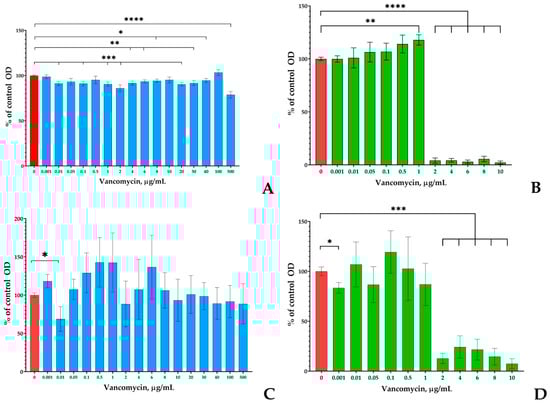
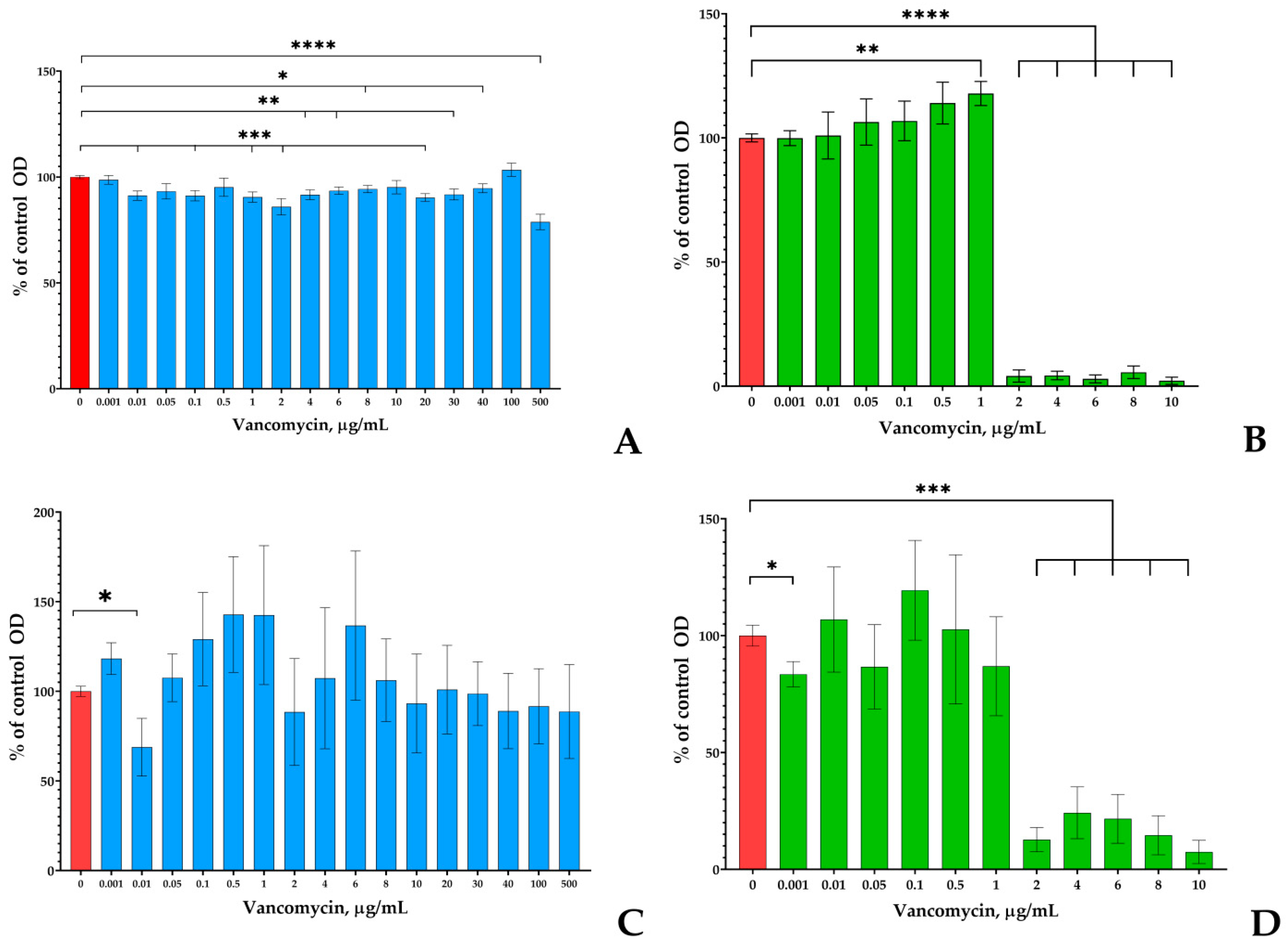
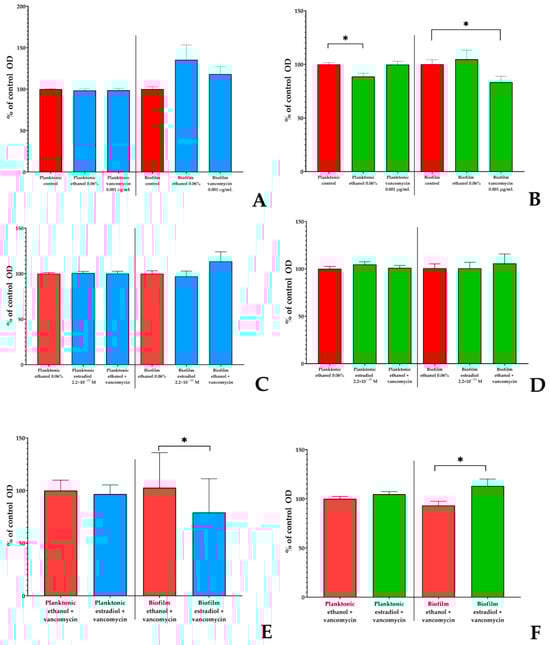
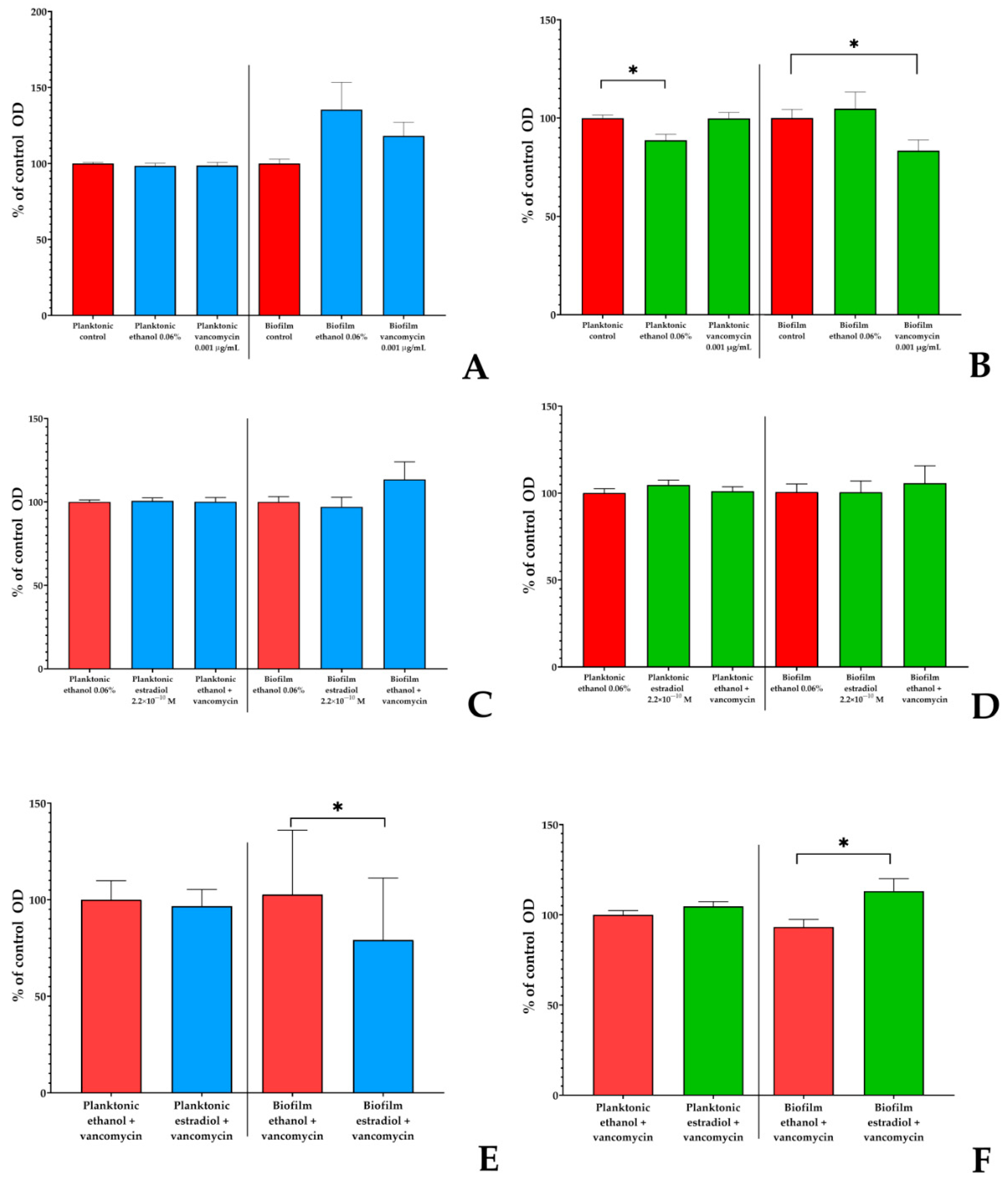
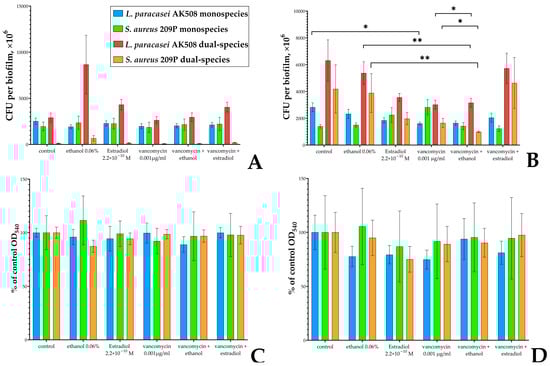
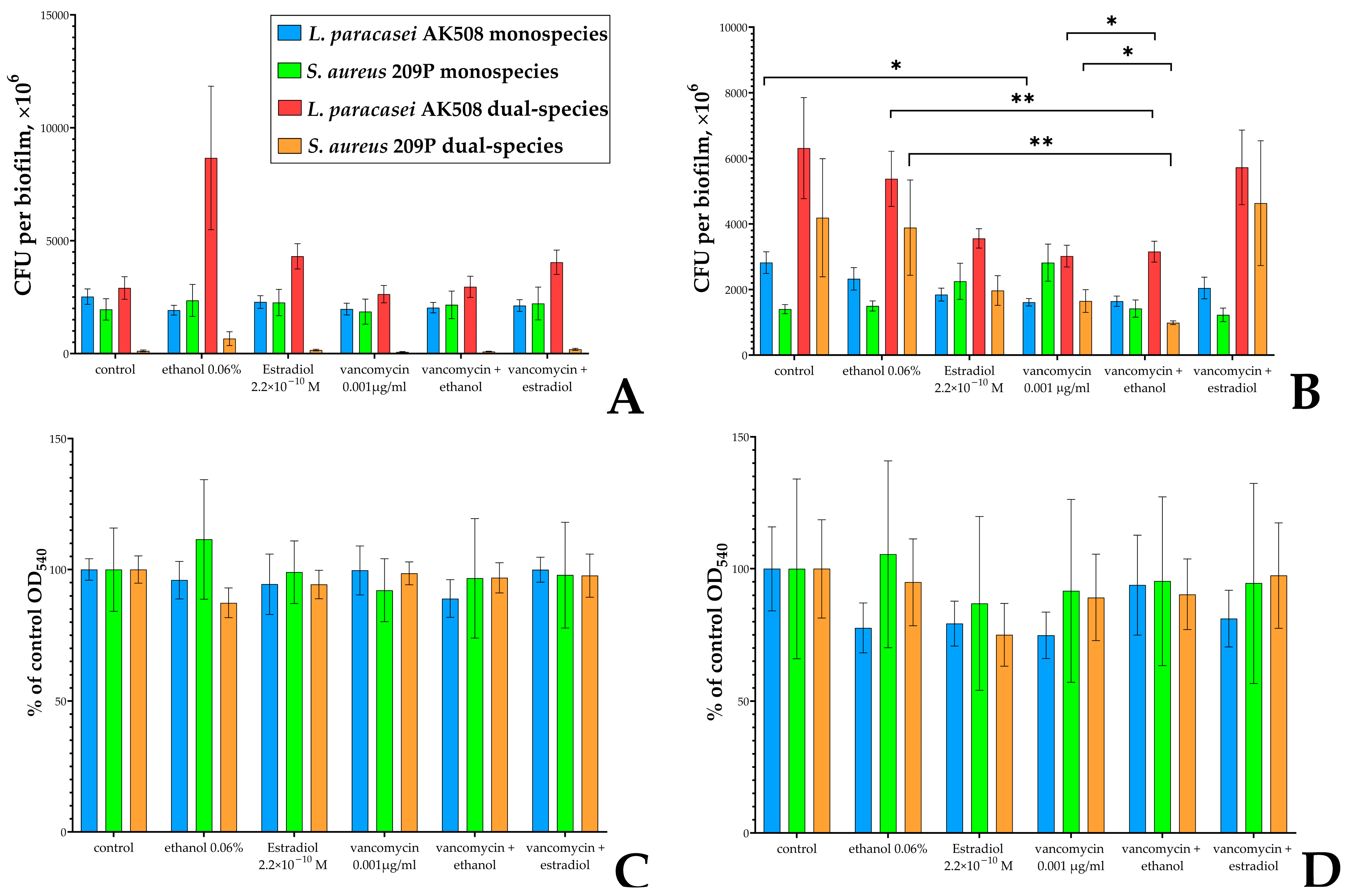
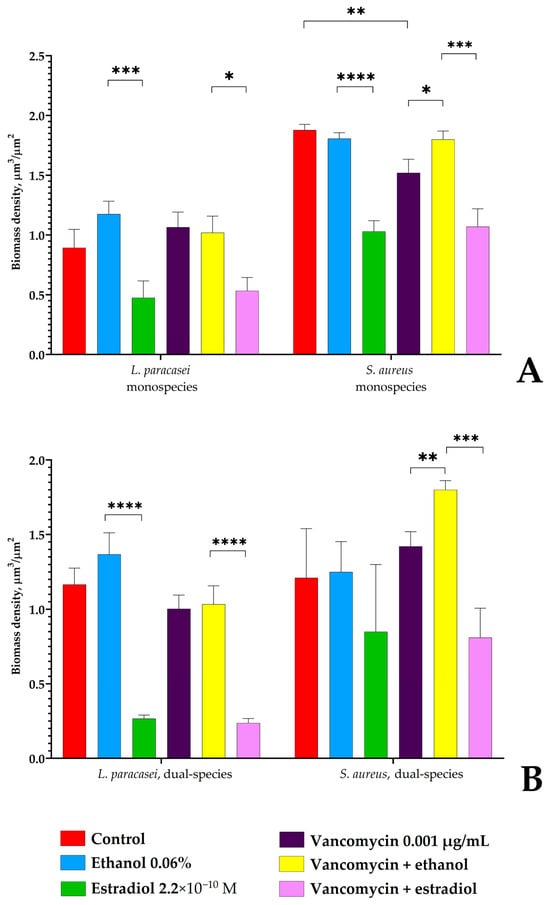
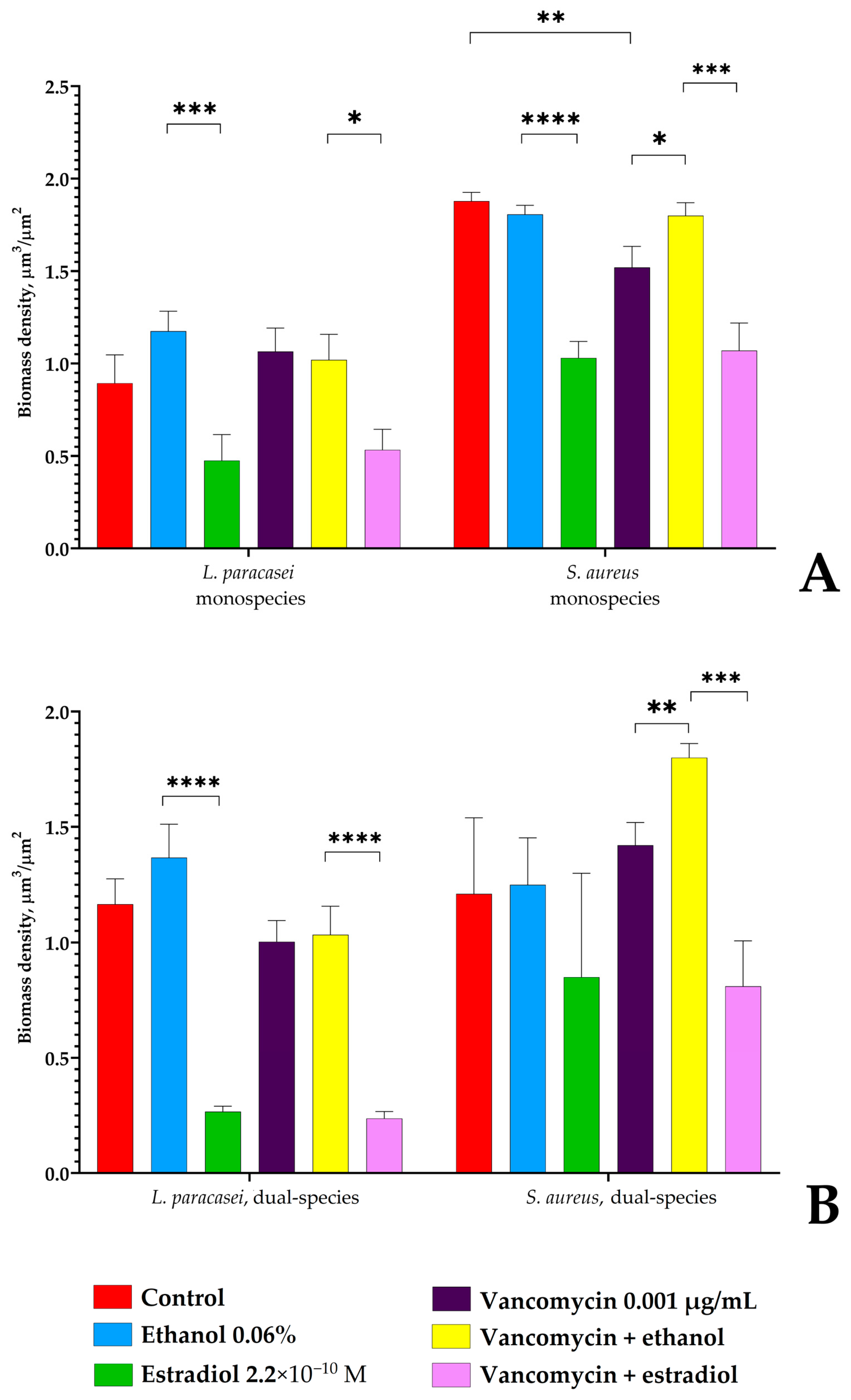
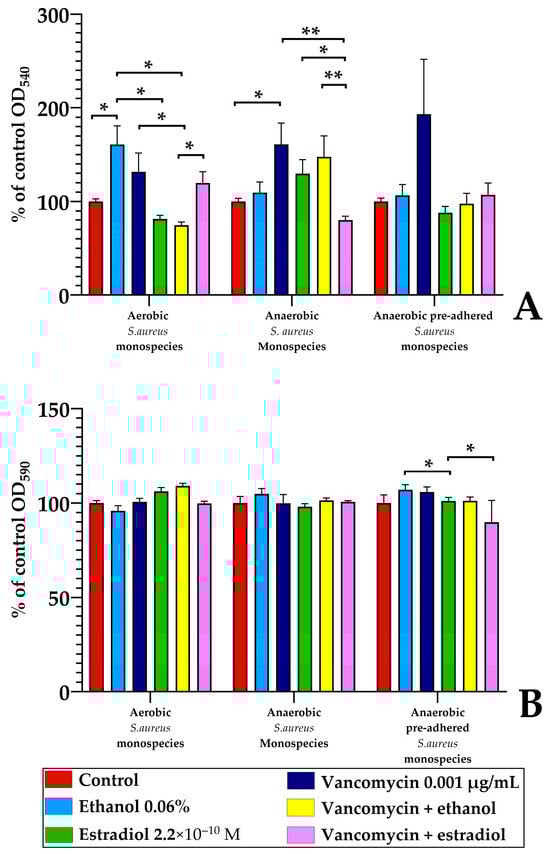
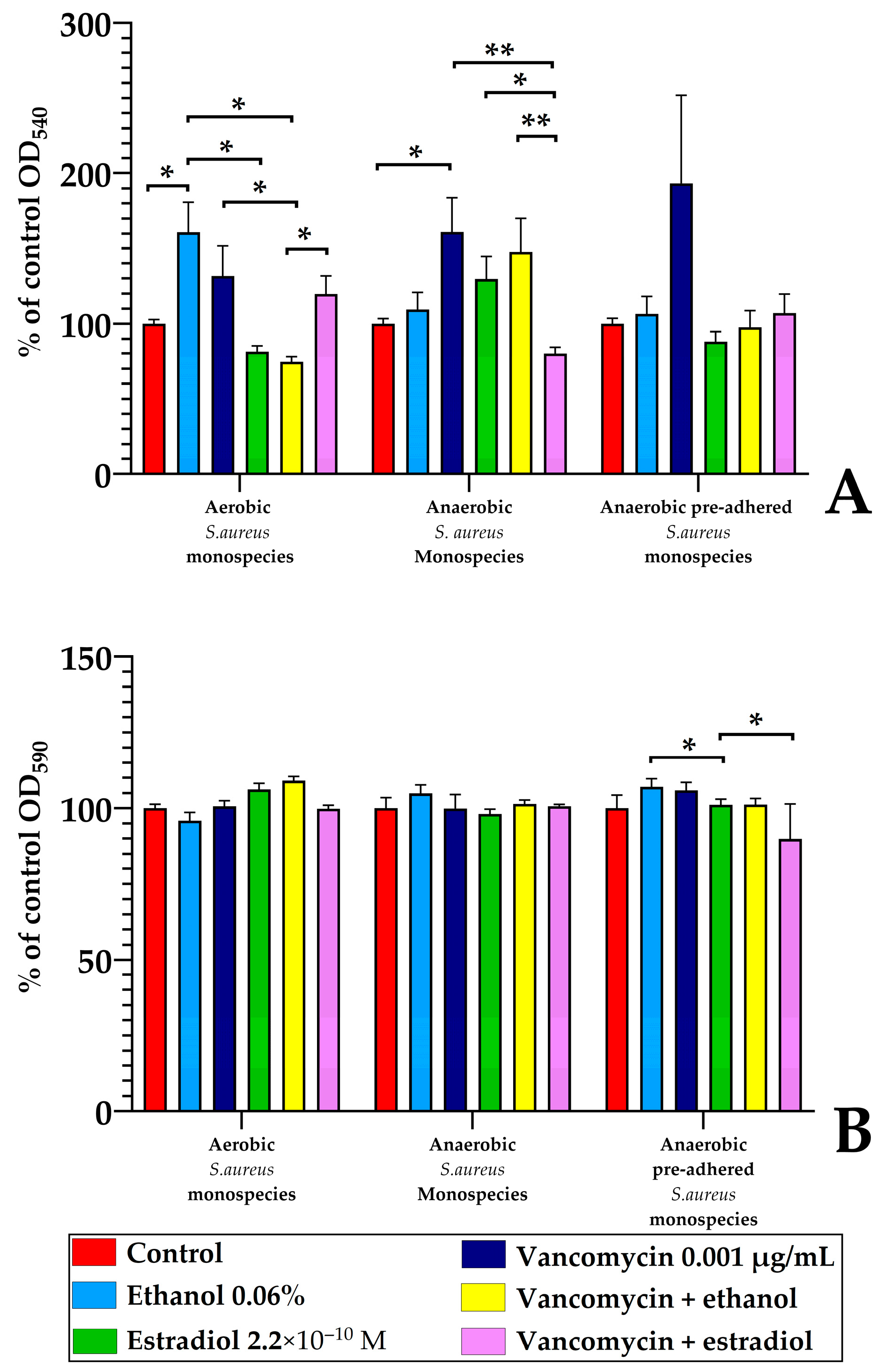
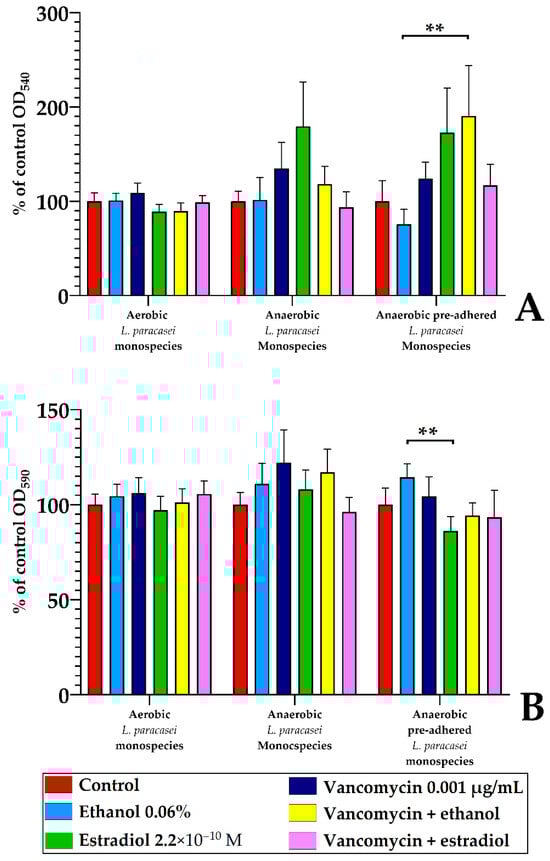
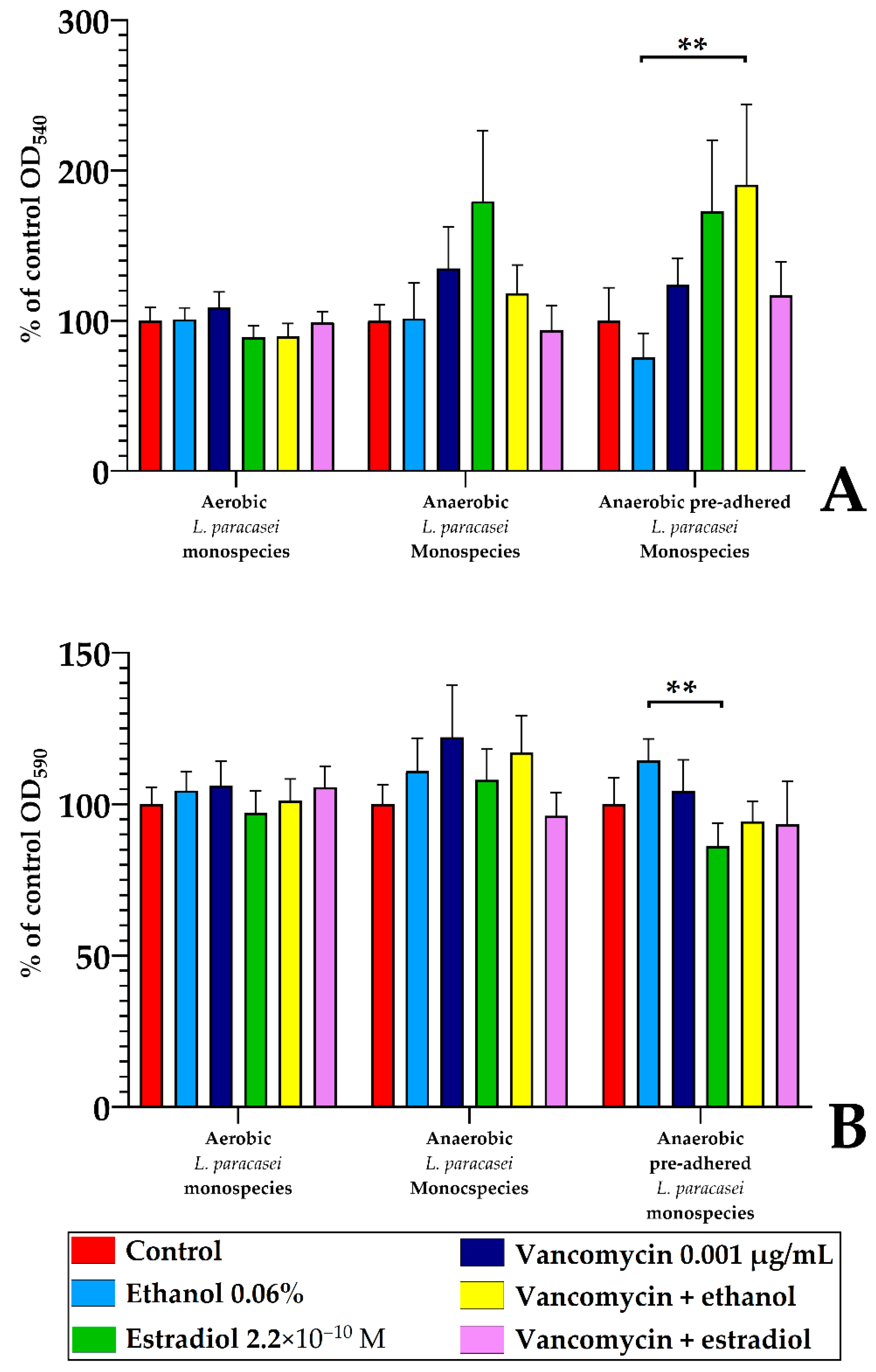
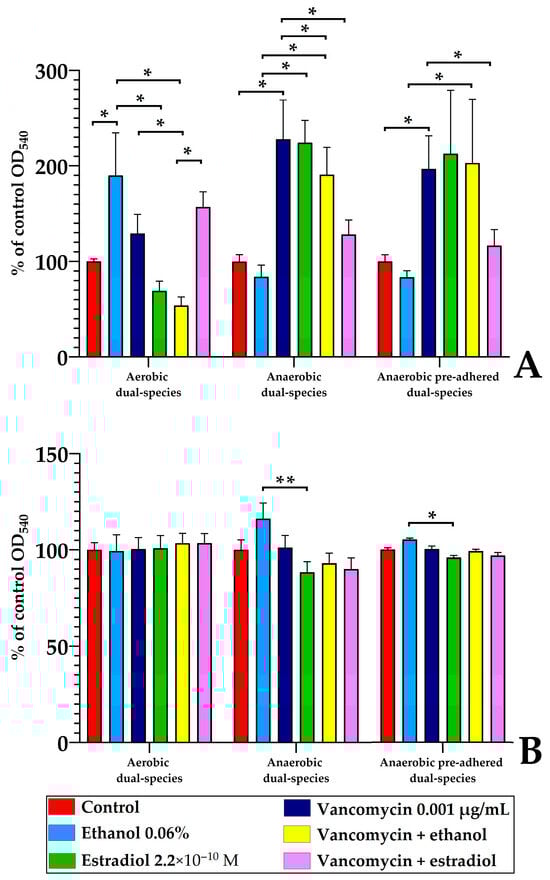
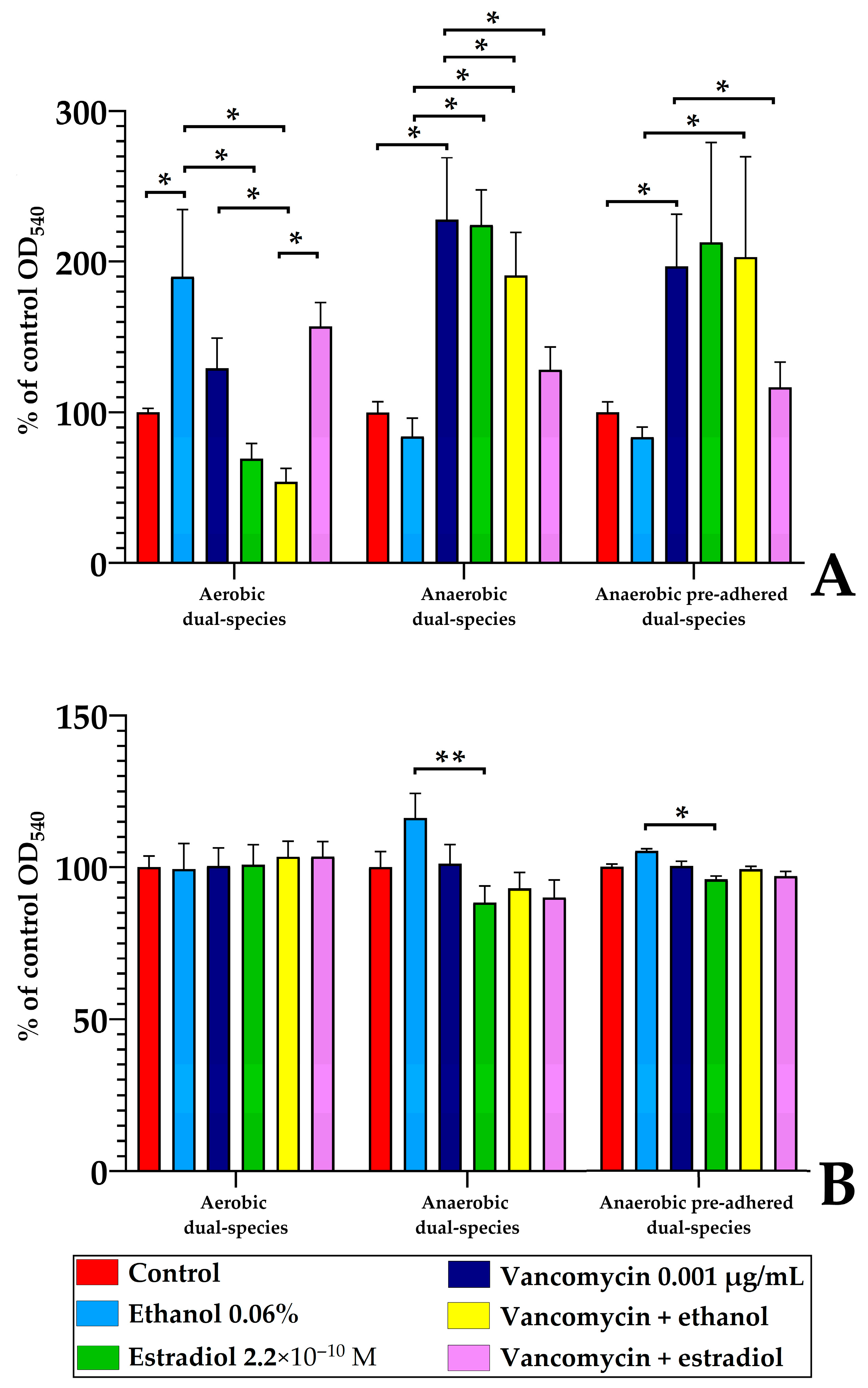
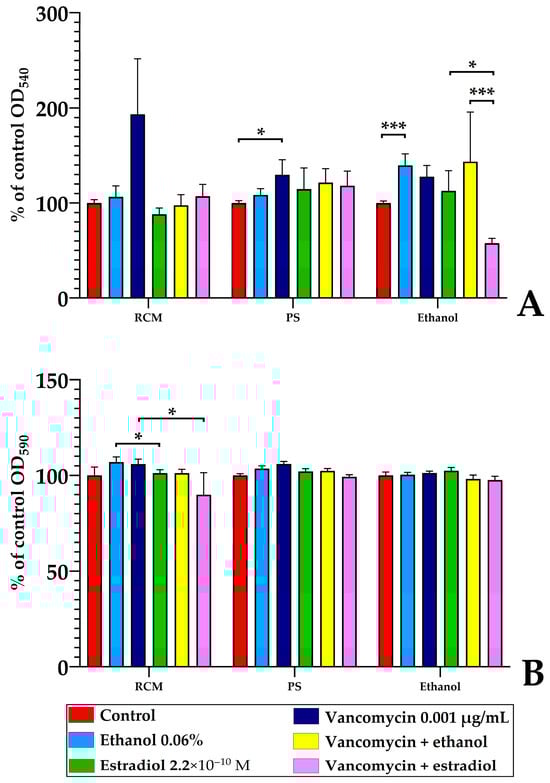
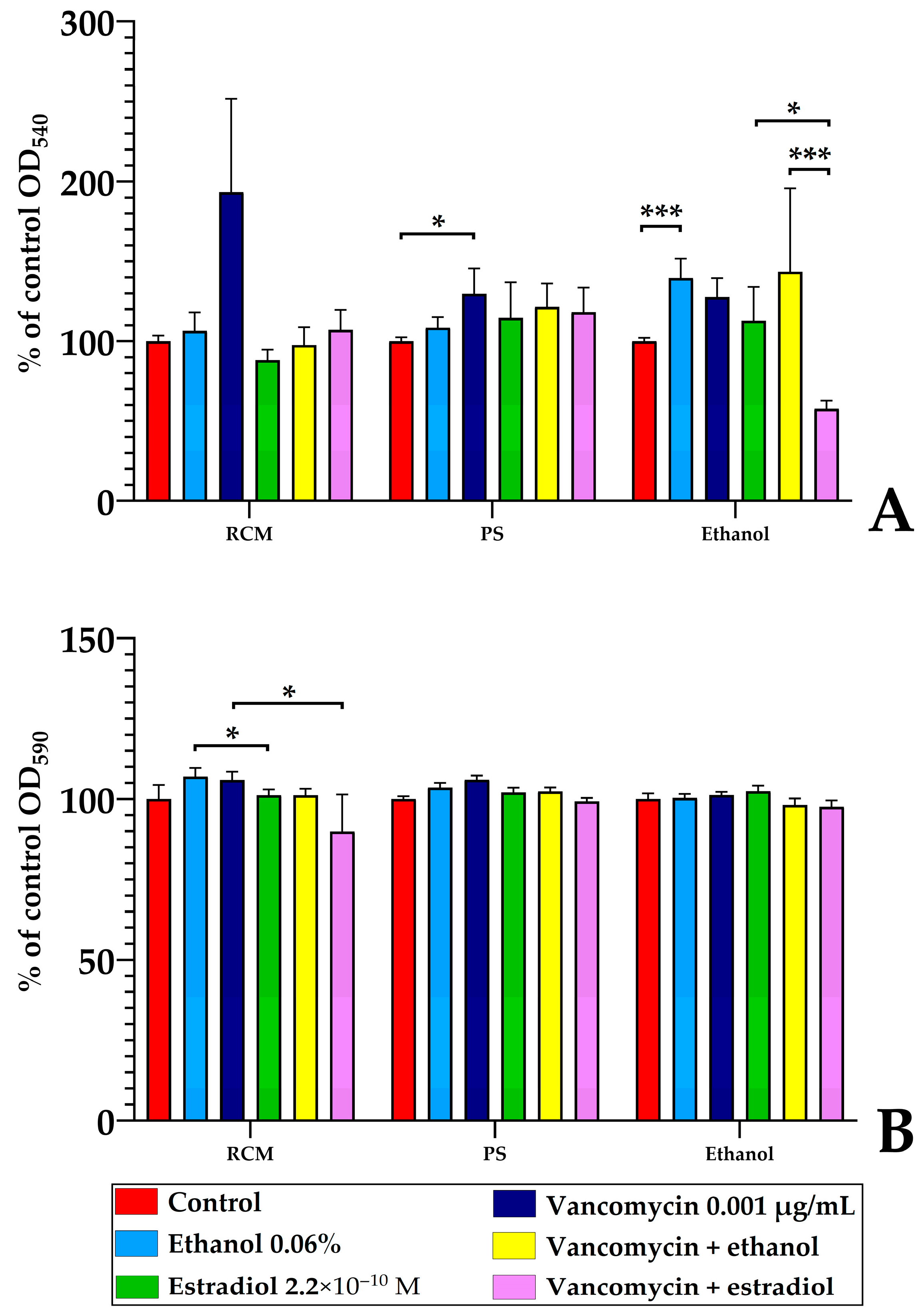
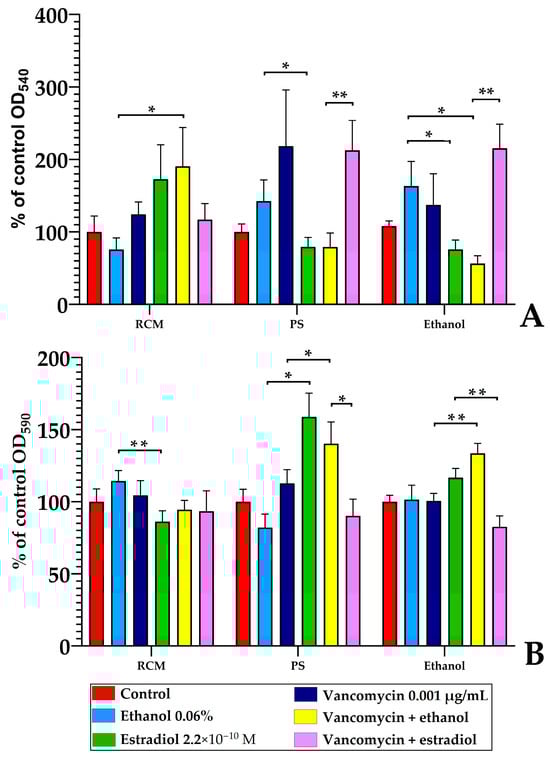
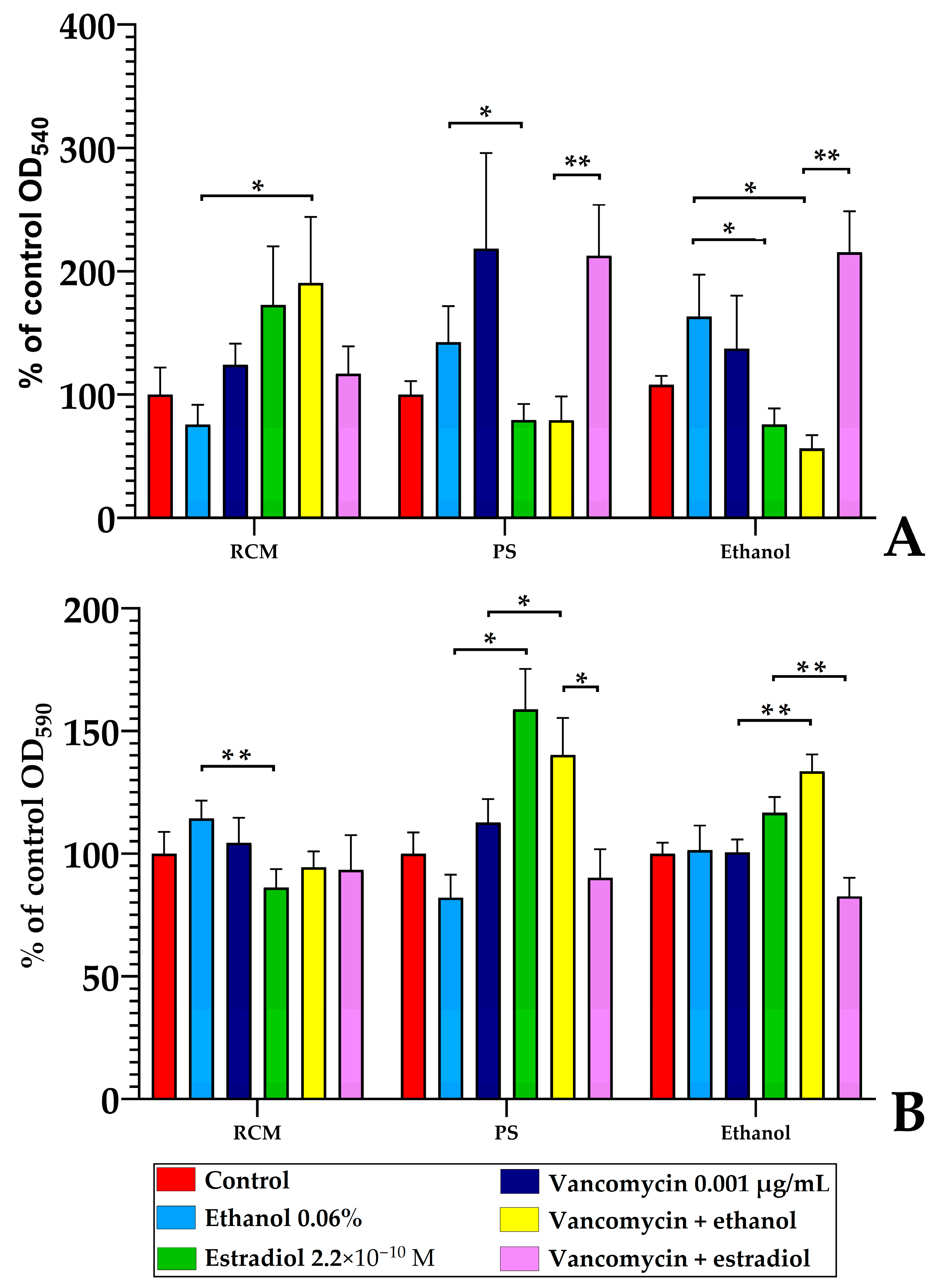
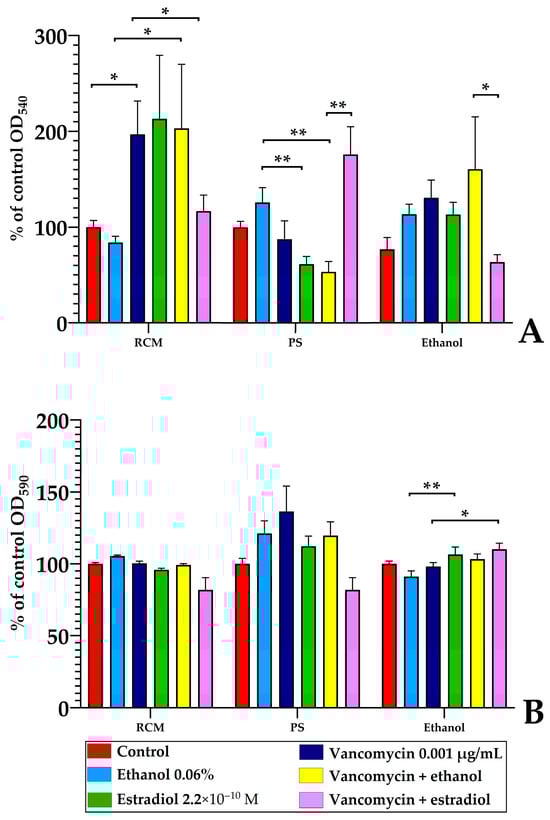
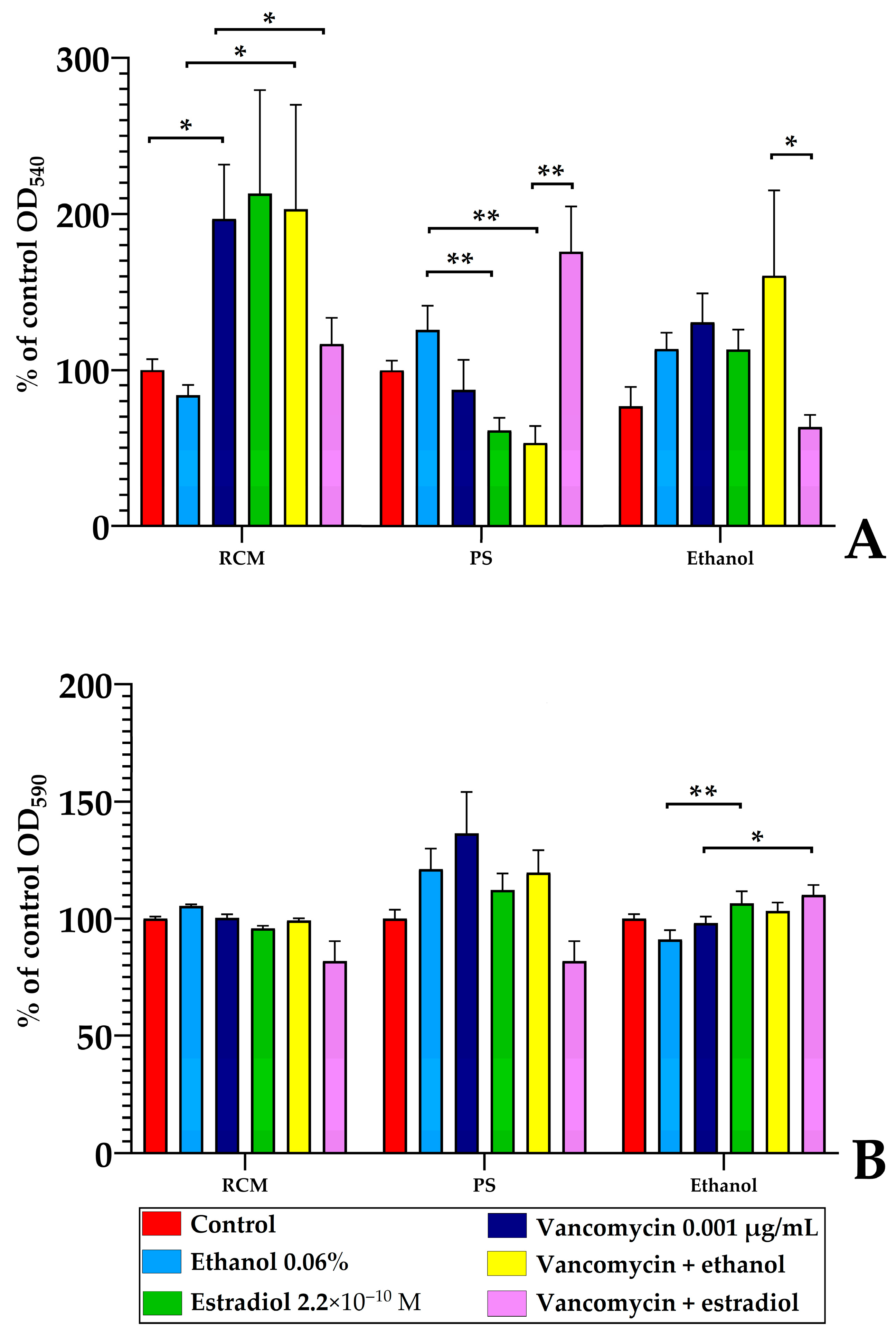
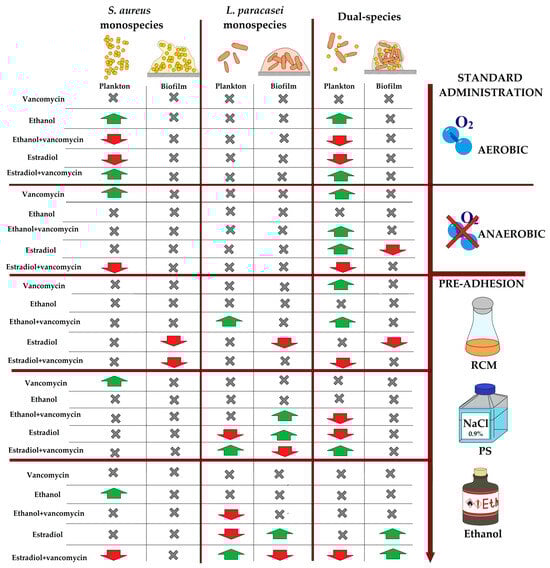
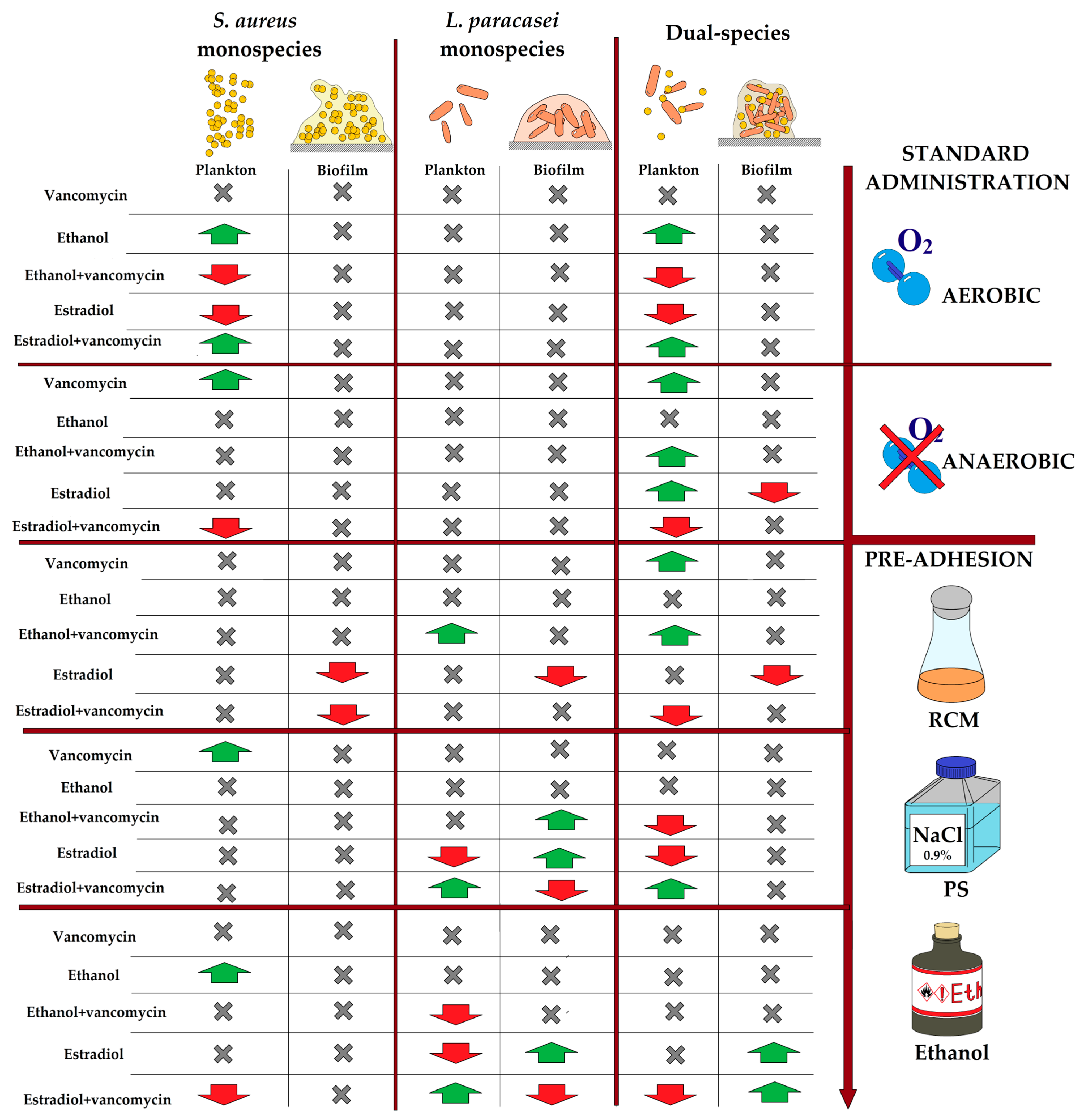
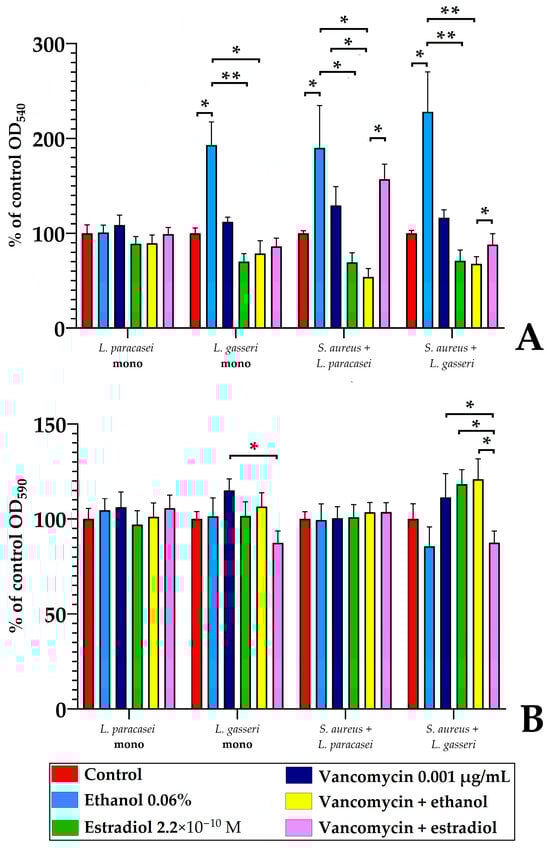
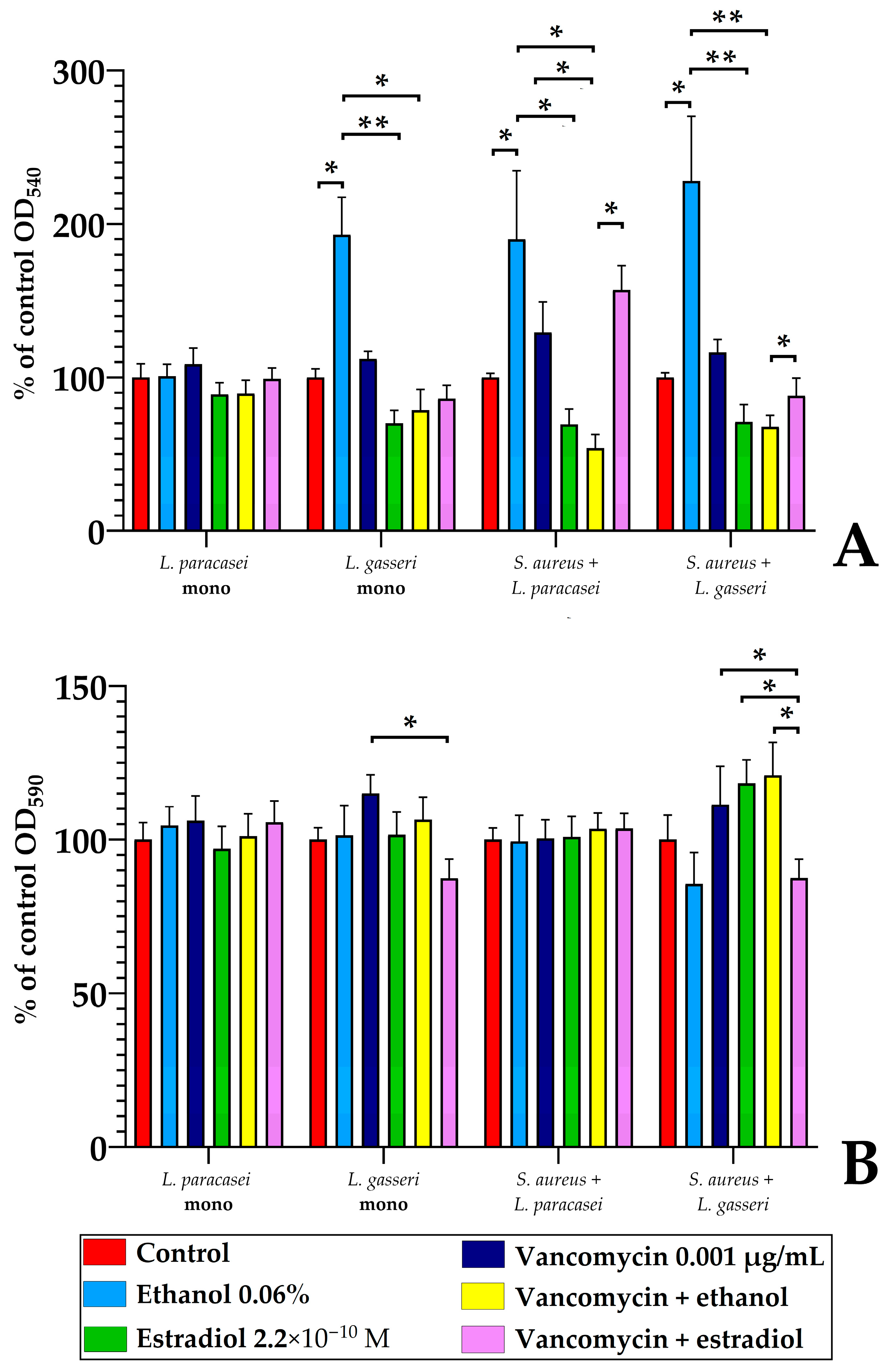
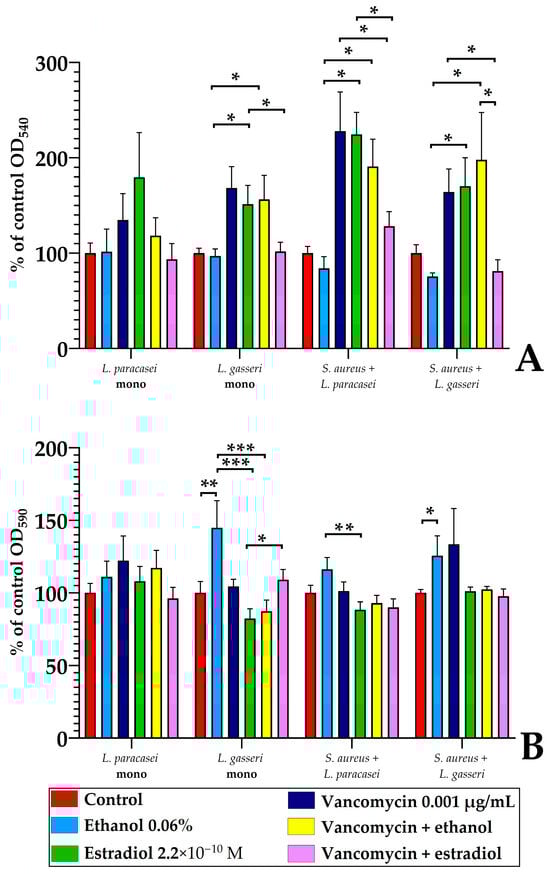
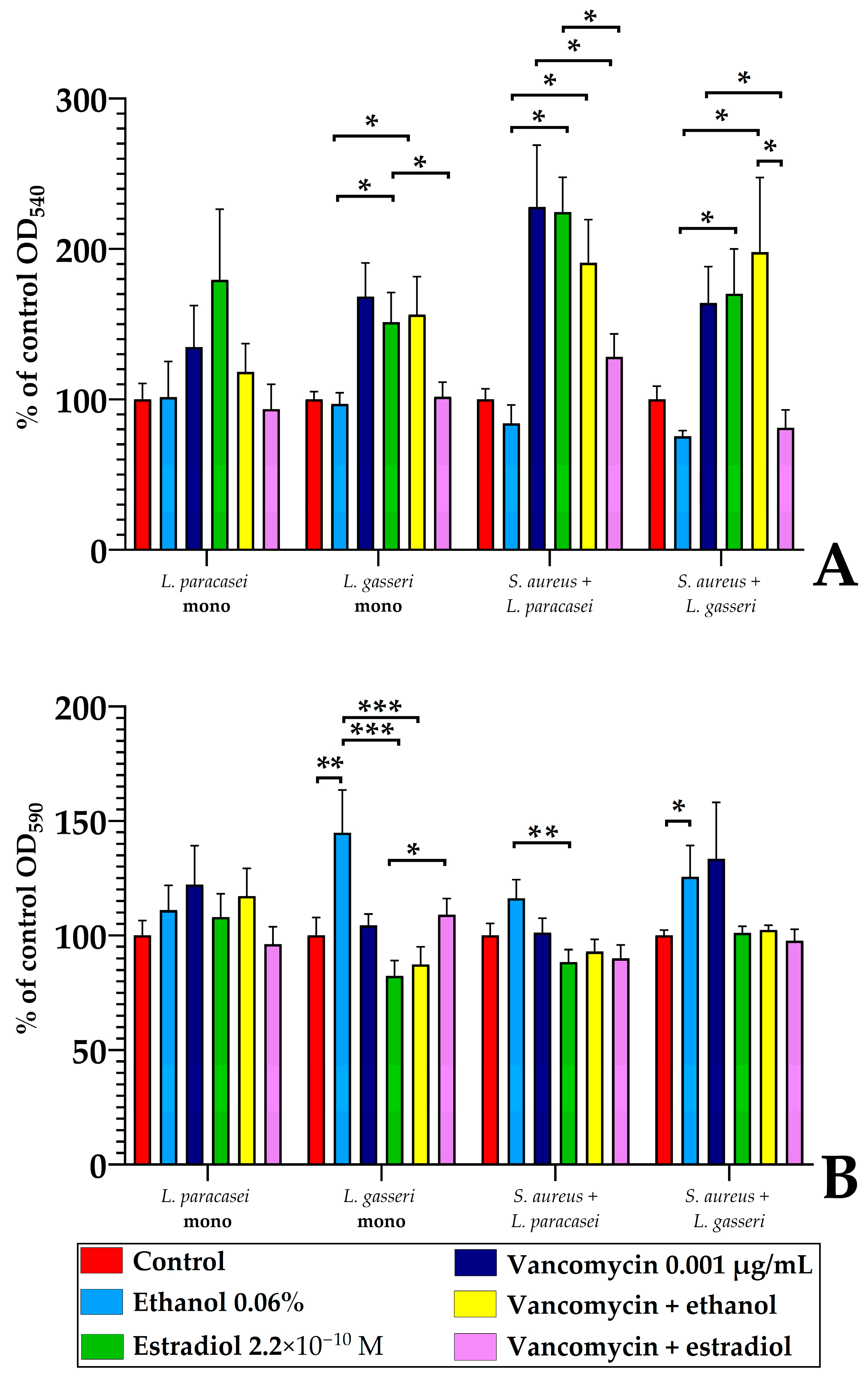
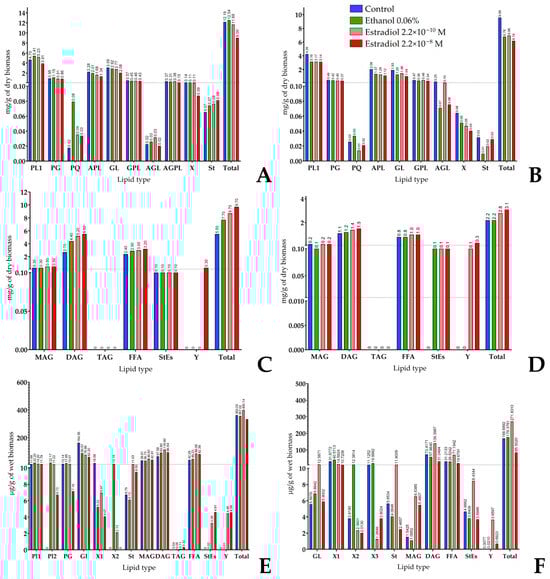
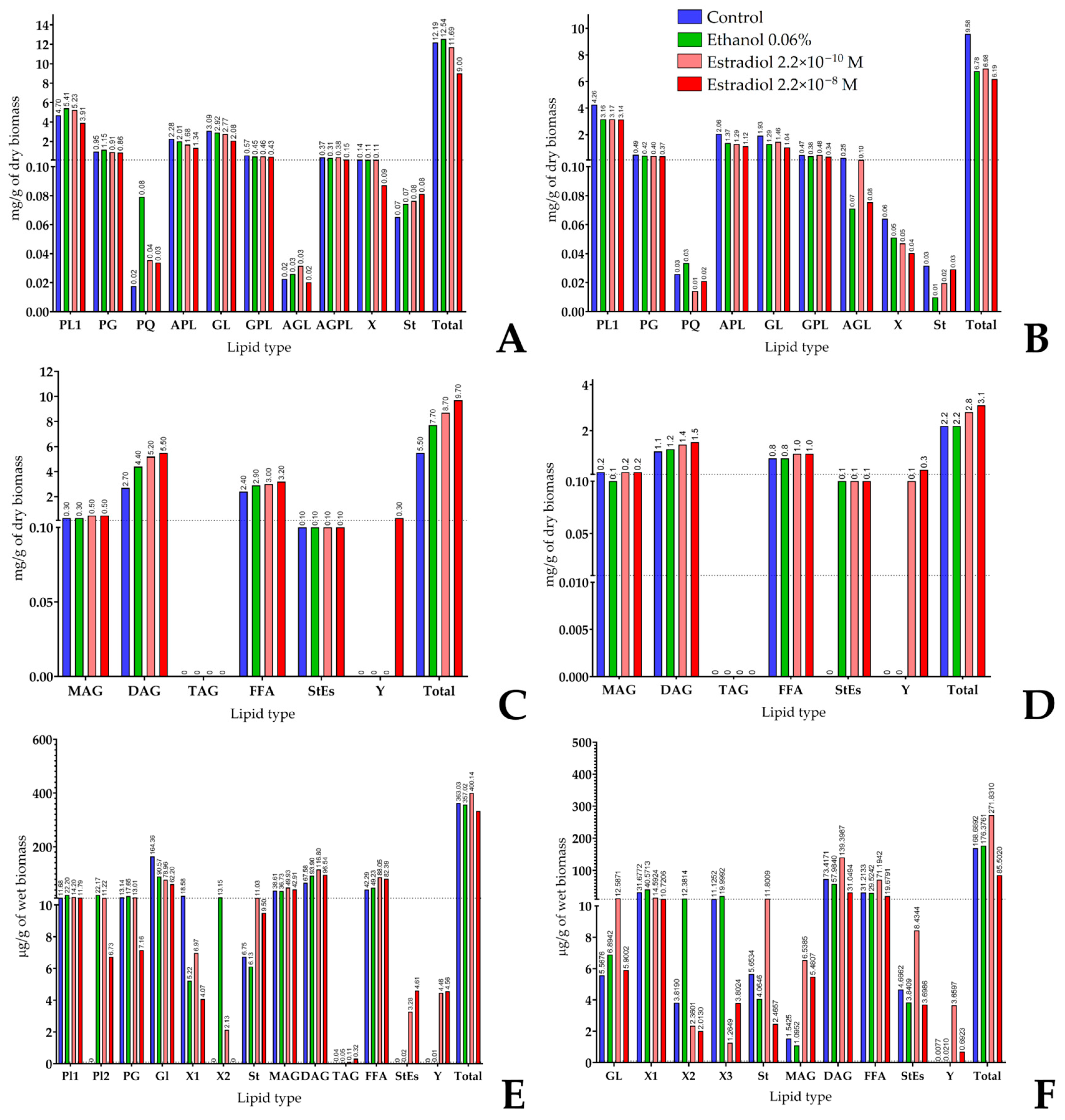
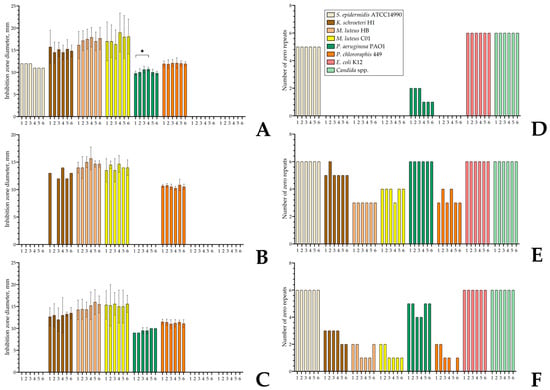
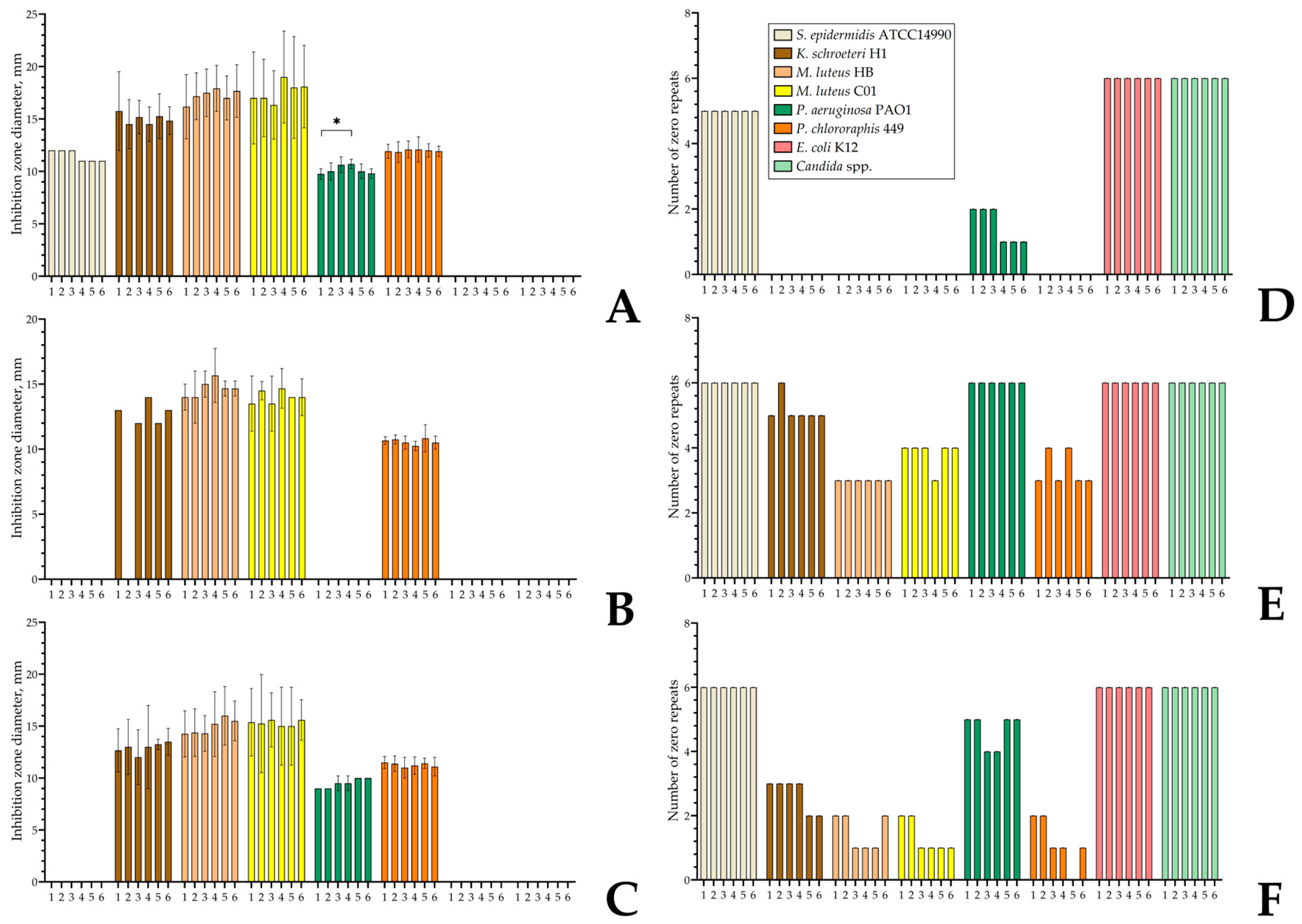
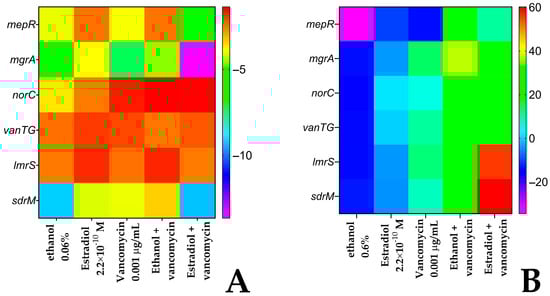
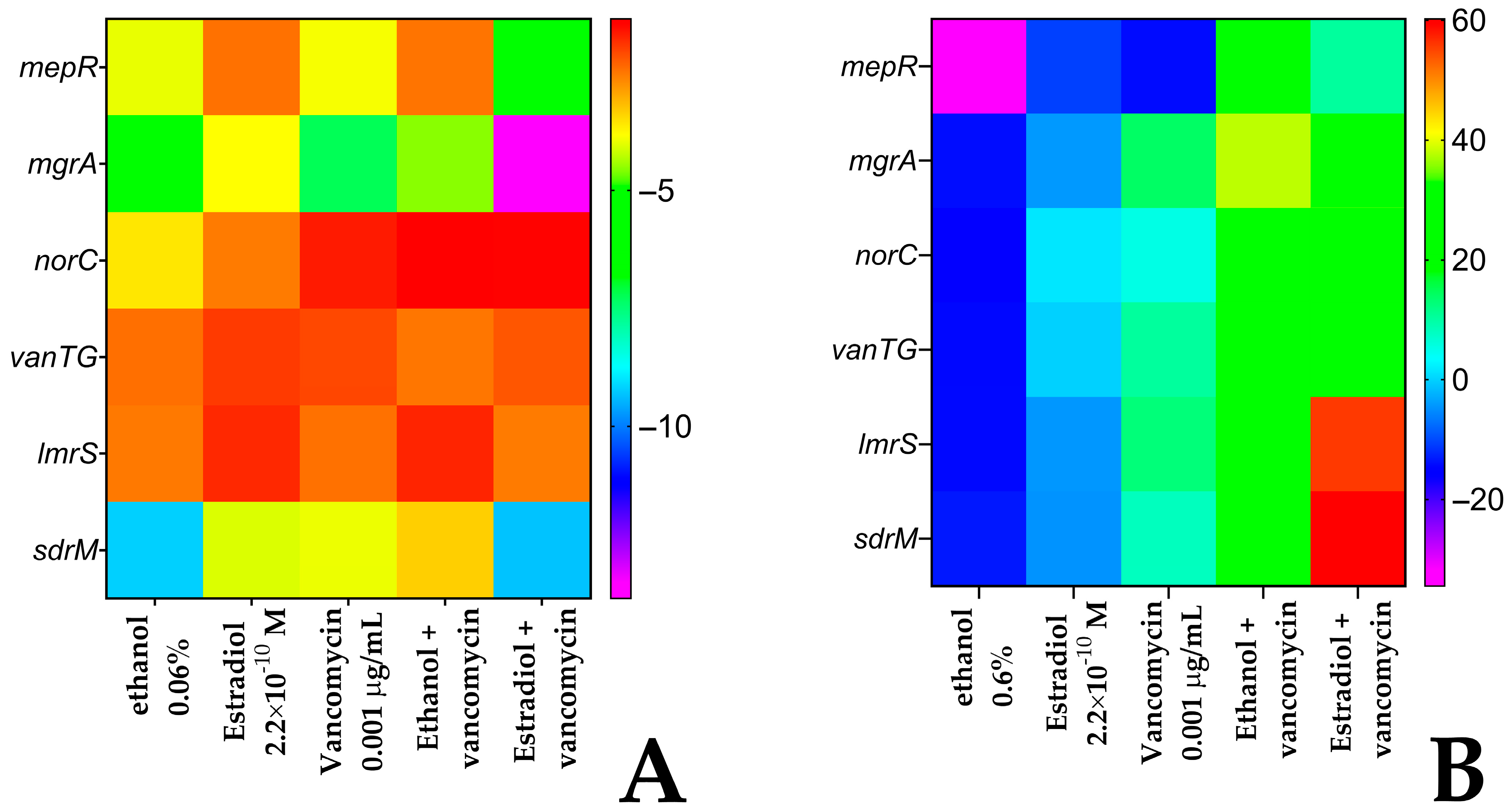

Disclaimer/Publisher’s Note: The statements, opinions and data contained in all publications are solely those of the individual author(s) and contributor(s) and not of MDPI and/or the editor(s). MDPI and/or the editor(s) disclaim responsibility for any injury to people or property resulting from any ideas, methods, instructions or products referred to in the content. |
© 2025 by the authors. Licensee MDPI, Basel, Switzerland. This article is an open access article distributed under the terms and conditions of the Creative Commons Attribution (CC BY) license (https://creativecommons.org/licenses/by/4.0/).