Article

Dinoflagellate Proton-Pump Rhodopsin Genes in Long Island Sound: Diversity and Spatiotemporal Distribution


1
Department of Marine Sciences, University of Connecticut, Groton, CT 06340, USA
2
State Key Laboratory of Marine Environmental Science, College of Ocean and Earth Sciences, Xiamen University, Xiamen 361102, China
*
Author to whom correspondence should be addressed.
Microorganisms 2024, 12(3), 628; https://doi.org/10.3390/microorganisms12030628

Submission received: 7 February 2024 / Revised: 13 March 2024 / Accepted: 15 March 2024 / Published: 21 March 2024
(This article belongs to the Special Issue Research on Biology of Dinoflagellates)

Abstract

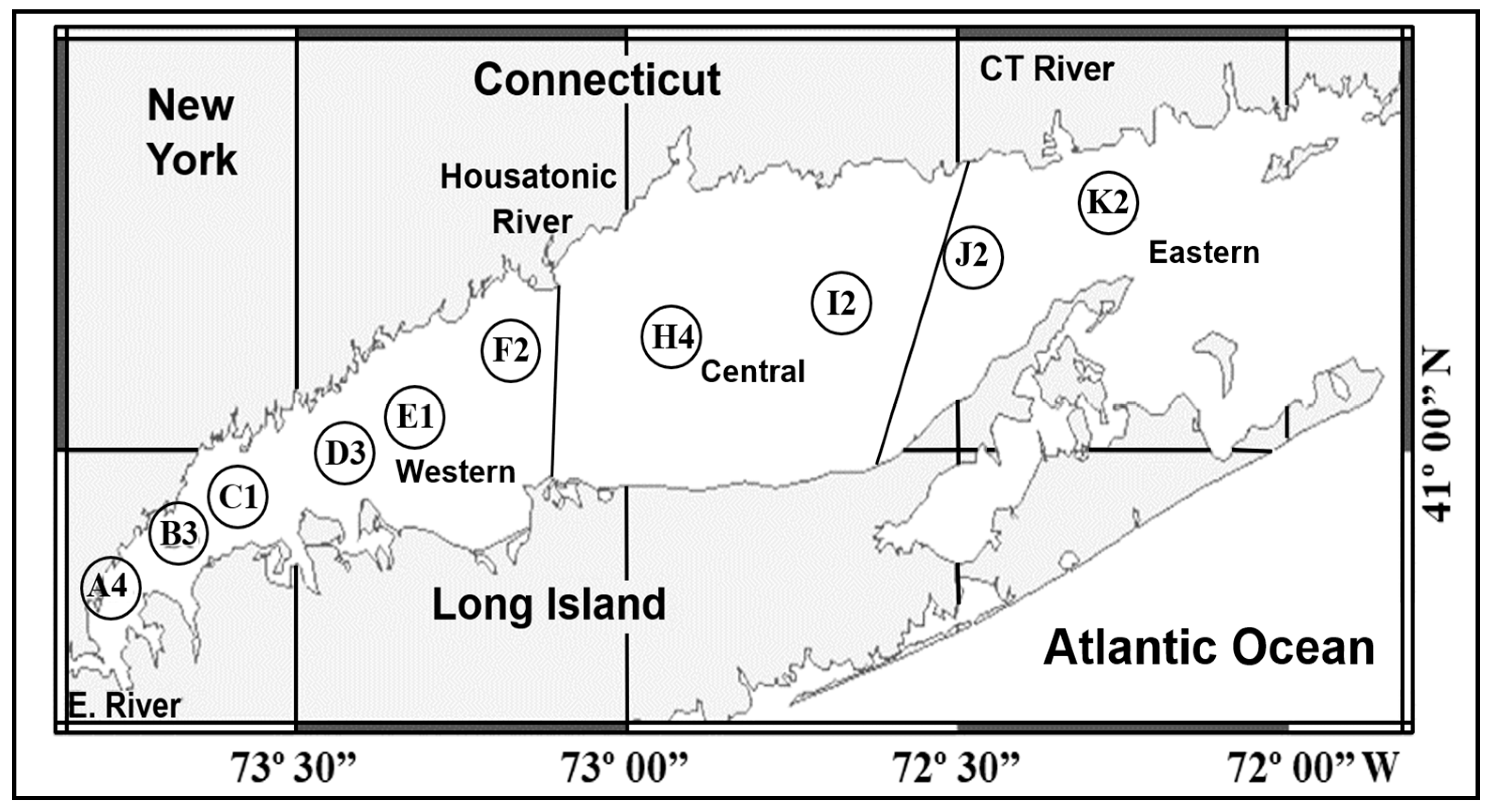
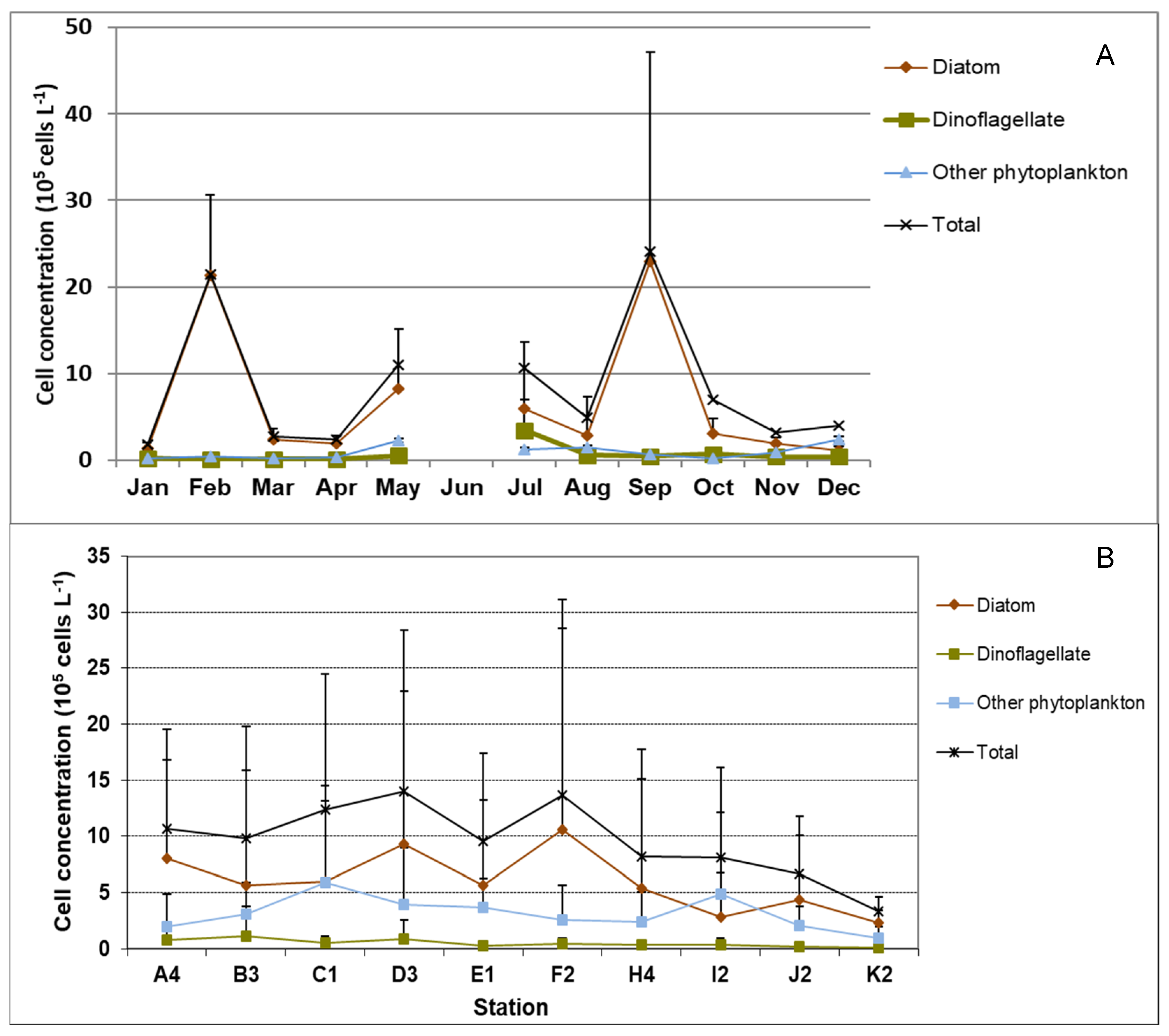
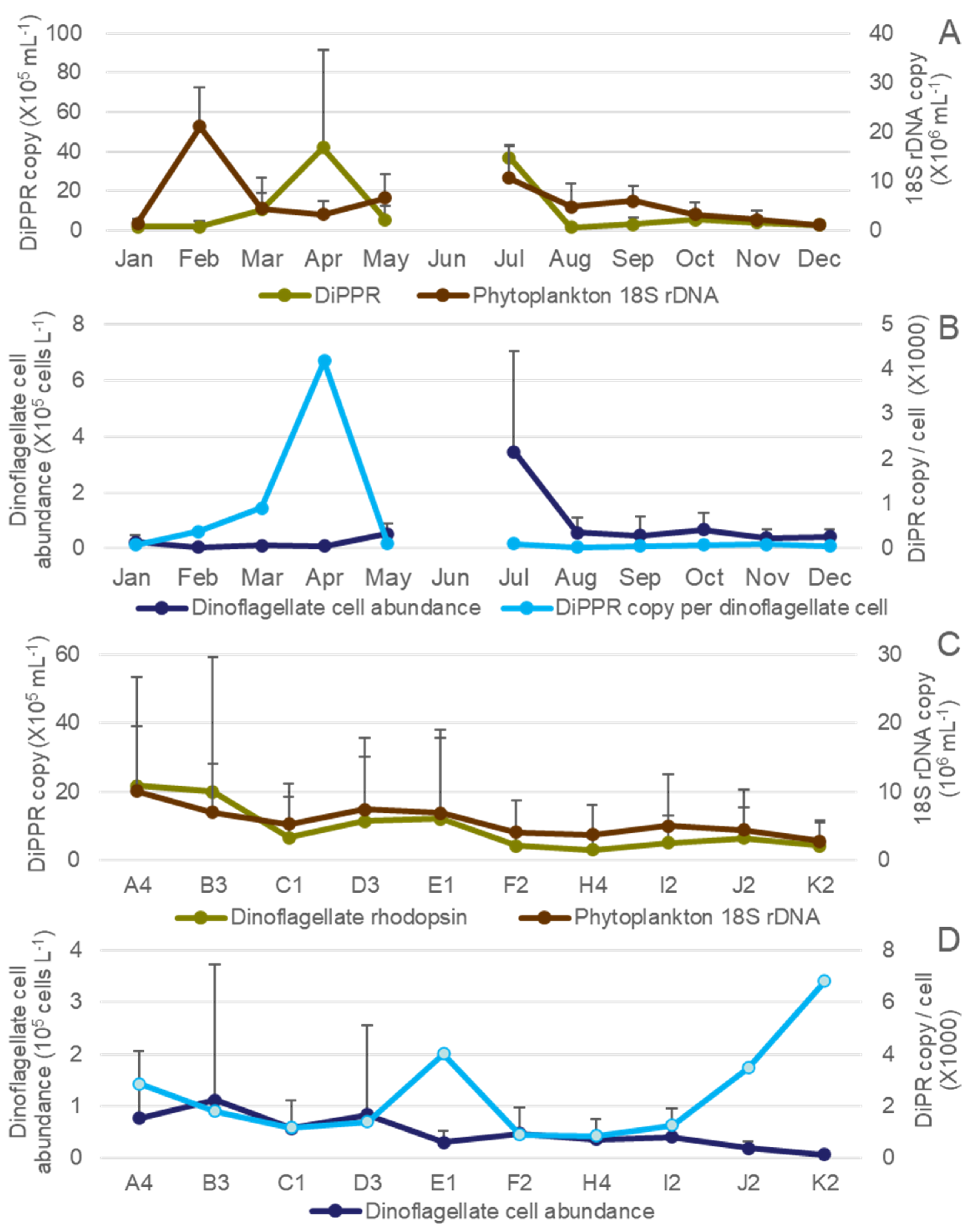
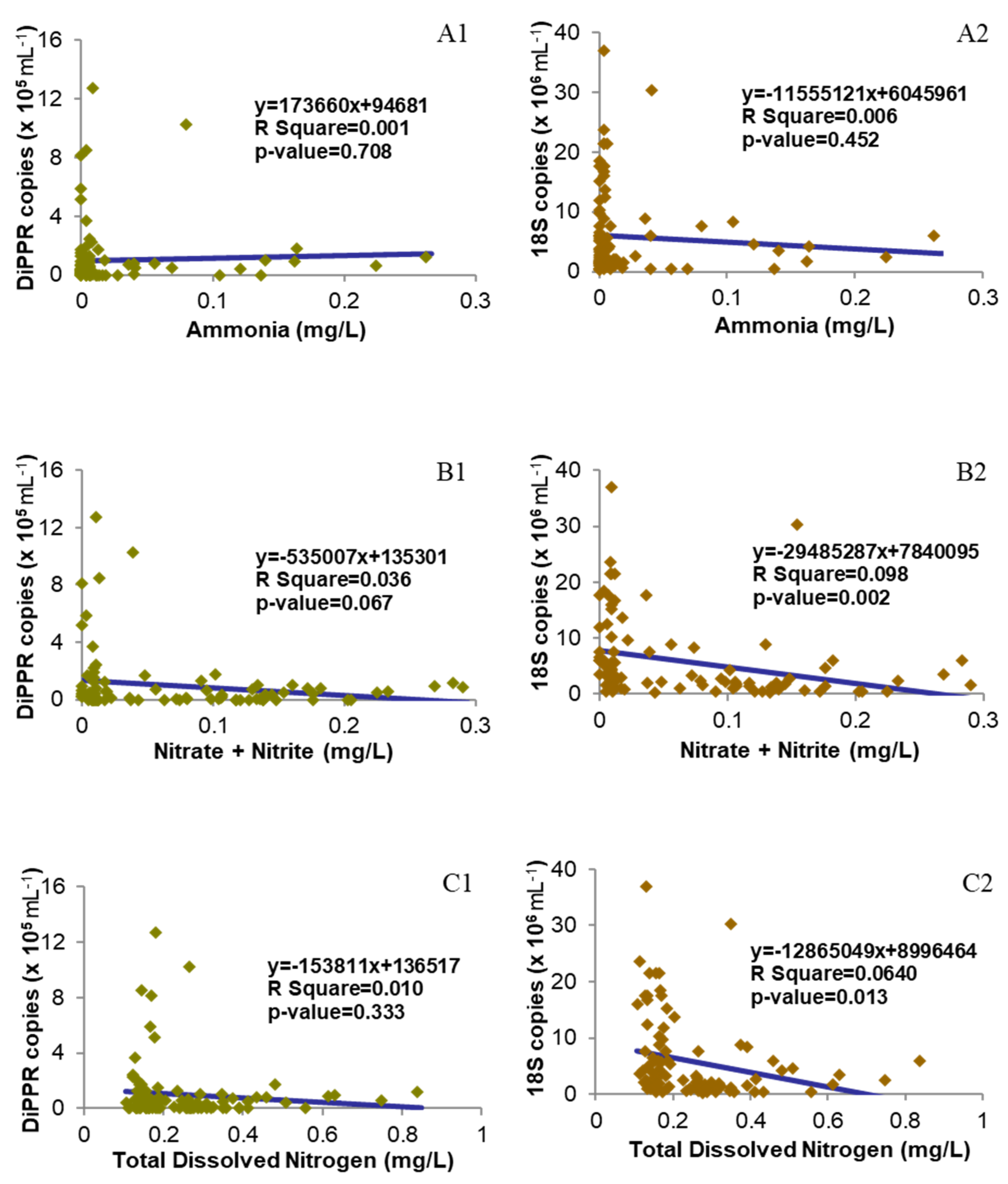
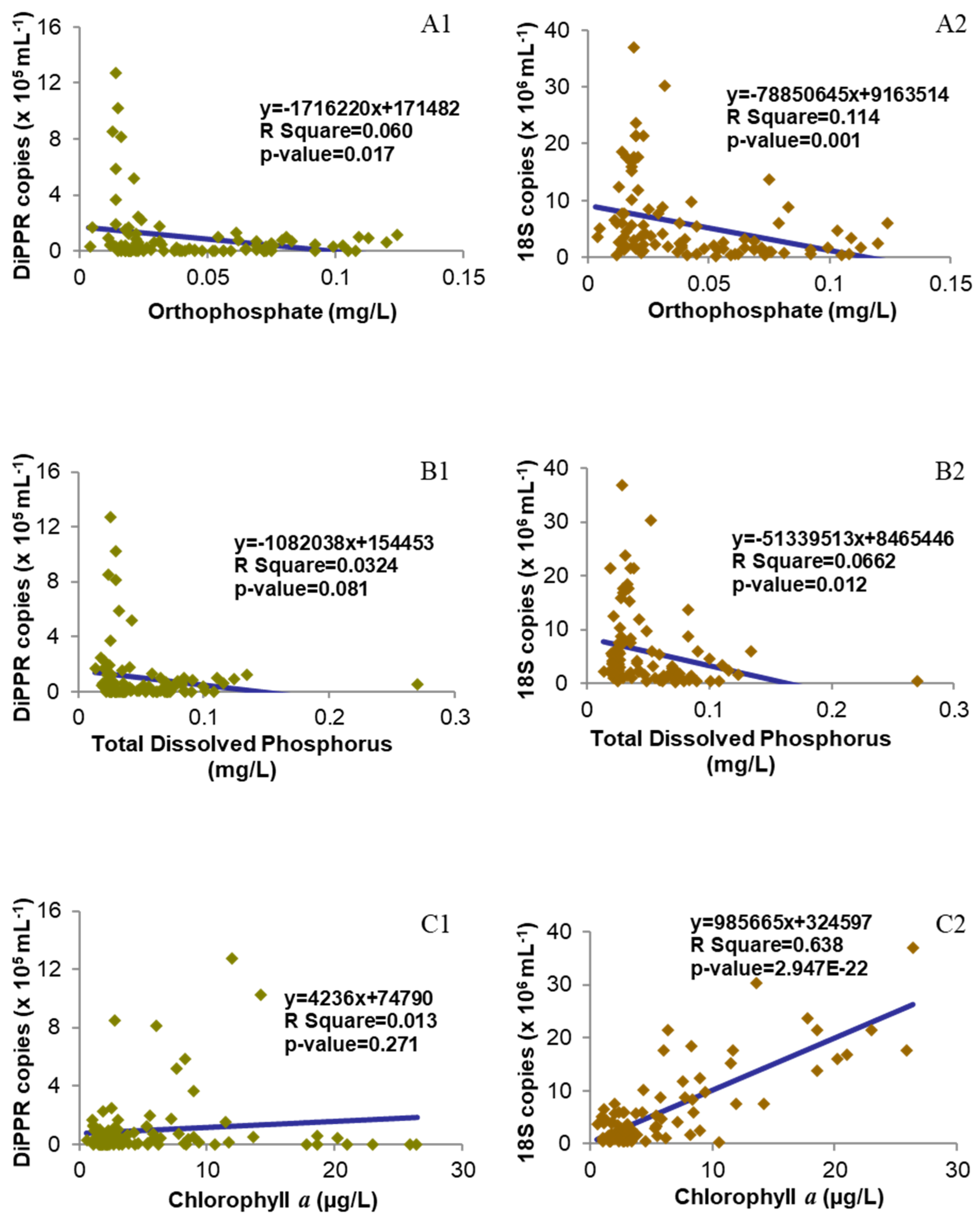
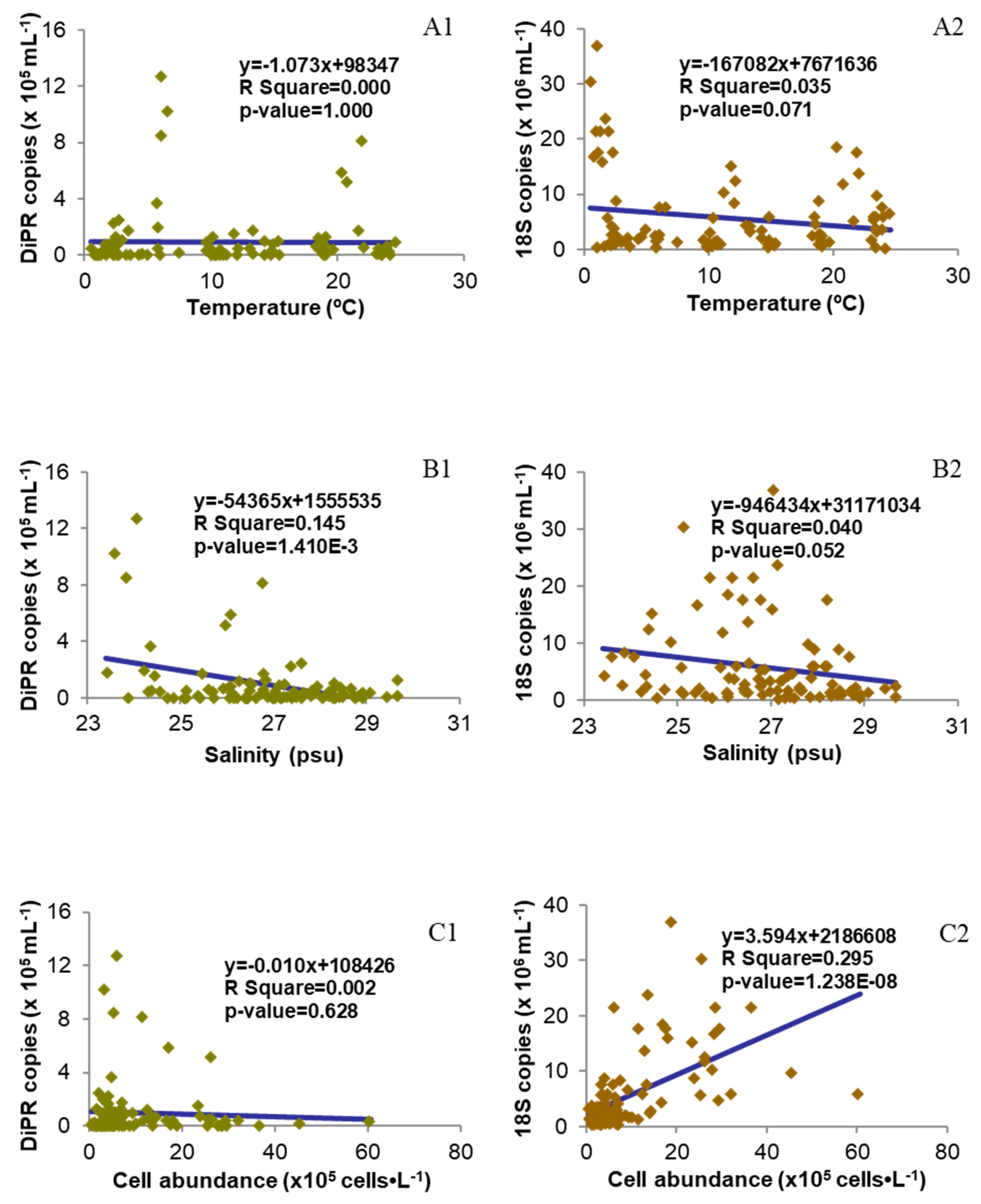
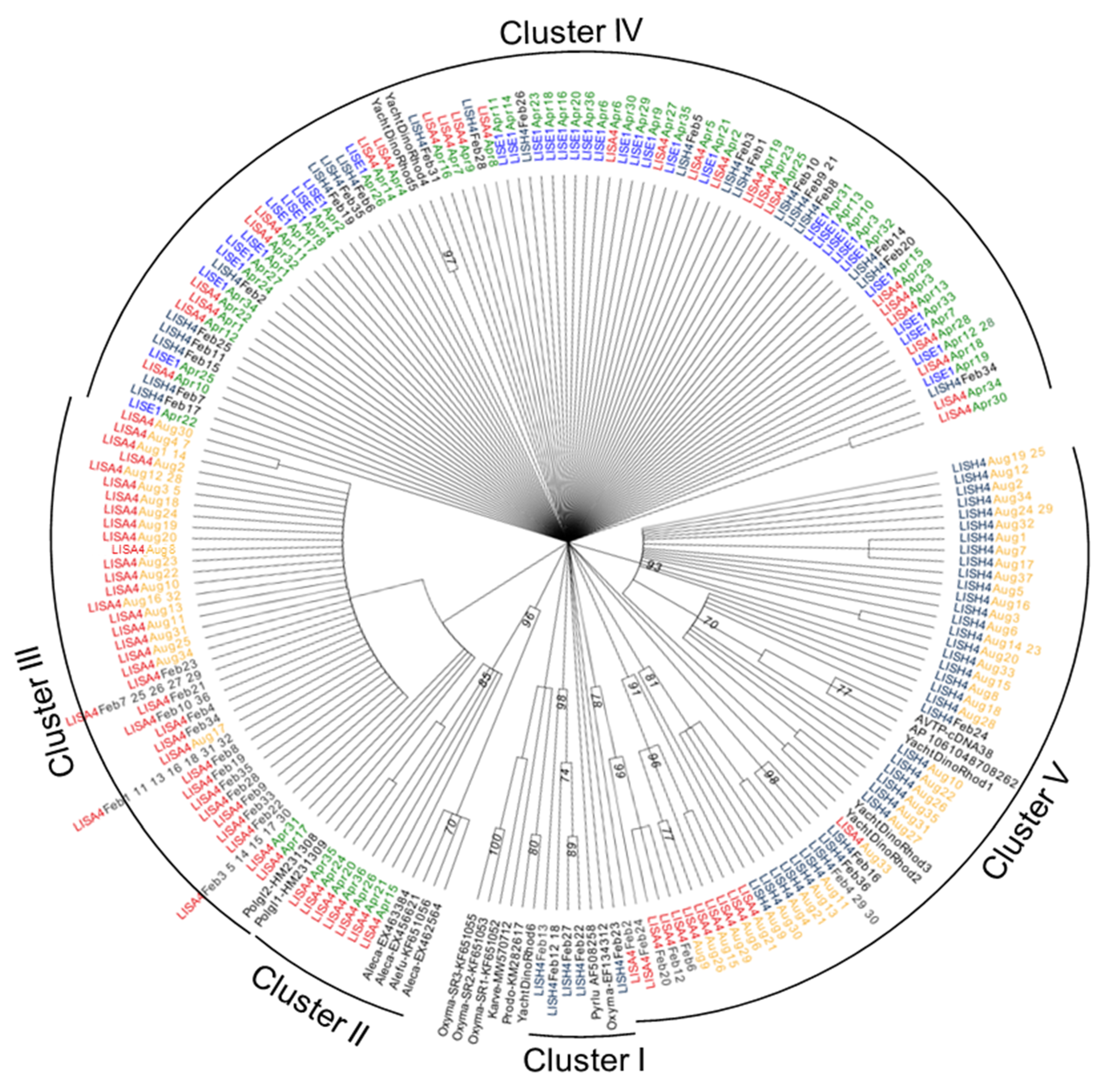
Microbial proton-pump rhodopsin (PPR)-based phototrophy, a light-harvesting mechanism different from chlorophyll-based photosystems, may contribute significantly to solar energy entry into the marine ecosystem. PPR transforms solar energy into cellular energy that is used for various metabolic processes in the cells or flagellar movement. Although rhodopsins or their encoding genes have been documented in a wide phylogenetic range of cultured dinoflagellates, information is limited about how widespread and how spatiotemporally dynamical dinoflagellate PPR (DiPPR) are in natural marine ecosystems. In this study, we investigated DiPPR in Long Island Sound (LIS), a temperate estuary of the Atlantic Ocean between Connecticut and Long Island, New York, USA. We isolated six novel full-length dinoflagellate proton-pump rhodopsin cDNAs, expanding the DiPPR database that is crucial to PPR research. Based on these new sequences and existing sequences of DiPPR, we designed primers and conducted quantitative PCR and sequencing to determine the abundance and diversity of DiPPR genes spatially and temporally throughout a year in the water samples collected from LIS. DiPPR genes were found year-round and throughout LIS but with higher abundances in the eutrophic Western Sound and in April and July. The gene diversity data suggest that there are at least five distinct rhodopsin-harboring groups of dinoflagellates throughout the year. The abundance of DiPPR genes, measured as copy number per mL of seawater, appeared not to be influenced by water temperature or nitrogen nutrient concentration but exhibited weak negative correlations with orthophosphate concentration and salinity and a positive correlation with the abundance of DiPPR-harboring dinoflagellates. This first quantitative profiling of PPR in natural plankton reveals the prevalence and dynamics of this plastid-independent photoenergy harvesting mechanism in a temperate estuary and provides efficient DiPPR primers potentially useful for future research. Furthermore, this study shed light on the potential role of DiPPR in phosphor nutrition and dinoflagellate population, which warrants further studies.
Keywords: dinoflagellate; proton pump rhodopsin; spatial/seasonal variation; qPCR; LIS; temperate estuary dinoflagellate; proton pump rhodopsin; spatial/seasonal variation; qPCR; LIS; temperate estuary