Article

Aging-Induced Changes in Cutibacterium acnes and Their Effects on Skin Elasticity and Wrinkle Formation


1
Burn Institute, Hangang Sacred Heart Hospital, Hallym University College of Medicine, Seoul 07247, Republic of Korea
2
Department of Integrative Biology, Kyungpook National University, Daegu 41566, Republic of Korea
3
R&D Center, Kolmar Korea, Seoul 06800, Republic of Korea
4
Department of Rehabilitation Medicine, Hangang Sacred Heart Hospital, Hallym University College of Medicine, Seoul 07247, Republic of Korea
5
J2KBIO, Chungbuk 28104, Republic of Korea
6
Department of Applied Biosciences, Kyungpook National University, Daegu 41566, Republic of Korea
7
KNU NGS Core Facility, Kyungpook National University, Daegu 41566, Republic of Korea
*
Authors to whom correspondence should be addressed.
These authors contributed equally to this work.
Microorganisms 2024, 12(11), 2179; https://doi.org/10.3390/microorganisms12112179

Submission received: 2 October 2024 / Revised: 22 October 2024 / Accepted: 28 October 2024 / Published: 29 October 2024
(This article belongs to the Special Issue Advances in Human Microbiomes)

Abstract

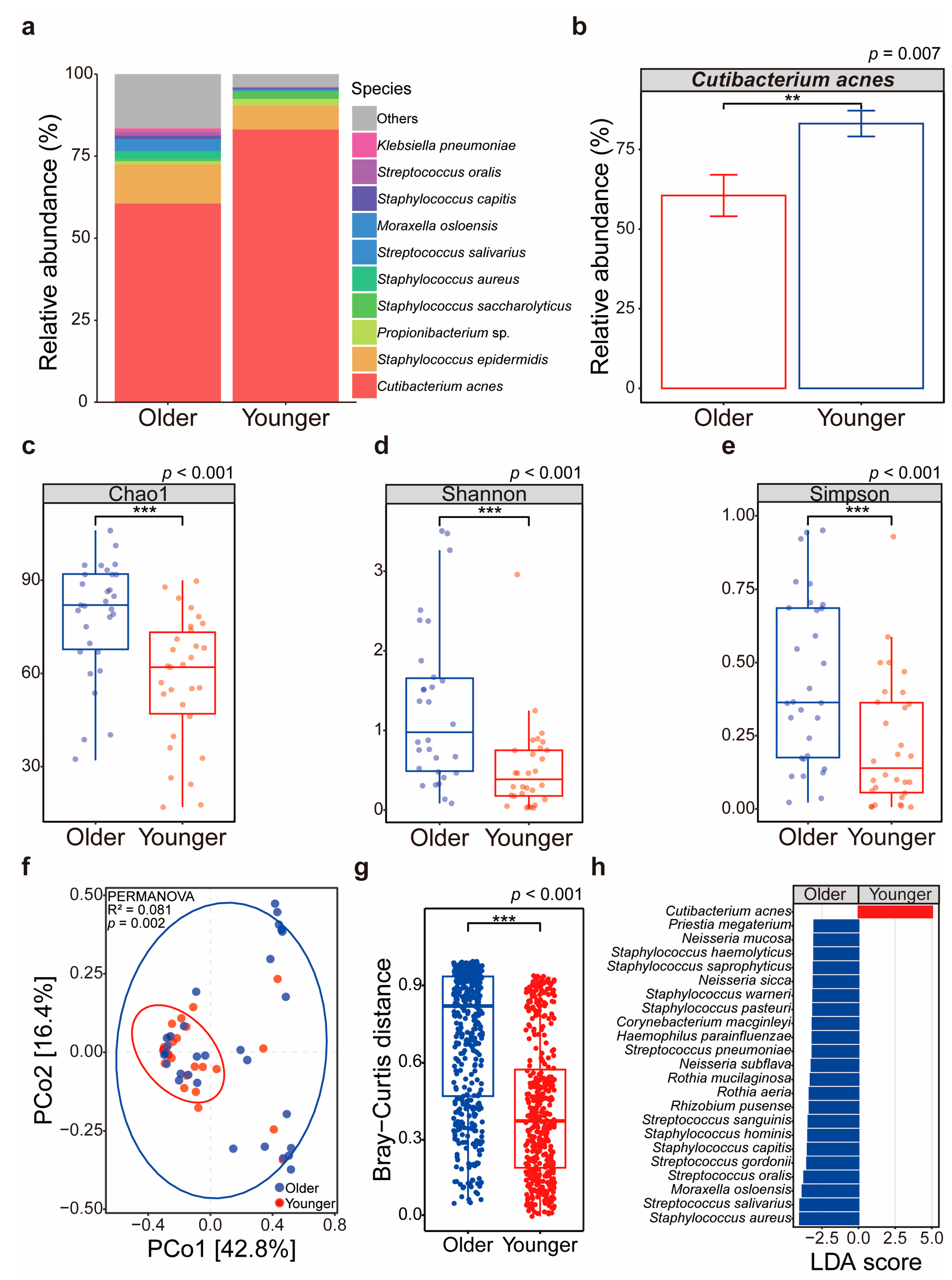
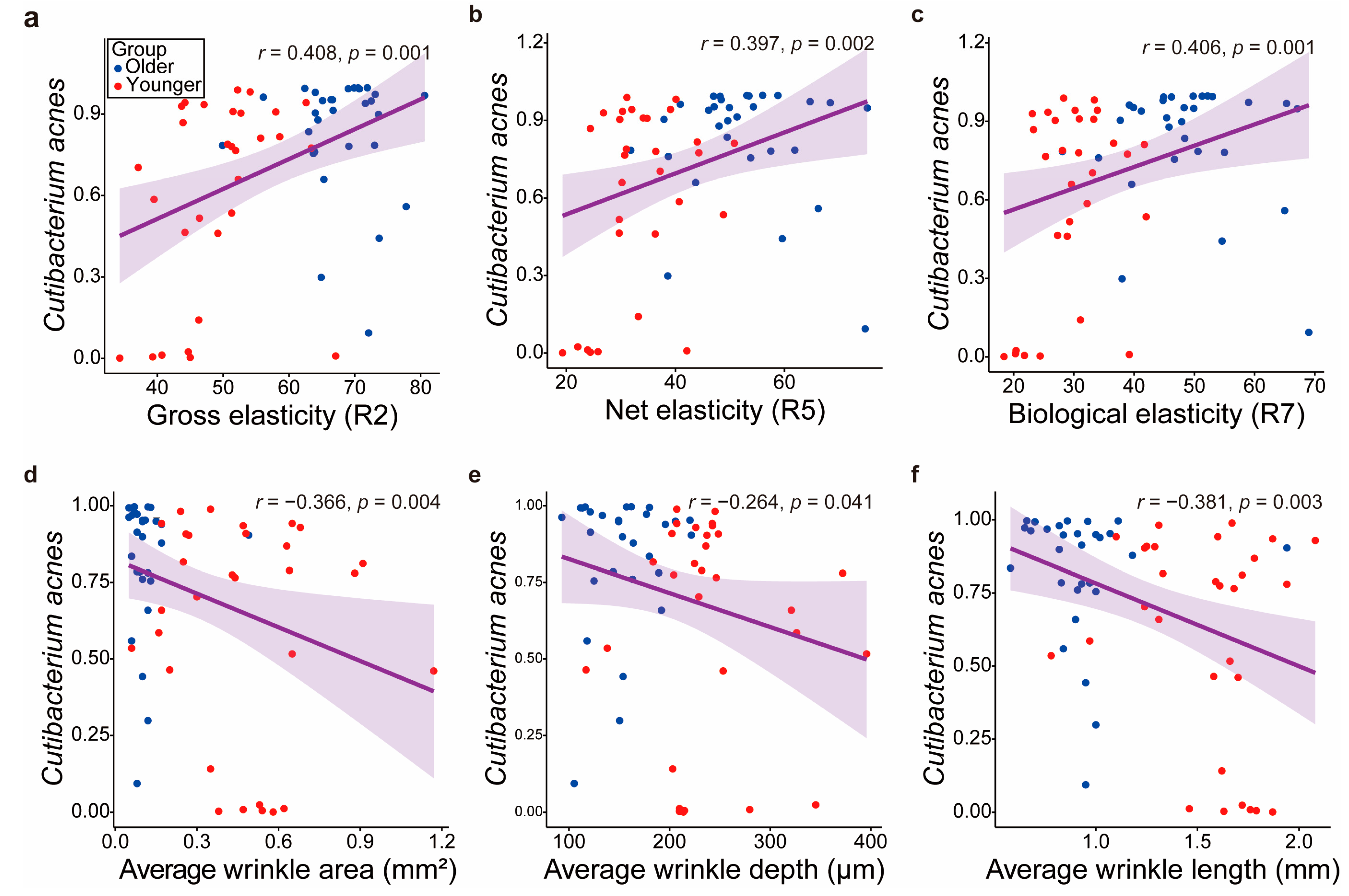
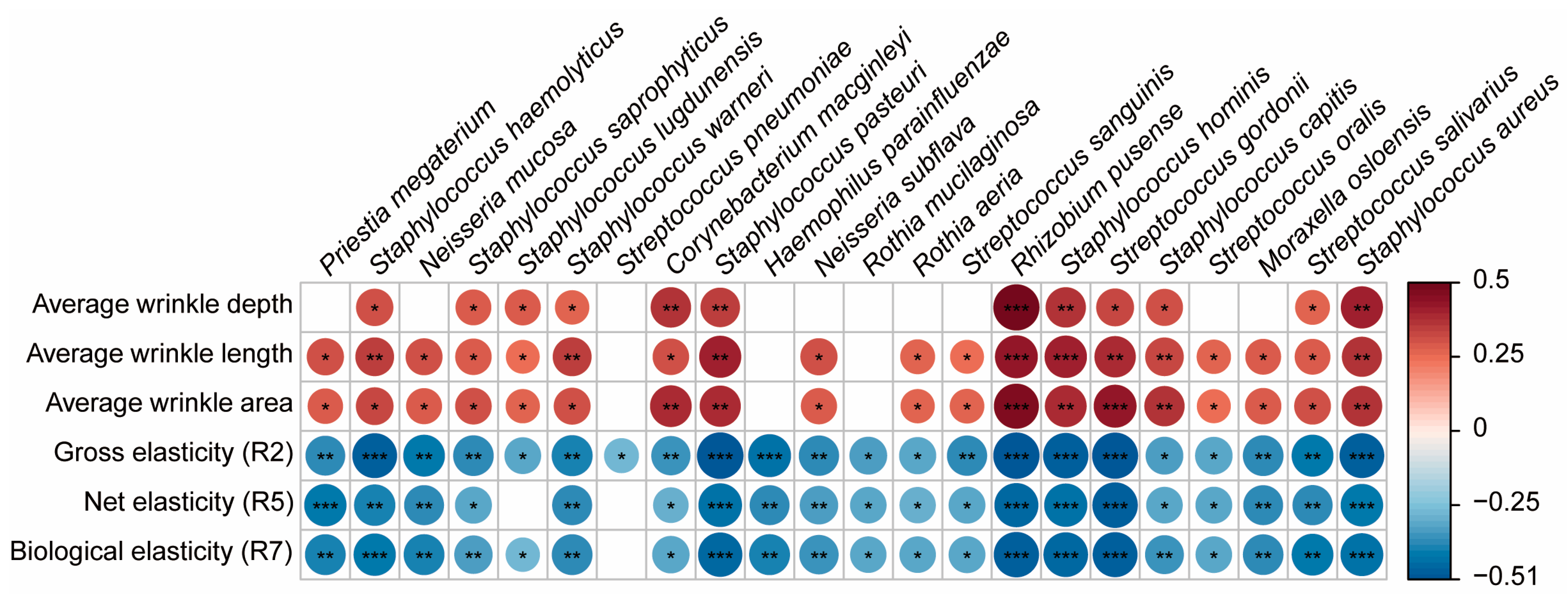
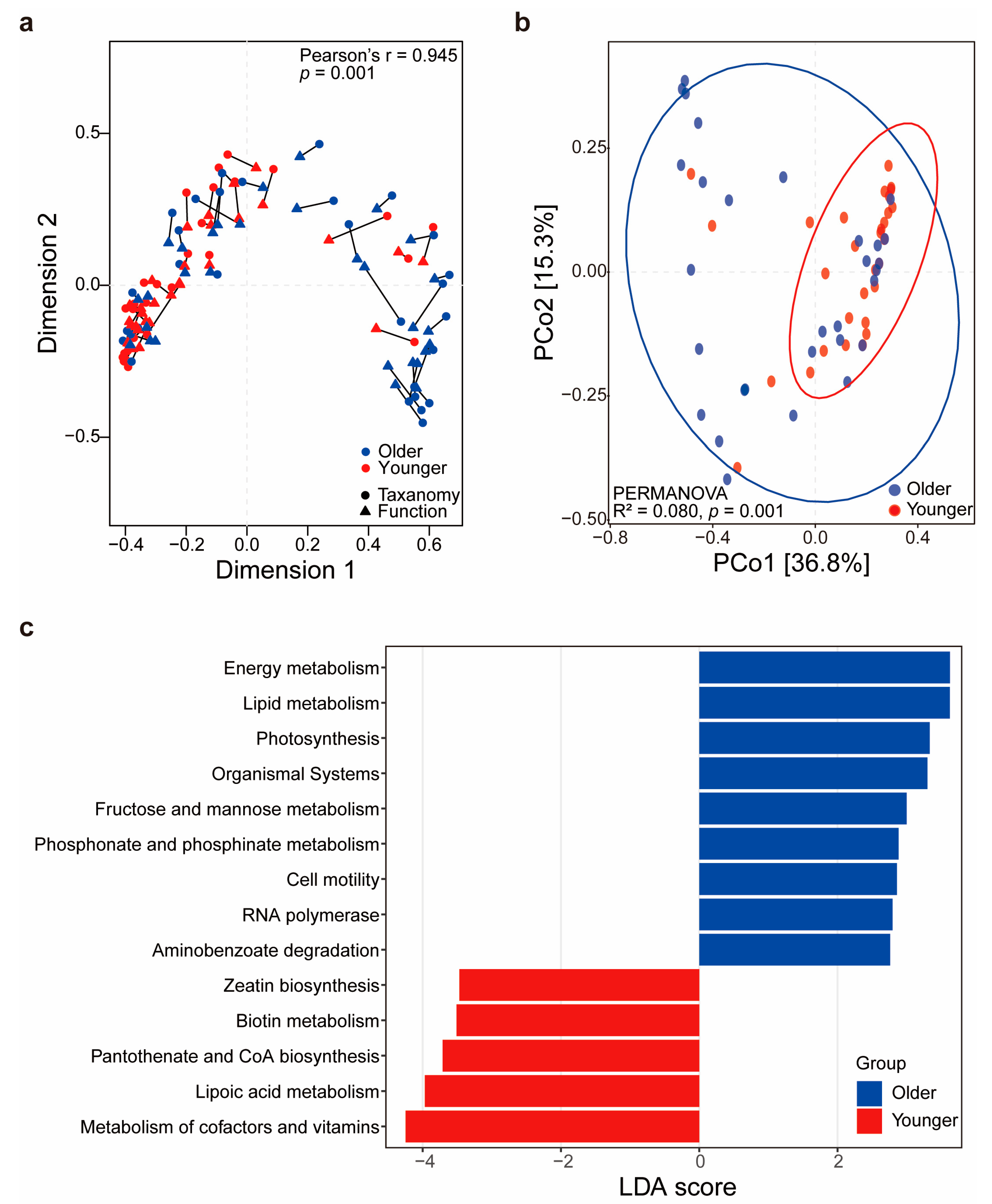
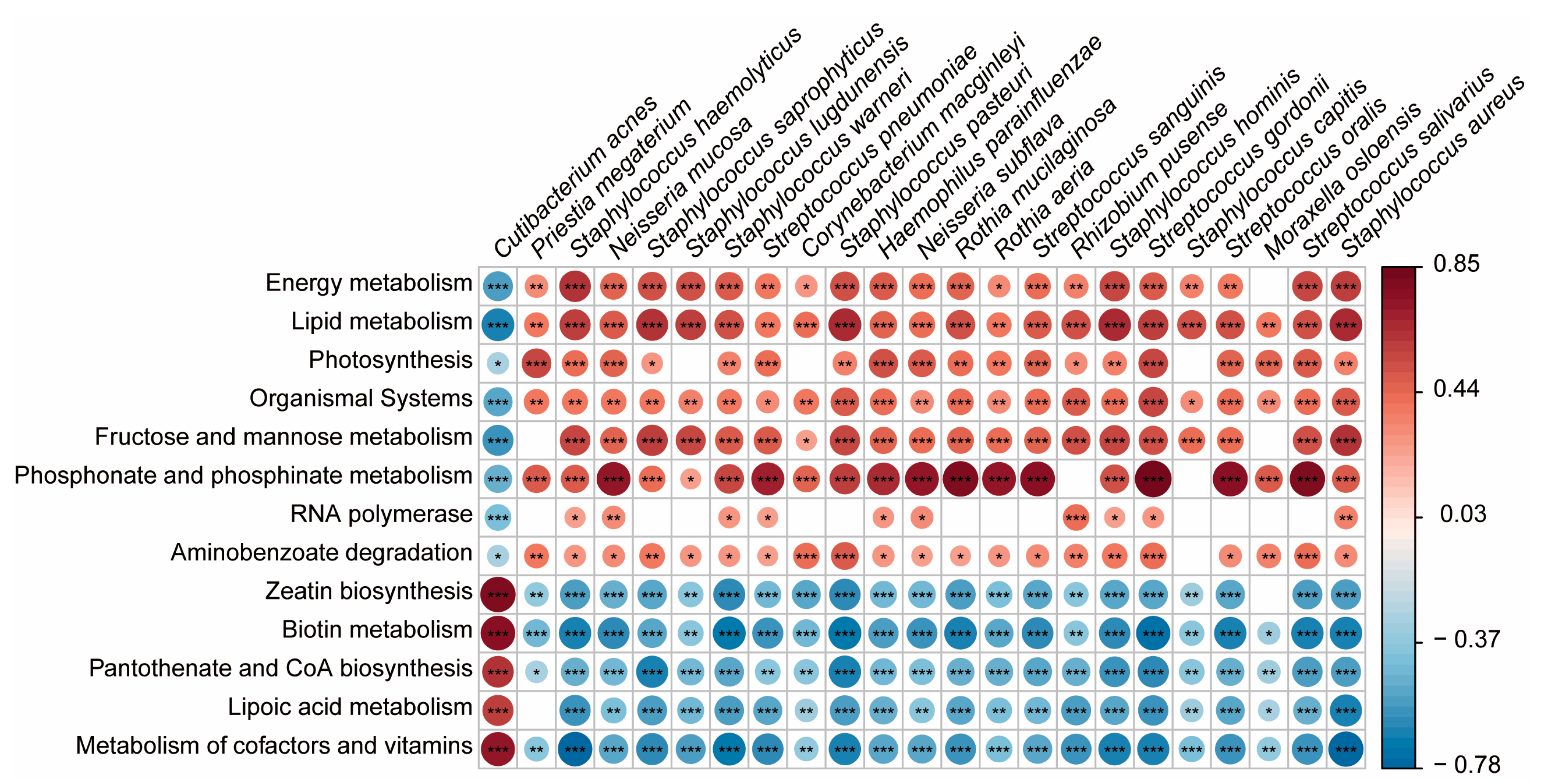
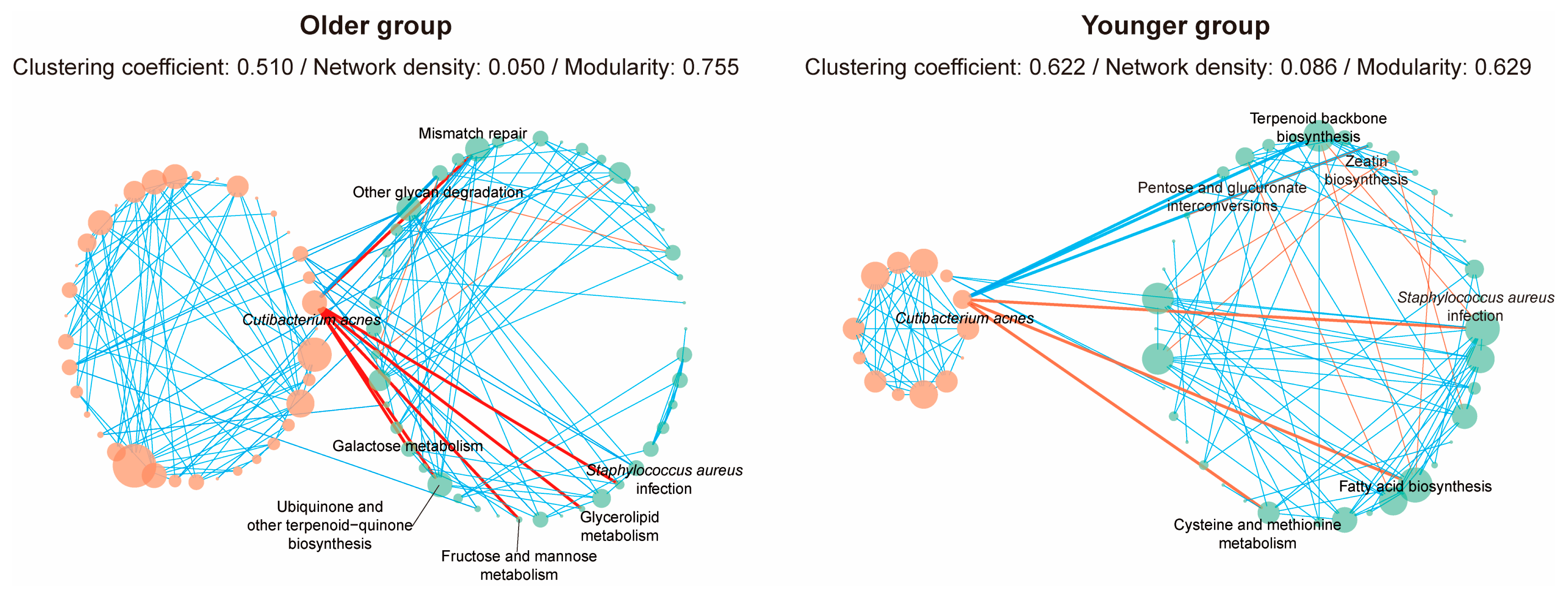
Skin aging involves biomechanical changes like decreased elasticity, increased wrinkle formation, and altered barrier function. The skin microbiome significantly impacts this process. Here, we investigated the effects of decreased Cutibacterium acnes abundance and increase in other skin microorganisms on skin biomechanical properties in 60 healthy Koreans from Seoul, divided into younger (20–29 years) and older (60–75 years) groups. Metagenomic sequencing and skin assessments showed that the older group exhibited decreased C. acnes dominance and increased microbial diversity, correlating with reduced skin elasticity and increased wrinkles. In the younger age group, the enriched pathways included zeatin biosynthesis, distinct biotin metabolism pathways, and cofactor and vitamin metabolism in the younger age group, whereas pathways related to lipid metabolism, energy metabolism, and responses to environmental stressors, including UV damage and pollution, were enriched in the older group, according to functional analysis results. Network analysis indicated higher microbial connectivity in the younger group, suggesting a more stable community, whereas the older group’s community displayed higher modularity, indicating more independent and specialized clusters. This study enhances our understanding of the impact of skin microbiome changes on skin aging, particularly the anti-aging effects of C. acnes. Future research should focus on the physiological mechanisms of skin microbiota on skin aging and explore therapeutic potentials to enhance skin health.
Keywords: skin aging; skin microbiome; biomechanical properties; metagenomic sequencing; microbial diversity skin aging; skin microbiome; biomechanical properties; metagenomic sequencing; microbial diversity