Article

Animal Model Studies, Antibiotic Resistance and Toxin Gene Profile of NE Reproducing Clostridium perfringens Type A and Type G Strains Isolated from Commercial Poultry Farms in China

1
Key Laboratory of Livestock Disease Prevention of Guangdong Province, Key Laboratory of Avian Influenza and Other Major Poultry Diseases Prevention and Control, Ministry of Agriculture and Rural Affairs, Institute of Animal Health, Guangdong Academy of Agricultural Sciences, Guangzhou 510640, China
2
Department of Microbiology, Faculty of Veterinary and Animal Sciences, The Islamia University of Bahawalpur, Bahawalpur 63100, Pakistan
3
College of Animal Science and Technology, Anhui Science and Technology University, Chuzhou 233100, China
*
Authors to whom correspondence should be addressed.
These authors contributed equally to this work.
Microorganisms 2023, 11(3), 622; https://doi.org/10.3390/microorganisms11030622

Submission received: 7 January 2023 / Revised: 12 February 2023 / Accepted: 23 February 2023 / Published: 28 February 2023
(This article belongs to the Special Issue Gram Positive Toxins Producing Organisms)

Abstract

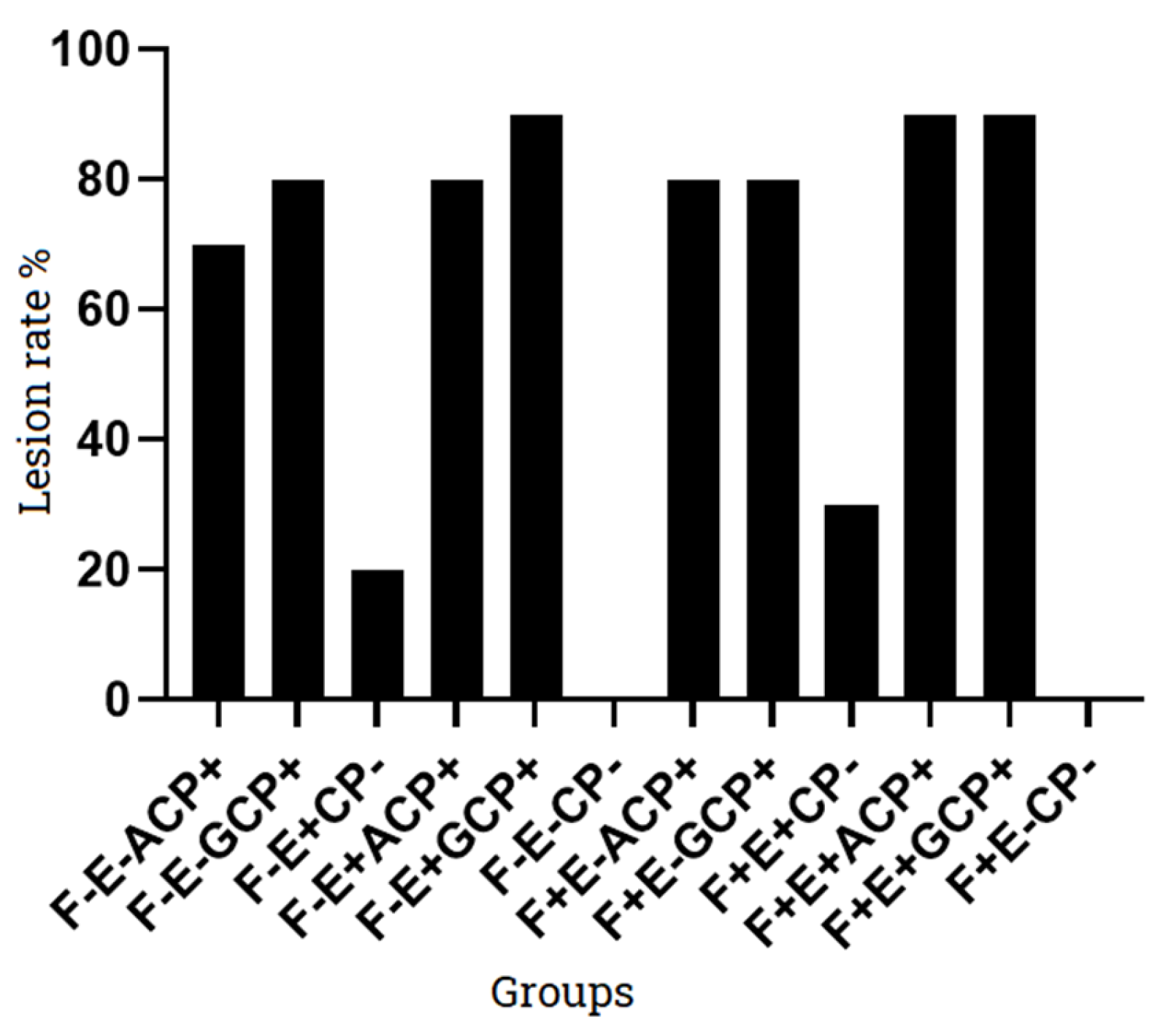
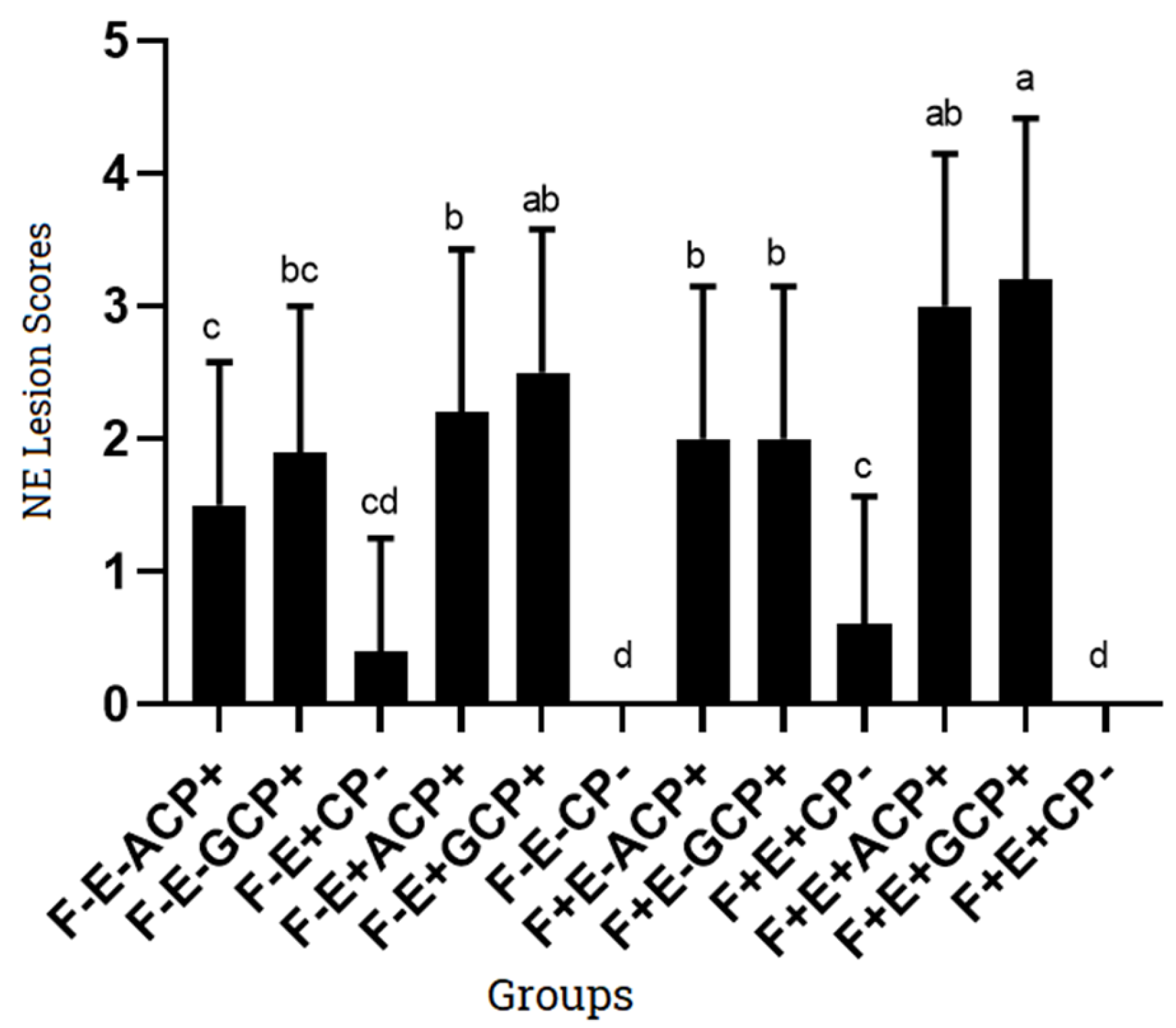
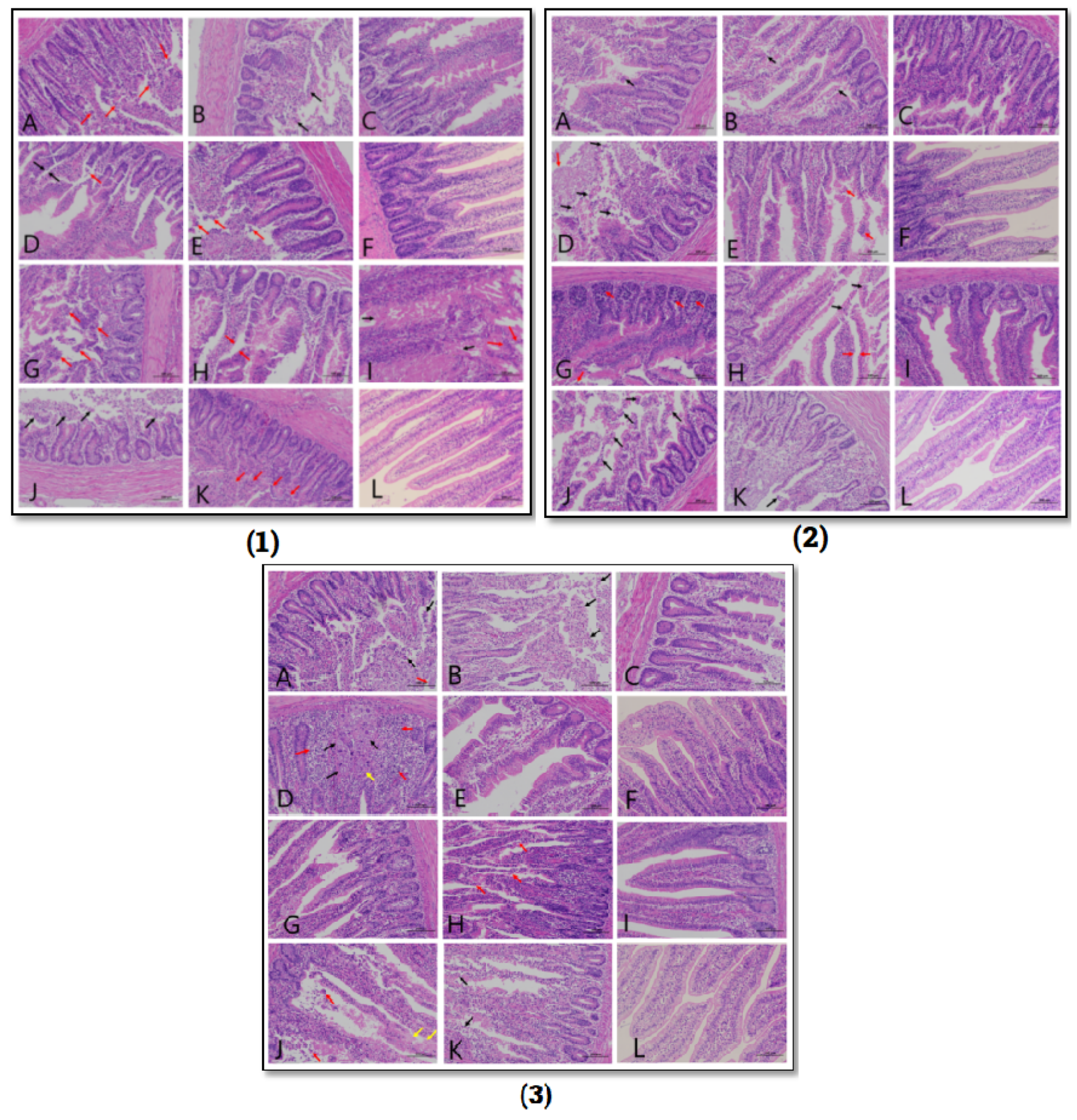
Poultry necrotic enteritis (NE) is a complex and multifactorial disease caused by Clostridium perfringens types. Earlier, the disease was prevented and/or controlled through the addition of in-feed antibiotics and antimicrobial growth promoters (AGPs). The ban on the use of these agents as feed additives has been a major reason for re-emergence of this disease leading to huge economic losses to the world poultry industry. Understanding the pathogenesis of NE by developing an effective experimental model remains challenging and lacks consistency owing to the involvement of several critical factors involved in causing lesions of disease in the field. In this study, locally characterized C. perfringens types, i.e., ACP (toxinotype A), and GCP (toxinotype G), obtained from NE outbreaks on commercial farms in China (2020–2022), were used to experimentally induce NE in Specific-Pathogen-Free (SPF) chicks. The lesion scores observed on day 20 were 1.9 ± 1.10 (GCP strain) and 1.5 ± 1.08 (ACP strain), and both had significant difference as compared to the control group. The inclusion of fishmeal in addition to oral clostridial dose, i.e., fishmeal (day 7 onward) + Clostridia (7.5 × 10⁸ cfu/mL consecutively for 04 days) induced a lesion score of 2.0 ± 1.15 in respective groups. Use of coccidia (Eimeria necatrix) on day 9 followed by clostridia challenge enhanced the lesion scores to 2.5 ± 1.08 and 2.2 ± 1.23 for type G and type A strains, respectively. When both predisposing factors (coccidia + fish meal) were given together, i.e., fishmeal (day 7 onward) and coccidia (day 9) along with clostridia, the lesion scores were 3.2 ± 1.22 (GCP + coccidia + fish meal) and 3.0 ± 1.15 (ACP + coccidia + fish meal). These results were significantly different from group 1 (ACP) and 2 (GCP), in which only C. perfringens was used to induce NE. The clinical signs as well as histopathological lesions in experimentally induced groups were found similar as reported in the literature. The two type G strains identified in this study were also used for susceptibility testing against various drugs. Both strains were found to be resistant to amikacin, doxycycline, metronidazole, neomycin, nystatin, polymyxin B, streptomycin, and tetracycline. Variable susceptibility was seen against ceftriaxone, florfenicol, gentamicin, and kanamycin drugs. Amoxicillin, ampicillin, cefotaxime, ciprofloxacin, enrofloxacin, ofloxacin, and penicillin were effective drugs based upon their low level of resistance and therefore they might be preferred over other antimicrobial agents for proper treatment/prophylaxis of NE infections. Further studies are needed to study the pathogenesis of NE in detail in experimentally induced models along with continuous monitoring of the resistance pattern of C. perfringens strains in the field.
Keywords: necrotic enteritis; C. perfringens; netB gene; animal model studies; amoxicillin necrotic enteritis; C. perfringens; netB gene; animal model studies; amoxicillin