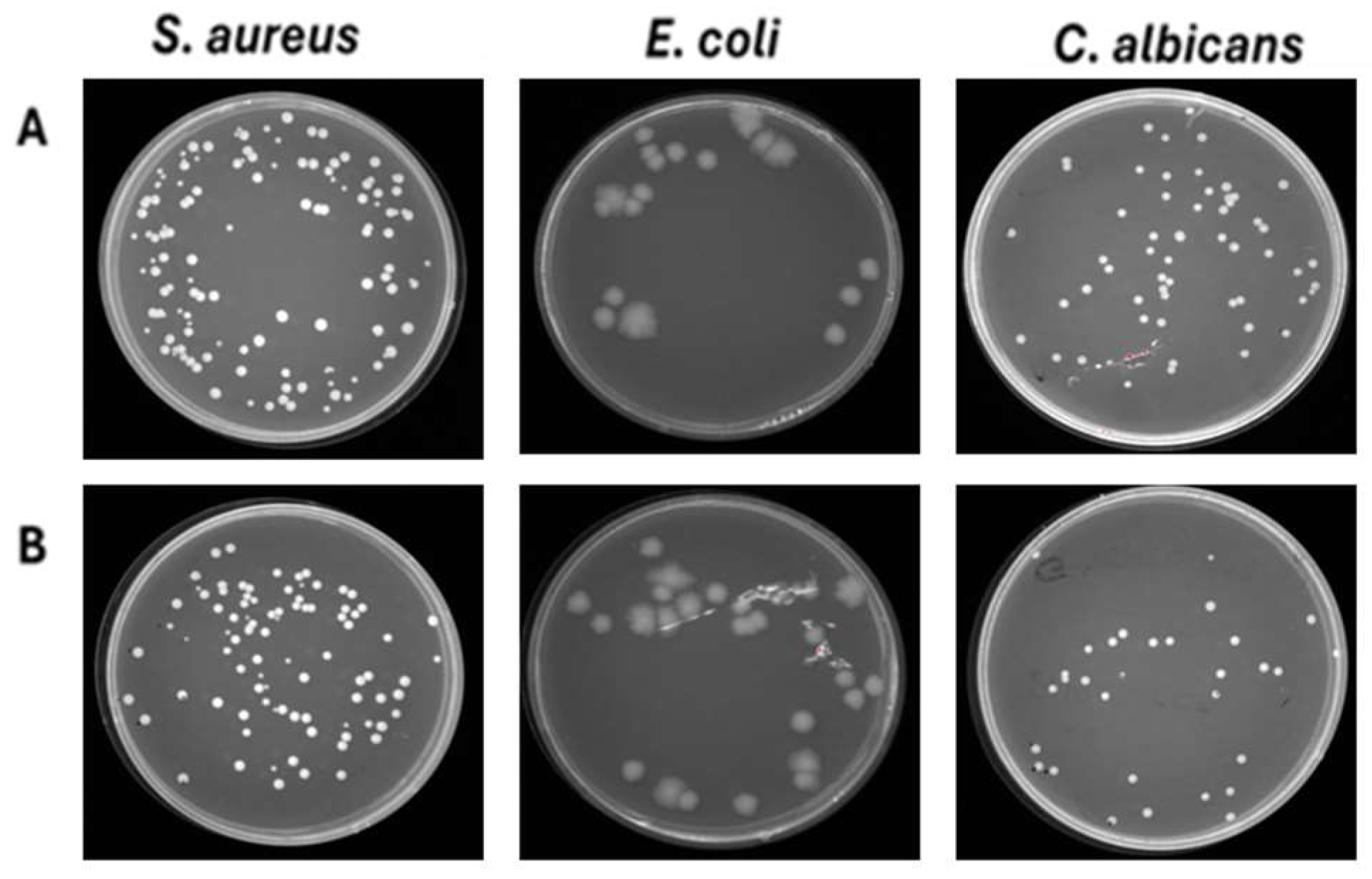
Correction: De Caro et al. Optimizing Textile Disinfection in Hospital-Associated Infections Using Gaseous Ozone. Pathogens 2025, 14, 977

 , ,
, ,  ,
,  ,
,  , , ,
, , ,  ,
,  and
and Error in Figure
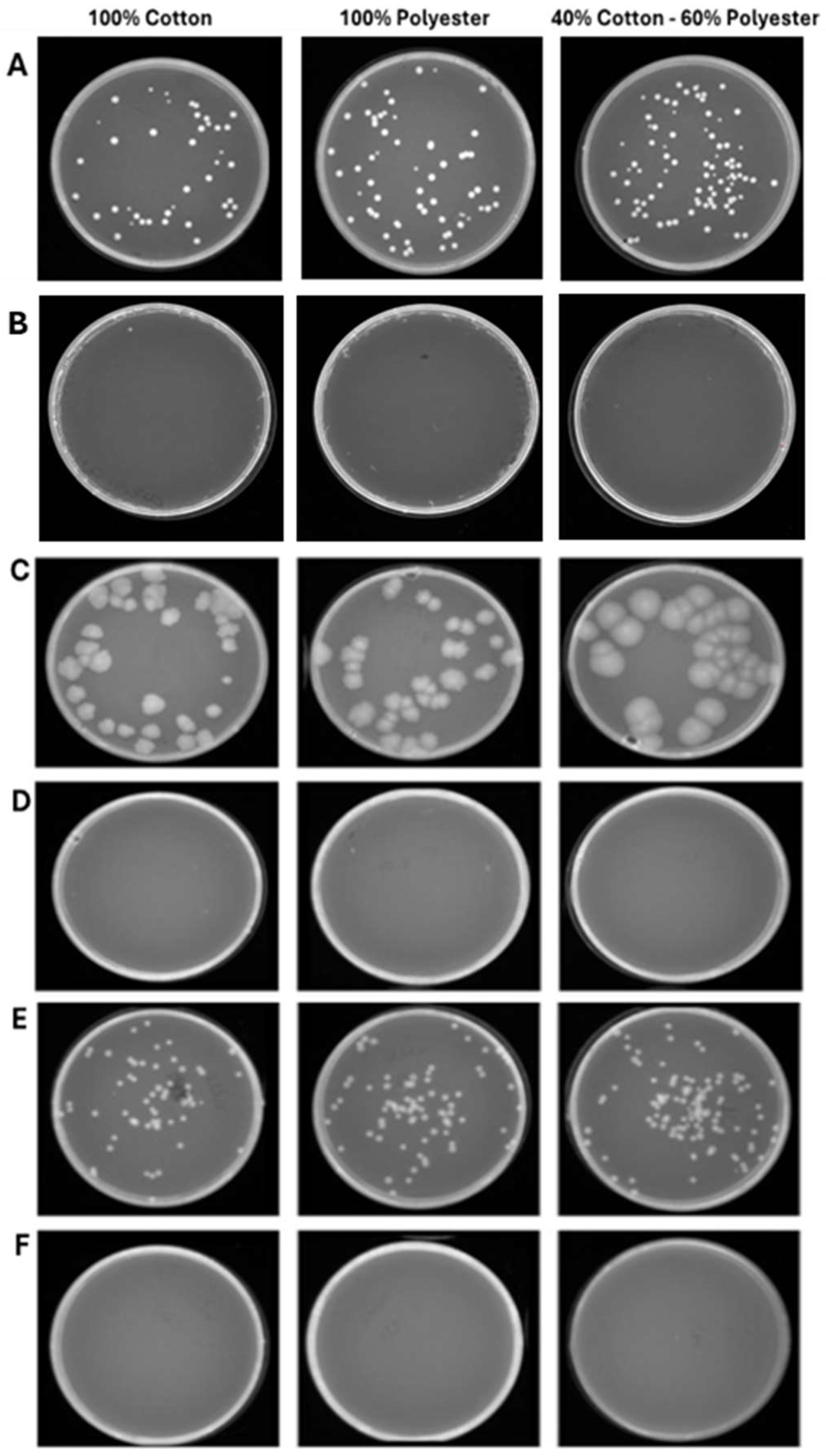
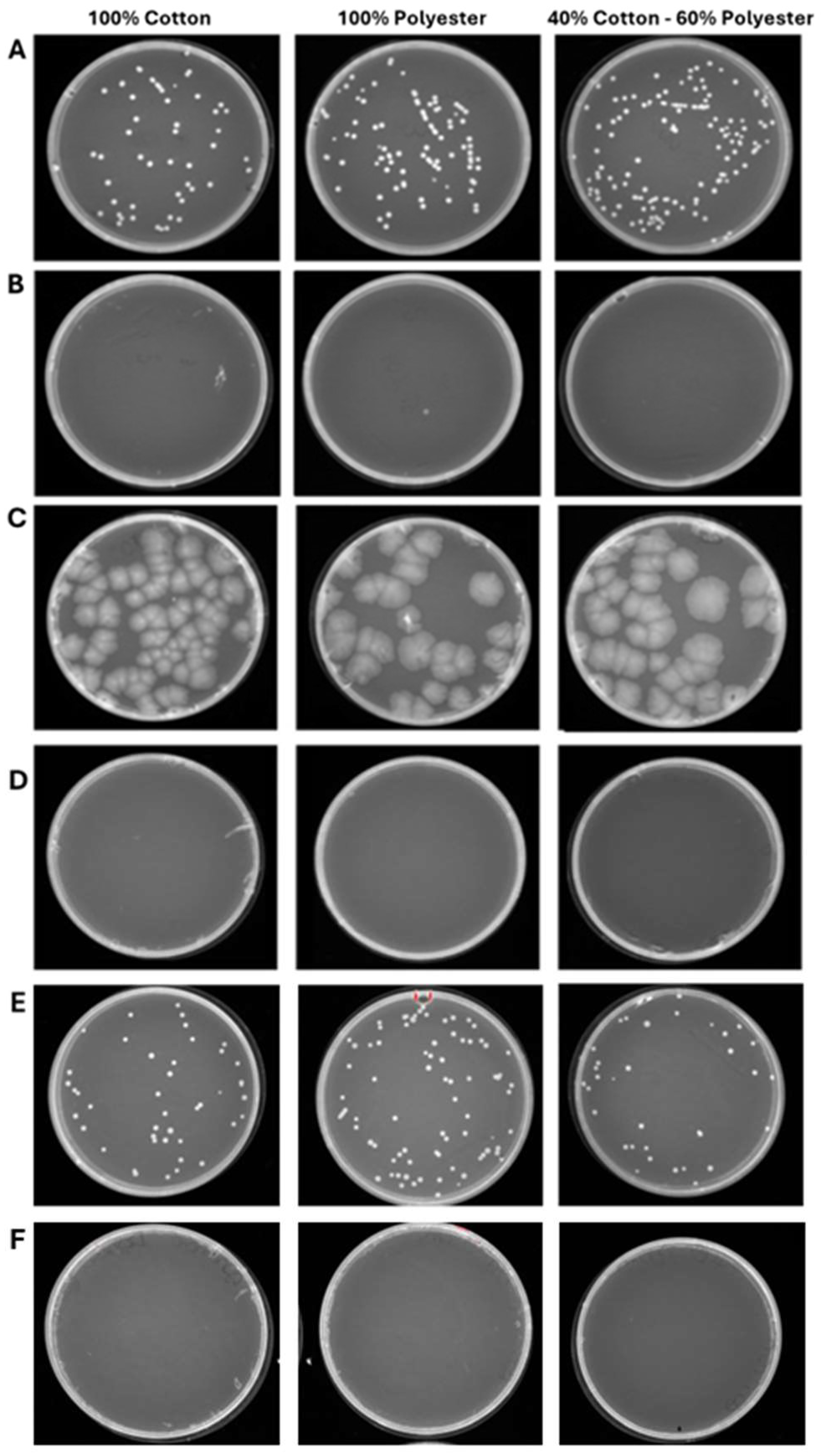

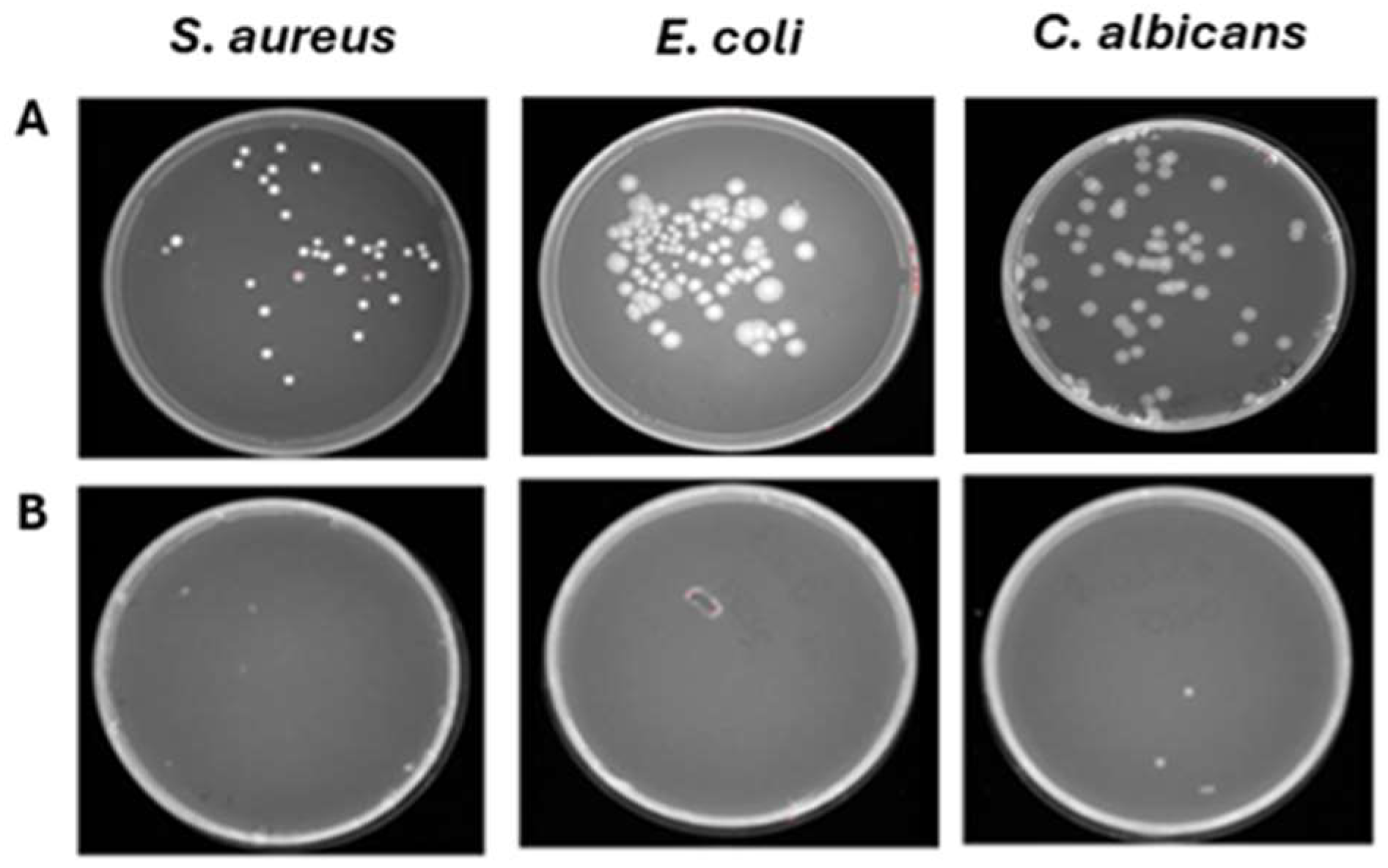
Error in Acknowledgment Statement
Reference
- De Caro, F.; Dell’Annunziata, F.; Motta, O.; Capuano, N.; Faggiano, A.; Aulisio, L.; Tomeo, M.; Santoro, E.; Boccia, G.; Capunzo, M.; et al. Optimizing Textile Disinfection in Hospital-Associated Infections Using Gaseous Ozone. Pathogens 2025, 14, 977. [Google Scholar] [CrossRef] [Scilit] [PubMed]
Disclaimer/Publisher’s Note: The statements, opinions and data contained in all publications are solely those of the individual author(s) and contributor(s) and not of MDPI and/or the editor(s). MDPI and/or the editor(s) disclaim responsibility for any injury to people or property resulting from any ideas, methods, instructions or products referred to in the content. |
© 2026 by the authors. Licensee MDPI, Basel, Switzerland. This article is an open access article distributed under the terms and conditions of the Creative Commons Attribution (CC BY) license.
Share and Cite
De Caro, F.; Dell’Annunziata, F.; Motta, O.; Capuano, N.; Faggiano, A.; Aulisio, L.; Tomeo, M.; Santoro, E.; Boccia, G.; Capunzo, M.; et al. Correction: De Caro et al. Optimizing Textile Disinfection in Hospital-Associated Infections Using Gaseous Ozone. Pathogens 2025, 14, 977. Pathogens 2026, 15, 252. https://doi.org/10.3390/pathogens15030252
De Caro F, Dell’Annunziata F, Motta O, Capuano N, Faggiano A, Aulisio L, Tomeo M, Santoro E, Boccia G, Capunzo M, et al. Correction: De Caro et al. Optimizing Textile Disinfection in Hospital-Associated Infections Using Gaseous Ozone. Pathogens 2025, 14, 977. Pathogens. 2026; 15(3):252. https://doi.org/10.3390/pathogens15030252
Chicago/Turabian StyleDe Caro, Francesco, Federica Dell’Annunziata, Oriana Motta, Nicoletta Capuano, Antonio Faggiano, Leonardo Aulisio, Matteo Tomeo, Emanuela Santoro, Giovanni Boccia, Mario Capunzo, and et al. 2026. "Correction: De Caro et al. Optimizing Textile Disinfection in Hospital-Associated Infections Using Gaseous Ozone. Pathogens 2025, 14, 977" Pathogens 15, no. 3: 252. https://doi.org/10.3390/pathogens15030252
APA StyleDe Caro, F., Dell’Annunziata, F., Motta, O., Capuano, N., Faggiano, A., Aulisio, L., Tomeo, M., Santoro, E., Boccia, G., Capunzo, M., Moccia, G., Folliero, V., & Franci, G. (2026). Correction: De Caro et al. Optimizing Textile Disinfection in Hospital-Associated Infections Using Gaseous Ozone. Pathogens 2025, 14, 977. Pathogens, 15(3), 252. https://doi.org/10.3390/pathogens15030252