Article

Research on the Influencing Factors of Carbon Emissions in the Construction Industry of Hunan Province and Peak Prediction
1
School of Civil Engineering, Hunan University, Changsha 410082, China
2
Key Laboratory of Building Safety and Energy Efficiency of the Ministry of Education, Hunan University, Changsha 410082, China
*
Author to whom correspondence should be addressed.
Buildings 2026, 16(9), 1816; https://doi.org/10.3390/buildings16091816

Submission received: 4 April 2026 / Revised: 27 April 2026 / Accepted: 27 April 2026 / Published: 2 May 2026
(This article belongs to the Section Building Energy, Physics, Environment, and Systems)

Abstract

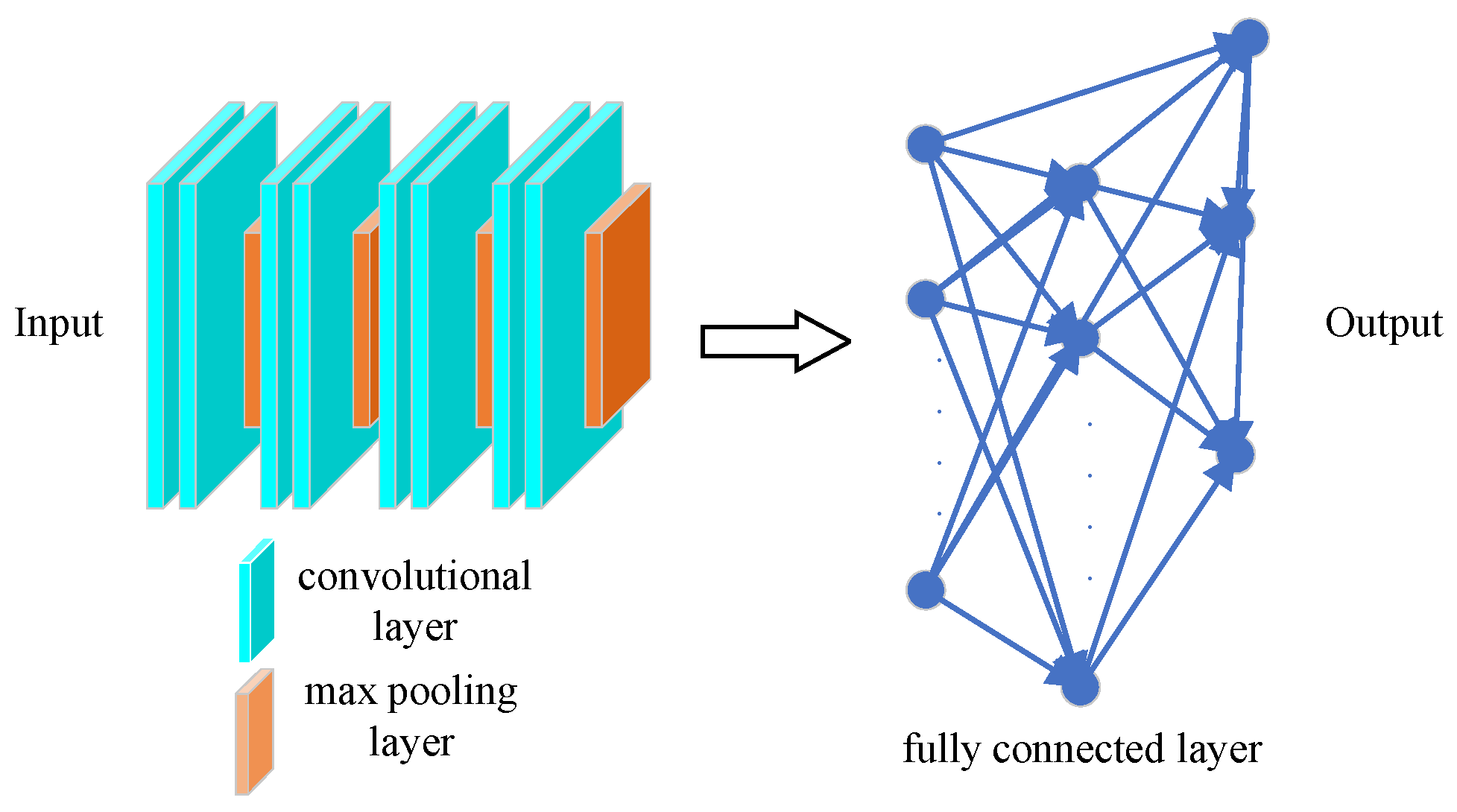
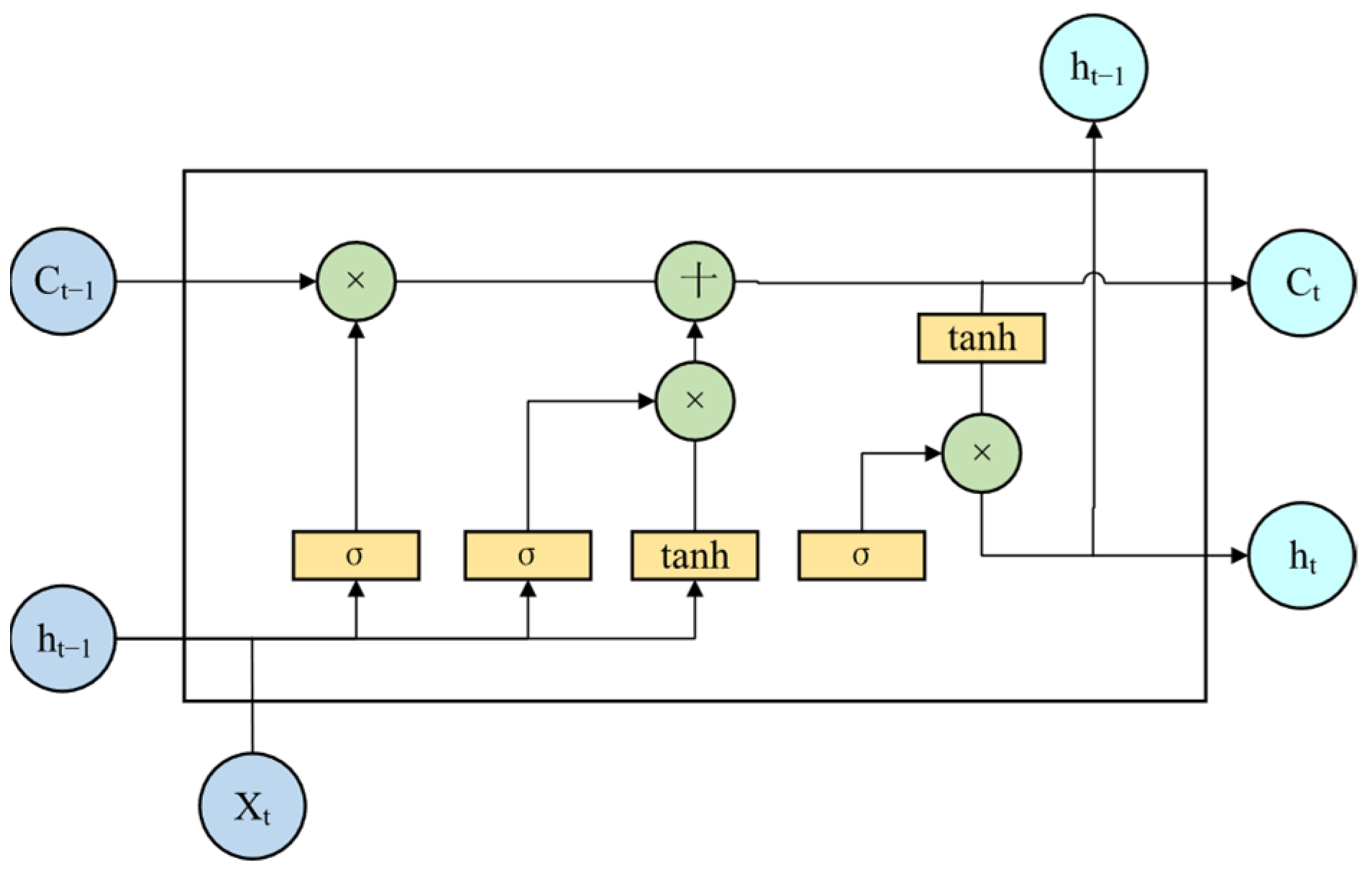
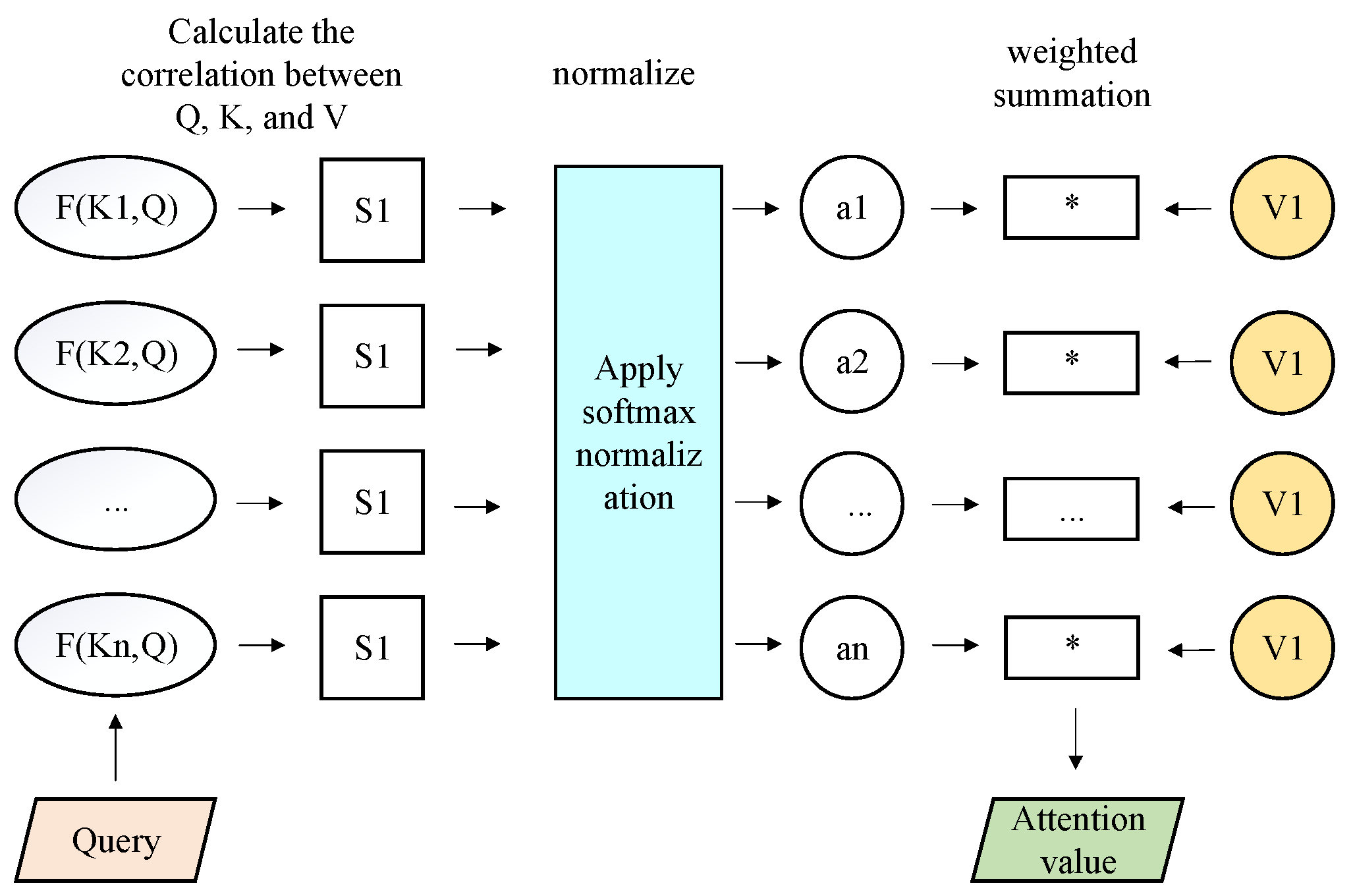
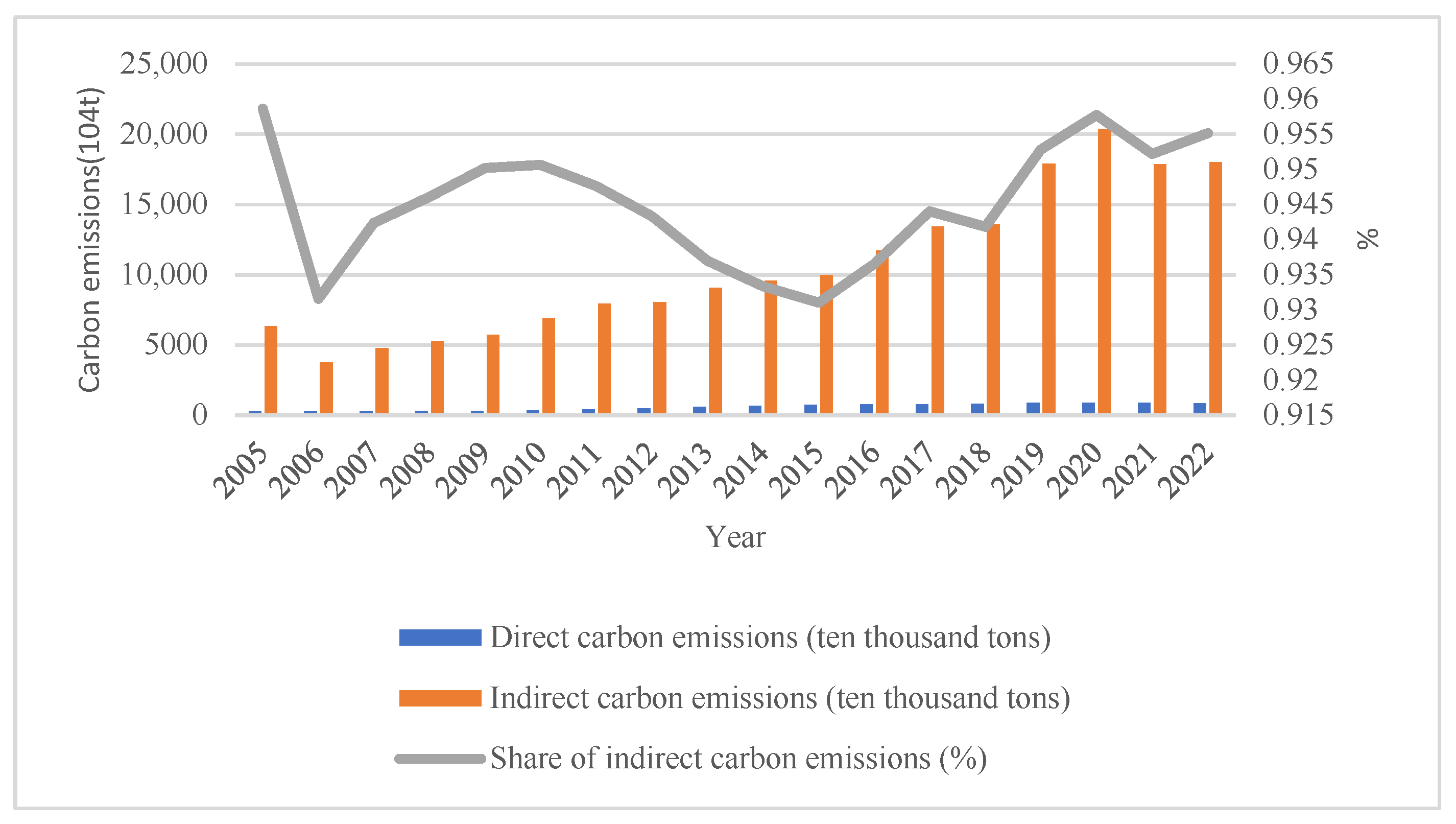
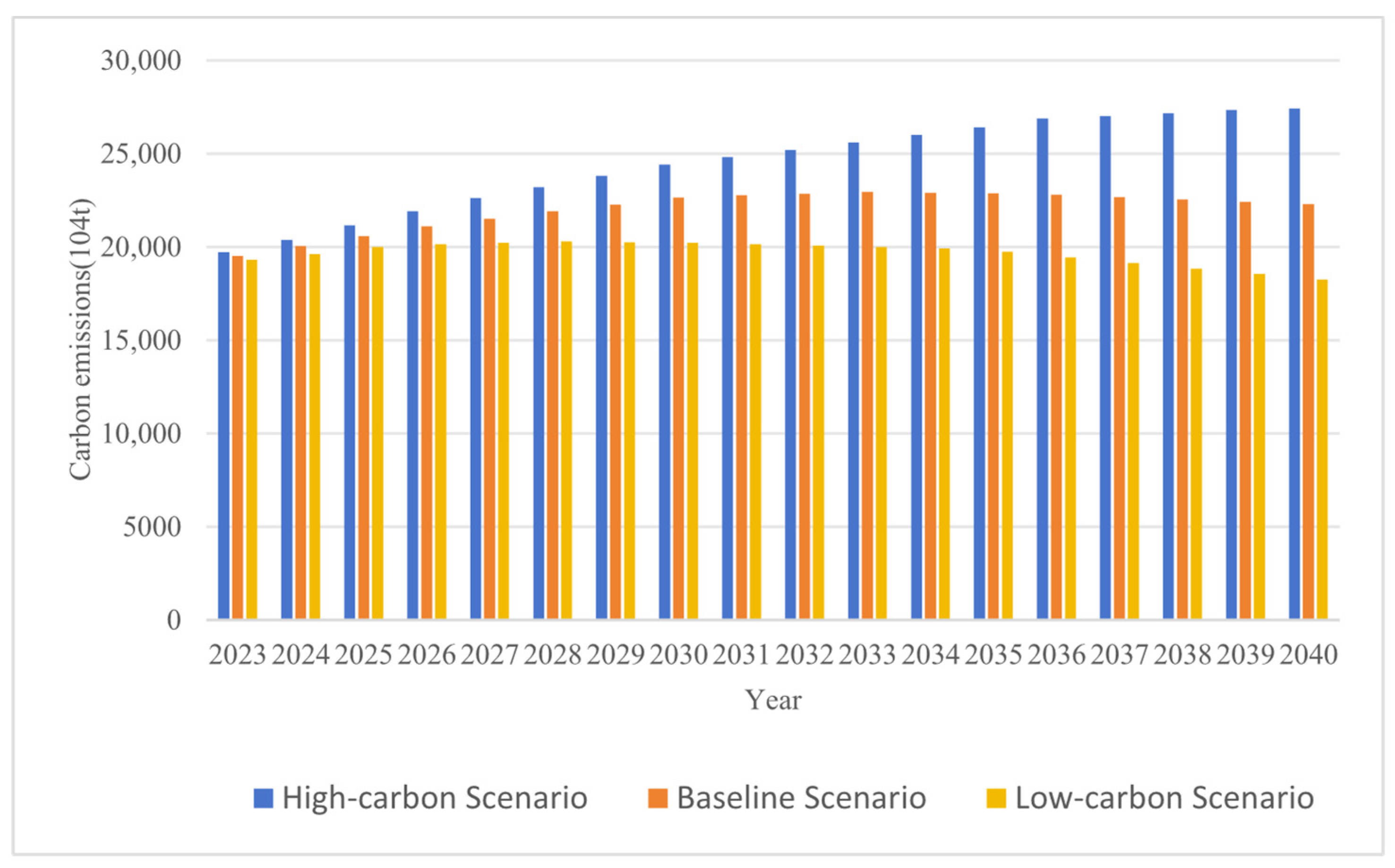
In accordance with the national strategy of “carbon peaking by 2030 and carbon neutrality by 2060” and Hunan Province’s target of achieving carbon peaking in the construction sector by 2030, this study uses carbon emission data from Hunan’s construction sector for the period 2005–2022 as a research sample to conduct research on carbon emission accounting, analysis of influencing factors, and peak prediction. The carbon emission coefficient method was employed to calculate industry-wide carbon emissions. Using the STIRPAT model combined with ridge regression, we identified and quantified the driving factors of carbon emissions. A CNN-LSTM-Attention hybrid deep learning model was constructed, and three development scenarios—high-carbon, baseline, and low-carbon—were established to simulate the evolution of carbon emissions in Hunan’s construction industry from 2023 to 2040. The results indicate that carbon emissions from Hunan’s construction industry showed an overall upward trend during the study period, with indirect emissions constituting the primary component. Through variable optimization, the core positive drivers and negative restraints of carbon emissions in the construction industry were identified. The constructed hybrid model demonstrated excellent fitting performance, with prediction accuracy significantly higher than that of traditional machine learning and single deep learning models. Carbon emission trends varied significantly across different development scenarios, with the low-carbon development scenario identified as the optimal path for achieving the industry’s carbon peak target. These findings provide a theoretical basis and data support for the low-carbon transition of Hunan Province’s construction sector, as well as for the formulation and optimization of carbon peaking implementation plans.
Keywords: carbon emissions; carbon peaking forecast; STIRPAT model; CNN-LSTM-Attention hybrid model; Hunan Province carbon emissions; carbon peaking forecast; STIRPAT model; CNN-LSTM-Attention hybrid model; Hunan Province