1. Introduction
The Chuan-Dou timber frame is one of the typical forms of traditional Chinese timber structures. Due to its excellent climate adaptability and regional suitability, it is widely used in rural residences in Southwest China. Located in a seismically active zone, Southwest China has experienced multiple destructive earthquakes since the 21st century, with most seismic hazards concentrated in rural areas. For example, during the 2013 Lushan Ms 7.0 earthquake, a large number of Chuan-Dou timber frame residences in the seismic zone suffered varying degrees of damage [
1]. As a traditional residential type with huge stock and wide distribution, its seismic safety is directly related to the lives and property safety of the people. Therefore, conducting targeted research holds significant engineering value and practical significance.
In recent years, scholars have carried out extensive research on the seismic performance and safety assessment of Chuan-Dou timber frame buildings.
Regarding the research on the seismic performance of infill walls in Chuan-Dou timber frame buildings, Li et al. [
2] addressed the problem of out-of-plane failure of masonry infill walls in Chuan-Dou timber frames by combining experimental and finite element modeling methods, proposing a calculation formula for the out-of-plane peak load, which provides theoretical basis and data support for anti-collapse design. Lv et al. [
3] used an experimentally validated ABAQUS model to compare the mechanical properties of different frame forms (TF, TFD, TFVP), clarifying the influence of infill panel geometric parameters and load transfer mechanisms through parametric analysis and providing data support for seismic optimization design. Guo et al. [
4] conducted tests on four full-scale specimens to compare the effects of different infills on the in-plane seismic performance of Chuan-Dou timber frames. The results showed that brick masonry infill significantly outperforms vertical wood panel infill in improving lateral bearing capacity and stiffness, and both types of infills can effectively enhance the energy dissipation capacity of the structure, providing references for infill selection and seismic design. Liang et al. [
5] studied the influence of infill wall type and column base slip on structural seismic performance through quasi-static cyclic tests. The results indicated that infill walls can significantly improve structural stiffness and bearing capacity (the initial stiffness of wood panel infill is 6.9 times that of the bare frame), and the coordinated deformation capacity of wood panel infill is superior to that of brick wall infill.
In terms of research on the seismic performance of mortise-tenon joints in Chuan-Dou timber frame buildings: Chun et al. [
6] selected four typical mortise-tenon joints in traditional timber structures (mantou tenon, through tenon, half tenon, and straight tenon at the bottom of secondary column) as research objects. Through low-cycle reversed loading tests, they systematically investigated their failure modes, hysteretic characteristics, skeleton curves, rotational stiffness, ductility coefficients, and energy dissipation capacity under horizontal loads. Wang [
7] conducted quasi-static tests on Chuan-Dou timber frames and found that half tenon heads are prone to shear cracks under cyclic loads, while through tenons are mainly characterized by rotation and tenon pull-out; the overall structure has good ductility and deformation capacity, but significant stiffness degradation occurs when the horizontal load reaches 50% of the peak value, making it prone to inclined collapse. Shi et al. [
8] selected five types of joints (straight tenon, stepped through tenon, half tenon, large-head tenon, and silver ingot shoulder tenon), fabricated ten full-scale specimens using pine and cedar, and carried out quasi-static cyclic loading tests. They clarified the dominant influence of joint type on bearing capacity, stiffness degradation, strength degradation, and energy dissipation and revealed the differences in seismic mechanisms among different joints.
Regarding the research on seismic strengthening of Chuan-Dou timber frame buildings, Wang [
9] proposed a cable-stayed strengthening method, which was verified by quasi-static tests on a 1:7 scaled model. The herringbone two-story strengthening scheme was found to be optimal, as it can protect both mortise-tenon joints and enclosure walls and has the advantages of strong applicability, low cost, and convenient construction. Li et al. [
10] combined full-scale tests and numerical simulations to evaluate the influence of different strengthening schemes on the out-of-plane seismic performance of masonry-infilled Chuan-Dou timber frames, establishing a simplified calculation model for out-of-plane bearing capacity considering arching effect and reinforcement contribution, which is applicable to two-side and three-side support conditions. Huang et al. [
11] designed four full-scale specimens and systematically studied the hysteretic performance, stiffness degradation, strength degradation, energy dissipation, and damage characteristics of the structure under different infill forms through low-cycle reversed cyclic loading tests. Ge et al. [
12] developed an assembled hoop reinforcement device with adjustable stiffness, and shaking table tests verified that it can effectively restore the seismic performance of damaged structures, reducing displacement response by 27% and improving joint energy dissipation by 22%.
In the research on timber structure health monitoring and damage detection, Chen et al. [
13] summarized the principles, characteristics, and applications of various representative non-destructive testing technologies for timber structures, analyzing the practical gaps in technology implementation and future research directions. More et al. [
14] systematically reviewed the core technologies and practical application cases of structural health monitoring (SHM) for timber structures, providing a reference framework for SHM research and engineering applications in timber structures. Ren and Meng [
15] proposed a damage identification method combining curvature mode and wavelet transform, verifying its effectiveness through numerical simulations and tests on wooden beams and frames. Ren et al. [
16] fabricated a 1:4.5 scaled model based on the Guang-Yue Tower and, through two shaking table tests, compared and analyzed indicators such as damage modes, dynamic characteristics, shear capacity, and energy dissipation capacity between intact and damaged models, providing experimental support for post-earthquake assessment and repair of multi-story traditional timber structures. Perković et al. [
17] established a non-destructive/semi-destructive inspection framework based on visual inspection, moisture content testing, and ultrasonic methods, drawing upon a century-old timber roof case study in Croatia, thereby providing a standardized pathway for rapid post-earthquake diagnosis of damaged timber structures. Jiang et al. [
18] developed a health monitoring system employing FBG fiber-optic sensors, enabling long-term real-time monitoring of timber beam deflection, timber column inclination, temperature and humidity, and fire hazards, which fills the technical gap in inclination monitoring of mortise-tenon timber structures based on FBG. Wang et al. [
19] proposed a damage identification method integrating ARMA time-series models, PCA dimensionality reduction, and Mahalanobis distance for large-span timber grid-shell structures, effectively addressing the misidentification issues associated with high modal density and high-degree-of-freedom spatial timber structures, enabling precise localization of damage positions and quantification of damage severity.
Regarding post-earthquake damage surveys of timber structures, Ye et al. [
20] conducted a comprehensive investigation of timber structures in the affected area of the 2025 Myanmar Mw 7.9 earthquake, systematically summarizing the structural characteristics of double-story and single-story timber buildings and revealing the controlling effects of joint connection types, member corrosion, site liquefaction, and surface rupture on seismic damage. Yan et al. [
21] focused on brick–timber structures in the meizoseismal area of the 2023 Jishishan Mw 6.2 earthquake, classifying local dwellings into two categories based on double-slope and single-slope high-wall configurations and categorizing the damage into four types, overall/partial collapse, roof damage, wall damage, and ancillary member damage, thereby elucidating that unreasonable structural systems, low mortar strength, poor integrity, and construction deficiencies constitute the primary causes of disaster. Zhang et al. [
22] concentrated on minority settlement areas in Qinghai Province affected by the Jishishan earthquake, conducting surveys on over 1800 traditional timber and brick (adobe)–timber residential buildings, identifying key damage characteristics including foundation settlement, column foot slip, and mortise-tenon joint pull-out and tearing and revealing the impact of stiffness mismatch, weak connections, and material deterioration on the seismic performance of structures. Zhong et al. [
23], through post-earthquake damage surveys of the 2023 Jishishan Mw 6.2 earthquake, identified weak connections, construction deficiencies, and site amplification effects as the core causes of timber structure damage, providing empirical support for seismic retrofitting and post-disaster reconstruction of timber structures.
Currently, research on Chuan-Dou timber frames mainly focuses on the seismic performance of mortise-tenon joints and infill walls; although there have been abundant research results in the field of structural damage identification in recent years (for example, Nerilli and Ahmadi [
24] conducted a study on the degradation of bond performance at the GFRP bar–concrete interface under alkali–thermal coupling environments, revealing the quantitative relationship among bond strength attenuation, interfacial stiffness degradation, and interfacial damage evolution, thereby providing experimental basis for characterizing local structural damage through interfacial mechanical indicators), most of the relevant work has centered on widely distributed typical structural types such as reinforced concrete and masonry structures. As a highly representative traditional residence in Southwest China, research on damage identification of Chuan-Dou timber frames is relatively weak, especially lacking systematic damage identification research with dynamic characteristic parameters such as natural frequency and damping ratio as core indicators. Newmark and Hall [
25], Hart and Ibáñez [
26], Kenichi Den Suda [
27], and other scholars proposed early that structural damping ratios vary significantly with structure type, number of stories, component internal force state, and stress level, and the damping ratio of structures entering the elastoplastic stage can reach more than ten times that of the elastic stage. Elmenshawi et al. [
28] conducted in-plane vibration tests on an unreinforced stone wall and found that the viscous damping ratio is closely related to specimen damage. Wang et al. [
29] discovered that the damping ratio of masonry structures is affected by both damage state and excitation spectral characteristics; Sun et al. [
30] and Zheng [
31] quantified the variation law of equivalent damping ratio at different damage stages through masonry wall tests and constructed damage classification models based on time-frequency domain features, providing new ideas for post-earthquake safety assessment.
Based on existing research, this study primarily focuses on two innovative aspects: first, the targeted expansion of the research object. Existing damage identification studies based on dynamic characteristics mainly revolve around modern structural types such as reinforced concrete frames and masonry walls, where damage modes are dominated by material cracking and steel yielding; consequently, the relevant findings cannot be directly transferred to traditional timber structures. As a highly representative form of traditional folk dwellings in Southwest China, Chuan-Dou timber structures exhibit damage concentrated in mortise-tenon joint loosening, tenon pull-out, timber splitting, and column foot slip, with stiffness degradation and energy dissipation mechanisms possessing significant particularities, thus urgently necessitating the establishment of damage identification methods applicable to this structural type. Second, the synergistic construction of identification indicators. Existing studies predominantly employ single indicators such as frequency or damping ratio for damage determination, yet each indicator possesses inherent limitations: frequency is sensitive to early-stage damage but susceptible to environmental fluctuations, while damping ratio reflects energy dissipation capacity yet exhibits considerable scatter. To this end, this paper innovatively applies the frequency-damping ratio dual-index collaborative determination strategy systematically to Chuan-Dou timber structures, aiming to provide a novel technical pathway for damage identification of traditional timber structures.
Therefore, this study integrates existing testing and identification methods for natural frequency and damping ratio, conducting experimental research on typical Chuan-Dou timber frame specimens. Multiple excitation methods are adopted to compare and analyze the variation laws of natural frequency and damping ratio under typical states (intact, slightly damaged, moderately damaged, etc.) and their identification sensitivity at different damage stages; meanwhile, the application path of the proposed method in practical engineering is discussed. The research can provide references for improving the damage identification method of Chuan-Dou timber frames and enhancing the safety assessment level of traditional timber structures, as well as clarify the optimization direction and technical route for subsequent related research, offering data references and technical support for post-earthquake on-site assessment and regular damage identification of Chuan-Dou timber frames.
2. Experimental Program
2.1. Specimen Overview
Based on the field investigation results, measured dimension data, and structural characteristics of Chuan-Dou timber frame residences in Southwest China, a two-story Chuan-Dou timber frame building in a certain area was selected as the prototype. The prototype specimen was selected from a typical Chuan-Dou timber-framed residential building in Southwest China. Based on the field investigations conducted by the research group on the seismic capacity of rural buildings in this region, timber structures represent one of the primary traditional structural forms, with the Chuan-Dou framing system being the most extensively employed type. The selected prototype building possesses significant representativeness among existing Chuan-Dou timber structures in the locality: its characteristics, including the number of stories, construction features, structural configuration, construction era, and building materials, all fall within the typical scope that is both quantitatively substantial and geographically widespread in this region. Furthermore, the research team obtained critical field measurement data at the building site, encompassing member dimensions and joint construction details, thereby providing a reliable basis for the subsequent design and fabrication of the scaled model. Therefore, the selection of this building as the prototype structure can effectively reflect the universal dynamic characteristics and seismic performance levels of rural Chuan-Dou timber structures in Southwest China.
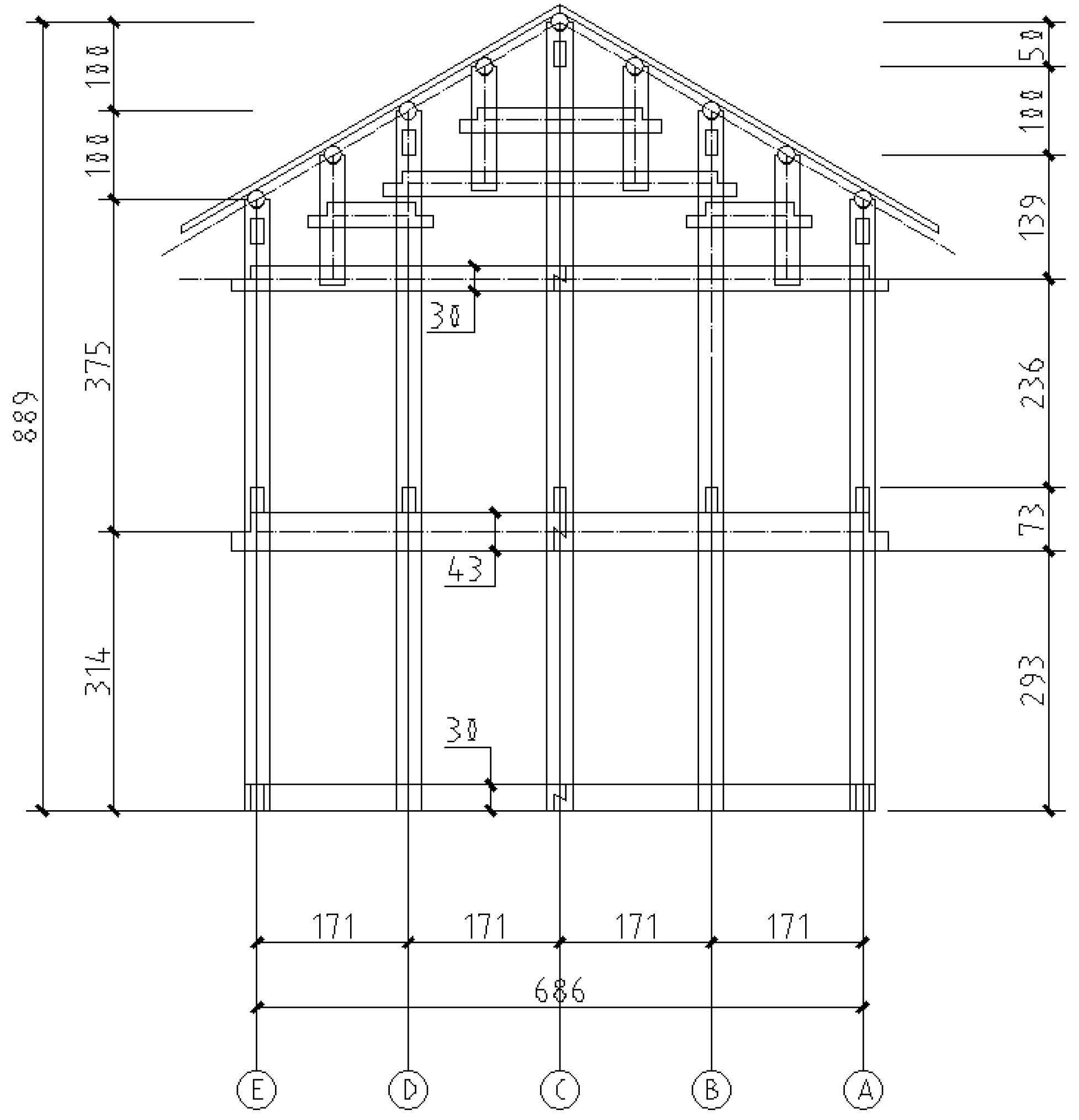
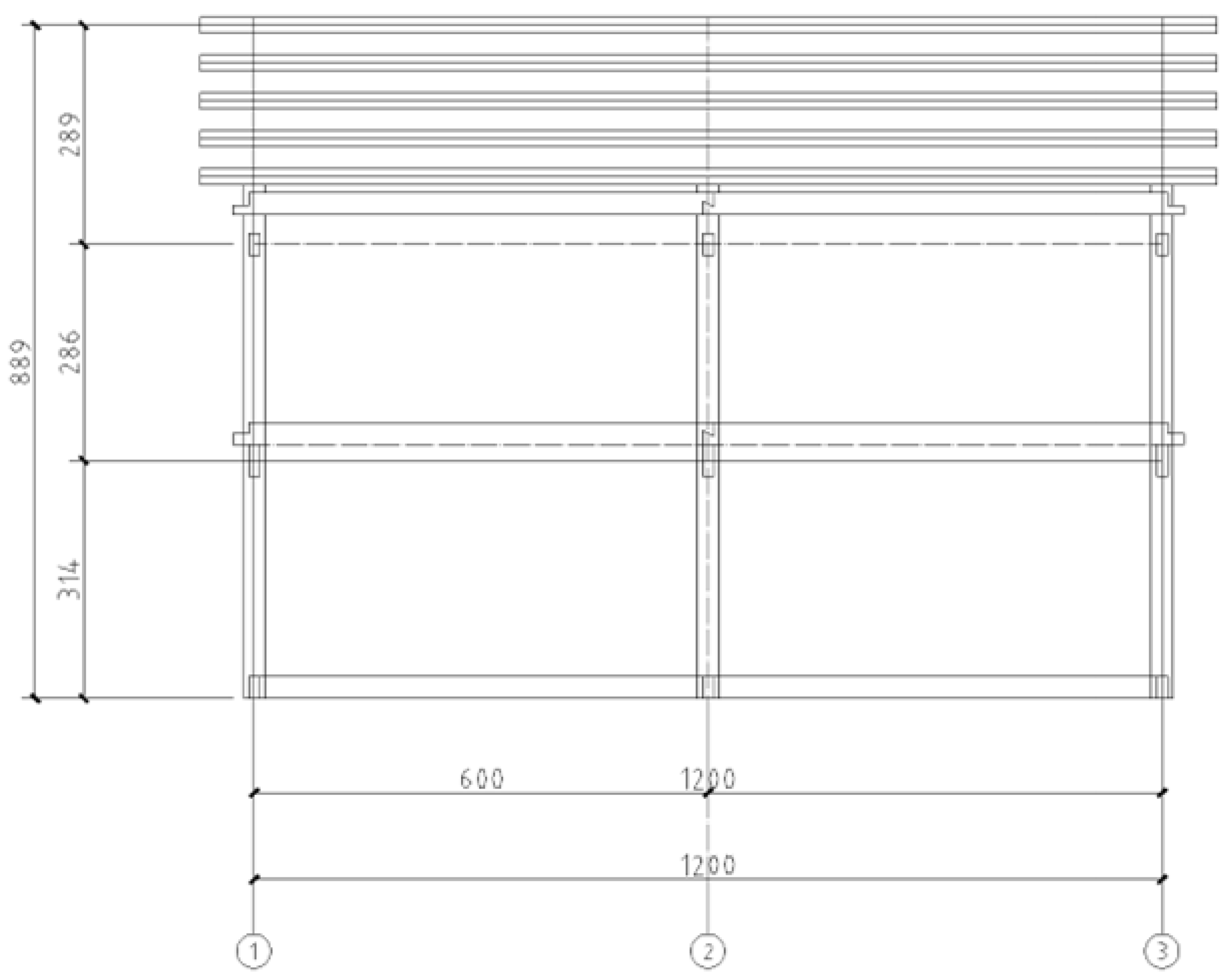
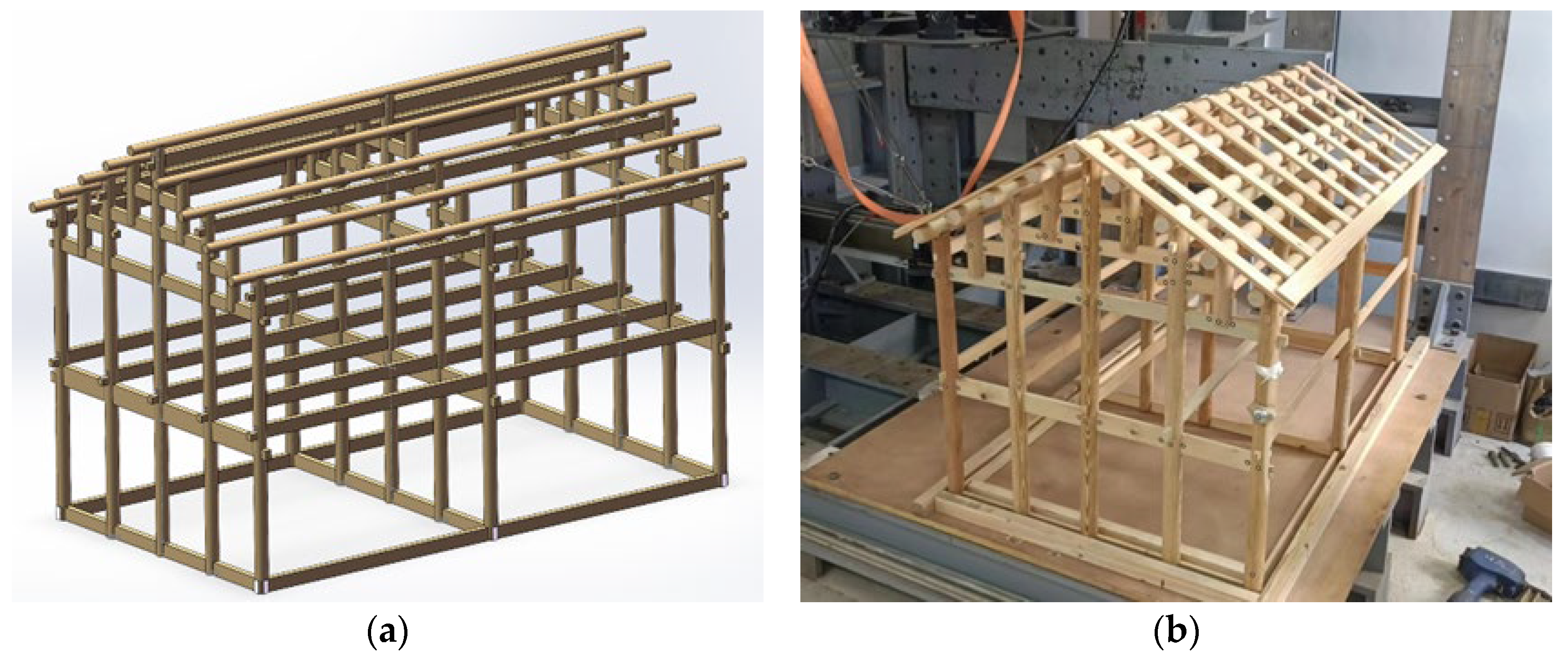
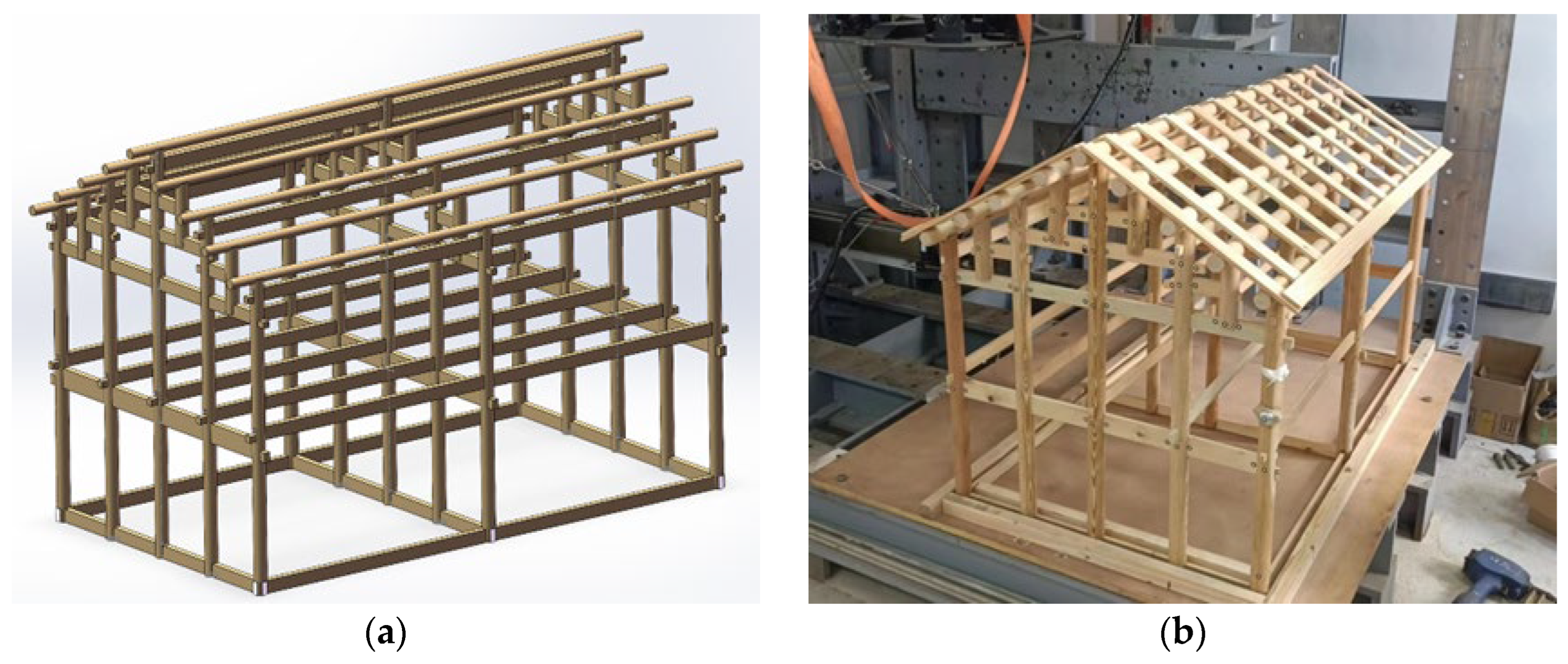
Considering test requirements such as spatial constraints of the loading device and adaptability of data acquisition equipment, a two-story timber frame model with five main columns, four secondary columns, and three bays (two rooms) was designed and fabricated at a 1:7 scale. Scotch pine was selected as the wood material. The total height of the model is 839 mm, and the planar dimensions are 686 mm × 1200 mm; five through-columns are arranged along the depth direction (column spacing: 171 mm), with four secondary columns placed between the through-columns. Columns are connected by multiple Chuan-fang (tie beams) to form a single-frame timber structure, and purlins are directly placed on the top of the columns, with rafters configured according to the tile dimensions; the spacing along the bay direction is 600 mm, and each single-frame timber structure is connected by Dou-fang (corbel beams) and other components to form a stable integral frame. The roof of the model is paved with flat tiles (bottom tiles) and cylindrical tiles (covering tiles) in combination. After the tiles were cut according to the full-scale specifications, the paving was carried out in accordance with local traditional construction techniques. The front elevation and side elevation of the wooden frame model are shown in
Figure 1 and
Figure 2, respectively.
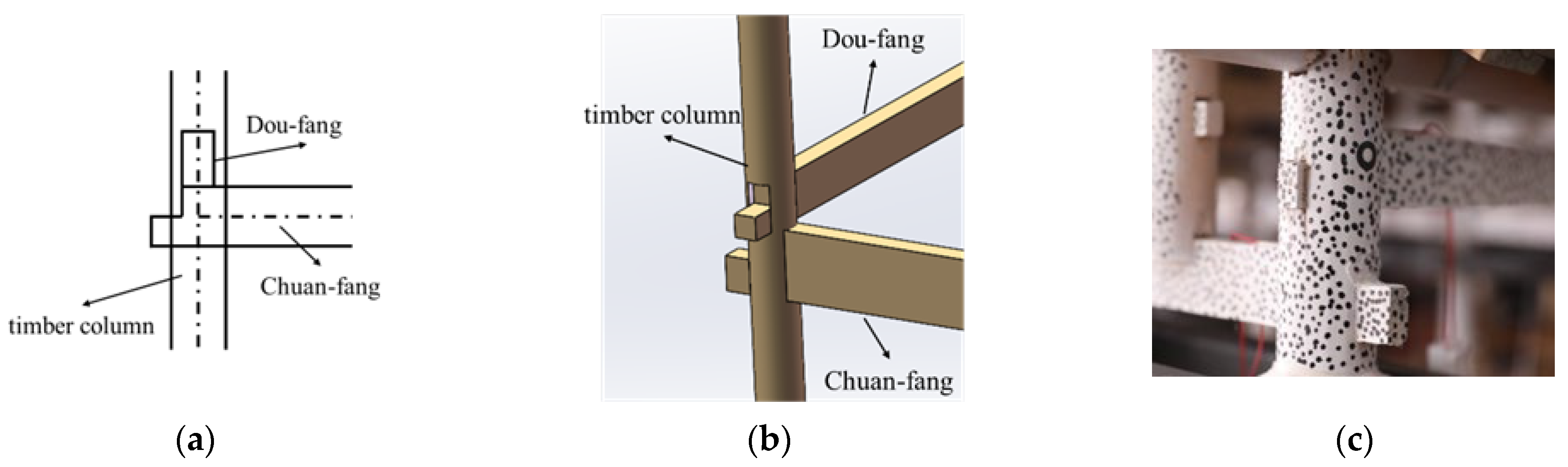
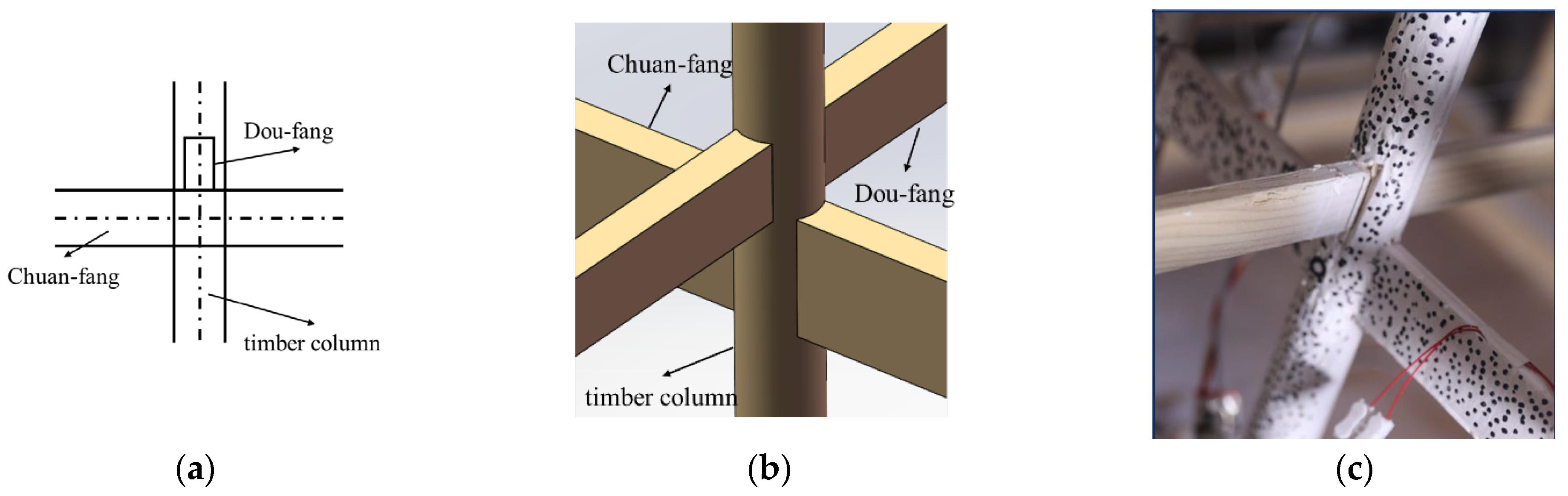
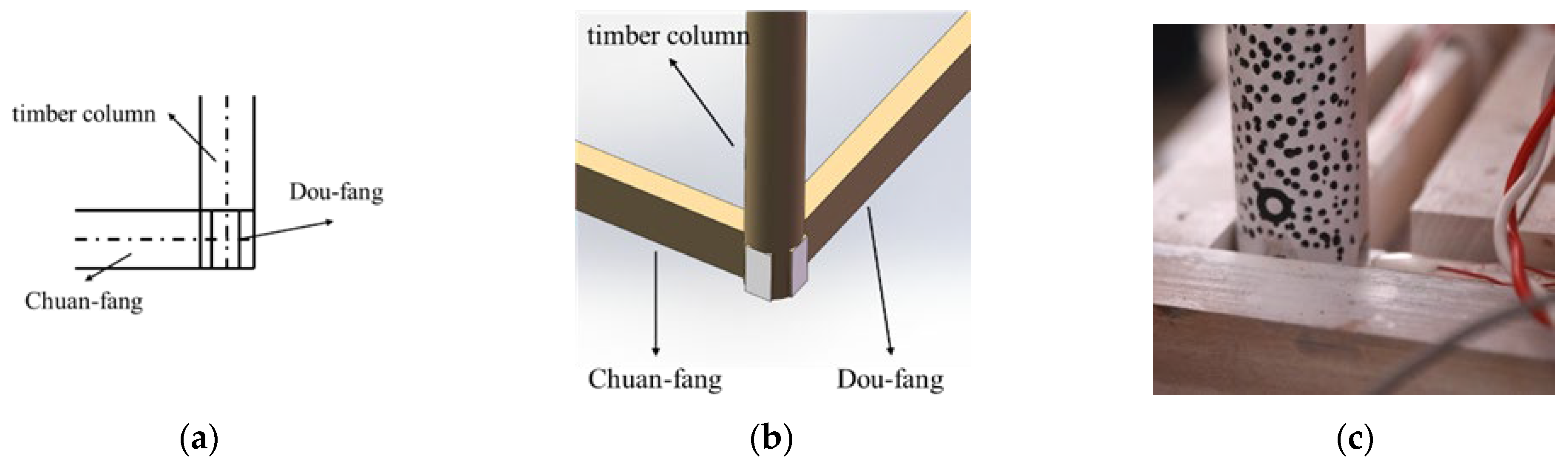
Wooden columns and beams (Fang members) are connected using typical mortise-tenon joints such as through tenons and hook tenons to ensure the longitudinal and transverse stability of the timber structure; in the column base area, a closed-loop connection is achieved through the base tie beam (Di-jiao Fang) formed by the intersection of Chuan-fang (tie beams) and Dou-fang (corbel beams), which effectively enhances the integrity and stability of the bottom of the timber structure. The design drawings, 3D schematic diagrams, and physical model diagrams of the core mortise-tenon joints and column base beam connection joints are shown in
Figure 3,
Figure 4, and
Figure 5, respectively.
Purlins are processed according to the mortise-tenon form of the prototype structure and directly placed on the top of the columns; the rafters and purlins in the model are connected by nailing. Due to the steep slope of the model’s roof and the limited number of tiles, it is impossible to fully adopt the overlapping laying process of the original structure. Therefore, an appropriate amount of cement mortar is used to fix the roof tiles, and a suitable vertical load is applied to the structure simultaneously. To restrict the displacement of the column bases, rough wood flooring is used in the test instead of the plinths of the prototype, and wooden strips are fastened around the column bases for limiting positions. The cross-sectional dimensions of the primary members of the model structure are summarized in
Table 1, and the overall schematic diagram is presented in
Figure 6.
2.2. Wood Material Property Test
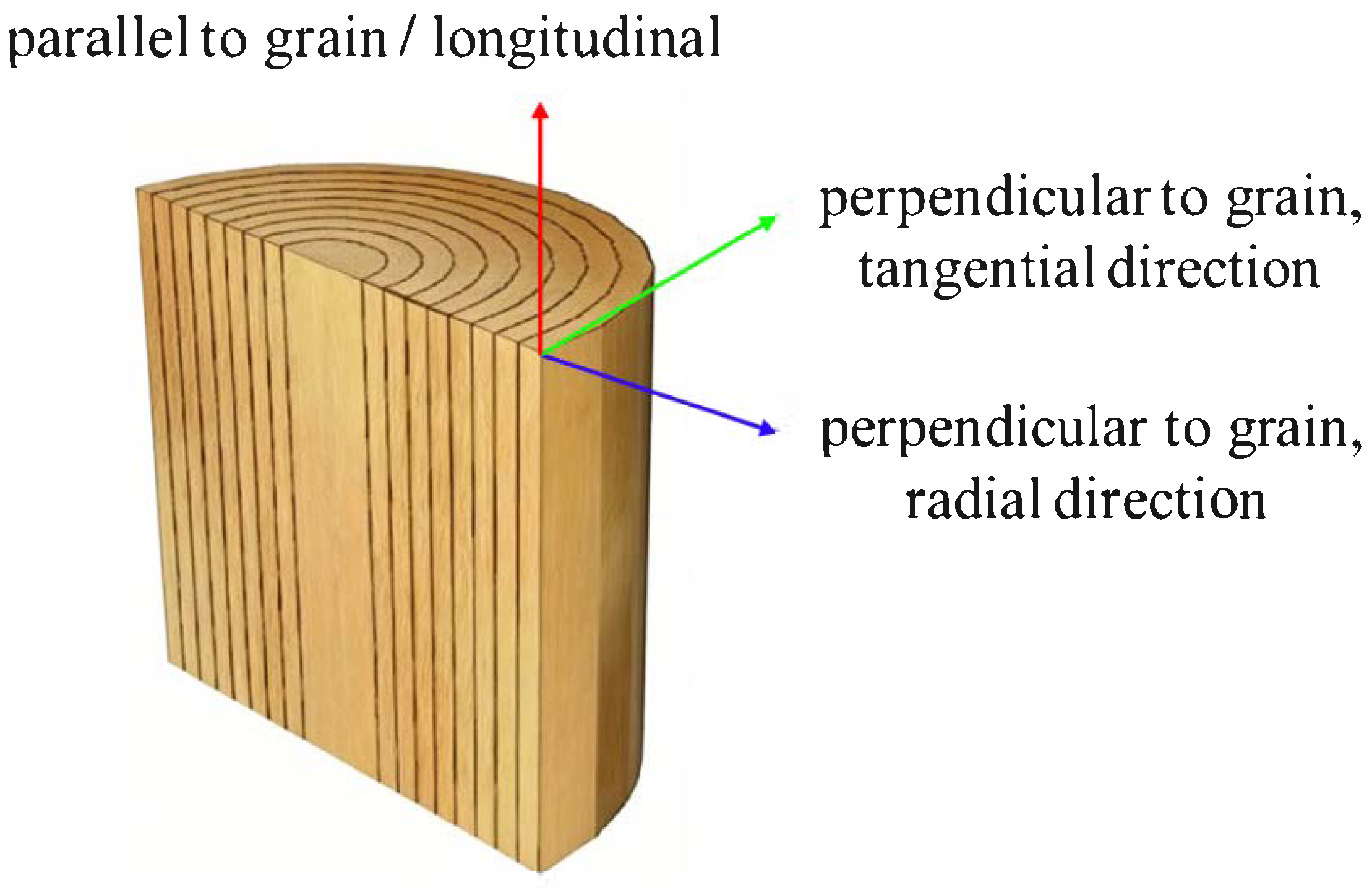
Wood mechanical performance tests typically encompass compression, tension, shear, and bending types; through tension–compression tests, key mechanical parameters including elastic modulus, shear modulus, tensile strength, compressive strength, and shear strength parallel to grain can be obtained. Furthermore, wood mechanical properties exhibit significant anisotropic characteristics, which can be classified into three categories according to grain direction: parallel to grain, perpendicular to grain in radial direction, and perpendicular to grain in tangential direction, as shown in
Figure 7.
Appearance and material grade description: Upon inspection, all defect indicators of the test specimens satisfy the requirements of Grade A (top grade) material specified in GB/T 153-2019 [
32]. The wood surface exhibits a natural light yellow-brown color, with straight grain and uniform coloration, showing no obvious knots, decay, insect damage, or cracking defects; the overall appearance remains intact. The structure consists of main columns, secondary columns, Chuan-fang, purlins, and mortise-tenon joints, with regularly arranged column grids; the through tenons and half-tenons at the joints fit tightly, with no signs of loosening or tenon pull-out observed.
To ensure the reliability of test results and reduce uncertainties arising from material scatter, all Pinus sylvestris test specimens in this study were sourced from the same batch. The sampling method and specimen fabrication strictly followed GB/T 1927.1-2021 “Test Methods for Physical and Mechanical Properties of Small Clear Wood Specimens—Part 1: Collection of Specimens” [
33] and GB/T 1927.2-2021 “Test Methods for Physical and Mechanical Properties of Small Clear Wood Specimens—Part 2: Sampling Methods and General Requirements” [
34].
In accordance with the series of standards [
35,
36,
37,
38,
39,
40,
41,
42,
43] for “Test Methods for Physical and Mechanical Properties of Small Clear Wood Specimens,” basic physical and mechanical performance tests of wood were conducted. The test items included density, moisture content, compressive strength parallel to grain, compressive strength perpendicular to grain in radial direction, compressive strength perpendicular to grain in tangential direction, bending strength parallel to grain, bending elastic modulus parallel to grain, tensile strength parallel to grain, shear strength parallel to grain, and hardness. The results are presented in
Table 2.
It should be noted that changes in wood moisture content can significantly alter its dynamic characteristics. Qiu et al. [
44] demonstrated that when moisture content increased from 2% to 12%, the dynamic elastic modulus of spruce decreased by 4.4%, the resonant frequency was significantly reduced, and the loss factor markedly increased. Considering that the lateral resistance and energy dissipation capacity of Chuan-Dou timber structures primarily depend on the friction and embedment characteristics of mortise-tenon joints, and that joint loosening caused by wood shrinkage further exacerbates frequency variations, this study implemented strict control over environmental conditions and specimen moisture content throughout the entire test process. The tests were conducted in a constant temperature and humidity laboratory, with the environmental temperature controlled at 20 ± 2 °C and relative humidity controlled at 60 ± 5%, ensuring a dry environment. Compared with the timescale of wood moisture content changes, which is on the order of days, the single measurement duration in this study was only several minutes, and the overall test period was on the order of hours—far shorter than the timescale required for significant moisture content changes. To further reduce the impact of environmental fluctuations, specimens were wrapped with plastic film at non-loading locations during fabrication completion and test intervals, effectively isolating moisture exchange between specimens and the environment. The specimen moisture content was measured before and after testing, with the measured moisture content variation controlled within ±0.5%.
2.3. Loading Protocol
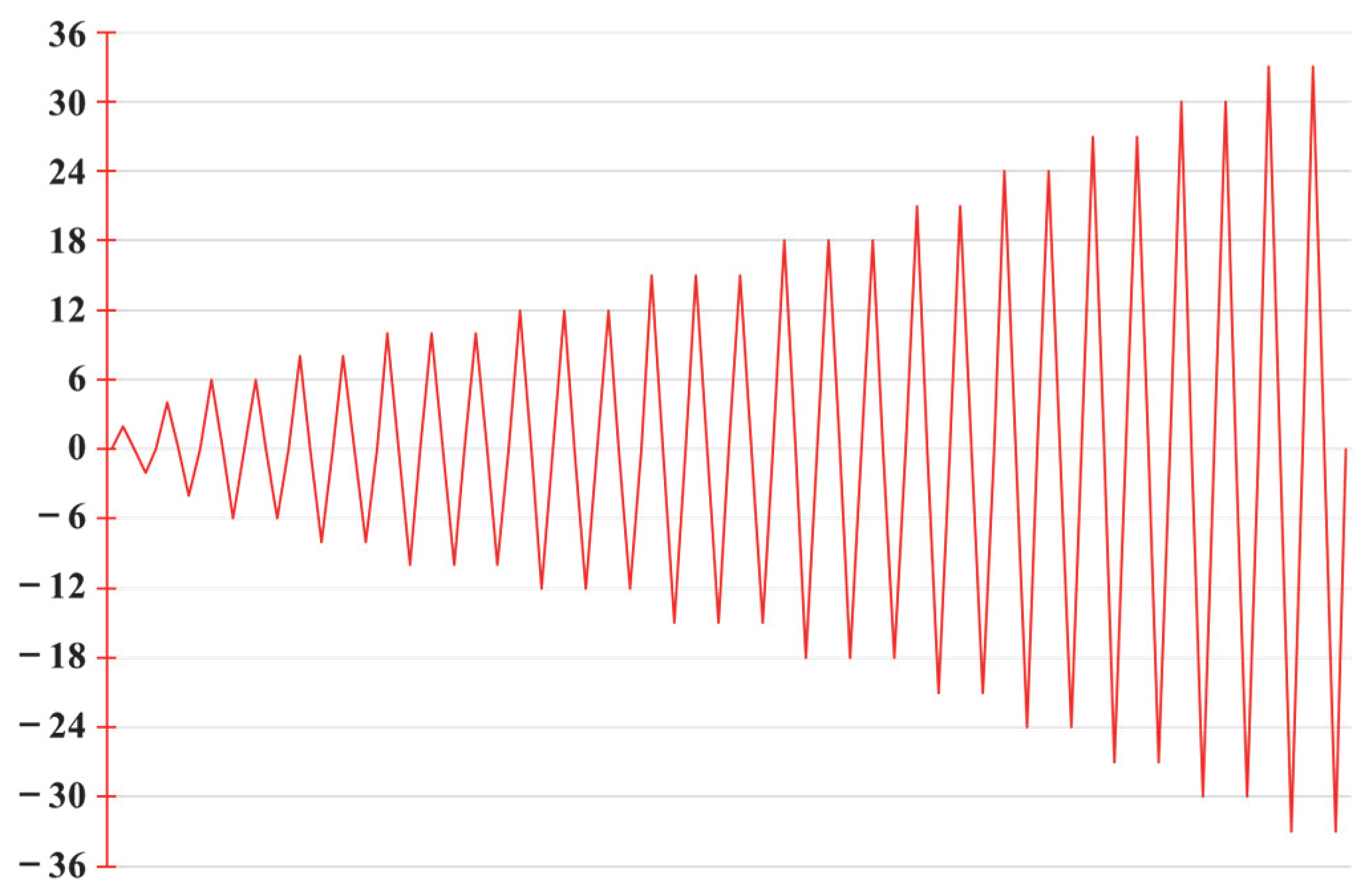
To investigate the spatial combination effects of structural members under seismic action and account for the influence of multi-directional loading on the structure as comprehensively possible, while overcoming the limitations of unidirectional loading effects, low-cycle reversed loads can be applied simultaneously in both the X- and Y-directions of the specimen. Accordingly, two-dimensional quasi-static loading protocols can be broadly classified into bidirectional synchronous loading protocols and bidirectional asynchronous loading protocols [
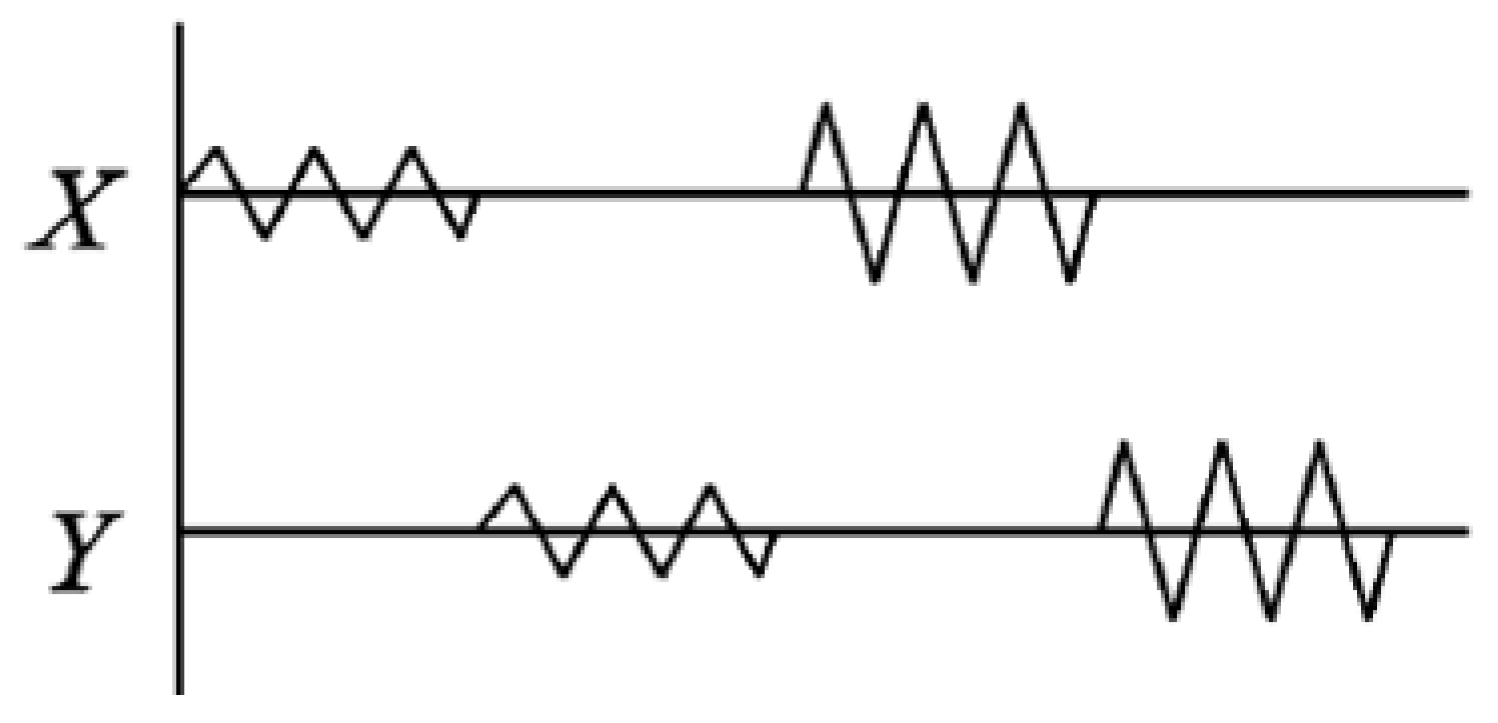
45]. A bidirectional asynchronous alternating loading protocol was adopted in the test (as shown in
Figure 8); that is, loads were alternately applied along the structural depth direction (X-direction) and bay direction (Y-direction).
Given the absence of a distinct yield stage in wooden members, the loading was conducted under a displacement-controlled mode. Prior to the formal loading, preloading was applied to the timber frame in both the X- and Y-directions with a preloading displacement of 2 mm (the minimum value of the loading protocol) to verify the operational status of all testing instruments and the stability of the loading device. Formal loading cycles were initiated only after all inspections were passed.
A graded displacement loading protocol with equal differences (tolerance d = 2 mm, 3 mm) was adopted for the formal loading, and the loading rate was controlled at 1 mm/5 s throughout the test: the first stage (2 mm, 4 mm) employed single-cycle loading; the second stage (6 mm, 8 mm) adopted double-cycle loading; the third stage (10 mm, 12 mm, 15 mm, 18 mm) used triple-cycle loading; and the fourth stage (21 mm, 24 mm, 27 mm, 30 mm, 33 mm) applied double-cycle loading. The detailed loading protocol is shown in
Figure 9.
A hydraulic servo actuator with a maximum load capacity of 3 t and a maximum stroke of 1000 mm was adopted to apply bidirectional loading to the timber frame, with the requirement that the two loading planes remain relatively independent. For this purpose, the horizontal loading device was arranged in two layers: the first layer was positioned at an elevation of 450 mm (X-direction, along the structural depth direction), and the second layer at an elevation of 520 mm (Y-direction, along the structural bay direction).
The first-layer loading device was composed of four rectangular steel tubes with a cross-section of 40 mm × 40 mm × 3 mm, which were tightened and fixed relative to the model by turnbuckles. The device and the actuator end were connected by four high-strength bolts with a diameter of 16 mm, enabling the uniform transmission of horizontal load to the six wooden columns of the model along the bay direction. To avoid mutual interference with the second-layer loading device, universal wheels were installed on the six wooden columns in contact with this layer of the device so as not to restrict the translational movement in the other direction.
The second-layer loading device was a spatial steel frame, which was fixed to the test model by externally attached steel tubes with a cross-section of 30 mm × 30 mm × 3 mm and connected by high-strength bolts with a diameter of 10 mm. The loading device and the actuator were fastened by eight high-strength bolts with a diameter of 16 mm. Similarly, to eliminate the mutual influence between the two layers of devices, universal wheels were installed on the wooden columns in contact with this layer of the device to ensure that the translational degree of freedom in the other direction was not constrained.
The detailed layout of the loading device is shown in
Figure 10.
2.4. Loading Protocol
According to the research objectives of this study, the contents to be measured in the quasi-static test include actuator output force, overall lateral displacement of the timber frame, interstory drift, column foot slip, column foot uplift, relative rotation angles and slip amounts of partial mortise-tenon joints, and strain variations of the Fang members at mortise-tenon joints, among others. Displacement measurement was conducted by combining displacement transducers with digital image correlation (DIC) technology. Specifically, wire displacement transducers were arranged at the second-story and first-story elevations along the depth direction (X-direction) and bay direction (Y-direction) of the timber frame to measure overall lateral displacement and interstory drift; wire displacement transducers were installed at column foot locations to measure column foot slip amounts; rod displacement transducers were placed at the four corner column feet of the timber frame to measure column foot uplift amounts and compare the differences between central columns and edge columns. In addition, DIC technology was synchronously employed in the test for full-field displacement measurement to obtain the displacement field distribution and deformation patterns on the timber frame surface. Due to the stringent requirements of DIC technology regarding occlusion, camera viewing angles, and lighting conditions, coupled with issues such as overlapping occlusion by members and loading devices in joint regions and surface feature loss caused by large rotation angles during testing, DIC measurement results served only as reference verification, with primary displacement data still based on measured results from wire displacement transducers and rod displacement transducers.
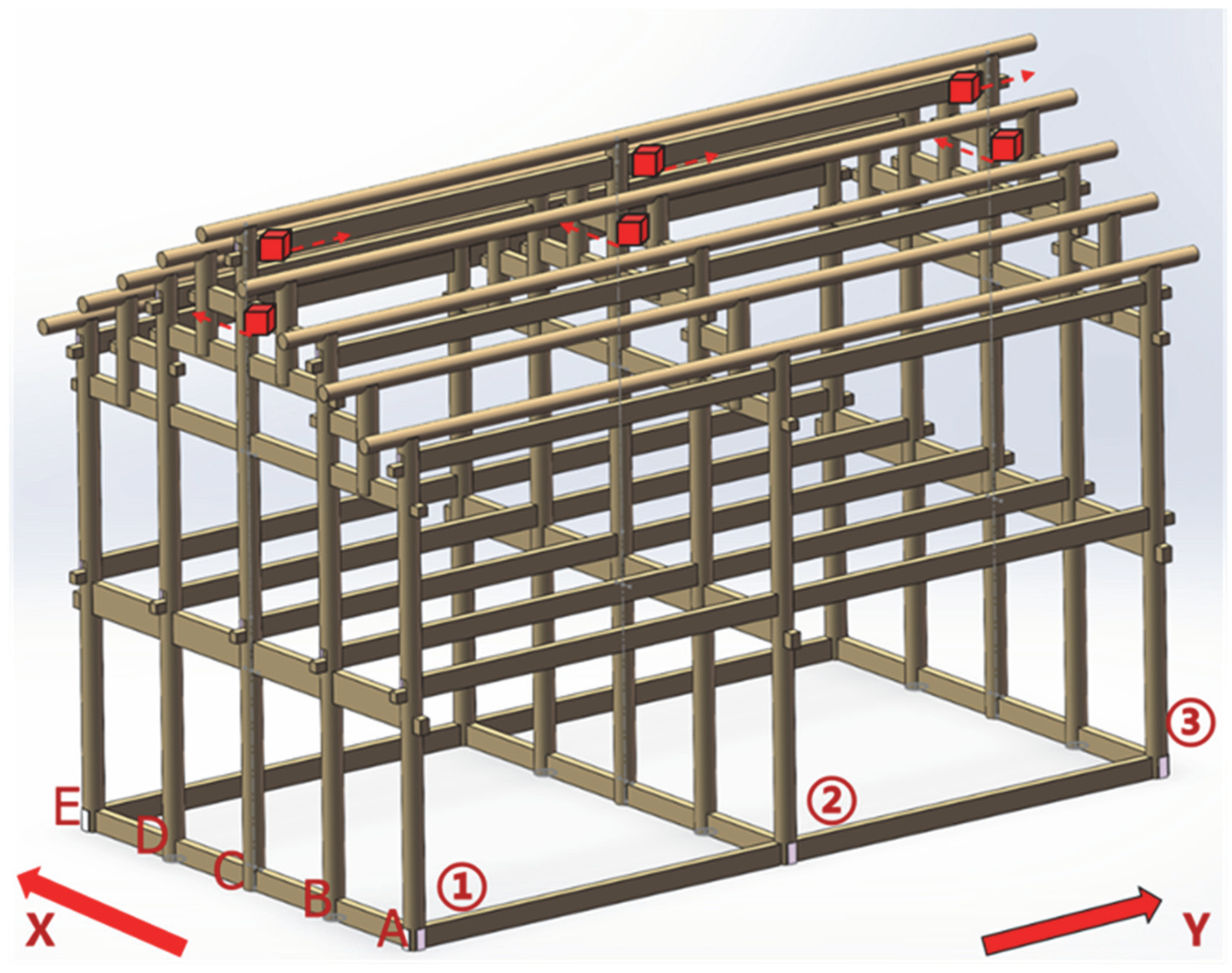
In addition to necessary measuring devices such as load cells, cable displacement transducers, push-rod displacement transducers, and strain gauges arranged on the test specimens, MEMS (Micro-Electro-Mechanical System) acceleration sensors were additionally installed to meet the requirements for calculation and analysis of dynamic characteristic parameters such as natural frequency and damping ratio in the later stage. Six unidirectional acceleration sensors were adopted in the test and placed on the upper parts of three timber frames, respectively, to collect the acceleration responses of each frame in the X-direction and Y-direction. The sensors were firmly fixed to the structure with hot melt adhesive. The detailed layout is shown in
Figure 11.
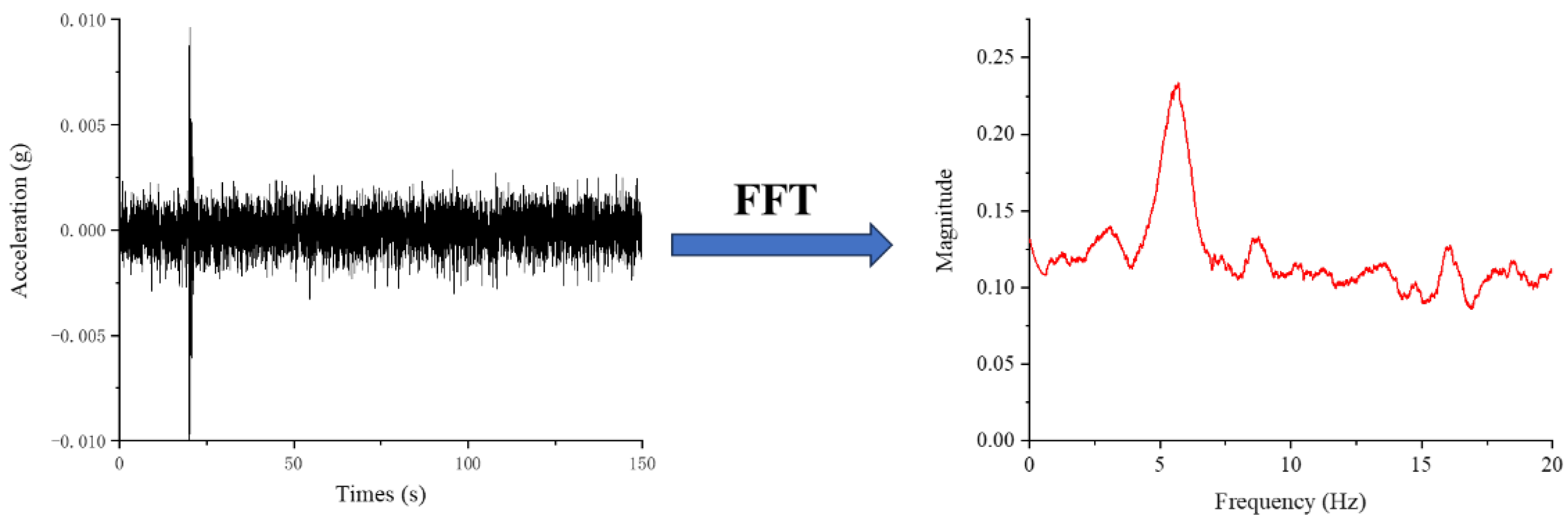
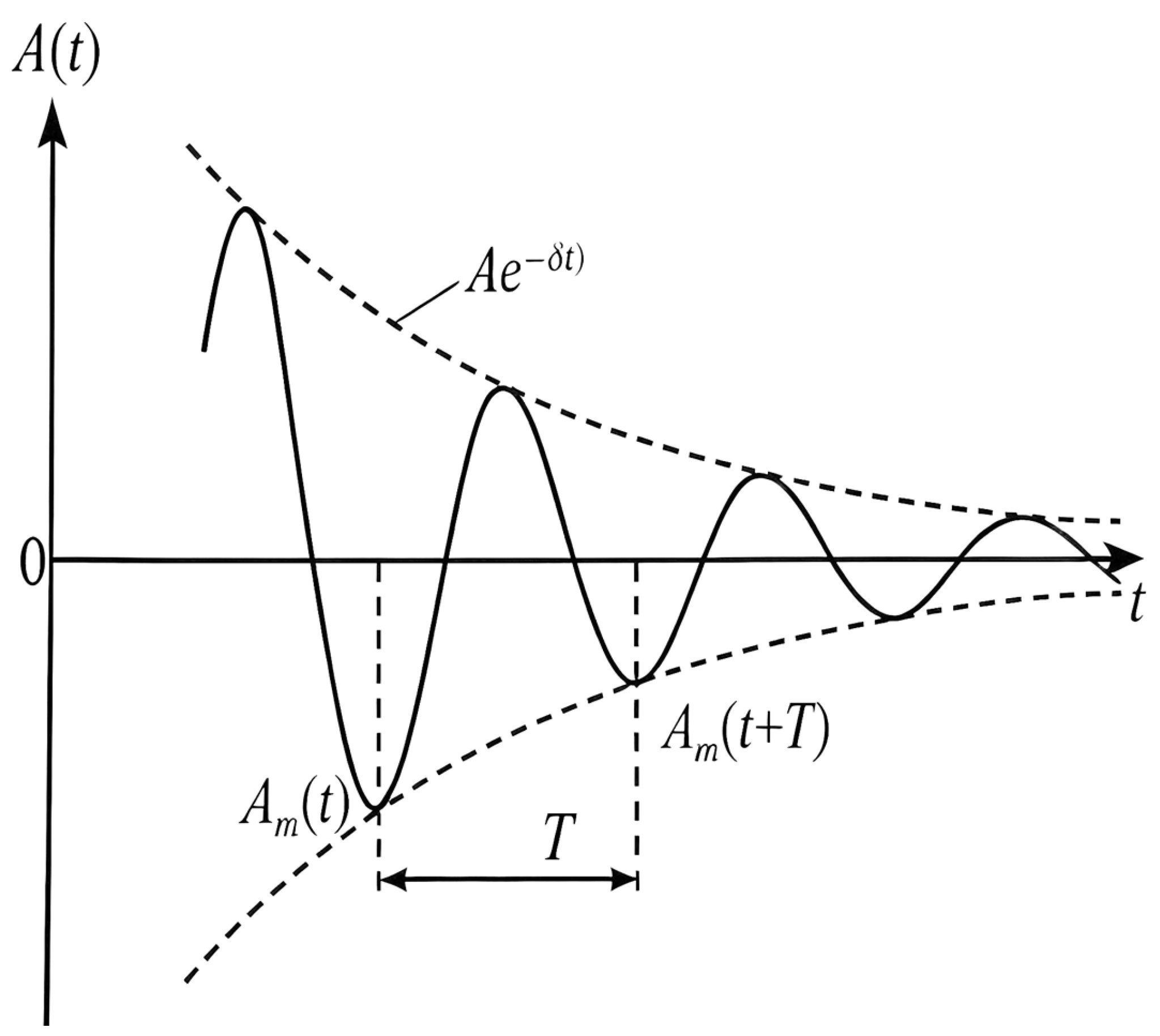
Based on the pre-judgment of damage status before the test, after the completion of each cyclic loading group, it was determined whether to conduct dynamic parameter measurement according to the actual damage condition of the structure. During measurement, all loading devices were unloaded first, and the tension sudden release method was adopted for excitation (i.e., manually pulling the top of the structure to a set position and then suddenly releasing it to generate free decay vibration). The free decay waveforms in both the X- and Y-directions were obtained, respectively. The duration of each measurement was no less than 3 min, and the number of excitations in each direction was no less than 3 times. The waveform quality was monitored in real time during the measurement process, and the number of excitations was supplemented or the measurement time was extended as needed. After the measurement was completed, the loading devices were reset before proceeding to the next set of cyclic loading.