Article

Analysis of Carbon Emissions for Traditional Rural Residences and Adaptability Study of Lightweight Steel Assembled Rural Residences in Different Climate Zones of China

1
School of Architecture and Art Design, Hebei University of Technology, Tianjin 300130, China
2
Key Laboratory of Healthy Human Settlements in Hebei Province, Tianjin 300130, China
*
Author to whom correspondence should be addressed.
Buildings 2026, 16(8), 1533; https://doi.org/10.3390/buildings16081533

Submission received: 4 February 2026 / Revised: 26 March 2026 / Accepted: 1 April 2026 / Published: 14 April 2026

Abstract

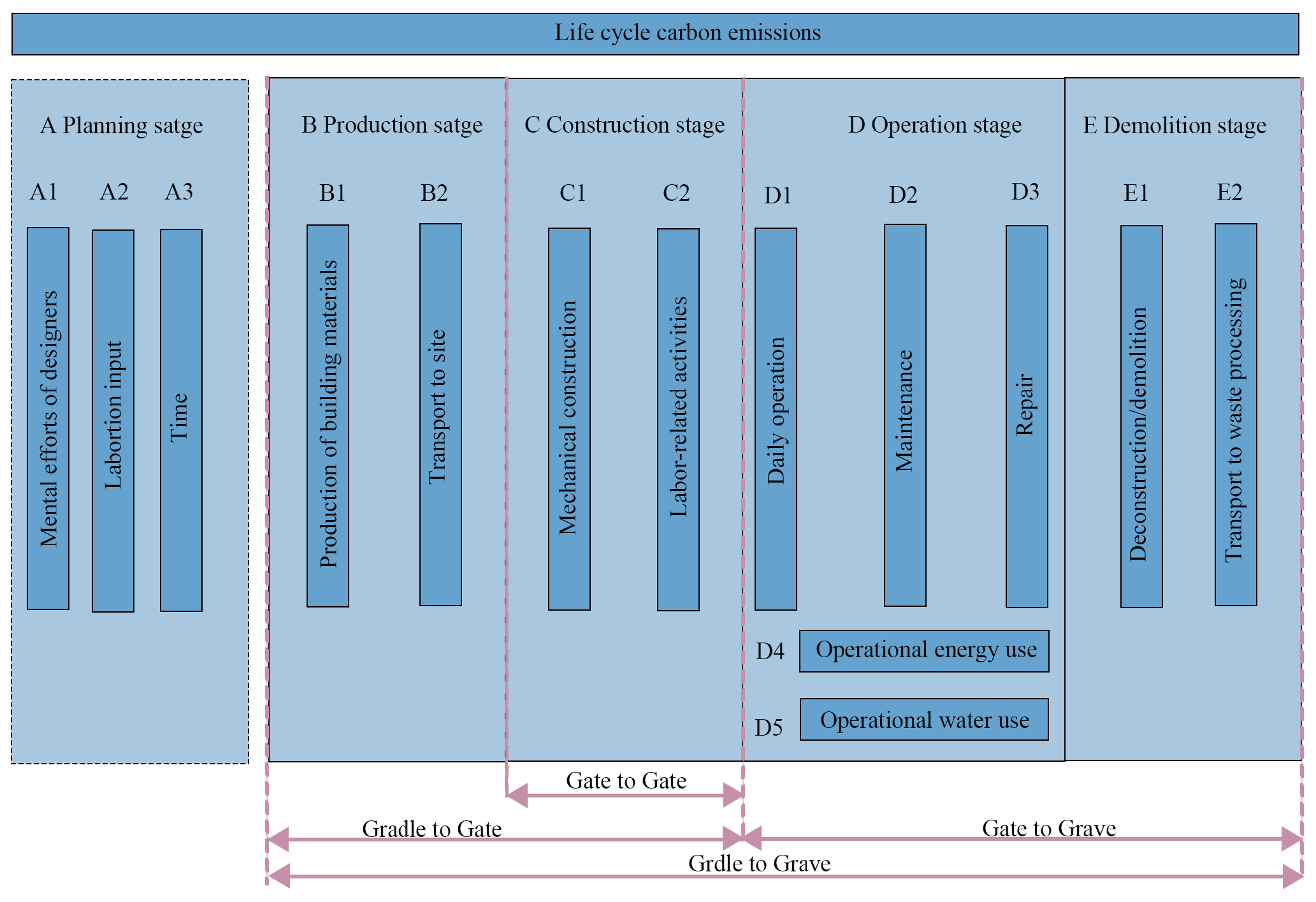
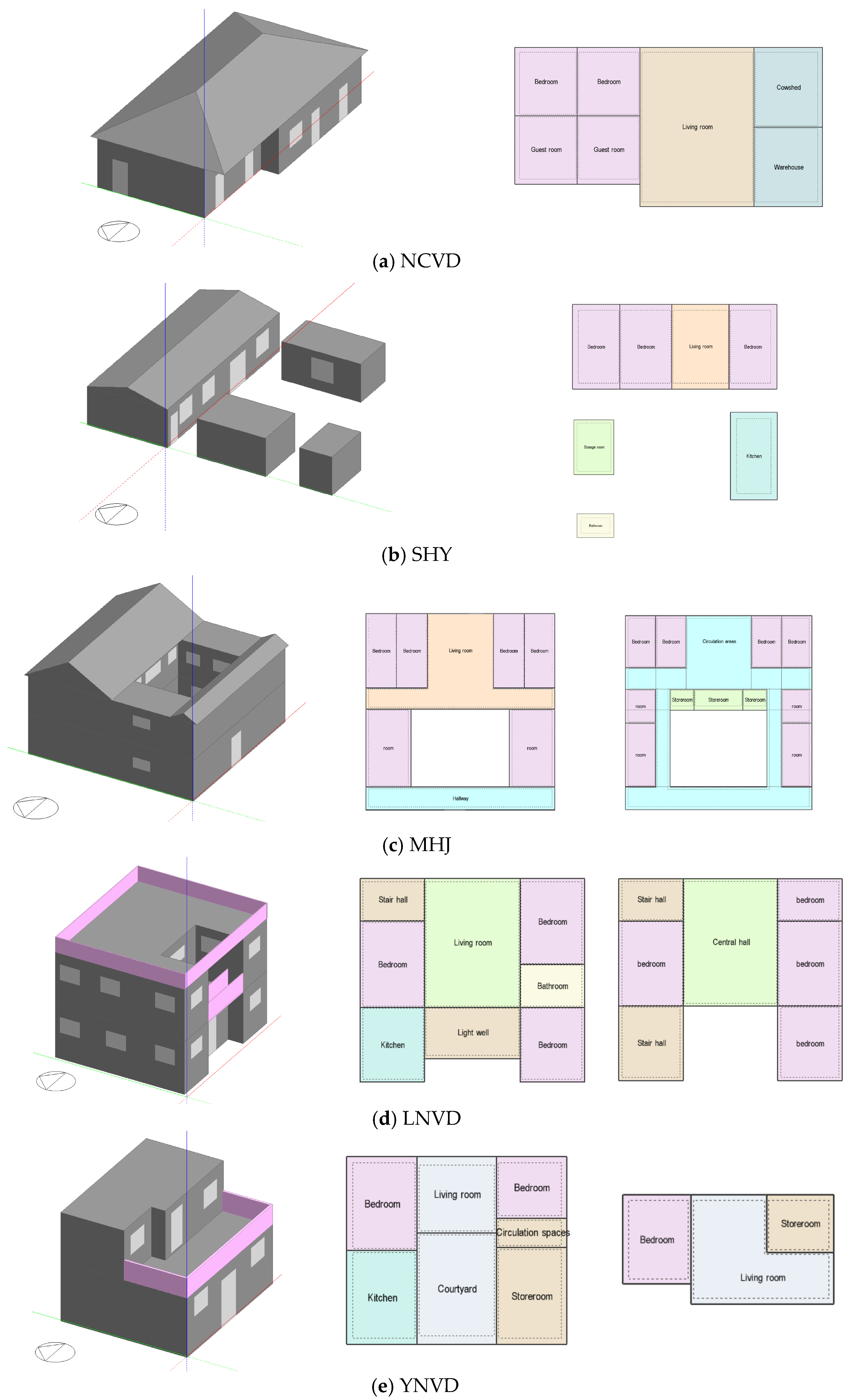
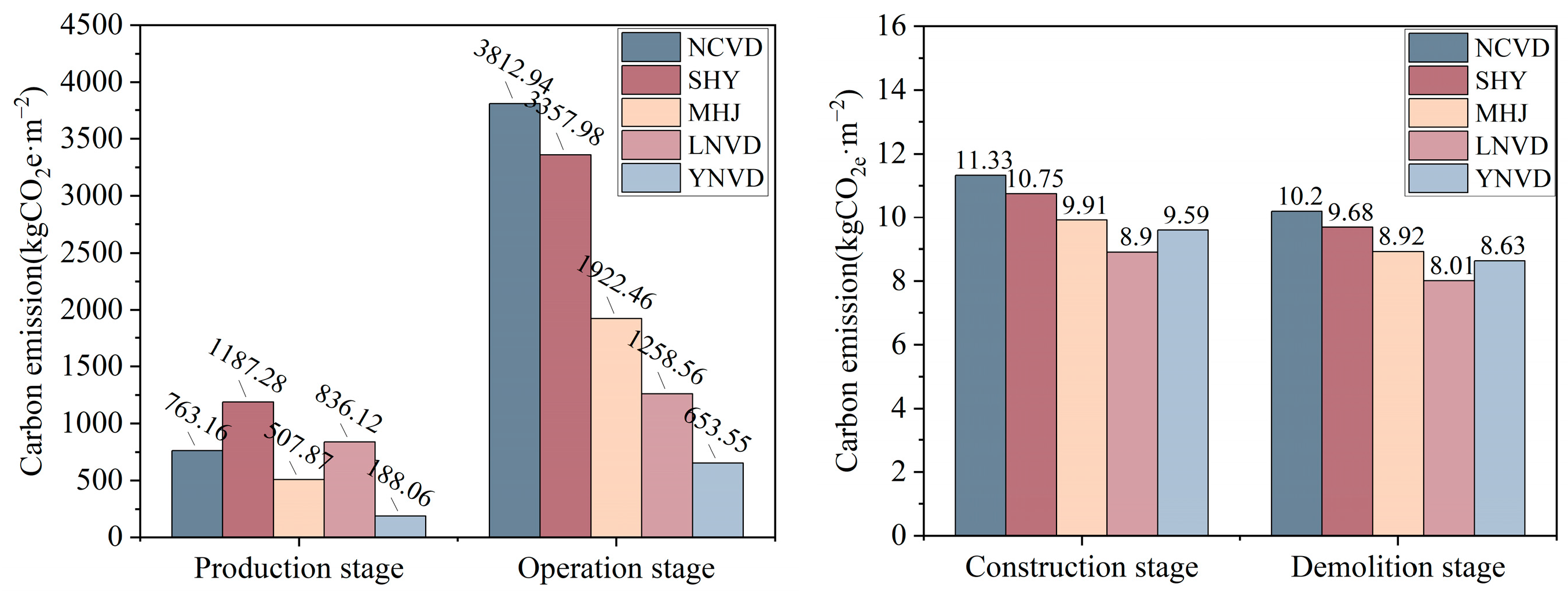
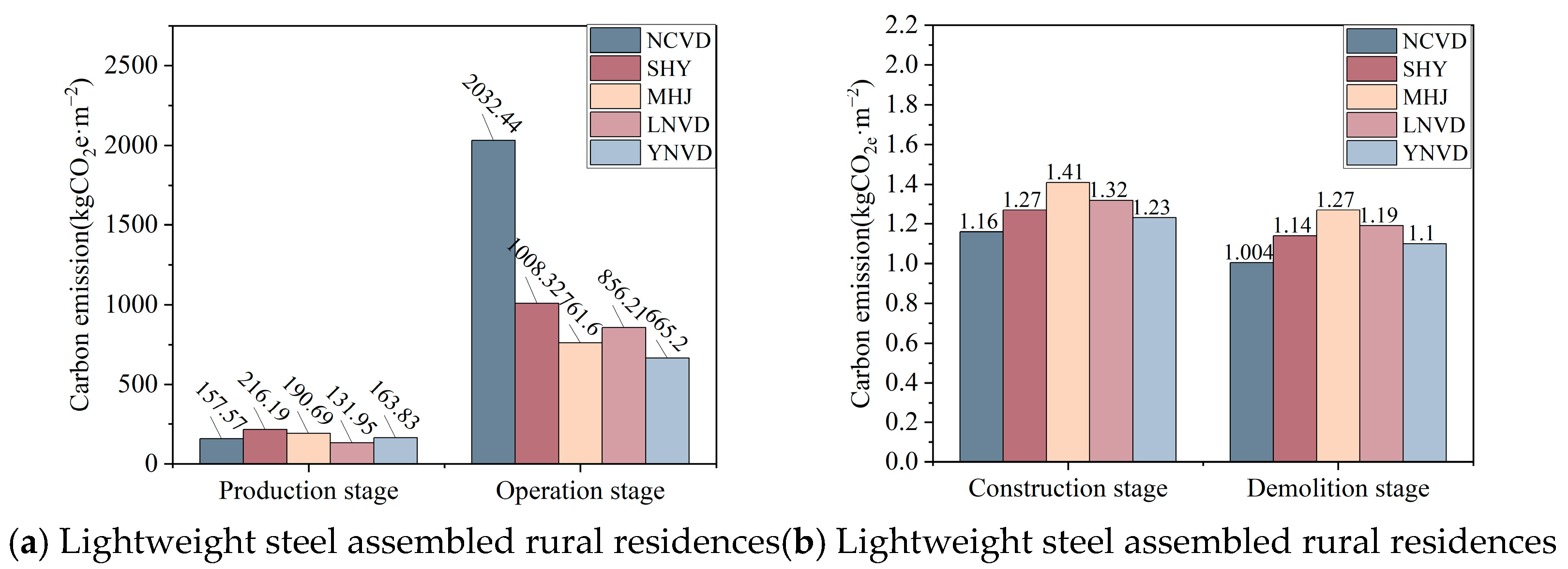
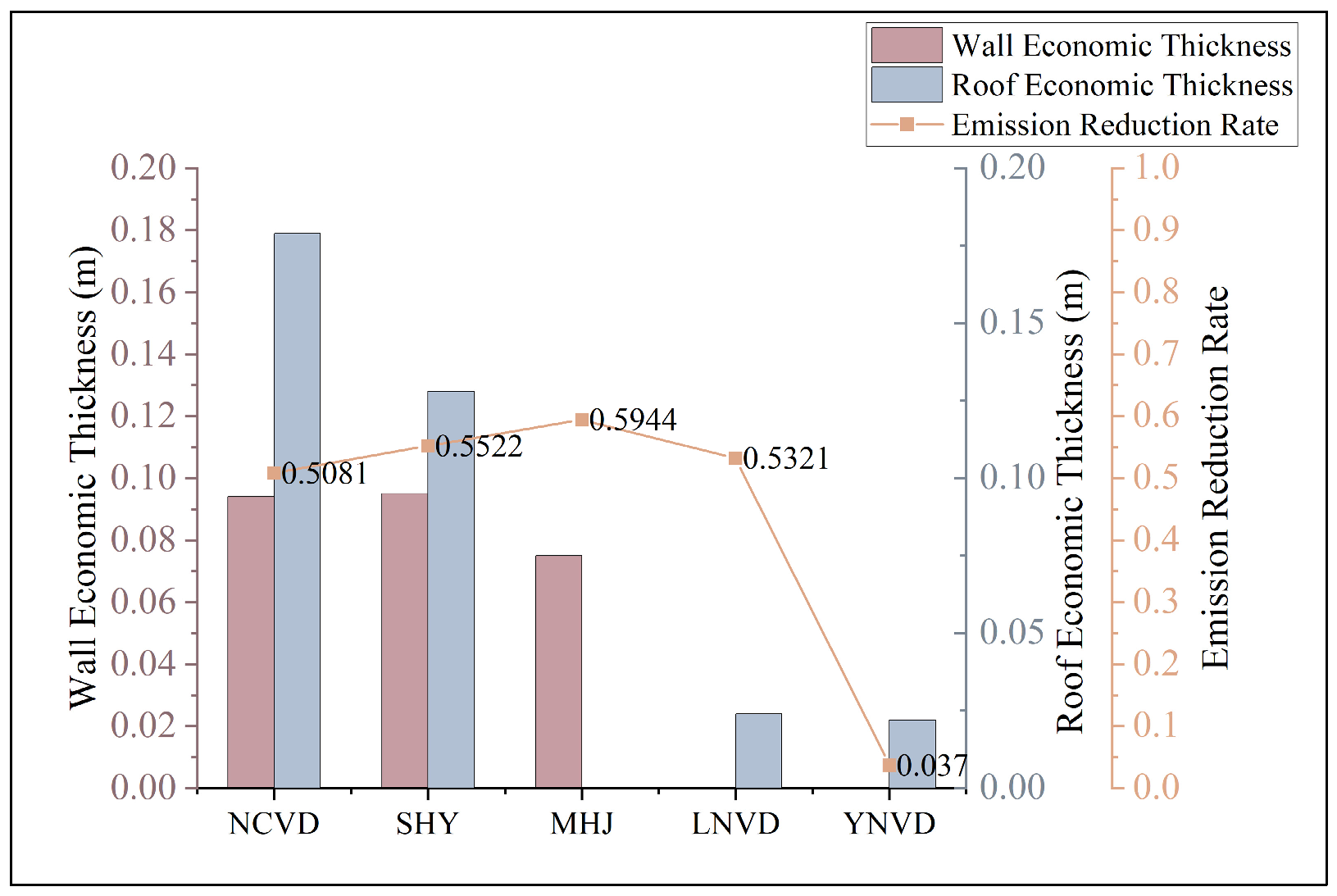
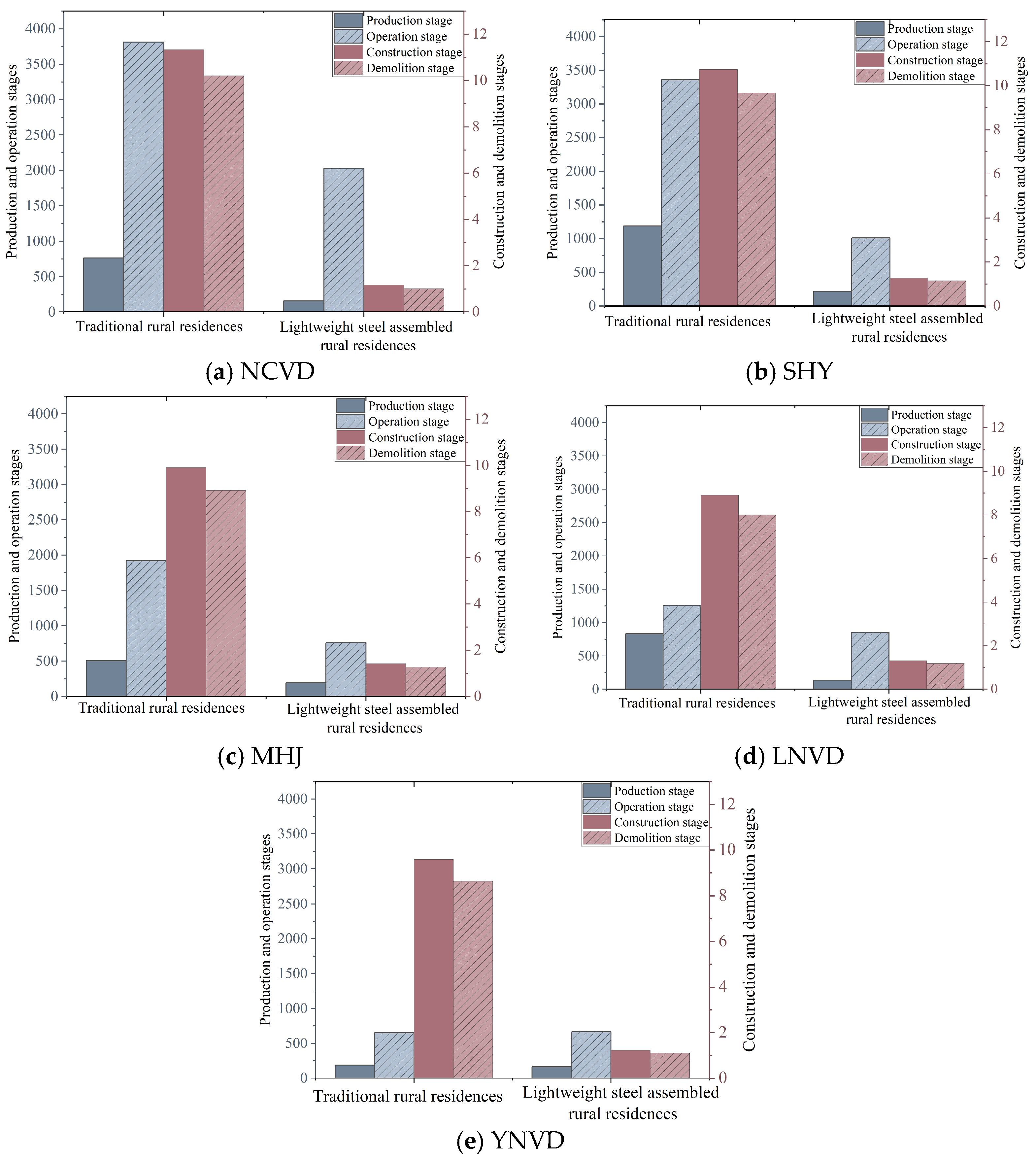
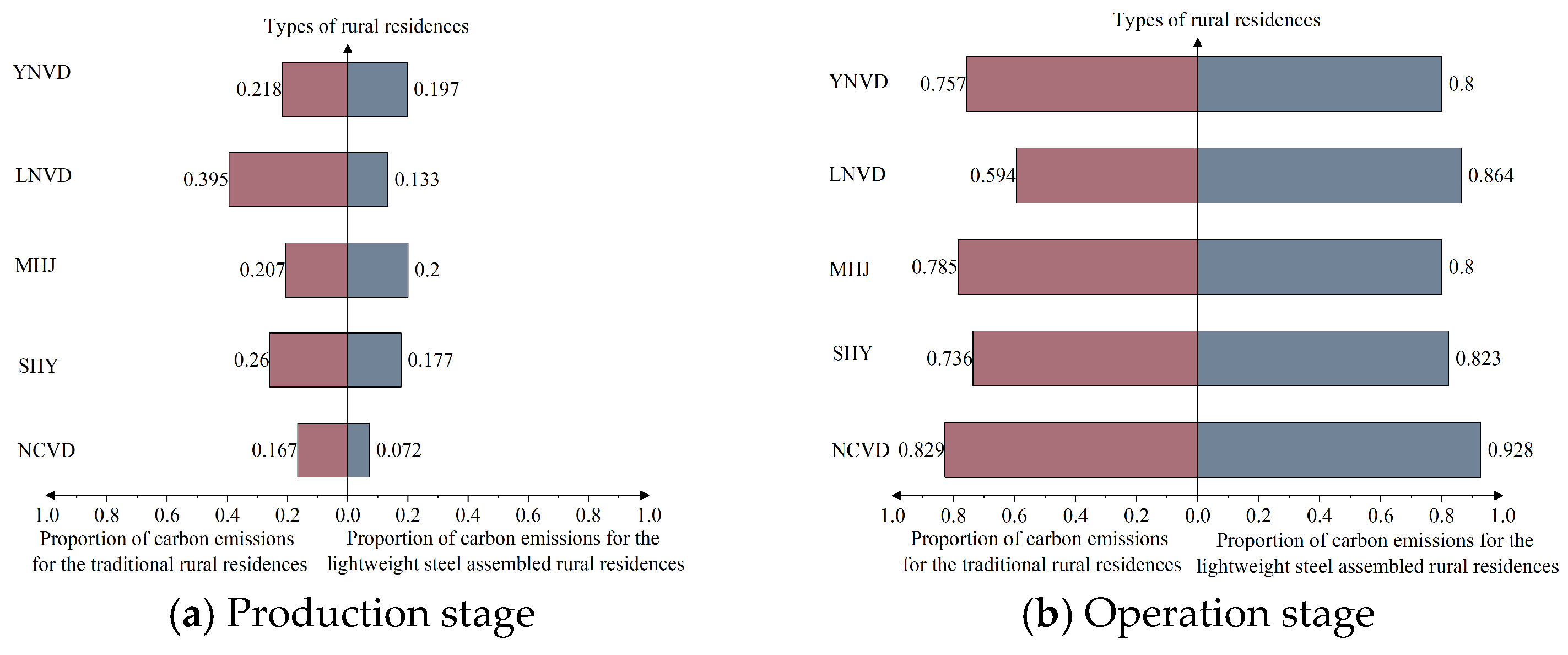
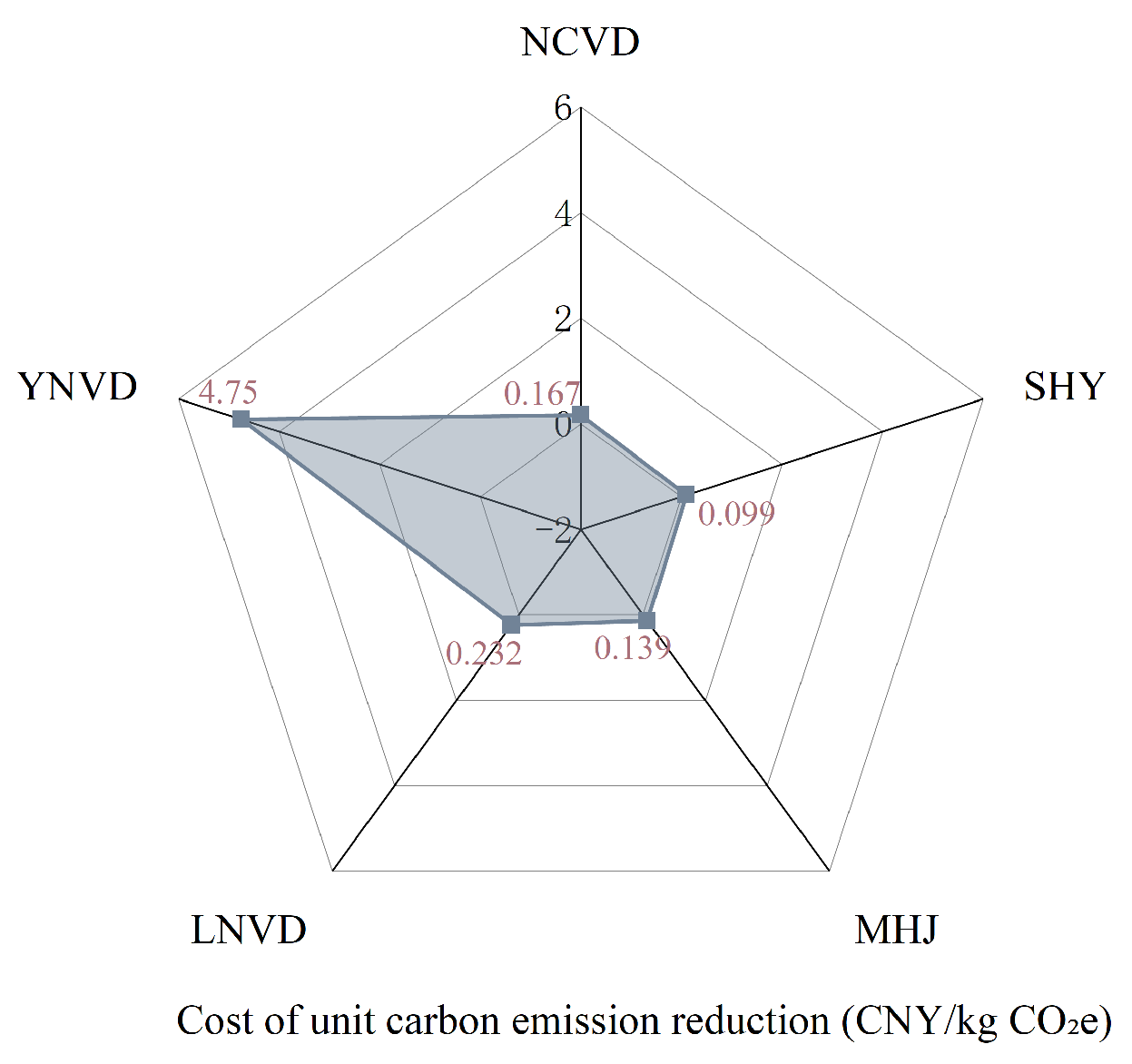
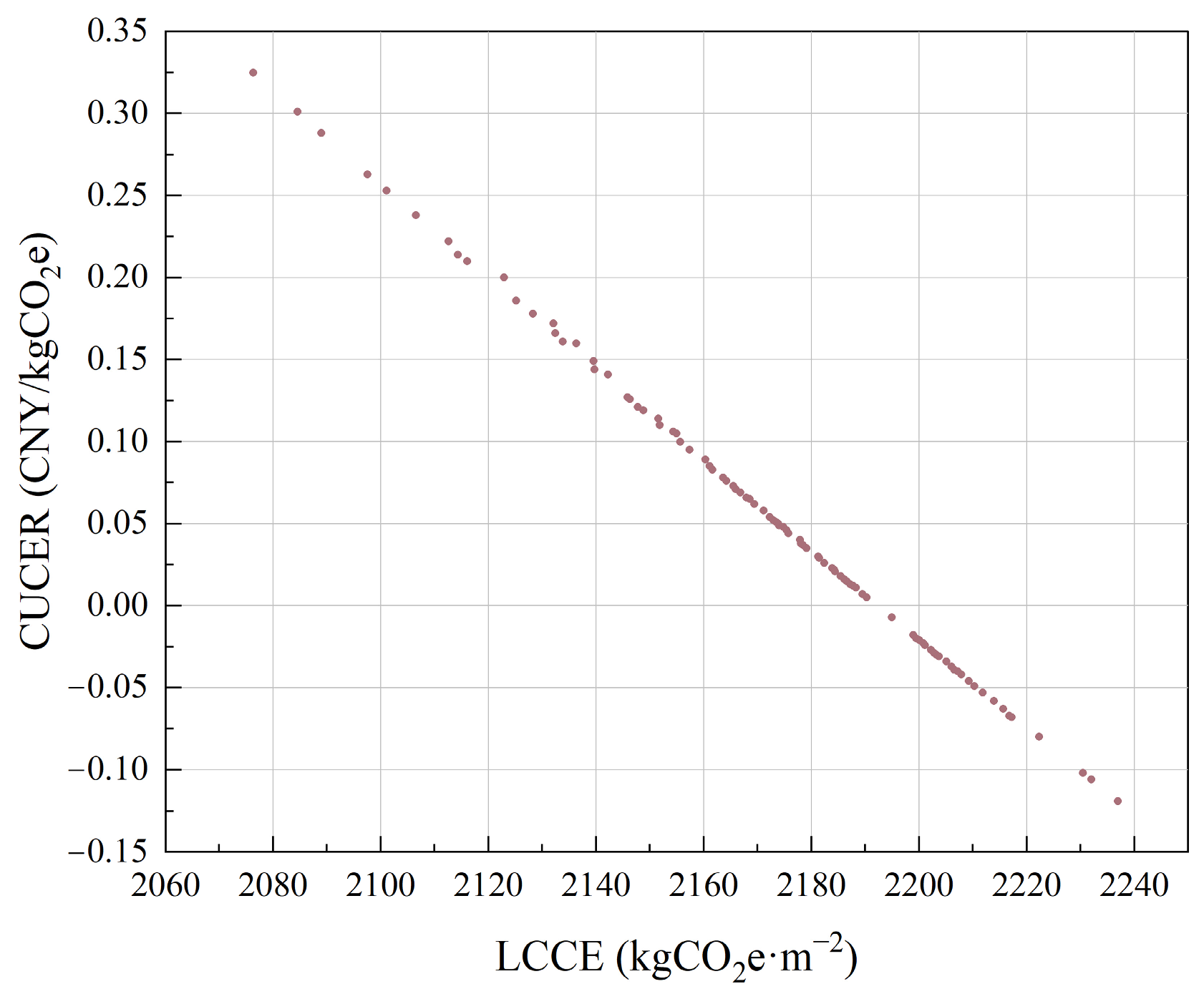
Traditional rural residences are distributed across diverse climate zones in China, resulting in significant variations in their carbon emissions. Meanwhile, lightweight steel assembled rural residences are increasingly becoming more widely used, but unfortunately, their adaptability in different climate zones of China has not been fully recognized. Therefore, the aim of this study is to investigate the environmental impact and economic cost of lightweight steel assembled rural residences in the life cycle. Furthermore, the climate adaptability of lightweight steel assembled rural residences was explored, and a dual-objective optimization of life-cycle carbon emissions and the cost of unit carbon emission reduction was carried out. In this study, representative traditional rural residences from five climate zones of China were chosen as the research objective. At first, carbon emissions and the potential of carbon emission reduction in the life cycle of rural residences were investigated, including the production stage, construction stage, operation stage, and demolition stage, and the cost of unit carbon emission reduction for lightweight steel assembled rural residences was analyzed. Furthermore, the rural residences with the greatest optimization potential for carbon emission reduction were selected to find the optimal design parameters based on the entropy-weighted TOPSIS decision-making method. The results indicate that the production and operation stages have the greatest potential for carbon emission reduction in rural residences in the life cycle, while the construction and demolition stages contribute only marginal reductions. Furthermore, life-cycle carbon emissions can be reduced by 3.7% to 59.44% for lightweight steel assembled rural residences, and lightweight steel assembled rural residences for Siheyuan are the most suitable candidates for priority promotion, with the cost of unit carbon emission reduction being 0.099 CNY/kgCO2e. Moreover, lightweight steel assembled rural residences for MHJ demonstrate the best performance considering the objectives of life-cycle carbon emissions and the cost of unit carbon emission reduction, while NCVD performed the worst. For NCVD, with the optimal design parameters, life-cycle carbon emissions are reduced by 115.84 kgCO2e m−2, while the cost of unit carbon emission reduction increases by only 0.158 CNY/kgCO2e.
Keywords: rural residence; carbon emission; cost of unit carbon emission reduction; lightweight steel assembled rural residences rural residence; carbon emission; cost of unit carbon emission reduction; lightweight steel assembled rural residences