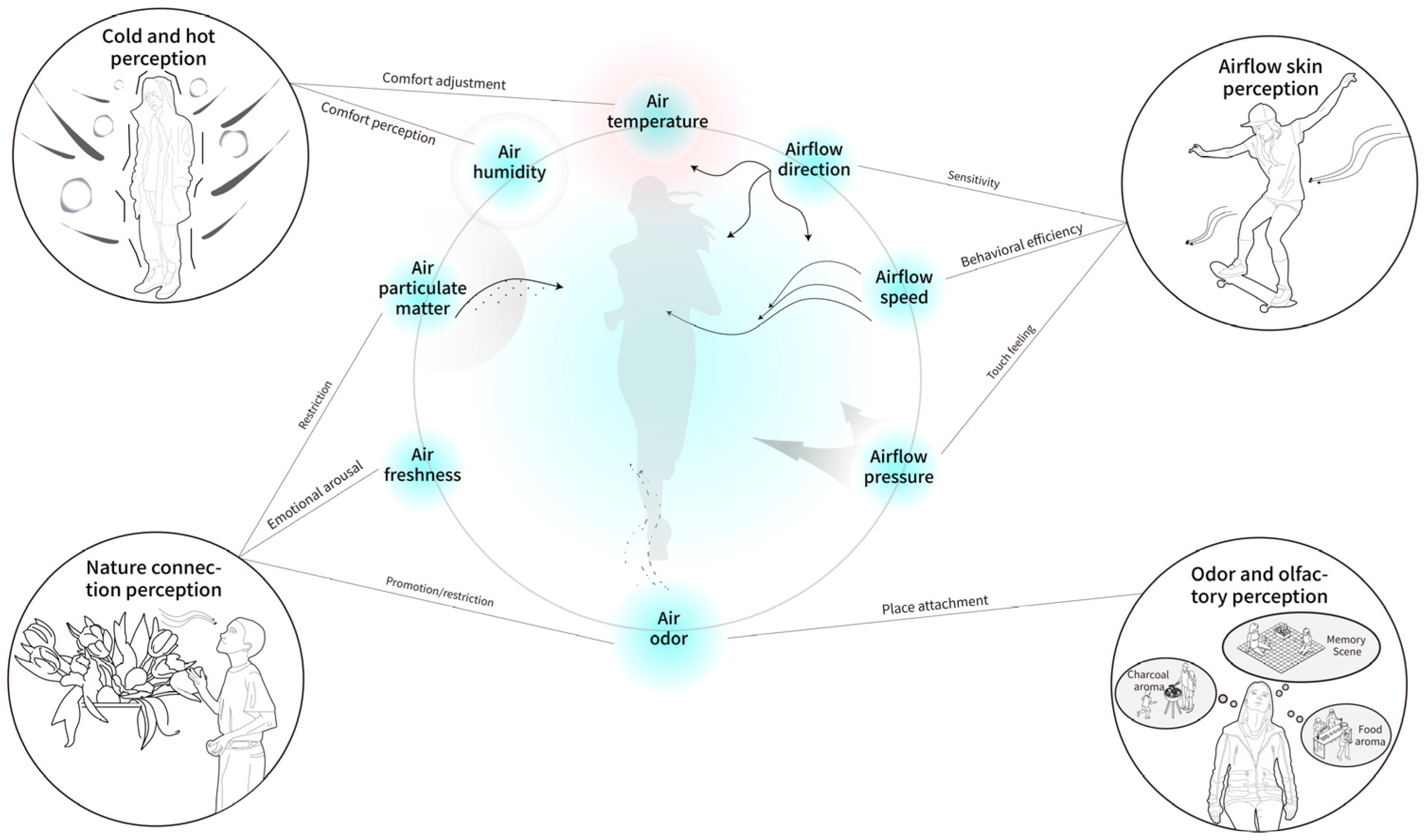
1. Introduction
Modern civilization has profoundly transformed patterns of human life, with populations now spending over 80% of their time indoors [
1], of which nearly 60% occurs within residential settings. Meanwhile, rising psychological stress, intensified by accelerated urban lifestyles, has amplified the need for residential settings that support mental restoration and overall well-being. This trend has been further accentuated by recent public health crises, which have repositioned the home as a central site for recovery, self-regulation, and psychological replenishment. Nevertheless, conventional residential space design has traditionally emphasized functional zoning and visual esthetics, frequently overlooking the capacity of the built environment to act as an active “healing medium.” Thus, residential design must evolve beyond merely providing shelter and preventing disease to actively foster comfort, security, and holistic well-being [
2].
The concept of the “Healing Environment” originally emerged in the field of healthcare architecture, referring to environmental design aimed at promoting patient recovery and alleviating stress among medical staff [
3]. Its core idea is that the environment can serve as an active medium that positively contributes to the healing process. Over time, the conceptual understanding of healing environments has expanded beyond medical facilities to encompass any environment that promotes physical and mental restoration, reduces stress, and enhances well-being in individuals [
4]. The essence of restoration lies in the embodied interactive experience between humans and their surroundings. Environmental media exert a significant influence on perception, thereby affecting behavioral, psychological, and cognitive dimensions with healing benefits. Beyond mainstream visual research on healing environments, the healing benefits of hearing, touch, and smell have also begun to attract research interest [
5,
6]. Studies have shown that visual (light, color), auditory (music, natural sound), olfactory (fragrance), and tactile stimulation (material, temperature) can create deep relaxation and immersive experience [
7,
8].
Among them, air, as an environmental medium essential for human survival and perception, plays a crucial role in individual physical and mental restoration. Pure air, natural ventilation, and comfortable temperature are the supportive foundation of the healing environment that directly affects physiological state and psychological security [
9,
10]. Fresh air is an important factor in creating a sense of nature connection [
11], and appropriate air ventilation frequency can reduce symptoms of sick building syndrome (SBS) [
12]. Optimal temperature and humidity levels have been shown to enhance pleasure and alleviate fatigue [
13]. Other research indicates that thermal conditions influence interpersonal behavior and task efficiency [
14]. For instance, elevated temperatures may provoke negative social judgments [
15], whereas mildly cool conditions can support attentional recovery [
16]. The olfactory stimulation caused by odor also contributes to emotional regulation. Natural fragrances, such as floral scents, can reduce anxiety, while unpleasant odors may trigger adverse reactions [
17,
18]. In addition, certain specific odors are important media for creating the atmosphere of awe and tranquility experiences [
19].
Furthermore, the experience of the air environment is highly contextualized and individualized. The concept of indoor air environment is multidimensional, extending beyond simple air quality metrics to encompass embodied, multisensory perceptions influenced by factors such as airflow, temperature, humidity, and odor. Especially for living spaces that require long-term stays, the formation of residential indoor air environments is shaped by a range of multidimensional influences, including climate, socio-cultural factors, spatial layout, and occupants’ lifestyle habits [
20,
21]. This means that the impact of a single aspect of the air environment on individual recovery may produce misleading or biased findings in complex residential scenarios. In addition, different groups of people may exhibit personalized differences in preferences and sensitivities towards temperature, airflow, and odor types [
22,
23]. Therefore, it is necessary to promote air-related healing environment research based on a deep understanding of the real experiences of residents.
However, existing research often simplifies the air environment by linking isolated factors such as temperature, humidity, or odor with clear physiological or emotional outcomes. There remains a lack of a systematic theoretical framework to explain how residents’ holistic subjective experience of the air environment affects healing benefits. Although the air-related healing benefits have been acknowledged, few studies investigate its restorative influence from an integrative, contextual perception standpoint. In the healing environment design framework, air is frequently regarded as an important element of physical environment safety and comfort [
24,
25]. Some studies propose that air is a carrier for olfactory and tactile healing to enhance sensory richness [
26,
27], while others focus on the role of aromatic odors in promoting emotional regulation [
28,
29]. Such studies often view the healing effects of the air environment from a single dimension or treat it as a background engineering parameter. The internal mechanisms of how the air environment serves as a holistic and contextualized healing medium still need further exploration.
Therefore, using qualitative methods to deeply explore residents’ subjective perception and experience of indoor air environment, and constructing a systematic theoretical model that connects air environment factors and healing experience, has important academic value and practical significance. From a practical perspective, regarding the retrofitting of existing spaces, air design offers a non-invasive pathway for the renewal of the healing environment with sensory perception as the core. Against the global backdrop of stock optimization, large-scale demolition and reconstruction have given way to quality-focused micro-renewals [
30]. However, prevailing theoretical frameworks for restorative environments predominantly emphasize visual dimensions, whose specific requirements (e.g., particular color schemes or visual extension landscape) often prove difficult to implement in built environments [
31]. As an intangible element that influences multisensory perception, air environment design can reshape occupants’ spatial experiences and enhance restorative outcomes through multisensory integration and compensation, without altering physical structures. In terms of design theory and paradigm, air may transition from background engineering parameters to active design media. Although the health benefits of air quality are empirical, air environment design has long been regarded as a technical engineering determined by HVAC systems and building natural ventilation. Integrating personalized design and experience-driven methods into the process of air environment design can reintegrate air into healing environment design and position it as a healing environment design medium equivalent to color and light [
32], thus promoting the transformation of air healing design with experience as the core.
To address these gaps, this study aims to explore how the indoor air environment can function as a positive resource or environmental medium to foster psychosomatic restoration, from the perspective of occupants’ subjective perceptions and experiences. It will situate this inquiry within the context of the everyday and the mundane, seeking to understand the mechanisms of healing effects and identify potential design opportunities by examining daily lifestyles and behaviors. Ultimately, this research can contribute to a paradigm shift in future air environment design towards a model of active health promotion. Place it in the perspective of overall spatial experience and perception to understand the promoting effect of the air environment on the healing benefit for people in living spaces. Based on this, this study will explore the impact of the indoor air environment on the healing benefits of residential spaces from a residential perspective. It seeks to establish a theoretical model illustrating the relationship between indoor air environments and occupants’ physical and mental restoration using a grounded theory approach.
The specific research questions include:
From residents’ perspective, how do residents perceive and experience the indoor air environment in the living space?
What factors affect the recovery and healing process associated with the air environment?
How to construct a theoretical model to explain the mechanism of healing environmental benefits related to the air environment?
Using in-depth interviews and grounded theory, this study will truly understand how residents perceive and experience the residential air environment in real life. The study will then establish a theoretical model to link the characteristics of the indoor air environment with the healing experience of residents. By introducing the “air environment perspective” into the healing environment design, the model aims to provide new intervention strategies for urban planners, architects and interior designers to create restorative housing. This study will also serve as the theoretical basis for the future health promotion housing design guidelines.
2. Materials and Methods
This study adopts a qualitative research paradigm, employing the Grounded Theory methodology to conduct in-depth interviews and data analysis, with the aim of progressively constructing a theory on the healing mechanisms of the residential air environment.
2.1. Research Paradigm and Methods
The primary objective of this research is to explore the mechanisms through which the indoor air environment influences healing benefits and to develop an explanatory theoretical model for this under-theorized phenomenon. Therefore, this study adopts the qualitative research paradigm instead of the quantitative paradigm dominated by hypothesis testing. Qualitative research can deeply analyze the underlying reasons and mechanisms behind phenomena, especially suitable for exploring unknown fields where theoretical frameworks are not mature.
For the research methods, this study employs qualitative research methods such as In-depth Interviews and Grounded Theory. In-depth Interviews can create an open dialogue space for participants, helping capture deep emotional resonance, cognitive changes, and socio-cultural factors that cannot be recorded by standard questionnaires or physical sensors. Grounded Theory can enable research to achieve a leap from empirical data to theoretical frameworks. Initially proposed by Glaser and Strauss, Grounded Theory aims to inductively develop theory from empirical data rather than testing pre-established hypotheses [
33]. This approach aligns with the exploratory and theory-building purpose of the current research, and has therefore been selected as the core method.
2.2. Data Collection
In this study, data collection followed the principles of grounded theory and was conducted primarily through in-depth interviews. The participant selection process adopted a purposive and maximum variation sampling strategy. Because changes in age and family composition can significantly affect behavioral patterns and cognitive pathways, thereby shaping residents’ different experiences of the air environment. Therefore, this study needs to capture a wide range of perspectives and experiences through population diversity, aiming to establish a solid theoretical foundation.
A total of 23 urban residents were selected, representing diverse family structures (e.g., individuals living alone, elderly couples, nuclear families, multi-generational households), age groups (e.g., young adults, middle-aged, and elderly individuals), and types of residences (e.g., high-rise apartments, multi-story buildings). Based on the included participants, this study clearly defined the applicable boundary of the research results: similar modern urban residential environments. In such environments, residents often face homogeneous urban lifestyles, psychological pressure, architectural spatial characteristics, and common demands for indoor air environments.
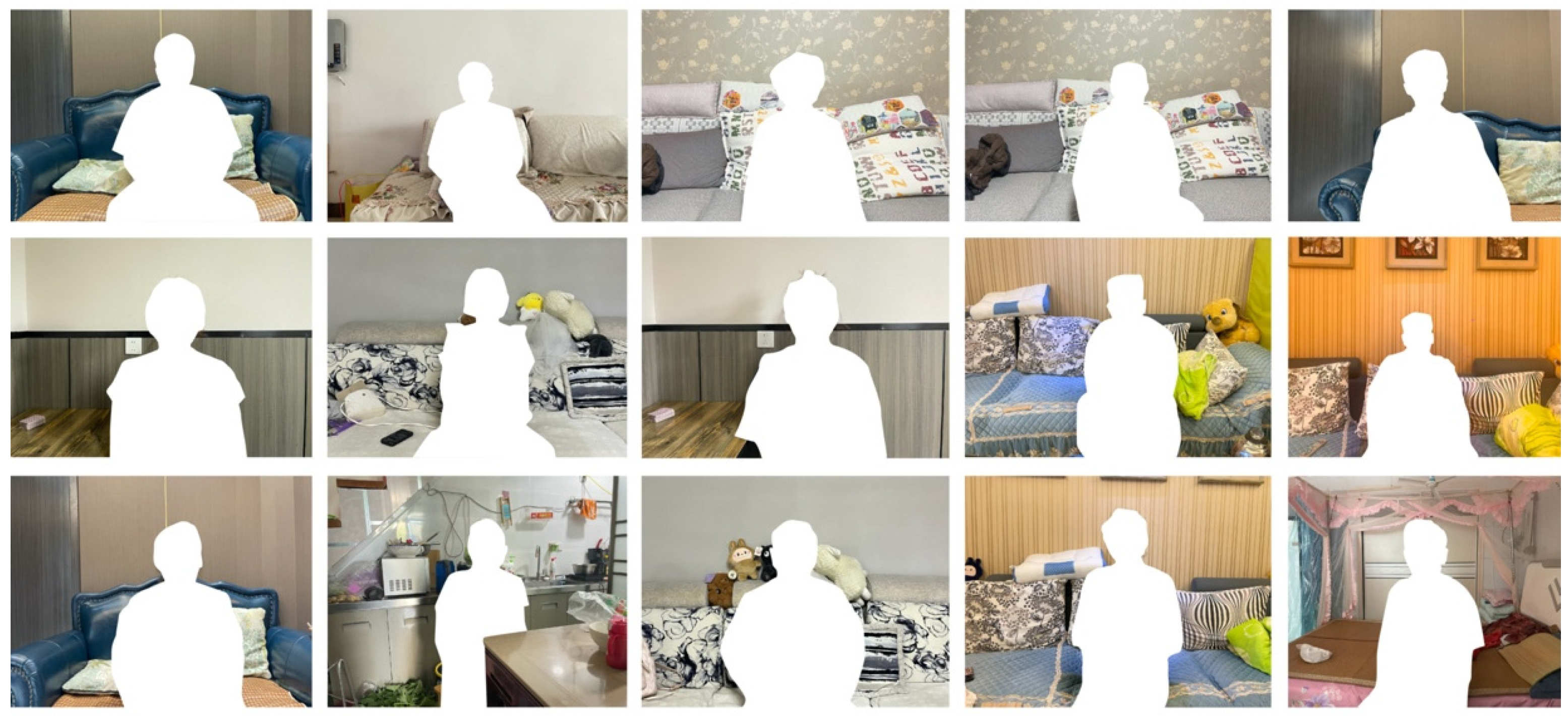
The interviews were structured around the core research questions, focusing on: (1) Residents’ perception and evaluation of the air environment in their homes; (2) Behaviors adopted by residents to improve the air environment; (3) The specific impact of air environment on residents’ emotions, stress, and health; (4) Residents’ imagination of the ideal future healing air environment. The interviews were conducted at home as much as possible, and in an open-ended manner to encourage participants to freely share their authentic experiences (
Figure 1).
Written informed consent was obtained from each participant prior to their involvement in the study. All interviews were audio-recorded with participants’ informed consent, and subsequently transcribed verbatim, resulting in an original text database.
2.3. Data Analysis: The Three-Stage Coding Process
Data analysis rigorously followed the classic three-stage coding procedure of Grounded Theory, comprising open coding, axial coding, and selective coding.
Stage 1: Open Coding. In this initial phase, all interview transcripts were analyzed line-by-line. Raw statements were broken down and assigned conceptual labels to achieve preliminary conceptualization. For instance, the statement “I open the window for 20 h a day” was coded as “prolonged window ventilation.” (
Table 1) In the coding process, the investigator triangulation method was used in order to minimize subjective bias. Two researchers independently encoded the first batch of transcripts. The differences in concept labels were discussed and resolved through consensus meetings. In the face of ongoing disagreements, a third researcher was consulted to finalize the coding scheme. This stage yielded over a hundred initial concepts.
Stage 2: Axial Coding. During this phase, the numerous concepts generated from open coding were compared, categorized, and their logical connections identified. They were then grouped into higher-level categories. For example, concepts such as “prolonged window ventilation,” “preference for natural wind,” and “stuffy feeling due to poor air circulation” were aggregated into the category of “Air Circulation.” A typical example of axis coding is shown in
Table 2.
Stage 3: Selective Coding. As the core stage of theory development, selective coding involved a systematic analysis of all identified categories to discern the central core categories. A storyline was then constructed to systematically integrate all categories, culminating in the study’s core theoretical framework: the Theoretical Model of Indoor Air Environment’s Impact on the Healing Benefits of Residential Spaces.
To ensure the reliability and validity of the research, data collection and analysis were conducted iteratively. This allowed newly collected data to be constantly compared with existing analyses, thereby refining and enriching the theoretical framework. Theoretical saturation was deemed achieved after the 20th interview, as subsequent data no longer yielded new concepts or categories. The final three interviews served to further validate and substantiate the theory. Through this rigorous methodological design and implementation, the study ensures that the resulting theory is grounded in reality, credible, and explanatory.
3. Results
Based on in-depth interviews with 23 respondents of diverse ages, family structures, and living conditions, this study employed the three-stage coding method of grounded theory to analyze the textual data. The analysis aimed to decipher the mechanism through which the indoor air environment influences the healing benefits of residential spaces. A portion of the coding process is illustrated in
Table 3. The research identified six core categories and constructed a systematic theoretical model. These core categories and their specific contents are elaborated below.
3.1. Core Category 1: Physical Attributes of Indoor Air Environment
The physical attributes of the indoor air environment constitute the material foundation for the generation of healing benefits. Participants’ perceptions of indoor air are primarily derived from its objective physical properties, which directly determine the comfort level of the environment.
Airflow circulation. This was the most frequently mentioned and highly prioritized attribute during the interviews. The vast majority of participants emphasized the necessity of opening windows for ventilation, expressing a preference for the “sensation of air movement.” Poor ventilation was reported to cause immediate physical discomfort such as “stuffiness,” “dizziness,” and a feeling of “oxygen deprivation,” which in turn triggered irritability. Conversely, layouts described as “having cross-ventilation” or “well-ventilated from north to south” were idealized.
Air cleanliness. Clean, odor-free air was a fundamental requirement. Participants commonly expressed aversion to dust, cooking fumes, bathroom odors, lingering food smells, and secondhand smoke. These “unpleasant odors” or “pollutants” were explicitly perceived as negative disruptions to psychological and physical restoration, necessitating elimination through cleaning or the use of air purifiers.
Temperature and humidity comfort. Appropriate temperature and humidity levels were direct indicators of “comfort.” Excessive heat often compelled participants to rely on air conditioning for extended periods; however, this created a paradox of comfort, as the resulting confinement from closed windows led to its own discomfort. Excessive dampness (particularly in lower-floor dwellings) caused “moisture condensation” and a “musty smell,” while overly dry air prompted the use of humidifiers. A “neither too hot nor too cold” condition was the most commonly cited ideal state.
Odor attribute. Odor is an attribute of air imbued with affective qualities. Participants demonstrated a marked preference for natural scents, such as “the smell of grass and soil after rain,” “the scent of sun-dried laundry,” and “the faint fragrance of leaves,” which were widely described as “healing.” In contrast, most participants expressed dislike for artificial fragrances, such as pungent perfumes or chemical air fresheners. Only a minority reported deliberately selecting subtle, elegant scents to create a specific ambiance.
3.2. Core Category 2: Behavioral Response and Intervention
In response to the physical attributes, residents do not remain passive; instead, they actively employ behavioral strategies to regulate the indoor air environment to better align with their restorative needs.
Natural element intervention. This refers to spontaneous air-regulation behaviors driven by an innate human inclination to connect with nature. Among these, cultivating plants is the most common practice. This activity serves both functional and esthetic purposes. It is undertaken both to “purify the air” and “produce oxygen,” and because “the sight of greenery improves one’s mood.” Furthermore, choosing to reside in areas with abundant greenery and fresher air, such as “near parks or rivers,” represents a macro-level form of natural intervention.
Equipment regulation. Modern appliances, along with windows and doors, are essential tools for air regulation. These include opening windows for ventilation, using air conditioners for temperature control, operating fans to enhance airflow, utilizing air purifiers to remove pollutants and odors, employing humidifiers to adjust humidity levels, and using fresh air systems for air exchange. Among these, the act of opening/closing windows is a primary means of autonomous environmental control and a well-established daily habit. Many residents reported having fixed ventilation routines, such as airing out their homes in the morning and evening, and closing windows when leaving for extended periods. The use of these devices reflects residents’ need for precise and proactive control over their air environment.
Source control and odor management. This involves maintaining household cleanliness to reduce dust sources and using range hoods while cooking. Odor management strategies are polarized. A minority of residents proactively introduce pleasant scents using air fresheners, perfumes, or traditional practices (such as burning mugwort). In contrast, the majority manage odors primarily through ventilation—opening windows to “dissipate smells,” especially after family meals.
Behavioral support and compatibility. The air environment can support and be compatible with various occupant behaviors. For instance, when the air is comfortable, occupants can become fully immersed in work or study, thereby enhancing their productivity and concentration.
3.3. Core Category 3: Perception and Emotional Response
The physical attributes of the indoor air environment, combined with the comfort level achieved through behavioral regulation, directly influence bodily perceptions and trigger corresponding emotional and psychological reactions.
Comfort perception with instant emotions. When the air was described as “fresh,” “flowing,” or “at a comfortable temperature,” participants frequently used terms such as “pleased,” “happy,” “relaxed,” and “comfortable” to characterize their feelings. These positive emotions represent the most direct manifestation of healing benefits. Conversely, environments perceived as “stuffy,” “stagnant,” or “odorous” directly induced negative emotions like “irritability,” “agitation,” and “oppression,” which hindered the restorative potential of the living space and instead functioned as an impediment to healing. An uncomfortable air environment is, in itself, a form of stressor. In most cases, individuals only become aware of the importance of air quality when discomfort is felt; such an environment can pose a persistent, latent threat to stress recovery.
Multi-sensory stimulation and Biophilic experience. Airflow and scents within the environment contribute to a multi-sensory perception. Furthermore, they interact with visual stimuli, creating a synergistic effect where “the combination of vision and olfaction yields a result greater than the sum of its parts.” One resident vividly described a scenario inducing deep relaxation: “standing by the window, looking at the greenery outside while feeling the breeze carrying the scent of plants.” This account serves as a rich description of a biophilic experience engaging multiple senses.
Emotional memory connections. Airborne scents are potent triggers of emotion and memory. Specific odors, such as “the smell of my old family home,” “a unique, reassuring scent in the house,” or “the smell of clothes washed by my mother,” were reported to evoke intense nostalgia, a sense of belonging, and security, thereby providing profound spiritual solace.
Place attachment and Fascination. The olfactory landscape, along with thermal and hygric conditions, collectively constitutes the distinctive atmosphere of a home, contributing to what participants described as a “familiar smell of home” or a “cozy ambiance.” Descriptions related to this attribute enhance residents’ attachment to the place. Furthermore, a comfortable environment was found to attract individuals toward self-restorative behaviors, as illustrated by the statement: “When the air is crisp and fresh, it makes me want to exercise to regulate my mood.”
3.4. Core Category 4: Society and Spatial Context
The socio-spatial and external environmental context functions as a significant moderating variable throughout the mechanism through which the residential environment exerts its restorative effects. It profoundly influences the cognitive schema that regulates the restoration process. This context primarily encompasses the cultural background and prevailing social values of the residents, integrating axial codes such as family atmosphere, building location characteristics, and the external geographical environment. It influences the initial state of the physical environment, moderating residents’ perception of air quality, and affecting the choice of behavioral strategies.
Family atmosphere and social relationship context. Family relationships, as the “social background” of air perception, shape residents’ perception of the air environment through the atmosphere of family relationships, the professional roles, life experiences, and economic status of family members.
Architecture and geographic location context. The geographical location of the residents, external urban planning, building orientation, floor height, and location have an impact on the indoor air environment characteristics.
Cultural customs and symbolic meaning contexts. Socio-cultural patterns and meaning embeddings shape individuals’ cognition and experience of the environment. The cultural symbols associated with air, such as the “Qi Energy Field” and seasonal odors, have shaped social consensus and specific perspectives on personal evaluation of the air environment. This cultural embedding has, to some extent, amplified the psychological recovery effect. For example, the scent of wormwood in the air, as the “flavor of the Dragon Boat Festival”, triggers collective memory and a sense of social belonging. This scent brings individuals back to warm childhood scenes or family reunions, thereby accelerating the recovery of psychological stress.
3.5. Core Category 5: Personal Cognition and Environmental Assessment
This category emphasizes the cognitive metaphor generated by personal cognition and experience in evaluating the environment, thereby influencing satisfaction with environmental evaluation and corresponding regulatory behavior.
Environmental assessment and satisfaction. Under the influence of personal perception and experience, evaluate the overall perception of the air environment, such as “the air environment at home is okay” or “overall, it is also okay”. This is a process that most people will go through during interviews. This process of cognition and evaluation will serve as a moderating variables that affect people’s autonomous regulation of the environment, such as opening windows for ventilation and using air purifiers. In daily situations, the process of perception and evaluation is also ongoing.
Cognitive imagery and metaphor. The symbolic imagery of a healing and healthy air environment formed by the accumulation of human experience over a long period of time, such as “the breath of nature” and “the smell of soil”.
Personal preferences and natural preferences. This is a personal preference for natural air determined by the innate human love for nature, as well as personalized differences in environments with or without fragrance, influenced by personal preferences. Such as “like the light perfume flavor”, “like the tasteless environment.”
Individual healing willingness. Refers to the spiritual willingness of self-initiated healing, and some environments can trigger people to enter a self-healing state, such as “lighting a stick of incense to help me quickly enter the state”. Alternatively, this strong spiritual desire can influence a person’s behavioral patterns, leading to proactive self-healing behaviors, such as ‘the refreshing air environment after rain makes me more inclined to exercise.’
3.6. Core Category 6: Healing Benefits
This category synthesizes the preceding core categories, revealing the multi-layered physical and mental health benefits of the indoor air environment.
Physical health improvement. This is manifested in outcomes such as “easier breathing,” “improved sleep quality,” and a “reduced incidence of respiratory ailments.” For instance, some residents noted that “a good air environment facilitates falling asleep faster and achieving deeper sleep,” representing the most fundamental level of healing benefit at the physiological level.
Psychological recovery. This refers to the alleviation of mental stress resulting from modern life. A favorable air environment contributes to “recovering energy from fatigue,” “easing anxiety,” and “stabilizing mood,” thereby providing individuals with a mental space for “replenishing attentional resources.”
Cognitive function promotion. Some interviewees, particularly those working or studying from home, reported that in an environment with fresh air, they experienced “greater mental clarity,” “enhanced concentration,” and “improved work efficiency and learning outcomes,” with some even noting it could “stimulate creativity.”
Spiritual solace. This constitutes the highest level of healing benefit. The home, as a “warm harbor,” provides a profound sense of security, belonging, and acceptance through its familiar air environment. It becomes a place conducive to meditation, introspection, and emotional connection, supporting an individual’s spiritual growth and inner equilibrium.
3.7. Theoretical Model Construction of the Air Healing Experience Mechanism
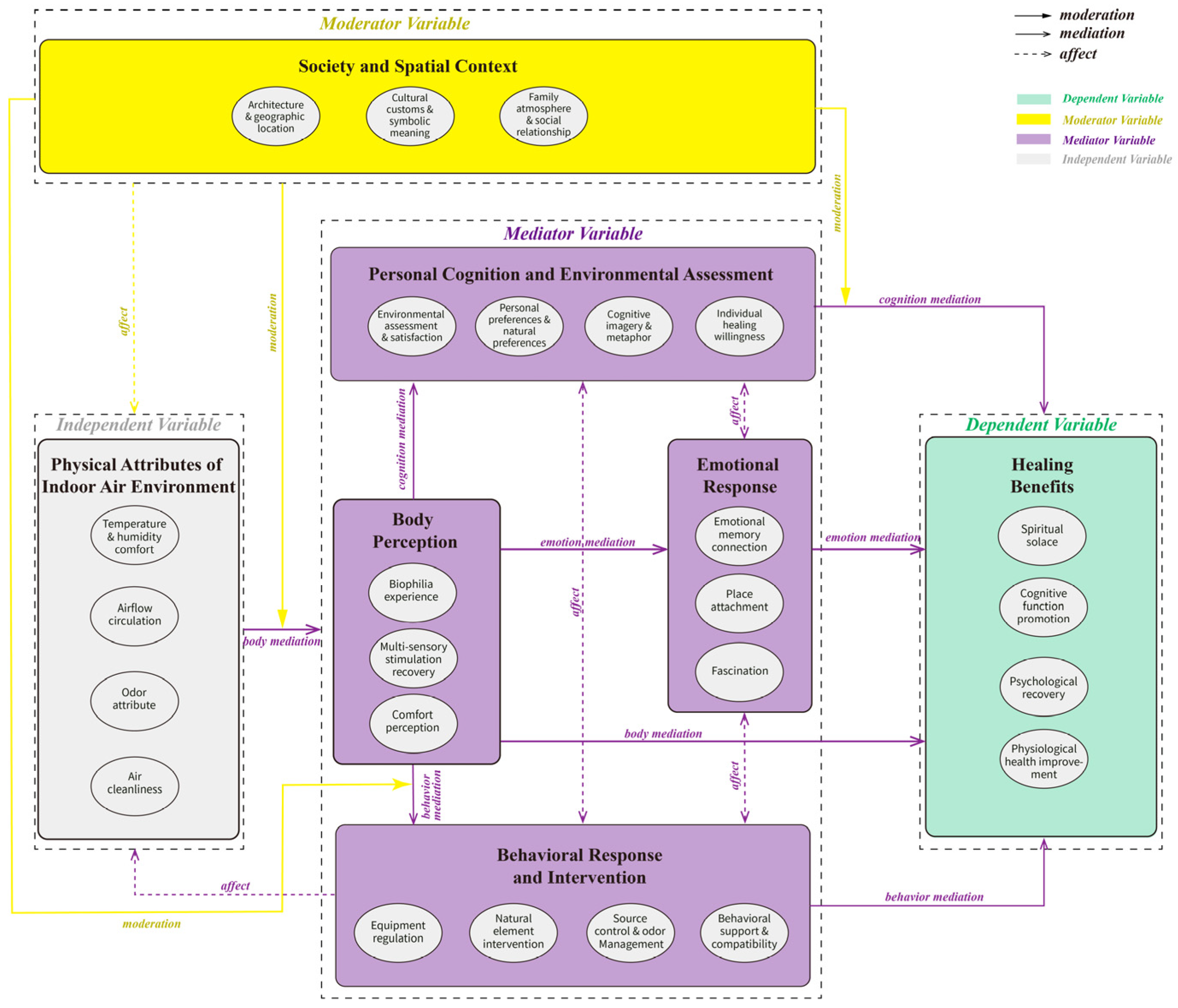
Through the integration of the coding results, this study distills the following core narrative to explain how the indoor air environment influences residential healing benefits. Based on the relationships among the core categories, a theoretical model of the healing environment of residential air is constructed (
Figure 2).
In this study, the physical attributes of the indoor air environment are treated as the independent variable, directly influencing four sets of mediator variables: perception, emotional responses, cognition, and behavioral interventions. These ultimately affect the dependent variable: mind–body healing benefits. The entire process is subject to the moderating effect of society and spatial context.
Physical attributes of the indoor air environment—such as airflow/ventilation, cleanliness, temperature/humidity, and odor—constitute the foundational environmental elements for restoration to occur. These attributes are first perceived by residents, directly eliciting positive (e.g., pleasure) or negative (e.g., irritation) emotional responses. Behavioral response and intervention methods act as part of the mediating variables, enabling residents to actively alter the physical attributes. In pursuit of a higher quality air environment, residents adopt a series of regulatory and intervention behaviors, such as opening windows, keeping green plants, and using air conditioning systems. These behaviors, in turn, modify the physical attributes. Simultaneously, the sense of control and perceived behavioral efficacy gained from this self-regulation further influence the residents’ perceptions and emotions. The ultimate healing benefits manifest across four levels: physical health improvement, psychological restoration, cognitive function promotion, and spiritual solace. These benefits represent the final outcome generated by the physical attributes through the mediating variable of environmental perception and emotional response.
The embodied cognition formed by long-term perceptual experiences and emotional feedback will form personal preferences and cognitive images. For example, it is believed that fresh air has a healing effect, but fresh air is a comprehensive description that is difficult to quantify and is emotionally linked to the scene experience in human memory. It also covers human innate preferences and aspirations for the natural environment, such as liking the air in forests. This is the experiential preference for the natural environment that people have developed over a long period of life. In addition, personal cognition will also affect regulatory behavior. The human brain forms an evaluation system to regulate behavior, thereby influencing and controlling the environment. The regulation and influence of the environment by humans can have a sustainable impact on their emotions and cognition. Thus, it forms a closed loop of mutual healing and influencing mechanisms. Human cognition also affects their willingness to self-heal, and the influence of the environment on people can stimulate their willingness to self-heal more effectively. Healing is something that environmental design cannot achieve. What it can do is create an environment that promotes individuals’ self-healing and inspires their willingness to self-heal. The sensory compensatory effect of the air environment has the potential to enhance people’s willingness to self-heal through the combined effects of airflow, sound, and odor, even in situations where the visual perception of existing indoor air is difficult to change. Especially when encountering extreme weather conditions in the external environment, providing a space environment with more physical and mental recovery benefits for long-term indoor stay.
This complex process is comprehensively moderated and influenced by the socio-spatial context (family atmosphere, building location, cultural background). As an environmental benchmark, it affects the initial perception state of the air environment. At the same time, the social and cultural context profoundly shapes people’s values and family atmosphere, and further affects people’s perception, cognitive evaluation, and behavioral norms of the environment. For example, the indoor air environment with the same physical properties can be considered more comfortable and healing in a harmonious family atmosphere. The deep-rooted cultural consensus, such as emphasizing “gathering wind and gathering Qi” and “harmony between human and nature”, will affect the interaction mode between residents and physical space. Therefore, socio-spatial context profoundly influences people’s cognitive evaluation of the air environment and subsequent coping behaviors, thereby enhancing the overall restoration effect of the living environment.
Therefore, the healing benefits of a living space are not determined solely by the air environment itself. Instead, they are the complex result of the interplay between “physical attributes → psychological perception → cognitive assessment → behavioral response → healing benefits” and social context adjustment. A highly healing air environment is typically characterized by being “well-ventilated, clean, with appropriate temperature and humidity, and containing pleasant natural scents.” Furthermore, such an environment can form a virtuous cycle with the residents’ positive emotions, healthy lifestyle habits, and harmonious family relationships.
4. Discussion
This study employs a grounded theory approach to construct a theoretical model elucidating how indoor air environments influence the healing benefits of residential spaces. The findings not only engage with existing classical theories but also extend and deepen the understanding of “healing environment.” The core contribution of this study lies in developing a model of the “Environment-Perception-Cognition-Behavior-Benefit” mechanism for healing residential air environments. “Air,” as a core physical element of healing environments, is systematically integrated into this framework (
Figure 3).
The study also highlights the critical mediating role of “behavioral regulation,” positioning residents as active interveners rather than passive recipients. Furthermore, it innovatively introduces the “social and spatial context,” indicating that the healing benefits of air environments are not generated in isolation but are significantly moderated by macro-level factors such as family atmosphere and building location. Thus, by treating the air environment as a new medium for healing environments, the study elucidates its promotive effects on physical health, emotional recovery, attention restoration, and spiritual solace, progressively enriching the multi-layered connotations of “healing air environments.”
4.1. Contribution to Existing Knowledge
In classical theories of healing environments, Ulrich’s Stress Reduction Theory (SRT) emphasizes the role of natural environments in stress recovery [
34], while Wilson’s Biophilia Hypothesis points to humans’ innate tendency to connect with nature [
35]. Kaplan and Kaplan’s Attention Restoration Theory (ART) posits that natural environments possess four characteristics—being away, extent, fascination, and compatibility—which help restore depleted directed attention [
36].
However, these classic theories have historically operated with a strong visual advantage on the benefits of viewing natural landscapes or greenery. This study extends this paradigm by elucidating the air healing mechanisms of multi-sensory embodied experiences. Although visual stimuli are typically directional, spatially limited, and heavily rely on cognitive assessment, the air environment operates through universal and surrounding sensory pathways (smell, heat, and touch). This represents a fundamental mechanical shift from watching healing scenes to immersing oneself in a healing atmosphere. Therefore, the multi-sensory air healing model provides powerful complementary advantages for the visual dominance healing theory. Visual elements provide real-time spatial positioning and capture cognitive “charm” as initial triggers for attention recovery. As a supplement, the air environment provides a continuous, subconscious physiological baseline to maintain recovery. Visual and air sensory inputs together create a collaborative multi-sensory immersion atmosphere.
Furthermore, this study moves beyond classical theories by proposing a more granular behavioral mechanism. While classical theories often position the individual as a relatively passive recipient of environmental benefits, our model emphasizes “behavioral regulation” as a key mediating variable. This positions residents as active interveners who consciously modify their environment to enhance well-being, a nuance that enriches the understanding of human–environment interaction. The common practice of respondents’ “keeping plants” and their preference for “natural ventilation” vividly demonstrate how individuals actively seek the sense of “fascination”, ”extent” and “nature connection” in their daily living environment. In addition, the introduction of the “social and spatial context” as a moderating variable is a significant extension. It indicates that the healing benefits of air are not generated in isolation but are significantly amplified or weakened by macro-level factors such as family atmosphere and building location. This aligns with the environmental psychology framework that divides the environment into phenomenal, behavioral, and experiential layers. Our findings illustrate how the physical air environment is cognitively evaluated, leading to behavioral responses and complex experiences that are, in turn, regulated by social culture and individual values.
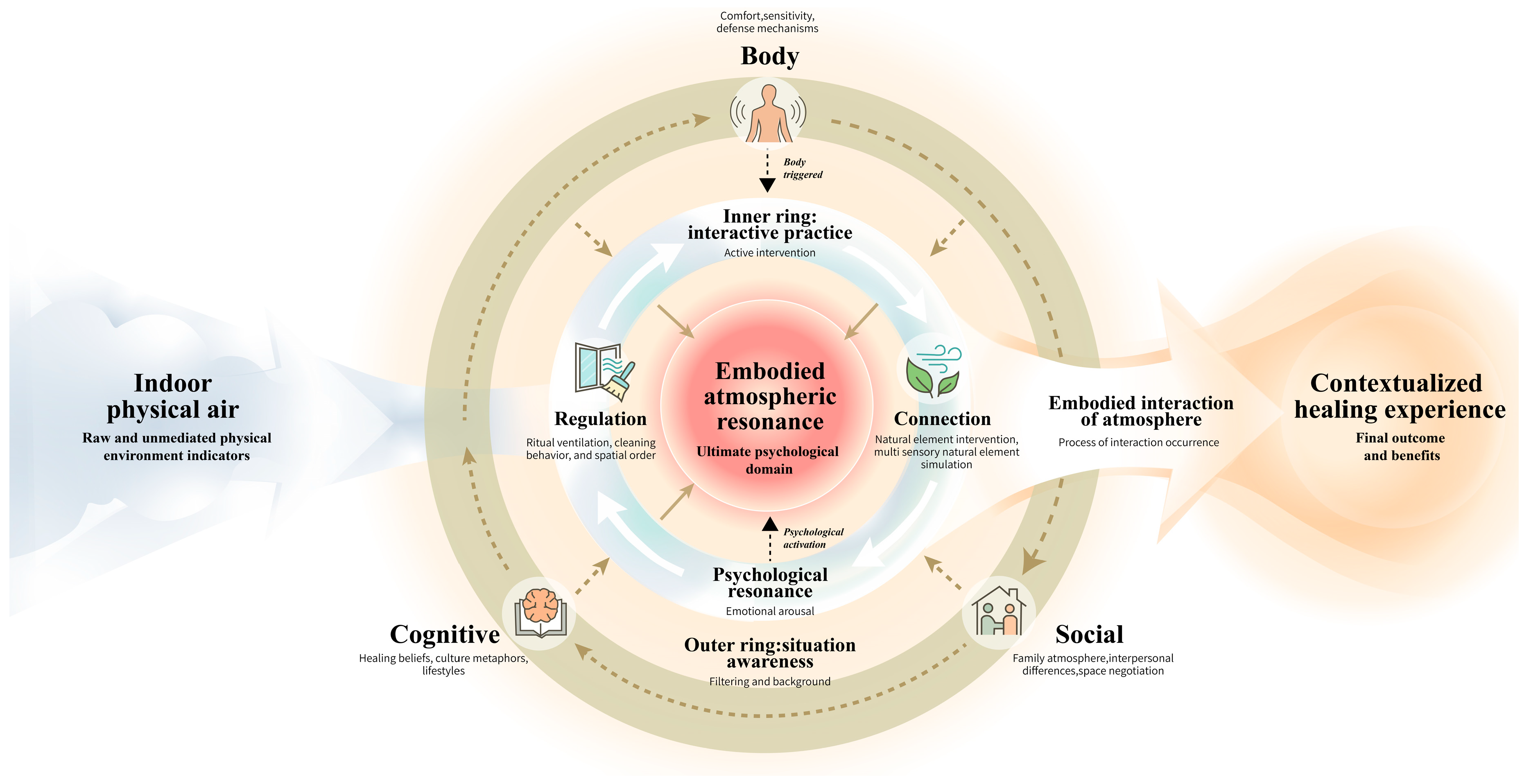
The developed model offers tangible insights for architectural design, interior design, and healthy community planning. The core implication is the need to purposefully design the contextualized air healing experience in residential space, with “Environment-Perception-Cognition-Behavior-Benefit” embodied-interactive relationship to unlock the multidimensional healing potential of residential air (
Figure 4).
The core of this framework is to transform physical air into a situational healing atmosphere that people can experience through dynamic interaction with their bodies. The air healing in residential spaces is not solely based on the achievement of physical indicators such as PM2.5 and temperature, but is a dynamic co-construction process of “human atmosphere environment”. Healing begins with the body’s embodied awareness and defense against air (circulation, warmth, and odor). Residents actively adjust their environment and transform their physical space into a psychological shelter through daily rituals such as opening windows, cleaning, planting, and using fragrances. Ultimately, a holistic ‘atmosphere’ is formed that integrates sensory comfort, emotional memory, social relationships, and cultural metaphors, achieving stress relief and attention recovery.
This theoretical model proposes new intervention strategies for existing healing environment design. For example, intervening in the physical dimension to passively embed high-quality attributes like ventilation, cleanliness, and pleasant odors into the space itself. This can be achieved by promoting natural ventilation, using indoor ecological walls with green vegetation for purification and humidity regulation, and treating air as a landscape element by integrating greenery, water features, and aromatic installations. Supporting behavioral regulation to support residents’ active role by creating scenes that guide healthy behaviors. For example, designing balconies as “breathing corners” encourages pauses for “air healing.” Providing intuitive control interfaces for windows, fans, and HVAC systems, coupled with real-time visualization of air quality data, empowers residents to make informed, scientific decisions. Enhancing perceptual and emotional recovery through transforming positive physical signals into deep psychological healing, making airflow “visible” and “audible” through light wind chimes or swaying plant shadows, leveraging multi-sensory synesthesia to reinforce the positive suggestion of “fresh air.” In addition, associating air with emotional memory by cultivating a unique ‘home flavor’ can forge a strong source of belonging. Leveraging the socio-spatial context by using the air environment as a catalyst to enhance family bonds. Creating comfortable microclimates in areas like balconies and kitchens fosters a “warm atmosphere” conducive to social interaction.
Through these integrated strategies, the residential air environment is transformed from a hidden background factor into an active, catalytic element that collaborates with residents to cultivate a truly nourishing healing space. In the future, this mode of air environment can be replicated in various types of residential spaces for healing, from residential buildings to nursing homes or health care hospitals, creating a homey atmosphere. As an object that can be designed, perceived and experienced, the air environment is moved from the background of HVAC to the experience front of environmental design, so that the mysterious existence of the air atmosphere affected by the air environment becomes quantitative and concrete, so that it has the possibility of being copied. Even in the near future, with the rapid rise of VR and other technologies, the research results can also cooperate with VR head display equipment to create a more immersive airflow and multi-sensory stimulation recovery experience.
4.2. Sensory Boundary Conditions of Theoretical Models
Although this study points out the healing benefits of the air environment, the air healing model in practical spatial applications is highly susceptible to the cross-modal masking effect of other senses. Therefore, this section discusses the sensory boundary conditions of this theoretical model and methods to avoid cross-modal interference.
The human senses do not operate in isolation, but rather involve complex systems of multi-sensory perception. Visual and auditory inputs typically have higher weights than olfactory and somatosensory inputs. When audio-visual stimuli are invasive, they can reduce individuals‘ sensitivity to air odors, temperature, and humidity. For example, stimulating noise or glaring indoor lighting can cause excessive cognitive load and trigger physiological stress. This cross-modal interference can easily mask or weaken the subtle sense of recovery brought by air.
Therefore, in order to fully utilize the healing effect of the residential air environment, it is necessary to avoid the cross-modal masking effect of audio-visual interference. By reducing environmental stimuli in other dimensions, it can provide a necessary sensory space for the release of air healing benefits. For example, filtering external noise, softening glaring light, adding visual buffers to block cluttered outdoor scenery, and creating a minimalist and peaceful visual and auditory background.
This also poses new requirements for future experimental research. In the experimental environment, strict control of environmental variables is required to reduce the impact of visual and auditory stimuli on the effectiveness of air healing. For example, simulating visual and sound environments through VR devices to achieve quantitative control to enhance the multi-sensory consistency of air healing.
4.3. Population Differences in Air Healing Mechanisms
Considering that this study included participants from different age groups, this section focuses on the universality of age-related variability in understanding the mechanisms of air healing at the population level.
Based on existing research, age-related variability is evident in the perception, behavior, and benefit dimensions of our proposed theoretical model [
37]. For environmental perception, age significantly affects physiological sensitivity to air perception [
38,
39]. Elderly residents in our study showed more complaints about indoor airflow and temperature fluctuation. In terms of behavioral regulation, age and personality differences determine different environmental proactive intervention strategies [
40]. Influenced by deeply rooted traditional health and lifestyle concepts, the elderly participants in this study rely more on natural intervention methods, such as actively opening windows. However, young residents rely more on technological interventions such as air conditioning and air purifiers to regulate their environment. Finally, the priority of healing benefits may vary throughout the entire lifecycle. For the elderly, the main healing benefits brought by the air environment are deeply rooted in maintaining physical health and preventing respiratory discomfort. For young people, in addition to basic comfort, they are more inclined to focus on psychological healing and recovery. For example, habitually using scents such as aromatherapy and essential oils as a medium for emotional regulation to alleviate cognitive fatigue caused by high-intensity work.
By acknowledging the differences in perceptions and preferences among age-related populations, this study recognizes that the internal variable pathways of air healing mechanisms among different populations may not be entirely consistent. Although specific physiological vulnerabilities and lifestyle limitations inherent in different stages of life can lead to subtle differences, they are still included in the air healing model framework. Future quantitative research can be based on this theoretical framework to clearly test the quantitative differences among these age groups.
4.4. Distinction Between Cultural Specificity and Universality in Theoretical Models
In order to ensure the broader transferability of this theoretical framework in cross-cultural contexts, this section explores how to distinguish universally applicable components from their specific cultural elements.
In universal aspects, the core structural mechanism of the “Environment-Perception-Cognition-Behavior-Benefit” model is assumed to have global applicability. The basic recovery response to objective improvement of the air environment is a common biological characteristic of human beings. For example, reducing stress through exposure to fresh air. More importantly, the structural role of social spatial background as a moderating factor in this mechanism remains generally effective. The participants’ views on air environment and their subsequent healing experiences are closely related to local cultural norms regarding ventilation, climate characteristics, and specific housing conditions.
On the contrary, in cultural specificity aspects, the symbolic meanings related to the air environment (such as “Qi”) and the resulting cognitive evaluations are largely limited by culture. Although Chinese residents may rely on the cultural philosophy of “Qi” to actively pursue natural ventilation as a healing behavior, residents in Western cultural backgrounds may rely on different cognitive models. For example, the Danish “hygge” culture pursues a comfortable, warm, and safe indoor atmosphere. Therefore, the transferability of specific variables related to social and cultural modes in theoretical models is still limited in different global contexts.
Therefore, understanding the boundary between cultural specificity and universality not only clarifies the scope of the current model but also provides a concrete foundation for future cross-cultural comparative research to empirically validate and expand this framework.
4.5. Limitations and Future Research Directions
Based on the boundary conditions discussion of the theoretical model mentioned above, this study exhibits several limitations to advance future research directions.
As a qualitative study based on grounded theory, it relies on participants’ subjective reports, which may be subject to recall bias. The sample may not fully represent diverse cultural, climatic, or socio-economic groups, potentially limiting the generalizability of the model. Therefore, quantitative validation is needed in larger and more diverse populations, using structural equation modeling (SEM) to test the hypothetical pathways on larger samples. Cross-cultural and cross-climatic comparative studies are also needed to test and refine the model’s universality. In addition, although this study established a solid qualitative foundation, the proposed theoretical framework is largely descriptive and exploratory. The proposed causal pathways within the model, while theoretically sound, require validation through large-scale quantitative studies or experimental designs. Future research should address these limitations. A mixed-methods approach, combining surveys, physiological measurements, and behavioral observations, would provide more robust evidence to enhance the scientific rigor of this framework.
Future research will transition from the theoretical construction stage to the theoretical testing stage through stratified empirical research. Quantitative large-scale cross-sectional studies and rigorous mixing experiments can be conducted to empirically validate the theoretical model. A large-scale cross-sectional quantitative study will be conducted through structural equation modeling (SEM) and other tools to statistically test the strength of the relationship between spatial features, socio-cultural perception, and psychotherapy outcomes.
Furthermore, a controlled experiment will be employed to systematically quantify the mechanisms of air healing environments. Using a climate room to control specific parameters such as airflow velocity, temperature, and odor. In addition, virtual reality (VR) can be used to regulate different visual variables, such as spatial scales and colors. Participants will be exposed to different air environments to accurately measure the healing effects of the space. Finally, in order to capture the dynamic interaction between residents and their living environment, longitudinal on-site intervention studies should be conducted in actual residential environments to track how the indoor air environment affects sustained behavioral interventions and cumulative healing effects over time.
Specifically, in order to quantify the healing effect of these variables, objective physiological indicators and subjective psychological scales can be used. For example, emotional recovery and mental comfort can be measured through electroencephalography (EEG), heart rate variability (HRV), and skin conductance response (GSR), which effectively capture real-time stress reduction. Meanwhile, attention recovery can be evaluated using standardized cognitive tasks such as the Perceived Recovery Scale (PRS). The variables of “air environment” (such as temperature, carbon dioxide) can be continuously tracked using high-precision sensors, while “behavioral regulation” (such as opening windows) can be recorded through environmental sensors or activity recorders, transforming self-reported data into objective behavioral mapping.
By integrating these specific indicators and paradigms, future research can transform the theoretical framework constructed in this study into empirically validated predictive models, ultimately providing evidence-based guidelines for future living environments.
5. Conclusions
This study explored the mechanism through which the indoor air environment influences the healing benefits of residential spaces. Using a grounded theory analysis of in-depth interviews with 23 residents, we found that the healing effect of indoor air is a complex, multi-dimensional process, involving the dynamic interaction between environmental perception, behavior, psychology and cognitive factors. This process is triggered by physical attributes such as air circulation, cleanliness, temperature, humidity and odor, and is mainly mediated by perception, cognitive system evaluation and emotional response, and continuously optimized through behavior regulation and intervention. Ultimately, moderated by social and spatial contexts, it leads to multi-layered healing outcomes—including physiological health, psychological recovery, cognitive enhancement, and emotional solace.
By focusing on the dimension of air, this study deepens the understanding of the healing environment. For the healing environment research, this study breaks through the visual-dominated healing paradigm and proposes the concept of an embodied multi-sensory air healing perspective. For the field of architectural design, this study is not limited to basic indoor air quality and proposes an environmental construction of “contextualized air healing experience” to bridge the gap between objective parameters and subjective benefits. The proposed theoretical model offers a scientific foundation and practical pathway for designing residential spaces that genuinely promote inhabitants’ well-being.
There are certain limitations to this study that point to directions for future research. For instance, the in-depth interviews were limited in sample size and subject to potential biases in self-reported data, which may affect the generalizability and objectivity of the findings. Future studies could employ large-scale questionnaire surveys to quantitatively validate the pathways proposed in the model. Incorporating objective measures such as temperature and humidity sensor data, as well as physiological indicators like heart rate variability, would allow for triangulation with subjective perceptions and enhance the rigor of the research.