


Abstract
China is experiencing rapid population aging and is actively promoting smart home–based eldercare. Smart homes offer a promising means of supporting older adults in aging in place. However, low adoption and limited sustained use constrain their potential benefits, thereby exacerbating social, economic, and healthcare burdens. This study examined factors influencing older adults’ continuance intention to use smart homes in Shandong Province, China, by integrating the Expectation–Confirmation Model of Information Systems and the Technology Acceptance Model and incorporating China-specific contextual antecedents, including government policy, intergenerational technical support, compatibility, and cost. Data were collected using an online questionnaire survey of older adults aged 60 years and older with prior smart home experience (n = 421) and analyzed using Partial Least Squares Structural Equation Modeling (PLS-SEM). Results showed that perceived usefulness, perceived ease of use, satisfaction, and cost directly affected continuance intention, whereas government policy, compatibility, and intergenerational technical support influenced continuance intention through perceived usefulness, perceived ease of use, and confirmation. Based on these results, this study proposes a conceptual framework for understanding older adults’ continuance intention toward smart homes. The findings provide implications for inclusive policy, user-centered design, and family-supported digital aging in rapidly aging societies.
1. Introduction
Population aging is accelerating worldwide due to sustained declines in fertility and mortality. In 2022, approximately 771 million people aged 65 years and older were estimated, representing about 10% of the global population. This share is projected to reach 16% by 2050 and 24% by 2100 [1]. China, which has the world’s largest aging population, had 264 million people aged 60 years and older in 2021 (18.7%), a figure that is expected to reach 380 million (approximately 28%) by 2050 [2]. As a result, China faces mounting social, economic, and healthcare pressures, alongside heightened physiological, social, and psychological vulnerabilities among older adults [3,4,5]. Under China’s “9073” elderly care model, roughly 90% of older adults are expected to age in place, 7% to receive community-based care, and only 3% to live in institutions. Consequently, as functional decline increases the need for assistance with activities of daily living, demand for sustainable, home-based care solutions continues to intensify [5].
Smart homes have been widely promoted as a core technological response to demographic and care pressures associated with population aging [6,7]. A smart home is a residence equipped with networked sensors, devices, and appliances that enable remote monitoring, control, and personalized services [8]. For older adults, smart home services can be organized into five dimensions: health monitoring, environment monitoring, companionship, social communication, and recreation and entertainment, as shown in Figure 1 [9]. Smart homes can learn users’ habits [10], support multimodal interaction through sound, light, and spatial cues [11], and connect to external platforms to deliver these services [9]. Evidence indicates that smart homes enhance independence, well-being, and quality of life among older adults, thereby facilitating aging in place [12,13,14].
Figure 1.
Smart home services for older adults.
In China, smart elderly care has been positioned as a strategic national priority, supported by subsidies, standardization, and promotional initiatives [7,15,16,17]. Older adults also show a strong interest in smart homes [18], and adoption rates among older adults are increasing [19]. As shown in Figure 2, China’s smart home market for older adults reached approximately CNY 156 billion in 2024, with a compound annual growth rate (CAGR) of 21.2% from 2020 to 2024 [20]. However, Figure 3 shows that, in 2023, the continued use rate of smart homes among older adults in China was only 30%, while the discontinued use rate reached 57%. The intermittent use rate was 13% [21]. This indicates that more than half of older adults discontinued smart home products after initial use and did not resume use. Moreover, 83% of smart home products were discontinued within three months of initial use by older adults. Devices such as smart wristbands, health monitors, and companion robots often became underused or idle after a short period of use, and in some cases were described as “electronic waste” [21].
Figure 2.
China’s Smart Home Market Size for Older Adults (2020–2024). Source: Huajing Intelligence Network [19].
Figure 3.
Smart Home Use Status Among Older Adults in China in 2023.
Therefore, the central problem addressed in this study is not merely initial adoption, but rather why older adults discontinue using smart homes after adoption and what drives their continued use in the Chinese context. From a practical perspective, as older adults’ educational attainment continues to improve, they are increasingly able to adopt and learn to use smart home products, and an increasing number of adult children select smart home products that better fit older adults’ needs [19,20,21]. However, the continued use rate of smart homes among older adults is only about 30%, which constrains the extent to which smart homes can support aging in place [19]. Thus, maintaining users’ continuance intention is critical [22]. Continuance intention is a key predictor of sustained use of smart homes [21,22]. In older adults’ post-adoption use, factors such as perceived ease of use, perceived usefulness, compatibility, and cost are key concerns [23,24,25,26,27,28].
From a theoretical perspective, perceived ease of use and perceived usefulness, core constructs of the Technology Acceptance Model (TAM), are consistently identified as key determinants of older adults’ behavioral intention toward smart homes in the pre-adoption stage [23,24,25,26]. However, it is unclear whether these determinants continue to affect older adults’ continuance intention after they have begun using smart homes. Existing studies on older adults’ acceptance of smart homes have also relied heavily on pre-adoption models such as the TAM [23,24,29,30]. By contrast, the Expectation-Confirmation Model of Information Systems (ECM-IS), which has been widely used to explain continuance intention in information systems research through constructs such as confirmation, satisfaction, and perceived usefulness, has not been systematically applied to older adults’ continuance intention toward smart homes in the post-adoption stage. As a result, existing adoption-oriented studies provide limited explanatory power for the post-adoption use patterns observed in China, where rapid expansion does not necessarily translate into sustained use.
In addition, several contextual antecedents that are particularly salient in China’s smart eldercare environment remain underexplored in relation to continuance intention. Government policy plays a decisive role in shaping the smart home market for older adults in China [31]. However, its impact on older adults’ continuance intention remains unclear. Compatibility across devices and platforms is frequently cited as a determinant of older adults’ acceptance of smart homes [27,28]. However, its influence on continuance intention remains underexplored. Previous studies have consistently identified cost as a significant determinant of behavioral intention in the pre-adoption stage [9,32,33,34], yet whether cost affects older adults’ continuance intention in the post-adoption stage remains largely unknown.
Furthermore, 64% of older adults in China were first introduced to smart homes by younger family members, and 80% reported that they prioritized seeking help from their children when they encountered operational difficulties [35]. Intergenerational technical support from adult children has been shown to influence older adults’ behavioral intention toward smart homes during the pre-adoption stage [24,29]. However, its contribution to continuance intention after adoption has received limited empirical attention. Collectively, these factors reflect the socio-technical and policy context within which smart homes are promoted in China, but they have rarely been examined in an integrated post-adoption framework.
To address these gaps, this study integrates the Expectation-Confirmation Model of Information Systems and the Technology Acceptance Model with contextual antecedents, including government policy, intergenerational technical support, compatibility, and cost. This study empirically focuses on older adults in Shandong Province, China, a rapidly aging and policy-active region, and pursues three objectives:
- To identify the key factors influencing older adults’ continuance intention to use smart homes in Shandong Province, China.
- To examine the relationships between the key factors and older adults’ continuance intention to use smart homes in Shandong Province, China.
- To develop a conceptual framework for older adults’ continuance intention to use smart homes in Shandong Province, China.
The remainder of this paper is organized as follows. Section 2 reviews the relevant literature and proposes the conceptual framework. Section 3 describes the research methodology. Section 4 presents the data analysis and results, including demographic information and PLS-SEM findings. Section 5 discusses the key results, while Section 6 concludes by outlining the theoretical contributions, practical implications, limitations, and recommendations for future research.
2. Literature Review
2.1. Older Adults’ Acceptance of Smart Homes
Empirical research on older adults’ acceptance of smart homes has focused primarily on the pre-adoption stage. Most studies have examined intention-related dependent variables, including behavioral intention, intention to use, willingness to adopt, and intention to accept [23,24,25,26,30,36,37,38,39,40]. For example, Maswadi, Ghani and Hamid [39] identified factors influencing older adults’ behavioral intention toward smart home technologies in Saudi Arabia. Zhou, Qian and Kaner [23] examined older adults’ intention to use smart homes. However, research on older adults’ continuance intention toward smart homes remains scarce [22]. Among the independent variables, perceived ease of use and perceived usefulness are the most consistently examined variables, underscoring the enduring influence of the Technology Acceptance Model (TAM) in studies of older adults’ acceptance of smart homes [23,24,25,26].
From a theoretical perspective, prior work has predominantly used the Technology Acceptance Model (TAM) and the Unified Theory of Acceptance and Use of Technology (UTAUT) to explain older adults’ intention to use smart homes in the pre-adoption stage [23,24,25,26,30,38,39,41]. TAM explains technology acceptance primarily through perceived usefulness and perceived ease of use, whereas UTAUT extends this perspective by incorporating performance expectancy, effort expectancy, social influence, and facilitating conditions [42,43]. Although these models have strong explanatory power for pre-adoption acceptance and intention to use, they are less suitable as the primary framework for the present study, which focuses on post-adoption continuance intention among older adults, as they do not explicitly model expectation confirmation and post-use satisfaction. By contrast, the Expectation-Confirmation Model of Information Systems (ECM-IS), which was developed to explain continuance intention in the post-adoption stage, is more theoretically aligned with the present study. However, it has rarely been applied to older adults’ intention to continue using smart homes [22]. UTAUT was excluded from the proposed model to maintain theoretical parsimony and because prior empirical evidence in this context has consistently highlighted the salience of perceived usefulness and perceived ease of use relative to the broader set of UTAUT constructs.
Although ECM-IS is well-suited to explaining post-adoption continuance, its core mechanism primarily emphasizes confirmation, perceived usefulness, and satisfaction. It provides a limited explicit explanation of perceived ease of use as a post-adoption cognitive mechanism. This limitation is particularly important in the smart home context, where ease of use remains a key concern for older adults [19,44]. TAM, by contrast, offers a stronger account of how perceived ease of use shapes users’ evaluations of technology use [45]. Therefore, this study adopts ECM-IS as the core post-adoption framework and selectively incorporates perceived ease of use from TAM. In this integrated framework, ECM-IS explains the continuance mechanism, while perceived ease of use extends it by capturing usability-related cognition.
In 2024, the satisfaction rate among Chinese older adults with prior smart home experience was below 40%, indicating a substantial gap between the actual user experience of smart home products and older adults’ prior expectations [46]. This finding suggests that, in the post-adoption stage, satisfaction and expectation confirmation are important factors influencing older adults’ continuance intention. Compared with factors such as technology anxiety, privacy, and security, which are more commonly discussed in the pre-adoption stage [9,45], older adults in the continuance stage are more concerned with perceived ease of use, perceived usefulness, compatibility, and cost, with perceived ease of use and perceived usefulness being particularly salient [44,46].
Meanwhile, intergenerational technical support plays a prominent role in China. Survey data show that 64% of Chinese older adults were introduced to smart homes through younger family members, and 80% of older adults prioritize seeking help from their children when they encounter operational difficulties [35], indicating that family-based intergenerational support remains the primary source of support for older adults’ smart device use [47]. In addition, government policy plays an important role in promoting smart homes for older adults, regulating markets, and supporting continued use [18]. Overall, perceived ease of use, perceived usefulness, compatibility, cost, government policy, and intergenerational technical support are all important factors influencing older adults’ continuance intention toward smart homes. However, existing empirical research on older adults’ continuance intention toward smart homes has provided only a limited systematic examination of these factors. Although aging-specific constructs such as technology anxiety, perceived risk, and age-related cognitive and physical decline are also relevant to older adults’ acceptance of smart homes, the present study focuses on post-adoption continuance. It therefore prioritizes the most salient post-adoption cognitive factors and China-specific contextual antecedents.
Several gaps remain. First, most empirical research has focused on the pre-adoption stage, with limited attention given to continuance intention in the post-adoption stage [48]. Second, it remains unclear whether perceived ease of use and perceived usefulness still continue to influence continuance intention during the post-adoption stage [23,24,25,26]. Third, ECM-IS has been underutilized in this context, despite its relevance to the post-adoption stage [22]. Finally, the contextual antecedents, including government policy, compatibility, cost, and intergenerational technical support, remain insufficiently examined [24,27,29,31,33]. In response, this study develops a conceptual framework that integrates ECM-IS with the TAM-derived construct of perceived ease of use and incorporates four China-specific contextual antecedents to explain older adults’ continuance intention toward smart homes in the post-adoption stage.
2.2. Conceptual Framework and Hypothesis Development
2.2.1. Expectation-Confirmation Model of Information Systems
Expectation-Confirmation Theory (ECT) explains consumers’ post-adoption behavior by positing that continuance intention is primarily determined by satisfaction with prior use [49]. ECT has been widely applied to customer satisfaction, post-purchase behavior, and service marketing [50]. The theory comprises five constructs: expectation, perceived performance, confirmation, satisfaction, and repurchase intention. Users first form expectations before adoption, then evaluate the perceived performance after use; comparing these expectations and performance yields confirmation, which affects satisfaction and, in turn, continuance intention [51].
To address the limitations of ECT in explaining technology discontinuance and capturing post-adoption psychological processes in information systems, Bhattacherjee [49] proposed the Expectation-Confirmation Model of Information Systems (ECM-IS) (Figure 4). ECM-IS shifts the focus from general consumer satisfaction to post-use beliefs in the context of information systems. In ECM-IS, perceived usefulness and satisfaction are modeled as the direct antecedents of continuance intention. Moreover, confirmation influences both perceived usefulness and satisfaction, which, in turn, together affect continuance intention [49].
Figure 4.
Expectation-Confirmation Model of Information Systems. Source: Adapted from Bhattacherjee [49].
ECM/ECM-IS has been widely applied across business, information science, computer science, and management to explain continuance intention [52,53,54,55,56]. However, its application to older adults’ intention to continue using smart homes remains limited [57,58]. This suggests that the effects of confirmation, perceived usefulness, and satisfaction on older adults’ continuance intention toward smart homes have not yet been systematically examined.
2.2.2. Technology Acceptance Model
The Technology Acceptance Model (TAM), derived from the Theory of Reasoned Action (TRA), explains users’ behavioral intention to use information technology systems voluntarily [28,59,60]. In the Technology Acceptance Model (TAM), perceived ease of use and perceived usefulness are core determinants of behavioral intention [61]. Extensive empirical work supports the model’s explanatory power and robustness (Figure 5) [62].
Figure 5.
Technology Acceptance Model. Source: Adapted from Davis [60].
In early TAM formulations, attitude mediated the effects of perceived ease of use and perceived usefulness on behavioral intention. Subsequent research, however, has shown that attitude often adds little incremental predictive value and, accordingly, has frequently been excluded from later TAM applications [34,45]. Today, TAM is among the most widely used and influential models for studying user acceptance [23,62].
Perceived usefulness is a shared construct in both TAM and ECM-IS, whereas satisfaction is a core construct in ECM-IS but not in the original TAM. In TAM, PU primarily captures pre-adoption beliefs about the expected utility of a technology. In ECM-IS, by contrast, perceived usefulness reflects a post-adoption re-evaluation of utility shaped by actual use experience and expectation confirmation. Moreover, unlike TAM, ECM-IS places satisfaction at the center of the post-adoption process, conceptualizing it as an affective evaluation formed after expectation confirmation and actual use, which in turn directly drives continuance intention [49,60].
TAM has been applied across multiple domains, including education [63,64], business [65,66,67], computer science and information systems [68,69], and green and sustainable technologies [42,70]. In the context of smart homes for older adults, TAM has been used to examine the adoption of smart home services, IoT health technologies, and smart home healthcare systems [25,59]. These studies consistently show that perceived ease of use and perceived usefulness predict behavioral intention at the pre-adoption stage [24,25].
However, because the present study focuses on continuance intention rather than initial adoption, ECM-IS provides the primary theoretical foundation. Accordingly, perceived usefulness and satisfaction are modeled following the ECM-IS post-adoption logic, while perceived ease of use is selectively incorporated from TAM into the model as an additional usability-related cognitive antecedent. This extension is theoretically important because ease of use remains a salient concern for older adults as they continue using smart homes in their daily lives [19,44]. Therefore, this study extends the ECM-IS framework by incorporating perceived ease of use to examine whether usability perceptions continue to shape older adults’ continuance intention to use smart homes.
2.2.3. China-Specific Contextual Antecedents
Beyond the core post-adoption mechanism explained by ECM-IS and the usability-related cognition captured by the TAM-derived construct of perceived ease of use, older adults’ continuance intention toward smart homes is also shaped by broader contextual antecedents. In this study, government policy, compatibility, cost, and intergenerational technical support are conceptualized as China-specific contextual antecedents that shape older adults’ post-adoption perceptions and evaluations [18,35,44,46].
The development of smart homes for older adults in China has been predominantly policy-driven, with government policy playing a decisive role in enabling rapid growth [31,71]. At the same time, diffusion has been constrained by limited market incentives and low public awareness [31]. To address these barriers, the government issued a series of national measures to stimulate innovation and market uptake in smart health and elderly care, including the “Notice on the Action Plan for the Development of the Smart Health and Elderly Care Industry (2021–2025)” [72], the “Notice on Organizing the Application Process for the 2022 Smart Health and Elderly Care Products and Services Promotion Catalogue” [17], and the “Three Ministries Increase Efforts to Promote Smart Health and Elderly Care Products and Services” [16]. These policies collectively provide strategic guidance, financial support, and technical standards to support the national objectives. However, empirical research has rarely modeled government policy as an explicit contextual determinant of older adults’ continuance intention.
Compatibility is consistently identified as a key factor in acceptance [27,28]. In the Chinese smart home market, the absence of unified technical standards for elderly-oriented services has led to platform fragmentation. Providers often build proprietary ecosystems that weaken interoperability across devices and services, creating integration barriers for end users [31,73]. Policies such as “Standardization and Improvement of Smart Technologies, Reshaping Lifestyle-Smart Home, Lighting Up “E-life” were introduced to encourage standardization [15]. Although compatibility has been shown to affect behavioral intention in the pre-adoption stage [27], its influence on continuance intention remains underexplored.
Adoption and continued use of smart homes entail not only initial purchase costs but also installation, maintenance, and repair costs and, in some cases, increased energy expenses [58,74,75]. Cost has repeatedly been identified as a barrier to acceptance [9,32,76] and it significantly influences pre-adoption behavioral intention [33,34]. However, its effect on older adults’ continuance intention after adoption has not yet been systematically examined.
Assistance provided by family members across generations is another distinctive feature of the Chinese context and has been shown to influence older adults’ acceptance of smart homes [23,24,29]. Cultural norms around family caregiving vary across countries. In many Western settings, resource transfers tend to flow from parents to adult children [77], whereas in Chinese families, adult children commonly provide sustained instrumental and technological support to aging parents, reflecting filial piety [78,79] and thereby leading to prevalent upward intergenerational support [80]. While previous studies have demonstrated that such support affects behavioral intention, its influence on post-adoption continuance intention remains underexplored.
Overall, this study identifies several gaps. First, most previous studies have primarily emphasized potential users’ behavioral intention, with comparatively limited attention to actual users’ continuance intention after initial adoption [48]. Second, it remains unclear whether perceived ease of use and perceived usefulness continue to influence continuance intention after adoption. Third, although the Expectation–Confirmation Model of Information Systems provides a theoretically grounded explanation of post-adoption behavior, it has rarely been applied in the context of smart homes for older adults. Finally, China-specific contextual antecedents, including government policy, compatibility, cost, and intergenerational technical support, remain underexamined in explaining older adults’ continuance intention. In response, this study integrates the ECM-IS with TAM and incorporates China-specific contextual antecedents to examine older adults’ continuance intention toward smart homes.
Therefore, this study develops a conceptual framework that integrates the ECM-IS and the TAM to explain older adults’ continuance intention to use smart homes in the post-adoption stage. Specifically, ECM-IS provides the core post-adoption explanatory mechanism, while TAM complements the model by capturing usability-related cognitions. In addition, four China-specific contextual antecedents are incorporated as exogenous conditions that shape older adults’ post-adoption perceptions and evaluations.
2.2.4. Conceptual Framework
By integrating ECM-IS with the TAM-derived construct of perceived ease of use and incorporating China-specific contextual antecedents, this study proposes a conceptual framework to explain older adults’ continuance intention toward smart homes in Shandong Province, China (see Figure 6). Rather than treating all predictors as parallel independent variables, the framework is hierarchically structured. Continuance intention serves as the focal outcome variable. Perceived ease of use, perceived usefulness, confirmation, and satisfaction constitute the core post-adoption cognitive and evaluative mechanisms (derived from ECM-IS and the TAM-based usability cognition pathway). By contrast, government policy, compatibility, intergenerational technical support, and cost are positioned as exogenous contextual antecedents. These antecedents represent institutional, technological, family-support, and economic conditions, respectively. They shape older adults’ post-adoption cognitions and evaluations and, in some cases, also exert direct effects on continuance intention. Among these constructs, government policy, satisfaction, perceived usefulness, perceived ease of use, and cost are specified as direct paths to continuance intention, whereas government policy, compatibility, intergenerational technical support, confirmation, perceived usefulness, and perceived ease of use are specified as mechanism paths that support the theorized explanatory mechanism of continuance intention.
Figure 6.
Conceptual Framework. Note: ECM-IS refers to the Expectation–Confirmation Model of Information Systems, whereas TAM denotes the Technology Acceptance Model. The framework is hierarchically organized into (1) contextual antecedents (government policy, compatibility, intergenerational technical support, and cost), (2) post-adoption cognitive and evaluative constructs (perceived ease of use, perceived usefulness, confirmation, and satisfaction), and (3) the behavioral outcome (continuance intention). H1–H5 represent direct structural paths to continuance intention, whereas H6–H16 represent mechanism paths among antecedents and post-adoption constructs that jointly explain how contextual antecedents are linked to continuance intention.
2.2.5. Hypotheses Development
Direct-Effect Hypotheses on Continuance Intention
Satisfaction and continuance intention
In ECM-IS, satisfaction is a key factor influencing continuance intention, a relationship that has been supported across multiple post-adoption settings [22,81,82]. For example, Kaium, Bao, Alam and Hoque [81] proposed that satisfaction positively influences continuance intention in mobile health services. This relationship was confirmed by Bae, Jo, Jung and Lee [82] and Wang, Kim and Kim [22] in studies on mobile social network services and IoT devices. In the context of smart homes for older adults, this relationship is salient because continuance intention depends on whether continued use yields stable, satisfactory experiences in daily life. Given the post-adoption nature of continuance intention, satisfaction is expected to remain a direct determinant of continuance intention [22]. Accordingly, this study proposes the following hypothesis.
Hypothesis 1 (H1):
Satisfaction has a positive effect on older adults’ continuance intention toward smart homes.
Perceived usefulness and continuance intention
Within the ECM-IS framework, perceived usefulness is a central determinant of continuance intention [49]. This association has been consistently validated in empirical studies [82,83]. Xie, Jia and He [83] confirmed a positive effect of perceived usefulness on continuance intention in older adults’ shared nursing services. In research on mobile social network services, Bae, Jo, Jung and Lee [82] reported similar findings. In the smart home context, older adults are more likely to continue using technologies that deliver tangible benefits in everyday life, such as health management support, improved quality of life, and greater convenience. Accordingly, when smart homes are perceived as practically beneficial rather than merely novel, continuance intention should be enhanced. Therefore, this study proposes the following hypothesis.
Hypothesis 2 (H2):
Perceived usefulness has a positive effect on older adults’ continuance intention toward smart homes.
Government policy and continuance intention
Government policy refers to targeted actions undertaken to solve, mitigate, or prevent problems [84,85]. In this study, government policy is operationalized at the individual level and measured by older adults’ perceptions of policy support related to smart homes, rather than by an objective macro-level policy index. In China, policy support has played an important role in promoting the development of smart homes for older adults [31]. Recent policy initiatives in China (e.g., public promotion, subsidies, and trade-in support for age-friendly smart products) further indicate ongoing institutional efforts to create a more supportive environment for smart home use among older adults [86,87]. Official policy reports have also noted that such measures may help reduce product idleness and encourage intention to continue using smart homes [88,89].
Prior research in other digital technology contexts has also reported that government policy positively influences users’ continuance intention [79]. In the smart home context, when older adults perceive clear policy endorsement, public promotion, and supportive measures, they may develop greater confidence in the reliability and long-term viability of smart home services, thereby directly enhancing their intention to continue using smart homes. Accordingly, this study proposes the following hypothesis.
Hypothesis 3 (H3):
Government policy has a positive effect on older adults’ continuance intention toward smart homes.
Perceived ease of use and continuance intention
In TAM, perceived ease of use is the extent to which users believe that interacting with a product or system requires minimal effort [60]. Previous studies have suggested that perceived ease of use positively influences continuance intention [83,90]. For example, Xie, Jia and He [83] proposed that perceived ease of use positively affects continuance intention in shared nursing services for older adults. Jia, Pang, Huang and Hou [90] also suggested that perceived ease of use positively influences continuance intention in live streaming. In the context of older adults’ use of smart homes, this relationship is particularly important because continuance intention may be weakened when routine operation, setup, troubleshooting, or maintenance are perceived as cognitively demanding. Therefore, in the post-adoption stage, lower effort expectancy is expected to strengthen continuance intention. Accordingly, this study proposes the following hypothesis.
Hypothesis 4 (H4):
Perceived ease of use has a positive effect on older adults’ continuance intention toward smart homes.
Cost and continuance intention
Costs include purchase, installation, maintenance, repair, and other ongoing expenditures. Users consider both upfront outlays and long-term financial burdens when evaluating smart homes [58,74]. Smart home devices may also increase operating expenses, such as energy consumption [75]. Prior research found that cost negatively affects continuance intention [43,74]. In this context, this relationship may be particularly salient for older adults, especially those with relatively fixed or limited incomes, because smart home use involves not only the initial purchase cost but also post-adoption expenditures, such as ongoing maintenance and potential repair costs. As these expenses accumulate over time, they may increase uncertainty regarding continued use. Therefore, cost is expected to remain a relevant inhibitor of continuance intention even after initial adoption [58]. Accordingly, this study proposes the following hypothesis.
Hypothesis 5 (H5):
Cost has a negative effect on older adults’ continuance intention toward smart homes.
Mechanism-Linking Hypotheses Supporting Continuance Intention
Government policy, perceived usefulness, confirmation, and perceived ease of use
In China, government policy plays a critical role in driving the development of smart homes for older adults [31]. Prior research in the digital industry has shown that government policy is positively associated with perceived ease of use, perceived usefulness, and confirmation, thereby supporting the extension of this logic to the smart home context [79]. However, in the context of smart home adoption among older adults, government policy should not be treated merely as a macro-level factor facilitating technology diffusion. Rather, it can shape older adults’ subjective perceptions through specific mechanisms, including information dissemination, user guidance, onboarding support, standardization and certification, and financial support.
First, government policy may strengthen perceived usefulness by increasing the visibility, legitimacy, and practical relevance of smart home functions. In China, policy-led promotion of smart eldercare services and age-friendly home-retrofitting initiatives may help older adults better understand how smart homes can support daily living, safety, and independence. When such policy support improves awareness and reduces uncertainty about the functional value of smart homes, older adults are more likely to perceive them as useful [72]. Accordingly, this study proposes the following hypothesis.
Hypothesis 6 (H6):
Government policy has a positive effect on older adults’ perceived usefulness of smart homes.
Second, government policy may enhance confirmation by reducing the gap between pre-use expectations and the actual experience. Policy-related actions, such as standards development, testing, certification, and interoperability protocols, can improve product reliability and service consistency, helping older adults experience smart homes in ways that align with what they have been led to expect. In addition, policy tools such as trade-in programs, subsidies, and trial initiatives may reduce barriers to trying smart homes and improve the quality of early use experiences, thereby strengthening expectation confirmation [91]. Accordingly, this study proposes the following hypothesis.
Hypothesis 7 (H7):
Government policy has a positive effect on older adults’ confirmation of smart homes.
Third, government policy may improve perceived ease of use by shaping the external support conditions that surround smart home use. Chinese policy initiatives often emphasize age-friendly transformations and digital technology training for older adults, which, in principle, can reduce cognitive burden and operational barriers [72]. Although the implementation and reach of such support may vary across local contexts, the theoretical expectation remains that stronger perceived policy support is associated with greater perceived ease of use. Accordingly, this study proposes the following hypothesis.
Hypothesis 8 (H8):
Government policy has a positive effect on older adults’ perceived ease of use of smart homes.
Compatibility and confirmation
Prior work on chatbot services has shown that compatibility enhances users’ post-use reactions and evaluations [92]. Strengthening functional compatibility can, therefore, help to confirm users’ initial expectations. Moreover, Park and Lee [93] examined AI and systemic factors that improve chatbot sustainability and identified compatibility as a key determinant of confirmation. Extending this logic to the Chinese smart home context, smart door locks and voice-enabled devices are widely adopted by older adults because they support biometric authentication and voice control. In these usage settings, compatibility across devices and platforms, as well as the fit between smart home functions and older adults’ usage habits, becomes especially important for ensuring that actual use experiences align with prior expectations [46]. Therefore, greater compatibility is expected to strengthen confirmation. Accordingly, this study proposes the following hypothesis.
Hypothesis 9 (H9):
Compatibility has a positive effect on older adults’ confirmation of smart homes.
Intergenerational technical support and perceived ease of use
Intergenerational technical support is increasingly common in families in the digital age [24,29,94,95]. The study by He and Huang [29] highlighted the importance of this approach in facilitating smartphone use among urban older adults. Zhou, Qian and Kaner [23] conducted a TAM-based survey on smart home use and found that intergenerational technical support positively affects perceived ease of use. In the context of smart home use in China, intergenerational support remains a prominent source of practical assistance for older adults. Through intergenerational technical support, older adults may receive help in reducing operational uncertainty, understanding device functions, and troubleshooting usage problems. Consequently, they are more likely to perceive smart homes as manageable and less effortful to use [47]. Accordingly, this study proposes the following hypothesis.
Hypothesis 10 (H10):
Intergenerational technical support has a positive effect on older adults’ perceived ease of use of smart homes.
Perceived usefulness and satisfaction
Within the ECM-IS framework, perceived usefulness is a key determinant of satisfaction [49], and this linkage has been consistently validated [82,96,97]. For example, Wu, Song and Lin [96] proposed that perceived usefulness positively influences satisfaction in health management apps. This relationship was further supported by Bae, Jo, Jung and Lee [82] and Rahi, Mansour, Alharafsheh and Alghizzawi [97]. In the context of older adults’ use of smart homes, satisfaction is expected to increase when older adults perceive that smart homes deliver meaningful benefits in their daily lives. Therefore, perceived usefulness is expected to positively influence satisfaction in the post-adoption stage. Accordingly, this study proposes the following hypothesis.
Hypothesis 11 (H11):
Perceived usefulness has a positive effect on older adults’ satisfaction with smart homes.
Confirmation, perceived usefulness, satisfaction, and perceived ease of use
Empirical studies have supported the relationships among confirmation, perceived usefulness, perceived ease of use, and satisfaction [81,83,98]. For instance, Zhu, Jiang and Cao [98] found that confirmation significantly influences perceived usefulness in the context of non-face-to-face telemedicine. Confirmation is expected to enhance perceived usefulness. When older adults find that smart homes perform as expected or better than expected, they are more likely to revise their judgments in favor of the technology’s practical value. In the Chinese smart home context, this mechanism is important because uncertainty about product reliability and real-world utility remains a barrier for many older adults. Once usage experiences confirm initial expectations, perceived usefulness is likely to increase. Accordingly, this study proposes the following hypothesis.
Hypothesis 12 (H12):
Confirmation has a positive effect on older adults’ perceived usefulness of smart homes.
Furthermore, confirmation is expected to strengthen satisfaction. Prior research has shown that confirmation positively influences satisfaction in post-adoption contexts [81]. ECM-IS posits that satisfaction arises when actual performance meets or exceeds prior expectations, a logic that is especially relevant to older adults’ post-adoption evaluations of smart homes. When older adults perceive that smart home use aligns with or exceeds their expectations, they are more likely to form a positive affective evaluation. Accordingly, this study proposes the following hypothesis.
Hypothesis 13 (H13):
Confirmation has a positive effect on older adults’ satisfaction with smart homes.
Moreover, confirmation is expected to improve perceived ease of use. Prior research has identified confirmation as a significant determinant of perceived ease of use in post-adoption service contexts [83]. In the smart home context, older adults’ judgments of perceived ease of use are shaped not only by interface design and service support, but also by whether their actual interaction experience aligns with their expectations. When older adults encounter fewer unexpected difficulties than initially feared, they are more likely to perceive smart homes as easier to use. Accordingly, this study proposes the following hypothesis.
Hypothesis 14 (H14):
Confirmation has a positive effect on older adults’ perceived ease of use of smart homes.
Perceived ease of use, perceived usefulness, and satisfaction
Prior research has confirmed the influence of perceived ease of use on perceived usefulness and satisfaction [9,25,90]. For example, Pal, Funilkul, Vanijja and Papasratorn [9] and Yan and Lee [25] showed that perceived ease of use positively affects perceived usefulness in the contexts of smart home services and smart home healthcare systems. In the post-adoption context of smart homes for older adults, when older adults can operate smart homes easily and independently, they may spend less time and effort on operation and rely less on others for external assistance. This can improve usage efficiency and daily convenience, thereby increasing the likelihood that smart homes are judged as useful. Accordingly, this study proposes the following hypothesis.
Hypothesis 15 (H15):
Perceived ease of use has a positive effect on older adults’ perceived usefulness of smart homes.
In addition, perceived ease of use is expected to enhance satisfaction. For instance, Jia, Pang, Huang and Hou [90] suggested that perceived ease of use positively influences satisfaction in post-adoption use contexts. In smart home use, low operational friction can reduce frustration, dependence on others, and perceived burden, thereby improving older adults’ overall affective evaluation. This mechanism is especially important because sustained satisfaction often depends on whether smart homes can be used smoothly in daily life. Therefore, this study proposes the following hypothesis.
Hypothesis 16 (H16):
Perceived ease of use has a positive effect on older adults’ satisfaction with smart homes.
3. Research Methodology
3.1. Geographic Context of the Study
The study was conducted in Shandong Province, eastern China (Figure 7). Shandong has the largest aging population in China (20.9%; approximately 21.2 million) [2,99]. It is also a national hub for the smart-home industry (≈22,600 firms) with leading manufacturers such as Haier and Hisense [100]. As the birthplace of Confucian culture, Shandong is characterized by strong norms of filial piety that foster intergenerational support [101]. These features provide a pertinent context for examining older adults’ continuance intention toward smart homes.
Figure 7.
The study area.
3.2. Research Method
This study adopted a quantitative approach. Data were collected using an online questionnaire survey, which has been widely used in this research area [23,24,25,33,39]. Data screening and descriptive statistics were conducted using Statistical Package for the Social Sciences (SPSS), and structural relationships were examined using Partial Least Squares Structural Equation Modeling (PLS-SEM) [102]. PLS-SEM was selected because it is suitable for predictive research with complex models and does not require multivariate normality [102,103].
3.3. Measures and Instruments
Quantitative research is typically designed to generalize from samples to populations [104] and commonly relies on questionnaires to generate analyzable data [105]. Consistent with prior studies in this field, this study employed a structured online questionnaire with closed-ended items [24,25,39].
The instrument was first developed in English, translated into Chinese to ensure comprehensibility for older adults in China, and then back-translated into English to verify semantic equivalence. It comprised two sections. Section 1 captured demographic information using single-choice items. Section 2 measured the study constructs using the scale items listed in Table 1. All items were rated on a 7-point Likert scale, ranging from 1 (“strongly disagree”) to 7 (“strongly agree”). Although the government policy items refer to policy campaigns, incentives, and policy promotion, respondents rated them based on their own awareness and perceptions. Accordingly, government policy was treated as an individual-level perceptual construct rather than an objective macro-level policy indicator. Although satisfaction and continuance intention are both post-adoption constructs and may be positively related, they capture different aspects of user responses. In this study, satisfaction was operationalized as respondents’ post-use evaluative and affective appraisal of their smart home experience, whereas continuance intention was operationalized as a future-oriented behavioral intention to continue using and recommending smart homes. The corresponding items were adapted from validated prior scales to preserve comparability with existing research.
Table 1.
Scale items of constructs.
3.4. Sampling Technique
Quantitative research requires a sampling technique that yields a sample sufficiently representative of the target population [106]. In this field, the convenience sampling technique has been most commonly used [23,24,37,107]. Guided by prior research, this study employed a convenience sampling technique. This technique selects respondents based on accessibility and willingness to participate because it is simple, cost-effective, and efficient [108].
To reduce potential sampling bias and enhance representativeness, proportional quotas were implemented based on the distribution of older adults across the province’s four cities with the highest proportions of older adults (Linyi, Weifang, Qingdao, and Jinan) [67], with the number of respondents from each city matching its share of the older adult population. Using the sample size estimation formula, a minimum of 384 valid responses was required; therefore, city-level quotas were rounded up to ensure this minimum was met. Table 2 reports the minimum quotas by city: Linyi (104, 27%), Weifang (96, 25%), Qingdao (96, 25%), and Jinan (89, 23%); totals may differ slightly due to rounding.
Table 2.
Quota distribution of the minimum required sample size by city in Shandong Province.
3.5. Respondent
Inclusion criteria were defined based on age, prior experience, and region, in line with the field’s conventions. Respondents were aged 60 years and older [23,25,27,40,109], had prior experience using smart homes to ensure the relevance of their responses to continuance intention in the post-adoption stage [25], and resided in Shandong Province, specifically in Linyi, Weifang, Qingdao, and Jinan [99]. Shandong was selected because it has one of China’s largest aging populations, concentrated in these cities [99], ranks second nationally in the number of smart home-related companies [100], and is deeply rooted in Confucian culture that emphasizes filial piety and intergenerational support [101].
3.6. Sample Size
Determining an appropriate sample size helps minimize sampling error and improve the reliability of inferences [110,111]. For large or effectively infinite populations, this study used the standard formula [112]:
where n60 is the required sample size for individuals aged 60 years and older, z is the z-score for the desired confidence level, p is the estimated population proportion, and e is the margin of error (precision). Using z = 1.96 (95% confidence), p = 0.5 (maximum variability), and e = 0.05 (±5 percentage points), the calculation yielded
Thus, at least 384 valid responses were required to achieve the desired level of precision.
3.7. Data Collection
The research was reviewed and approved by the Biomedical Ethics Committee of Qufu Normal University (Approval No. 2025107). Before accessing the questionnaire, all respondents provided written electronic informed consent. An online information page outlined the study objectives, the voluntary nature of participation, confidentiality safeguards, and participants’ rights. Access to the survey was technically restricted so that only individuals who selected “I agree” on a mandatory consent checkbox could proceed; without indicating consent, the questionnaire could not be opened or submitted.
Recruitment took place from 25 March 2025 to 9 April 2025. This study administered the questionnaire via WJX.cn, which generated a unique survey link. To prevent duplicate entries, IP address restrictions were enabled in the platform backend. Before starting the survey, respondents were asked to answer a screening question about their experience with smart homes. Only older adults with prior experience using smart homes were eligible to proceed, ensuring alignment with the study’s objective. The questionnaire was administered anonymously to protect privacy; no personally identifiable information was collected, and responses were not traceable to individuals. Respondents were informed that participation was voluntary and that they could withdraw at any time without providing a reason. Because the survey was administered online and anonymously, we could not directly verify whether each questionnaire was completed independently by the respondent or with assistance from family members or others. In addition, participation required basic internet access and the ability to use online tools, which may have made the sample more likely to include older adults with relatively stronger digital abilities. After data collection, responses were screened using pre-specified quality-control criteria independent of the measurement model results, including IP-based geographic eligibility checks, a minimum completion-time threshold, and routine checks for missing values and outliers. Importantly, no responses were removed based on factor loadings, reliability, or model-fit results.
3.8. Analysis Instruments
Data were analyzed using SPSS 24.0 and SmartPLS 4.0. In SPSS, data preparation included data entry, screening, handling of missing values, outlier diagnostics, and recoding where appropriate, and descriptive statistics were generated for the demographic variables [113]. PLS-SEM was then conducted in SmartPLS 4.0 to estimate and evaluate both the measurement and structural models [102,114]. Measurement model evaluation assessed the reliability and validity of constructs and indicators, while structural model evaluation tested the proposed hypotheses and assessed the overall model [39].
3.9. Pilot Study
A face validity review was conducted by a panel of five experts using criteria related to grammar, clarity, and precision, spelling, sentence structure, formatting consistency, and content relevance/adequacy [115]. Based on their feedback, several refinements were made.
Content validity was then assessed by six domain experts using the Item-Level Content Validity Index (I-CVI) and the Scale-Level Content Validity Index (S-CVI/Ave). Following Lynn [116], I-CVI was calculated from ratings on the four-point relevance scale recommended by Davis [117], with acceptable thresholds of 1.00 for ≤5 judges and ≥0.78 for ≥6 judges. All items met the I-CVI criteria, and the S-CVI/Ave was 0.98, exceeding the commonly accepted benchmark of 0.90 [116,117].
Before conducting the formal survey, a pilot study was conducted to evaluate completion time and to preliminarily assess reliability and validity [94]. Using the 10–20% guideline [118] and a minimum main-sample requirement of 384, the target range was 38 to 77 participants. A total of 77 responses were collected via WJX to maximize statistical power [119]. A subset of 14 pilot respondents completed the pilot questionnaire through a WJX link distributed via WeChat and provided feedback on item clarity and comprehensibility. In addition, the average completion time was 2–4 min, and questionnaires completed in less than 2 min were considered invalid.
4. Data Analysis and Results
4.1. Demographic Information
The online survey was administered on WJX.cn from 25 March to 9 April 2025. After data collection, the raw data were cleaned in Microsoft Excel and SPSS 24.0. Records were removed if the IP address fell outside the questionnaire’s target region or if the completion time was less than 2 min. Missing values and outliers were then assessed in SPSS using the “Frequencies” procedure for categorical variables, whereas the “Descriptive” procedure was used for continuous variables based on the valid N and inspection of the minimum and maximum values. After cleaning, 421 questionnaires were retained, yielding an effective response rate of 84.2%.
Descriptive statistics for the sample are presented in Table 3. Most respondents were aged 60–65 years (52.3%), followed by those aged 66–70 years (36.8%) and those > 70 years (10.9%), indicating a predominance of younger seniors who may be more able or inclined to engage with smart homes. To facilitate efficient recruitment and data collection and to align with prior research in this domain, the questionnaire was administered online. This pattern may partly be attributable to the online survey format, which may have reduced participation among adults aged > 70 years. The gender distribution was nearly balanced (male: 50.4%, female: 49.6%). With respect to education level, the distribution was as follows: high school, 41.1%; junior high school or below, 28.0%; junior college diploma, 16.9%; and bachelor’s degree or above, 14.0%. Household size was reported as follows: 3–4 persons, 43.9%; ≥5 persons, 37.5%; 2 persons, 12.4%; 1 person, 6.2%. Regarding employment status, most respondents were retired (87.6%), whereas 12.4% were employed. Regarding occupational type, respondents were distributed as follows: private enterprise (41.6%), foreign-funded enterprise (15.2%), government or public institution (19.7%), and freelance (23.5%).
Table 3.
Demographic information for the respondents in the quantitative method.
4.2. Common Method Bias (CMB) Testing
Common Method Bias (CMB) was assessed to address potential same-source bias in the survey data [120]. This study applied the full collinearity Variance Inflation Factor (VIF) procedure and adopted the recommended cutoff value of 3.33 [39,102,121]. As reported in Table 4, all constructs exhibited VIF values below 3.33, indicating the absence of problematic collinearity and suggesting that CMB is unlikely to pose a substantive threat to the validity of the findings.
Table 4.
Full collinearity VIF values for assessing common method bias.
4.3. PLS-SEM Analysis
The SEM analysis consisted of two components: the measurement model and the structural model analysis. In addition, this study conducted the Importance-Performance Map Analysis (IPMA).
4.3.1. Measurement Model Analysis
To establish the quality of the measurement model, reliability and validity were assessed. Reliability refers to the internal consistency of the constructs, whereas validity refers to the extent to which the measurement items accurately represent the intended constructs [122].
Reliability
Reliability was assessed using Cronbach’s alpha and Composite Reliability (CR). For Cronbach’s alpha, values of at least 0.70 are considered acceptable, and values of 0.80 or higher are preferred [103,123]. CR accounts for unequal indicator loadings and is regarded as an appropriate reliability index for SEM. Values of at least 0.70 indicate adequate reliability [122,124,125]. Table 5 reports the reliability statistics for each construct. Cronbach’s alpha and CR were consistently above the recommended thresholds for all constructs, indicating excellent internal consistency and supporting the reliability of the measurement model.
Table 5.
Reliability analysis.
Validity
Validity was assessed by examining convergent and discriminant validity [125].
Convergent validity
Convergent validity evaluates whether multiple indicators of a construct reflect the same latent variable [124,125]. This study assessed convergent validity using standardized factor loadings and the Average Variance Extracted (AVE) method. Commonly used criteria are factor loadings of at least 0.70 and AVE values of at least 0.50 to indicate adequate convergent validity [124,125]. As reported in Table 6, all standardized factor loadings ranged from 0.897 to 0.933, and AVE values exceeded 0.820, demonstrating strong convergent validity.
Table 6.
Convergent validity analysis.
Discriminant validity
Discriminant validity was assessed using the Fornell and Larcker criterion [124]. For each construct, the square root of the Average Variance Extracted (AVE) should be greater than its correlations with all other constructs [124]. In Table 7, the diagonal elements report the square roots of the AVE, and the off-diagonal elements report inter-construct correlations. For all constructs, the diagonal entries exceed the corresponding correlations in the same row and column, thereby indicating satisfactory discriminant validity.
Table 7.
Fornell-Larcker criterion.
Discriminant validity was further assessed using the heterotrait–monotrait (HTMT) ratio [126]. Adopting the conventional criterion of 0.85 [24,126], all HTMT estimates in Table 8 were below this threshold (ranging from 0.372 to 0.701), confirming that the constructs are empirically distinct.
Table 8.
Heterotrait–Monotrait Ratio (HTMT).
4.3.2. Structural Model Analysis
Hypothesis testing results
The structural model was estimated in SmartPLS 4.0 using a non-parametric bootstrapping procedure with 5000 resamples to ensure robust path estimates [102]. Hypotheses were evaluated using path coefficients (β), t-statistics, and p-values. Statistical significance was defined as p-values below 0.05, 0.01, and 0.001 for statistically significant, highly significant, and very highly significant effects, respectively [102]. Path coefficients indicate the direction and magnitude of relationships, with larger absolute β values indicating stronger effects. As summarized in Table 9, 14 of the 16 hypotheses were supported, whereas H3 and H8 were not supported.
Table 9.
Structural path results for the proposed model.
Figure 8 presents the structural paths for the quantitative model. Of the 16 hypotheses, 14 were supported, whereas H3 and H8 were not supported. Among the supported paths, the path from cost to continuance intention was the only one with a negative effect. Satisfaction and perceived usefulness showed the most significant direct impacts on continuance intention, while government policy, compatibility, intergenerational technical support, confirmation, and perceived ease of use played prominent roles in the model’s mechanism-based pathways linking antecedents to continuance intention.
Figure 8.
Model path analysis results. Note: * p < 0.05, ** p < 0.01, *** p < 0.001. The blue dashed lines indicate hypotheses that are not supported.
Model explanatory and predictive power
Table 10 summarizes the model’s explanatory and predictive performance. The coefficient of determination (R2) quantifies explained variance [102,112]. According to Hair et al. [102], values of 0.75 or above are considered substantial, those between 0.50 and 0.75 are moderate, those between 0.25 and 0.50 are weak, and values below 0.25 are very weak. The R2 for continuance intention is 0.580, indicating moderate explanatory power. Effect sizes (f2) were calculated to quantify each predictor’s impact on continuance intention. According to Cohen [112], f2 values of 0.02, 0.15, and 0.35 denote small, medium, and large effects, respectively. Using these benchmarks, perceived ease of use showed a small effect (f2 = 0.024), satisfaction showed a medium effect (f2 = 0.108), and perceived usefulness showed the largest effect (f2 = 0.149). Predictive relevance, assessed with Stone-Geisser’s Q2 through blindfolding [102], was greater than zero for continuance intention (Q2 = 0.490), indicating strong predictive accuracy.
Table 10.
Explanatory and predictive power of the conceptual framework.
Model fit assessment
In PLS-SEM, model fit was primarily assessed using the Standardized Root Mean Square Residual (SRMR), which captures the standardized discrepancy between observed and model-implied correlations. Values less than 0.08 indicate a good fit [102]. The Normed Fit Index (NFI) was reported as supplementary evidence, with values of 0.90 or higher generally considered acceptable [102]. As shown in Table 11, SRMR was 0.069, and NFI was 0.917, indicating that the model fit the data satisfactorily.
Table 11.
Model fit of the conceptual framework.
In addition, the Goodness-of-Fit (GoF) index was reported as a supplementary, holistic indicator of overall model fit [102,127]. GoF was computed as the geometric mean of the Average Variance Extracted (AVE) and the average R2 [24,128]. The GoF of 0.666 exceeded the 0.36 benchmark, providing additional evidence of a strong overall model fit [24,128].
4.4. Importance-Performance Map Analysis (IPMA)
Importance-Performance Map Analysis (IPMA) was used to identify drivers of older adults’ continuance intention toward smart homes. IPMA evaluates each construct on two dimensions: importance, defined as the total effect on continuance intention, and performance, defined as the latent variable score on a 0–100 scale [129]. As shown in Table 12 and Figure 9, priority should be given to factors that exhibit high importance but relatively low performance, as they have a substantial impact and the greatest potential for improvement. Based on these criteria, perceived ease of use emerges as the top priority for improvement. It shows high importance (importance score of 0.326) but relatively low performance (performance score of 59.6/100), suggesting that older adults do not yet perceive smart homes as sufficiently easy to use. This may reflect persistent usability and interaction barriers, particularly during onboarding and configuration, as noted in prior research [130]. By contrast, perceived usefulness has the highest importance (≈0.40) and relatively high performance (≈63.1), suggesting that improving it may be a lower short-term priority than improving other dimensions. Therefore, enhancing perceived ease of use is likely to yield substantial improvements in older adults’ continuance intention to use smart homes.
Table 12.
Importance-Performance Map Analysis of Factors Influencing Continuance Intention.
Figure 9.
Importance and Performance Values of Factors Influencing Continuance Intention.
5. Discussion
This study examines older adults’ continuance intention toward smart homes from a post-adoption perspective. Overall, continuance intention is directly influenced by perceived usefulness, satisfaction, perceived ease of use, and cost, while contextual antecedents such as government policy, compatibility, and intergenerational technical support primarily operate through mechanism-based pathways.
5.1. Discussion of Direct Paths to Continuance Intention
H1: Satisfaction had a significant positive effect on continuance intention (β = 0.300, p = 0.000). This result is consistent with the Expectation-Confirmation Model of Information Systems (ECM-IS), which positions satisfaction as a central driver of continuance intention and aligns with previous studies [22,81,82]. In the smart home context, this finding suggests that older adults’ willingness to continue using smart homes depends substantially on their cumulative post-use evaluations. In other words, continued use is not sustained merely by initial adoption, but rather by whether the actual experience remains satisfactory over time.
H2: Perceived usefulness had a significant positive effect on older adults’ continuance intention toward smart homes (β = 0.340, p = 0.000). This is consistent with ECM-IS and prior post-adoption studies [82,83]. The finding indicates that older adults are more likely to continue using smart homes when they perceive clear practical benefits, such as convenience, safety, and support for independent living. This extends prior post-adoption findings to the context of smart homes and highlights that perceived usefulness remains central to sustaining long-term use.
H4: Perceived ease of use had a significant positive effect on older adults’ continuance intention toward smart homes (β = 0.140, p = 0.017). This result is consistent with prior research that identified perceived ease of use as a determinant of continuance intention among older adults [83,90]. This interpretation is further supported by usability research showing that smart home onboarding and setup can be time-consuming and unintuitive, with common friction points including complex Wi-Fi provisioning, unclear network support, insufficient error-recovery guidance, and confusing permission requests during device pairing and configuration [130]. For older adults, continuance intention depends not only on initial learning to use smart homes but also on whether routine operation, configuration, troubleshooting, and maintenance remain manageable.
H5: Cost had a significant negative effect on older adults’ continuance intention toward smart homes (β = −0.122, p = 0.009). This result is consistent with Liang, Li and Wei [43] and Park, Kim, Kim and Kwon [74], and extends prior evidence to the post-adoption stage of smart home use. Although the effect size is modest, its statistical significance indicates that cost remains relevant to continuance intention after initial adoption. In the post-adoption context, older adults may evaluate not only the purchase price but also the broader financial burden associated with continued use, especially when expenses are recurring or difficult to anticipate [131,132,133].
This pattern suggests that cost should be understood across the entire product life cycle rather than only at the point of sale. Beyond upfront expenditures, older adults may face ongoing costs for maintenance, repairs, upgrades, and service fees [131,132]. For older adults with relatively fixed or limited budgets, the accumulation of these costs over time may weaken their willingness to continue using smart homes. Taken together, these findings support conceptualizing cost in post-adoption research as a persistent economic constraint, rather than merely an adoption-stage barrier.
5.2. Discussion of Mechanism Paths
H6: Government policy had a significant positive effect on older adults’ perceived usefulness of smart homes (β = 0.258, p = 0.000), aligning with Arkanuddin, Susanti and Broto [85]. This suggests that supportive policies, market regulation, and related institutional arrangements may enhance older adults’ perceptions of the practical value of smart homes. In the post-adoption context, government policy appears to strengthen perceived usefulness indirectly by improving the broader environment in which smart home technologies are delivered and supported.
H7: Government policy had a significant positive effect on older adults’ confirmation of smart homes (β = 0.434, p = 0.000), aligning with prior research [85]. This suggests that policy support plays an important role in shaping whether older adults’ expectations are confirmed in actual use. A plausible explanation is that policy-driven regulation, service improvement, and market standardization can make smart home experiences more reliable and predictable, thereby strengthening confirmation.
H9: Compatibility had a significant positive effect on older adults’ confirmation of smart homes (β = 0.382, p = 0.000). This aligns with post-adoption research indicating that compatibility enhances confirmation [92,93]. This finding indicates that older adults are more likely to confirm their expectations when smart homes fit their routines, habits, and usage contexts. In the smart home setting, technology–life fit appears to be a key condition for positive post-adoption evaluation.
H10: Intergenerational technical support had a significant positive effect on older adults’ perceived ease of use of smart homes (β = 0.467, p = 0.000). This finding is consistent with He and Huang [29] and Zhou, Qian and Kaner [23]. This suggests that support from younger family members substantially reduces operational uncertainty for older adults. In the post-adoption stage, intergenerational technical support appears to help older adults manage smart homes more effectively and perceive them as easier to use in daily life.
H11: Perceived usefulness had a significant positive effect on older adults’ satisfaction with smart homes (β = 0.198, p = 0.001). This result is consistent with previous studies [82,96,97]. It suggests that when older adults perceive smart homes as genuinely beneficial in daily life, they are more likely to feel satisfied with their use. In the post-adoption context, perceived usefulness contributes not only directly to continuance intention (H2) but also to satisfaction, which in turn contributes to continuance intention.
H12: Confirmation had a significant positive effect on older adults’ perceived usefulness of smart homes (β = 0.422, p = 0.000). This finding aligns with Xie, Jia and He [83] and Zhu, Jiang and Cao [98]. This result indicates that when older adults’ initial expectations are confirmed through actual use, their evaluation of smart homes’ usefulness becomes more favorable. This supports the ECM-IS logic that confirmation plays a central role in shaping post-adoption cognitive appraisal.
H13: Confirmation had a significant positive effect on older adults’ satisfaction with smart homes (β = 0.152, p = 0.020). This result is consistent with prior research [81,83]. The effect size is smaller than some other paths, but it remains meaningful in the post-adoption chain. In the smart home context, when older adults perceive that the actual use experience matches or exceeds their prior expectations, they report higher satisfaction, which, in turn, supports continuance intention.
H14: Confirmation had a significant positive effect on older adults’ perceived ease of use of smart homes (β = 0.333, p = 0.000). This finding is consistent with Xie, Jia and He [83]. It suggests that when actual smart home use aligns with older adults’ expectations, they are more likely to perceive smart homes as manageable and user-friendly. The result reinforces the idea that perceived ease of use in the post-adoption stage is shaped not only by interface features but also by expectation-consistent experiences.
H15: Perceived ease of use had a significant positive effect on older adults’ perceived usefulness of smart homes (β = 0.111, p = 0.026). This finding is consistent with prior research [9,25]. Although the effect size is relatively small, the result indicates that usability continues to contribute to value perception in the post-adoption stage. For older adults, smart homes that are easier to operate are also more likely to be perceived as useful in practical terms.
H16: Perceived ease of use had a significant positive effect on older adults’ satisfaction with smart homes (β = 0.472, p = 0.000). This result is consistent with Jia, Pang, Huang and Hou [90]. This is one of the strongest paths in the model, indicating that usability is especially salient in shaping older adults’ post-adoption evaluation of smart homes. The result suggests that ease of operation and reduced interaction friction are central to maintaining satisfaction during the long-term use of smart homes.
5.3. Discussion of Non-Supported Paths
H3: Government policy did not have a statistically significant effect on older adults’ continuance intention to use smart homes (β = 0.051, p = 0.342). This finding contrasts with Arkanuddin, Susanti and Broto [85]. One possible explanation is that government policy primarily shapes the upstream conditions of smart home use (e.g., promotion, subsidies, service accessibility, and market order), rather than directly influencing continuance intention. This distinction may be particularly salient in the post-adoption stage: while policy support may facilitate acceptance, continuance intention is more likely to be influenced by older adults’ accumulated perceived usefulness, perceived ease of use, and satisfaction. In addition, policy effects may not be highly visible or directly attributable at the user level, as older adults often evaluate continued use based on immediate product and service experiences rather than on broader institutional arrangements. The present findings support this interpretation, as government policy significantly affects perceived usefulness (H6) and confirmation (H7), suggesting that its influence operates primarily through these constructs during the post-adoption process. Taken together, these results suggest that government policy functions as a distal enabling condition, whereas continuance intention is shaped more directly by proximal post-adoption cognitions and evaluations.
H8: Government policy did not have a statistically significant effect on older adults’ perceived ease of use of smart homes (β = 0.071, p = 0.137), which also contrasts with findings of Arkanuddin, Susanti and Broto [85]. This suggests that, compared with policy support, older adults’ perceptions of how easy smart homes are to use are shaped more by actual usage experiences and immediate support conditions, such as their digital literacy or technological literacy, interface design quality, operational complexity, and intergenerational support [13,24,134,135]. Although technical training organized by governments and community organizations can, in theory, enhance older adults’ perceived ease of use, its practical impact may be relatively limited because, in reality, such training often suffers from insufficient resources, low frequency of provision, and uneven accessibility, making it difficult for many older adults to obtain sustained training support.
6. Contributions, Implications, and Limitations
6.1. Theoretical Contributions
This study identified key determinants of older adults’ continuance intention toward smart homes, examined their interrelationships, and developed and validated a conceptual framework. It makes four theoretical contributions to the literature on older adults’ continuance intention toward smart homes. Rather than proposing a fully generalizable theory, this study offers a context-bound theoretical extension by explaining how China-specific contextual antecedents shape older adults’ post-adoption cognition, evaluation, and continuance intention toward smart homes.
First, this study shifts the analytical focus from pre-adoption behavioral intention to post-adoption continuance intention. Existing smart home research on older adults has largely emphasized willingness to adopt or behavioral intention before sustained use experience is gained. By contrast, this study examines continuance intention in the post-adoption stage, where judgments are shaped by accumulated experience, confirmation, and satisfaction. This shift is theoretically important because the drivers of continuance intention differ from those of pre-adoption behavioral intention, and post-adoption theorizing is necessary to explain long-term engagement with smart homes.
Second, this study develops and validates a mechanism-level integrated framework for older adults’ continuance intention toward smart homes, grounded in ECM-IS and extended with the TAM-derived construct of perceived ease of use (PEOU). ECM-IS provides the core post-adoption continuance mechanism, while PEOU is selectively incorporated from TAM to capture usability-related cognition in older adults’ continuance intention toward smart homes. This integration clarifies the theoretical relationship between ECM-IS and TAM in the post-adoption context.
Third, this study extends post-adoption continuance theory by modeling China-specific contextual antecedents as exogenous conditions that shape post-adoption cognition and evaluation. Government policy, compatibility, and intergenerational technical support are not treated as parallel predictors with identical functions. Instead, the findings support a hierarchical explanatory structure in which these contextual antecedents influence continuance intention through confirmation, perceived usefulness, perceived ease of use, and satisfaction. This contributes to the literature by specifying where contextual antecedents enter the continuance process and how they operate through mechanisms in the Chinese smart home context.
Fourth, this study contributes a more nuanced conceptualization of cost in smart home continuance research. The significant negative effect of cost indicates that cost remains relevant after adoption, suggesting that cost should not be conceptualized solely as an adoption-stage barrier. Instead, in the post-adoption context, cost should also be understood as an ongoing economic burden that can weaken older adults’ intention to continue using smart homes. This refines smart home continuance theorizing by conceptualizing cost not only as an adoption-stage barrier but also as a persistent post-adoption constraint.
6.2. Practical and Policy Implications
This study offers practical and policy implications for government agencies, smart home providers, communities, families, and older adults.
6.2.1. Government-Level Policy Implications
The findings indicated that government policy operated mainly through upstream mechanisms rather than directly influencing continuance intention. Policy can play this role by reducing financial burden through targeted subsidies for older adults, standardizing product quality and interoperability through regulation, and promoting awareness and basic operational literacy through public campaigns and guided demonstrations. In rapidly aging regions, policy should not only subsidize access but also ensure that products are reliable, comprehensible, and perceived as relevant to daily living. Establishing and enforcing interoperability standards across vendors is especially important to reduce fragmentation, which is a persistent barrier for older adults. Policymakers should also consider the post-adoption costs of smart home use. Beyond subsidies and market regulation, policy efforts may further improve continuance intention by promoting pricing transparency (e.g., clearer disclosure of one-time and recurring costs) and supporting age-friendly service schemes for older adults with limited financial resources.
6.2.2. Organizational-Level Implementation Implications for Smart Home Providers
Satisfaction and perceived usefulness are key factors that influence continuance intention. Developers should therefore prioritize user-centered design for older adults by enabling simplified setup and operation, providing intuitive interfaces, and supporting voice or gesture control. Designs that emphasize reliability, autonomy, and companionship are more likely to sustain engagement. Improving perceived ease of use also remains crucial; this can be achieved by minimizing installation and configuration complexity and ensuring seamless integration across functions, which in turn supports long-term use.
Moreover, the negative effect of cost on continuance intention highlights the importance of lifecycle affordability. Developers should not only reduce upfront purchase cost but also lower ongoing financial burdens by offering transparent cost structures, modular service packages, and predictable maintenance or upgrade plans. Such strategies may help strengthen older adults’ intention to continue using smart homes.
6.2.3. Community- and Family-Level Support Implications
Intergenerational technical support emerged as a critical factor shaping perceived ease of use. Families, especially adult children, can reduce anxiety, assist older adults during onboarding, and reinforce confidence in everyday operation. Communities can complement family support by providing basic guidance, hands-on demonstrations, peer-led informal instruction, recurring age-friendly training sessions, simple troubleshooting workshops, and volunteer-based digital assistance. Such social and practical support may help mitigate age-related declines in memory or dexterity, thereby strengthening older adults’ intention to continue using smart homes.
6.2.4. User-Level Implications for Older Adults
For older adults, reflecting on personal needs and actual use experiences can help clarify which smart home functions are genuinely valuable and which barriers persist. Communicating these needs and difficulties to family members, community service providers, and smart home developers may facilitate more targeted support, reduce frustration during use, and enhance overall satisfaction. In addition, providing regular feedback on usability and service issues can help other stakeholders create a more user-centered and age-friendly living environment.
6.3. Limitations and Recommendations for Future Research
Several limitations should be acknowledged, and they also serve as directions for future research.
First, this study employed a cross-sectional design, which cannot capture how older adults’ perceptions evolve with prolonged exposure to smart homes. Future studies could adopt longitudinal designs to track these dynamics over time.
Second, the sample was drawn only from older adults in Shandong Province, China. Although this regional focus offers context-specific insights, it may limit the generalizability of the findings. Future research should include participants from diverse regions and cultural contexts to test the robustness of the proposed conceptual framework and examine potential socio-cultural moderators of continuance intention. Cross-regional and cross-cultural comparisons would strengthen external validity and yield more context-sensitive guidance for policy and design.
Third, this study relied exclusively on a quantitative survey design. While this approach enabled hypothesis testing and model estimation, it offered limited insight into older adults’ nuanced, context-specific experiences with smart homes. Future research could adopt mixed-methods designs that combine large-scale surveys with qualitative approaches, such as observations, interviews, and focus groups, to better uncover underlying mechanisms and enrich the interpretation of the statistical results.
Fourth, the sample was heavily concentrated in the 60–70 age range (89.1%), with only 10.9% of respondents aged 70 or older, thereby limiting the sample’s representativeness for older adults in more advanced age groups. Individuals over 70 are more likely to experience functional, sensory, and cognitive limitations that may shape their access to and acceptance of smart homes. Accordingly, the findings may primarily reflect the perspectives of relatively younger older adults and should be generalized to older age groups with caution. Future research should recruit a larger proportion of respondents aged 70 or older.
Fifth, because the survey was administered online and anonymously, we could not verify whether respondents completed their responses independently or with assistance from family members or others. This may have affected how some items were interpreted and answered. Future research should use mixed-mode data collection and explicitly record whether responses were completed independently or with assistance to improve response quality and external validity.
Sixth, the online survey design may have introduced selection bias, as older adults with limited digital literacy or restricted internet access were less likely to participate. As a result, the sample may overrepresent older adults with stronger digital capabilities. Therefore, the findings should be interpreted as most applicable to older adults with prior experience of using smart homes and at least basic digital literacy.
7. Conclusions
This study examined older adults’ continuance intention to use smart homes in the post-adoption stage, focusing on participants with prior smart home experience in Shandong Province, China. Drawing on the Expectation–Confirmation Model of Information Systems (ECM-IS) and the Technology Acceptance Model (TAM), the study developed and validated an integrated framework that combines post-adoption cognitive and evaluative mechanisms with China-specific contextual antecedents. The findings show that satisfaction, perceived usefulness, and perceived ease of use are the strongest positive predictors of continuance intention, whereas cost exerts a significant negative effect.
The results further indicate that China-specific contextual antecedents shape continuance intention mainly through mechanism-based pathways rather than solely through direct effects. In particular, government policy did not directly influence continuance intention; rather, it influenced upstream post-adoption perceptions via confirmation and perceived usefulness, while compatibility and intergenerational technical support exerted their effects via confirmation and perceived ease of use, respectively. These findings provide a context-bound theoretical extension to smart home continuance research by clarifying how institutional, technological, family support, and economic conditions jointly shape older adults’ post-adoption cognition, evaluation, and continuance intention in the Chinese context. Overall, the study highlights that sustaining smart home use among older adults requires not only usable and useful technologies but also supportive contextual conditions that remain salient after adoption.
Author Contributions
Conceptualization, Y.W. and N.M.S.; methodology, Y.W.; software, Y.W. and H.L.; validation, Y.W., N.M.S., and Y.H.; formal analysis, Y.W.; investigation, Y.W. and H.L.; resources, H.L., Y.H. and J.J.; data curation, Y.W. and H.L.; writing—original draft preparation, Y.W.; writing—review and editing, N.M.S.; visualization, Y.H. and J.J.; supervision, N.M.S.; project administration, N.M.S. All authors have read and agreed to the published version of the manuscript.
Funding
This research received no external funding.
Institutional Review Board Statement
The study was conducted in accordance with the Declaration of Helsinki and approved by the Biomedical Ethics Committee of Qufu Normal University (Approval No. 2025107).
Informed Consent Statement
Informed consent was obtained from all subjects involved in the study. Participants first read an information page that described the study’s aims, data use, and their rights. They could access the survey only after clicking an “I agree to participate” button; completion of the survey indicated electronic informed consent.
Data Availability Statement
The datasets supporting this study are openly available on Figshare under a Creative Commons Attribution 4.0 International (CC BY 4.0) license: https://doi.org/10.6084/m9.figshare.30513764.
Acknowledgments
The authors would like to thank all older adults who generously shared their time and experiences by participating in this study. We also thank our colleagues at the School of Housing, Building and Planning, Universiti Sains Malaysia, for their helpful comments on earlier drafts of this manuscript.
Conflicts of Interest
The authors declare no conflicts of interest.
Abbreviations
The following abbreviations are used in this manuscript:
| AVE | Average variance extracted |
| CI | Continuance intention |
| CNF | Confirmation |
| COM | Compatibility |
| CR | Composite reliability |
| CS | Cost |
| ECT | Expectation–confirmation theory |
| ECM-IS | Expectation–Confirmation Model of Information Systems |
| GoF | Goodness of fit |
| GP | Government policy |
| HTMT | Heterotrait–monotrait ratio |
| IPMA | Importance–performance matrix analysis |
| IoT | Internet of Things |
| ITS | Intergenerational technical support |
| PEOU | Perceived ease of use |
| PLS-SEM | Partial least squares structural equation modeling |
| PU | Perceived usefulness |
| SAT | Satisfaction |
| SEM | Structural equation modeling |
| SRMR | Standardized root mean square residual |
| TAM | Technology Acceptance Model |
| TRA | Theory of Reasoned Action |
| UTAUT | Unified Theory of Acceptance and Use of Technology |
| VIF | Variance inflation factor |
References
- Taieb-Maimon, M.; Vaisman-Fairstein, E. Improving Older Adults’ Accessibility to the Web Using Real-Time Online Interactive Guides. Int. J. Hum.-Comput. Stud. 2022, 164, 102830. [Google Scholar] [CrossRef] [Scilit]
- National Bureau of Statistics of China. Bulletin of the Seventh National Census (No. 5). Available online: https://www.stats.gov.cn/sj/tjgb/rkpcgb/qgrkpcgb/202302/t20230206_1902005.html (accessed on 17 February 2024).
- Cristea, M.; Noja, G.G.; Stefea, P.; Sala, A.L. The Impact of Population Aging and Public Health Support on EU Labor Markets. Int. J. Environ. Res. Public Health 2020, 17, 1439. [Google Scholar] [CrossRef] [Scilit] [PubMed]
- Marois, G.; Bélanger, A.; Lutz, W. Population Aging, Migration, and Productivity in Europe. Proc. Natl. Acad. Sci. USA 2020, 117, 7690–7695. [Google Scholar] [CrossRef] [Scilit] [PubMed]
- Colnar, S.; Dimovski, V.; Grah, B.; Rogelj, V.; Bogataj, D. Smart Home Supporting Integrated Health and Care Services for Older Adults in the Community: Literature Review and Research Agenda. In Proceedings of the 2020 24th International Conference on System Theory, Control and Computing (ICSTCC), Sinaia, Romania, 8–10 October 2020; pp. 526–531. [Google Scholar]
- Maswadi, K.; Ghani, N.B.A.; Hamid, S.B. Systematic Literature Review of Smart Home Monitoring Technologies Based on IoT for the Elderly. IEEE Access 2020, 8, 92244–92261. [Google Scholar] [CrossRef] [Scilit]
- National Development and Reform Commission of the People’s Republic of China. Response to Proposals No. 6297 and 4799 at the First Session of the 14th National People’s Congress. 2023. Available online: https://www.ndrc.gov.cn/xxgk/jianyitianfuwen/qgrddbjyfwgk/202401/t20240126_1363734.html (accessed on 9 February 2025).
- Balta-Ozkan, N.; Boteler, B.; Amerighi, O. European Smart Home Market Development: Public Views on Technical and Economic Aspects across the United Kingdom, Germany and Italy. Energy Res. Soc. Sci. 2014, 3, 65–77. [Google Scholar] [CrossRef] [Scilit]
- Pal, D.; Funilkul, S.; Vanijja, V.; Papasratorn, B. Analyzing the Elderly Users’ Adoption of Smart-Home Services. IEEE Access 2018, 6, 51238–51252. [Google Scholar] [CrossRef] [Scilit]
- De Silva, L.C.; Morikawa, C.; Petra, I.M. State of the Art of Smart Homes. Eng. Appl. Artif. Intell. 2012, 25, 1313–1321. [Google Scholar] [CrossRef] [Scilit]
- Junestrand, S.; Tollmar, K. Video Mediated Communication for Domestic Environments: Architectural and Technological Design. In Proceedings of the 2nd International Workshop on Cooperative Buildings—Integrating Information, Organizations and Architecture (CoBuild 99), Pittsburgh, PA, USA, 1–2 October 1999; pp. 177–190. [Google Scholar]
- Choukou, M.-A.; Syed-Abdul, S. Smart Home Technologies and Services for Geriatric Rehabilitation; Academic Press: Cambridge, MA, USA, 2021; p. 256. [Google Scholar]
- Dermody, G.; Fritz, R.; Glass, C.; Dunham, M.; Whitehead, L. Factors Influencing Community-dwelling Older Adults’ Readiness to Adopt Smart Home Technology: A Qualitative Exploratory Study. J. Adv. Nurs. 2021, 77, 4847–4861. [Google Scholar] [CrossRef] [Scilit]
- Hong, Y.K.; Wang, Z.Y.; Cho, J.Y. Global Research Trends on Smart Homes for Older Adults: Bibliometric and Scientometric Analyses. Int. J. Environ. Res. Public Health 2022, 19, 14821. [Google Scholar] [CrossRef] [Scilit]
- Ministry of Industry and Information Technology of the People’s Republic of China. Standardization and Improvement of Smart Technologies, Reshaping Lifestyle—Smart Home, Lighting up E-Life. 2020. Available online: https://wap.miit.gov.cn/ztzl/rdzt/gytxyfgfcgz/mtbd/art/2020/art_d98c7787b7bc4337bae531236dd2ef09.html (accessed on 9 February 2025).
- Xinhua News Agency. Three Ministries Increase Efforts to Promote Smart Health and Elderly Care Products and Services. Central People’s Government of the People’s Republic of China. 2022. Available online: https://www.gov.cn/xinwen/2022-11/23/content_5728492.htm (accessed on 9 February 2025).
- Ministry of Industry and Information Technology; Ministry of Civil Affairs; National Health Commission of the People’s Republic of China. Notice on Organizing the Application Process for the 2022 Smart Health and Elderly Care Products and Services Promotion Catalogue. 2022. Available online: https://www.gov.cn/zhengce/zhengceku/2022-11/23/content_5728383.htm (accessed on 9 February 2025).
- Schak, M.; Blum, R.; Bomsdorf, B. Smart Home for the Elderly—A Survey of Desires, Needs, and Problems. In Proceedings of the Human Aspects of IT for the Aged Population, Technology in Everyday Living, Part II, Virtual Event, 26 June–1 July 2022; pp. 107–121. [Google Scholar]
- Chang, F.Y.; Sheng, L.; Gu, Z.Y. Investigating the Integration and the Long-Term Use of Smart Speakers in Older Adults’ Daily Practices: Qualitative Study. JMIR mHealth uHealth 2024, 12, e47472. [Google Scholar] [CrossRef] [Scilit]
- Huajing Intelligence Network. Industry Segmentation, Key Policies, and Value-Chain Analysis of Smart Home Devices for Older Adults in China (2025). Available online: https://baijiahao.baidu.com/s?id=1849558627781723489&wfr=spider&for=pc (accessed on 6 February 2026).
- Xian, X. 100 “Smart Home” Products Bought for Parents Are Now Collecting Dust: Why Does Age-Tech Keep Missing the Mark? Available online: https://c.m.163.com/news/a/K58LUM6E055613WL.html (accessed on 6 February 2026).
- Wang, M.X.; Kim, K.S.; Kim, J.K. Investigating the Determinants of IoT Device Continuance Intentions: An Empirical Study of Smart Speakers Through the Lens of Expectation-Confirmation Theory. SAGE Open 2023, 2023, 13. [Google Scholar] [CrossRef] [Scilit]
- Zhou, C.; Qian, Y.; Kaner, J. A Study on Smart Home Use Intention of Elderly Consumers Based on Technology Acceptance Models. PLoS ONE 2024, 19, e0300574. [Google Scholar] [CrossRef] [Scilit]
- Wei, W.J.; Gong, X.D.; Li, J.; Tian, K.; Xing, K. A Study on Community Older People’s Willingness to Use Smart Home-An Extended Technology Acceptance Model with Intergenerational Relationships. Front. Public Health 2023, 11, 1139667. [Google Scholar] [CrossRef] [Scilit]
- Song, Y.; Yang, Y.; Cheng, P. The Investigation of Adoption of Voice-User Interface (VUI) in Smart Home Systems among Chinese Older Adults. Sensors 2022, 22, 1614. [Google Scholar] [CrossRef] [Scilit]
- Yan, J.J.K.; Lee, A.S.H. A Conceptual Model on Integration of Technology Acceptance Model on Smart Home Healthcare System among Elderly. In Proceedings of the CTISC 2022–2022 4th International Conference on Advances in Computer Technology, Information Science and Communications, Suzhou, China, 22–24 April 2022; pp. 1–5. [Google Scholar]
- He, J.P.; Huang, X. The Smartphone Use and Eudaimonic Well-Being of Urban Elderly: Based on Intergenerational Support and TAM. Chin. J. Commun. 2020, 3, 49–73. [Google Scholar]
- Tural, E.; Lu, D.; Austin Cole, D. Safely and Actively Aging in Place: Older Adults’ Attitudes and Intentions Toward Smart Home Technologies. Gerontol. Geriatr. Med. 2021, 7, 23337214211017340. [Google Scholar] [CrossRef] [Scilit] [PubMed]
- Zhang, Q.; Li, M.; Wu, Y. Smart Home for Elderly Care: Development and Challenges in China. BMC Geriatr. 2020, 20, 318. [Google Scholar] [CrossRef] [Scilit]
- Li, J.; Ma, Q.; Chan, A.H.S.; Man, S.S. Health Monitoring Through Wearable Technologies for Older Adults: Smart Wearables Acceptance Model. Appl. Ergon. 2019, 75, 162–169. [Google Scholar] [CrossRef] [Scilit] [PubMed]
- Elers, P.; Hunter, I.; Whiddett, D.; Lockhart, C.; Guesgen, H.; Singh, A. User Requirements for Technology to Assist Aging in Place: Qualitative Study of Older People and Their Informal Support Networks. JMIR mHealth uHealth 2018, 6, e10741. [Google Scholar] [CrossRef] [Scilit]
- Vaportzis, E.; Giatsi Clausen, M.; Gow, A.J. Older Adults Perceptions of Technology and Barriers to Interacting with Tablet Computers: A Focus Group Study. Front. Psychol. 2017, 8, 1687. [Google Scholar] [CrossRef] [Scilit]
- Meshrige, J.W.; Oladinrin, O.T.; Ojo, L.D. Critical Barriers of Using Smart Home Technologies (SHTs) to the Elderly in Hong Kong. J. Aging Environ. 2023, 37, 219–244. [Google Scholar] [CrossRef] [Scilit]
- Ma, Q.; Chan, A.H.S.; Chen, K. Personal and Other Factors Affecting Acceptance of Smartphone Technology by Older Chinese Adults. Appl. Ergon. 2016, 54, 62–71. [Google Scholar] [CrossRef] [Scilit]
- Sina. Pseudo-Smart, High Cost! From Hype to Abandonment—Who Is “Fleeing” Smart Homes? Available online: https://t.cj.sina.com.cn/articles/view/6777263639/193f4d617020016s2q (accessed on 6 February 2026).
- Nikou, S.; Agahari, W.; Keijzer-Broers, W.; de Reuver, M. Digital Healthcare Technology Adoption by Elderly People: A Capability Approach Model. Telemat. Inform. 2020, 53, 101315. [Google Scholar] [CrossRef] [Scilit]
- Kadylak, T.; Cotten, S.R. United States Older Adults’ Willingness to Use Emerging Technologies. Inf. Commun. Soc. 2020, 23, 736–750. [Google Scholar] [CrossRef] [Scilit]
- Arar, M.; Jung, C.; Awad, J.; Chohan, A.H. Analysis of Smart Home Technology Acceptance and Preference for Elderly in Dubai, UAE. Designs 2021, 5, 70. [Google Scholar] [CrossRef] [Scilit]
- Maswadi, K.; Ghani, N.A.; Hamid, S. Factors Influencing the Elderly’s Behavioural Intention to Use Smart Home Technologies in Saudi Arabia. PLoS ONE 2022, 17, e0272525. [Google Scholar] [CrossRef] [Scilit]
- Kilcullen, S.; Heffernan, E.; Hussey, P.; Lee, H.; Moran, K.; Murphy, C.; Smeaton, A.; Timon, C.; Gallagher, P.; Hopper, L. A Theoretical Domains Framework (TDF) Approach to the Qualitative Analysis of Older Adults’ Intentions to Adopt Assistive Smart Home Technology. Gerontechnology 2022, 21, 1–14. [Google Scholar] [CrossRef] [Scilit]
- Zhong, R.T.; Ma, M.Y.; Zhou, Y.T.; Lin, Q.X.; Li, L.L.; Zhang, N.J. User Acceptance of Smart Home Voice Assistant: A Comparison Among Younger, Middle-Aged, and Older Adults. Univers. Access Inf. Soc. 2024, 23, 275–292. [Google Scholar] [CrossRef] [Scilit]
- Kalayou, M.H.; Endehabtu, B.F.; Tilahun, B. The Applicability of the Modified Technology Acceptance Model (TAM) on the Sustainable Adoption of eHealth Systems in Resource-Limited Settings. J. Multidiscip. Healthc. 2020, 13, 1827–1837. [Google Scholar] [CrossRef] [Scilit]
- Liang, R.Y.; Li, Y.; Wei, W. Advancing Elderly Healthcare: Adapting UTAUT2 with Inhibitors for Wearable Device Continuance. Libr. Hi Tech 2024, 43, 828–854. [Google Scholar] [CrossRef] [Scilit]
- Harris, M.T.; Blocker, K.A.; Rogers, W.A. Older Adults and Smart Technology: Facilitators and Barriers to Use. Front. Comput. Sci. 2022, 4, 835927. [Google Scholar] [CrossRef] [Scilit]
- Chen, K.; Chan, A.H. Gerontechnology Acceptance by Elderly Hong Kong Chinese: A Senior Technology Acceptance Model (STAM). Ergonomics 2014, 57, 635–652. [Google Scholar] [CrossRef] [Scilit] [PubMed]
- Xian, X. All 100 ‘Smart Products’ Bought for My Parents Are Gathering Dust: Why Does Silver-Haired Technology Keep Going off Track? Available online: https://www.jiemian.com/article/13084739.html (accessed on 31 October 2025).
- Cui, J.; Shang, M. Survey Report on Older Adults’ Use of Smart Devices. 2024. Available online: https://epaper.qingdaonews.com/lnshb/html/2025-11/12/content_144543_2816521.htm (accessed on 10 February 2026).
- Peek, S.T.; Wouters, E.J.; van Hoof, J.; Luijkx, K.G.; Boeije, H.R.; Vrijhoef, H.J. Factors Influencing Acceptance of Technology for Aging in Place: A Systematic Review. Int. J. Med. Inform. 2014, 83, 235–248. [Google Scholar] [CrossRef] [Scilit] [PubMed]
- Bhattacherjee, A. Understanding Information Systems Continuance: An Expectation–Confirmation Model. MIS Q. 2001, 25, 351–370. [Google Scholar] [CrossRef] [Scilit]
- Ayyoub, A.A.M.; Eidah, B.A.A.; Khlaif, Z.N.; El-Shamali, M.A.; Sulaiman, M.R. Understanding Online Assessment Continuance Intention and Individual Performance by Integrating Task-Technology Fit and Expectancy-Confirmation Theory. Heliyon 2023, 9, e22068. [Google Scholar] [CrossRef] [Scilit]
- Bhattacherjee, A. An Empirical Analysis of the Antecedents of Electronic Commerce Service Continuance. Decis. Support Syst. 2001, 32, 201–214. [Google Scholar] [CrossRef] [Scilit]
- Yen, C.H.; Hsu, M.H.; Chang, C.M. Exploring the Online Bidder’s Repurchase Intention: A Cost and Benefit Perspective. Inf. Syst. E-Bus. Manag. 2013, 11, 211–234. [Google Scholar] [CrossRef] [Scilit]
- Han, Y.; Ellis, T.S. A Study of User Continuance Behavioral Intentions Toward Privacy-Protection Practices. Inf. Resour. Manag. J. 2018, 31, 24–46. [Google Scholar] [CrossRef] [Scilit]
- Veeramootoo, N.; Nunkoo, R.; Dwivedi, Y.K. What Determines Success of an E-Government Service? Validation of an Integrative Model of E-Filing Continuance Usage. Gov. Inf. Q. 2018, 35, 161–174. [Google Scholar] [CrossRef] [Scilit]
- Ofosu-Ampong, K. New Policies, New Behaviors: How Digital Taxation Shapes Mobile Money Use in Ghana. Eng. Rep. 2024, 6, e12860. [Google Scholar] [CrossRef] [Scilit]
- Sohail, M.; Wang, F.; Archer, N.; Wang, W.T.; Yuan, Y.F. Lower Than Expected but Still Willing to Use: User Acceptance Toward Current Intelligent Conversational Agents. Inf. Manag. 2024, 61, 104033. [Google Scholar] [CrossRef] [Scilit]
- Gu, W.; Bao, P.; Hao, W.Y.; Kim, J. Empirical Examination of Intention to Continue to Use Smart Home Services. Sustainability 2019, 11, 5213. [Google Scholar] [CrossRef] [Scilit]
- Liu, L.; Gan, L.; Chen, L. An Exploration of Factors Influencing Users’ Continuance Intention of Smart Locks. IEEE Access 2024, 12, 192710–192720. [Google Scholar] [CrossRef] [Scilit]
- Etemad-Sajadi, R.; Gomes Dos Santos, G. Senior Citizens’ Acceptance of Connected Health Technologies in Their Homes. Int. J. Health Care Qual. Assur. 2019, 32, 1162–1174. [Google Scholar] [CrossRef] [Scilit] [PubMed]
- Davis, F.D. Perceived Usefulness, Perceived Ease of Use, and User Acceptance of Information Technology. MIS Q. 1989, 13, 319–340. [Google Scholar] [CrossRef] [Scilit]
- Dishaw, M.T.; Strong, D.M. Extending the Technology Acceptance Model with Task-Technology Fit Constructs. Inf. Manag. 1999, 36, 9–21. [Google Scholar] [CrossRef] [Scilit]
- FakhrHosseini, S.; Chan, K.; Lee, C.; Jeon, M.; Son, H.; Rudnik, J.; Coughlin, J. User Adoption of Intelligent Environments: A Review of Technology Adoption Models, Challenges, and Prospects. Int. J. Hum.–Comput. Interact. 2024, 40, 986–998. [Google Scholar] [CrossRef] [Scilit]
- Pal, D.; Vanijja, V. Perceived Usability Evaluation of Microsoft Teams as an Online Learning Platform During COVID-19 Using System Usability Scale and Technology Acceptance Model in India. Child. Youth Serv. Rev. 2020, 119, 105535. [Google Scholar] [CrossRef] [Scilit]
- Rafique, H.; Almagrabi, A.O.; Shamim, A.; Anwar, F.; Bashir, A.K. Investigating the Acceptance of Mobile Library Applications with an Extended Technology Acceptance Model (TAM). Comput. Educ. 2020, 145, 103732. [Google Scholar] [CrossRef] [Scilit]
- Alkhwaldi, A.F.; Al Eshoush, A.S. Towards A model for Citizens’ Acceptance of E-Payment Systems for Public Sector Services in Jordan: Evidence from Crisis Era. Inf. Sci. Lett. 2022, 11, 657–663. [Google Scholar] [CrossRef] [Scilit]
- Lew, S.S.; Tan, G.W.H.; Loh, X.M.; Hew, J.J.; Ooi, K.B. The Disruptive Mobile Wallet in the Hospitality Industry: An Extended Mobile Technology Acceptance Model. Technol. Soc. 2020, 63, 101430. [Google Scholar] [CrossRef] [Scilit]
- Shaikh, I.M.; Qureshi, M.A.; Noordin, K.; Shaikh, J.M.; Khan, A.; Shahbaz, M.S. Acceptance of Islamic Financial Technology (FinTech) Banking Services by Malaysian Users: An Extension of Technology Acceptance Model. Foresight 2020, 22, 367–383. [Google Scholar] [CrossRef] [Scilit]
- Kang, Y.; Choi, N.; Kim, S. Searching for New Model of Digital Informatics for Human-Computer Interaction: Testing the Institution-Based Technology Acceptance Model (ITAM). Int. J. Environ. Res. Public Health 2021, 18, 5593. [Google Scholar] [CrossRef] [Scilit]
- Alkhwaldi, A.F.; Abdulmuhsin, A.A. Understanding User Acceptance of IoT Based Healthcare in Jordan: Integration of the TTF and TAM. In Digital Economy, Business Analytics, and Big Data Analytics Applications; Springer Nature: Berlin/Heidelberg, Germany, 2022; pp. 191–213. [Google Scholar] [CrossRef] [Scilit]
- Wang, Y.; Wang, S.Y.; Wang, J.; Wei, J.C.; Wang, C.L. An Empirical Study of Consumers’ Intention to Use Ride-Sharing Services: Using an Extended Technology Acceptance Model. Transportation 2020, 47, 397–415. [Google Scholar] [CrossRef] [Scilit]
- Geng, Y.; Wang, H. Research on the Development of Internet Plus Service for the Aged: Transformation, Integration and New Commercial Activities. J. Tianjin Univ. Adm. 2017, 18, 36–41. [Google Scholar]
- Ministry of Industry and Information Technology; Ministry of Civil Affairs; National Health Commission of the People’s Republic of China. Notice on the Action Plan for the Development of the Smart Health and Elderly Care Industry (2021–2025). 2021. Available online: https://wap.miit.gov.cn/jgsj/dzs/wjfb/art/2021/art_428233f085e4424499dbb9cde5eaaf37.html (accessed on 21 February 2026).
- Zhejiang Provincial Bureau of Statistics. Analysis Series 8 of the Seventh Census of Zhejiang Province: Population Aging. 2022. Available online: https://tjj.zj.gov.cn/art/2022/7/22/art_1229129214_4956232.html (accessed on 22 February 2024).
- Park, E.; Kim, S.; Kim, Y.; Kwon, S.J. Smart Home Services as the Next Mainstream of the ICT Industry: Determinants of the Adoption of Smart Home Services. Univers. Access Inf. Soc. 2018, 17, 175–190. [Google Scholar] [CrossRef] [Scilit]
- Hargreaves, T.; Wilson, C.; Hauxwell-Baldwin, R. Learning to Live in a Smart Home. Build. Res. Inf. 2018, 46, 127–139. [Google Scholar] [CrossRef] [Scilit]
- Chung, J.; Thompson, H.J.; Joe, J.; Hall, A.; Demiris, G. Examining Korean and Korean American older adults’ perceived acceptability of home-based monitoring technologies in the context of culture. Inform. Health Soc. Care 2017, 42, 61–76. [Google Scholar] [CrossRef] [Scilit]
- Lowenstein, A.; Daatland, S.O. Filial Norms and Family Support in a Comparative Cross-National Context: Evidence from the OASIS Study. Ageing Soc. 2006, 26, 203–223. [Google Scholar] [CrossRef] [Scilit]
- Yi, C.C.; Lin, J.P. Types of Relations between Adult Children and Elderly Parents in Taiwan: Mechanisms Accounting for Various Relational Types. J. Comp. Fam. Stud. 2009, 40, 305–324. [Google Scholar] [CrossRef] [Scilit]
- Yeh, M.; Yang, K. Chinese Familism: Conceptual Analysis and Empirical Assessment. Bull. Inst. Ethnol. Acad. Sin. 1997, 83, 169–225. [Google Scholar]
- Lin, J.; Yi, C. A Comparative Perspective on Intergenerational Relations in East Asia. Int. Sociol. 2013, 28, 297–315. [Google Scholar] [CrossRef] [Scilit]
- Kaium, M.A.; Bao, Y.K.; Alam, M.Z.; Hoque, M.R. Understanding Continuance Usage Intention of mHealth in a Developing Country: An Empirical Investigation. Int. J. Pharm. Healthc. Mark. 2020, 14, 251–272. [Google Scholar] [CrossRef] [Scilit]
- Bae, H.; Jo, S.H.; Jung, H.J.; Lee, E. Factors Affecting the Diffusion of Mobile Social Network Services in an Aging Society: Value of Informative, Hedonic and Ubiquitous Services. J. Serv. Mark. 2021, 35, 834–846. [Google Scholar] [CrossRef] [Scilit]
- Xie, C.Y.; Jia, S.L.; He, C.Z. An Empirical Study on the Factors Affecting Elderly Users’ Continuance Intention of Shared Nurses. Risk Manag. Healthc. Policy 2020, 13, 1849–1860. [Google Scholar] [CrossRef] [Scilit] [PubMed]
- Hoogerwerf, A. Ilmu Pemerintahan, 1st ed.; Penerbit Erlangga: Jakarta, Indonesia, 1983. [Google Scholar]
- Arkanuddin, M.F.; Susanti; Broto, M.F. The Role of Government Policy Toward Technology Continuance Intention on Digital Industry in Indonesia. Indones. J. Soc. Res. (IJSR) 2023, 5, 181–198. [Google Scholar] [CrossRef] [Scilit]
- The State Council of the People’s Republic of China. Notice on Issuing the “Several Measures on Cultivating Elderly Care Service Business Entities and Promoting the Development of the Silver Economy”. 2025. Available online: https://www.gov.cn/zhengce/zhengceku/202601/content_7054605.htm (accessed on 20 February 2026).
- National Development and Reform Commission. Notice of the National Development and Reform Commission and the Ministry of Finance on the Implementation of the 2026 Policy for Large-Scale Equipment Upgrading and Consumer Goods Trade-in Programs (FGHZ [2025] No. 1745). 2026. Available online: https://www.ndrc.gov.cn/xxgk/zcfb/tz/202512/t20251230_1402851.html (accessed on 20 February 2026).
- The State Council of the People’s Republic of China. Promoting Trade-in Programs to Improve the Resource Circular Utilization Chain. 2024. Available online: https://www.gov.cn/zhengce/content/202403/content_6939232.htm (accessed on 20 February 2026).
- The State Council of the People’s Republic of China. Home Appliance Trade-in Program: Enhanced Policy Support, Business Benefits, and Consumer Gains—How Did Purchases Exceed 100 Million Units in Less than Eight Months? 2025. Available online: https://www.gov.cn/zhengce/202504/content_7020036.htm (accessed on 20 February 2026).
- Jia, X.Y.; Pang, Y.; Huang, B.Q.; Hou, F. Understanding Consumers’ Continuance Intention to Watch Streams: A Value-Based Continuance Intention Model. Front. Psychol. 2023, 14, 1073301. [Google Scholar] [CrossRef] [Scilit]
- Fengrui, Z. Expanded Trade-in Policies Put Smart Home and Age-Friendly Products at the Forefront of the Home Furnishings Industry. Available online: https://baijiahao.baidu.com/s?id=1854292766553022017&wfr=spider&for=pcz (accessed on 21 February 2026).
- Isaac, O.; Abdullah, Z.; Ramayah, T.; Mutahar, A. Internet Usage, User Satisfaction, Task-Technology Fit, and Performance Impact Among Public Sector Employees in Yemen. Int. J. Inf. Learn. Technol. 2017, 34, 210–241. [Google Scholar] [CrossRef] [Scilit]
- Park, A.; Lee, S.B. Examining AI and Systemic Factors for Improved Chatbot Sustainability. J. Comput. Inf. Syst. 2024, 64, 728–742. [Google Scholar] [CrossRef] [Scilit]
- Hjälm, A. “Because We Know Our Limits”: Elderly Parents’ Views on Intergenerational Proximity and Intimacy. J. Aging Stud. 2012, 26, 296–308. [Google Scholar] [CrossRef] [Scilit]
- Luijkx, K.; Peek, S.; Wouters, E. “Grandma, You Should Do It-It’s Cool” Older Adults and the Role of Family Members in Their Acceptance of Technology. Int. J. Environ. Res. Public Health 2015, 12, 15470–15485. [Google Scholar] [CrossRef] [Scilit] [PubMed]
- Wu, X.Y.; Song, L.B.; Lin, Z.Y. Effect of Behavior Change Techniques on Users’ Continuance Intention of Health Management Apps. DYNA 2022, 97, 501–507. [Google Scholar] [CrossRef] [Scilit]
- Rahi, S.; Mansour, M.M.O.; Alharafsheh, M.; Alghizzawi, M. The Post-Adoption Behavior of Internet Banking Users Through the Eyes of Self-Determination Theory and Expectation Confirmation Model. J. Enterp. Inf. Manag. 2021, 34, 1874–1892. [Google Scholar] [CrossRef] [Scilit]
- Zhu, L.; Jiang, X.S.; Cao, J.W. Factors Affecting Continuance Intention in Non-Face-to-Face Telemedicine Services: Trust Typology and Privacy Concern Perspectives. Healthcare 2023, 11, 374. [Google Scholar] [CrossRef] [Scilit] [PubMed]
- Shandong Provincial Bureau of Statistics. Shandong Province Seventh National Census Bulletin. 2021. Available online: http://tjj.shandong.gov.cn/col/col6293/index.html (accessed on 22 February 2024).
- Cai, Y.D. Industry Observation|There Are 23,000 Smart Home Companies in Shandong, Qingdao, Jinan and Linyi Rank Among the Top Three. Available online: https://baijiahao.baidu.com/s?id=1686138099372590230&wfr=spider&for=pc (accessed on 9 December 2024).
- Feng, Z.L. Chapter 17: Filial Piety and Old-age Support in China: Tradition, Continuity, and Change. In Handbook on the Family and Marriage in China; Zang, X., Zhao, L.X., Eds.; Edward Elgar Publishing: Cheltenham, UK, 2017; pp. 266–285. [Google Scholar]
- Hair, J.F.; Hult, G.T.M.; Ringle, C.M.; Sarstedt, M. A Primer on Partial Least Squares Structural Equation Modeling (PLS-SEM), 3rd ed.; SAGE Publications: Thousand Oaks, CA, USA, 2022; p. 400. [Google Scholar]
- Henseler, J.; Ringle, C.M.; Sinkovics, R.R. The Use of Partial Least Squares Path Modeling in International Marketing. In New Challenges to International Marketing; Sinkovics, R.R., Ghauri, P.N., Eds.; Emerald Group Publishing Ltd.: Leeds, UK, 2009; Volume 20, pp. 277–319. [Google Scholar]
- Oche, M.O.; Umar, A.S.; Ibrahim, M.T.O.; Sabitu, K. An Assessment of the Impact of Health Education on Maternal Knowledge and Practice of Childhood Immunization in Kware, Sokoto State. J. Public Health Epidemiol. 2011, 3, 440–447. [Google Scholar]
- Sekaran, U.; Bougie, J.R.G. Research Methods for Business: A Skill Building Approach, 5th ed.; Wiley Publishers: Hoboken, NJ, USA, 2009. [Google Scholar]
- Neuman, W.L. Social Research Methods; Pearson: London, UK, 2019. [Google Scholar]
- Chiu, C.-J.; Hsieh, S.; Li, C.-W. Needs and Preferences of Middle-Aged and Older Adults in Taiwan for Companion Robots and Pets: Survey Study. J. Med. Internet Res. 2021, 23, e23471. [Google Scholar] [CrossRef] [Scilit] [PubMed]
- Etikan, I.; Musa, S.A.; Alkassim, R.S. Comparison of Convenience Sampling and Purposive Sampling. Am. J. Theor. Appl. Stat. 2016, 5, 1–4. [Google Scholar] [CrossRef] [Scilit]
- SOHU. The “Age Standard for the Elderly” Was Announced in 2023: After This Age, You Can Be Called an Older Adult. Available online: https://www.sohu.com/a/725283908_121124452 (accessed on 18 November 2024).
- Bambale, A.J. Research Methodological Techniques as a Model for Quantitative Studies in Social Sciences. Br. J. Econ. Manag. Trade 2014, 4, 862–879. [Google Scholar] [CrossRef] [Scilit]
- Reynolds, D.; Sammons, P.; De Fraine, B.; Van Damme, J.; Townsend, T.; Teddlie, C.; Stringfield, S. Educational Effectiveness Research (EER): A State-of-the-Art Review. Sch. Eff. Sch. Improv. 2014, 25, 197–230. [Google Scholar] [CrossRef] [Scilit]
- Cohen, J. Statistical Power Analysis for the Behavioral Sciences; Routledge: New York, NY, USA, 2013; 567p. [Google Scholar] [CrossRef] [Scilit]
- Minglong, W. SPSS Statistical Application Practice; Science Press: Beijing, China, 2003. [Google Scholar]
- Rigdon, E.E.; Sarstedt, M.; Ringle, C.M. On Comparing Results from CB-SEM and PLS-SEM: Five Perspectives and Five Recommendations. Mark. ZFP-J. Res. Manag. 2017, 39, 4–16. [Google Scholar] [CrossRef] [Scilit]
- Masuwai, A.; Zulkifli, H.; Hamzah, M.I. Evaluation of Content Validity and Face Validity of Secondary School Islamic Education Teacher Self-Assessment Instrument. Cogent Educ. 2024, 11, 2308410. [Google Scholar] [CrossRef] [Scilit]
- Lynn, M.R. Determination and Quantification of Content Validity. Nurs. Res. 1986, 35, 382–385. [Google Scholar] [CrossRef] [Scilit] [PubMed]
- Davis, L.L. Instrument Review: Getting the Most from Your Panel of Experts. Appl. Nurs. Res. 1992, 5, 194–197. [Google Scholar] [CrossRef] [Scilit]
- Baker, T.L. Doing Social Research, 2nd ed.; McGraw Hill: New York, NY, USA, 1994. [Google Scholar]
- Southon, P.D.; Liu, L.; Fellows, E.A.; Price, D.J.; Halder, G.J.; Chapman, K.W.; Moubaraki, B.; Murray, K.S.; Létard, J.-F.; Kepert, C.J. Dynamic Interplay between Spin-Crossover and Host-Guest Function in a Nanoporous Metal-Organic Framework Material. J. Am. Chem. Soc. 2009, 131, 10998–11009. [Google Scholar] [CrossRef] [Scilit]
- Podsakoff, P.M.; MacKenzie, S.B.; Lee, J.Y.; Podsakoff, N.P. Common Method Biases in Behavioral Research: A Critical Review of the Literature and Recommended Remedies. J. Appl. Psychol. 2003, 88, 879–903. [Google Scholar] [CrossRef] [Scilit] [PubMed]
- Kock, N. Common Method Bias in PLS-SEM: A Full Collinearity Assessment Approach. Int. J. E-Collab. 2015, 11, 1–10. [Google Scholar] [CrossRef] [Scilit]
- Cheung, G.W.; Cooper-Thomas, H.D.; Lau, R.S.; Wang, L.C. Reporting reliability, convergent and discriminant validity with structural equation modeling: A review and best-practice recommendations. Asia Pac. J. Manag. 2024, 41, 745–783. [Google Scholar] [CrossRef] [Scilit]
- Cho, E. Making Reliability Reliable: A Systematic Approach to Reliability Coefficients. Organ. Res. Methods 2016, 19, 651–682. [Google Scholar] [CrossRef] [Scilit]
- Fornell, C.; Larcker, D.F. Evaluating Structural Equation Models with Unobservable Variables and Measurement Error. J. Mark. Res. 1981, 18, 39–50. [Google Scholar] [CrossRef] [Scilit]
- Hair, J.F.; Black, W.C.; Babin, B.J.; Anderson, R.E. Multivariate Data Analysis, 7th ed.; Pearson: New York, NY, USA, 2010. [Google Scholar]
- Henseler, J.; Ringle, C.M.; Sarstedt, M. A New Criterion for Assessing Discriminant Validity in Variance-Based Structural Equation Modeling. J. Acad. Mark. Sci. 2015, 43, 115–135. [Google Scholar] [CrossRef] [Scilit]
- Tenenhaus, M.; Vinzi, V.E.; Chatelin, Y.M.; Lauro, C. PLS Path Modeling. Comput. Stat. Data Anal. 2005, 48, 159–205. [Google Scholar] [CrossRef] [Scilit]
- Wetzels, M.; Odekerken-Schröder, G.; van Oppen, C. Using PLS Path Modeling for Assessing Hierarchical Construct Models: Guidelines and Empirical Illustration. MIS Q. 2009, 33, 177–195. [Google Scholar] [CrossRef] [Scilit]
- Rahi, S.; Ghani, M.A. Do Gamified Elements Influence User’s Intention to Adopt and Intention to Recommend Internet Banking? Int. J. Inf. Learn. Technol. 2019, 36, 2–20. [Google Scholar] [CrossRef] [Scilit]
- Chanda, V.; Hao, L.Y.; Schulzrinne, H. From Frustration to Function: A Study on Usability Challenges in Smart Home IoT Devices. In Proceedings of the IEEE 21st Consumer Communications & Networking Conference, CCNC, Las Vegas, NV, USA, 6–9 January 2024. [Google Scholar]
- Tian, Y.J.; Felber, N.A.; Pageau, F.; Schwab, D.R.; Wangmo, T. Benefits and Barriers Associated with the Use of Smart Home Health Technologies in the Care of Older Persons: A Systematic Review. BMC Geriatr. 2024, 24, 152. [Google Scholar] [CrossRef] [Scilit] [PubMed]
- Sina. The Hidden Costs of Smart Homes: Beyond the Purchase Price, These Invisible Expenses Are Draining Your Wallet. Available online: https://cj.sina.com.cn/articles/view/7880068201/1d5b04c6901901rdfo (accessed on 20 February 2026).
- Cao, Y.; Erdt, M.; Robert, C.; Naharudin, N.B.; Lee, S.Q.; Theng, Y.-L. Decision-making Factors toward the Adoption of Smart Home Sensors by Older Adults in Singapore: Mixed Methods Study. JMIR Aging 2022, 5, e34239. [Google Scholar] [CrossRef] [Scilit] [PubMed]
- Ma, K.; Gao, M.; Guida, F.E.; He, R. Research on Influencing Factors of Elderly User Experience of Smart Home Social Software Based on Grounded Theory. In Proceedings of the Human Aspects of IT for the Aged Population, Copenhagen, Denmark, 23–28 July 2023; pp. 17–30. [Google Scholar]
- Ma, K.; Gao, M.; Guida, F.E.; He, R.K. Understanding the Influencing Factors and Mechanism of Social Compensation for Chinese Older Adults Using Social Media in the Context of Smart Home: A Qualitative Analysis. Front. Public Health 2023, 11, 1174920. [Google Scholar] [CrossRef] [Scilit]
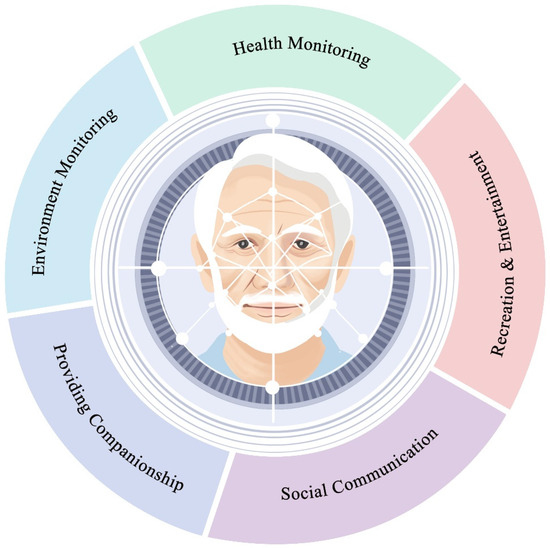
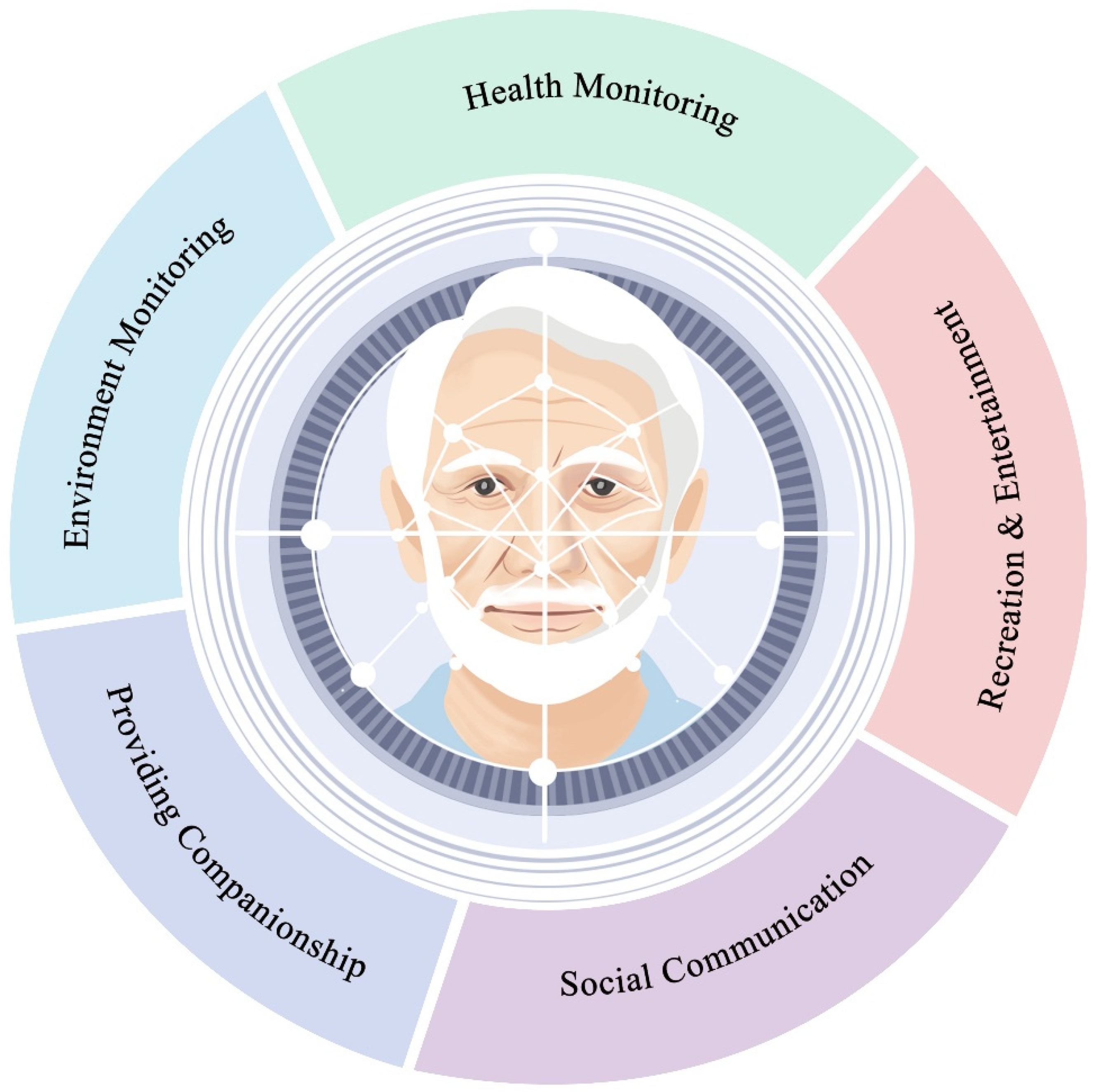
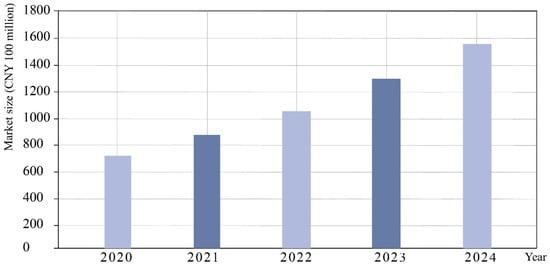
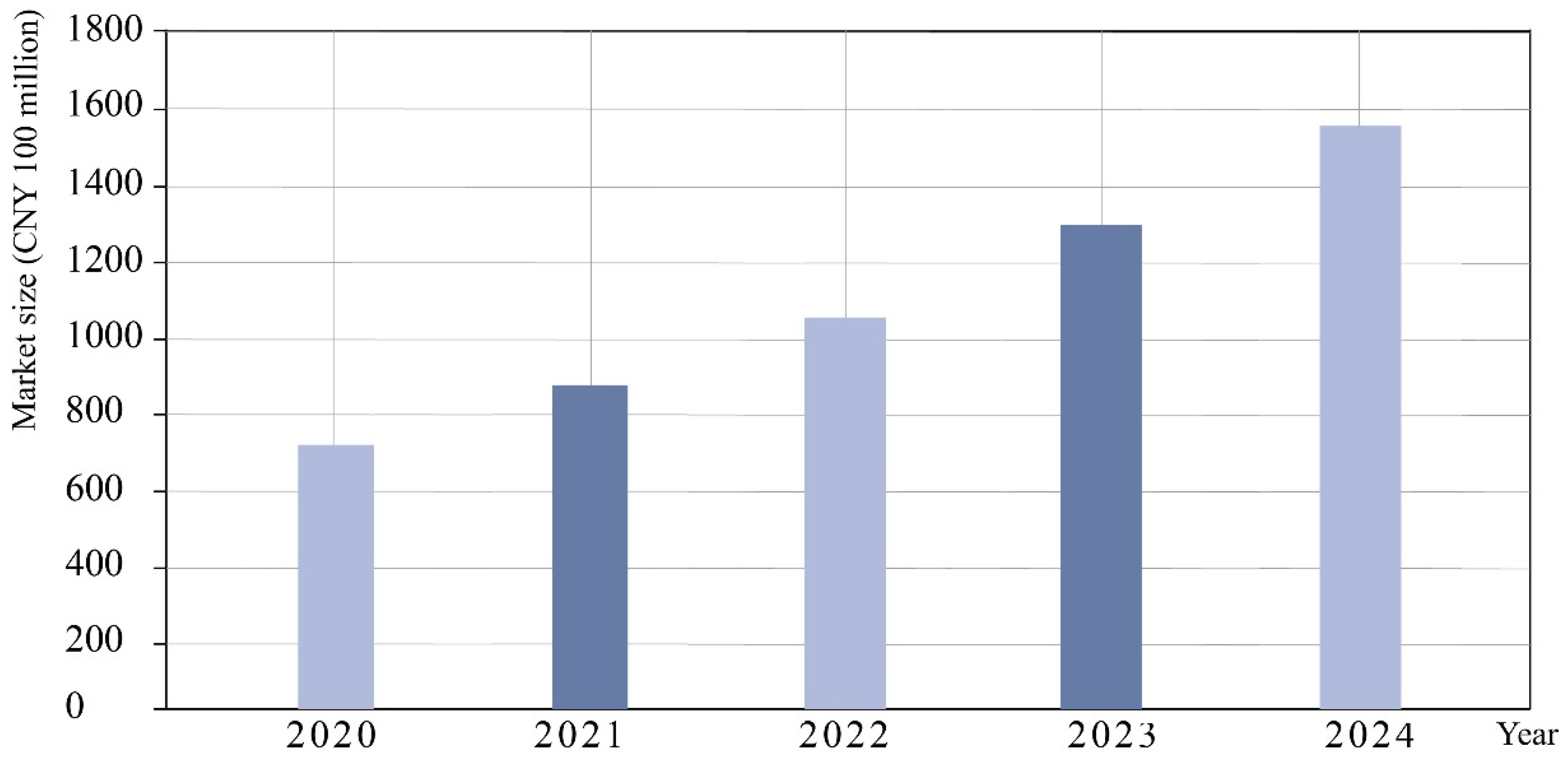
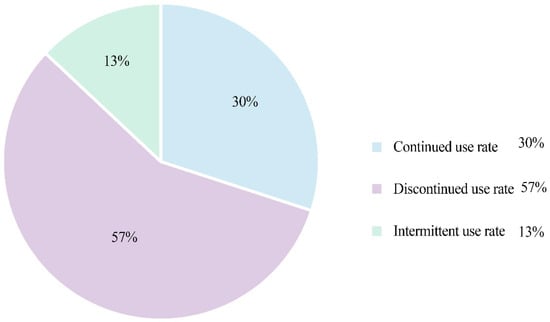
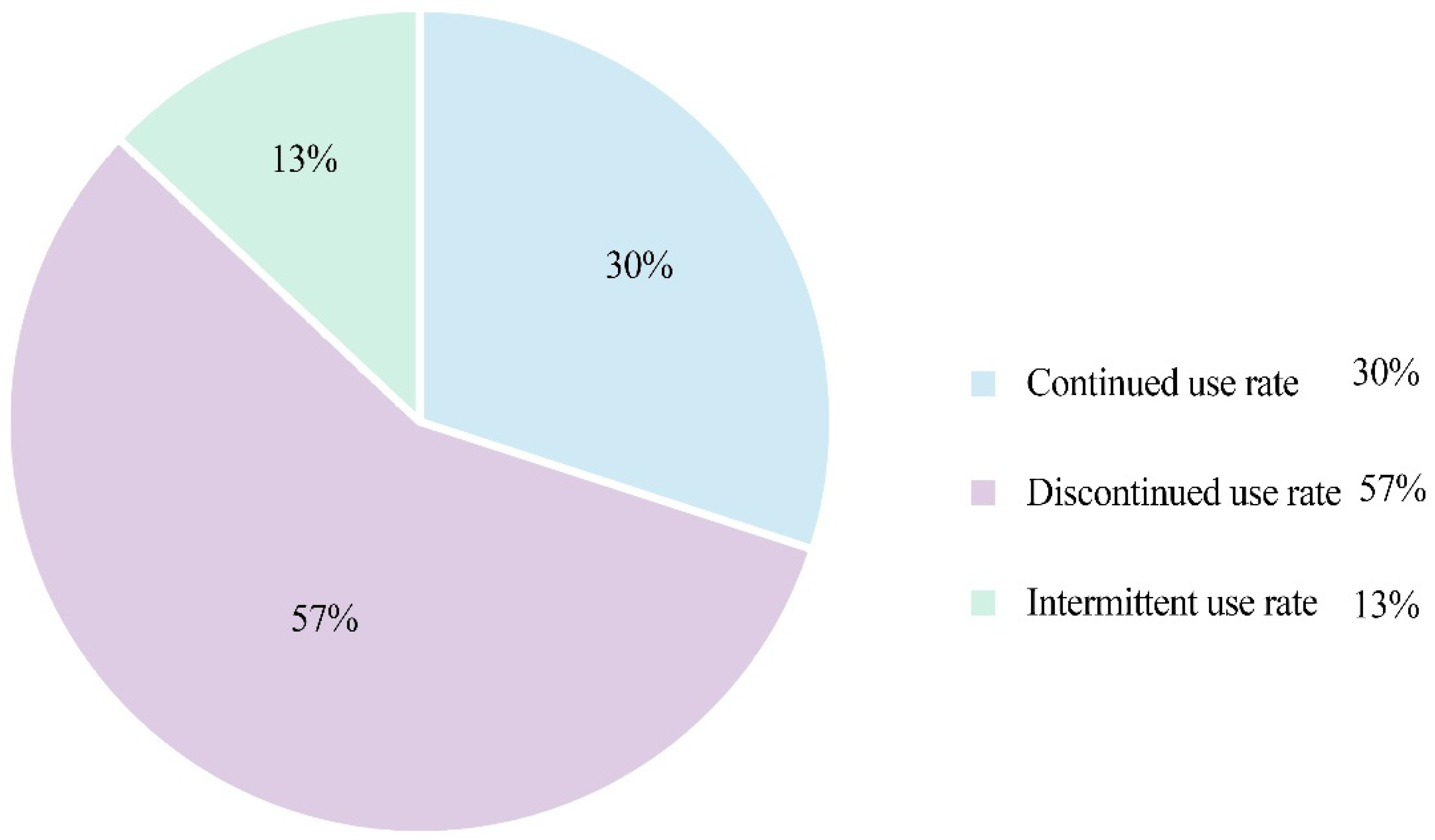
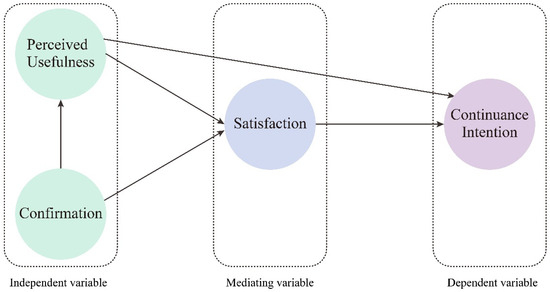
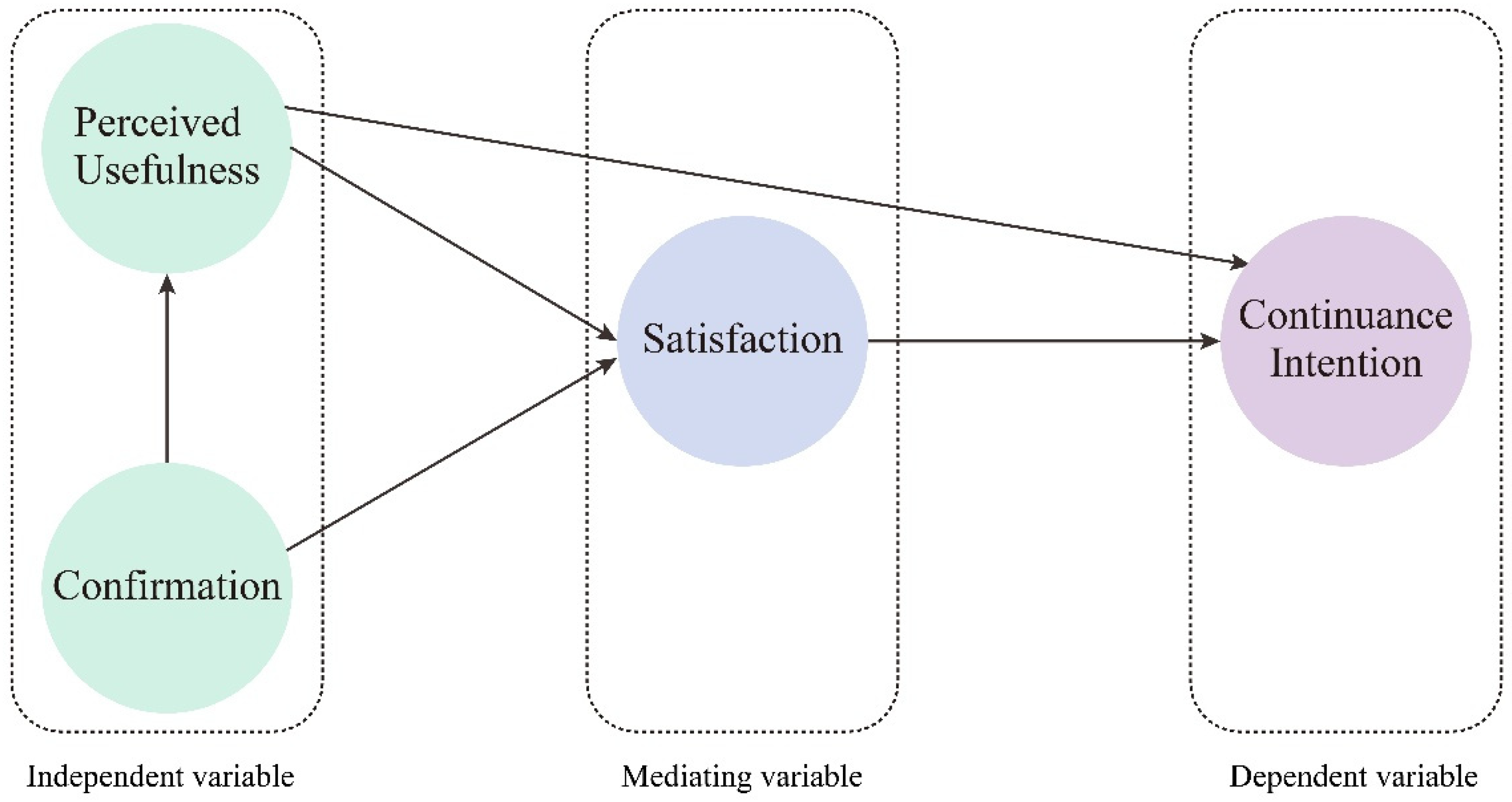
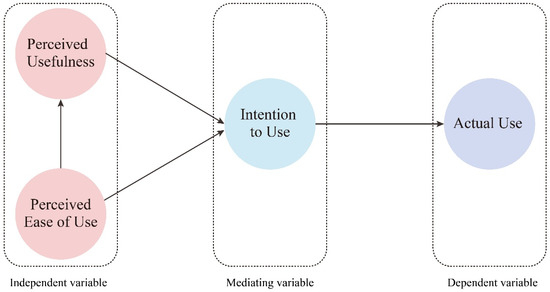
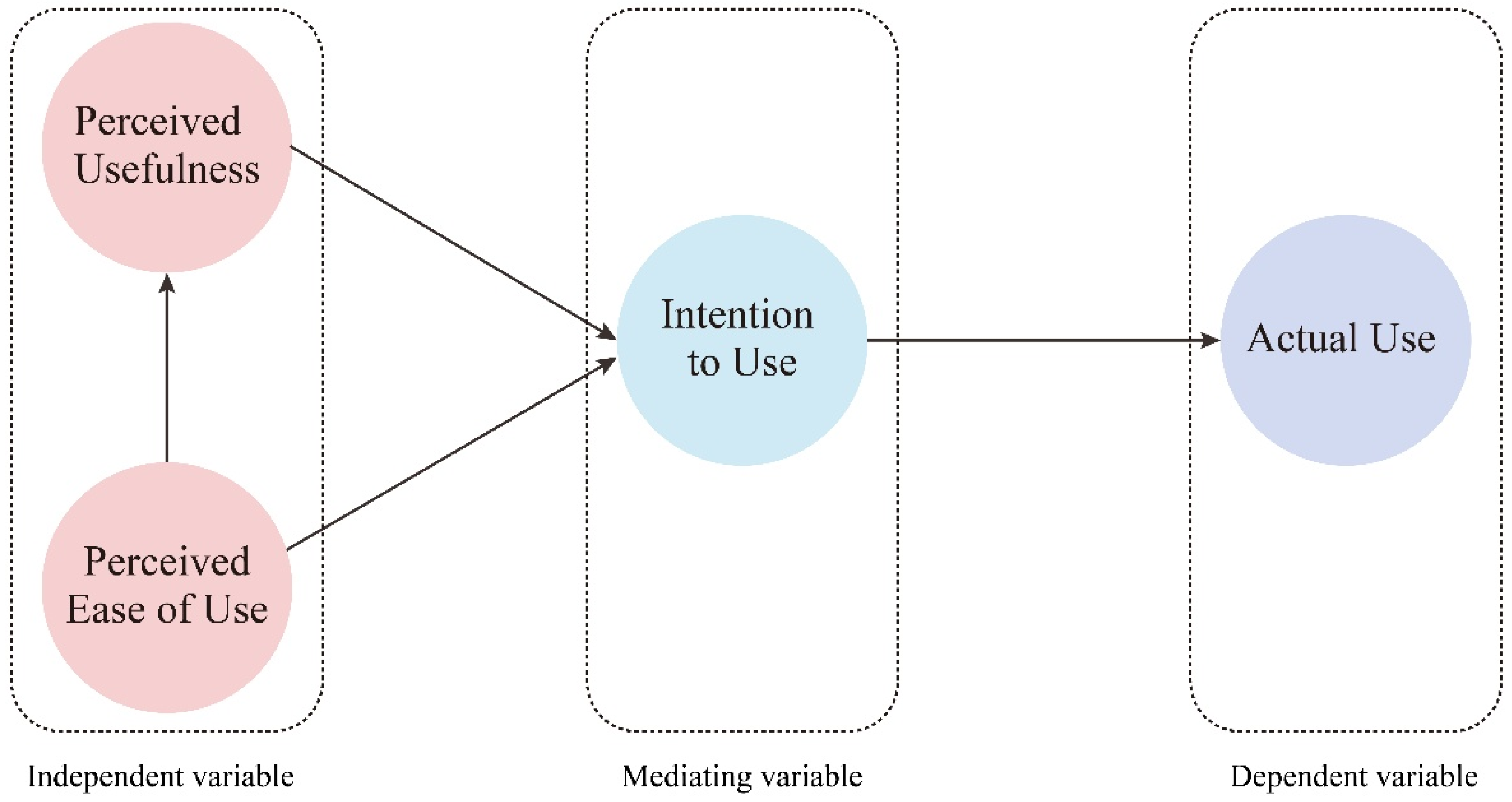
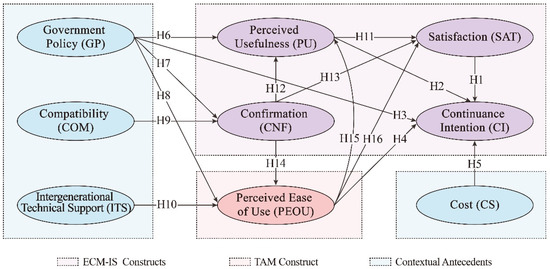
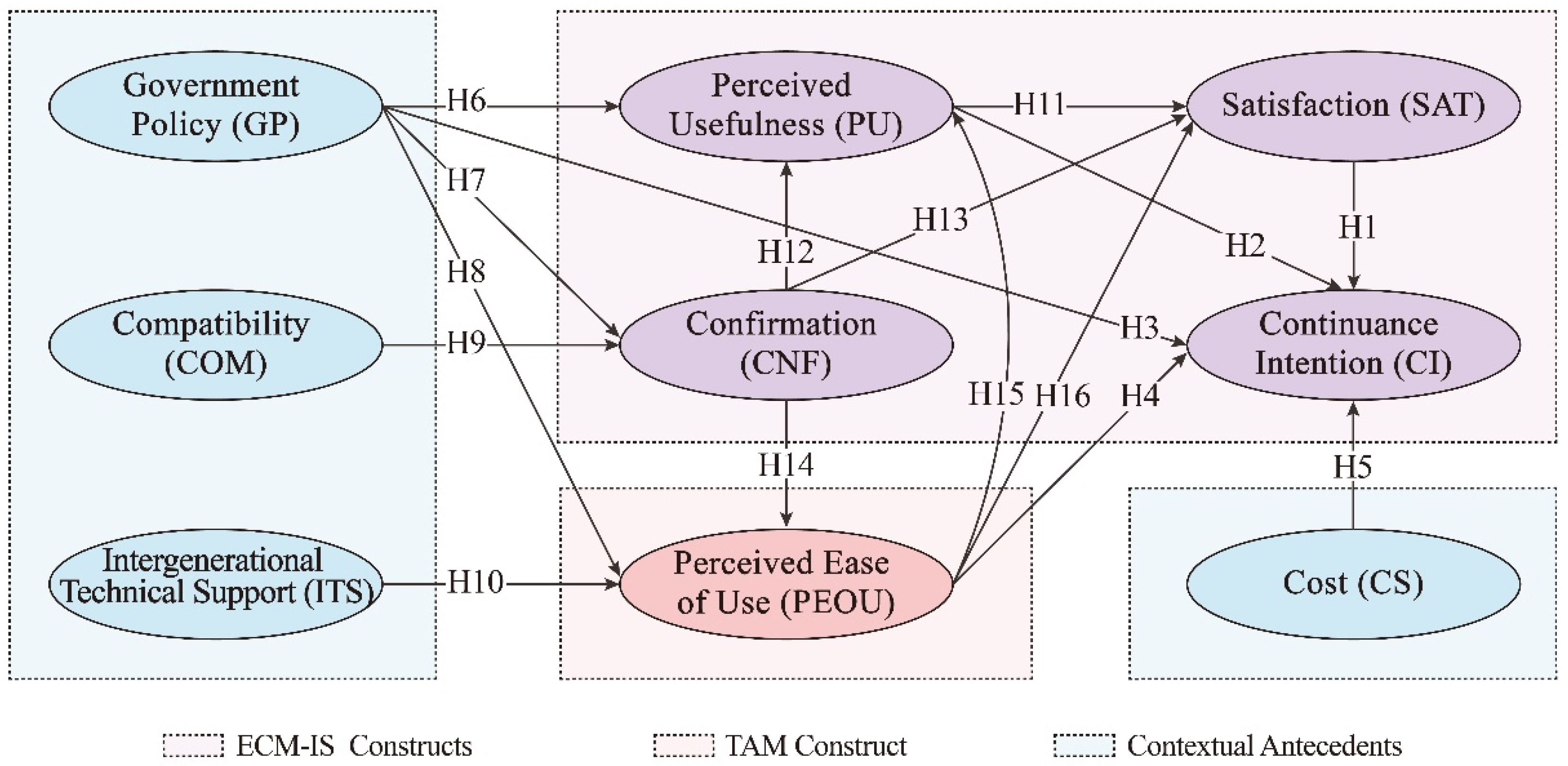
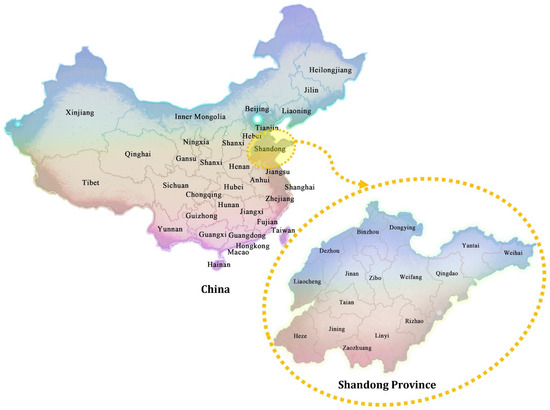
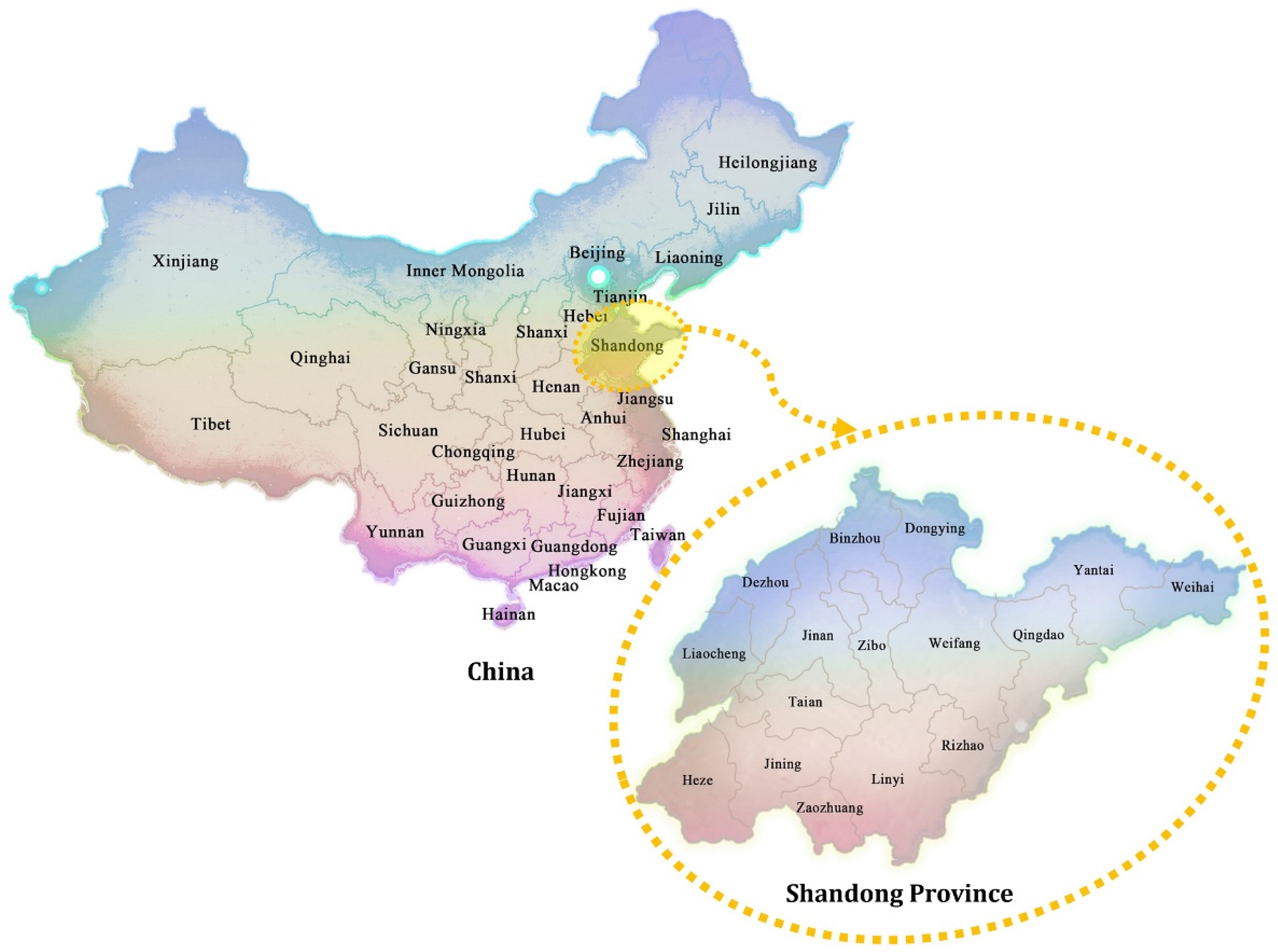
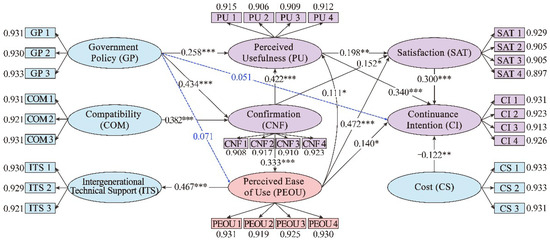
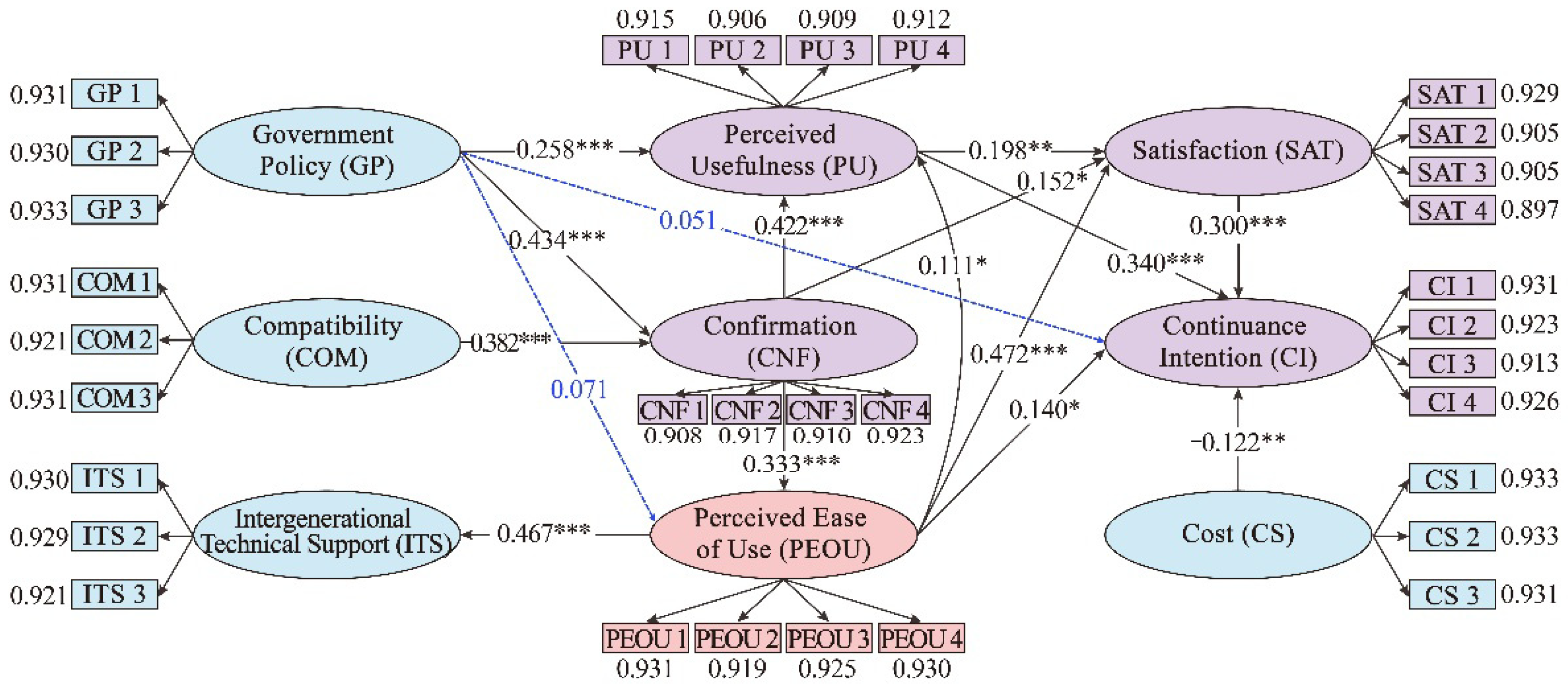
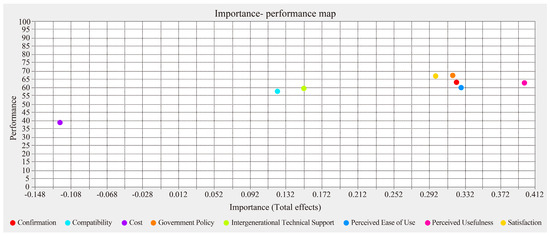
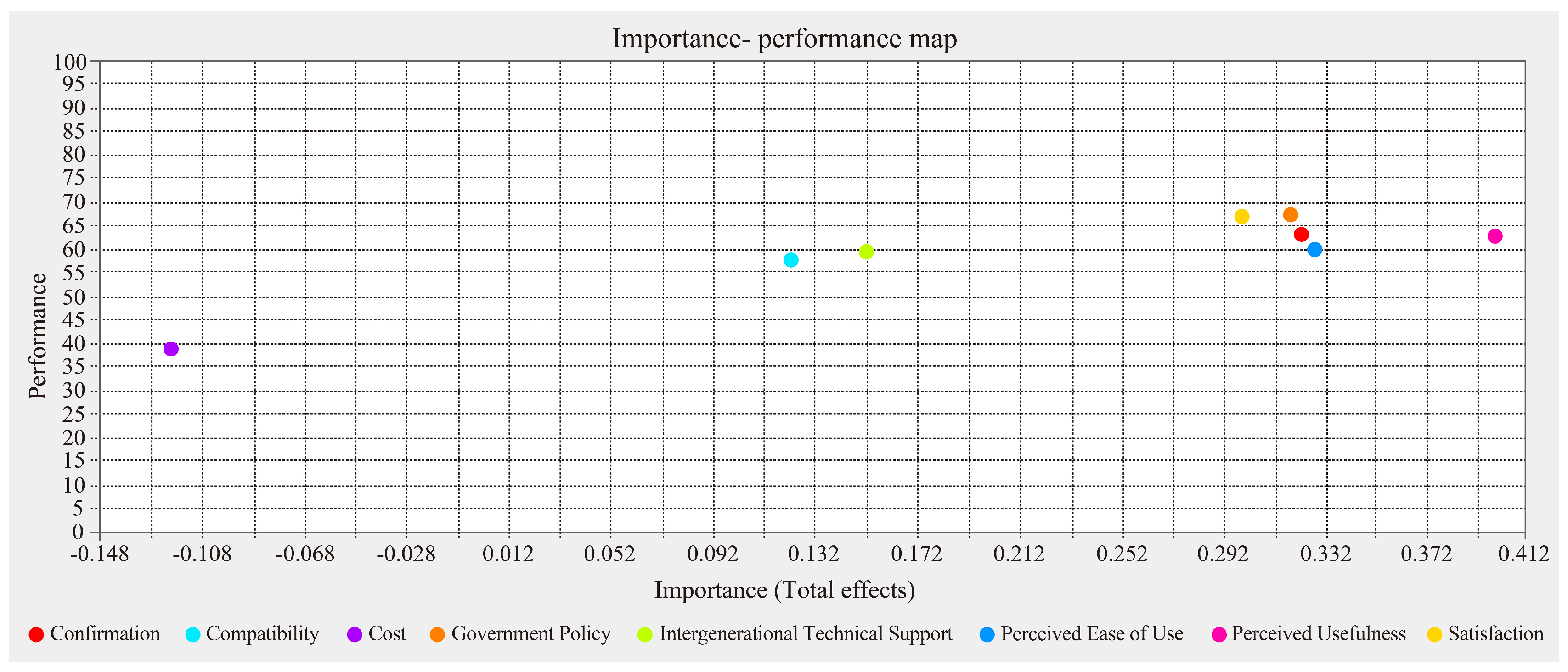

Disclaimer/Publisher’s Note: The statements, opinions and data contained in all publications are solely those of the individual author(s) and contributor(s) and not of MDPI and/or the editor(s). MDPI and/or the editor(s) disclaim responsibility for any injury to people or property resulting from any ideas, methods, instructions or products referred to in the content. |
© 2026 by the authors. Licensee MDPI, Basel, Switzerland. This article is an open access article distributed under the terms and conditions of the Creative Commons Attribution (CC BY) license.