1. Introduction
As building heights continue to increase, the demand for the load-bearing capacity of structural columns is also growing. Traditional reinforced concrete columns are prone to buckling instability of longitudinal reinforcement under extreme loads such as axial compression and seismic actions, particularly in frame structures where column failure may trigger progressive collapse [
1,
2,
3]. Therefore, the development of new composite columns with high load-bearing capacity and ductility has become a crucial direction for enhancing the overall performance of structures.
Incorporating concrete-filled steel tubes (CFST) inside reinforced concrete columns is an effective approach to enhance column performance. Current research in this area primarily focuses on the following three typical configurations:
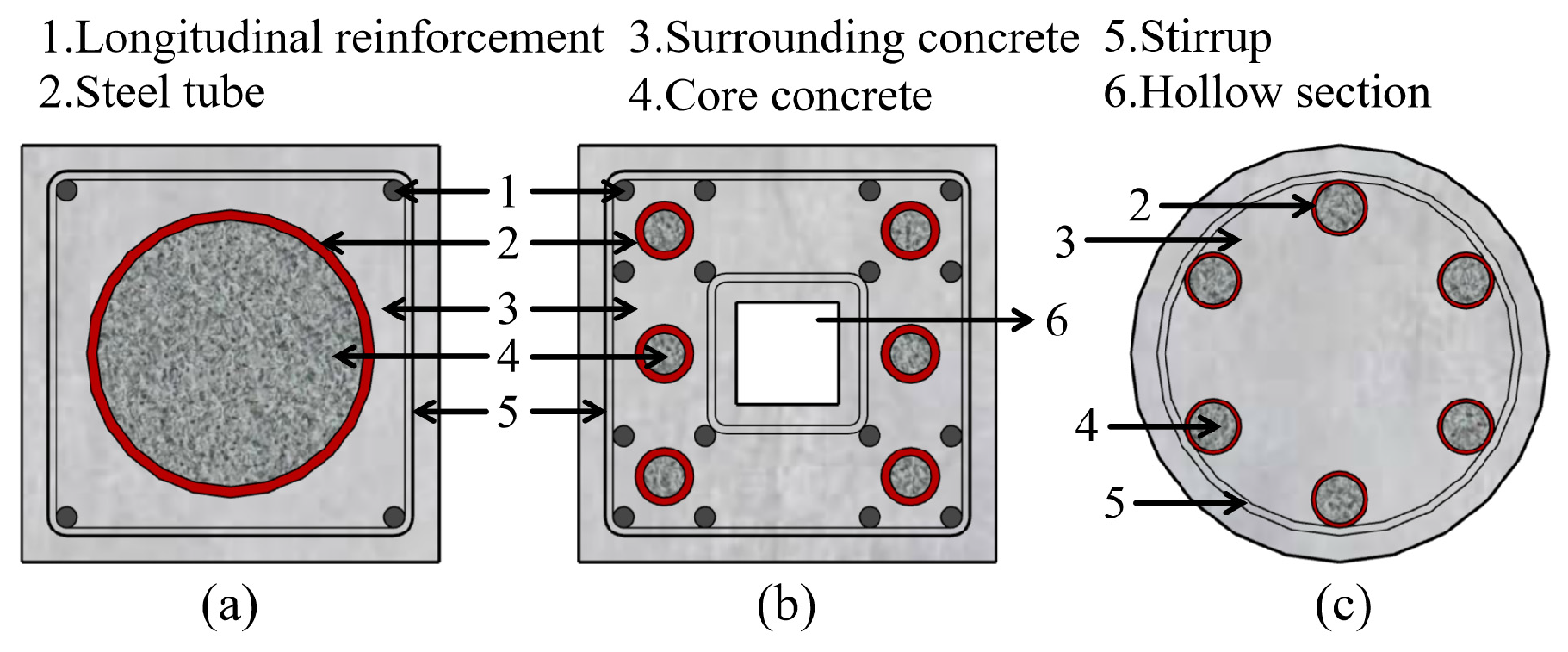
Core-Embedded Configuration (
Figure 1a). This form typically uses materials such as ultra-high performance concrete or ultra-high performance fiber-reinforced concrete (UHPC/UHPFRC) to encase a CFST core. For example, Chen et al. [
4] established a simplified bearing capacity formula for composite columns with this cross-section; Wu et al. [
5] revealed the influence of slenderness ratio on the transition of failure modes for circular cross-section medium-length columns; Du et al. [
6] achieved accurate prediction of the peak load for UHPFRC-encased columns by modifying ACI 318 parameters; Xie et al. [
7] improved the collaborative performance between the inner and outer layers through UHPC columns with composite stirrups. Furthermore, multi-layer composite columns with an outer steel tube [
8,
9] or those with an inner FRP tube [
10,
11,
12] can further enhance confinement efficiency and load-bearing capacity.
Multi-Tube Distributed Configuration (
Figure 1b). This involves embedding multiple CFST components at the corners and webs of a box section, forming a concrete-encased CFST box column. Experimental and simulation work by Chen et al. [
13], Liu Liying et al. [
14], and An et al. [
15,
16] revealed its synergistic load-bearing mechanism, load distribution patterns, and advantages under eccentric compression, proposing corresponding calculation methods. Research shows that this cross-section form can effectively improve bearing capacity and ductility, allowing the strengths of the surrounding concrete and the internal CFST to be utilized synchronously. Additionally, some scholars have investigated the influence of factors such as steel tube diameter and cross-sectional size on the flexural performance of composite columns with this configuration, establishing corresponding simplified predictive models [
17,
18].
Steel-Tube-Replacing-Reinforcement Distributed Configuration (
Figure 1c). This uses small-diameter steel tubes to replace longitudinal reinforcement. Research by Muhammad et al. [
19] and Ahmed M et al. [
20] indicates that this “steel tube reinforcement” method can achieve better bearing capacity and ductility than traditional RC under both axial and eccentric compression. They also established an analytical model considering the dual confinement effects of the steel tubes and stirrups.
Although the aforementioned configurations each possess distinct advantages, current research has predominantly focused on the use of UHPC as an external encasement material, whereas investigations into its application as an infill material for steel tubes remain comparatively limited. Furthermore, although some scholars have investigated the effects of steel tube wall thickness and diameter on enhancing the load-bearing capacity of components [
21,
22,
23,
24,
25,
26], the specific pathways and underlying mechanisms of these influences require further in-depth exploration.
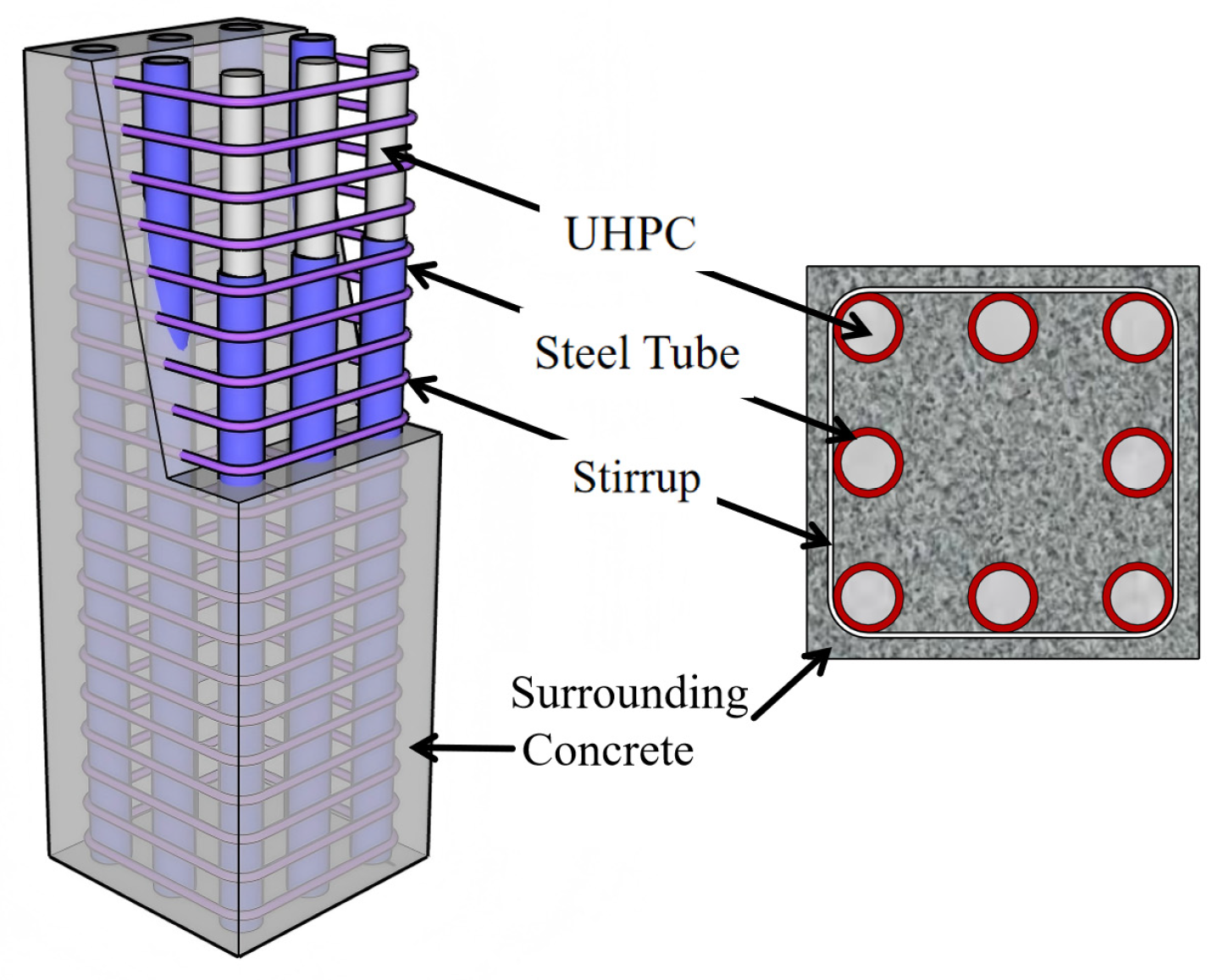
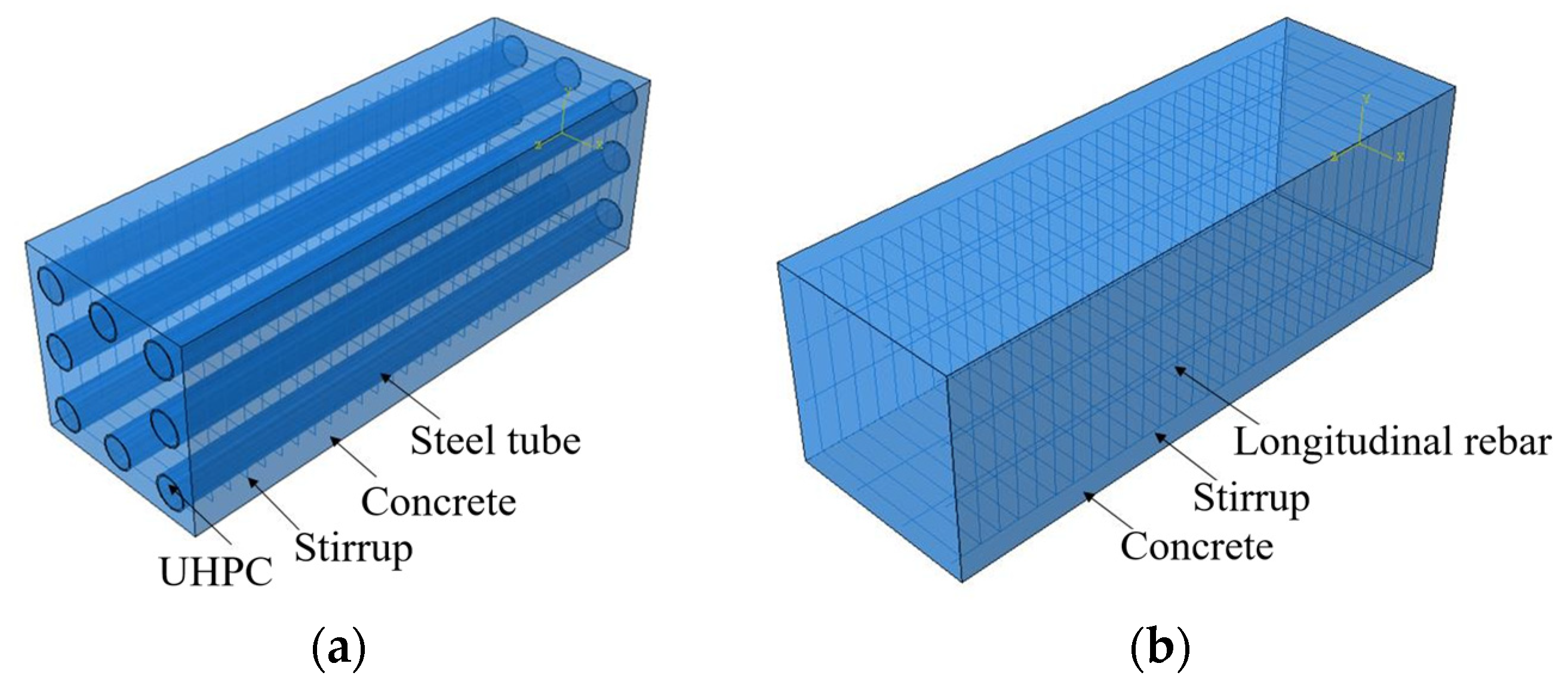
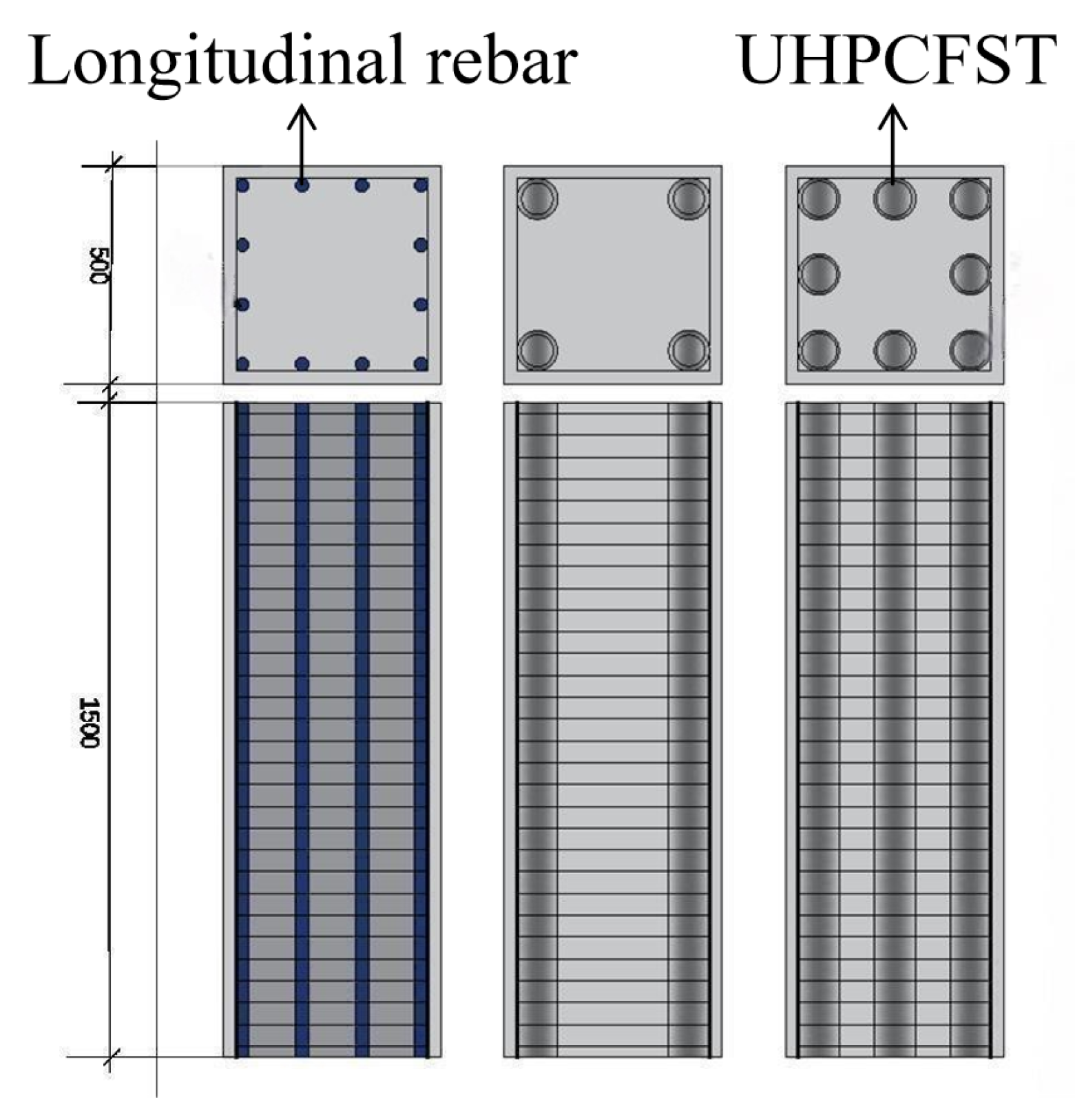
Building on this, this paper proposes a novel composite column—concrete columns strengthened with ultra-high performance concrete-filled steel tubes (UHPCFST), as illustrated in
Figure 2. The core innovation lies in replacing conventional longitudinal reinforcement with UHPCFST [
27,
28,
29]. This approach offers the following salient advantages:
Firstly, it exhibits superior buckling resistance. Compared to steel tubes with an equivalent cross-sectional area, steel tubes possess a higher moment of inertia and radius of gyration, endowing them with significantly greater inherent resistance to compressive buckling. The internal UHPC fill further delays local buckling of the steel tube and transforms the buckling mode from “inward denting” to “outward bulging”, thereby substantially enhancing both axial load-bearing capacity and ductility.
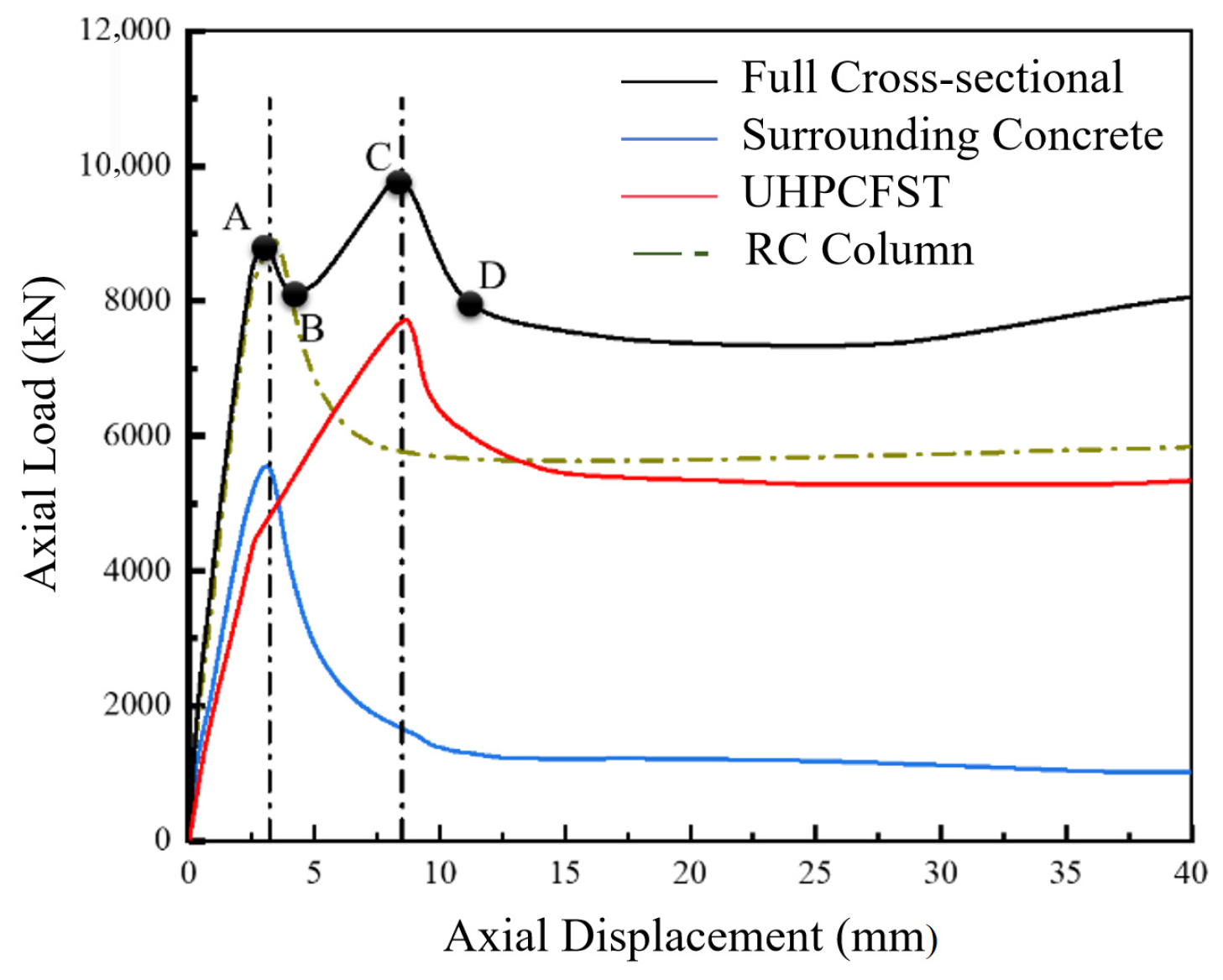
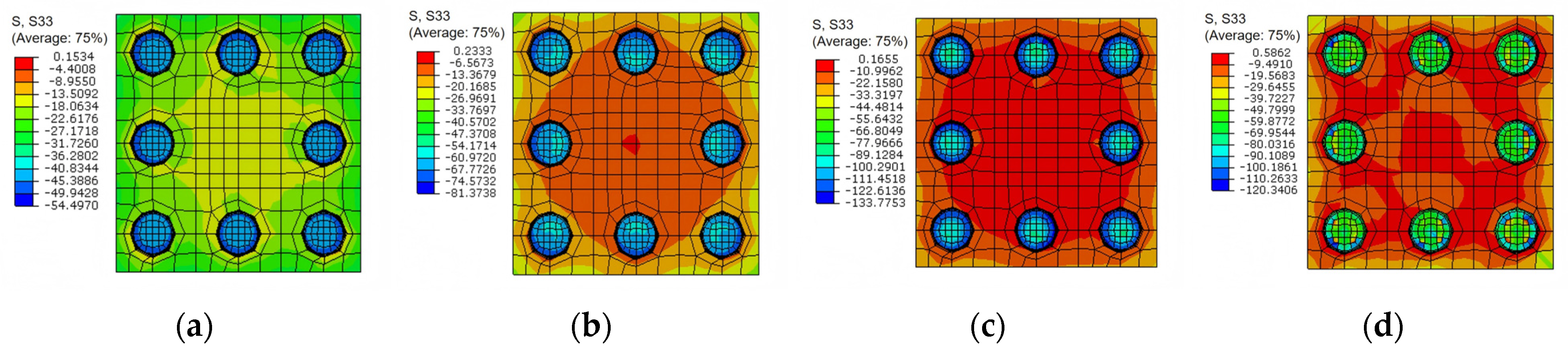
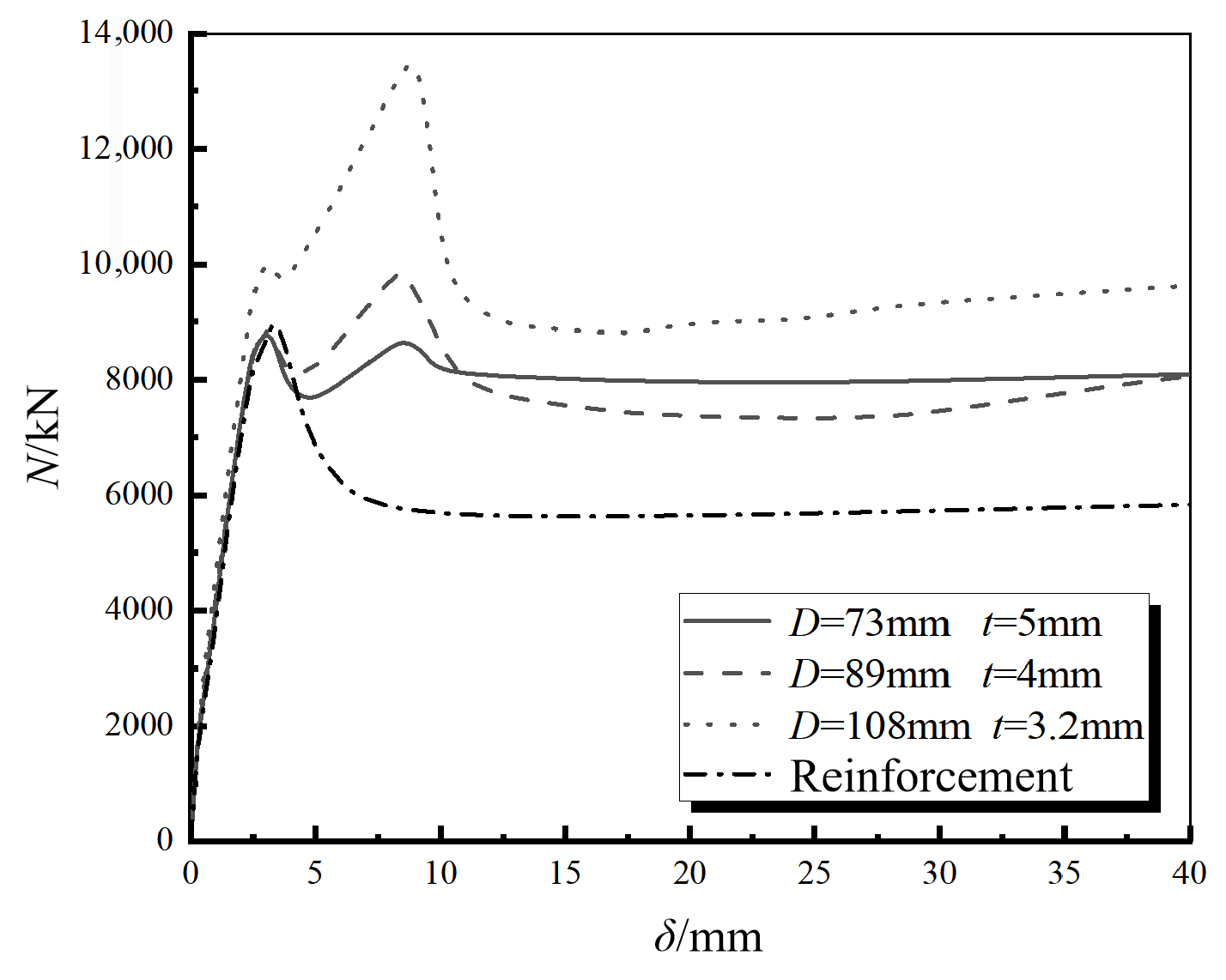
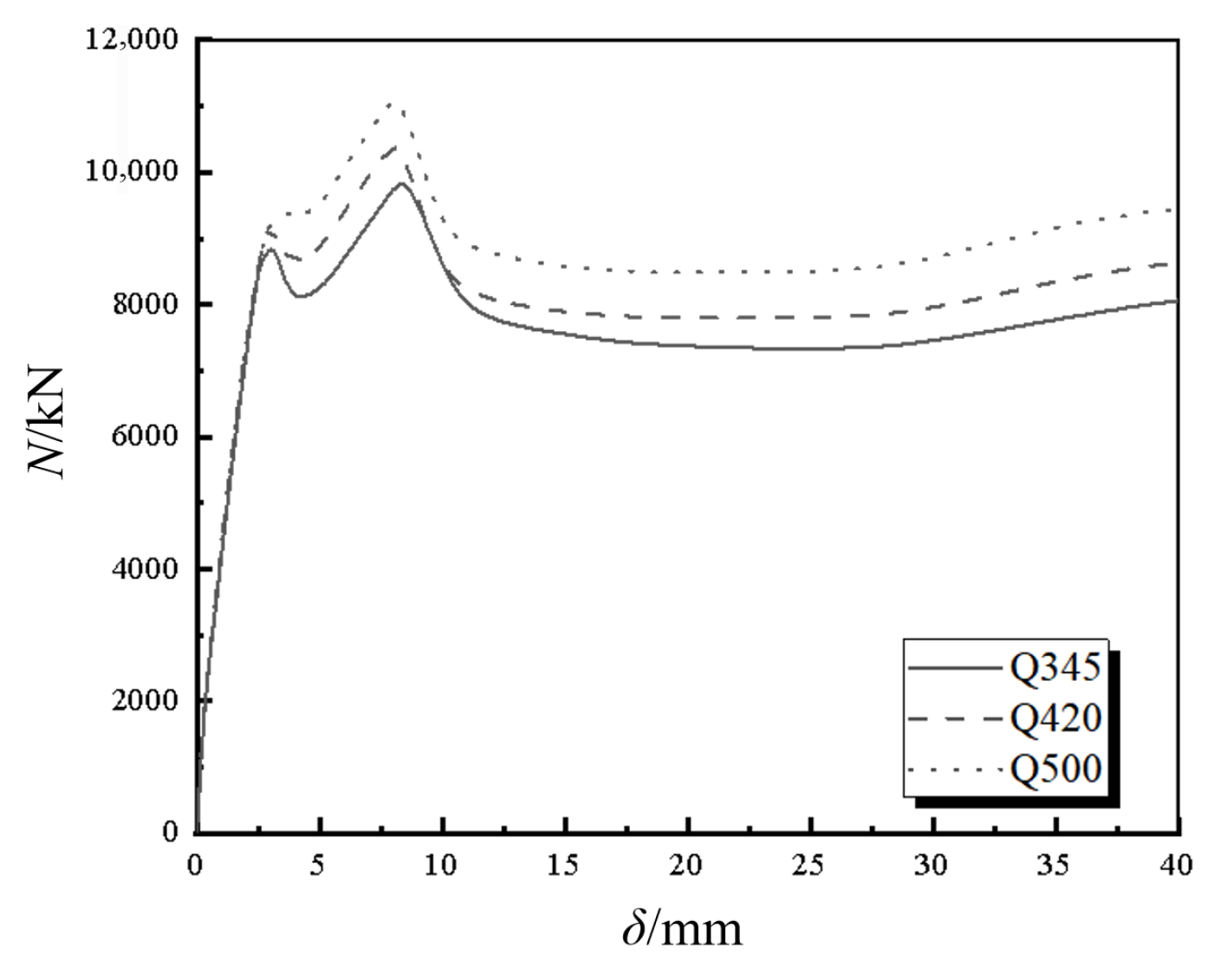
Secondly, it demonstrates a well-defined two-stage mechanical behavior. Under loading, the surrounding concrete reaches its peak stress and may crack first, while the internal UHPCFST continues to carry the load. This establishes a two-stage mechanical mechanism where the inner and outer materials sequentially mobilize their strength. This characteristic contributes to a potential “double-peak” load-deformation response for the composite column, which helps delay overall failure and improves energy dissipation capacity.
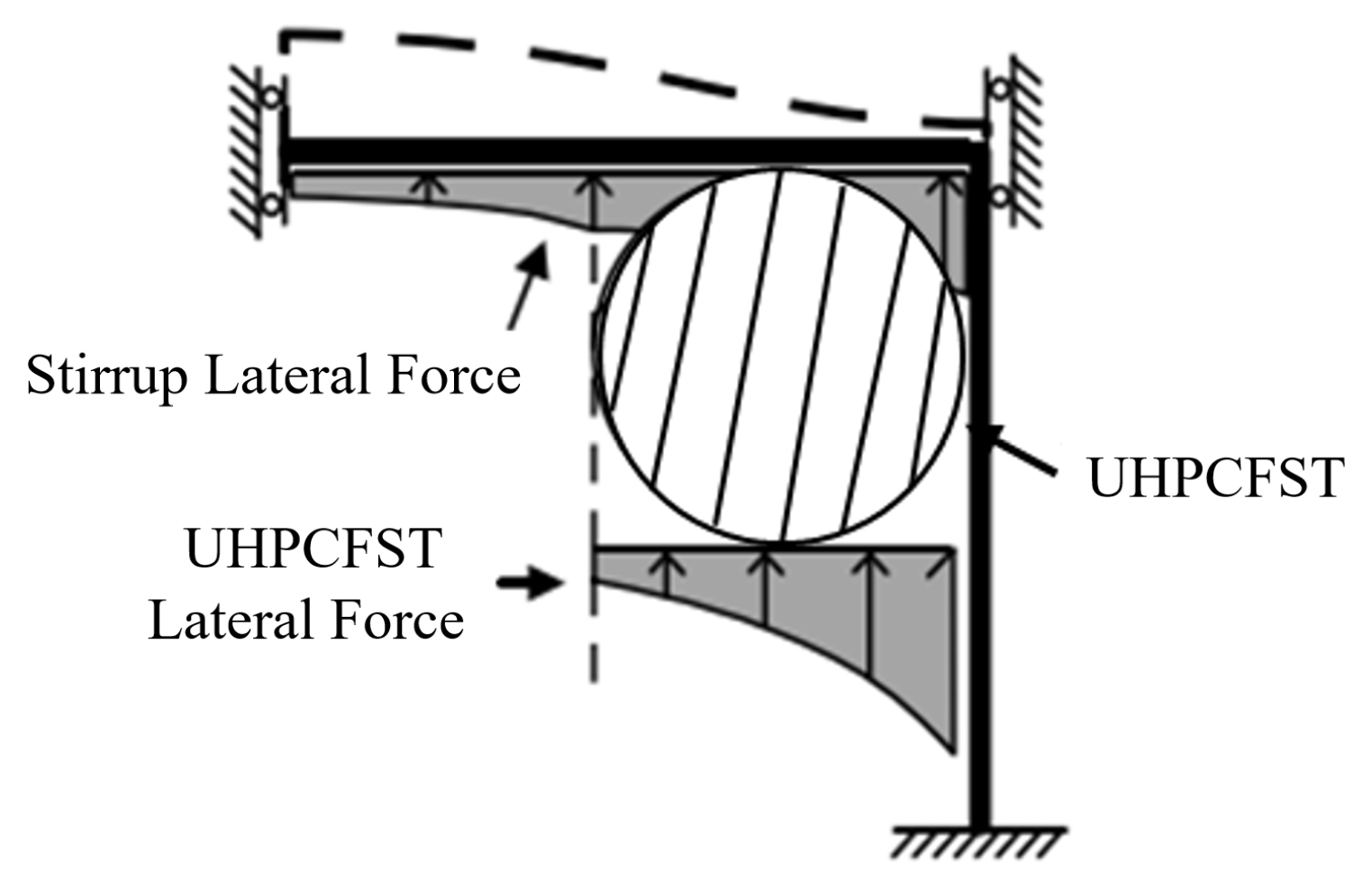
Thirdly, it provides a complementary and substitutive effect on stirrup confinement. The circular steel tube provides uniform and efficient circumferential confinement to the internal UHPC. Simultaneously, it can also confine the surrounding concrete to a certain extent, thereby partially replacing or enhancing the role of stirrups, which improves the sectional integrity and seismic performance.
To systematically investigate the working mechanism of the novel composite column, this study adopts a progressive research approach from the “material—component—system” levels. Given that the creep behavior of UHPC exhibits significant stress-level dependence—being linear under low stress and nonlinear under high stress—if the long-term working stress of the composite column remains within the low-stress linear range, the time-dependent effects can be reasonably simplified, allowing the focus to remain on the primary mechanical responses [
30].
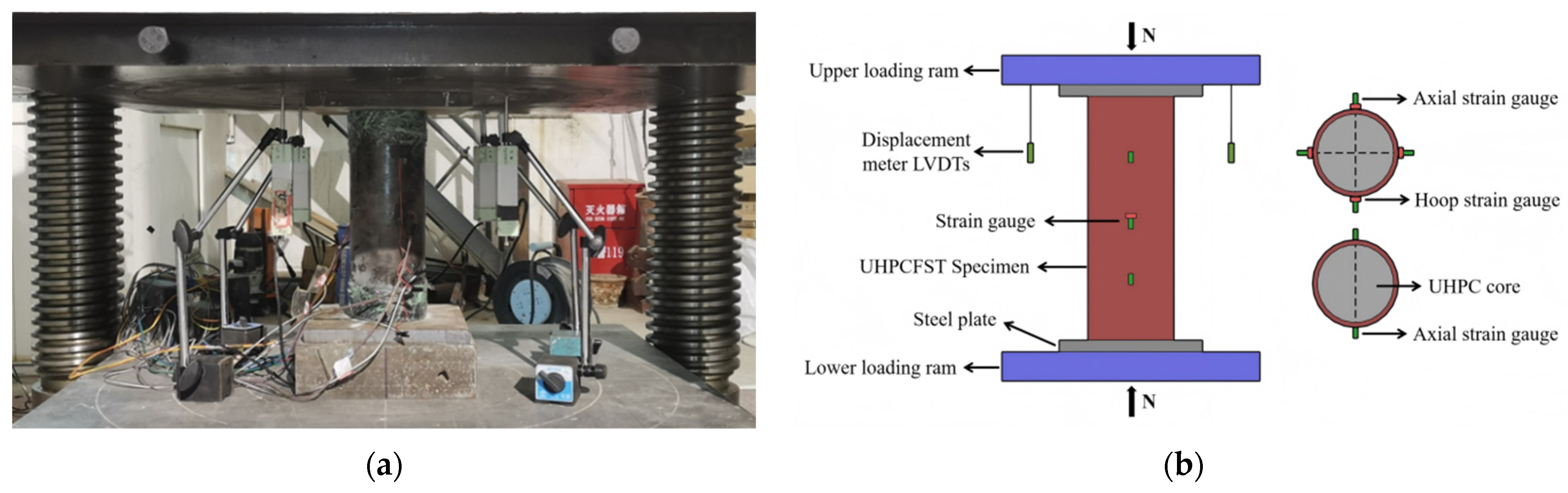
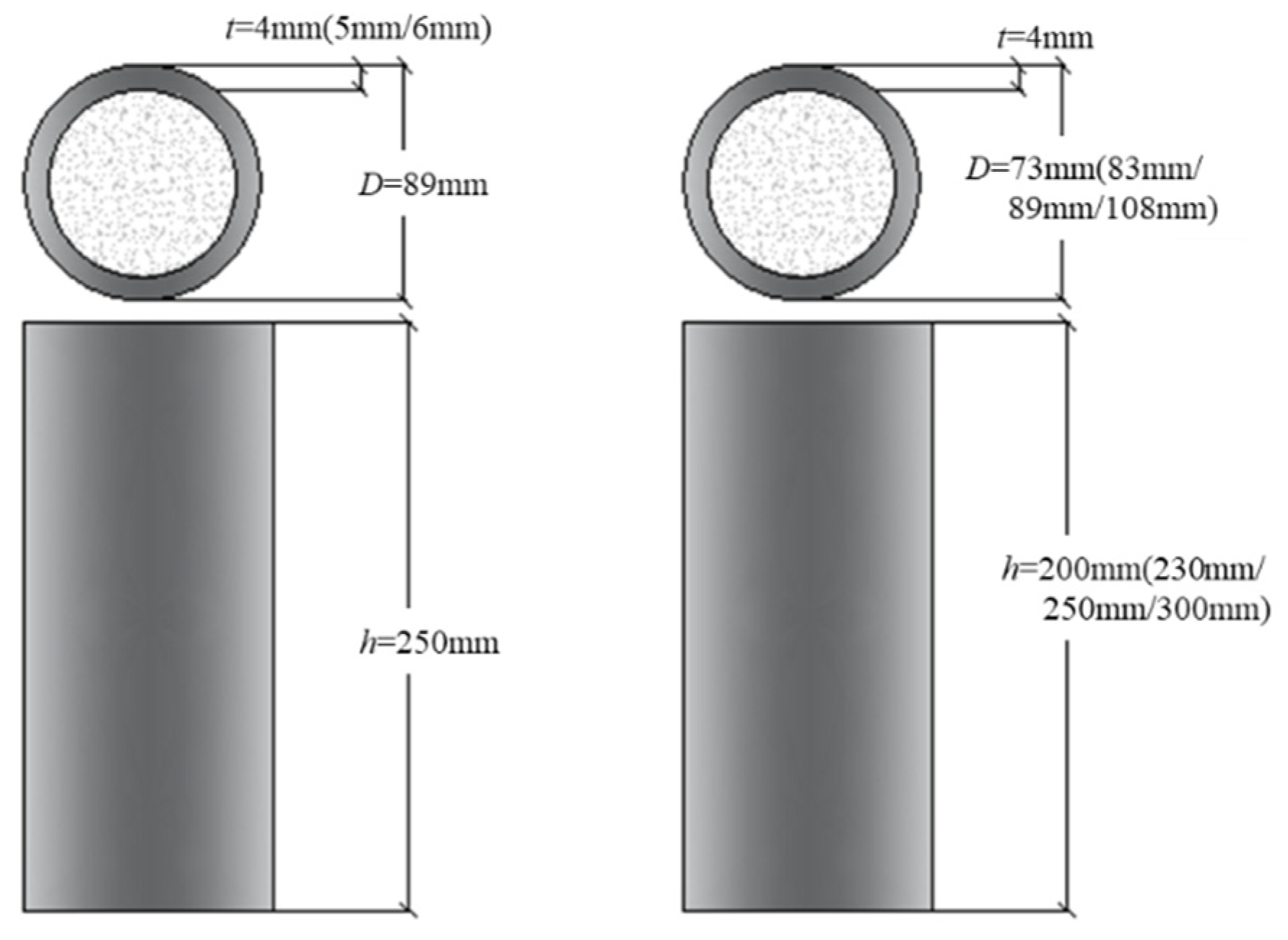
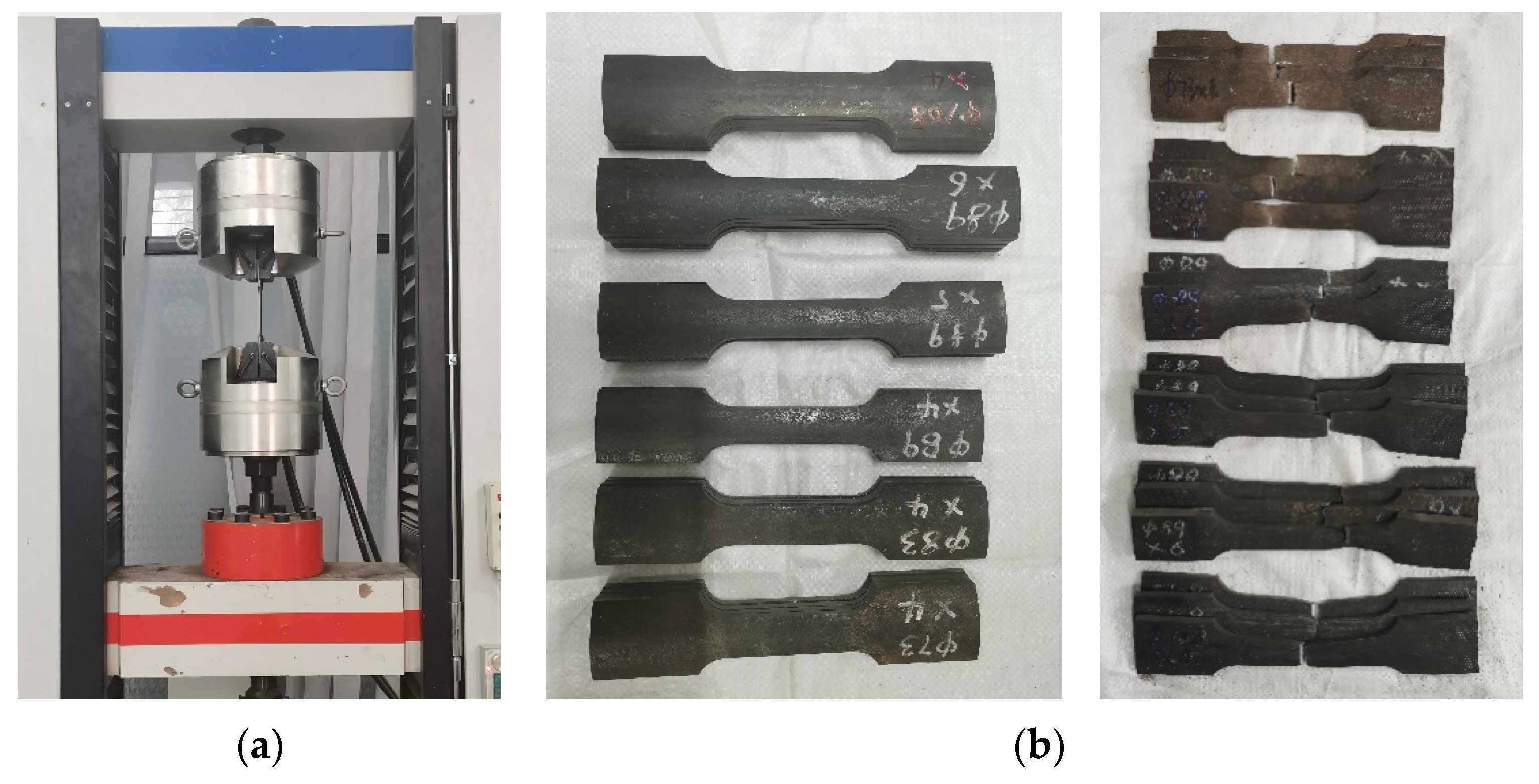
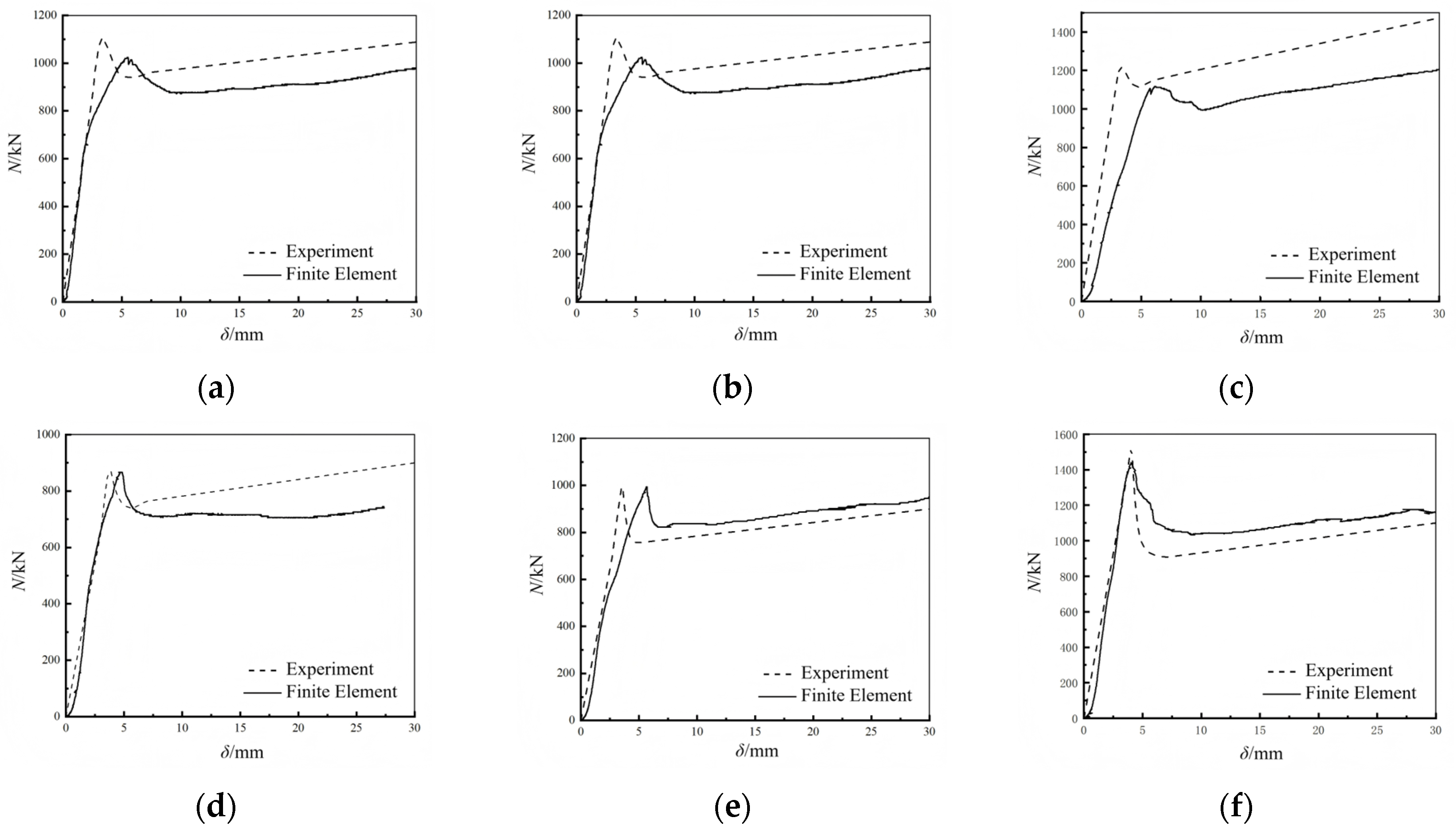
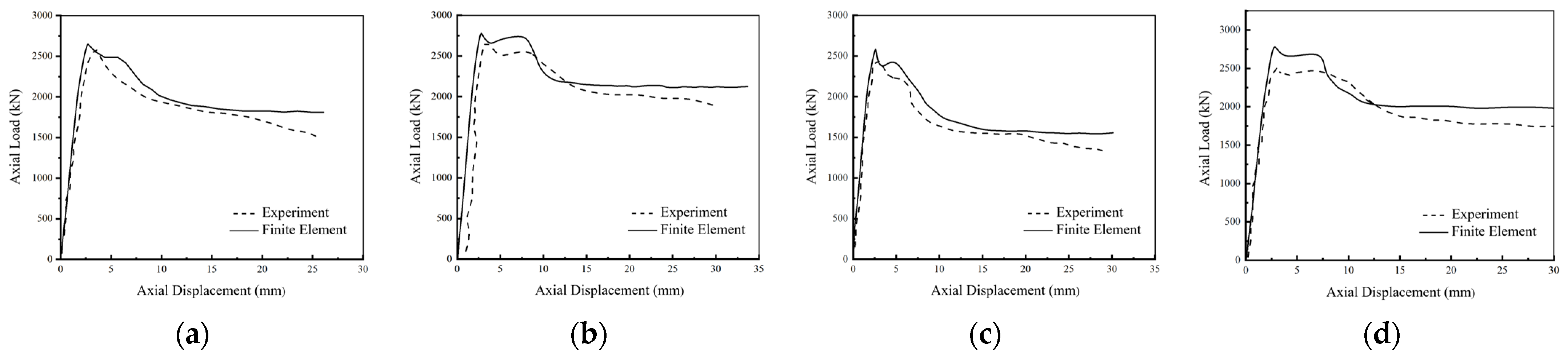
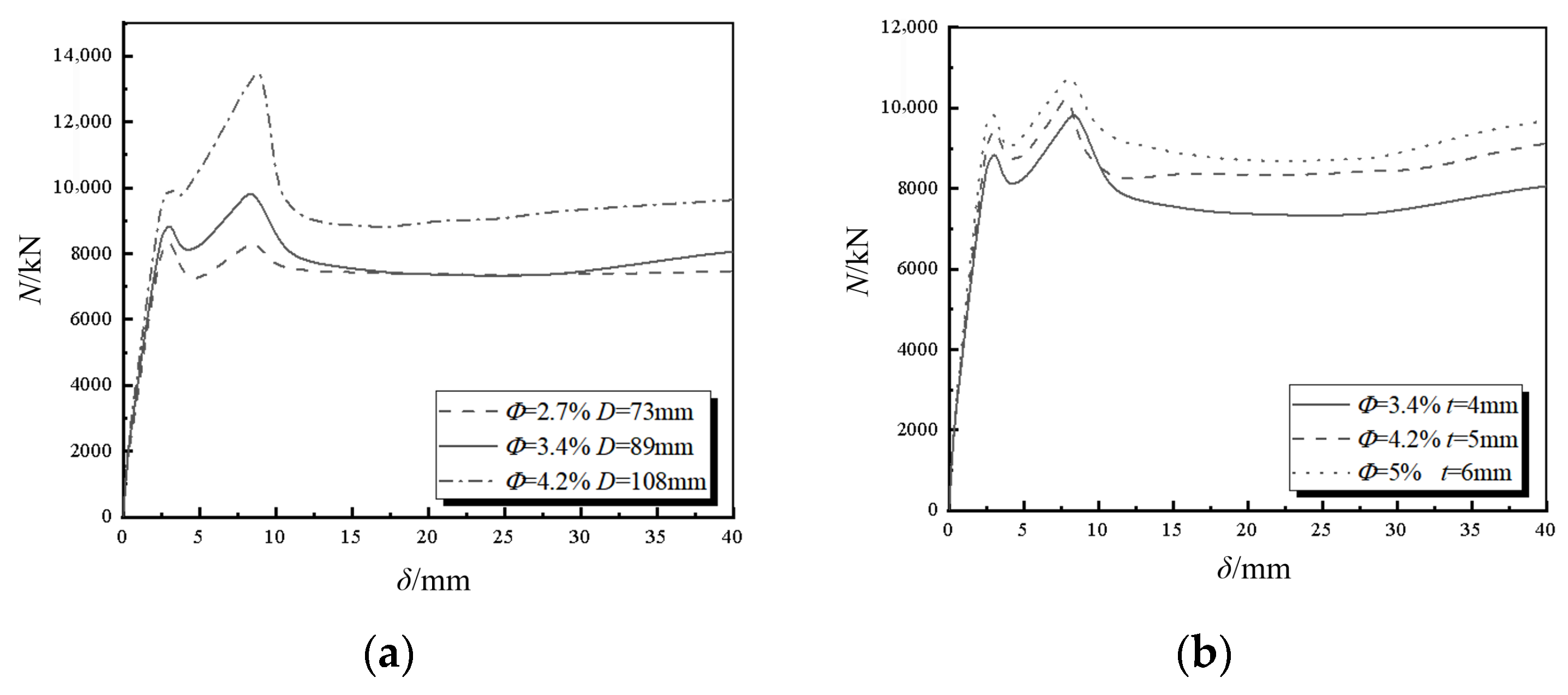
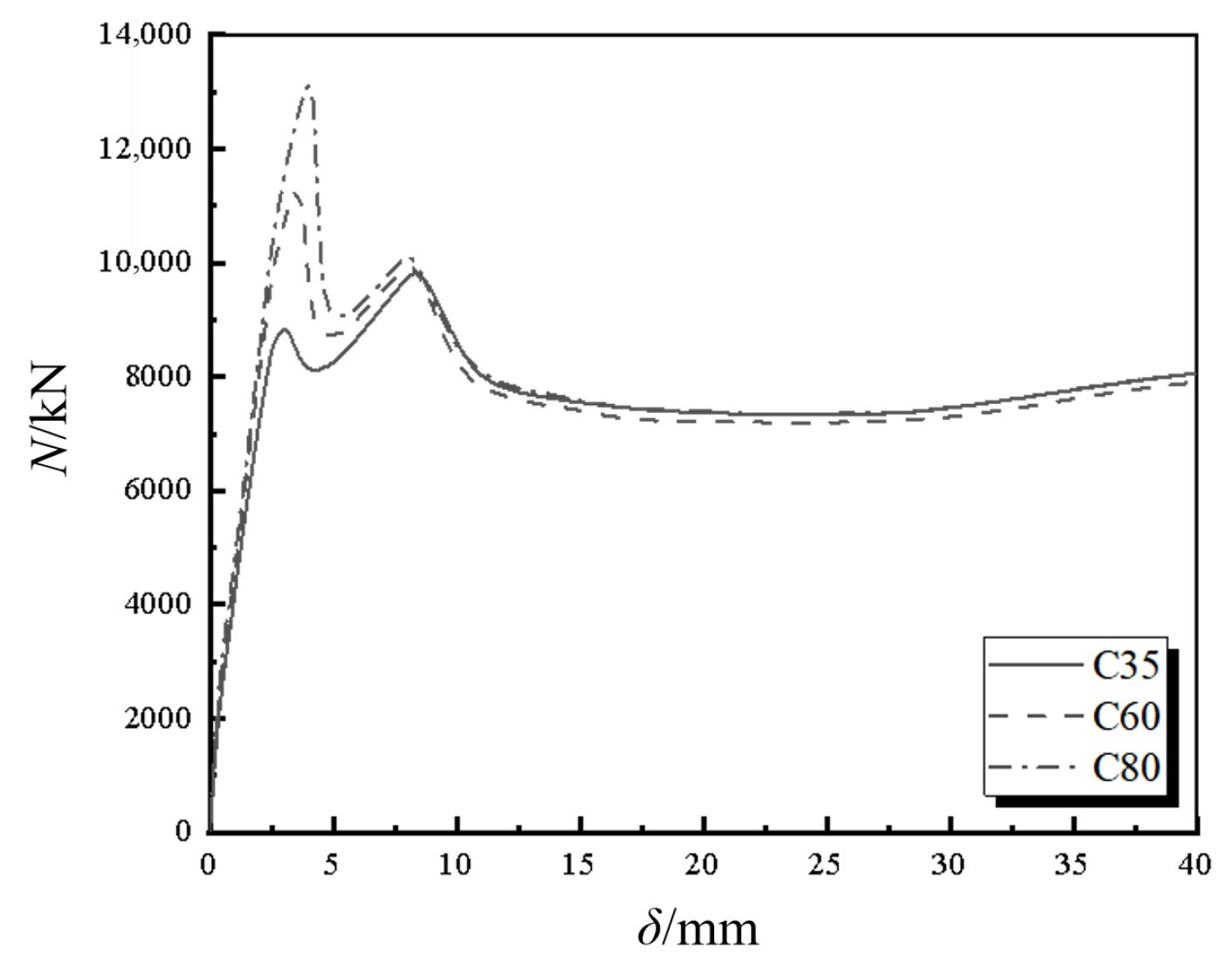
The research first conducts axial compression tests to obtain the stress–strain characteristics, failure modes, and confinement effects of the UHPCFST components. Subsequently, based on the experimentally calibrated material constitutive laws and interface parameters, a refined finite element model is established. This model is used to systematically analyze the full-range mechanical behavior, failure patterns, and the influence of parameters such as steel tube diameter, wall thickness, and UHPC strength under axial compression, thereby elucidating the mechanisms and controlling factors behind characteristic responses such as the “double-peak” phenomenon.
This study aims to provide a theoretical and numerical foundation for the design and application of such composite columns, promoting the development and implementation of high-performance composite structures in high-rise and complex engineering projects.
5. Conclusions
This paper proposes a novel concrete column strengthened with UHPCFST, in which the longitudinal reinforcement in traditional reinforced concrete columns is replaced by UHPCFST components. Axial compression performance of the UHPCFST components and the composite column with the proposed cross-sectional configuration is investigated. The main conclusions are summarized as follows:
- (1)
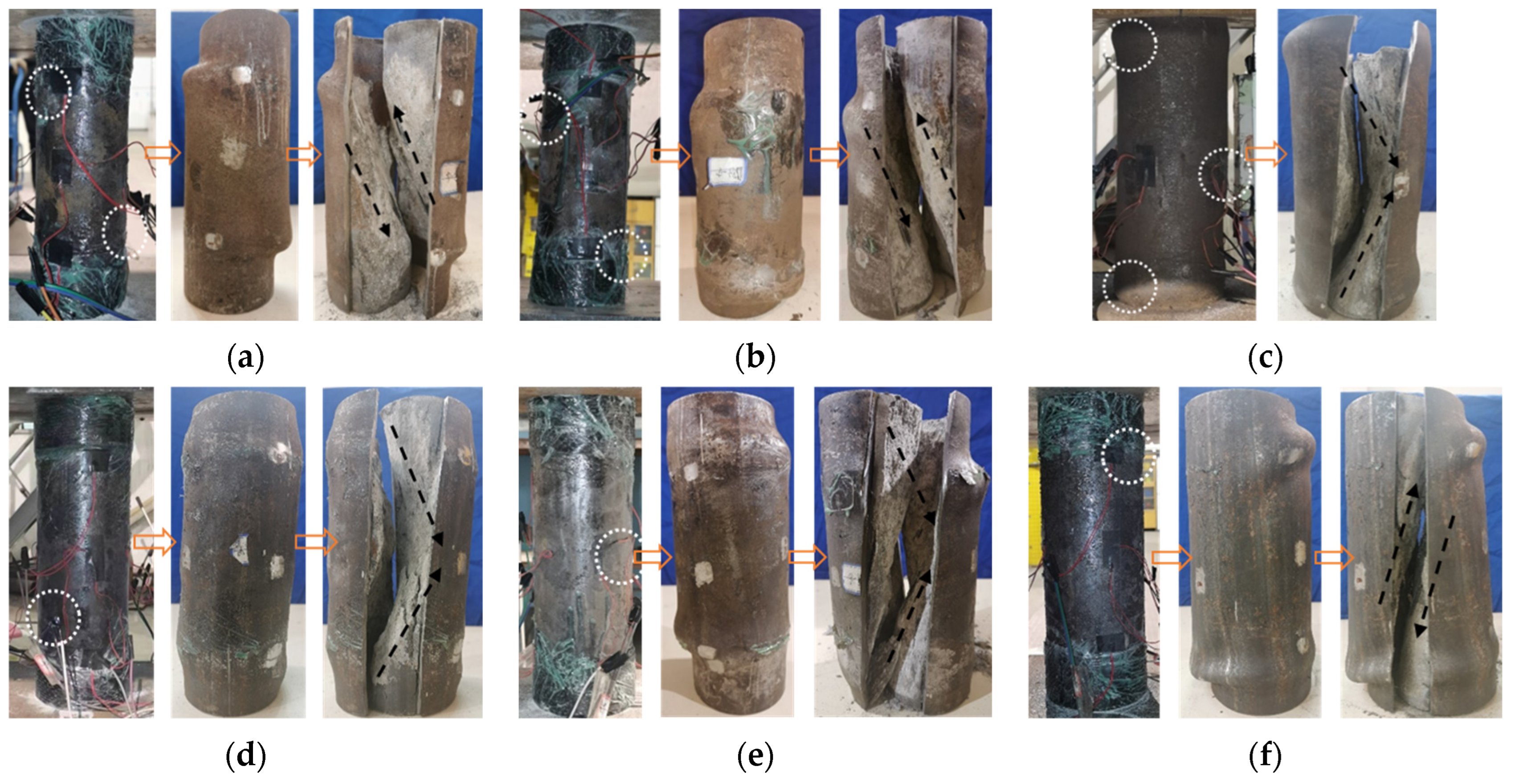
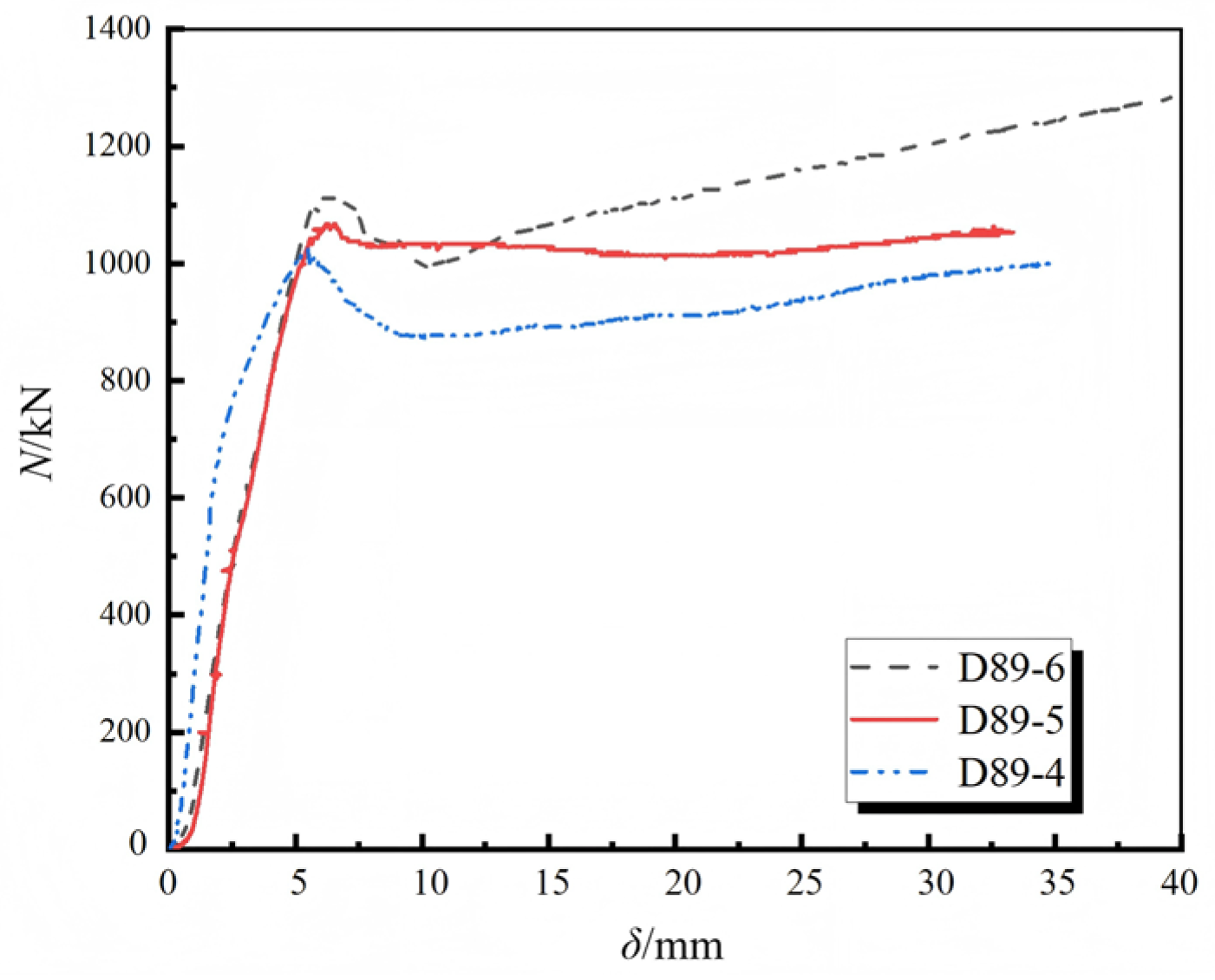
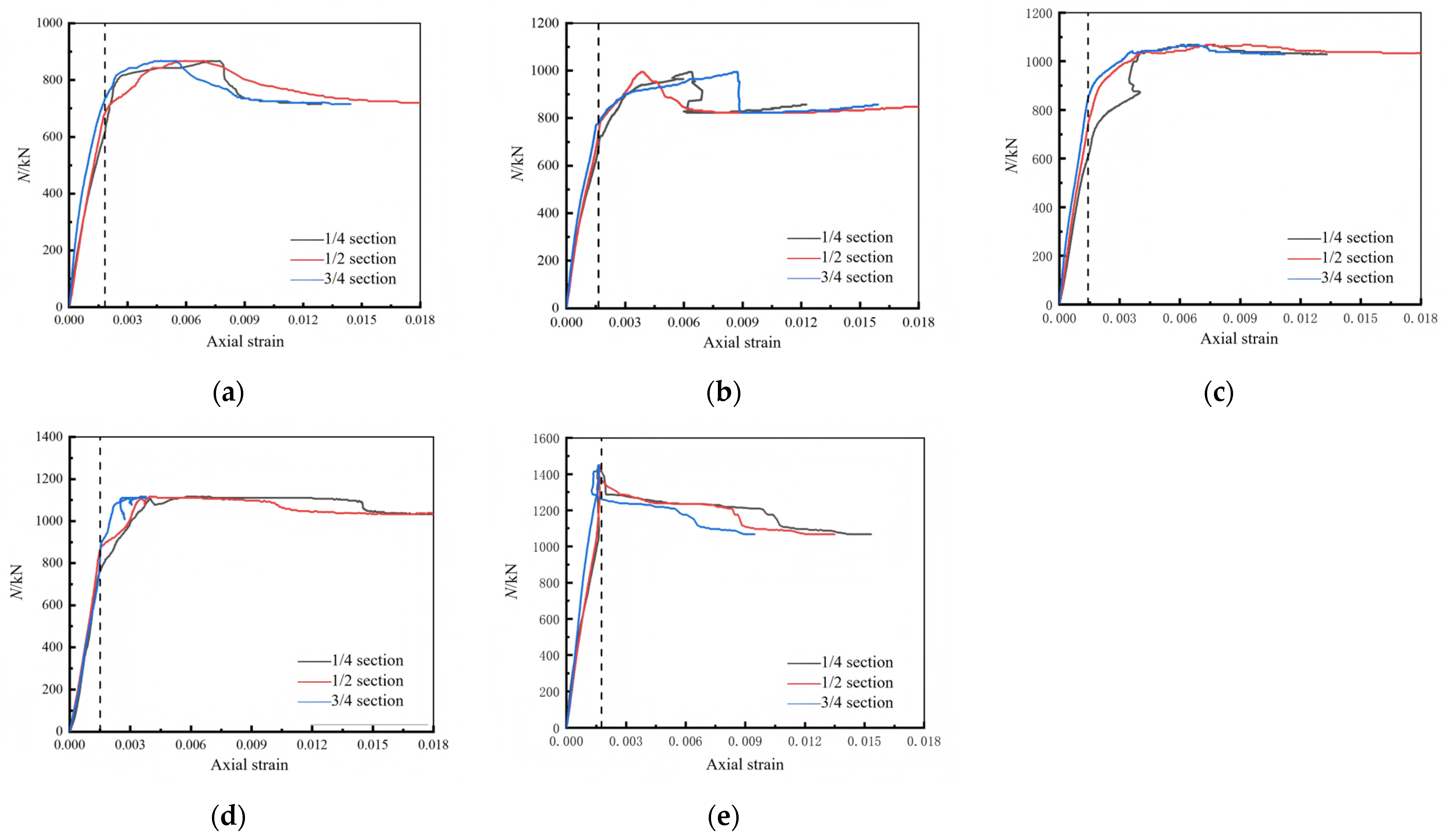
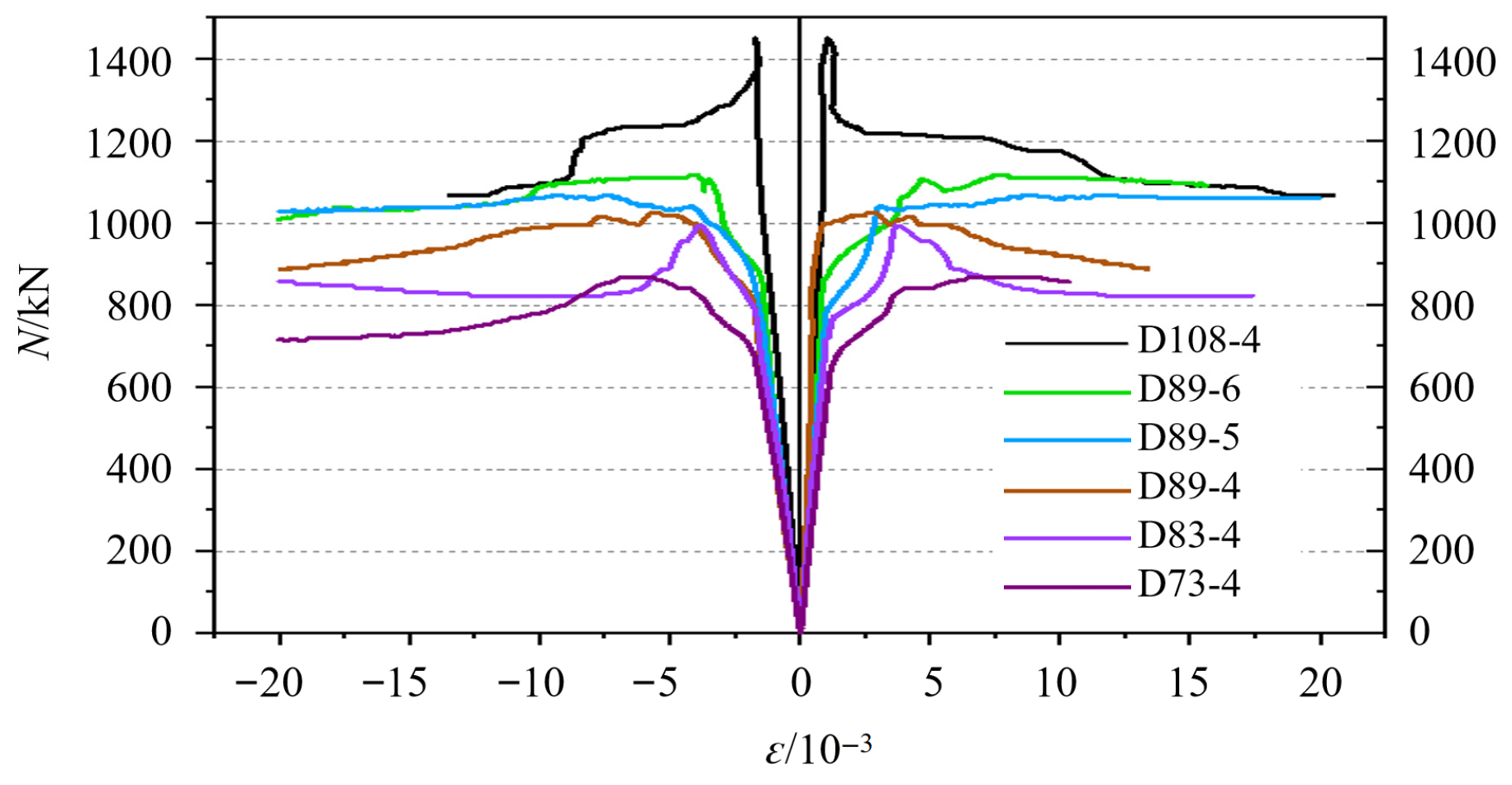
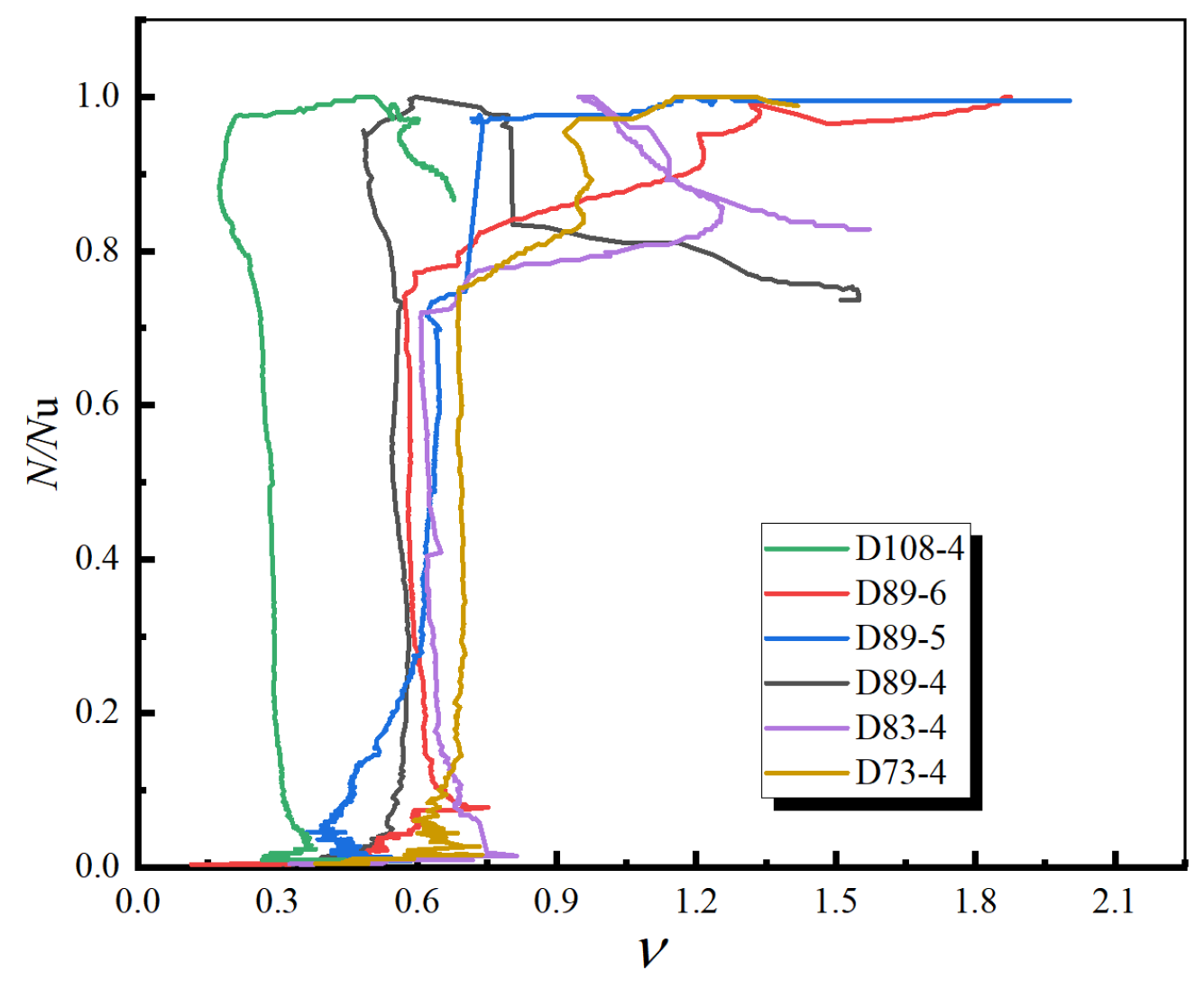
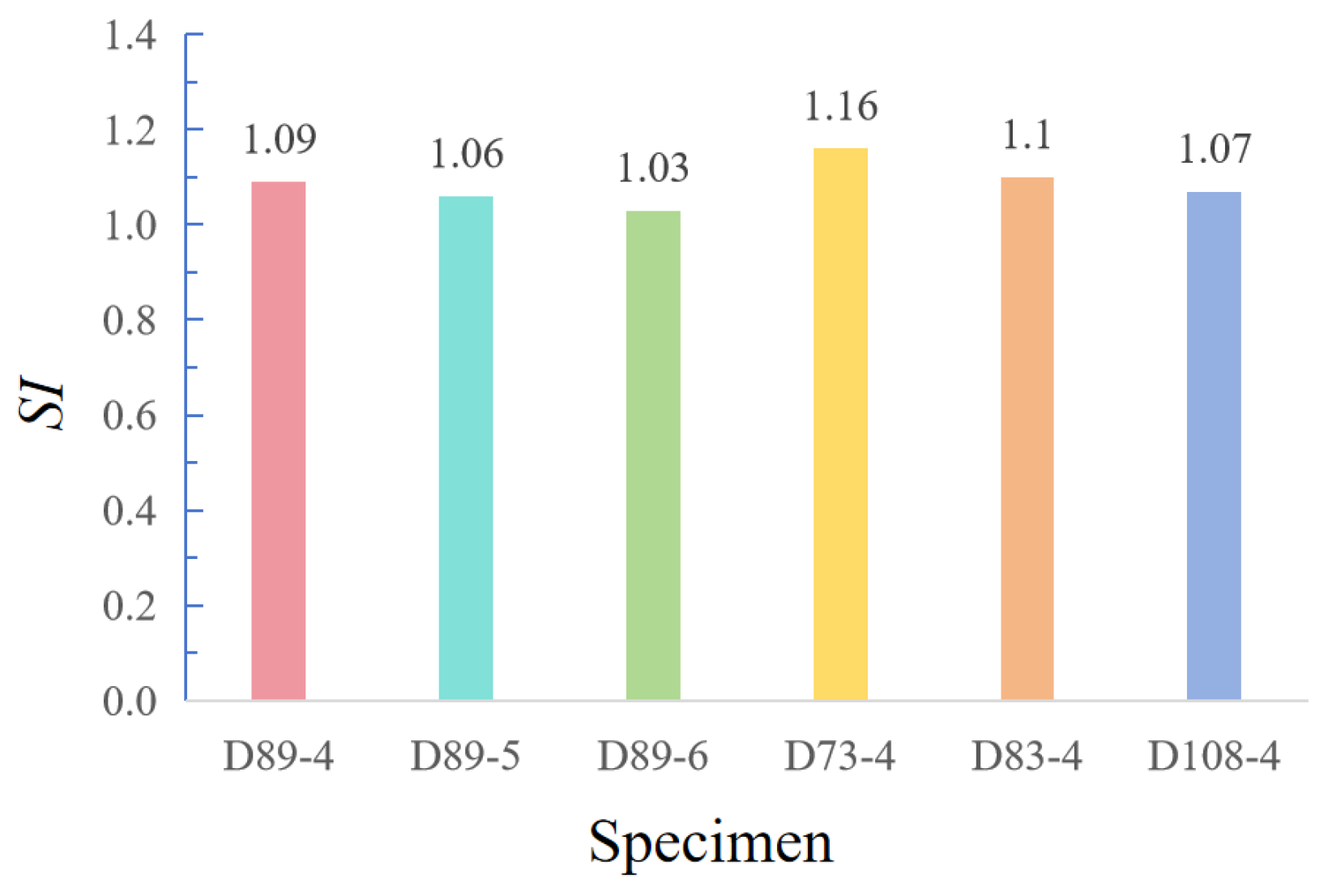
The UHPCFST component primarily undergoes shear failure. Depending on the level of confinement, one or multiple diagonal shear cracks may form. Its bearing capacity improvement coefficient is greater than 1, indicating that the steel tube and UHPC work in good synergy, achieving a “1 + 1 > 2” enhancement effect. The UHPCFST component exhibits an elastoplastic response similar to that of steel, making it suitable to replace longitudinal reinforcement in traditional RC columns.
- (2)
Compared to a traditional RC column with the same steel ratio, the peak bearing capacity of the composite column is increased by 10%, and the peak displacement is increased by 182%. Due to differences in the confinement effect on the concrete within the composite column, its load–displacement curve exhibits a secondary peak characteristic. The initial peak is contributed by both the surrounding concrete and the UHPCFST component, while the secondary peak is primarily sustained by the UHPCFST skeleton.
- (3)
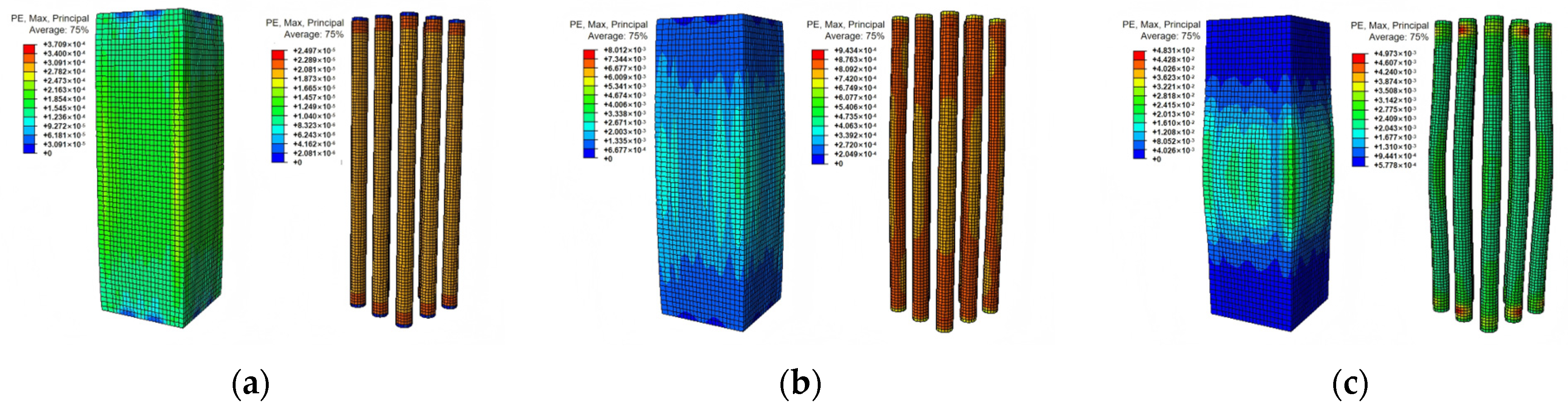
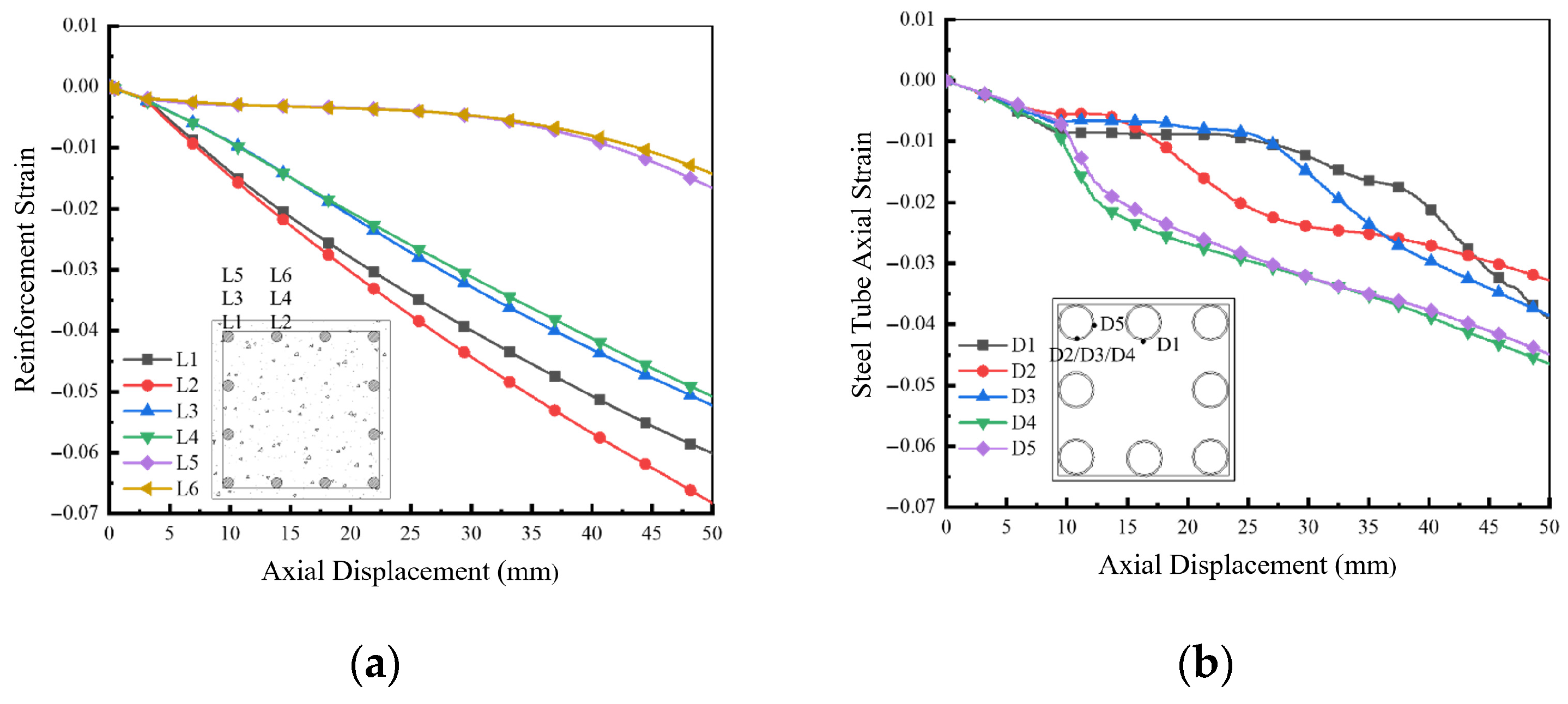
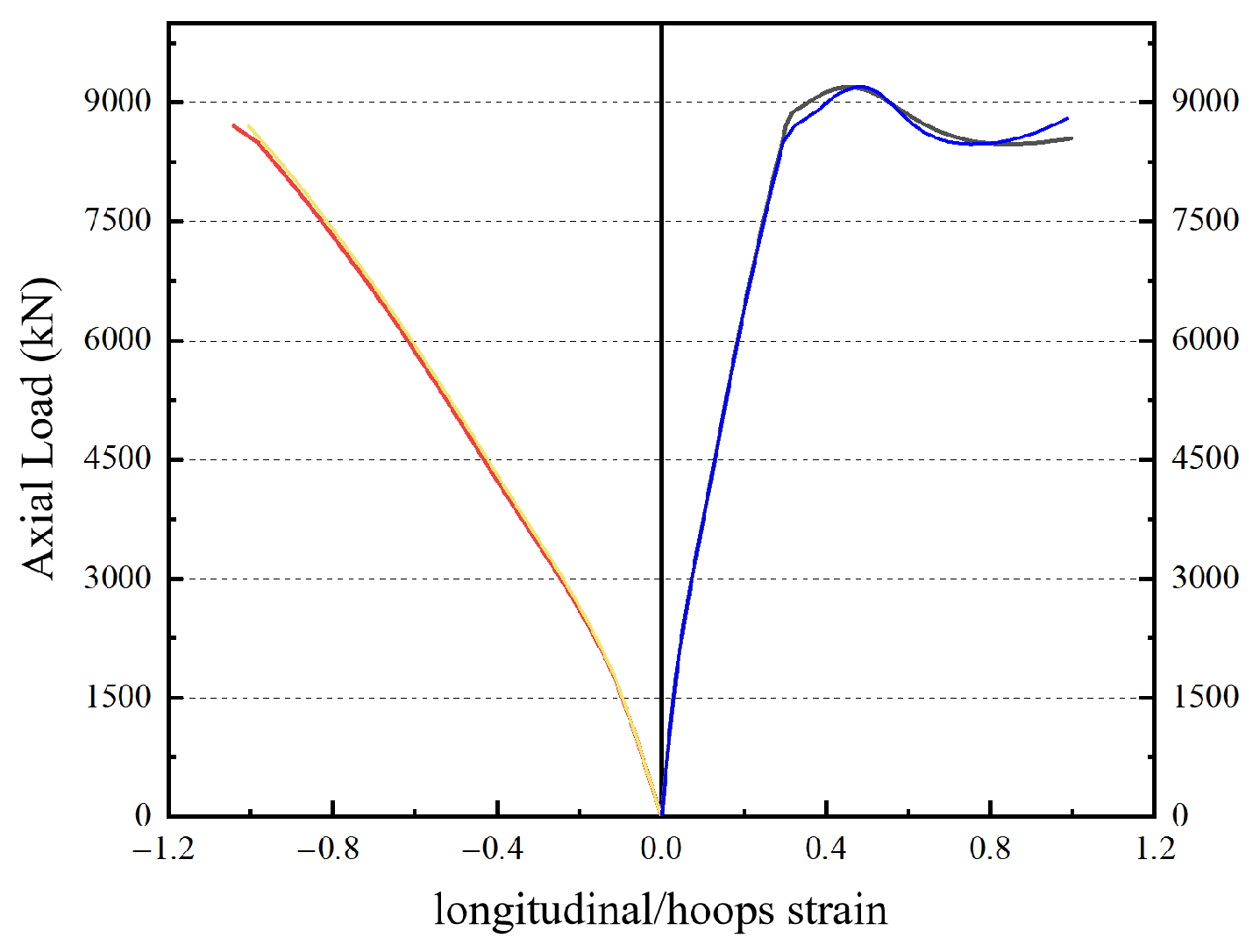
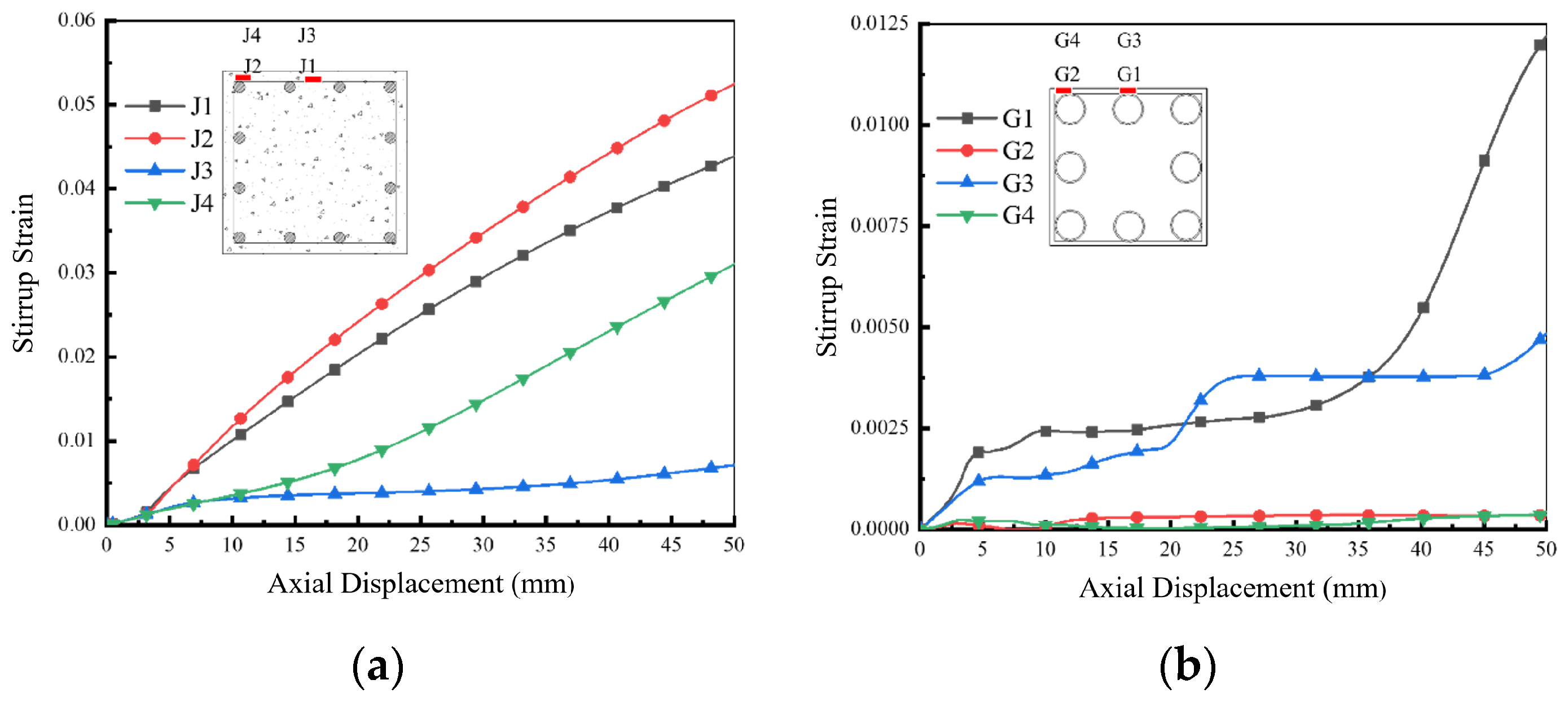
In RC columns, the longitudinal reinforcement exhibits non-uniform strain development across the section. In contrast, the longitudinal strain development in the steel tube of the composite column is generally slower and more uniformly distributed. The UHPCFST component can mitigate the lateral expansion effect of the concrete across the entire section while also sharing part of the lateral confinement role of the stirrups. This leads to differences in stirrup strain development throughout the loading process compared to traditional RC columns.
- (4)
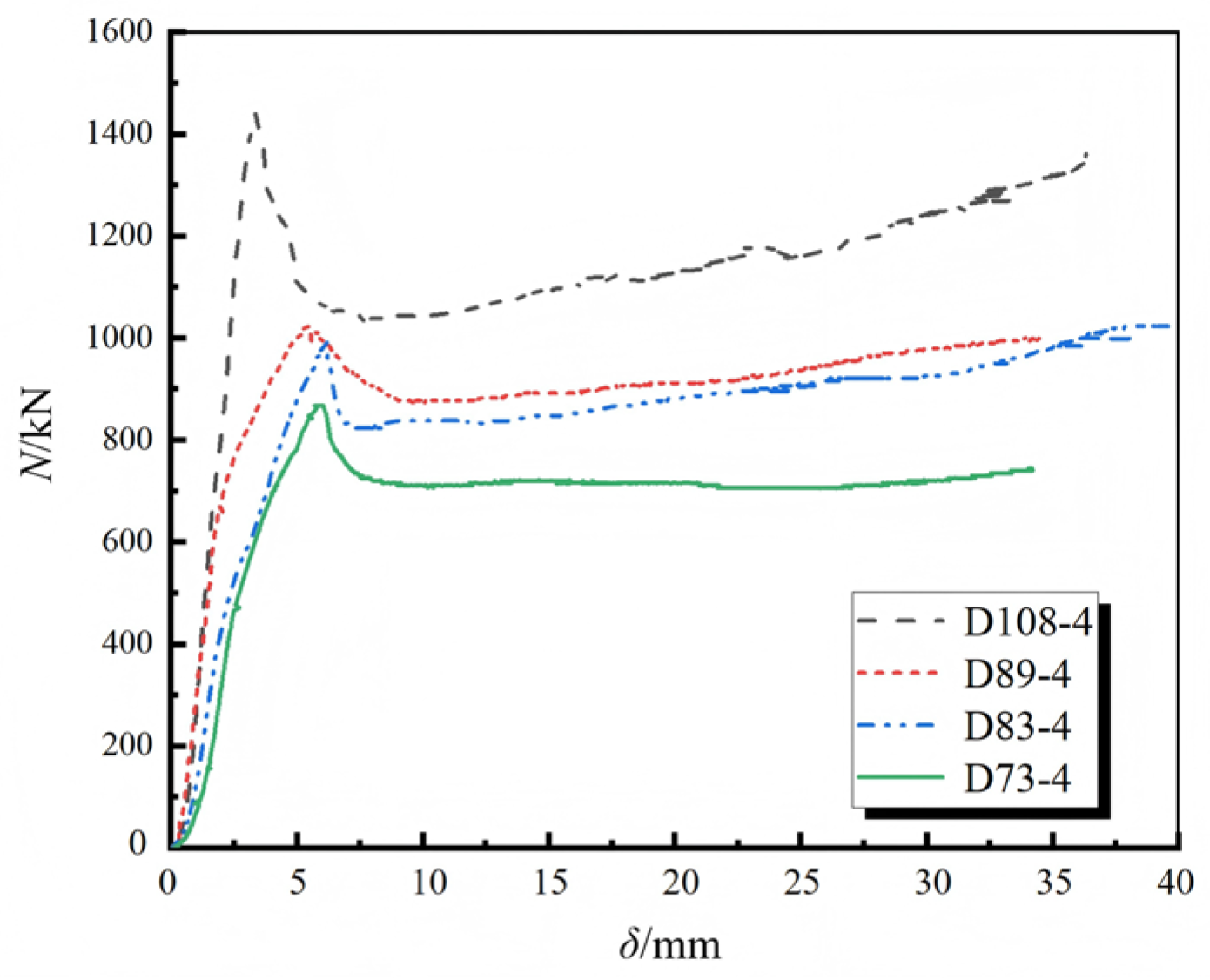
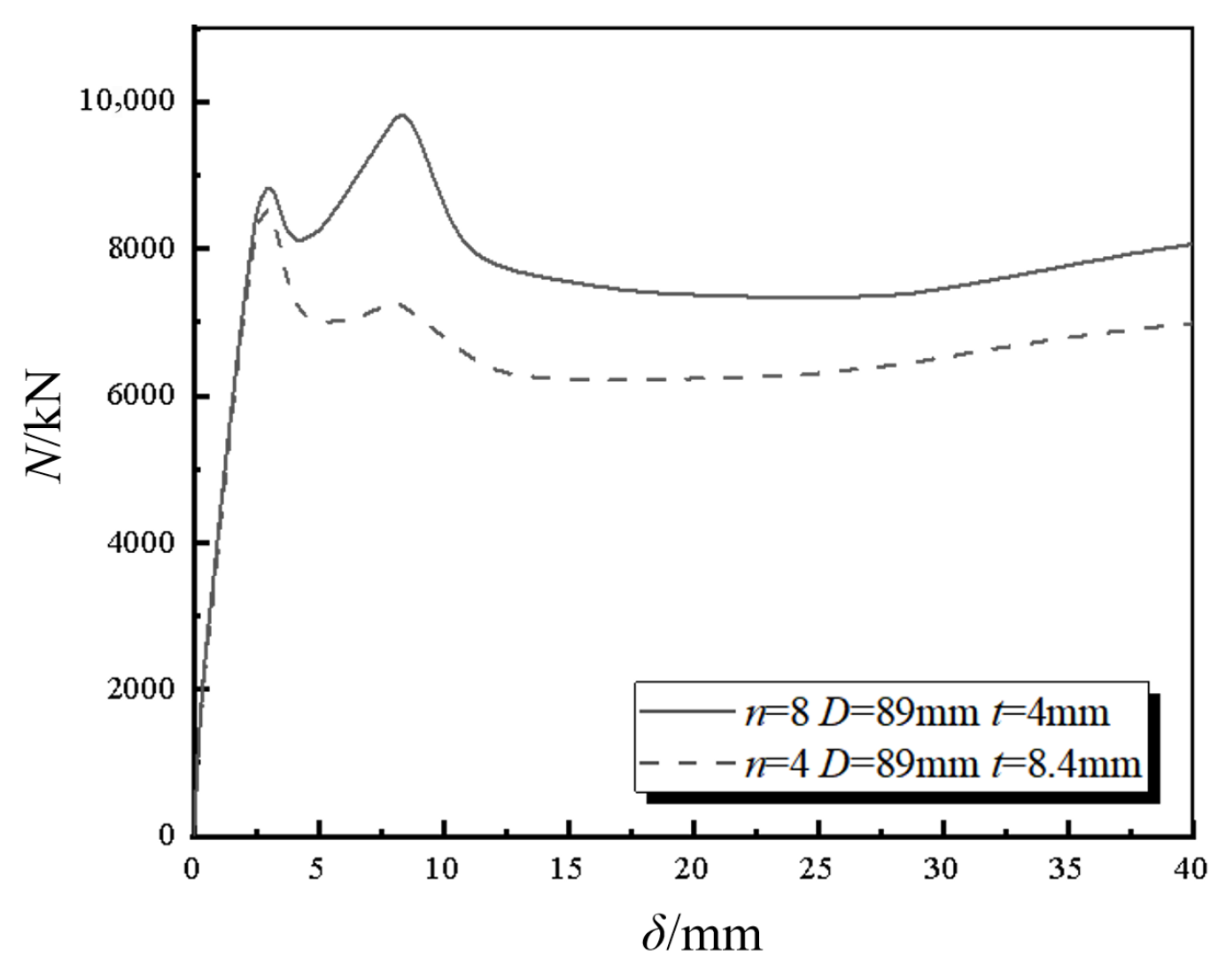
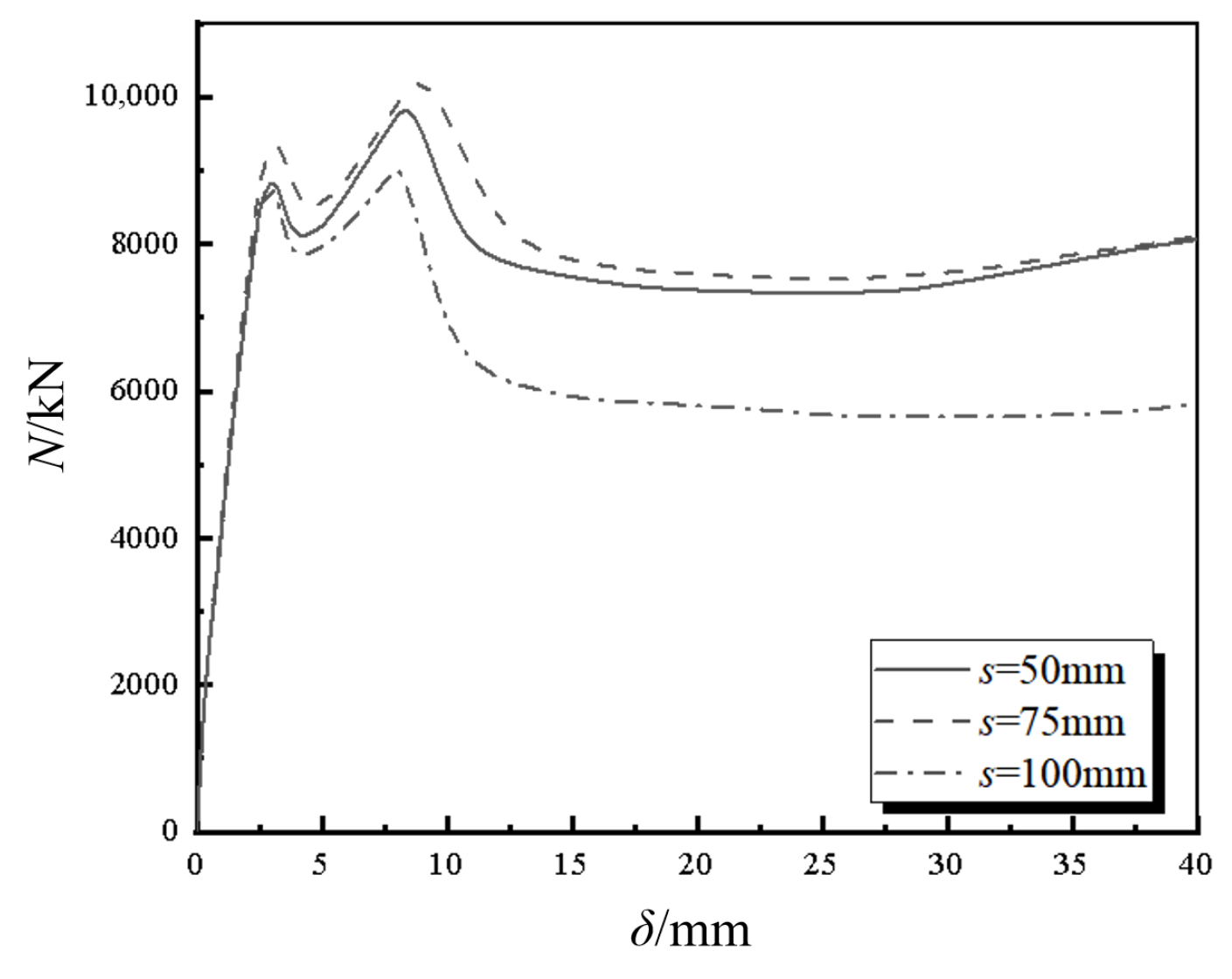
With the same longitudinal steel ratio, the ductility and bearing capacity of the column can be improved by increasing the steel tube diameter or the number of steel tubes. Increasing the longitudinal steel ratio enhances the ultimate strength of the column. Compared to increasing the steel tube wall thickness, enlarging the steel tube diameter can more effectively improve the axial compression performance of the column. Using surrounding concrete with excessively high compressive strength is not advisable, as it may lead to failure of the composite column before the UHPCFST component becomes fully effective. Increasing stirrup spacing reduces the bearing capacity of the composite column, but excessively small stirrup spacing is not recommended as it results in material wastage.
In summary, UHPCFST serves as an efficient load-bearing and strengthening component. Through rational design, it can effectively replace longitudinal reinforcement and significantly improve the axial compression performance of concrete columns, demonstrating broad application prospects in structural engineering. This study primarily focuses on its short-term monotonic axial compression behavior and does not address long-term creep effects. For components subjected to high sustained stress levels, it is essential to further consider the time-dependent properties of UHPC in future research concerning long-term loading and durability.
To promote the engineering application of this technology, subsequent research should emphasize the following aspects: First, it is necessary to thoroughly investigate the performance of the core column under combined compression and bending, clarifying its actual working mechanism within the composite cross-section. Second, existing finite element models should be validated through axial compression and multi-condition testing, while systematically examining the mechanical response of components under complex loads such as eccentric compression and seismic conditions. Finally, a design methodology encompassing both normal concrete and confined UHPC limit states must be established, thereby providing a reliable theoretical basis and normative support for engineering practice.