3.1. Numerical Results for the Empty Frame
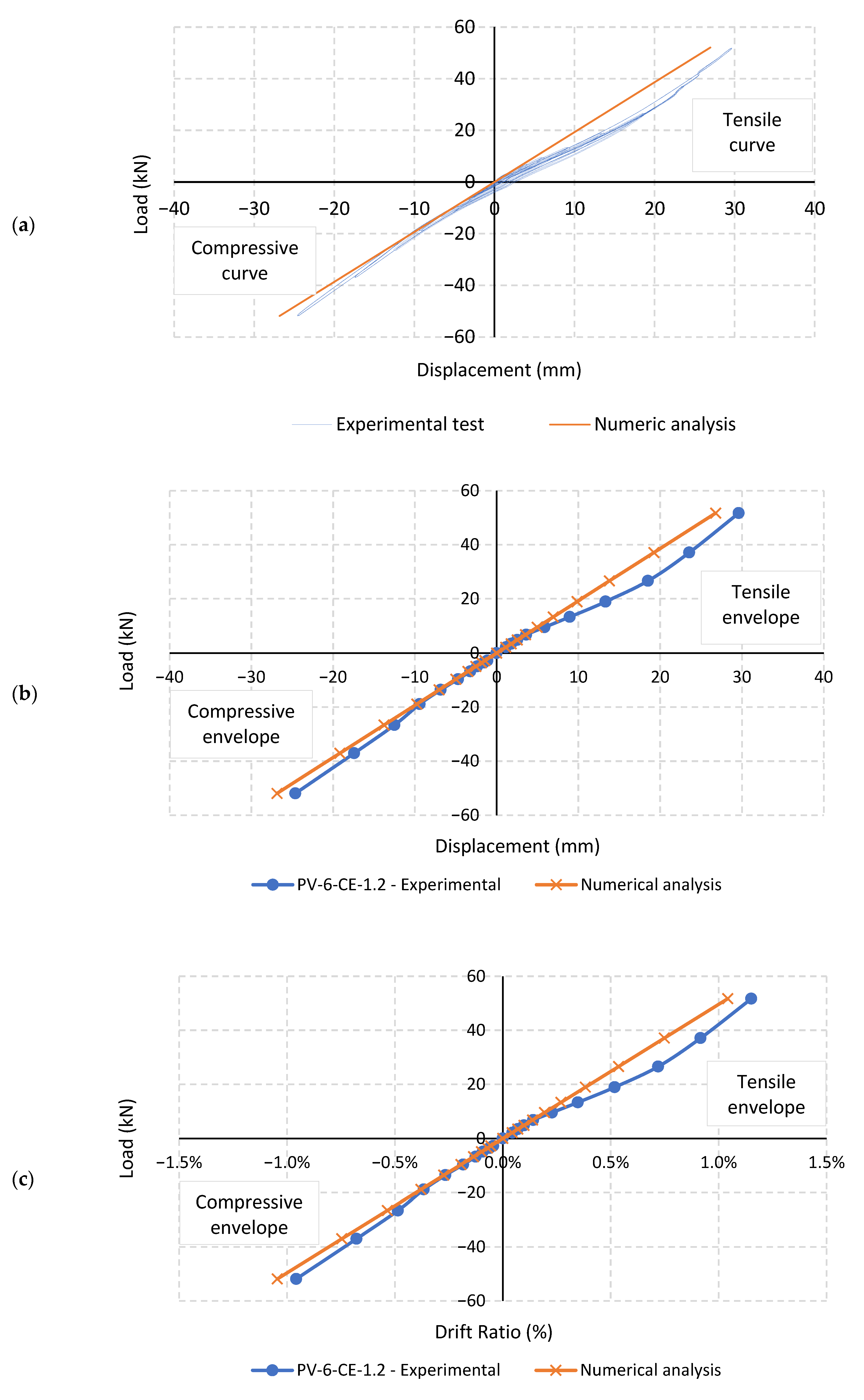
Figure 11a illustrates the numerical and experimental findings for the empty frame. The numerical model displays an elastic-linear behavior, consistent with the controlled loading during testing, which prevented the steel I-profiles from reaching plastic deformation. However, the experimental results show hysteresis in the structural system with a slight degree of plasticization. Although the maximum load was limited to avoid plasticization of the empty frame, some mechanisms may have produced the observed phenomenon: (i) residual stresses generated in the manufacturing process of the steel profiles; (ii) the use of the frame in previous load tests, which may have resulted in the plasticization of portions of the structure; and (iii) accumulation of stresses in some connection regions.
Figure 11.
Comparison between (
a) experimental and numerical results, (
b) experimental and numerical envelopes, and (
c) experimental and numerical drift ratios (empty frame). Note: The abscissa represents the displacements at the top of the frame (corresponding to point RP-13 in the numerical model), while the ordinate corresponds to the loads applied to the frame. The sign convention for force and displacement follows the scheme illustrated in
Figure 12. In
Figure 11b, each ‘×’ and ‘•’ symbol represents the peak load–displacement point of the first cycle for each load step.
Figure 11.
Comparison between (
a) experimental and numerical results, (
b) experimental and numerical envelopes, and (
c) experimental and numerical drift ratios (empty frame). Note: The abscissa represents the displacements at the top of the frame (corresponding to point RP-13 in the numerical model), while the ordinate corresponds to the loads applied to the frame. The sign convention for force and displacement follows the scheme illustrated in
Figure 12. In
Figure 11b, each ‘×’ and ‘•’ symbol represents the peak load–displacement point of the first cycle for each load step.
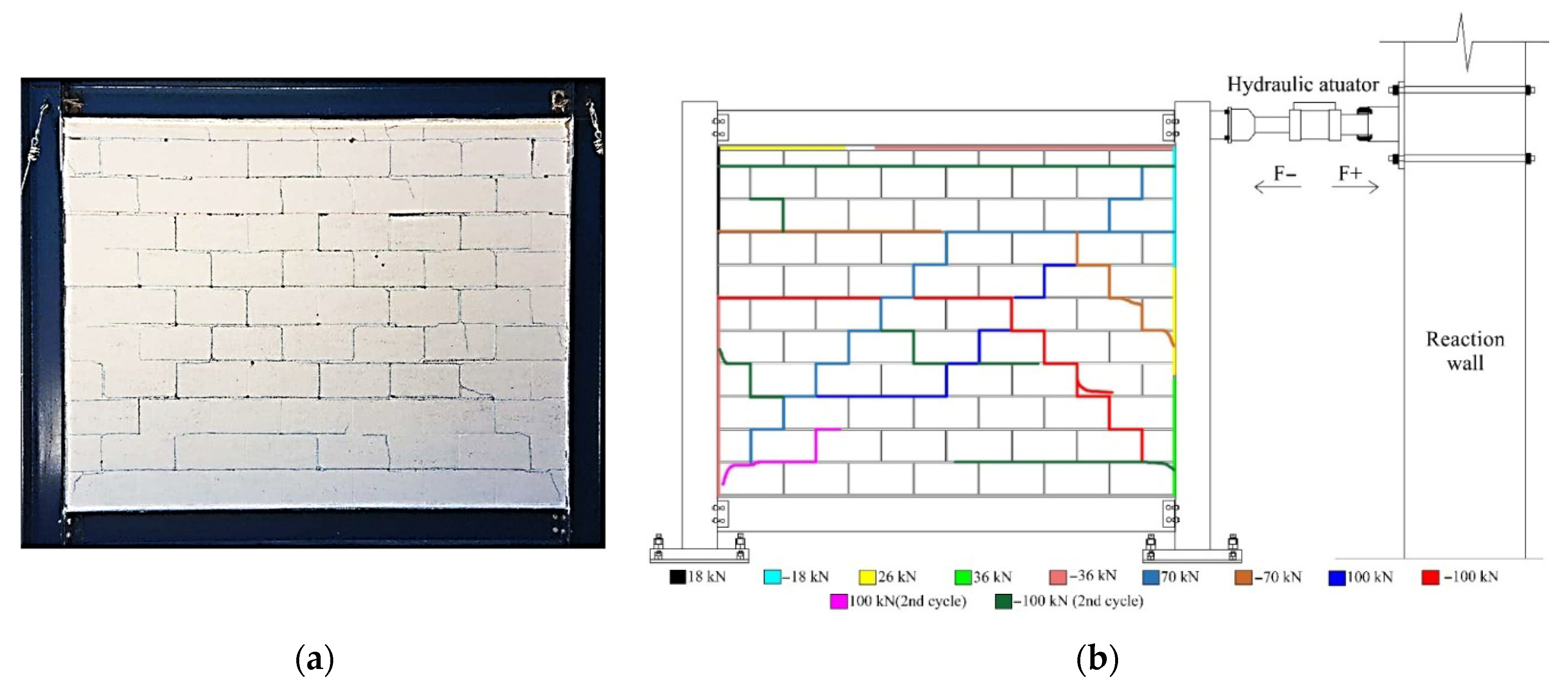
Figure 12.
Cracks in the infilled frame PP-3-CE-0.5/2.0 in (
a) the real image and (
b) an illustration with cracks colored according to the breaking force (adapted from De Grandi [
41]).
Figure 12.
Cracks in the infilled frame PP-3-CE-0.5/2.0 in (
a) the real image and (
b) an illustration with cracks colored according to the breaking force (adapted from De Grandi [
41]).
Another fact that may have been relevant to the observed behavior was the performance of the bolted angle plates used in the experimental test. During the tests, it was necessary to reinforce such parts to limit their deformations during the force acting in the positive direction (
Figure 11b) corresponding to the tensile curve [
41]. When analyzing the graph in
Figure 11a, it seems that even the adoption of reinforcement was not enough to eliminate the differential behavior of the angle plate in relation to the directions of the applied loads. The experimental data on the difference in performance of the angle plates as a function of the load direction were not collected in the test. Therefore, it was not possible to use them as parameters in the numerical model. The solution found was to develop a model that simulated behavior closer to the theoretical one, with the angle plates acting similarly in compression and tension, which was to be expected. Despite the differences observed, mainly in the tensile curve, the numerical model was able to reproduce the results of the compression curve well. And in the infilled frame model, it was able to accurately estimate the beginning of the failure of the infill masonry, both the load at which the damage occurred and the type of damage observed, as will be demonstrated in the next item.
Figure 11b displays the experimental and numerical envelopes, as per the method outlined by Faleschini et al. [
65]. While the experimental results for the tensioned bracing exhibit non-linearity, there is a general correlation between the envelopes.
To assess alignment between numerical and experimental envelopes, the coefficient of determination (
) was calculated. The analysis was based on the values in
Table 5, which were also used to construct the envelopes in
Figure 11b. Numerical values, derived from principles of Strength of Materials, Theory of Elasticity, and Theory of Plasticity, were treated as theoretical constructs. Experimental values, subject to variability across experiments, were considered empirical samples. The experimental protocol entailed controlled load application and displacement measurement, with force as the independent variable and displacement as the dependent variable. For the drift ratio calculation (
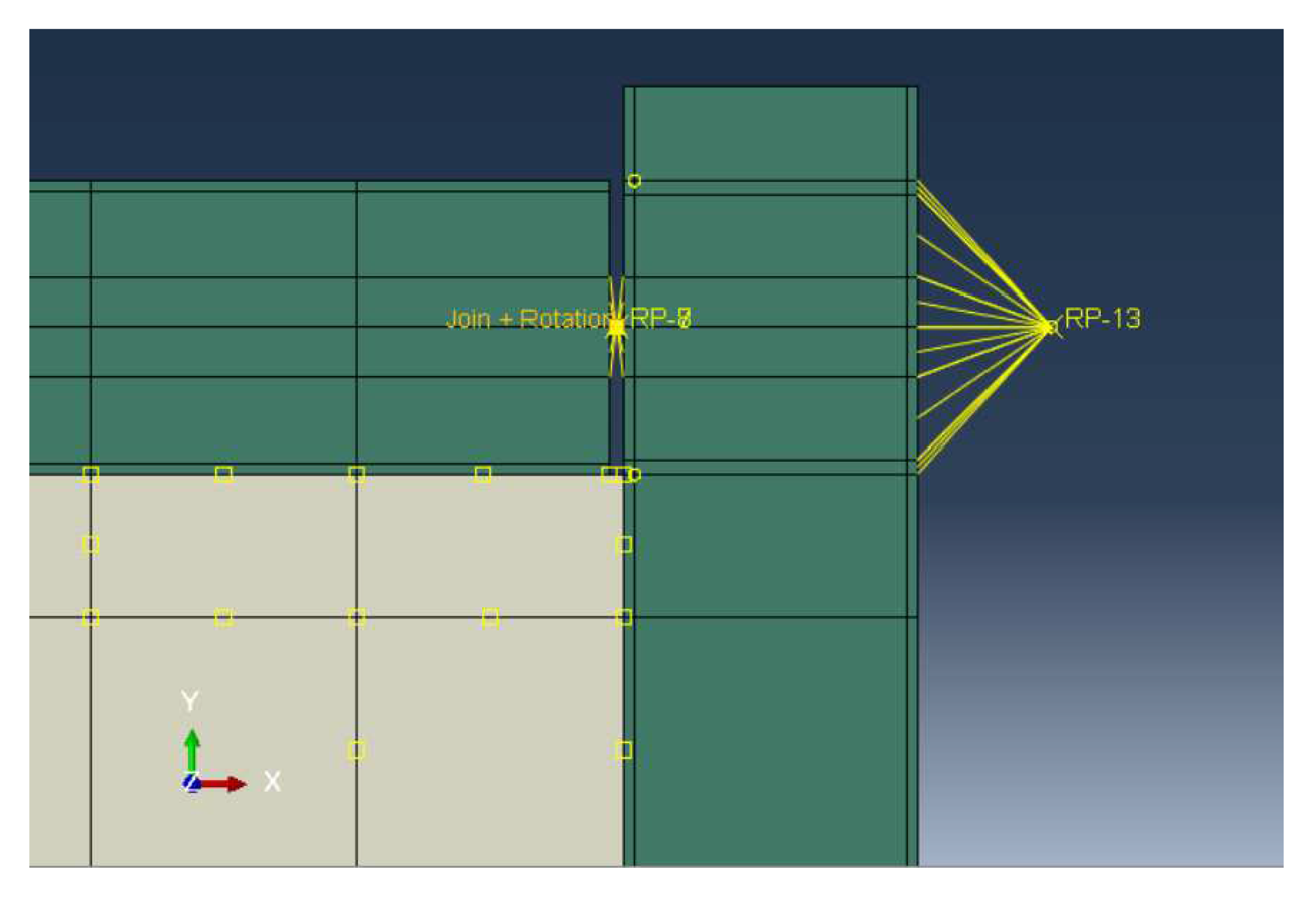
Figure 11c), a height of 2570 mm was considered, corresponding to the distance between the base of the frame and the point of load application (point RP in
Figure 8).
To calculate the coefficient of determination, Equation (8) was used, where TSS is the total sum of squares, representing the total variability of the dependent variable, that is, the displacement. It is obtained by adding the squares of the differences between the mean of the observations (
) and the observed value (
), according Equation (9). In the analysis in question, this mean and the observed values correspond to the experimental ones.
ESS is the explained sum of squares, representing the variability of the dependent variable (displacement) that is explained by the independent variable (force). It is obtained by adding the squares of the differences between the estimated values (
), that is, the numerical data, and the mean of the experimental observations (
), according to Equation (10).
RSS is the residual sum of squares, representing the variability of the dependent variable that is not explained by the independent variable. It is obtained by adding the squares of the differences between the experimentally observed values (
) and the numerically estimated values (
), according to Equation (11).
By calculating Equations (9) and (11) and substituting them into Equation (8), the coefficient of determination () was obtained as 0.977. Since this value is very close to 1, it was concluded that the numerical data explain the experimental envelope very well.
3.2. Numerical Results for the Infilled Frame
The fracture energies for both vertical and horizontal mortar joints in the numerical simulation were derived via inverse analysis, utilizing experimental data from De Grandi [
41].
Observations revealed that lower adopted energies led to premature separation between masonry blocks in the numerical model. Conversely, higher values impeded joint separations for the anticipated loads in the tests. Consequently, iterative searches were conducted to identify fracture energy values that accurately replicated the observed cracking pattern in the experiment.
In the adjusted numerical model, denoted as PP-E415-050Exp, a fracture energy of 4.15 N/mm was applied to horizontal joints and 0.50 N/mm to vertical joints, incorporating exponential damage evolution. This model successfully predicted the initiation of the first crack in the masonry.
In the PP-3-CE-0.5/2.0 frame test conducted by De Grandi [
41] (depicted in
Figure 12), initial cracks manifested at the interfaces between the steel frame and the masonry, particularly in the tensioned corners, consistent with literature descriptions [
2,
3,
42,
67]. Within the masonry, the first discernible crack emerged under a load of 70 kN when the hydraulic actuator displaced the frame to the right. This condition induced separation of the horizontal joint at the masonry’s apex, along with staggered cracks in the rightward region, extending to some blocks. Conversely, when the hydraulic actuator shifted the frame leftward under a 70 kN load, a similar yet mirrored crack pattern ensued. Subsequently, under a 100 kN load, additional cracks emerged, mirroring the separation pattern observed in the horizontal joints, featuring both staggered and block-bound cracks.
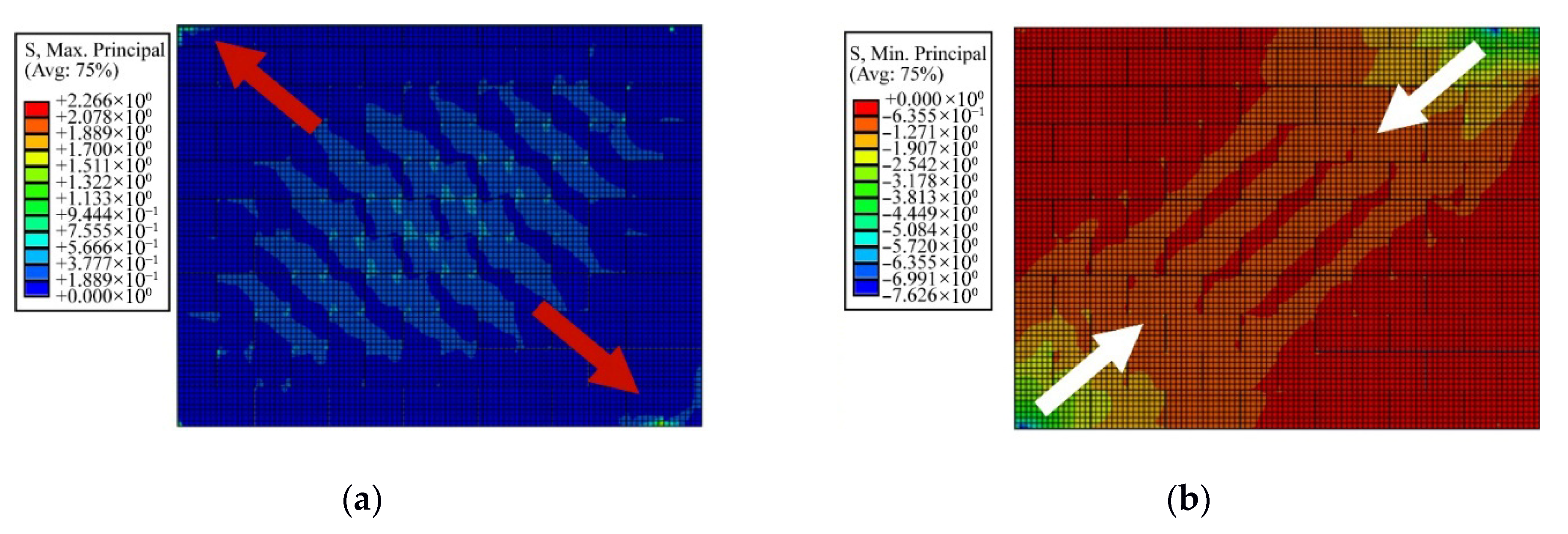
In the numerical model, prior to reaching the 70 kN load threshold, which signifies the onset of mortar joint separation, a distinct pattern emerges. This pattern includes the formation of compression rods and regions experiencing greater tensile stress (tensile rods), as depicted in
Figure 13.
According to Asteris et al. [
42], moderate lateral loading induces panel-frame separation due to the stiffness mismatch and subsequent deformation incompatibility between the two components. Contact is maintained exclusively at diagonally opposite corners within the compression zones, where the infill panel effectively acts as an equivalent diagonal strut. This mechanism creates a stress field defined by axial compression along the strut and transverse tensile stresses acting perpendicularly.
These tension and compression struts have been observed in previous numerical studies [
68,
69,
70,
71,
72,
73]. Labò and Marini [
69] identified well-defined diagonal tensile struts, exhibiting maximum plasticization stresses at both corners of the wall. Dhir et al. [
68] observed compression and plastic strain distribution rods resulting in brick cracking. Wararuksajja et al. [
73] described connecting struts compressed by lateral forces, leading to corner crushing in the compression region. In the masonry numerical simulation by Facconi and Minelli [
74], a diagonal crack emerged in the post-cracking stress region, extending from the top left corner to the bottom right corner, with increased damage in the central region.
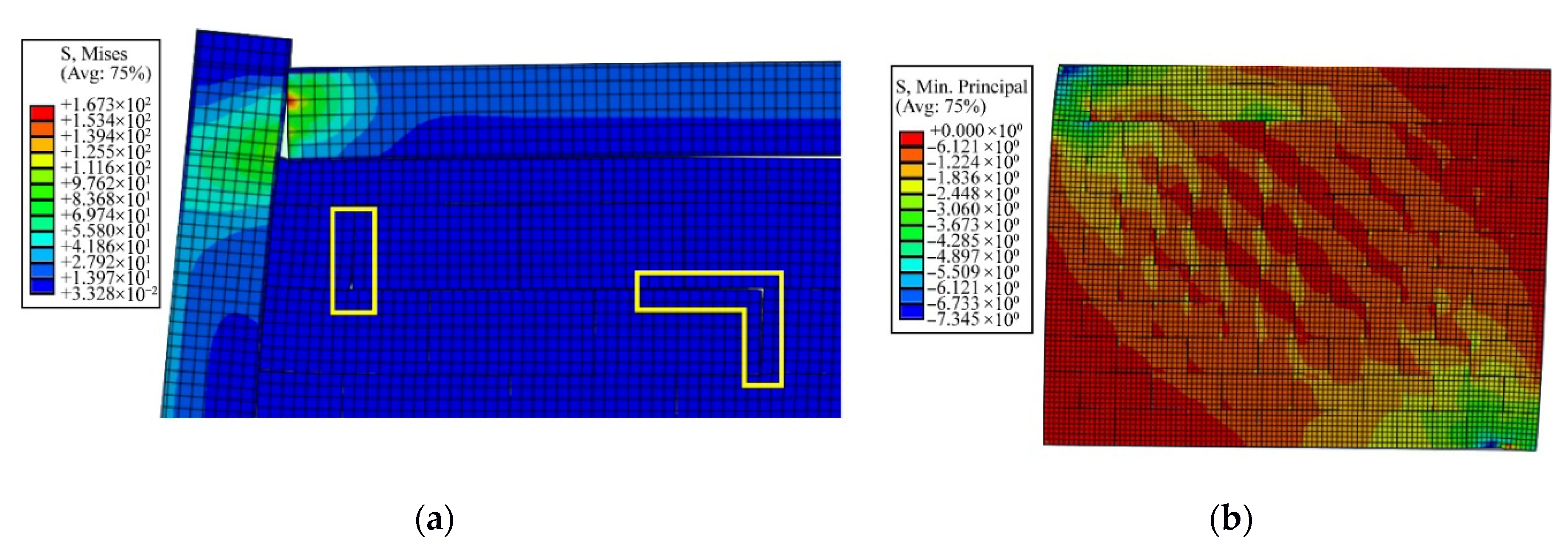
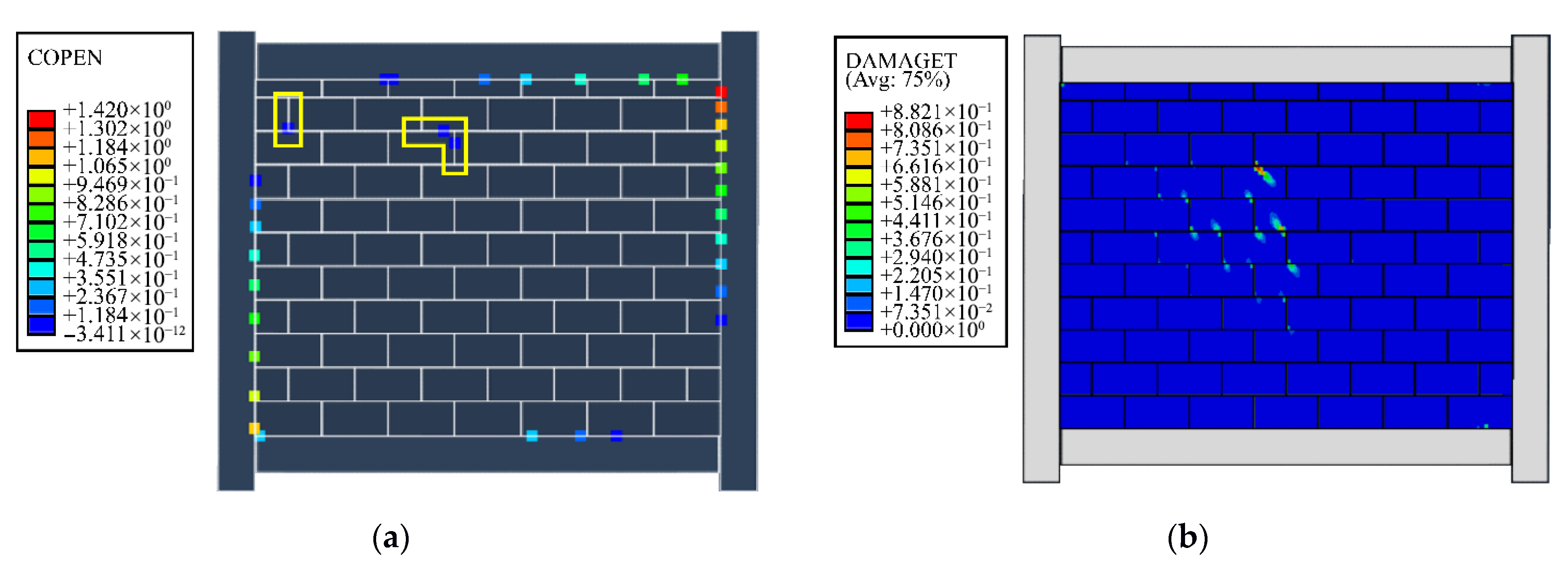
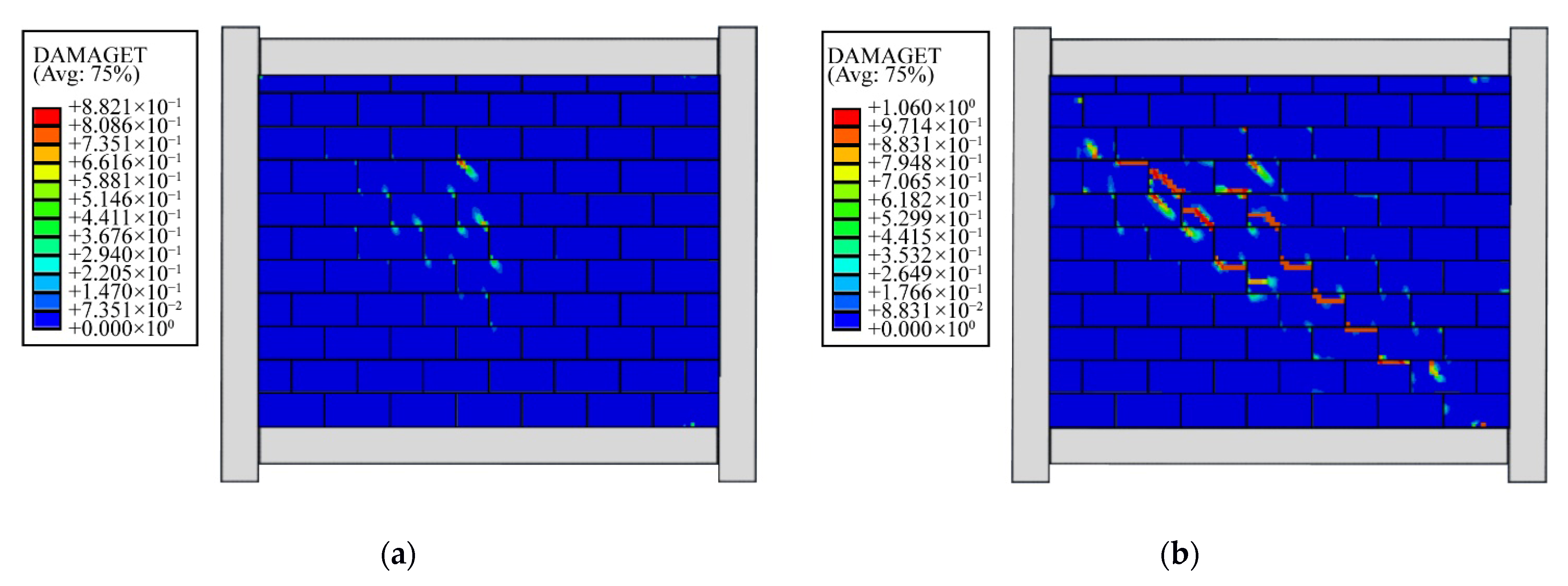
Under the initial 70 kN load applied to the right, localized separations become apparent between blocks within one horizontal joint and two vertical joints in the upper section of the masonry (
Figure 14a). These separations induce disruption in the pre-existing compression rod configuration (
Figure 14b). Given the compression strut generated, the masonry presses on both the column and the beam in the upper right corner, which can be verified by the deformation of the block in this corner. There is also a tendency for the beam to detach from the column in the connector region due to the forces generated by the hydraulic actuator and the masonry. Therefore, the connector region operates under tension. This tension is so significant that it counteracts the compression of the blocks on the profiles, promoting the stress distribution shown in
Figure 14b.
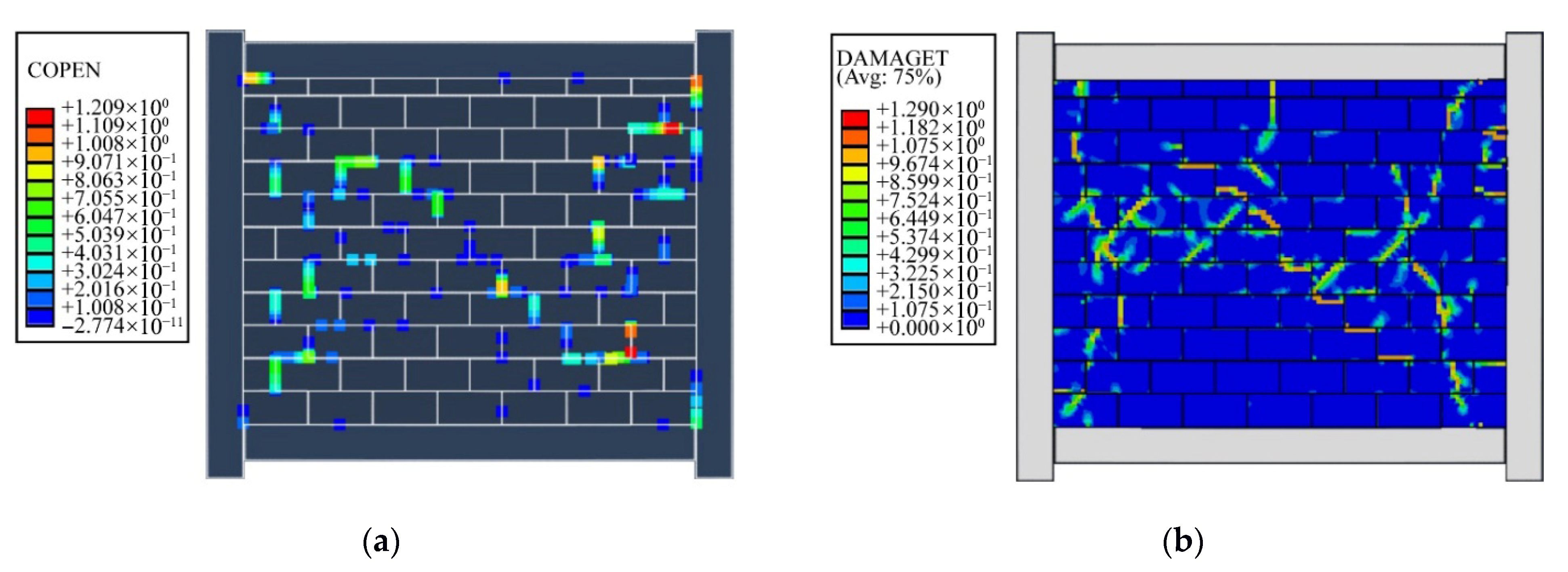
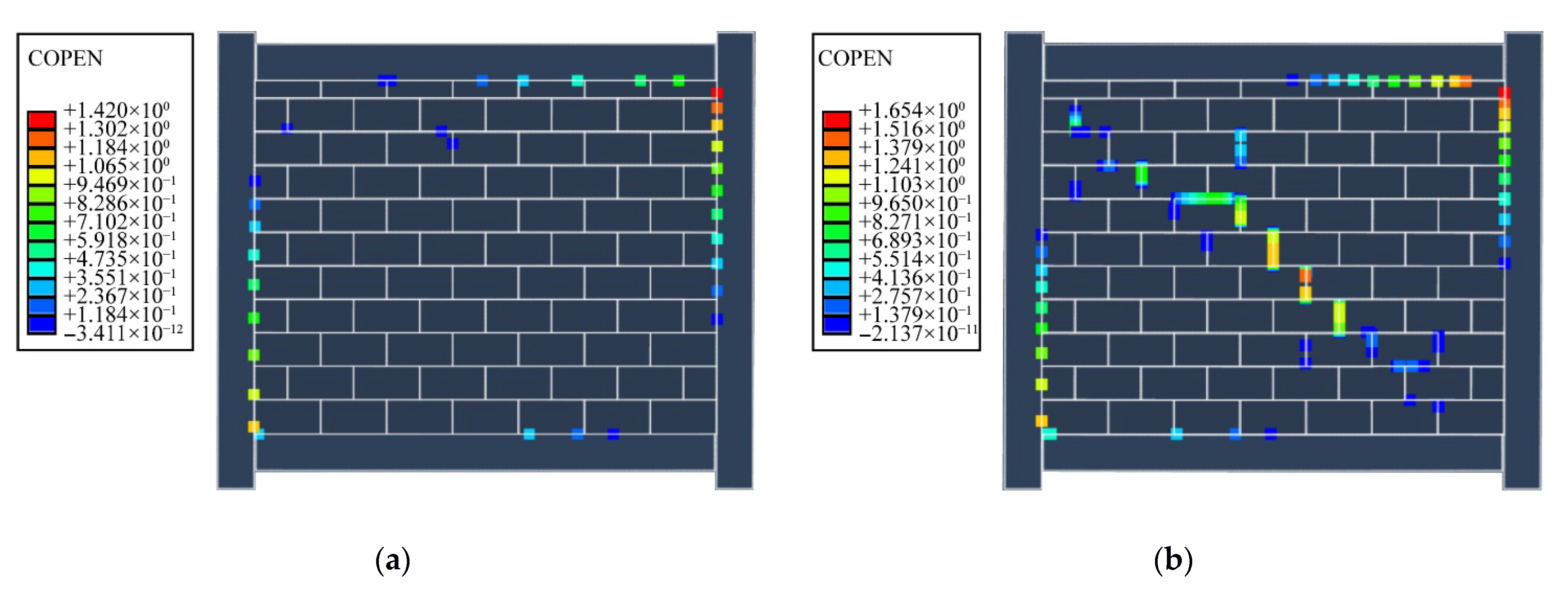
Another method to assess joint opening in ABAQUS software is through the COPEN variable, representing the spacing between surfaces defined with contact conditions. In
Figure 15a, areas of the masonry exhibiting the greatest joint openings are highlighted with yellow rectangles. Notably, the separation of the upper horizontal joint is observable, demonstrating the numerical model’s capability to predict the precise timing and configuration of the initial crack, consistent with experimental findings. Furthermore, separation between the wall and the steel frame is evident at diagonally opposite uncompressed corners. At this load level (70 kN), damage to the concrete blocks is localized to very specific regions, as illustrated in
Figure 15b. These findings are corroborated by the research of Lee, Eom and Yu [
72]. When examining the combined impacts of masonry and structure with inferior mortar, they observed separation of the structure wall at tensioned corners within the masonry and block breakage in the connecting strut regions, with pressure concentrated in the central masonry area [
72]. Conversely, when poor mortar was not utilized, enhancing block-structure contact at load-opposite corners, central compression struts formed, alongside corner compression struts in the masonry, resulting in the Push-down effect [
72]. This effect caused block failures in both central and corner regions, as well as shear failures in the lower part of the column [
72].
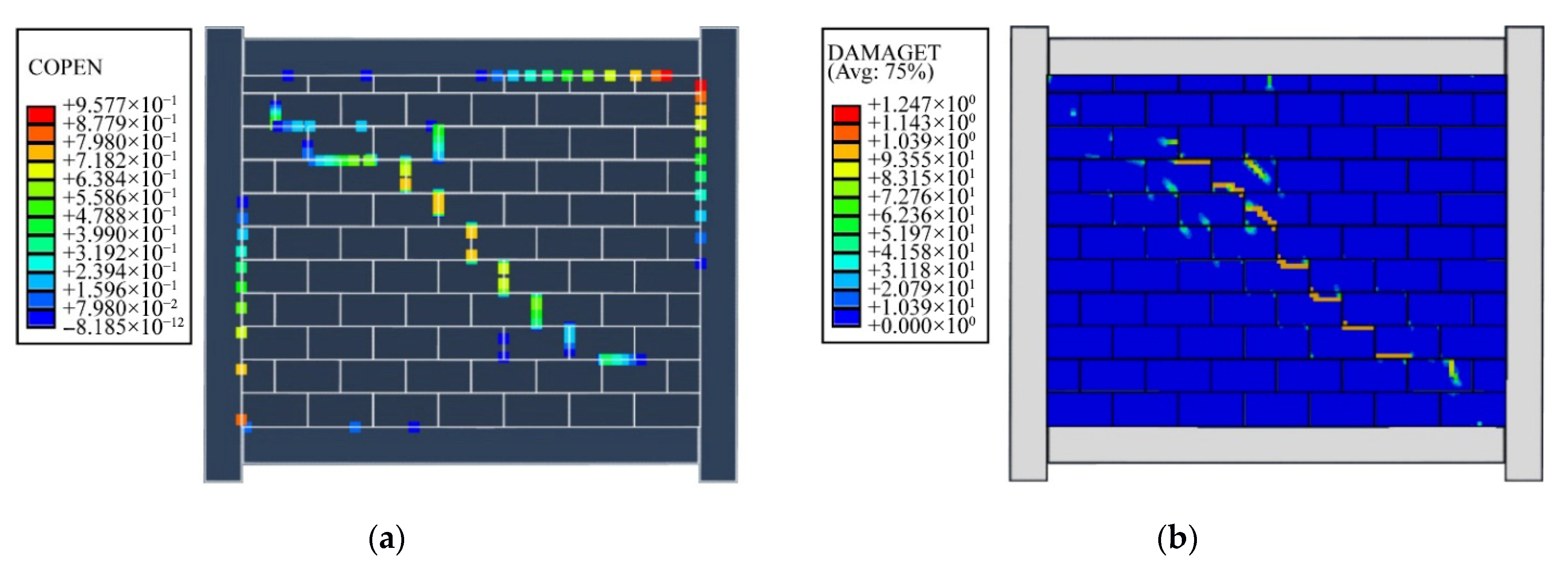
During the second cycle of 70 kN loading, additional regions of separation between the blocks become apparent, forming a staggered pattern diagonally across the masonry, as depicted in
Figure 16. This pattern corresponds to a predominance of diagonal tension failure, associated with the lower strength of the mortar relative to the concrete blocks and the poor bond at the block-mortar interface, as explained by De Grandi [
41] and Asteris et al. [
42]. Furthermore, damage to the blocks is accentuated in more degraded regions near the horizontal joints, particularly in the diagonal panel region. Notably, a similar pattern was observed in the experimental test, but located in the right region of the panel.
In the subsequent loading cycle, a progression of damage occurred along the masonry diagonal depicted in
Figure 16, as well as on the opposite diagonal, as shown in
Figure 17. This progression aligns with experimental observations. Through analysis of the joint separation pattern and block damage, and load that occurs the first crack between blocks, it is concluded that the numerical model is sufficiently accurate, enabling prediction of the onset of degradation in the involved masonry components.
The disparities observed between the experimental and numerical results concerning the positioning of contacts exhibiting openings and the levels of block damage can be attributed to the significant heterogeneity and complexity inherent in masonry structures, hindering precise behavioral predictions.
Concrete and mortar have a heterogeneous distribution of grains (aggregates and cement) and voids in different points of the structure. Therefore, predicting the position of a weak zone that will initiate the first rupture is difficult. There is also the influence of the labor force involved in executing the masonry. Since it is a human labor, there will be intrinsic differences between one masonry produced and another, which will be smaller the better the labor force is trained. Asteris et al. [
42] discuss these difficulties involved in the study of concrete structures.
Given these challenges, the same experimental test performed with identical frames with concrete masonry may differ slightly in the portion of the joint where the first crack occurs. In fact, in De Grandi’s [
41] experiments, discrepancies in cracking patterns and corresponding load levels were noted across the three tested frames, despite efforts to maintain consistency in block and mortar batches, joint thickness, and mortar type. Thus, the numerical model PP-E415-050Exp was deemed validated, successfully predicting the onset of masonry degradation and the collapse type.
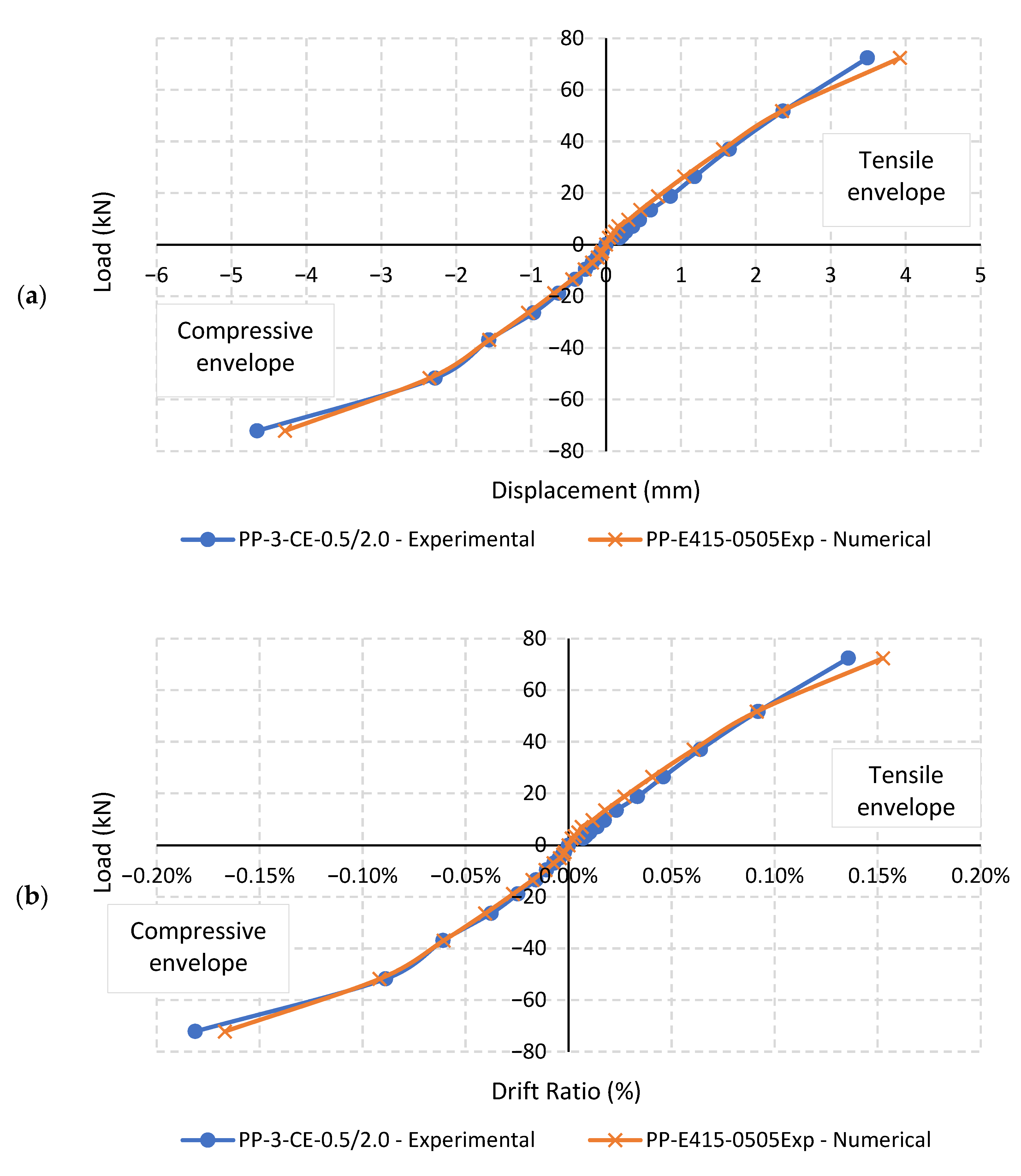
Furthermore, another advantage of the developed numerical model was its ability to satisfactorily predict the loading-displacement envelope, as illustrated in
Figure 18, up to the point at which the analysis was conducted. The deviations from the experimental values were small (
Table 6). Given the asymmetry presented in the experiment, the errors on the tensioned branch were higher in the first cycles. But as the load increased, the errors decreased to a minimum of 0.68% in the tenth load increment. Furthermore, the largest deviations occurred when the displacements were small, below 0.70 mm. At this order of magnitude, any variation in the experimental measurement greatly increases the relative deviation. Thus, the model is considered adequate.
As observed in
Table 6, the displacements decrease sharply compared to the empty-frame model, with a maximum drift ratio of 0.17% under a load of 72.17 kN (
Figure 18b). For the empty frame, the maximum drift ratio was 1.05% under a load of 51.86 kN (
Figure 11c). These results demonstrate the efficiency of masonry as a bracing element.
3.3. Comparison Between Experimental Tests and the Numerical Model
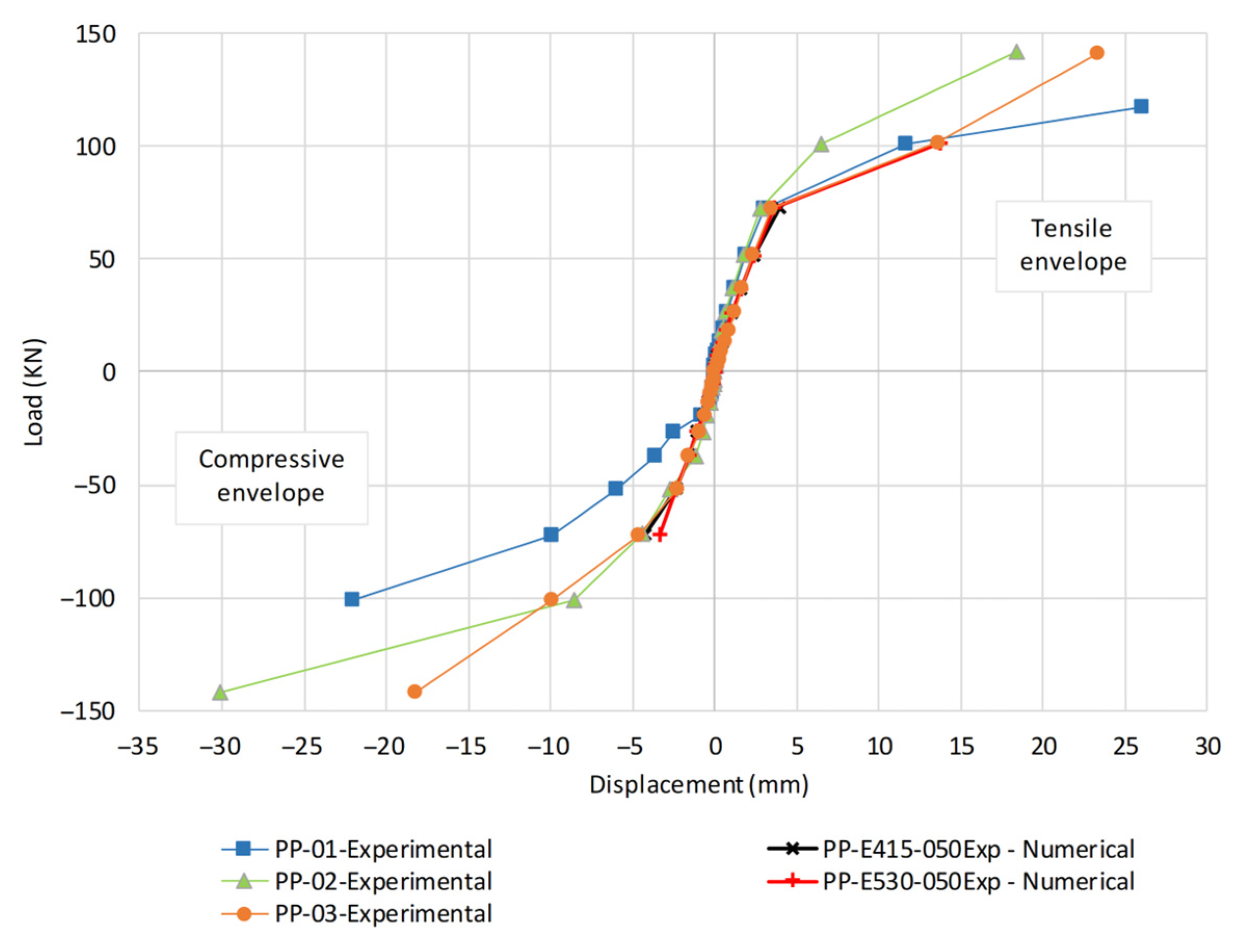
Figure 19 displays the envelopes derived from the numerical model developed in this study alongside those from the three frames tested by De Grandi [
41]. Despite not extending until the final experimentally applied loading cycle (due to the limitations of the implicit algorithm), the numerical model successfully anticipated the initiation of masonry collapse and accurately represented the load–displacement envelope of the structure, thus affirming its validity.
It is noteworthy that although the numerical model was calibrated based on the third frame tested by De Grandi [
41], it also effectively represents the behavior observed in the second test. However, the results of the first tested frame, PP-1-0.5/2.0, notably deviate from the others in terms of the compression curve. De Grandi [
41] attributes this discrepancy to the absence of stiffening in the connection angles, unlike the other frames, which likely influences the observed behavioral differences.
For loads exceeding 70 kN, it is evident that experimentally obtained envelopes diverge. This is primarily due to the masonry having reached a significant level of cracking. While there may be a discernible pattern in degradation, it varies from one test to another due to the inherent heterogeneity and complexity of the material, as noted by Asteris et al. [
42]. Consequently, depending on the intensity and timing of crack occurrence, the resulting displacement of the filled frame may exceed initial expectations. Regarding the numerical model, at a load of 70 kN, the model has already begun to deal with a high level of cracks. Above 70 kN, the damage to the structure increases significantly, causing the model to fail to converge using the ABAQUS implicit algorithm. However, as the 70 kN load already indicates a loss of masonry efficiency in the bracing of the frame, which means the structure no longer meets its serviceability limit state, it was considered that the numerical model was sufficient. The model effectively predicted the load at which cracks would appear and intensify.
Regarding the stiffness contributed by the participating masonry to the steel frame, a notable difference is observed. In the case of the empty frame, under a load of approximately 50 kN, displacements range from 25 mm to 30 mm. Conversely, in the filled frame, these displacements are approximately 10 times smaller. The study conducted by Kumar and Tripathi [
20] further emphasizes the contribution of masonry to frame stability. Their analysis revealed that empty frames, spanning 1 or 2 floors, exhibited increased displacements and lower resistance to lateral loads compared to masonry-filled frames. This underscores the potential of structural masonry panels in reinforcing steel structures, highlighting the substantial improvement in stiffness they provide.
3.4. Effect of Friction Between Masonry and Steel Frame
Friction occurs when two rough surfaces come into contact and tend to slide over each other. The greater the roughness, the greater the friction. Masonry is clearly rough. On the other hand, steel profiles have a smoother appearance due to the production and treatment process. Even so, there is a roughness in the steel that, when in contact with the masonry, will generate friction during the movement of the infilled frame when subjected to load. This friction partially restricts the movement of the surfaces in contact, resulting in less displacement of the frame. In addition, friction contributes to a better distribution of stresses, which minimizes damage to the structure. Therefore, in order to have a behavior that is more faithful to reality, it is important to consider the influence of friction between the steel frame and the masonry.
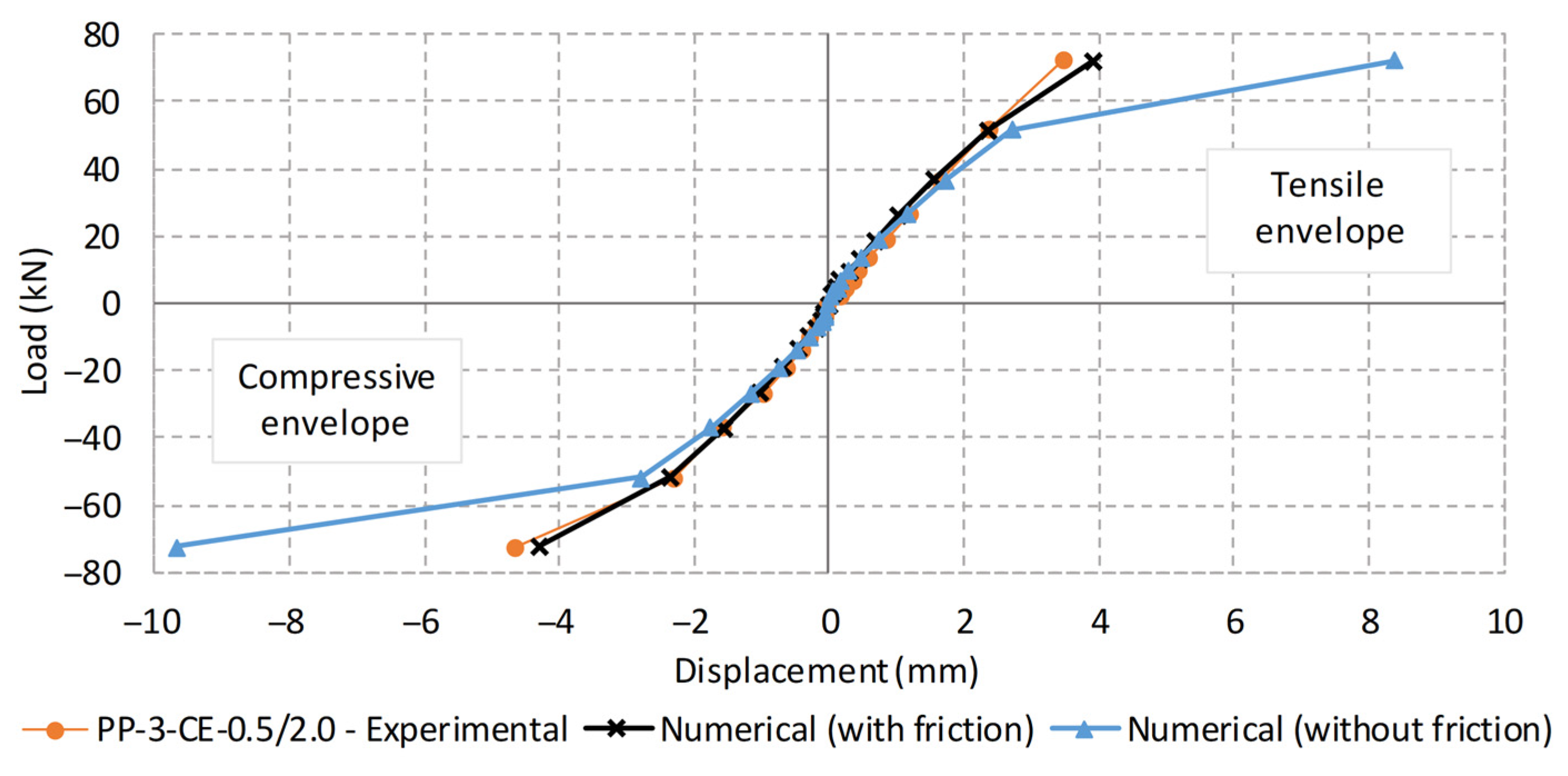
The influence of friction between the steel frame and the masonry panel on the system’s behavior was assessed by comparing the results of the numerical model PP-E415-050Exp with those of a similar model but with a zero-friction coefficient.
Figure 20 illustrates that zero friction renders the structure more susceptible to displacement, particularly for loads exceeding 50 kN. Similar findings were noted by Bhaskar, Bhunia and Palchuri [
14], where the absence of friction in the blocks led to an overestimation of the maximum lateral displacement in the numerical results by approximately 18.5%.
Additionally, increases in masonry damage and separation between blocks are evident, as depicted in
Figure 21 and
Figure 22, respectively. In both models, the integrity of the masonry is compromised after the initial 70 kN load to the right. However, in the model accounting for friction, the involvement of the masonry is significantly less extensive and more localized compared to the model where friction is disregarded. Friction ensures better stress distribution within the masonry, reducing damage and preserving the panel’s structural integrity for a longer period.
Conversely, when friction is neglected, the stress distribution is impaired, favoring material degradation and unit separation. This process leads to a significant reduction in frame stiffness compared to models that account for frictional effects.
A similar analysis with friction coefficients varying between 0.4, 0.7 and 1.0 was carried out by Liu, Bai and Fu [
70], which concluded that the friction force has a low contribution while the mortar resists shear. However, upon reaching maximum shear load, mortar failure occurs, and friction force becomes predominant. A lower coefficient of friction results in block sliding and breakage under lower forces, while a higher coefficient leads to increased block resistance and reduced relative movement, enhancing overall wall displacement resistance before failure. Hence, increased friction enhances wall ductility, supporting greater deformations and resisting higher loads, while decreased friction increases wall fragility [
70].
These findings underscore the significant impact of friction between masonry and frame, especially under higher loads. Consequently, contrary to suggestions by Margiacchi et al. [
57], neglecting friction simplifications should be avoided. It is essential to thoroughly analyze each case’s specific characteristics to ensure an accurate representation of structural behavior.



 ,
,