
Dynamics of First Home Selection for New Families in Riyadh: Analyzing Behavioral Trade-Offs and Spatial Fit
Abstract
1. Introduction
2. Literature
2.1. The Evolving Concept of Housing Affordability and Suitability
2.2. The Saudi Context: Vision 2030, Demographics, and Market Dynamics
2.3. International Policy Models and Behavioral Insights
2.4. Research Gap and Study Hypotheses
3. Materials and Methods
3.1. Quantitative Phase: Multi-Criteria Decision Analysis (MCDA)
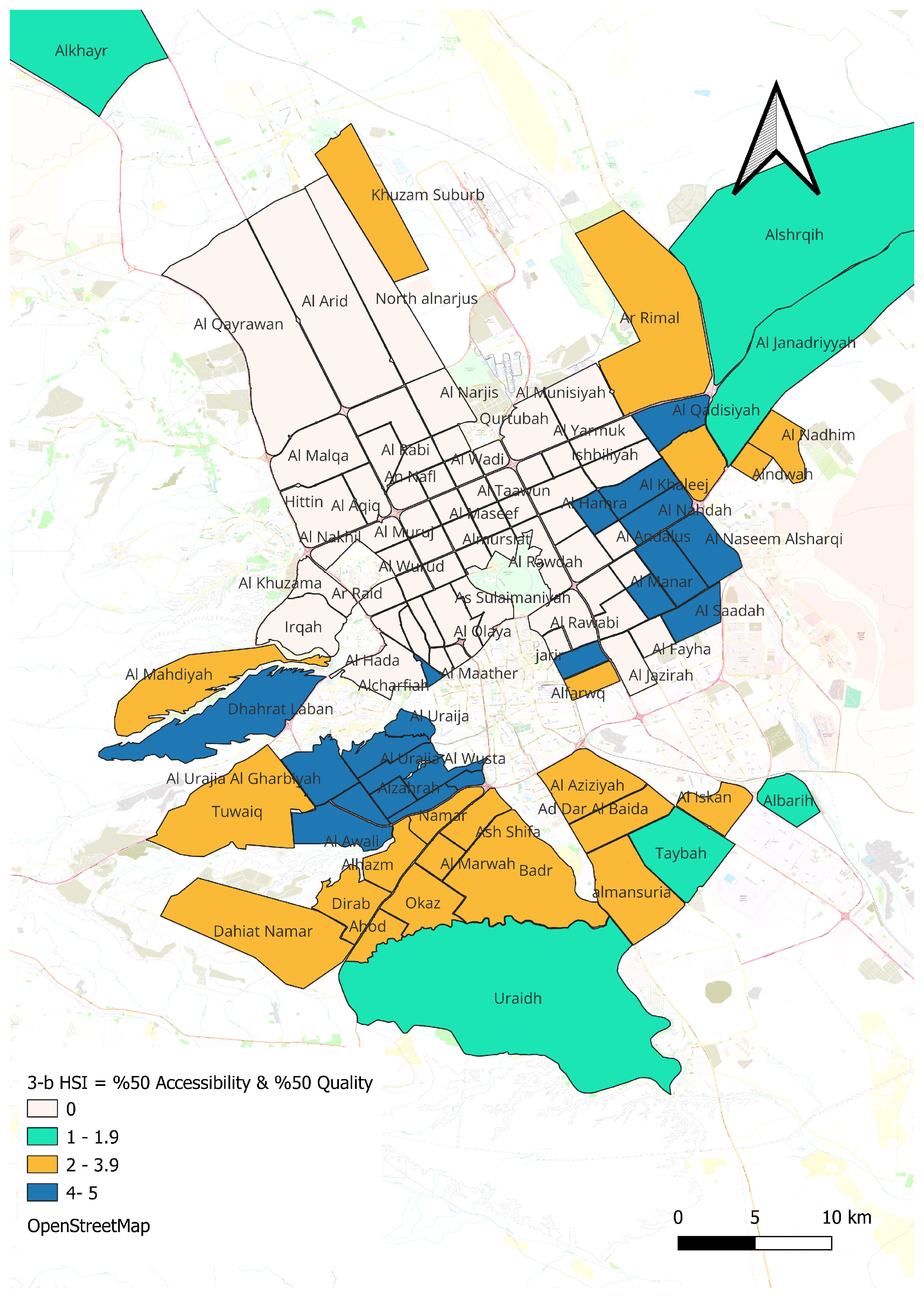
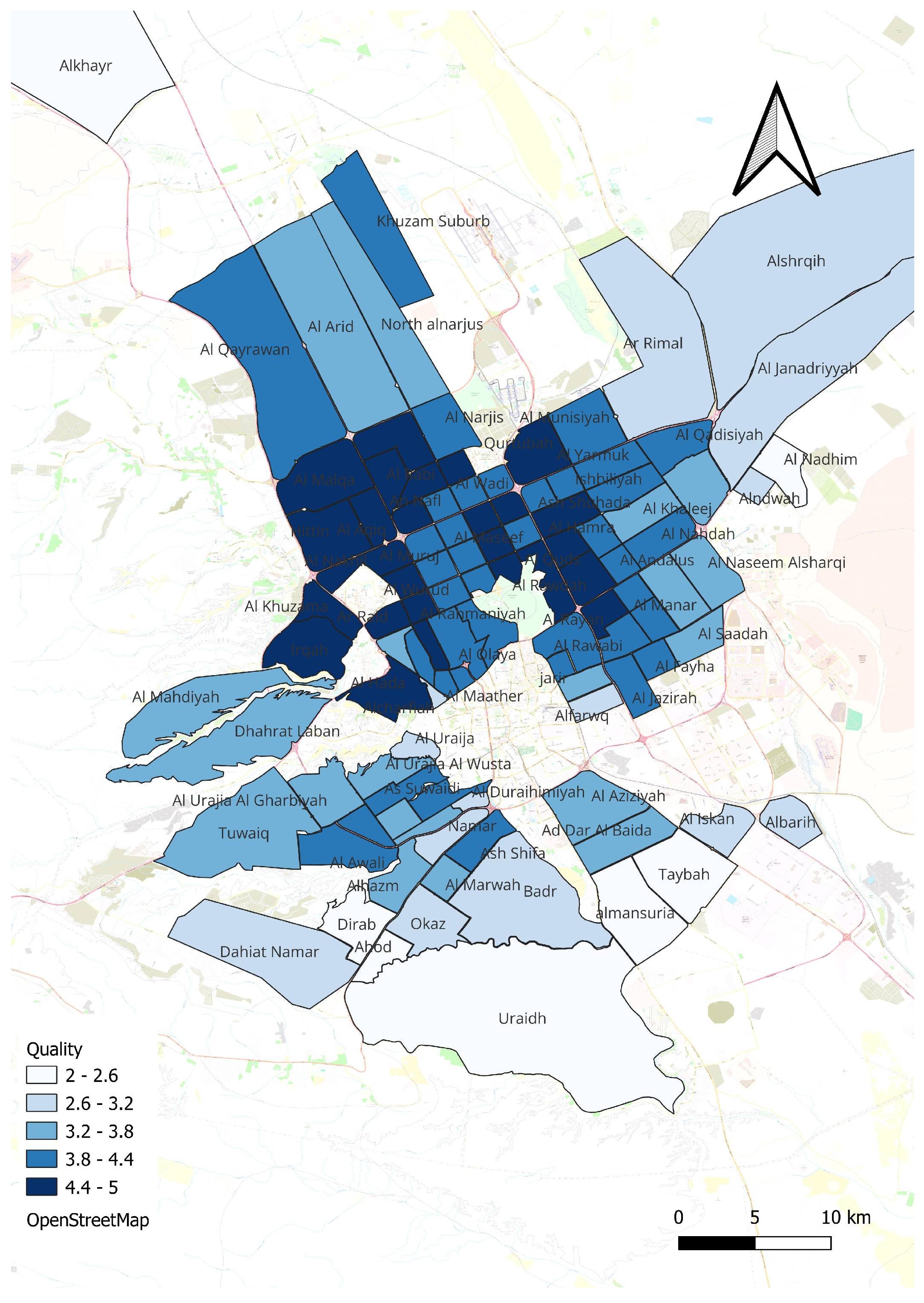
- Quality of Urban Life: Measured on a 1–5 scale using criteria derived from UN-Habitat indicators [5], including infrastructure, health/education facilities, and green space.
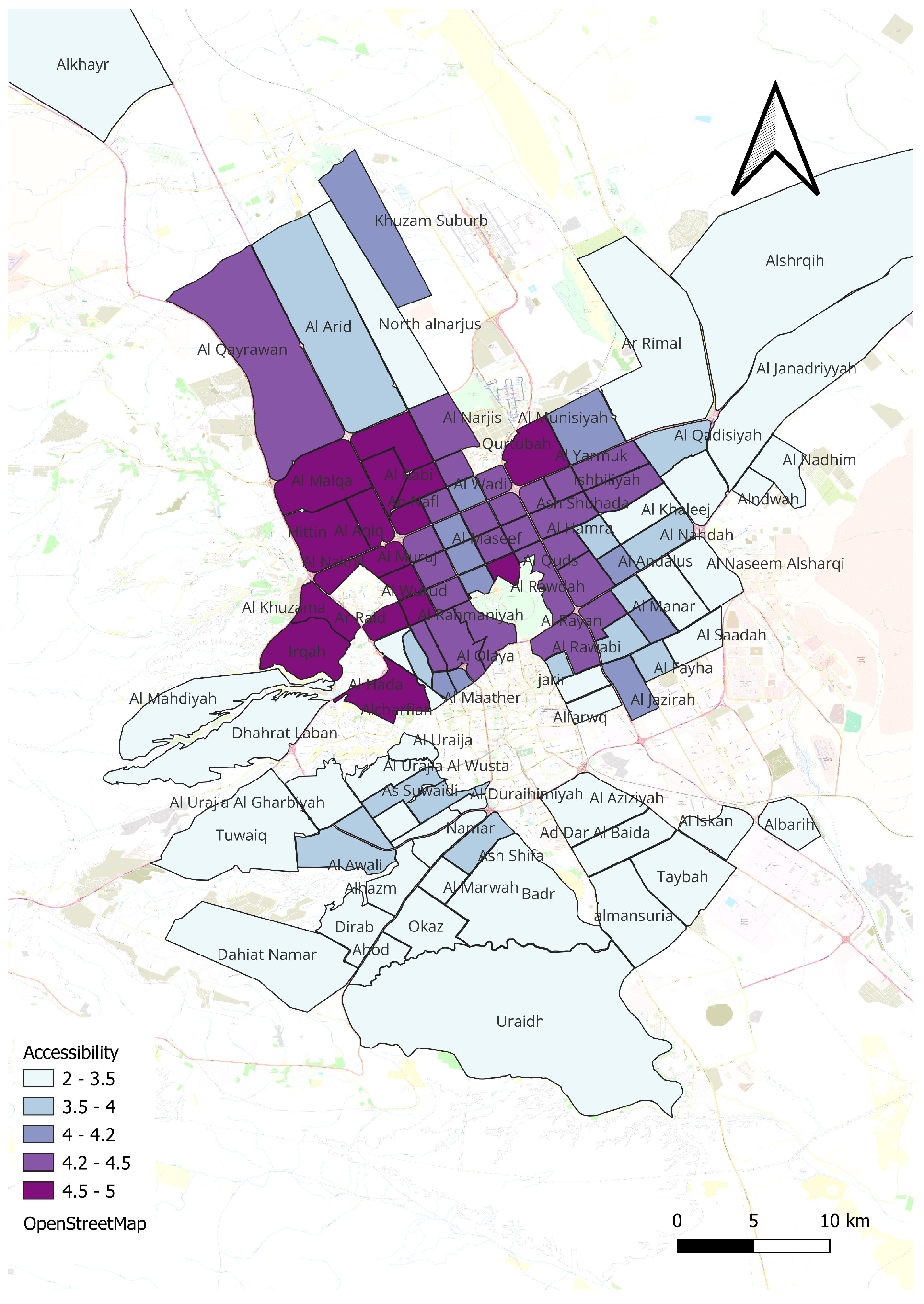
- Geographical Accessibility: Measured on a 1–5 scale based on connectivity to major roads, the city center, and public transit nodes like the Riyadh Metro [22].
3.2. Qualitative Phase: Focus Group Analysis
- Group A (Supply-side): This cohort consisted of eight participants from real estate development firms. The sample was split equally between four decision-makers from major national developers (portfolios exceeding 1000 units) and four from mid-sized local firms (portfolios exceeding 100 units), capturing a range of supply-side perspectives. Demographically, the group was predominantly male (7, 87.5%), with one female participant (1, 12.5%). Regarding educational attainment, 37.5% (3) held Bachelor’s degrees, while 62.5% (5) possessed postgraduate qualifications (Master’s/PhD). All eight participants (100%) were actively employed.
- Group B (Demand-side): This group comprised eight participants representing the demand-side of the market, specifically heads of new families (household formation within the last 5 years). All participants belonged to the target middle-income bracket, with confirmed household incomes between SAR 10,000 and SAR 16,000 per month. The gender composition included six males (75%) and two females (25%). Educationally, 62.5% (5) held a Bachelor’s degree, while 37.5% (3) held a Master’s or PhD. All participants (100%) were employed heads of households. This cohort was recruited through two primary channels: (1) collaboration with real estate agencies to access active clients, and (2) university alumni networks to reach graduates who started families within the last three years.
4. Results
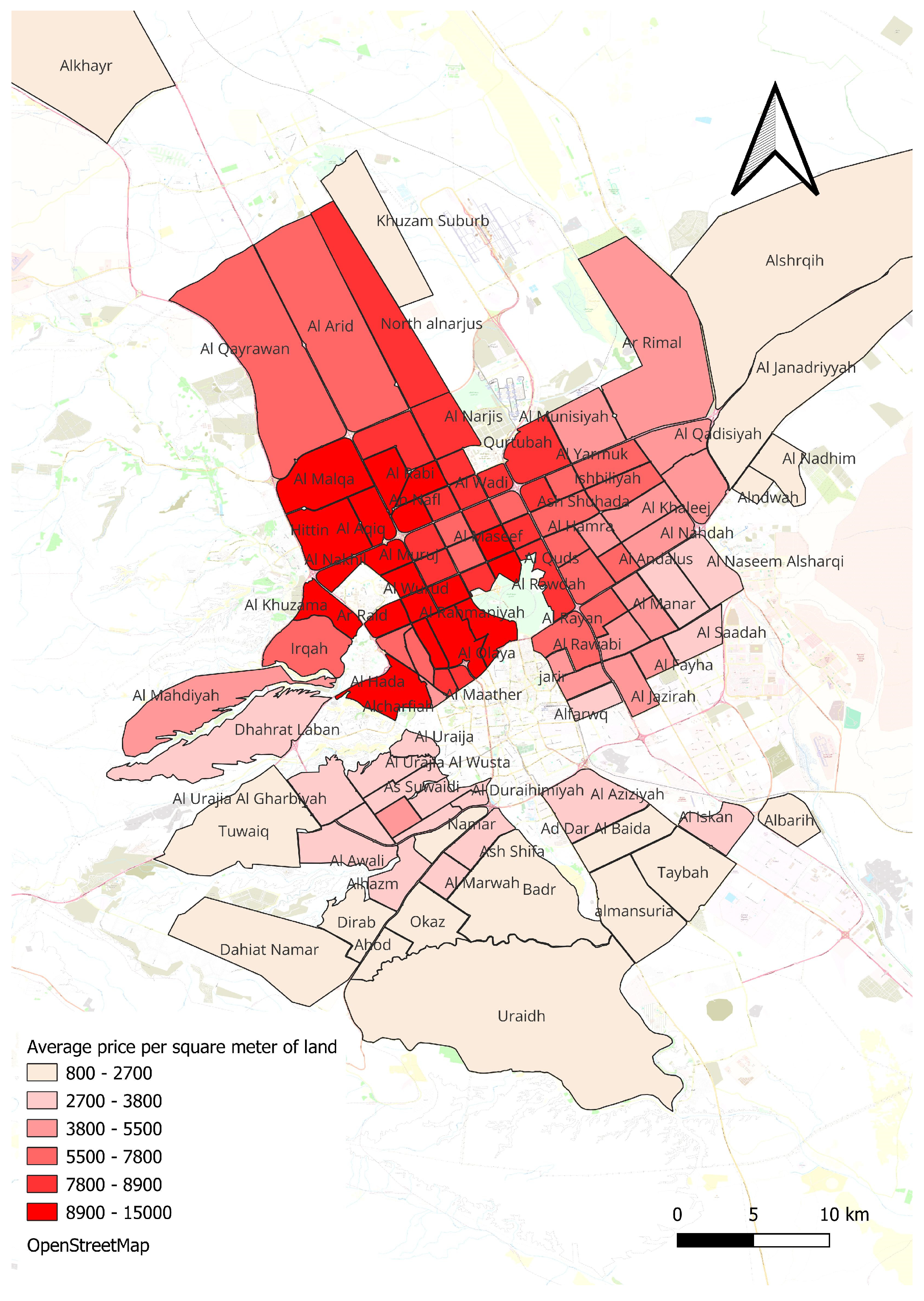
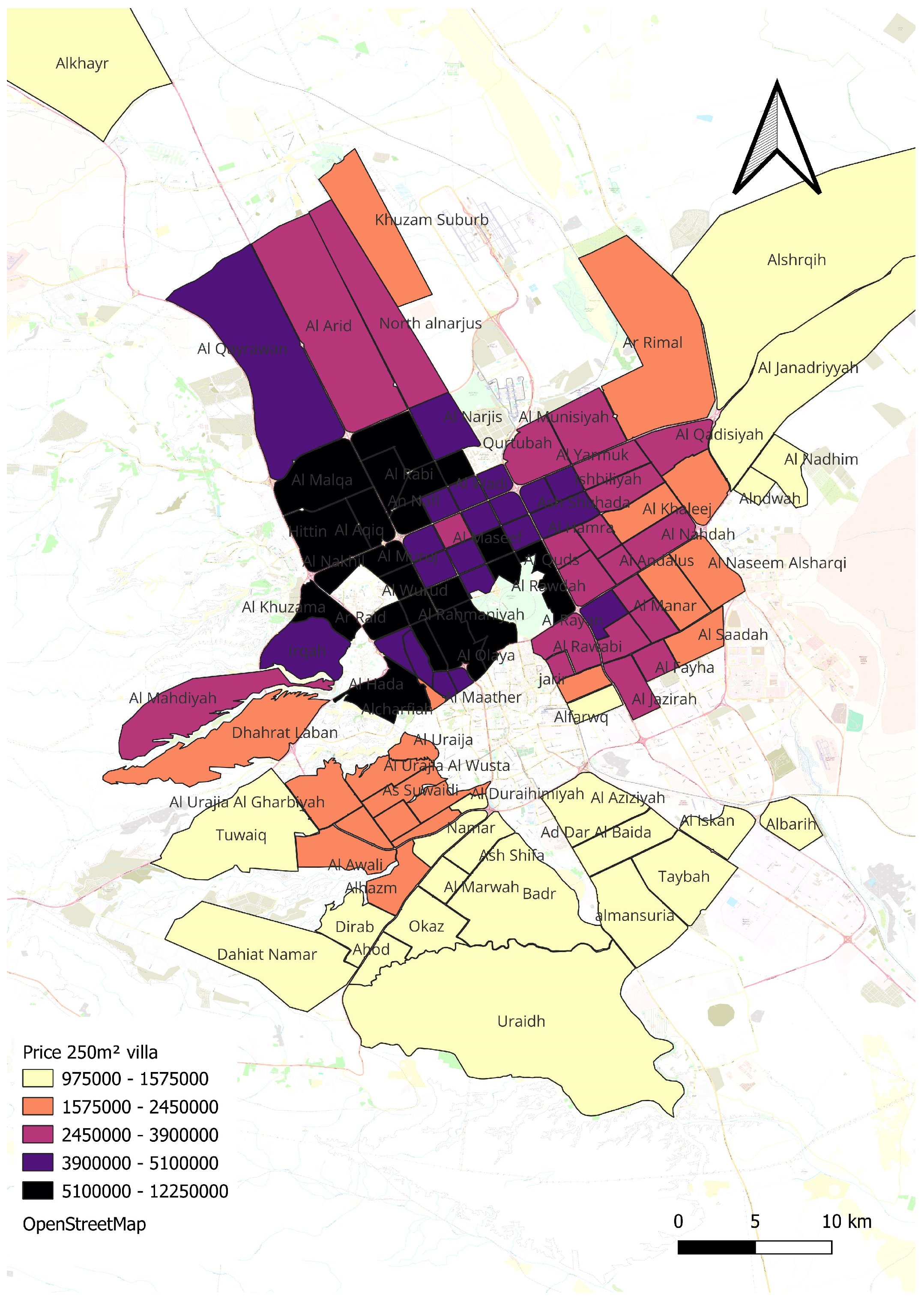
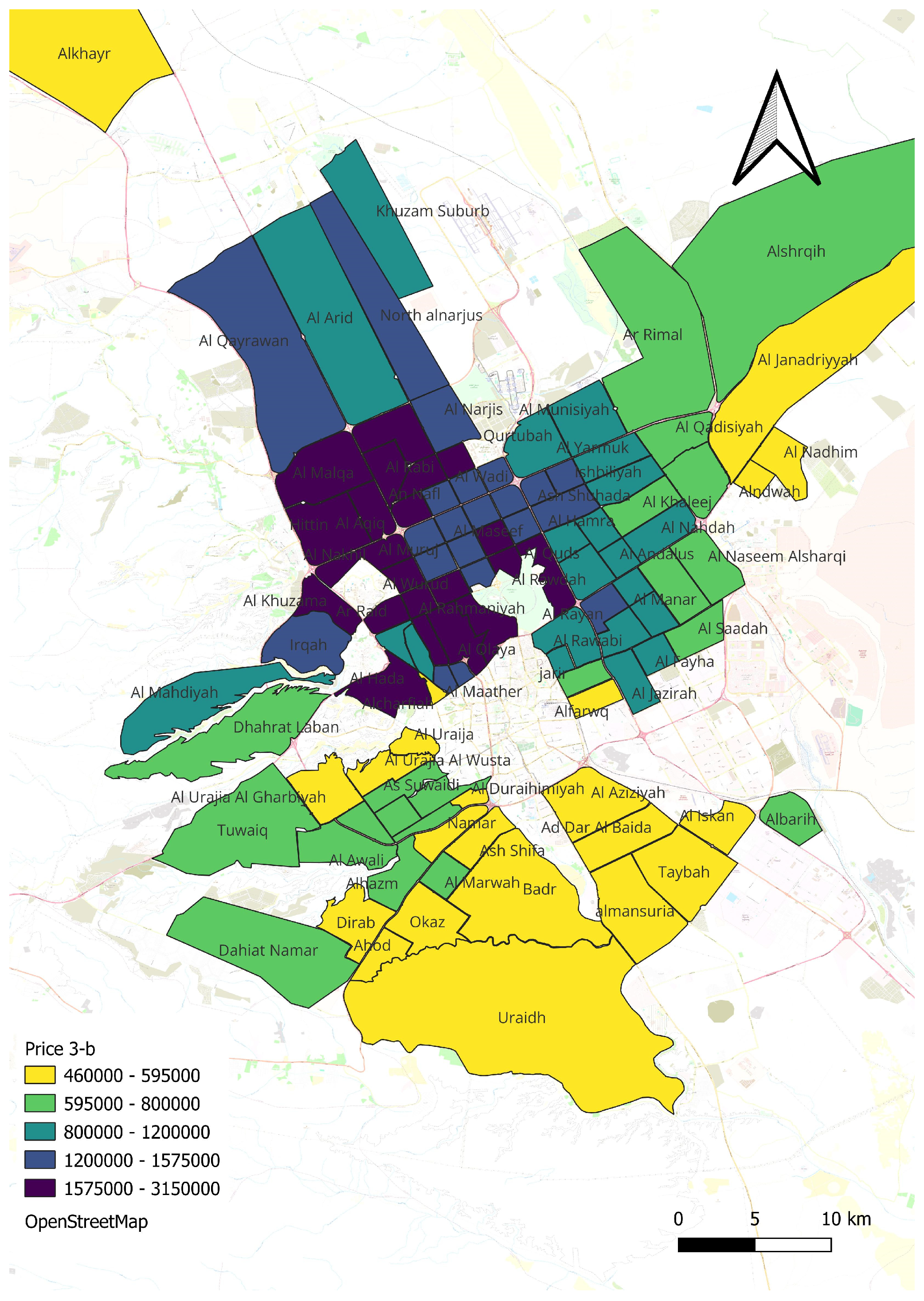
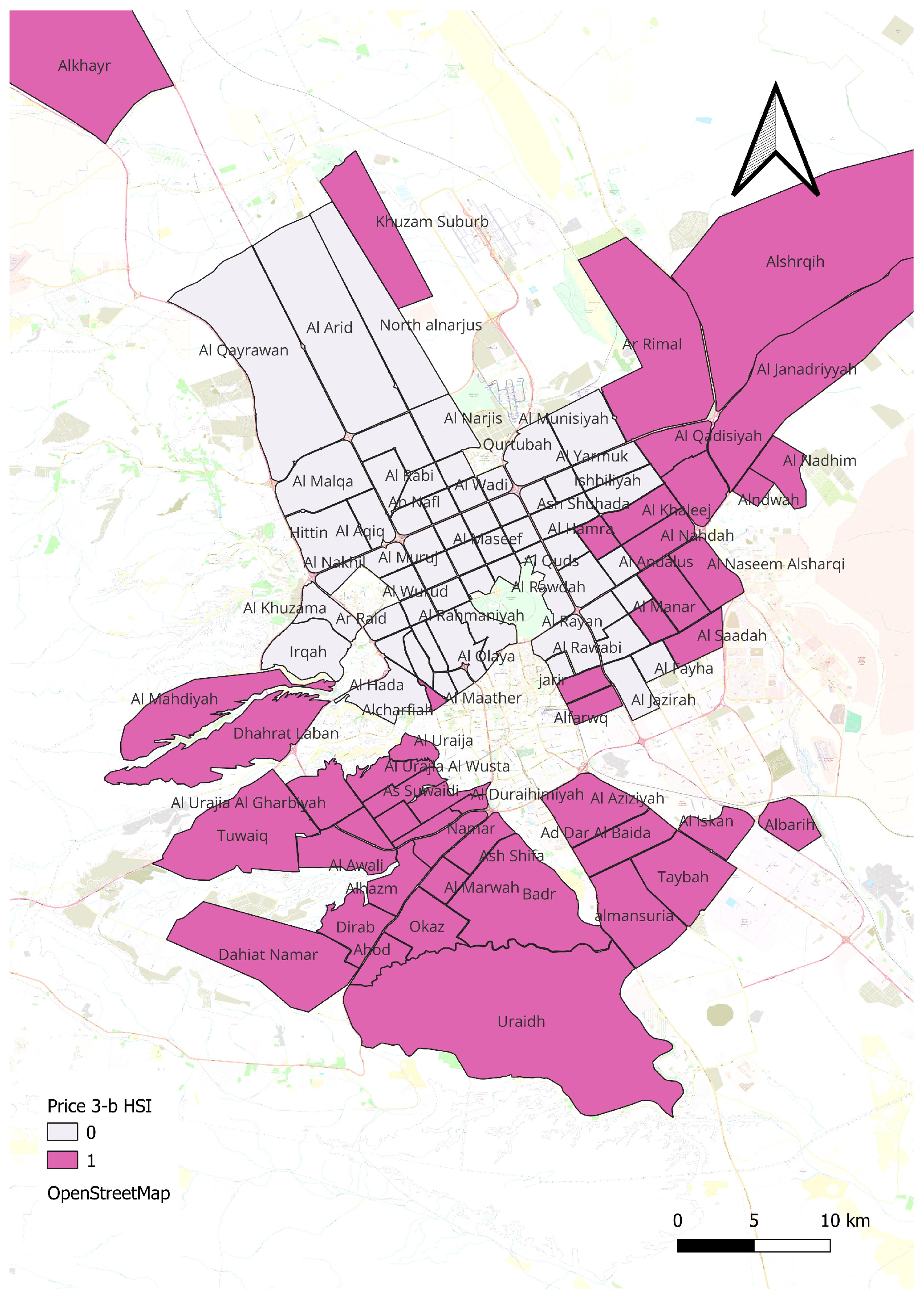
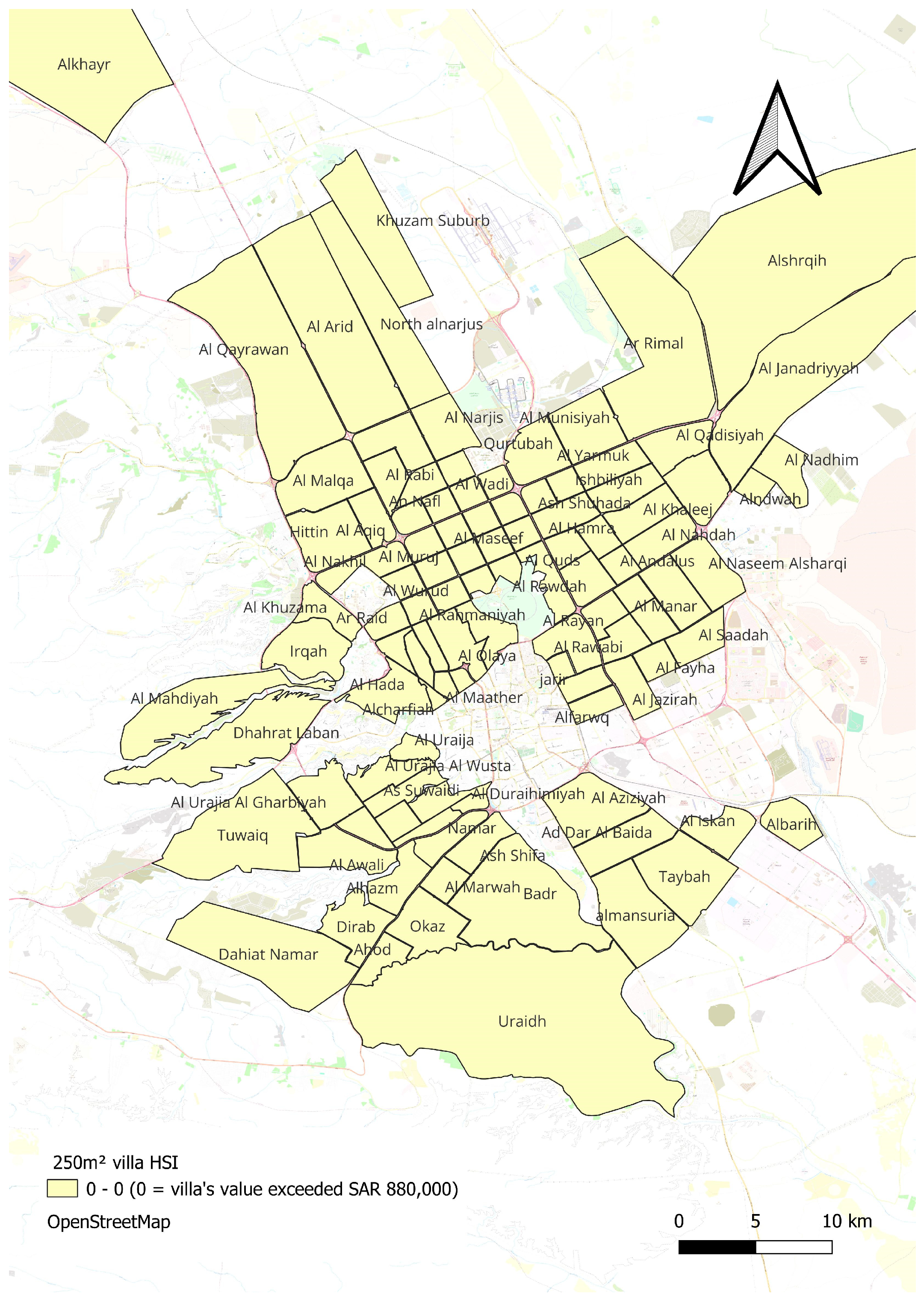
4.1. Qualitative Spatial Analysis: Multi-Criteria Decision Analysis (MCDA)
4.2. Qualitative Behavioral Analysis: Findings from Focus Groups
5. Discussion
6. Conclusions
- Strategic State Intervention in Land Markets: Provide subsidized land parcels or land-banking mechanisms in well-connected locations to de-risk affordable development. Primary Actor: Ministry of Municipalities and Housing/Arriyadh Development Authority. Scale: Initial pilot in 2–3 strategic corridors. Horizon: Medium-term (3–5 years).
- Consumer Protection Mechanisms: Address the trust gap through transparent, enforceable quality standards and mandatory warranty systems for new affordable housing. Primary Actor: Ministry of Commerce in partnership with the Saudi Standards, Metrology and Quality Organization. Scale: National regulation. Horizon: Short- to medium-term (1–3 years).
- Innovative Financial Products: Develop progressive, career-linked mortgages that align repayment schedules with expected income growth for young professionals, alongside targeted construction financing for certified projects. Primary Actor: Saudi Central Bank (SAMA) & Real Estate Development Fund (REDF) in partnership with banks. Scale: National program with pilot testing. Horizon: Short-term pilot (1–2 years), followed by scaling.
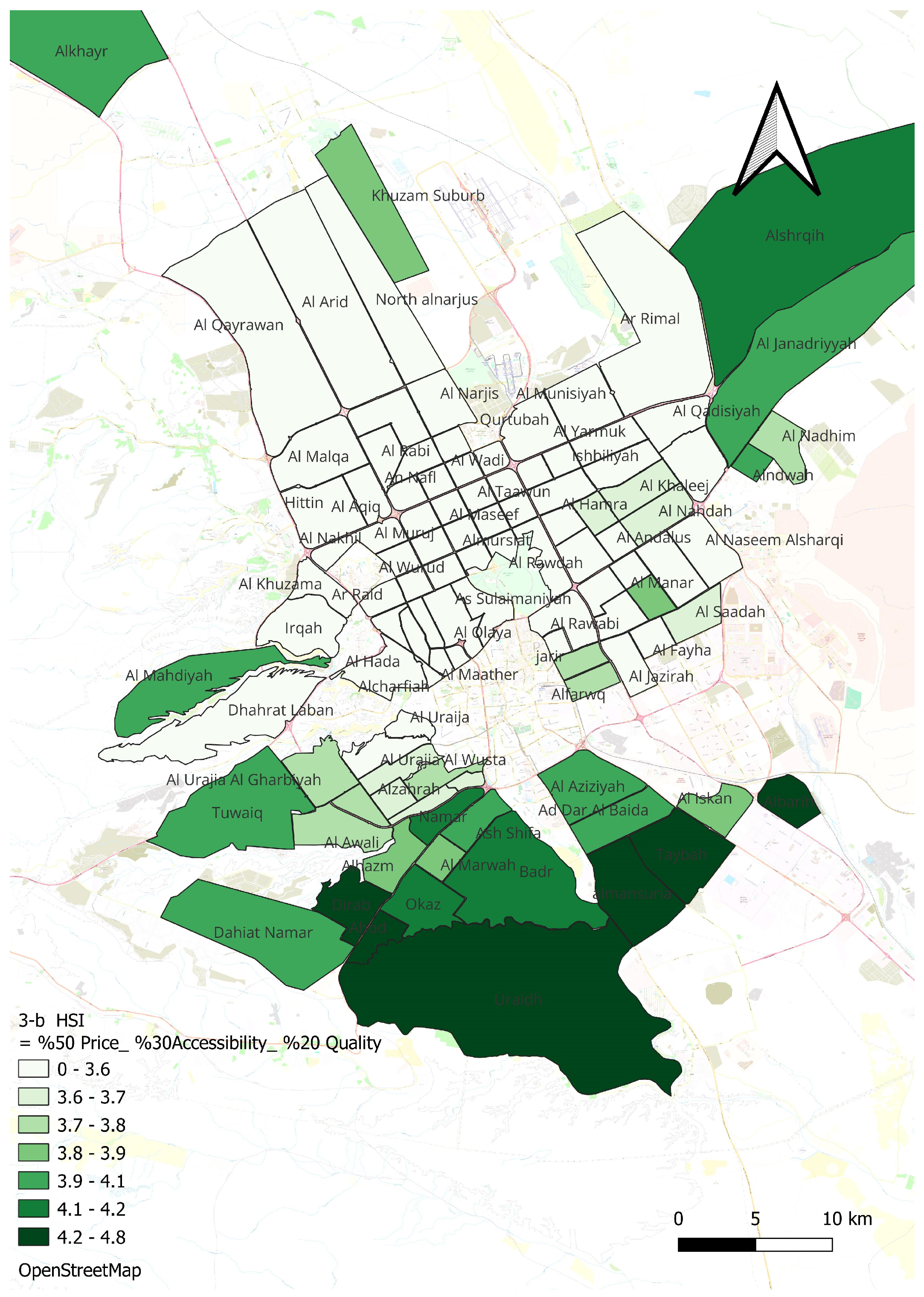
- Integration of Suitability Indices into Planning: Institutionalize the use of suitability indices like the HSI in urban planning and zoning decisions to direct public investment and incentivize private development toward logistically connected, sustainable communities. Primary Actor: Royal Commission for Riyadh City (RCRC) and municipal planners. Scale: City-wide integration into master plans. Horizon: Medium-term (2–4 years).
Funding
Institutional Review Board Statement
Informed Consent Statement
Data Availability Statement
Conflicts of Interest
References
- Vision 2030. Saudi Vision 2030. Available online: https://www.vision2030.gov.sa/ (accessed on 20 January 2026).
- General Authority for Statistics. Population Estimates Statistics 2024; General Authority for Statistics: Riyadh, Saudi Arabia, 2024.
- United Nations Development Programme (UNDP). Arab Human Development Report 2022: Expanding Opportunities for an Inclusive and Resilient Recovery in the Post-Pandemic Era; UNDP Regional Bureau for Arab States: New York, NY, USA, 2022. [Google Scholar]
- Ministry of Housing. The Housing Program Delivery Plan (2021–2025); Saudi Vision 2030: Riyadh, Saudi Arabia, 2021. Available online: https://www.vision2030.gov.sa/media/u2cd14pq/2021-2025-housing-program-delivery-plan-en.pdf (accessed on 20 January 2026).
- UN-Habitat. New Urban Agenda; United Nations: Quito, Ecuador, 2017. [Google Scholar]
- Future Saudi Cities Programme. Saudi Cities Report; Ministry of Municipal and Rural Affairs: Riyadh, Saudi Arabia, 2019.
- Alshuwaikhat, H.M.; Mohammed, I. Sustainability matters in national development visions—Evidence from Saudi Arabia’s vision for 2030. Sustainability 2017, 9, 408. [Google Scholar] [CrossRef]
- Mallach, A. The Missing Middle: How an Overemphasis on Homeownership and Neglect of the Rental Housing Stock Contribute to the Affordable Housing Crisis; Brookings Institution: Washington, DC, USA, 2019. [Google Scholar]
- Creswell, J.W.; Plano Clark, V.L. Designing and Conducting Mixed Methods Research, 3rd ed.; SAGE Publications: Thousand Oaks, CA, USA, 2017. [Google Scholar]
- Stone, M.E. What is housing affordability? The case for the residual income approach. Hous. Policy Debate 2006, 17, 151–184. [Google Scholar] [CrossRef]
- Geurs, K.T.; van Wee, B. Accessibility evaluation of land-use and transport strategies: Review and research directions. J. Transp. Geogr. 2004, 12, 127–140. [Google Scholar] [CrossRef]
- World Bank. Stocktaking of the Housing Sector in the Arab Republic of Egypt; Report No. 96323-EG; World Bank: Washington, DC, USA, 2015. [Google Scholar]
- The Housing Program—Vision 2030. Available online: https://www.vision2030.gov.sa/en/explore/programs/housing-program (accessed on 1 July 2025).
- ROSHN Group. Integrated Communities; ROSHN Group: Riyadh, Saudi Arabia, 2023. [Google Scholar]
- Wu, F. Planning for Growth: Urban and Regional Planning in China; Routledge: Milton Park, UK, 2015. [Google Scholar]
- Czischke, D. Collaborative housing and housing providers: Towards an analytical framework of multi-stakeholder collaboration in housing co-production. Int. J. Hous. Policy 2018, 18, 55–81. [Google Scholar] [CrossRef]
- Jones, C.; Murie, A. The Right to Buy: Analysis and Evaluation of a Housing Policy; Blackwell Publishing: Oxford, UK, 2006. [Google Scholar]
- Phang, S.Y. Policy innovations for affordable housing in Singapore: From colony to global city. J. Hous. Built Environ. 2018, 33, 253–269. [Google Scholar] [CrossRef]
- Alasmari, F. Affordability, Preferences, and Barriers to Multifamily Housing for Young Families in Riyadh, Saudi Arabia. Buildings 2026, 16, 167. [Google Scholar] [CrossRef]
- Sakani Program. Available online: https://sakani.sa (accessed on 1 July 2025).
- Alhajri, M.F. Transformation of the Saudi Housing Sector through an Enabling Approach to Affordable Housing. Land 2024, 13, 718. [Google Scholar] [CrossRef]
- Arriyadh Development Authority. Riyadh Public Transport Project (Riyadh Metro); Arriyadh Development Authority: Riyadh, Saudi Arabia, 2023.
- Chakraborty, S.; Maity, I. Multi-Criteria Decision Making for Urban Development: A Systematic Review; Springer: Berlin/Heidelberg, Germany, 2020. [Google Scholar]
- Sharifi, A.; Murayama, A. A critical review of seven selected neighborhood sustainability assessment tools. Environ. Impact Assess. Rev. 2013, 38, 73–87. [Google Scholar] [CrossRef]
- Braun, V.; Clarke, V. Using thematic analysis in psychology. Qual. Res. Psychol. 2006, 3, 77–101. [Google Scholar] [CrossRef]
- Shaikh, F.A.; Talpur, M.A.H.; Chandio, I.A.; Kalwar, S. Factors Influencing Residential Location Choice towards Mixed Land-Use Development: An Empirical Evidence from Pakistan. Sustainability 2022, 14, 14604. [Google Scholar] [CrossRef]
- Al-Ghamdi, S.A. The role of subjective norms in theory of planned behavior in the context of organic food consumption. Br. Food J. 2019, 121, 156–174. [Google Scholar] [CrossRef]
- Alqahtany, A. Affordable housing in Saudi Arabia’s vision 2030: New developments and new challenges. Int. J. Hous. Mark. Anal. 2021, 14, 243–256. [Google Scholar] [CrossRef]
- Ministry of Municipal and Rural Affairs and Housing. Annual Housing Report 2024; Ministry of Municipal and Rural Affairs and Housing: Riyadh, Saudi Arabia, 2024.






Disclaimer/Publisher’s Note: The statements, opinions and data contained in all publications are solely those of the individual author(s) and contributor(s) and not of MDPI and/or the editor(s). MDPI and/or the editor(s) disclaim responsibility for any injury to people or property resulting from any ideas, methods, instructions or products referred to in the content. |
© 2026 by the author. Licensee MDPI, Basel, Switzerland. This article is an open access article distributed under the terms and conditions of the Creative Commons Attribution (CC BY) license.
Share and Cite
Alarabi, S. Dynamics of First Home Selection for New Families in Riyadh: Analyzing Behavioral Trade-Offs and Spatial Fit. Buildings 2026, 16, 570. https://doi.org/10.3390/buildings16030570
Alarabi S. Dynamics of First Home Selection for New Families in Riyadh: Analyzing Behavioral Trade-Offs and Spatial Fit. Buildings. 2026; 16(3):570. https://doi.org/10.3390/buildings16030570
Chicago/Turabian StyleAlarabi, Sameeh. 2026. "Dynamics of First Home Selection for New Families in Riyadh: Analyzing Behavioral Trade-Offs and Spatial Fit" Buildings 16, no. 3: 570. https://doi.org/10.3390/buildings16030570
APA StyleAlarabi, S. (2026). Dynamics of First Home Selection for New Families in Riyadh: Analyzing Behavioral Trade-Offs and Spatial Fit. Buildings, 16(3), 570. https://doi.org/10.3390/buildings16030570