Article

Experimental Study and Mechanical Performance Analysis of Reinforcement and Strengthening of Grouted Sleeve Connection Joints


1
Beijing Building Research Institute Corporation Limited of CSCEC, Beijing 100076, China
2
College of Civil Engineering and Transportation, Northeast Forestry University, Harbin 150040, China
*
Author to whom correspondence should be addressed.
Buildings 2026, 16(2), 275; https://doi.org/10.3390/buildings16020275

Submission received: 10 December 2025 / Revised: 29 December 2025 / Accepted: 5 January 2026 / Published: 8 January 2026
(This article belongs to the Section Building Materials, and Repair & Renovation)

Abstract

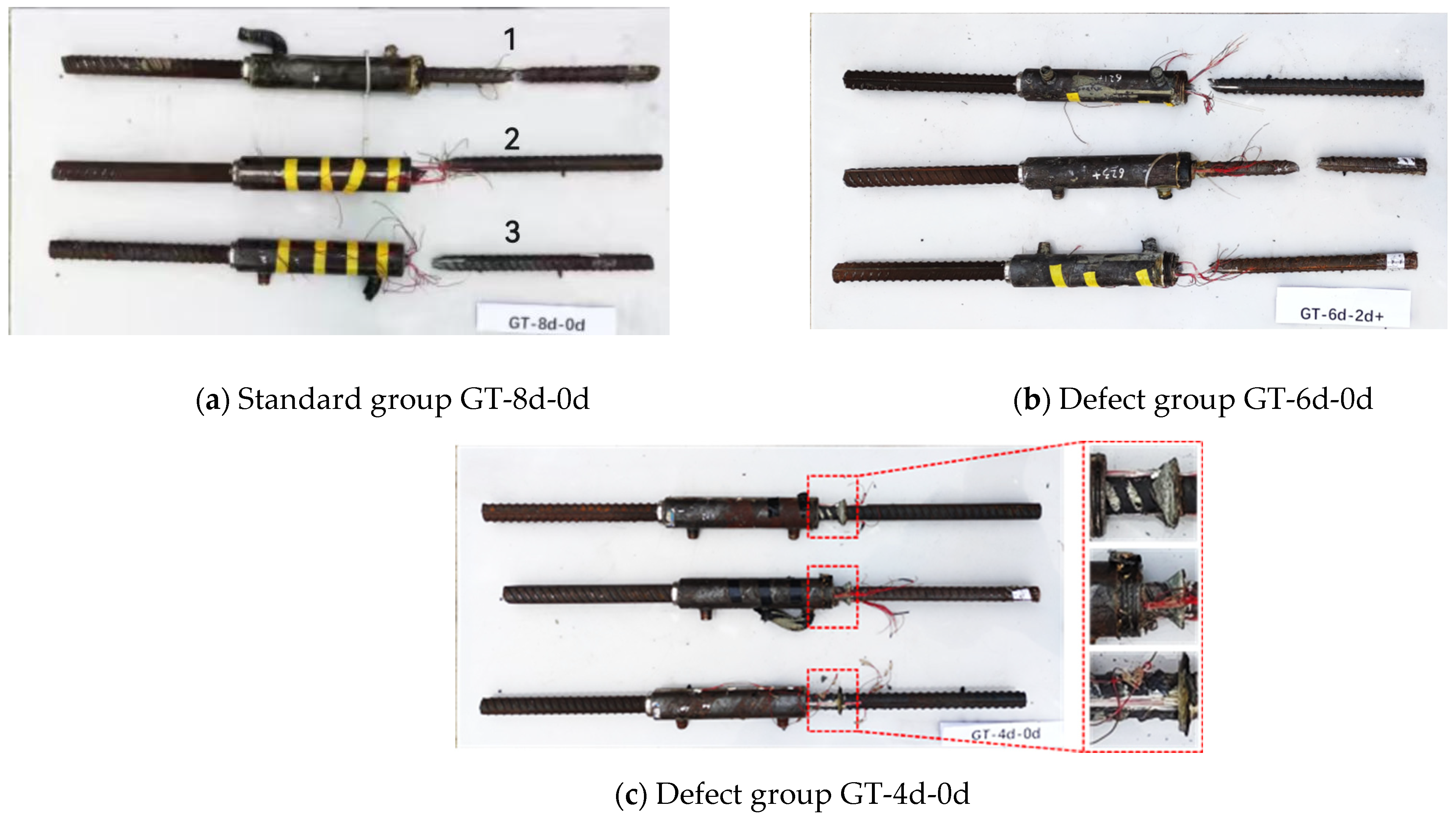
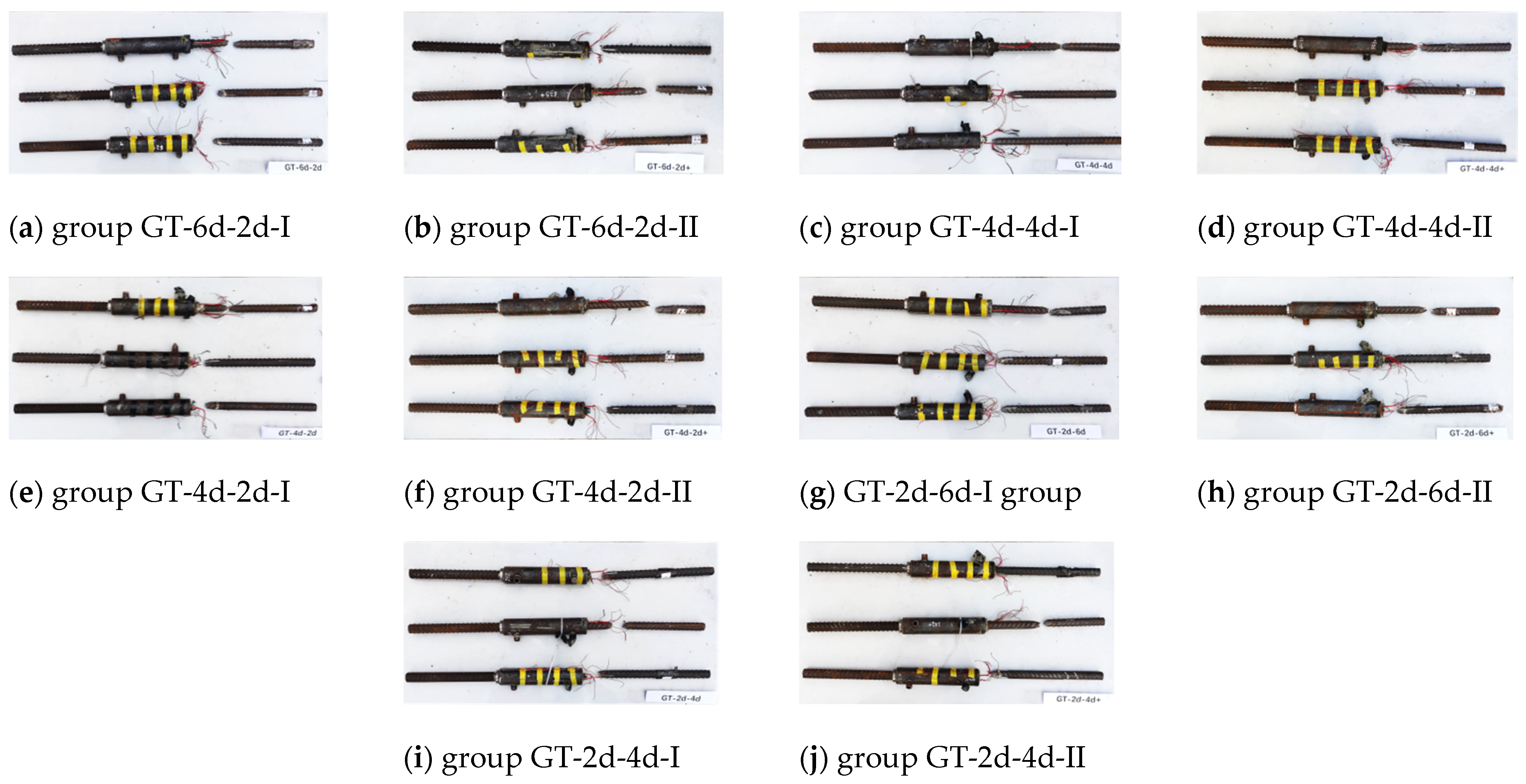
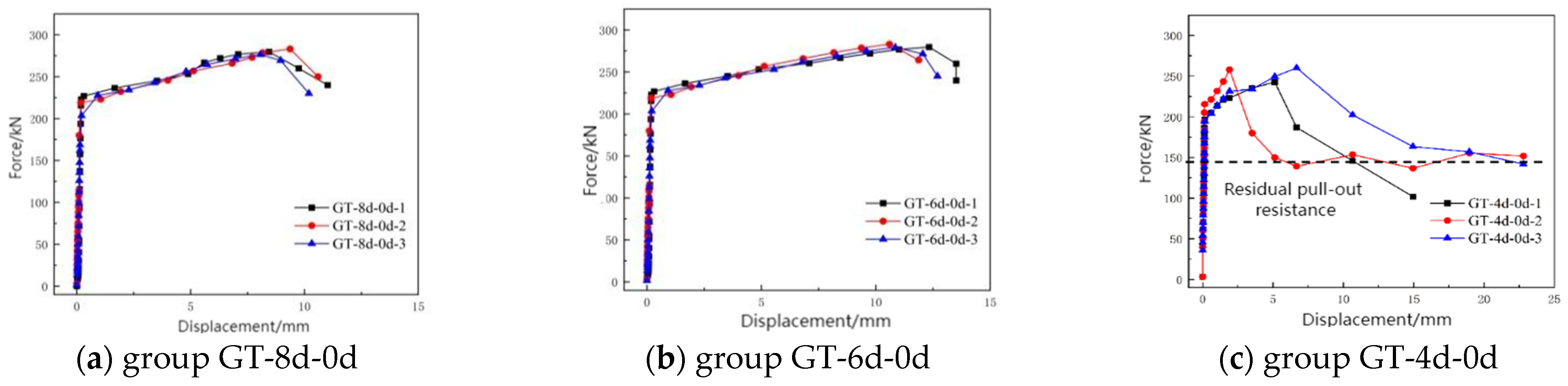
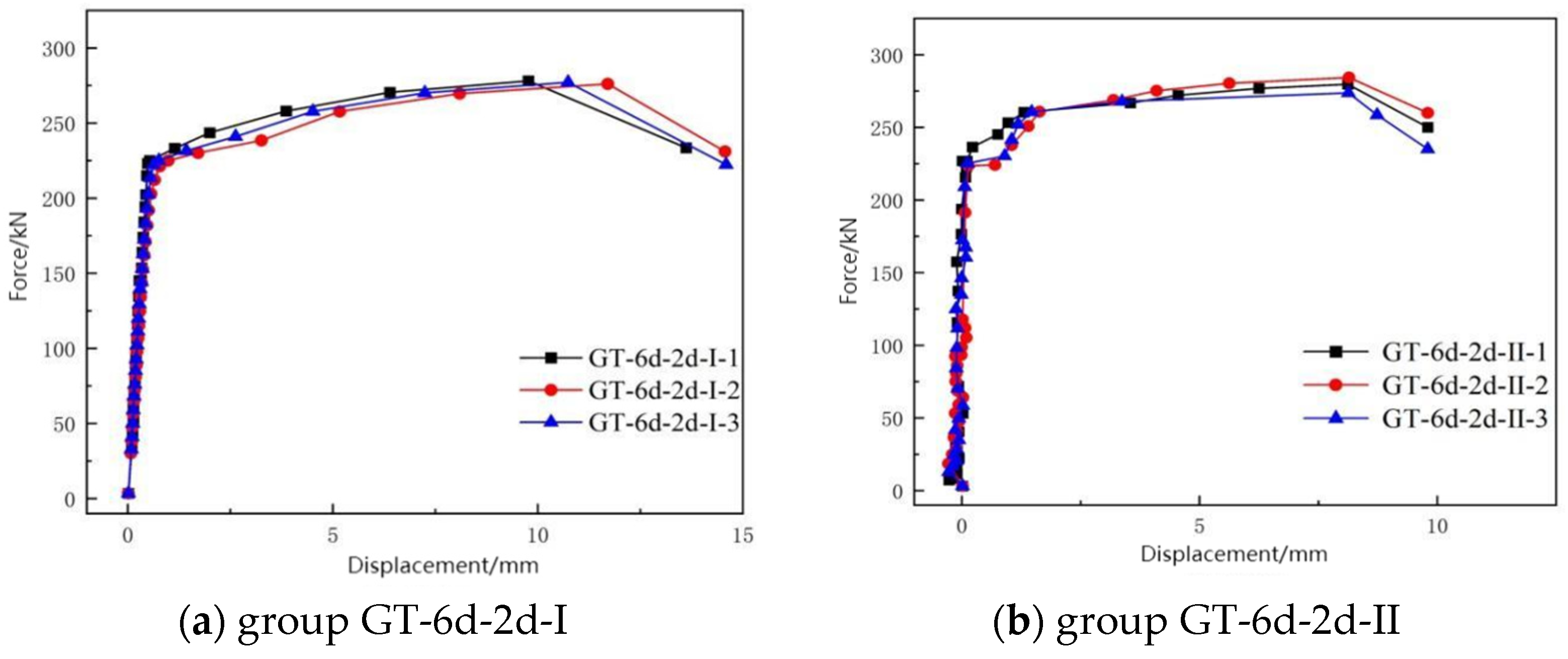
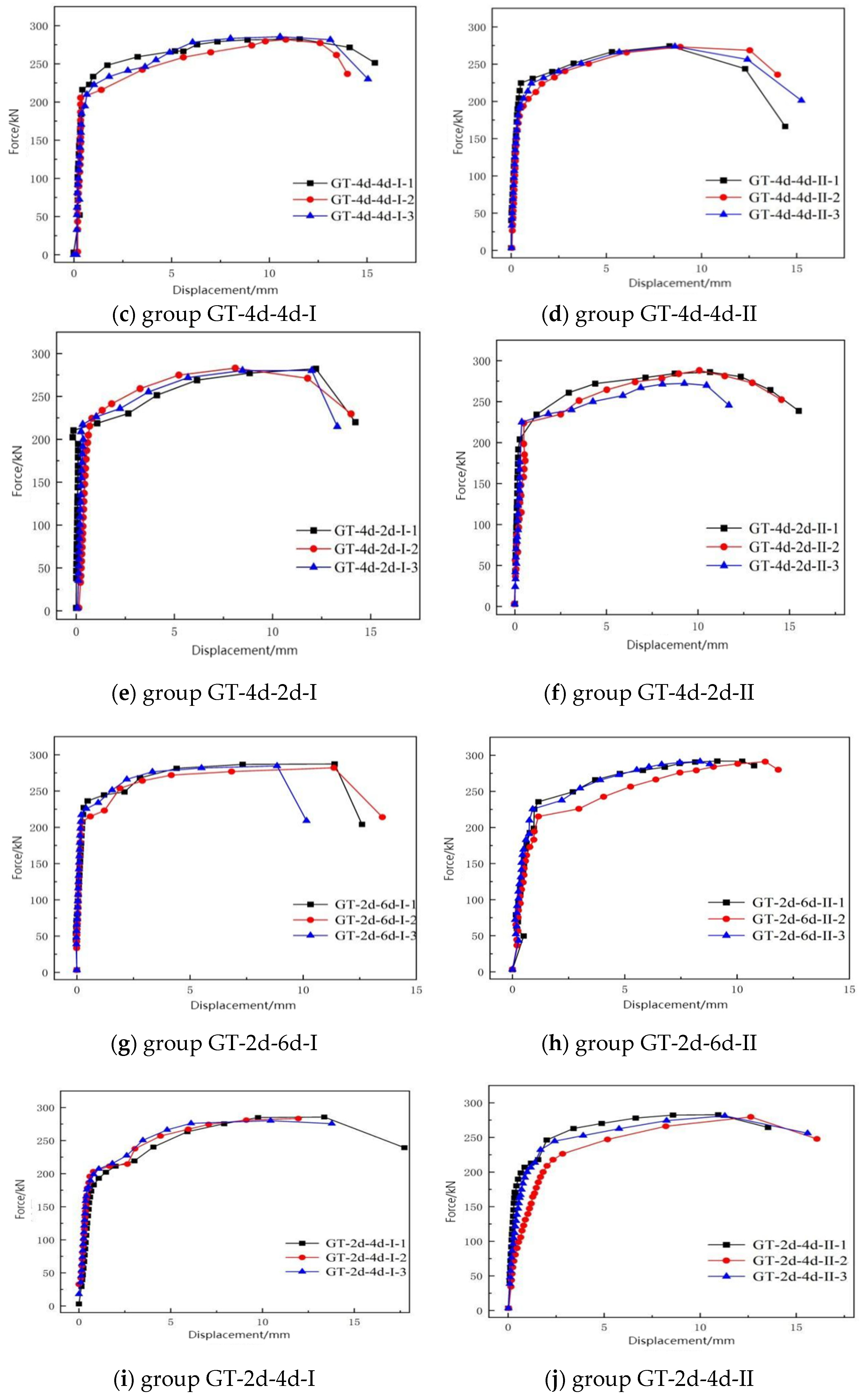
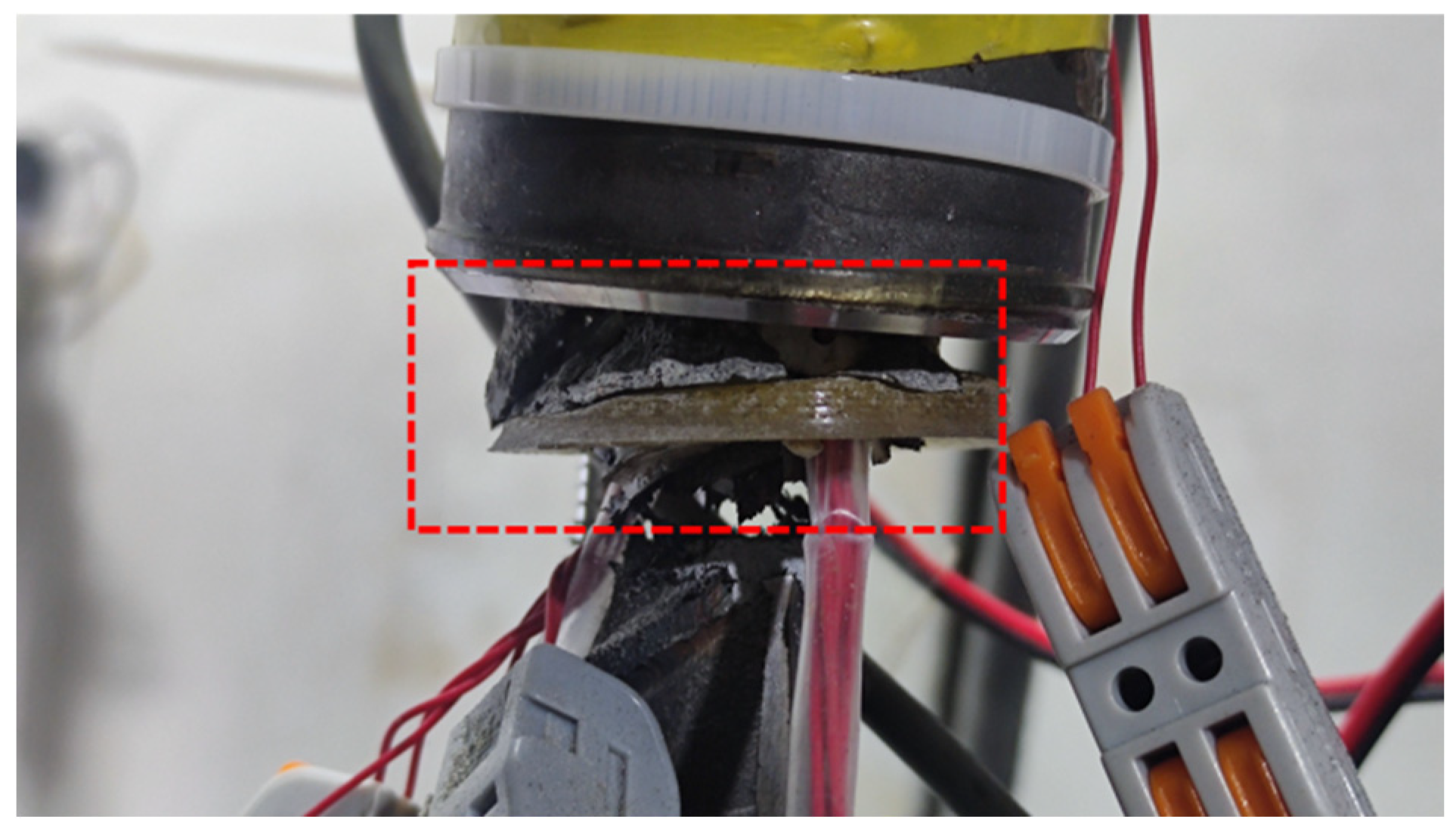
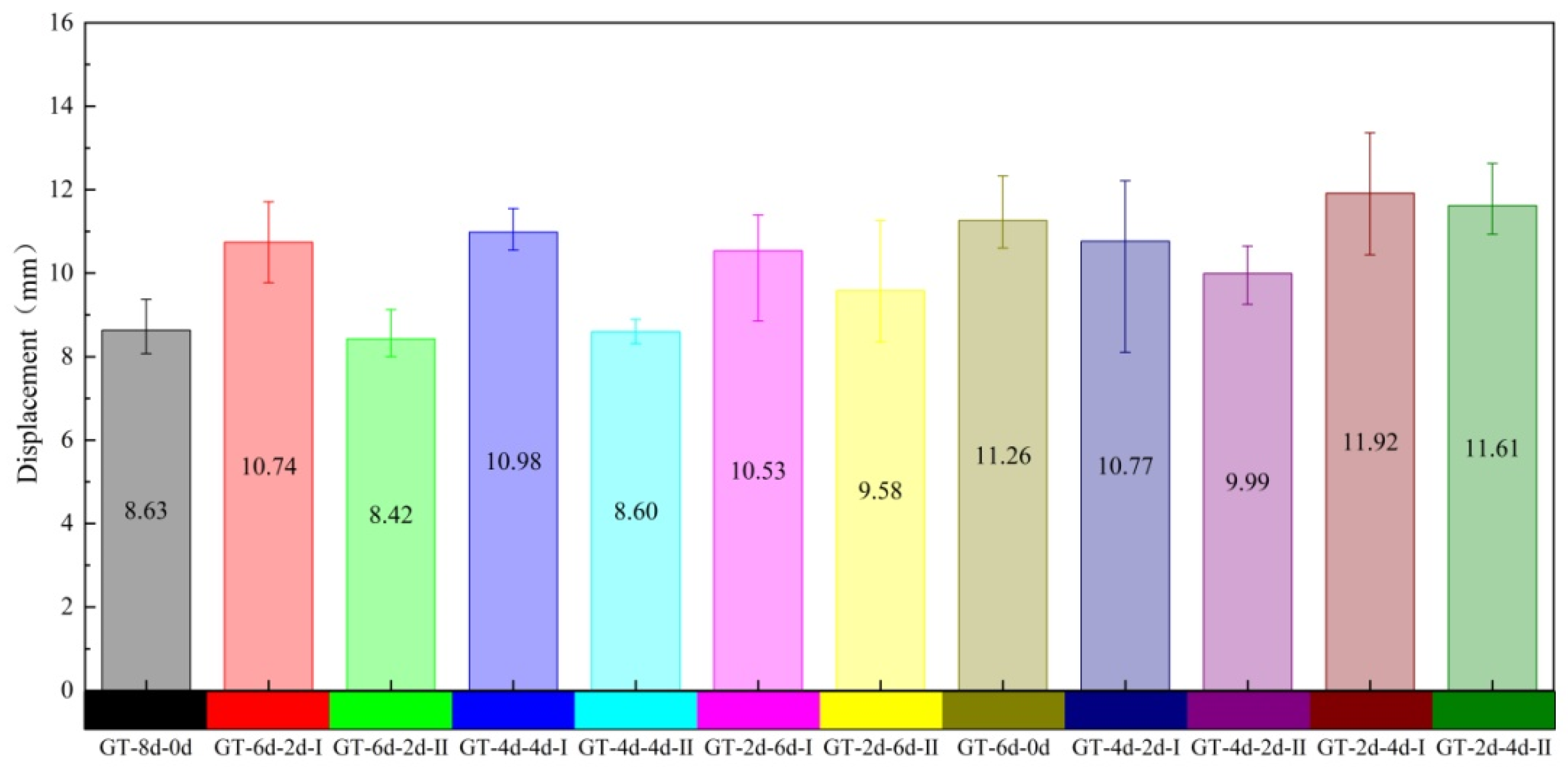
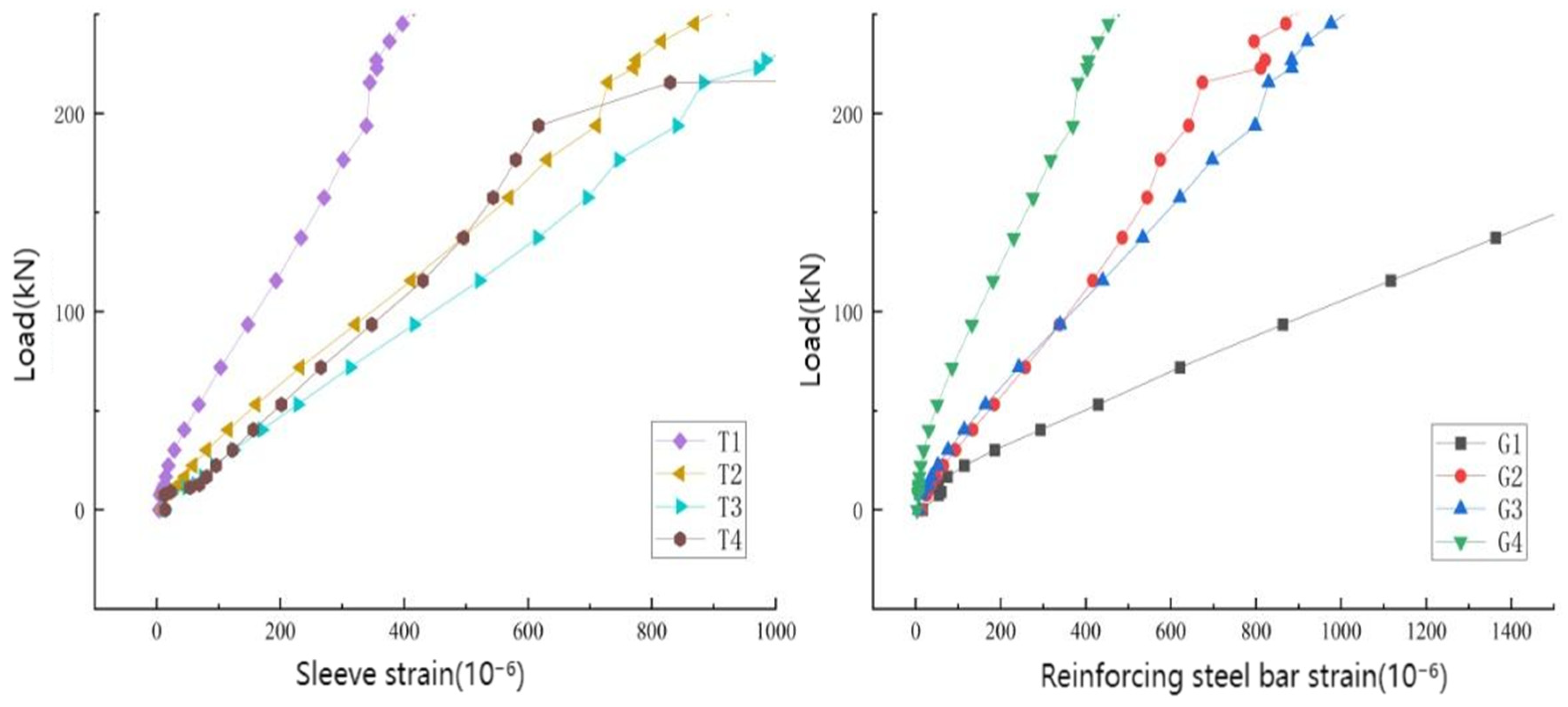
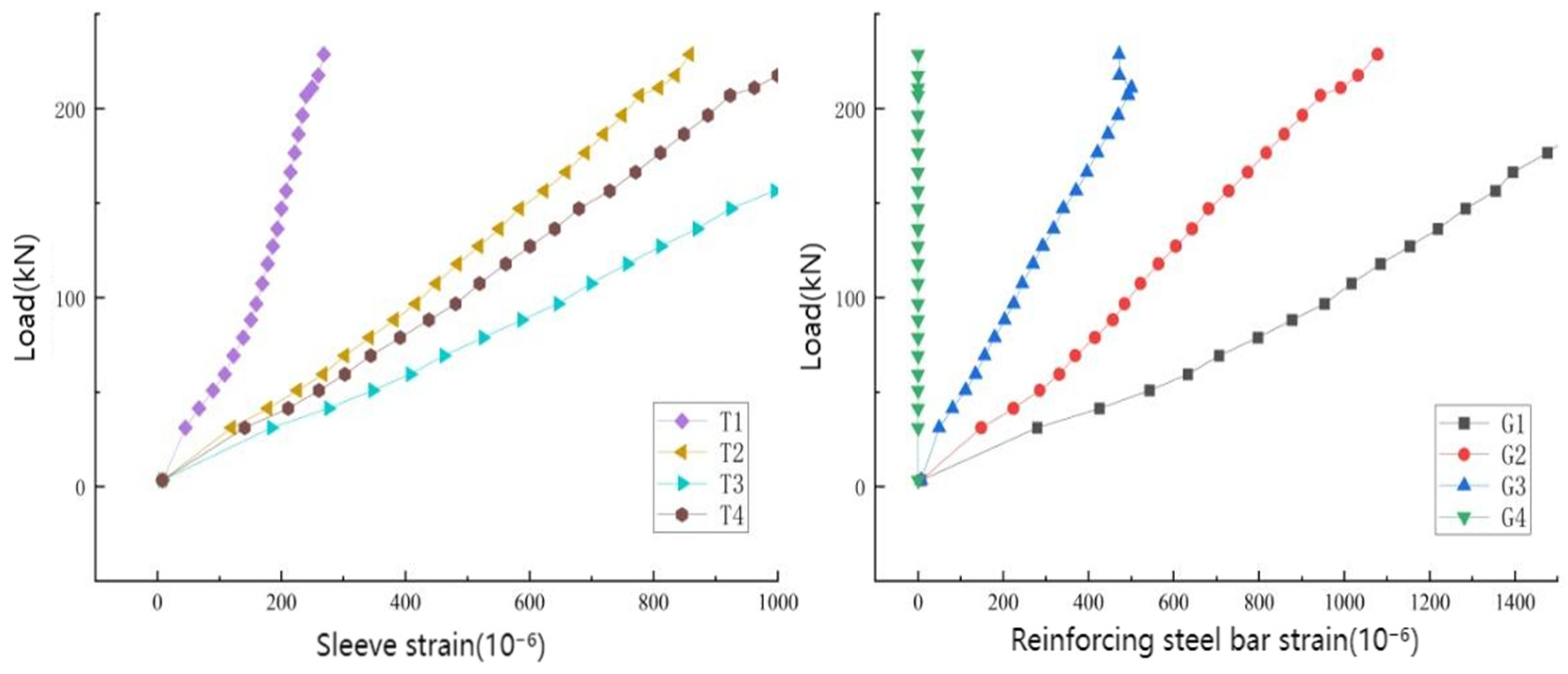
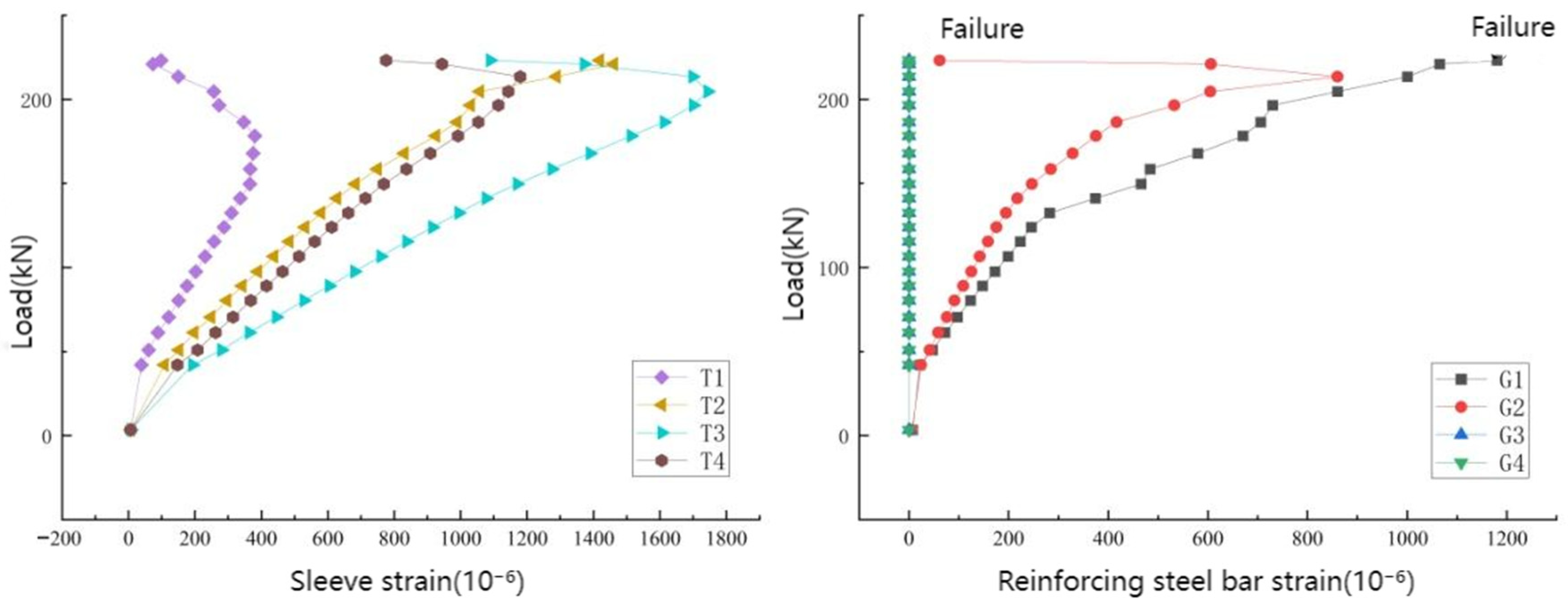
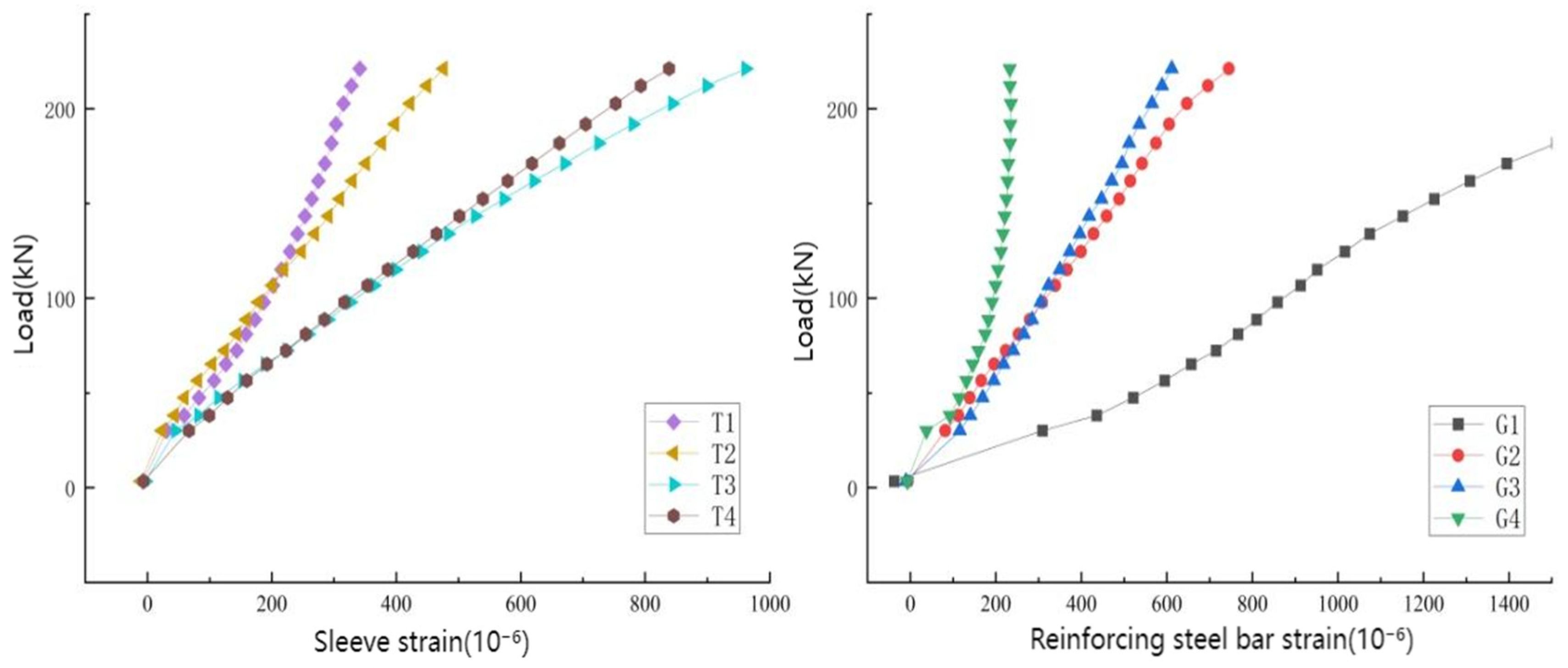
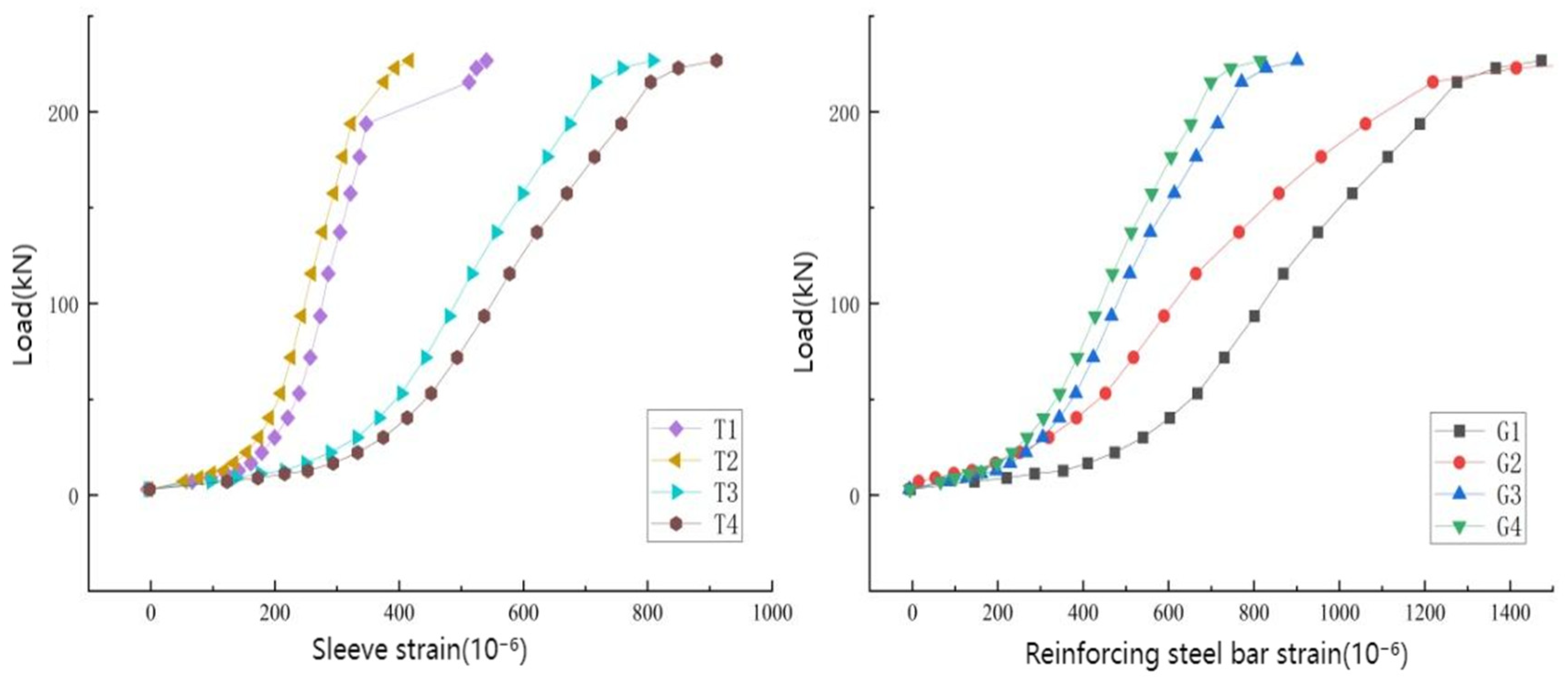
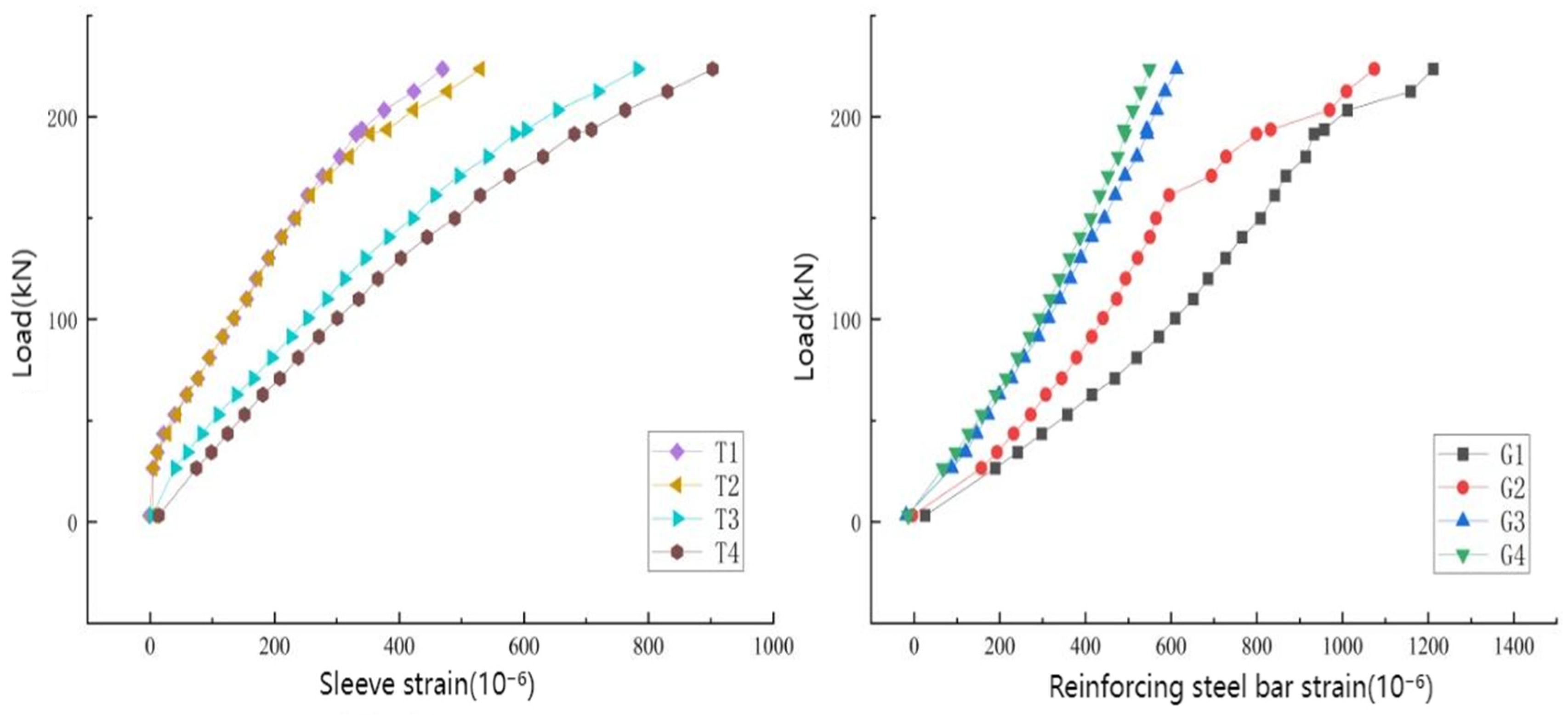
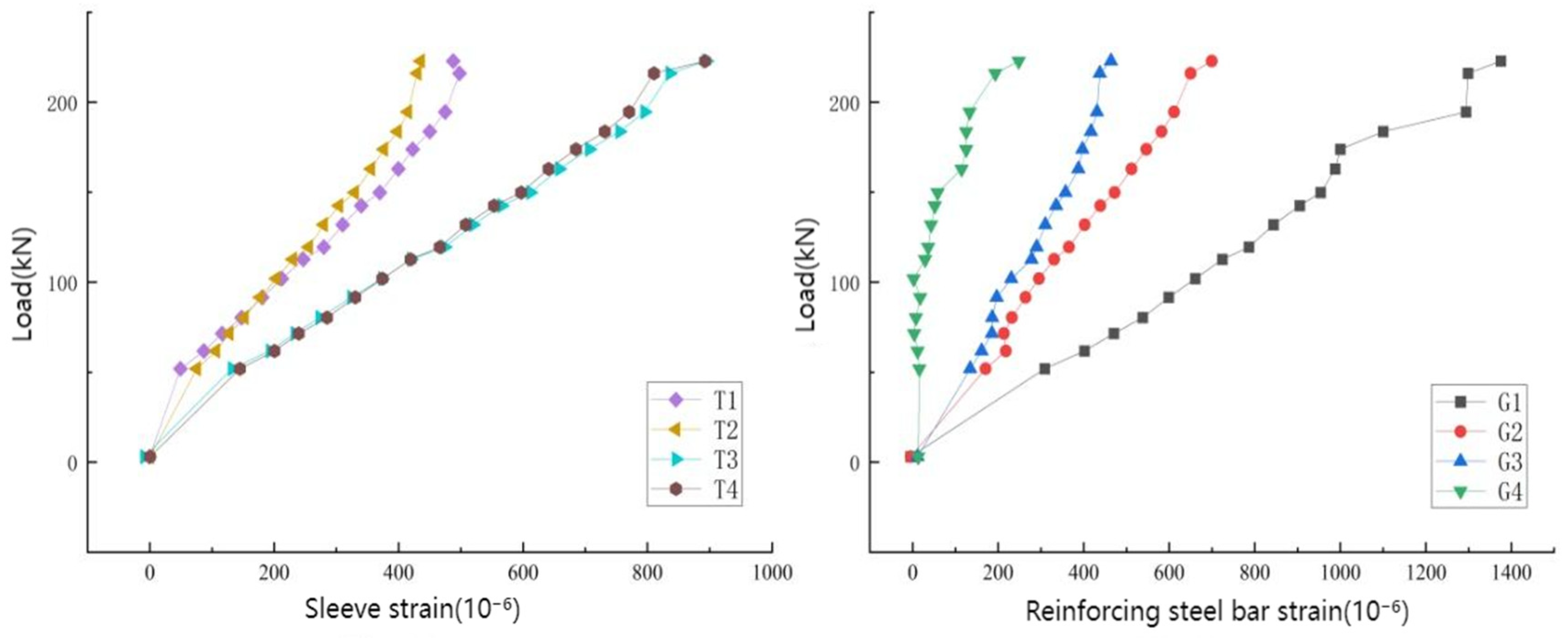
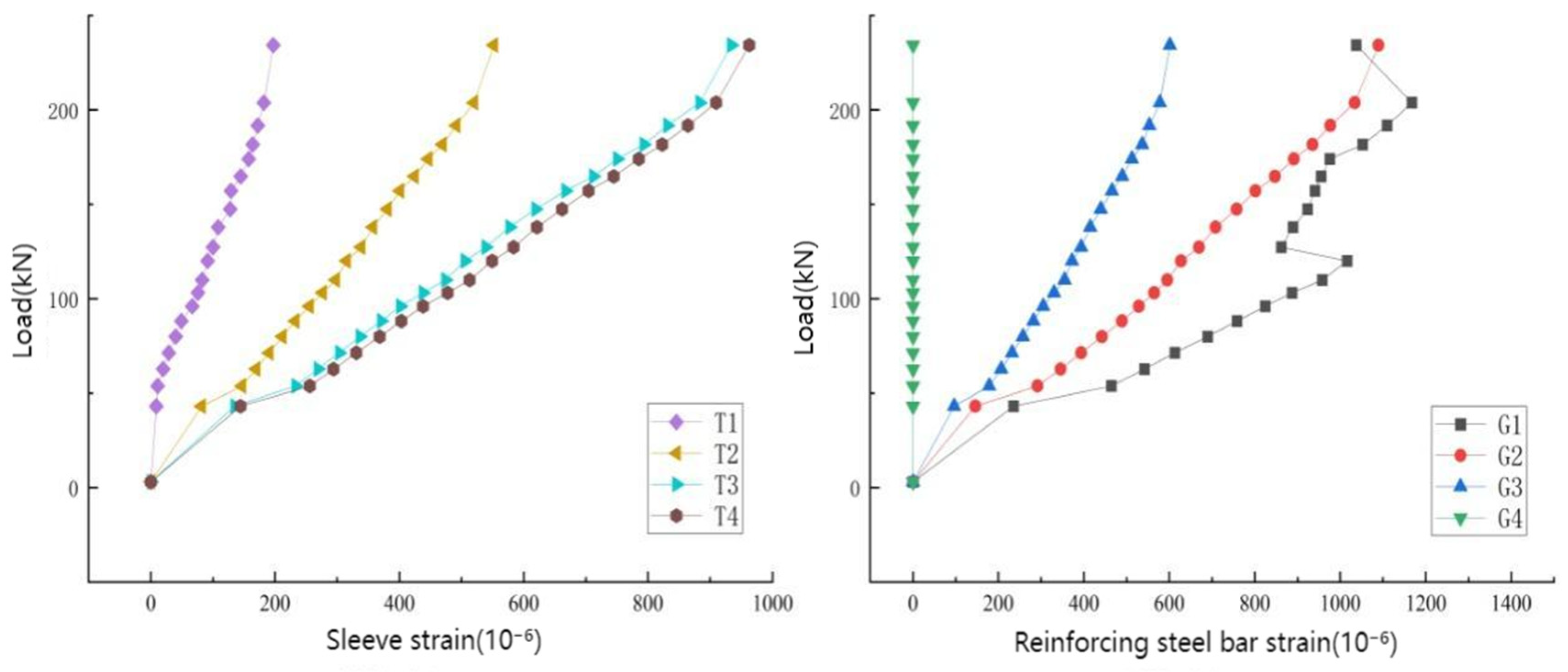
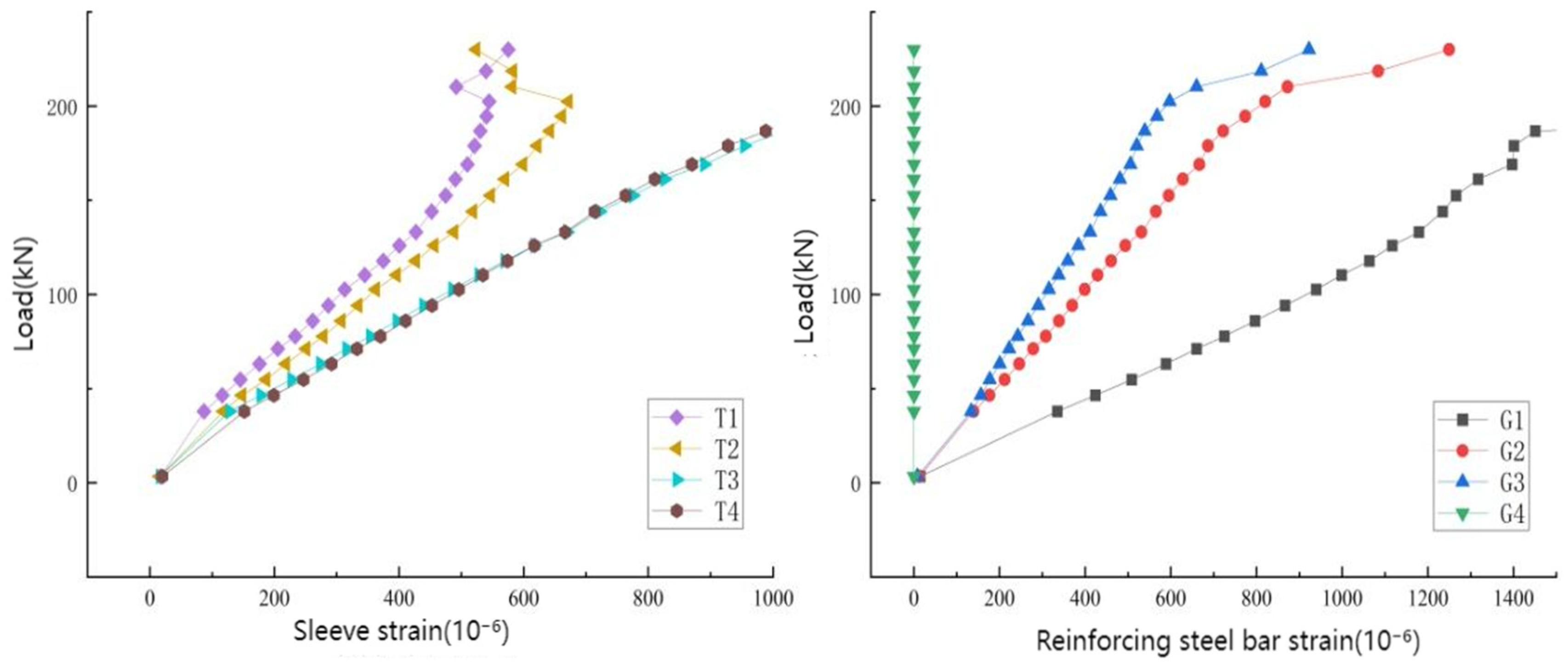
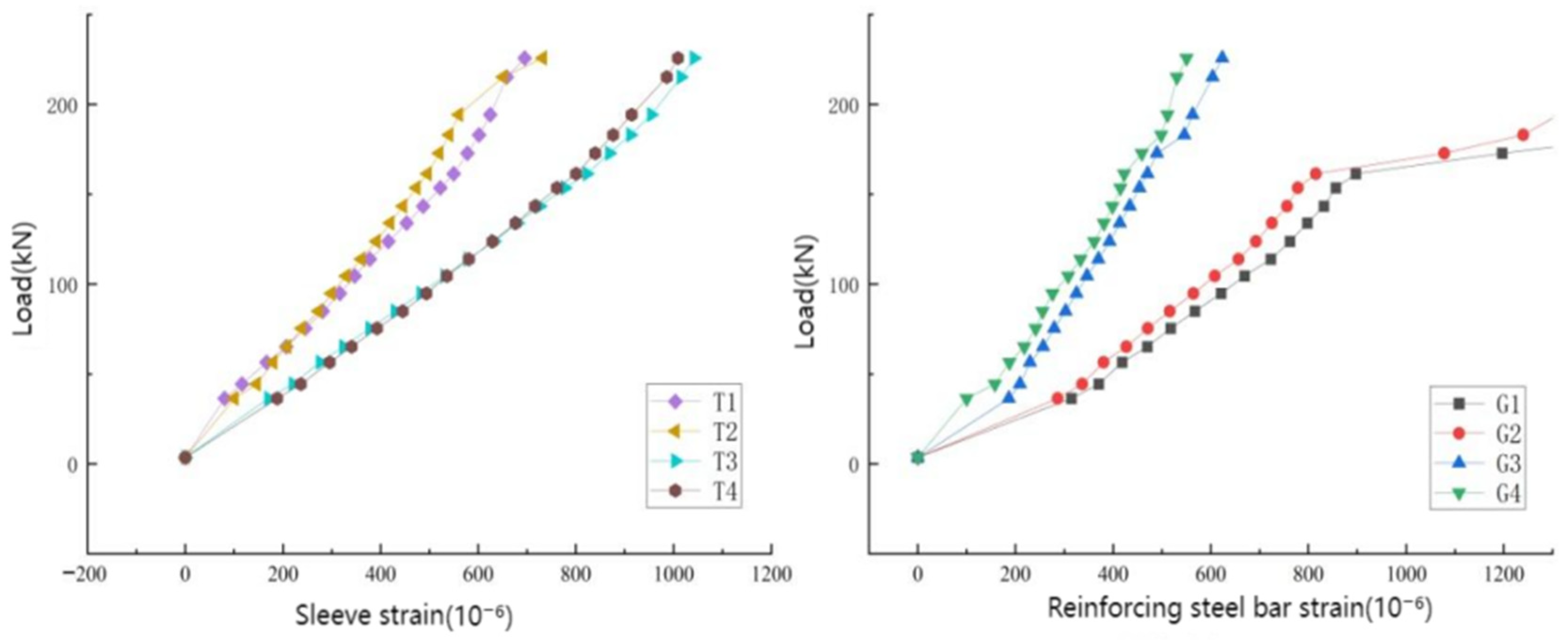
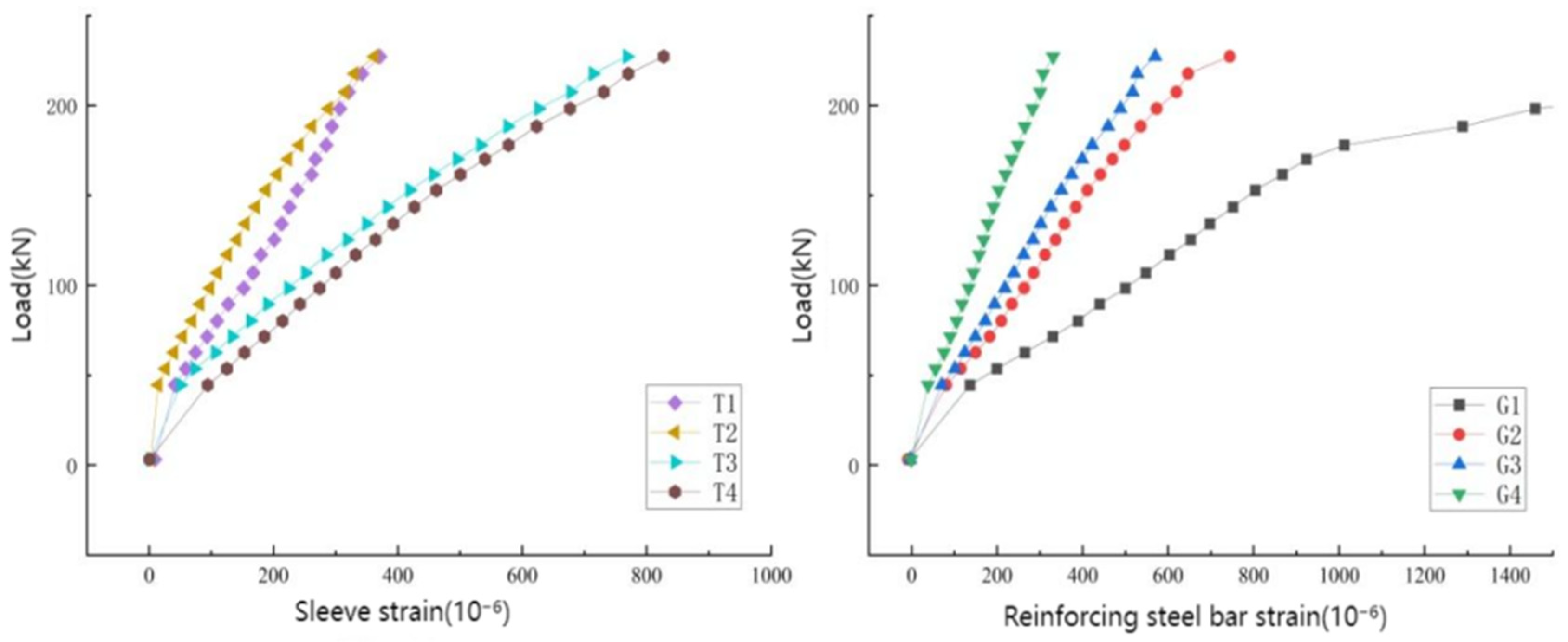
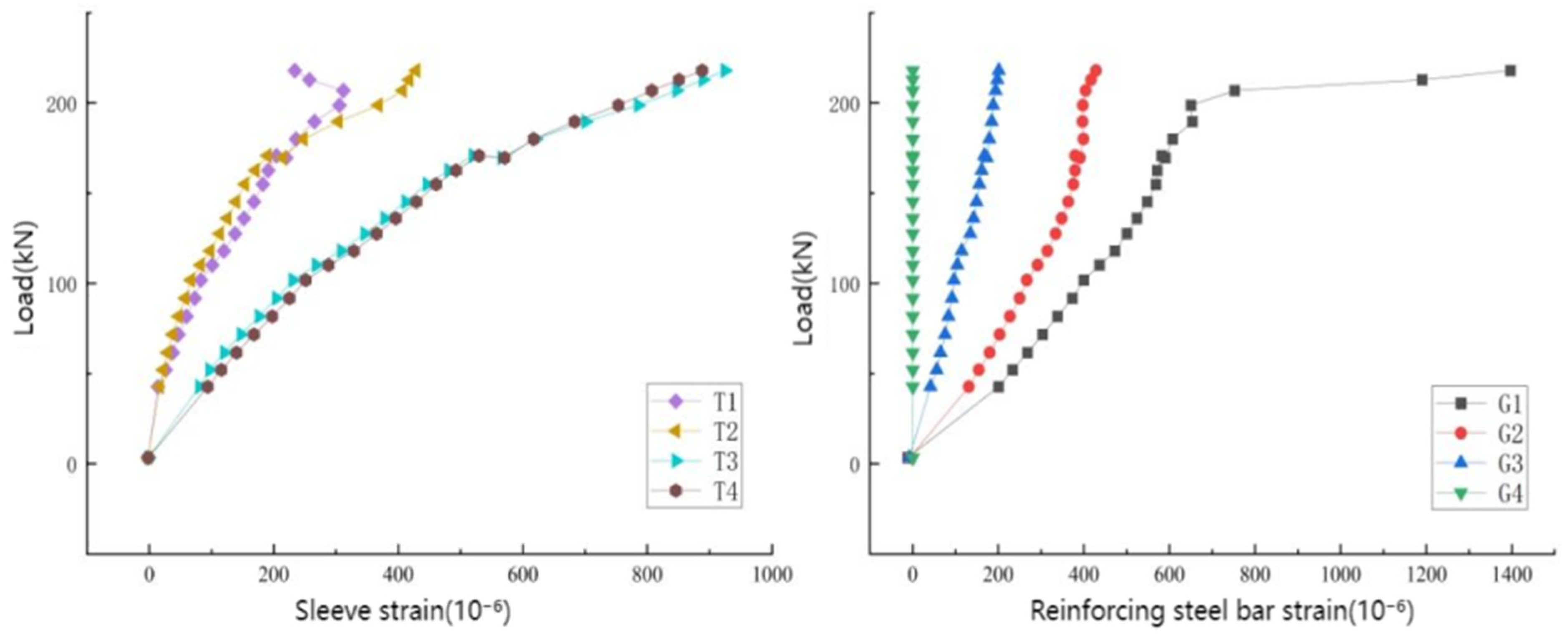
Grouted sleeves are commonly used to connect prefabricated structural components, but construction defects can easily occur after installation, posing potential risks to the structure. This study conducts comparative uniaxial tensile tests on 39 grouted-sleeve specimens in 13 groups—including standard specimens, defective specimens, and specimens repaired with supplementary grouting. The strain distribution patterns under different grouting lengths and loading levels are analyzed to investigate the load-transfer mechanism between reinforcement bars and grouted sleeves, as well as the influence of various supplementary grouting amounts and material strengths on the mechanical performance of defective sleeves. In the uniaxial tensile test of grouted sleeves, with grout strengths of 85 MPa and 100 MPa and HRB400-grade steel bars, when the grouted anchorage length was 4 d, insufficient anchorage length resulted in low bond strength between the grout and the steel bar, leading to bond–slip failure. When the grouted anchorage length reached 6 d, steel bar fracture occurred inside the sleeve. When the total anchorage length formed by two grouting sessions reached 8 d, specimen slippage decreased, showing a trend where the strain growth rate of the sleeve gradually decreased from the grouted end to the anchored end, while the strain growth rate of the steel bar gradually increased. The longer the total anchorage length in the sleeve after grout repair, the stronger its anti-slip capability. The bearing capacity and failure mode of the specimens depend on the strength of the steel bars connected to the grouted sleeves and the strength of the threaded connection ends at the top. Experimental results show that the anchorage length and strength of high-strength grout materials have a significant reinforcing effect on defective sleeves. The ultimate bearing capacity of specimens with anchorage length of 6 d or more is basically the same as that of steel bars. Specimens with a total anchorage length of 8 d show approximately 10~20% less slippage than those with 6 d. The safe anchorage length for HRB400-grade steel bars in sleeve-grouted connections is 8 d, even though the bearing capacity of grouted sleeves with a 6 d anchorage length already meets the requirements. Bond strength analysis confirms that the critical anchorage length is 4.49 d. When the grouted anchorage length exceeds the critical length, the failure mode of the specimen is steel bar fracture. When the grouted anchorage length is less than the critical length, the failure mode is steel bar slippage. This conclusion aligns closely with experimental results. In engineering practice, the critical anchorage length can be used to predict the failure mode of grouted sleeve specimens. Based on experimental research and theoretical analysis, it is clear that using grout repair to reinforce defective grouted sleeve joints with a safe anchorage length of 8 d is a secure and straightforward strengthening method.
Keywords: assembled building; joint of grouted sleeve; single-way tension experiment; grouted repair assembled building; joint of grouted sleeve; single-way tension experiment; grouted repair