Next Article in Journal
Impact of Ground Improvement on Soil Dynamic Properties and Design Spectrum
Previous Article in Journal
Effects of User Experience on Satisfaction and Behavioral Intentions in Metaverse Model Houses
error_outline You can access the new MDPI.com website here. Explore and share your feedback with us.
 
 
Article

Dynamic Splitting Tensile Behavior of Rubber-Toughened Ceramsite Concrete for Transmission Structure Foundations Under a Wide Range of Strain Rates


1
Guangzhou Power Supply Bureau of Guangdong Power Grid Co., Ltd., Guangzhou 510620, China
2
School of Civil and Transportation Engineering, Guangdong University of Technology, Guangzhou 510006, China
3
College of Urban and Rural Construction, Zhongkai University of Agriculture and Engineering, Guangzhou 510225, China
4
Engineering & Technical Department, Nanjing University of Science and Technology, Nanjing 210094, China
5
School of Civil Engineering, Guangdong Communication Polytechnic, Guangzhou 510650, China
*
Authors to whom correspondence should be addressed.
Buildings 2026, 16(2), 269; https://doi.org/10.3390/buildings16020269

Submission received: 17 November 2025 / Revised: 30 December 2025 / Accepted: 4 January 2026 / Published: 8 January 2026
(This article belongs to the Section Building Materials, and Repair & Renovation)

Abstract

To address the impact-induced damage to concrete pile foundations of transmission structures caused by nearby blasting vibrations, this study investigates the dynamic splitting tensile behavior of an environmentally friendly lightweight rubberized concrete—Rubber-Toughened Ceramsite Concrete (RTCC)—under impact loading. Quasi-static tests show that the static splitting tensile strength increases first and then decreases with increasing rubber content, reaching a maximum value of 2.01 MPa at a 20% replacement ratio. Drop-weight impact tests indicate that RTCC20 exhibits the highest peak impact force (42.48 kN) and maximum absorbed energy (43.23 J) within the medium strain-rate range. Split Hopkinson Pressure Bar (SHPB) tests further demonstrate that RTCC20 shows the highest strain-rate sensitivity. Overall, RTCC with 20% rubber content provides the best comprehensive performance, achieving a favorable balance between strength and toughness across the entire strain-rate range. These findings offer experimental support for applying RTCC to blast-vibration-resistant transmission structure foundations.

1. Introduction

With the continuous expansion of China’s power grid and the renewal of infrastructure, blasting operations around transmission structures have become increasingly frequent. Although blasting technology plays an important role in mining, tunneling, and urban infrastructure construction, the transient shock waves and ground vibrations generated during blasting inevitably propagate to the surroundings, posing severe challenges to the foundations of nearby transmission structures. The concrete pile foundations of transmission structures are primarily subjected to long-term stable compressive loads; however, the tower swaying and ground vibrations induced by blasting can generate tensile stresses in the underlying piles, leading to microcrack initiation, crack propagation, and even splitting failure within the pile concrete, thereby affecting the overall stability and safe operation of the structures [1,2,3]. In recent years, lightweight aggregate concrete (LAC) has been increasingly applied in pile foundation engineering to reduce foundation self-weight, improve construction efficiency, and lower costs [4,5]. Compared with ordinary concrete, LAC exhibits lower density and a higher strength-to-weight ratio, which can effectively reduce foundation stress and improve construction conditions for pile foundations [6].
Ceramsite aggregate concrete (CAC), a type of LAC using lightweight ceramsite as aggregate, has been widely adopted in recent years due to its low density, high porosity, and excellent seismic performance. It is increasingly used in high-rise structures and foundation weight-reduction projects [7]. In addition, compared with other types of LAC, ceramsite aggregate (CA) as a coarse aggregate not only reduces the self-weight while maintaining adequate strength [8], but also dissipates energy through its microporous structure by attenuating stress waves [9,10,11]. The construction industry has also achieved dual benefits by recycling ceramic waste materials for use in concrete [12], which not only reduces landfill costs but also lowers material expenses. This approach promotes the transition of the construction industry toward greener and higher-performance materials, contributing to the realization of the “dual carbon” goals [13].
However, the incorporation of ceramsite aggregate (CA) cannot overcome the inherent brittleness and low ductility of concrete [14]. Under blasting impact loads, rapid crack propagation occurs, revealing its poor toughness and low energy dissipation capacity. To address this problem, recycled rubber is added into the mortar and combined with ceramsite aggregate to produce Rubber-Toughened Ceramsite Concrete (RTCC), which not only improves toughness but also further reduces self-weight [15]. Rubber is an elastic material with excellent resilience and toughening properties. Researchers have introduced lightweight rubber particles—obtained by crushing and screening waste tires—into concrete to enhance its crack resistance and impact performance [16,17]. Existing studies have shown that the inclusion of rubber can significantly improve the toughness, energy absorption, and crack resistance of concrete, enabling it to exhibit better buffering and ductility under tensile stress at high strain rates [15,18,19,20]. Feng et al. [21] found that under high strain rates, crack propagation tends to bypass rubber particles, forming branched cracks that dissipate large amounts of energy, indicating that rubber particles can effectively enhance the ductility of concrete. Yang et al. [22] reported that rubber concrete exhibits stronger strain-rate sensitivity under high-rate loading. However, due to the irregular shape of rubber particles and their hydrophobicity and low elastic modulus [23], air may be trapped around them [24], thus creating voids in the mortar. This results in a weaker bond between the rubber and the cement matrix, leading to a decrease in the strength of the rubber–cement interface transition zone (ITZ) [25], and ultimately reducing the strength of the concrete [26]. Despite the reduction in compressive strength, the incorporation of rubber promotes crack deflection, branching, and stress redistribution under static loads, thereby improving fracture toughness and energy dissipation [27]. Furthermore, the microporous structure of ceramsite provides internal space for the flow and storage of such micro-air, which may help mitigate this problem [28]. The experimental studies on rubber–lightweight aggregate concrete are summarized in Table 1. Although both ceramsite and rubber can achieve weight reduction and energy dissipation to some extent, their compatibility and synergistic mechanism within the same matrix remain unclear. Therefore, it is necessary to further investigate the interaction between ceramsite and rubber particles in concrete. In general, tensile strength is the weakest property of concrete materials [29]. Hence, understanding the static and dynamic tensile behavior and failure mechanism of high-toughness lightweight concrete used in tower foundations under impact loading is essential. At present, the splitting tensile test is the most commonly used method for evaluating the tensile properties of concrete [30].
In this study, this method is employed to obtain the tensile behavior of RTCC over a wide range of strain rates. The Flat Brazilian Disc (FBD) configuration was adopted to investigate Rubber-Toughened Ceramsite Concrete (RTCC) with rubber particle replacement ratios of 0%, 10%, 20%, 30%, 40%, and 50%. These replacement levels were selected to cover a full range of low, medium, and high rubber contents, enabling a systematic examination of how increasing rubber dosage affects strength, toughness, and strain-rate sensitivity. This range has also been validated in our previous experimental studies [28], where the same intervals effectively captured the mechanical evolution of lightweight aggregate rubber concrete. Therefore, maintaining this replacement range ensures methodological consistency while providing sufficient resolution to identify the optimal rubber content. Through quasi-static loading tests, drop-weight impact tests, and Split Hopkinson Pressure Bar (SHPB) experiments, the splitting tensile strength, energy absorption, failure modes, and strain-rate sensitivity of RTCC were comprehensively evaluated. The objective was to determine the optimal rubber replacement range, reveal the dynamic crack-resistance mechanism, and provide theoretical support for the design of blast-vibration-resistant concrete materials.

2. Experimental Program

2.1. Mix Proportions and Specimen Preparation

The concrete specimens were prepared using ordinary Portland cement (42.5R), water, fine aggregate, and coarse aggregate, with a mass ratio of 398:210:609:1183. Tap water was used for mixing. The fine aggregate was medium sand with a fineness modulus of 2.60 and a bulk density of 1498 kg/m3. Rubber particles, used to replace the fine aggregate by equal volume, were produced by cutting and grinding waste tires. The measured particle size was 20 mesh (approximately 0.85 mm), and the bulk density was 417 kg/m3. The coarse aggregate was spherical ceramsite, used to replace crushed stone, with a bulk density of 1450 kg/m3 and a particle size of 5–10 mm. More detailed mix proportions are shown in Table 2.
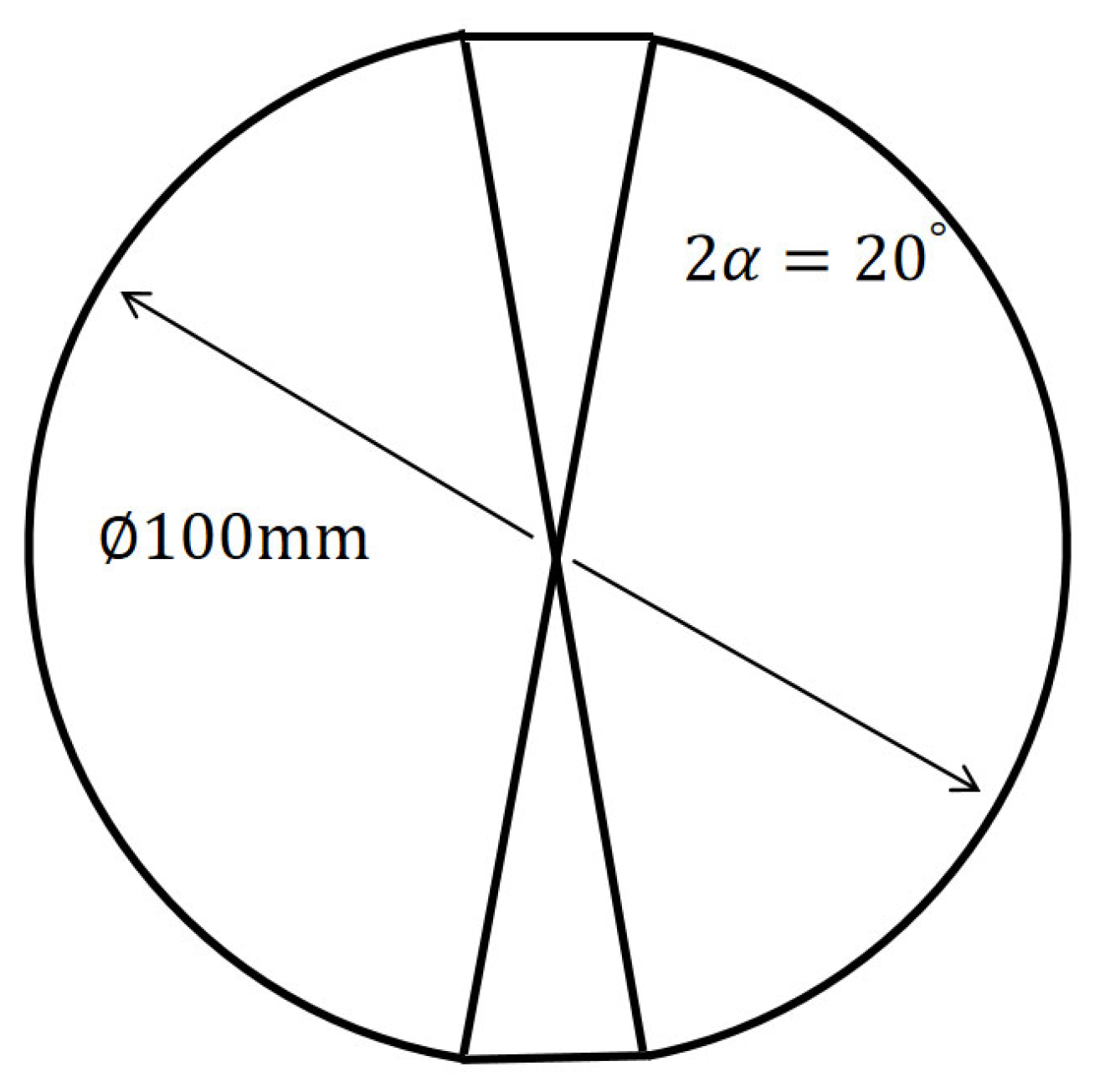
To produce RTCC, the specimens were cast in a Flat Brazilian Disc (FBD) configuration with dimensions of 100 mm × 50 mm, as illustrated in Figure 1. The casting process was carried out in the following sequence: first, the coarse aggregate and rubber particles were uniformly mixed in a mixer for approximately 45 s to ensure proper dispersion of the rubber. Then, sand and cement were added, and the mixer was restarted for another 60 s. Next, water was gradually added while mixing continued for 180 s to achieve full homogenization. Finally, the fresh concrete was poured into molds, which were placed on a vibrating table and vibrated for 20 s to ensure proper compaction. The specimens were demolded after 24 h and cured under standard conditions (temperature 20 ± 2 °C, relative humidity > 95%) for 28 days.
Previous studies have shown that for splitting tensile tests using the Flat Brazilian Disc (FBD), the recommended ratio of thickness to diameter is between 0.2 and 0.75. Moreover, when the disc thickness is half of its diameter, the influence of inertial effects on the test results can be effectively eliminated. Therefore, the dimensions of the FBD specimens were designed as 100 mm × 50 mm [31,32]. In addition, both sides of the FBD specimens were ground to form two parallel flat ends. The central angle of the flat ends was set to 2α = 20°, and the grinding depth was 0.76 mm to ensure the initiation of a central crack during testing.

2.2. Basic Principle of the Quasi-Static Test

The splitting tensile test of RTCC under low strain rates was conducted using a compression testing machine. The quasi-static tensile strength was determined by Equation (1) [33]:
f t d = 0.95 2 P m a x π D B
where Pmax is the maximum load, D is the specimen diameter, and B is the specimen thickness. Equation (2) is used to estimate the stress rate and strain rate of the specimen:
σ ˙ = f t d τ ;   ε ˙ = σ ˙ Ε
where τ is the elastic modulus of the specimen. Previous studies have shown that the sensitivity of the elastic modulus of concrete to strain rate is much lower than that of its compressive and tensile strengths. Therefore, the static elastic modulus of the specimen is adopted. The strain-rate sensitivity of the tensile strength of concrete is characterized by the Dynamic Increase Factor (DIF), defined as the ratio of the dynamic strength to the static strength [34], which can be determined by Equation (3):
D I F = f t d f t s
where fts is the static splitting tensile strength of the specimen, which can be calculated using Equation (4):
f t s = 2 F π A
where F is the ultimate load applied to the specimen, and A is the loaded area of the specimen during the splitting tensile test.

2.3. Basic Principle of the Dynamic Splitting Tensile Test

2.3.1. Drop-Weight Impact Test Setup

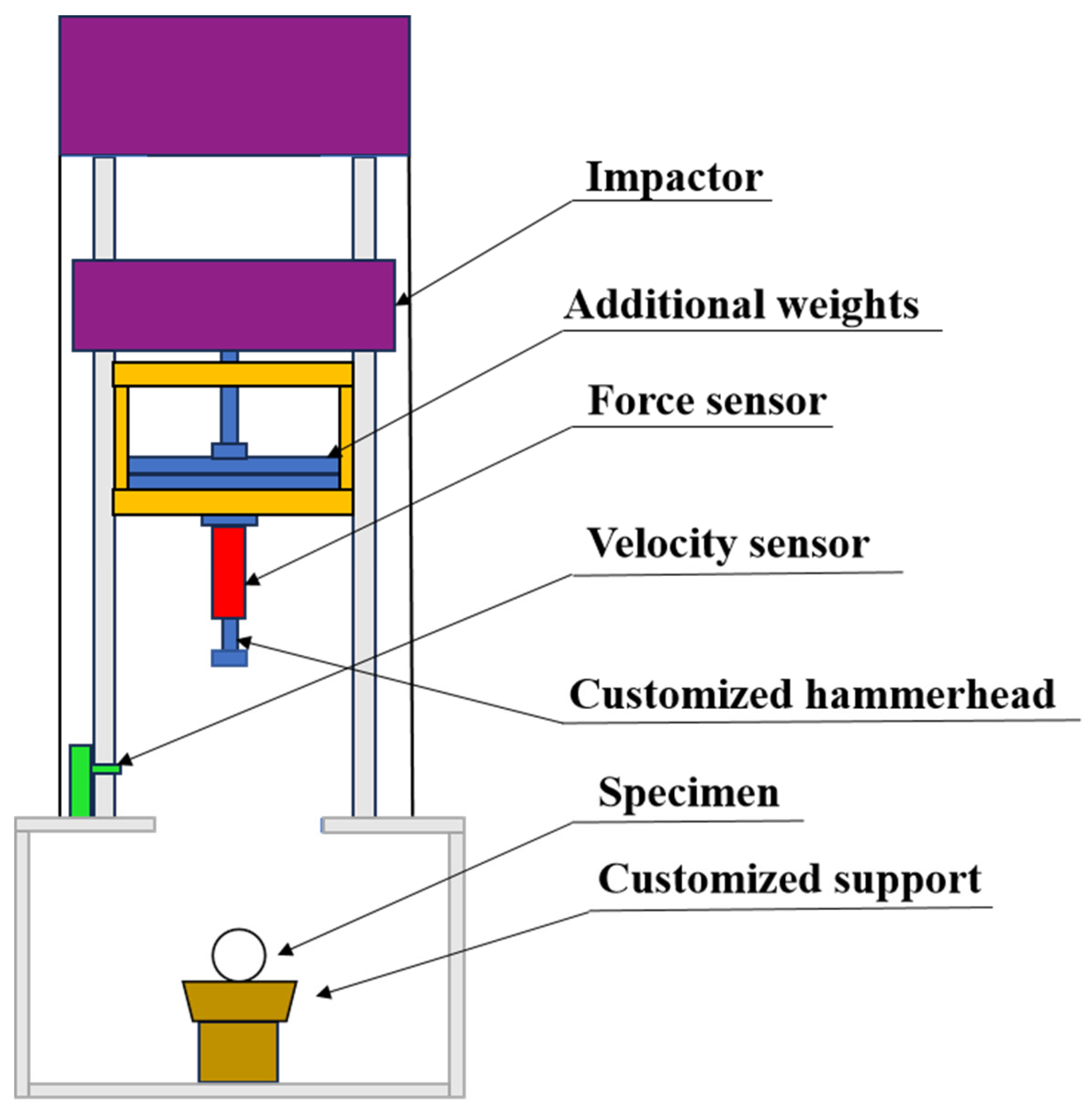
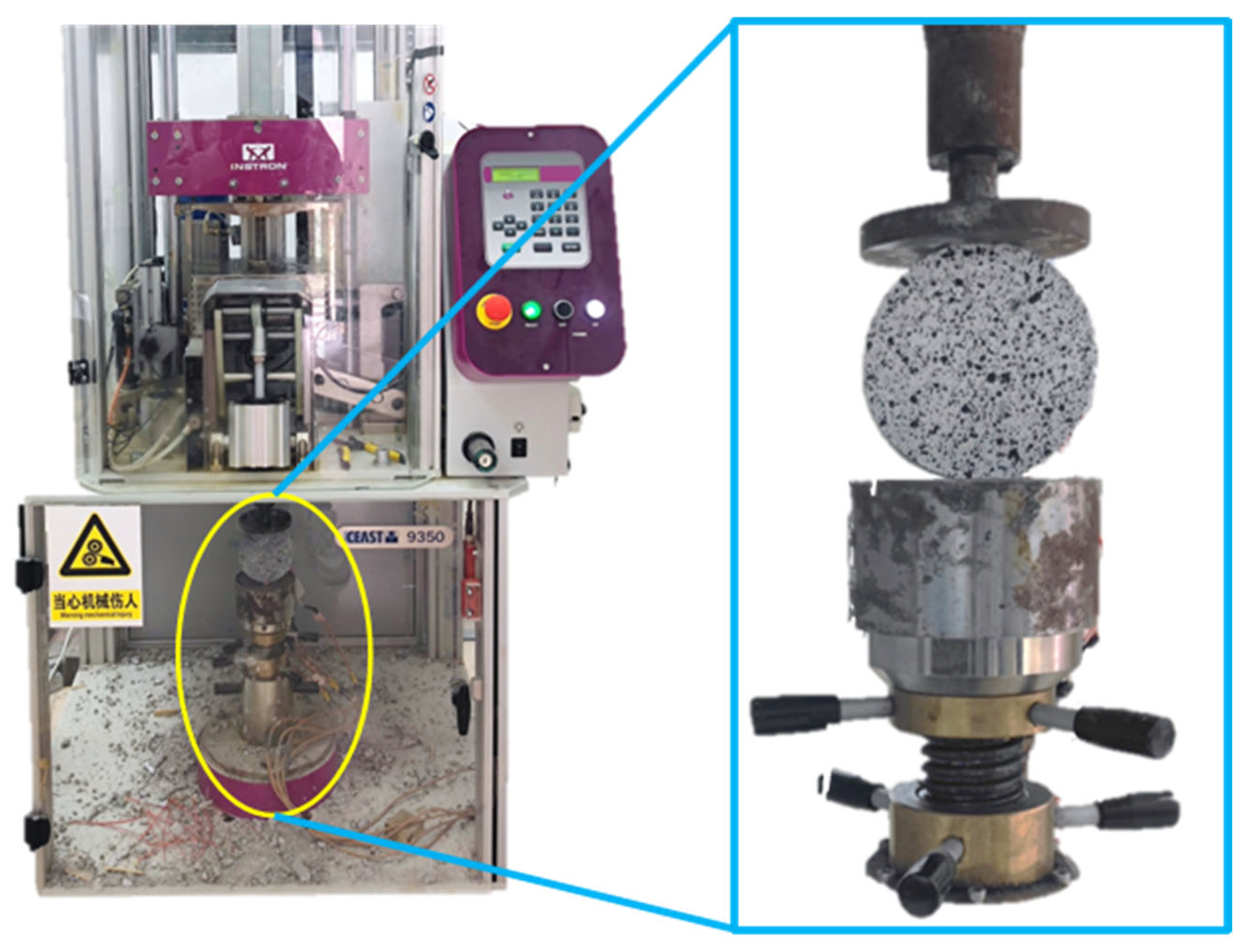
The splitting tensile tests of RTCC under medium strain rates were carried out using a CEAST 9350 drop-weight impact tester. A schematic diagram of the drop-weight impact setup is shown in Figure 2. By varying the mass of the hammer head, the additional weights, and the drop height, different levels of impact loads were applied to the specimens to investigate their ultimate tensile strength at various (medium) strain rates. The ultimate tensile strength of the specimen was calculated using Equation (1), where Pmax is the maximum impact force applied to the flat end of the specimen. The stress rate and strain rate of the specimen were determined using Equation (2).

2.3.2. Split Hopkinson Pressure Bar (SHPB) Test

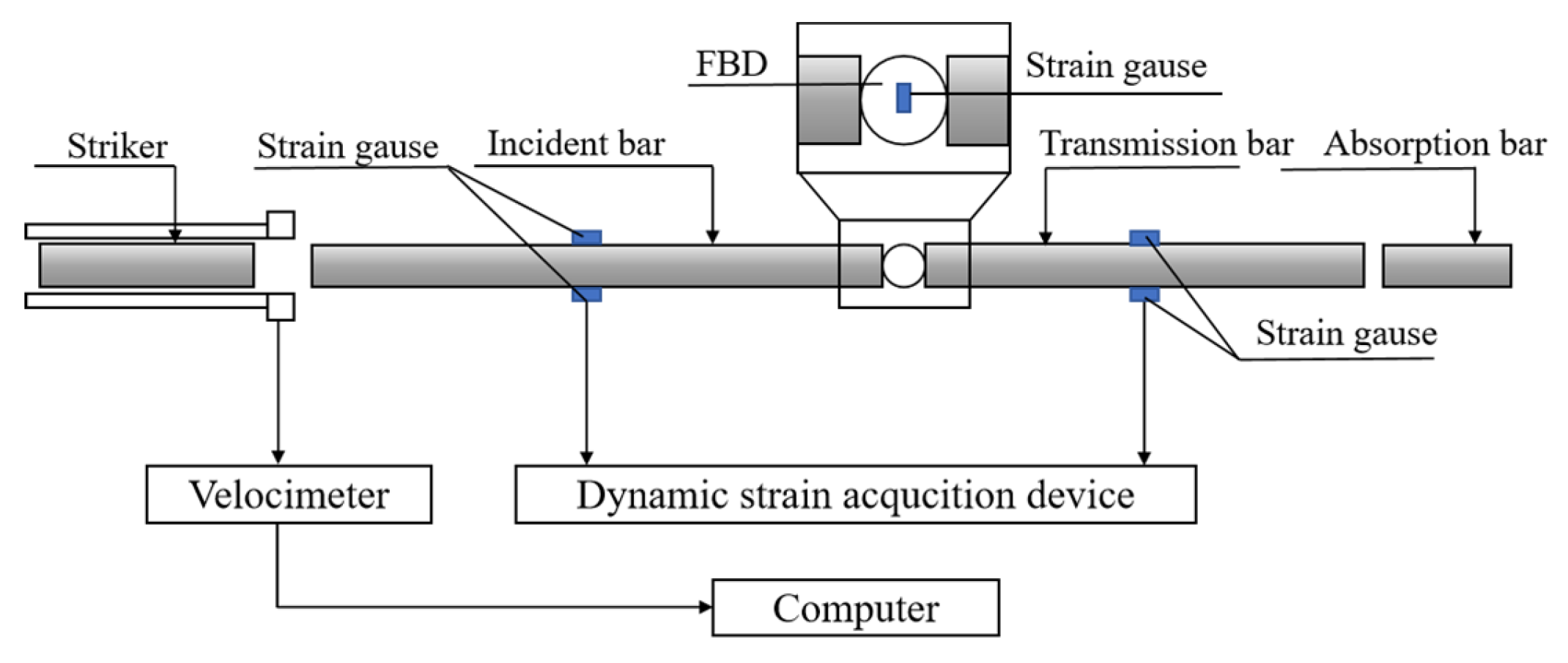
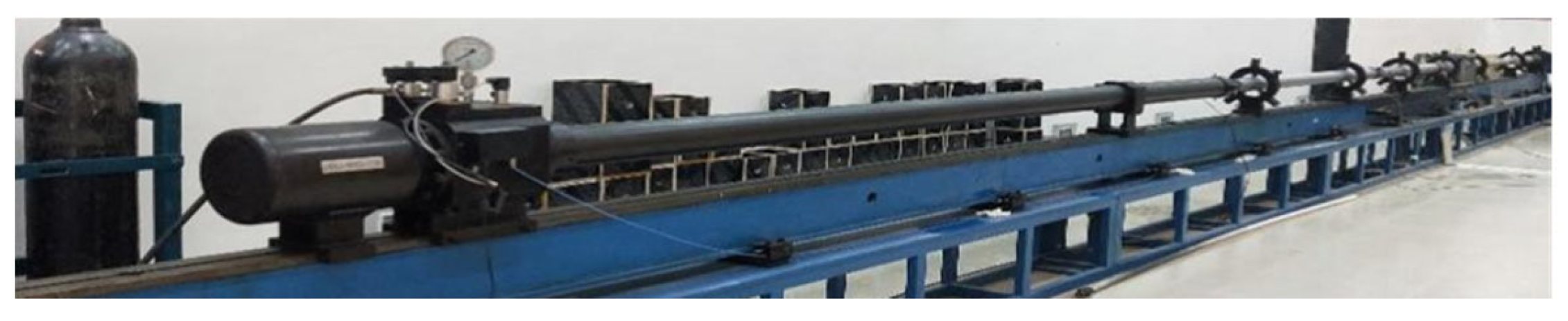
The splitting tensile tests of RTCC under high strain rates were conducted using a Split Hopkinson Pressure Bar (SHPB) system, as illustrated in Figure 3. By adjusting the gas pressure (i.e., the initial velocity of the striker bar) and the distance between the striker bar and the barrel, different levels of impact loads were applied to the specimens to investigate their ultimate tensile strength under various (high) strain rates.
The force applied to the specimen can be determined using Equation (5):
P t = E 0 A 0 2 [ ε i ( t ) + ε r ( t ) + ε t ( t ) ]
where E0 and A0 are the elastic modulus and cross-sectional area of the pressure bars, respectively, and εi(t), εr(t), and εt(t) are the incident, reflected, and transmitted strain waves, respectively.
In addition, according to the one-dimensional stress wave propagation assumption [35], this is expressed in Equation (6):
σ i + σ r = σ t
where σi, σr, and σt are the stresses corresponding to εi(t), εr(t), and εt(t), respectively.
Based on Equations (1), (5) and (6), the dynamic ultimate tensile strength ftd obtained from the SHPB test can be determined using Equation (7):
f t d = 0.95 2 σ t , m a x A 0 π D B
where σt,max is the maximum value of σt.

3. Quasi-Static Test

3.1. Results of the Quasi-Static Splitting Tensile Test

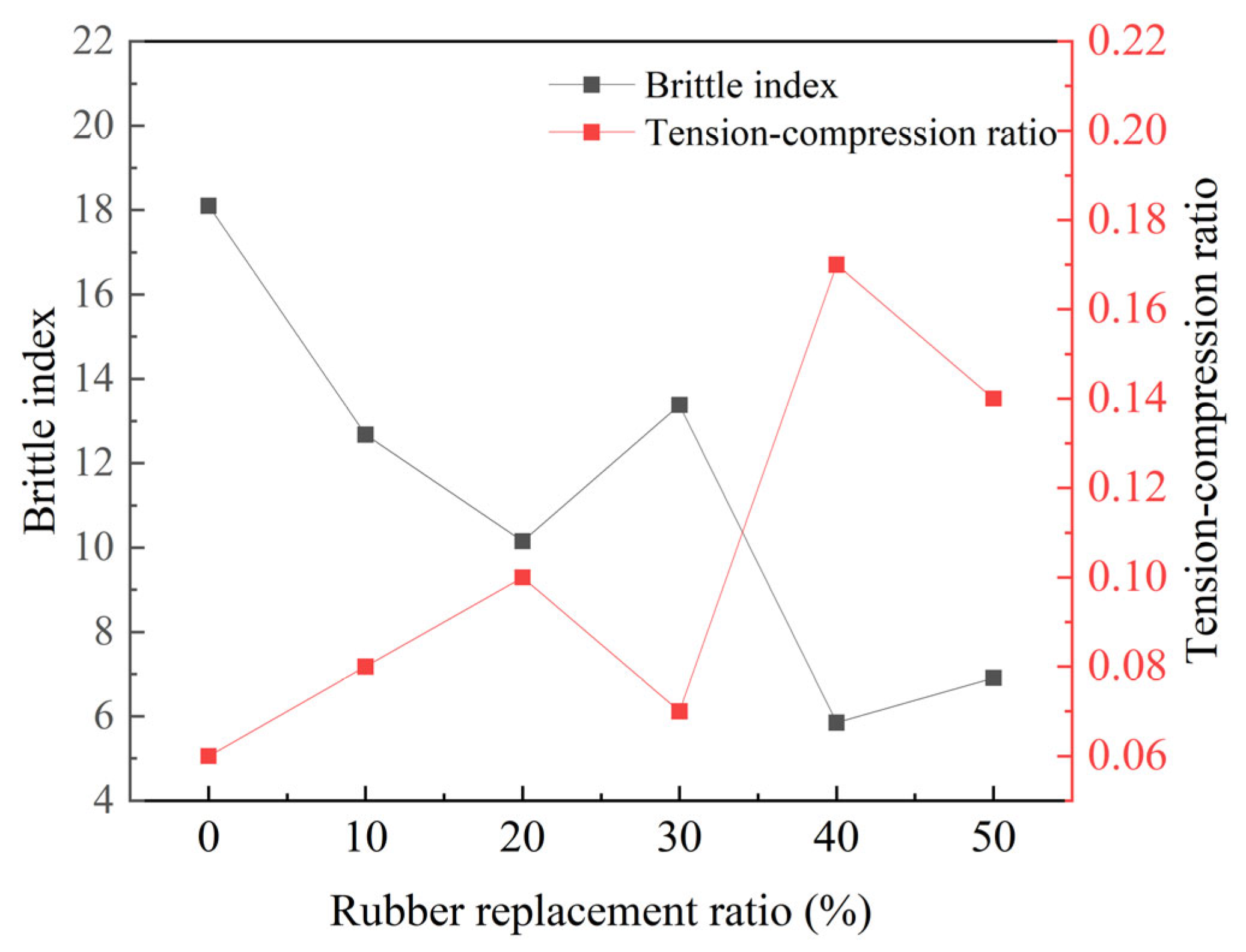
The static compressive and splitting tensile properties of ordinary concrete and RTCC with different rubber volume replacement ratios (0%, 10%, 20%, 30%, 40%, and 50%) are shown in Table 3 [28]. For each mixture, three specimens were tested and the average value was reported. As the rubber replacement ratio increases, the static compressive strength gradually decreases from 32.4 MPa (CANC) to 12.5 MPa (RTCC50). In contrast, the static splitting tensile strength of RTCC shows an initial increase followed by a decrease with increasing rubber content, reaching its maximum value of 2.01 MPa at a 20% replacement ratio and decreasing to 1.45 MPa at higher replacement levels. This is because the inclusion of a certain volume of rubber particles allows the rubber to generate tensile stress during the splitting process, thereby improving the tensile performance of the concrete [36]. At a rubber replacement ratio of approximately 40%, the splitting tensile strength exhibits a slight increase again. This phenomenon is attributed to the fact that, under tensile-dominated loading, the enhanced crack-bridging and stress redistribution effects provided by a larger number of rubber particles can partially compensate for matrix weakening, resulting in a locally improved resistance to crack propagation. However, when the rubber content further increases to 50%, the loss of matrix continuity and stiffness becomes overwhelming. The cementitious skeleton is significantly disrupted, leading to insufficient stress transfer and premature crack coalescence, and consequently, a pronounced reduction in splitting tensile strength. The brittleness index—defined as the ratio of compressive strength to tensile strength [1]—is an important parameter for evaluating the cracking resistance of concrete. Therefore, the tension–compression ratio of rubberized concrete was analyzed to further investigate the variation in the brittleness index after the incorporation of rubber particles. As shown in Figure 4, the tension–compression ratio increases overall with the addition of rubber particles. When the rubber replacement ratio is 20%, the tension–compression ratio increases by 66.7% compared with ordinary concrete, indicating a significant improvement in crack resistance. However, when the rubber content exceeds 20%, the bond between the rubber particles and the cement matrix weakens, leading to a reduction in tensile strength [37] and a subsequent decrease in the tension–compression ratio. Further increasing the rubber replacement ratio to 50% results in a much higher tension–compression ratio, but the compressive strength drops sharply. Therefore, excessive rubber content is not recommended.

3.2. Failure Modes

The failure modes of FBD specimens under quasi-static loading are shown in Figure 5. It can be observed that all specimens experienced typical splitting failure, with a main crack propagating along the loading direction, ultimately causing the specimen to split into two parts. Moreover, different rubber contents had a noticeable influence on crack morphology and failure characteristics. Compared with CANC, the specimens containing rubber particles exhibited slightly narrower crack openings and a more moderate failure pattern, indicating that the inclusion of rubber improved the crack propagation resistance and enhanced the crack-arresting capability of the material to some extent [38].

4. Dynamic Test

4.1. Drop-Weight Impact Test and Discussion

A custom flat-end hammer head with a diameter of 100 mm was used in the drop-weight device. The hammer head was assumed to be rigid. A force sensor with a capacity of 222 kN was employed. The total mass of the impactor was 9.529 kg. Before each test, the FBD specimen was raised until it just contacted the hammer head (the hammer height was 0 m at this moment) to ensure the initial impact velocity. Then, the hammer head was lifted, and the impact test was performed.

4.1.1. Failure Modes

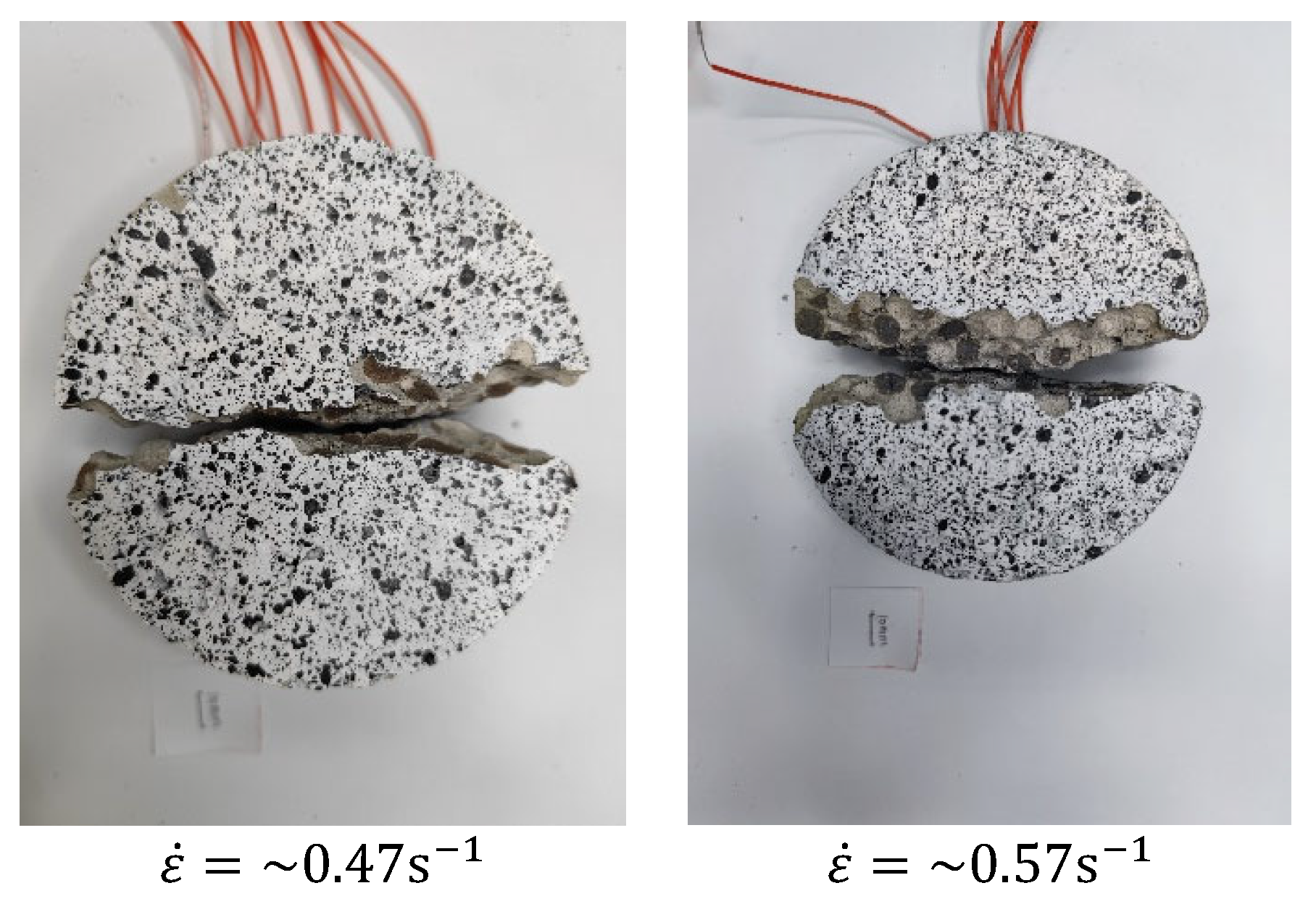
The typical failure modes of FBD specimens under medium strain rates after the drop-weight impact test are shown in Figure 6. All specimens exhibited a main crack along the impact direction, ultimately splitting into two approximately equal parts. Meanwhile, as the strain rate increased, the extent of crack propagation became more pronounced. These failure modes are consistent with the fundamental principles of the Brazilian disc splitting test.

4.1.2. Force–Time Curve and Energy Absorption Capacity

The results of the drop-weight impact tests are summarized in Table 4. The ultimate tensile strength of the specimens was calculated using Equation (1), shows the typical force–time curve of the RTCC30 specimen under a strain rate of approximately 0.53 s−1, and the stress rate and strain rate were determined using Equation (2). The Dynamic Increase Factor (DIF) of the FBD specimens under medium strain rates was obtained using Equation (3).
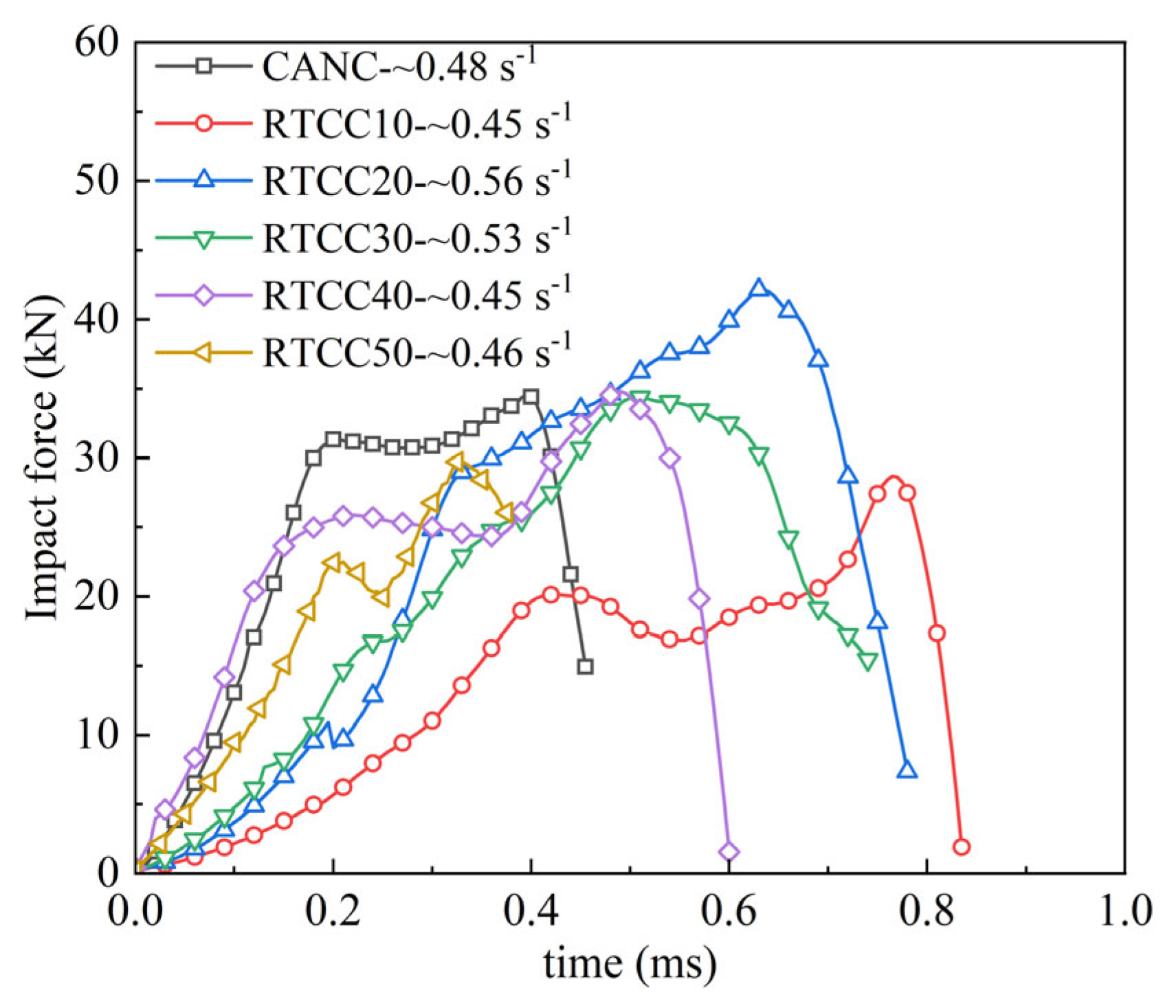
As shown in Figure 7, the force–time curves of specimens with different rubber contents were obtained within a strain rate range of approximately 0.45 s−1 to 0.56 s−1. Overall, the peak force shows a decreasing trend with the increase in rubber content. Among them, the specimen with 20% rubber content exhibited the highest peak force of 42.48 kN, which was greater than those of the other groups. In addition, the incorporation of rubber particles prolonged the impact duration, further indicating that rubber addition helps to restrain crack propagation.
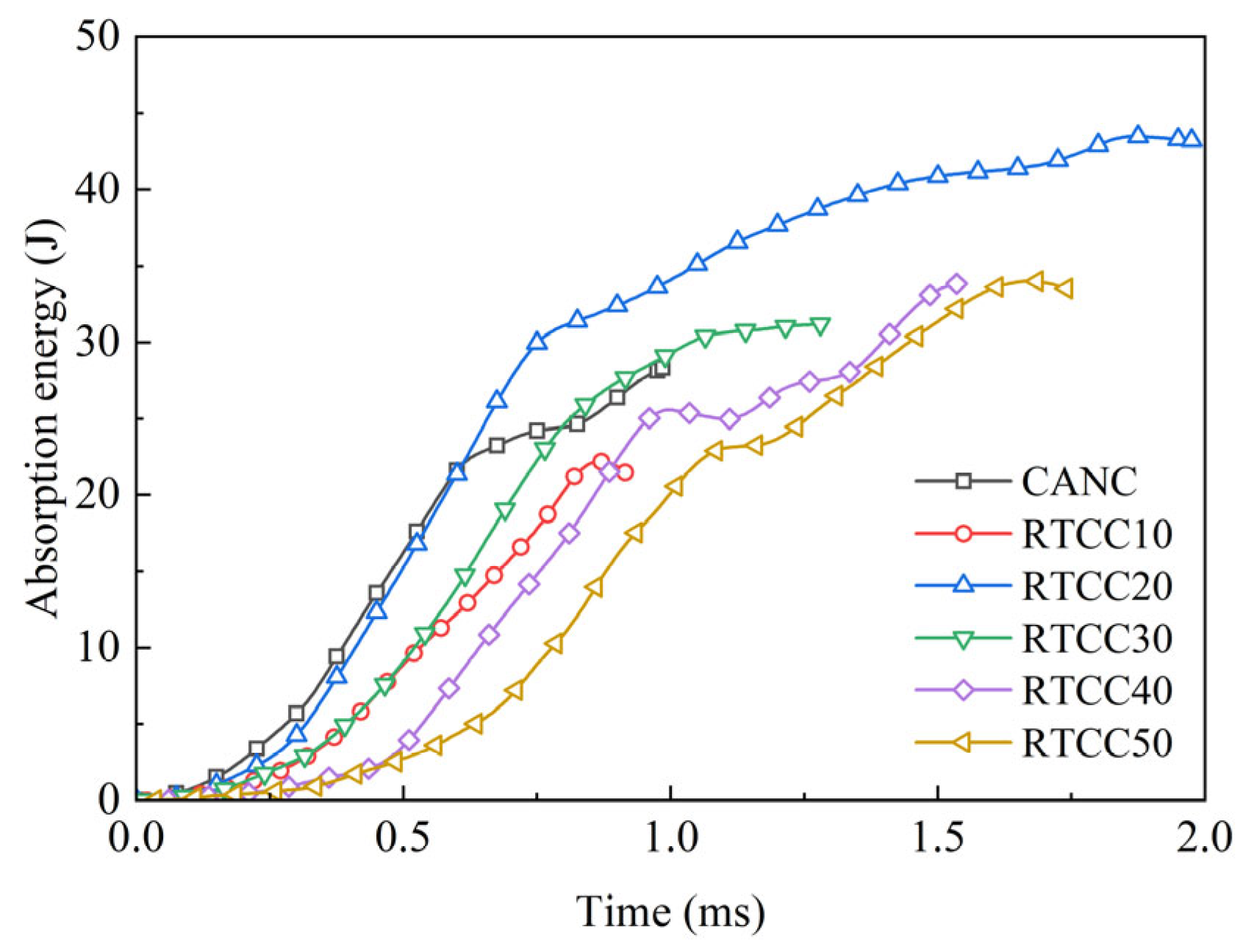
As shown in Figure 8, compared with CANC, the incorporation of rubber significantly enhanced the energy absorption capacity of the material. The total absorbed energy of the CANC group was 28.32 J, while that of RTCC20 reached 43.23 J—the highest among all specimens—demonstrating superior impact energy absorption capability. The RTCC30 and RTCC40 specimens followed, with absorbed energies of 31.19 J and 33.84 J, respectively, whereas RTCC50 showed a slight decline. It is noteworthy that the overall energy absorption curves became smoother, indicating that the inclusion of rubber improved the toughness and energy dissipation mechanism during load transfer and delayed crack propagation [39]. This is because rubber particles are hydrophobic and tend to form a weak ITZ with the cementitious matrix. However, the rubber phase itself has a very low modulus and high deformability. When the main crack approaches a rubber particle, the weak interface and the large mismatch in elastic modulus cause the crack to deflect, branch, or blunt along the rubber–matrix boundary. These interactions redistribute the stress field at the crack tip, increase crack tortuosity, and require additional fracture energy for further crack propagation. Therefore, although the inclusion of rubber reduces the matrix strength, it enhances the fracture toughness and energy dissipation capacity of the composite [40].

4.1.3. Discussion

Considering both the peak impact force and the energy absorption capacity, RTCC20 exhibited the best overall performance. It maintained a relatively high peak impact force while achieving the highest absorbed energy and the longest absorption duration, demonstrating superior energy dissipation capability. Therefore, under the conditions of this study, a 20% rubber replacement ratio provided the optimal impact resistance, achieving a favorable balance between strength and toughness. The main reason is that rubberized concrete shows improved deformation accommodation under higher strain rates, which slows the accumulation of damage and enhances the material’s ability to withstand impact loading. However, as the rubber content continues to increase, a growing number of internal voids are formed, weakening the bonding between aggregates and reducing the overall mechanical performance of the mixture.

4.2. SHPB Test and Discussion

In the SHPB system, the lengths of the striker bar, incident bar, and transmission bar were 1000 mm, 5500 mm, and 3500 mm, respectively. All bars were made of silicon–manganese steel with a diameter of 100 mm, an elastic modulus E0 = 206 GPa, and a density ρ 0 = 7710 kg/m3. The longitudinal elastic wave velocity of the bars was C 0 = E 0 / ρ 0 = 5169   m / s . Molybdenum disulfide grease was used to minimize the friction effect between the bar ends and the specimen surfaces [41]. Four semiconductor strain gauges (SB3.8-120-P-2) were used to record the stress wave signals in the bars—two were mounted on the incident bar at a distance of 1435 mm from the specimen end, and two were mounted on the transmission bar at a distance of 2875 mm from the specimen end. In addition, two resistance strain gauges (120-5AA) were attached to the FBD specimen to measure the strain response during failure.

4.2.1. Failure Modes

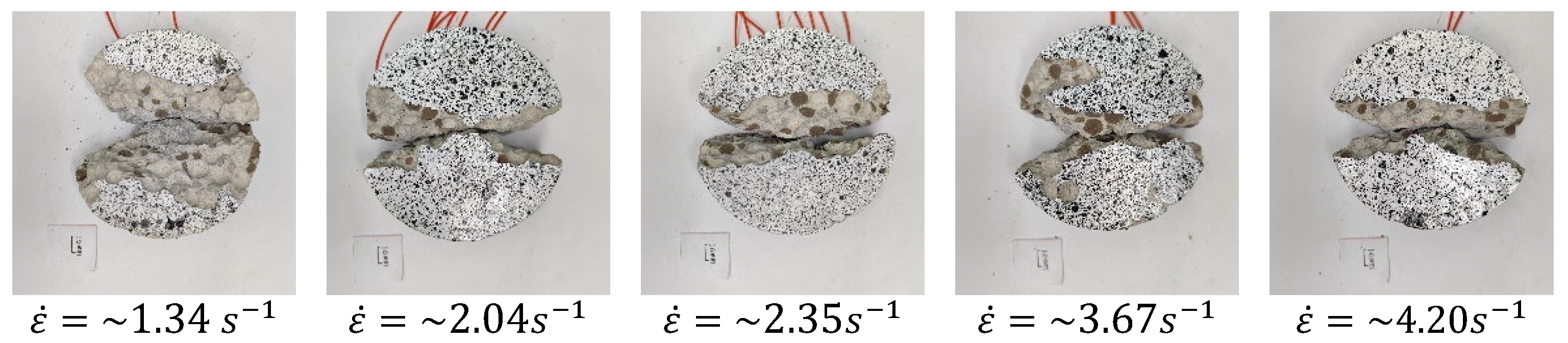
The failure modes of FBD specimens under different strain rates in the SHPB tests are shown in Figure 9. Similar to the drop-weight test, a main crack propagated along the impact direction after testing, which is consistent with the principles of the Brazilian splitting test and previous research findings [42,43]. Symmetrical triangular compression zones appeared at both flat ends of the specimens, and their areas increased with the strain rate. Moreover, the triangular compression zone near the incident bar was larger than that near the transmission bar. This occurred because the material adjacent to the incident bar needed to generate more cracks to dissipate the higher impact energy. During the development of the central crack, part of the impact energy was dissipated, resulting in a smaller energy demand and, consequently, a smaller compression zone near the transmission bar.

4.2.2. Energy Absorption Capacity

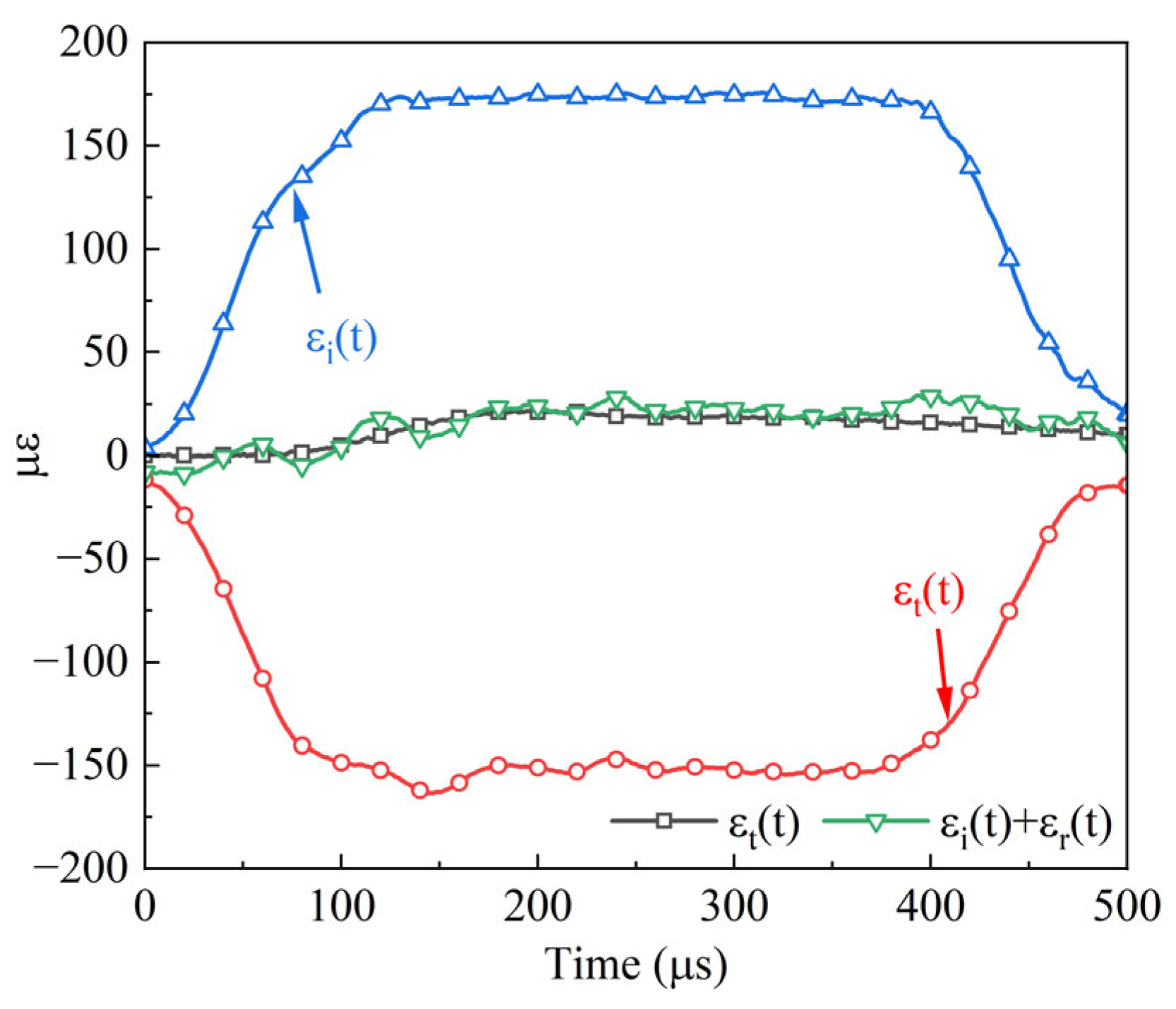
A typical dynamic stress equilibrium curve obtained from the SHPB test is presented in Figure 10. The superposition of the incident and reflected waves closely matches the transmitted wave, confirming the validity of the test results. Therefore, the recorded data can be used to calculate the stress, strain, and strain rate of the specimen during the SHPB test. The results of the SHPB experiments are summarized in Table 5, where the stress rate, strain rate, dynamic tensile strength, and DIF were calculated using Equation (2), Equation (7) and Equation (3), respectively.
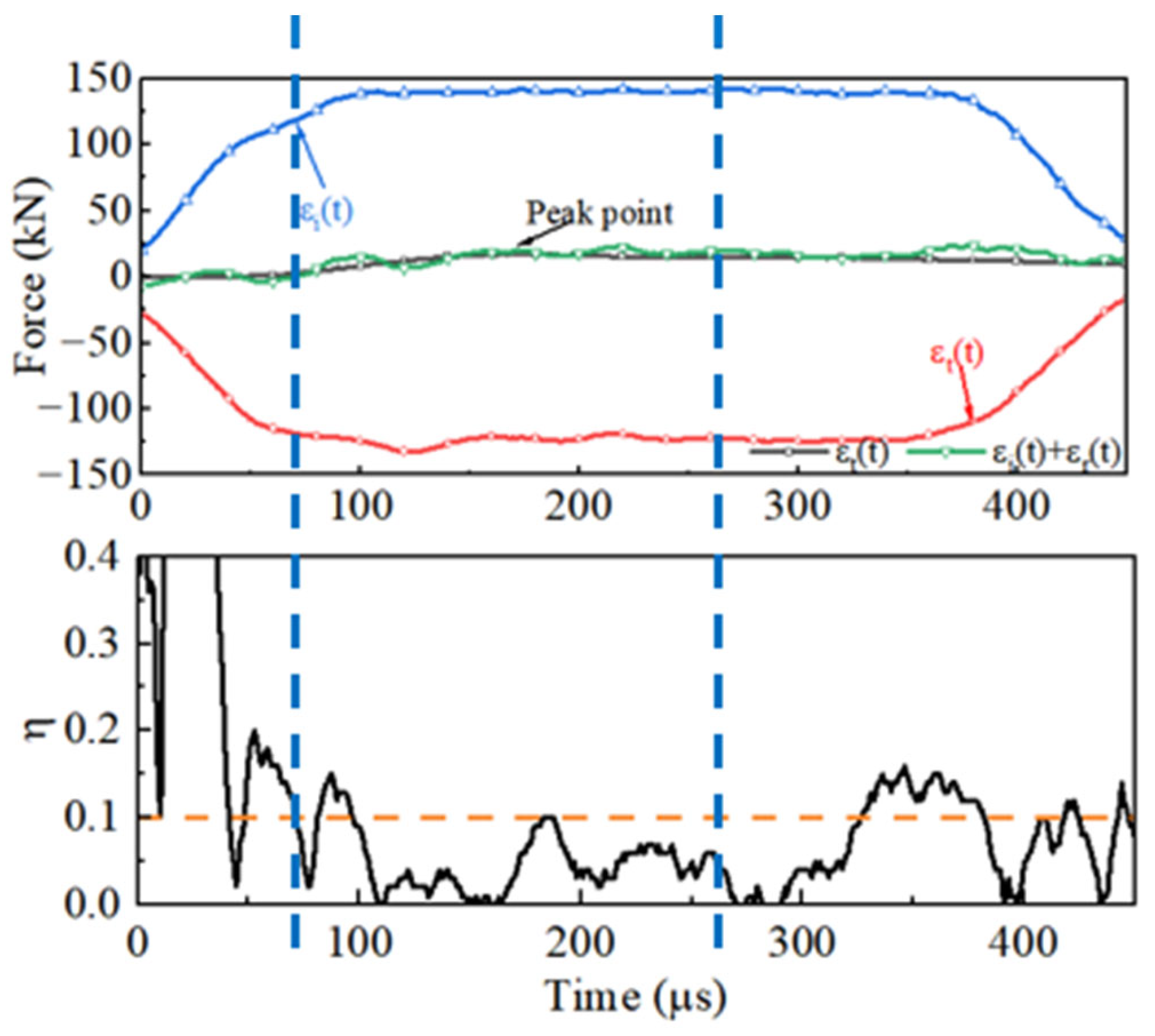
In addition, the peak values between 75 μs and 260 μs in Figure 10 were selected for detailed analysis, and the stress equilibrium factor η, defined in Equation (8), was introduced to evaluate the stress equilibrium condition in the SHPB tests [44]. As shown in Figure 11, η remains almost below 0.1 throughout the time window of 75–260 μs, without pronounced fluctuations. This indicates that the specimen satisfies the assumption of uniform stress distribution during the critical impact loading stage, thereby confirming the validity of the SHPB dynamic splitting test results.
η = ε i t + ε r t ε t t ε i t + ε r t + ε t t × 1 2
Based on the principle of energy conservation, the energy dissipation [45] can be defined using Equation (9):
W i t = E 0 C 0 A 0 0 t ε i 2 ( t ) d t W r t = E 0 C 0 A 0 0 t ε r 2 ( t ) d t W t t = E 0 C 0 A 0 0 t ε t 2 ( t ) d t
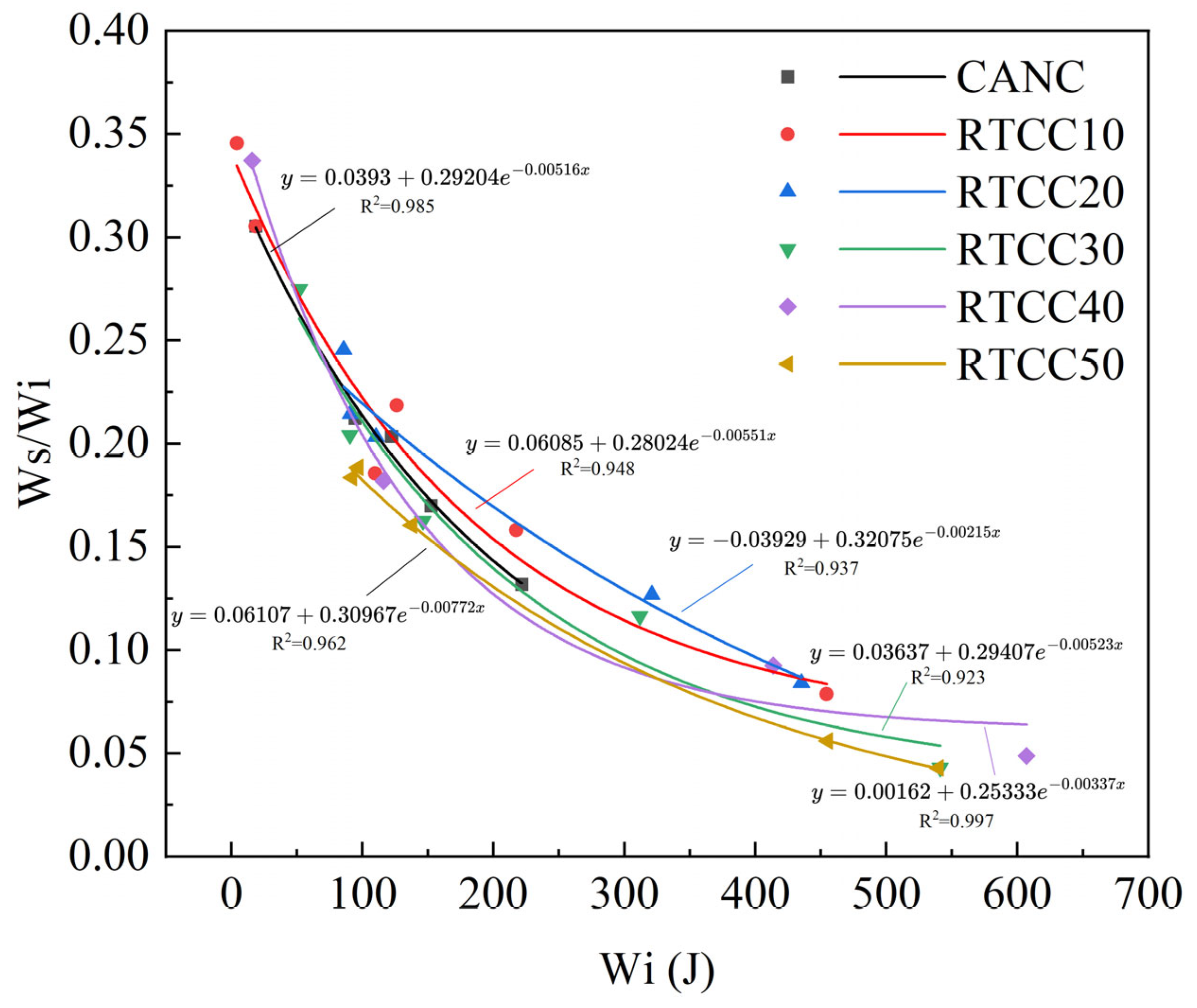
As shown in Table 6, the table presents the incident, reflected, and transmitted energies of specimens with different rubber replacement ratios under various strain rates, where Wi, Wr, and Wt represent the maximum values of Wi(t), Wr(t), and Wt(t), respectively. In addition, the ratio of the dissipated energy to the incident energy, Ws/Wi, is defined as the energy dissipation ratio.
As shown in Figure 12, under the same impact energy level, the energy dissipation ratio of the material first increases and then decreases with the increase in rubber replacement ratio. Among all mixtures, the specimen with a 20% rubber replacement ratio exhibited the highest energy dissipation ratio, indicating that the concrete with 20% rubber content possesses superior crack resistance under high strain rates, which is consistent with the previous results. Moreover, all six curves show that as the incident energy increases—that is, as the strain rate rises—the energy dissipation ratio decreases. This occurs because, at high strain rates, the failure duration becomes extremely short, causing the material to behave in a more brittle manner.

4.2.3. Dynamic Splitting Tensile Behavior

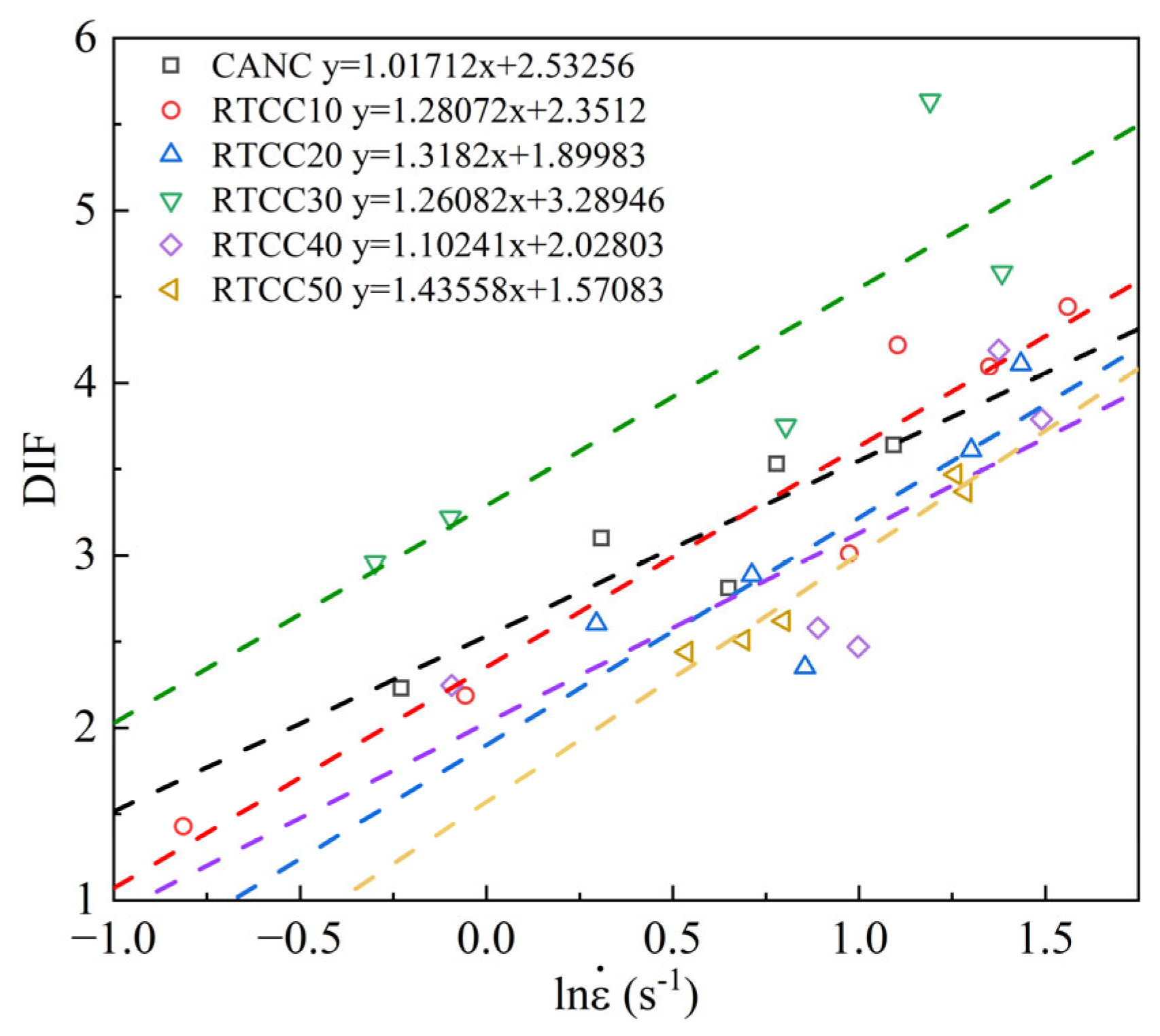
As shown in Figure 13, under high strain rates, the dynamic splitting tensile behavior exhibited a trend similar to that observed in dynamic compression. The splitting tensile strength of rubber concrete showed a clear strain-rate effect [46], demonstrating significant strain-rate sensitivity across different rubber replacement ratios. It can also be observed that the slopes of the fitted lines for RTCC specimens were greater than that of CANC, indicating that the incorporation of rubber particles enhanced the strain-rate sensitivity of the concrete at high strain rates.
Moreover, as the rubber content increased, the slope of the fitted lines first increased and then decreased, while the intercepts generally showed a downward trend (for example, the intercept of RTCC10 was 2.3512, whereas that of RTCC50 was 1.57083). This indicates that in the low strain-rate region ( l n ε ˙ < 0), the DIF values of rubberized concrete were generally lower than those of ordinary ceramsite concrete; however, in the high strain-rate region ( l n ε ˙ > 0), the DIF of high rubber replacement concrete increased more significantly, showing a stronger dynamic enhancement effect than ordinary ceramsite concrete. For RTCC20, the slope of the fitted line reached 1.3182 and the intercept was 1.8993, which ensured a relatively high baseline strength while exhibiting superior dynamic enhancement under high strain rates.

4.2.4. Discussion

Combined with the results of the quasi-static compression and drop-weight impact tests, it can be concluded that the 20% rubber replacement ratio provides the best strain-rate effect and overall performance under both static and dynamic loading conditions. The quasi-static splitting tensile test results show that the mixture with 20% rubber content achieves the highest tensile strength. The drop-weight impact tests further indicate that RTCC20 reaches the highest peak impact force and absorbs the greatest amount of impact energy among all mixtures. The SHPB results also demonstrate that RTCC20 exhibits the strongest strain-rate sensitivity and attains the highest energy absorption ratio, indicating that it can dissipate a larger portion of the input energy under high strain rates. Moreover, all three tests consistently show that the overall performance of RTCC first increases and then decreases as the rubber content increases. This trend can be explained that a small amount of rubber can provide limited deformation accommodation and help reduce localized stress concentration, allowing the material to sustain higher loads before brittle failure occurs. However, as the rubber content continues to increase, the presence of more low-stiffness regions and weak interfaces begins to dominate the structural response, reducing the effective load-bearing capacity and resulting in a decline in strength.
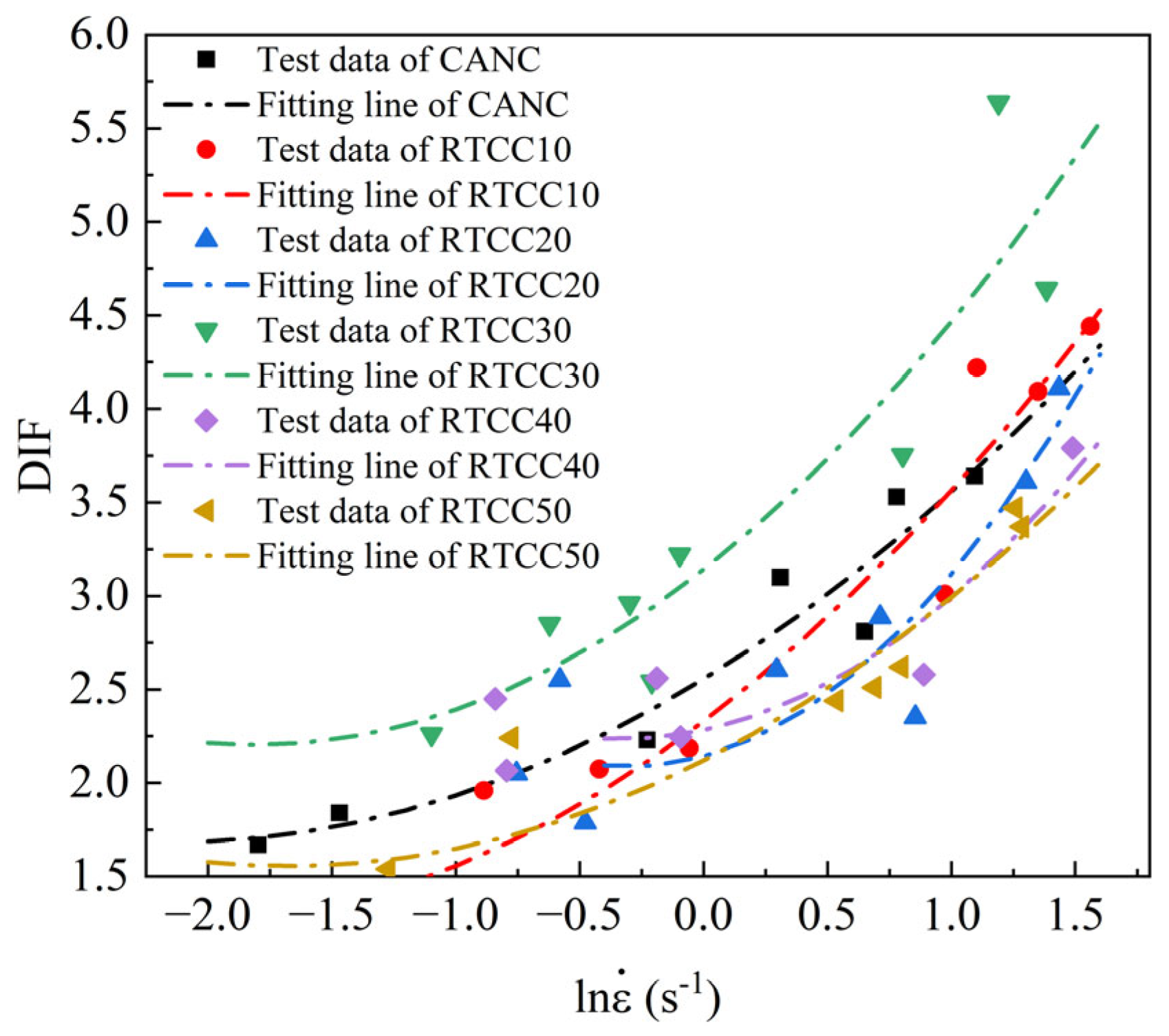
We proposed an empirical correction formula, as expressed using Equation (10), to fit the strain rate effect for different rubber admixtures of RTCC.
D I F = a ( ln ε ˙ ) 2 + b ln ε ˙ + c
As shown in Figure 14, it illustrates the relationship between the DIF and the strain rate for RTCC. Compared with ordinary concrete, all RTCC mixtures exhibit an enhanced strain-rate effect after the incorporation of rubber particles. Among them, RTCC20 shows the most pronounced strain-rate sensitivity, indicating that the influence of strain rate on the dynamic splitting tensile strength is most significant at a rubber replacement ratio of 20%. As shown in Table 7, when the rubber content exceeds 20%, the strain-rate effect on the dynamic splitting tensile strength of RTCC gradually weakens. This phenomenon can be attributed to the fact that rubber particles may carry a small amount of entrapped air. When the rubber content exceeds 20%, the internal void content of the concrete increases, which weakens the aggregate–matrix bonding interface. As a result, the bonding interface is more susceptible to damage under impact loading, leading to a reduction in deformation capacity and strain-rate strengthening efficiency. Nevertheless, the microporous structure of ceramsite aggregate provides internal space for the migration and storage of micro-air, which partially mitigates the strength-reduction effect induced by rubber incorporation. Overall, the results indicate that RTCC exhibits a stronger strain-rate effect than ordinary concrete, with the most significant enhancement observed at a rubber content of 20%.

5. Conclusions

This study systematically investigated the static and dynamic splitting tensile behavior of Rubber-Toughened Ceramsite Concrete (RTCC) with different rubber fine aggregate replacement ratios (0–50%). The experimental program covered quasi-static loading, drop-weight impact, and SHPB high strain-rate tests, focusing on the mechanical properties, crack failure modes, and energy dissipation capacity of the material. Based on the results of the static and dynamic splitting tensile tests, the following conclusions can be drawn:
(1)
The static compressive strength of Rubber-Toughened Ceramsite Concrete (RTCC) was lower than that of ordinary concrete, while the static splitting tensile strength first increased and then decreased with increasing rubber replacement ratio. In particular, when the rubber replacement ratio was 20%, the tensile strength reached its maximum value of 2.01 MPa, and the tension–compression ratio increased by 66.7%, significantly enhancing the crack resistance of the material. A moderate amount of rubber effectively improved toughness, whereas excessive rubber content weakened the interfacial bonding performance.
(2)
For the dynamic tests (with strain rates ranging from approximately 0.16 s−1 to 4.76 s−1), the dynamic splitting tensile strength of Rubber-Toughened Ceramsite Concrete (RTCC) exhibited a pronounced strain-rate effect, similar to its dynamic compressive strength behavior [46]. In addition, existing studies [47,48] have shown that the strain-rate range associated with blasting-induced vibration acting on structural components typically falls within 10−2–101 s−1, which is close to the strain-rate interval adopted in this study. This further supports the engineering relevance and appropriateness of the selected strain-rate range.
(3)
Under medium strain rates (drop-weight tests), the peak impact force generally decreased with increasing rubber content, while the energy absorption capacity first increased and then decreased. The specimen with a 20% rubber replacement ratio showed the best overall performance, with a peak impact force of 42.48 kN and an absorbed energy of 43.23 J.
(4)
Under high strain rates (SHPB tests), Rubber-Toughened Ceramsite Concrete (RTCC) exhibited pronounced strain-rate sensitivity, with the DIF increasing significantly as the strain rate rose. As the rubber replacement ratio increased, the slope of the DIF- ε ˙ curve gradually decreased, indicating that the incorporation of rubber reduced the strain-rate sensitivity of the concrete but improved its initial strength under low-velocity impacts. Moreover, at higher strain rates, due to the superior energy absorption capability of rubber, RTCC demonstrated greater energy dissipation capacity than ordinary ceramsite concrete. However, the overall energy dissipation capacity tended to decrease with further increases in rubber content.
(5)
RTCC can generally be produced using conventional concrete mixing and casting procedures without special equipment, indicating good construction adaptability. Although rubber incorporation may reduce static compressive strength, its enhanced deformation capacity and energy dissipation are advantageous for structures subjected to vibration or dynamic loading. In addition, the use of waste rubber contributes to resource recycling and environmental sustainability, suggesting acceptable economic potential when RTCC is applied in vibration-sensitive or non-primary load-bearing components.

Author Contributions

Conceptualization, H.Q.; Data curation, H.Q., W.F., L.C., H.L. and F.Y.; Formal analysis, L.C.; Funding acquisition, G.S., H.L. and F.Y.; Investigation, H.L.; Methodology, G.S.; Project administration, F.Y.; Resources, F.Y.; Software, H.Q.; Supervision, W.F.; Validation, G.S., H.Q. and W.F.; Visualization, F.Y.; Writing—original draft, G.S.; Writing—review & editing, W.F. All authors have read and agreed to the published version of the manuscript.

Funding

This research was funded by the Science and Technology Project of China Southern Power Grid Co., Ltd. (GDKJXM20231138), the National Natural Science Foundation of China (12072079) and the Key Scientific Research Platform Projects of Guangdong Provincial Colleges and Universities (2025KCXTD074; 2024GCZX023; 2023CJPT003).

Data Availability Statement

The original data are available upon request. The data are not publicly available due to project privacy.

Acknowledgments

The authors thank all the technical personnel from the Structural Laboratory of Guangdong University of Technology for their assistance during the experiments.

Conflicts of Interest

Author Guangtong Sun was employed by the company Guangzhou Power Supply Bureau of Guangdong Power Grid Co., Ltd. The remaining authors declare that the research was conducted in the absence of any commercial or financial relationships that could be construed as a potential conflict of interest.

References

  1. Yu, J.; Yao, Y.; Wang, K.; Zhou, J.; Zhou, W.; Zhang, C.; Gao, Y. Experimental Investigation of Effects of Multi-Fissures on Brittleness of Ordinary Portland Cement Concrete and Rubberized Concrete. Eng. Fract. Mech. 2024, 306, 110254. [Google Scholar] [CrossRef]
  2. Moghimi, H.; Ronagh, H.R. Impact Factors for a Composite Steel Bridge Using Non-Linear Dynamic Simulation. Int. J. Impact Eng. 2008, 35, 1228–1243. [Google Scholar] [CrossRef]
  3. Zhang, N.; Chang, R.; Gu, Q. Response Sensitivity Studies of a Cable-Stayed Bridge with Shape Memory Alloy Damping System Considering Temperature Effects. Eng. Struct. 2021, 244, 112772. [Google Scholar] [CrossRef]
  4. Wu, W.; Lu, J.-X.; Liao, Q.; He, X.; Yang, W.; Alam, M.S.; Poon, C.S. Strategies for Improving the Structural Performance of Sustainable Lightweight Concrete Beams. J. Build. Eng. 2025, 113, 113989. [Google Scholar] [CrossRef]
  5. Liang, K.; Liu, S.; Lu, H.; Chow, C.L.; Lau, D. Modified Expanded Polystyrene Particles for Alkali-Activated Lightweight Concrete Enhancement: An Experimental and Simulation Study. J. Build. Eng. 2025, 112, 113650. [Google Scholar] [CrossRef]
  6. Im, C.-R.; Yang, K.-H.; Kim, S.; Mun, J.-H. Flexural Performance of Lightweight Aggregate Concrete Columns. Eng. Struct. 2022, 251, 113545. [Google Scholar] [CrossRef]
  7. Ray, S.; Haque, M.; Sakib, M.N.; Mita, A.F.; Rahman, M.D.M.; Tanmoy, B.B. Use of Ceramic Wastes as Aggregates in Concrete Production: A Review. J. Build. Eng. 2021, 43, 102567. [Google Scholar] [CrossRef]
  8. Lu, J.-X. Recent Advances in High Strength Lightweight Concrete: From Development Strategies to Practical Applications. Constr. Build. Mater. 2023, 400, 132905. [Google Scholar] [CrossRef]
  9. Sun, X.; Qin, X.; Liu, Z.; Yin, Y. Damaging Effect of Fine Grinding Treatment on the Microstructure of Polyurea Elastomer Modifier Used in Asphalt Binder. Measurement 2025, 242, 115984. [Google Scholar] [CrossRef]
  10. Du, C.; Zou, D.; Liu, T.; Lv, H. An Exploratory Experimental and 3D Numerical Investigation on the Effect of Porosity on Wave Propagation in Cement Paste. Measurement 2018, 122, 611–619. [Google Scholar] [CrossRef]
  11. Qiu, J.; Xing, M.; Yang, Z.; Zhang, C.; Guan, X. Micro-pore Structure Characteristics and Macro-mechanical Properties of PP Fibre Reinforced Coal Gangue Ceramsite Concrete. J. Eng. 2020, 2020, 1192–1197. [Google Scholar] [CrossRef]
  12. Youssf, O.; Hassanli, R.; Elchalakani, M.; Mills, J.E.; Tayeh, B.A.; Agwaa, I.S. Punching Shear Behaviour and Repair Efficiency of Reinforced Eco-Friendly Lightweight Concrete Slabs. Eng. Struct. 2023, 281, 115805. [Google Scholar] [CrossRef]
  13. Zhang, J.; Liu, X.; Ding, K.; Wu, Z. Dynamic Splitting Tensile Behaviors of Ceramic Aggregate Concrete: An Experimental and Mesoscopic Study. Struct. Concr. 2022, 23, 3267–3283. [Google Scholar] [CrossRef]
  14. Adebayo, I.W.; Long, G.; Tang, Z.; Ghone, M.O.; Zaland, S.; Garba, M.J.; Yang, K.; Akhunzada, K.; Oluwasina, U.A. Effect of Crumb Rubber and Polyethylene Fiber on the Strength and Toughness of Fly Ash/Slag-Based Geopolymer Concrete. Constr. Build. Mater. 2024, 455, 139133. [Google Scholar] [CrossRef]
  15. Feng, W.; Liu, F.; Yang, F.; Jing, L.; Li, L.; Li, H.; Chen, L. Compressive Behaviour and Fragment Size Distribution Model for Failure Mode Prediction of Rubber Concrete under Impact Loads. Constr. Build. Mater. 2021, 273, 121767. [Google Scholar] [CrossRef]
  16. Zvonarić, M.; Barišić, I.; Dokšanović, T. Effect of Rubber Granules and Rubber Threads on Mechanical Properties of Cement-Bound Base Course. Constr. Build. Mater. 2024, 437, 137094. [Google Scholar] [CrossRef]
  17. Helmy, S.H.; Tahwia, A.M.; Mahdy, M.G.; Abd Elrahman, M.; Abed, M.A.; Youssf, O. The Use of Recycled Tire Rubber, Crushed Glass, and Crushed Clay Brick in Lightweight Concrete Production: A Review. Sustainability 2023, 15, 10060. [Google Scholar] [CrossRef]
  18. Mo, J.; Zeng, L.; Guo, F.; Liu, Y.; Ma, L.; Chen, B.; Liu, X. Experimental Study on Damping Properties of Rubber Powder Modified Styrene-Acrylic Emulsion Concrete Beam. J. Build. Eng. 2020, 32, 101728. [Google Scholar] [CrossRef]
  19. Kundan, P.; Sharma, S. Rubberized Cemented Concrete Composites: A Review. Mater. Today Proc. 2021, 44, 4838–4842. [Google Scholar] [CrossRef]
  20. Ghone, M.O.; Long, G.; Yang, K.; Ma, X.; Islam, N. Toughness Improvement of Low Strength Ceramsite Lightweight Concrete by Polypropylene Fiber and Recycled Rubber Particle. Constr. Build. Mater. 2024, 422, 135716. [Google Scholar] [CrossRef]
  21. Feng, L.; Chen, X.; Zhang, J.; Chen, C. Experimental and Mesoscopic Investigation of Self-Compacting Rubberized Concrete under Dynamic Splitting Tension. J. Build. Eng. 2022, 57, 104942. [Google Scholar] [CrossRef]
  22. Yang, G.; Chen, X.; Guo, S.; Xuan, W. Dynamic Mechanical Performance of Self-Compacting Concrete Containing Crumb Rubber under High Strain Rates. KSCE J. Civ. Eng. 2019, 23, 3669–3681. [Google Scholar] [CrossRef]
  23. Gesoğlu, M.; Güneyisi, E. Strength Development and Chloride Penetration in Rubberized Concretes with and without Silica Fume. Mater. Struct. 2007, 40, 953–964. [Google Scholar] [CrossRef]
  24. Richardson, A.E.; Coventry, K.A.; Ward, G. Freeze/Thaw Protection of Concrete with Optimum Rubber Crumb Content. J. Clean. Prod. 2012, 23, 96–103. [Google Scholar] [CrossRef]
  25. Guo, Y.; Zhang, J.; Chen, G.; Xie, Z. Compressive Behaviour of Concrete Structures Incorporating Recycled Concrete Aggregates, Rubber Crumb and Reinforced with Steel Fibre, Subjected to Elevated Temperatures. J. Clean. Prod. 2014, 72, 193–203. [Google Scholar] [CrossRef]
  26. Steyn, Z.C.; Babafemi, A.J.; Fataar, H.; Combrinck, R. Concrete Containing Waste Recycled Glass, Plastic and Rubber as Sand Replacement. Constr. Build. Mater. 2021, 269, 121242. [Google Scholar] [CrossRef]
  27. Li, G.; Stubblefield, M.A.; Garrick, G.; Eggers, J.; Abadie, C.; Huang, B. Development of Waste Tire Modified Concrete. Cem. Concr. Res. 2004, 34, 2283–2289. [Google Scholar] [CrossRef]
  28. Chen, L.; Yang, F.; Hong, Y.; Feng, W.; Li, X. Dynamic Mechanical Properties and Failure Mechanism of Sustainable Lightweight Aggregate Rubber Concrete. J. Mater. Res. Technol. 2025, 35, 1982–1995. [Google Scholar] [CrossRef]
  29. Guo, H.; Tao, J.; Chen, Y.; Li, D.; Jia, B.; Zhai, Y. Effect of Steel and Polypropylene Fibers on the Quasi-Static and Dynamic Splitting Tensile Properties of High-Strength Concrete. Constr. Build. Mater. 2019, 224, 504–514. [Google Scholar] [CrossRef]
  30. Jin, X.; Hou, C.; Fan, X.; Lu, C.; Yang, H.; Shu, X.; Wang, Z. Quasi-Static and Dynamic Experimental Studies on the Tensile Strength and Failure Pattern of Concrete and Mortar Discs. Sci. Rep. 2017, 7, 15305. [Google Scholar] [CrossRef]
  31. Li, Q.M.; Meng, H. About the Dynamic Strength Enhancement of Concrete-like Materials in a Split Hopkinson Pressure Bar Test. Int. J. Solids Struct. 2003, 40, 343–360. [Google Scholar] [CrossRef]
  32. Li, X.; Zhang, Y.; Shi, C.; Chen, X. Experimental and Numerical Study on Tensile Strength and Failure Pattern of High Performance Steel Fiber Reinforced Concrete under Dynamic Splitting Tension. Constr. Build. Mater. 2020, 259, 119796. [Google Scholar] [CrossRef]
  33. Wang, Q.Z.; Li, W.; Xie, H.P. Dynamic Split Tensile Test of Flattened Brazilian Disc of Rock with SHPB Setup. Mech. Mater. 2009, 41, 252–260. [Google Scholar] [CrossRef]
  34. Guan, X.; Hou, X.; Sun, J.; Liu, Y. Investigating the Dynamic Behavior and Tensile Properties of Coal Gangue Shotcrete under Impact Loading Conditions SHPB Device. J. Build. Eng. 2024, 98, 111060. [Google Scholar] [CrossRef]
  35. Chen, L.; Zhang, X.; Liu, G. Analysis of Dynamic Mechanical Properties of Sprayed Fiber-Reinforced Concrete Based on the Energy Conversion Principle. Constr. Build. Mater. 2020, 254, 119167. [Google Scholar] [CrossRef]
  36. Lan, S.; Liu, F.; Yang, F.; Li, H.; Chen, D.; Xu, K.; Zhang, H.; Kuang, J.; Fang, Z.; Feng, W. Dynamic Compressive and Splitting Tensile Characteristics of Rubber-Modified Non-Autoclaved Concrete Pipe Piles. J. Build. Eng. 2023, 69, 106292. [Google Scholar] [CrossRef]
  37. Abdelmonem, A.; El-Feky, M.S.; Nasr, E.-S.A.R.; Kohail, M. Performance of High Strength Concrete Containing Recycled Rubber. Constr. Build. Mater. 2019, 227, 116660. [Google Scholar] [CrossRef]
  38. Elzeadani, M.; Bompa, D.V.; Elghazouli, A.Y. Compressive and Splitting Tensile Impact Properties of Rubberised One-Part Alkali-Activated Concrete. J. Build. Eng. 2023, 71, 106596. [Google Scholar]
  39. Thomas, B.S.; Gupta, R.C.; Mehra, P.; Kumar, S. Performance of High Strength Rubberized Concrete in Aggressive Environment. Constr. Build. Mater. 2015, 83, 320–326. [Google Scholar] [CrossRef]
  40. Zhai, S.; Liu, C.; Liu, G.; Pang, B.; Zhang, L.; Liu, Z.; Liu, L.; Zhang, Y. Effect of Modified Rubber Powder on the Mechanical Properties of Cement-Based Materials. J. Mater. Res. Technol. 2022, 19, 4141–4153. [Google Scholar] [CrossRef]
  41. Feng, W.; Chen, Z.; Tang, Y.; Liu, F.; Yang, F.; Yang, Y.; Tayeh, B.A.; Namdar, A. Fracture Characteristics of Sustainable Crumb Rubber Concrete under a Wide Range of Loading Rates. Constr. Build. Mater. 2022, 359, 129474. [Google Scholar] [CrossRef]
  42. Gurusideswar, S.; Shukla, A.; Jonnalagadda, K.N.; Nanthagopalan, P. Tensile Strength and Failure of Ultra-High Performance Concrete (UHPC) Composition over a Wide Range of Strain Rates. Constr. Build. Mater. 2020, 258, 119642. [Google Scholar] [CrossRef]
  43. Cui, X.; Chen, M.; Feng, J.; Zhang, T.; Zhang, M. Effect of Cryogenic Temperature on Compressive and Splitting Tensile Behaviour of Industrial-Recycled Hybrid Steel Fiber Reinforced Ultra-High Performance Shotcrete. Constr. Build. Mater. 2025, 479, 141445. [Google Scholar] [CrossRef]
  44. Yang, F.; Li, J.; Wu, J.; Feng, W.; Chen, Y. Mode I Fracture Behavior of Rubber-Modified Unsaturated Polyester Resin Concrete under Impact Loads: The Effects of Loading Rate, Rubber Content and Curing Age. Theor. Appl. Fract. Mech. 2024, 132, 104496. [Google Scholar] [CrossRef]
  45. Zhu, H.; Xiong, Z.; Song, Y.; Zhou, K.; Su, Y. Effect of Expansion Agent and Glass Fiber on the Dynamic Splitting Tensile Properties of Seawater–Sea-Sand Concrete. Buildings 2024, 14, 217. [Google Scholar] [CrossRef]
  46. Liu, F.; Chen, G.; Li, L.; Guo, Y. Study of Impact Performance of Rubber Reinforced Concrete. Constr. Build. Mater. 2012, 36, 604–616. [Google Scholar] [CrossRef]
  47. Yao, Y.; Zhu, B.; Jiang, N.; Yang, Y. Experimental Study on the Dynamic Response of Double-Column Viaduct Pier under the Action of Blasting Vibration. Structures 2025, 76, 108939. [Google Scholar] [CrossRef]
  48. Liu, Y.; Hao, H.; Hao, Y. Prediction of Blast Response of RC Columns Considering Dynamic Bond-Slip between Reinforcement and Concrete. Eng. Struct. 2023, 283, 115921. [Google Scholar] [CrossRef]
Figure 1. Schematic diagram of the Flat Brazilian Disc.
Buildings 16 00269 g001
Figure 2. Schematic diagram of the drop-weight impact test apparatus.
Buildings 16 00269 g002aBuildings 16 00269 g002b
Figure 3. Schematic diagram of the Split Hopkinson Pressure Bar (SHPB) system.
Buildings 16 00269 g003aBuildings 16 00269 g003b
Figure 4. Brittleness Index and Tension–Compression Ratio of Concrete.
Buildings 16 00269 g004
Figure 5. Failure Modes of FBD Specimens under Quasi-Static Loading.
Buildings 16 00269 g005
Figure 6. Typical Failure Modes of Specimens after the Drop-Weight Impact Test.
Buildings 16 00269 g006
Figure 7. Force–Time Curves of FBD Specimens after the Drop-Weight Impact Test.
Buildings 16 00269 g007
Figure 8. Energy–Time Curves of FBD Specimens under the Drop-Weight Impact Test.
Buildings 16 00269 g008
Figure 9. Failure Mode of the Specimen with 20% Rubber Replacement after the SHPB Test.
Buildings 16 00269 g009
Figure 10. Typical Dynamic Stress Equilibrium Curve.
Buildings 16 00269 g010
Figure 11. Definition of Stress Equilibrium Factor.
Buildings 16 00269 g011
Figure 12. Relationship between Incident Energy and Energy Dissipation Ratio.
Buildings 16 00269 g012
Figure 13. Relationship between Strain Rate and DIF of Specimens under High Strain Rates.
Buildings 16 00269 g013
Figure 14. Relationship between Strain Rate and Splitting Tensile DIF.
Buildings 16 00269 g014
Table 1. Experimental studies on rubber–lightweight aggregate concrete.
ReferencesConcrete TypesTest MethodLoading Focus
Ghone et al. [20]Ceramsite lightweight concreteStatic testsToughness
Feng et al. [21]Self-compacting rubberized concreteSHPBDynamic splitting
Yang et al. [22]Rubberized concreteSHPBDynamic compression
Li et al. [27]Rubberized concreteStatic testsStrength, toughness
Table 2. Mix proportions of Rubber-Toughened Ceramsite Concrete (kg/m3).
Mix Proportions
CementWaterSandRubber ParticlesCeramsite
CANC3982106090756
RTCC-1039821054817756
RTCC-2039821048734756
RTCC-3039821042651756
RTCC-4039821036568756
RTCC-5039821030585756
Table 3. Static Mechanical Properties.
Compressive Strength [28] (MPa)Splitting Tensile Strength (MPa)Splitting Tensile Strength/Compressive Strength
CANC32.401.790.06
RTCC1023.201.830.08
RTCC2020.402.010.10
RTCC3019.401.450.07
RTCC4012.402.120.17
RTCC5012.501.810.14
Table 4. Results of the Drop-Weight Impact Test.
Peak Force (kN)ftd (MPa)Strain Rate (s−1)
CANC-124.712.99~0.17
CANC-230.783.72~0.23
CANC-333.494.05~0.48
RTCC10-119.362.34~0.25
RTCC10-229.693.59~0.41
RTCC10-331.443.80~0.66
RTCC20-134.164.13~0.47
RTCC20-242.485.14~0.56
RTCC20-329.833.61~0.62
RTCC30-127.133.28~0.33
RTCC30-234.164.13~0.53
RTCC30-330.524.69~0.81
RTCC40-136.204.38~0.45
RTCC40-244.855.42~0.83
RTCC40-342.895.19~0.97
RTCC50-123.002.78~0.28
RTCC50-219.762.39~0.30
RTCC50-333.594.06~0.46
Table 5. Results of the SHPB Test.
Specimen Thickness (mm)Stress Rate
(GPa/s)
Strain Rate
(s−1)
ftd (MPa)DIF
CANC-145.4527.201.925.032.81
CANC-246.8519.341.365.513.10
CANC-345.4630.952.186.283.53
CANC-447.2442.362.986.483.64
CANC-544.3811.300.803.982.23
RTCC10-144.1211.050.944.002.19
RTCC10-246.5030.992.655.523.01
RTCC10-347.9335.283.017.734.22
RTCC10-445.6355.674.768.134.44
RTCC10-5-147.005.190.442.611.43
RTCC10-5-244.9545.123.867.494.09
RTCC20-248.4949.124.208.254.11
RTCC20-350.2142.973.677.263.61
RTCC20-445.6323.872.045.802.89
RTCC20-544.9515.721.345.232.60
RTCC20-642.9727.512.356.163.07
RTCC30-151.7911.170.914.673.22
RTCC30-249.539.120.744.292.96
RTCC30-347.7327.472.235.443.75
RTCC30-445.7640.463.298.175.64
RTCC30-545.7249.063.996.724.64
RTCC40-149.7610.390.914.762.25
RTCC40-248.5430.932.715.232.47
RTCC40-349.1427.752.435.472.58
RTCC40-448.4245.103.968.894.19
RTCC40-549.1850.564.448.043.80
RTCC50-147.4818.471.714.412.44
RTCC50-250.9721.511.994.542.51
RTCC50-348.3023.972.224.752.62
RTCC50-448.2039.053.626.093.62
RTCC50-547.7638.013.526.273.47
Table 6. Energy Dissipation of Specimens under the SHPB Test.
Specimen W i ( J ) W r ( J ) W t ( J ) W s ( J ) W s / W i
CANC-194.4373.221.1720.030.21
CANC-2122.1795.711.6124.860.20
CANC-3152.37125.321.1625.890.17
CANC-4221.54191.131.1829.240.13
CANC-518.5312.040.835.660.31
RTCC-10-118.5312.040.835.660.31
RTCC-10-2109.7488.341.0320.370.19
RTCC-10-3126.1496.512.0427.580.22
RTCC-10-4454.42417.431.2135.780.08
RTCC-10-5-14.222.220.541.460.35
RTCC-10-5-2217.28181.161.7334.380.16
RTCC-20-2435.30397.261.4236.620.08
RTCC-20-3321.04278.671.6240.760.13
RTCC-20-485.7263.161.5221.050.25
RTCC-20-590.9470.141.3019.510.21
RTCC-20-6110.5286.780.0022.470.20
RTCC-30-151.8036.241.3214.230.27
RTCC-30-290.5371.050.9918.490.20
RTCC-30-3146.11121.390.9723.750.16
RTCC-30-4311.82273.631.4736.340.12
RTCC-30-5541.01516.870.8023.330.04
RTCC-40-115.749.011.425.310.34
RTCC-40-2116.1594.001.0221.130.18
RTCC-40-4413.67373.901.4738.300.09
RTCC-40-5607.05576.261.1729.620.05
RTCC-50-191.9474.260.7916.890.18
RTCC-50-296.7677.650.8718.250.19
RTCC-50-3137.82115.030.6722.120.16
RTCC-50-4455.26429.110.6825.470.06
RTCC-50-5539.86515.810.8023.130.04
Table 7. The fitting results of DIF and ε ˙ of RTCC.
abcR2
CANC0.188980.811892.556070.93
RTCC100.230631.003592.329530.94
RTCC200.613310.362082.141610.82
RTCC300.286721.037033.141070.85
RTCC400.425140.28612.282150.85
RTCC500.200080.672492.120610.89
Disclaimer/Publisher’s Note: The statements, opinions and data contained in all publications are solely those of the individual author(s) and contributor(s) and not of MDPI and/or the editor(s). MDPI and/or the editor(s) disclaim responsibility for any injury to people or property resulting from any ideas, methods, instructions or products referred to in the content.