Review

Advances in Vibration Research on Concrete Mix: Bibliometric Analysis and Hotspot Discussion

1
School of Power and Mechanical Engineering, Wuhan University, Wuhan 430072, China
2
China Construction Second Engineering Bureau Co., Ltd., Beijing 100160, China
3
School of Transportation and Civil Engineering, Nantong University, Nantong 226019, China
*
Authors to whom correspondence should be addressed.
Buildings 2026, 16(18), 3741; https://doi.org/10.3390/buildings16183741 (registering DOI)

Submission received: 15 August 2026 / Revised: 9 September 2026 / Accepted: 18 September 2026 / Published: 20 September 2026
(This article belongs to the Special Issue Development and Research of Cement-Based Materials)

Abstract

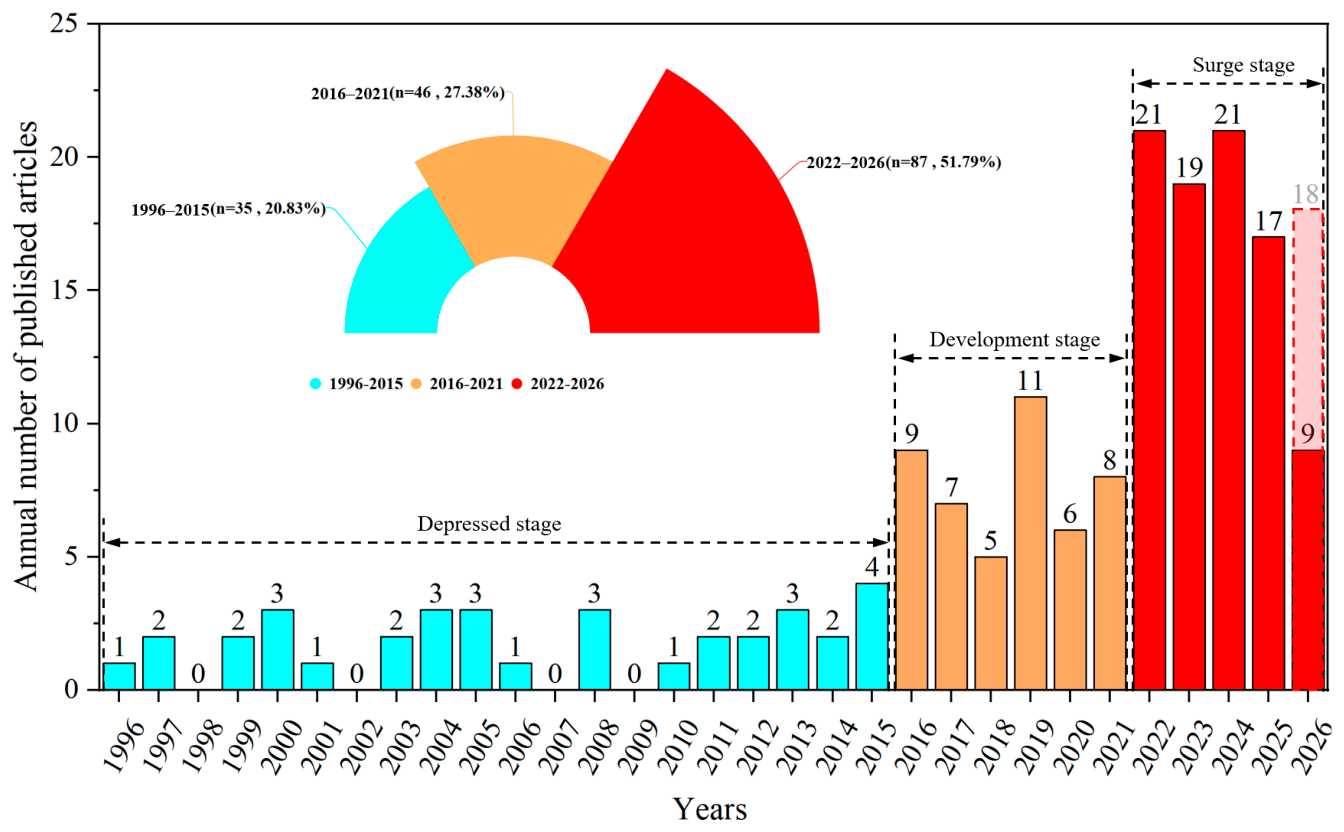
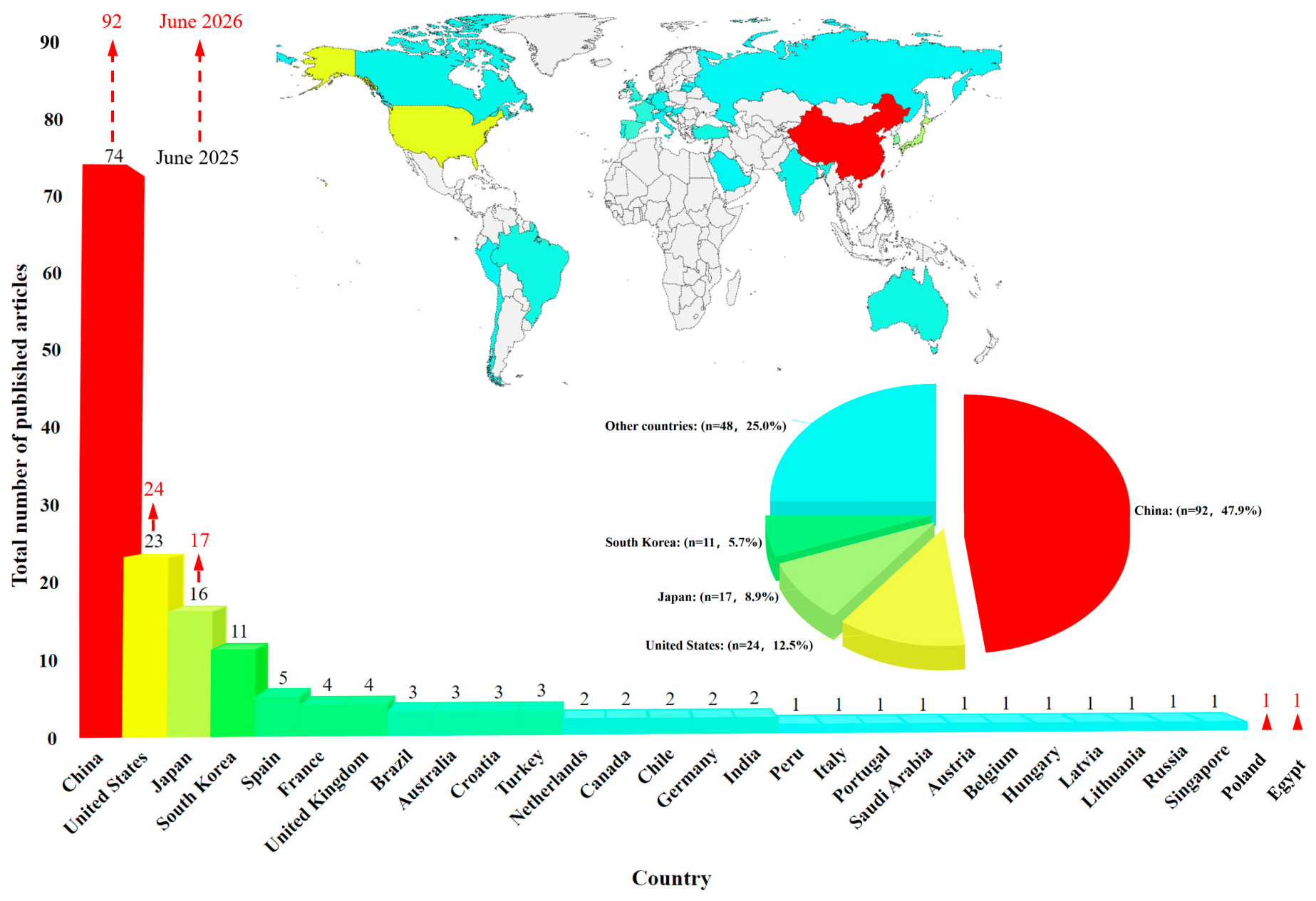
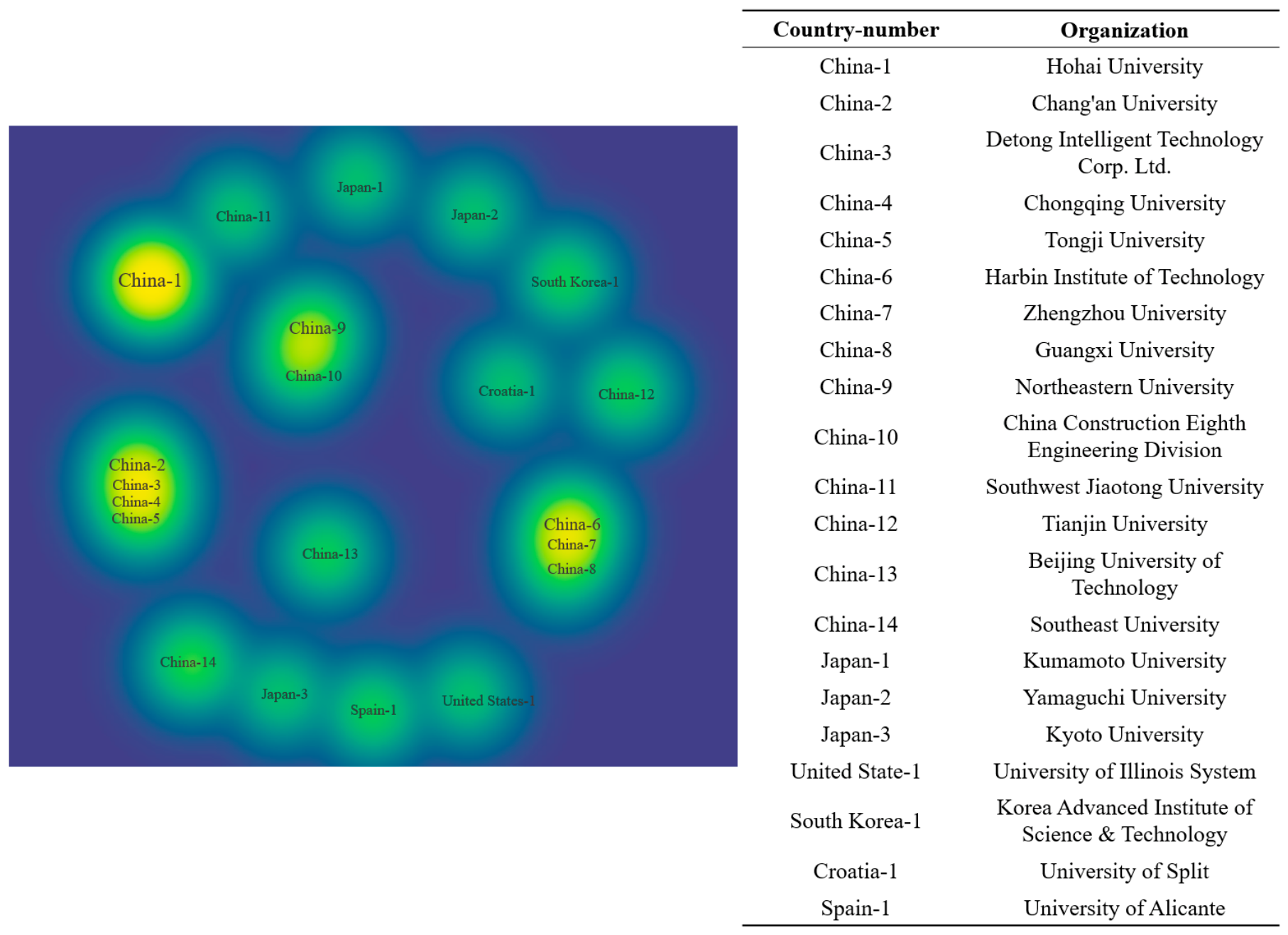
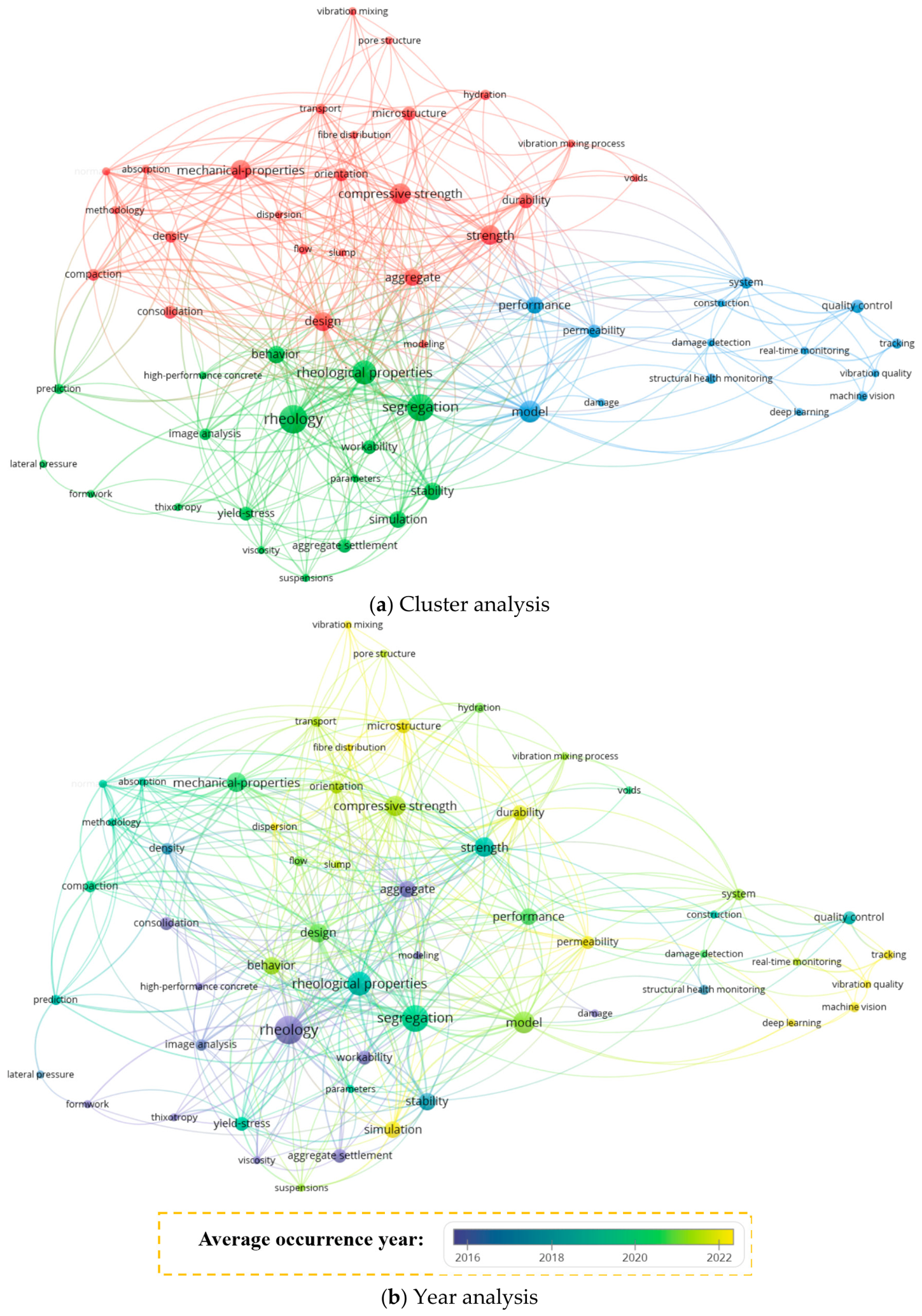
Research on the vibration of concrete mix is ushering in a critical opportunity for theoretical breakthroughs and construction innovations. This review aims to provide a systematic, data-driven overview of the research landscape of concrete mix vibration, with particular emphasis on identifying how existing knowledge can support real-time vibration quality control and the development of intelligent vibration systems for construction sites. To achieve this, this review conducts a bibliometric analysis of the research on concrete mix vibration using VOSviewer analysis software. The analysis reveals that this research field is undergoing the surge stage since 2022. The major research countries include China, the United States, Japan, and South Korea. Among them, 47.9% of global publications and 66.7% of global major research organizations in this field originate from China. However, the cooperative relationships among organizations still need to be improved. The research hotspots in this field can be subdivided into the following: research on the vibration mechanism of concrete mix, research on the compactness of vibrated concrete mix, and research on intelligent vibration technology for concrete mix. This review further focuses on in-depth discussions of the above research hotspots, systematically combs through existing research achievements, and identifies the key issues that urgently need to be addressed. From a practical perspective, this review suggests that the precise perception of vibration parameters, visual recognition of surface rheological states, and energy-based methods collectively offer promising pathways for improving on-site dynamic quality evaluation; meanwhile, real-time monitoring and feedback control systems provide the foundation for intelligent vibration construction. However, the practical implementation of these technologies requires further validation under real construction conditions, particularly in complex scenarios. Finally, this review points out the significant research directions on which future breakthroughs in intelligent vibration technology and concrete vibration theory will depend. This review has important reference value for grasping the academic research trends and engineering application status in this field.
Keywords: concrete mix vibration; bibliometric analysis; vibration mechanism; concrete compactness; intelligent vibration technology concrete mix vibration; bibliometric analysis; vibration mechanism; concrete compactness; intelligent vibration technology