A Decision-Support Framework for Early-Stage Pile Foundation Selection

 , ,
, ,
Abstract
1. Introduction
2. Materials and Methods
2.1. Scope of the Framework
2.2. GeoSupport Decision Platform (GSDP)
2.2.1. GSDP Architecture
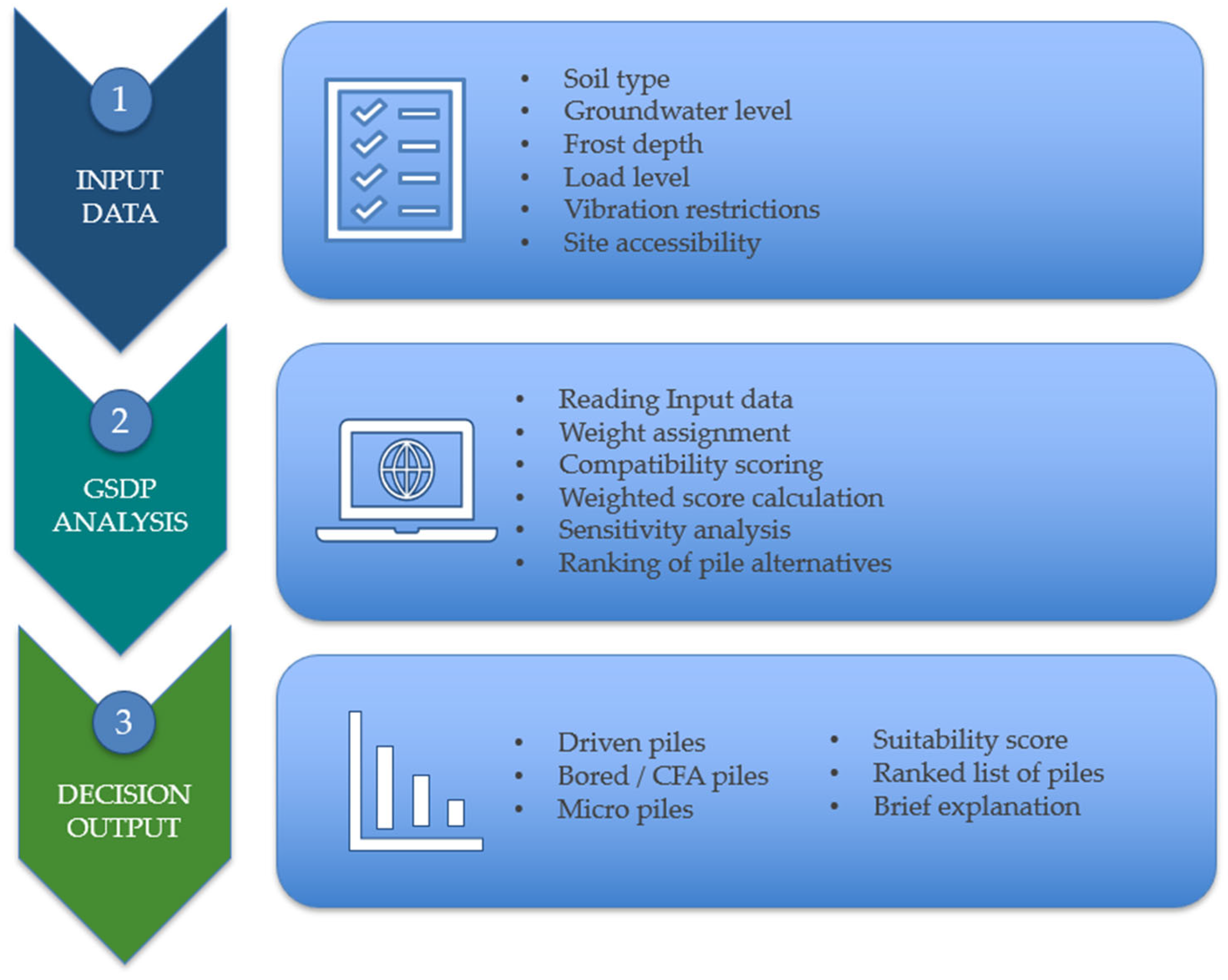
- Input Data—data acquisition,
- GSDP Analysis—decision-support stage,
- Decision Output—recommended solution.
- Defines the requirements and limitations for pile usage based on the available data,
- Compares the defined boundary conditions with the geological conditions recommended for the given pile application, considering both requirements and constraints,
- Checks the relevance level based on a scoring system that assigns appropriate weights to individual boundary conditions.
2.2.2. Data Acquisition Stage- Input Data Module
2.2.3. Decision-Support Stage—GSDP Analysis Module
2.2.4. Sensitivity Analysis
2.2.5. Recommended Solutions Stage—Decision Output Module
3. Case-Study Application Results
3.1. Prototype Evidence-Informed Scoring Framework
3.2. Case Study 1—Kokshetau Construction Site
3.2.1. Construction Site Characterization—Case Study 1
3.2.2. GSDP Application—Case Study 1
3.2.3. Applied Piled Foundation and Its Field-Testing Results
3.3. Case Study 2—Astana Construction Site
3.3.1. Construction Site Characterization—Case Study 2
3.3.2. GSDP Application—Case Study 2
3.3.3. Applied Bored Pile Foundation and Static Load Testing
3.3.4. Comparison of GSDP Results with Case-Study Outcomes
4. GeoSupport Decision Platform (GSDP) Evaluation
4.1. GSDP Advantages and Drawbacks
4.2. GSDP Future Enhancements and Expanded Scope
5. Conclusions
Author Contributions
Funding
Data Availability Statement
Acknowledgments
Conflicts of Interest
Abbreviations
| CFA | Continuous Flight Auger |
| MCDM | Multicriteria Decision-Making |
| GSDP | GeoSupport Decision Platform |
| SLT | Static Load Test |
| PLT | Pile Load Test |
References
- Das, B.M.; Sivakugan, N. Principles of Foundation Engineering, 9th ed.; Cengage Learning: Boston, MA, USA, 2019. [Google Scholar]
- Coduto, D.P.; Yeung, M.R.; Kitch, W.A. Foundation Design: Principles and Practices, 3rd ed.; Pearson: New York, NY, USA, 2016. [Google Scholar]
- Tomlinson, M.; Woodward, J. Pile Design and Construction Practice, 6th ed.; CRC Press: Boca Raton, FL, USA, 2014. [Google Scholar]
- Mickovski, S.B.; van Beek, L.P.H. A decision support system for the evaluation of eco-engineering strategies for slope protection. Geotech. Geol. Eng. 2006, 24, 483–498. [Google Scholar] [CrossRef] [Scilit]
- Mickovski, S.B.; Stokes, A.; van Beek, L.P.H. A decision support tool for windthrow hazard assessment and prevention. For. Ecol. Manag. 2005, 216, 64–76. [Google Scholar] [CrossRef] [Scilit]
- Rehman, Z.U. Trends and challenges of technology-enhanced learning in geotechnical engineering education. Sustainability 2023, 15, 7972. [Google Scholar] [CrossRef] [Scilit]
- Shim, J.P.; Warkentin, M.; Courtney, J.F.; Power, D.J.; Sharda, R.; Carlsson, C. Past, present, and future of decision support technology. Decis. Support Syst. 2002, 33, 111–126. [Google Scholar] [CrossRef] [Scilit]
- Toll, D.G.; Barr, R.J. A computer-aided learning system for the design of foundations. Adv. Eng. Softw. 1998, 29, 637–643. [Google Scholar] [CrossRef] [Scilit]
- Basari, E.; Eski, O.; Uzan Araz, O.; Turan, M.E. Selection of pile foundation systems using an integrated multi-criteria decision-making approach. Dicle Univ. J. Eng. 2021, 12, 133–145. [Google Scholar] [CrossRef] [Scilit]
- Dachowski, R.; Gałek, K. Selection of the best method for underpinning foundations using the PROMETHEE II method. Sustainability 2020, 12, 5373. [Google Scholar] [CrossRef] [Scilit]
- Sušinskas, S.; Zavadskas, E.K.; Turskis, Z. Multiple criteria assessment of pile-column alternatives. Balt. J. Road Bridge Eng. 2011, 6, 145–152. [Google Scholar] [CrossRef] [Scilit]
- Turskis, Z.; Daniūnas, A.; Zavadskas, E.K.; Medzvieckas, J. Multicriteria evaluation of building foundation alternatives. Comput. Civ. Infrastruct. Eng. 2016, 31, 717–729. [Google Scholar] [CrossRef] [Scilit]
- Zavadskas, E.K.; Sušinskas, S.; Daniūnas, A.; Turskis, Z.; Sivilevičius, H. Multiple criteria selection of pile-column construction technology. J. Civ. Eng. Manag. 2012, 18, 834–842. [Google Scholar] [CrossRef] [Scilit]
- Zavadskas, E.K.; Turskis, Z.; Vilutienė, T. Multiple criteria analysis of foundation installation alternatives using the additive ratio assessment (ARAS) method. Arch. Civ. Mech. Eng. 2010, 10, 123–141. [Google Scholar] [CrossRef] [Scilit]
- Liu, H.; Su, H.; Sun, L.; Dias-da-Costa, D. State-of-the-art review on the use of AI-enhanced computational mechanics in geotechnical engineering. Artif. Intell. Rev. 2024, 57, 196. [Google Scholar] [CrossRef] [Scilit]
- Phoon, K.K.; Zhang, L.M.; Cao, Z.J. Special issue on “Machine learning and AI in geotechnics”. Georisk Assess. Manag. Risk Eng. Syst. Geohazards 2023, 17, 1–6. [Google Scholar] [CrossRef] [Scilit]
- Arbi, S.J.; Rehman, Z.U.; Hassan, W.; Khalid, U.; Ijaz, N.; Maqsood, Z.; Haider, A. Optimized machine learning-based enhanced modeling of pile bearing capacity in layered soils using random and grid search techniques. Earth Sci. Inform. 2025, 18, 332. [Google Scholar] [CrossRef] [Scilit]
- Shahin, M.A.; Jaksa, M.B.; Maier, H.R. Recent advances and future challenges for artificial neural systems in geotechnical engineering applications. Adv. Artif. Neural Syst. 2009, 2009, 308239. [Google Scholar] [CrossRef] [Scilit]
- Toll, D.G.; Barr, R.J. A decision support system for geotechnical applications. Comput. Geotech. 2001, 28, 575–590. [Google Scholar] [CrossRef] [Scilit]
- Yamaç, S.S.; Şeker, C.; Negiş, H. Evaluation of machine learning methods to predict soil moisture constants with different combinations of soil input data for calcareous soils in a semi-arid area. Agric. Water Manag. 2020, 234, 106121. [Google Scholar] [CrossRef] [Scilit]
- Zhang, P.; Yin, Z.-Y.; Jin, Y.-F. Machine learning-based modelling of soil properties for geotechnical design: Review, tool development and comparison. Arch. Comput. Methods Eng. 2022, 29, 1229–1245. [Google Scholar] [CrossRef] [Scilit]
- Zhang, P.; Yin, Z.-Y.; Jin, Y.-F.; Ye, G.-L. An AI-based model for describing cyclic characteristics of granular materials. Int. J. Numer. Anal. Methods Geomech. 2020, 44, 2521–2544. [Google Scholar] [CrossRef] [Scilit]
- SP RK 5.01-103-2013; Pile Foundations. Committee for Construction and Housing and Utilities: Astana, Kazakhstan, 2015.
- SP RK 5.01-102-2013; Bases and Foundations of Buildings and Structures. Committee for Construction and Housing and Utilities: Astana, Kazakhstan, 2019.
- KGS-Astana LLP. Field Investigation Report for the Kokshetau Hospital Construction Site, Kazakhstan; Unpublished Technical Report; KGS-Astana LLP: Astana, Kazakhstan, 2025. [Google Scholar]
- GOST 5686-2012; Soils. Field Testing Methods Using Piles. Standardinform: Moscow, Russia, 2012.
- MSP 5.01-101-2003; Design and Installation of Pile Foundations. Committee for Construction and Housing and Utilities: Astana, Kazakhstan, 2007.
- KGS-Astana LLP. Field Investigation Report on Static Load Testing of Bored Piles at the Diamond Multifunctional Complex Construction Site; KGS-Astana LLP: Astana, Kazakhstan, 2022. [Google Scholar]





| Criterion | Weight |
|---|---|
| Soil Type | 0.25 |
| Groundwater | 0.15 |
| Frost Depth | 0.10 |
| Load Level | 0.25 |
| Vibration/Noise Restrictions | 0.15 |
| Site Access Conditions | 0.10 |
| Total | 1.00 |
| Input Parameter | Category | Driven Piles (D) | Bored/CFA Piles (B) | Micropiles (M) | Compatibility Score Range |
|---|---|---|---|---|---|
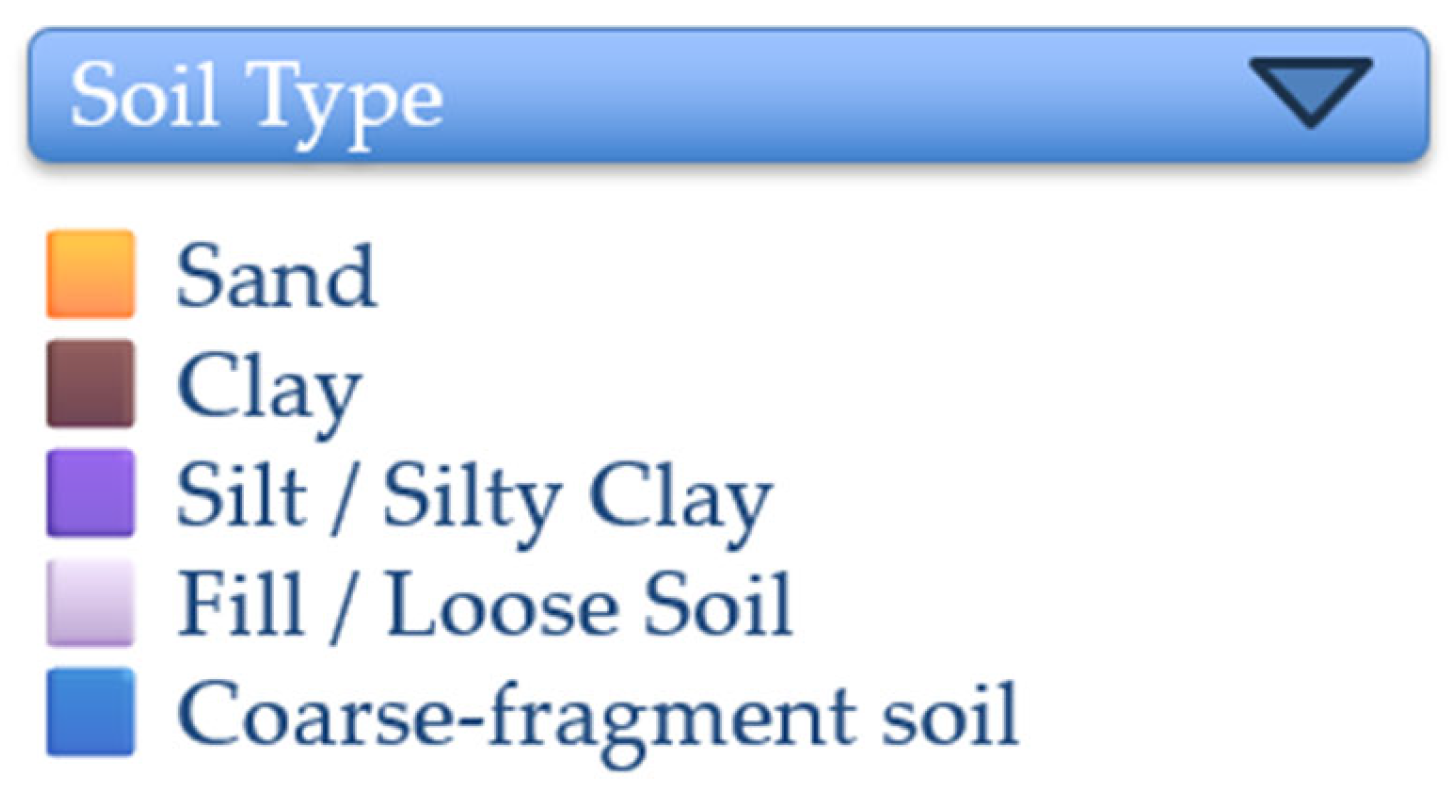
| Soil Type | Sand | 1.0 | 0.8 | 0.7 | |
| Clay | 0.8 | 1.0 | 0.8 | ||
| Silt/Silty clay | 0.6 | 0.8 | 0.8 | 0.3–1.0 | |
| Fill/Loose soil | 0.3 | 0.5 | 1.0 | ||
| Coarse-fragment soil | 0.7 | 1.0 | 0.8 | ||
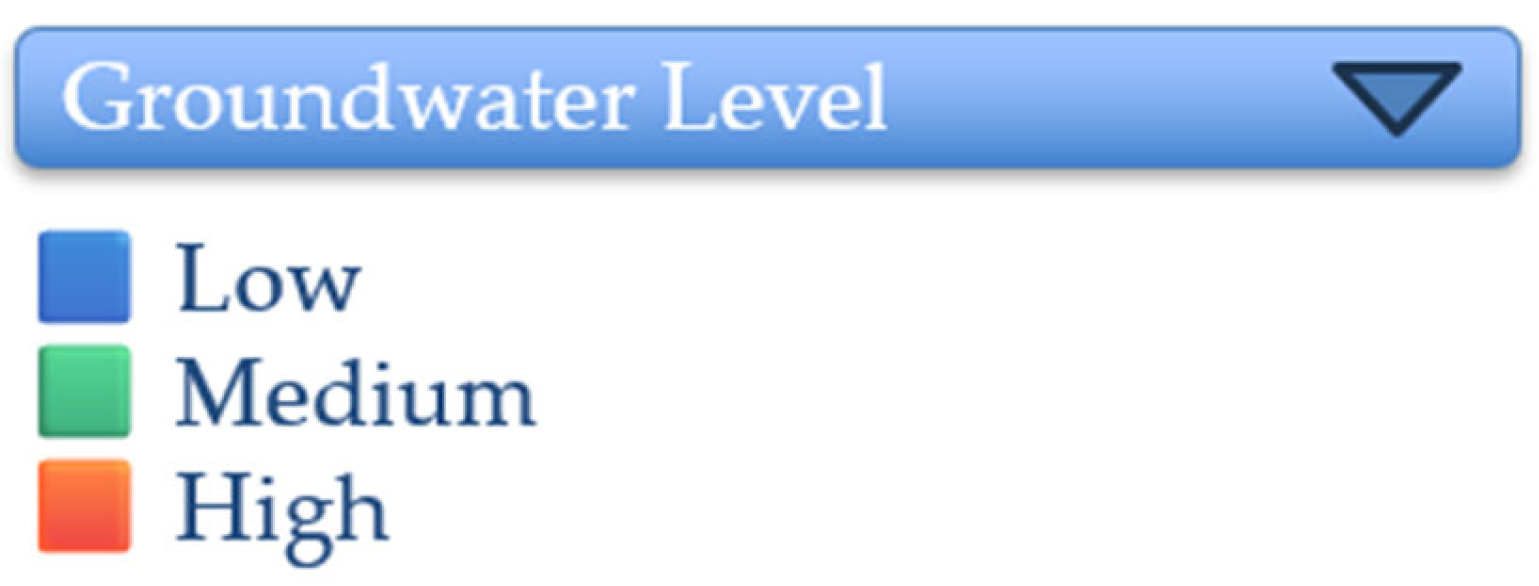
| Groundwater Level | Low | 1.0 | 1.0 | 1.0 | |
| Medium | 1.0 | 0.8 | 1.0 | 0.5–1.0 | |
| High | 0.8 | 0.5 | 0.8 | ||
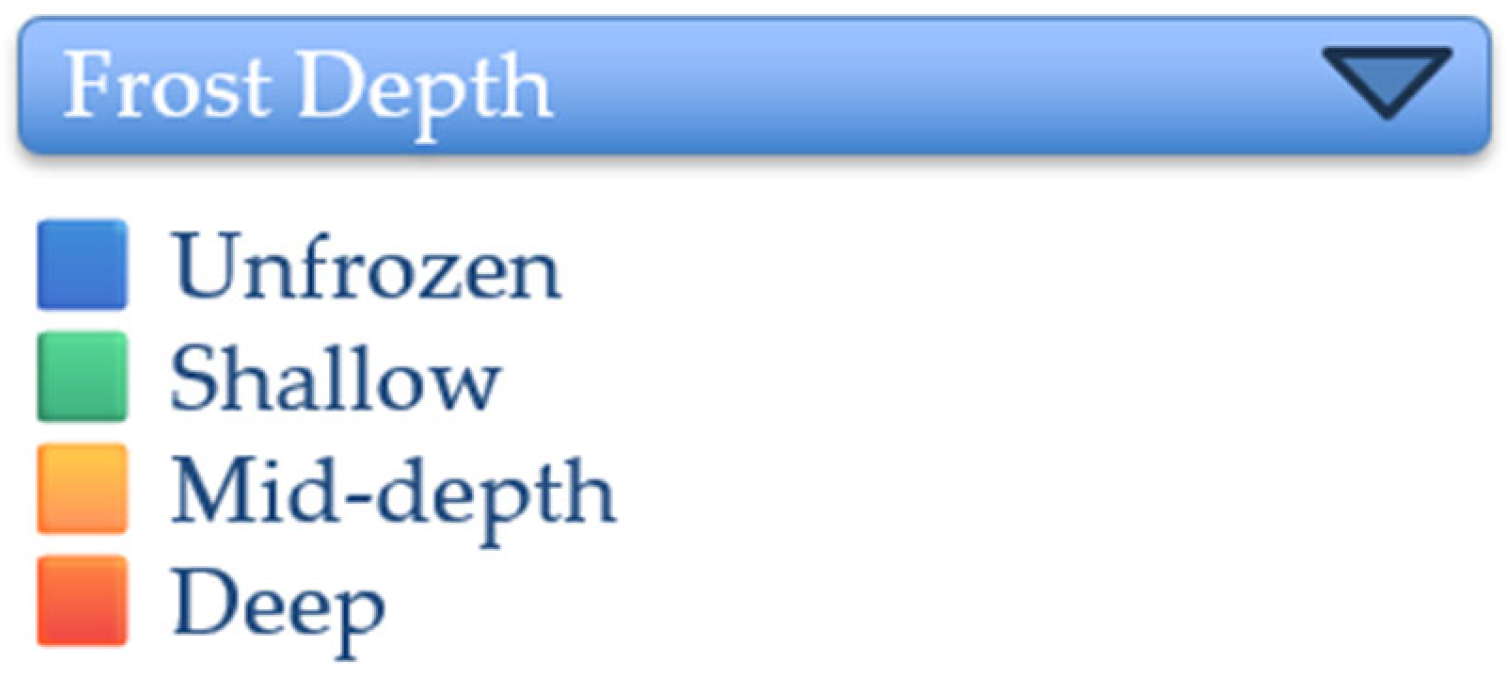
| Frost Depth | Unfrozen | 1.0 | 1.0 | 1.0 | |
| Shallow | 0.8 | 0.8 | 0.8 | 0.7–1.0 | |
| Mid-depth | 0.9 | 0.8 | 0.8 | ||
| Deep | 1.0 | 0.8 | 0.7 | ||
| Load Level | Low | 0.6 | 0.7 | 1.0 | |
| Medium | 0.9 | 0.9 | 0.8 | 0.5–1.0 | |
| High | 1.0 | 1.0 | 0.5 | ||
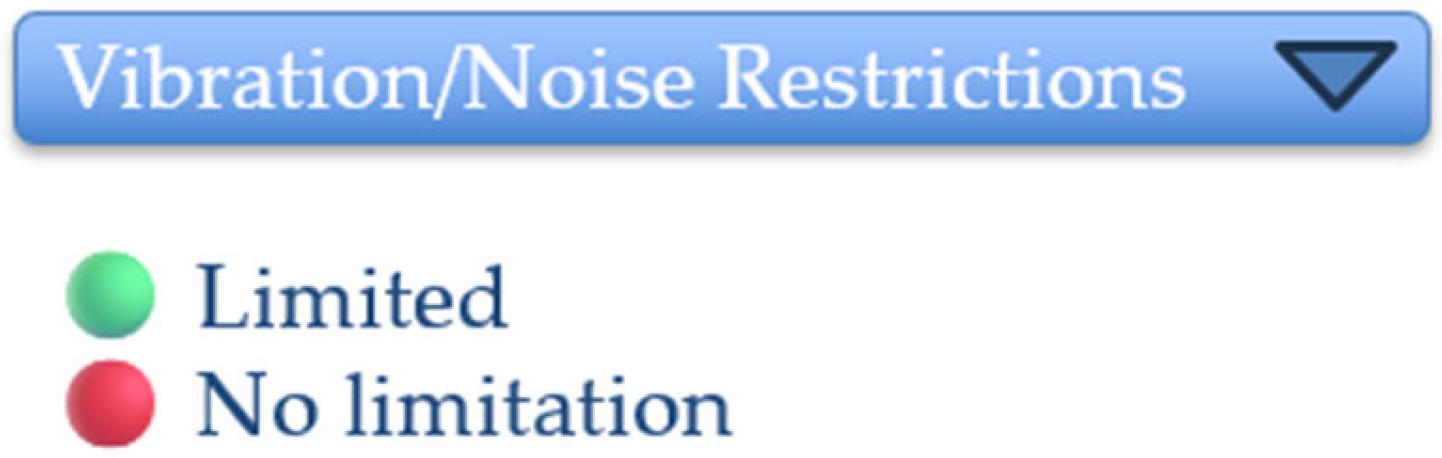
| Vibration/ Noise Restrictions | Limited | 0.0 | 1.0 | 1.0 | 0–1.0 |
| No limitation | 1.0 | 1.0 | 1.0 | ||
| Site Access Conditions | Good | 1.0 | 1.0 | 1.0 | 0.3–1.0 |
| Limited | 0.3 | 0.6 | 1.0 |
| Scenario | Driven | Bored/CFA | Micropiles | Ranking |
|---|---|---|---|---|
| Baseline | 0.975 | 0.905 | 0.845 | D > B > M |
| Soil +20% | 0.977 | 0.898 | 0.835 | D > B > M |
| Groundwater +20% | 0.976 | 0.908 | 0.850 | D > B > M |
| Frost depth +20% | 0.976 | 0.903 | 0.842 | D > B > M |
| Load +20% | 0.970 | 0.905 | 0.842 | D > B > M |
| Vibration/noise +20% | 0.976 | 0.908 | 0.850 | D > B > M |
| Site access +20% | 0.976 | 0.907 | 0.848 | D > B > M |
| Rank | Pile Type | Suitability Score | Recommendation | Brief Explanation |
|---|---|---|---|---|
| 1 | Driven piles | 0.975 | Recommended | Highest compatibility with site conditions, including sandy soils, low groundwater level, medium load demand, and unrestricted site access. |
| 2 | Bored/CFA piles | 0.905 | Alternative | Suitable for the considered site conditions, but with slightly lower compatibility under groundwater and frost conditions compared to driven piles. |
| 3 | Micropiles | 0.845 | Less suitable | Technically feasible under the considered site conditions, but with lower overall compatibility than driven and bored/CFA piles. |
| Rank | Pile Type | Suitability Score | Recommendation | Brief Explanation |
|---|---|---|---|---|
| 1 | Bored/CFA piles | 0.970 | Recommended | Highest compatibility with the site conditions, particularly the coarse-fragment soil profile, high load demand, and vibration/noise restrictions associated with the surrounding urban development. |
| 2 | Micropiles | 0.825 | Alternative | Suitable for coarse-fragment soils and vibration-sensitive conditions, but less appropriate for the very high load demand of the considered project. |
| 3 | Driven piles | 0.775 | Less suitable | Technically feasible, but less suitable due to reduced compatibility with coarse-fragment soils and the vibration/noise restrictions associated with impact-driven installation. |
| Parameter | Case 1—Kokshetau | Case 2—Astana |
|---|---|---|
| Representative soil type | Sand | Coarse-fragment soil |
| Groundwater level | Low | Medium |
| Ground/frost condition | Deep frost | Unfrozen |
| Load level | Medium | High |
| Vibration/noise restriction | No limitation | Limited |
| Site access | Good | Good |
| GSDP Rank 1 | Driven piles (0.975) | Bored/CFA piles (0.970) |
| GSDP Rank 2 | Bored/CFA piles (0.905) | Micropiles (0.825) |
| GSDP Rank 3 | Micropiles (0.845) | Driven piles (0.775) |
| Pile type adopted at the site | Driven piles | Bored piles |
| Field testing | SLT | SLT |
Disclaimer/Publisher’s Note: The statements, opinions and data contained in all publications are solely those of the individual author(s) and contributor(s) and not of MDPI and/or the editor(s). MDPI and/or the editor(s) disclaim responsibility for any injury to people or property resulting from any ideas, methods, instructions or products referred to in the content. |
© 2026 by the authors. Licensee MDPI, Basel, Switzerland. This article is an open access article distributed under the terms and conditions of the Creative Commons Attribution (CC BY) license.
Share and Cite
Montayeva, A.; Dąbska, A.; Ashkei, Y.; Zhakapbayeva, G.; Izbassar, A.; Mikhailov, D. A Decision-Support Framework for Early-Stage Pile Foundation Selection. Buildings 2026, 16, 3701. https://doi.org/10.3390/buildings16183701
Montayeva A, Dąbska A, Ashkei Y, Zhakapbayeva G, Izbassar A, Mikhailov D. A Decision-Support Framework for Early-Stage Pile Foundation Selection. Buildings. 2026; 16(18):3701. https://doi.org/10.3390/buildings16183701
Chicago/Turabian StyleMontayeva, Ainur, Agnieszka Dąbska, Yergen Ashkei, Gulnaz Zhakapbayeva, Akniyet Izbassar, and Daniel Mikhailov. 2026. "A Decision-Support Framework for Early-Stage Pile Foundation Selection" Buildings 16, no. 18: 3701. https://doi.org/10.3390/buildings16183701
APA StyleMontayeva, A., Dąbska, A., Ashkei, Y., Zhakapbayeva, G., Izbassar, A., & Mikhailov, D. (2026). A Decision-Support Framework for Early-Stage Pile Foundation Selection. Buildings, 16(18), 3701. https://doi.org/10.3390/buildings16183701