1. Introduction
Controlled low-strength material (CLSM) is a flowable fill material made by mixing excavated soil, industrial by-products, cementitious binders, and water. It has high flowability, self-compacting ability, and adjustable strength, which make it suitable for backfilling in confined spaces and other engineering applications [
1]. In recent years, CLSM has been widely used in pipeline trenches, foundation pits, narrow subgrades, subgrade widening projects, retaining wall backfills, and bridge abutment backfills [
2]. These applications have shown good engineering performance and considerable economic and environmental benefits [
3,
4].
Despite these advantages, several issues still limit the wider use of CLSM in engineering practice. One major issue is soil-source variability. The engineering properties of CLSM are closely related to the particle gradation, plasticity, mineral composition, and water absorption of the source soil. However, soils excavated from different sites often have different physical and mechanical properties. These differences may cause changes in strength development and deformation behavior. Therefore, the suitability of a given stabilizer system for different soil types remains unclear. This makes it difficult to ensure stable CLSM performance under complex field conditions.
Another important issue is the selection of a suitable cementitious stabilizer. Previous studies have shown that different stabilizers can be used in CLSM. Early studies mainly used cement as the primary cementitious material [
5]. However, cement production consumes large amounts of energy and produces considerable carbon emissions [
6]. Under the increasing demand for low-carbon construction and China’s carbon peaking and carbon neutrality strategy, the large-scale use of cement faces growing environmental and economic pressure [
7,
8,
9]. As a result, solid waste-based cementitious systems have received increasing attention in CLSM research and engineering applications.
Among these systems, composite binders made of cement, slag, fly ash, and gypsum show good application potential [
10]. In this blended cementitious system, the hydration of cement, dissolution of slag glass, partial reaction of fly ash, and precipitation of hydration products do not occur as completely independent or strictly sequential processes. Cement hydrates rapidly to produce C–S–H gel and Ca(OH)
2, providing early strength and an alkaline pore solution [
11,
12]. Meanwhile, slag is a latent hydraulic material. Under alkaline conditions, it can release reactive SiO
2 and Al
2O
3 and form C–(A)–S–H gels, which improve later-age strength and compactness [
13]. Fly ash can also participate in pozzolanic reactions with Ca(OH)
2 to form additional C–S–H and C–A–H gels. This can improve the microstructure, particle packing, and workability of the mixture [
14,
15]. Gypsum acts as a sulfate source and promotes the formation of ettringite (AFt) [
16], which helps improve early strength and volume stability [
17]. Therefore, the strength development of this binder system should be understood as the result of coupled hydration, activation, pozzolanic reaction, and precipitation processes. Although these materials have been used in CLSM, more research is still needed to develop binder systems suitable for different soil sources.
In addition to compressive strength, shear behavior is important for evaluating the bearing capacity and deformation stability of CLSM. In engineering practice, CLSM is usually designed based on unconfined compressive strength. However, in many backfilling projects, CLSM is also subjected to shear stresses caused by overlying loads, structural loads, lateral earth pressure, and differential settlement. Therefore, understanding the shear strength and deformation behavior of CLSM is necessary for reliable design. Han et al. [
18] studied the interface friction behavior between CLSM and soil using direct shear tests. They found that well-graded sand–CLSM interfaces had higher shear strength than poorly graded interfaces, and that the interface friction angle decreased with curing time. Türkel [
19] conducted direct shear tests on CLSM mixtures and obtained their cohesion and internal friction angle. The results showed that the shear strength parameters of CLSM after 7 days were higher than those of conventional soils, indicating its suitability as a backfill material.
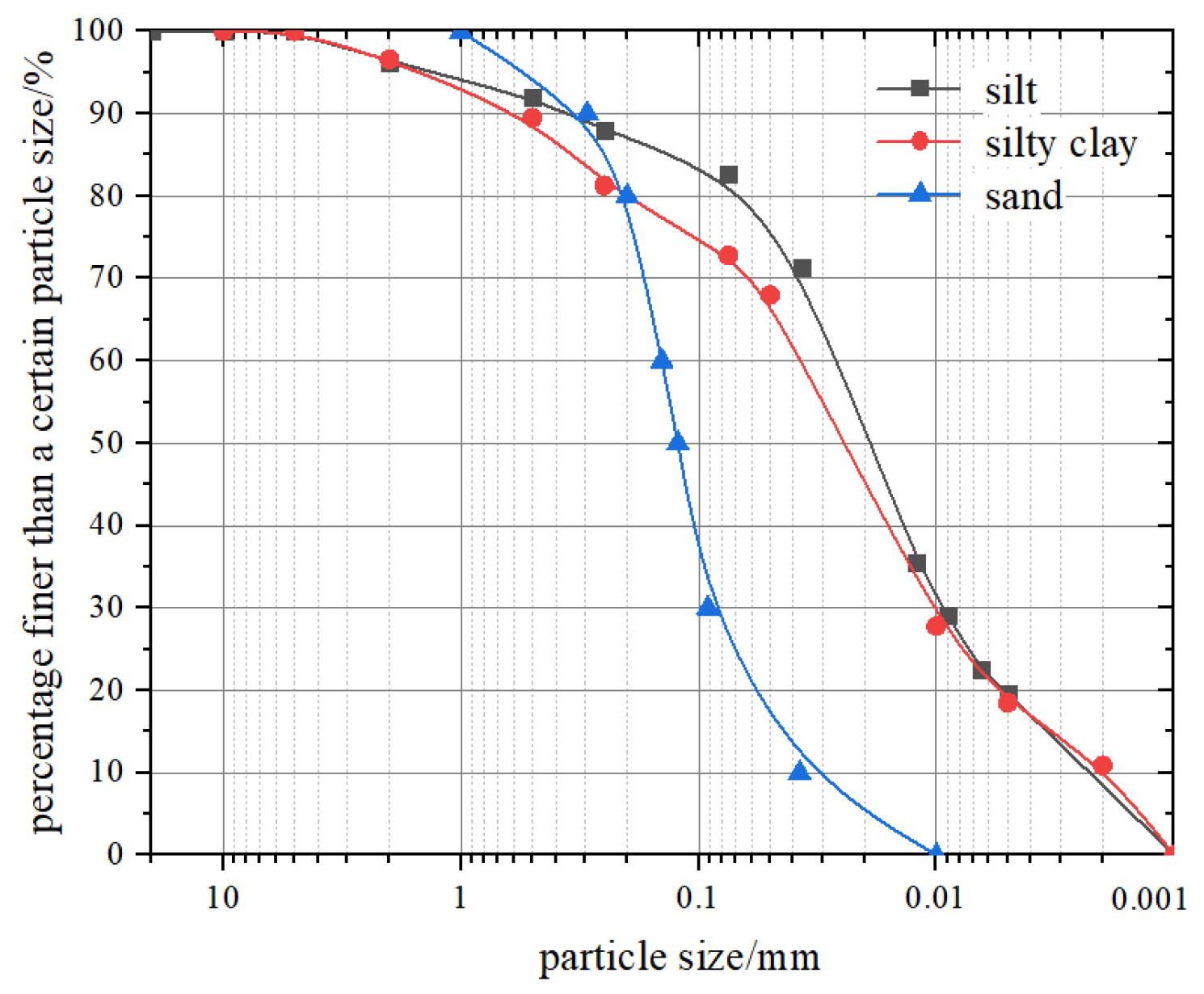
However, most existing studies have focused on CLSM prepared from a single soil type. Systematic comparisons among different soil sources remain limited. This problem is important in the Yellow River alluvial plain of China, where the soil strata are widely distributed and mainly consist of silt, silty clay, and sand [
20,
21]. These soils differ in particle gradation, plasticity, and water sensitivity. As a result, they may show different strength development and shear responses after stabilization. In field construction, the stabilizer dosage and water–binder ratio often need to be adjusted according to soil type. However, the effects of soil-source variability on the peak strength, residual strength, shear strength parameters, and the failure characteristics of CLSM are still not fully understood. In particular, the link between the triaxial shear behavior and microstructure has not been fully studied for CLSM prepared from different alluvial soils. An important issue is the relationship between soil-source variability, cementation, and frictional resistance.
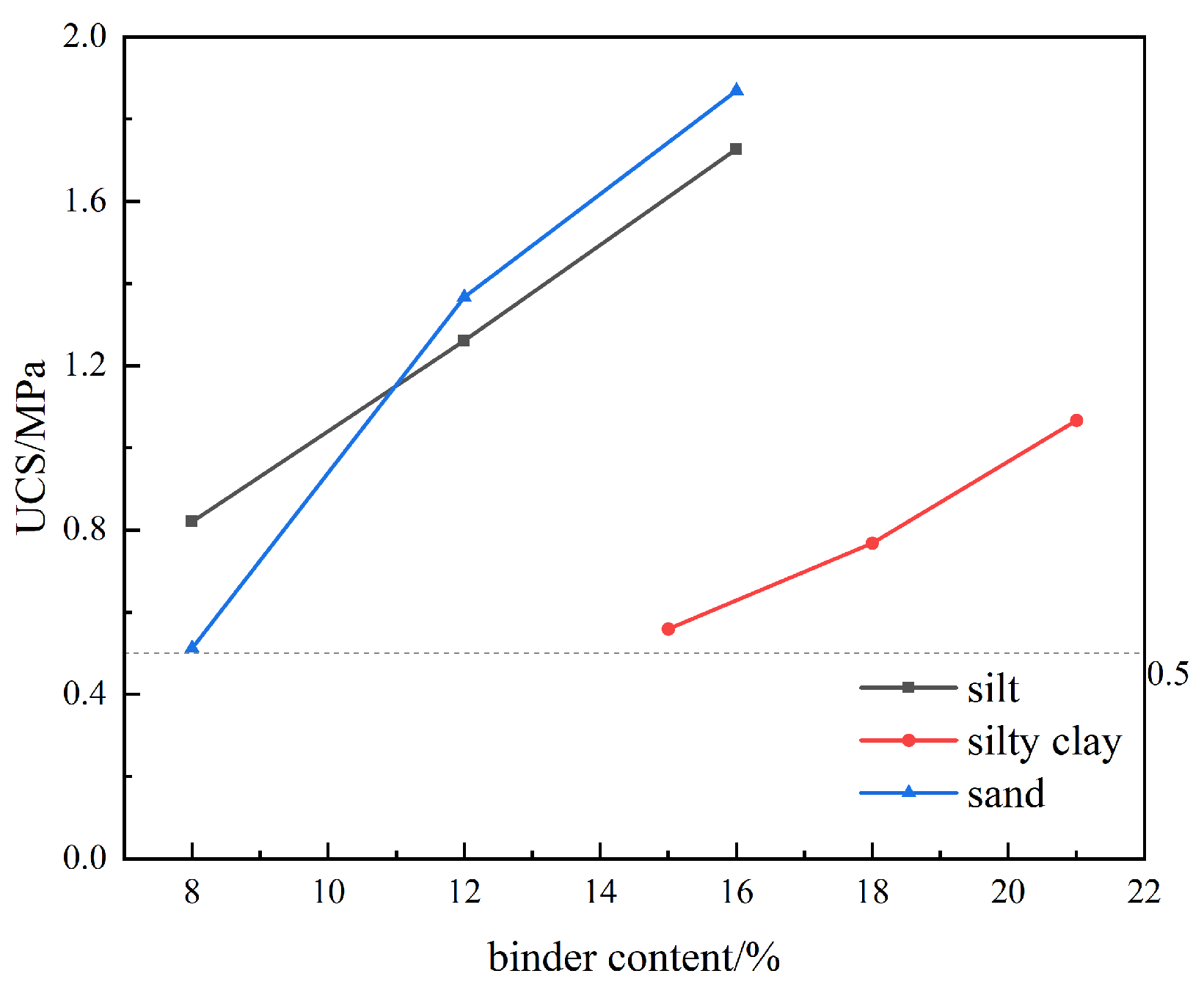
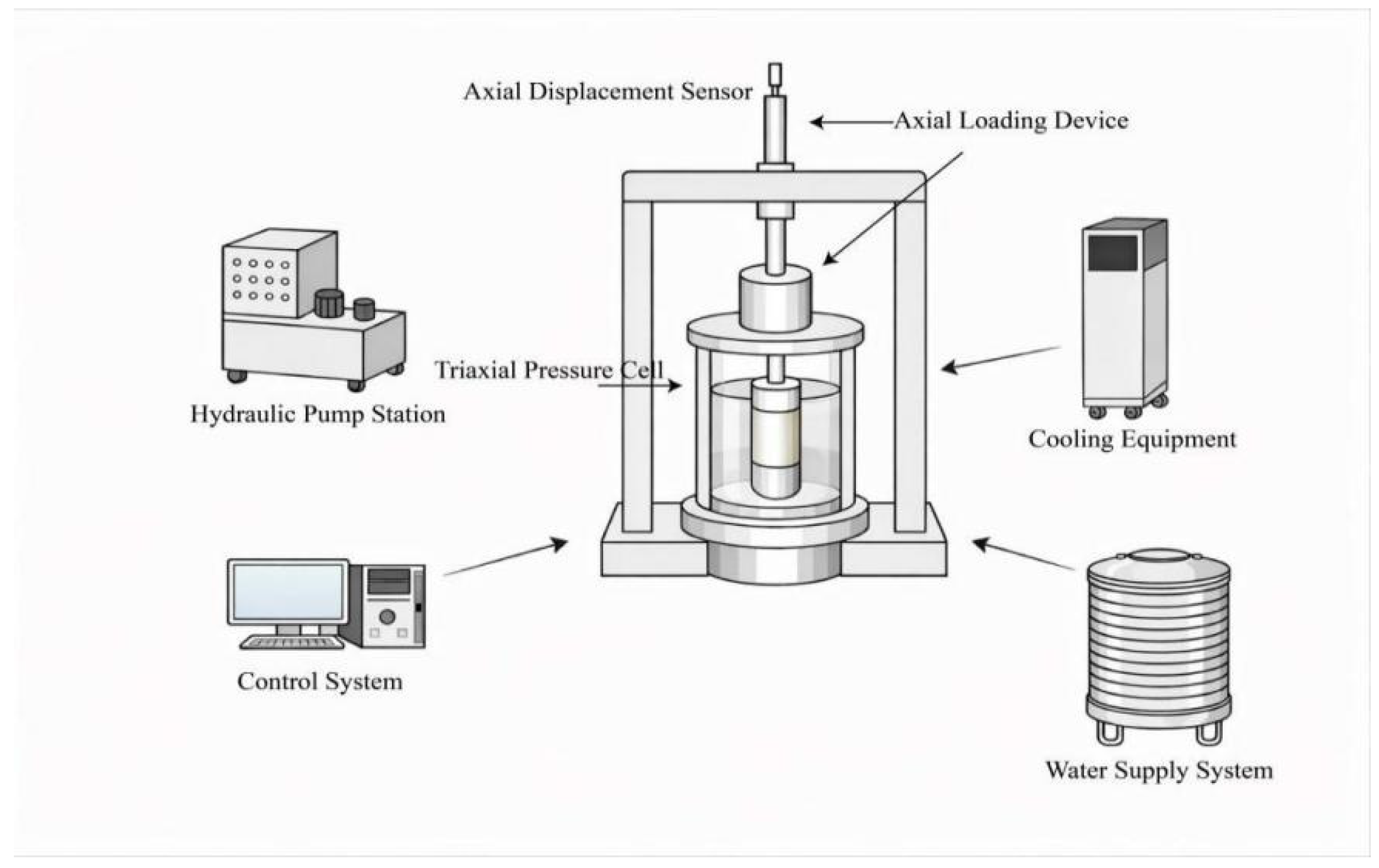
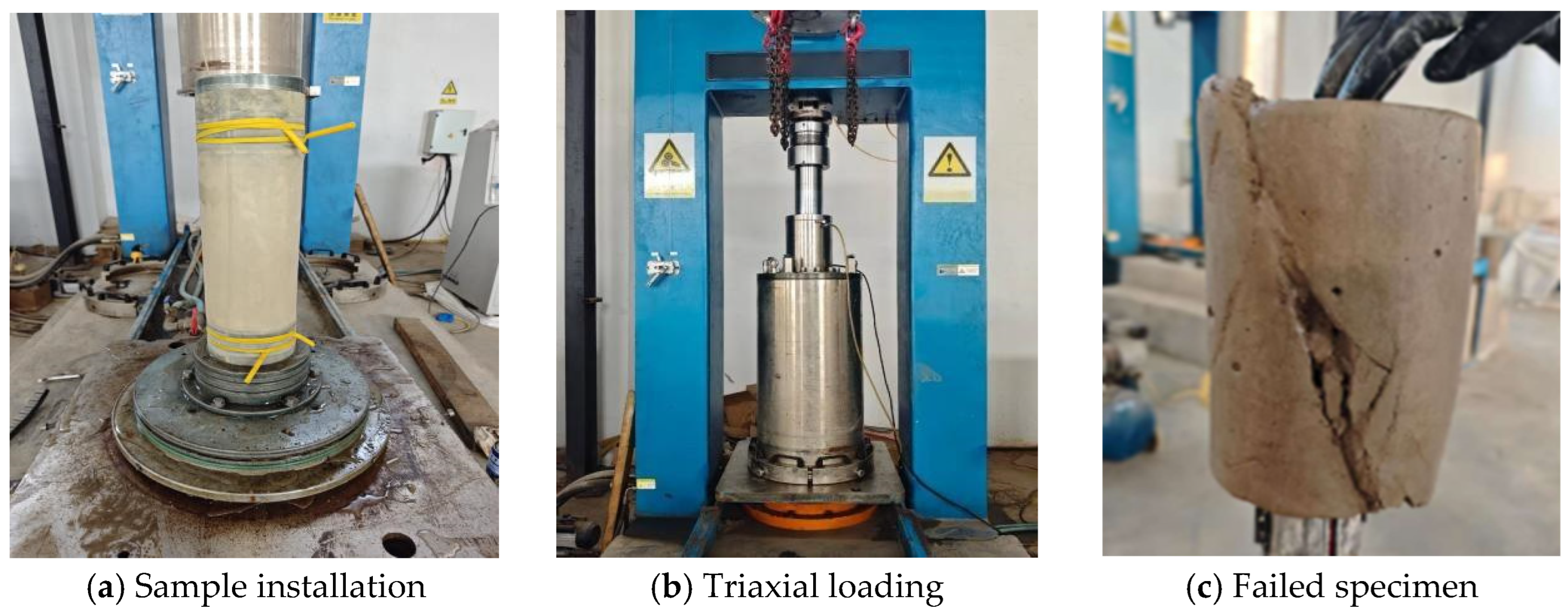
Therefore, this study selected typical silt, silty clay, and sand from the Yellow River alluvial plain as representative local soil sources for CLSM preparation. A cement–slag–fly ash–gypsum composite cementitious binder was used. Triaxial shear tests and scanning electron microscopy observations were carried out to comparatively evaluate the failure mode, stress–strain response, peak strength, residual strength, and hardened microstructural characteristics of CLSM prepared from these soils. Considering that the selected natural soils differ simultaneously in particle gradation, plasticity, and water-related properties, this study does not aim to fully isolate the individual effects of each soil characteristic. Instead, it focuses on assessing the suitability and mechanical performance of several typical Yellow River alluvial soils for CLSM production within the tested mixture ranges. Based on the test results, empirical relationships for strength-related parameters were established within the investigated experimental conditions. The findings provide a basis for the mix design, mechanical evaluation, and engineering application of CLSM in Yellow River alluvial soil regions.
3. Test Results and Analysis
3.1. Shear Failure Modes
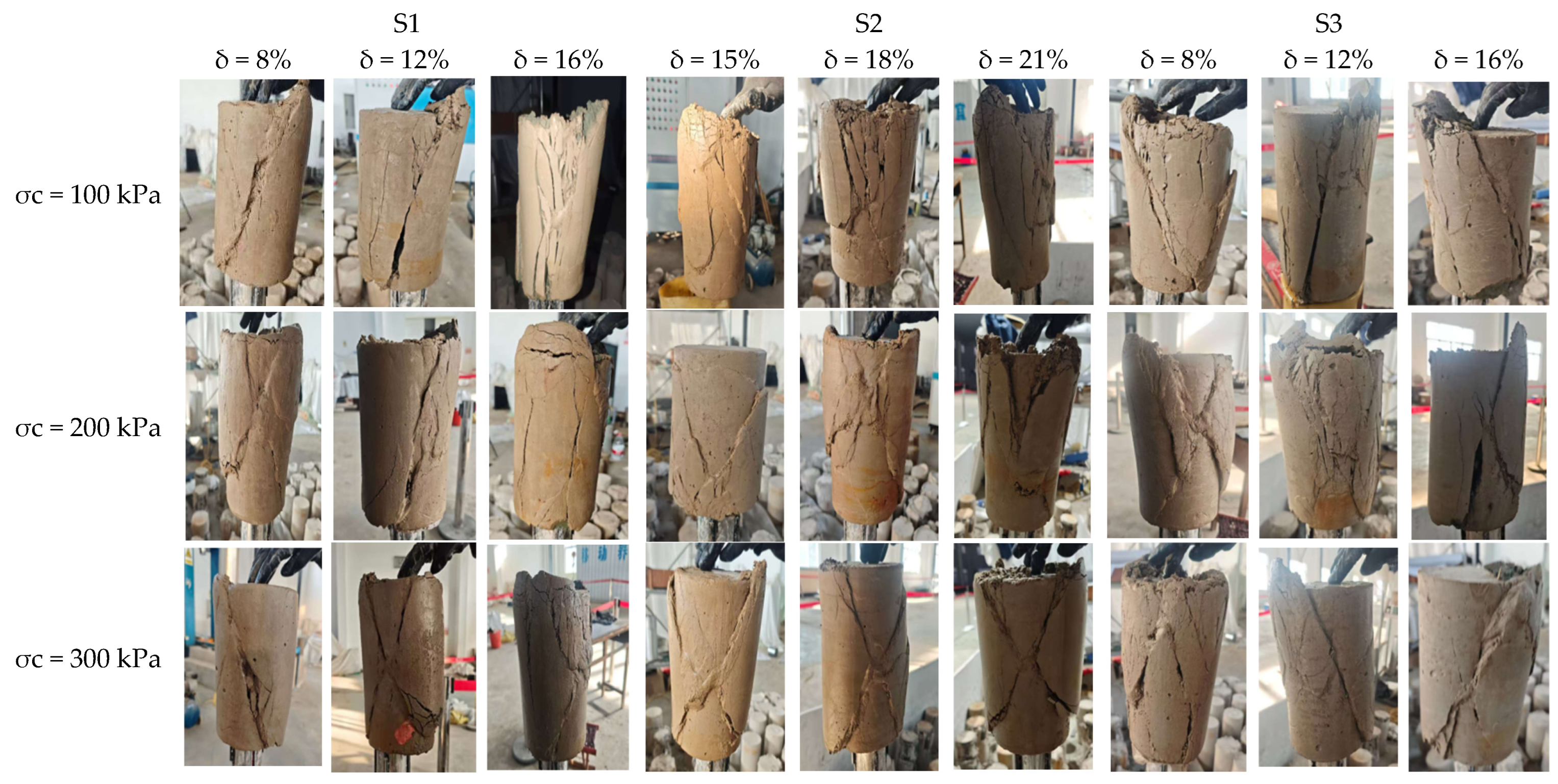
Figure 7 shows the failure modes of CLSM specimens under different confining pressures, soil types, and binder contents. The observed failure modes mainly included single inclined shear planes, crossed shear planes, vertical cracks, and plastic bulging. These features indicate that the failure behavior of CLSM was affected by cementation strength, confining pressure, and soil type.
At low confining pressure, the lateral restraint was weak, and cracks could develop more easily. Under this condition, many specimens showed clear inclined shear planes, indicating a more brittle failure pattern. With increasing confining pressure, crack opening and growth were restrained, and the specimens showed more gradual failure with shear bands or plastic bulging [
26,
27].
Binder content also had a clear effect on the failure pattern. At low binder content, the cemented structure was weak, and the failure behavior was mainly affected by the original soil structure and particle contact. Higher binder content strengthened the cemented structure. Under low confining pressure, specimens with higher binder content tended to show more obvious brittle shear failure after reaching peak strength, as reflected by the clear shear planes and sudden strength loss.
The soil type further affected the failure characteristics. Silt-based and sand-based CLSM generally showed clearer shear planes, especially under low confining pressure. In contrast, silty clay-based CLSM showed more scattered cracking and less obvious continuous shear planes. The higher fine-particle content and plasticity of silty clay allowed deformation to develop more gradually during shearing. Therefore, silty clay-based CLSM showed stronger plastic failure characteristics than silt-based and sand-based CLSM.
3.2. Shear Stress–Strain Relationship
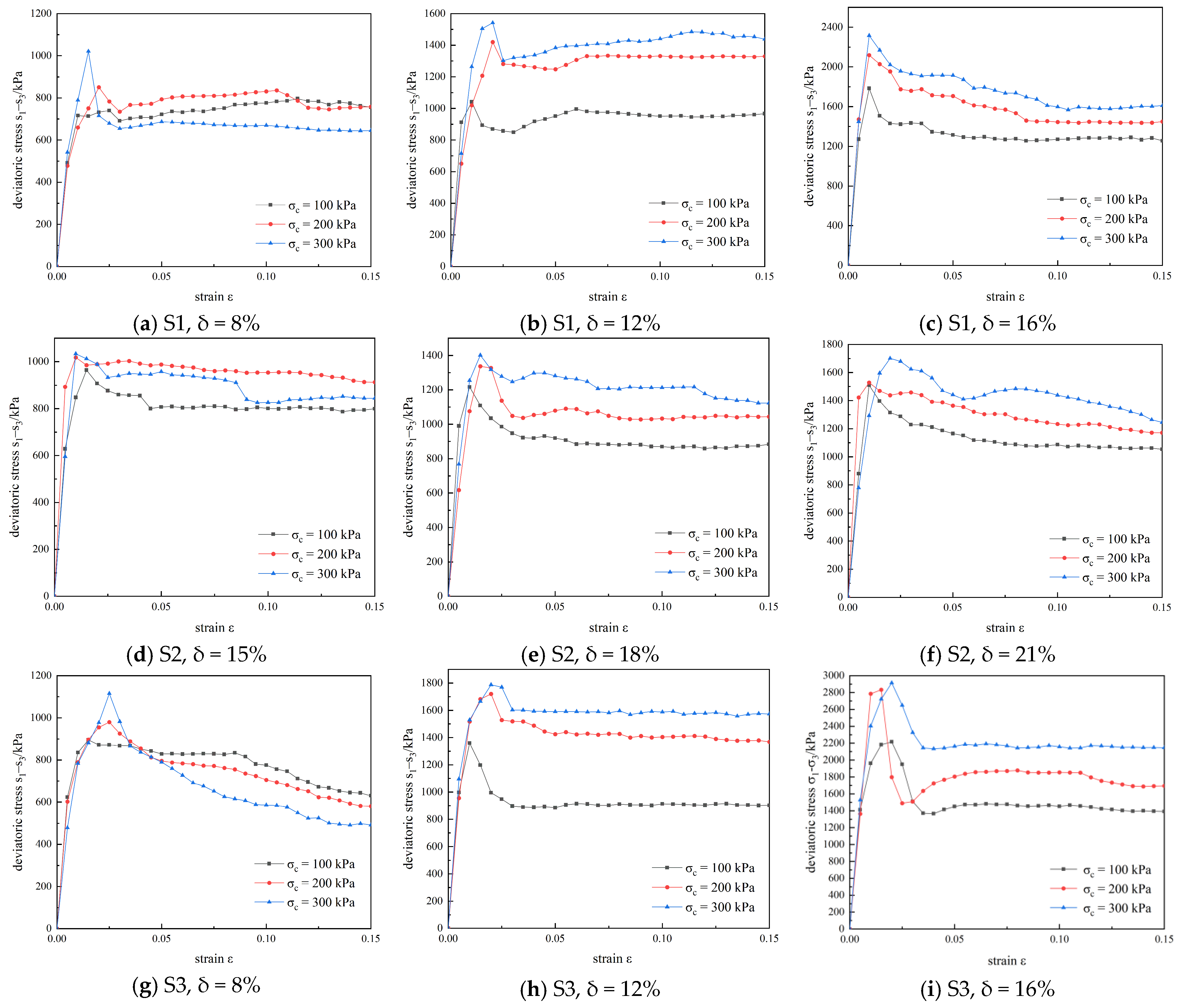
Figure 8 shows the shear stress–strain curves of CLSM under different confining pressures. The subfigures are labeled according to soil type and binder content. For example,
Figure 8a represents silt-based CLSM with a binder content of 8%.
The stress–strain curves exhibited typical nonlinear behavior and could generally be divided into four stages: linear elastic deformation, plastic yielding, strain softening, and residual stabilization. At the initial loading stage, the deviatoric stress increased almost linearly with axial strain, indicating that the cemented structure remained largely intact. With continued loading, the curve slope gradually decreased as deformation developed within the cemented matrix. After the peak stress was reached, the deviatoric stress decreased to different degrees, reflecting the progressive loss of load-bearing capacity. Finally, the stress tended to stabilize, and the residual strength was mainly maintained by particle friction, interlocking, and rearrangement along the shear surface.
Within the tested ranges, the stress–strain response varied with the soil type. Sand-based CLSM generally exhibited a relatively high peak strength and a pronounced post-peak stress drop, indicating stronger strain-softening behavior. Silt-based CLSM showed an intermediate response, with a distinct peak followed by moderate softening. In contrast, silty clay-based CLSM generally exhibited smoother post-peak curves and better residual stability, indicating a more gradual failure process. Therefore, the relative brittleness and ductility of the three CLSM types were evaluated by considering the peak axial strain, post-peak stress reduction, and residual-strength retention together rather than relying on a single strain value.
The observed strain-softening behavior may be associated with the progressive loss of load-bearing capacity in the cemented structure. During hydration, cementitious products such as C–S–H gel and ettringite can bind dispersed soil particles into an integrated load-bearing structure [
28]. After peak stress is reached, post-peak stress reduction may reflect the gradual degradation of cemented bonding and the development of localized deformation. However, because no direct damage-evolution measurements were conducted in this study, this explanation should be regarded as a possible interpretation inferred from the stress–strain curves and final failure patterns rather than direct experimental evidence.
A closer examination of
Figure 8a shows that the curve under 100 kPa reached an initial peak at a relatively small axial strain, followed by limited softening and subsequent stress recovery at a larger strain. Therefore, the apparently larger axial strain corresponding to the maximum stress was mainly associated with the secondary stress recovery rather than a general increase in strain capacity under lower confinement. This recovery may be related to particle rearrangement and renewed frictional interlocking after the initial degradation of cemented bonding, although specimen heterogeneity and unavoidable experimental variability may also contribute. In
Figure 8g, the peak stresses under the three confining pressures occurred at similar axial strains, and no clear monotonic decrease in peak axial strain with increasing confinement was observed. Overall, higher binder content tended to increase peak strength and post-peak softening, whereas higher confining pressure restrained lateral deformation and generally promoted a more gradual failure process.
3.3. Peak Strength Variation
3.3.1. Factors Affecting Peak Strength
Peak strength represents the maximum shear resistance of CLSM under triaxial loading. Based on the stress–strain curves in
Figure 8, the variations in peak strength with soil type, binder content, and confining pressure were examined. It should be noted that no formal multifactor statistical analysis was conducted in this study. Therefore, the following comparisons are interpreted as experimental trends within the tested dataset and the selected binder-content ranges rather than as fully isolated effects of individual factors.
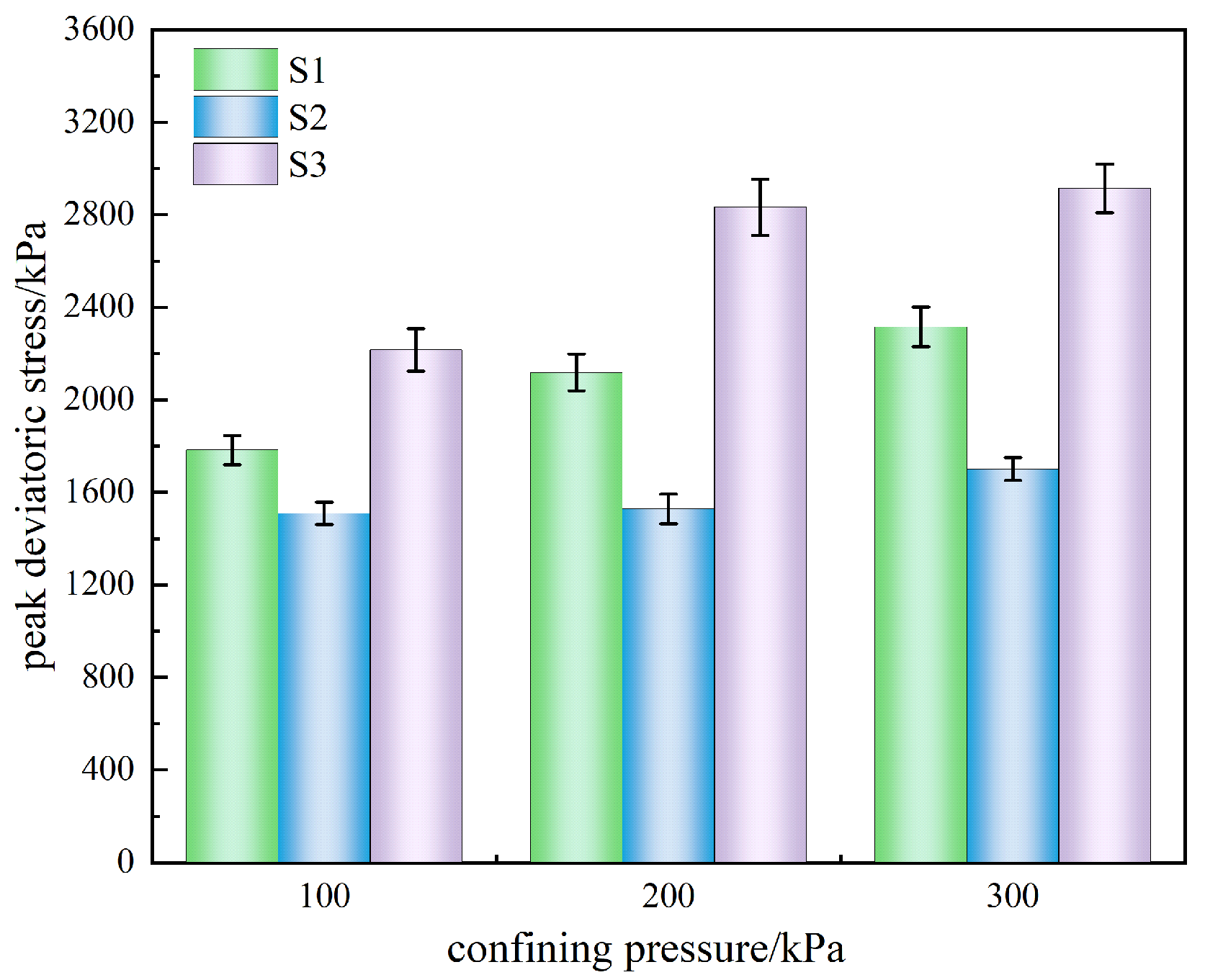
Within the tested binder-content ranges, the peak strength of CLSM showed apparent differences among the three soil types. For specimens with representative high binder contents, the peak strength generally followed the order of S3 > S1 > S2, as shown in
Figure 9. However, because different binder-content ranges were adopted for silty clay-based CLSM, this comparison should be regarded as a trend-based comparison rather than a strict point-to-point comparison under identical binder contents. The observed differences may be associated with the combined contributions of cementation, particle friction, and interlocking. Sand particles are relatively rigid and have clean, rough surfaces, which may favor the development of cementation bonds and particle interlocking. Silt-based CLSM showed slightly lower strength, possibly because its finer particles provided weaker interlocking than sand particles. In contrast, silty clay contains many fine clay particles with a high specific surface area and strong water adsorption capacity. Adsorbed water films and the surface activity of clay minerals may hinder direct bonding between cementitious products and soil particle surfaces [
29,
30]. Its fine-pore and aggregated fabric may also be associated with a less homogeneous cemented microstructure, while soil mineralogy and moisture conditions can substantially influence hydration-product formation and pore-structure evolution [
31,
32]. Therefore, the relatively lower peak strength of silty clay-based CLSM observed in this study may be related to its finer particle characteristics, stronger water adsorption, and less favorable cementation conditions.
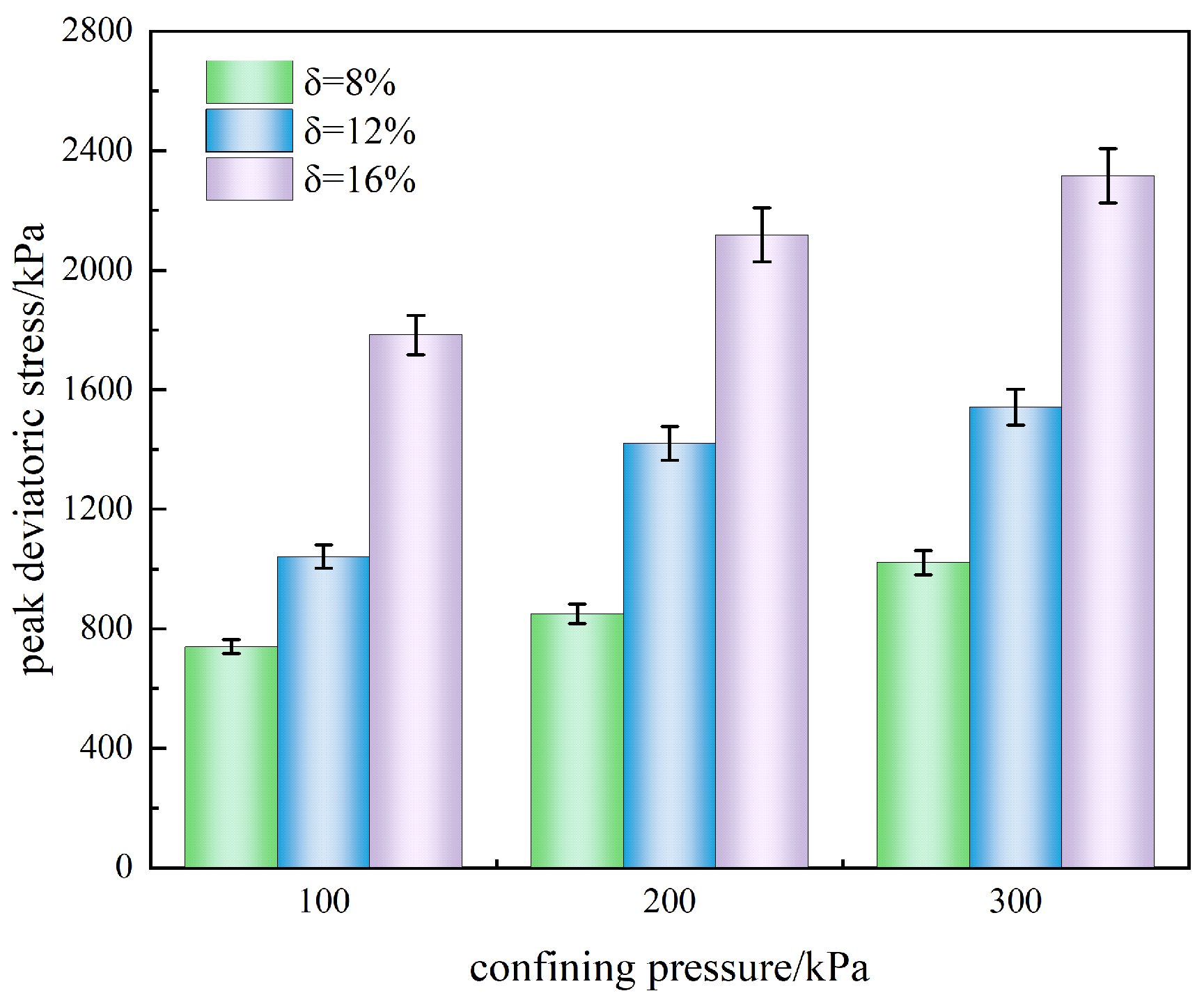
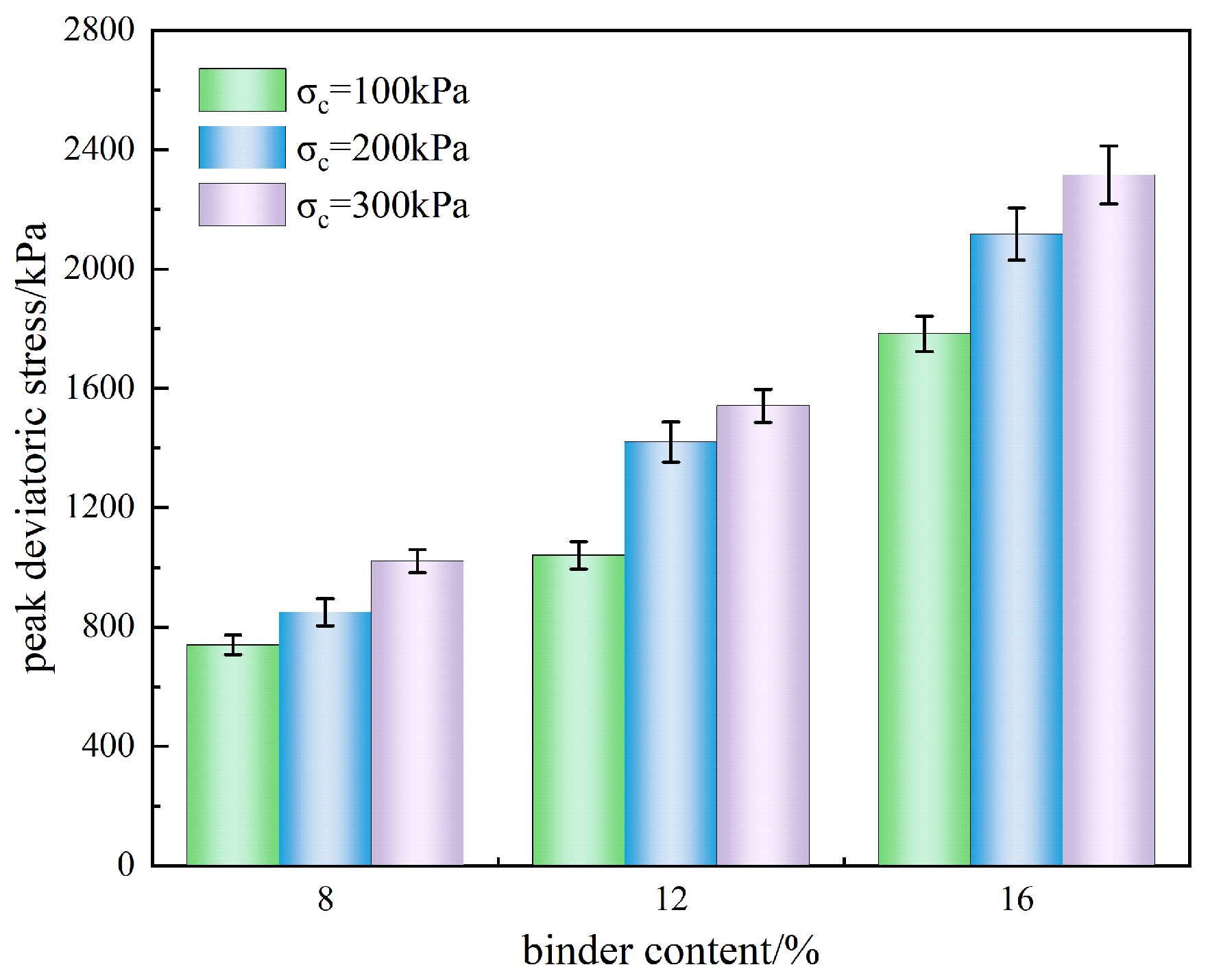
As shown in
Figure 10, higher binder content was generally accompanied by higher peak strength and stiffness of CLSM within the tested range. Under a confining pressure of 100 kPa, the peak strengths of silt-based CLSM at binder contents of 8%, 12%, and 16% were 740, 1041, and 1783 kPa, respectively, corresponding to increases of 40.7% and 71.2%. This trend may be associated with enhanced cementation. At low binder content, limited cementitious products were formed, which may result in relatively weak bonding and a loose structure. With increasing binder content, more hydration products may fill pores and bond particles into a denser skeleton, thereby increasing the contribution of cementation to shear resistance. However, when binder content exceeds a certain level, the strength gain may slow down because the hydration reaction becomes less efficient [
33]. Stronger cementation may also increase brittleness; therefore, the influence of binder content on post-peak stability should also be considered [
34].
The peak strength also showed an increasing trend with the confining pressure. As shown in
Figure 11, the stress–strain curves shifted upward as the confining pressure increased. For silt-based CLSM, the peak strength increased by 8.6–36.4% with the increasing confining pressure. The increase was more obvious from 100 to 200 kPa than from 200 to 300 kPa, suggesting that the strengthening trend became less pronounced at higher confinement levels. This trend may be related to the lateral restraint provided by confining pressure. Higher confining pressure may restrain crack opening and lateral deformation, reduce dilatancy and structural loosening [
35,
36], and increase interparticle contact stress, thereby enhancing frictional and interlocking resistance [
37]. Thus, under higher confining pressure, the shear resistance may be supported not only by cementation but also by particle friction and interlocking, which is consistent with the higher peak strength and more gradual failure process observed in the tests.
The peak strength results in
Figure 9,
Figure 10 and
Figure 11 are presented as the average values of three replicate tests, and the error bars represent standard deviations. The observed increases in peak strength with binder content and confining pressure were generally larger than the scatter among replicate specimens, supporting the reliability of the observed trends within the tested ranges. Nevertheless, because no formal multifactor statistical analysis was performed, these differences should be interpreted as trends within the tested dataset rather than as fully independent effects of soil type, binder content, or confining pressure.
3.3.2. Relationship Between Peak Strength and UCS
Unconfined compressive strength (UCS) is commonly used in CLSM mix design and field quality control because of its simple testing procedure. However, shear strength is more directly related to the bearing capacity and deformation stability of backfill structures. Therefore, an empirical relationship between UCS and peak shear strength is needed for rapid engineering assessment.
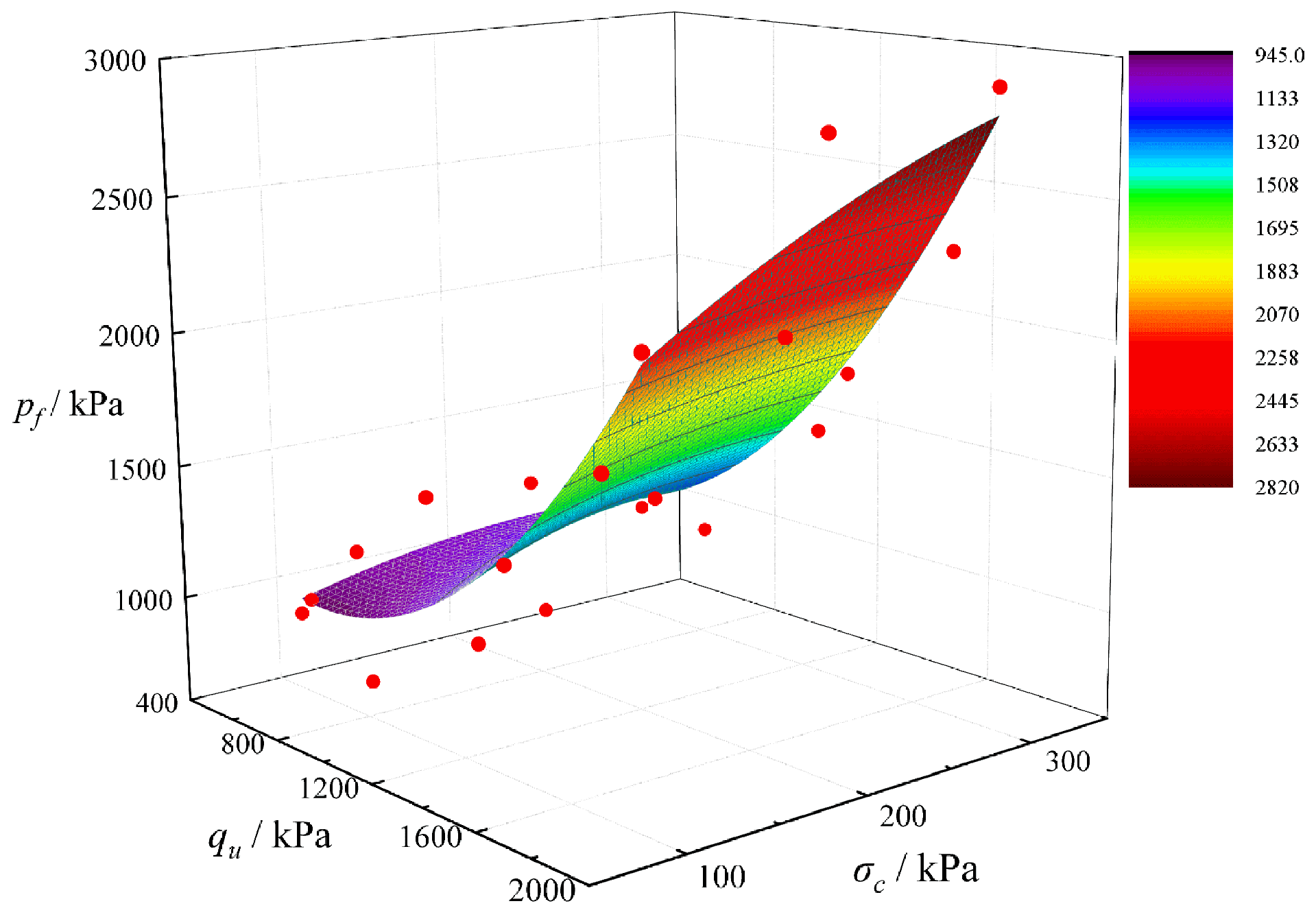
Based on the test results, a second-order polynomial regression model was established to describe the relationship between UCS, confining pressure, and peak shear strength. Peak shear strength,
pf, was taken as the dependent variable, while UCS
qu and confining pressure
σc were taken as independent variables. The model coefficients were obtained by least-squares fitting. The quadratic form was selected to describe the observed nonlinear trend while avoiding the introduction of higher-order terms, considering the limited dataset. The regression model is expressed as follows:
where
pf,
qu, and
σc are expressed in kPa, and
a,
b,
c,
d,
e, and
f are regression coefficients.
The fitted surface is shown in
Figure 12. After substituting the fitted coefficients into Equation (1), the fitted equation can be obtained as Equation (2). The coefficient of determination was
R2 = 0.90, indicating that the model can reasonably describe the variation in peak shear strength with UCS and the confining pressure.
The fitted model suggests that peak shear strength is related to both UCS and confining pressure within the tested dataset. However, because coefficient-level significance tests, residual analysis, and multicollinearity assessment were not conducted, the individual regression coefficients should not be interpreted as statistically validated contributions of each model term. Moreover, owing to the limited data coverage, the shape of the response surface near the boundaries of the experimental domain may be sensitive to fitting artifacts and should not be used to predict combinations of variables near or beyond the investigated boundaries. Therefore, the equation should be regarded as an empirical interpolation relationship applicable only to the investigated soil types, binder-content and UCS ranges, and confining pressures of 100–300 kPa rather than as a general predictive model. Further validation and error analysis using independent data are required.
3.4. Residual Strength
Residual strength, pr, refers to the stable stress level that can still be sustained after the specimen reaches peak strength and undergoes post-peak deformation. It reflects the post-failure shear resistance of CLSM and is important for evaluating the stability of backfill materials under long-term loading or extreme conditions.
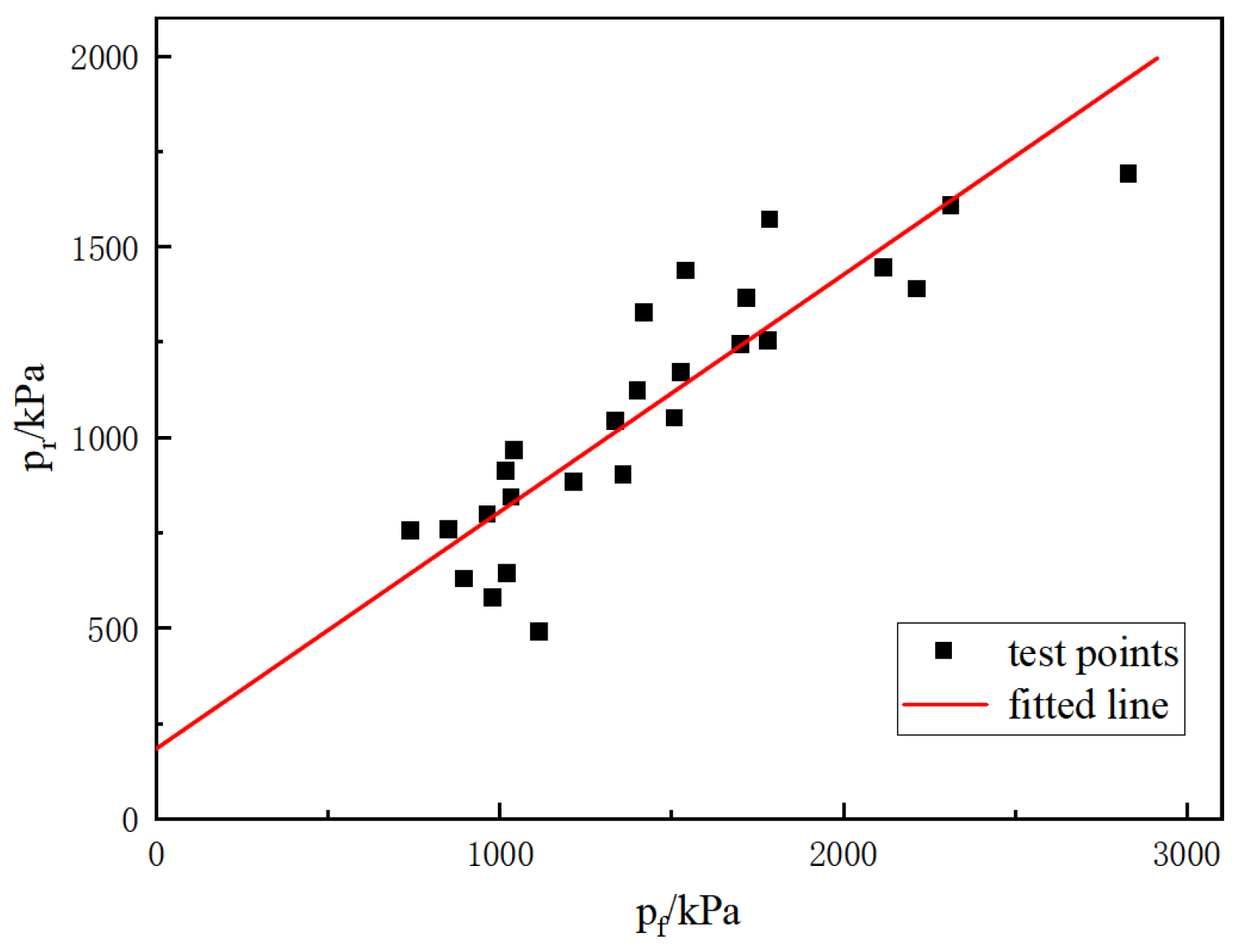
To clarify the relationship between residual strength and peak strength,
pf was taken as the independent variable and
pr as the dependent variable. As shown in
Figure 13, the test data exhibited an approximately linear trend. Except for one specimen that exhibited secondary stress recovery, the ratio of residual strength to peak strength ranged from approximately 44% to 94%, with an average value of about 75%. This indicates that CLSM generally retained a considerable post-peak strength reserve.
Based on regression analysis, the relationship between
pr and
pf can be expressed as follows:
where
pr is the residual strength, and
pf is the peak strength.
The fitted equation gave R2 = 0.83, indicating an approximately linear relationship within the tested range. The purpose of establishing this relationship is to provide a simple empirical reference for evaluating the post-peak strength reserve of CLSM under the tested conditions and to emphasize the importance of considering post-peak behavior in backfill stability design. When combined with Equation (2), this relationship also provides a preliminary way to estimate residual strength from UCS and the confining pressure. Therefore, this equation should be regarded as a preliminary engineering correlation within the investigated parameter range rather than as a universal predictive model.
3.5. Shear Failure Criterion of CLSM
3.5.1. Characteristics of q–p Curves
Based on the peak stresses obtained under different confining pressures, the corresponding
p and
q values were calculated. In this study,
p and
q represent the center and radius of the Mohr stress circle, respectively. The
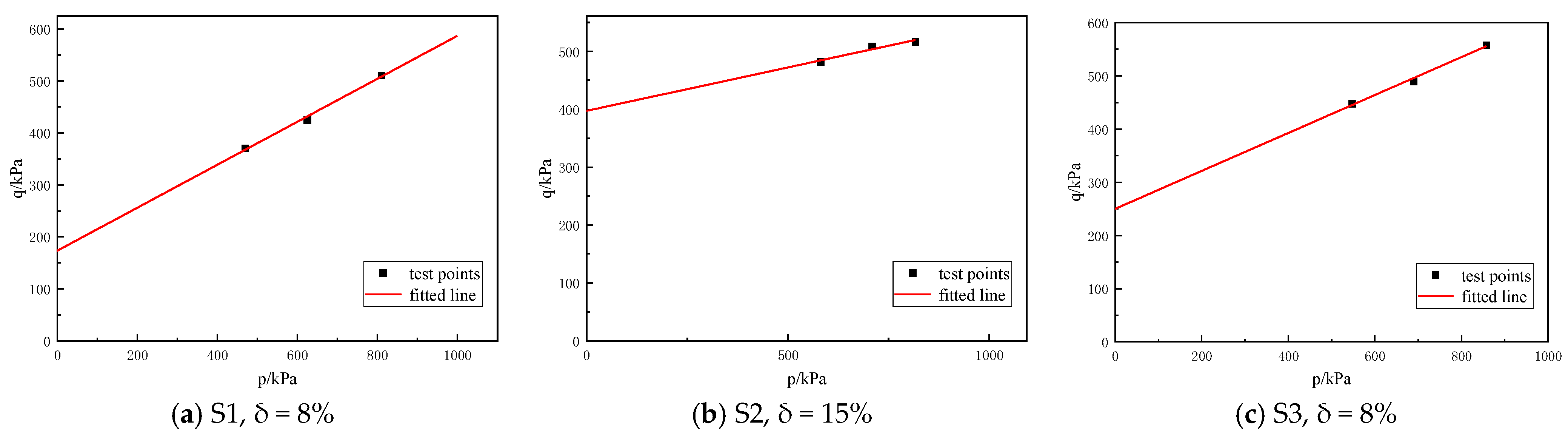
q–
p relationships for the three CLSM types at low binder contents are shown in
Figure 14. The data points are generally distributed along straight lines, indicating that the shear strength behavior of CLSM can be reasonably described by the Mohr–Coulomb criterion.
The fitted linear equations and the coefficients of determination are given as follows:
According to the Mohr–Coulomb criterion, the shear strength at failure is expressed as:
where τ
f is the shear strength,
c is the cohesion,
σ is the normal stress on the shear plane, and
φ is the internal friction angle.
The corresponding expression in the q–p space can be written as:
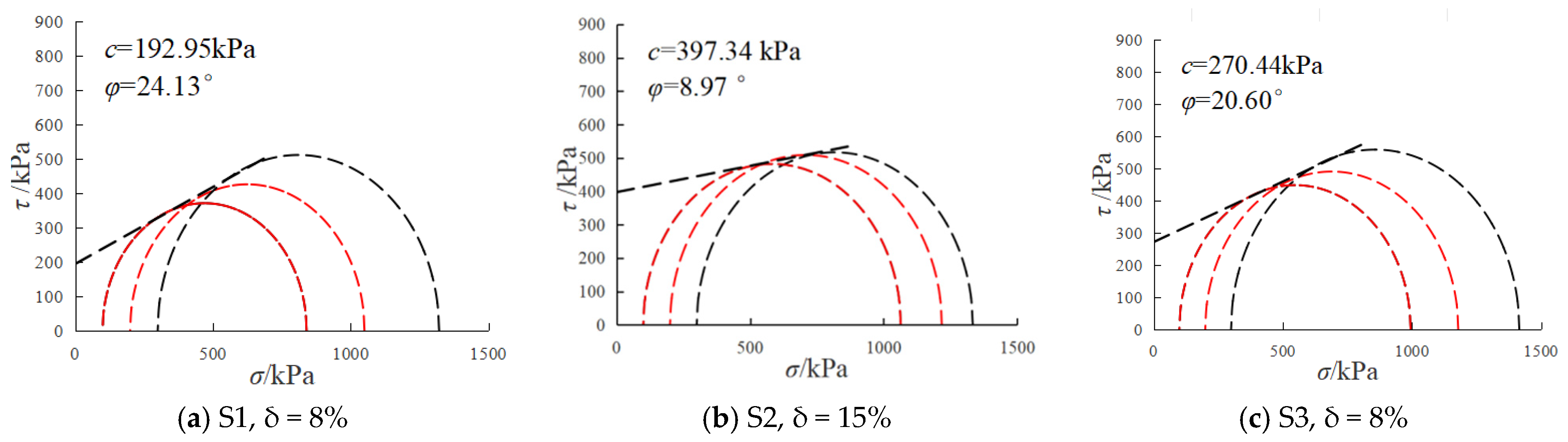
Although the coefficients of determination were greater than 0.9, they should be interpreted with caution, because each q–p relationship was established using only three confining-pressure levels. Therefore, the fitted relationships are used mainly to describe the approximate linear trend of the failure stress states within the tested range. Since the Mohr-circle strength envelopes were also constructed from the same three stress states, the resulting cohesion and internal friction angle should be regarded as representative values under the tested conditions. Additional confining-pressure levels are needed to reduce the uncertainty in parameter estimation.
The approximately linear q–p relationships indicate that the failure stress states of the tested CLSM can be reasonably represented by the Mohr–Coulomb criterion within the investigated confining-pressure range. In this study, the q–p representation was mainly used to examine the approximate linear trend of the failure stress states, whereas the final cohesion and internal friction angle values used in the subsequent analyses were determined from the Mohr-circle strength envelopes.
3.5.2. Shear Strength Parameters
To determine the cohesion and internal friction angle and to provide an intuitive representation of the shear failure state in the normal stress–shear stress space, Mohr circles and strength envelopes were constructed using the same triaxial test results. The
q–
p relationships and the Mohr-circle envelopes are mathematically related representations of the same experimental dataset. The former was used to examine the approximate linear trend of the failure stress states, whereas the latter was used to determine the shear strength parameters and to illustrate the physical meanings of cohesion and the internal friction angle. The strength envelopes of the three CLSM types at low binder contents are shown in
Figure 15.
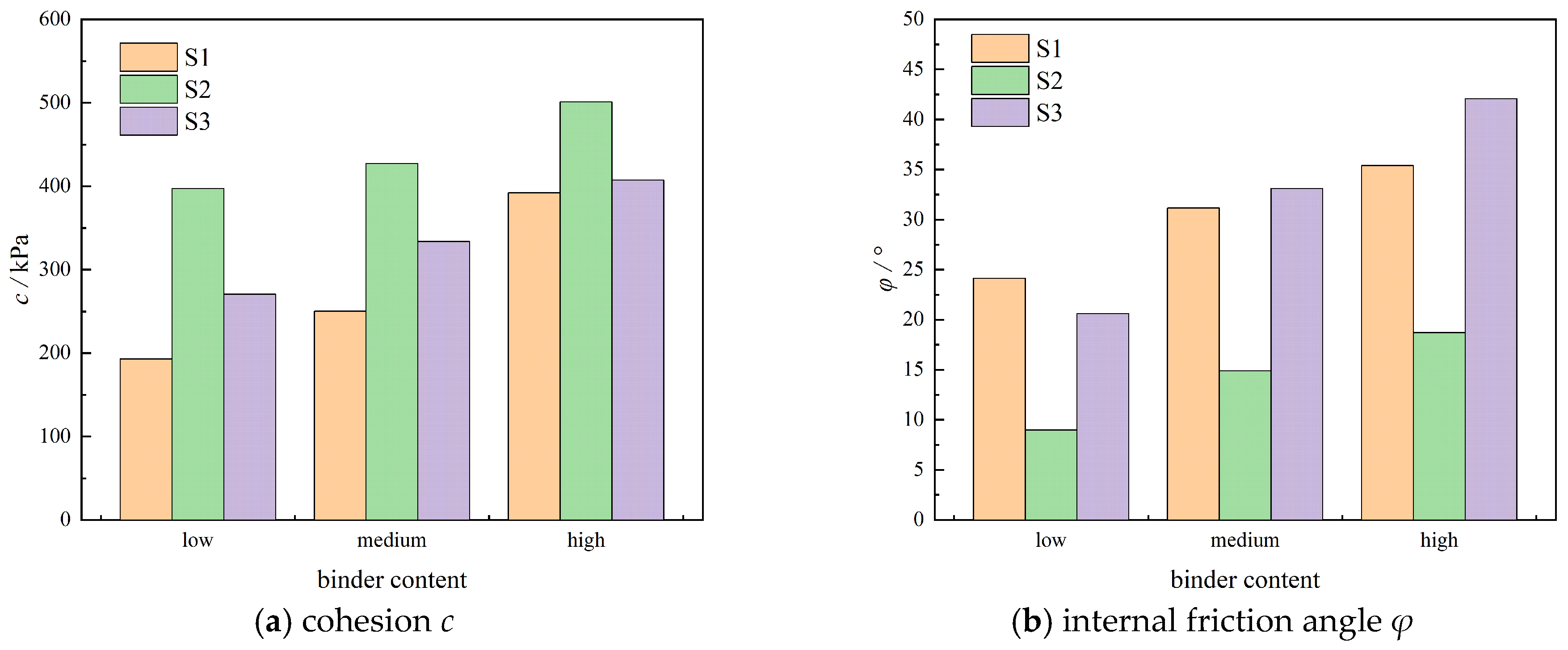
The variations in cohesion and the internal friction angle with the binder content are shown in
Figure 16. Within the tested binder-content ranges, cohesion generally increased with binder content for all three CLSM types. This trend may be associated with the formation of additional cementitious products and enhanced interparticle bonding. Therefore, cohesion may serve as an empirical indicator of the cementation contribution to shear strength under the investigated conditions. In contrast, the internal friction angle showed a stronger dependence on soil type. Sand-based CLSM maintained a relatively high internal friction angle, consistent with its stronger particle friction and interlocking characteristics. Silty clay-based CLSM exhibited a lower internal friction angle, suggesting a relatively smaller contribution of frictional contact to its shear resistance.
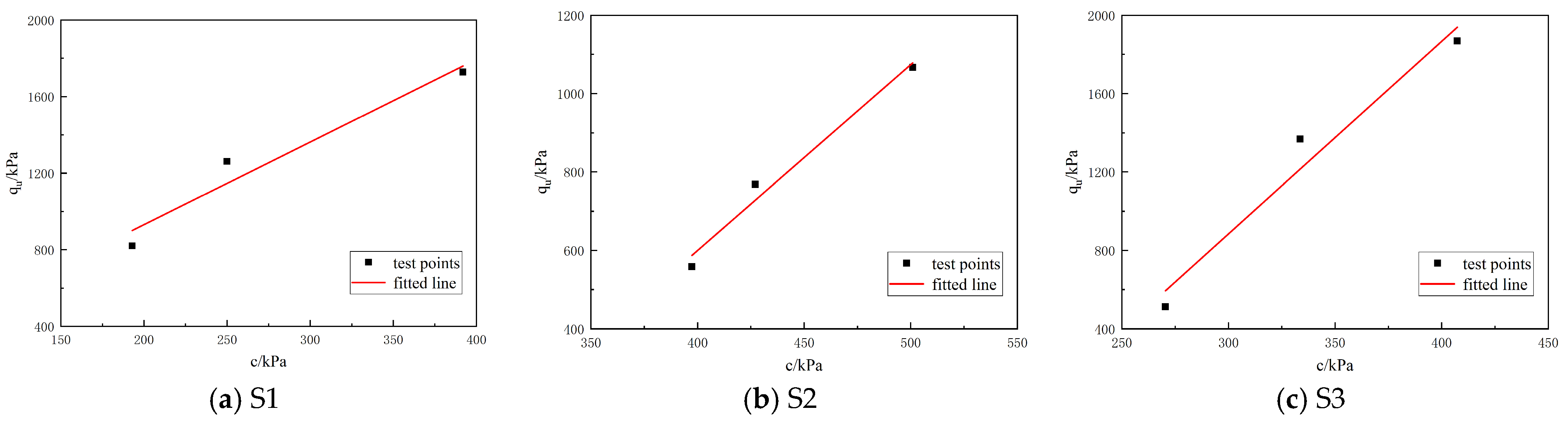
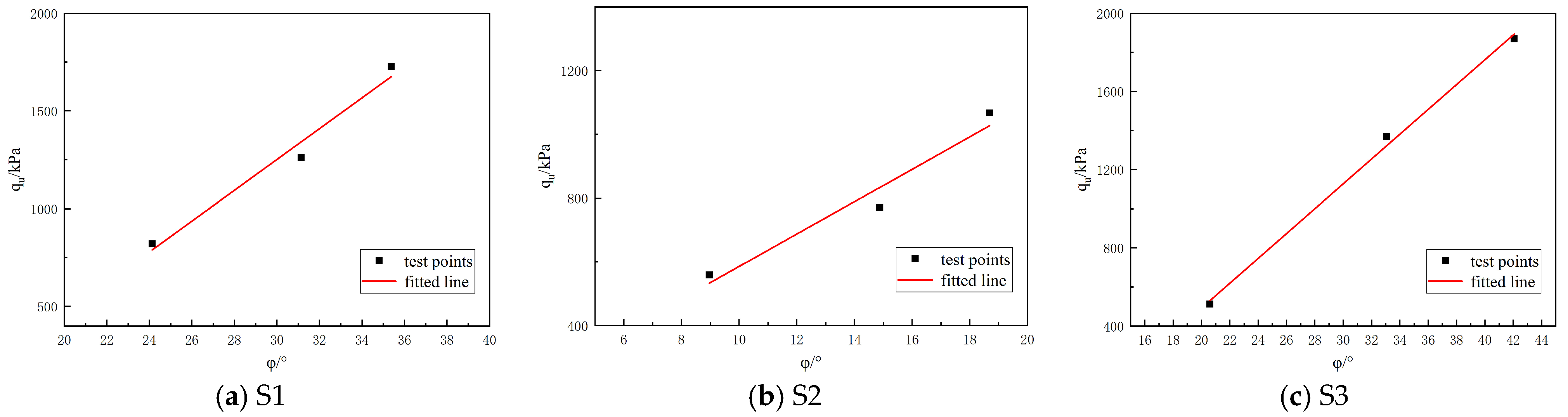
To further examine the relationship between shear strength parameters and basic mechanical properties, linear regression models were established between UCS
qu and the shear strength parameters
c and
φ. The fitting results are shown in
Figure 17 and
Figure 18.
The fitted linear equations and their coefficients of determination are given as follows:
For the
qu–
c relationship:
For the
qu–
φ relationship:
In Equations (7) and (8), qu and c are expressed in kPa, while φ is expressed in degrees.
Within the tested range, UCS showed an approximately linear relationship with both cohesion and the internal friction angle. The increase in cohesion may reflect enhanced interparticle bonding, whereas the increase in internal friction angle may be associated with stronger particle friction and interlocking. These preliminary trends suggest that both cementation and particle interaction contributed to the observed macroscopic strength differences.
Since each relationship was established using only three binder-content levels, these fittings should be regarded as preliminary trends within the tested range rather than general predictive relationships.
3.6. Microstructural Analysis
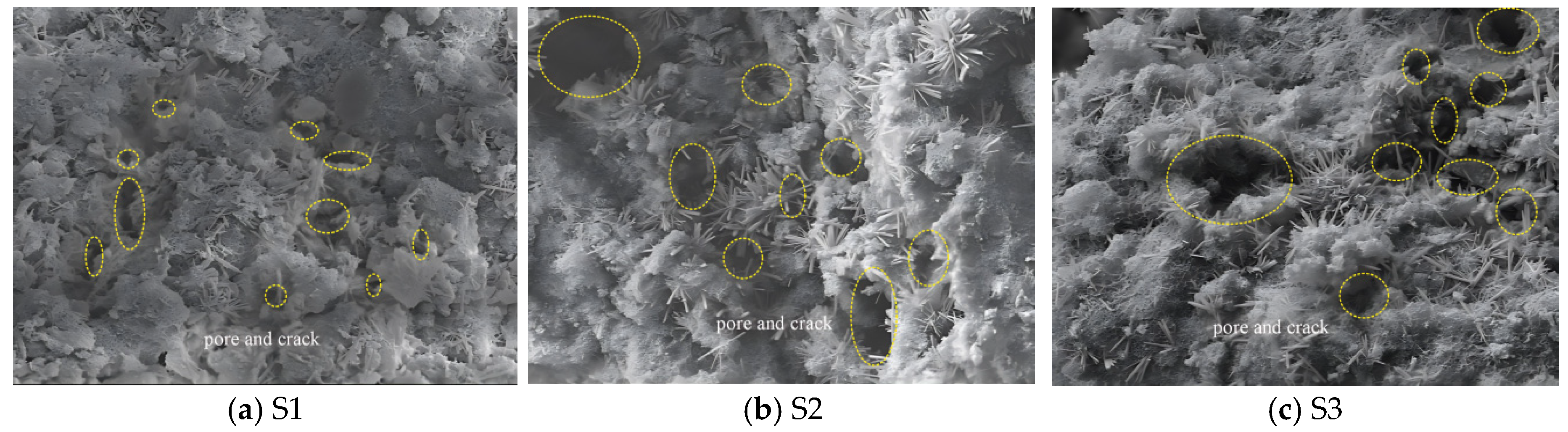
To provide qualitative microstructural support for the observed macroscopic shear behavior of CLSM, SEM observations were conducted on silt-based, silty clay-based, and sand-based specimens with high binder contents. It should be noted that the SEM observations in this study provide qualitative information on pore filling, particle contact, and cementitious-product distribution rather than quantitative characterization of pore structure, phase composition, or hydration products. Therefore, the following discussion should be regarded as a possible microstructural interpretation of the mechanical trends observed in the triaxial tests.
Figure 19 shows the SEM images of S1, S2, and S3 at 2000× magnification. All specimens showed relatively dense structures, although pores and microcracks were still present. S1 showed a relatively uniform structure with small and scattered pores. S2 had closer particle contact because of its high clay content, but local pores and microcracks were also observed. These features may be related to particle aggregation and hydration shrinkage. S3 showed a clear particle-stacking structure with visible interparticle voids. Many of these voids appeared to be filled by cementitious products, forming a relatively compact skeleton.
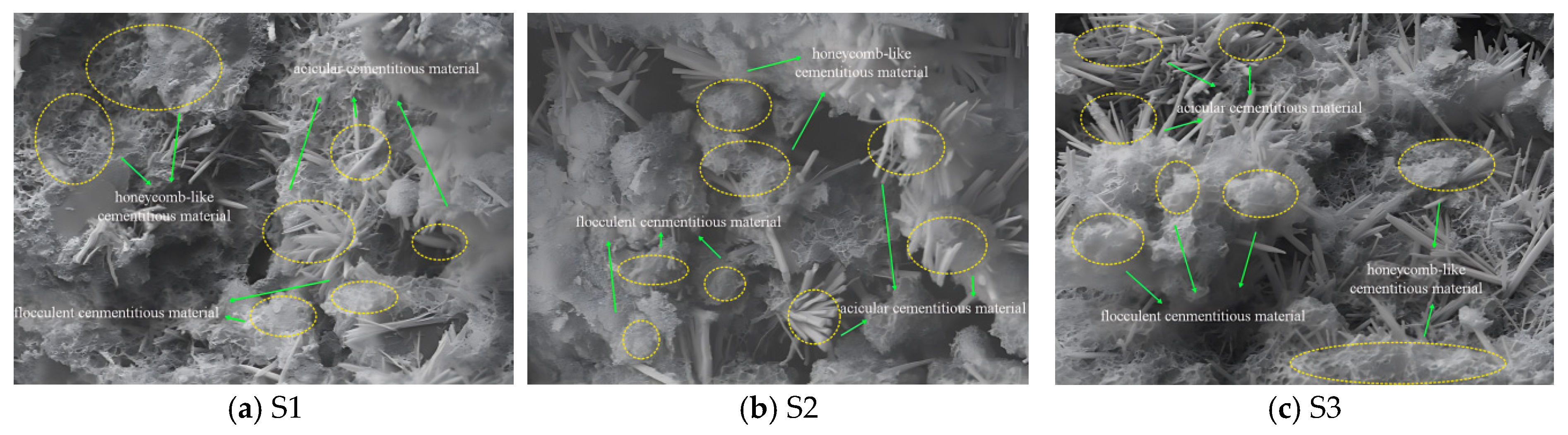
Figure 20 shows the SEM images at 5000× magnification. Flocculent and honeycomb-like cementitious products were observed on particle surfaces and within pores, which are morphologically consistent with the C–S–H-like gel. These products appeared to fill pores and wrap soil particles, which may be associated with improved interparticle bonding. Needle-like crystals, possibly corresponding to ettringite, were also observed. These crystals were locally interwoven with gel-like products and may have provided additional particle connections. However, because no complementary phase analysis was performed, the identification of these products should be regarded as morphology-based interpretation rather than direct phase verification.
The microstructural characteristics differed among the three soil types. For S3, the rigid sand particles and relatively clean surfaces may have favored the distribution of cementitious products within interparticle voids. This feature appears to be consistent with the formation of a relatively continuous cemented skeleton while maintaining particle friction and interlocking. Therefore, the SEM observations may provide a possible qualitative explanation for the relatively high peak strength of sand-based CLSM. For S2, the high clay content and adsorbed water films may have hindered the direct bonding between cementitious products and soil particles. Some cementitious products may also have been retained within clay aggregates, which could reduce effective pore filling and weaken the continuity of the cemented network. These features may be associated with the relatively lower peak strength of silty clay-based CLSM, although this interpretation remains qualitative. S1 showed an intermediate structure in which cementitious products appeared to fill pores and form a moderately developed cemented network.
Overall, the strength differences among the three CLSM types may be associated with differences in particle bonding, pore filling, and particle interaction. The relatively high strength of sand-based CLSM may reflect the combined contributions of cementation, particle friction, and interlocking. Silt-based CLSM showed intermediate behavior. The behavior of silty clay-based CLSM appeared to be more closely associated with cementation, while its frictional and interlocking contributions may have been relatively limited. These SEM observations are consistent with the macroscopic strength order of S3 > S1 > S2, but they should be interpreted as qualitative support rather than direct quantitative evidence.
Hydration products and pore-filling features may be associated with cohesion development, whereas particle skeleton characteristics and interlocking may influence the internal friction angle. The observed differences in the cemented skeleton appear to be consistent with the differences in shear performance among the three CLSM types. Nevertheless, because no complementary pore-structure characterization or phase analysis was conducted, further complementary analyses, such as MIP, XRD, EDS, or quantitative image analysis, would be needed to verify the relationship between microstructural features and shear behavior.
4. Conclusions
This study comparatively investigated the shear behavior and qualitative microstructural characteristics of CLSM prepared from three typical Yellow River alluvial soils under different binder contents and confining pressures. The main conclusions are as follows:
1. The stress–strain response of CLSM generally exhibited four stages: linear elastic deformation, plastic yielding, strain softening, and residual stabilization. Within the tested binder-content ranges, sand-based CLSM showed a relatively high peak strength and more pronounced post-peak softening, whereas silty clay-based CLSM exhibited lower peak strength but a more gradual failure process and better residual stability.
2. Within the tested ranges, higher binder content was generally accompanied by higher peak strength, possibly due to improved particle bonding and structural densification. Higher confining pressure was also associated with increased peak strength, which may be related to restrained lateral deformation and crack development, although the strengthening trend became less pronounced at higher confinement levels.
3. The failure stress states of the tested CLSM could be reasonably represented by the Mohr–Coulomb criterion within the investigated confining-pressure range. The q–p relationships and Mohr-circle envelopes provided mathematically related representations of the same triaxial test results. Silty clay-based CLSM exhibited relatively high cohesion but a low internal friction angle, whereas sand-based CLSM showed a relatively high internal friction angle, consistent with its stronger particle friction and interlocking characteristics.
4. The empirical relationships among UCS, peak strength, residual strength, cohesion, and internal friction angle provide preliminary references for estimating the shear behavior of CLSM within the tested ranges.
5. SEM observations qualitatively suggested that cementitious products appeared to fill pores and form connections between soil particles. The observed differences in pore filling, particle bonding, and particle arrangement appeared to be consistent with the strength order of sand-based CLSM > silt-based CLSM > silty clay-based CLSM.
This study focused on three representative soil types under standard curing conditions. Future work should consider more soil sources, curing environments, and field loading conditions to improve the application of CLSM in complex engineering scenarios. Since the microstructural analysis in this study was mainly based on qualitative SEM observations, further studies using MIP, XRD, EDS, or quantitative image analysis are needed to verify the pore-structure evolution, hydration products, and possible strengthening mechanisms of CLSM.




 ,
,