1. Background
The construction industry is a vital pillar of the global economy, contributing over
$10 trillion to the global gross domestic product (GDP), making it one of the largest and most economically influential sectors worldwide [
1]. Within the United States, the construction sector employs approximately 7 million individuals and represents an annual market value of roughly
$1.36 trillion [
2]. In 2021 alone, it accounted for approximately 4.3% of the U.S. GDP [
3]. However, the industry is increasingly recognized as a high-risk industry for mental health deterioration [
4]. A growing body of evidence points to alarming trends in worker well-being. Recent findings report that 83% of U.S. construction professionals have experienced some form of mental health concern, including anxiety, depression, or work-induced stress [
5]. Tragically, suicide rates in this industry are among the highest of any occupational group, with more than 5000 construction workers dying by suicide annually, nearly five times the number of fatalities attributed to physical jobsite accidents [
6]. The sector also leads to substance misuse and overdose-related deaths, underscoring the scale and urgency of the crisis [
7]. Approximately half of all construction professionals report experiencing frequent symptoms of anxiety or depression, well above the national average [
6].
Despite the magnitude of these issues, mental health has historically received significantly less emphasis in construction safety programs compared to physical safety hazards. Traditional occupational safety frameworks have primarily focused on preventing the “Fatal Four”-falls, electrocutions, struck-by injuries, and caught-in/between incidents. In contrast, mental health considerations have often been overlooked in organizational safety strategies [
8,
9]. This gap is concerning, given that work-related stressors and poor mental health not only impair individual well-being but also compromise safety performance, labor productivity, and project delivery outcomes [
10,
11].
Leadership and organizational management play an essential role in bridging this gap. Research has shown that top management’s commitment and involvement are critical to the successful implementation of well-being initiatives [
12,
13,
14]. Organizational-level interventions that target psychosocial hazards, such as excessive job demands, lack of control, and unsupportive supervisory relationships, can mitigate the risks associated with burnout, anxiety, and stress [
15]. In the construction context, management’s actions set the tone for workplace culture and can directly influence mental health outcomes [
4]. By encouraging open communication, fostering psychological safety, and promoting consistent well-being practices, leadership can embed mental health as a core element of job-site management, on par with physical safety.
Although the role of leadership in promoting worker well-being has been conceptually acknowledged, little empirical research has investigated the extent to which construction company managers are aware of or responsive to mental health challenges among their workforce [
4,
12]. Specifically, there is a lack of data examining how management perceives workplace stressors and their level of engagement in implementing targeted well-being strategies. To address this critical knowledge gap, the present study aims to evaluate construction management’s awareness and responsiveness to workplace mental health issues. This research examines key well-being intervention strategies identified in prior studies and evaluates the extent to which these strategies are supported and implemented by management personnel within construction organizations. By doing so, the study seeks to inform future efforts to strengthen mental health outcomes and promote holistic worker well-being across the construction industry.
3. Point of Departure and Research Objectives
Existing studies have documented numerous intervention approaches aimed at promoting employee wellness at both the organizational and individual levels [
53,
54,
55,
56,
57]. Despite these advances, limited evidence exists regarding how construction practitioners view such initiatives or whether current programs effectively address the unique mental health pressures associated with discrimination-related psychosocial stress experienced on job sites [
12]. Much of the prior literature has concentrated on identifying and measuring workers’ exposure to occupational stressors, while comparatively little attention has been given to managerial perspectives on workforce well-being [
48]. In particular, there is insufficient understanding of how organizational leaders recognize, prioritize, and respond to the underlying conditions that affect employees’ mental health. Meaningful and sustained improvements in worker well-being cannot rely solely on grassroots or employee-driven efforts [
57]. Instead, they require strong, informed leadership and a deliberate commitment to applying research-based practices that reduce psychosocial risks and strengthen workplace support systems.
Although prior studies have extensively documented psychosocial stressors, demographic differences in mental health outcomes, and the importance of managerial support in construction, limited attention has been given to how these concerns are recognized and translated into organizational action. The present study addresses this gap by examining management awareness and responsiveness as two related but distinct dimensions of organizational support. Awareness refers to leaders’ recognition of workers’ mental health concerns [
13], whereas responsiveness reflects the extent to which organizations convert such recognition into targeted well-being practices [
9]. This distinction provides a leadership-focused perspective on construction mental health and extends existing theoretical discussions by moving beyond the identification of stress outcomes toward understanding how psychosocial risks are acknowledged and addressed within organizational settings. Based on this theoretical positioning, the present study addresses the following research questions:
RQ#1: To what extent are company leaders aware of mental health concerns affecting construction professionals on job sites?
RQ#2: How actively do company leaders implement targeted measures to enhance the overall well-being of construction professionals?
To investigate these questions, a nationwide survey was conducted among construction professionals throughout the United States. The survey evaluated the level of awareness among senior management and frontline supervisors regarding mental health challenges in the workplace. It also gathered managerial assessments of the relevance, practicality, and current adoption of six targeted intervention strategies identified in previous research [
9,
12,
48,
61]. Analysis of the survey data offers insight into the degree of leadership involvement in mental health initiatives and the organizational capacity to introduce meaningful, system-wide improvements. By emphasizing managerial responsibility and leadership-driven action, this study contributes to the expanding body of literature on mental health in construction. Furthermore, it underscores the central role of company leadership in creating psychologically supportive work environments and provides actionable guidance for industry stakeholders seeking more effective responses to the sector’s mental health challenges.
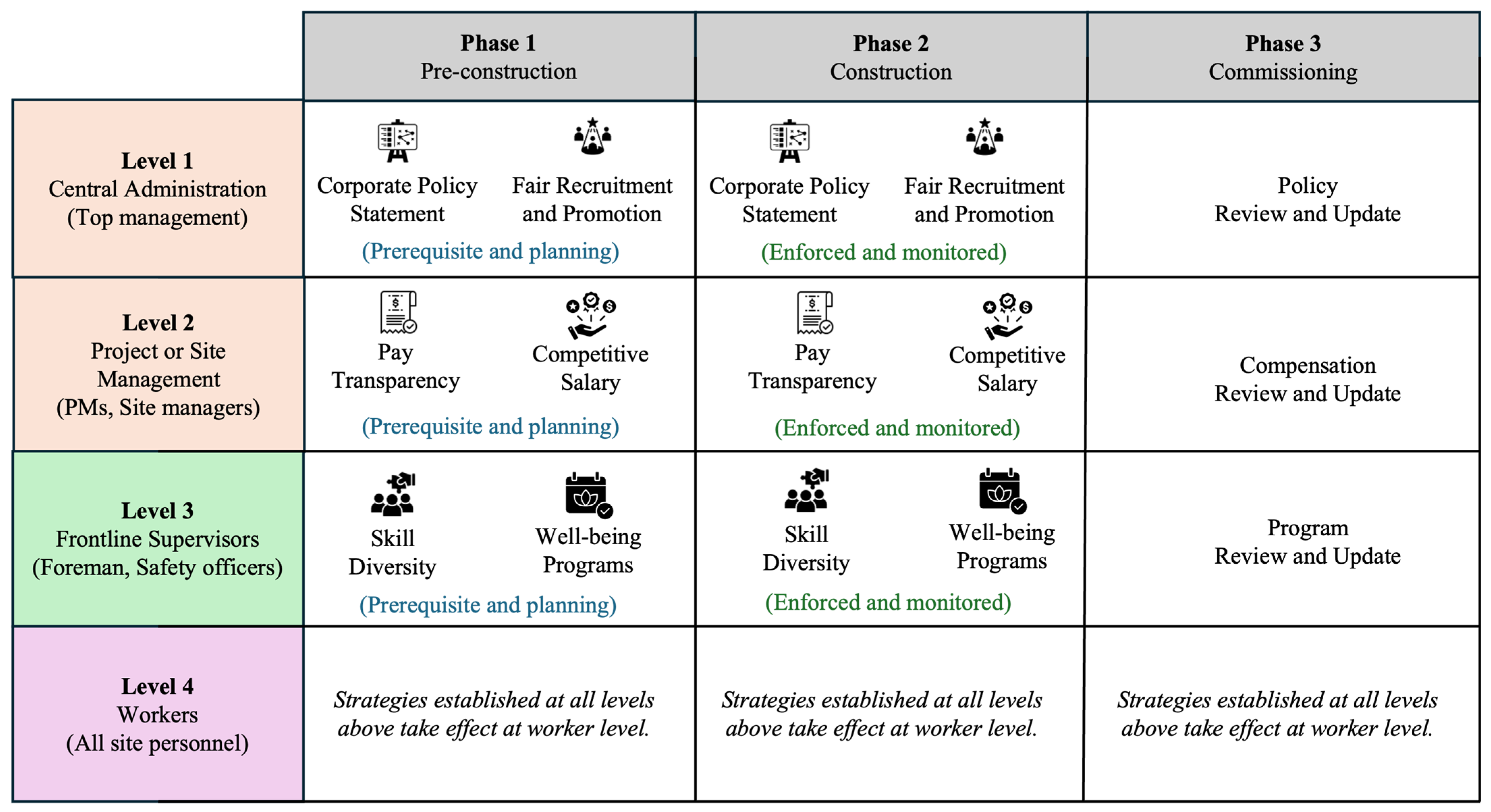
To achieve the goal of the present study, the selected well-being strategies were positioned within a theoretical framework established through the literature review, as discussed earlier. The framework conceptualizes six literature-informed strategies across four organizational levels and three construction project phases to clarify how management awareness can be translated into organizational responsiveness. At Level 1, central administration and top management are responsible for organization-wide commitments, including corporate policy statements and fair recruitment and promotion practices, because these strategies establish formal expectations, equity-oriented procedures, and institutional commitment before project-level implementation begins [
48,
62]. At Level 2, project or site management, including project managers and site managers, is positioned as the level where organizational commitments are translated into visible employment conditions through pay transparency and competitive salary practices [
27]. At Level 3, frontline supervisors, such as foremen and safety officers, are positioned closer to workers’ daily experiences through strategies such as skill diversity and well-being programs, which support coping capacity, inclusion, and perceived organizational support [
41,
51]. Level 4 represents workers and all site personnel, who are the primary recipients of the strategies implemented at higher organizational levels.
It should be noted that the framework separates the strategies analytically by organizational level and project phase rather than treating them as direct causal relationships. During pre-construction, the strategies are positioned as prerequisites and planning measures; during construction, they are implemented, enforced, and monitored; and during commissioning or between projects, they are reviewed and updated to inform future organizational and project practices. Therefore, the framework follows a cyclical logic in which lessons from one project can refine policies, compensation practices, and worker-support programs in later projects. Since perceived management awareness and responsiveness may differ across respondent roles, demographic characteristics, and organizational contexts, the present study examines these perceptions across demographic and organizational groups. However, a phase-based evaluation of the effectiveness of the six well-being strategies across pre-construction, construction, and commissioning stages remains outside the scope of the present study. Instead, the phase-based and level-based structure provides a theoretical lens for evaluating whether construction professionals perceive management as aware of workplace mental health concerns and responsive in supporting well-being strategies at the organizational level.
Figure 1 presents the conceptual theoretical framework used in the present study.
4. Research Method
The research methodology for this exploratory study was systematically designed following an in-depth review of the existing literature and a critical analysis of current challenges affecting the well-being of construction professionals. The study adopted a mixed-methods research design. This approach enabled both quantitative and qualitative insights, ensuring the methodological robustness necessary to address the study’s objectives. A semi-structured survey was developed as the primary data collection instrument. Prior to its deployment, the survey underwent iterative refinements, which included expert validation through consultations with industry professionals, experts in workforce development, and well-being. These consultations ensured that the questions were contextually accurate, clearly worded, and capable of capturing nuanced perspectives from diverse stakeholders. Institutional ethics approval was obtained from the Institutional Review Board (IRB), ensuring that all research activities involving human subjects adhered to ethical standards.
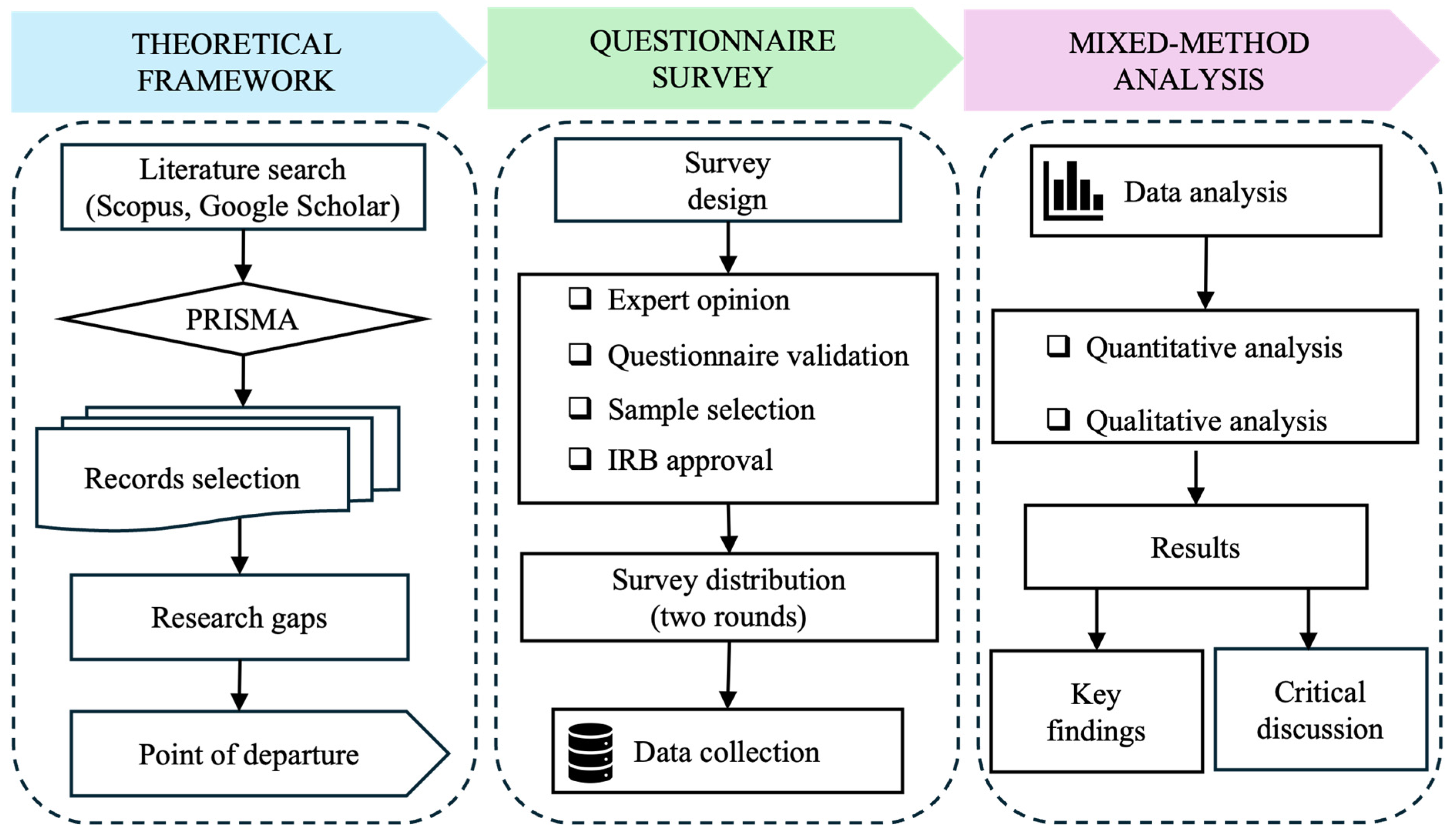
Figure 2 presents a visual summary of the methodological framework applied in this research, capturing the sequential flow from strategy identification through data analysis and synthesis of findings.
4.1. Systematic Literature Review
A comprehensive and structured literature search was conducted to examine research on mental health, psychosocial stressors, managerial awareness, organizational support, and well-being interventions in the construction industry. Publications from 1990 to 2025 were reviewed to capture more than three decades of scholarly development in this area. The search was conducted in Scopus and Google Scholar between March 2025 and December 2025. These databases were selected because they provide broad coverage of construction engineering, management, occupational health, and workplace well-being research.
Search keywords were developed through background scoping and applied using combinations of construction-related, mental health-related, and management-related terms. To ensure methodological transparency and reproducibility, the review followed the PRISMA 2020 reporting guidelines [
63]. Records were screened in sequential stages, including database identification, duplicate removal, title and abstract screening, and full-text eligibility assessment.
Table 1 summarizes the search keywords and exclusion criteria applied at each stage of the review process.
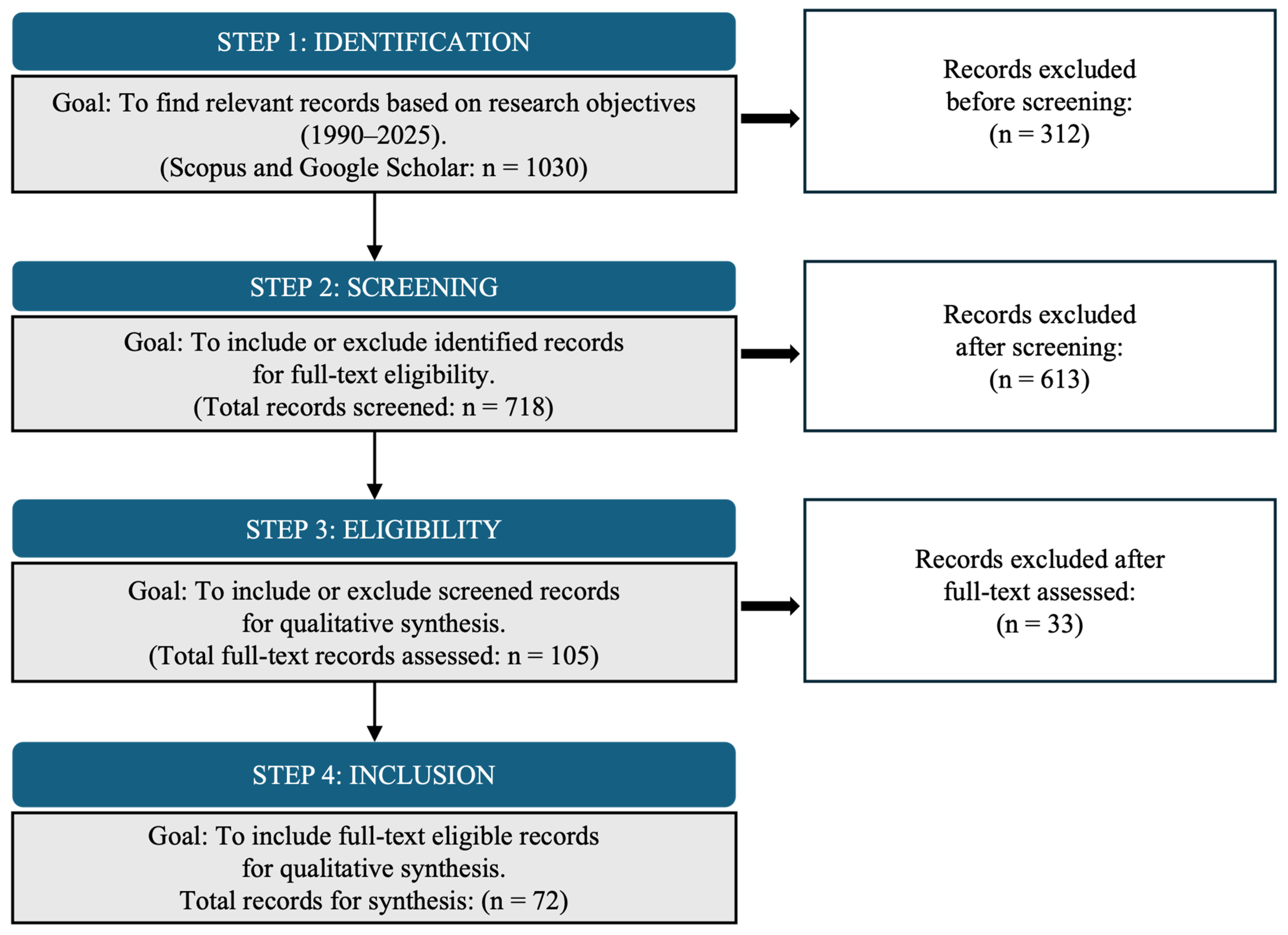
Broad keyword combinations initially identified 1030 records from Scopus and Google Scholar. After duplicate removal, 718 records were retained for title and abstract screening. Records were excluded at this stage if they did not address mental health, psychosocial stressors, construction workplace settings, or management-related intervention practices. The remaining 105 records were assessed through full-text screening. Studies were excluded during full-text assessment if they did not provide mental health-related outcomes, did not examine management or organizational support, or lacked sufficient relevance to construction workplace practice.
It should be noted that the screening process was structured around a clearly defined scope and exclusion criteria to maintain the quality and relevance of the reviewed literature. For example, only peer-reviewed journal articles and scholarly conference papers were retained, while editorials, keynote papers, discussion articles, technical notes, reports, theses, and other non-scholarly documents were excluded. During full-text assessment, studies were further evaluated based on their relevance to construction workplace settings, clarity of methodological or conceptual contribution, connection to mental health or psychosocial stressors, and discussion of management or organizational support. Therefore, the final set of publications was selected not only based on keyword relevance but also on scholarly quality, methodological transparency, and alignment with the study objectives. Through this process, 72 publications were retained for theoretical synthesis.
Figure 3 presents the PRISMA flowchart showing the identification, screening, eligibility, and inclusion stages.
4.2. Survey Design
The structured survey comprised 18 questions, organized into three sections to provide a comprehensive understanding of the research themes. The first section focused on collecting detailed demographic information from participants, such as their professional role, years of industry experience, company size, geographic location, and organizational tier. Ensuring demographic diversity was crucial to capturing a broad spectrum of perspectives and minimizing bias associated with homogeneous respondent profiles. The second section explored the mental health climate within participants’ respective workplaces. This included items that assessed respondents’ personal experiences related to mental well-being, as well as their perceptions of supervisory and upper management’s awareness and commitment to mental health support in the workplace. A total of six questions were added to this section to illustrate the participants’ mental health, work stress, and perceptions of management’s awareness to reduce mental health stressors. To strengthen the reliability and validity of the responses, several questions in this section were adapted from the National Institute for Occupational Safety and Health Quality of Work Life Questionnaire, an established and widely used instrument in occupational health research [
64].
The third section examined the extent to which company management was responsive to the adoption and implementation of targeted well-being strategies. This part of the survey consists of seven questions on management’s response to implement six predefined well-being strategies to reduce mental health stressors at the workplace.
4.3. Sample Selection
A stratified sampling strategy was employed to recruit approximately 700 construction professionals, ensuring representation from general contracting firms, specialized subcontractors, consulting organizations, and construction and design companies. Participants also reflected a wide range of professional roles, including project managers, facility managers, project engineers, site engineers, designers, and other industry practitioners. To develop a comprehensive sampling pool, multiple sources were utilized, including membership databases from professional associations, staff directories published on company websites, publicly available profiles of construction professionals on platforms such as LinkedIn, and the research team’s existing professional contacts. The research team collaborated with several industry organizations, such as the American Society of Civil Engineers (ASCE), Associated General Contractors (AGC), Associated Builders and Contractors (ABC), National Association of Women in Construction (NAWIC), and the American Subcontractor Association (ASA), to circulate the survey through email campaigns and organizational newsletters.
4.4. Survey Distribution and Data Collection
The survey questions were compiled using the Qualtrics online survey platform. Survey invitations were distributed electronically to prospective participants identified through the finalized contact database. From the initial list of approximately 700 individuals, 250 entries were eliminated due to various data quality issues, including inaccuracies during data extraction (
n = 100), invalid or inactive email addresses (
n = 75), and missing or incomplete professional profile information (
n = 75). As a result, the final distribution list consisted of roughly 450 verified contacts with confirmed professional credentials. In total, 56 responses were submitted by eligible participants, yielding a response rate of 12.4 percent. However, three surveys were excluded because they lacked sufficient or complete information. Consequently, 53 usable responses were retained for statistical and qualitative analysis, corresponding to a final response rate of 11.8 percent. Although modest, this participation level is consistent with response patterns frequently reported in construction management research, where practitioners tend to show limited involvement in academic survey efforts [
65,
66]. The web-based nature of the instrument and the absence of tangible incentives may have further discouraged participation [
67]. Participant demographic characteristics derived from the completed surveys are summarized in
Table 2.
4.5. Survey Reliability
Given the limited number of respondents, the research team conducted an assessment to determine whether the sample size was sufficient to support meaningful exploratory conclusions about the construction workforce. As noted by Alotaibi and Gambatese (2024) [
65], demonstrating data validity and reliability is essential for ensuring confidence in research outcomes. The study employed a widely accepted sample size calculation method used in construction-related research [
12,
68], expressed as:
where
no = sample size;
z =
z-value for confidence level;
p = estimated variability of responses; and
e = margin of error.
A confidence level of 95 percent was adopted, corresponding to a z-value of 1.96, in accordance with conventional statistical standards. To account for maximum potential variability in responses, a conservative estimate of
p = 0.50 was applied. Previous construction management research has employed broader ranges, typically between 5 and 20 percent [
68,
69]. Considering the exploratory focus of the present investigation, a margin of error of 15 percent was selected as appropriate. Based on these parameters, the minimum required sample size was determined to be 43 respondents. In addition to evaluating sample adequacy, the internal reliability of the survey instrument was examined using Cronbach’s Alpha. This statistic measures the consistency of responses across survey items and ranges from 0 to 1, with values of 0.70 or higher generally regarded as satisfactory [
70,
71]. For this study, Cronbach’s Alpha was calculated to be 0.92 for the mental health questions and 0.90 for management’s responsiveness questions, indicating a high level of internal consistency among the survey measures.
5. Results and Analysis
5.1. Availability of Stress Management Program
The availability of structured stress management programs plays a vital role in promoting employee well-being and strengthening organizational resilience [
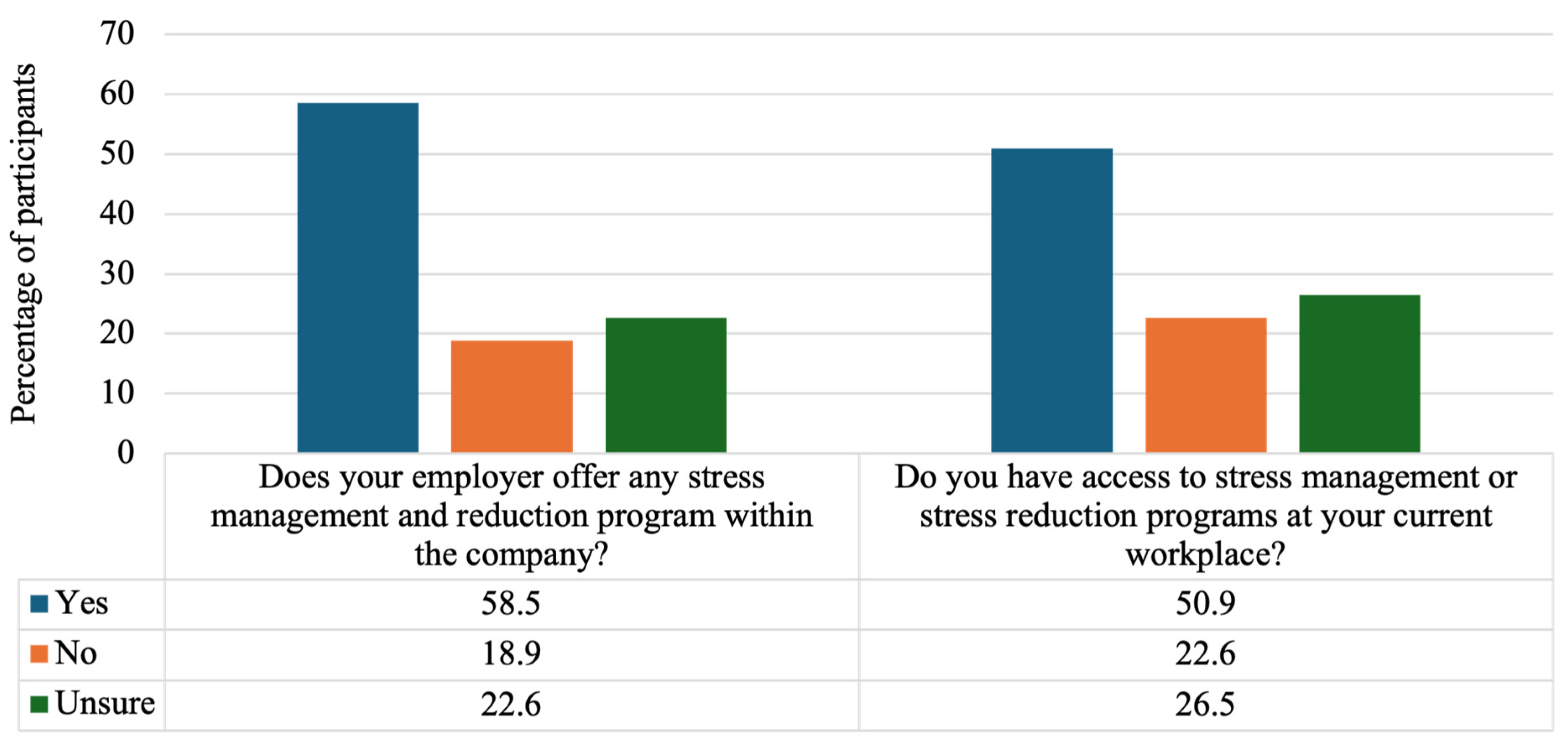
13]. In this study, survey participants were asked whether their employers offered workplace stress management programs and whether they had access to them. Most respondents (58.5%) reported that their organizations provided such programs, while 18.9% indicated that no such programs were available. However, when asked about accessibility, only 50.9% stated that they could access these programs, whereas 22.6% reported having no access. This finding suggests that, despite the presence of company-wide stress management initiatives, a substantial proportion of employees are unable to benefit from them. Additionally, 22.6% of participants were uncertain about the availability of these programs, indicating limited awareness of organizational efforts to manage workplace stress. This uncertainty further highlights potential communication gaps between management and employees.
Figure 4 illustrates the availability and accessibility of stress management programs within participating organizations.
5.2. Participants’ Overall Mental Health and Work Stress Level
To assess participants’ psychological well-being, the survey included measures of self-reported overall mental health and perceived work-related stress. Responses were recorded using a five-point Likert scale to support quantitative analysis. Mental health was rated from 1 (Poor) to 5 (Excellent), while work stress ranged from 1 (Always Stressful) to 5 (Never Stressful). The results indicate notable variations in mental health perceptions across demographic groups. Male respondents reported a more positive assessment of their overall mental health (Mean = 3.1) than female respondents (Mean = 2.8). Similarly, when disaggregated by race, white participants reported higher average mental health scores (Mean = 3.7) compared to non-white participants (Mean = 3.1). Job role also appeared to influence mental health outcomes. Project engineers reported the highest average mental health rating (Mean = 3.3), followed by project managers (Mean = 3.2) and site supervisors (Mean = 2.9). These differences suggest that variations in job responsibilities, decision-making authority, and work environments may shape employees’ psychological experiences. Consistent with prior research highlighting the high-stress nature of the construction industry, participants generally reported moderate levels of workplace stress. Female respondents indicated higher stress levels (Mean = 2.9) than their male counterparts (Mean = 3.8), potentially reflecting the cumulative impact of work-family conflict, gender-based discrimination, and limited organizational support. Racial differences were also evident, with white participants reporting slightly lower stress (Mean = 3.6) compared to non-white participants (Mean = 3.3), suggesting possible inequities in working conditions and psychosocial resources.
Differences across job roles further underscore the influence of organizational structure on stress outcomes. Site supervisors reported the highest stress levels (Mean = 3.1). In contrast, project engineers (Mean = 3.5) and project managers (Mean = 3.9) reported relatively lower stress, possibly due to greater access to administrative support, decision-making autonomy, and more predictable work environments. It should be noted that the study does not treat subgroup comparisons by gender, race, job role, or organization type as population-level estimates. Instead, these comparisons are used to identify indicative patterns that can inform future confirmatory research. Moreover, given the exploratory nature of the study and the limited subgroup sizes, the mean differences reported in this study are interpreted descriptively rather than as statistically confirmed group differences.
Table 3 summarizes the participants’ mental health and work stress levels.
5.3. Correlation Between Overall Mental Health and Work Stress Levels
To explore the potential relationship between participants’ perceived overall mental health and their reported work stress levels, Spearman’s rank-order correlation analysis was conducted. The Spearman correlation coefficient ranges from −1 to +1, where values closer to −1 indicate a strong inverse relationship, values near +1 denote a strong direct relationship, and values around 0 suggest no meaningful association between variables. The correlation analysis indicates a strong and statistically significant relationship between mental health condition and work stress level (
r = 0.61,
p = 0.01). This positive correlation suggests that participants’ mental health ratings are closely associated with their perceived levels of work stress. Given the scale used in this study, where higher mental health scores represent better psychological well-being and higher stress scores represent lower perceived stress (i.e., less frequent stress), the positive relationship implies that individuals who report better mental health also tend to experience lower levels of workplace stress. The
p-value of 0.01 indicates that this relationship is statistically significant at the 1% level. Therefore, the findings provide strong evidence of a meaningful link between psychological well-being and perceived work stress among construction professionals.
Table 4 shows the outcomes of Spearman’s correlation analysis.
5.4. Management and Supervisors’ Awareness Levels to Reduce Work Stress
Participants’ perceptions of managerial awareness regarding workplace stress and mental health were examined across professional affiliations, including project managers, project engineers, and site supervisors. Respondents rated the awareness levels of both top management and their immediate supervisors using a four-point Likert scale ranging from 1 (Not aware at all) to 4 (Extremely aware).
To examine whether perceived management awareness differed significantly across job roles, a Kruskal–Wallis test was conducted because the awareness items were measured using ordinal Likert-type scales and the subgroup sizes were limited [
72]. The test did not indicate a statistically significant difference across job roles (
p > 0.05), suggesting that the observed mean differences should be interpreted as descriptive patterns rather than confirmed group-level effects.
As shown in
Table 5, moderate levels of awareness were reported across all job categories, with mean scores generally ranging between 2.6 and 3.1. Among project managers, perceptions of top management awareness were relatively high (Mean = 3.1, SD = 0.9), indicating that this group viewed senior leadership as moderately to highly aware of employee well-being concerns. However, their ratings of immediate supervisors were slightly lower (Mean = 2.9, SD = 1.0), suggesting some perceived gaps in awareness at the operational level. Project engineers reported comparable awareness levels for both top management (Mean = 2.9, SD = 1.0) and immediate supervisors (Mean = 3.0, SD = 0.9). This consistency may reflect their intermediary position within organizational hierarchies, which allows them to interact frequently with both senior leaders and frontline supervisors. Site supervisors reported the lowest awareness ratings for both top management (Mean = 2.6, SD = 0.9) and immediate supervisors (Mean = 2.7, SD = 1.1). These lower scores suggest that site supervisors may feel relatively disconnected from organizational mental health initiatives and leadership engagement.
5.5. Management’s Responsiveness to Implement Well-Being Strategies
Participants were asked to evaluate their organizations’ responsiveness to six targeted well-being strategies. Responses were recorded using a four-point Likert scale ranging from 1 (Not responsive at all) to 4 (Extremely responsive). Mean ratings were analyzed for the overall sample and across three organizational categories: general contractors, subcontractors, and consulting firms.
Overall, the results indicate moderate organizational responsiveness to most well-being strategies, with mean ratings ranging from 2.5 to 3.1 (
Table 6). Among the six target strategies, skill diversity (Mean = 3.1) and pay transparency (Mean = 3.1) received the highest overall ratings, suggesting that organizations have made relatively greater efforts to promote workforce flexibility and openness in compensation practices. In contrast, formal well-being programs received the lowest overall rating (Mean = 2.5), indicating limited institutional commitment to structured mental health and wellness initiatives. General contractors consistently reported higher responsiveness across most strategies compared to other organizational types. In particular, they rated corporate policy statements (Mean = 3.3), competitive salary (Mean = 3.1), and fair recruitment and promotion practices (Mean = 3.1) relatively favorably. However, despite these strengths, general contractors reported only moderate responsiveness to well-being programs (Mean = 2.7), indicating that policy commitments may not always translate into comprehensive support systems. Subcontractors reported comparatively lower ratings for several strategies, particularly competitive salary (Mean = 2.7) and well-being programs (Mean = 2.2). These lower scores may reflect the financial constraints and project-based nature of subcontracting firms, which can limit their ability to invest in long-term employee development and wellness initiatives. Notably, subcontractors reported relatively high responsiveness to corporate policy statements (Mean = 3.3) and pay transparency (Mean = 3.2), suggesting that while formal commitments may exist, practical implementation of support mechanisms remains limited. Consulting firms demonstrated moderate responsiveness across most categories, with mean ratings ranging from 2.3 to 3.0. Higher ratings were observed for skill diversity (Mean = 3.0), corporate policy statements (Mean = 3.0), and pay transparency (Mean = 3.0), reflecting the professional and knowledge-based orientation of these organizations. However, lower ratings for fair recruitment and promotion (Mean = 2.3) and competitive salary (Mean = 2.6) suggest potential concerns related to career progression and compensation structures within consulting environments.
5.6. Emerging Well-Being Intervention Strategies
To strengthen the qualitative component of the mixed-methods design, open-ended survey responses were analyzed using an NLP-assisted thematic process. First, responses were screened for relevance to workplace mental health and well-being. Then, text preprocessing was conducted through tokenization, lemmatization, and removal of irrelevant terms. A predefined dictionary-based NLP approach was used to identify recurring well-being themes, followed by manual review by the research team to confirm contextual meaning and eliminate themes outside the study scope. This process helped reduce purely subjective interpretation while ensuring that the final themes remained grounded in participants’ responses.
The US Surgeon General’s framework identifies worker voice and equity as central practices for promoting workers’ mental well-being [
11]. In the present study, researchers initially identified 12 stressor management themes related to these essentials using natural language processing (NLP), as discussed earlier. However, four themes were excluded due to objectivity concerns and falling outside the study’s scope, resulting in 8 valid factors for inclusion. Among all identified factors, mentoring and team building, programs and resources, gratitude and recognition, and open feedback systems were identified as relatively new and important stressors’ management factors. The researchers conceptualized strategic management practices targeting root stressors of workers’ mental health. The suggested strategic management practices were aligned with ISO 45003 psychosocial risk guidelines [
73] and OSHA’s (Occupational Safety and Health Administration) evolving recommendations on workplace mental health [
74]. Proposed practices include biannual anti-harassment workshops and confidential digital reporting systems to reduce fear-driven stress. The researchers recommended mentoring initiatives such as cross-functional mentorship and daily mental health toolbox talks. Notably, anonymized success stories shared during safety meetings were suggested to normalize help-seeking behaviors. Employee-led audits of promotion criteria are suggested to close equity gaps for minority groups, aligning with Yoder’s (1991) critique of superficial inclusion [
75]. Recognition tied to measurable key performance indicators (KPIs) (e.g., safety milestones) was proposed in mental health management on jobsites.
It should be noted that the intervention strategies identified from participant responses represent emerging themes rather than tested intervention outcomes. Therefore, the management practices presented in this study should be interpreted as literature-informed and guideline-aligned recommendations, not as causal effects established by the survey data. These recommendations are intended to translate the study findings into practical directions for future implementation and evaluation.
Table 7 presents the identified emerging well-being intervention strategies and proposed management practices for the mental health and well-being of the construction workforce.
6. Discussion
This exploratory study examined various construction professionals’ perceptions of mental health, workplace stress, managerial awareness, and organizational responsiveness to well-being strategies. Rather than treating mental health as only an individual-level concern, the findings position worker well-being as an organizational issue shaped by leadership awareness, supervisory engagement, and the practical implementation of support systems. In this regard, the results extend prior research documenting the construction sector’s high psychosocial risk profile and limited systemic support for mental health [
4,
12,
19,
20] by showing how these challenges are reflected in leadership recognition and organizational response.
Taken together, the demographic and occupational patterns suggest that psychosocial strain is not evenly distributed across the construction workforce. The results indicate that construction professionals experience moderate levels of psychosocial strain, with notable disparities across gender, race, and job roles. Female and non-white participants consistently reported lower mental health scores and higher perceived stress than their male and white counterparts. These findings reinforce existing evidence that women and minority workers face additional psychosocial burdens related to discrimination, marginalization, and limited access to support systems [
31,
32]. The persistence of these disparities suggests that organizational well-being initiatives may not be sufficiently inclusive or sensitive to the experiences of underrepresented groups. Job-role differences further illustrate the structural dimensions of stress in construction. Site supervisors reported the highest stress and lowest mental health ratings, reflecting their exposure to intense production pressures, safety responsibilities, and workforce management challenges. This finding supports earlier studies highlighting field-level roles as particularly vulnerable to burnout and emotional exhaustion [
20,
25].
The strong positive correlation between mental health and perceived work stress confirms the interdependent relationship between psychosocial well-being and occupational demands. Participants who reported lower stress also reported better mental health, suggesting that workplace conditions play a central role in shaping individual outcomes. This finding is consistent with the job demands-resources framework, which emphasizes the balance between work pressures and available support from management as a determinant of well-being [
36,
37]. From a practical standpoint, this relationship implies that mental health interventions cannot be effective if organizational stressors remain unaddressed. Instead, organizations must adopt integrated approaches that simultaneously reduce harmful job demands and strengthen institutional resources.
Although more than half of respondents indicated that their organizations offer stress management programs, only about half reported having access to these initiatives. Furthermore, more than one-fifth of participants were uncertain about program availability. This disconnect suggests that many well-being efforts remain symbolic rather than functional, supporting earlier critiques that organizational policies often fail to translate into meaningful practice [
4,
52]. Limited accessibility and awareness may stem from inadequate communication, inconsistent implementation across projects, and weak supervisory engagement. Employees most in need of support, particularly frontline supervisors and field workers, may be least likely to benefit from available resources.
Perceptions of managerial awareness were generally moderate, with site supervisors reporting the lowest levels of perceived engagement from both senior management and immediate supervisors. This pattern highlights a critical weakness in leadership-driven mental health governance. Supervisors serve as the primary interface between workers and organizational systems, and insufficient awareness at this level may limit early identification of distress and discourage help-seeking behavior. The relatively higher awareness reported by project managers and engineers may reflect their closer proximity to corporate leadership and policy development processes. This finding echoes prior research emphasizing the pivotal role of supervisory relationships in shaping employee well-being [
45,
46]. The variability in awareness ratings further suggests that leadership practices differ substantially across organizations and projects. Such inconsistency undermines the development of a coherent psychosocial safety culture and limits the effectiveness of organization-wide interventions.
The evaluation of management responsiveness revealed moderate commitment to most well-being strategies, with stronger performance in administrative areas such as pay transparency, policy statements, and skill diversity. In contrast, formal well-being programs received the lowest ratings across all organizational types. This imbalance indicates that companies tend to prioritize visible, compliance-oriented measures over proactive psychological support systems. General contractors demonstrated relatively stronger responsiveness, likely reflecting greater financial and administrative capacity. However, even within this group, investment in structured well-being programs remained limited. Subcontractors reported the weakest performance, particularly in compensation and wellness initiatives, highlighting the constraints imposed by competitive bidding, thin profit margins, and project-based employment. Consulting firms showed moderate engagement but expressed concerns related to career progression and compensation. These findings suggest that organizational structure and contractual arrangements significantly influence the feasibility of well-being initiatives.
Therefore, the central contribution of the findings is not only the identification of stress patterns but also the demonstration of how organizational awareness, access, and responsiveness interact to shape mental health support in construction. Practices such as mentoring programs, confidential reporting systems, employee-led audits, and structured recognition mechanisms directly address root stressors identified in the literature, including isolation, tokenism, and discrimination. Importantly, these strategies move beyond individual-level interventions and embed mental health considerations within core management processes. This integrated approach responds to longstanding critiques that wellness initiatives often fail because they are disconnected from organizational decision-making.
While the proposed management practices offer practical directions for improving workplace well-being, their implementation may vary depending on organizational size, project structure, and available resources. Larger organizations may be better positioned to adopt structured programs such as mentoring systems, formal reporting mechanisms, or dedicated wellness initiatives due to greater administrative and financial capacity. In contrast, smaller contractors or resource-constrained firms may require lower-cost, scalable approaches, such as supervisory communication training, peer support practices, or incremental policy integration within existing safety programs. Therefore, the practical application of these recommendations should be adapted to the organizational context rather than treated as universally uniform solutions.
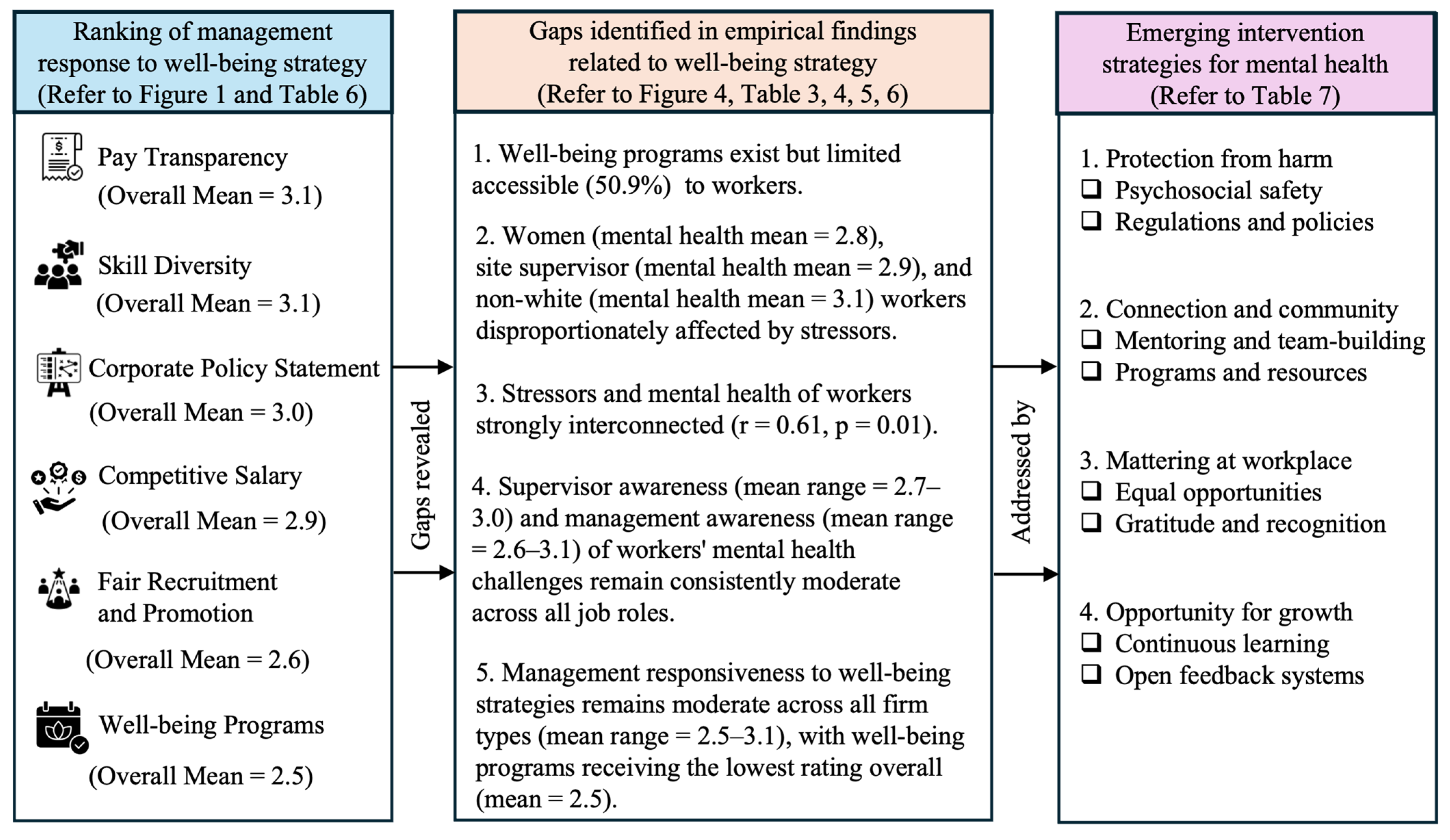
Overall, the findings indicate that the initial framework provides a useful basis for interpreting how organizational awareness is translated into practical response. The empirical results show that while some well-being strategies are moderately supported, gaps remain in program access, supervisor-level action, and the consistency of implementation across organizations. These gaps also explain the relevance of the emerging strategies identified from participant responses, which extend the framework toward more practical and worker-centered interventions. Therefore, the study contributes by connecting theoretical strategy positioning, empirical evidence, and practice-oriented interventions into a consolidated view of how construction organizations can strengthen mental health and well-being support.
Figure 5 presents the consolidated summary linking the theoretical framework, empirical findings, and emerging interventions for mental health in the construction industry.
7. Conclusions
This exploratory study advances understanding of how leadership engagement influences the mental health of US construction professionals by examining managerial awareness and responsiveness to targeted well-being strategies across organization types and job roles. Using a mixed-methods survey, the research shifts the lens from worker exposure to psychosocial risks toward the managerial decisions and organizational systems that can mitigate those risks. In addition, the findings have meaningful implications for industry practice by demonstrating that leadership engagement is central to reducing workplace stress, promoting equity, and improving mental well-being across diverse construction roles and organizational types.
The proposed interventions, ranging from confidential reporting systems and structured mentoring to equity audits, transparent pay structures, and daily psychosocial toolbox talks, provide practical, scalable strategies that firms can implement within existing safety and HR infrastructures. These practices have the potential to reduce job-and-discrimination-related stressors, enhance retention of underrepresented groups, strengthen organizational cultures, and ultimately improve safety, productivity, and workforce stability. By aligning with emerging national and international standards, the study supports broader industry movement toward integrated psychosocial risk management and fosters a more inclusive, healthier, and more sustainable construction workforce.
8. Limitations and Future Direction
While this study provides important insights into management’s responsiveness to mental health and well-being in the construction industry, several limitations should be acknowledged. One of the primary constraints is the relatively small sample size. Despite conducting multiple rounds of survey distribution and outreach to various construction organizations, participant engagement remained limited. This outcome may be attributed to common barriers in the industry, such as survey fatigue and discomfort with discussing sensitive topics like mental health, which have been historically under-addressed in construction settings. The modest response rate may also introduce non-response and self-selection bias, as participants with greater awareness of or interest in workplace mental health may have been more likely to complete the survey. In addition, the intervention strategies discussed in this study should be interpreted as practice-oriented recommendations rather than tested intervention effects. Because the study used a cross-sectional survey design, the findings do not establish causal relationships between specific well-being practices and improved mental health outcomes. Therefore, strategies such as mentoring, anonymous reporting systems, psychosocial toolbox talks, and structured feedback mechanisms are presented as literature-informed and participant-informed directions for future implementation and evaluation.
Future research should aim to include a larger and more demographically diverse participant pool from the construction workforce to professionals to enhance the generalizability of findings. Moreover, longitudinal studies are recommended to assess the long-term effects of well-being interventions on mental health outcomes, workforce productivity, and employee retention. Another limitation lies in the exclusive use of an online survey format and the lack of incentives for respondents. These factors may have further contributed to the low participation rate and the limited depth of responses. To strengthen future studies, researchers should consider combining online surveys with in-person interviews or focus groups and offering participation incentives such as gift cards, discount vouchers, or modest financial compensation. These enhancements may increase engagement, improve data quality, and provide richer insights into the complex dynamics of workplace well-being in the construction industry.