Article

Quantitative Analysis of Urban Canyon Morphology Impacts on Summer Outdoor Thermal Comfort: A Case Study of Chongqing, China

1
School of Thermal Engineering, Shandong Jianzhu University, Jinan 250101, China
2
Joint International Research Laboratory of Green Buildings and Built Environments (Ministry of Education), Chongqing University, Chongqing 400045, China
3
Zhejiang Leapmotor Technology Co., Ltd., Hangzhou 310051, China
4
Qingdao Science and Technology Museum, Qingdao 266000, China
*
Author to whom correspondence should be addressed.
Buildings 2026, 16(12), 2399; https://doi.org/10.3390/buildings16122399

Submission received: 29 April 2026 / Revised: 8 June 2026 / Accepted: 11 June 2026 / Published: 16 June 2026

Abstract

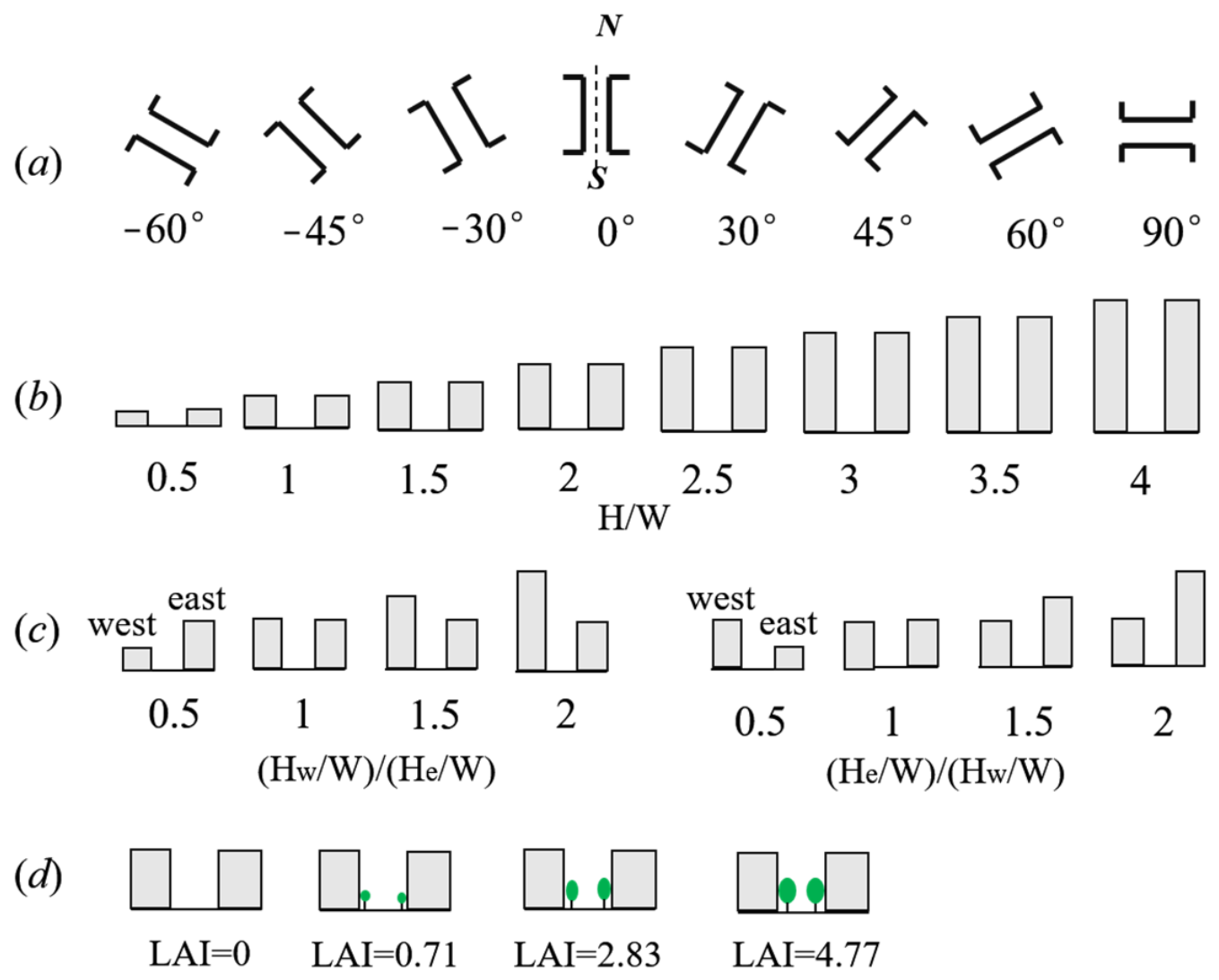
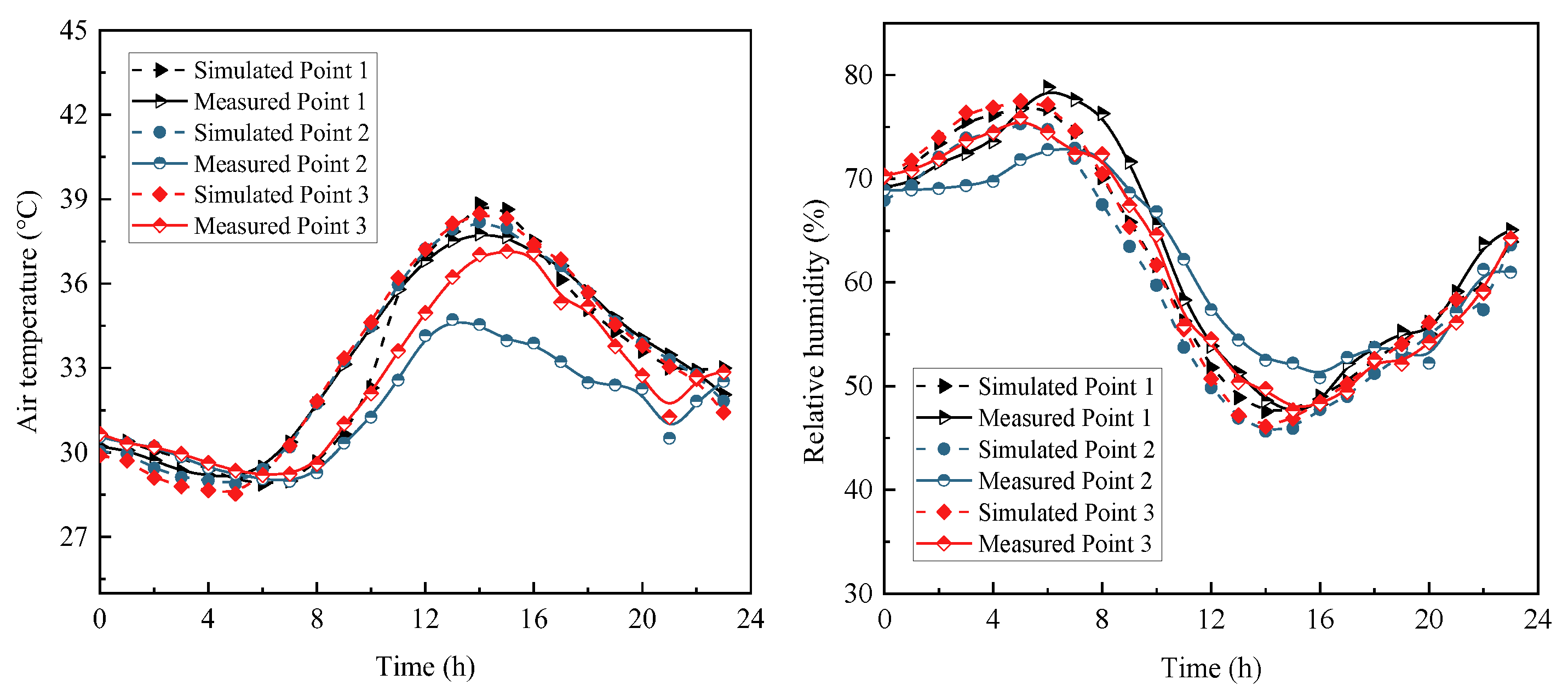
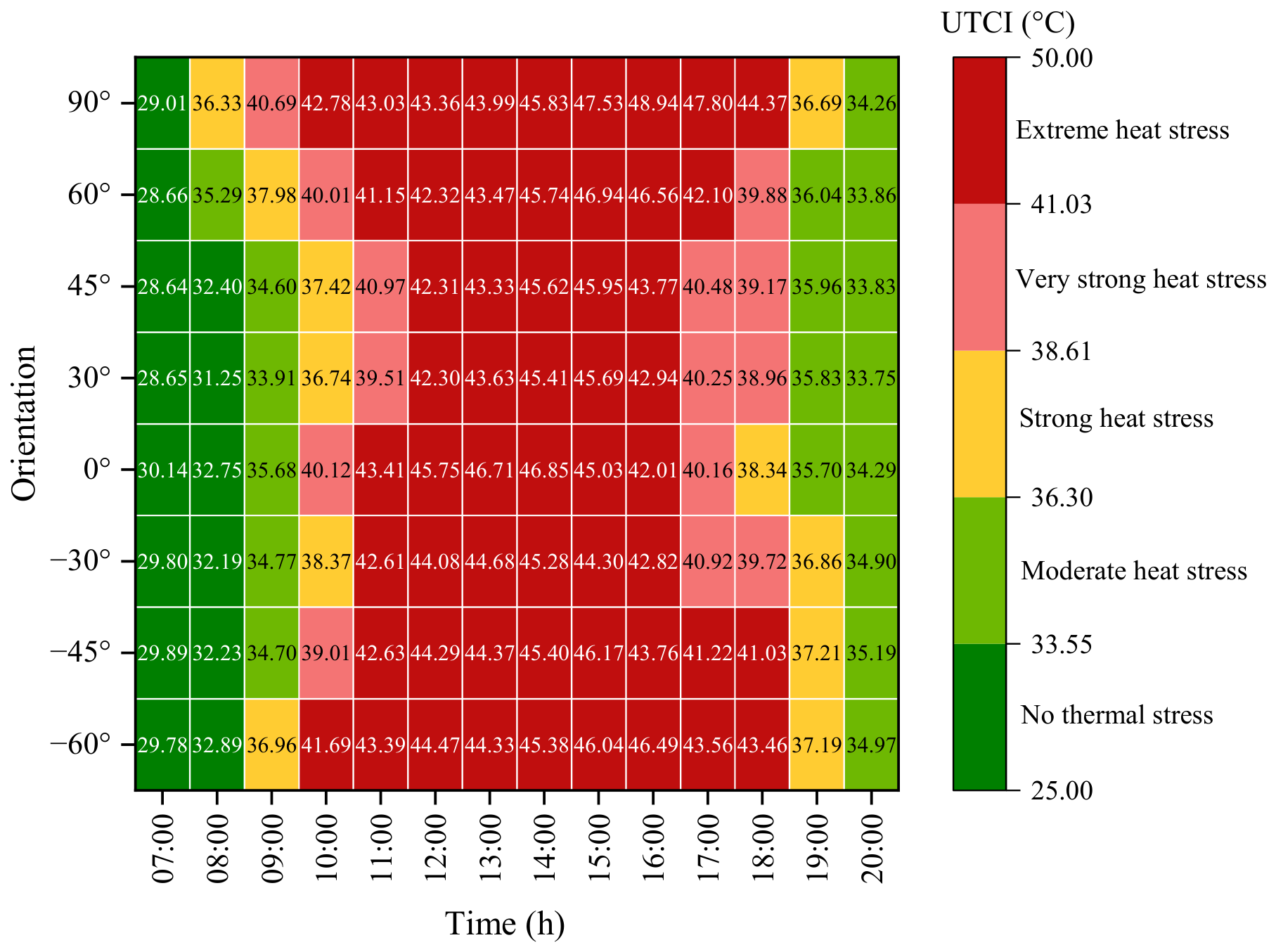
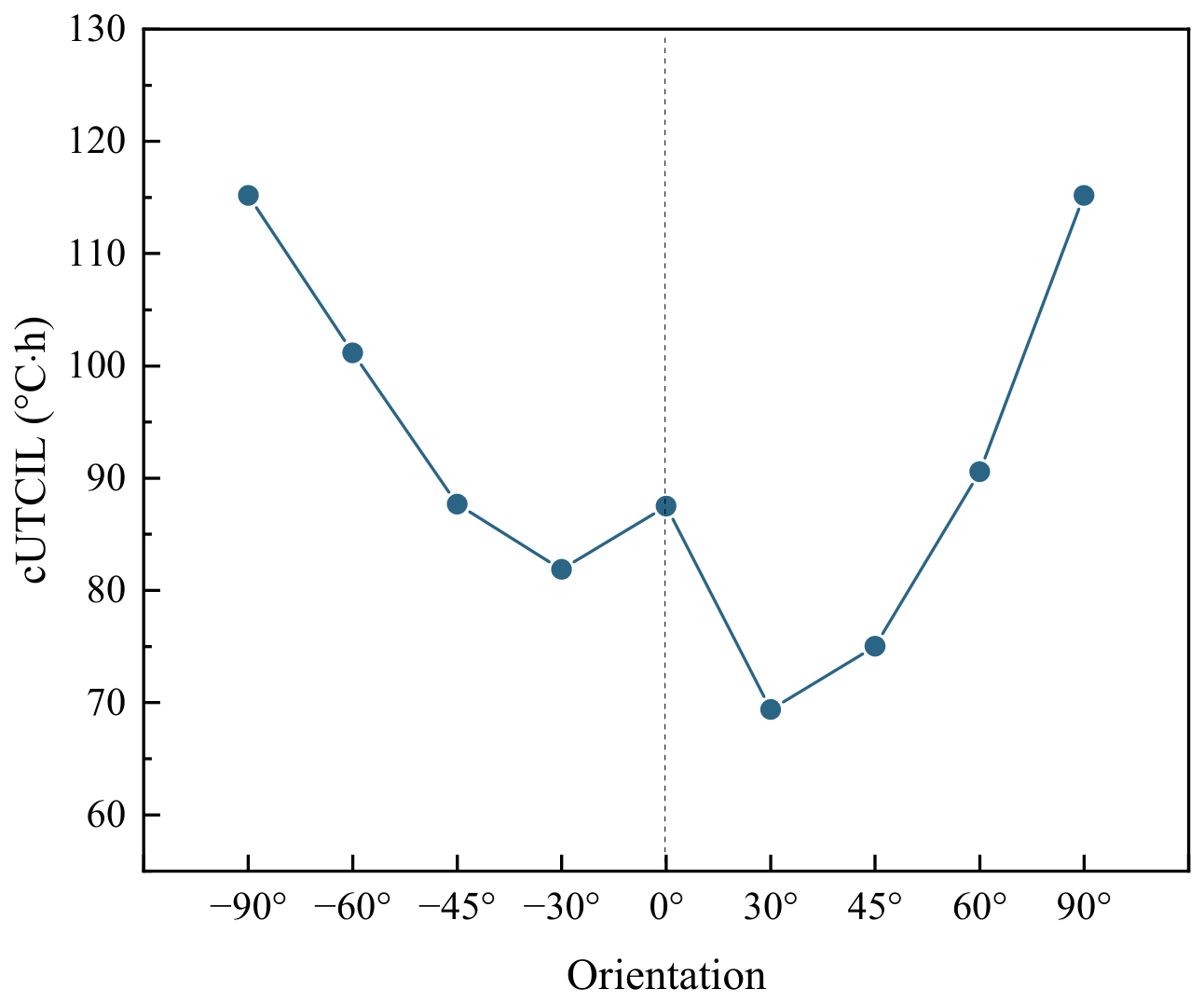
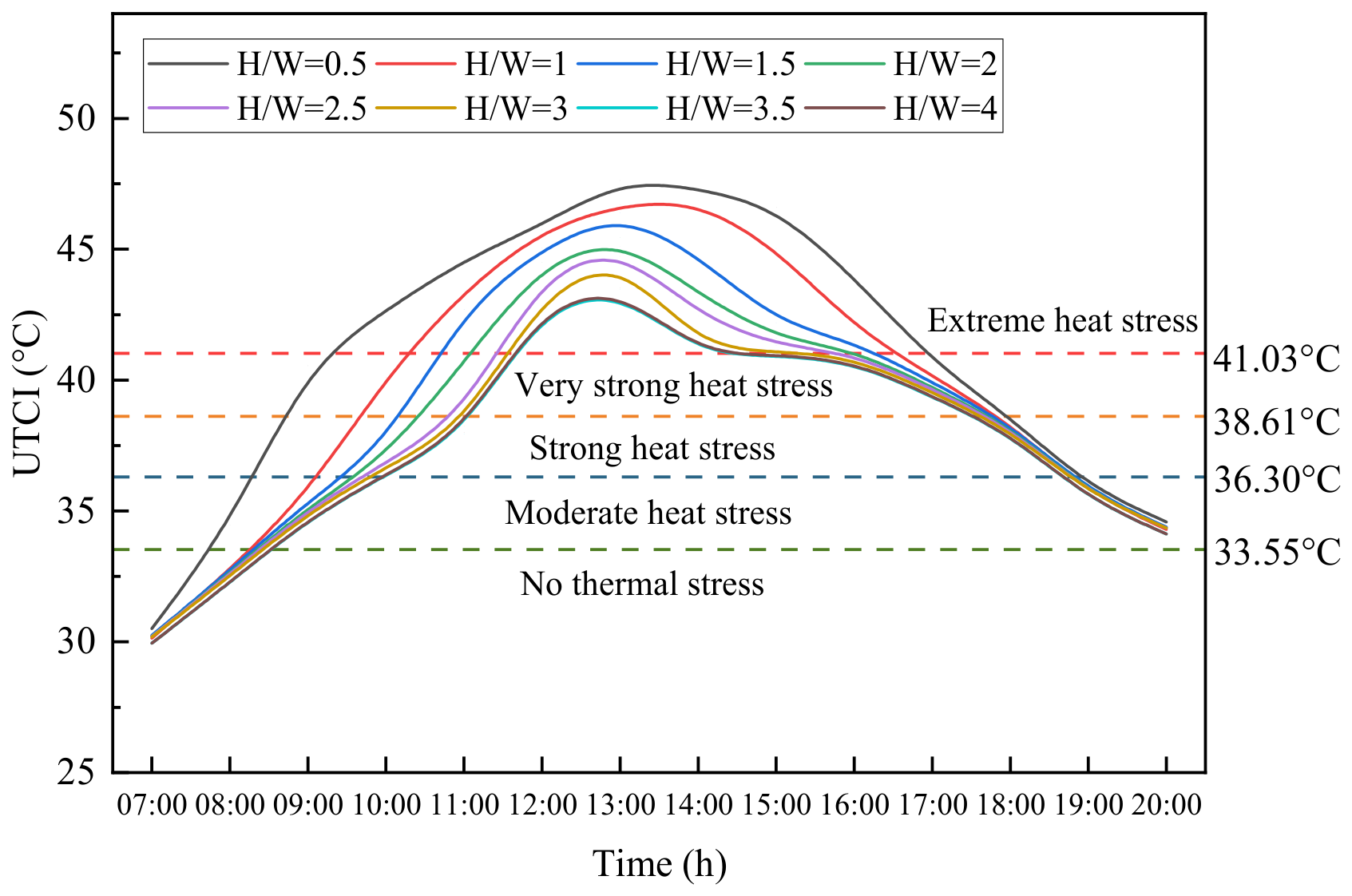
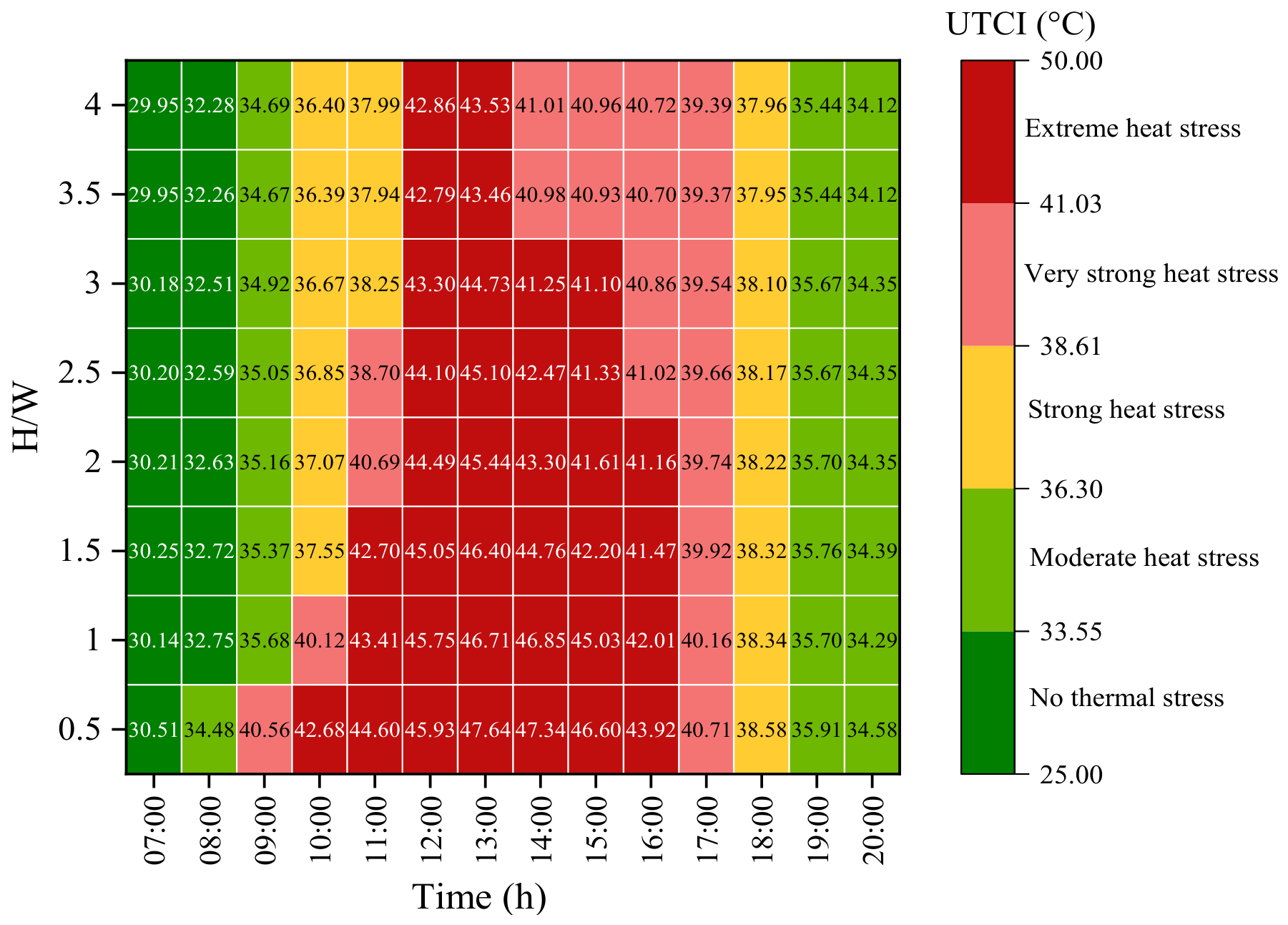
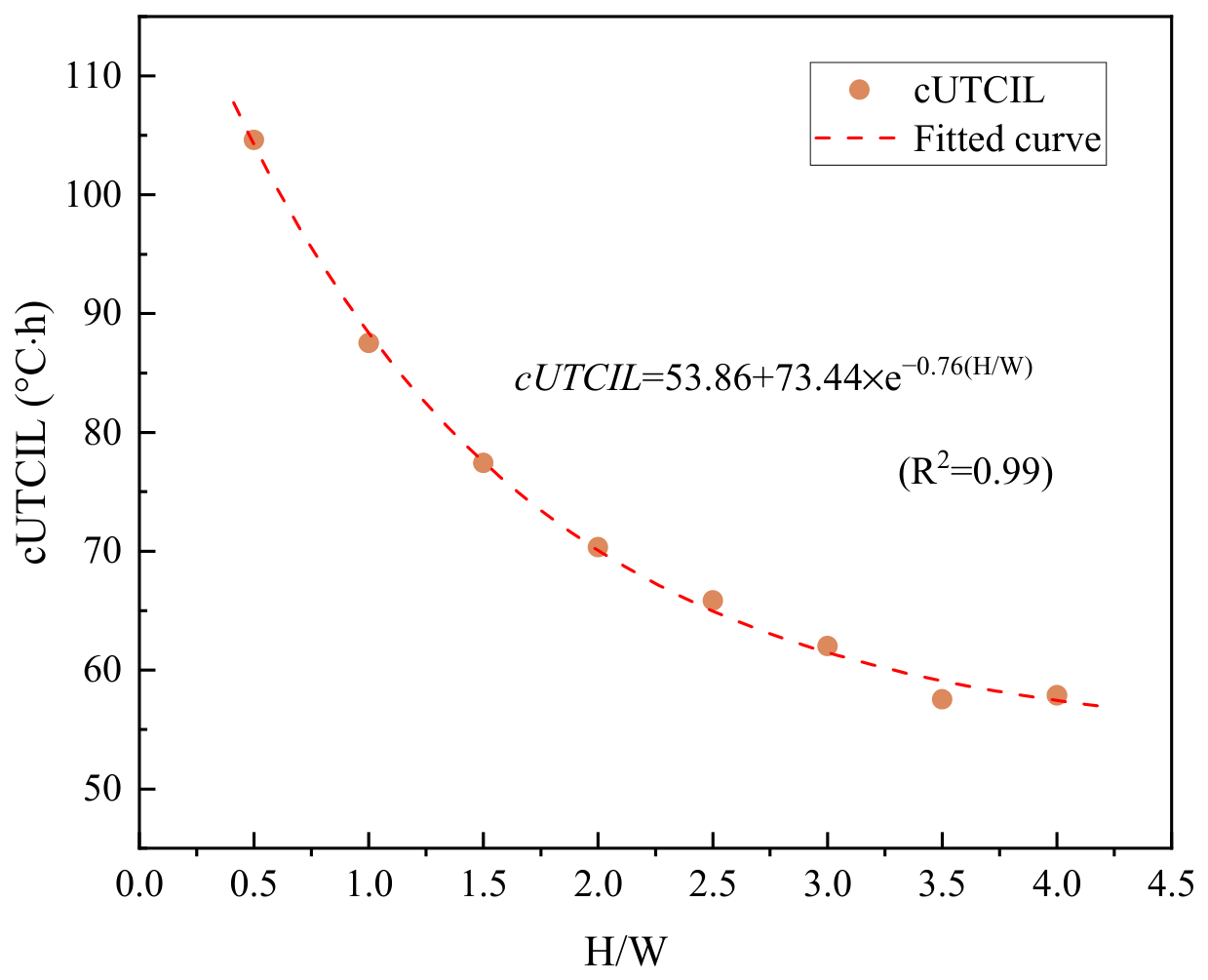
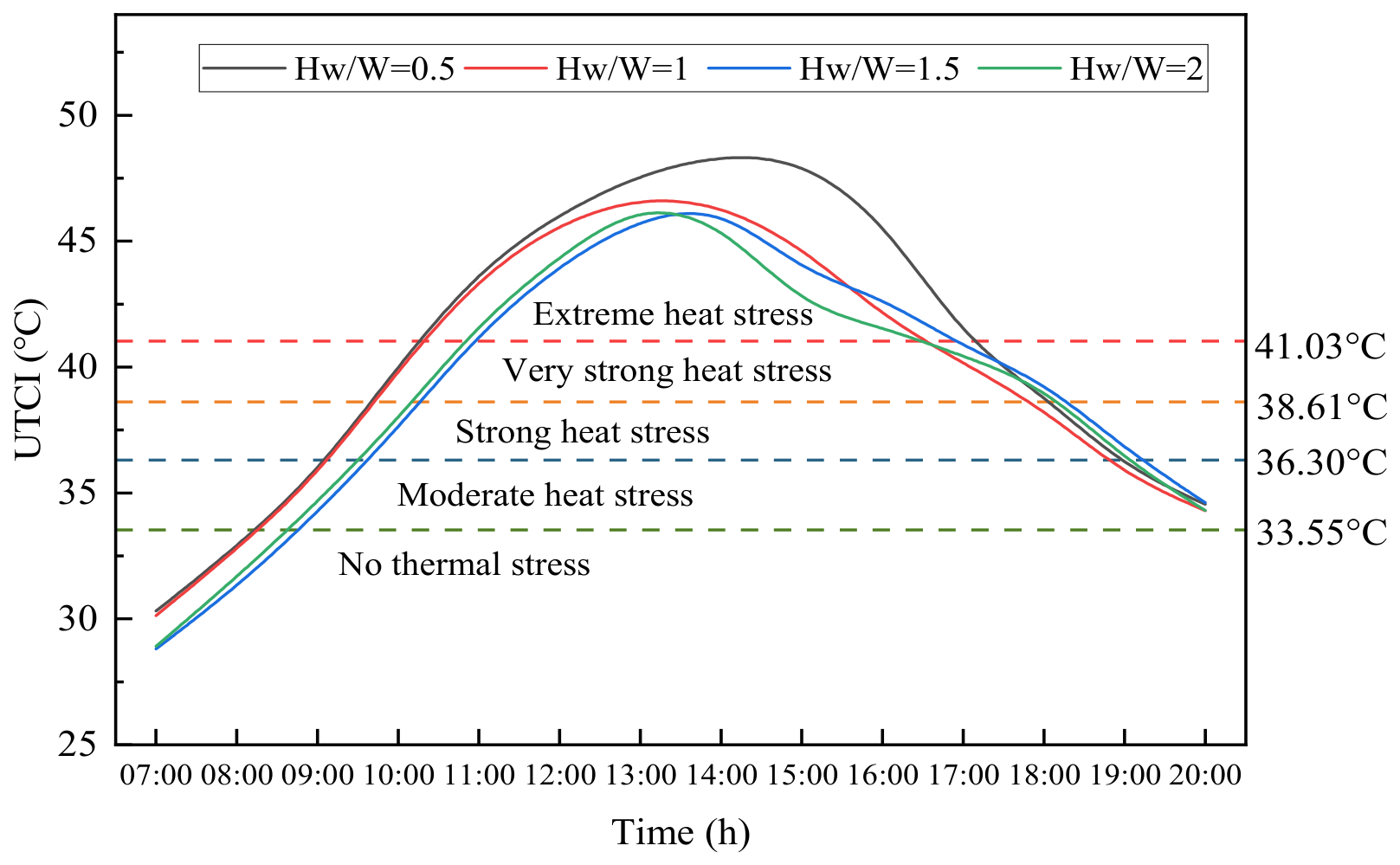
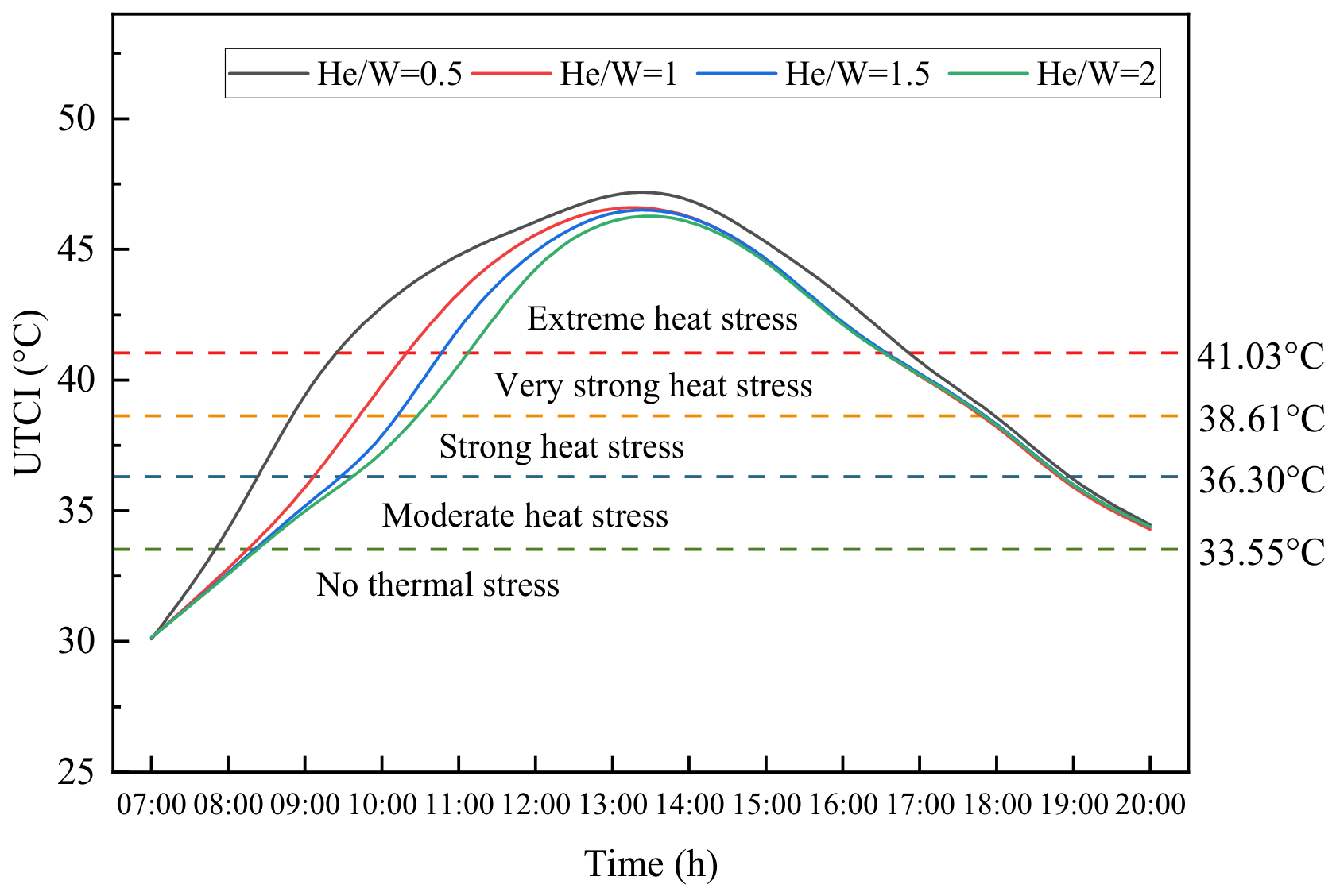
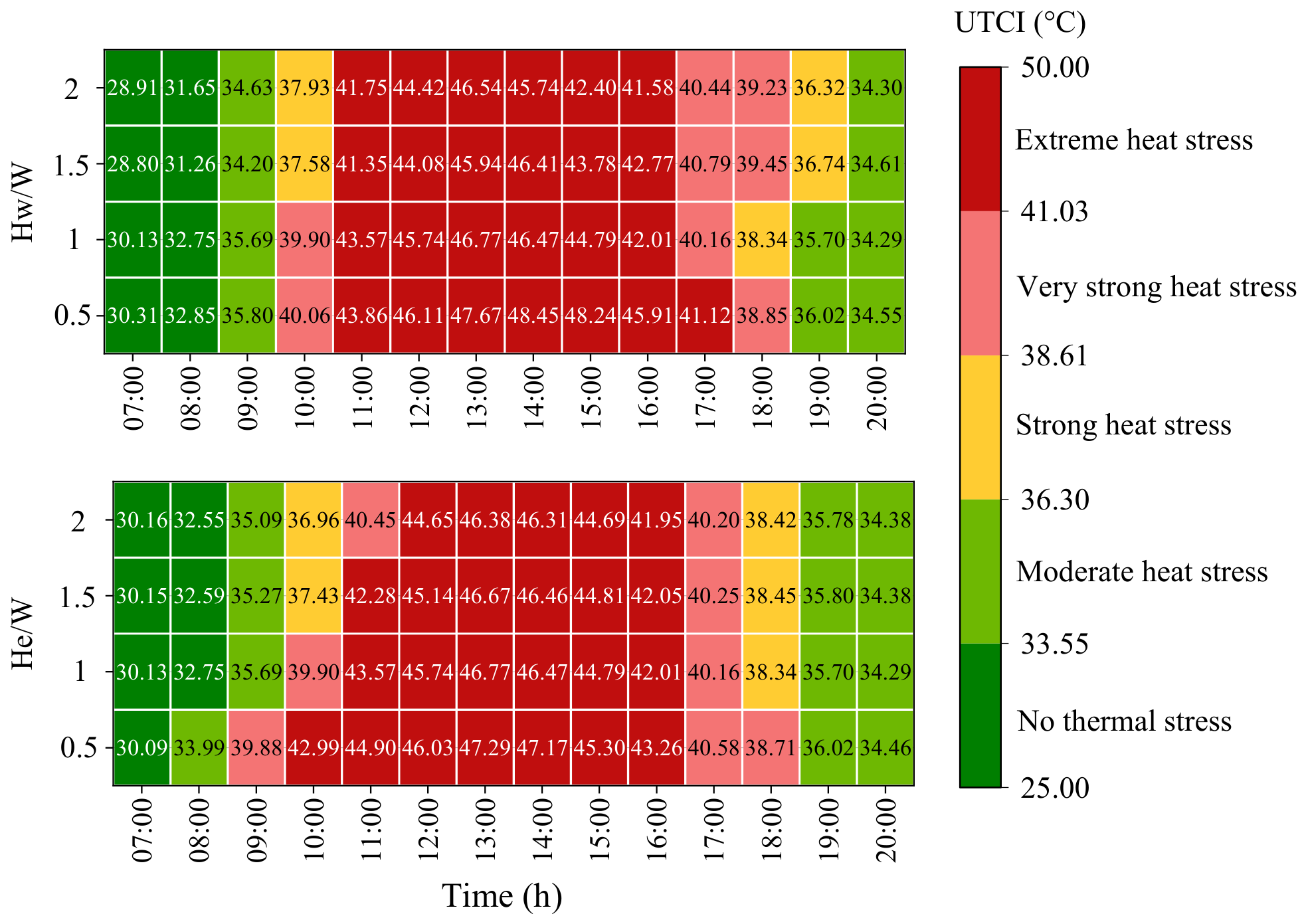
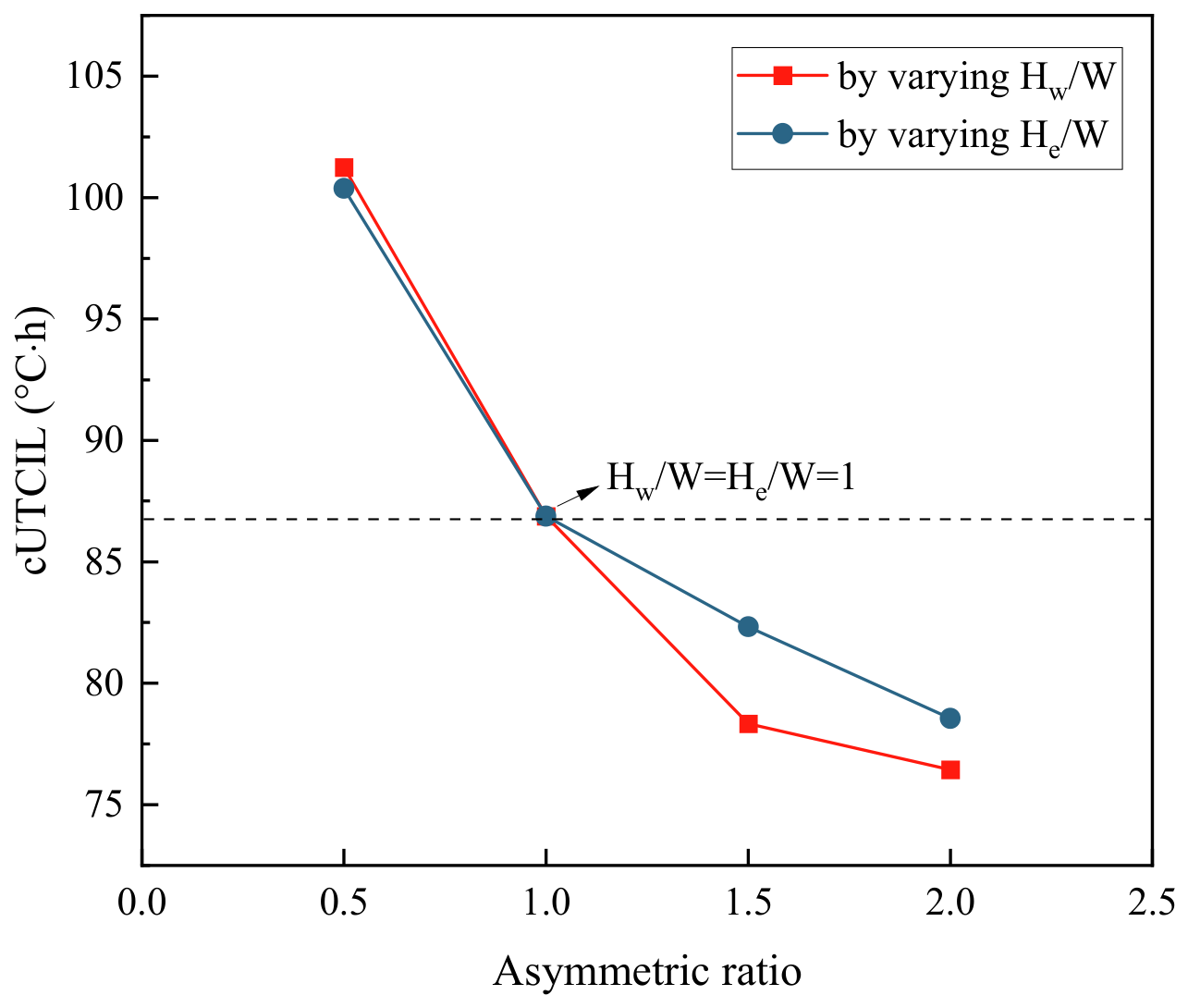
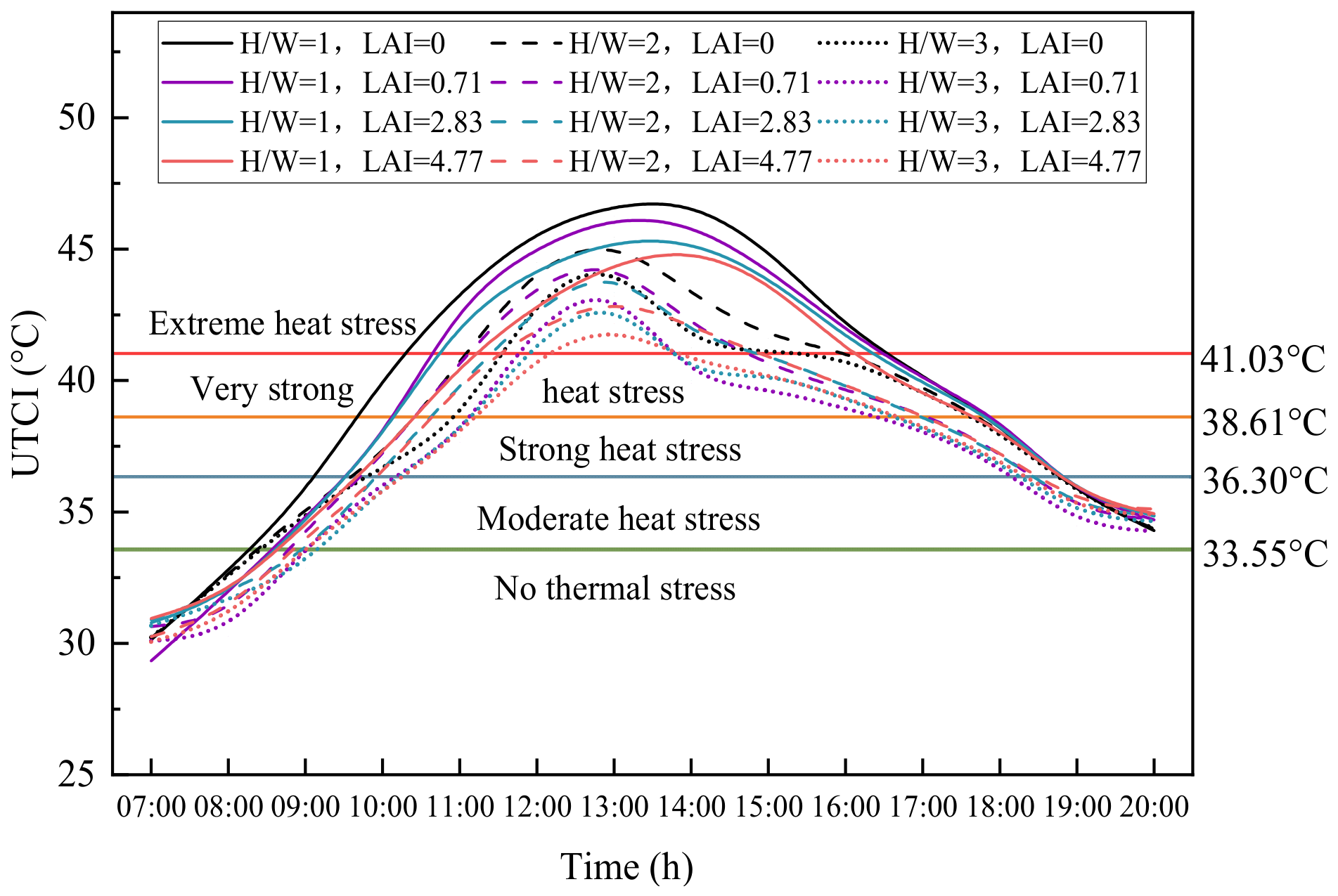
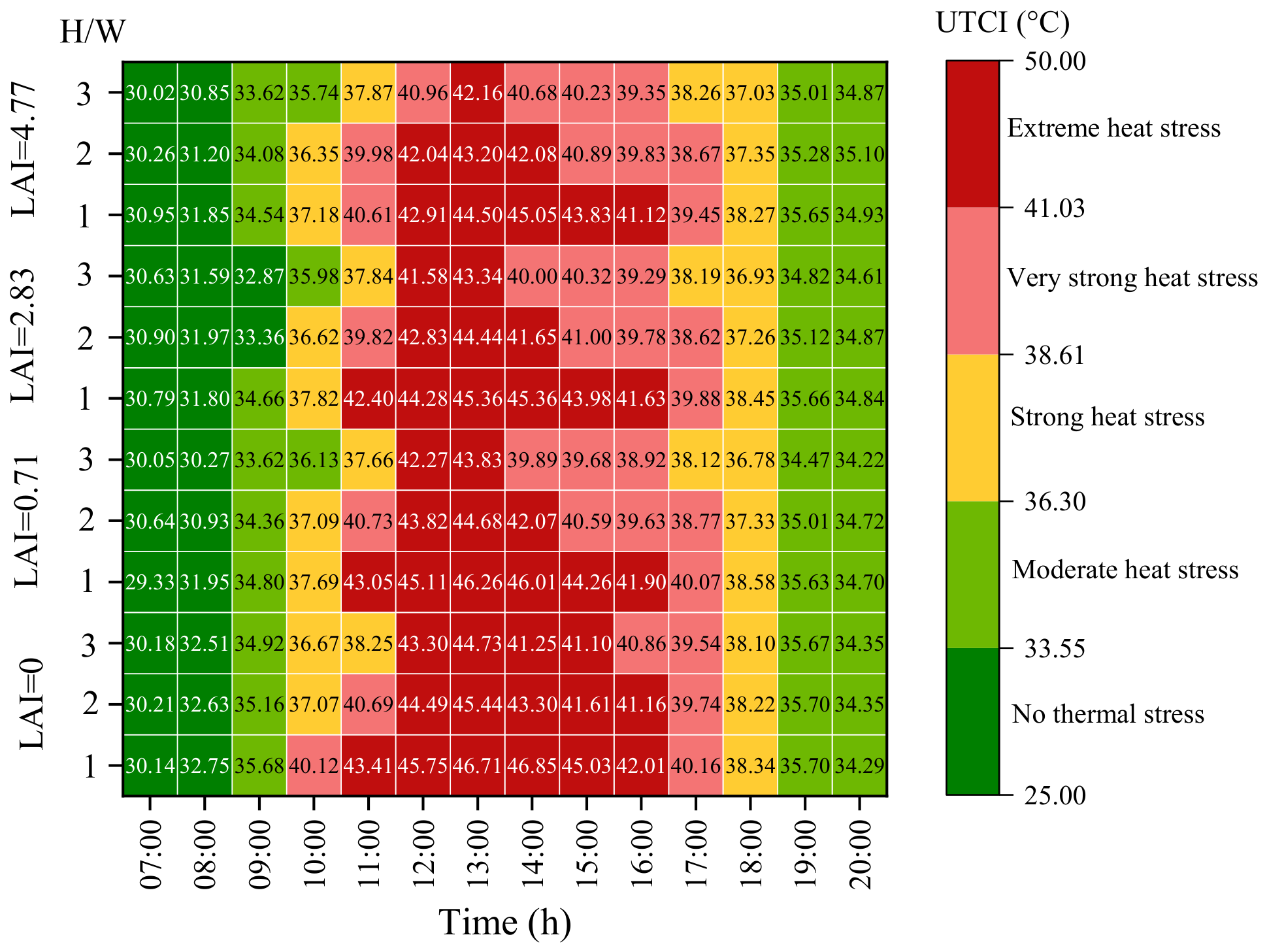
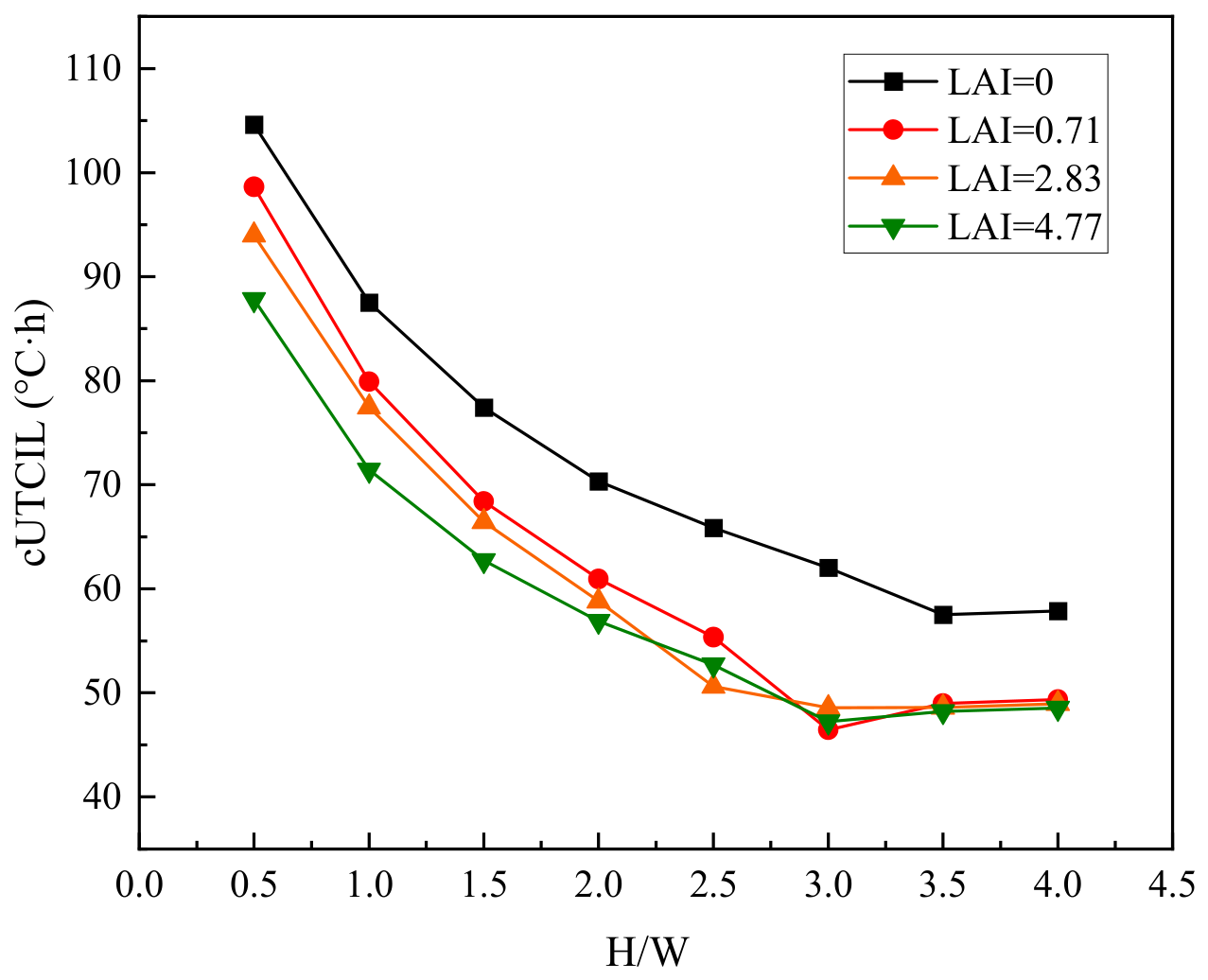
In the context of global climate change and rapid urbanization, urban outdoor thermal environment issues in summer have become increasingly severe. Shading has been widely recognized as an effective strategy for improving outdoor thermal comfort, yet existing evaluation methods still suffer from limitations in adaptability and accuracy. Taking Chongqing, a typical hot-humid city in China, as a case study, this paper proposes an evaluation method that accounts for human thermal adaptation, introducing three complementary indicators, namely Universal Thermal Climate Index Load (UTCIL), cumulative UTCIL (cUTCIL), and Heat Stress Duration (HSD). Focusing on four shading-related urban canyon morphological factors—orientation, aspect ratio (H/W), building asymmetry, and leaf area index (LAI) of street trees—a series of simulation scenarios was designed to quantitatively explore their impacts on summer outdoor thermal comfort. The applicability and reliability of the ENVI-met model for block-scale outdoor thermal environment simulation were validated by comparing field-measured microclimate data with simulation results. The findings demonstrate that all four morphological factors substantially influence the outdoor thermal environment. Canyon orientation considerably affects thermal comfort, with a 30° clockwise deviation from the north–south yielding optimal conditions, whereas the east–west (90°) orientation produces the poorest thermal environment, with a maximum UTCI of approximately 48.9 °C. For aspect ratio, thermal comfort improves continuously as H/W increases, with the benefit stabilizing beyond H/W = 3.5. Building asymmetry also plays a notable role: raising building height on one side can effectively reduce outdoor thermal stress, and canyons with taller west-side buildings show better thermal performance under the same asymmetry ratio. Furthermore, street tree shading and aspect ratio exhibit a synergistic cooling effect, where high LAI (e.g., 4.77) reduces UTCImax by approximately 1.8 °C at H/W = 1, but this benefit diminishes as H/W increases. The optimal outdoor thermal environment is achieved through the combination of a high aspect ratio and high LAI. These findings provide a quantitative basis and design references for optimizing outdoor thermal comfort in Chongqing. In addition, the quantitative evaluation proposed method can offer a methodological reference for other hot-humid regions.
Keywords: outdoor thermal comfort; urban canyon morphology; ENVI-met simulation; thermal adaptation; hot-humid climates outdoor thermal comfort; urban canyon morphology; ENVI-met simulation; thermal adaptation; hot-humid climates