1. Introduction
With the accelerating urbanization of China, the development of deep underground space is often accompanied by complex foundation pit excavations, making strict deformation control and anti-floating design of buried structures critical challenges [
1,
2,
3]. Uplift piles have become one of the most widely adopted countermeasures against hydrostatic uplift [
4]. Among them, large-diameter cast-in-place piles (
800 mm) are preferred in high water-table areas due to their high stiffness, reliable quality, and construction adaptability.
However, conventional large-diameter uplift piles typically use ribbed steel bars as main reinforcement, which are in direct contact with concrete. Under tensile loading, the ductile steel undergoes large deformation, while the surrounding concrete—weak in tension—tends to crack. These cracks provide pathways for corrosive agents, eventually leading to reinforcement corrosion and structural failure [
4].
To address this, a new type of small-diameter composite anchor uplift pile, consisting of a “steel pipe + grout + fully bonded steel strand” system, has been proposed in recent studies [
5,
6,
7,
8].
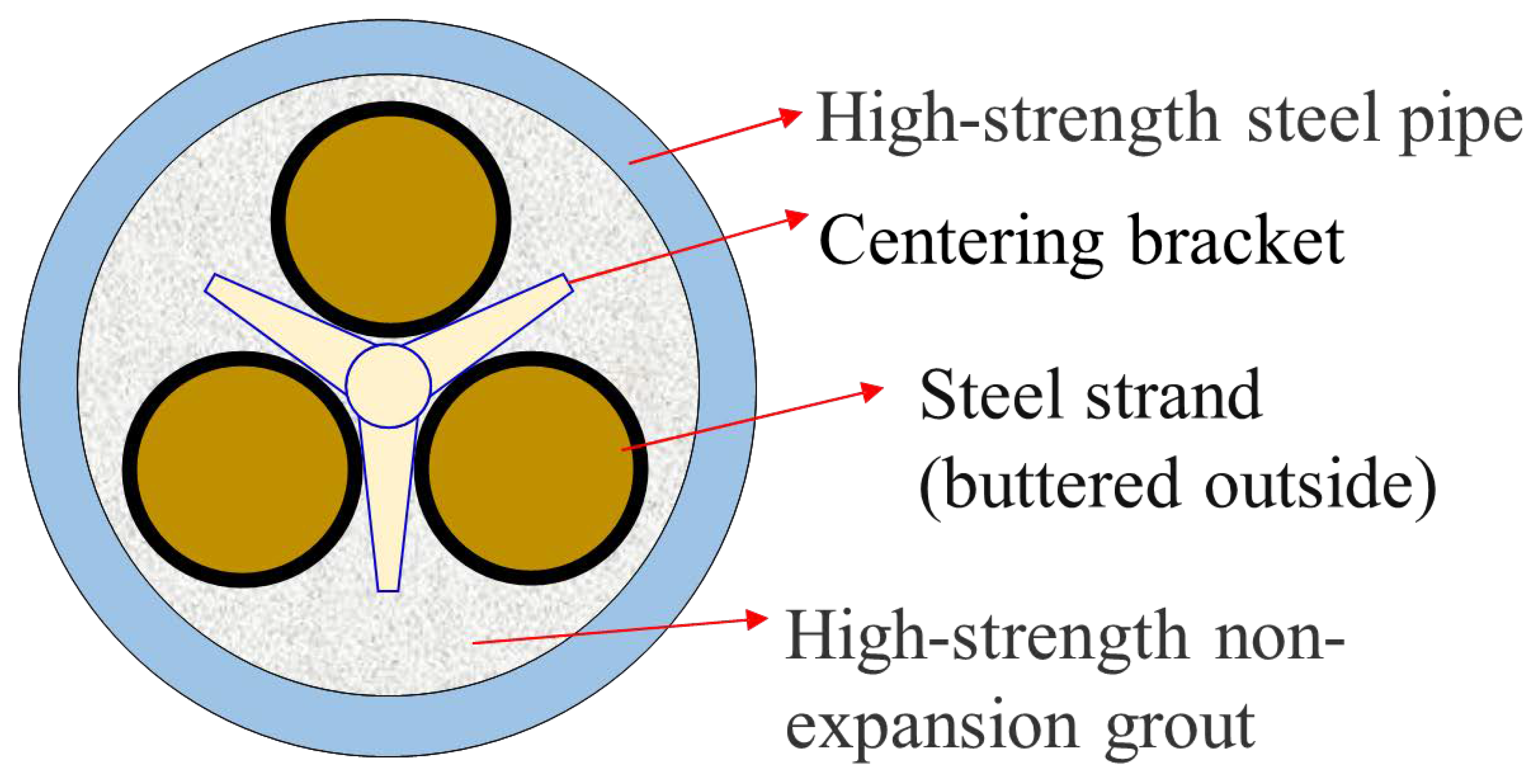
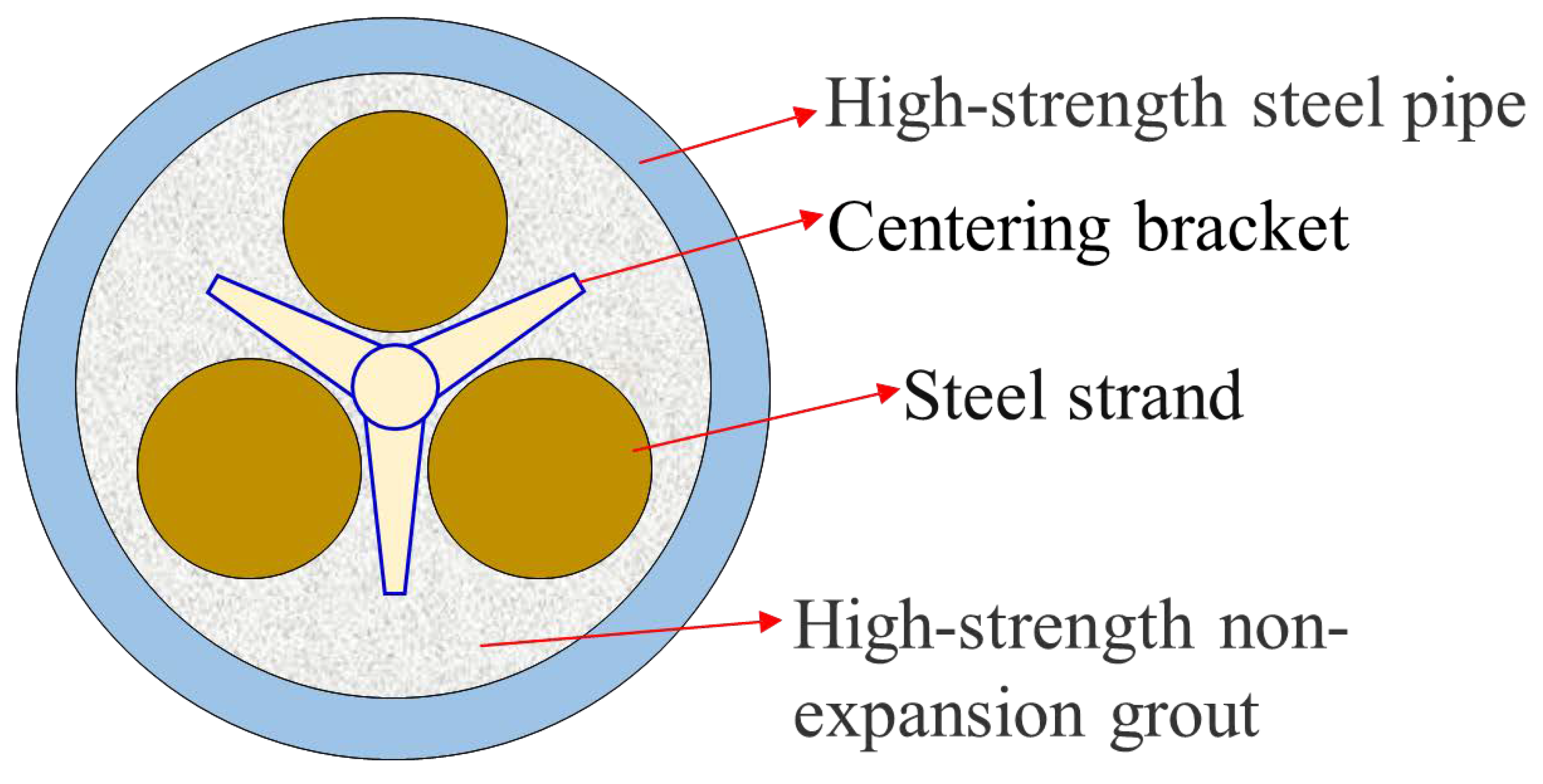
Figure 1 and
Figure 2 illustrate the structural details of the semi-bonded pile at the unbonded and bonded sections, respectively. The fully bonded pile follows the same configuration as the bonded section throughout the entire length.
Building on this concept, our research group extended it to large-diameter multi-pipe composite anchor uplift piles, where multiple “steel pipe + grout + bonded steel strand” composite anchor cables (CACs) are embedded in the pile shaft as main reinforcement [
6,
9].
Despite these advances, existing research on composite anchor piles remains largely confined to small-diameter single-pipe configurations (≤600 mm), and the pile is often idealized as a monolithic component. Consequently, the multi-interface stress and strain transfer mechanisms—involving interactions among steel strands, grout, steel pipes, pile concrete, and surrounding soil—remain poorly understood, especially for large-diameter piles [
9]. Moreover, key interfacial mechanical parameters (friction coefficient, cohesion, frictional strength, etc.) are difficult to obtain directly from conventional laboratory tests.
Previous studies have established mathematical models for traditional uplift piles, covering load distribution [
10,
11], soil influence [
12,
13,
14], skin friction [
15,
16,
17,
18], settlement [
19,
20,
21], and load transfer [
22,
23,
24,
25]. However, these studies focus on conventional reinforcement and do not address the multi-interface composite anchor system in large-diameter piles.
To address the structural vulnerabilities of conventional piles, our team previously introduced the conceptual framework of the proposed large-diameter composite uplift pile, conducting preliminary laboratory component tests and field full-scale tests [
5,
8]. A major breakthrough of these physical tests was demonstrating the macroscopic feasibility and enhanced ultimate bearing capacity of integrating high-strength steel pipes with central steel strands. However, a critical scientific gap remains unresolved. Due to the inherent limitations of physical sensors, the internal multi-interface stress-transfer mechanisms—specifically, how stress dissipates across the strand–grout, grout–steel pipe, and steel pipe–concrete interfaces—remain largely a “black box.” Physical tests alone cannot fully explain these progressive sliding behaviors, nor can they directly measure the crucial interfacial mechanical parameters (e.g., friction and cohesion) required for structural design. Therefore, it is imperative to combine these physical tests with advanced numerical simulations to systematically decode the multi-interface stress dissipation principles and establish a reliable parameter calibration framework.
This study addresses these gaps by combining orthogonal-experiment-based back-analysis with refined three-dimensional FE modeling. The interfacial parameters of three critical contact pairs (strand-grout, grout-steel pipe, and steel pipe-concrete) are first identified through back-analysis of component tests. These parameters are then implemented in a full-scale 3D FEM of a large-diameter multi-pipe composite uplift pile. The validated model is used to systematically investigate the load-displacement response, axial force distribution, and multi-interface stress transfer behavior of both fully bonded and semi-bonded configurations.
Furthermore, the optimization of deep foundation systems aligns critically with the United Nations Sustainable Development Goals (SDGs), particularly SDG 9 (Industry, Innovation, and Infrastructure) and SDG 11 (Sustainable Cities and Communities). Recent investigations (2024–2025) have increasingly emphasized the necessity of durable, low-carbon, and resilient underground structures. For instance, recent studies have demonstrated the potential of optimizing axial tension piles to significantly reduce embodied carbon while maintaining structural safety [
26] and highlighted the importance of refined uplift pile designs for the anti-floating stability of underground infrastructures [
27]. By mitigating premature concrete cracking and enhancing load-bearing efficiency, the multi-pipe composite pile proposed in this study offers a highly resilient and sustainable engineering solution that extends the service life of urban foundations.
The paper is organized as follows:
Section 2 describes the numerical simulation methods and constitutive models;
Section 3 details the parameter determination procedure via orthogonal back-analysis;
Section 4 presents and discusses the simulation results; and
Section 5 concludes with key findings and future directions.
4. Numerical Simulation of Bearing Behavior Analysis
4.1. Development of the FE Computational Model
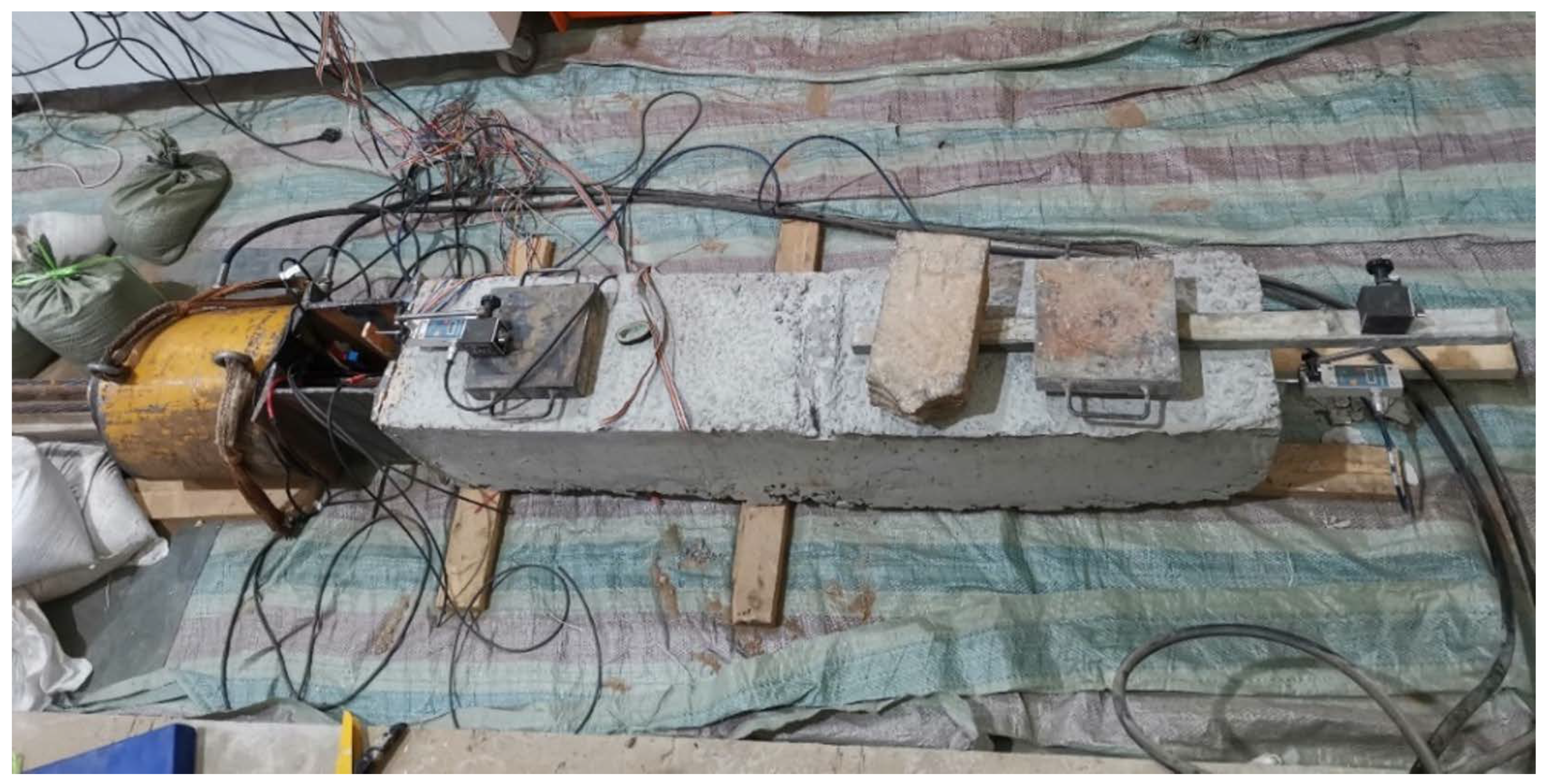
To rigorously verify the calibrated interfacial parameters and avoid circular validation, the full-scale FE model was validated against an entirely independent dataset: an actual 22 m field full-scale static load test, which is completely separate from the 1.5 m laboratory component test used for parameter calibration in
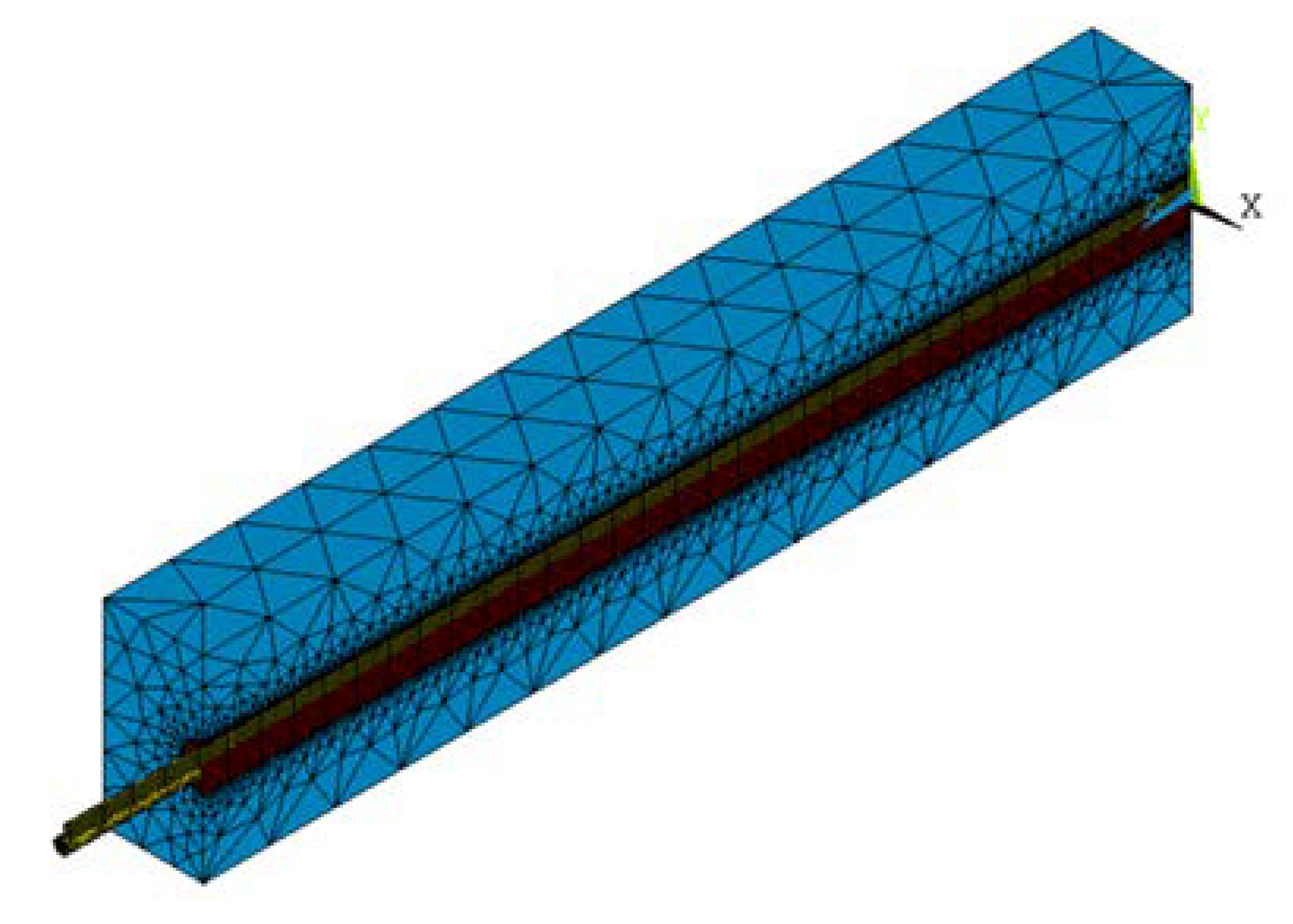
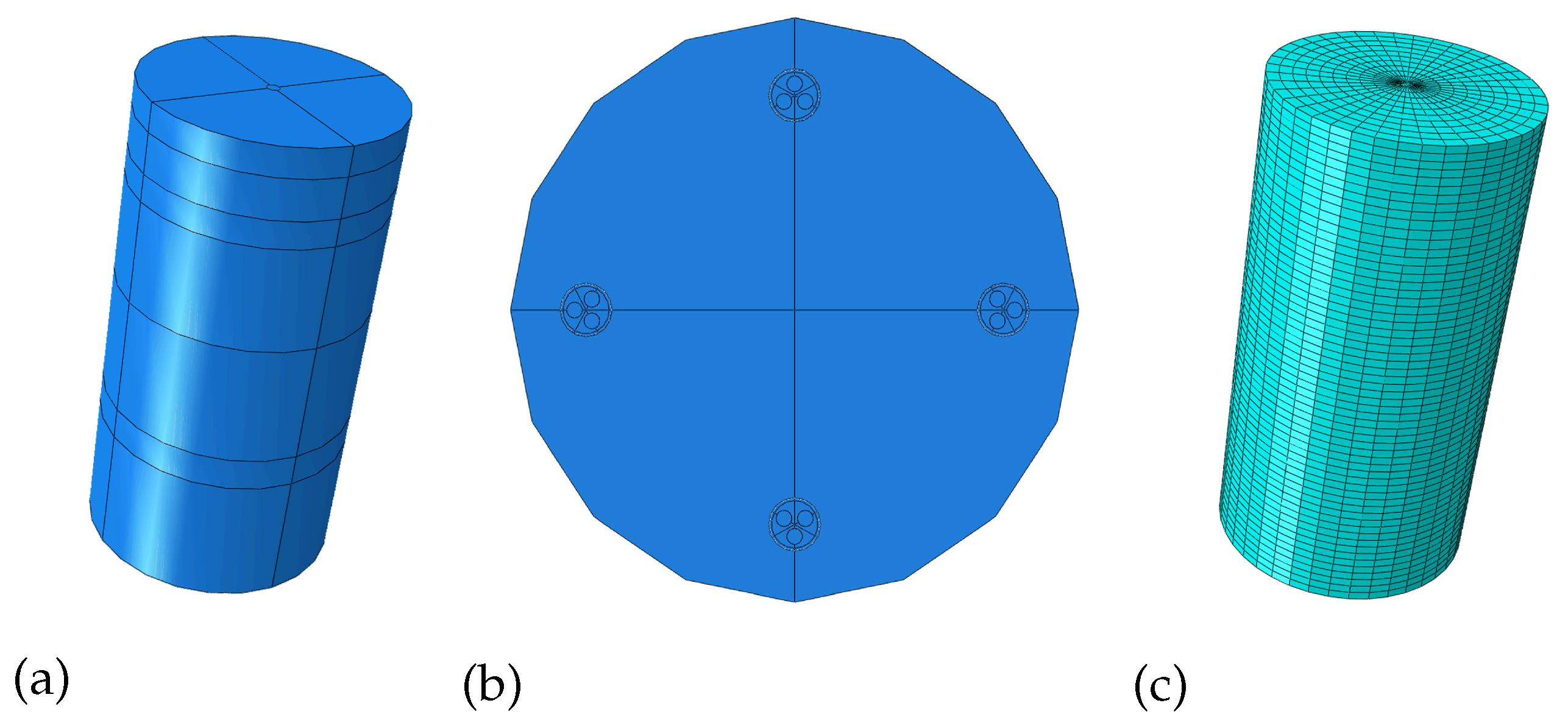
Section 3. During the single pile vertical uplift bearing capacity test of large-diameter uplift piles, to eliminate boundary effects and ensure computational accuracy, the computational domain of the FE model was defined as follows: in the horizontal direction, it extended outward from the pile center to a distance of 20 times the pile diameter—far exceeding the primary influence zone of pile deformation, as shown in
Figure 6. The model height was set to 30 m, which includes an additional 8 m extension below the pile tip. The established 3D FE model was a cylinder with a diameter of 16 m and a height of 30 m. The uplift pile located at the center of the model has a diameter of 0.8 m and a height of 22 m. The composite anchor cables in the uplift pile consist of HSSP, in which three steel strands are embedded in grout, all with a length of 22 m. These anchor cables are distributed along the pile shaft periphery with a concrete cover thickness of 70 mm. The soil layer information used in the FE analysis is detailed in
Table 2. To isolate and highlight the load transfer mechanisms within the composite anchoring system, the numerical model was moderately simplified by adopting a total stress analysis, assuming that the groundwater table is located below the pile base influence zone. Based on the structure of the large-diameter uplift pile with multi-pipe CACs, a refined model was developed. The model comprises a total of 146,987 elements and 161,456 nodes, with the uplift pile itself accounting for 112,037 elements and 124,612 nodes, representing 76.2% and 77.2% of the entire model, respectively. After establishing the solid model, vertical and horizontal displacement constraints were applied at the bottom of the model to simulate the boundary conditions in real scenarios. Normal horizontal constraints were set around the model to restrict lateral displacement. Finally, gravitational load was applied to the model to simulate the self-weight of the soil.
A rigorous mesh sensitivity analysis was conducted prior to the formal simulations. Convergence checks demonstrated that further refinement of the mesh density yielded negligible variations in critical outputs. For instance, in the full-scale model, increasing the element count from the current 146,987 to approximately 250,000 resulted in a relative variation of only 1.2% in macroscopic pile head displacement. Similarly, refining the laboratory component model from 114,690 to over 200,000 elements changed the peak interface stress by less than 1.5%. Consequently, the current configurations (114,690 and 146,987 elements, respectively) are deemed optimal mesh strategies. They successfully achieve a rigorous balance between ensuring high numerical precision at the complex contact interfaces and maintaining overall computational efficiency.
In constructing the FE model, this study specifically defined contact interfaces between the strands, grout bodies, steel pipes, pile concrete, and foundation soil. Contact connections were set along the strand-grout interface throughout the entire pile shaft to simulate real interface behavior. Furthermore, this study established both fully bonded and partially bonded models. For the fully bonded pile, contact connections were applied along the entire strand-grout interface of the pile shaft. For the partially bonded pile, the strands and grout were completely separated within the 0–11 m range below the pile head, while contact connections were only adopted within the 11–22 m range below the pile head.
Based on the aforementioned model, the FE method was employed to simulate the field static load test of a large-diameter uplift pile with multi-pipe CACs. First, a gravity load was applied to the model to generate the initial geostatic stress field. The overall displacement of the model was then reset to zero, after which vertical loads were applied stepwise to the pile head. The staged loading procedure was identical to that implemented in the laboratory component test. The vertical loads for fully bonded and semi-bonded piles are presented in
Table 6.
4.2. Numerical Simulation and Bearing Characteristics Analysis of Full-Bonded Piles
4.2.1. Analysis of Displacement Results
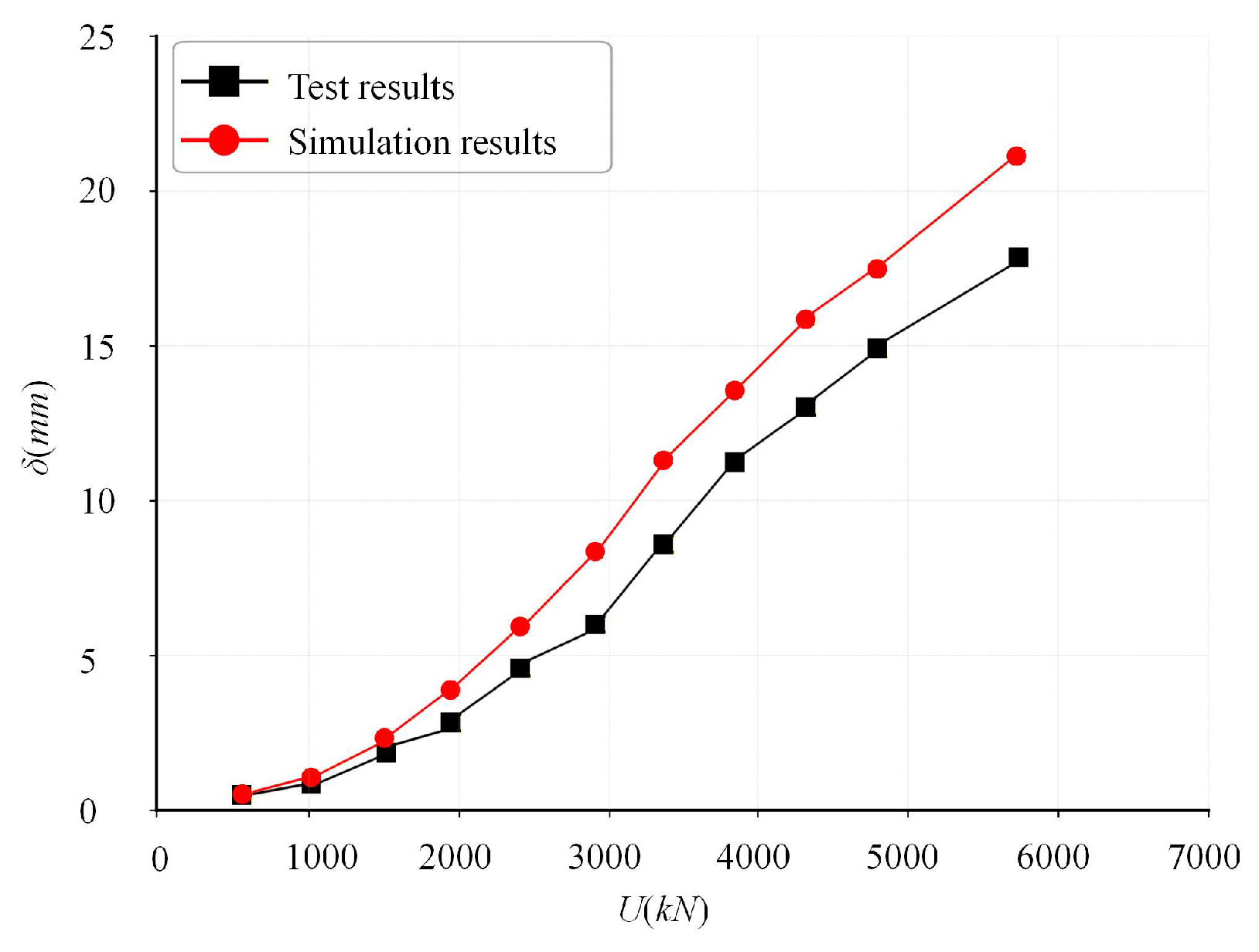
Figure 7 shows the load-displacement (
) curves obtained from laboratory component tests and numerical simulations for fully bonded piles. The black curve represents the test results, while the red curve corresponds to the numerical simulation results. It can be observed that the two curves generally coincide, both exhibiting a gradual transition pattern. Under each load level, the difference between the calculated and measured pile head displacements is minimal. The maximum discrepancy occurs at the peak load (approximately 3.2 mm), with a numerical simulation error rate of about 13%. It should be noted that, at high load stages, phenomena such as slight interface slip accumulation, internal micro-crack development within the concrete, and deep plastic deformation in the surrounding soil likely occur in the actual components. The ideal elastoplastic model and linear interface contact parameters adopted in this simulation cannot fully capture these highly nonlinear softening behaviors, leading to the observed deviation at peak loads. Overall, the numerical simulation demonstrates high fidelity in capturing the bearing characteristics of this type of uplift pile.
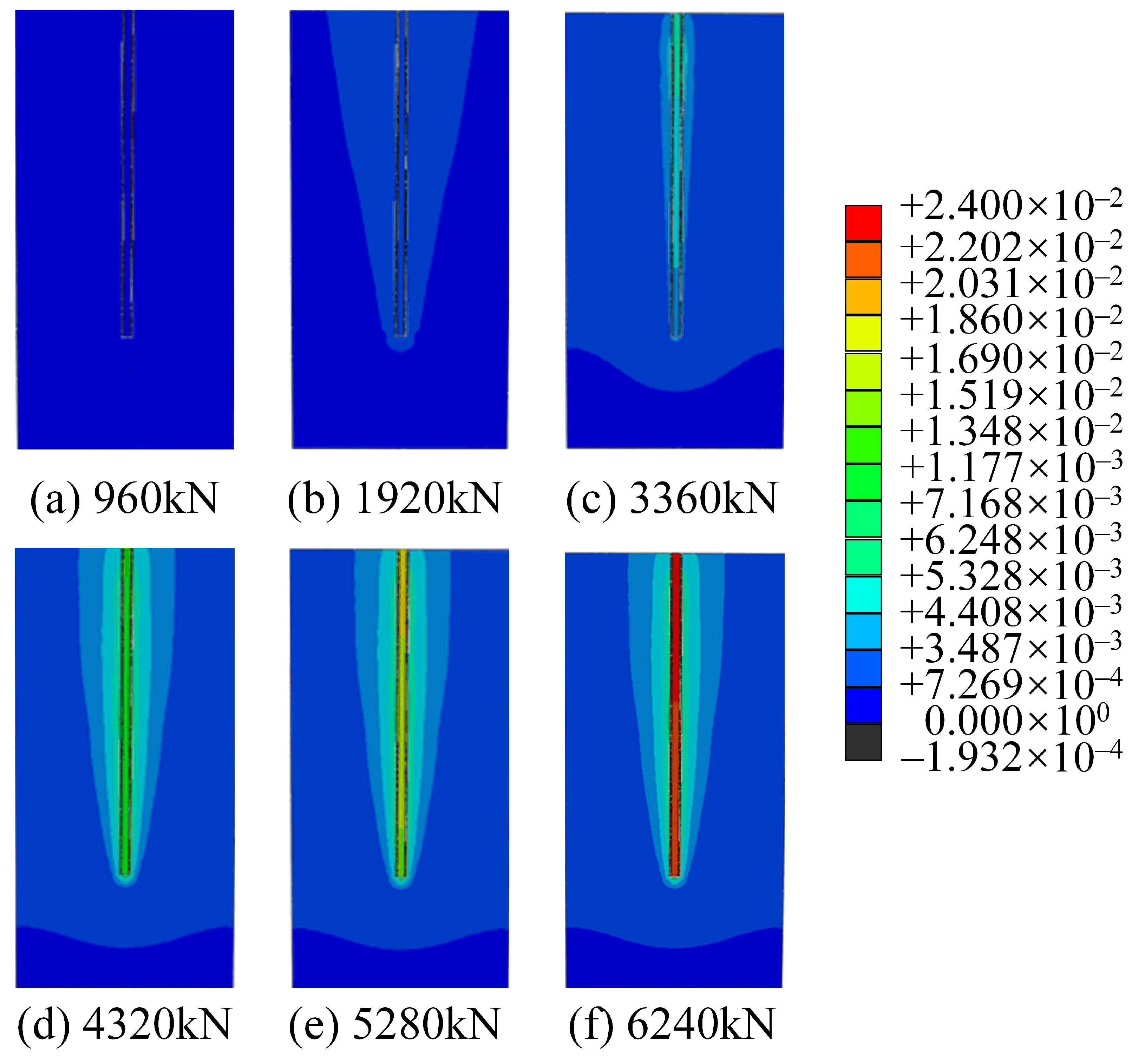
Figure 8 illustrates the vertical displacement distribution of the fully bonded pile and the surrounding soil under different load levels. Overall, the vertical displacements of the uplift pile and adjacent soil both exhibit an increasing trend with rising load. Simultaneously, the vertical displacements gradually decrease with increasing depth. Notably, when the depth reaches 1.5–2 times the pile diameter below the pile tip, the influence of the pile on the deformation of the surrounding soil layer becomes negligible. During the initial stage of pile uplift, the displacement of the surrounding soil increases progressively with applied load, yet the displacements at various points tend to converge. This phenomenon indicates that, in the initial phase, the low shaft resistance results in the soil moving upward together with the pile. However, as uplift progresses, the shaft resistance gradually increases. When it exceeds the interface friction between the pile and soil, significant relative displacement occurs at the pile-soil interface. The increase in this relative displacement leads to a diminishing influence of the pile on the displacement of the surrounding soil layers. Furthermore, it is worth noting that coordinated deformation occurs between the pile and the surrounding foundation, with essentially identical displacements at the interface, further confirming that the pile-soil interface remained intact during the test.
To more accurately characterize the deformation behavior of fully bonded piles under load,
Figure 9 provides a detailed illustration of the calculated vertical displacements along the pile shaft. As can be observed, the vertical displacement of the uplift pile gradually decreases with increasing depth. The displacement in the upper section of the uplift pile consistently exceeds that in the lower section, though the difference remains relatively small. Moreover, the displacement at the pile tip generally approaches the maximum displacement at the pile head. It is evident that, in the uplift pile, the displacements of the CAC and the pile shaft concrete remain consistent throughout.
4.2.2. Analysis of Axial Force Results
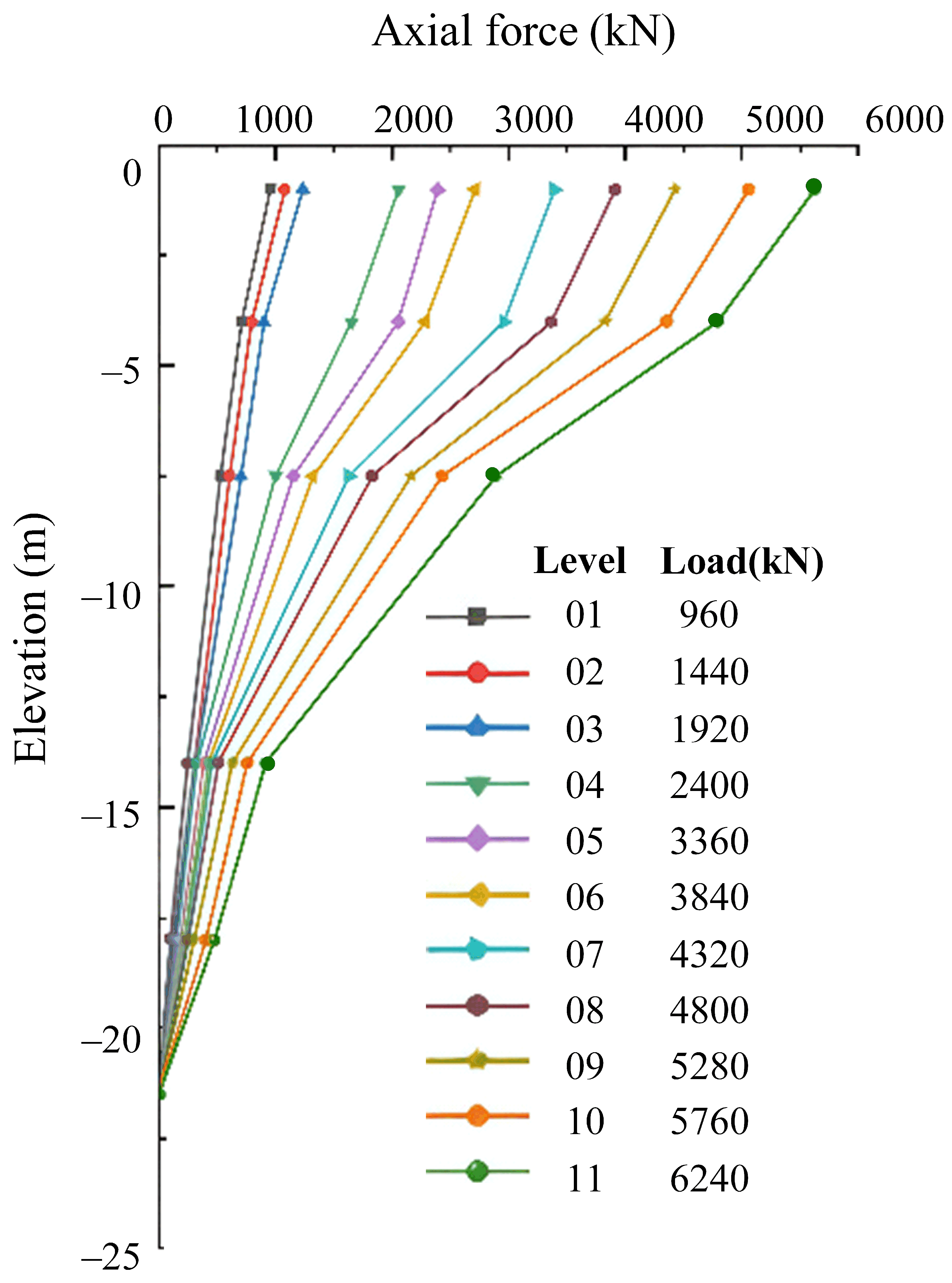
Figure 10 shows the axial force diagram of the fully bonded pile obtained through numerical simulation. The simulation results indicate that the axial force along the pile shaft exhibits a gradually decreasing trend from the top to the bottom, suggesting that the primary load-bearing section is located in the upper region of the pile. Compared with conventional pile types, the fully bonded pile demonstrates a more uniform and rational distribution of axial forces along its shaft, which aligns well with the findings from laboratory component tests. A comparison between the numerical simulation and laboratory component test data reveals that the axial force distributions along the pile shaft are generally consistent, with errors falling within an acceptable range—the maximum discrepancy does not exceed 8.9%. In summary, the numerical simulation effectively achieved the intended objectives and can accurately represent the bearing characteristics of the fully bonded pile.
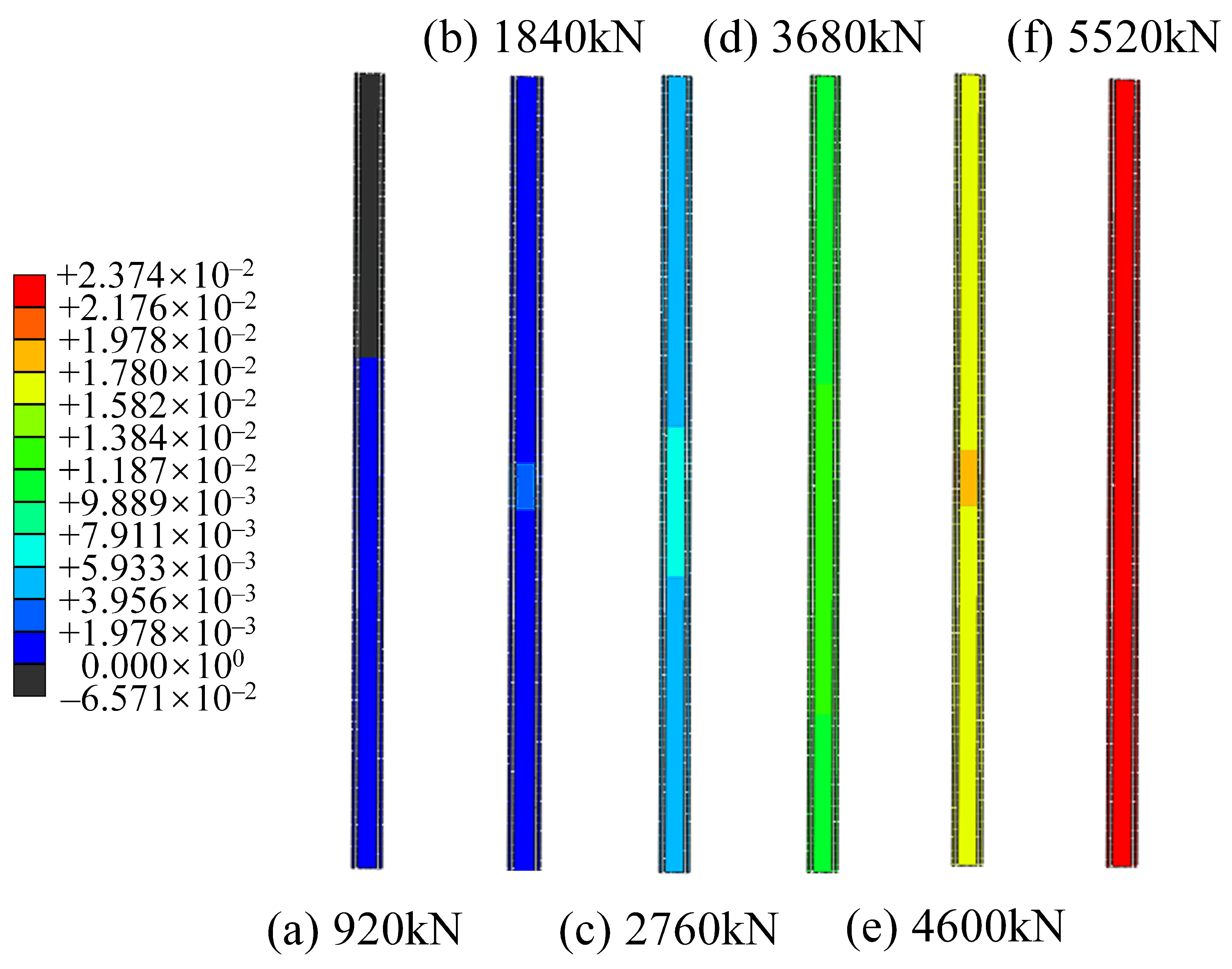
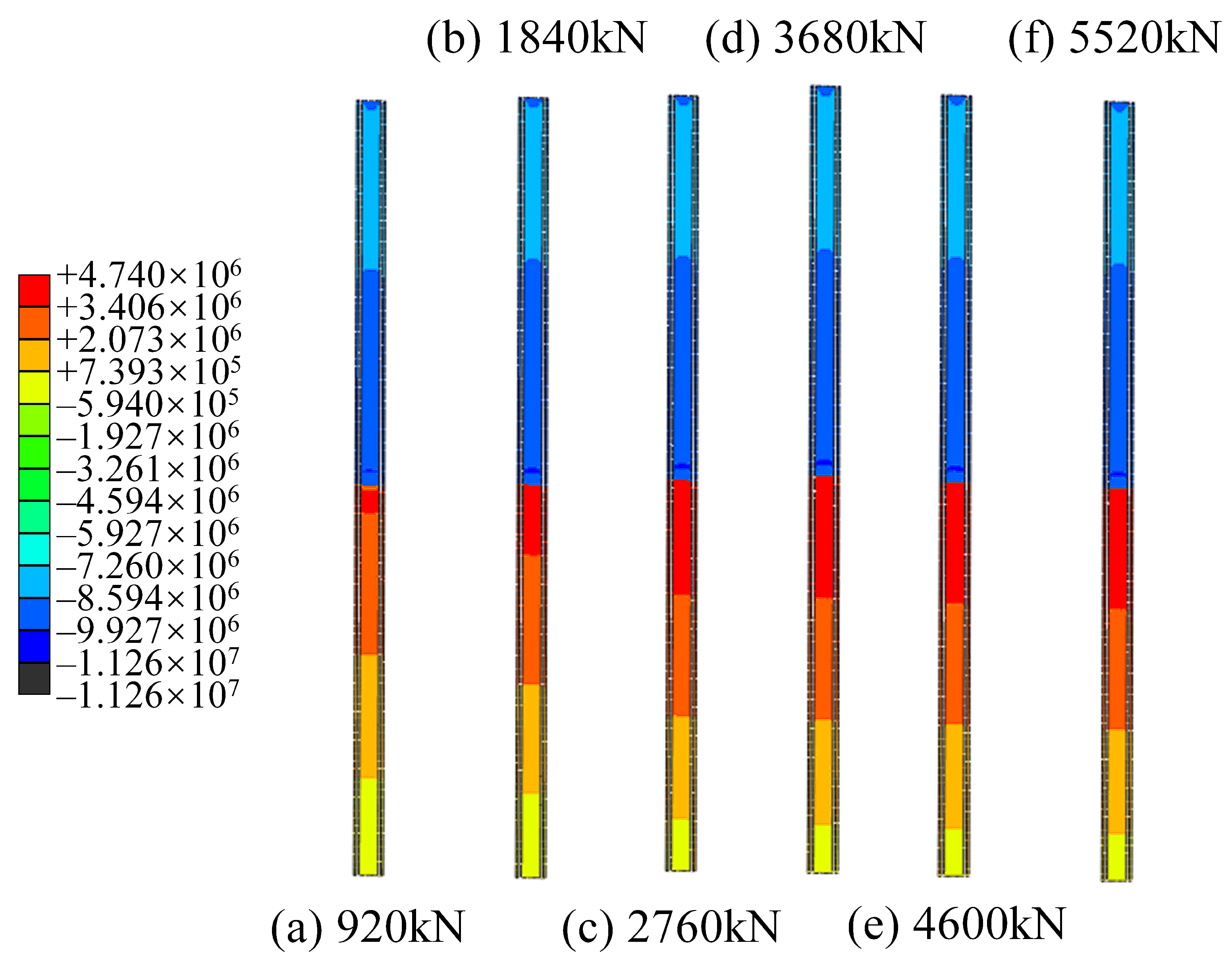
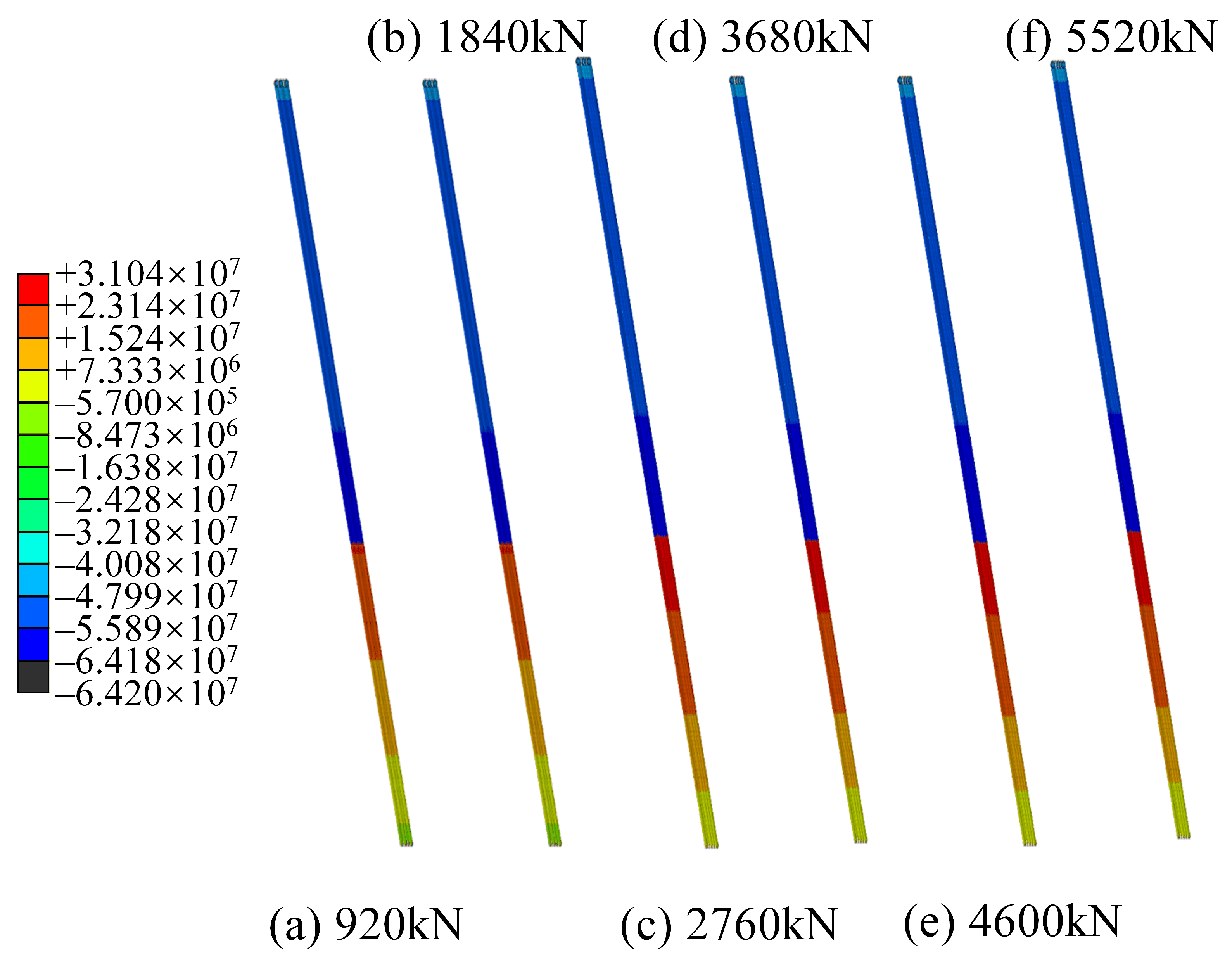
Figure 11,
Figure 12 and
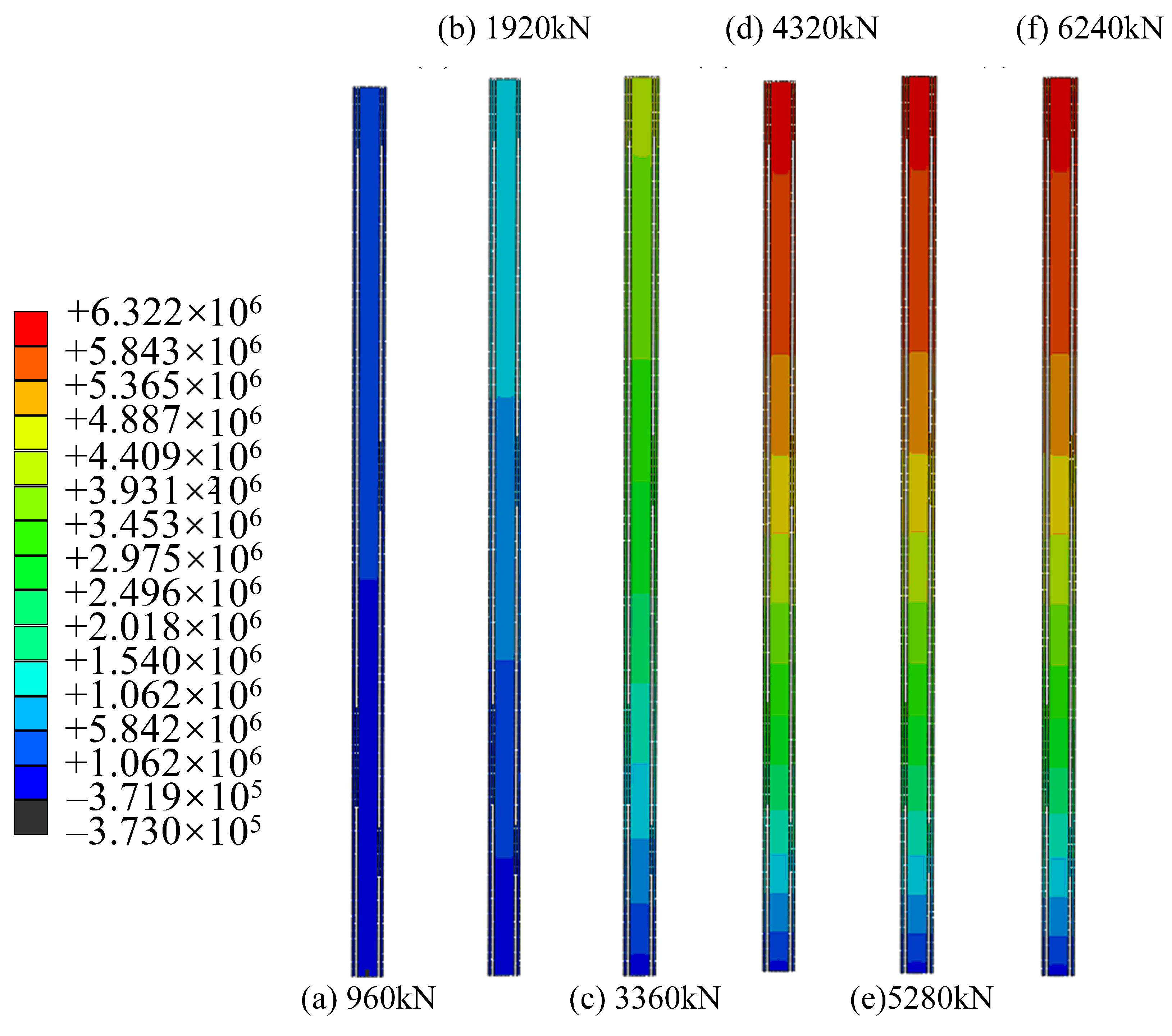
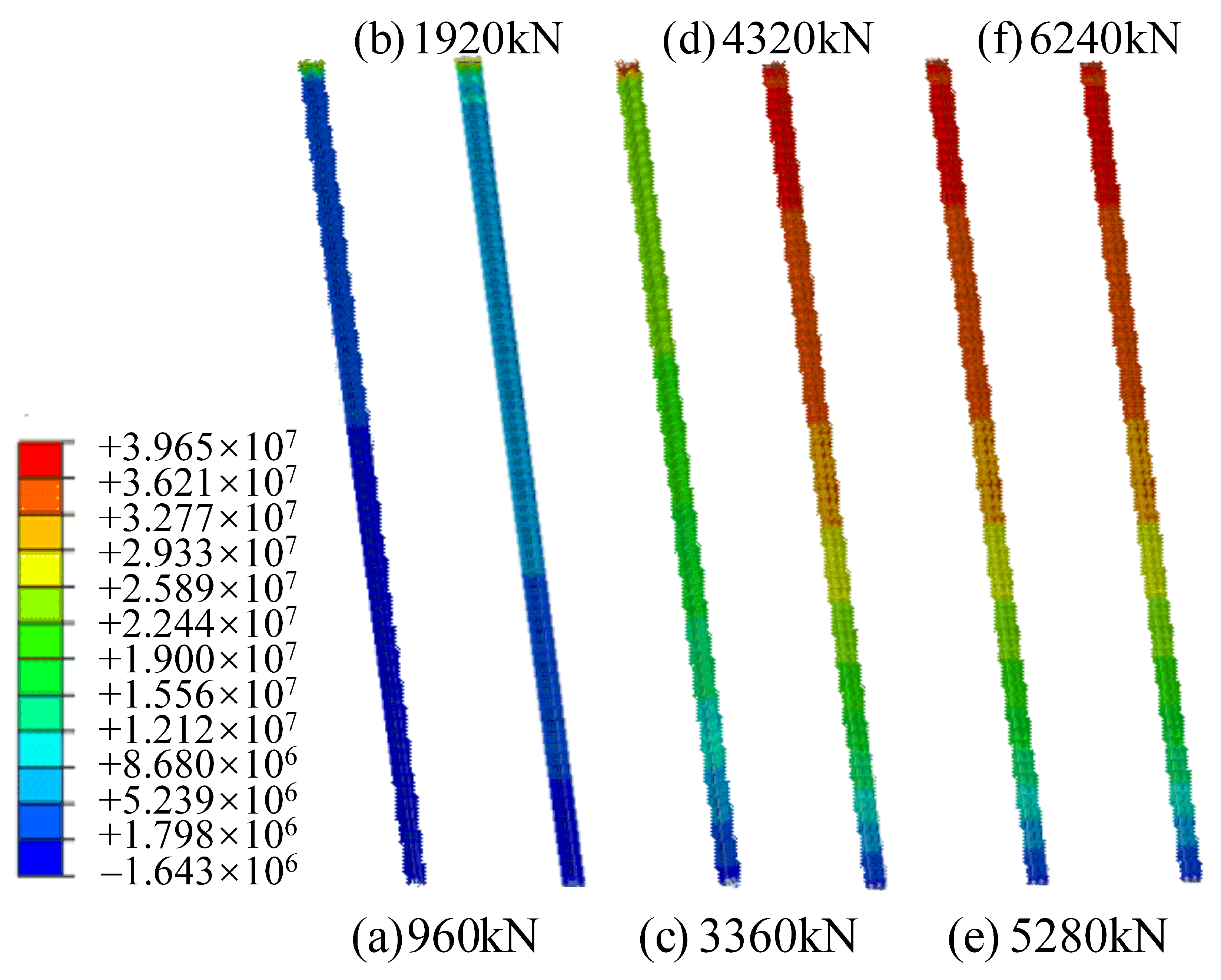
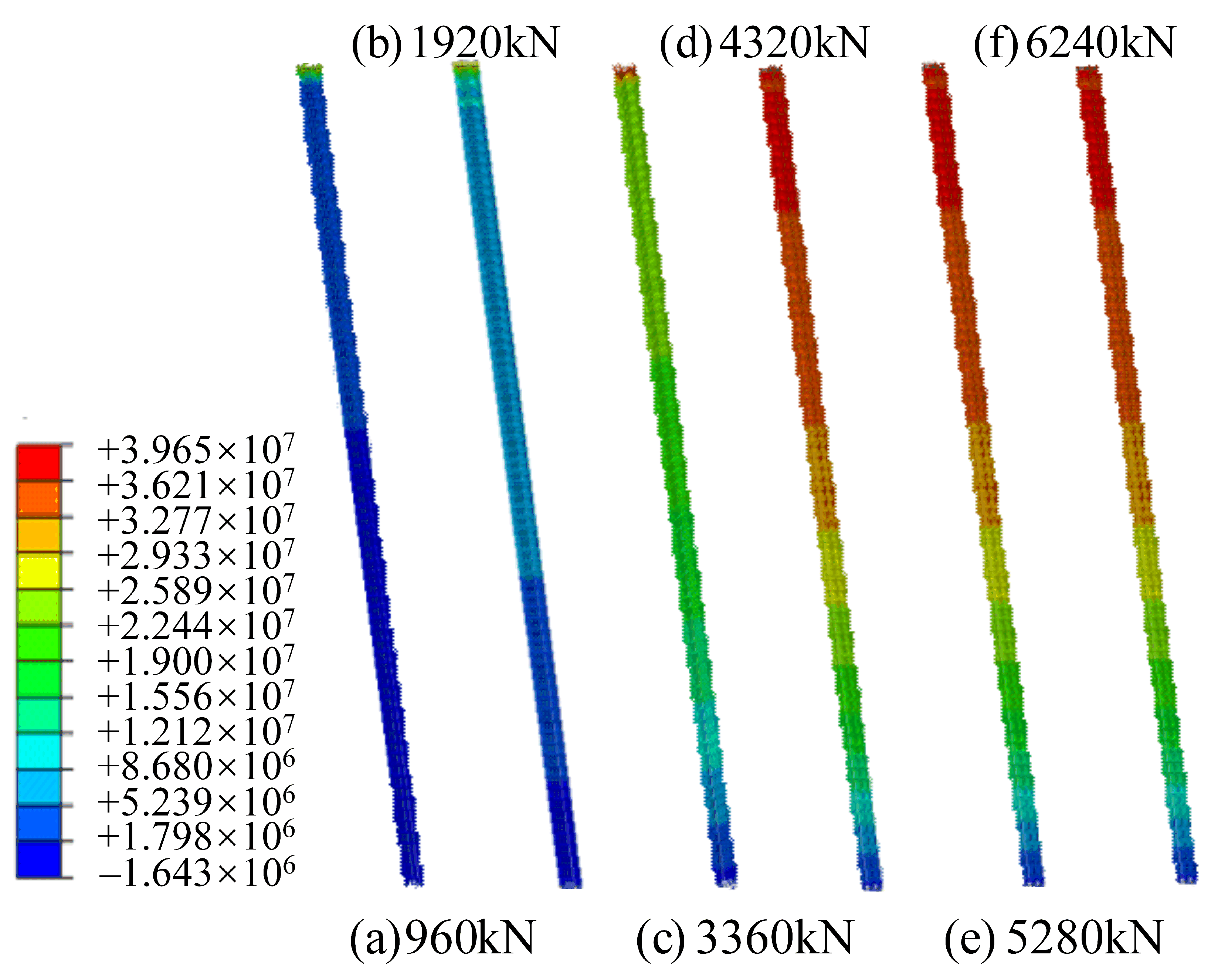
Figure 13 present the vertical stress distributions of the pile shaft concrete, HSSP, and steel strands in the fully bonded pile under various loading levels. Overall, the tensile stress in the pile exhibits an increasing trend with the escalation of load, while it decreases with increasing depth. It is noteworthy that the stress in the concrete near the interface with the HSSP is lower than that within the internal concrete of the pile. Particularly in localized regions near the central top of the pile, stress concentration occurs in the concrete, which may potentially induce cracking. A quantitative evaluation is necessary regarding the elastic model’s limitations under extreme loads. For C35 concrete, the standard tensile strength is 2.34 MPa. Under standard service loads (e.g., 3360 kN), the computed maximum tensile stress in the concrete is approximately 2.01 MPa, remaining fully elastic and confirming the model’s accuracy for serviceability analysis. At the ultimate load of 6240 kN, the localized simulated stress reaches 6.32 MPa, quantitatively exceeding the cracking threshold. However, any load shed from this localized micro-cracking is redistributed to the inner high-strength steel pipe, which only experiences a maximum stress of 39.65 MPa at this extreme load stage. Leaving nearly 88.5% of its yield strength in reserve, the internal steel component effortlessly absorbs the redistributed stress. This large mechanical safety margin stabilizes the overall stiffness, explaining why the maximum macroscopic displacement error is limited to only 13% despite localized concrete cracking.
Further comparison of the pile stresses under different loading levels reveals that, as the load increases, the boundary of the stress gradient in the upper part of the concrete, as shown in the stress contour plots, gradually expands and shifts downward, while the stress gradient boundary in the lower part moves upward. The stress in the concrete at the pile top remains essentially unchanged, whereas the stress at the pile base decreases. Meanwhile, the stress in the pile body increases and tends to concentrate. This phenomenon indicates, that with increasing load, the interface at the top of the composite anchorage system reaches its ultimate bond strength and begins to slip, causing the primary load-bearing zone to shift downward. Consequently, this leads to an overall redistribution of stresses in the pile.
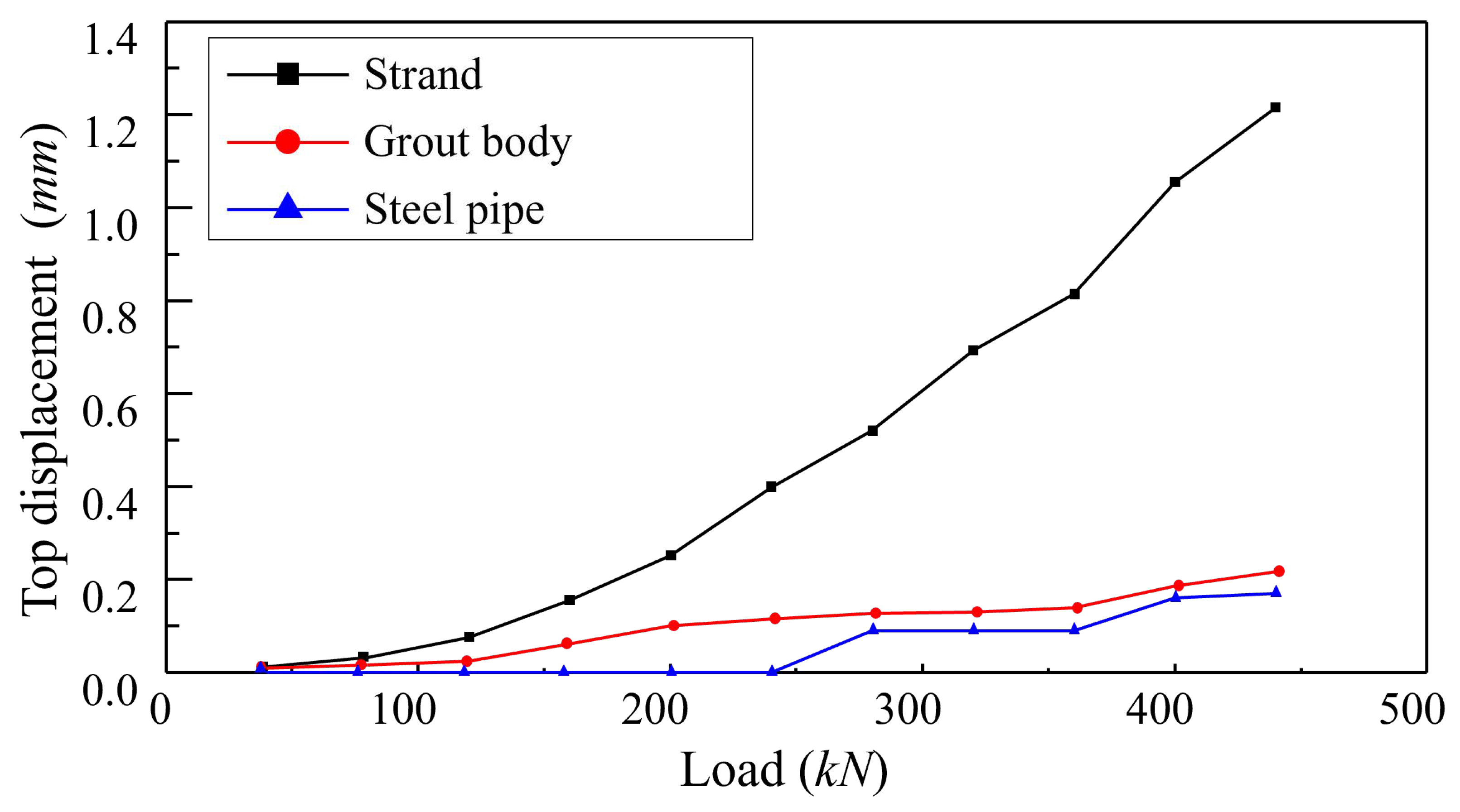
According to the stress distribution diagrams of the steel pipe and steel strand in the z-direction, as the load level increases, the stresses in both the steel pipe and the steel strand exhibit a gradual upward trend. In the depth direction, the stresses in both components decrease progressively along the z-axis. However, after the load level reaches level 7, the stress at the top of the steel pipe and steel strand in the z-direction remains relatively stable, while the stress in the lower part continues to increase progressively. After the load is applied, the steel strand in the pile top area of the CAC experiences significant stress, which then rapidly decreases within a certain range and eventually stabilizes uniformly. This behavior occurs because, during the uplift process, the top of the steel strand bears a substantial tensile force, resulting in stress concentration around its upper section. Once the stress in the top region of the steel strand reaches the limit of interfacial bond strength, localized slip occurs at the interface, which induces load transfer toward the middle and lower sections of the anchor cable, thereby enabling a redistribution of load along the depth.
From the stress contour plot, it can be observed that, when the axial tension is small, the interaction at the interface of the CAC allows the load on the steel strand to be uniformly transferred to the steel pipe, resulting in an even stress distribution at the top of the CAC. However, as the load increases and the stress at the top of the CAC reaches its limit, the stress is transferred downward through the interface, leading to a rapid increase in stress in the middle and lower sections of the CAC. Ultimately, this ensures a uniform stress distribution across the entire CAC.
4.3. Numerical Simulation and Bearing Characteristics Analysis of Semi-Bonded Piles
4.3.1. Analysis of Displacement Results
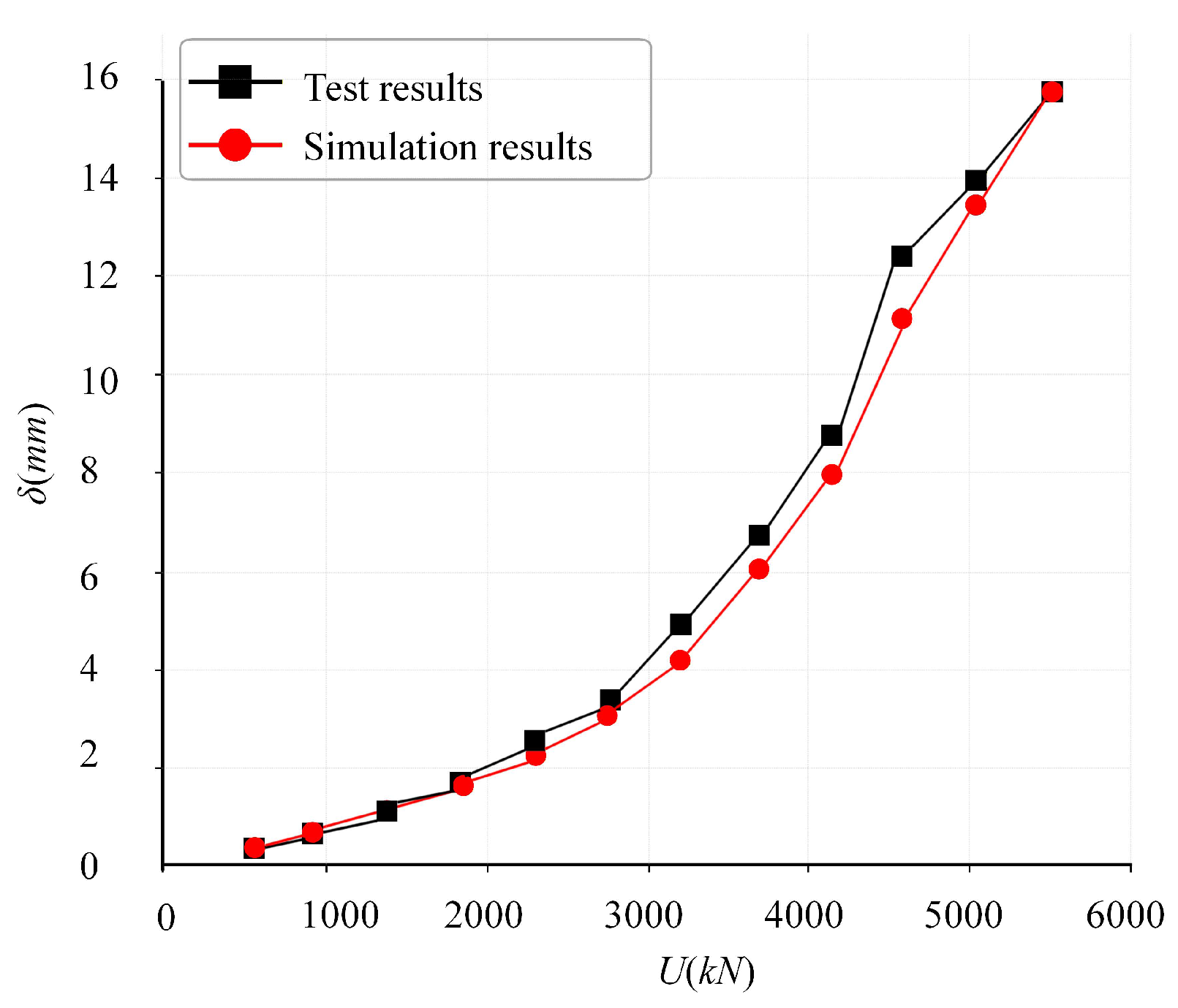
Figure 14 shows the
curves of semi-bonded uplift piles obtained from laboratory component tests and numerical simulations, where the black curve represents the experimental results and the red curve denotes the numerical simulation results. It can be observed that the experimental results of the semi-bonded pile are in close agreement with the simulation results, with generally consistent trends in pile head displacement. When the load reaches 4600 kN, the discrepancy between the calculated and measured values reaches its maximum (approximately 1.2 mm), corresponding to a simulation error of about 9.6%. Overall, the numerical simulation achieves the expected objectives and effectively captures the load-bearing behavior of this type of uplift pile.
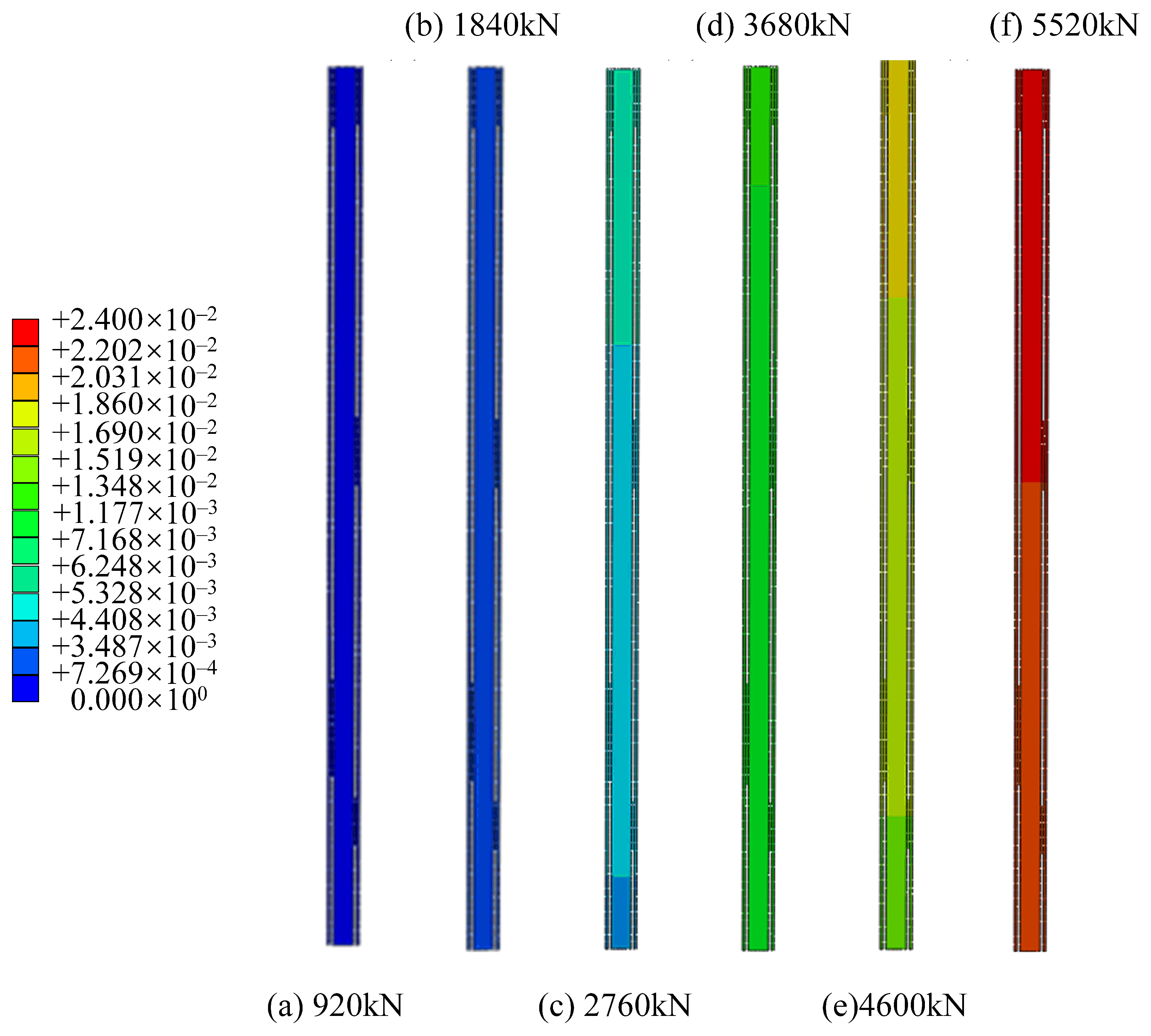
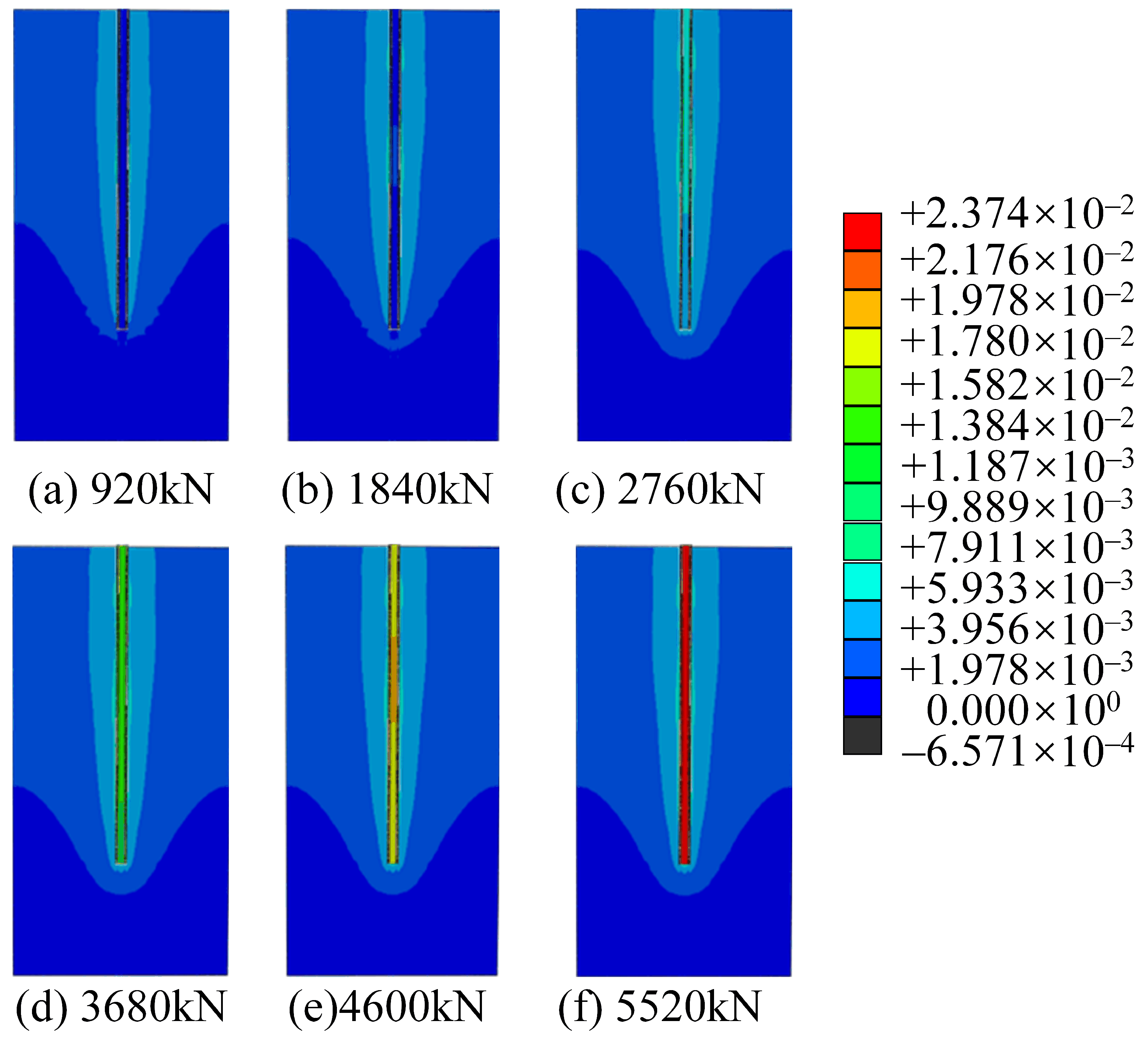
Figure 15 illustrates the vertical displacement distribution of semi-bonded piles and surrounding soil layers under various load levels. As observed, the vertical displacements of uplift piles and adjacent soils increase with higher load levels but gradually decrease with depth. Prior to the 9th load level, the displacement of composite anchors near the pile head significantly exceeds that of the concrete pile shaft. Under vertical loading, the displacements of the middle and lower sections of semi-bonded piles align closely with those of the surrounding soil, while the upper pile sections exhibit greater displacement than the soil. Similar to the fully bonded piles, when the depth reaches 1.5–2 times the pile diameter below the pile tip, the pile no longer influences the deformation of the surrounding soil. As loading progresses, the zone of influence expands, affecting soil within a range of up to 20 times the pile diameter. Unlike the fully bonded piles, no significant relative displacement occurs between the pile tip and surrounding soil after loading completion. Displacement contour plots indicate that loads on semi-bonded piles are initially transferred through steel strands to the pile head before being transmitted along the pile shaft.
Figure 16 illustrates the calculation results for the pile shaft. As observed in the figure, during the increase in load from stage 1 to stage 11, the load is initially carried by the strands. When the strands are displaced upward to their limit, the load is transferred to the pile body. The vertical displacement at the pile top and pile bottom differs by only approximately 0.13 mm to 0.08 mm, with minimal variation in this difference. This indicates that, under the combined action of CACs and prestress, the upper portion of the semi-bonded pile is subjected to compression, while the lower portion experiences tension. Moreover, the load-bearing action of the uplift pile is predominantly concentrated on the strands. Compared with conventional piles and fully bonded piles, the semi-bonded pile exhibits smaller internal forces and enhanced overall integrity.
4.3.2. Analysis of Axial Force Results
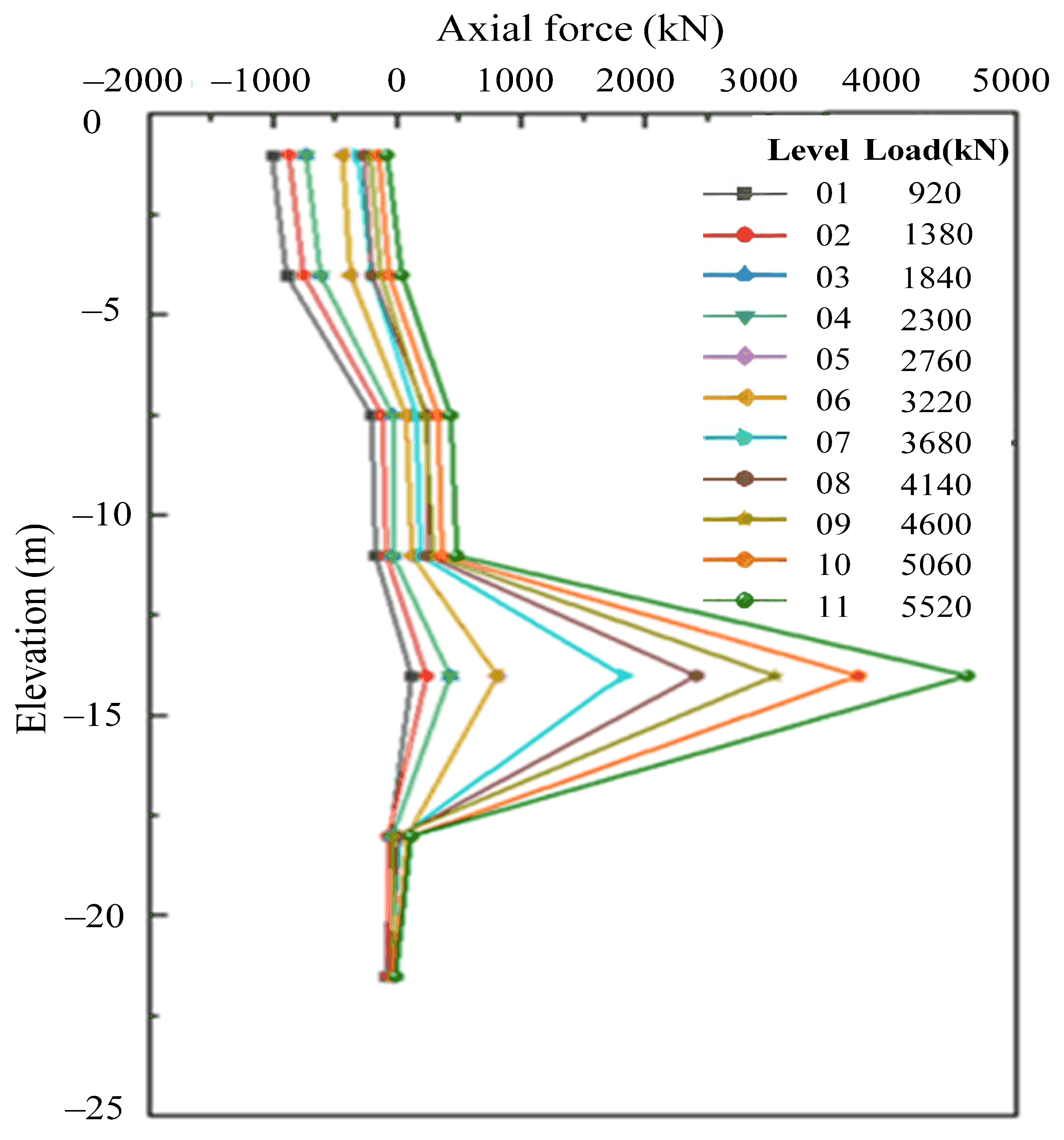
Figure 17 presents the axial force diagram of the semi-bonded pile obtained from numerical simulation. The results indicate that the upper part of the pile is initially in compression due to the prestressing effect at the early loading stage. As the uplift load increases, this compressive stress is gradually counteracted. When the compressive stress is fully offset, the pile begins to experience tension. Subsequently, the load is transferred through the CACs to the middle and lower sections of the pile, leading to a significant increase in axial force in these regions, which is consistent with the phenomena observed in field tests. A comparison between the numerical simulation and laboratory component test data shows that the axial force distributions along the pile shaft are generally consistent, with errors falling within an acceptable range. The maximum observed error is approximately 6.9%.
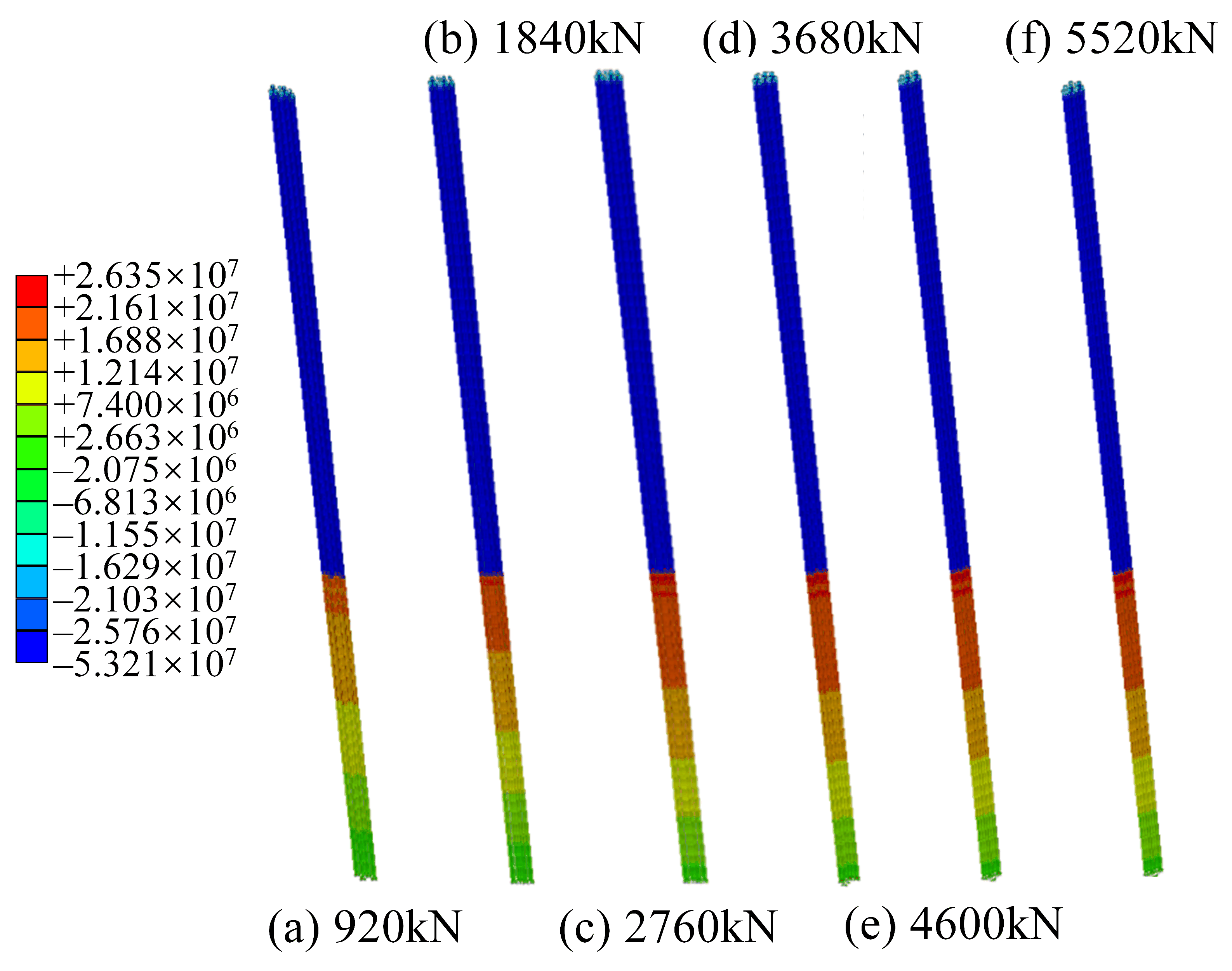
Figure 18,
Figure 19 and
Figure 20 present the vertical stress distributions of the pile shaft concrete, HSSP, and steel strand in the semi-bonded pile under various loading levels. As shown in the figures, due to the prestress applied to the upper portion of the pile, the upper segment remains in compression. Stress concentrations in the concrete and steel pipe occur primarily in the upper section rather than near the pile head. The unbonded condition in the upper segment leads to a more uniform stress distribution in both the concrete and steel pipe. In contrast, in the bonded lower segment, the stresses in the concrete and steel pipe decrease gradually, with the maximum stress occurring at the intersection area in the middle of the uplift pile. The unique manufacturing process and prestressing of the semi-bonded pile alter the stress mechanism along the pile shaft, resulting in a more uniform stress distribution in both the concrete and steel pipe. Since the entire pile participates in load-bearing, the maximum vertical stress under the same load level is reduced, thereby enhancing the overall bearing capacity of the pile.
According to the z-direction stress distribution diagram of the anchor cable, under loading, the z-direction stress in the semi-bonded CAC is mainly concentrated in the middle-lower part of the strand, which differs from the fully bonded pile where stress concentrates near the top of the strand. In the unbonded segment, the friction between the strand and the grout is minimal, which prevents effective load transfer to the steel pipe and concrete in this region. Consequently, the stress distribution in the upper part of the strand becomes more uniform. Under the same load, the stresses in both the concrete and the steel pipe are consequently lower compared to those in fully bonded piles. As a result, the stress in the upper part of the strand becomes more uniform, while the stresses in the concrete and steel pipe under the same load are smaller compared to those in the fully bonded pile. The application of significant prestress to the upper part of the strand enhances its load-bearing capacity, allowing it to withstand greater loads. From the vertical stress contour plots of the pile concrete, HSSP, and strand, it can be observed that, after loading, the upper part of the strand is the first to bear the load. Once its capacity is reached, the load is transferred to the upper part of the steel pipe and concrete, and with further increase in load, it is then transmitted to the lower part of the uplift pile. This load transfer mechanism differs from that of the fully bonded pile, where the load is initially borne by the pile head and then uniformly transferred downward. Thus, the application of prestress and the semi-bonded manufacturing technique modify the stress and load transfer behavior of the uplift pile, inducing compression in the upper section and improving the utilization of side friction in the lower segment, thereby increasing the ultimate uplift capacity of the single pile.
4.4. Discussion
The numerical results presented herein strongly corroborate the high macroscopic bearing capacity (up to 6240 kN) observed in our preliminary field tests [
5,
6,
7,
8]. More importantly, the current multi-interface back-analysis provides quantitative insights that were absent in previous physical tests: it reveals that this high capacity is actively governed by the progressive yielding sequence, where the strand-grout interface (Group A) provides the dominant shear resistance during the ultimate loading stage.
Conversely, our findings present a stark, quantitative contrast to the traditional load-transfer models documented in existing literature [
22,
23,
24,
25]. Conventional fully bonded uplift piles typically experience immediate shear activation at the pile head, leading to substantial stress concentrations and premature concrete cracking [
10,
11]. In sharp contrast, our numerical data demonstrate that the proposed semi-bonded design intentionally bypasses the upper 11.0 m of the shallow concrete. By shifting the load-transfer pathway downward through the central strands, the maximum vertical stress under the same load level is effectively reduced, achieving a significantly more uniform stress distribution compared to traditional fully bonded configurations. This specific, quantifiable optimization fundamentally resolves the shallow cracking bottleneck widely reported in conventional engineering [
15,
16,
17,
18]. It is worth noting that, while previous studies by other research teams have extensively documented the superior performance of this pile type—characterized by its high bearing capacity and low deformation through numerous field observations—systematic investigations into its microscopic mechanisms remain limited. In particular, the stress and strain mitigation mechanisms arising from the interaction of multiple internal interfaces have not been thoroughly decoded.
5. Conclusions
Based on the combined experimental and numerical investigation of the proposed large-diameter uplift piles with multi-pipe CACs, the following primary conclusions are drawn:
This study establishes a systematic back-analysis framework based on orthogonal experiments and refined 3D FE modeling to decode the complex interfacial mechanical behavior of large-diameter multi-pipe composite anchor-cable uplift piles. The results demonstrate that the proposed methodology effectively determines unmeasurable mechanical parameters—such as friction coefficients and cohesion—for critical contact interfaces (strand–grout, grout–steel pipe, and steel pipe–concrete). By implementing these calibrated parameters in Abaqus, the numerical model successfully replicates the macroscopic load-deformation response observed in both laboratory-scale component tests and independent field full-scale static load tests. The simulation error for pile head displacement remains within 9.6% to 13.0%, which is considered highly acceptable for complex geotechnical engineering designs. It should be emphasized that, while the specific interfacial parameter values derived in this study (e.g.,
Table 5) are tailored to the specific dimensions and materials of the tested piles, the proposed orthogonal back-analysis framework itself is highly versatile. Researchers and engineers can readily adopt this universal methodology to calibrate interface parameters for composite piles with varying geometries and material properties.
The investigation further reveals the progressive stress-transfer mechanisms inherent in different pile configurations. In fully bonded piles, tensile stresses are primarily concentrated near the pile head, whereas the semi-bonded design facilitates a more uniform and deeper distribution of axial forces along the pile shaft. This structural optimization effectively mitigates localized stress concentrations and reduces the risk of premature concrete cracking at the upper sections of the pile. The findings suggest that the multi-pipe configuration significantly enhances the load-bearing efficiency compared with traditional single-pipe designs, providing a robust solution for anti-floating challenges in high-water-table urban underground spaces.
Despite the comprehensive insights provided, this study has certain limitations that should be acknowledged. To maintain computational efficiency, the current numerical simulations adopted a purely elastic constitutive model for pile materials, which simplifies the complex non-linear degradation and micro-cracking of concrete at ultimate failure stages. Additionally, the analysis employed a total stress approach and did not incorporate the fluid-solid coupling effects of groundwater fluctuations or pore water pressure on interfacial resistance. Consequently, future investigations will focus on integrating Concrete Damaged Plasticity (CDP) models to accurately capture localized damage evolution and post-peak softening behaviors. Furthermore, incorporating effective stress analysis to evaluate the long-term impact of hydrological conditions on the interface mechanical properties will be a critical next step in advancing this technology toward broader engineering applications.