


Abstract
Building fires involve numerous interacting hazard factors, making it difficult to identify which combinations are most likely to cause an incident and to design targeted interventions. Existing methods address only part of this problem: structural approaches map causal pathways but cannot quantify the probability of specific factor combinations, while probabilistic models compute risk values but offer little guidance on where to intervene. To bridge this gap, we develop the Causal Hierarchy Model (CHM), a data-driven framework that integrates causal structure analysis with probability calculation. Factor influence is derived from empirical co-occurrence data to distinguish driving factors from dependent ones. A hierarchical structure is then constructed using two layering rules, revealing causal transmission gradients and critical hub nodes. Finally, coupling probabilities are computed within the hierarchical constraints and weighted by the influence of hubs. Applying CHM to building fire records from California reveals clear functional differentiation among hazard factors. Coupling strength attenuates asymmetrically across hierarchy levels but amplifies sharply along pathways that pass through high-prominence hubs. By uniting structure and probability, CHM provides a quantitative basis for shifting fire safety management from uniform inspection toward risk-differentiated strategies.
1. Introduction
Building fires in densely occupied structures are characterized by rapid fire propagation, obstructed egress routes, and complex rescue dynamics, often resulting in severe casualties and substantial property losses [1]. Research on building fire safety has evolved along multiple dimensions, ranging from structural fire engineering, addressing the thermal and mechanical response of steel frames under realistic fire scenarios [2,3], to the causation analysis of fire initiation and propagation, which is the focus of the present study. Statistical data from China’s National Fire and Rescue Administration indicate that building fires accounted for 43.1% of all fire incidents in 2024, with residential fires comprising 79% of building fires. From a causal perspective, electrical failures and improper use of fire sources collectively account for over 72% of residential fire incidents, underscoring the dominant role of these factor categories in fire initiation. The existing studies on building fire causation have largely focused on establishing risk evaluation index systems that treat factors as independent variables [4,5,6,7], but the factors contributing to building fires are not isolated; rather, they interact through intricate, nonlinear coupling mechanisms. These approaches overlook the interdependent coupling that characterizes real fire dynamics. In real fire scenarios, the coupling often manifests as synergistic amplification, an initially controllable fire may rapidly escalate due to the interplay between human behaviors, equipment failures, and environmental conditions [8,9]. Systematically deciphering how hazard factors combine and amplify one another is therefore essential for improving the precision of critical factor identification and enabling targeted interventions.
In response to this need, coupling analysis methods have been increasingly applied in building fire research. These efforts can be categorized into two methodological paradigms. The first paradigm emphasizes structural delineation and hierarchical relationship modeling. Representative studies have employed fuzzy Analytic Hierarchy Process (AHP) [10], Decision Making Trial and Evaluation Laboratory (DEMATEL) combined with Interpretive Structural Modeling (ISM) [11,12,13], ISM [14,15], DEMATEL combined with Adversarial Interpretive Structural Modeling (AISM) and Cross-Impact Matrix Multiplication Applied to Classification (MICMAC) [16,17], and graph-theoretic approaches [18] to extract causal hierarchies, identify hub factors, and map transmission pathways among fire hazard factors. More recently, coupling analysis has been extended to diverse fire scenarios. Su et al. [19] employed the Frequent Pattern Growth (FP-Growth) algorithm and an improved DEMATEL-Analytic Network Process (DEMATEL-ANP) method to identify key risk factors and their interactions in high-rise building electrical fires. Ji et al. [20] revealed hierarchical relationships and coupling pathways among fire factors using DEMATEL-based methods. Qin et al. [21] combined DEMATEL with ISM to uncover the coupling mechanisms of fire factors in metro stations. Wang et al. [22] applied the Apriori algorithm and complex network analysis to systematically reveal multi-factor coupling mechanisms in coal mine fires. These methods have significantly advanced the understanding of how factors are logically organized. However, they share two interrelated limitations. First, most rely on expert scoring to quantify inter-factor influence, which introduces subjectivity and limits reproducibility across different contexts. Second, their outputs are primarily topological, they reveal which factors are connected and in what order, but they do not measure the strength of multi-factor coupling in probabilistic terms. Consequently, they can identify candidate intervention points but cannot quantify how much risk reduction a given intervention would yield.
The second paradigm concentrates on quantitative measurement of coupling strength and risk probability. Recent studies have integrated classification algorithms with artificial neural networks (ANN) to predict human-induced fire factors in residential buildings [23], and combined triangular fuzzy AHP with entropy weighting to quantify factor weights and identify critical risk factors in ancient residential buildings [24]. Other representative studies in this stream have applied event tree analysis [25], structural entropy weighting [26], unascertained clustering [27], and Bayesian networks with fuzzy set theory [28] to compute numerical risk values for specific fire scenarios. These approaches have made important advances in probabilistic risk evaluation. Yet they typically treat factor interactions as statistically associational rather than structurally constrained. The hierarchical architecture that governs how influence propagates from root drivers through transmission hubs to terminal outcomes is either absent or reduced to flat conditional probability tables. As a result, the numerical outputs offer limited insight into why certain factor combinations generate disproportionately high risk, or where along the causal chain intervention would most efficiently disrupt propagation.
This methodological divide between structural interpretation and intensity quantification has tangible operational consequences. Structural models delineate causal pathways and identify hub factors, yet cannot compute coupling probabilities for specific factor combinations, leaving managers unaware of how frequently a given risk chain materializes, or how its risk compares with alternative pathways. Quantitative models yield precise probability values, but provide no explanation for the structural origins of numerical differences, nor guidance on where along the causal architecture intervention would most efficiently disrupt propagation. Each approach answers only part of the decision problem. Consequently, fire safety inspections often treat disparate hazards with comparable urgency, aging electrical panels, corridor clutter, and smoking hazards receive similar scrutiny, regardless of their divergent contributions to systemic risk. This misalignment between analytical insight and operational priority constrains mitigation efficiency and perpetuates a reactive safety posture. A framework that integrates the structural depth of the first paradigm with the probabilistic rigor of the second would directly address this gap.
To bridge the divide between structural interpretation and probabilistic quantification, this study develops a novel integrated analytical framework termed the Causal Hierarchy Model (CHM). The CHM adopts a three-stage data-driven workflow that sequentially identifies factor functions, parses hierarchical structures, and measures multi-factor coupling probabilities, all grounded in empirical incident co-occurrence data. By unifying causal architecture analysis with quantitative risk estimation, and by employing a dual-perspective layering mechanism, the framework provides a more complete depiction of how building fire hazard factors interact and amplify one another.
Application of the CHM framework to California building fire records demonstrates its capacity to uncover functional differentiation among hazard factors and to quantify multi-level coupling intensities. The results confirm that risk evolution is contingent upon hierarchical position and hub-mediated amplification, thereby offering a quantitative foundation for transitioning from uniform inspection toward risk-differentiated fire safety management.
The remainder of this paper is organized as follows. Section 2 describes the CHM framework and the computational procedures for each stage. Section 3 introduces the data source, presents the empirical results, organized according to the three-stage analytical progression. Section 4 discusses the practical implications for differentiated fire safety management, compares the framework with existing approaches, and acknowledges limitations. Section 5 summarizes the principal conclusions.
2. Materials and Methods
2.1. Research Framework
Existing coupling analysis methods tend to separate structural interpretation from intensity quantification. The CHM framework bridges this gap by unifying structural parsing and probability computation in a single algorithm, organized as a three-stage workflow: system function identification, hierarchical structure parsing, and coupling probability measurement (Figure 1). The output of each stage serves as a constraining input for the next, enabling a coherent mapping from raw factor co-occurrence data to quantitative coupling probabilities without resorting to separate tools.
Figure 1.
Analytical framework of the Causal Hierarchy Model (CHM) for deciphering coupling mechanisms among building fire hazard factors.
The framework takes a set of hazard factors extracted from an incident database as input and produces multi-level coupling probabilities as output. Each of the three stages is summarized below, with full computational details provided in Section 2.2, Section 2.3 and Section 2.4.
Stage 1: System function identification. This stage determines, purely from empirical co-occurrence patterns, whether each factor functions as a net driver or a net dependent in the risk network. Two indicators are computed: prominence, which signals a factor’s importance as a hub, and relation, which reveals its causal orientation. By grounding factor roles in incident records rather than expert opinion, this stage yields an objective and reproducible functional classification.
Stage 2: Hierarchical structure parsing. Using the influence matrix T from Stage 1, this stage extracts the layered structure of factor interactions. A skeleton representation is built by filtering out weak or redundant associations, and two complementary hierarchical topologies are generated. Cause-priority layering delineates the causal transmission gradient from root drivers to terminal manifestations, while result-priority layering identifies where influence concentrates in hub nodes. The dual-perspective design is a distinguishing feature of the CHM, because a single layering rule cannot simultaneously expose both causal pathways and hub architectures.
Stage 3: Coupling probability measurement. Within the hierarchical skeleton defined by Stage 2, this stage computes base coupling intensities from joint occurrence frequencies across levels. A novel hub amplification coefficient is then introduced to modulate these base values. This coefficient captures the concentration of high-prominence hub factors along each pathway, thereby incorporating richer structural information into the coupling calculation and yielding a more rigorous estimate than what joint frequencies alone provide.
Stages 1 and 2 provide the attribute labels and topological constraints that Stage 3 requires, enabling the framework to answer two questions within a single, data-driven process: how factors are interrelated, and how strong are their interactions. Detailed computational procedures for each stage follow in Section 2.2, Section 2.3 and Section 2.4.
2.2. System Function Identification
Let F {F1, …, Fn} be the set of hazard factors extracted from the incident database. A co-occurrence matrix O of dimensions n × n is first constructed, where each element oij represents the number of incidents in which factors Fi and Fj appear together. From O, the condition probability of Fj occurring given Fi is computed as:
These conditional probabilities populate the directed influence matrix N, in which nij ≠ nji because Fi may frequently precede Fj without the reverse being true.
The asymmetry nij ≠ nji does not claim a strict causal relationship. Rather, it captures a directional dependence: the statistical tendency of Fj to occur more frequently in incidents where Fi is present than the reverse. In fire scenarios, this directional imbalance often corresponds to the physical sequence of events and thus provides a useful empirical proxy for influence direction, even though it does not constitute a formal causal proof. Moreover, the threshold filtering step in Section 2.3 retains only the dominant direction in the adjacency matrix, naturally suppressing the weaker reverse associations from incidental co-occurrence.
Direct relationships in N may underestimate true influence, because factors can affect one another indirectly through intermediate factors. To capture such indirect propagation, the comprehensive influence matrix T is computed as the sum of all powers of N:
where I denotes the identity matrix. Each term Nk represents paths of exactly k step and T aggregates contributions of all lengths. Thus, T provides a dense representation of the network influence structure, capturing the cumulative strength of all direct and indirect channels through which one factor can reach another.
From T, two elementary metrics are derived for each factor Fi:
the influence degree Di representing the total influence Fi exerts, and the affected degree Ci denotes the total influence Fi receives. These are combined into two prominences:
which Mi measures the factor’s overall engagement in the risk network, a high Mi signals a hub node through which influence flows extensively. Ri discriminates functional orientation. A positive Ri identifies a net driver that actively propagates risk; a negative Ri identifies a net dependent that primarily receives it.
Because this classification is derived entirely from incident records, it is objective and reproducible across contexts, providing an empirical foundation for the hierarchical parsing and probability calculations that follow.
2.3. Hierarchical Structure Parsing
The second phase of the CHM framework extracts the hierarchical architecture of factor interactions from the comprehensive influence matrix T. While Mi and Ri describe single factors, they do not show how factors link into chains of influence or where that influence pools and intensifies. This phase therefore constructs two complementary topological representations that jointly delineate the causal skeleton and the hub architecture of the factor network.
Matrix T contains influence scores for every pair of factors. However, many small entries stem from weak or chance co-occurrence and do not represent meaningful influence. To retain only the robust relationships, a threshold λ = μ + σ is applied, where μ and σ are the mean and standard deviation of all entries in T. This choice follows the rationale that an influence relationship should be considered structurally significant only if its strength exceeds the typical background level by at least one standard deviation. Entries above λ are set to 1 and all others to 0. This produces the adjacency matrix A, which records only the strong, essential connections (Equations (5) and (6)). In effect, a functions as a filtered, binarized skeleton that preserves only the statistically salient influence channels.
To trace indirect chains, we compute the reachability matrix R. Starting from B = A + I, we repeatedly multiply B by itself using Boolean operations until the result stops changing (Equation (7)). Here I is the identity matrix, which ensures each factor can reach itself. If rij = 1, then there is some directed path, of any length, from Fi to Fj. Whereas A records only immediate pairwise connections, R captures the full transitive closure of the network, i.e., all reachable downstream factors for each upstream factor. This step is essential for distinguishing genuine hierarchical layers from the flattened view that A alone would provide.
However, R usually contains redundant links, making the network look more connected than it truly is, and loops that hide the true ordering. To obtain a lean skeleton, we apply two reductions. First, groups of factors that can mutually reach each other are merged into a single node, which removes feedback loops. Second, edges inferable via transitivity are removed using the reduction rule in Equation (8):
where (R′ − I)2 captures all paths of length two that can be inferred from shorter connections. After edge reduction, the contracted nodes are expanded back to restore factor-level granularity, yielding the general skeleton matrix S. While R records every possible directed connection, S keeps only the essential pathways, giving a minimal but complete picture of the influence structure.
From the skeleton matrix S, two complementary hierarchical topologies are generated using distinct layering rules.
Cause-priority layering identifies the causal transmission gradient. In each round, a factor is placed at the next level if all its upstream factors can also reach its downstream factors. The process repeats until every factor is assigned, producing a hierarchy with root drivers at the top and terminal outcomes at the bottom (Equation (9)).
The process repeats until all factors are assigned, producing a five-level topology in which edges flow strictly downward from root drivers (L0) to terminal manifestations (L4). This topology defines the legitimate pathways for risk propagation and serves as the constraining skeleton for subsequent coupling probability computation.
Result-priority layering identifies hub convergence patterns. Here the condition is reversed: factors are selected based on their downstream rather than upstream relationships (Equation (10)).
The resulting topology points upward toward high-prominence hubs, revealing where influence concentrates. This topology reveals where influence concentrates and redistributes within the network, providing the weight modulation basis for coupling probability refinement.
Because a single layering rule can only expose one structural dimension, the dual-perspective approach is a defining feature of the CHM framework. Together, the two topologies answer complementary questions: one maps the routes along which risk propagates, the other locates the hubs where risk concentrates. Both sets of constraints are needed for the probability calculations in Stage 3.
2.4. Coupling Probability Measurement
The third phase of the CHM framework measures multi-factor coupling probabilities within the hierarchical constraints defined in Section 2.3. The previous stages assign roles and map interaction pathways. This stage measures how strongly factors fire together across levels and how much hub nodes amplify the risk.
Each incident is encoded as a binary state vector according to the cause-priority hierarchy, with one element per hierarchical level. A level is set to 1 if any factor within it was triggered during the incident, and 0 otherwise, yielding a compact representation of hierarchical co-activation patterns.
For any combination of levels, a base coupling strength is computed from how often those levels were triggered together in the incident records. For a given multi-level combination, the coupling intensity is computed via the mutual-information-based measure in Equation (11):
where the numerator is the joint occurrence frequency of the specific combination and the denominator is the product of the corresponding marginal probabilities. A value well above 1 means the levels fire together far more often than chance would predict, indicating true synergistic coupling rather than random coincidence. Analogous measures are applied for four-level, three-level, and two-level combinations, enabling assessment at multiple scales of the hierarchy.
We use mutual information because it measures how much the observed co-activation pattern differs from what would be expected if the levels were independent. A joint probability describes how often levels co-occur but cannot distinguish synergistic coupling from baseline marginal frequencies; a conditional probability captures directional dependence but does not isolate excess co-occurrence attributable to interaction; and an entropy-based measure quantifies the uncertainty of individual activations rather than the strength of association between levels. Mutual information, by construction, eliminates baseline marginal effects and isolates the coupled signal. It also captures nonlinear associations without requiring parametric assumptions, making it well-suited to the complex, nonlinear nature of fire hazard factor coupling.
The base probabilities only reflect how often levels co-occur along the causal skeleton. They do not account for the amplifying effect of hub factors identified in the result-priority topology. A pathway passing through a high-prominence hub transmits risk more efficiently than one that bypasses such nodes, even if their base co-occurrence frequencies are similar. To incorporate this amplification, we define a hub amplification coefficient αp for each pathway p. This coefficient is a new element that captures hub influence not reflected in the base measure. Let Hp be the set of hub factors along pathway p that occupy the top two tiers of the result-priority hierarchy. The coefficient is calculated as Equation (12), where the numerator sums the prominence of these hubs and the denominator is the total prominence across all factors. This ratio captures how much of the network’s overall hub influence is concentrated on pathway p.
where Mi is the prominence of factor i (Equation (4)), and the denominator is the sum of prominence across all 89 factors, representing the total prominence in the network. The numerator captures the concentration of hub prominence specifically along pathway p; the denominator normalizes this concentration relative to the network total, ensuring that αp is comparable across pathways regardless of the absolute magnitude of prominence values. A pathway traversing multiple high-prominence hubs in the top result-priority tiers receives αp substantially greater than 1, while a pathway containing no such hub factors yields αp = 1, leaving the base coupling intensity unmodulated. The constant term 1 in the definition of αp ensures that the amplification factor is always ≥1, so that non-hub pathways are not artificially penalized in the risk ranking. The comprehensive coupling probability Tcomp for pathway p is then obtained as:
where Tbase is the base coupling intensity from Equation (11).
Together, the base coupling intensities and the hub-modulated comprehensive probabilities provide a multi-scale quantification of synergistic risk. Because αp is embedded in the hierarchy built in Stages 1 and 2, the resulting risk estimates are structurally constrained rather than purely statistical. They reflect not only which causal pathways propagate risk, but also the hub structure that amplifies it.
The pseudo-code of the CHM model can be found in the Section S2 in the Supplementary Materials S1.
3. Results
3.1. Data Description
3.1.1. Study Area
California occupies a position on the southwestern Pacific coast of the United States, with its geographic extent ranging from 32°30′ N to 42°00′ N in latitude and 114°8′ W to 124°24′ W in longitude. It covers an area of approximately 424,000 square kilometers, with a coastline extending 2030 km (Figure 2). The climate is characterized by a distinct Mediterranean pattern, featuring hot, dry summers with scarce precipitation, creating natural conditions conducive to wildfires. In 2023, California’s estimated population was 40.22 million, making it the most populous state in the U.S. In 2022, its gross regional product reached $3.6 trillion, with a per capita GDP of approximately $92,000, ranking as the world’s fifth-largest economy in nominal terms.
Figure 2.
Elevation map of the State of California.
California exhibits a high level of urbanization, with dense and diverse building types. However, many older structures often lack modern fire suppression systems, posing significant risks. On 25 July 2025, a major fire broke out at the University Garden Shopping Center, causing enduring negative impacts on residents’ livelihoods, economic development, and the ecological environment. The diversity of building types and heterogeneity of the population underscore the importance of fire prevention and emergency management. Therefore, it is imperative to investigate and identify the key drivers of fire incidents at their root to mitigate risks effectively, which is helpful for implementing interventions to reduce the occurrence of fires, and minimizing both the probability of fires and associated human and economic losses.
3.1.2. Data Processing
Data preprocessing was conducted as follows to meet the requirements of subsequent analysis. The processing process is as follows: this study utilized fire incident data obtained from the National Fire Incident Reporting System (NFIRS), a comprehensive national database encompassing fire incidents reported across the United States. The dataset spanned the period from January 2012 to December 2024. Three primary modules were extracted for analysis: the Basic Incident Module, the Fire Module and the Address Module.
To ensure the integrity and reliability of the subsequent analysis, a rigorous data cleaning and quality control protocol was implemented. Initially, records from the state of California were identified and isolated using the ‘STATE’ field. Subsequently, records with critical missing values in key identifiers, namely ‘FDID’ (Fire Department Identifier), ‘INC_DATE’ (Incident Date), ‘INC_NO’ (Incident Number), and ‘EXP_NO’ (Exposure Number), were excluded. Further filtering was applied to retain only incidents where the INC_TYPE (Incident Type) code specifically indicated a fire incident, thereby removing non-fire-related emergencies. Inconsistencies, such as invalid date entries or illogical values (e.g., incident dates set in the future), were identified and rectified or removed. Duplicate entries, detected based on the unique combination of ‘FDID’, ‘INC_DATE’, ‘INC_NO’, and ‘EXP_NO’, were also eliminated.
Following the cleaning process, the three modules were meticulously integrated to generate a more complete dataset using the aforementioned variables as a composite key. This multi-step preprocessing yielded a consolidated, high-quality dataset specific to fire incidents in California. The final dataset encompasses 89 distinct factors related to fire causation, spread, and outcomes. These factors were systematically classified into 16 coherent categories, such as Misuse of Material or Product, Mechanical Failure, and Equipment Malfunction, to facilitate analysis. A complete description of all variables and the classification scheme is available in Section S1 in the Supplementary Materials S1.
3.2. Functional Characterization of Hazard Factors
Following the procedure described in Section 2.2, the co-occurrence matrix O was first constructed, and the directed influence matrix N and comprehensive influence matrix T were subsequently derived via Equations (1) and (2). The influence degree (Di), affected degree (Ci), prominence (Mi), and relation (Ri) were then calculated for each factor using Equations (3) and (4). The resulting metric values are presented in Supplementary Materials S2 and S3. For visualization purposes, both matrices are represented as heat maps in Figure 3. The rows and columns of the 89 × 89 matrix in the figure correspond respectively to 89 risk factors numbered from 0 to 88. The color gradient reflects the numerical magnitude of each matrix element, with red hues indicating stronger positive influence, blue hues denoting negative or negligible influence, and white corresponding to intermediate values. In matrix T, positive values represent facilitative influence exerted by the row factor upon the column factor, whereas negative values indicate inhibitory effects.
Figure 3.
Heat maps of the 89 × 89 directed influence matrix N (left) and comprehensive influence matrix T (right).
Based on the comprehensive influence matrix T, the influence degree (Di), affected degree (Ci), prominence (Mi), and relation (Ri) were calculated for each factor using Equations (3) and (4). Table 1 and Table 2 respectively list the ten factors ranked highest by prominence and by relation.
Table 1.
Top ten hazard factors ranked by prominence (Mi).
Table 2.
Top ten hazard factors ranked by relation (Ri).
As shown in Table 1, factors associated with material misuse (Factors 10 and 11), human states (Factors 2, 4, and 7), and heat source management (Factors 12 and 73) occupy the highest prominence ranks. Factor 11, “abandoned or discarded materials,” ranks first with a prominence of 6.847, indicating its extensive connectivity within the risk network. Although abandoned materials do not independently generate ignition sources, they serve as readily available fuel that, once ignited by other factors such as electrical faults or open flames, rapidly amplifies localized ignition events into fully developed fires. Factors 10 and 12, representing improper material use and inadequate separation between heat sources and combustibles, similarly exhibit high prominence, collectively constituting critical nodes within the classic fire triangle of “ignition source–combustible material–inadequate separation.” Notably, human-state factors occupy four positions within the top ten, underscoring the pivotal role of unsafe human conditions in risk transmission: although states such as impairment, lack of supervision, or cognitive limitations do not directly produce ignition, they substantially elevate the probability that other hazard factors will be triggered.
Table 2 reveals that all ten factors with the highest relation values are positive, thereby classifying them as net driving forces within the system. Electromechanical failures, exemplified by Factors 30, 34, and 33, constitute the predominant category, followed by mechanical failures (Factors 20 and 25). This distribution indicates that inherent defects and performance degradation in equipment and wiring represent the primary endogenous sources of risk initiation in building fires. Factor 1, “asleep or drowsy state,” ranks fifth with a relation of 1.762, reflecting the loss of external risk perception and response capacity that transforms otherwise manageable incipient fires into uncontrolled events. Factor 84, “heat from another fire,” also exhibits a high relation value, signifying that once an initial fire becomes established, it functions as a new driving source capable of igniting adjacent compartments, thereby revealing the self-reinforcing, positive-feedback dynamics inherent in fire propagation.
A comparative examination of Table 1 and Table 2 reveals that certain factors simultaneously exhibit high prominence and high relation. Factor 34, “unspecified short-circuit arc,” ranks prominently in both lists, indicating that it serves both as a root driver of risk and as a critical hub for influence transmission. Targeted intervention on such dual-role factors is likely to yield disproportionate system-wide benefits. More commonly, however, prominence and relation are dissociated. Factor 11 ranks first in prominence yet lacks a correspondingly high relation value, indicating a primary function as a transmission and amplification conduit. Conversely, Factor 30 ranks first in relation but occupies a comparatively lower prominence position, characterizing it as a potent yet relatively isolated ignition source whose influence requires intermediation by hub nodes for broad dissemination. This functional differentiation substantiates the premise that building fire risk is not driven by a single category of factors operating in isolation but rather emerges from the coordinated interplay among three functional node classes: root drivers, transmission hubs, and terminal manifestations.
These findings can be integrated into a unified transmission framework that reveals the complete risk propagation chain from root drivers through hub conduits to terminal outcomes. At the ignition stage, high-relation factors such as Factor 34 (unspecified short-circuit arc) and Factor 23 (fuel leakage) constitute endogenous driving sources, the former representing concealed high-energy ignition, the latter providing the lethal combination of both ignition source and combustible fuel. At the transmission and amplification stage, high-prominence factors such as Factor 11 (abandoned materials) and Factor 12 (heat source too close to combustibles) fulfill critical hub functions. When driving sources generate sparks or thermal energy, the widespread presence of abandoned materials transmits and amplifies these localized events into fully developed fires, while inadequate separation between heat sources and combustibles sustains and propagates combustion. At the terminal stage of the risk chain, the high relation value of Factor 84 (heat from another fire) underscores the self-reinforcing nature of fire processes, wherein an incipient fire becomes a new driving source capable of triggering compartment-to-compartment fire spread and vertical flame propagation.
Table 3 provides a systematic synthesis of the functional roles associated with each factor category, organized across four dimensions: factor type, data characteristics, structural role, and manifestation in building scenarios.
Table 3.
Roles and functions of hazard factor categories.
As summarized in Table 3, distinct factor categories perform structurally differentiated yet functionally complementary roles in risk generation. Electromechanical failures concentrate in the high-relation domain, functioning as endogenous driving sources that actively liberate energy and directly initiate combustion, constituting the logical origin of fire events. Human factors and material misuse cluster in the high-prominence domain. The former represents critical behavioral variables whose unsafe actions trigger hazardous processes; the latter constitute static risk carriers whose improper states determine fuel load density and potential propagation pathways. Through their high prominence, both categories connect localized risk points into systemic hazard networks. Fire spread factors exhibit dual-high characteristics (high prominence and high relation), reflecting the self-reinforcing dynamics of fire processes wherein an initial fire, itself a consequence, rapidly transforms into a new driving source that escalates fire scale and complexity.
This functional classification furnishes a structured foundation for differentiated intervention strategies. High-relation electromechanical factors warrant prioritization of engineering remediation and preventive maintenance to enhance intrinsic safety. High-prominence human and material factors require emphasis on behavioral regulation and combustible material management to sever critical transmission links. Factors exhibiting dual-high characteristics necessitate coordinated measures targeting both pathway disruption and propagation rate reduction. The metrics derived in this phase further supply the essential attribute calibration required for the hierarchical structure parsing presented in the following section.
3.3. Hierarchical Structure and Transmission Pathway Analysis
Following the procedure described in Section 2.3, the comprehensive influence matrix T was subjected to threshold filtering using the threshold value λ = μ + σ = 0.102, where μ and σ are the mean and standard deviation of all elements in T. The adjacency matrix A, the reachability matrix R, and the general skeleton matrix S are displayed in Figure 4a, Figure 4b, and Figure 4c, respectively. Strongly connected components were identified and contracted, and redundant edges were removed via transitivity reduction, yielding the skeleton matrix S. The complete numerical values of A, R, and S are provided in the Supplementary Materials S4–S6.
Figure 4.
Heat maps of the 89 × 89 matrices at successive stages of the CHM structural parsing pipeline: (a) adjacency matrix A after threshold filtering (λ = 0.102), (b) reachability matrix R obtained via Boolean power multiplication of (A + I), and (c) general skeleton matrix S after contraction of strongly connected components and transitive reduction.
Analysis of the skeleton matrix revealed that Factors 10 (improper use of materials), 11 (abandoned or discarded materials), 12 (heat source too close to combustibles), 20 (mechanical failure), 30 (electrical failure), 2 (alcohol or drug impairment), 4 (intellectual disability), and 7 (age-related factors) collectively form a prominent feedback loop. This loop indicates that material states, equipment failures, and human conditions do not interact unidirectionally but rather constitute a mutually reinforcing closed subsystem: electrical or mechanical failures may ignite improperly stored materials, while the resulting hazardous context may induce unsafe human behaviors, which in turn exacerbate deficiencies in material and heat source management. This finding reveals the existence of self-amplifying coupled functional modules within the building fire risk system, wherein effective intervention requires coordinated disruption of multiple nodes within the loop rather than isolated remediation of individual factors.
Based on the skeleton matrix, two complementary hierarchical topologies, cause-priority layering and result-priority layering, were generated using the extraction rules defined in Section 2.3. These two topologies, presented in Figure 5 and Figure 6 respectively, characterize the hierarchical order among hazard factors from distinct analytical perspectives, the complementarity of which constitutes a core distinguishing feature of the CHM framework relative to conventional single-perspective approaches.
Figure 5.
Cause-priority hierarchical topology.
Figure 6.
Result-priority hierarchical topology.
The cause-priority topology partitions the 89 hazard factors into five hierarchical levels (L0 to L4). Level L0, the uppermost tier, contains seven factors with the highest relation values, namely Factors 10, 6, and 73, among others, which exert significant influence on downstream levels while receiving minimal feedback, thereby functioning as the initial perturbation sources within the risk system. Levels L1 through L3 respectively contain 12, 24, and 31 factors, which exhibit both driving and dependent attributes, serving to transmit and transform influence along the causal chain. Level L4, the lowermost tier, aggregates 15 factors with the lowest relation values, including Factors 13 and 15, which function primarily as terminal recipients of upstream causal propagation. The distribution of directed edges across levels reveals a progressive broadening of influence: L0 issues 7 directed edges to L1, L1 issues 14 to L2, L2 issues 28 to L3, and L3 issues 19 to L4. Directed edges represent the direction of the factor’s influence, and the weights of the edges represent the intensity of the influence. If factor 73 points to factor 25 with a weight of 4.2, it indicates that the influence intensity of factor 73 on factor 25 is 4.2. The increasing edge density at deeper hierarchical levels indicates that while root drivers are relatively few in number, their influence undergoes progressive diffusion through intermediate layers, ultimately reaching a broad array of terminal factors. The absence of upward-directed edges confirms that the cause-priority topology, derived using relation as the stratification criterion, constructs a strictly unidirectional causal transmission skeleton. This skeleton defines the legitimate pathways for risk propagation and serves as the constraining framework for the coupling probability computations presented in the subsequent section.
The result-priority topology, conversely, partitions the factors into four hierarchical tiers (L0 to L3) based on prominence gradients. Level L0 encompasses 11 factors with the highest prominence values, including Factors 8, 28, and 11, which occupy strategic hub positions at the confluence of multiple influence pathways and whose reachability spans the vast majority of other factors. Levels L1 through L3 respectively contain 23, 35, and 20 factors, with mean prominence values declining progressively from 6.23 (L0) to 4.87 (L1) to 3.15 (L2) to 1.92 (L3). The decline is non-uniform: the reduction from L1 to L2 (35.3%) substantially exceeds that from L0 to L1 (21.8%), indicating a pronounced hub discontinuity wherein a small cadre of high-prominence factors occupies a structurally dominant position while the majority of factors reside in comparatively peripheral roles. The distribution of directed edges across levels, 32 from L3 to L2, 41 from L2 to L1, and 23 from L1 to L0, peaks at the L2-to-L1 transition, signifying that intermediate tiers represent the most active region of influence transmission. Unlike the cause-priority topology, the result-priority topology contains several cross-tier directed edges, wherein certain L3 factors connect directly to L1 factors, bypassing L2. These cross-tier edges reveal the existence of “shortcut” pathways within the network: certain low-prominence factors, although limited in overall connectivity, maintain direct associations with specific high-hub nodes and can, under particular conditions, trigger hub responses while circumventing conventional transmission chains. This structure provides the weight modulation basis for coupling probability refinement: factors in upper tiers, by virtue of their hub status, exert amplification effects on the coupling intensity of pathways to which they are connected.
Comparison of the hierarchical positions occupied by the same factor across the two topologies enables identification of structurally differentiated functional roles. Certain factors occupy elevated positions in both structures, Factor 10 resides at L0 in the cause-priority topology and L1 in the result-priority topology, thereby exhibiting dual attributes as both root drivers and network hubs, and consequently constituting priority targets for risk mitigation. Other factors display marked positional divergence. Factor 86 occupies the uppermost L0 tier in the cause-priority topology yet resides in the lowermost L3 tier in the result-priority topology, characterizing it as an “isolated engine” that, while possessing substantial driving potential, requires intermediation by hub nodes for widespread influence dissemination. Conversely, Factor 8 occupies the uppermost L0 tier in the result-priority topology yet resides in L4 in the cause-priority topology, indicating that although it is not a root source of risk, it serves as a convergence terminal for numerous influence pathways and, once compromised, directly precipitates severe consequences. The capacity to identify such functional differentiation is a distinctive capability conferred by the dual-perspective layering approach of the CHM framework: reliance on a single stratification rule would obscure these divergent patterns, leading to incomplete or biased characterization of factor roles.
Table 4 provides a systematic comparison of the cause-priority and result-priority hierarchical structures across four dimensions: core metric, stratification criterion, hierarchical interpretation, and representative factor exemplars.
Table 4.
Comparison of cause-priority and result-priority hierarchical structures.
As summarized in Table 4, cause-priority layering employs relation as the stratification metric, organizing factors along a causal gradient from root drivers to terminal manifestations. Result-priority layering employs prominence as the stratification metric, organizing factors along a structural gradient from core hubs to peripheral elements. The divergent stratification criteria and underlying metrics determine the distinct emphasis each topology places on factor role characterization. It is precisely this complementary emphasis that enables the CHM framework to simultaneously capture factor functionality across both the causal transmission and network hub dimensions. The cause-priority topology addresses the question of “By whom is risk driven, and through which pathways is it transmitted?” whereas the result-priority topology addresses the question of “Where does risk converge, and from where is it disseminated?” In combination, the two topologies furnish the complete structural constraints required for coupling probability computation: the cause-priority skeleton defines the legitimate space of transmission pathways, while the result-priority topology supplies the modulation weights for those pathways. Traditional single-perspective analytical methods cannot concurrently acquire both categories of information; the CHM framework, through dual-perspective layering, achieves a comprehensive characterization of factor hierarchical order.
To facilitate interpretation of the positional differences that a single factor may exhibit across the two topologies, each factor can be classified into one of four functional archetypes based on its combined hierarchical position. (i) Dual-position factors occupy high tiers in both topologies (e.g., Factor 34), indicating that they simultaneously serve as root drivers in the causal chain and as hub nodes in the influence network. (ii) Driver-positioned factors rank high in the cause-priority topology but low in the result-priority topology (e.g., Factor 86). This pattern characterizes a factor that is a potent ignition source but not a major conduit of network influence, its risk contribution is direct rather than diffuse. (iii) Hub-positioned factors rank high in the result-priority topology but low in the cause-priority topology (e.g., Factor 8). These factors do not autonomously initiate risk but occupy critical convergence points where influence from multiple upstream drivers accumulates and is redistributed. (iv) Peripheral factors rank low in both topologies, contributing minimally to both causal initiation and network amplification. This classification demonstrates that positional divergence across the two topologies is not an ambiguity to be resolved but a meaningful signal of functional specialization. Cause-priority layering reveals where a factor sits in the causal chain; result-priority layering reveals where it sits in the hub architecture. Only when both are considered together can a factor’s full functional role be characterized.
The hierarchical structure parsing presented in this section provides the essential topological inputs for the multi-factor coupling probability quantification detailed in the following section. The cause-priority skeleton establishes the spatial boundaries for legitimate transmission, whereas the result-priority hub distribution furnishes the weight modulation coefficients that adjust base probabilities to reflect differential amplification effects along distinct pathways.
3.4. Multi-Factor Coupling Probability and Synergistic Risk Analysis
Using the hierarchical state encoding and mutual-information-based computation detailed in Section 2.4, the occurrence patterns for the five-level factor combinations were derived from the 2061 incidents. The frequency and probability of each hierarchical state are summarized in Table 5.
Table 5.
Frequency and probability of cause-priority hierarchical factor coupling in 2061 incidents.
Based on the five-level hierarchical partition derived from cause-priority layering, the occurrence status of factors within each level was encoded for each of the 2061 building fire incidents. A level was assigned a value of 1 if at least one factor within that level was triggered during the incident, and 0 otherwise. Consequently, each incident was represented by a five-dimensional binary state vector. Table 5 presents the frequency and probability of occurrence for each of the 32 possible hierarchical state combinations across the 2061 incidents.
As shown in Table 5, the occurrence probabilities of different hierarchical combinations vary substantially. The simultaneous activation of all five levels (11111) was not observed in the dataset, and four-level co-activation events occurred with extremely low frequency, indicating that extreme coupling scenarios involving complete hierarchical activation are rare in practice. In contrast, high-frequency coupling configurations are predominantly concentrated in two- and three-level co-activation patterns. The combination involving simultaneous occurrence of L0 and L1 factors (11000) exhibited the highest frequency, accounting for 883 incidents (42.8% of the total), followed by isolated L1 activation (01000) with 422 incidents (20.5%). This distribution suggests that co-activation of the root driver layer and the first transmission layer constitutes the most prevalent form of multi-factor coupling in building fire incidents.
To quantify the conditional dependencies among hierarchical levels, the base transmission probabilities for single-level, two-level, three-level, and four-level factor combinations were calculated from the joint occurrence frequencies. Table 6 presents the conditional probabilities for cause-priority hierarchical configurations. Several structural patterns emerge from these conditional probability distributions. First, single-level conditional probabilities exhibit a pronounced gradient: the probability of other levels being triggered given the occurrence of an L0 factor is substantially higher than that given an L1 factor, which in turn exceeds that given an L4 factor. This gradient confirms that factors situated closer to the root driver layer exert progressively stronger perturbations on the overall system state. Second, as the number of coupled levels increases, the conditional probabilities do not accumulate additively but rather exhibit nonlinear escalation, three-level combination probabilities significantly exceed the simple superposition of two-level probabilities, and four-level combinations exhibit further elevation. This nonlinear escalation indicates that multi-factor coupling risk is not the arithmetic sum of individual level risks but rather involves structural synergistic amplification. The subscript notation indicates the occurrence status (0 = non-occurrence, 1 = occurrence) of levels 0 through 4 in order.
Table 6.
Coupling probabilities for cause-priority hierarchical factor configurations under different occurrence conditions.
The base transmission probabilities presented in Table 6 reflect only the frequency-based co-occurrence patterns along the causal skeleton, without accounting for the differential influence exerted by hub nodes. To incorporate this effect, hub amplification coefficients were extracted from the result-priority topology. Conditional probabilities under result-priority layering were also computed (provided in the Section S3 of the Supplementary Materials S1) and exhibited consistently stronger coupling among the top hub tiers: the conditional probability of other levels being triggered given the occurrence of an L0 factor in the result-priority topology is significantly higher than that given intermediate-level factors in the cause-priority topology, and among multi-level combinations, those incorporating L0 factors from the result-priority topology consistently exhibit higher conditional probabilities than analogous combinations lacking such hub-layer participation. This divergence underscores the role of hub status in modulating coupling risk: high-prominence factors, by virtue of their extensive reachability, simultaneously activate multiple transmission pathways upon occurrence, thereby substantially elevating the probability of multi-factor co-activation.
By weighting the base transmission probabilities according to the prominence of hub factors located along each pathway, comprehensive coupling probabilities were obtained for multi-level factor configurations. Table 7 lists these probabilities for five-level, four-level, three-level, and two-level factor combinations, ranked in descending order.
Table 7.
Comprehensive coupling probabilities for multi-level factor configurations.
Several structural characteristics emerge from the ranked comprehensive coupling probabilities. First, coupling intensity exhibits asymmetric attenuation across hierarchical gradients. The five-level coupling configuration yields the highest risk value (T5 = 0.315), followed by four-level and three-level combinations, with two-level configurations demonstrating substantially lower values. The attenuation between the root driver layer and intermediate transmission layers is relatively gradual, whereas the probability drops steeply between intermediate and terminal layers. This asymmetric structure implies that once associations among upper-level factors are established, their downstream transmission potential remains relatively stable, whereas the contribution of terminal-layer factors to overall risk elevation is comparatively limited.
Second, hub amplification effects are manifestly path-selective. Within the same coupling dimensionality, pathways traversing high-prominence hub nodes exhibit significantly elevated comprehensive coupling probabilities, yet the contribution of a given hub factor varies across different pathways. For instance, the amplification effect observed when Factor 29 (arc) co-occurs with Factor 54 (equipment overload) within the same transmission chain is substantially stronger than that observed when Factor 29 is combined with Factor 13 (cutting or welding too close to combustibles). This divergence indicates that hub factors do not exert uniform risk amplification across all combinations; rather, their contribution depends on the functional attributes of co-occurring factors along the pathway. When other nodes along the pathway also exhibit high prominence or high relation, the hub amplification effect is synergistically enhanced; conversely, it is partially offset when co-occurring factors lack such attributes.
Third, the risk contribution of activating factors exhibits pronounced concentration. Comparing the 34 activating factors identified in Section 3.3 with the factor composition of the top 20 high-risk pathways in Table 7 reveals that activating factors appear with substantially higher frequency in high-risk pathways than non-activating factors. Over 70% of the top 20 high-risk pathways contain at least two activating factors, whereas none of the pathways composed entirely of non-activating factors rank within the top 20. Further statistical analysis indicates that the 34 activating factors account for over 70% of the risk increment observed in high-risk pathways, while the remaining 55 factors contribute relatively modestly. This concentration pattern reveals a structural regularity in building fire risk generation: a minority of factors exhibiting both strong driving potential and high hub connectivity dominate the majority of high-risk coupling events.
Fourth, systematic differences in coupling intensity are observed between objective and subjective factors. Examination of the factor composition of configurations listed in Table 7 reveals that coupling pathways dominated by equipment failures, electrical issues, and material states consistently yield higher comprehensive coupling probabilities than those predominantly driven by human states and supervisory deficiencies. For instance, configurations involving Factor 30 (electrical failure) and Factor 20 (mechanical failure) rank among the highest risk values, whereas configurations centered on Factor 2 (alcohol or drug impairment) register comparatively lower values. This divergence reflects the functional differentiation between objective and subjective factors in risk generation: electrical and mechanical failures, once initiated, directly liberate energy and ignite combustibles along relatively deterministic coupling chains, yielding higher risk intensity; subjective factors, in contrast, typically require conversion through additional intermediate steps to produce hazardous effects, introducing greater uncertainty into transmission pathways and thereby diluting coupling risk.
The quantified coupling probabilities presented herein furnish a structured foundation for differentiated risk mitigation strategies. The following section subjects these findings to comparative validation and robustness analysis, examining the structural resolution of the CHM framework, the practical discrimination power of its hub-modulated probabilities, and the stability of the factor concentration effects reported above.
3.5. Comparative Validation and Robustness Analysis
The results presented in Section 3.2, Section 3.3 and Section 3.4 establish the CHM-derived factor roles, hierarchical structures, and coupling probabilities. This section subjects two key findings to three complementary forms of validation. First, the structural resolution of the CHM framework is evaluated through a head-to-head comparison with ISM (Section 3.5.1). Second, the practical value of the hub amplification mechanism is tested by comparing CHM comprehensive coupling probabilities against unmodulated baseline probabilities (Section 3.5.2). Third, the robustness of the factor concentration effect is assessed through a random subsampling procedure (Section 3.5.3).
3.5.1. Structural Resolution: CHM Dual-Perspective Layering Versus ISM Single-Perspective Layering
This section evaluates whether the hierarchical structures produced by CHM offer finer resolution in distinguishing factor roles than those obtained from a representative existing method, by applying both CHM and ISM to the same adjacency matrix. ISM is widely used in fire hazard factor research and is characterized by its capacity to extract hierarchical order from a directed graph, with an input format compatible with the adjacency matrix A derived in Section 3.3. This compatibility makes ISM a suitable reference point: when both methods operate on identical input, any divergence in their outputs can be attributed exclusively to differences in their analytical mechanisms rather than to variations in data sources or preprocessing.
ISM and CHM each assign hierarchical positions to factors based on the same directed graph. Where their assignments differ, the comparison examines whether the CHM result-priority topology, which has no counterpart in ISM, can account for the divergence. If positional differences between the two methods align systematically with the prominence-based rankings that distinguish CHM from ISM, the divergence can be traced to a specific analytical mechanism rather than to random variation.
The ISM procedure partitioned the 89 factors into five hierarchical levels, the CHM cause-priority topology also produced five. The two structures exhibited strong consistency: over 89% of factors were assigned to equivalent or adjacent levels across the two hierarchies. However, the critical distinction emerged when the CHM result-priority topology was compared with the ISM output. The result-priority layering, which has no counterpart in the ISM framework, partitions factors based on prominence gradients rather than causal direction, thereby revealing the hub architecture of the factor network. Table 8 lists the factors located at different levels in the ISM model and the cause-priority topology graph, and summarizes the hierarchical positions of these factors across all three topologies, highlighting cases where the ISM single perspective obscured functionally significant role differentiation.
Table 8.
Hierarchical positions and functional archetypes of factors with positional divergence across ISM, CHM cause-priority, and CHM result-priority topologies.
With the accuracy of the cause-priority layering established, the factors with divergent hierarchical positions listed in Table 8 take on particular analytical significance. These divergences are not shortcomings of CHM; rather, they arise from a second analytical dimension that CHM introduces beyond the causal dimension, the result-priority layering, which enables a finer differentiation of factor functional roles. This additional dimension allows CHM to capture information that causal position alone cannot reveal: factors that occupy similar positions in the causal chain may differ substantially in their importance within the network hub structure.
Following the order of Table 8, the functional roles of these factors are given a fuller characterization through the CHM dual-perspective analysis. Factors 86, 6, 23 and 73 are identified as root-driver factors in the cause-priority topology, a judgment broadly consistent with that of ISM, indicating that both methods correctly recognize their role as strong ignition sources or initial triggering conditions. The CHM result-priority topology further reveals, however, that these four factors occupy relatively low hub positions in the network; their influence is concentrated rather than widely diffused. This additional information refines the intervention strategy from a generic “address root drivers” to a more targeted “for this type of driver factor, efforts should focus on source control rather than on deploying downstream blocking measures.”
Factors 10 and 29 exhibit a different pattern: the cause-priority topology places them as root drivers, consistent with the ISM assessment, while the result-priority topology further reveals that they also occupy high positions in the network hub structure. This means that these two factors not only initiate risk but also amplify and diffuse it through extensive network connections. The CHM coupling probability computation assigns them higher weights precisely on the basis of this dual role, and the validity of this weighting rests on the more complete functional portrait that the CHM dual-perspective provides.
Factors 1, 8 and 54 represent a third pattern. The cause-priority topology places them at intermediate to low positions in the causal chain, and ISM yields a similar assessment, there is no disagreement between the two methods on their causal positions. The distinction lies in the CHM result-priority topology, which differentiates them clearly: Factor 8 is placed at the highest hub tier, indicating that although it is not an ignition source, it serves as a critical node through which the influence of multiple upstream drivers converges and is redistributed; Factors 1 and 54, in contrast, occupy low levels on both dimensions and are peripheral factors with limited contribution to systemic risk. Similar causal positions yet markedly different hub statuses, this differentiation is beyond the reach of a single causal perspective, and it directly determines the actual differences in the roles these three categories of factors play in risk propagation.
Taken together, the advantage of CHM lies in providing a second dimension of information on factor functional roles through the result-priority perspective while faithfully reproducing the classical causal structure. This additional resolution gives CHM greater practical value in both risk assessment and intervention decision-making. In risk assessment, dual-position and hub-positioned factors receive more accurate coupling weights that reflect their network propagation potential. In intervention decision-making, managers can formulate differentiated strategies, source control, hub isolation, or coordinated intervention, depending on whether a factor is driver-positioned, hub-positioned, or dual-position. These advantages do not arise from negating existing methods but from extending the depth of analysis beyond the point where existing methods stop.
3.5.2. Risk Discrimination: CHM Comprehensive Coupling Probabilities Versus Baseline Probabilities
Experiment A verified the incremental contribution of CHM in structural resolution. This section examines whether this additional structural information carries practical value in risk assessment: specifically, whether the hub amplification coefficient αp enables the CHM comprehensive coupling probability Tcomp to discriminate high-risk incidents more effectively than the unmodulated baseline probability Tbase.
Both measures were computed from identical underlying data, the same hierarchical encodings and the same joint frequency distributions. The only difference is the multiplication by αp: Tcomp ~ = Tbase × αp. Any divergence in risk ordering can therefore be attributed solely to αp, i.e., to the amplification effect of hub factors identified by the result-priority topology.
Tbase and Tcomp were calculated for all 2061 incidents, and the incidents were ranked separately under each metric. To examine whether the ranking shifts concentrate among known high-risk incidents, “hub-rich incidents” are defined as those involving at least two hub factors located in the L0 or L1 tiers of the result-priority topology. The threshold of two hub factors was selected because a single L0/L1 hub factor appears in approximately 70% of all incidents and is too frequent to allow effective discrimination of risk levels; it is when two or more such factors co-occur that their synergistic amplification begins to meaningfully elevate the coupling probability. Hub-rich incidents accounted for 847 of the 2061 incidents (41.1%); the remaining 1214 incidents (58.9%) were classified as ordinary. Table 9 reports the distribution of these two incident types in the top 10% and top 20% of the Tbase and Tcomp rankings, as shown in Table 9.
Table 9.
Distribution of hub-rich and ordinary incidents in the top 10% and top 20% of the Tbase and Tcomp rankings.
Among hub-rich incidents, the proportion ranked in the top 10% by Tcomp (31.6%) is more than twice that ranked by Tbase (14.2%), and a similarly pronounced gap appears in the top 20% (52.4% vs. 28.7%). This indicates that multiplication by αp relocates a substantial number of hub-rich incidents from the middle and lower segments of the ranking to the top tier. These incidents include the high-risk factor combinations identified in Section 3.4, such as the co-occurrence of Factor 29 (arc), Factor 54 (equipment overload), and Factor 11 (abandoned combustible materials), whose comprehensive coupling probability T35 = 0.313 serves as a representative example. Under the baseline ranking, such incidents rely solely on raw joint frequencies and lack structural calibration; their positions are mismatched with their actual hazard levels. Under the CHM ranking, αp applies an upward adjustment consistent with their hub-rich composition, bringing their ranks into closer alignment with their actual severity.
In contrast, among ordinary incidents, the proportion ranked in the top 10% by Tcomp (3.9%) is lower than that under Tbase (7.1%). Ordinary incidents lack the participation of high-tier hub factors and receive minimal benefit from αp (with most αp ≈ 1); they are even relatively displaced downward as hub-rich incidents move upward as a group. This pattern, high-risk incidents rise, ordinary incidents remain stable, demonstrates that αp does not inflate risk estimates uniformly but selectively amplifies those incidents structurally identified as high-risk by the result-priority topology.
Taken together, the introduction of the hub amplification coefficient αp substantially enhances CHM’s ability to identify high-risk incidents. It does not generate artificial discrimination by increasing model complexity; rather, it converts the dual-perspective structural information validated in Experiment A, particularly the hub factor identification by the result-priority topology, into improved risk prioritization. The concentration of this gain among hub-rich incidents establishes a coherent chain of evidence from structural resolution to risk assessment: Experiment A demonstrated that the CHM dual-perspective design distinguishes factor roles more finely than a single-perspective method; Experiment B demonstrates that this finer differentiation yields measurable gains in risk ranking, confirming that the additional structural dimension has concrete implications for risk-based inspection and resource allocation.
3.5.3. Robustness of the Factor Concentration Effect
To assess whether the concentration of risk contribution among the 34 active factors identified in Section 3.4 is sensitive to data composition, a random subsampling procedure was performed. From the full set of 2061 incidents, 100 random samples of 70% (n = 1443) were drawn without replacement, and the entire CHM pipeline, from co-occurrence matrix construction through coupling probability computation, was re-run on each sample. Across the 100 replicates, the set of active factors identified in each subsample overlapped with the original set of 34 active factors by an average of 89.2% (SD = 3.1%). The proportion of the risk increment attributable to these factors remained above 70% in 96 of the 100 replicates. These results indicate that the concentration pattern reported in Section 3.4 is stable under substantial variations in data composition and is not an artifact of any particular subset of incidents.
4. Discussion
4.1. Practical Implications Derived from the Three-Stage Findings
The functional differentiation revealed by the prominence and relation metrics (Table 1 and Table 2) carries direct practical significance. The concentration of electromechanical failures among the top-ranked driving factors, contrasted with the hub-like position of human and material factors, indicates an asymmetric risk-generation logic that has not been adequately captured by conventional uniform inspection protocols. Instead of treating all hazards with comparable urgency, a tiered prevention logic becomes possible, one that prioritizes the intrinsic ignition sources while actively severing the transmission conduits identified by the analysis.
The dual-perspective hierarchical topologies yield a finding with direct strategic implications: among the 89 hazard factors analyzed, only 34 exhibit cross-tier mobility, termed active factors, occupying divergent positions depending on whether cause-priority or result-priority layering is applied. This minority subset, comprising less than 40% of all identified factors, includes both endogenous drivers and transmission hubs, yet their defining characteristic is not their functional category but their dual role within the risk network. An active factor such as abandoned materials simultaneously functions as a mid-chain transmitter in the causal skeleton and as a high-prominence hub in the amplification architecture. This dual functionality means that interventions targeting active factors produce compound benefits, disrupting multiple pathways through a single point of action. For instance, systematic combustible clearance not only severs the transmission chain linking ignition sources to fuel but also neutralizes a hub node through which multiple upstream drivers converge. The concentration of active factors within the feedback loop identified in Section 3.2 further amplifies their strategic value. From a resource allocation perspective, this structural insight refines prevention logic: rather than distributing inspection and remediation efforts evenly across all identified hazard factors, building operators should prioritize those exhibiting dual functionality across both topological perspectives.
The comprehensive coupling probabilities presented in Table 7 contain a finding that fundamentally refines how building fire risk should be conceptualized: the number of factors involved in a coupling configuration is a poor predictor of its risk intensity. Consider two three-level configurations. The configuration underlying T35 yields a probability of 0.313, comparable to the five-level maximum, whereas T30, also involving three levels, registers merely 0.002. The difference resides not in the quantity of factors but in their functional composition. T35 combines Factor 29 (arc), Factor 54 (equipment overload), and Factor 11 (abandoned materials). This triad constitutes a self-contained escalation chain: equipment overload increases the likelihood of arc generation, the arc provides a high-energy ignition source, and abandoned materials supply readily available fuel. Factor 11, a high-prominence active factor occupying hub positions in both topologies, is decisive, its presence transforms a configuration of otherwise moderate potential into one rivaling full hierarchical activation. In contrast, T30 lacks any hub participation, generating negligible amplification. This finding challenges the implicit assumption embedded in many inspection protocols that more hazard factors equate to higher risk. The coupling probabilities demonstrate that risk escalates disproportionately when a hub factor is present, and that configurations lacking hub involvement remain relatively benign even with multiple factors co-occurring. The operational implication is clear: the co-occurrence of multiple hazard factors in a given building zone should not automatically trigger elevated concern; rather, attention should be directed specifically to combinations that include identified hub factors.
4.2. Differentiated Intervention Strategies Across Factor Categories
4.2.1. Chain-Breaking Decoupling Guided by Cause-Priority Topology
The cause-priority topology (Figure 5) partitions hazard factors into a five-level causal gradient, delineating the unidirectional transmission skeleton along which risk propagates from root drivers to terminal manifestations. This skeleton enables chain-breaking decoupling, the strategic disruption of transmission at structurally optimal points. The hierarchy identifies specific factors whose neutralization yields disproportionate downstream attenuation, with the optimal intervention point determined by both hierarchical position and empirical coupling strength.
Level L0 contains seven root drivers with the highest relation values. Among these, Factor 30 (electrical failure, Ri = 2.341) and Factor 34 (unspecified short-circuit arc, Ri = 1.987) warrant highest priority. Their position at the causal origin means that neutralization prevents perturbation from entering the transmission network entirely. In operational terms, this translates to thermographic inspection of distribution panels, directly detecting the thermal signatures of loose connections that precede arcing events (Factor 34, 35), and scheduled replacement of wiring in buildings exceeding 30 years of service, particularly where aluminum conductors or degraded insulation are present (Factor 30, 33). Installation of arc-fault circuit interrupters provides systemic protection against multiple arc-related factors (34, 35, 36) by automatically de-energizing circuits upon detection of dangerous arcing conditions.
Levels L1 and L2 contain transmission hubs that link root drivers to downstream consequences. Among these, Factor 11 (abandoned materials, Mi = 6.847) and Factor 12 (heat source too close to combustibles, Mi = 6.103) represent optimal points for transmission severance. Their high prominence values indicate extensive connectivity, and their mid-chain position offers strategic leverage: intervention here severs propagation without requiring complete elimination of upstream drivers, an important consideration in existing building stock where comprehensive electrical upgrades may be cost-prohibitive. Operational measures include systematic clearance of combustible storage from egress corridors, stairwells, mechanical rooms, and service shafts (directly reducing Factor 11), and mandatory specification of minimum clearances between heat-producing equipment and combustible materials (addressing Factor 12).
Crucially, the coupling probabilities presented in Table 7 provide quantitative guidance for prioritizing among these candidate intervention points. The configuration underlying T35 (0.313), which combines electrical arcing (Factor 29), equipment overload (Factor 54), and abandoned materials (Factor 11), exhibits a coupling probability approaching that of full five-level activation. This empirical finding indicates that scenarios involving both electrical hazards and combustible accumulation warrant the most urgent attention. Where resources are constrained, inspection and remediation should prioritize zones where L0 electrical factors and L1/L2 material factors co-occur, as these combinations generate the highest synergistic risk. The recommended measures should be understood as risk-informed supplements to existing periodic inspection regimes rather than wholesale replacements, offering a quantitative basis for focusing limited resources on structurally consequential intervention points.
4.2.2. Hub-Isolating Decoupling Guided by Result-Priority Topology
The result-priority topology (Figure 6) reveals a four-tier hub architecture wherein a small cadre of high-prominence factors occupies structurally dominant positions. Unlike chain-breaking decoupling, which severs specific causal pathways along the longitudinal transmission skeleton, hub-isolating decoupling targets nodes where multiple upstream drivers converge and from which amplified influence radiates outward. Neutralizing these hub nodes simultaneously attenuates transmission efficiency across all pathways traversing them, producing lateral risk reduction that complements the longitudinal focus of chain-breaking interventions.
Level L0 of the result-priority topology contains eleven factors with the highest prominence values. Among these, Factor 8 (system operation failure), Factor 11 (abandoned materials), Factor 10 (improper material use), Factor 2 (alcohol or drug impairment), and Factor 4 (intellectual disability) exhibit the most extensive reachability, meaning their influence propagates to the vast majority of downstream factors. Their selection for focused discussion reflects their dual presence in the feedback loop identified in Section 3.2, which amplifies their systemic leverage beyond what prominence values alone would indicate.
For Factor 11 and Factor 10, material-related hubs, hub-isolating measures center on severing access to fuel sources. These include stringent enforcement of no-smoking policies within residential corridors and stairwells, where discarded cigarette embers (Factor 11) frequently ignite accumulated combustible clutter. The designation of isolated, monitored smoking areas with non-combustible receptacles provides a controlled alternative that isolates the hub’s activation potential. Specification of fire-retardant materials for interior finishes in high-occupancy assembly spaces reduces the fuel contribution of Factor 10 at the point of material selection. Proper segregation of flammable liquids and gases in dedicated storage cabinets with adequate ventilation addresses both Factor 18 (improper storage) and Factor 12 (heat source proximity) simultaneously.
For Factor 8 (system operation failure), which occupies the uppermost L0 tier in the result-priority topology despite a low relation value, the hub-isolating logic differs fundamentally. This factor does not initiate risk but serves as a critical permissive condition: when fire protection systems fail, all downstream propagation proceeds unimpeded. Hub-isolating measures therefore focus on functional reliability: mandated periodic testing of fire alarm systems under simulated load conditions, verification of sprinkler system water supply and valve status, and inspection of emergency lighting and exit signage functionality. These measures do not eliminate ignition sources but neutralize the hub’s capacity to amplify consequences when other factors are triggered.
For Factor 2 and Factor 4, human-state hubs, interventions focus on environmental design that reduces reliance on unimpaired cognitive function during emergencies. Improved emergency lighting with battery backup, photo luminescent wayfinding signage visible under smoke conditions, and simplified egress routes with clear sightlines to exits collectively lower the activation threshold for safe evacuation even when occupants are impaired. Occupant education programs that emphasize reporting electrical anomalies and maintaining clear egress pathways further reduce the probability that these human-state hubs become consequential.
Crucially, hub-isolating measures are most efficacious when applied to the 34 active factors exhibiting cross-tier mobility. Factor 11 exemplifies this logic: combustible clearance simultaneously severs its role as a transmission hub in the causal skeleton and neutralizes its amplification function in the hub architecture. The operational distinction between chain-breaking and hub-isolating decoupling lies in their intervention geometry, longitudinal severance versus lateral isolation, and the two strategies are complementary rather than alternative. Buildings with identified electrical vulnerabilities but limited immediate upgrade capacity may prioritize hub-isolating measures (clearance, policy enforcement) as interim risk reduction while chain-breaking upgrades are scheduled.
4.2.3. Loop-Breaking Decoupling for Self-Reinforcing Subsystems
Section 3.2 identified a strongly connected feedback loop comprising Factors 10, 11, 12, 20, 30, 2, 4, and 7, linking material misuse, equipment failure, and human vulnerability into a self-reinforcing subsystem. The presence of this loop fundamentally alters the logic of intervention. In linear causal chains, disrupting any single node along the pathway reduces downstream propagation proportionally. In a feedback loop, however, the subsystem possesses compensatory dynamics: when one node is suppressed, the remaining nodes can sustain and even amplify the cycle through alternative routes. This characteristic makes loop-breaking decoupling qualitatively distinct from both chain-breaking and hub-isolating strategies, it requires coordinated intervention on multiple nodes spanning different functional categories.
The compensatory dynamics of this specific loop can be illustrated through a realistic scenario. Consider a multi-unit residential building with aging electrical infrastructure (Factor 30) and chronic accumulation of combustible storage in corridors (Factor 11). An isolated intervention that upgrades the electrical panels but leaves the accumulated materials untouched faces a predictable limitation: even new wiring can develop faults over time, and when the next arc occurs, the fuel load remains available to sustain combustion. Conversely, an isolated intervention that clears the combustible storage without addressing the underlying electrical deficiencies merely resets the fuel condition temporarily. Residents, lacking awareness of why the materials were hazardous, will likely re-accumulate similar storage within months, and the next electrical fault will again encounter readily available fuel. The same dynamic applies to human-state factors: occupant education without corresponding improvements in electrical safety and material controls leaves the feedback loop’s activation potential largely intact.
Effective loop-breaking therefore requires simultaneous action on at least two nodes spanning different functional categories. A coordinated intervention package targeting an older residential occupancy might couple the following elements. First, thermographic inspection of distribution panels and targeted replacement of circuits exhibiting thermal anomalies addresses the electrical driver component (Factors 30, 34). Second, systematic clearance of combustible materials from egress corridors, coupled with the provision of designated, fire-rated storage lockers, addresses the material carrier component (Factor 11) while providing a sustainable alternative that reduces re-accumulation pressure. Third, enhanced enforcement of no-smoking policies and installation of automatic shut-off devices on cooking appliances addresses the human-state triggers (Factors 2, 3) that frequently activate the ignition sequence. The key distinction from the measures described in Section 4.2.1 and Section 4.2.2 lies not in the individual actions themselves but in their coordinated deployment as a unified package. Single-dimension interventions applied in isolation risk being negated by compensatory dynamics; multi-node intervention disrupts the mutual reinforcement that sustains the loop.
The coupling probabilities presented in Table 7 provide empirical validation of this logic. Configurations involving multiple loop factors, particularly those combining electrical failures, material accumulation, and human-state vulnerabilities, consistently rank among the highest comprehensive coupling probabilities. T~35~ (0.313), which combines arc generation, equipment overload, and abandoned materials, exemplifies the synergistic potency of loop-factor co-occurrence. For building operators with constrained resources, the operational implication is clear: zones where multiple loop factors co-exist warrant the highest intervention priority, and remediation efforts in such zones should be designed as coordinated packages rather than sequential, single-issue fixes. This loop-breaking approach operationalizes the central insight of the CHM framework: that building fire risk emerges not from isolated factors but from structured interactions, and that effective mitigation must mirror this structural complexity with coordinated, multi-dimensional intervention.
4.2.4. Operationalizing CHM Findings in Inspection and Policy Contexts
Translating the analytical outputs of the CHM framework into actionable inspection and policy measures requires mapping the three-stage findings onto the operational realities of building fire safety management. Below, we illustrate this translation using the California context from which our data are drawn.
From factor roles to inspection targeting. The functional differentiation identified in Stage 1 directly informs what inspectors should prioritize during routine building inspections. Electrical panels, wiring, and mechanical equipment, classified as endogenous driving factors, warrant the highest inspection frequency and the most rigorous testing protocols, because failures at these points autonomously initiate risk chains. In operational terms, this means that thermographic scanning of electrical distribution panels should be elevated from an optional supplementary check to a mandatory inspection item in California building fire safety inspections, particularly in residential buildings exceeding 30 years of age where wiring degradation is most probable. By contrast, factors classified primarily as dependents or transmission hubs, such as combustible storage in corridors, signal areas where inspections should focus on verifying compliance with existing clearance regulations rather than on detecting new types of hazards.
From hierarchical structures to checklist design. The two complementary topologies from Stage 2 provide a blueprint for restructuring inspection checklists. Current checklists in many jurisdictions, including California, are organized by hazard category (e.g., electrical, structural, occupancy) and treat each item as an independent pass/fail criterion. The cause-priority topology suggests an alternative: items should be weighted and sequenced according to their hierarchical position. Root-driver items at L0 (e.g., electrical panel condition, presence of arc-fault interrupters) receive the highest weight in calculating an overall building risk score, while terminal items at L4 receive lower weights. Furthermore, the identification of a feedback loop linking material misuse, equipment failure, and human vulnerability (Factors 10, 11, 12, 20, 30, 2, 4, 7) indicates that a building with violations in more than one of these categories should trigger an escalated inspection response rather than being treated as multiple independent non-compliances.
From coupling probabilities to resource allocation. The coupling probabilities from Stage 3 provide a quantitative basis for allocating limited inspection resources across a building portfolio. Consider a municipal fire department responsible for inspecting several thousand residential buildings annually with a fixed inspector workforce. Using the comprehensive coupling probabilities in Table 7, buildings can be triaged into risk tiers based on which factor combinations are present. A building exhibiting the high-risk triad identified in Section 3.4, electrical arcing (Factor 29), equipment overload (Factor 54), and abandoned combustible materials (Factor 11), with T~35~ = 0.313 approaching full five-level activation, would be assigned to the highest-priority inspection tier. A building with only isolated dependent factors and no hub involvement would be assigned to a routine tier, even if the total number of hazard factors present is larger. This tiered allocation is directly analogous to triage protocols in emergency medicine, where resource deployment is governed by severity of condition rather than by the number of symptoms.
From findings to policy levers. At the policy level, the finding that electromechanical failures constitute the primary endogenous driving sources supports strengthening mandatory inspection cycles for electrical systems in existing buildings. The State of California currently mandates electrical inspections only at the time of construction or major renovation; our results support extending this requirement to periodic inspections every 5–10 years for residential buildings, with shorter intervals for buildings exceeding 30 years of age. Similarly, the identification of Factors 11 and 12 as critical transmission hubs provides evidence for municipal ordinances requiring minimum clearance zones around heat-producing equipment in all rental properties, and for public education campaigns targeting combustible material management in high-density residential zones. These policy measures are not new in kind, but the CHM framework provides an empirical basis for prioritizing among them, evidence that has often been absent from policy debates driven by isolated incidents or qualitative risk assessments.
Integration into existing governance structures. Finally, the CHM outputs can be integrated into the existing governance framework of California building safety regulation. The California Building Standards Code (Title 24) already provides a legal structure into which risk-differentiated inspection protocols can be embedded. The findings from the CHM analysis can inform the development of a risk-based compliance matrix, where high-prominence and high-relation factors trigger mandatory remediation timelines, while lower-risk factors are addressed through advisory notices and educational outreach. This graduated response framework aligns with the principles of responsive regulation, which advocates escalating intervention intensity in proportion to risk severity.
4.3. Methodological Comparison and Framework Advantages
Conventional approaches to hazard factor analysis typically bifurcate into two streams: those that delineate causal structures without quantifying interaction strength, and those that compute numerical risk metrics without revealing the underlying architecture of influence. The CHM framework bridges this divide by integrating structural parsing with probabilistic quantification within a unified, data-driven workflow. Factor influence characteristics are derived from incident co-occurrence frequencies rather than expert elicitation, anchoring the analysis in empirical patterns. The dual-perspective layering mechanism further distinguishes the framework by simultaneously exposing both the causal transmission skeleton, the pathways along which risk propagates, and the hub architecture through which influence is concentrated and amplified. This integrated design enables a more complete characterization of factor functionality than is achievable through either structural or quantitative methods applied in isolation.
4.4. Limitations and Future Research Directions
Several limitations of the present study should be acknowledged.
First, the empirical results reported here are derived from California incident records. While the CHM workflow—constructing a co-occurrence matrix, computing influence and prominence, parsing hierarchical layers, and measuring coupling probabilities—is fully data-driven and transferable in principle, the set of hazard factors extracted from the database is region-specific. Different jurisdictions define and code hazard factors differently, reflecting local building typologies, reporting conventions, and regulatory priorities. A factor that is routinely recorded in one region may be absent or defined differently in another. Consequently, the factor set and the resulting co-occurrence patterns should be re-derived from local data when applying CHM to a new region, rather than directly porting the factor list or coupling values obtained from California. The core analytical procedure itself remains unchanged. Cross-regional validation, applying the same CHM workflow to incident databases from different climatic zones and building typologies, would test whether the structural patterns observed here, such as the concentration of risk increment in a subset of factors, hold across contexts. Extending the framework to building-type-specific analyses, where sufficient records exist for each category, would further refine the intervention strategies outlined in Section 4.2 and represents a productive direction for future work.
Second, because the CHM framework is data-driven, its outputs are inherently sensitive to the quality of the input data. Our analysis uses NFIRS records. Although NFIRS is one of the most comprehensive fire incident databases available, it has well-documented limitations: reporting is voluntary, completeness and coding consistency vary across fire departments, and minor incidents not requiring formal response are likely under-represented. These issues affect the framework in a specific way. If a hazard factor is systematically under-reported or inconsistently coded, its entries in the co-occurrence matrix will be depressed, which in turn reduces its computed influence degree, prominence, and coupling probabilities. Consequently, its role in risk propagation may be underestimated, potentially biasing the prioritization of intervention targets. Future work should examine the sensitivity of CHM outputs to data quality by comparing results across jurisdictions with differing reporting standards, or by conducting simulation studies that introduce controlled levels of under-reporting to assess the robustness of factor rankings and coupling estimates.
Third, the CHM framework operates on static incident records and does not capture the temporal sequencing of factor activation. Incorporating temporal or event-sequence data from detailed fire investigation reports or sensor-based monitoring systems would enable a dynamic extension capable of modeling cascade effects and time-dependent risk escalation.
Fourth, the comprehensive coupling probabilities provide comparative risk metrics but do not directly map to physical consequence measures such as casualty rates or property loss. Integrating CHM outputs with consequence severity models would enhance the framework’s utility for cost–benefit analysis and investment prioritization.
Fifth, the three differentiated intervention strategies proposed in Section 4.2, chain-breaking decoupling, hub-isolating decoupling, and loop-breaking decoupling, are recommendations derived from the structural insights of the CHM framework. Their effectiveness in reducing fire incidence has not been empirically validated through controlled field studies or long-term pilot testing. While the risk identification capabilities underpinning these strategies have been substantiated through the comparative and robustness analyses in Section 3.5, the strategies themselves represent theoretically grounded intervention logics that require future empirical evaluation in real-world building portfolios.
5. Conclusions
This study developed the Causal Hierarchy Model (CHM), a data-driven framework that integrates structural hierarchy parsing with probabilistic coupling measurement within a unified analytical pipeline. Unlike existing approaches that rely on expert judgment to establish factor relationships, CHM derives influence entirely from incident co-occurrence frequencies, making its outputs empirically reproducible and free from inter-expert variability. From these data-derived relationships, it constructs two complementary hierarchical topologies, one capturing the causal transmission gradient from root drivers to terminal manifestations, the other identifying where influence concentrates and amplifies through hub nodes. A normalized hub amplification coefficient, defined as the ratio of the prominence of top-tier hub factors along a given pathway to the total network prominence, modulates the base coupling intensity so that structurally consequential pathways receive appropriately elevated risk estimates. These three design features, data-driven input, dual-perspective structuring, and structurally constrained probability computation, together bridge a persistent divide in building fire risk analysis: structural methods can map causal pathways but cannot quantify coupling strength, while probabilistic methods compute risk values without revealing where intervention would most efficiently disrupt propagation.
Applied to building fire records from California, CHM demonstrated that electromechanical failures function as endogenous driving sources while human behaviors and material mismanagement serve as transmission hubs. This functional differentiation between driving and transmitting roles is not captured by existing methods, which distinguish factors along a single causal gradient but cannot identify their positions in the hub architecture. It further revealed that a minority of factors exhibiting both strong driving potential and high hub connectivity dominate the majority of high-risk coupling events, a concentration pattern that proved robust under substantial variation in data composition. Comparative validation against ISM confirmed that CHM recovers the causal structure of established methods while additionally resolving factor roles that a single-perspective hierarchy structurally cannot capture, and that the hub-modulated coupling probabilities discriminate high-risk incidents substantially better than unmodulated baseline measures. Together, these capabilities provide a quantitative foundation for transitioning fire safety management from uniform inspection toward risk-differentiated strategies, prioritizing intrinsic ignition sources for engineering control, severing transmission pathways at structurally identified hubs, and coordinating multi-node interventions where self-reinforcing feedback loops exist.
Supplementary Materials
The following supporting information can be downloaded at: https://www.mdpi.com/article/10.3390/buildings16102013/s1, Supplementary Materials S1 consists of following 4 parts: Table S1: Classification and Code of Accidents Factors; Table S2: Pseudo-code of CHM model; Table S3: Result-Priority Coupling Probabilities; Table S4: Nomenclature of Symbols, Acronyms, and Key Terms. Supplementary Materials S2: the directed influence matrix N. Supplementary Materials S3: the comprehensive influence matrix T. Supplementary Materials S4: the adjacency matrix A. Supplementary Materials S5: the reachability matrix R. Supplementary Materials S6: the general skeleton matrix S.
Author Contributions
Conceptualization, Y.Y.; methodology, Y.Y.; software, Y.Y.; validation, N.W.; formal analysis, N.W.; investigation, N.W.; resources, N.W.; data curation, Y.Y.; writing, original draft preparation, Y.Y.; writing, review and editing, Y.Y.; visualization, N.W.; supervision, N.W.; project administration, N.W.; funding acquisition, N.W.; All authors have read and agreed to the published version of the manuscript.
Funding
This work was supported in part by the National Key Research and Development Program of China under Grant 2021YFC3300200; National Natural Science Foundation of China under Grant 71774021, and Grant 71874020; and by Dalian Science and Technology Innovation Fund under Grant 2022JJ12GX012.
Data Availability Statement
All data are fully available without restriction. https://www.119.gov.cn/gk/sjtj/2022/27328.shtml (accessed on 23 January 2023). https://www.hotelmanagement.net/design/construction (accessed on 19 June 2023). https://preview.reviewjournal.com/local/local-las-vegas/las-vegas-building-destroyed-in-fire-had-no-fire-sprinklers-county-says-3112638/ (accessed on 27 November 2024). https://www.usfa.fema.gov/nfirs/ (accessed on 8 March 2025).
Conflicts of Interest
The authors declare no conflict of interest.
Abbreviations
The following abbreviations are used in this manuscript:
| CHM | Causal Hierarchy Model |
| FDID | Fire Department Identifier |
| INC_DATE | Incident Date |
| INC_NO | Incident Number |
| EXP_NO | Exposure Number |
| INC_TYPE | Incident Type |
| Ri | Relation Degree |
| Mi | Prominence Degree |
| Ci | Affected Degree |
| Di | Influence Degree |
References
- Li, L.Q. Research on Fire Risk Assessment of High-Rise Resident Building Based on Fuzzy Bayesian Network. Master’s Thesis, North China University of Science and Technology, Tangshan, China, 2023. [Google Scholar]
- Der, B.; Ilnica, O.; Tondini, N.; Gernay, T.; Glorieux, A. Fire performance of single-storey steel structures—Case study: Industrial hall and retail building. J. Constr. Steel Res. 2026, 237, 110076. [Google Scholar] [CrossRef] [Scilit]
- Shakil, S.; Lu, W.; Puttonen, J. Response of high-strength steel beam and single-storey frame in fire: Numerical simulation. J. Constr. Steel Res. 2018, 148, 551–561. [Google Scholar] [CrossRef] [Scilit]
- Zhou, M.; Zhao, S.J.; Mo, Y.Q. Study on fire risk assessment of high-rise dormitory in colleges and universities based on entropy weight extensio. J. Eng. Manag. 2020, 34, 86–90. [Google Scholar]
- Shi, G.B.; Zhao, H.Y.; Yang, Z.H.; Zhang, W. Fire risk assessment of student apartment based on WSR-TOPSIS. J. Saf. Environ. 2021, 21, 927–934. [Google Scholar]
- Song, Y.H.; Wang, Y.Q.; Huo, F.Z.; Ma, Y.P. A fire risk assessment method for college dormitory based on grey association-evidence theory. J. Saf. Environ. 2021, 21, 2357–2364. [Google Scholar]
- Zhang, Y.N. Fire Risk Identification and Control Method for High-Residential Buildings in a Certain Area of W City. Master’s Thesis, Xi’an University of Science and Technology, Xi’an, China, 2021. [Google Scholar]
- Zhang, J.J.; Xu, K.L.; You, G.; Wang, B.B.; Zhao, L. Causation analysis of risk coupling of gas explosion accident in Chinese underground coal mines. Risk Anal. 2019, 39, 1634–1646. [Google Scholar] [CrossRef] [Scilit]
- Wang, W.Z.; Liu, X.W.; Qin, Y.; Huang, J.J.; Liu, Y.F. Assessing contributory factors in potential systemic accidents using AcciMap and integrated fuzzy ISM-MICMAC approach. Int. J. Ind. Ergon. 2018, 68, 311–326. [Google Scholar] [CrossRef] [Scilit]
- Wang, Y.J.; Hou, L.Z.; Li, M.; Zheng, R.X. A novel fire risk assessment approach for large-scale commercial and high-rise buildings based on fuzzy analytic hierarchy process (FAHP) and coupling revision. Int. J. Environ. Res. Public Health 2021, 18, 7187. [Google Scholar] [CrossRef] [Scilit]
- Qin, R.S.; Shi, C.C.; Yu, T.; Ding, C.; Ren, X.; Xiao, J.F. Analysis of factors influencing fire accidents in commercial complexes based on WSR-DEMATEL-ISM model. Fire 2024, 7, 224. [Google Scholar] [CrossRef] [Scilit]
- Ding, C.; Dai, X.S.; Zhang, Z.L.; Qin, R.S. Study on fire risk factors of high-rise building facade based on DEMATELISM-MICMAC. J. Anhui Jianzhu Univ. 2025, 33, 42–50+64. [Google Scholar]
- Zhang, X.Y.; Wan, J. Study on fire risk factors of underground commercial street based on DEMATEL/ISM. Ind. Saf. Environ. Prot. 2022, 48, 46–49. [Google Scholar]
- Yao, F.Y.; Du, J.L.; Ji, Y.B.; Tong, W.J.; Leng, Y.Y. Causal and correlation analysis of high-rise building fires using text mining and ISM: Evidence from China. Dev. Built Environ. 2026, 25, 100870. [Google Scholar] [CrossRef] [Scilit]
- Cui, M.N. Research on fire risk assessment model in commercial and residential communities. In E3S Web of Conferences; EDP Sciences: Les Ulis, France, 2023; Volume 372. [Google Scholar]
- Liu, X.X. Influencing factor and optimization strategy analysis of construction site fire risk based on DEMATEL-AISM-MICMAC. J. Tianjin Univ. Technol. 2026, 1–9. Available online: http://kns--cnki--net--https.cnki.mdjsf.utuvpn.utuedu.com:9000/kcms2/article/abstract?v=g8n7TwuHW-DD85XN65prgbf6jsSsCEcXPtrl7Lza7w9vGqjCHQByT3t8qT8VNPI1_cCVZHIvjGbOktuR3DKUZLhbmGC3fsOhEMZMj5jfRdd6Qc9GuswhwC8k6L3YvOFqdstFDhOH6ROqk6rYJ5t3x8quoWlMOj2BDatJs0JpmaWU5Ng1YdWJLA==&uniplatform=NZKPT&language=CHS (accessed on 17 May 2026).
- Xing, Y.D.; Meng, W.J.; Zhou, J.L.; Hu, F.X.; Meng, L.Y. DEMATEL, AISM, and MICMAC-based research on causative factors of self-build housing fire accidents in rural areas of China. Fire 2023, 6, 179. [Google Scholar] [CrossRef] [Scilit]
- Zhao, H.Y.; Yu, Z.Y.; Zhu, J.P. A prediction model for smoke spread path in high rise building fires based on graph theory. Fire 2023, 6, 258. [Google Scholar] [CrossRef] [Scilit]
- Su, L.; Yang, F.; Shen, Y.; Yang, Z.C. Electrical fire risk assessment of high-rise buildings based on hybrid decision model considering asymmetric proximity. Fire Mater. 2023, 47, 285–293. [Google Scholar] [CrossRef] [Scilit]
- Ji, Y.B.; Tong, W.J.; Yao, F.Y.; Zhang, Y.; Li, H.X.; Zhu, F.D. Factors influencing fire accidents in urban complexes: A combined DEMATEL and ISM study. Environ. Sci. Pollut. Res. 2024, 31, 27897–27912. [Google Scholar] [CrossRef] [Scilit]
- Qin, R.S.; Zhang, X.X.; Shi, C.C.; Zhao, Q.; Yu, T.; Xiao, J.F.; Liu, X.Y. Identifying critical fire risk transmission paths in subway stations: A PSR–DEMATEL–ISM approach. Fire 2025, 8, 332. [Google Scholar] [CrossRef] [Scilit]
- Wang, L.; Xu, W.X.; Huang, W.R.; Wang, C.L.; Gao, Z.L.; Liu, Y.X. Analyzing coupled risk mechanisms and key factors in coal mine fires: An NK model and complex network approach. Sustainability 2026, 18, 1730. [Google Scholar] [CrossRef] [Scilit]
- Ouache, R.; Bakhtavar, E.; Hu, G.; Hewage, K.; Sadiq, R. Evidential reasoning and machine learning-based framework for assessment and prediction of human error factors-induced fire incidents. J. Build. Eng. 2022, 49, 104000. [Google Scholar] [CrossRef] [Scilit]
- Li, G.K.; Yuan, H.P.; Shan, Y.; Lin, G.Y.; Xie, G.J.; Giordino, A. Architectural cultural heritage conservation: Fire risk assessment of ancient vernacular residences based on FAHP and EWM. Appl. Sci. 2023, 13, 12368. [Google Scholar] [CrossRef] [Scilit]
- Himoto, K. Conceptual framework for quantifying fire resilience—A new perspective on fire safety performance of buildings. Fire Saf. J. 2021, 120, 103052. [Google Scholar] [CrossRef] [Scilit]
- Zou, Q.L.; Zhang, T.C.; Liu, W. A fire risk assessment method based on the combination of quantified safety checklist and structure entropy weight for shopping malls. Proc. Inst. Mech. Eng. Part O J. Risk Reliab. 2021, 235, 610–626. [Google Scholar] [CrossRef] [Scilit]
- An, J.; Zhang, L.N.; Pang, X.N.; Cui, C.N. The fire risk assessment system for high-rise buildings based on unascertained clustering method. Fire Sci. Technol. 2022, 41, 942–950. [Google Scholar]
- Su, L.; Wei, C.W.; Yang, F.; Zhang, L.; Shen, Y.; Zhang, F.; Yang, Z.C. Electrical fire dynamic risk assessment for high-rise buildings based on variable fuzzy set theory and Bayesian Network. Math. Probl. Eng. 2023, 2023, 9068958. [Google Scholar] [CrossRef] [Scilit]
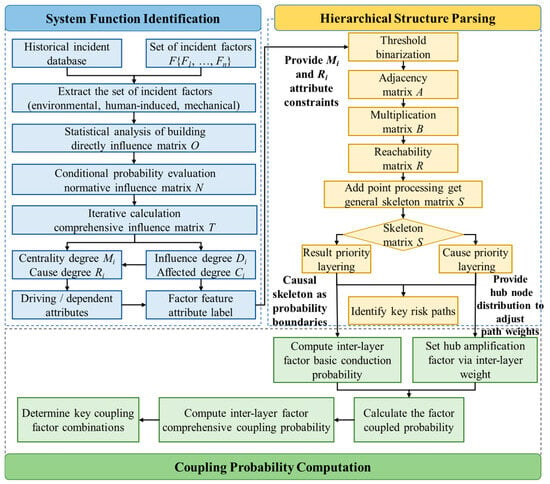
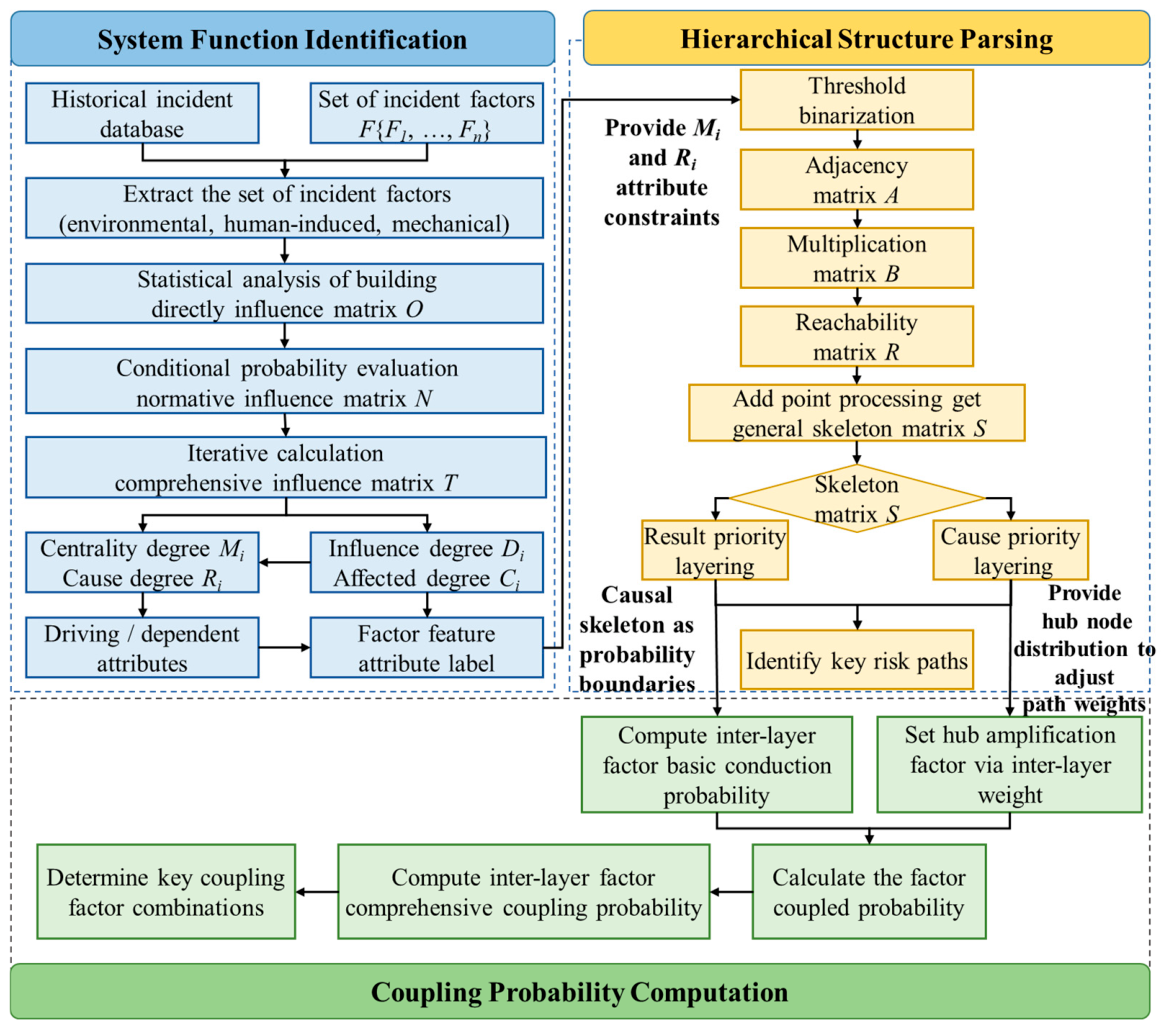
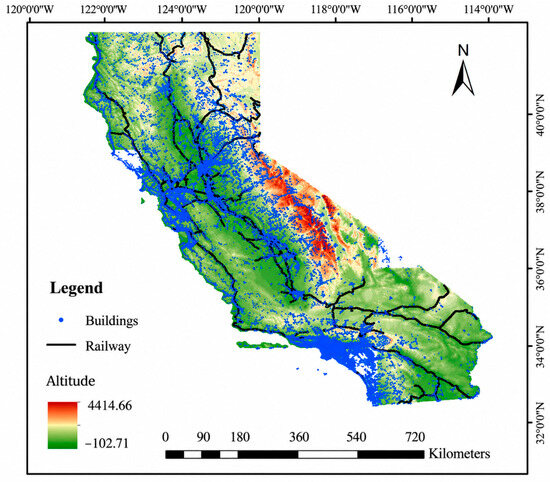
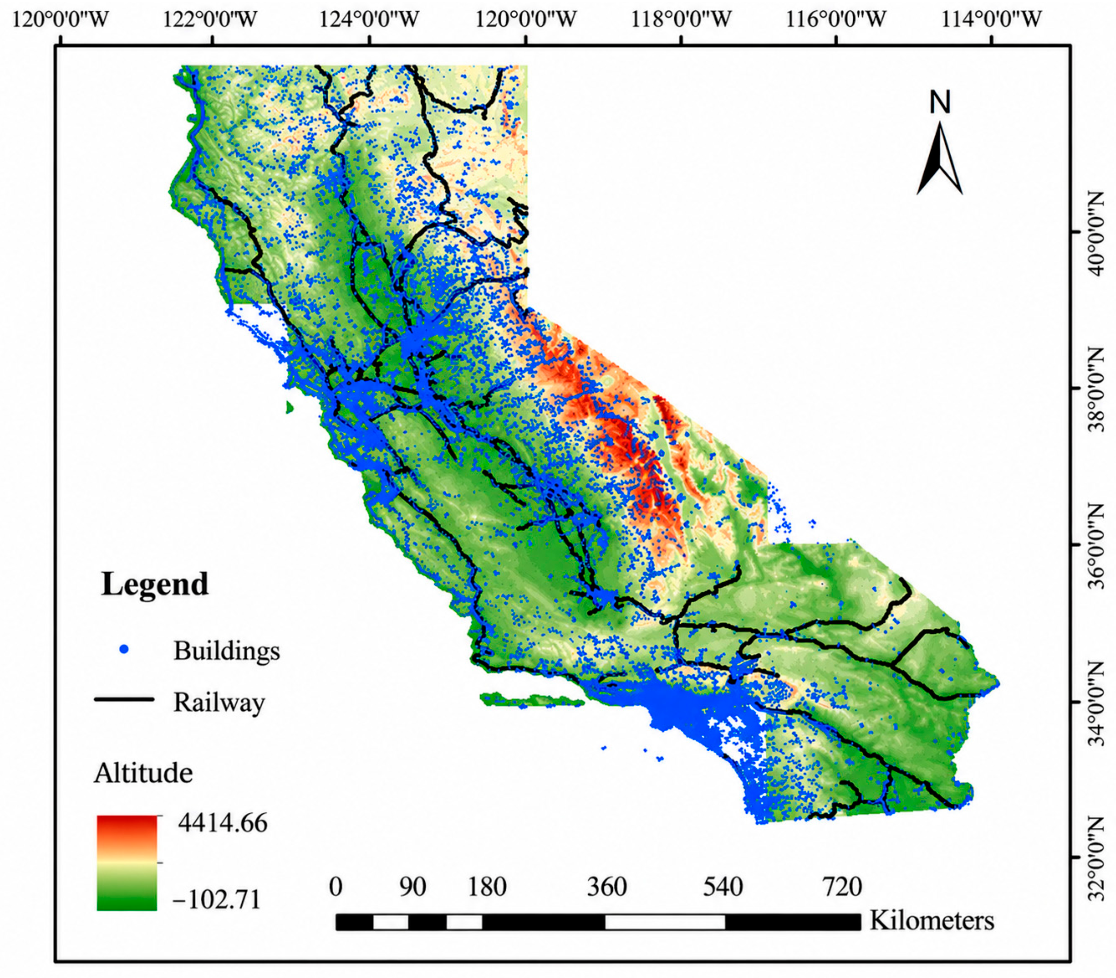
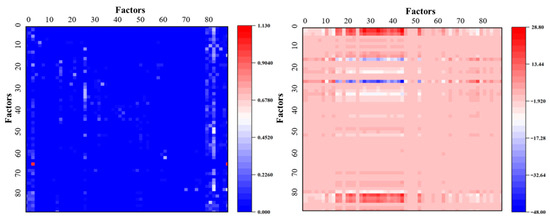
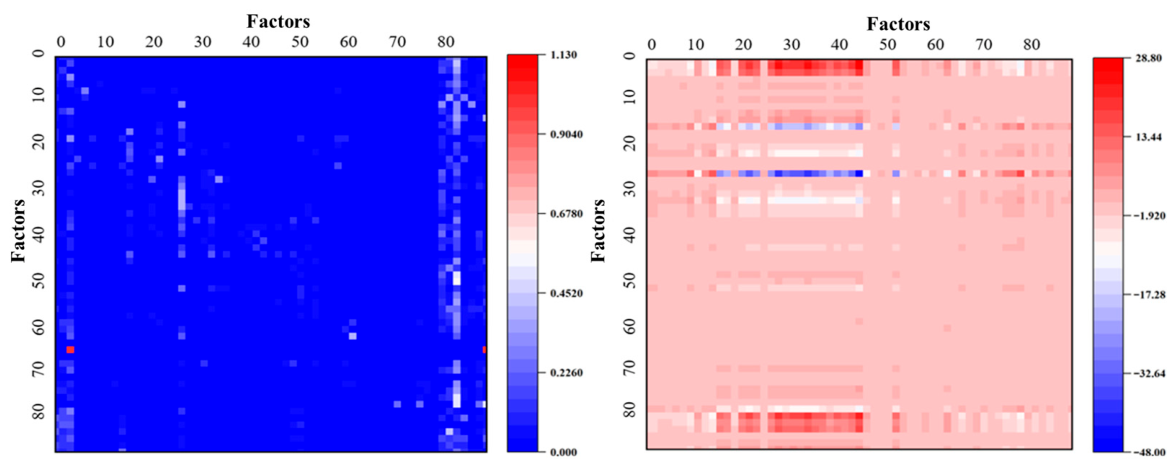
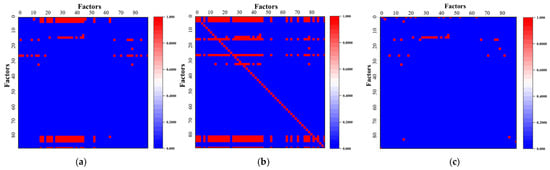
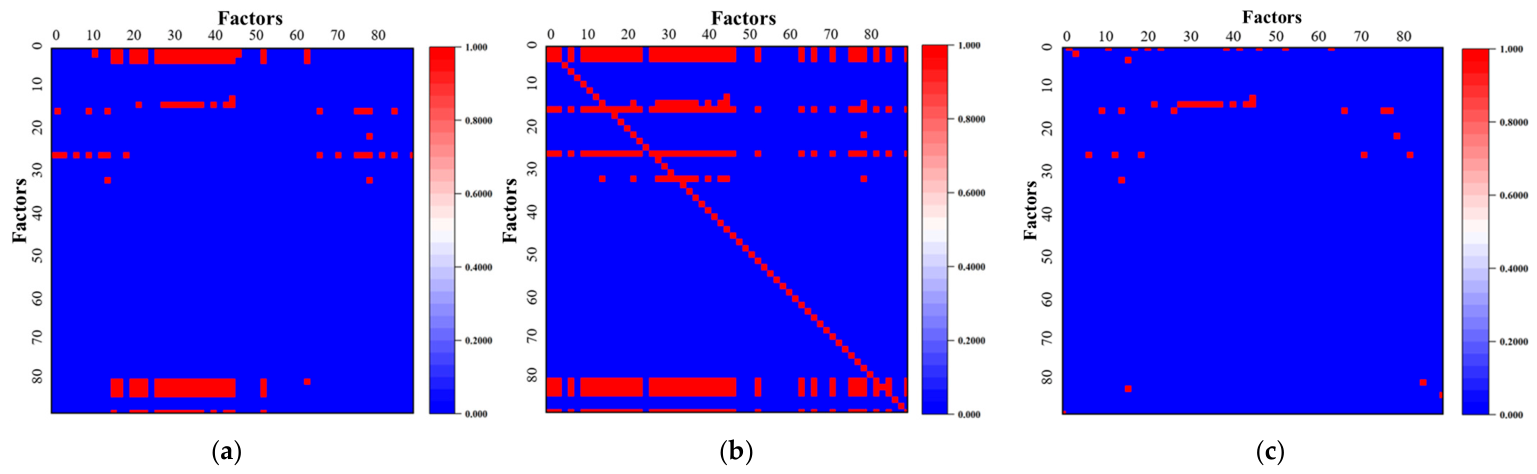
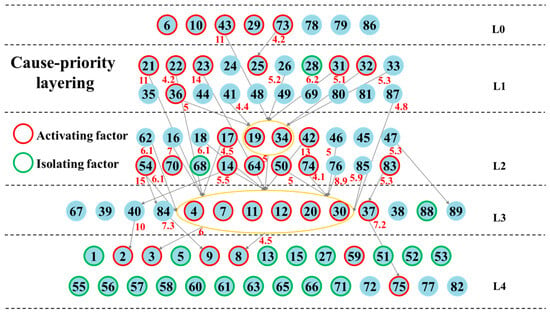
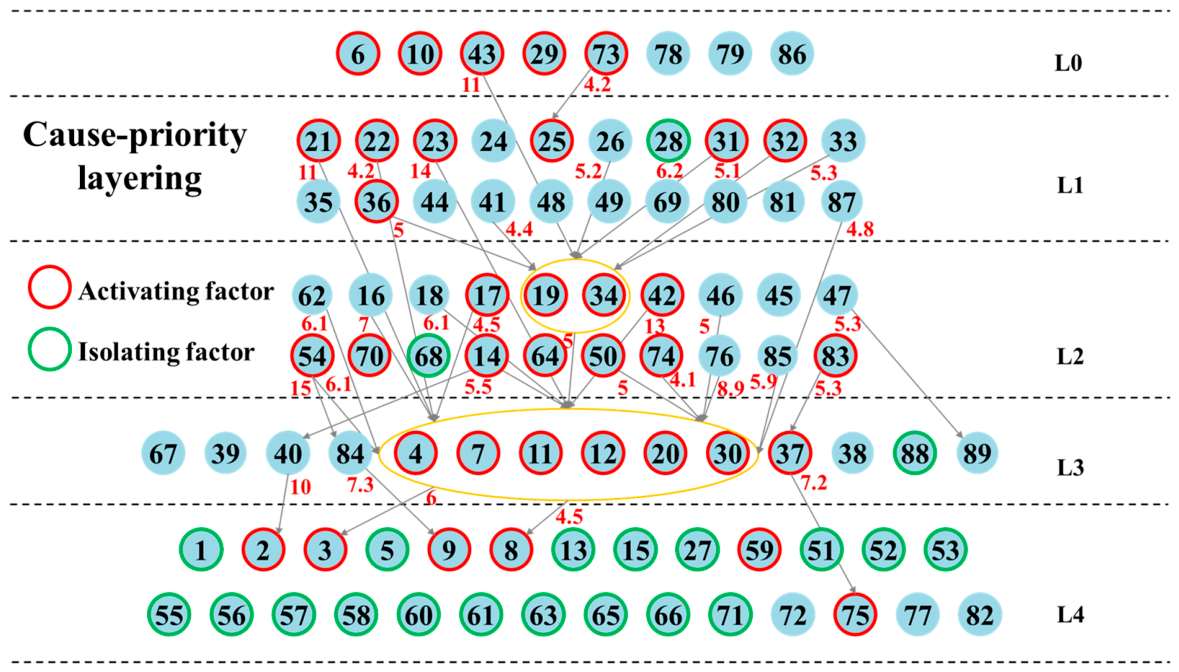
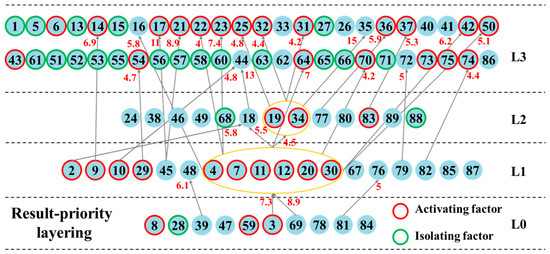
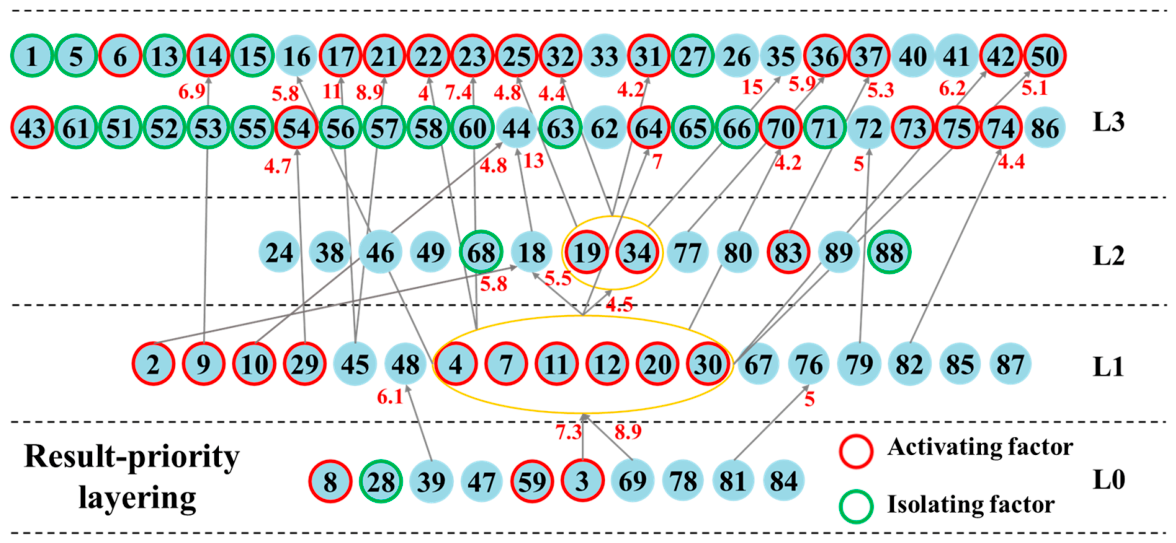

Disclaimer/Publisher’s Note: The statements, opinions and data contained in all publications are solely those of the individual author(s) and contributor(s) and not of MDPI and/or the editor(s). MDPI and/or the editor(s) disclaim responsibility for any injury to people or property resulting from any ideas, methods, instructions or products referred to in the content. |
© 2026 by the authors. Licensee MDPI, Basel, Switzerland. This article is an open access article distributed under the terms and conditions of the Creative Commons Attribution (CC BY) license.