Article

Study on the Influence of the Sintering Process on the Performance of Paper-Mill Sludge–Shale Bricks

1
Guangxi Key Laboratory of Green Building Materials and Construction Industrialization, Guilin University of Technology, Guilin 541004, China
2
College of Civil Engineering, Guilin University of Technology, Guilin 541004, China
*
Author to whom correspondence should be addressed.
Buildings 2026, 16(1), 238; https://doi.org/10.3390/buildings16010238
Submission received: 3 December 2025 / Revised: 25 December 2025 / Accepted: 31 December 2025 / Published: 5 January 2026
(This article belongs to the Section Building Materials, and Repair & Renovation)

Abstract

To achieve the resource utilization of solid waste generated from the papermaking process, this study proposes a method for preparing sintered bricks by partially replacing shale with paper-mill sludge. The brick samples were prepared through a process of mixing in proportion, extrusion molding, drying and roasting. An orthogonal experimental design was employed to investigate the effects of sintering temperature, raw material proportion, and holding time on the physical and mechanical properties of the bricks. The results indicate that the optimal technological parameters are determined as follows: a raw material proportion (paper-mill sludge:shale) of 30:70, a sintering temperature of 1050 °C, a holding time of 8 h, and a heating rate of 1 °C/min. Under these conditions, the produced paper-mill sludge–shale bricks exhibited a compressive strength of 14.91 MPa, a flexural strength of 8.26 MPa, a water absorption of 12.7%, and a bulk density of 1712 kg/m3. These performance indicators meet the requirements for Grade MU10 specified in the national standard Sintered Common Bricks (GB/T 5101-2017). Regarding microscopic analysis, the SEM results reveal significant liquid-phase sintering within the brick body at 1050 °C, while XRD analysis confirmed the presence of stable quartz, alumina, and hematite phases, which contribute to enhancing the mechanical properties and densification of the bricks.

1. Introduction

With the continuous expansion of the papermaking industry in China, a massive amount of paper-mill sludge is generated annually. Statistics indicate that approximately 50 kg of wastewater-derived sludge is produced for every ton of paper manufactured [1]. Currently, the disposal of this solid waste primarily relies on landfilling and incineration. However, these traditional methods present significant drawbacks: landfilling occupies valuable land resources and poses risks of leachate leakage and harmful gas emissions due to fermentation [2]. Meanwhile, incineration requires high energy consumption and may release toxic substances given the complex composition of the sludge [3,4]. Although some sludge is processed into agricultural fertilizer, this approach is often constrained by high costs and limited economic returns. To fulfill China’s commitments to achieving carbon peaking by 2030 and carbon neutrality by 2060, finding an environmentally friendly and resource-efficient solution for paper-mill sludge disposal is urgent.
Transforming industrial solid waste into sustainable building materials has attracted widespread attention as a viable pathway for the circular economy. In the construction sector, utilizing organic-rich sludge to produce sintered bricks offers dual benefits: it reduces the consumption of non-renewable resources, such as shale and mitigates the environmental burden of sludge accumulation. Manoj [5] believes that the organic matter in paper-mill sludge can serve as an internal fuel during the sintering process, undergoing combustion to release heat, thereby reducing the external energy required for firing.
In recent years, scholars have explored the feasibility of incorporating various sludge types into construction materials. Vieira et al. [6] and Peña Rey et al. [7] verified the feasibility of using papermaking sludge to manufacture ceramic products, reporting that appropriate substitution rates could enhance mechanical strength while reducing the weight of the products. Makni et al. [8] further found that the combustion of organic matter in deinking paper sludge created pores, which significantly improved the thermal insulation properties of fired clay bricks. Regarding the influence of moisture, Zhao [9] demonstrated that dewatered sludge mixed with shale can produce bricks with superior sound insulation compared to conventional bricks. Beyond raw sludge, Govindan and Kumarasamy [10] explored the use of incinerated paper mill sludge ash (IPMSA) as a supplementary material, demonstrating a sustainable alternative to conventional binders.
Research has also extended to general sewage sludge and other waste forms. Mekbel et al. [11] and Moulato et al. [12] investigated sewage sludge in fired clay bricks, confirming that hazardous heavy metals could be effectively immobilized within the ceramic matrix at 1000 °C sintering temperatures. In terms of durability, Hong et al. [13] found that converting sludge into superhydrophobic powder could substantially improve the water resistance of concrete specimens. Furthermore, other researchers have successfully utilized similar wastes to fabricate composite panels [14] and fiberboards [15], verifying the broad applicability of this waste stream. While baking-free methods have also been proposed by Gao et al. [16], high-temperature sintering remains the preferred method for ensuring the long-term stability and non-toxicity of sludge-incorporated building materials. While recent developments have focused primarily on utilizing waste materials to improve brick performance, particularly in the production of hollow bricks with better insulation properties [17,18,19,20,21,22,23], research specifically dedicated to optimizing the sintering process of paper-mill sludge–shale bricks remains relatively limited. Most existing studies, such as those by Makni et al. [8] and Wu et al. [17], focus on single-factor analysis or specific performance indicators, lacking a systematic optimization of the combined key sintering parameters—namely, sintering temperature, raw material proportion, and holding time. Moreover, the strengthening mechanisms, particularly the correlation between phase transformation (revealed by XRD) and microstructural densification (observed by SEM) under optimized process conditions, have not been fully elucidated in the context of paper-mill sludge recycling.
To address these gaps, this study proposes a method to prepare high-performance sintered bricks by using paper-mill sludge to partially replace shale, which based on previous research findings [24,25,26]. An orthogonal experimental design was employed to systematically optimize the sintering process. In addition to evaluating physical and mechanical properties, this study utilizes X-ray diffraction and scanning electron microscopy to reveal the mineralogical composition and microstructure of the optimal products. This research provides a theoretical basis and technical support for the large-scale industrial application of paper-mill sludge in the production of sustainable building materials.

2. Experimental Program

2.1. Materials

In this study, the composition of the raw materials was first identified. In the chemical composition analysis, the Inductively Coupled Plasma Optical Emission Spectroscopy (ICP-OES) was mainly used, with the model being the Agilent 720 manufactured by Agilent Technologies, Inc. from Santa Clara, CA, United States of America; X-ray diffraction analysis was conducted using the Smartlab 9 from Rigaku of Japan located in Tokyo, Japan; and scanning electron microscopy analysis was performed using the Sigma 500 from Zeiss of Germany, Jena, Thuringia, Germany.

2.1.1. Paper-Mill Black Sludge

The paper-mill black sludge used in this study was obtained from the Liujiang Paper Mill located in Yufeng District, Liuzhou City, Guangxi Zhuang Autonomous Region. The sludge is a black solid waste generated during the treatment of papermaking effluent. According to the test results obtained using an inductively coupled plasma (ICP-OES) spectrometer, the sludge has a pH of 8.3, a heavy metal content of 2.85 mg·kg−1, and an organic matter content of 25.62%. The results of ICP testing on paper-mill sludge are shown in Table 1.

2.1.2. Shale

The shale used for brick firing in this experiment was sourced from the Juhui Shale Brick Factory in Liuzhou City, Guangxi. Its chemical composition mainly consists of 54.60% SiO2, 1.35% MgO, and 10.52% Fe2O3, among other constituents. Table 2 shows the chemical composition of shale.

2.2. Principles and Scheme of Material Proportioning

2.2.1. Proportioning Principle of Paper-Mill Sludge and Shale

The composition of the collected paper-mill sludge has been analyzed in this study. The results indicate that the presence of organic matter plays a significant role during the firing process by functioning as an internal fuel, which in turn has a substantial influence on brick sintering. Organic matter releases considerable energy during combustion, and incorporating sludge into the shale brick sintering process effectively provides internal thermal input. Measurements show that the calorific value of dry sludge is approximately 2530.42 kJ·kg−1.
Previous studies have shown that the production of sintered shale bricks requires substantial energy input, with the energy consumption for producing a single brick reaching approximately 3500 kJ [1]. Because paper-mill sludge contains substantial organic content, it can partially replace external fuels, thereby reducing additional fuel demand. Consequently, the sludge content must be carefully considered in the sintering process. A higher proportion of paper-mill sludge would enhance waste-to-resource utilization by reducing coal consumption, lowering overall energy use, and shortening the sintering duration of paper-mill sludge-shale bricks. However, excessive sludge addition may result in adverse effects, such as crack formation, which can compromise the quality of the final bricks.
Therefore, further experimental studies are required to determine the optimal sludge content and establish a reasonable raw material proportioning scheme, thereby ensuring improved performance and quality of paper-mill sludge-shale bricks.

2.2.2. Mix Proportion Scheme of Paper-Mill Black Sludge and Shale

In this study, a comparative analysis was conducted on the mix proportion schemes of paper-mill sludge and shale. Based on the designed sludge dosage, four mix proportion schemes were developed for the experimental program, as shown in Table 3.

2.3. Selection of Preparation Parameters

2.3.1. Experimental Design Method for Preparation Parameters

This study primarily employed an orthogonal experimental design method, which offers advantages of high efficiency and reduced resource consumption [27]. The method was used to analyze the influence of processing parameters during the production of paper-mill sludge–shale bricks, with key performance indicators including water absorption and compressive strength. Based on these experimental indicators, the most appropriate processing parameters can be determined [28].

2.3.2. Orthogonal Experimental Analysis

(1)
Determination of Factors and Levels
According to the results of the preliminary analysis, the performance of paper-mill sludge–shale bricks is influenced by various factors, including the properties of raw materials and the processing conditions. For the convenience of experimental design and variable control, these influencing factors at the process level were categorized into controllable parameters. The primary parameters include constant-temperature heating temperature, holding time, and raw material proportion, all of which exert significant effects on the mechanical performance and durability of the bricks.
Considering both process controllability and sensitivity to performance, this study selects constant-temperature heating temperature (A), raw material proportion (B), and holding time (C) as the main factors in the orthogonal experiment. Three levels are assigned to each factor in order to systematically evaluate their influence patterns on compressive strength and water absorption.
During the application of the orthogonal experimental method, three influencing factors were selected, each containing multiple levels. Detailed information is presented in Table 4.
(2)
Orthogonal Experimental Design
The orthogonal array first needed to be established. In this study, three factors were selected, each with three levels. An orthogonal array with a level number of three was therefore required. Among the candidate orthogonal arrays, those containing more than three factors were screened, and an array with consistent level settings was chosen. The first column was assigned as a blank column with no corresponding factor, following the standard practice in orthogonal design. Ultimately, the L9 (34) orthogonal array was adopted for the experimental design, where “3” denotes the number of levels, “4” represents the number of factors, and “9” indicates the number of experimental runs. The detailed orthogonal design is presented in Table 5.

2.4. The Manufacturing and Performance Testing of Bricks

2.4.1. The Preparation of Bricks

The bricks used in this study were formed by combining paper-mill sludge with shale. The mixture was extruded into standard brick specimens with dimensions of 240 mm × 115 mm × 53 mm using a mold under a pressure of 3.0 MPa. The green bricks were naturally dried in the shade for 48 h. Finally, the dried specimens were sintered in a silicon-molybdenum resistance furnace. Following by drying and firing processes. Their various performance indicators were then measured. The firing process employed a silicon-molybdenum resistance furnace at 1600 °C and 16 KW, primarily using internal silicon-molybdenum stove to heat the brick. The preparation process is shown in Figure 1.

2.4.2. The Performance Testing of Bricks

This article is based on the “Test Methods for Masonry Bricks” (GB/T 2542-2012) [19] to determine the compressive strength, flexural strength, bulk density, and moisture content of the prepared bricks. The specific measurements are as follows.
(1)
Compressive Strength Determination
This paper first divides 10 brick samples into two equal parts, ensuring that the length of each part is not less than 100 mm. Then, both parts are placed in water for 10 min. Afterward, the surface of the bricks is wiped clean and coated with cement slurry with a thickness of less than 5 mm. After a certain curing time, one brick is placed in the other half of the brick, and an appropriate amount of mortar is added between them, maintaining a thickness of less than 5 mm. This yields the corresponding compressive strength specimen. After 3 days of curing, a certain force is applied at a loading rate of 4 × 10³ N/s. The compressive strength can then be calculated using the following formula:
f c u = P max A × 100 3 ,
where Pmax is the maximum load, A is the area under compression, and fcu is the compressive strength.
(2)
Determination of Flexural Strength
The determination of flexural strength must be carried out strictly in accordance with relevant standards to ensure the reliability of the test results. In this study, the test was mainly based on the “Test Method for Masonry Bricks” (GB/T 2542-2012). The number of test samples was 10. The detailed test process is as follows: First, the sample needs to be soaked in water for 24 h at a temperature of (20 ± 5) °C. After soaking, the water is wiped off, and then the test process begins. In the specific test process, the bearing plate and the sample need to be cleaned, and the center of the sample needs to be kept consistent with the center of the bearing plate. After starting the testing machine, if the upper bearing plate and the steel pad are kept at the same distance, the ball seat needs to be adjusted in time to ensure uniform contact. During the application of load, a reasonable speed needs to be maintained, set at (50–150) N/s. The formula for flexural strength is as follows:
R c = 3 P L 2 B H 2 ,
where Rc is the flexural strength, P is the maximum failure load, L is the span, B is the specimen width, and H is the specimen height.
(3)
Bulk Density Determination
The determination of sample bulk density must be carried out strictly in accordance with relevant standards to ensure the reliability of the test results. First, suitable samples need to be selected to ensure the integrity of each sample; five samples were mainly used. After the samples were cleaned, they were dried, and then the mass m was measured. If obvious damage or defects were found on the sample surface, it needed to be replaced. The final volume was obtained by measuring twice and calculating the average value. The formula for bulk density determination is as follows:
ρ = m V × 10 9 ,
where ρ is the density, m is the quality, V is the volume.
(4)
Water Absorption Test
The water absorption test of the sample must be carried out strictly in accordance with relevant standards to ensure the reliability of the test results. First, prepare 10 brick samples, ensuring its appearance is intact. Then, place it in a forced-air drying oven for drying at 100 °C. After its weight is fixed, remove it and place it in a water tank. Add tap water to 1/3 of the total height. After 12 h, continue adding the same volume of water, and then continue adding the same volume of water for another 12 h until the entire tank is filled with water. After 24 h, remove the brick, wipe the surface clean, and finally measure its weight. The formula for calculating the water absorption is as follows:
θ = G 2 G 1 G 1 × 100 %
where θ is the water absorption, G1 is dry weight, G2 is wet weight.

3. Experimental Results and Analysis

3.1. Orthogonal Test Results and Analysis

(1)
Experimental Results and Calculations
The compressive strength, water absorption, and shrinkage of the paper sludge–shale bricks produced in each orthogonal test group were measured. The experimental results showed good reproducibility, with the relative standard deviation for all tests being less than 5%. The obtained experimental results are summarized in Table 6, and the calculated results are presented in Table 7.
(2)
Analysis of Experimental Results
Based on the experimental results mentioned above, the mean values (k1, k2, k3) and the range (R) from the orthogonal test were calculated for each index. Consequently, the degree of influence of each factor on the performance of shale bricks was analyzed, as detailed in Table 5. The analysis reveals the following:
  • Regarding Compressive Strength, the factors are ranked by their degree of influence as follows: raw material ratio > Temperature > Holding Time, corresponding to factors B, A, and C, respectively. Regarding Water Absorption, the order of influence is Temperature > Holding Time > raw material ratio, corresponding to factors A, C, and B, respectively. Overall, the raw material ratio and temperature are identified as the most significant factors;
  • For Compressive Strength, the optimal combination of raw material ratio, Temperature, and Holding Time is B1, A2, and C1, respectively. For Water Absorption, the optimal combination is B1, A3, and C1. Since the Holding Time has the minimal impact on performance, the selection of level C1 results in negligible differences. Therefore, considering time efficiency and production costs, C1 is selected as the final parameter.
In this study, Compressive Strength was identified as the primary control index because it directly determines the structural safety and load-bearing capacity of the bricks. Although the factor sensitivity ranking for Water Absorption was different, the Water Absorption value obtained under the optimal strength combination (Group 1) was 12.2%, which already fully satisfies the national standard requirement (≤18% for Grade MU10). Therefore, the results of this study, the optimal process conditions correspond to Group 1. The specific parameters are as follows: a raw material ratio (Paper-mill Sludge:Shale) of 30:70, a Holding Time set to 8 h, and a Temperature set to 1050 °C. Under these conditions, the Compressive Strength and Water Absorption are 14.54 MPa and 12.2%, respectively, which satisfy the requirements for Grade MU10 bricks specified in the standard.

3.2. Influence of Sintering Temperature on the Properties of Paper-Mill Sludge-Shale Bricks

Following firing at a Temperature of 1050 °C, significant changes occurred in the physico-chemical properties within the sintered brick body. During this high-temperature process, many raw material particles entered a molten state. This melt subsequently permeated the internal pores, thus reducing the brick’s porosity while bonding the remaining unmelted particles. This process forms a monolithic structure with considerable strength and stability. Upon cooling, the melt solidifies, forming a distinctive protective layer on the brick surface. Shale bricks produced by this method exhibit enhanced strength and durability, along with low Water Absorption, making them suitable for practical engineering applications.
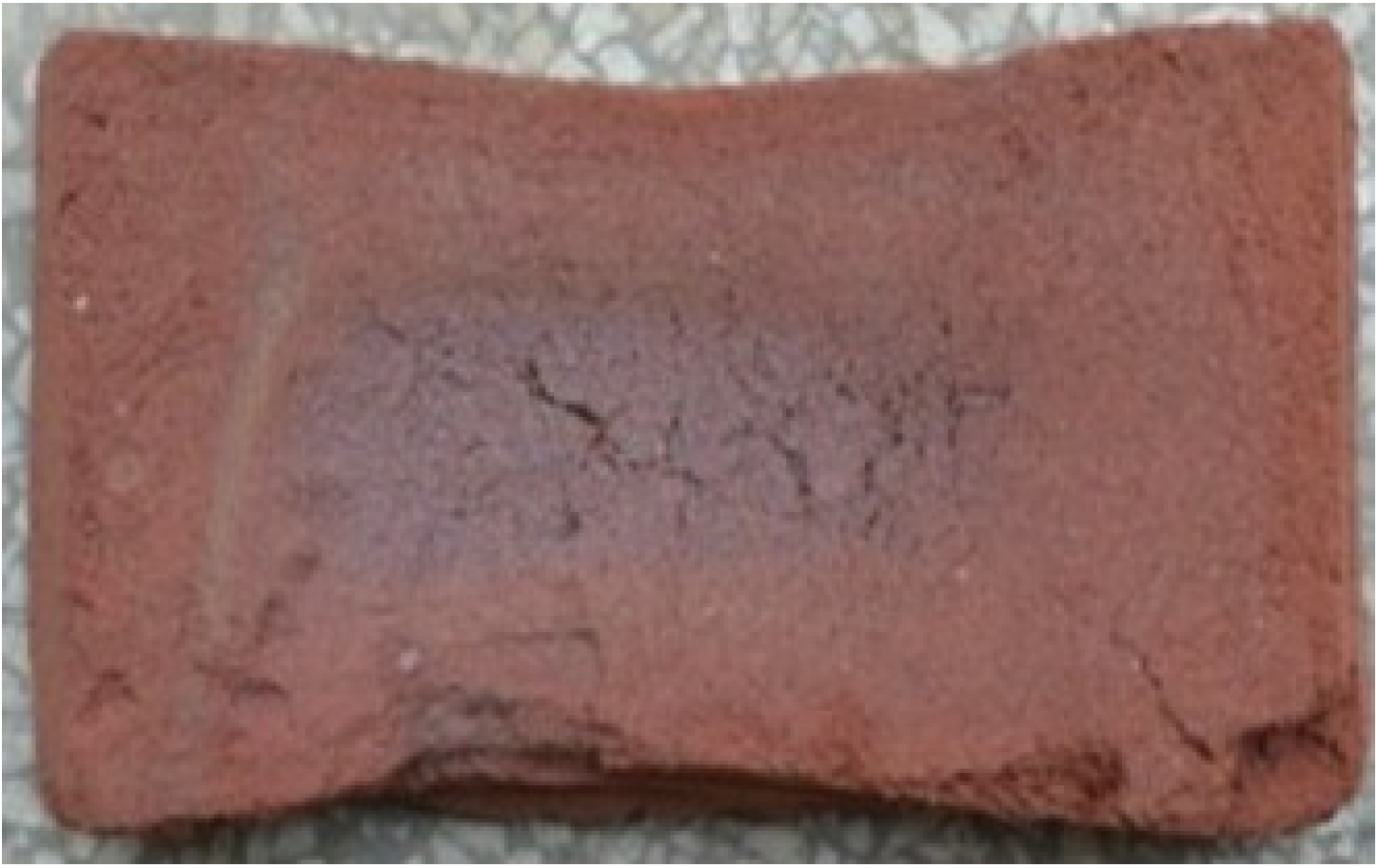
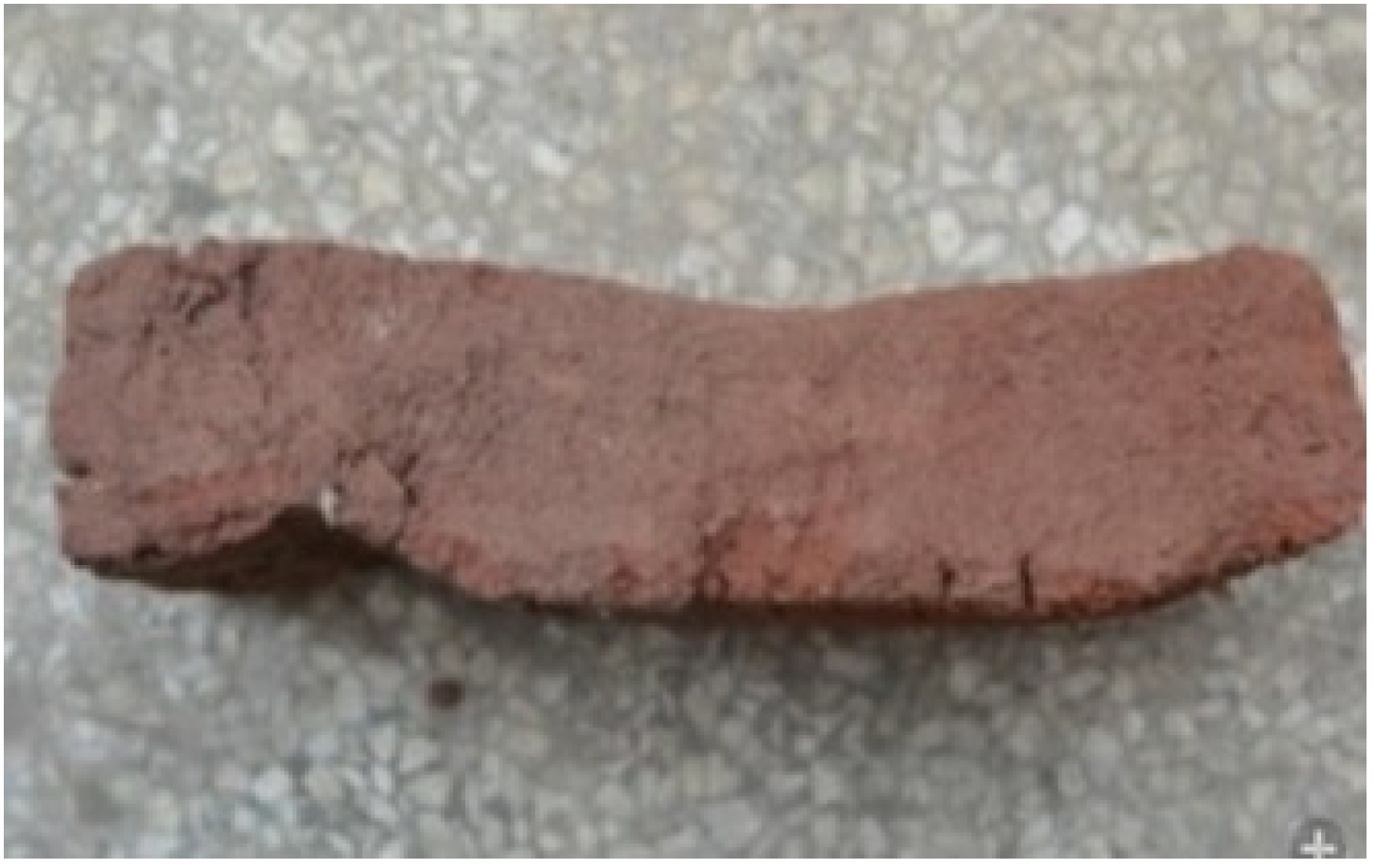
The sintering Temperature is a critical factor influencing the performance of Paper-mill Sludge-Shale Bricks. Excessive sintering Temperature causes all particles within the brick body to become molten, leading to increased flowability and proneness to issues such as significant cracking, thereby severely compromising the brick’s overall quality. Conversely, an insufficient sintering Temperature prevents the required porosity and other properties from being achieved. Therefore, in-depth analysis and effective control measures for the sintering Temperature are essential. Figure 2 shows the front view of a brick body that deformed when the sintering Temperature reached 1300 °C, and Figure 3 illustrates the side view of a brick deformed due to excessive sintering Temperature.
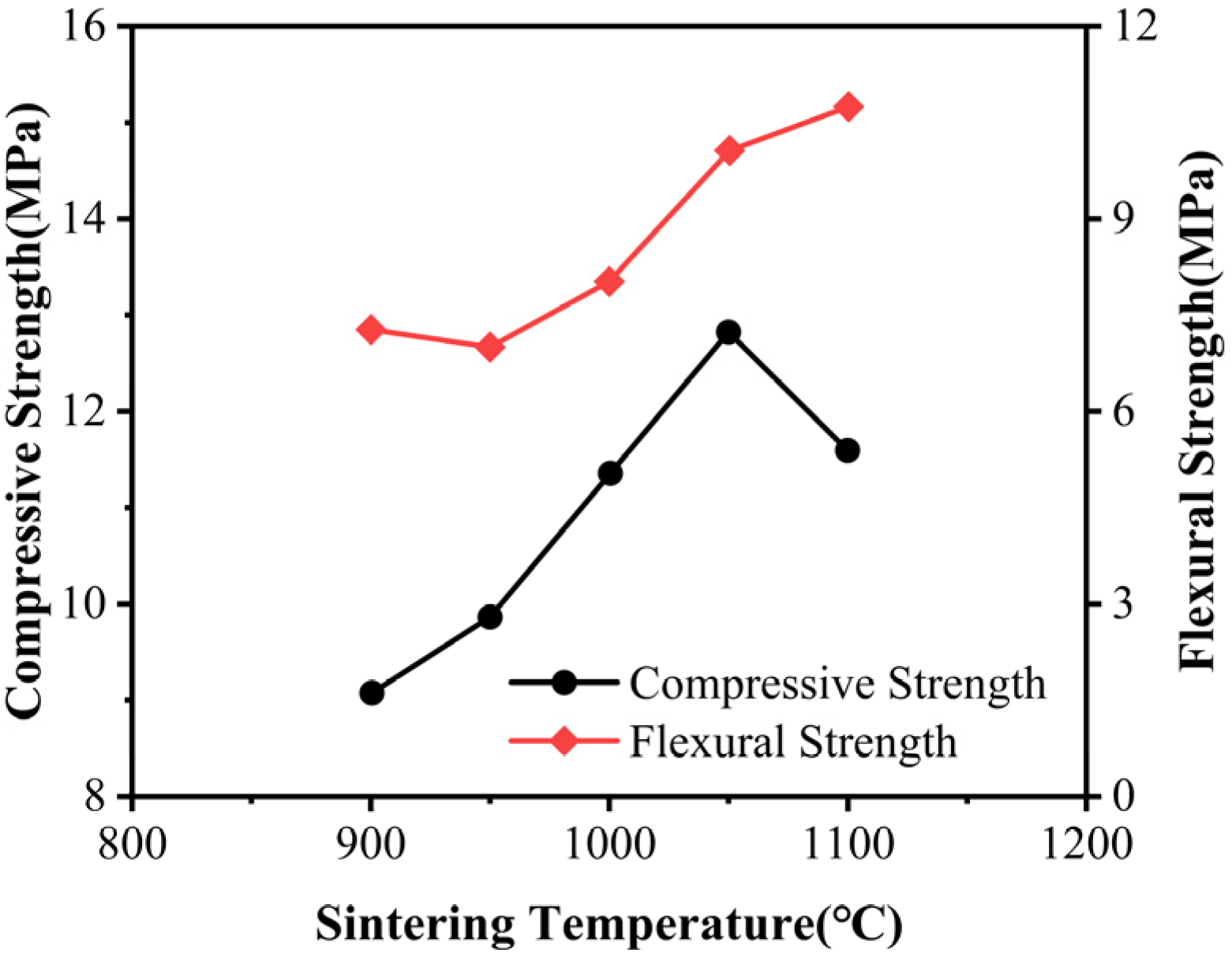
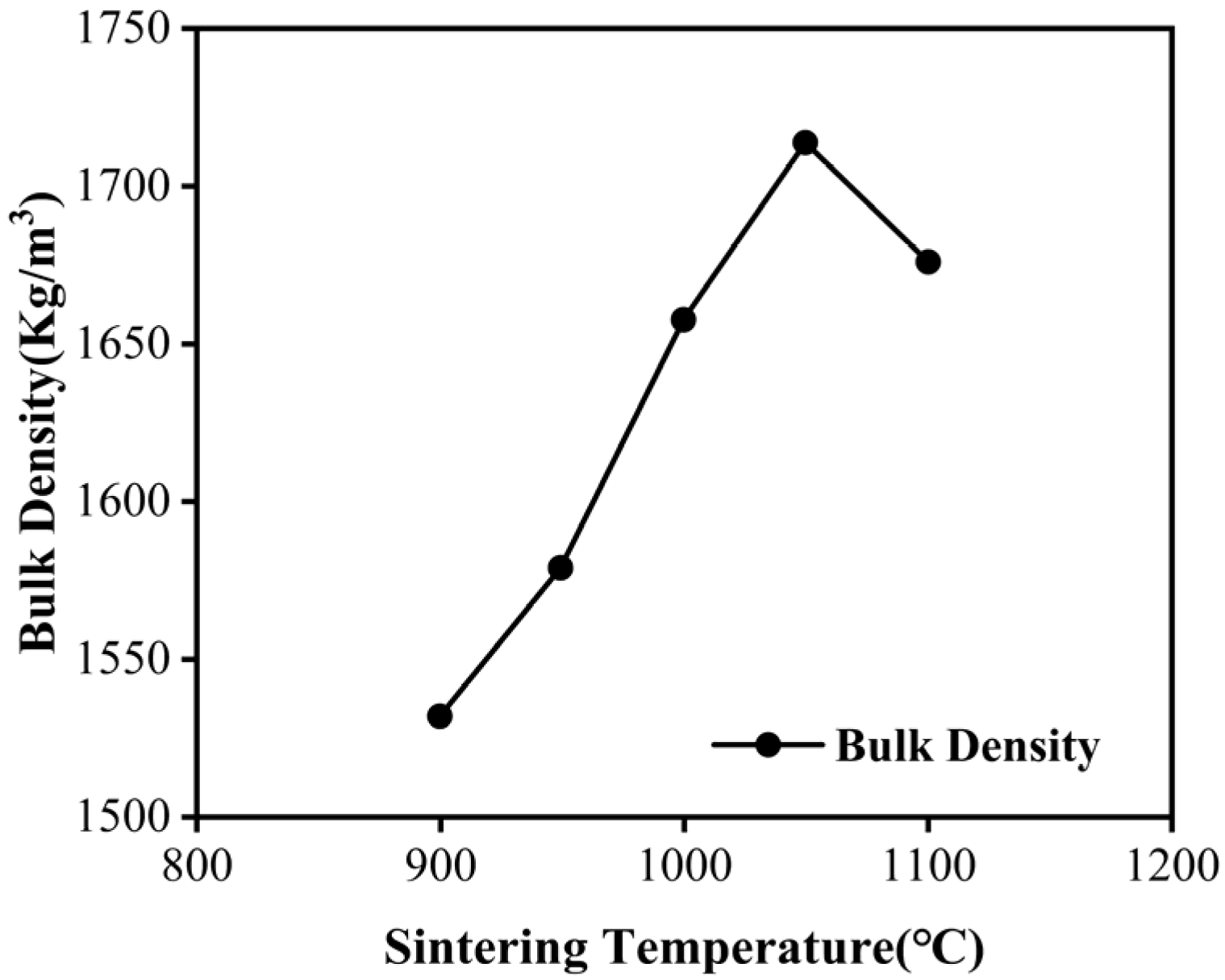
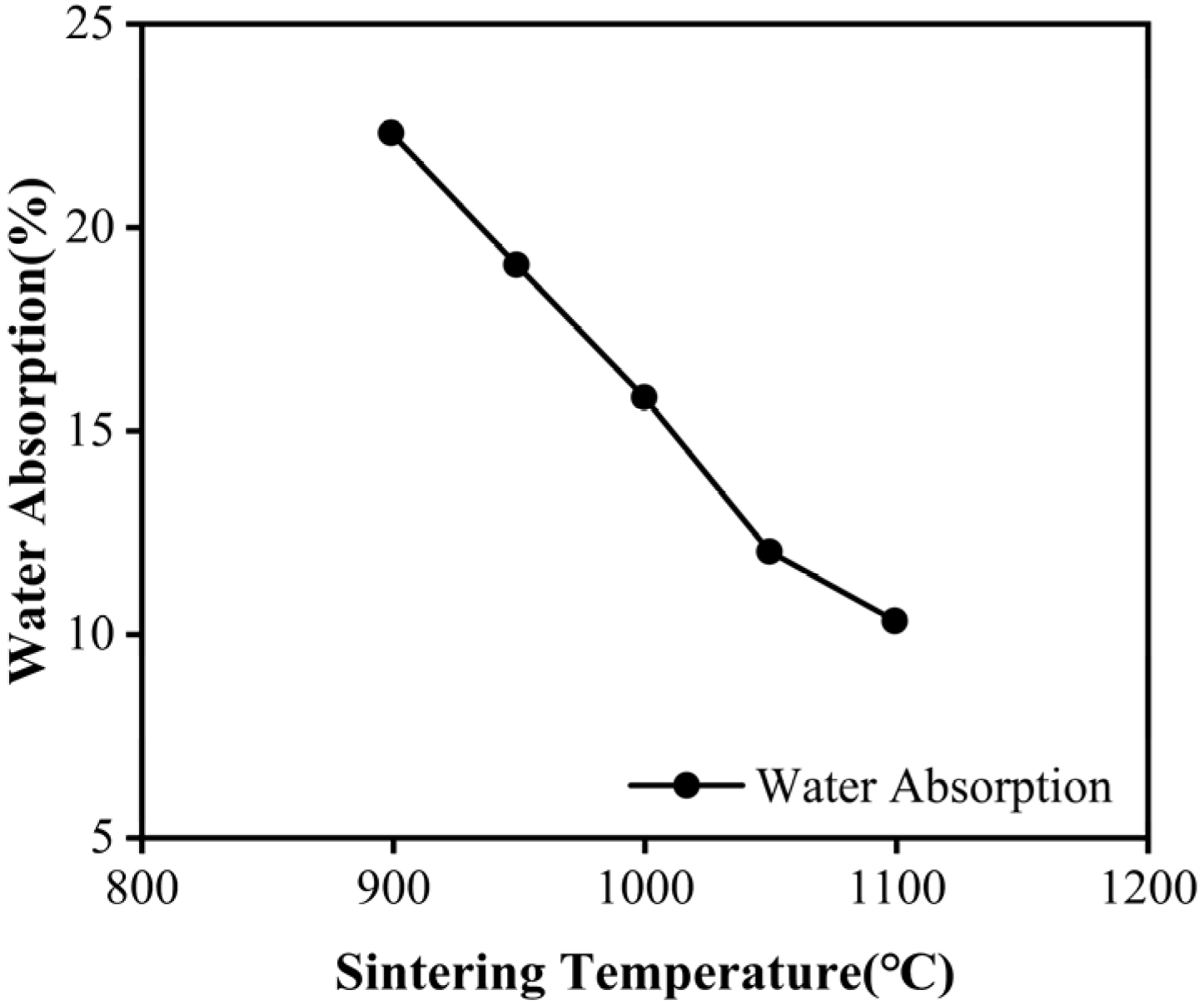
In this study, the content of Paper-mill Sludge was set at 30%. The peak temperature was maintained within the range of 900 °C to 1100 °C, with a heating rate of 1 °C/min and holding 8 h. The specimens were subjected to a 12 h cooling period after sintering before property testing was initiated. The measured properties primarily included Water Absorption, Compressive Strength, flexural strength, and bulk density. The final measured results are presented in Table 8. Corresponding variation curves, based on the obtained measurement data, are illustrated in Figure 3, Figure 4 and Figure 5.
As clearly observed from the curve variation in Figure 3, the Compressive Strength of the Black Sludge-Shale bricks exhibits a pattern of initial decrease followed by an increase as the sintering Temperature rises within the range of 900 °C to 1100 °C. Notably, a significant increase in Compressive Strength occurs when the temperature is elevated from 1000 °C to 1050 °C. Analysis indicates that this is primarily due to the increased molten liquid phase within this temperature range, leading to a noticeable enhancement in strength. Figure 4 and Figure 5 clearly show that the change trend of Flexural Strength and Bulk Density is essentially the same. Both properties exhibit a trend of initial increase followed by a subsequent decrease as the sintering temperature rises. Their maximum values occur simultaneously at 1050 °C, achieving 8.43 MPa and 1714 kg/m3. Thereafter, as the Temperature continues to increase, both values gradually decline. The curve in Figure 6 demonstrates a clear negative correlation between Water Absorption and sintering Temperature; specifically, Water Absorption decreases as the sintering Temperature increases.
Based on the changes in the sintering quality and color of the Shale bricks, a relatively low sintering Temperature results in a lighter color for the Paper-mill Sludge-Shale Bricks. This demonstrates that the reaction between Fe and O2 is incomplete, yielding products predominantly composed of FeO and Fe2O3, resulting in the overall lighter color of the brick body. Significant changes are observed as the sintering Temperature continually increases. Specifically, when the temperature is elevated to 1050 °C, the brick color progressively deepens, turning dark red, while Flexural Strength and Compressive Strength gradually increase, and Water Absorption decreases. If the sintering Temperature reaches 1100 °C, the Paper-mill Sludge-Shale Bricks turn black, which significantly compromises their quality. The above analysis clarifies the impact of sintering Temperature variation on the various indices.
During the actual firing process, the sintering temperature must be controlled within a reasonable range.

3.3. Influence of Heating Rate on the Properties of Paper-Mill Sludge-Shale Bricks

Sintering temperature is a critical factor influencing the fundamental properties and sintering quality of Paper-mill Sludge-Shale Bricks. In addition to the magnitude of the temperature itself, the magnitude of the heating rate also exerts a significant influence. This study provides a detailed analysis of the influence of the heating rate on the performance of Paper-mill Sludge-Shale Bricks.
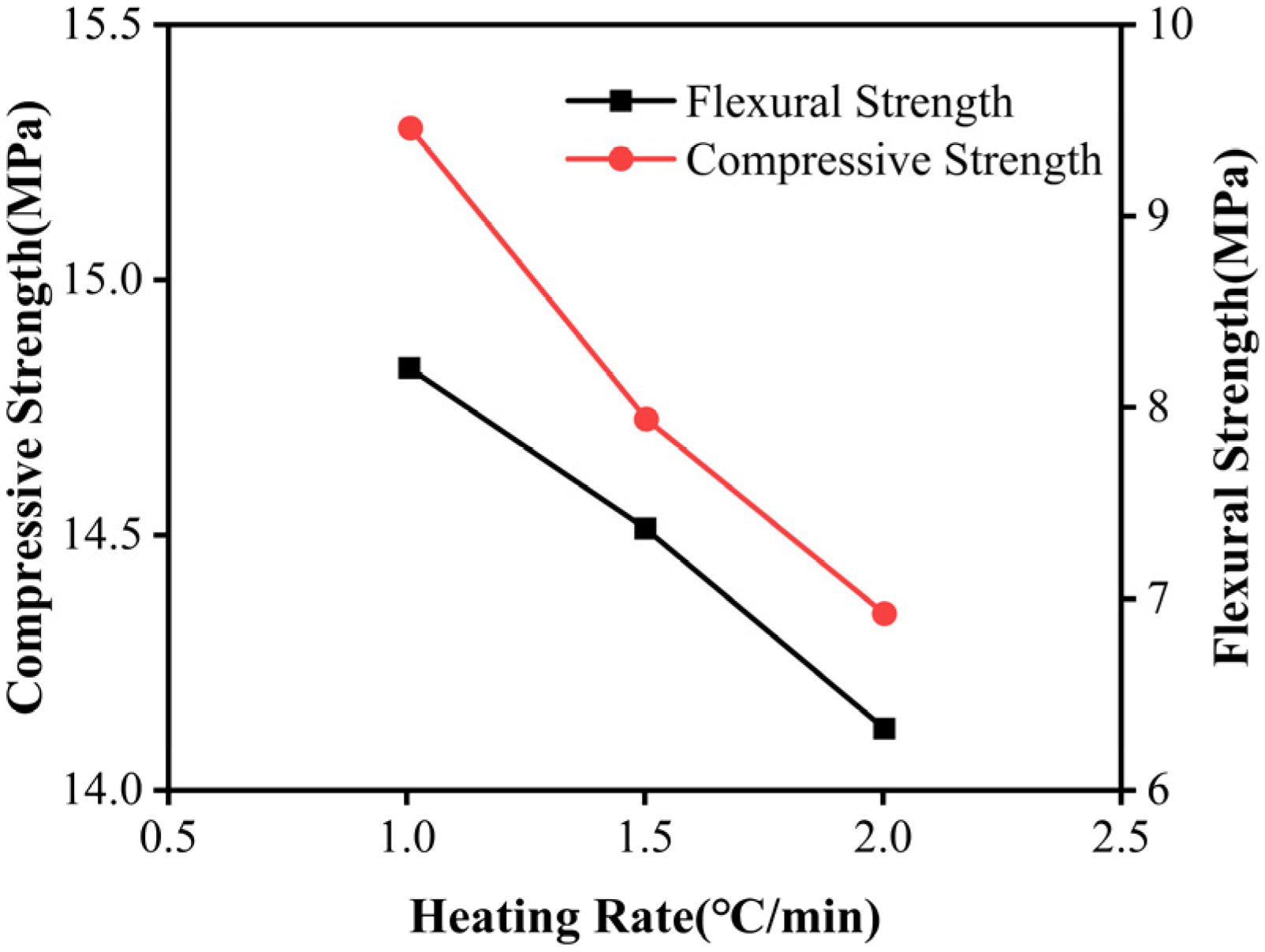
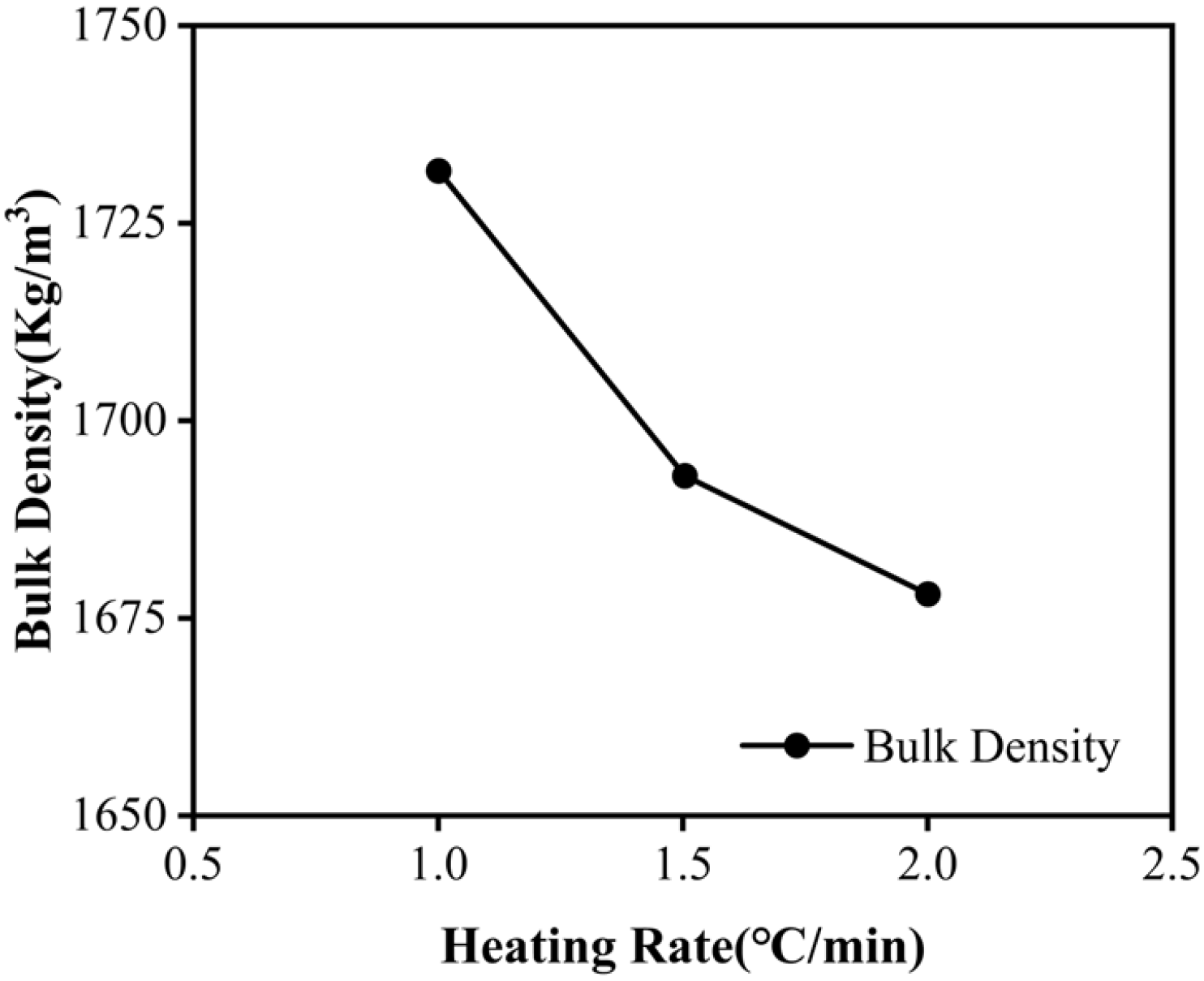
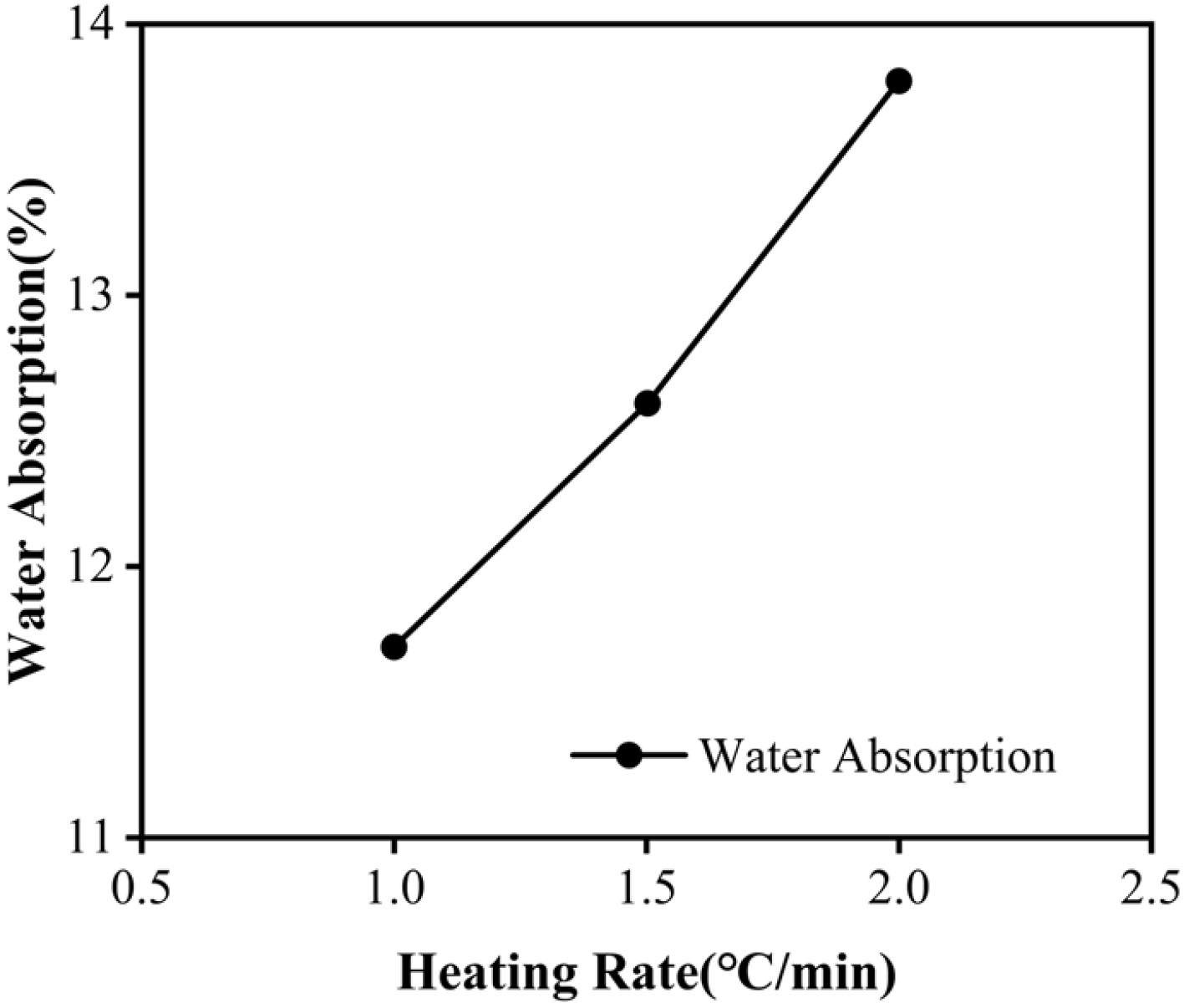
During the experiment, the heating rate was treated as the variable and set at 1 °C/min, 1.5 °C/min, 2 °C/min, respectively, while other parameters were kept constant. Specifically, the Black Sludge content was 30%, the holding time and cooling period were 8 h and 12 h, respectively, and the temperature ranged from ambient temperature to 1050 °C. Subsequently, various properties, such as compressive strength, were measured. The final results are presented in Table 9. The changes in each property relative to the heating rate are shown in Figure 7, Figure 8, Figure 9 and Figure 10.
As shown in Table 10, when the heating rate is within the range of 1 °C/min to 2 °C/min, the compressive strength, bulk density, and flexural strength all maintain a negative correlation with the heating rate, though the reduction is minor. Furthermore, water absorption maintains a positive correlation with the heating rate. Quantitatively, the range of compressive strength variation caused by the heating rate is relatively small, with a maximum difference of only 0.89 MPa (decreasing from 15.21 MPa to 14.32 MPa). In significant contrast, the range analysis in the orthogonal test revealed that the Raw Material Proportion and Sintering Temperature caused much larger variations in strength, with the range values reaching 4.38 MPa. Since the fluctuation induced by the heating rate is substantially smaller than that of the primary factors, its influence is considered secondary. Therefore, to balance production efficiency and quality, a heating rate of 1 °C/min is selected.

3.4. Influence of Holding Time on the Properties of Paper-Mill Sludge-Shale Bricks

Studies show that the holding time is also an important factor influencing the fundamental properties of Paper-mill Sludge-Shale Bricks. Excessive holding time increases production costs and reduces economic efficiency, whereas insufficient holding time compromises the brick quality, potentially leading to issues such as cracking. Therefore, the holding time must be carefully considered during the sintering process to ensure the brick body achieves the optimal melt state.
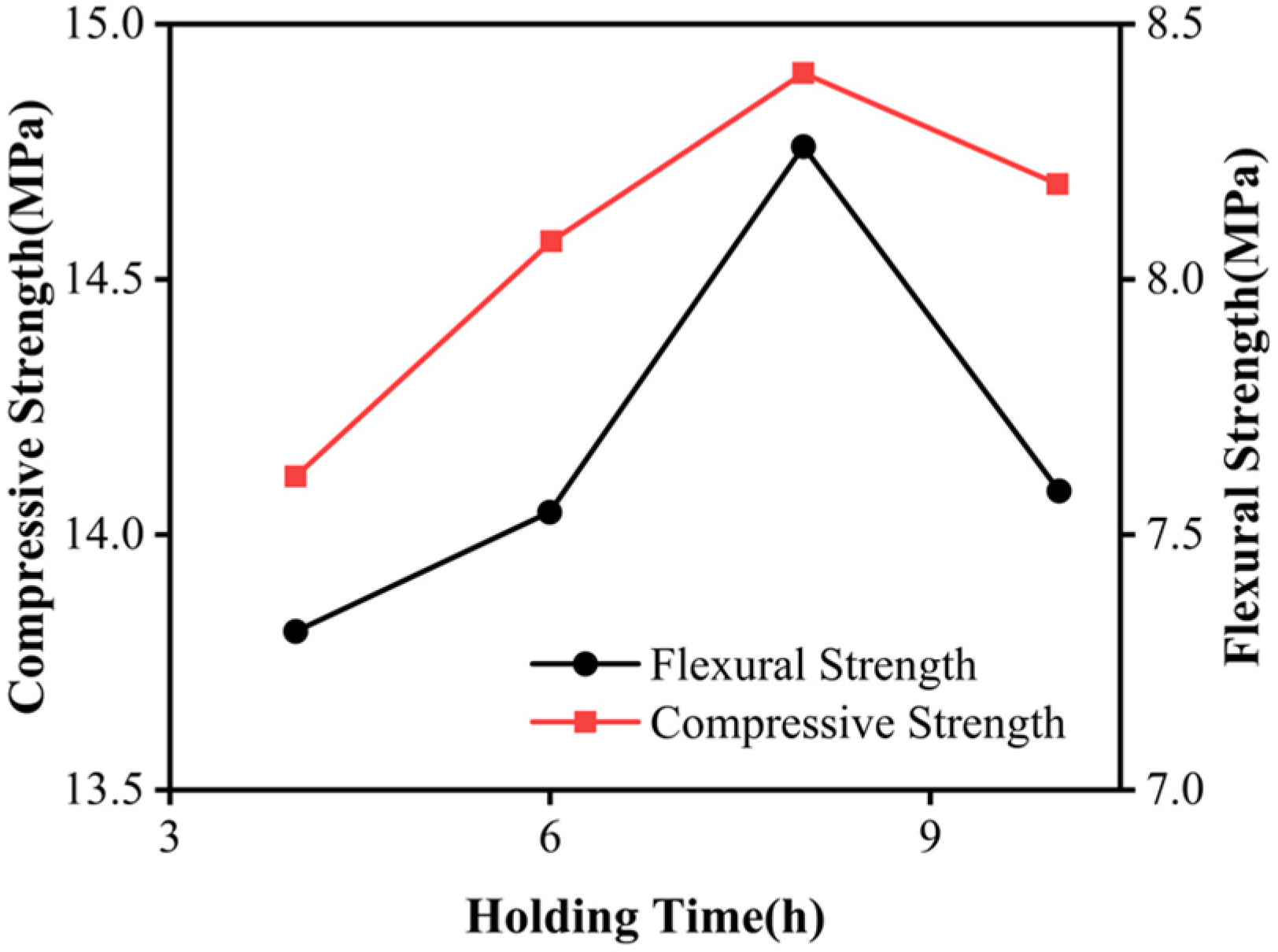
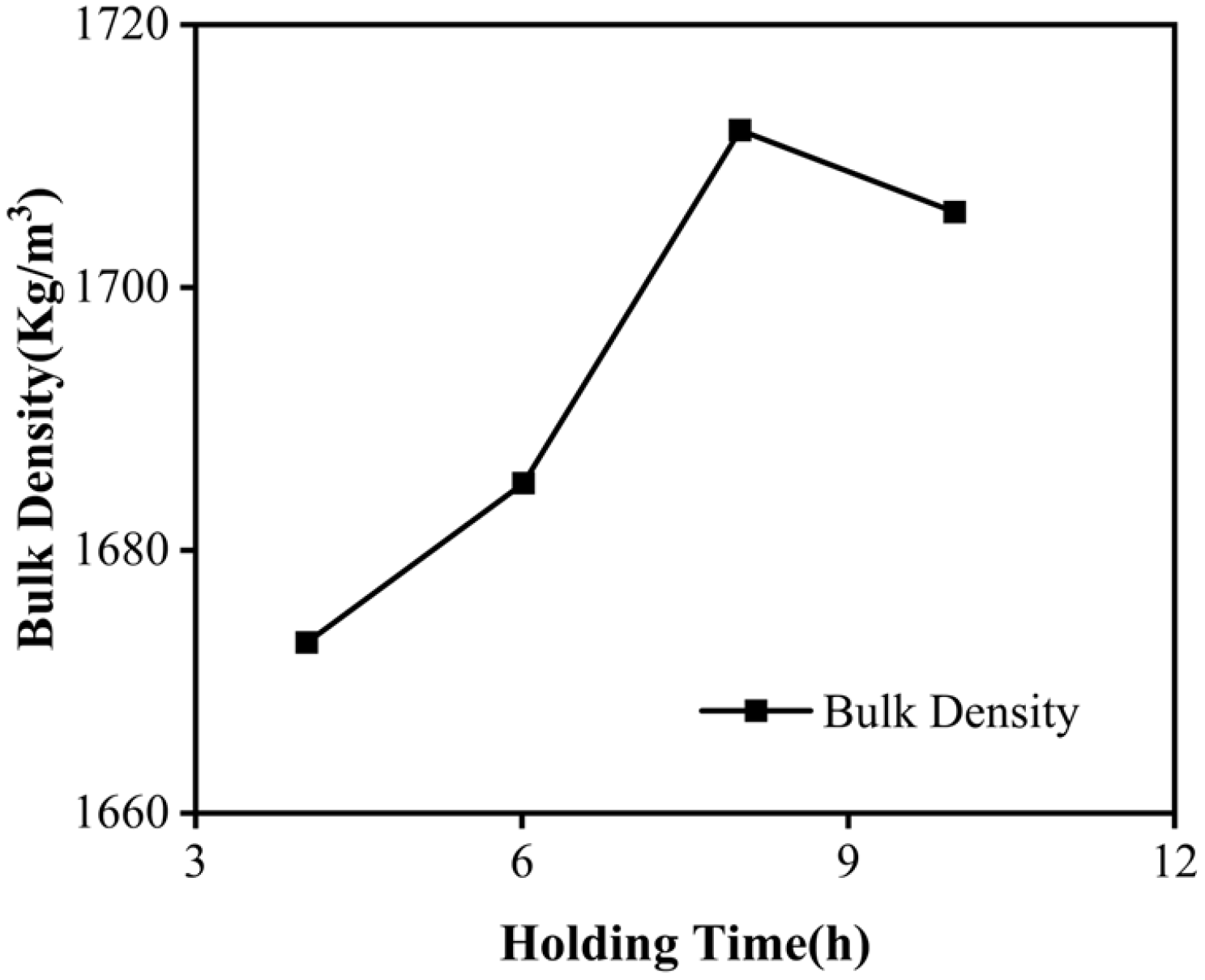
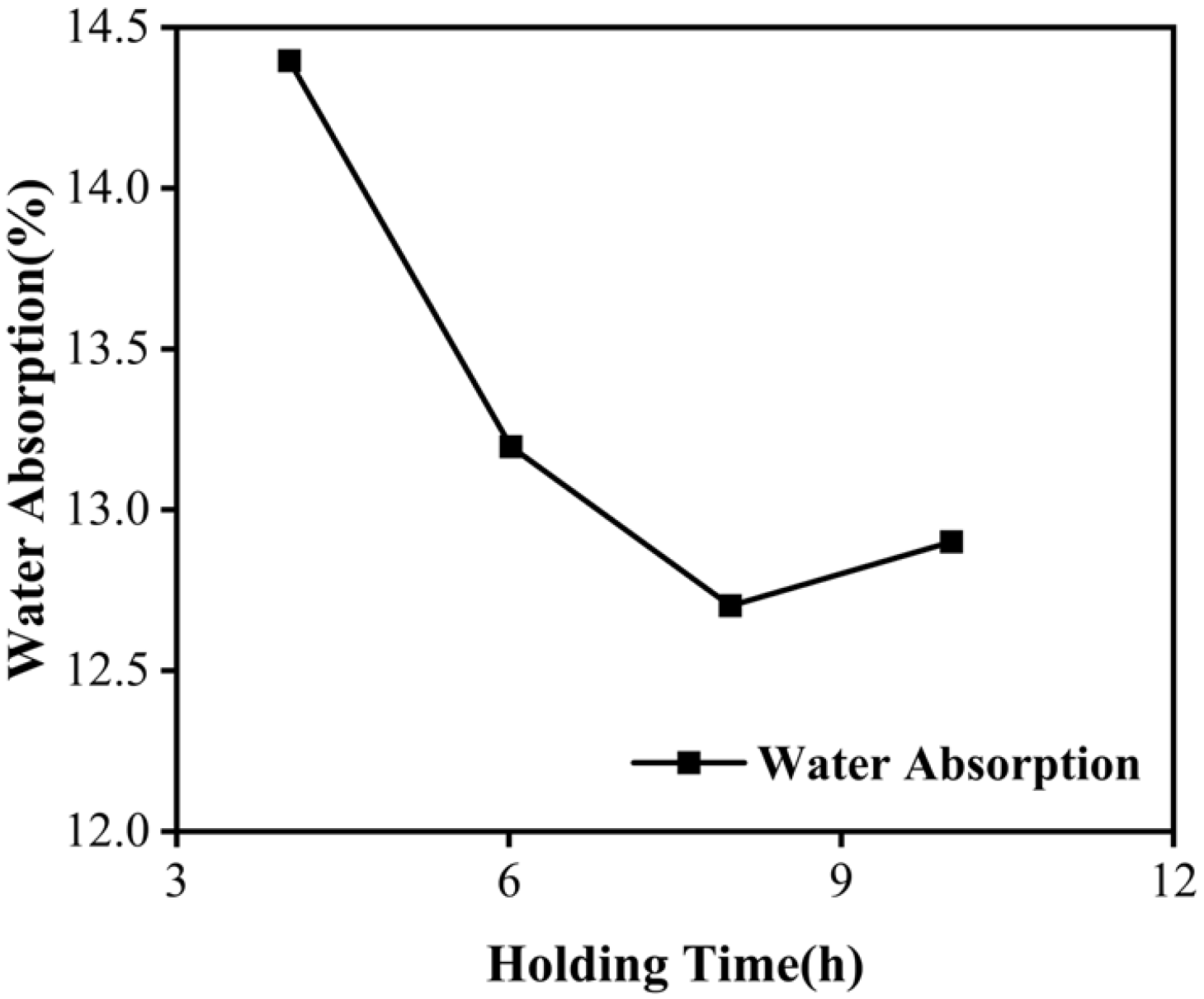
In the experiment, the holding time was set as the variable at 4 h, 6 h, 8 h, and 10 h, respectively, while other parameters were kept constant. Specifically, the Black Sludge content was 30%, the cooling period was 12 h, the temperature ranged from ambient temperature to 1050 °C, and the heating rate was 1 °C/min. Subsequently, various properties, such as compressive strength, were measured. The final results are presented in Table 10. The changes in each property relative to the holding time are shown in Figure 11 and Figure 12.
As shown in the figures, when the holding time is increased from 4 h to 8 h, significant changes are observed in the properties. Water absorption continuously decreases, exhibiting a negative correlation. Conversely, flexural strength, compressive strength, and bulk density continuously increase, showing a positive correlation. Their respective maximum values reach 8.26 MPa, 14.91 MPa,1712 kg/m3. Subsequently, as the holding time continues to increase, compressive strength, bulk density, and flexural strength gradually decrease, although the overall reduction is minor. This minor reduction is attributed to the insignificant change in the water absorption of the Black Sludge-Shale bricks.
Since the mechanical properties of the brick body are the primary factors for measuring sintering quality, the analysis above indicates that the compressive and flexural strength reach their maximum values at a holding time of 8 h. Therefore, the optimal holding time for the Paper-mill Sludge-Shale Bricks is determined to be 8 h.

3.5. Determination of the Sintering Process

Based on the preceding analysis, the influence of various factors on the sintering process was established, leading to the determination of the optimal process parameters. Thus, the sintering process for the Paper-mill Sludge-Shale Bricks can be defined, with the detailed procedure as follows: a holding time of 8 h, a heating rate of 1 °C/min, a peak sintering temperature of 1050 °C, and a cooling period of 12 h. Analysis of these performance indices demonstrates that the bricks satisfy the requirements of the standards Sintered Common Bricks (GB/T 5101-2017) [18] and Test Methods for Masonry Bricks (GB/T 2542-2012) [19]. Therefore, the bricks can be effectively applied in practical engineering construction.

3.6. Microscopic Characterization of the Optimal Brick

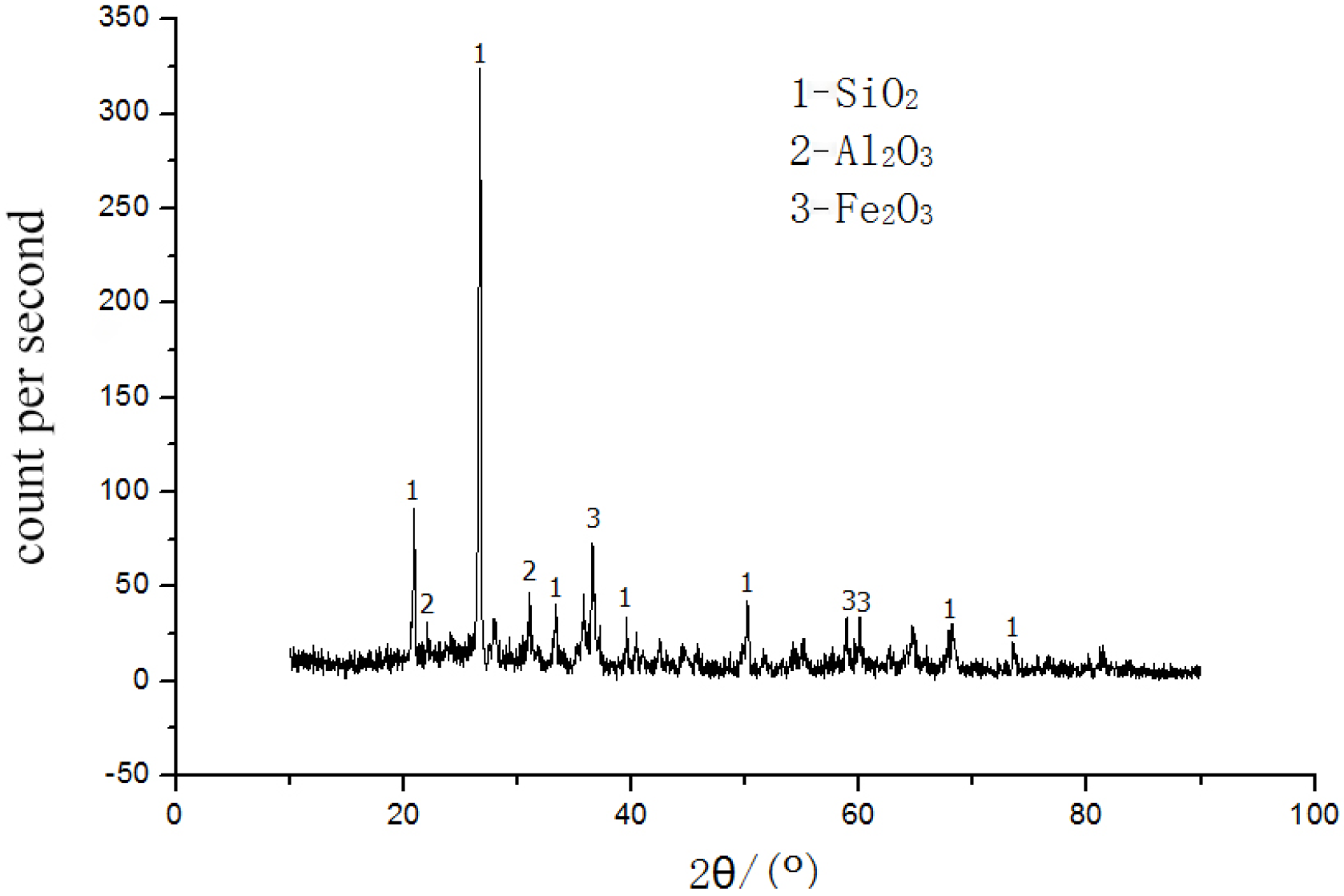
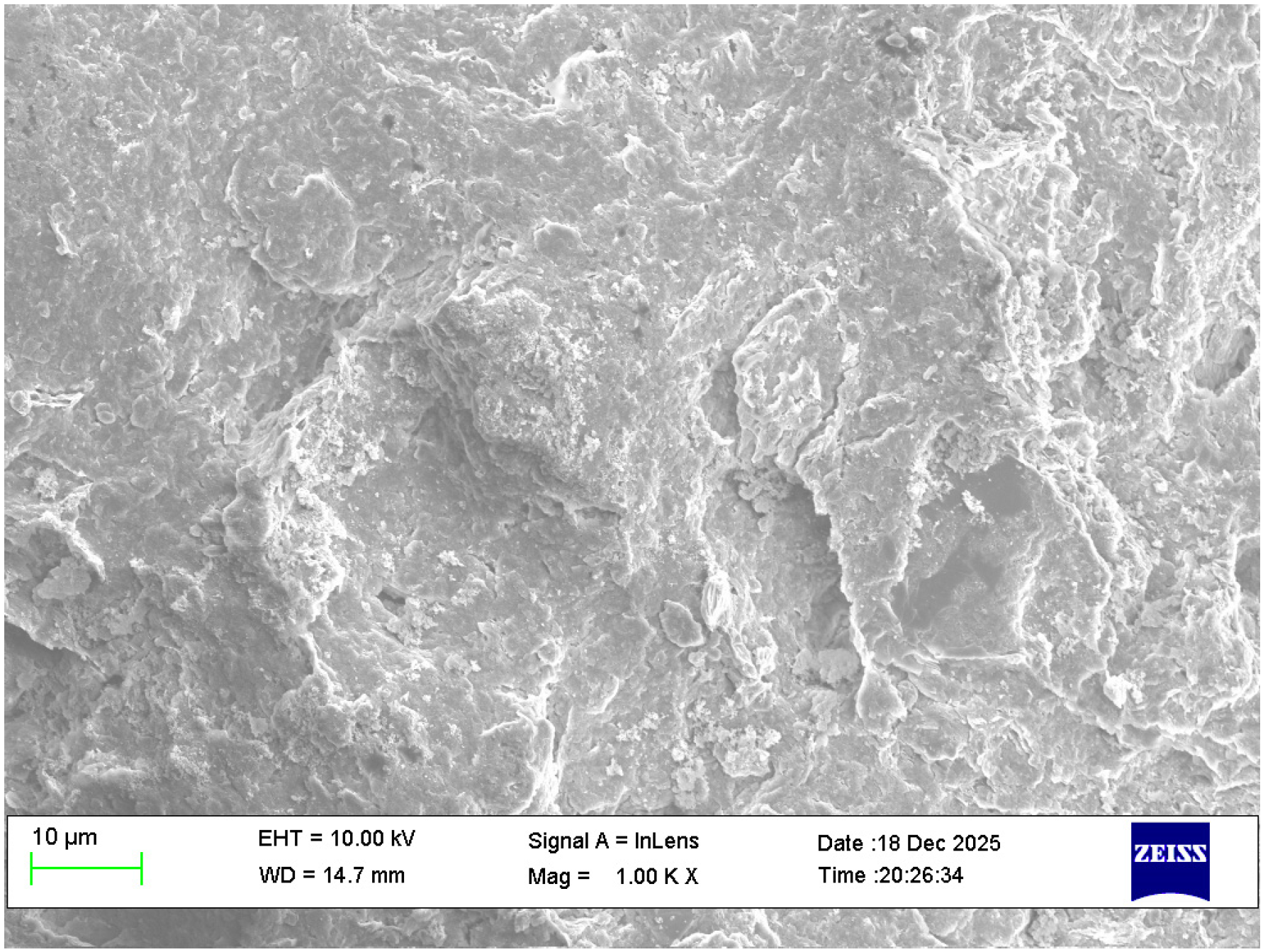
Based on the above analysis, this paper sintered paper-mill sludge–shale bricks fired under optimal process parameters at 1050 °C, and then performed XRD and SEM analyses using Smartlab9 and Zeiss Sigma500, respectively, to verify their composition and quality.
According to the XRD analysis, the diffraction peaks indicate that the major crystalline phase is SiO2, which acts as the structural skeleton of the brick body. Peaks corresponding to Al2O3 and Fe2O3 were also identified; the presence of these two stable crystalline phases contributes to improving the hardness and durability of the material. Furthermore, the detection of Fe2O3 confirms the reddish-brown appearance of the bricks. Figure 13 shows the XRD pattern of the paper-mill sludge–shale brick.
SEM analysis revealed a highly densified microstructure. The previously sharp boundaries of the raw material particles were largely blurred, indicating significant liquid-phase sintering at 1050 °C. This molten liquid phase effectively filled the internal micropores, forming a dense and continuous monolithic structure. This microstructure provides direct evidence for the obtained high compressive strength and low water absorption. Figure 14 shows the SEM micrograph of the paper-mill sludge–shale brick with 1000 magnification.

4. Conclusions

This paper primarily focuses on investigating the process parameters of Paper-mill Sludge-Shale Bricks. The influence of various parameters was studied using the orthogonal test method to determine the optimal processing conditions. By varying factors such as the sintering temperature, heating rate, and holding time, their effects on properties like compressive strength, water absorption, and flexural strength were analyzed, leading to the determination of the optimal level for each factor. The study demonstrated the high feasibility of using Paper-mill Sludge to prepare Paper-mill Sludge-Shale Bricks. The resulting finished bricks satisfy the requirements of national standards, indicating significant potential for application in practical engineering construction. The specific conclusions drawn are as follows:
(1)
When the sintering temperature is 1050 °C, the strength of the resulting Paper-mill Sludge-Shale Bricks can meet the requirements for Grade MU10 strength. Bricks with higher corresponding crystallinity tend to produce more molten material. The study concluded that the holding time within the range of 4 h to 10 h and the heating rate between 1 °C/min and 2 °C/min do not significantly affect the performance of the Shale bricks.
(2)
The optimal process parameters for the Paper-mill Sludge-Shale Bricks determined in the experiment are a holding time of 8 h, a heating rate of 1 °C/min, a sintering temperature of 1050 °C, and a cooling period of 12 h. Sintering experiments conducted using the aforementioned optimal parameters yielded the following best performance indices: compressive strength of 14.91 MPa, flexural strength of 8.26 MPa, water absorption of 12.7%, and bulk density of 1712 kg/m3. The Paper-mill Sludge-Shale Bricks sintered using this optimal process satisfy the requirements of Standard [18].

Author Contributions

Conceptualization, Q.-P.M. and L.L.; methodology, J.-Y.Z.; software, Y.W.; validation, Q.-P.M.; investigation, Q.-P.M.; resources, Y.W.; data curation, J.-Y.Z.; writing—original draft preparation, L.L.; writing—review and editing, J.-Y.Z. All authors have read and agreed to the published version of the manuscript.

Funding

This research is supported by the Guangxi Natural Science Foundation (No. AD25069101).

Data Availability Statement

Dataset available on request from the authors. The raw data supporting the conclusions of this article will be made available by the authors on request.

Conflicts of Interest

The authors declare no conflicts of interest.

References

  1. Gottumukkala, L.D.; Haigh, K.; Collard, F.X.; Görgens, J. Opportunities and prospects of biorefinery-based valorisation of pulp and paper sludge. Bioresour. Technol. 2016, 215, 37–49. [Google Scholar] [CrossRef]
  2. China Paper Association. China paper industry 2019 annual report. China Pulp Pap. 2019, 38, 24–34. (In Chinese) [Google Scholar]
  3. Zhang, R.; Han, Q.; Hou, T.M. Research on fundamental characteristics of OCC pulp and paper sludge. China Pulp Pap. 2014, 32, 8–13. (In Chinese) [Google Scholar]
  4. Run, K.F. Developing high-quality sintered hollow products to meet the needs of energy-saving building walls (I). Brick Tile 2006, 1, 8–11. (In Chinese) [Google Scholar]
  5. Shanmugamoorthy, M. Eco-Synergy: Transforming of Agro- and Industrial Waste into Biofuel Briquettes—A Review. Indian J. Environ. Prot. 2024, 44, 1117. [Google Scholar]
  6. Vieira, C.M.F.; Pinheiro, R.M.; Rodriguez, R.J.S.; Candido, V.S.; Monteiro, S.N. Clay bricks added with effluent sludge from paper industry: Technical, economical and environmental benefits. Appl. Clay Sci. 2016, 132, 753–759. [Google Scholar] [CrossRef]
  7. Peña Rey, F.O.; Forero-Garcia, E.F.; Quezada Romero, D.A. Use of papermaking sludge in the manufacture of bricks for the construction of non-structural walls. Ingeniare Rev. Chil. Ing. 2023, 31, 25. [Google Scholar] [CrossRef]
  8. Makni, H.; Khlif, M.; Bradai, C. Effect of Deinking Paper Sludge on Thermal, Energetic, and Mechanical Properties of Fired Clay Bricks. J. Mater. Civ. Eng. 2024, 36, 04023610. [Google Scholar] [CrossRef]
  9. Zhao, D.Z. Using paper sludge for firing building bricks. China Pulp Pap. 2010, 31, 87. (In Chinese) [Google Scholar]
  10. Govindan, B.; Kumarasamy, V. Sustainable valorization through the reuse of incinerated paper mill sludge ash in building brick production. Constr. Build. Mater. 2024, 439, 137291. [Google Scholar] [CrossRef]
  11. Mekbel, S.; Debieche, M.; Nechnech, A. The potential of sludge from wastewater treatment plants to improve the mechanical properties of bricks. J. Mater. Cycles Waste Manag. 2023, 25, 3286–3302. [Google Scholar] [CrossRef]
  12. Moulato, K.; Ammari, M.; Ben Allal, L. Performance of sewage sludge reuse in the manufacturing of fired bricks. Glob. J. Environ. Sci. Manag. 2023, 9, 477–496. [Google Scholar]
  13. Hong, S.W.; Barakat, R.; Alhilali, A.; Baaj, H. Hydrophobic concrete using waste paper sludge ash. Cem. Concr. Res. 2015, 70, 9–20. [Google Scholar] [CrossRef]
  14. Dong, H.G.; Wang, C.G.; Tu, D.W.; Guo, X.P. Preparation and performance analysis of veneer-reinforced paper sludge wood-based panel. For. Prod. Ind. 2014, 41, 27–29. (In Chinese) [Google Scholar]
  15. Qin, Z.D.; Jin, L.L.; Wang, J.H.; Yi, S.L. Preparation of sludge fiberboard using Spartina alterniflora fiber and paper sludge mixture. Chin. J. Bioprocess Eng. 2014, 12, 65–68. (In Chinese) [Google Scholar]
  16. Gao, H.; Zhou, K.; Su, D.; Zhang, B.; Cheng, F. Sludge-based baking-free brick prepared by sewage sludge with high moisture content: Influence of process parameters and environmental risk assessment. J. Environ. Chem. Eng. 2022, 10, 108576. [Google Scholar] [CrossRef]
  17. Wu, J.; Yin, S.; Zhang, L.; Song, X. Manufacture of sustainable fired shale bricks using sewage sludge as raw material. Mater. Res. Express 2021, 8, 095510. [Google Scholar] [CrossRef]
  18. GB/T 5101-2017; Sintered Common Bricks. Standardization Administration of China: Beijing, China, 2017.
  19. GB/T 2542-2012; Test Methods for Masonry Bricks. Standardization Administration of China: Beijing, China, 2012.
  20. Li, L.P. Optimization of the configuration of 290 × 140 × 90 hollow clay bricks with 3-D numerical simulation by finite volume method. Energy Build. 2008, 40, 1790–1798. [Google Scholar] [CrossRef]
  21. Veiseh, S.; Yousefi, A.A. The use of polystyrene in lightweight brick production. Iran. Polym. J. 2003, 12, 323–329. [Google Scholar]
  22. Diaz, J.J.C. Analysis and optimization of the heat-insulating light concrete hollow brick walls design by the finite element method. Appl. Therm. Eng. 2007, 27, 1445–1456. [Google Scholar] [CrossRef]
  23. Bettzieche, H. Pore-forming in brick making clay by means of expanded glass granules. Ziegelind. Int. 2000, 5, 41–53. [Google Scholar]
  24. Li, J.N.; Huang, B.Z.; Hou, R.L.; Liu, Y. Experimental study on shear strength of paper sludge sintered shale brick masonry. New Build. Mater. 2022, 49, 88–91. (In Chinese) [Google Scholar]
  25. Zhang, X.J.; Zhu, H.Y.; Tang, S. Investigation and analysis of the production status of sintered shale bricks in Guangxi. Build. Energy Effic. 2013, 4, 42–45. (In Chinese) [Google Scholar]
  26. Wang, Q. Research on the Utilization Technology of Municipal Sewage Treatment Plant Sludge in Building Materials. Master’s Thesis, Chang’an University, Xi’an, China, 2010. (In Chinese). [Google Scholar]
  27. Liu, R.J.; Zhang, Y.W.; Wen, C.W.; Tang, X. Research on orthogonal experimental design and analysis method. Exp. Technol. Manag. 2010, 27, 52–55. (In Chinese) [Google Scholar]
  28. Fang, K.T.; Ma, C.X. Orthogonal and Uniform Experimental Design; Science Press: Beijing, China, 2001. (In Chinese) [Google Scholar]
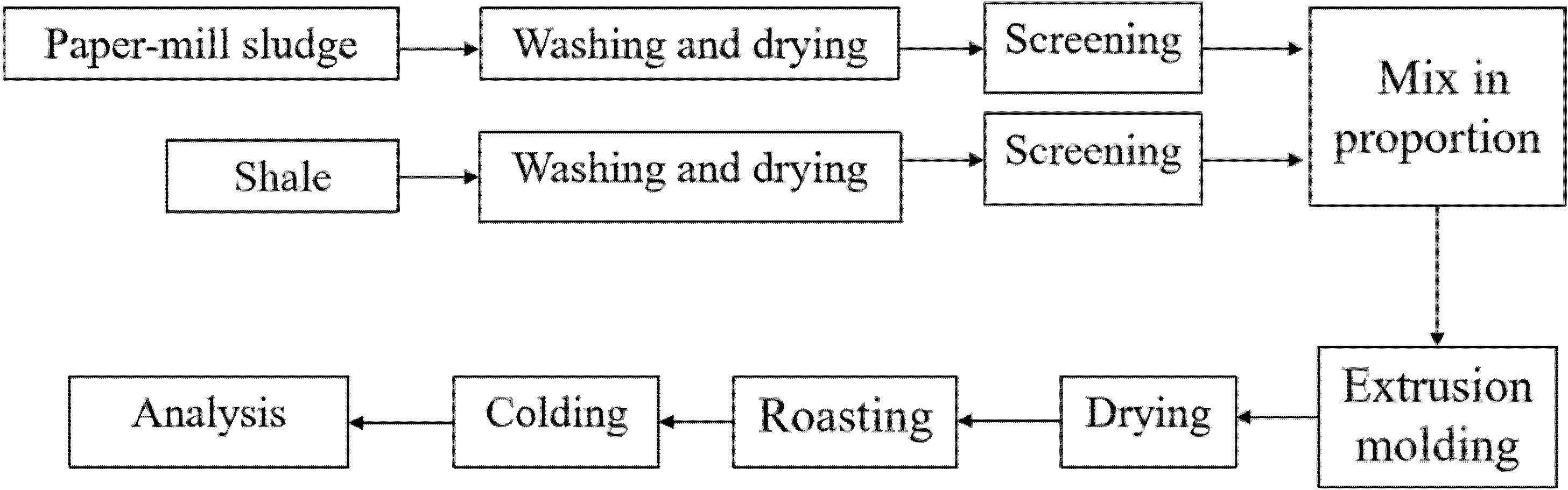
Figure 1. The preparation process of bricks.
Buildings 16 00238 g001
Figure 2. The front face of the brick deformed due to high sintering temperature.
Buildings 16 00238 g002
Figure 3. Side of brick deformed due to high sintering temperature.
Buildings 16 00238 g003
Figure 4. Curves of compressive strength at different sintering temperatures.
Buildings 16 00238 g004
Figure 5. Bulk density curves at different sintering temperatures.
Buildings 16 00238 g005
Figure 6. Water absorption curves at different sintering temperatures.
Buildings 16 00238 g006
Figure 7. Strength curve at different heating rates.
Buildings 16 00238 g007
Figure 8. Bulk density curves at different heating rates.
Buildings 16 00238 g008
Figure 9. Water absorption curves under different heating rates.
Buildings 16 00238 g009
Figure 10. Strength curve under different firing times.
Buildings 16 00238 g010
Figure 11. Volume density curve under different firing times.
Buildings 16 00238 g011
Figure 12. Curve of water absorption rate under different firing times.
Buildings 16 00238 g012
Figure 13. XRD pattern of the paper-mill sludge–shale brick.
Buildings 16 00238 g013
Figure 14. SEM micrograph of the paper-mill sludge–shale brick with 1000 magnification.
Buildings 16 00238 g014
Table 1. The results of ICP testing on paper-mill sludge.
Test ItemTest Result
Lead/(mg·kg−1)0.4
Cadmium/(mg·kg−1)1.0
Chromium/(mg·kg−1)0.3
Arsenic/(mg·kg−1)1.0
Mercury/(mg·kg−1)0.15
Potassium/(mg·kg−1)0.37
Nitrogen/%2.07
Phosphorus/%0.25
Organic matter/%25.62
Sodium/%2.0
Moisture Content/%53
Ignition loss13.84
PH8.3
Table 2. Chemical composition of the shale.
Chemical CompositionSiO2Al2O3Fe2O3K2OMgOCaONa2OIgnition Loss
Percentage54.60%23.15%10.52%2.60%1.35%1.22%1.20%5.36%
Table 3. Matching scheme of black sludge and shale for papermaking.
Material Composition1234
Shale100%90%80%70%
Black Sludge0%10%20%30%
Table 4. Factors and levels for orthogonal test.
FactorsTemperature (°C)Paper-Mill Sludge:ShaleHolding Time (h)
Level 1105030:708
Level 2100020:807
Level 395010:906
Table 5. Orthogonal experimental design.
Test No.\FactorsABC
TemperaturePaper-Mill Sludge:ShaleHolding Time
1105030:708
2105020:806
3105010:907
4100030:706
5100020:807
6100010:908
795030:707
895020:808
995010:906
Table 6. Results of orthogonal test.
No.ABCResults
Water Absorption (%)Compressive Strength (MPa)
111112.214.54
212319.18.1
313221.55.5
421314.410.6
522216.312.4
623120.36.5
731218.28.6
832115.211.8
933317.58.6
Table 7. Calculated results of orthogonal test.
Evaluation IndicatorComputed ValueTemperature (°C)Black Sludge:ShaleHolding Time (h)
Compressive Strengthk19.3811.2510.95
k29.8310.778.83
k39.676.879.10
R0.454.382.12
Factor Priority
Ranking
B > A > C
Optimal Parameter CombinationA2B1C1
Water Absorptionk117.6014.9315.90
k217.0016.8718.67
k316.9719.7717.00
R0.634.842.77
Factor Priority RankingA > C > B
Optimal Parameter CombinationA3B1C1
Table 8. Basic properties of sintered page bricks with different black mud.
Temperature
T (°C)
Compressive Strength
Rp (MPa)
Flexural Strength
Rc (MPa)
Bulk Density
ρ (kg/m3)
Water Absorption
W (%)
90011.844.27153222.3
95011.575.13157919.1
100012.486.79165715.8
105014.318.43171412.1
110014.927.05167710.4
Table 9. Basic properties of sintered paper-mill sludge-shale bricks with different heating rate.
Heating Rate (°C/min)Compressive Strength
(MPa)
Flexural Strength
(MPa)
Bulk Density
(kg/m3)
Water Absorption
(%)
115.218.35173211.7
1.514.677.43169212.6
214.326.34167813.8
Table 10. Basic properties of sintered paper-mill sludge-shale bricks with different holding times.
Holding Time (h)Flexural Strength (MPa)Water Absorption (%)Compressive Strength (MPa)Bulk Density (kg/m3)
47.3114.514.121673
67.5513.214.581685
88.2612.714.911712
107.5912.914.691706
Disclaimer/Publisher’s Note: The statements, opinions and data contained in all publications are solely those of the individual author(s) and contributor(s) and not of MDPI and/or the editor(s). MDPI and/or the editor(s) disclaim responsibility for any injury to people or property resulting from any ideas, methods, instructions or products referred to in the content.