Article

Research on Long-Term Structural Response Time-Series Prediction Method Based on the Informer-SEnet Model

School of Civil Engineering and Transportation, South China University of Technology, Guangzhou 510630, China
*
Author to whom correspondence should be addressed.
Buildings 2026, 16(1), 189; https://doi.org/10.3390/buildings16010189

Submission received: 30 October 2025 / Revised: 11 December 2025 / Accepted: 23 December 2025 / Published: 1 January 2026
(This article belongs to the Special Issue Recent Developments in Structural Health Monitoring)

Abstract

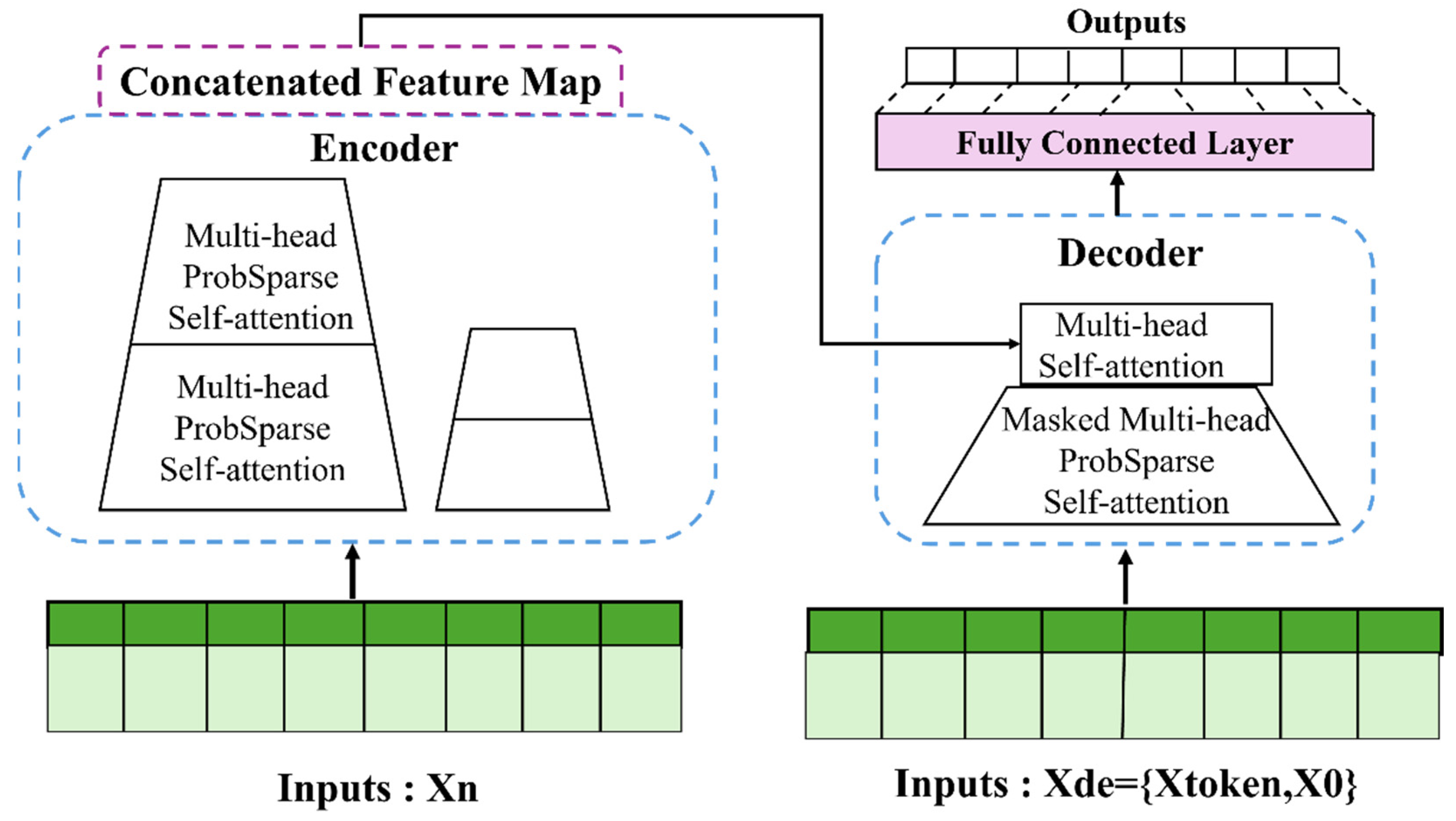
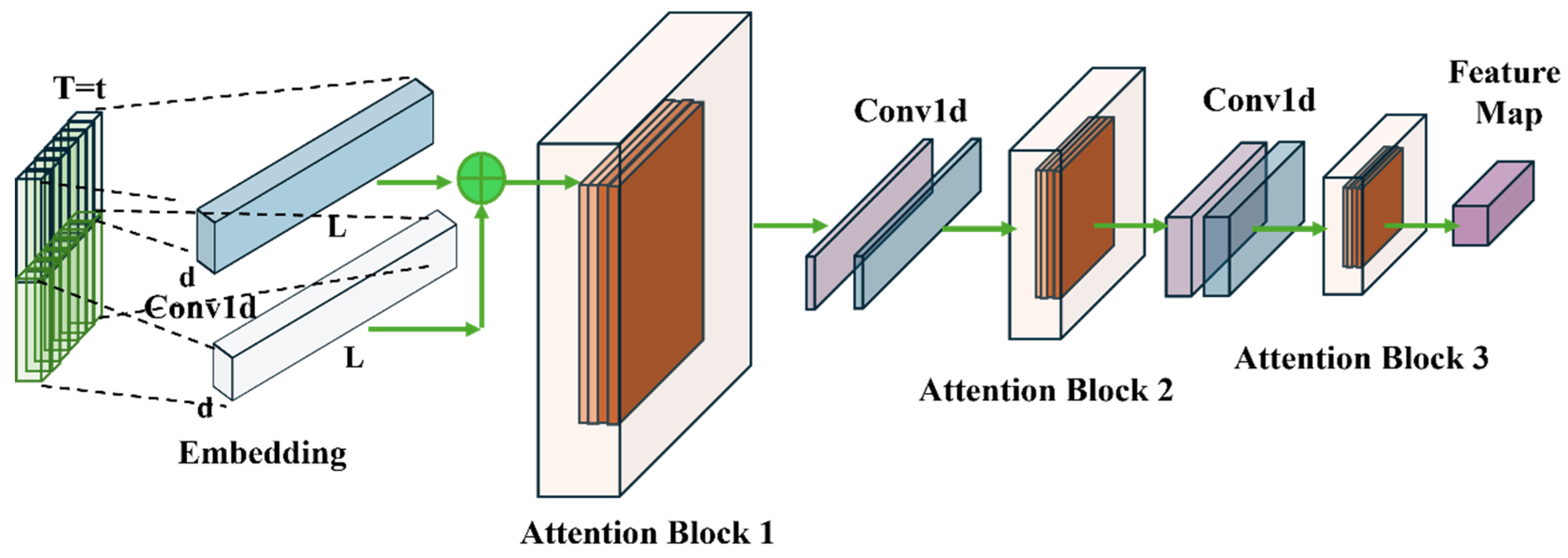
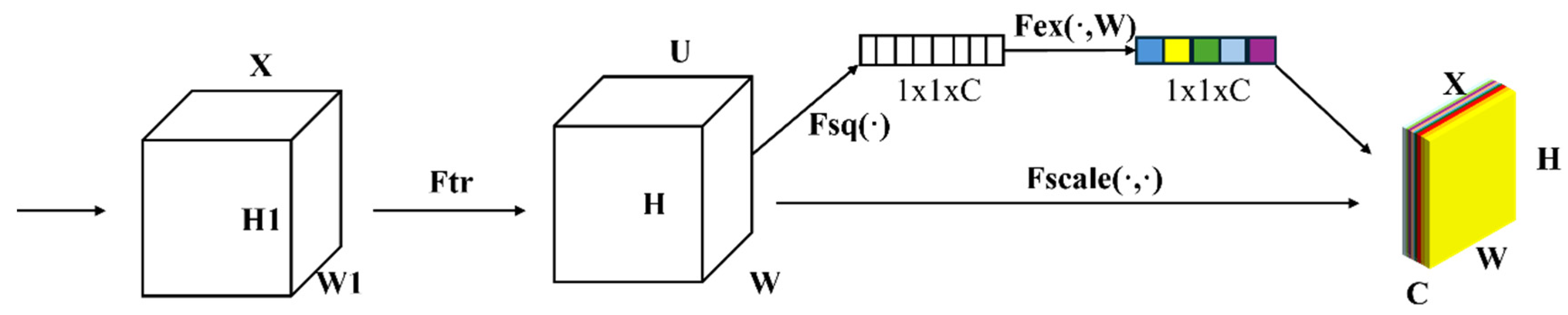
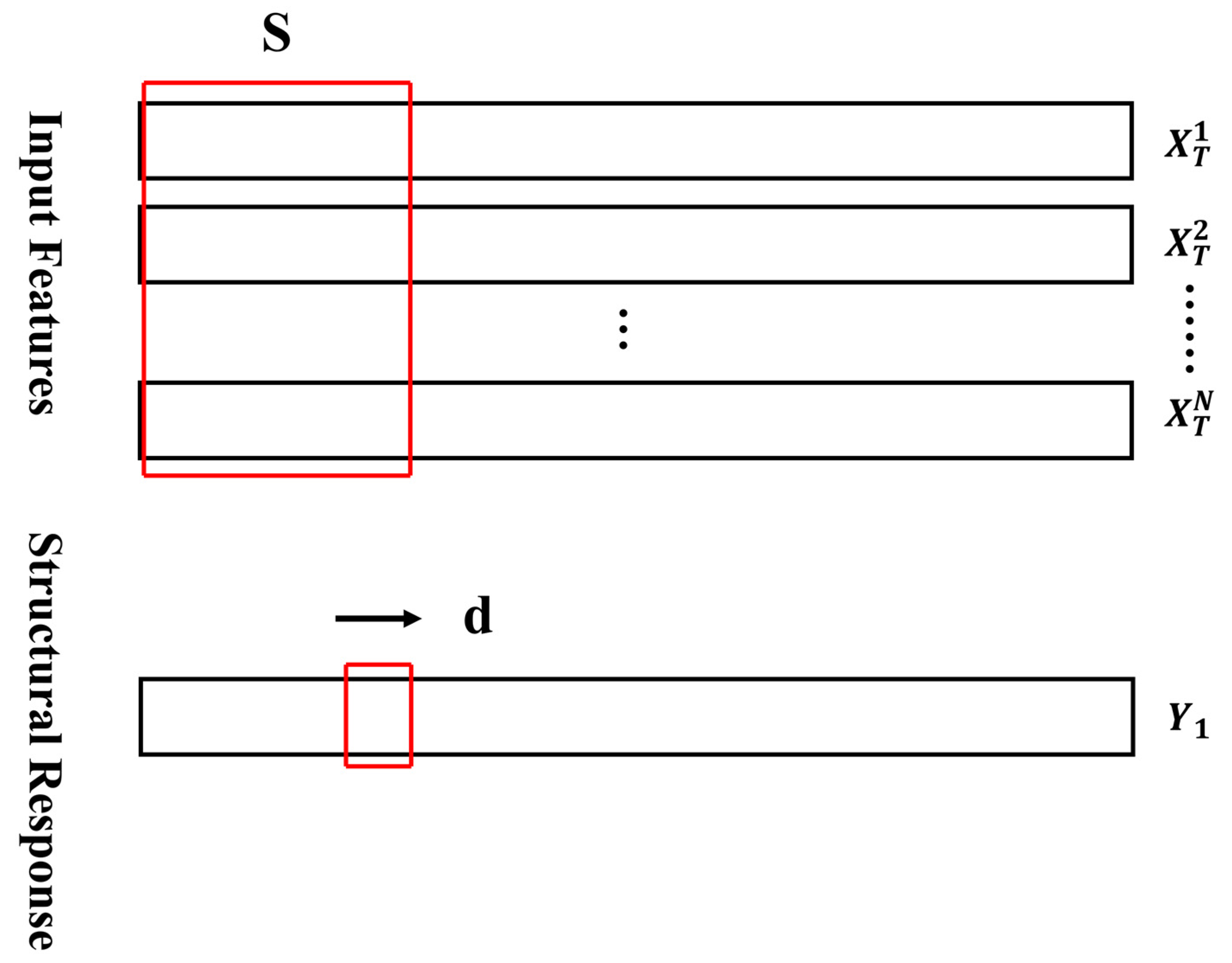
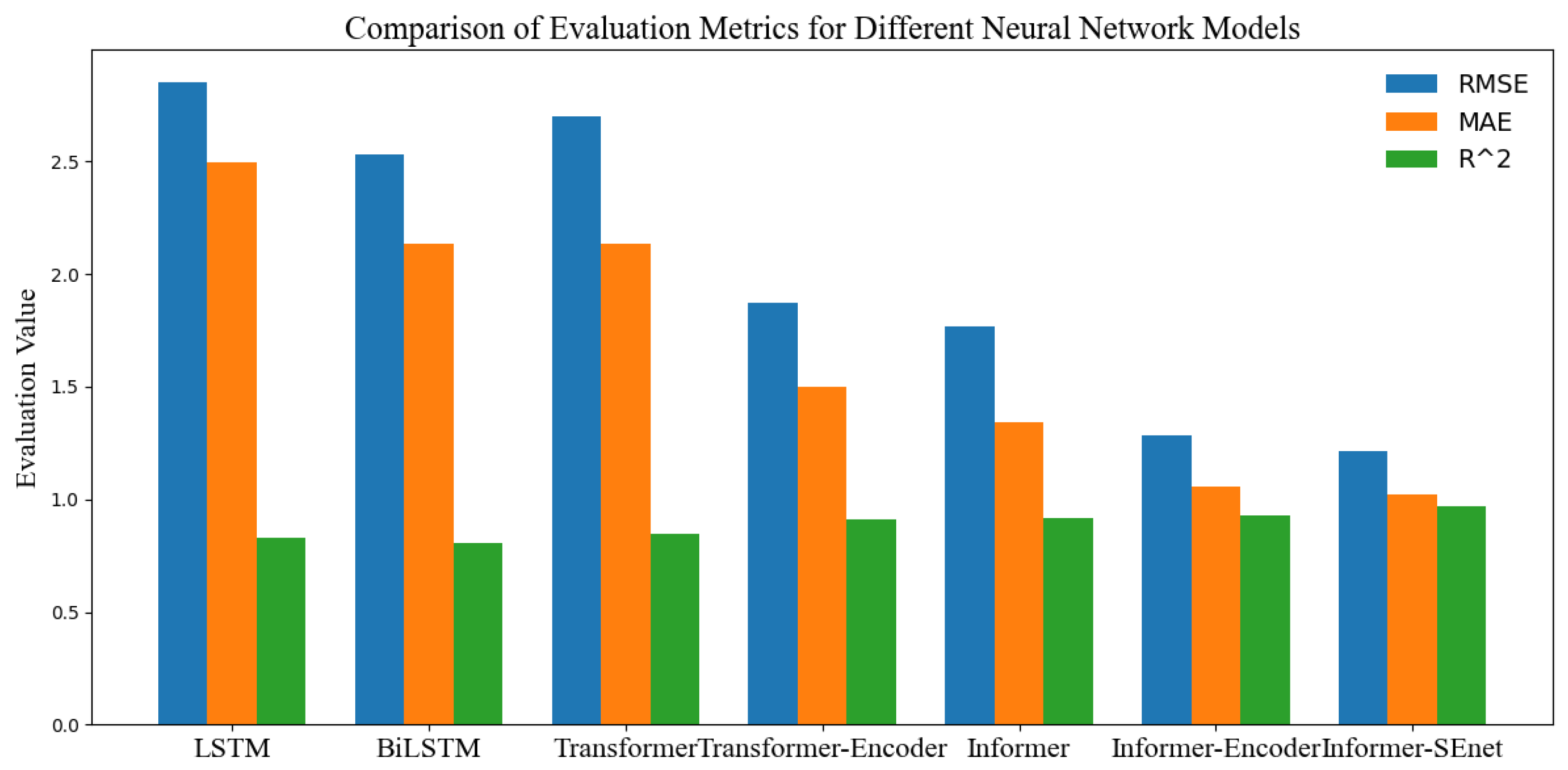
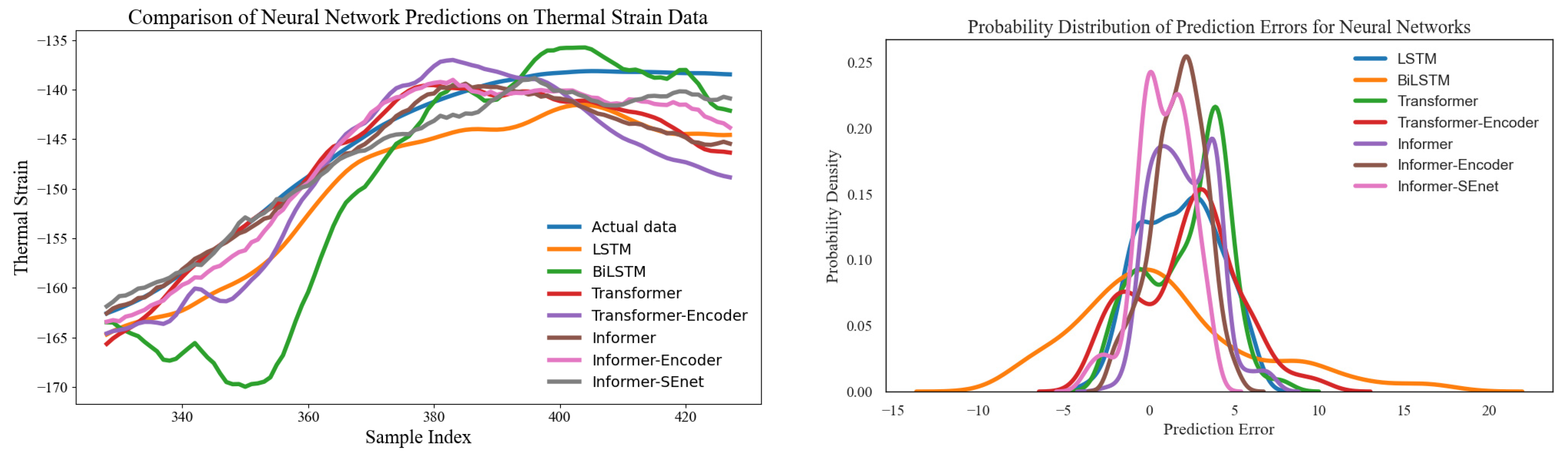
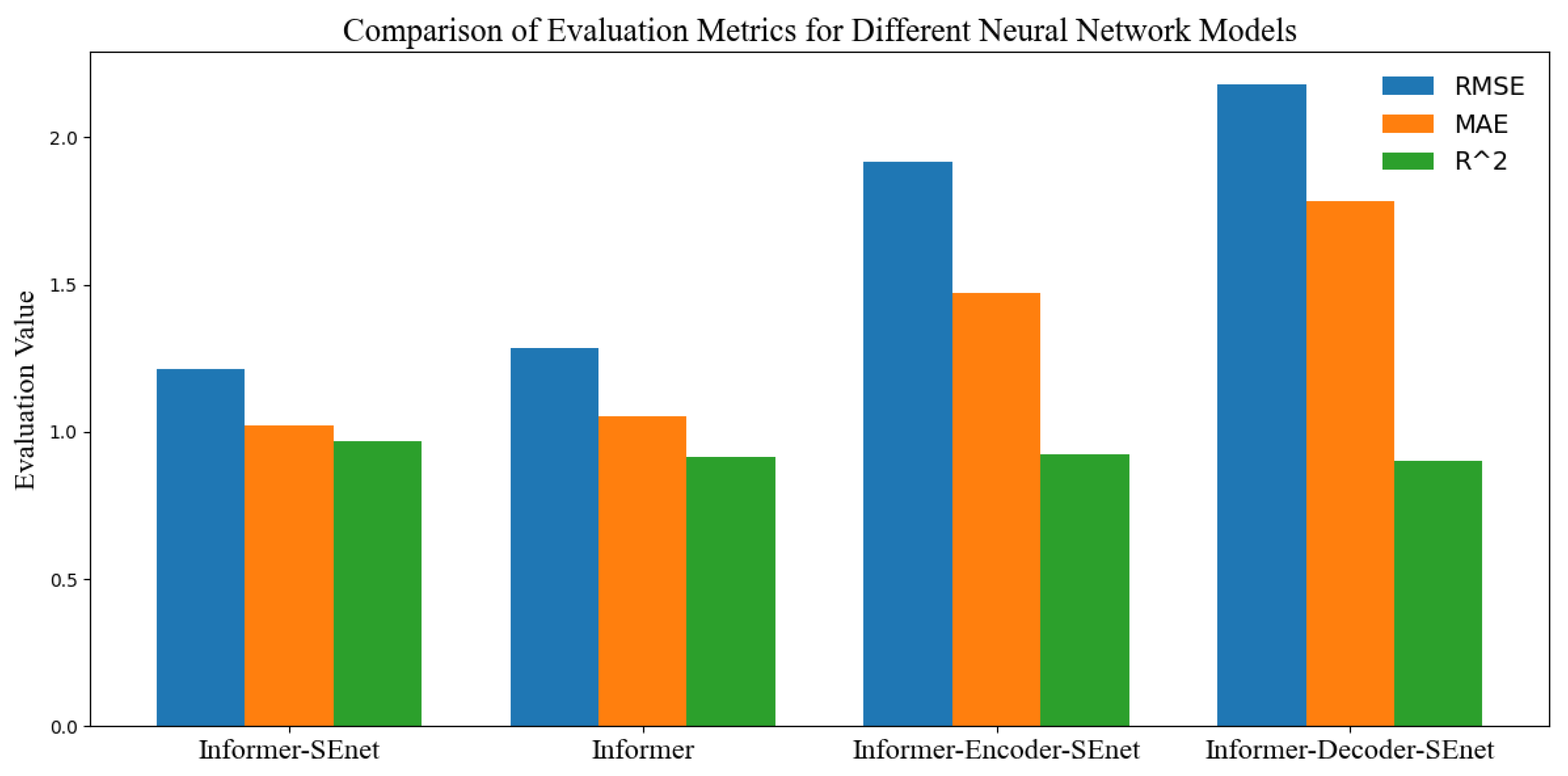
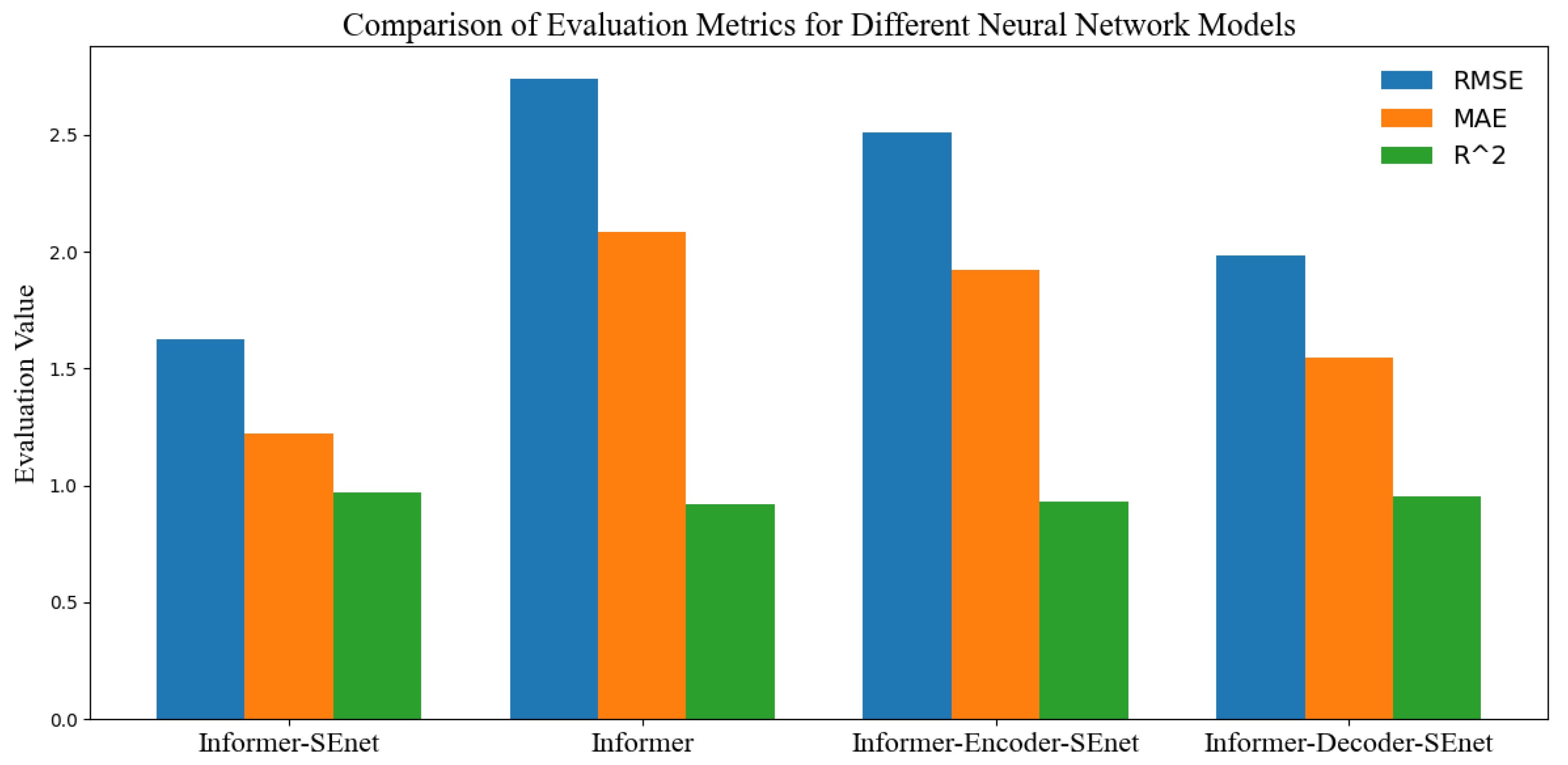
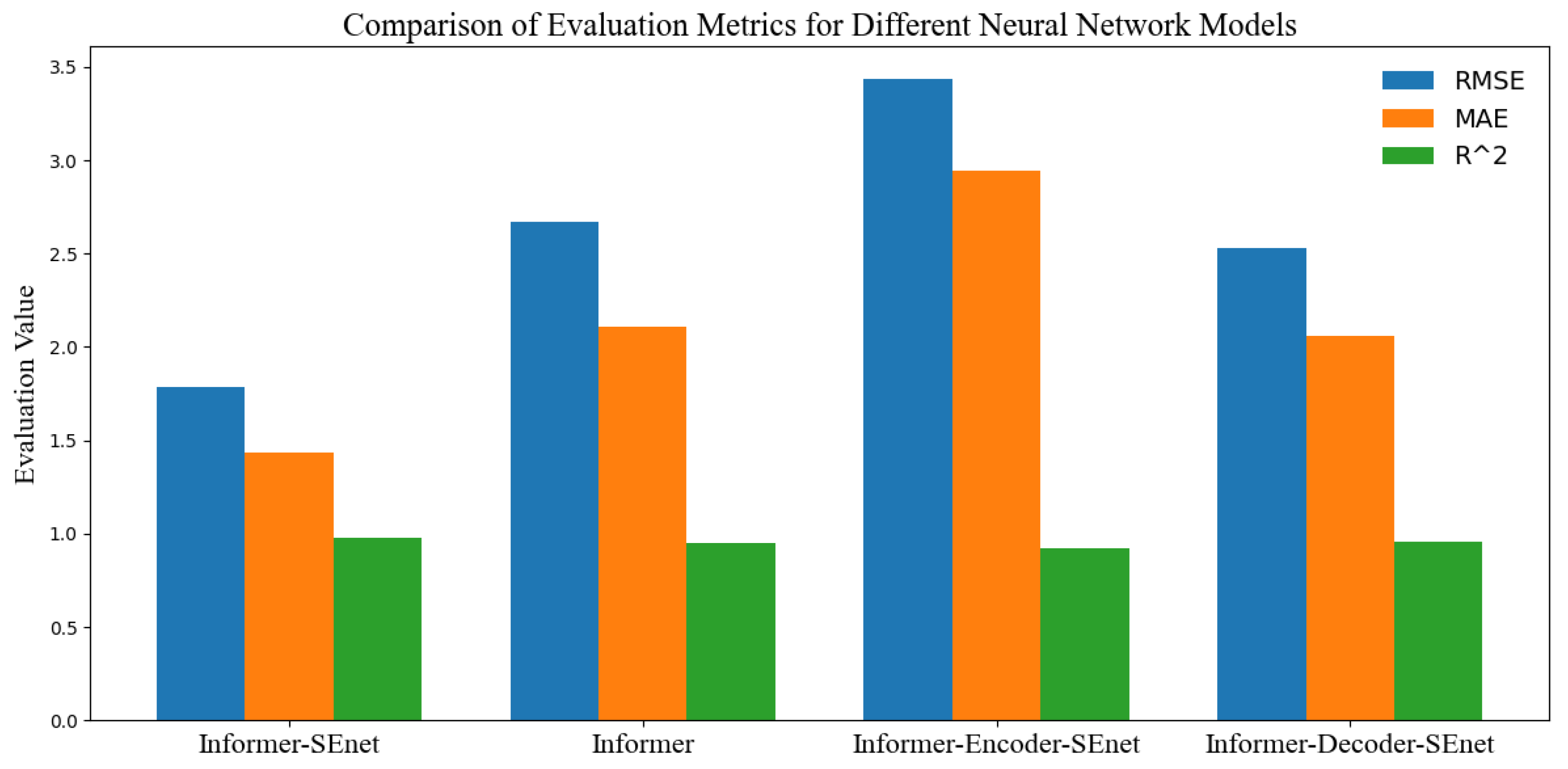
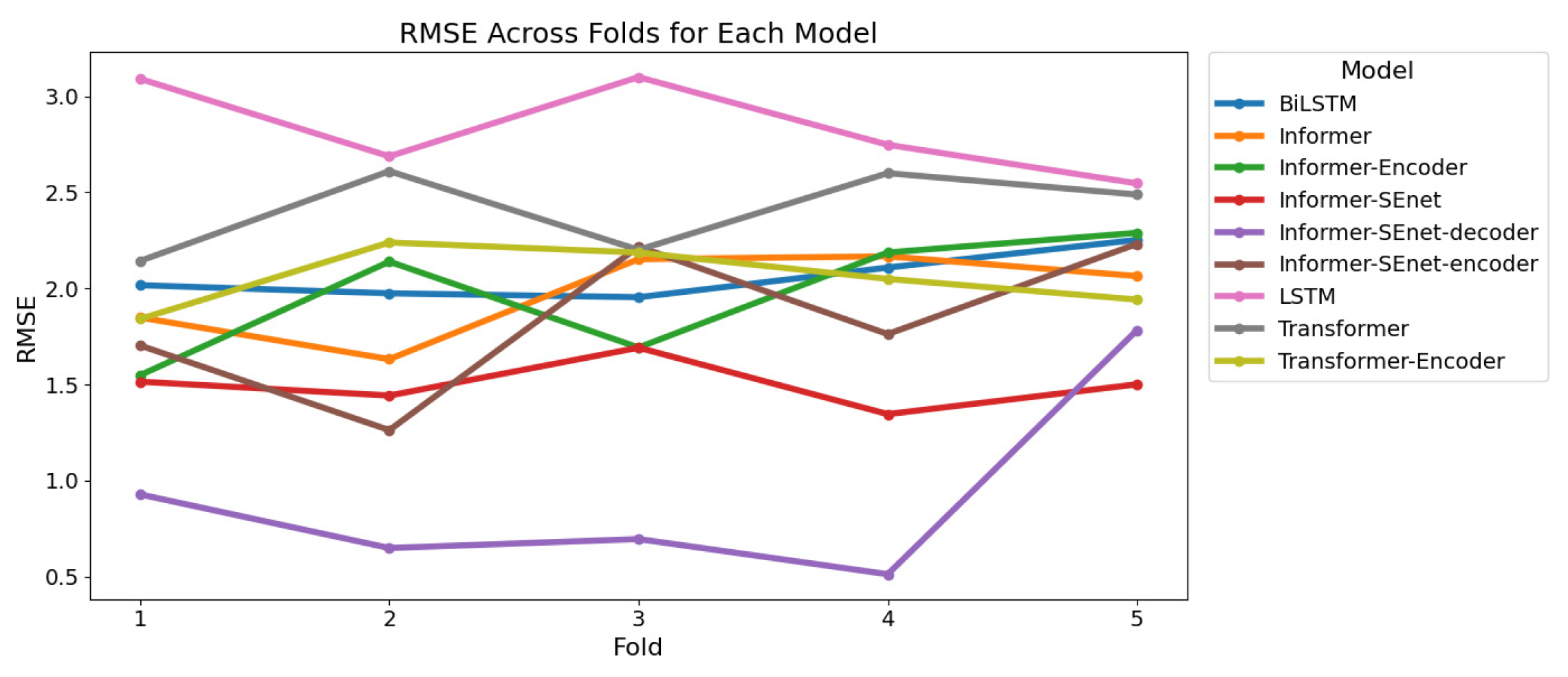
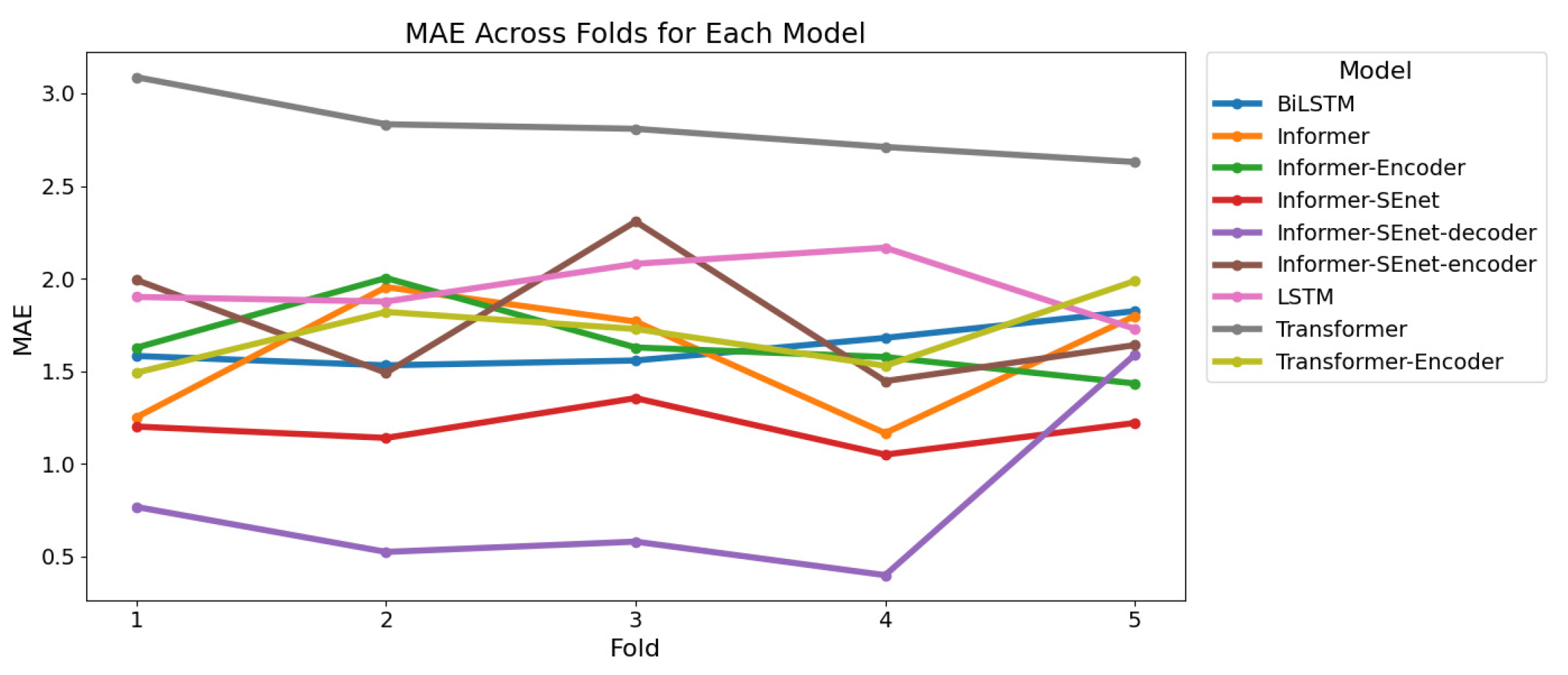
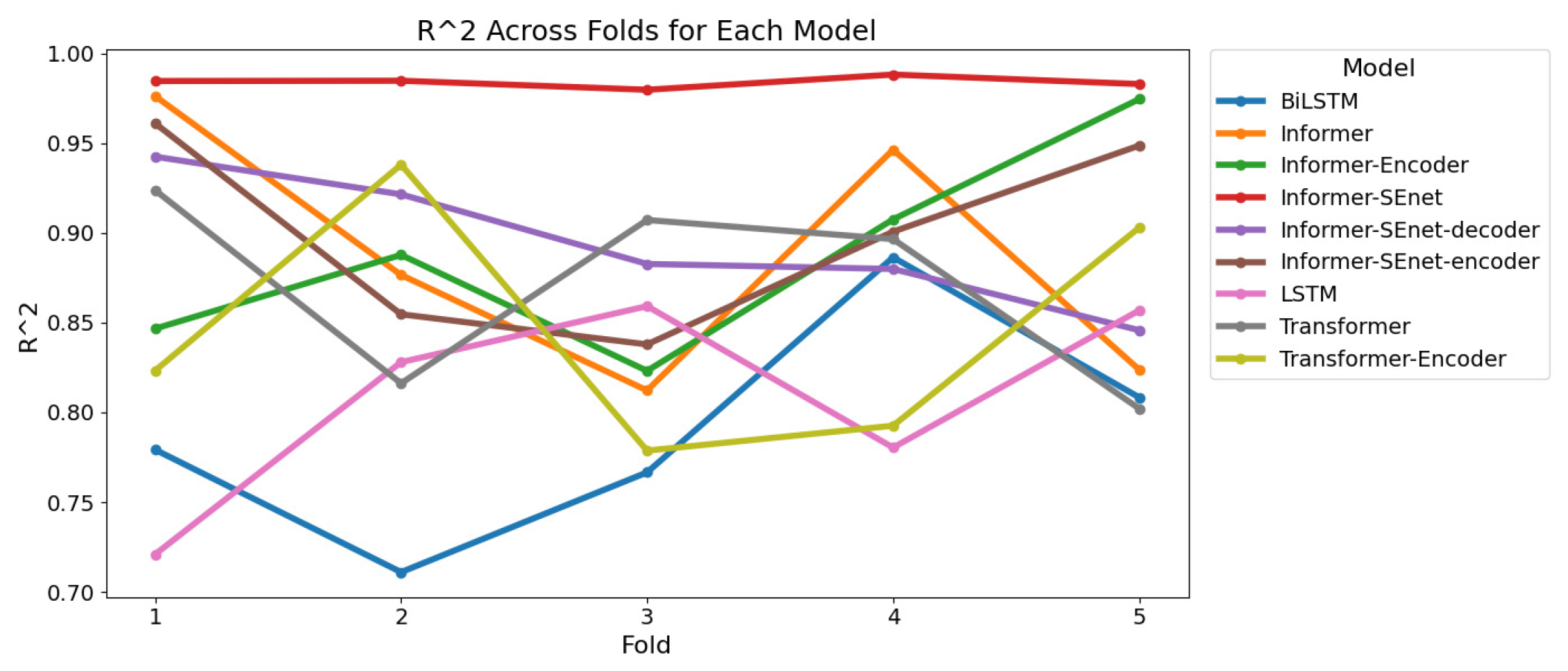
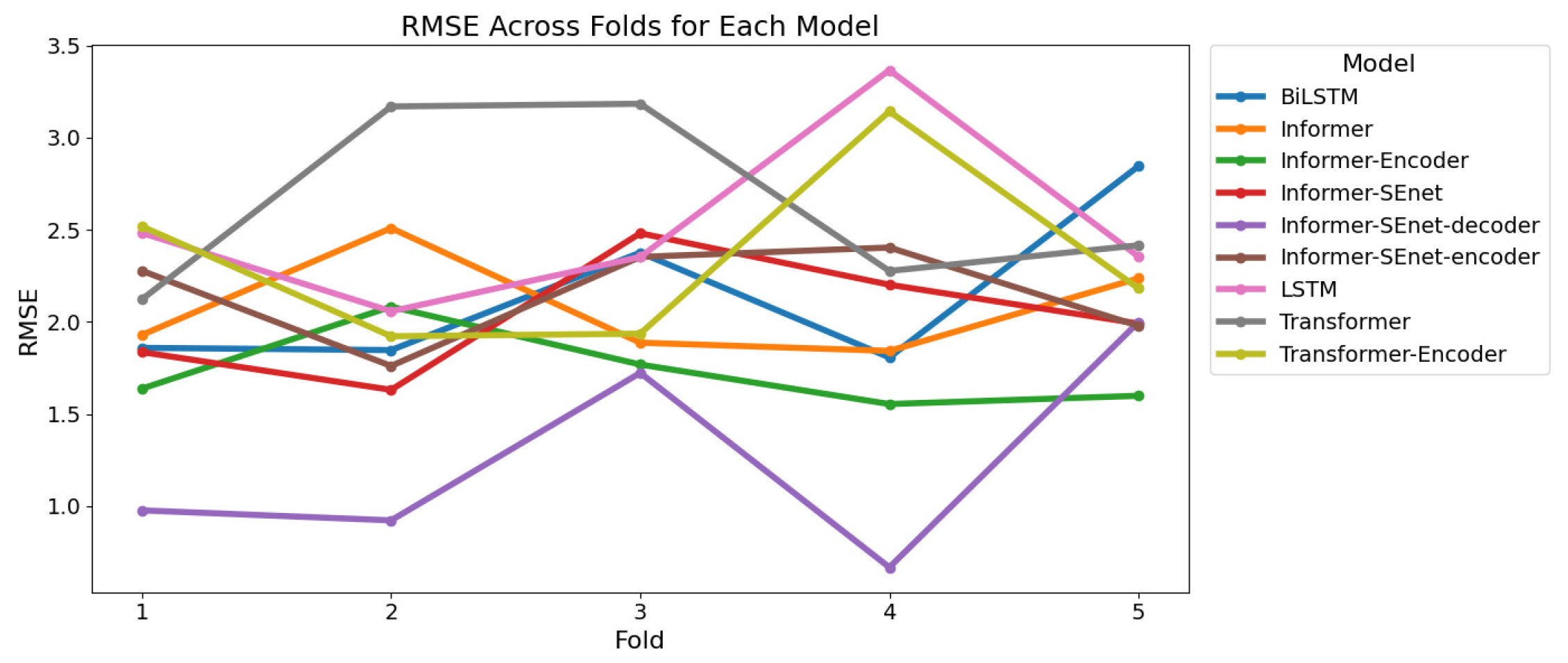
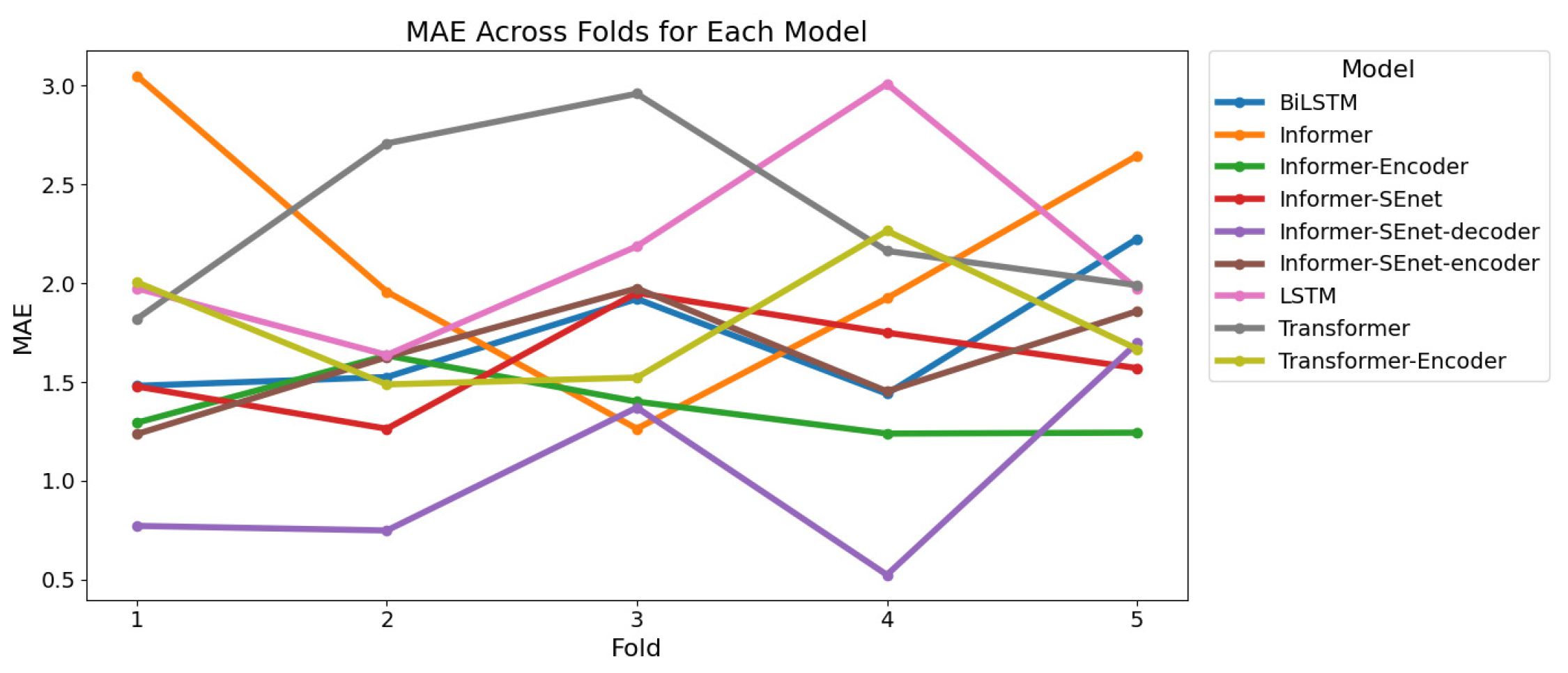
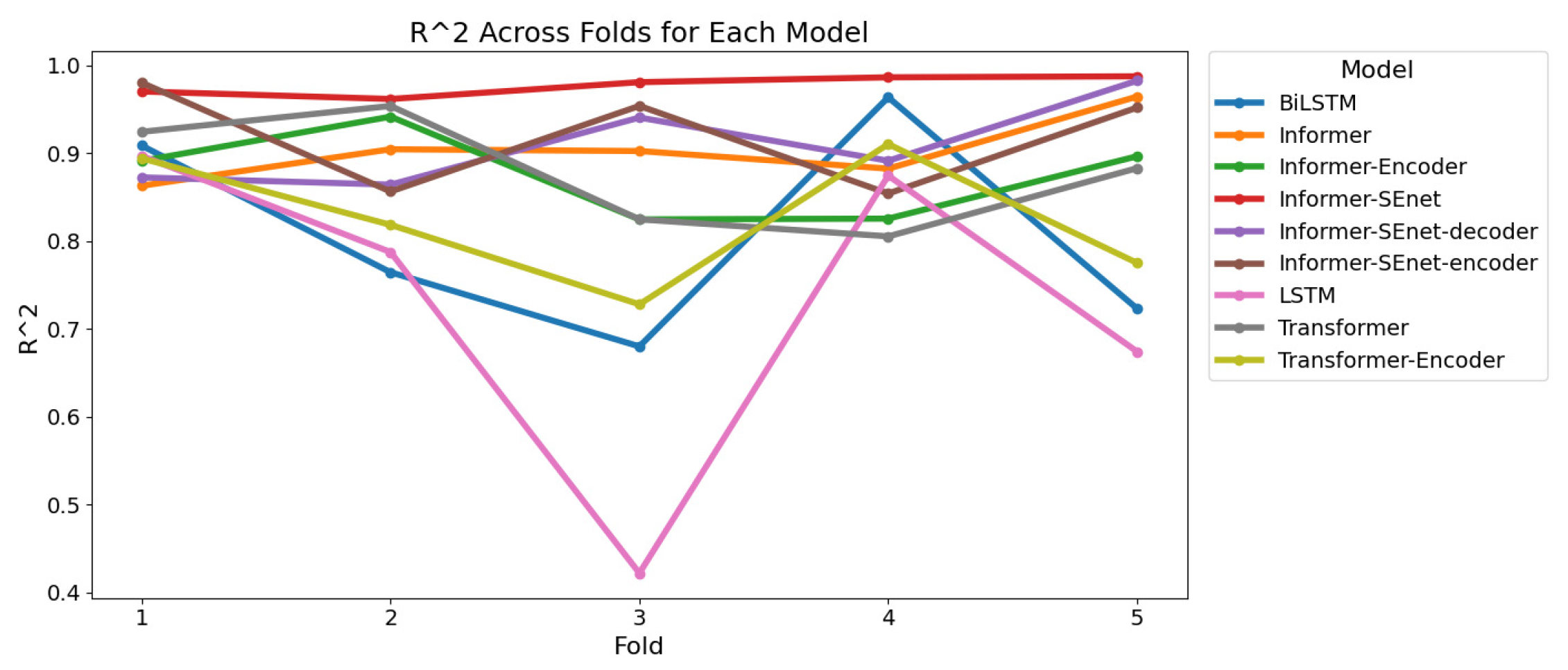
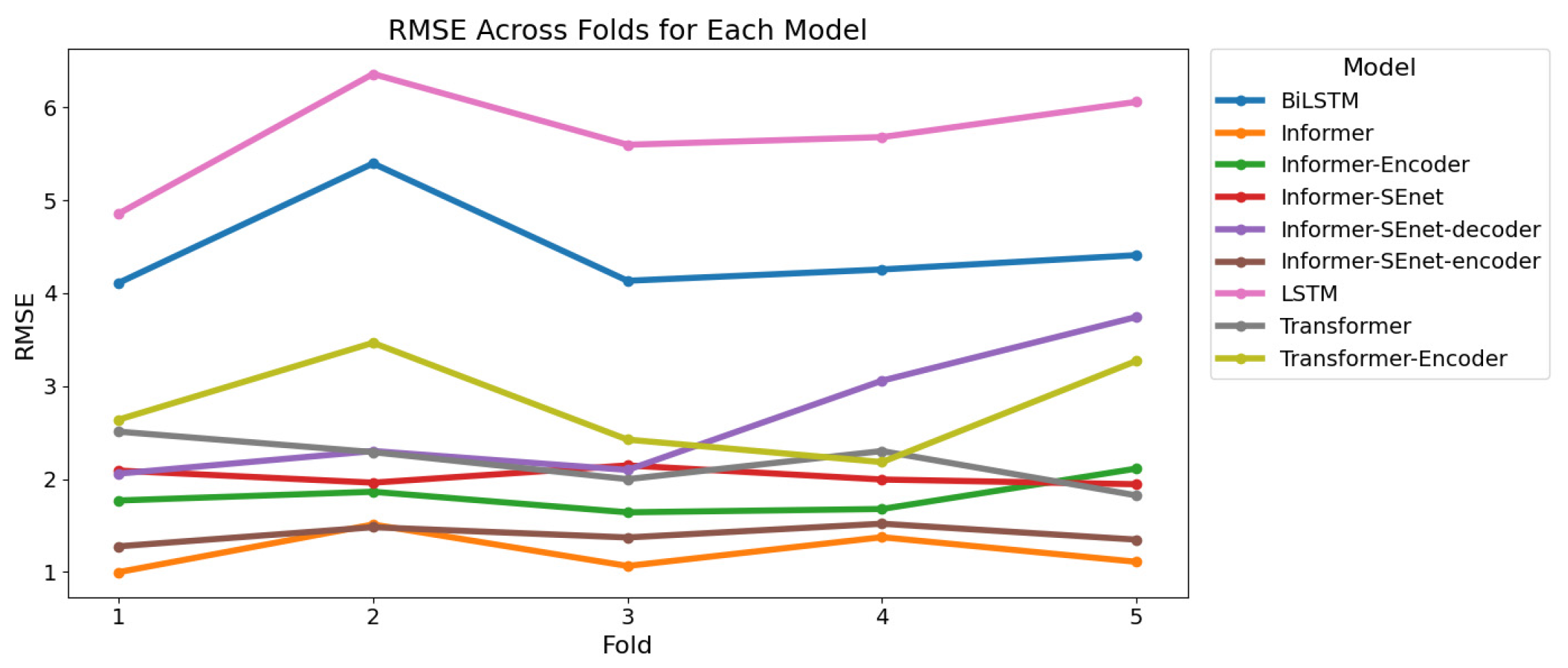
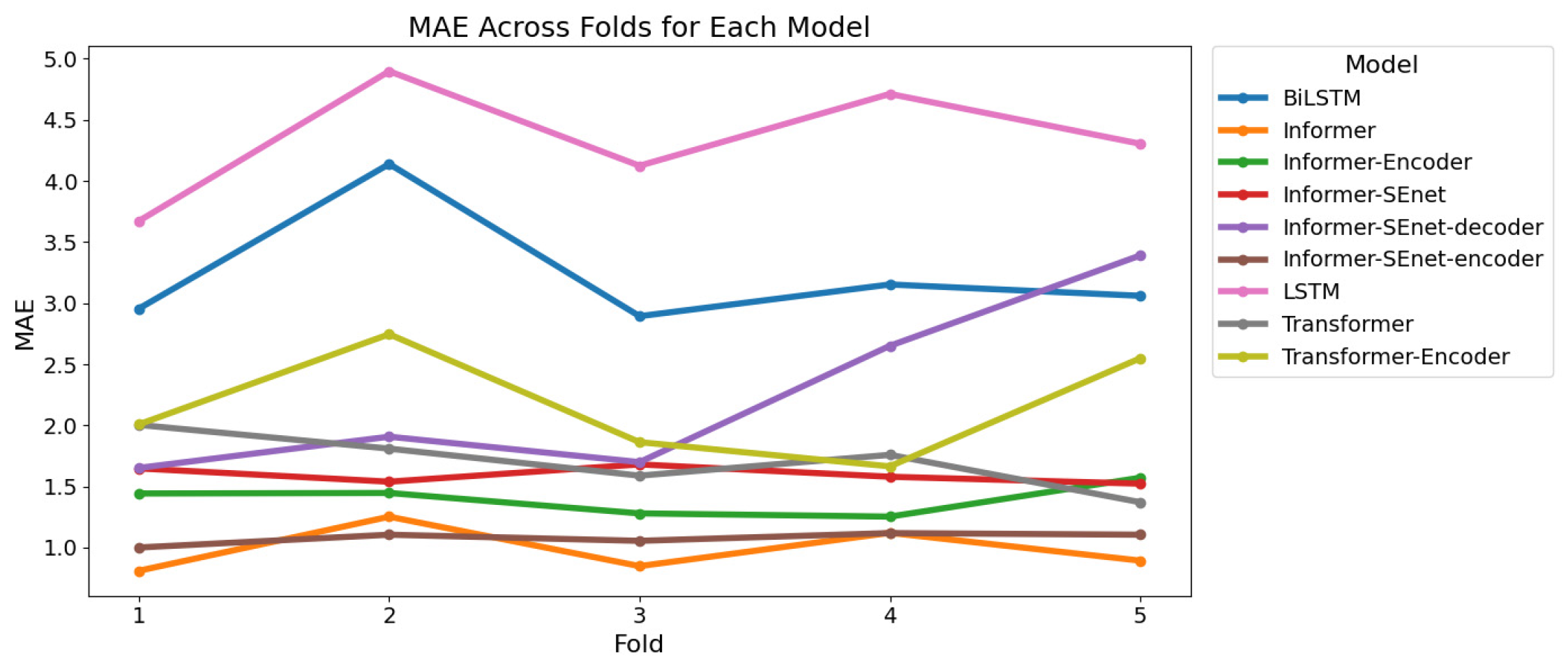
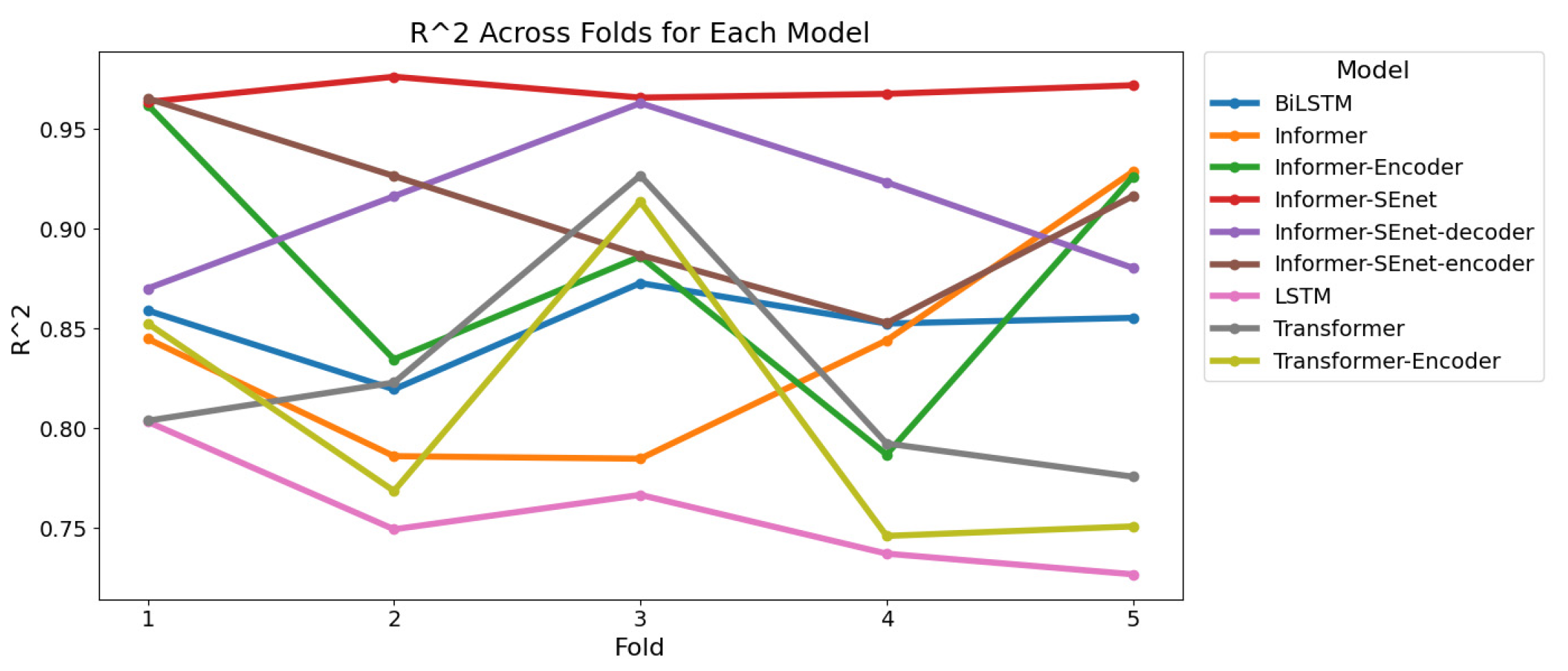
To address the stochastic, nonlinear, and strongly coupled characteristics of multivariate long-term structural response in bridge health monitoring, this study proposes the Informer-SEnet prediction model. The model integrates a Squeeze-and-Excitation (SE) channel attention mechanism into the Informer framework, enabling adaptive recalibration of channel importance to suppress redundant information and enhance key structural response features. A sliding-window strategy is used to construct the datasets, and extensive comparative experiments and ablation studies are conducted on one public bridge-monitoring dataset and two long-term monitoring datasets from real bridges. In the best case, the proposed model achieves improvements of up to 54.67% in MAE, 52.39% in RMSE, and 7.73% in R2. Ablation analysis confirms that the SE module substantially strengthens channel-wise feature representation, while the sparse attention and distillation mechanisms are essential for capturing long-range dependencies and improving computational efficiency. Their combined effect yields the optimal predictive performance. Five-fold cross-validation further evaluates the model’s generalization capability. The results show that Informer-SEnet exhibits smaller fluctuations across folds compared with baseline models, demonstrating higher stability and robustness and confirming the reliability of the proposed approach. The improvement in prediction accuracy enables more precise characterization of the structural response evolution under environmental and operational loads, thereby providing a more reliable basis for anomaly detection and early damage warning, and reducing the risk of false alarms and missed detections. The findings offer an efficient and robust deep learning solution to support bridge structural safety assessment and intelligent maintenance decision-making.
Keywords: bridge health monitoring; Informer-SEnet; structural response prediction; sparse self-attention; multivariate time series bridge health monitoring; Informer-SEnet; structural response prediction; sparse self-attention; multivariate time series