Article

AI-Enabled Cognitive Predictive Maintenance of Urban Assets Using City Information Modeling—Systematic Review

by
Oluwatoyin O. Lawal
1,*,
Nawari O. Nawari
1 and
Omobolaji Lawal
2
1
Department of Architecture, University of Florida, Gainesville, FL 32611, USA
2
Department of Civil Engineering, University of Illinois at Urbana-Champaign, Urbana, IL 61801, USA
*
Author to whom correspondence should be addressed.
Buildings 2025, 15(5), 690; https://doi.org/10.3390/buildings15050690

Submission received: 17 January 2025 / Revised: 9 February 2025 / Accepted: 18 February 2025 / Published: 22 February 2025
(This article belongs to the Special Issue BIM Methodology and Tools Development/Implementation)

Abstract

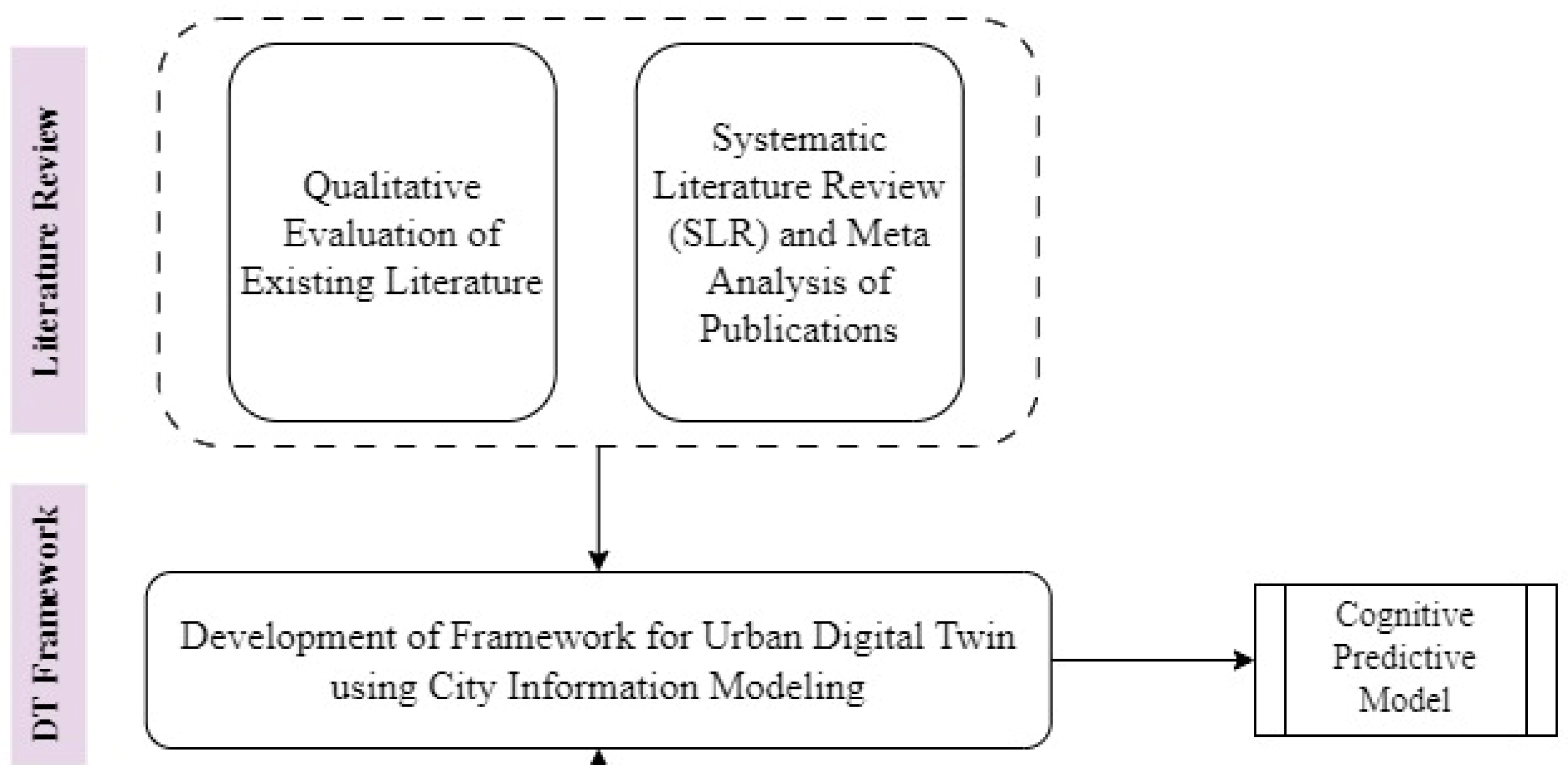
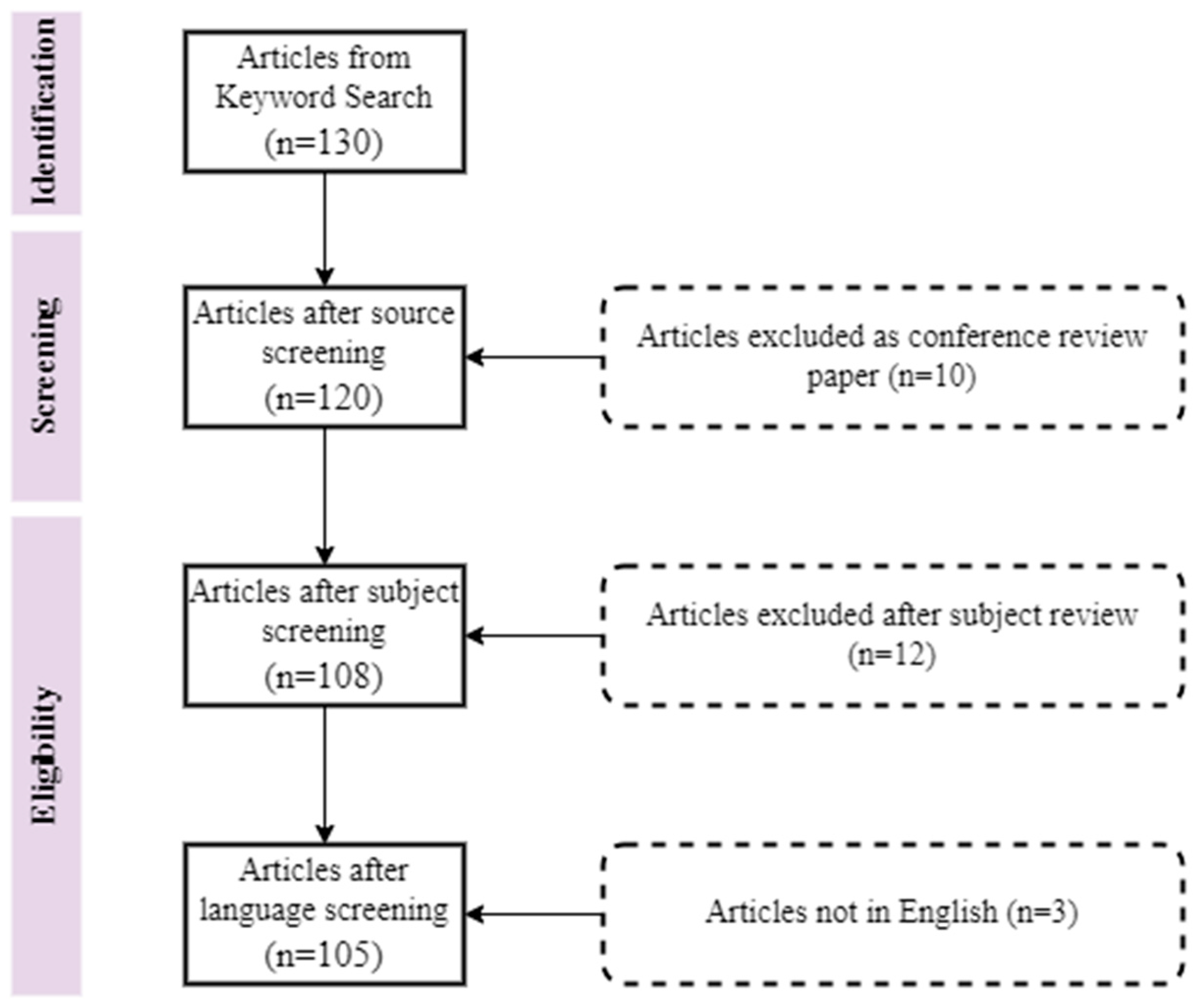
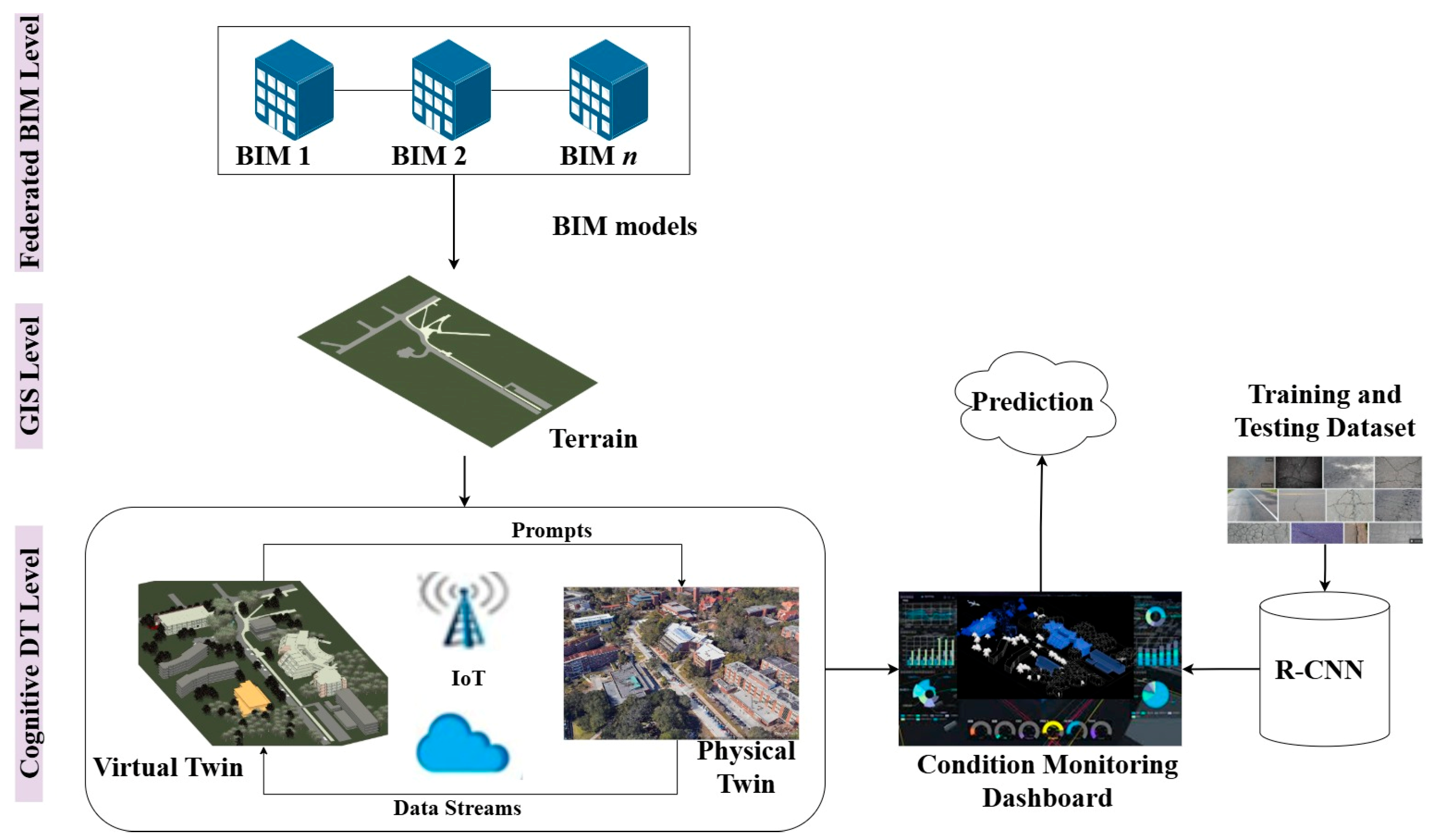
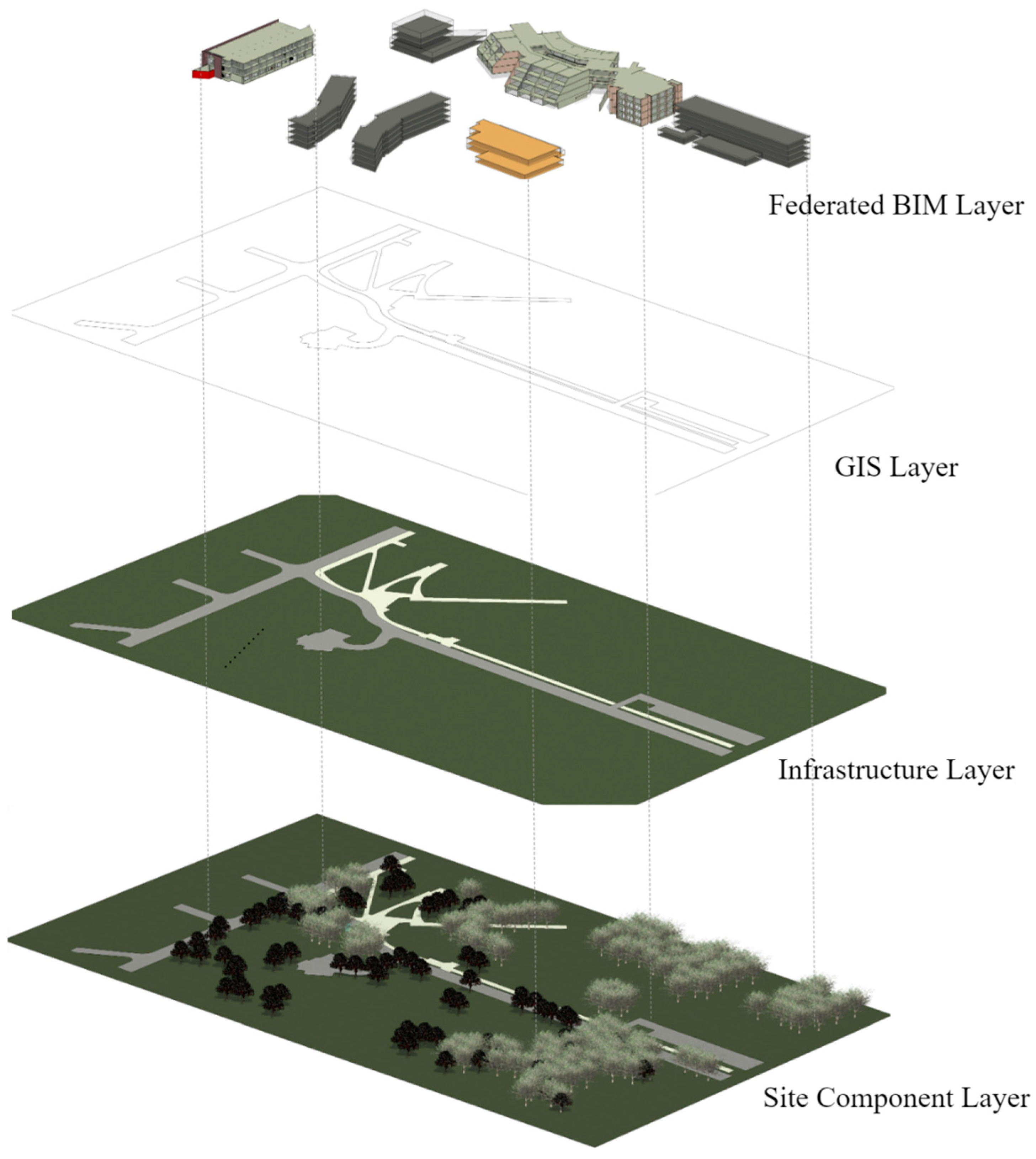
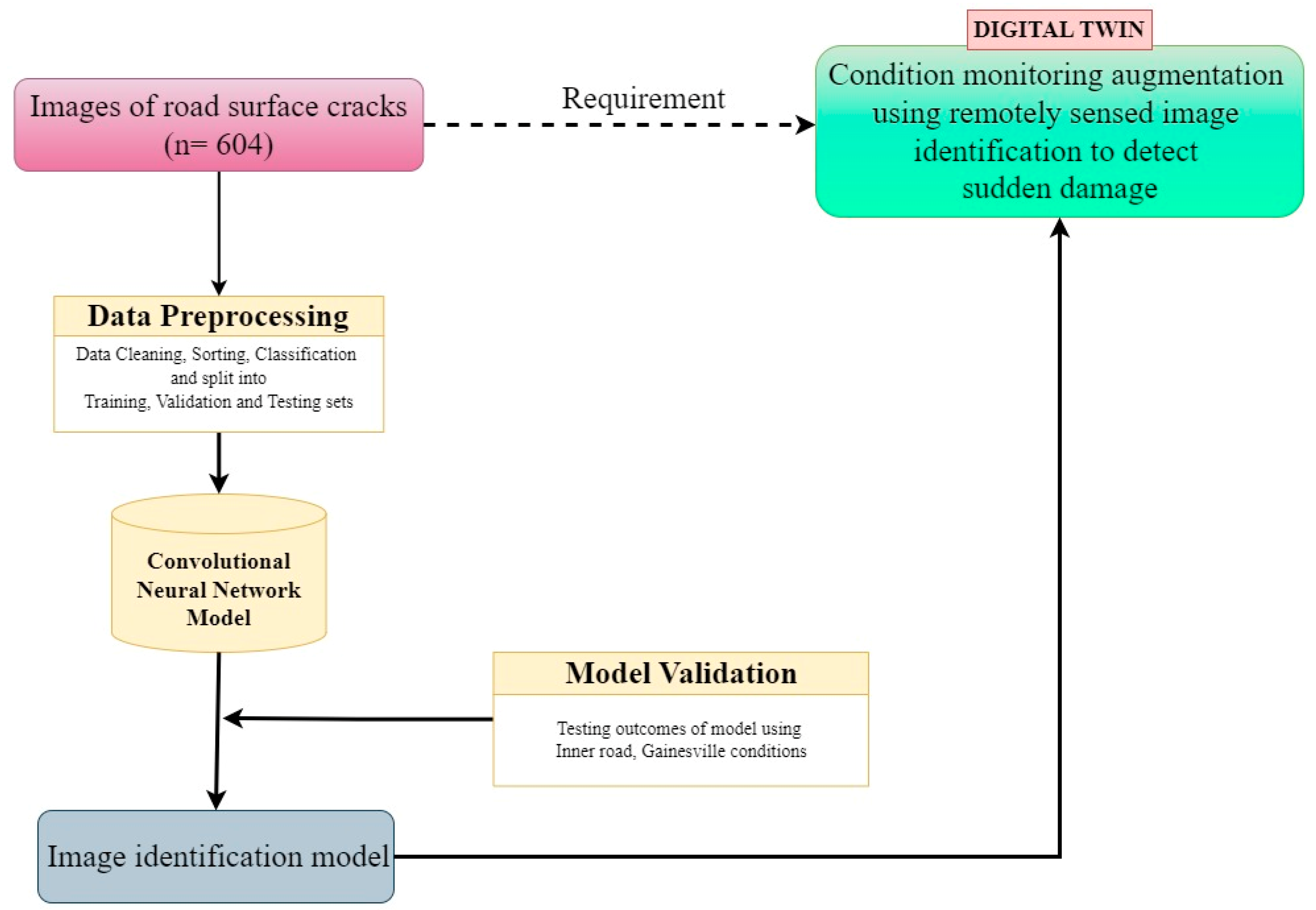
Predictive maintenance of built assets often relies on scheduled routine practices that are disconnected from real-time stress assessment, degradation and defects. However, while Digital Twin (DT) technology within building and urban studies is maturing rapidly, its use in predictive maintenance is limited. Traditional preventive and reactive maintenance strategies that are more prevalent in facility management are not intuitive, not resource efficient, cannot prevent failure and either underserve the asset or are surplus to requirements. City Information Modeling (CIM) refers to a federation of BIM models in accordance with real-world geospatial references, and it can be deployed as an Urban Digital Twin (UDT) at city level, like BIM’s deployment at building level. This study presents a systematic review of 105 Scopus-indexed papers to establish current trends, gaps and opportunities for a cognitive predictive maintenance framework in the architecture, engineering, construction and operations (AECO) industry. A UDT framework consisting of the CIM of a section of the University of Florida campus is proposed to bridge the knowledge gap highlighted in the systematic review. The framework illustrates the potential for CNN-IoT integration to improve predictive maintenance through advance notifications. It also eliminates the use of centralized information archiving.
Keywords: City Information Model; Urban Digital Twin; asset management; predictive maintenance; Artificial Intelligence City Information Model; Urban Digital Twin; asset management; predictive maintenance; Artificial Intelligence