Article

Model Testing for Bending Performance on Fragile Cross-Section of Square Hollow Steel-Reinforced Concrete Column


1
Shanghai Baoye Group Co., Ltd., Shanghai 200941, China
2
College of Civil Engineering, Henan University of Technology, Zhengzhou 450001, China
*
Author to whom correspondence should be addressed.
Buildings 2025, 15(3), 313; https://doi.org/10.3390/buildings15030313

Submission received: 23 December 2024 / Revised: 13 January 2025 / Accepted: 19 January 2025 / Published: 21 January 2025
(This article belongs to the Section Building Structures)

Abstract

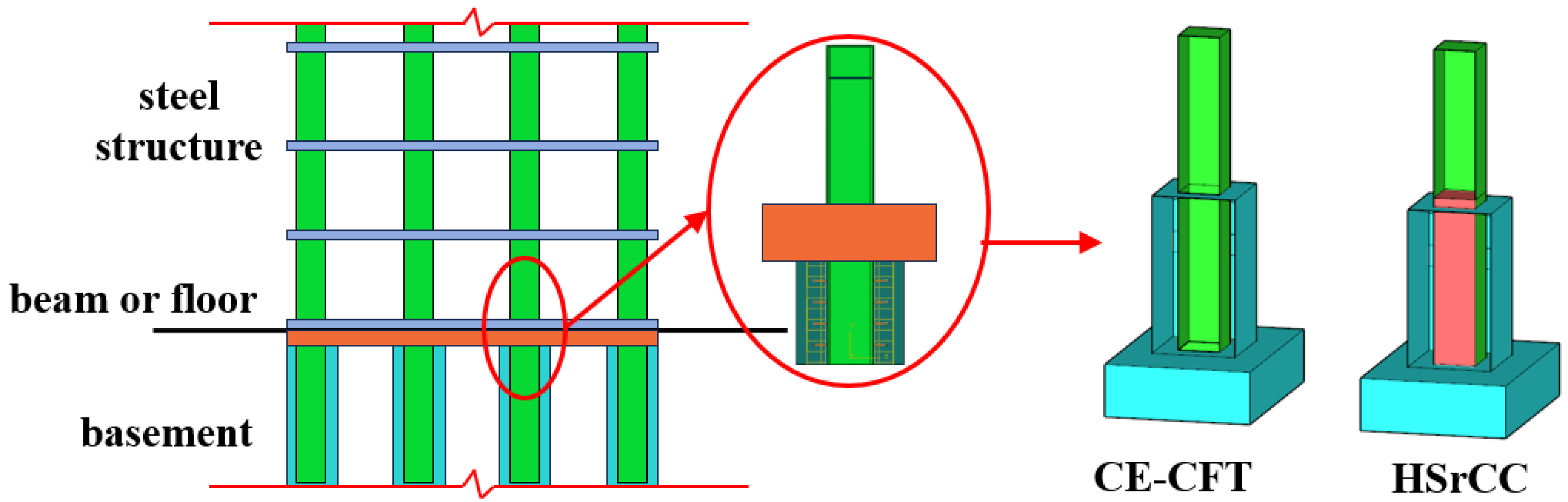
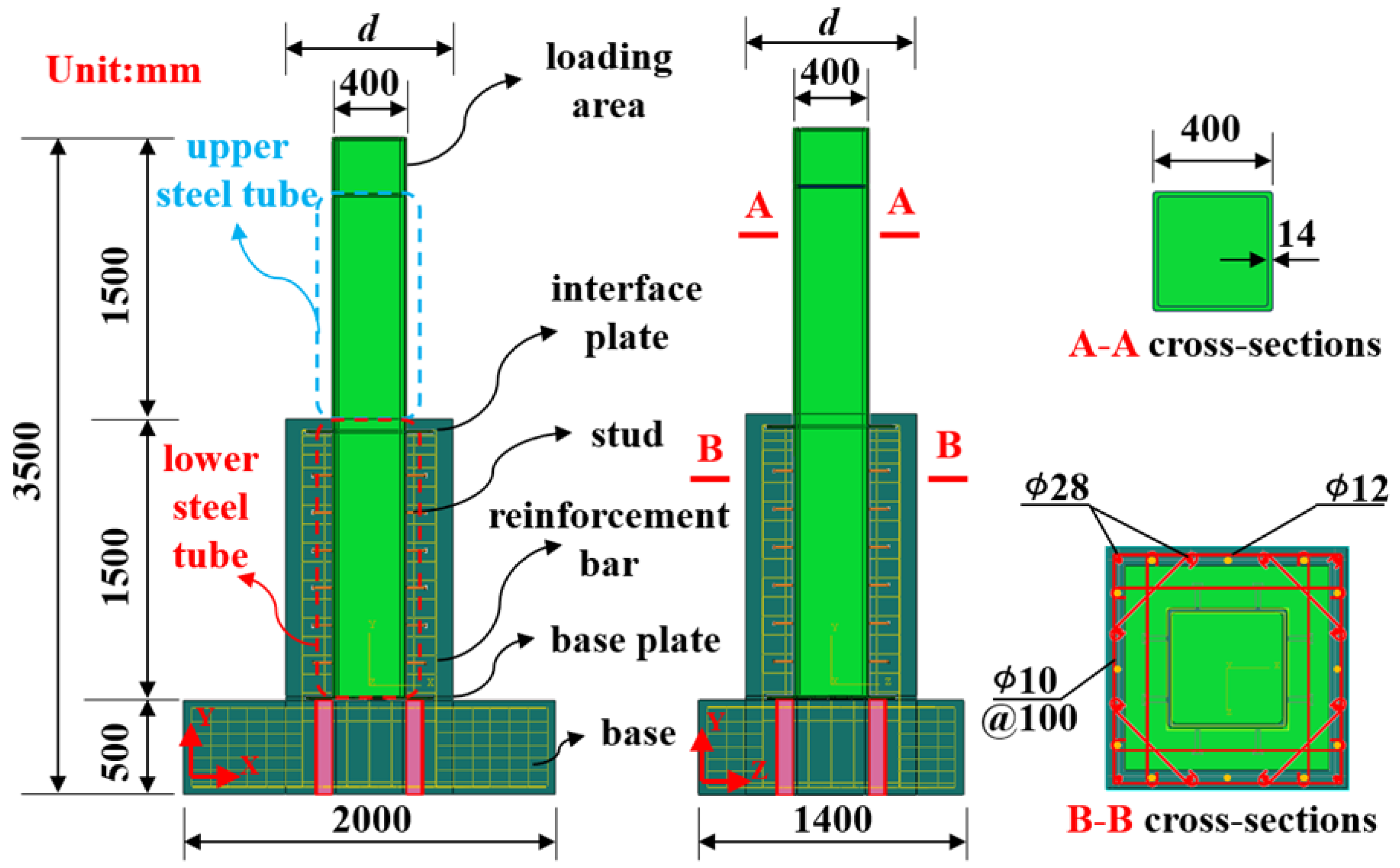
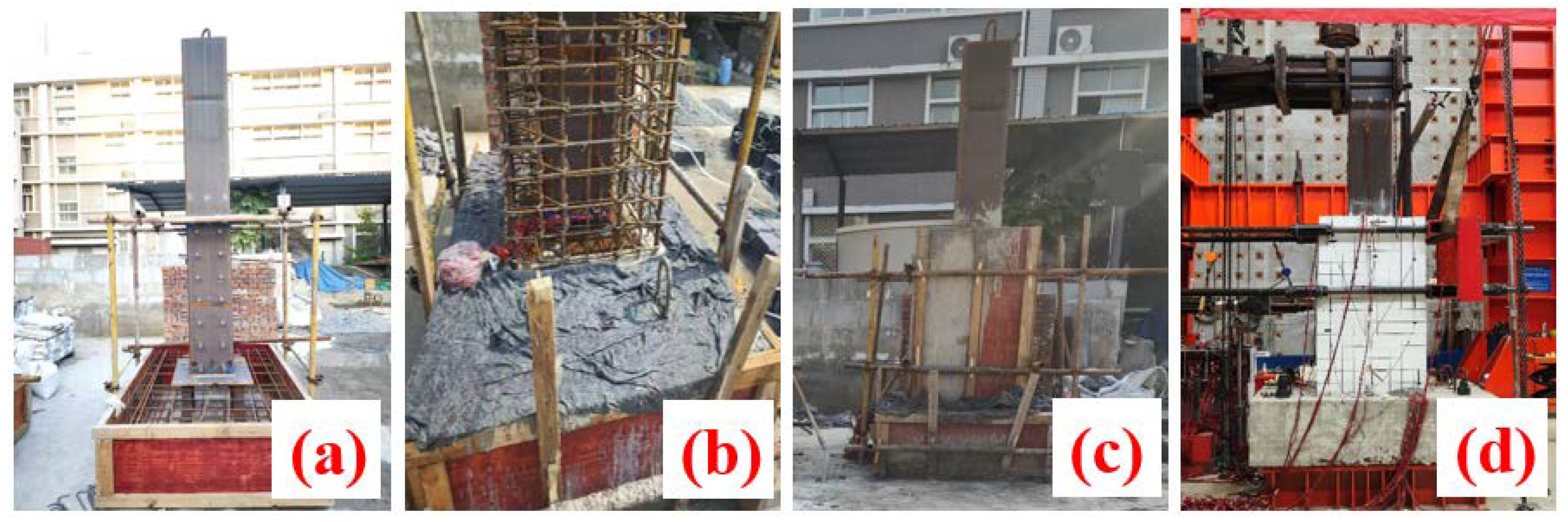
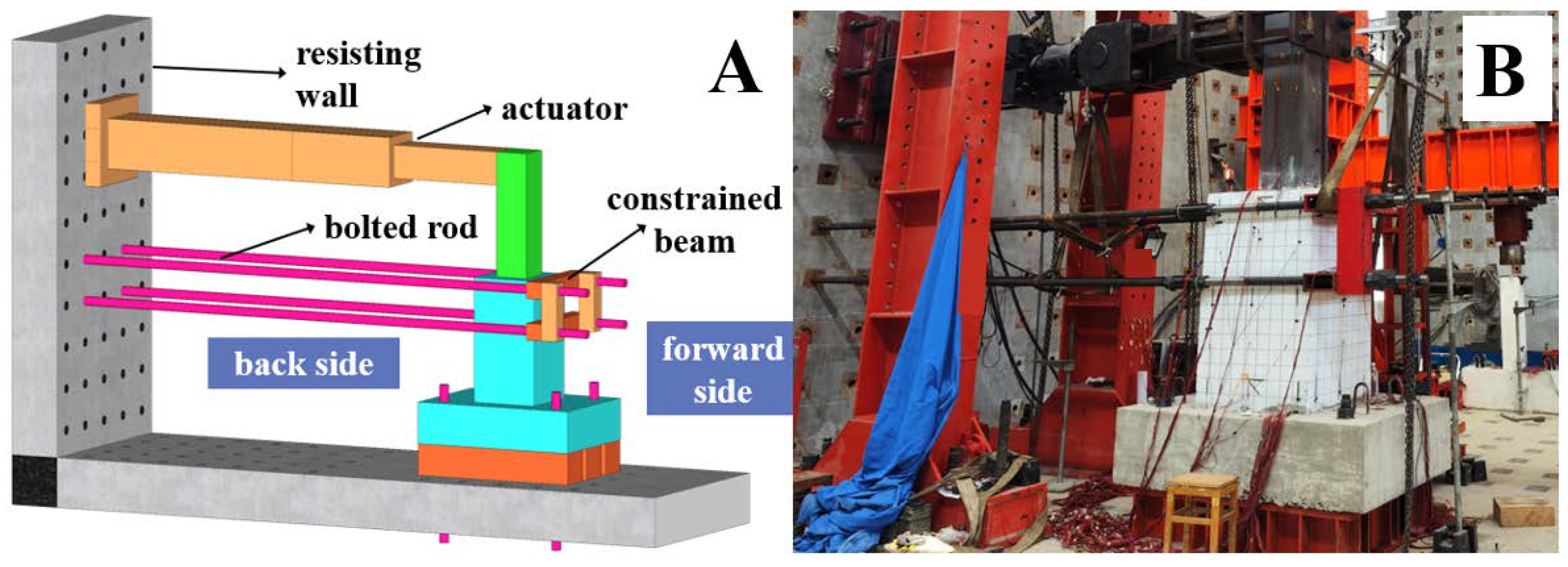
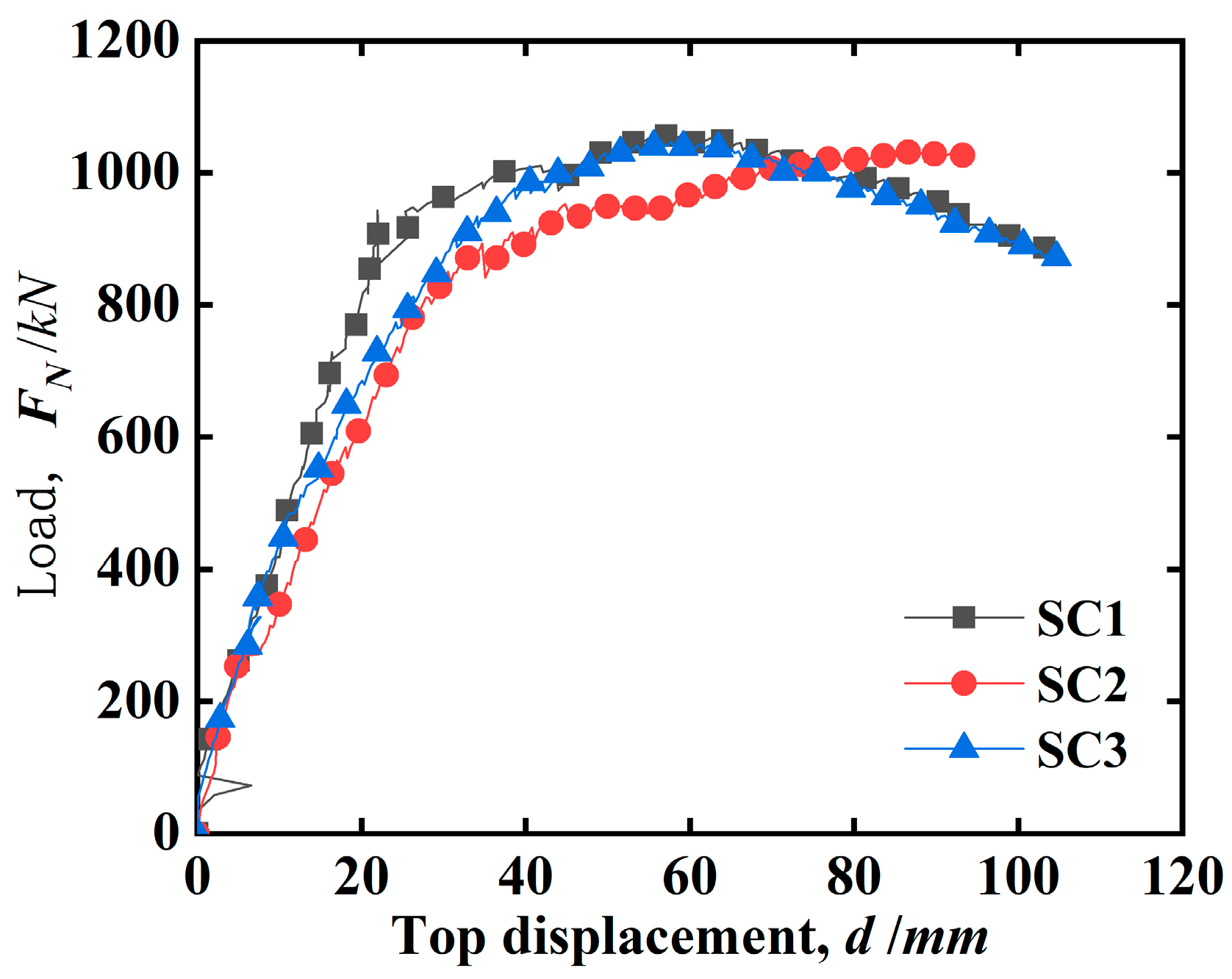
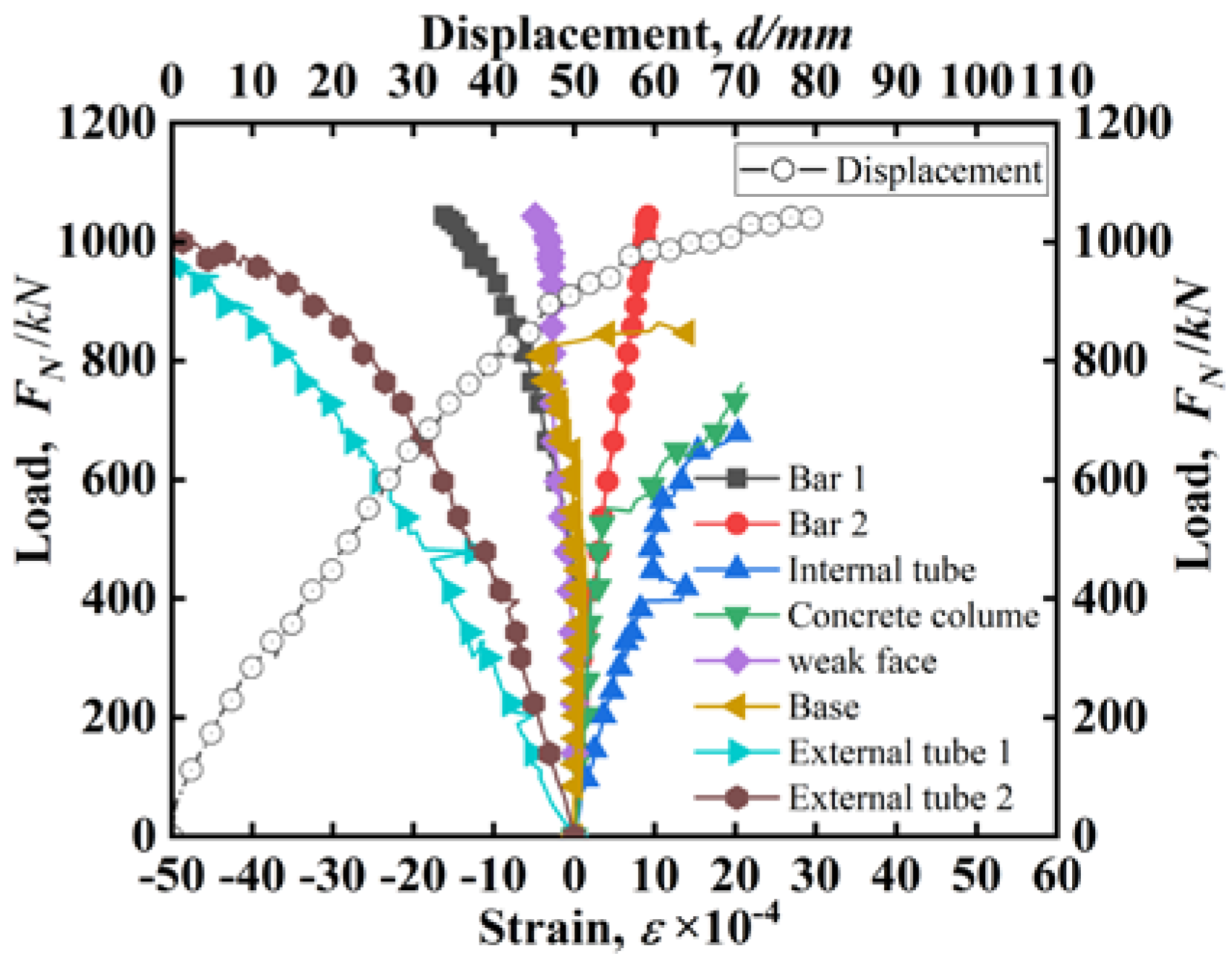
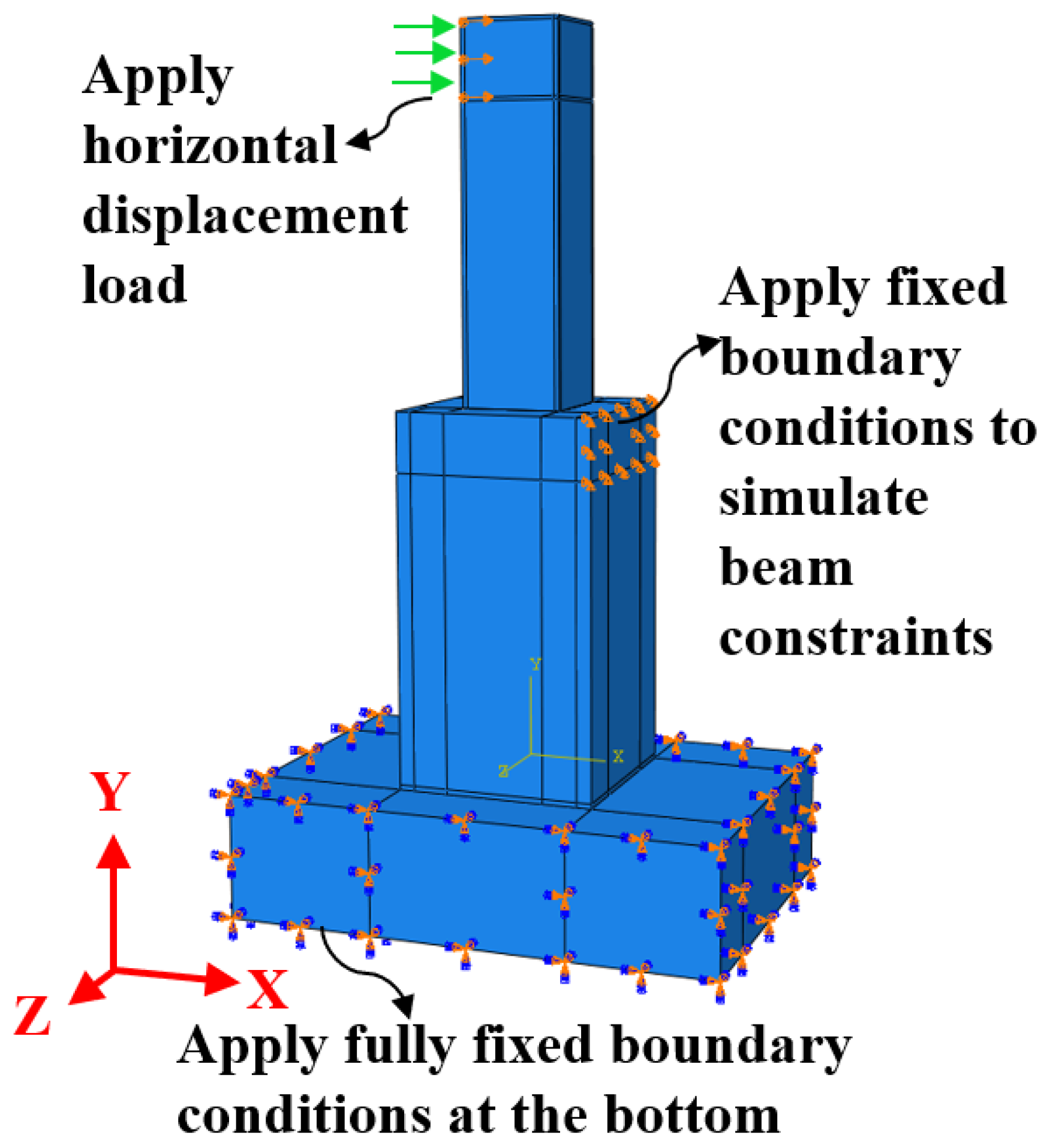
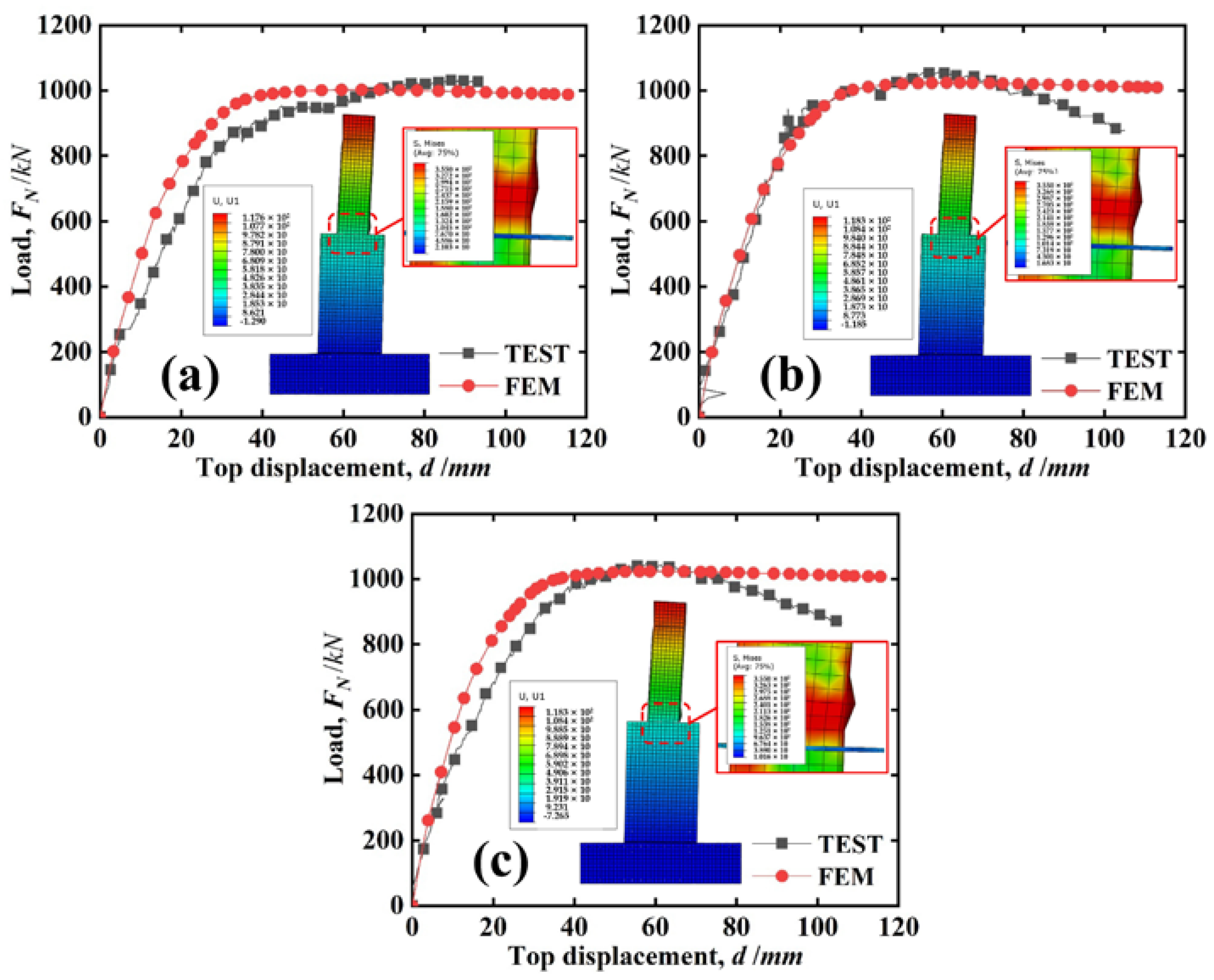
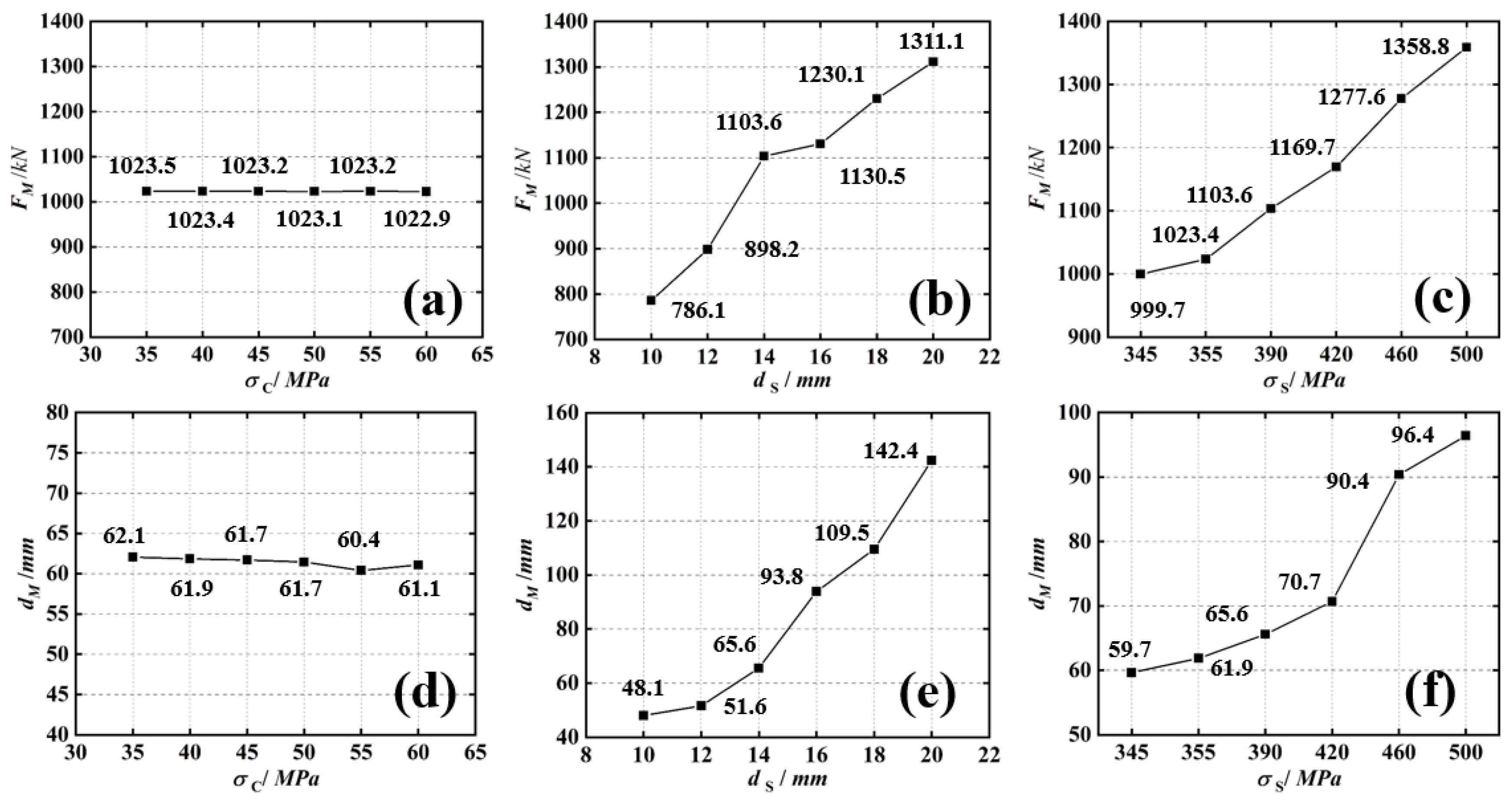
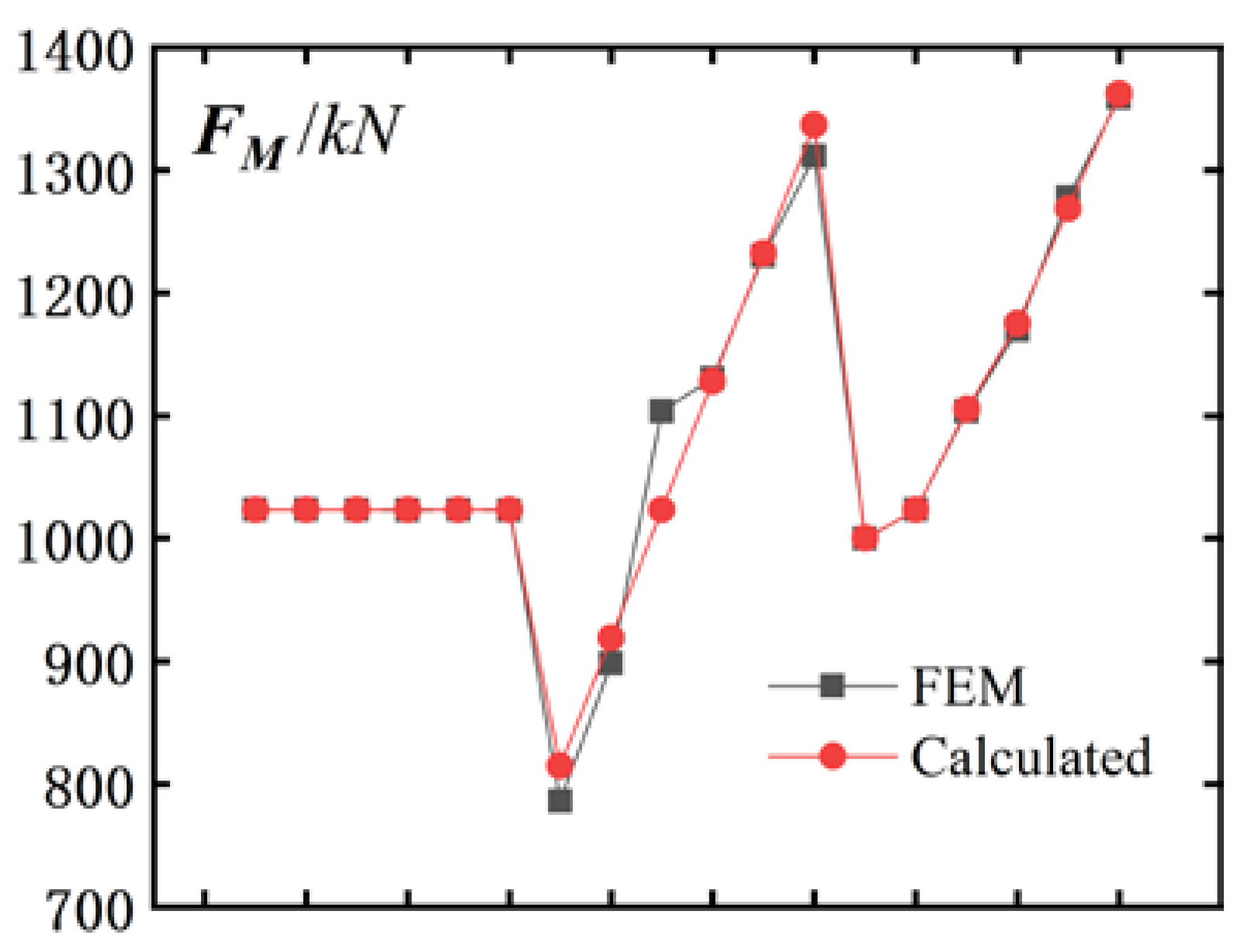
This study researches the bending and shear performance of the fragile cross-section of square hollow steel-reinforced concrete columns using experiments, numerical analysis, and theoretical investigation. First, three tests of square hollow steel-reinforced concrete column (HSrCC) specimens considering different sectional sizes and grouting conditions were conducted. The bearing capacity and load transfer mechanisms under bending and shear loading were experimentally compared. Second, a numerical model was established based on the experimental results, and then parametric studies were performed on the bearing capacity and deformation of the structure. Last, a peak load calculation formula was derived in this study considering thickness and strength for a 400 × 400 square HSrCC. Based on the experimental results, the failure process of the specimen can be divided into four steps. Grouting increases stiffness at the front part of the specimen but induces significant damage at the rear compared to the no-grouting case, with the maximum strain increasing by 25%. Increasing the cross-sectional area of the concrete short column effectively improves the overall performance, with the maximum tensile strain of the concrete short column being reduced by approximately 1.2 times. Under the given sectional dimensions, parametric analysis suggests that the optimal square hollow steel thickness and steel strength range from 14 mm to 16 mm and from Q355 to Q420, respectively. The proposed peak load calculation formula demonstrates a discrepancy of less than 5.06% when compared with the numerical model results. These findings provide valuable references for the design of square hollow steel-reinforced concrete columns.
Keywords: square hollow steel-reinforced concrete columns; bending performance; prefabricated structure; numerical analysis; parametric analysis square hollow steel-reinforced concrete columns; bending performance; prefabricated structure; numerical analysis; parametric analysis