Article

Spatial Distribution of Dynamic Characteristics of Fan Airflows and Their Impact on Thermal Comfort


1
School of Mechanical Engineering, Tongji University, Shanghai 201804, China
2
Department of Building Science, School of Architecture, Tsinghua University, Beijing 100190, China
3
Key Laboratory of Eco Planning & Green Building, Ministry of Education, Tsinghua University, Beijing 100190, China
4
GD Midea Environment Appliances MFG. Co., Ltd., Guangdong 528425, China
*
Author to whom correspondence should be addressed.
Buildings 2025, 15(3), 308; https://doi.org/10.3390/buildings15030308

Submission received: 30 December 2024 / Revised: 15 January 2025 / Accepted: 17 January 2025 / Published: 21 January 2025
(This article belongs to the Special Issue Indoor Environmental Quality and Human Wellbeing)

Abstract

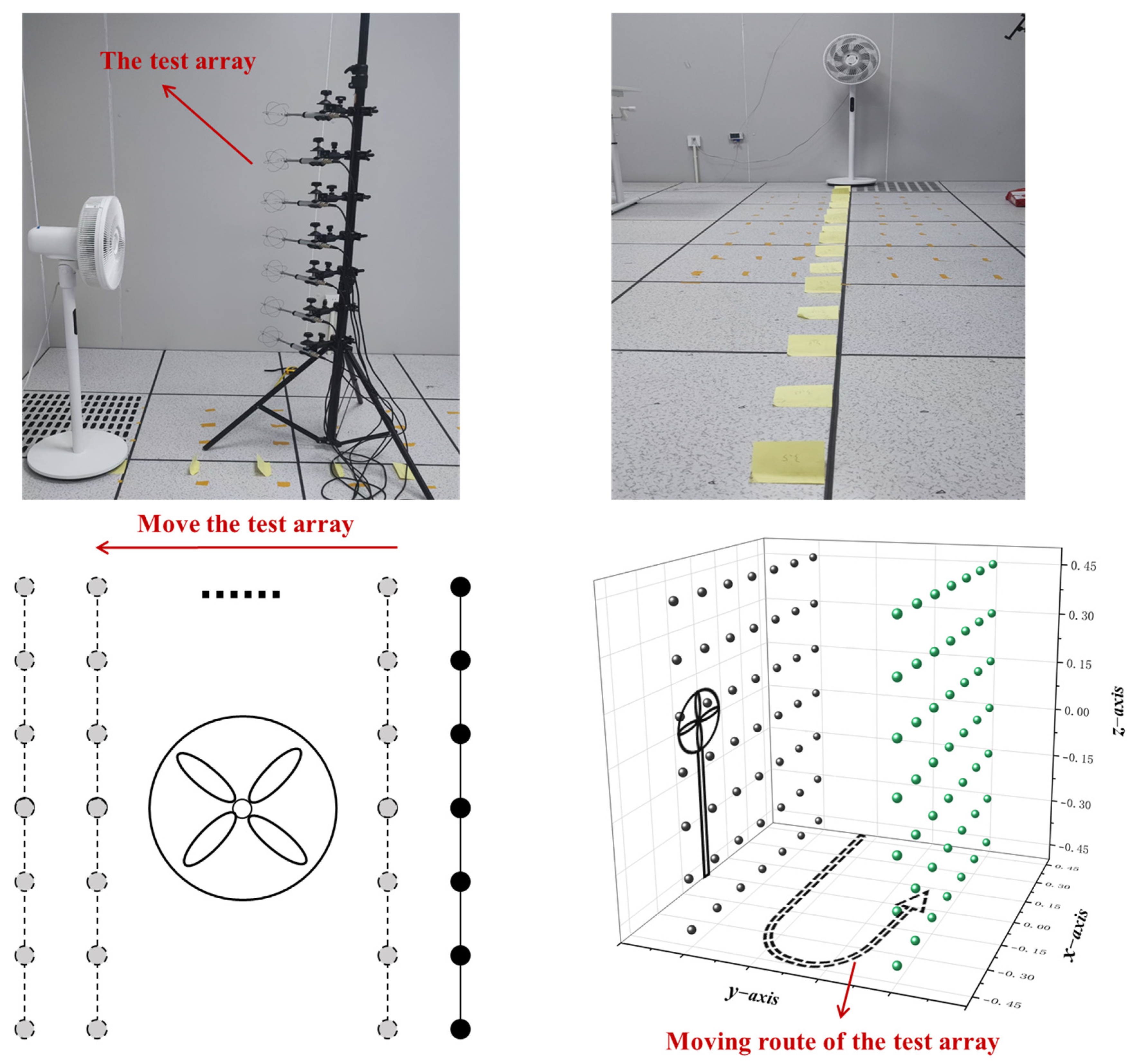
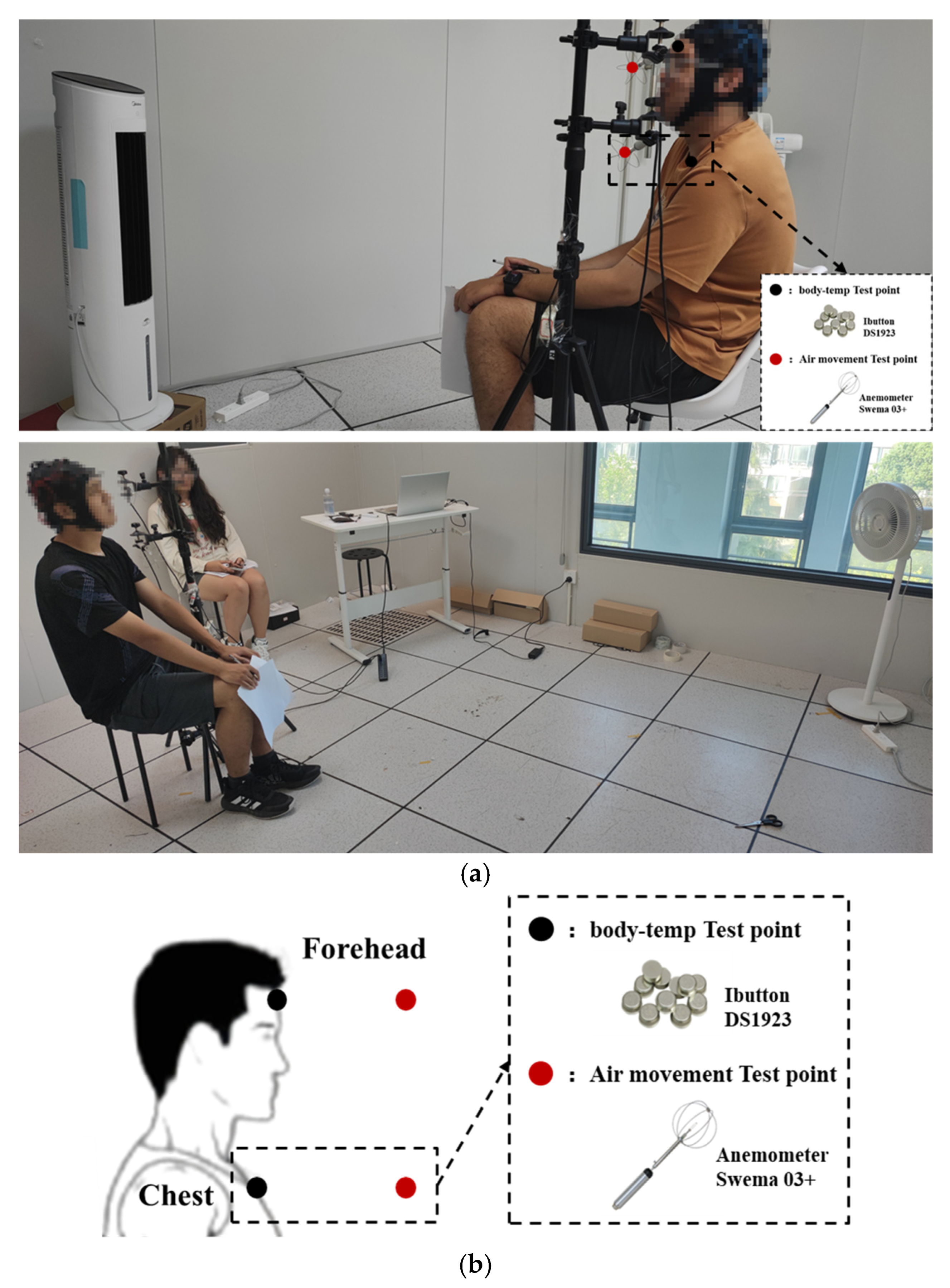
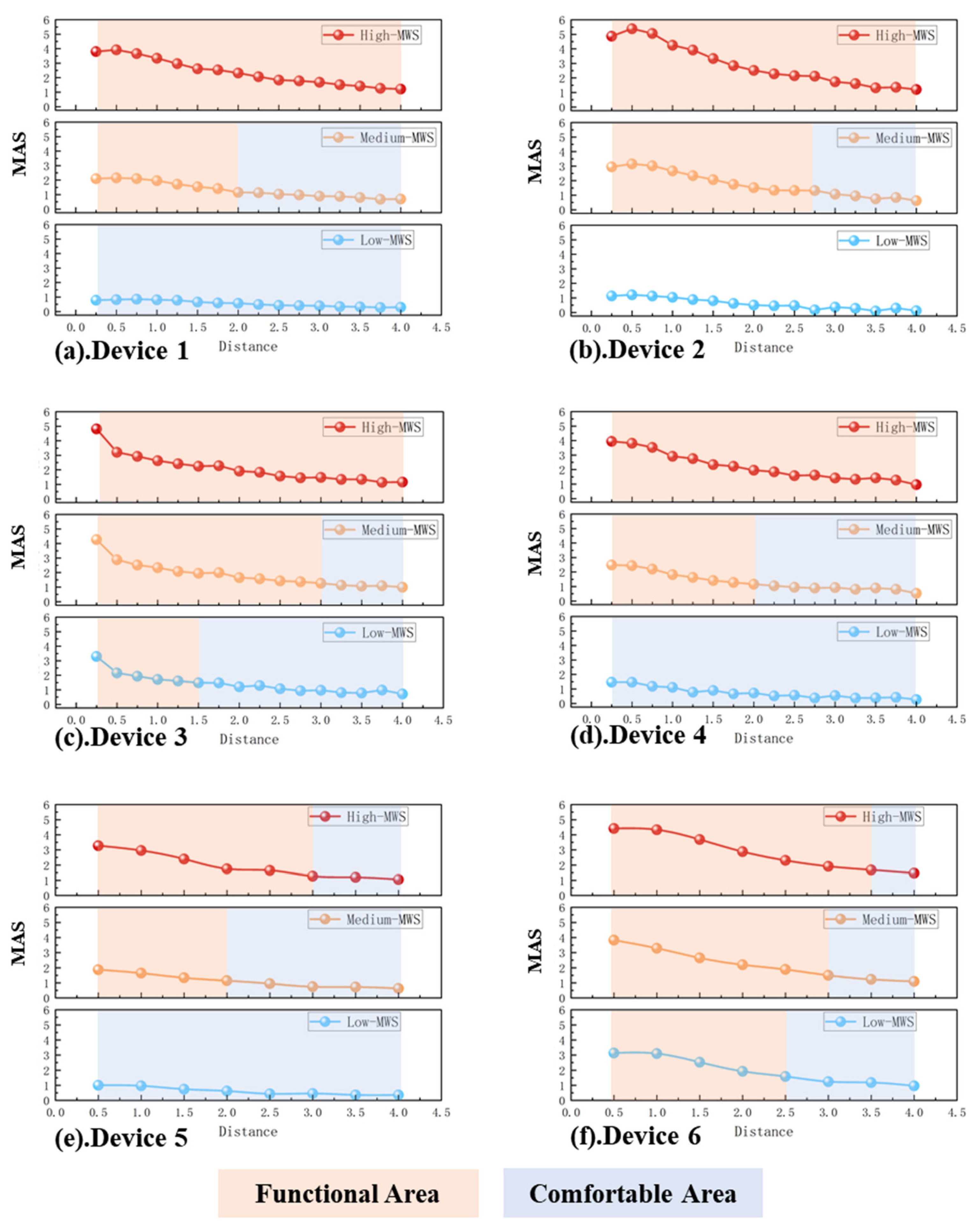
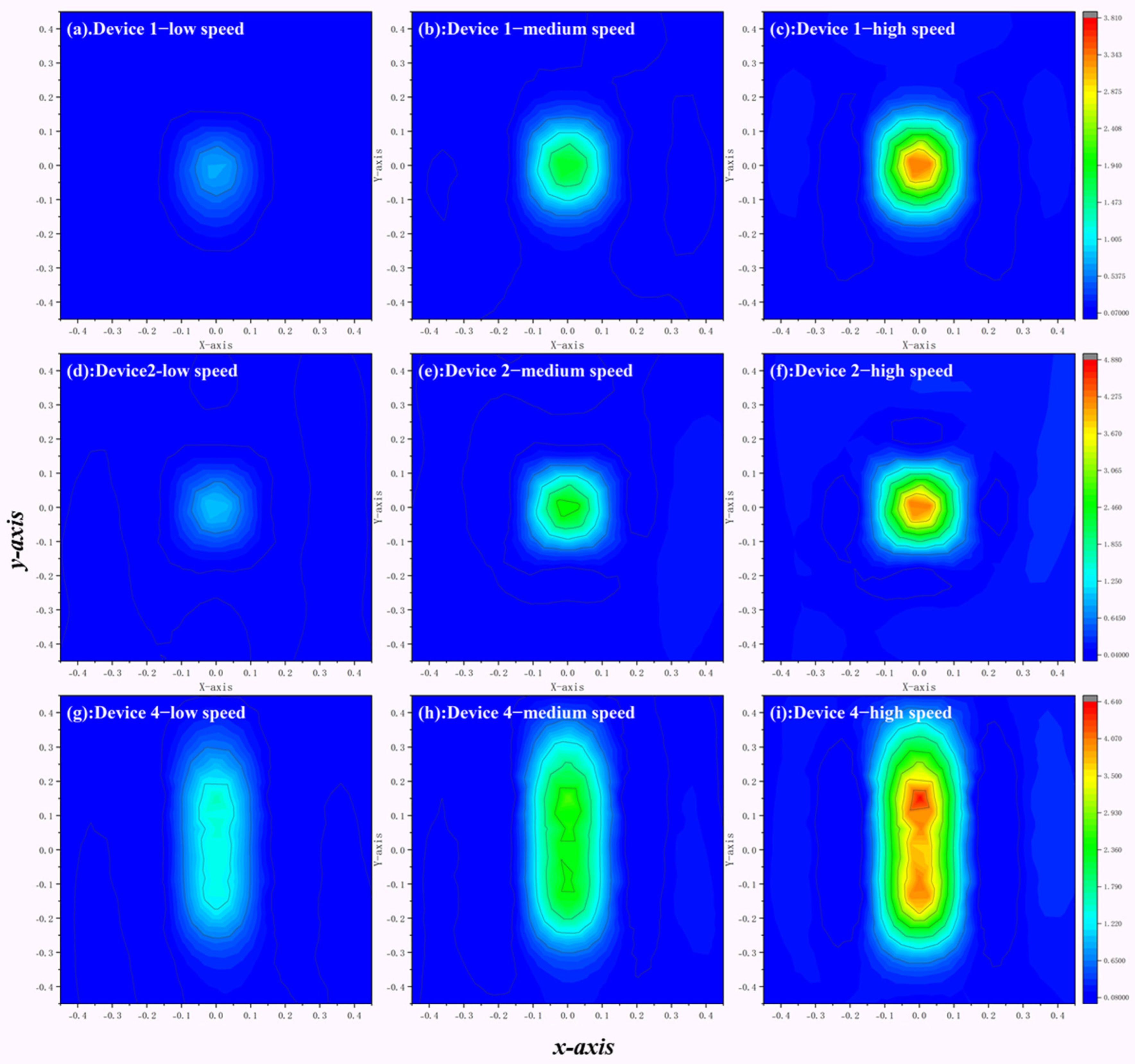
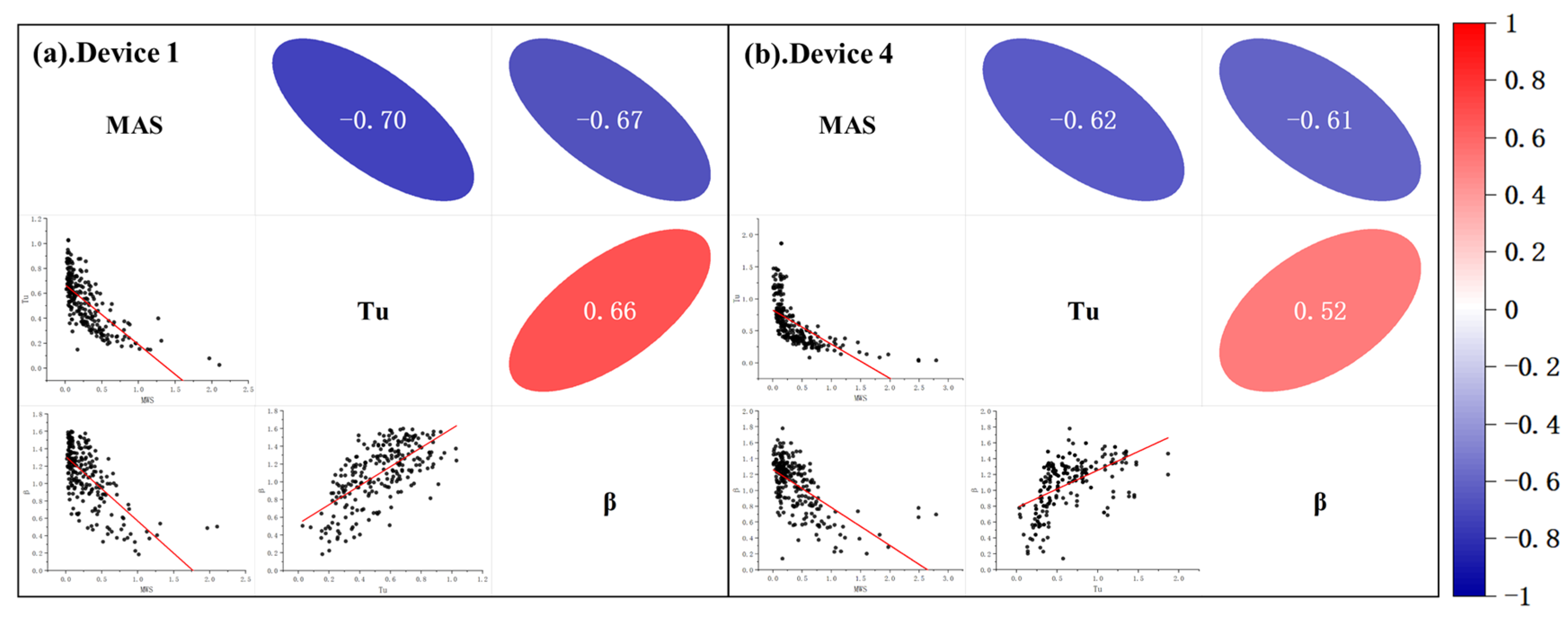
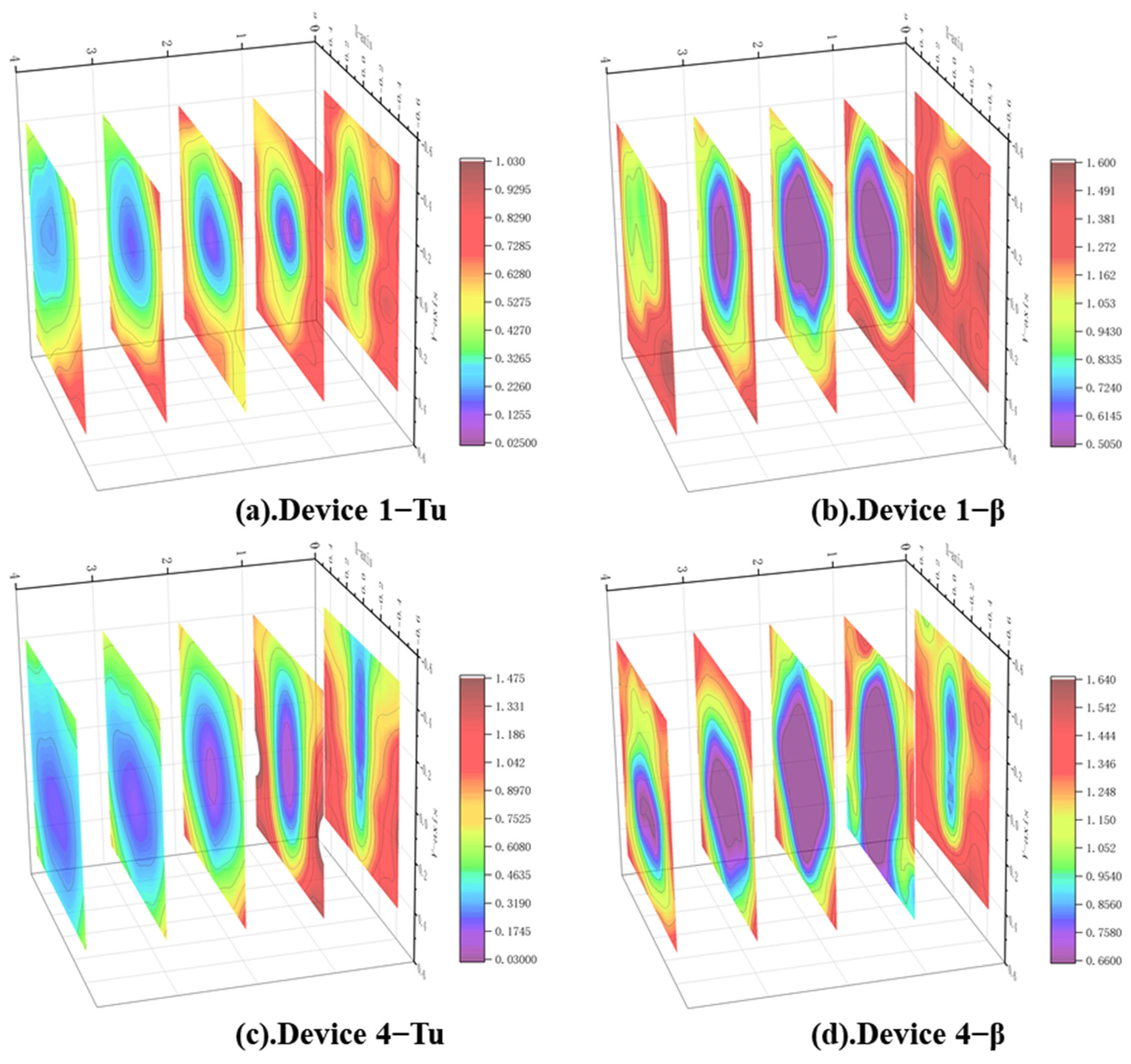
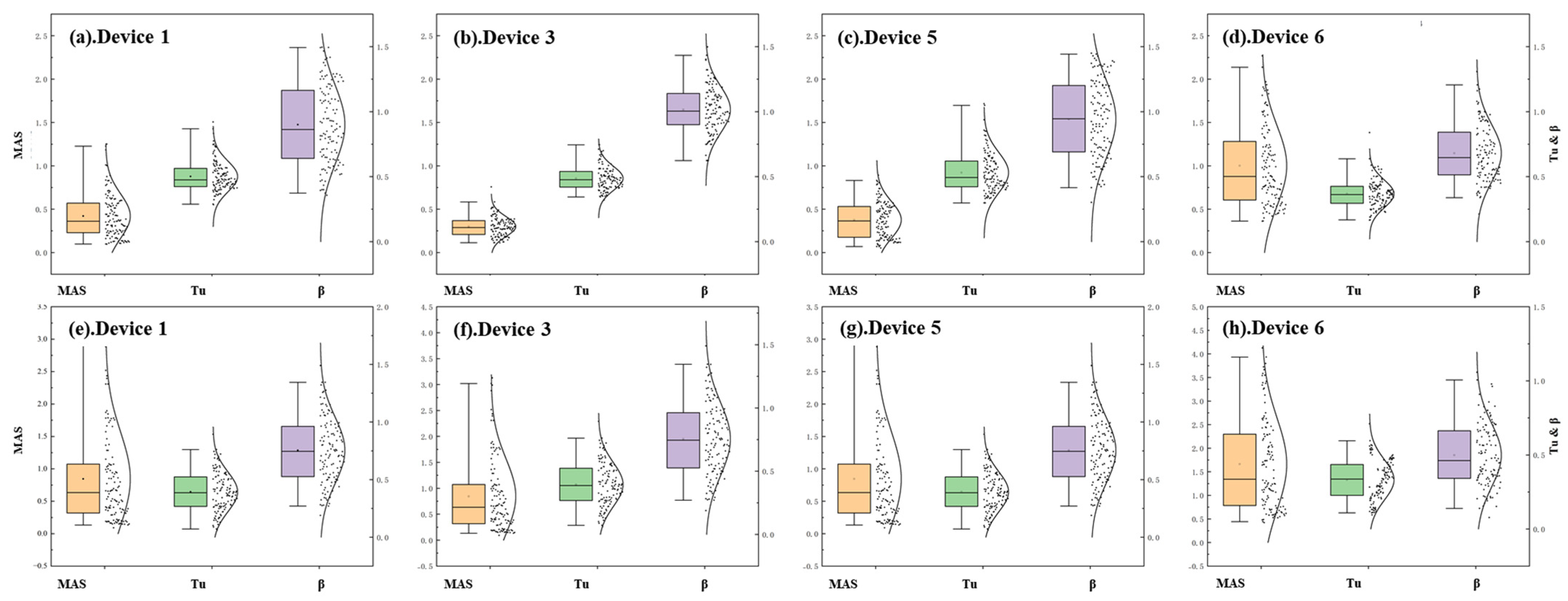
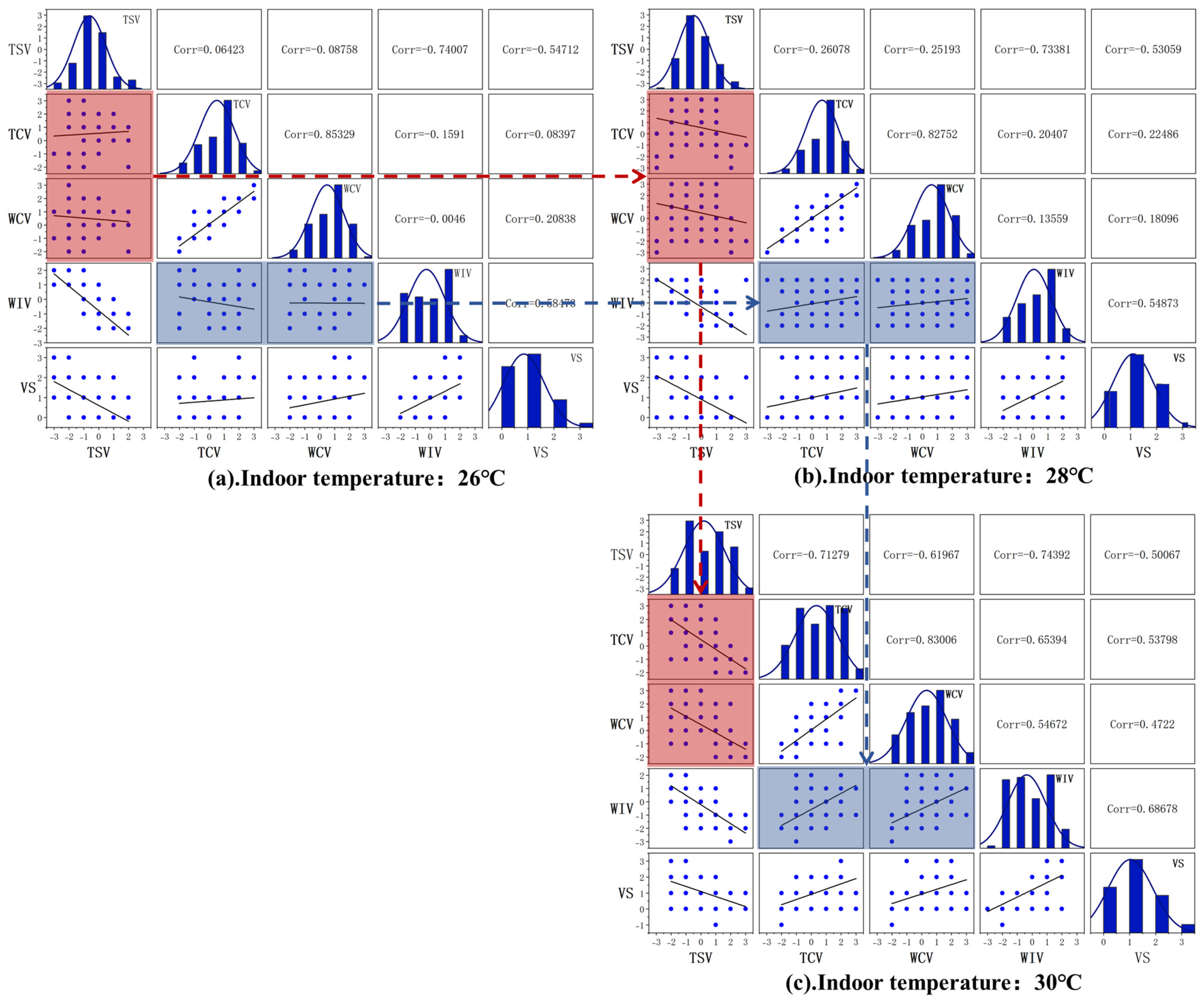
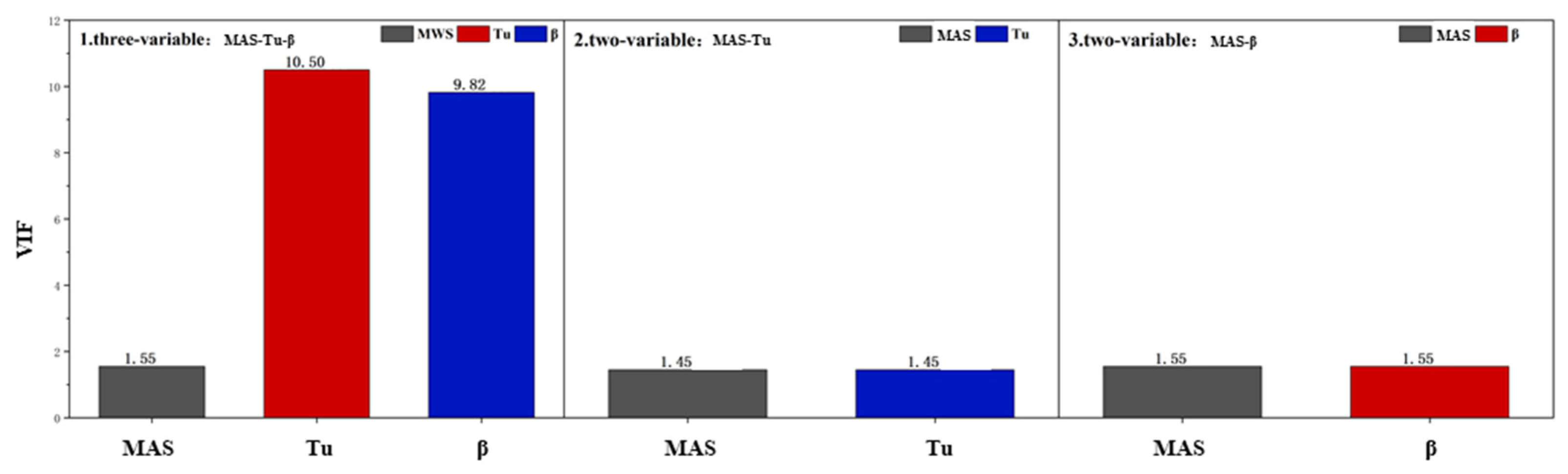
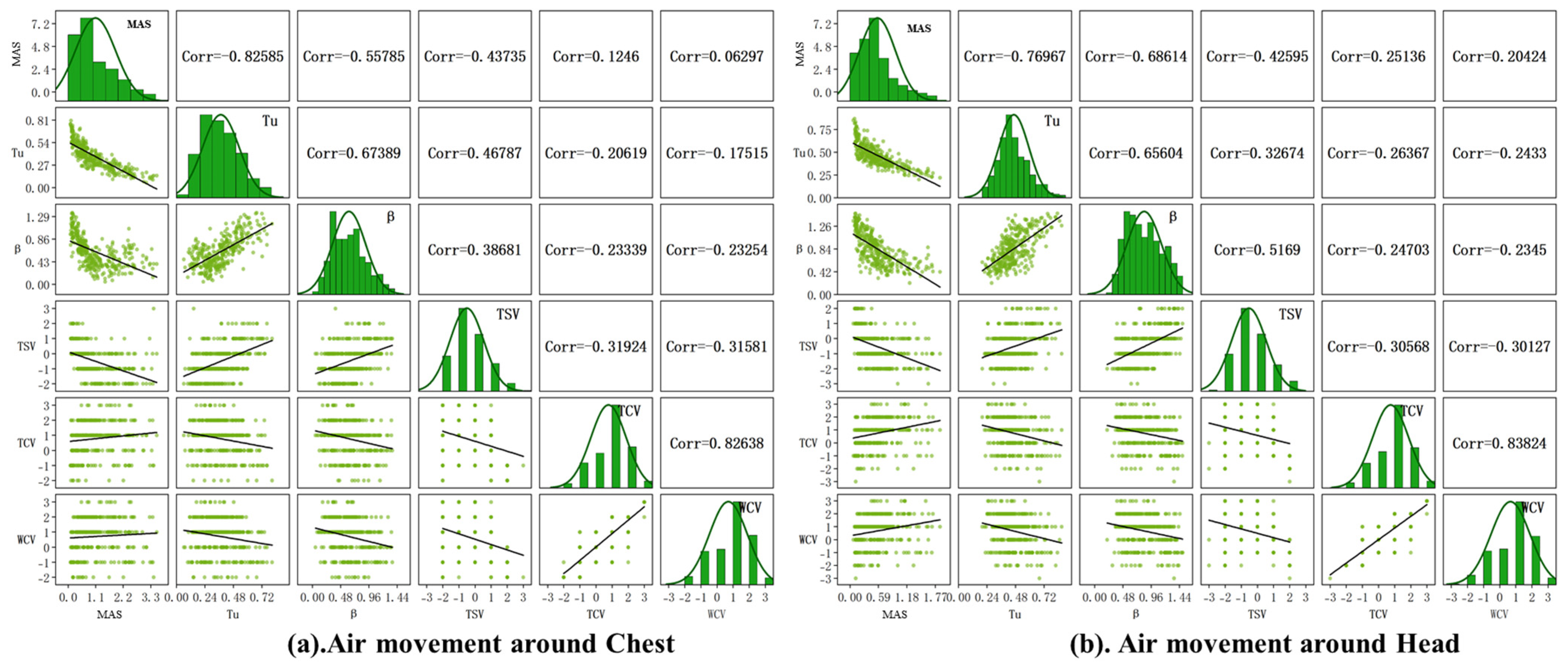
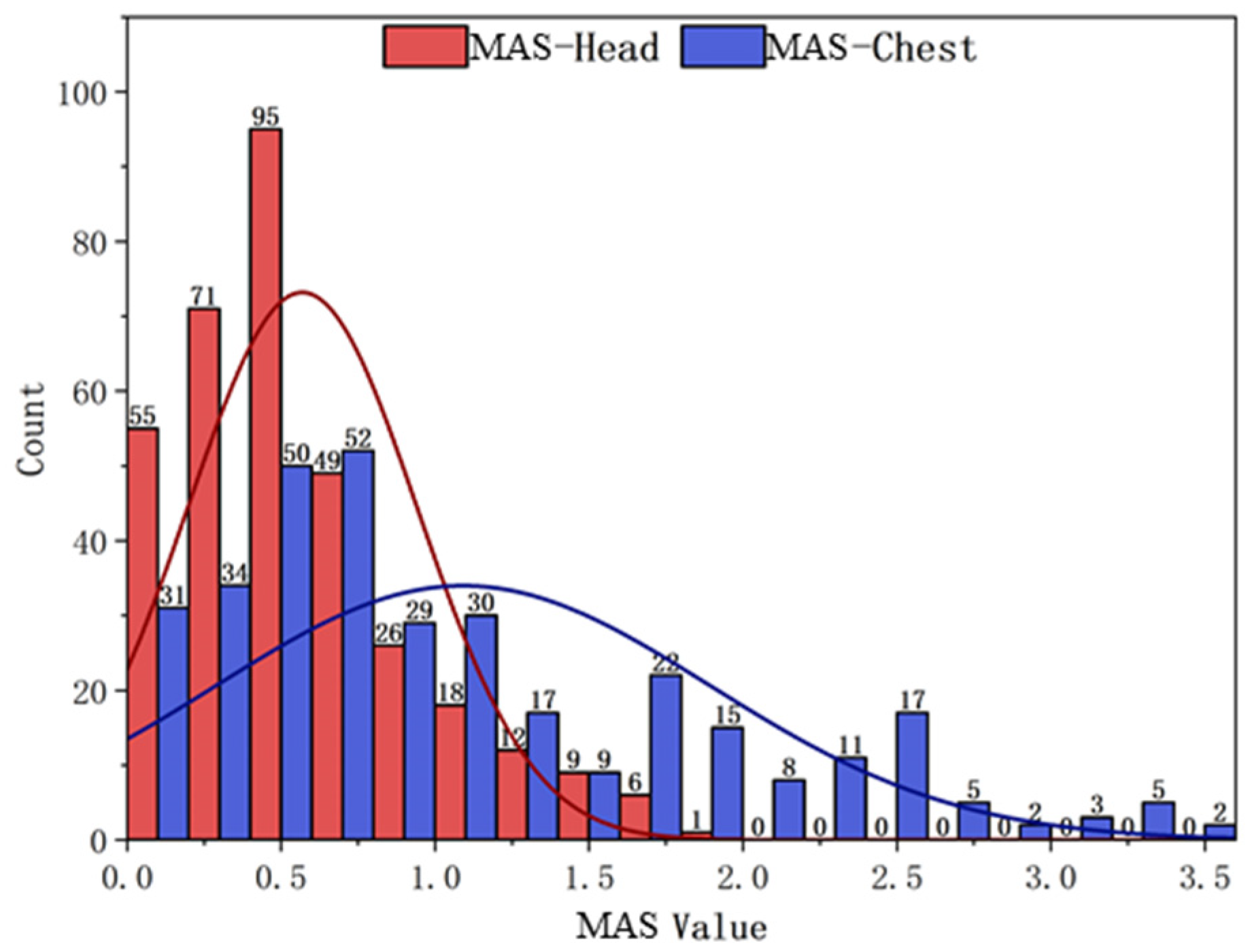
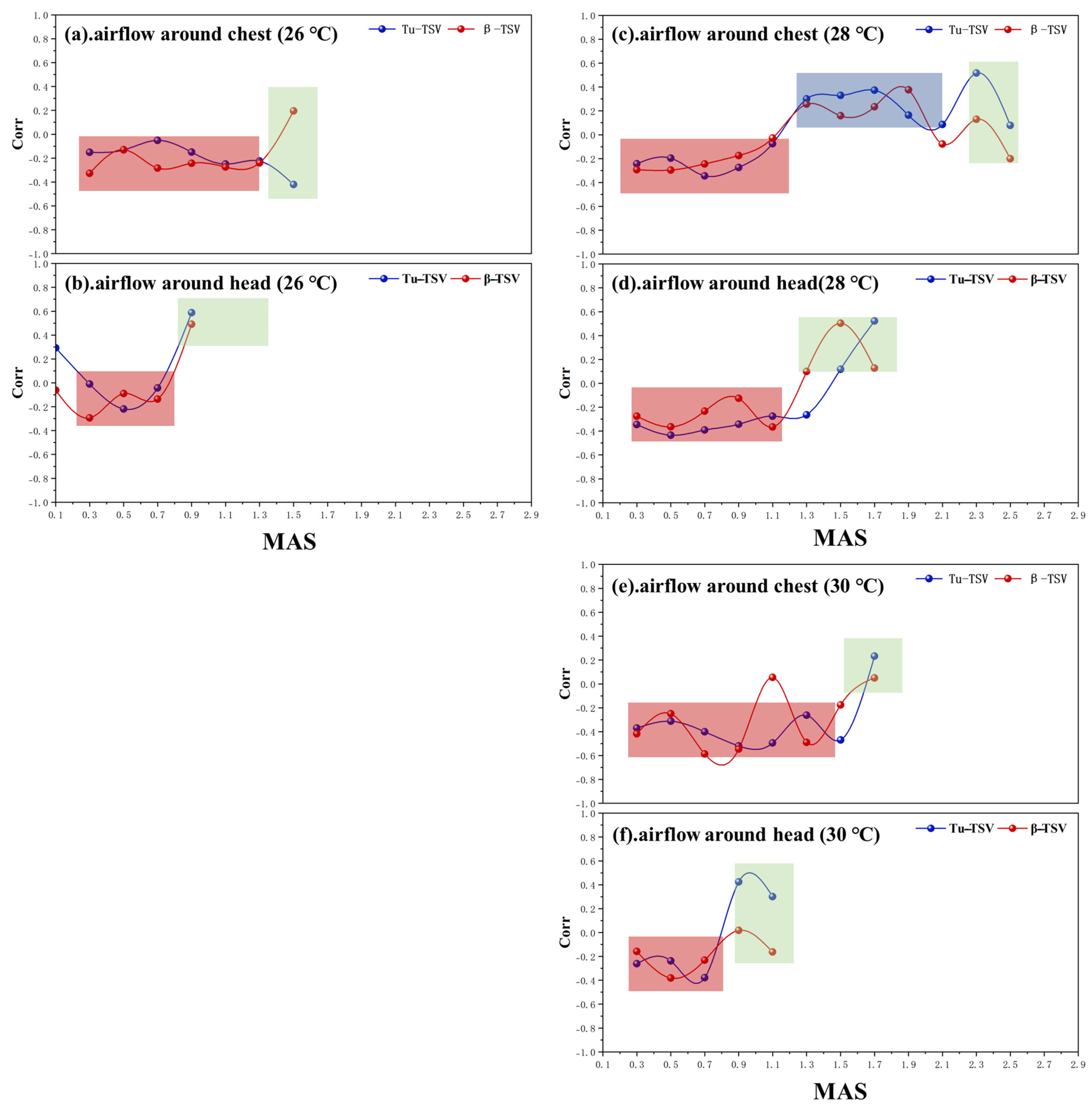
As one of the most widely used appliances in home and office scenarios over recent decades, electrical fans and their use in built environments have garnered considerable research interest. However, current methods are insufficient to reflect the overall characteristics of different types of fan equipment. This study conducted airflow field tests for six typical electrical fans and human comfort experiments across background temperature conditions of 26 °C, 28 °C, and 30 °C. The airflow test results showed the following: (1) for the mechanical airflow generated by fans, the mean airflow speed (MAS) had a strong negative correlation with turbulence intensity (Tu) and the power spectral index (β), which made Tu and β have a complementary distribution with airflow speed, meaning that areas with a higher airflow speed had lower dynamic characteristics; and (2) the form of the fan mainly affected the flow field distribution in the near-fan area (within 2 m), where tower fans and vaneless fans with elongated outlets had a mainstream airflow area that spread to about 0.2 m in width but 0.6 m in height at a distance of 0.25 m from the fan. The airflow speed distribution shape of axial-flow fans with circular outlets was circular on the test surface at the same position, with a radius of about 0.1–0.2 m. The human comfort experiment revealed that, at 28 °C, in the low-airflow-speed area (v < 1.5 m/s), the increased Tu and power spectral β of the airflow near the head and chest could reduce the thermal sensation vote (TSV). Additionally, this improvement slightly increased as the room temperature rose. When the airflow speed was high, the dynamic characteristics were generally low, and at this time, airflow speed played a leading role in reducing thermal sensation. The results of this paper have certain reference value for the improvement of comfortable dynamic characteristics and functional flow field design in subsequent fan product development.
Keywords: electronic fans; dynamic characteristic; airflow field; thermal comfort electronic fans; dynamic characteristic; airflow field; thermal comfort