Article

Investigation on the Evolution Mechanism of the Mechanical Performance of Road Tunnel Linings Under Reinforcement Corrosion
1
School of Civil Engineering, Tongji University, Shanghai 200092, China
2
Shanghai Engineering Research Center of Underground Infrastructure Detection and Maintenance Equipment, Shanghai 200092, China
3
Zhejiang Shuzhi Jiaoyuan Technology Co., Ltd., Hangzhou 310030, China
4
Tongyan Civil Engineering Technology Co., Ltd., Shanghai 200082, China
*
Author to whom correspondence should be addressed.
Buildings 2025, 15(20), 3723; https://doi.org/10.3390/buildings15203723

Submission received: 15 August 2025 / Revised: 6 September 2025 / Accepted: 10 September 2025 / Published: 16 October 2025
(This article belongs to the Section Building Structures)

Abstract

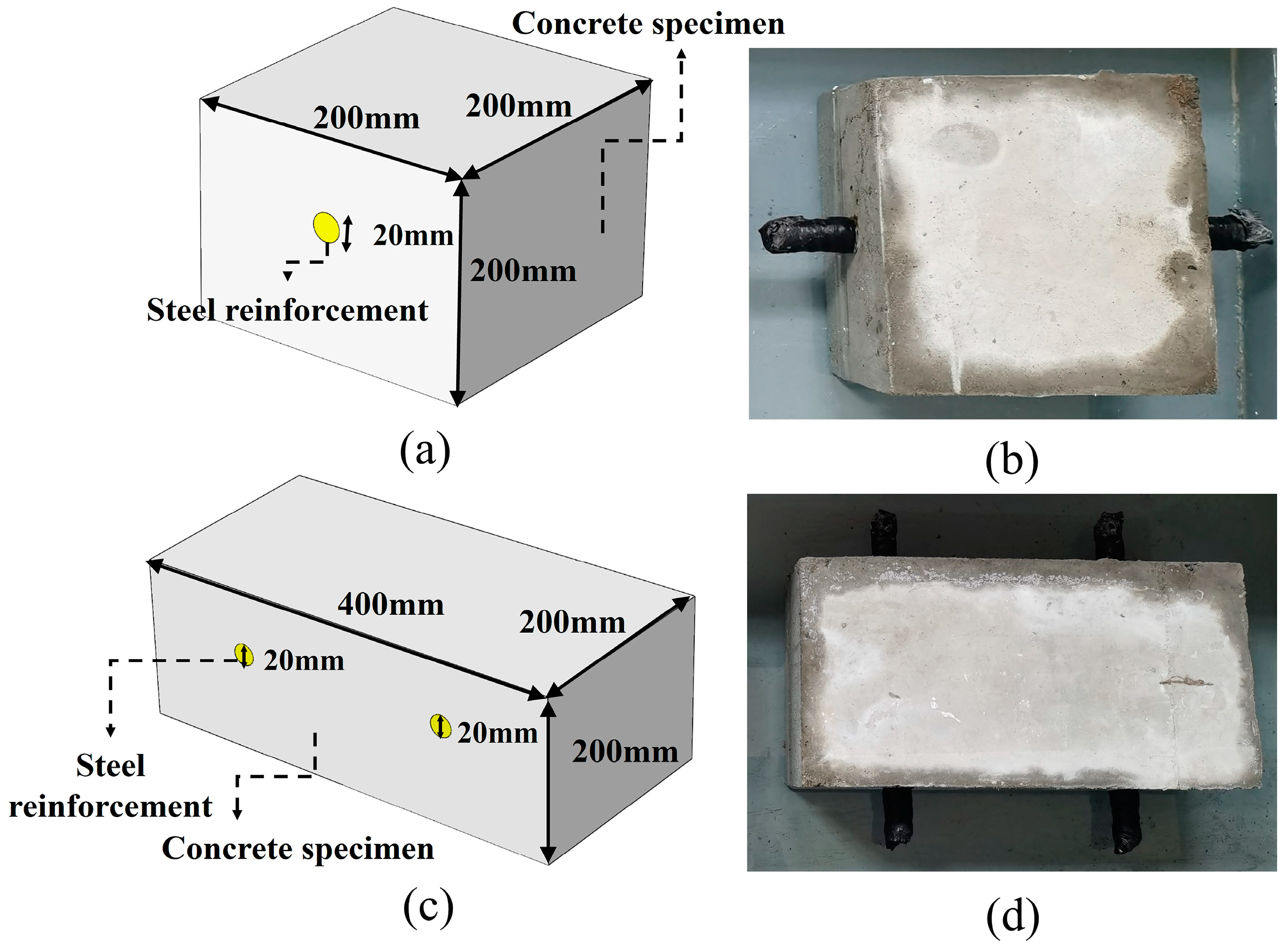
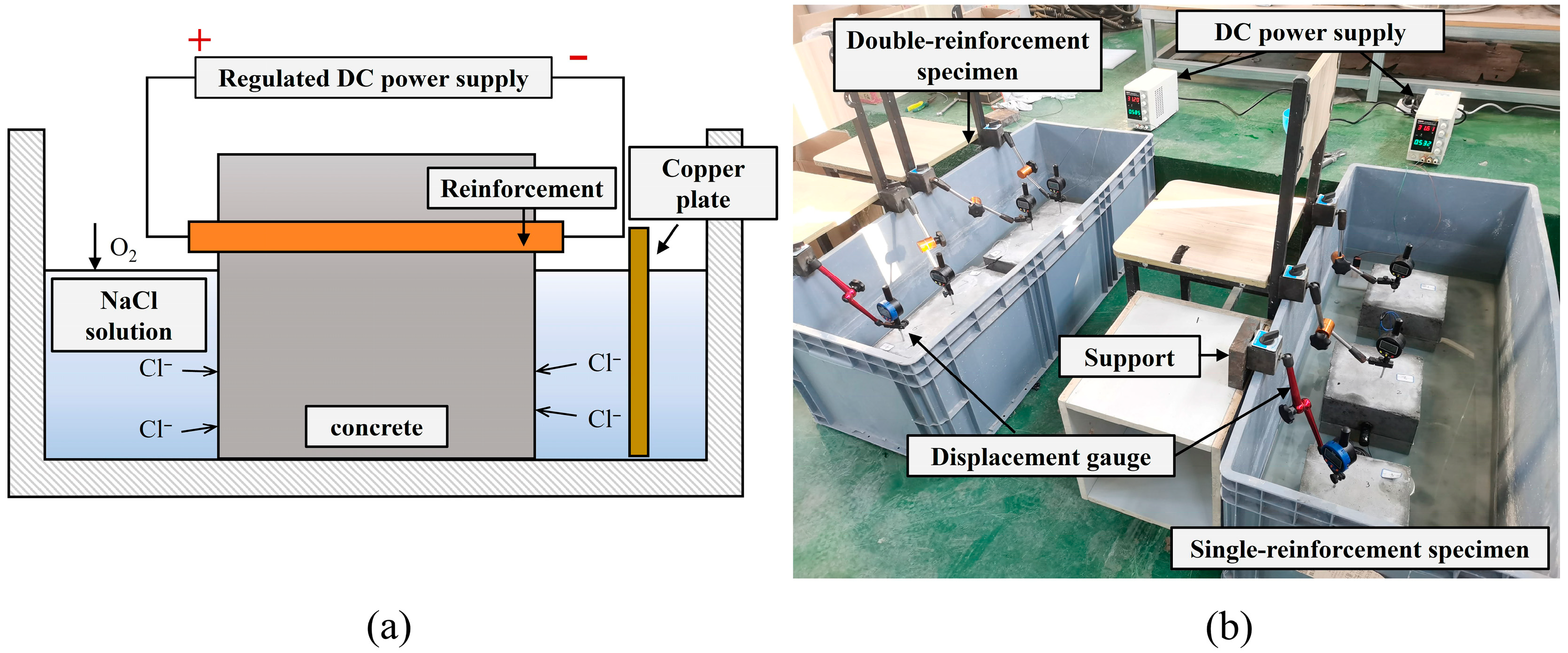
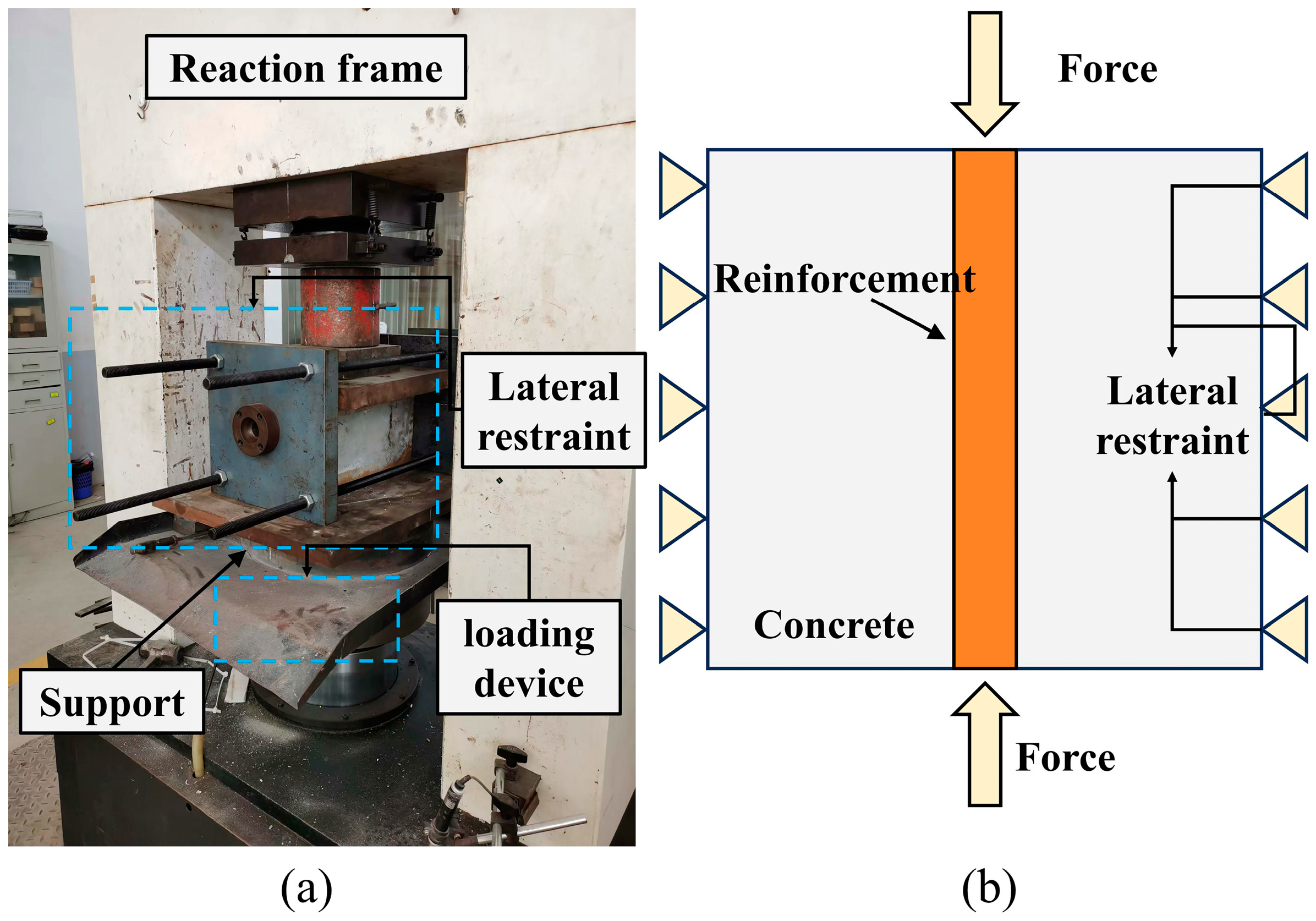
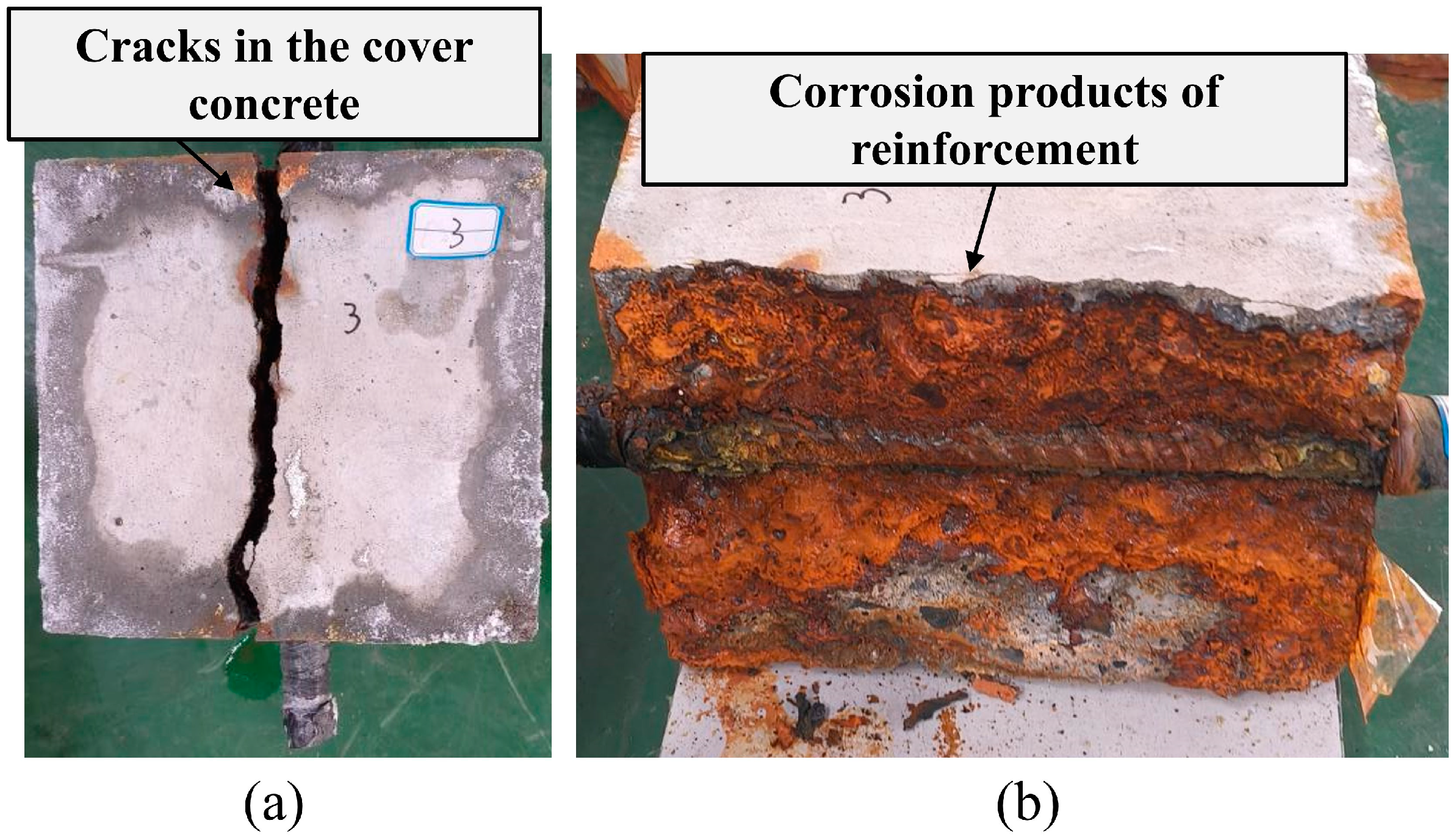
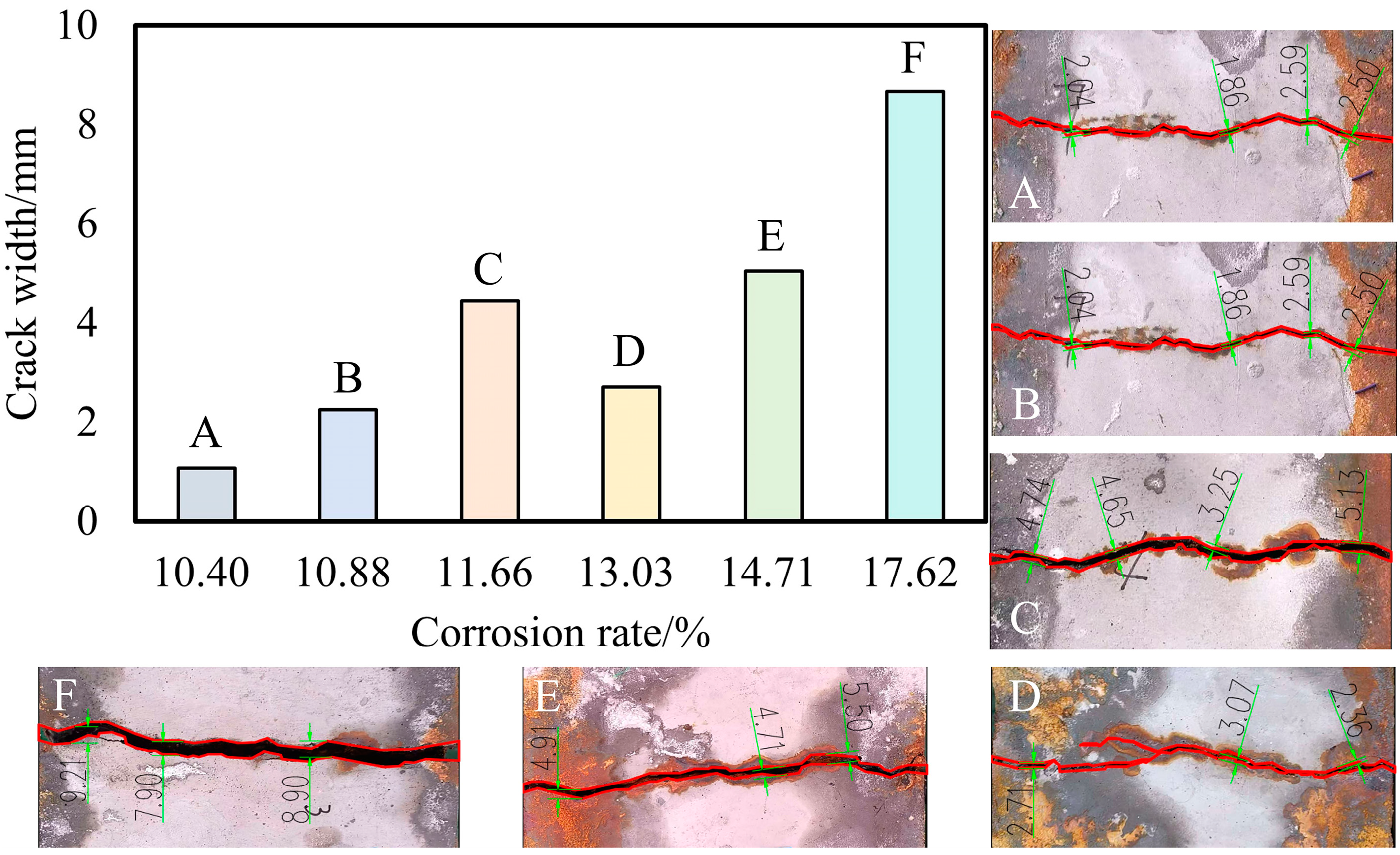
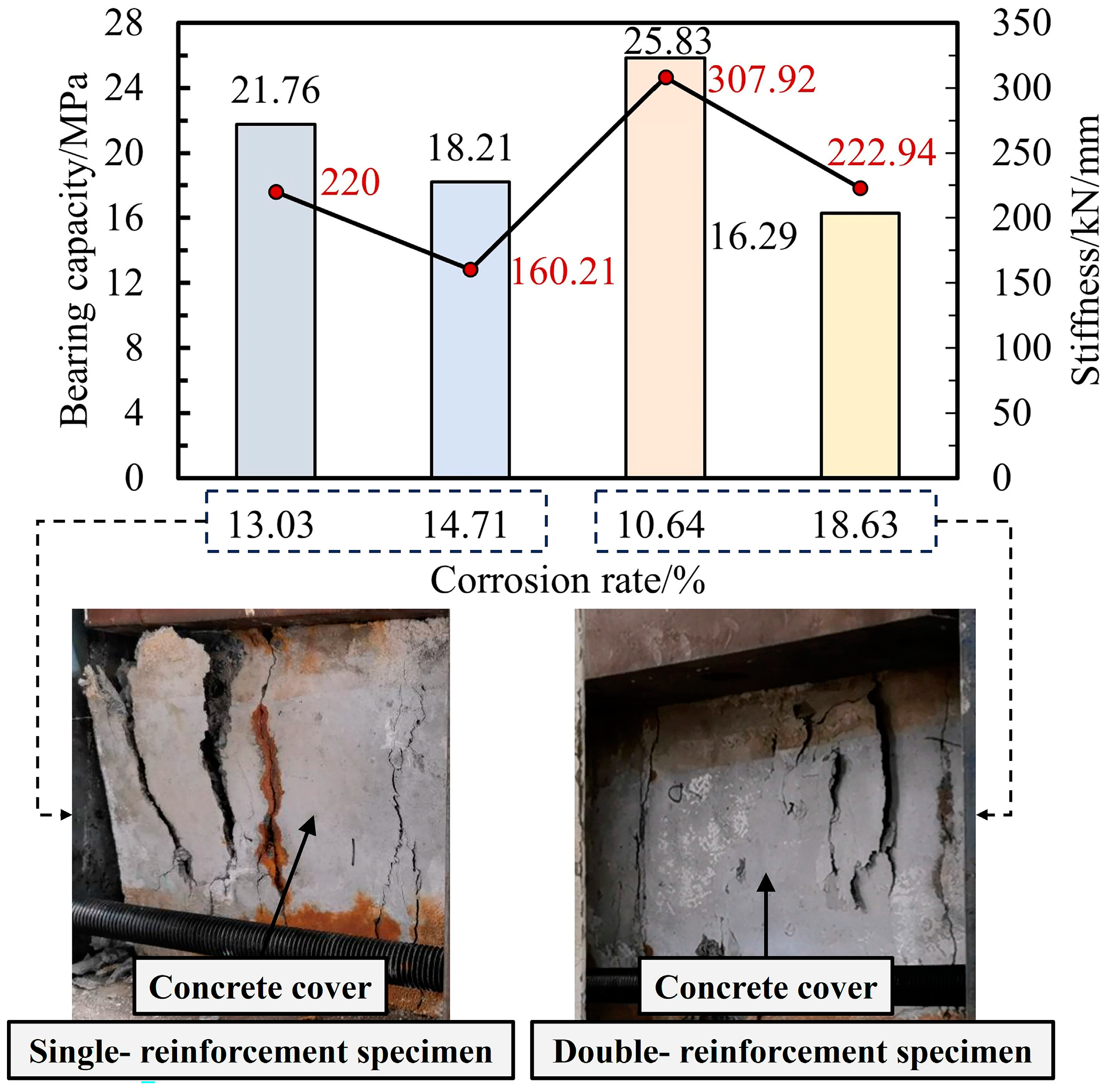
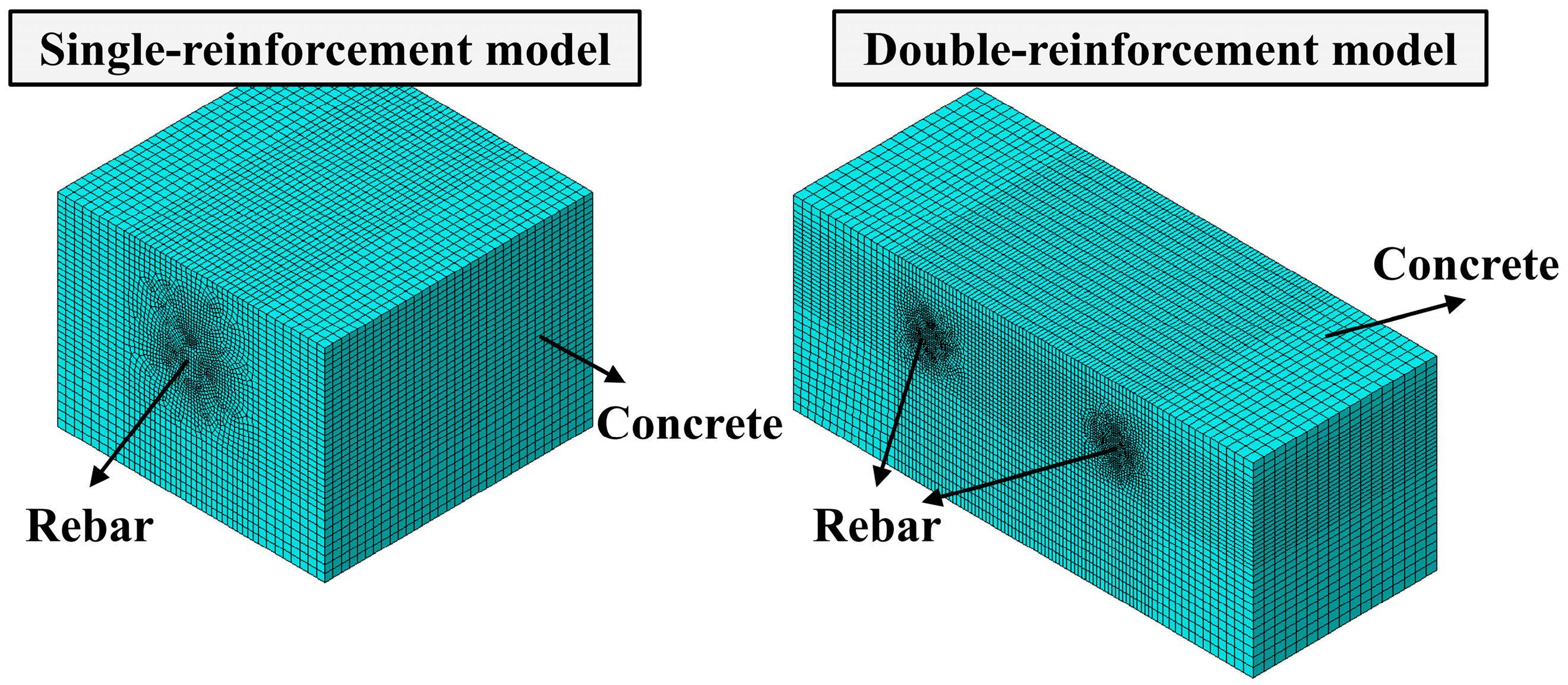
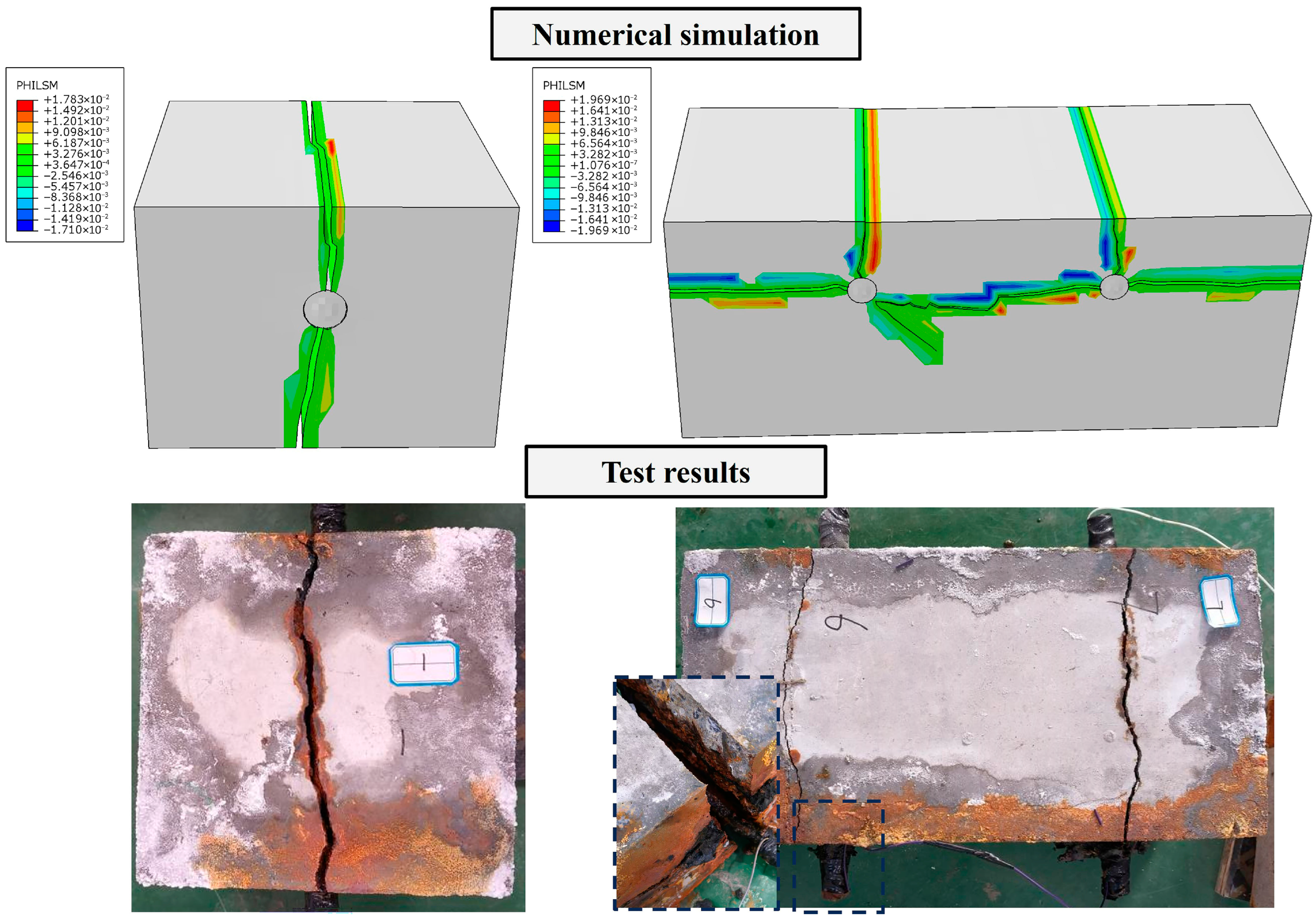
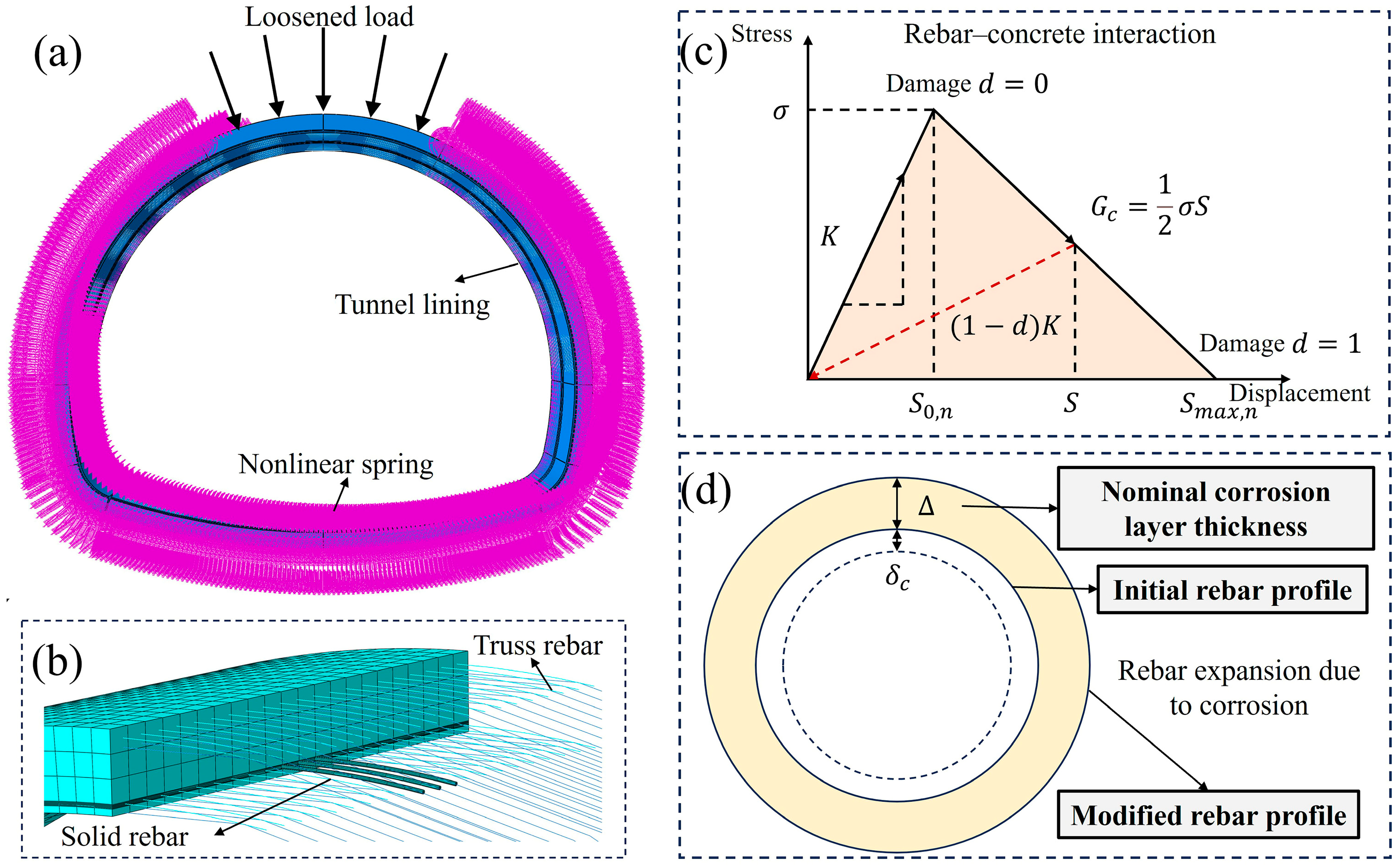
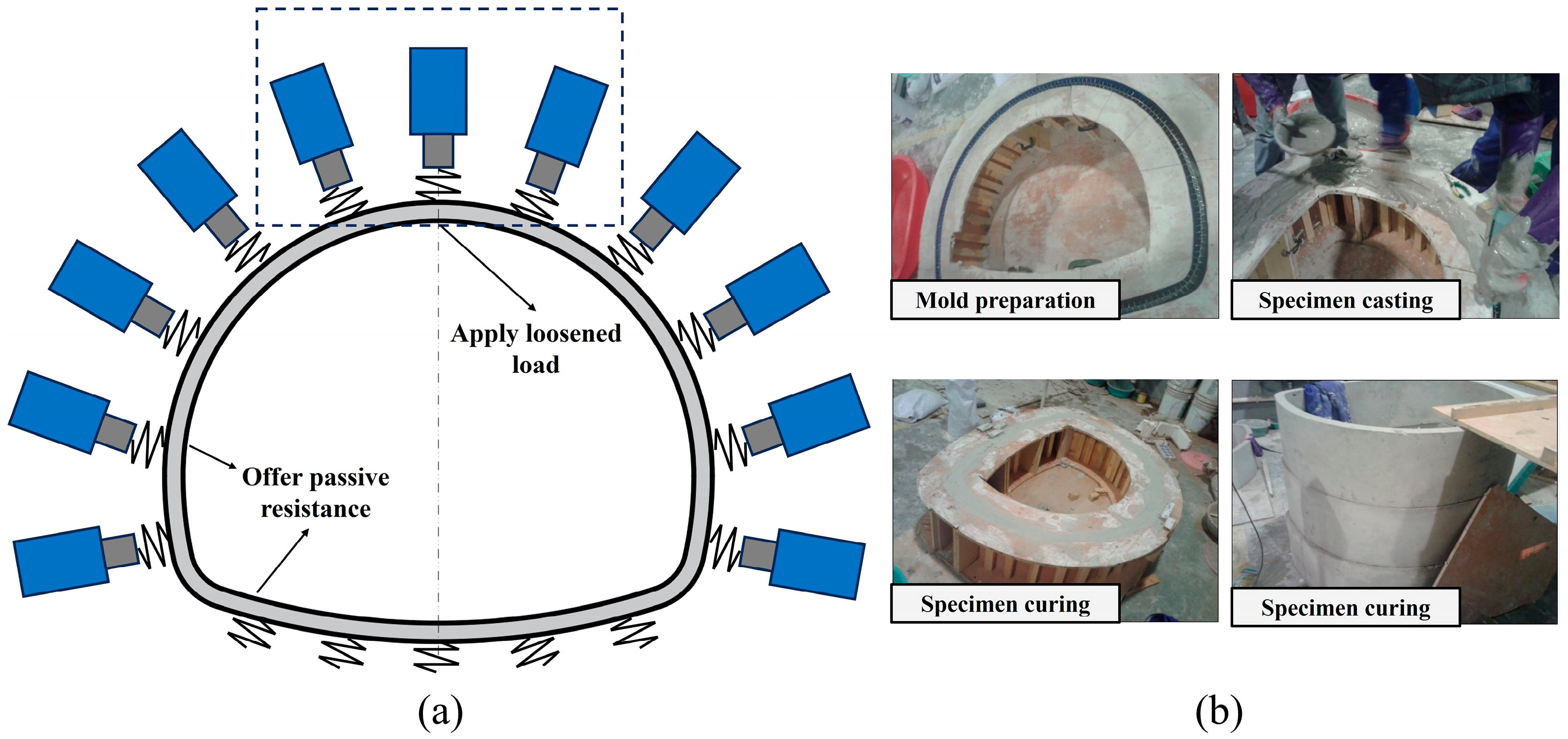
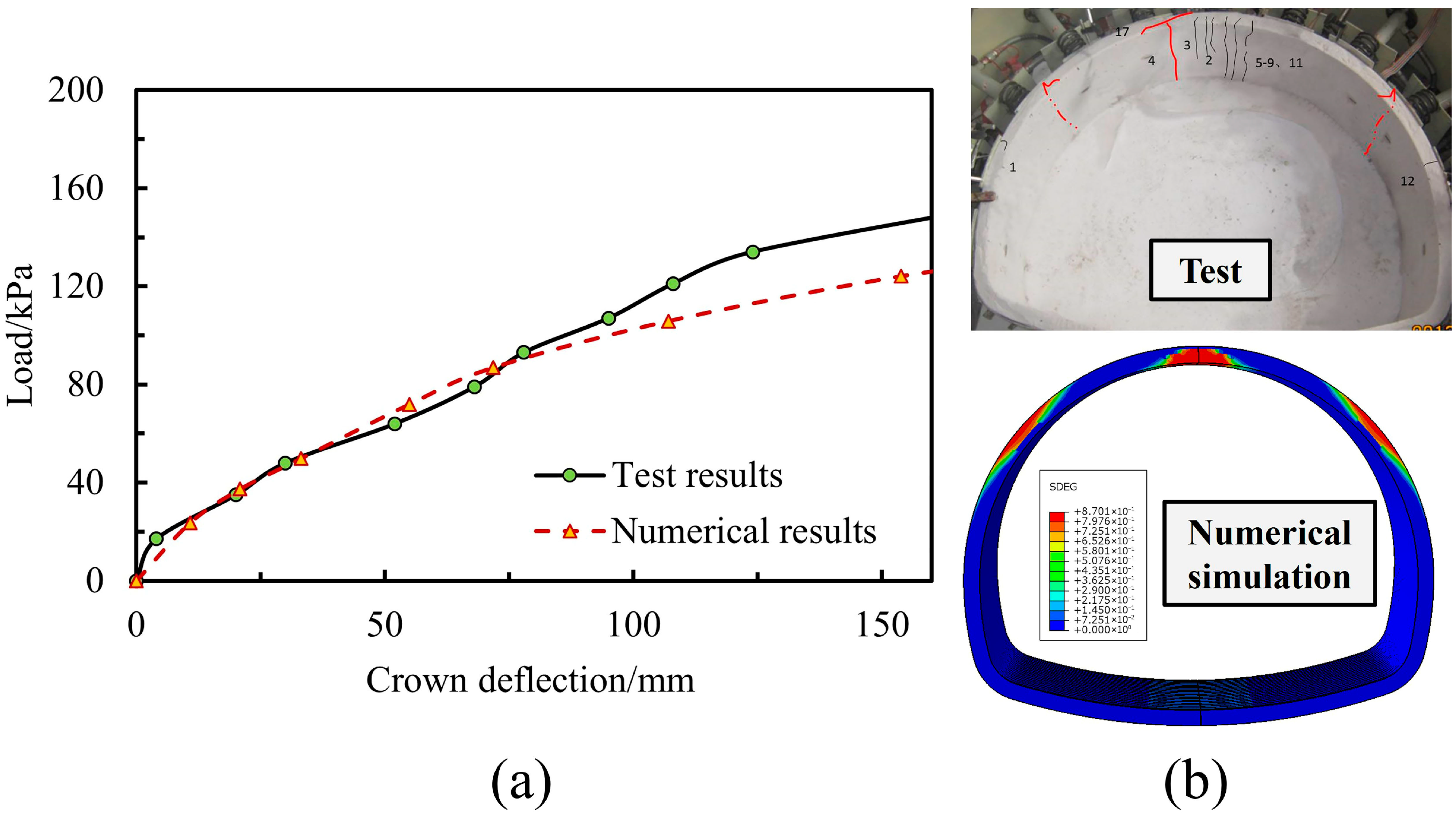
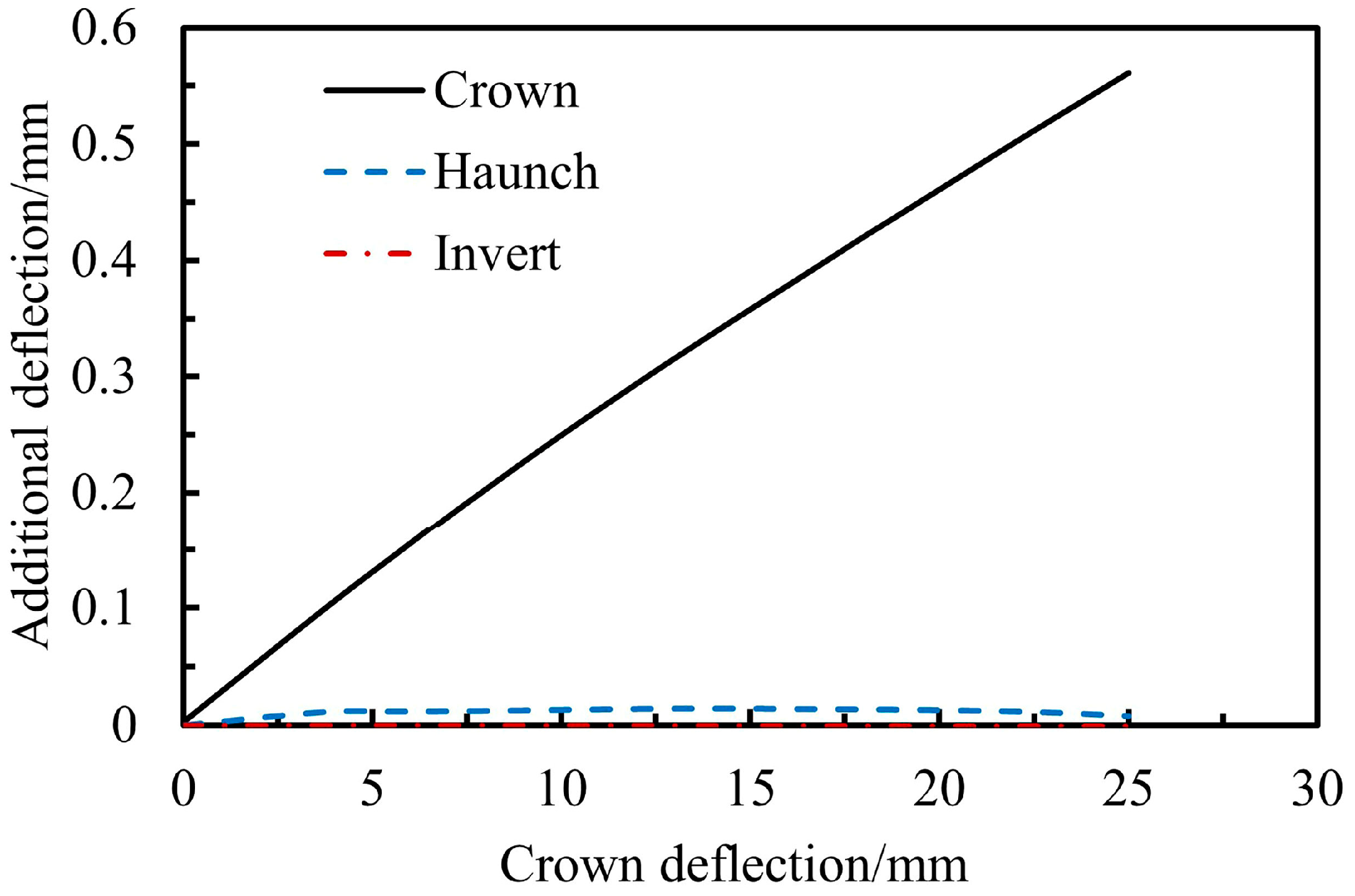
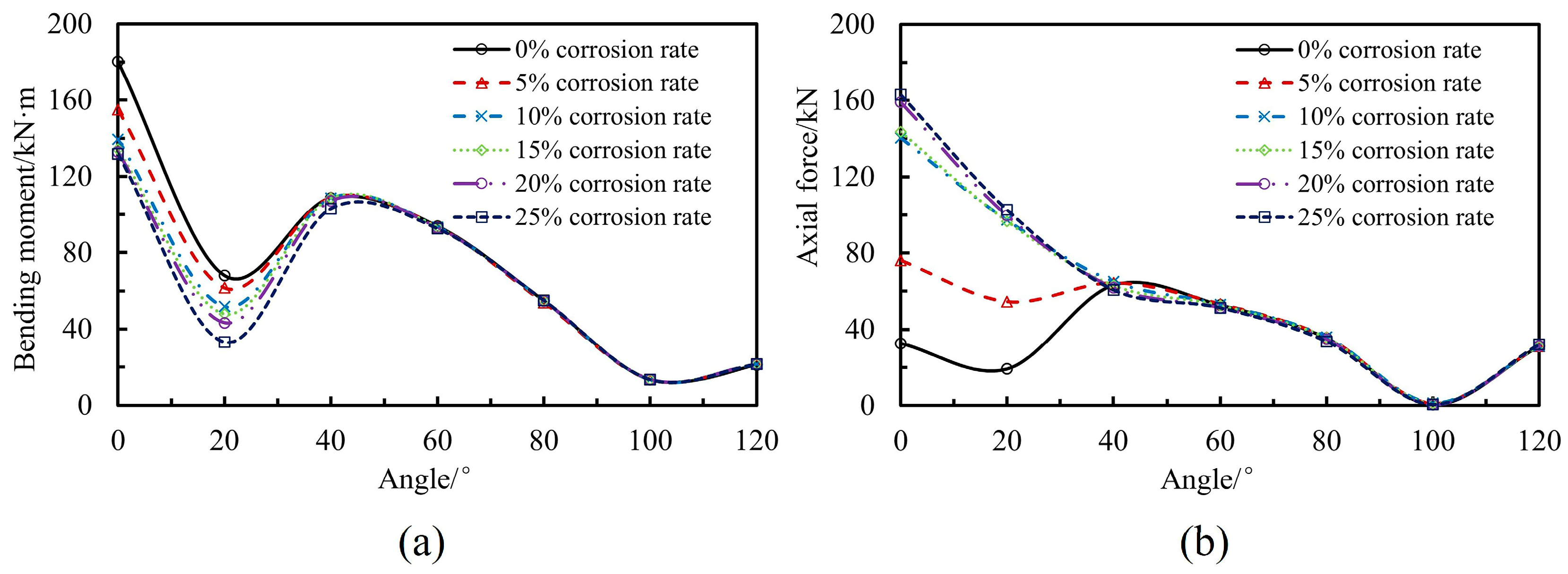
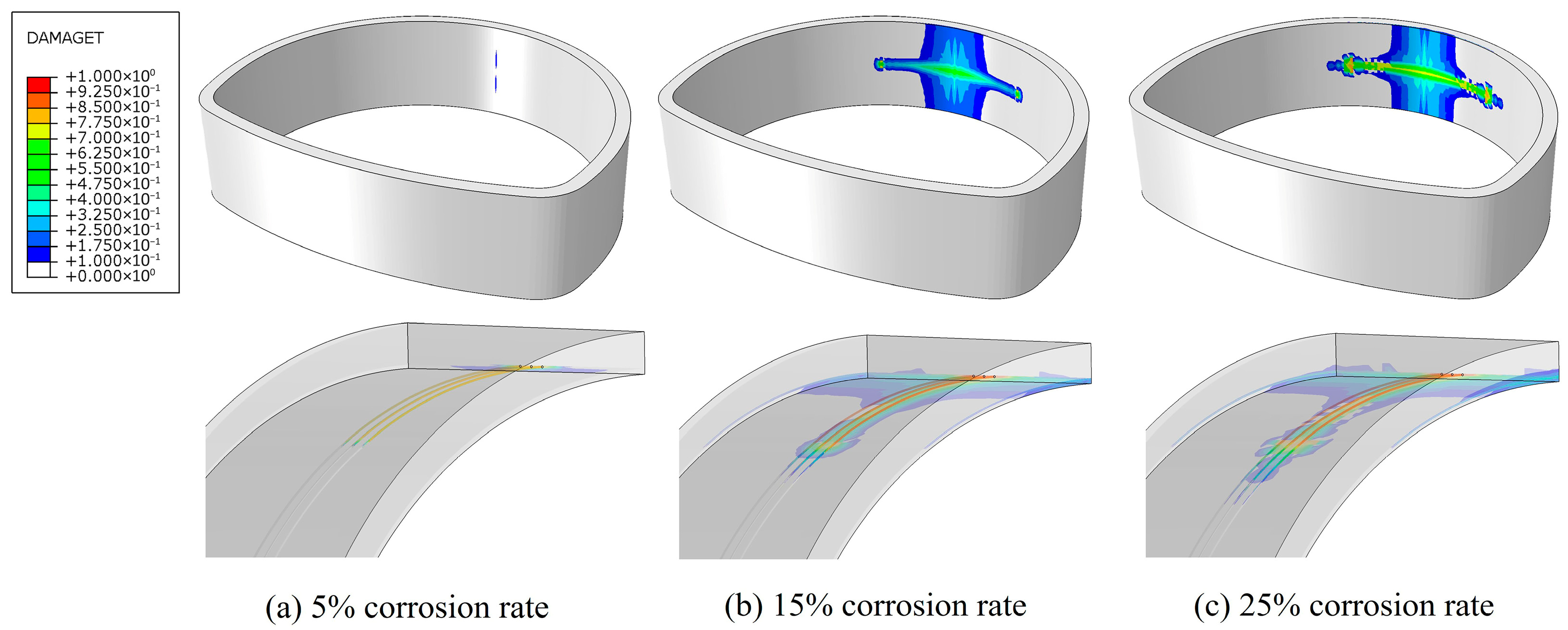
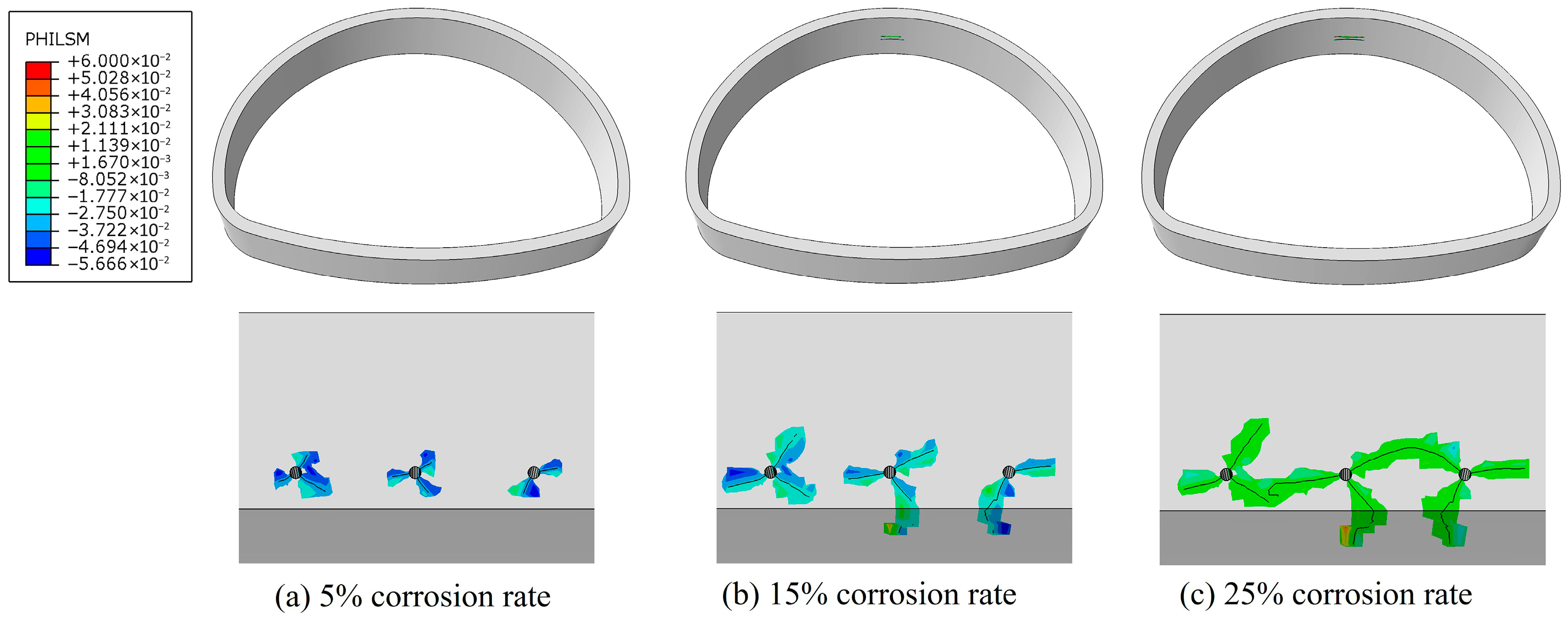
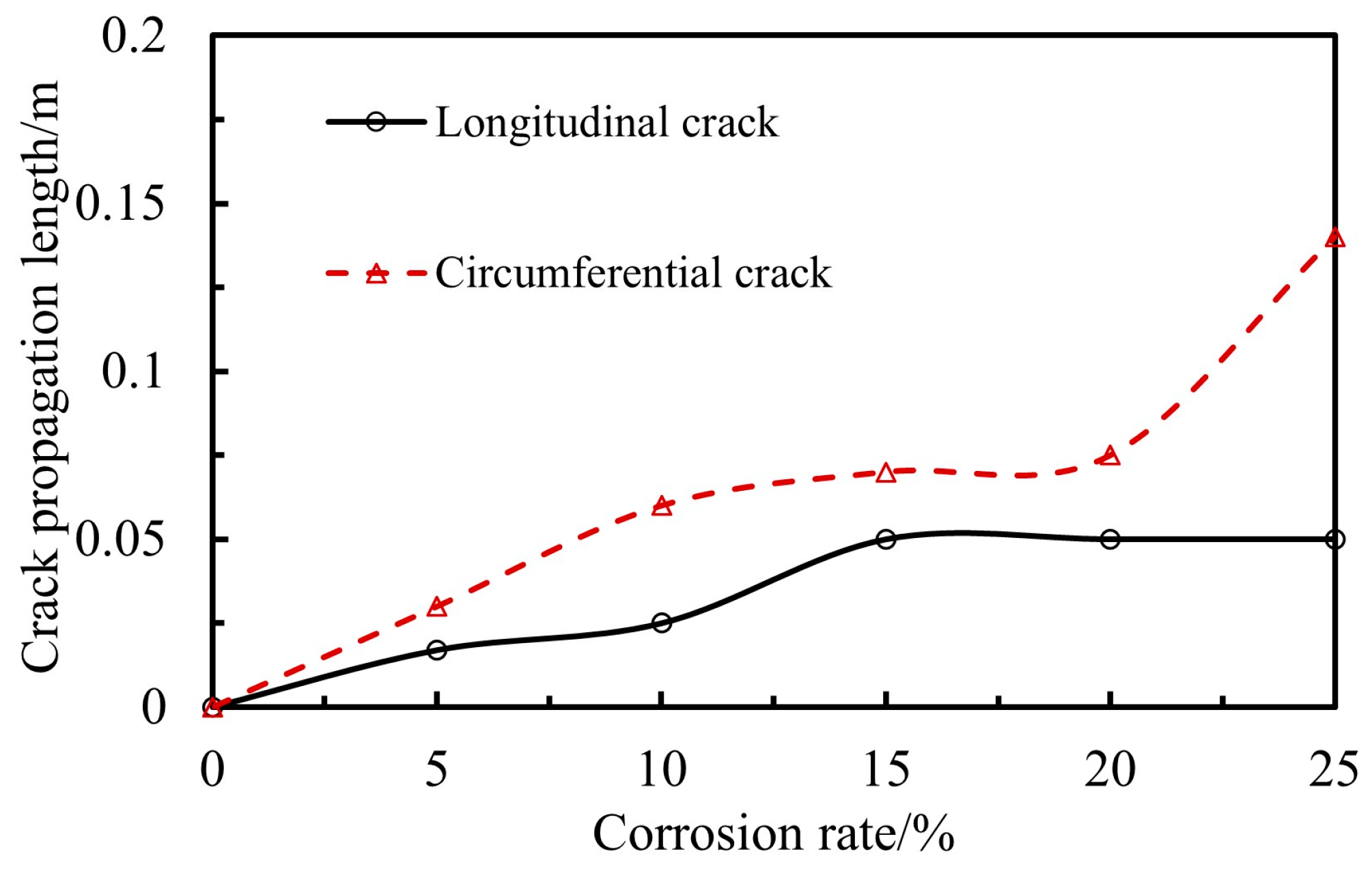
To clarify the influence of reinforcement corrosion on the mechanical performance of road tunnel linings, localized tests on reinforcement-induced concrete expansion are conducted to identify cracking patterns and their effects on load-bearing behavior. Refined three-dimensional finite element models of localized concrete and the entire tunnel are developed using the concrete damaged plasticity model and the extended finite element method and validated against experimental results. The mechanical response and crack evolution of the lining under corrosion are analyzed. Results show that in single-reinforcement specimens, cracks propagate perpendicular to the reinforcement axis, whereas in multiple-reinforcement specimens, interacting cracks coalesce to form a π-shaped pattern. The cover-layer crack width exhibits a linear relationship with the corrosion rate. Corrosion leads to a reduction in the stiffness and load-bearing capacity of the local concrete. At the tunnel scale, however, its influence remains highly localized, and the additional deflection exhibits little correlation with the initial deflection. Local corrosion causes a decrease in bending moment and an increase in axial force in adjacent linings; when the corrosion rate exceeds about 15%, stiffness damage and internal force distribution tend to stabilize. Damage and cracks initiate around corroded reinforcement holes, extend toward the cover layer, and connect longitudinally, forming potential spalling zones.
Keywords: road tunnel; reinforcement corrosion; mechanical performance; crack propagation road tunnel; reinforcement corrosion; mechanical performance; crack propagation