Article

Numerical Simulation Study on the Energy Benefits and Environmental Impacts of BIPV Installation Configurations and Positions at the Street Canyon Scale

1
School of Building Services Science and Engineering, Xi’an University of Architecture and Technology, Xi’an 710055, China
2
MOE Joint International Laboratory of Low-Carbon Building Environment, Xi’an University of Architecture and Technology, Xi’an 710055, China
3
Xi’an ShuFeng Technological Information, Ltd., Xi’an 710061, China
*
Author to whom correspondence should be addressed.
Buildings 2025, 15(20), 3692; https://doi.org/10.3390/buildings15203692

Submission received: 17 July 2025 / Revised: 27 September 2025 / Accepted: 1 October 2025 / Published: 14 October 2025
(This article belongs to the Section Building Energy, Physics, Environment, and Systems)

Abstract

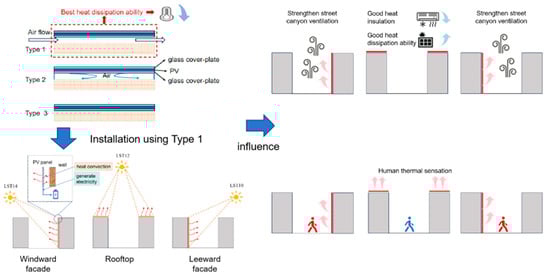
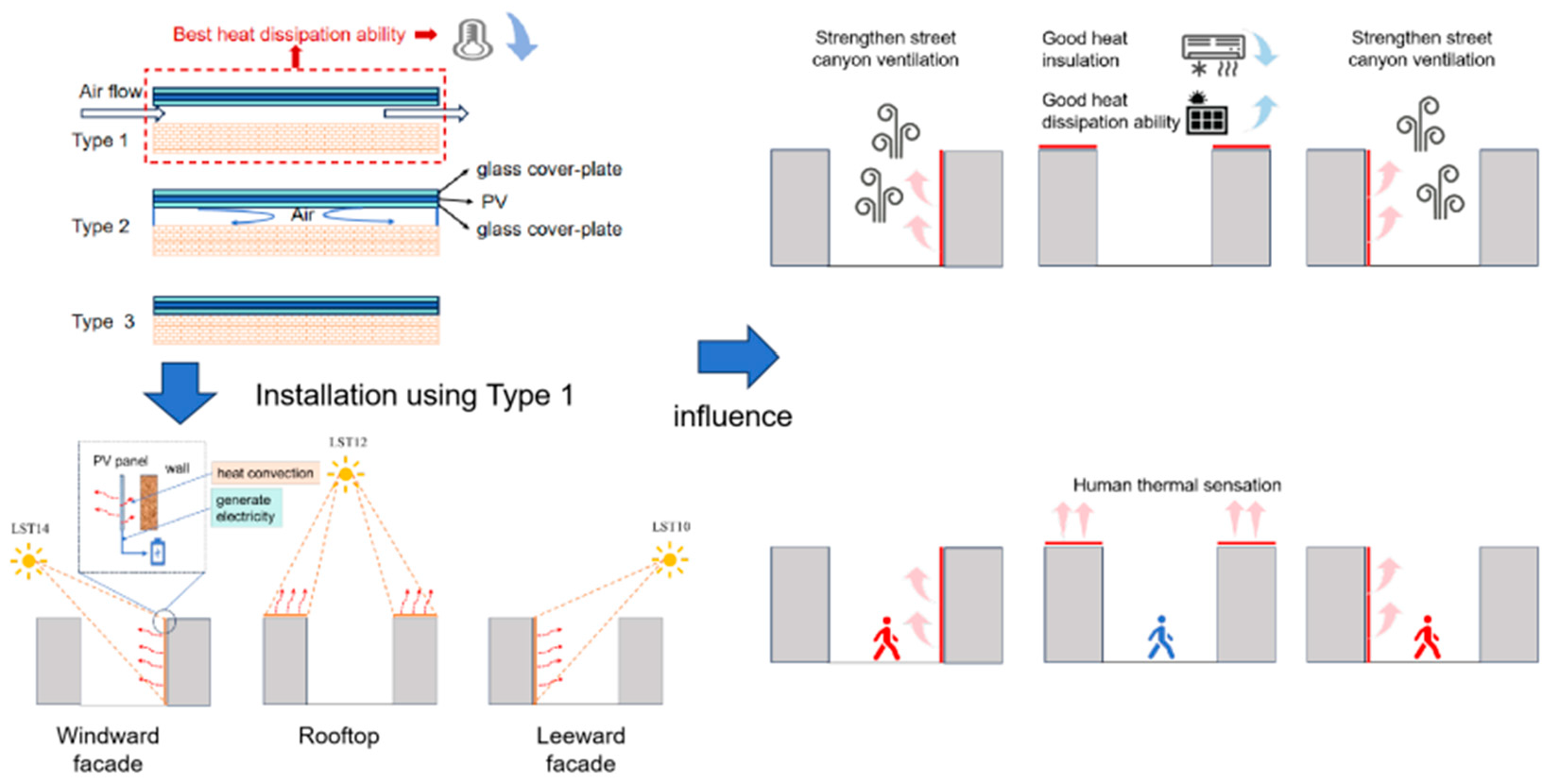
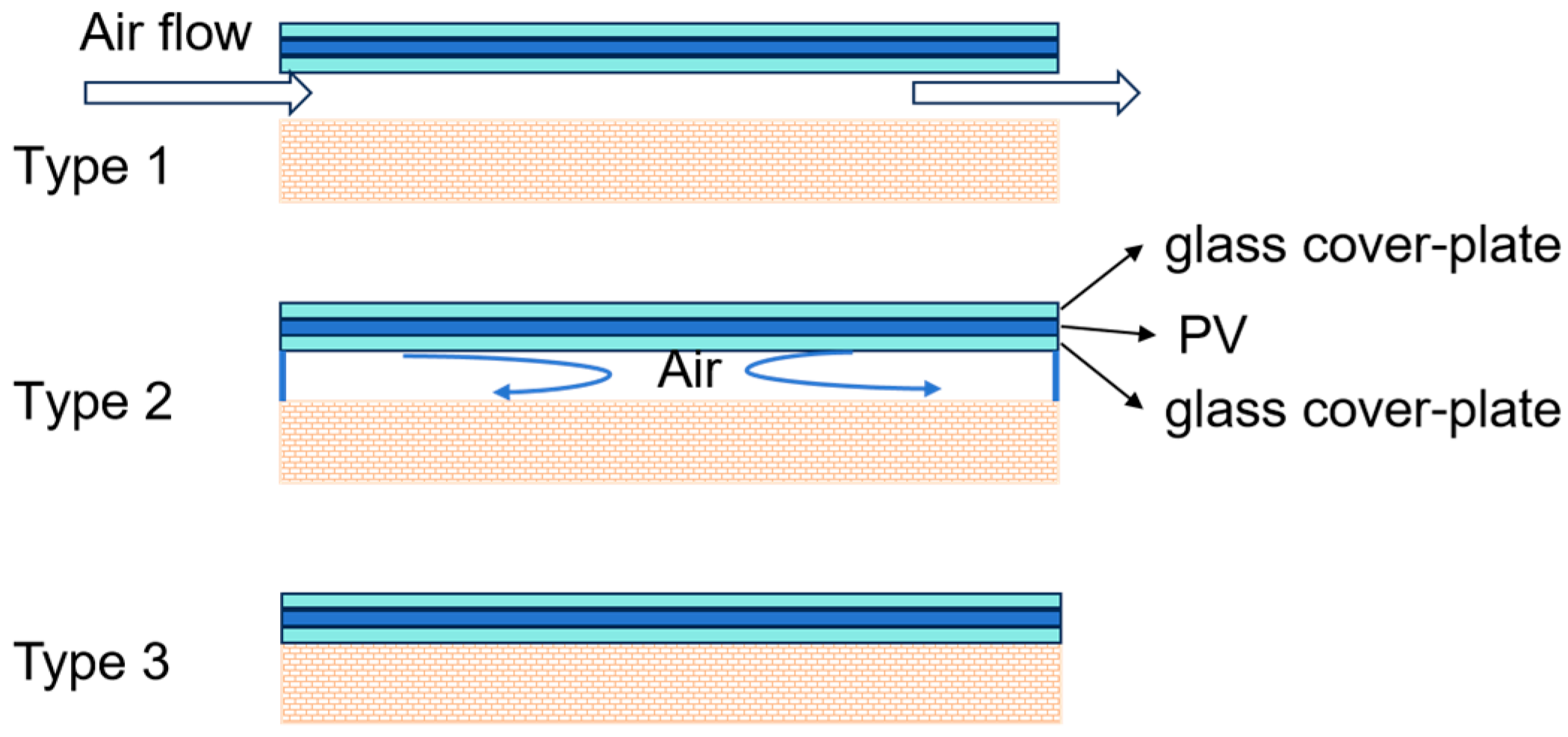
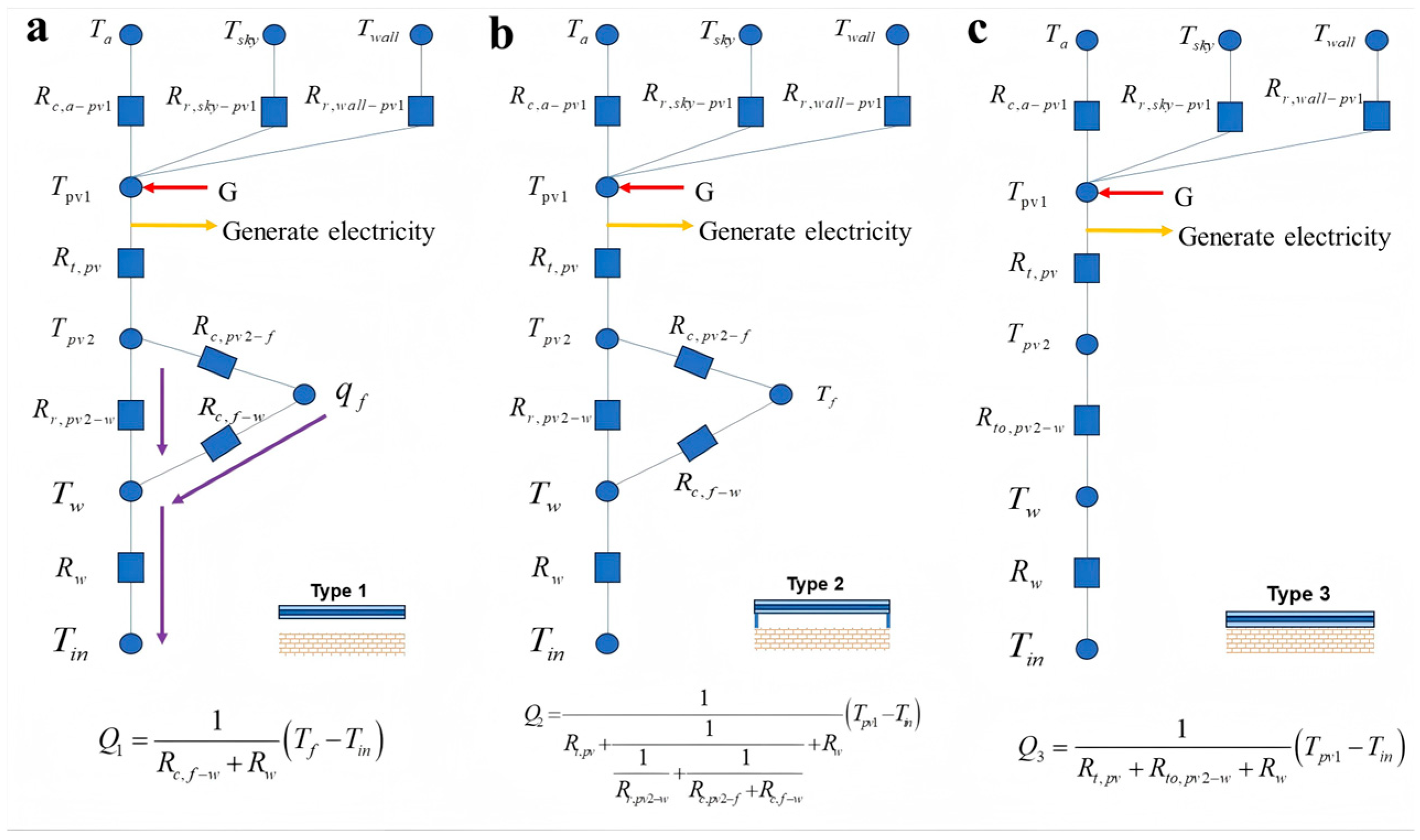
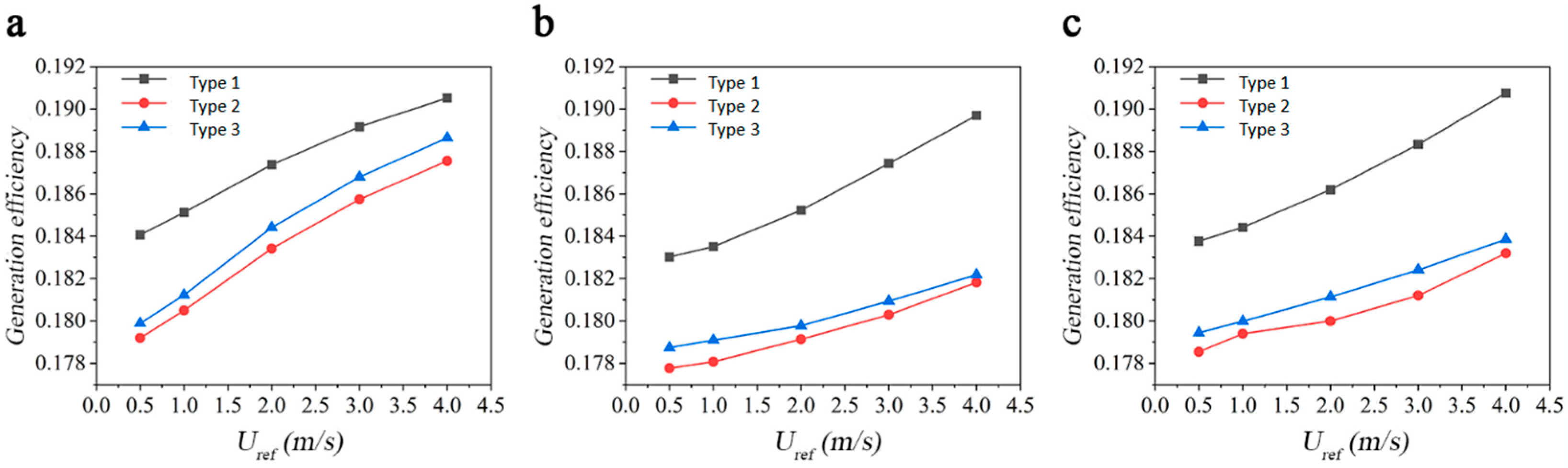
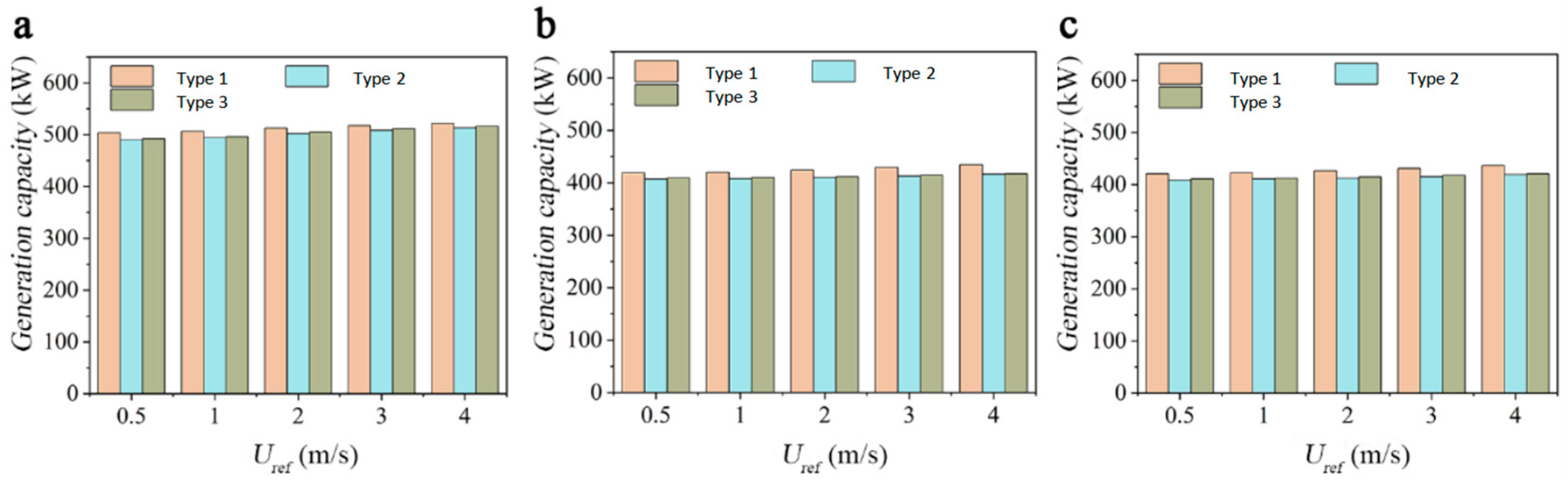
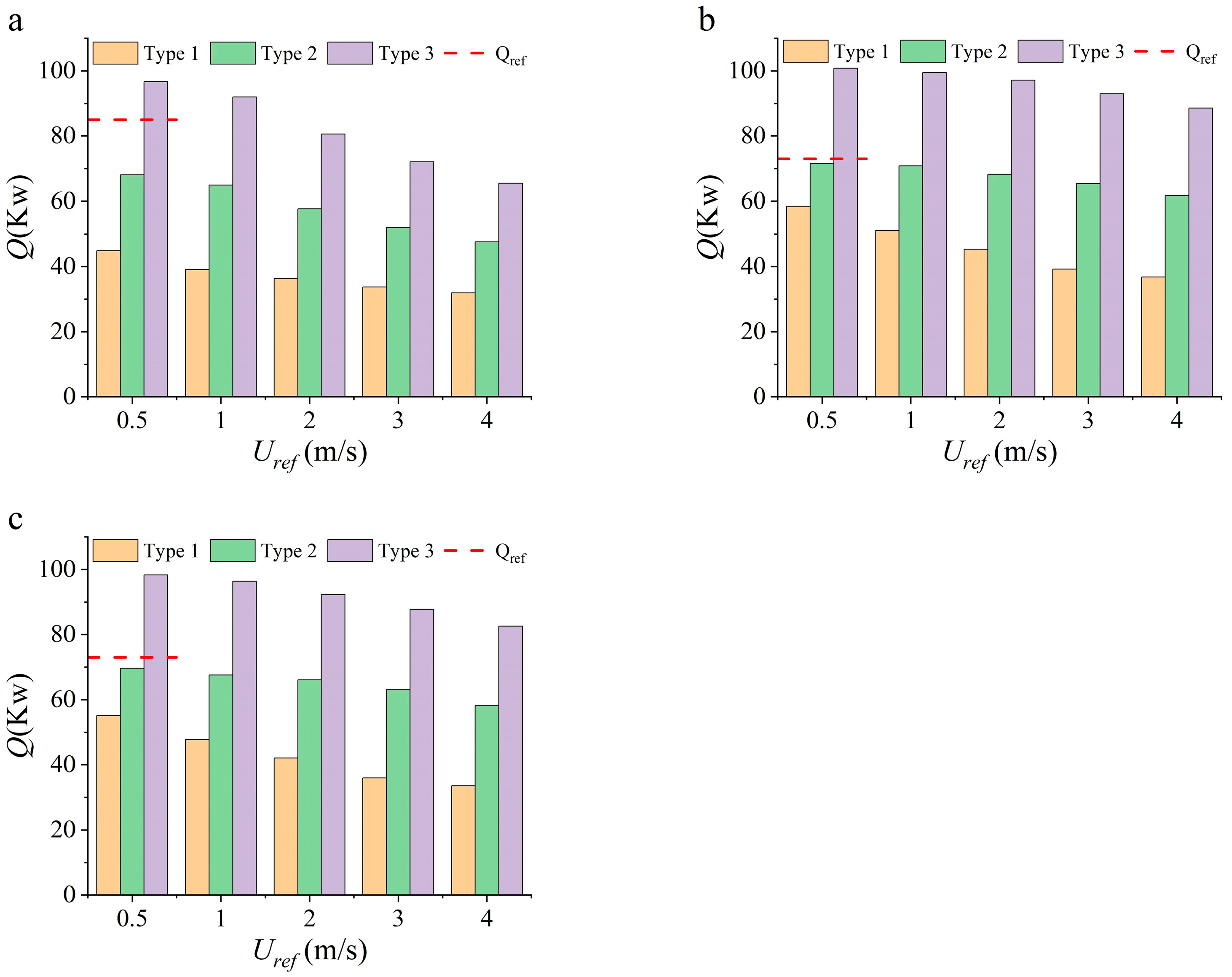
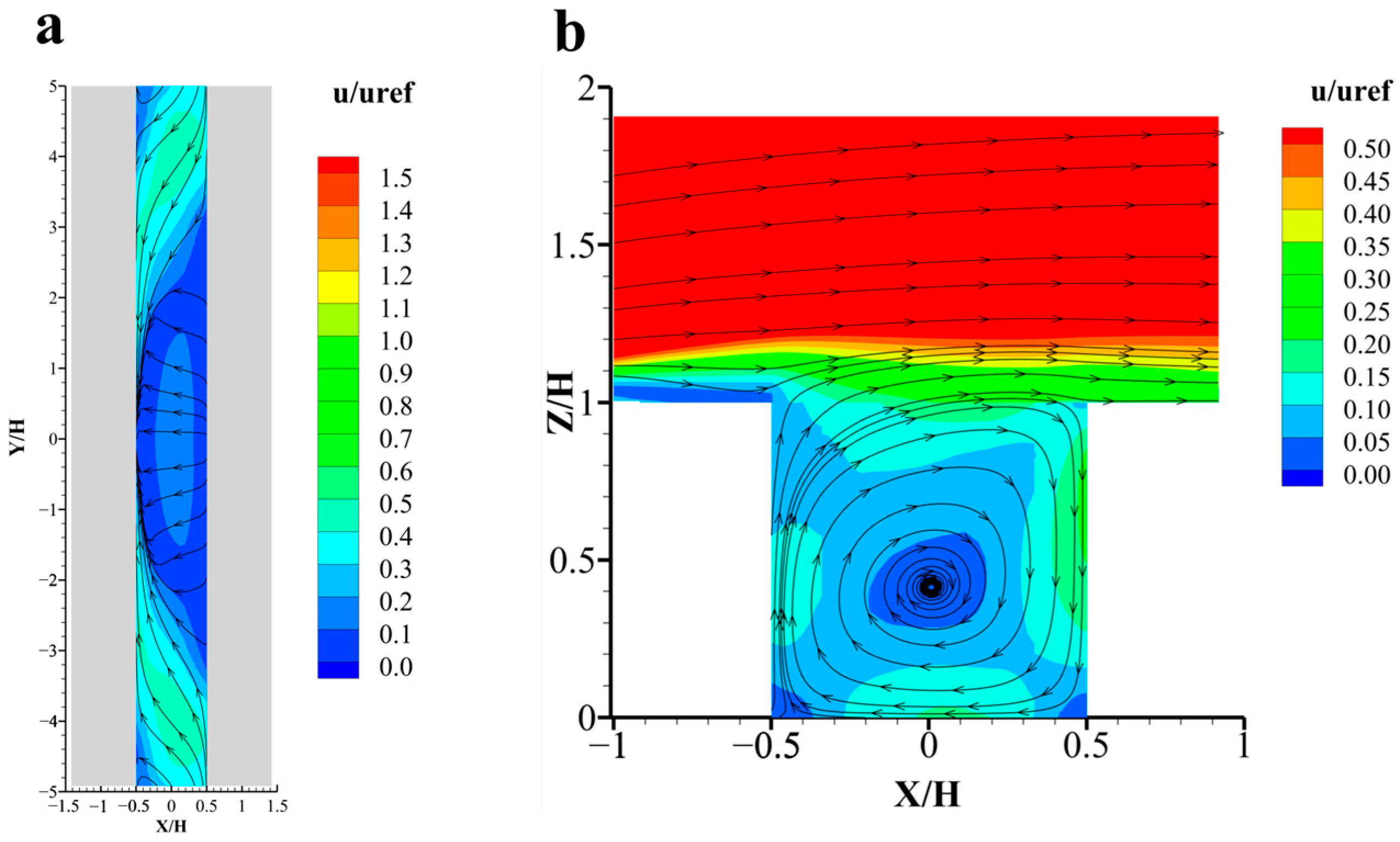
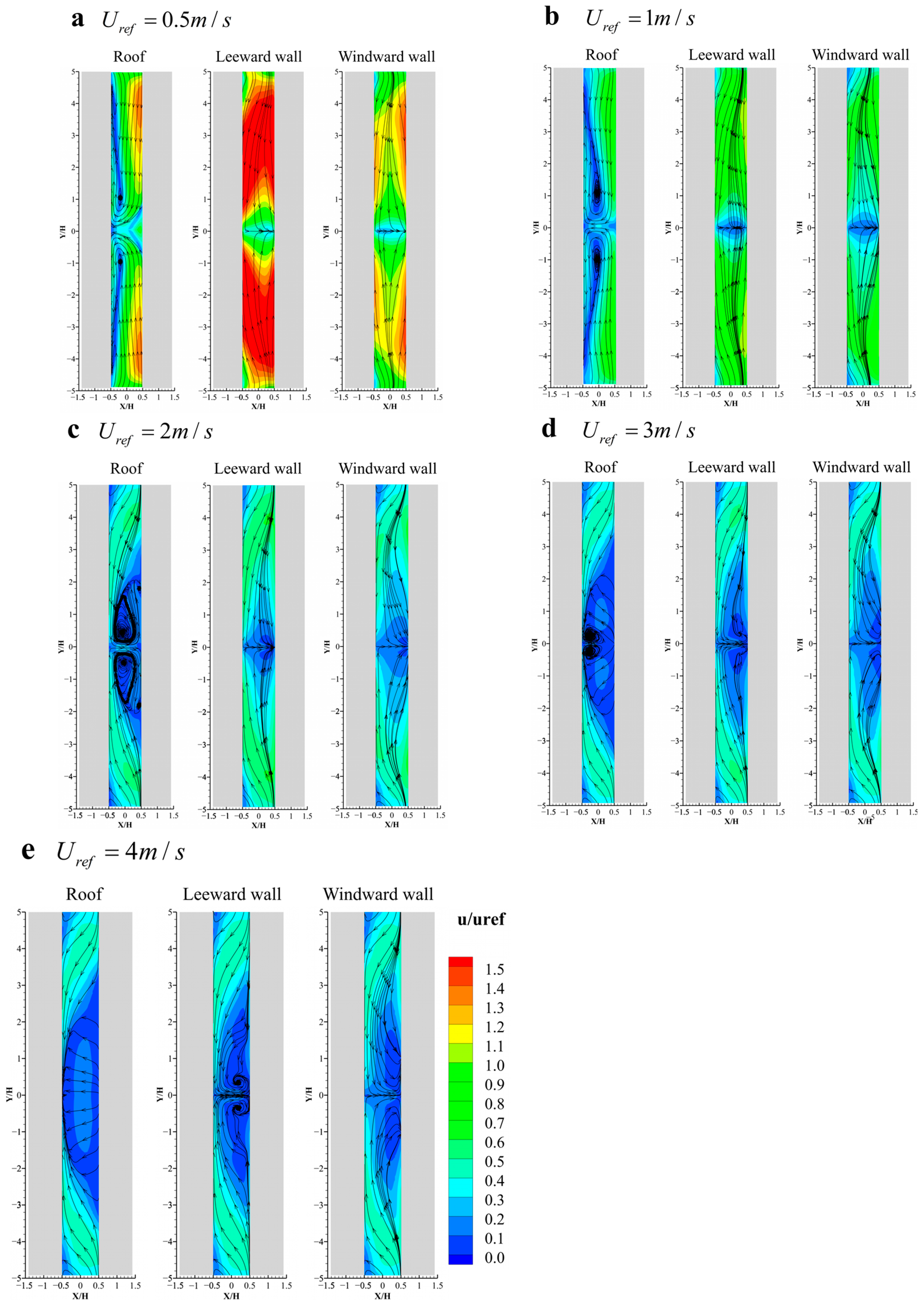
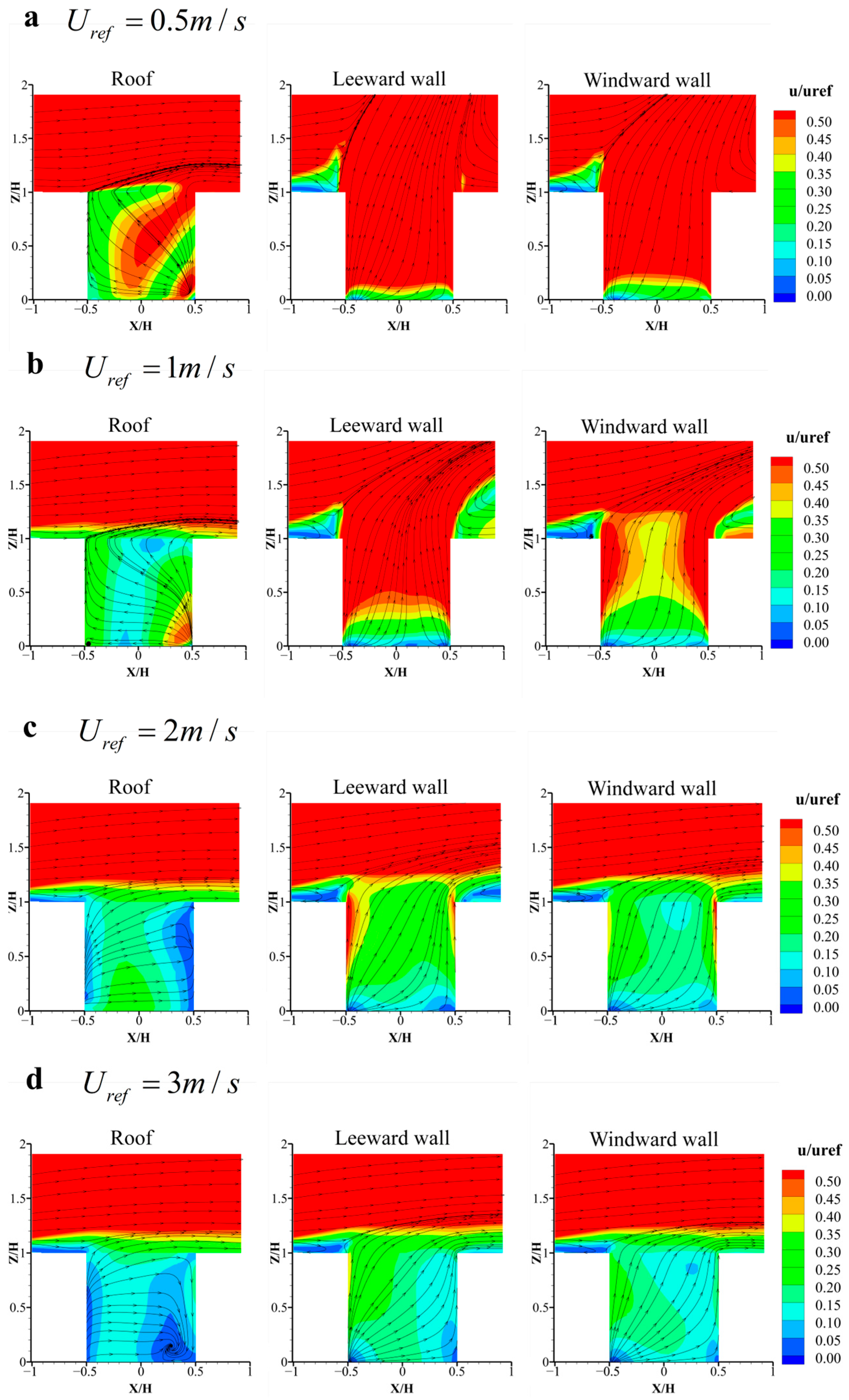
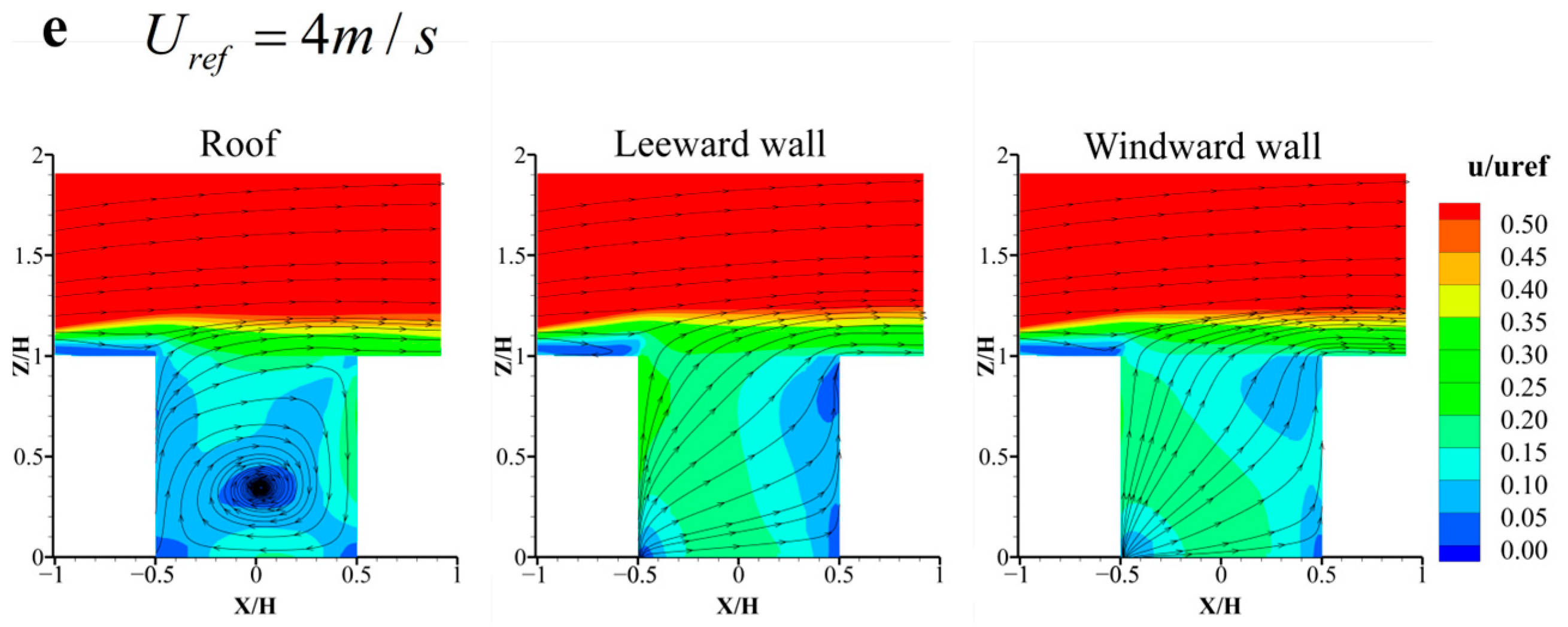
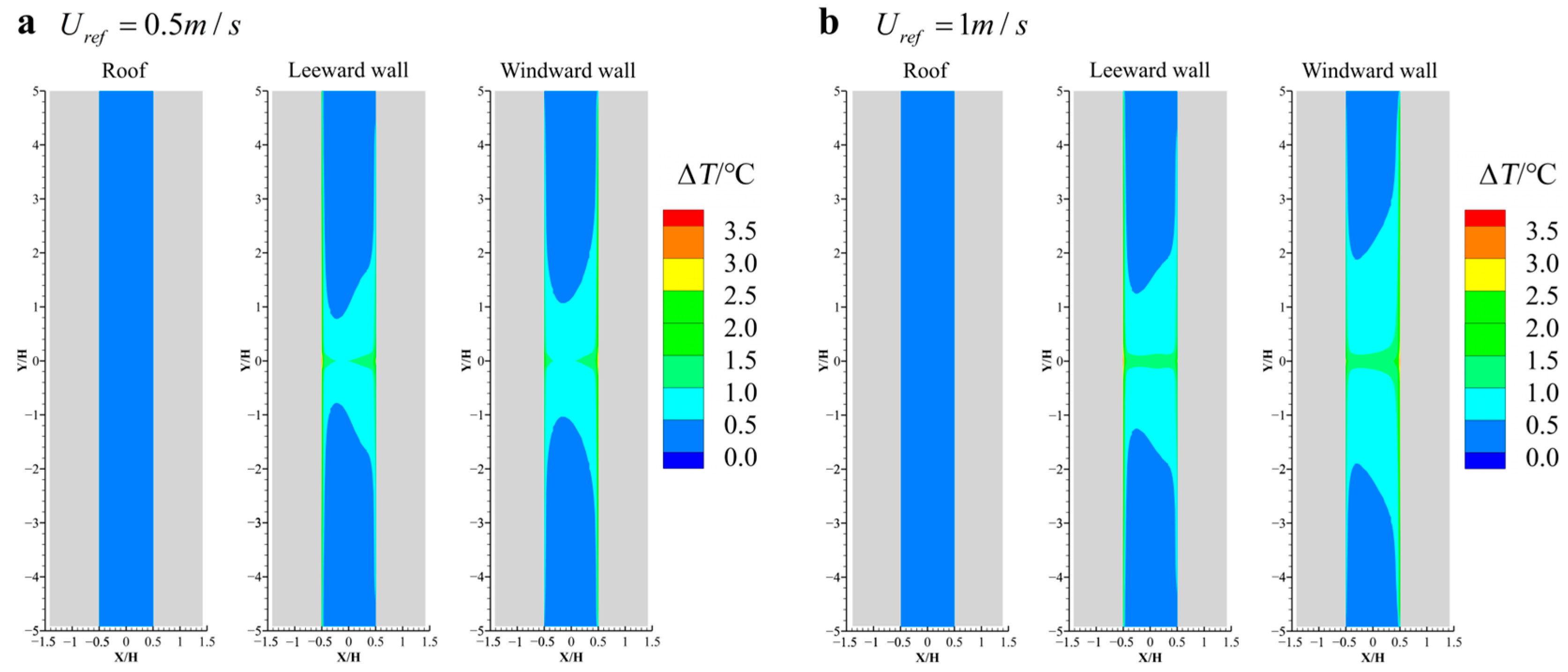
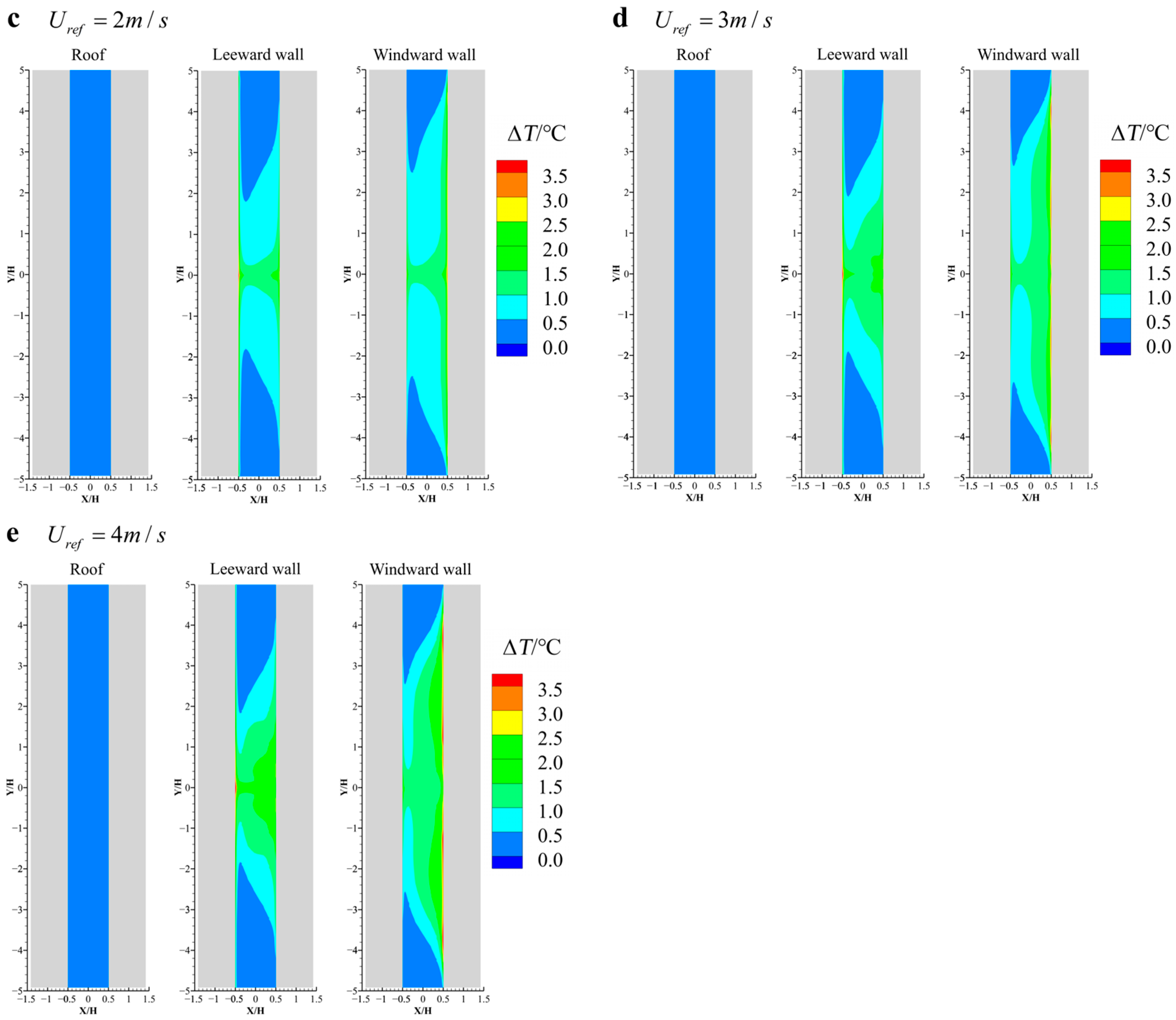
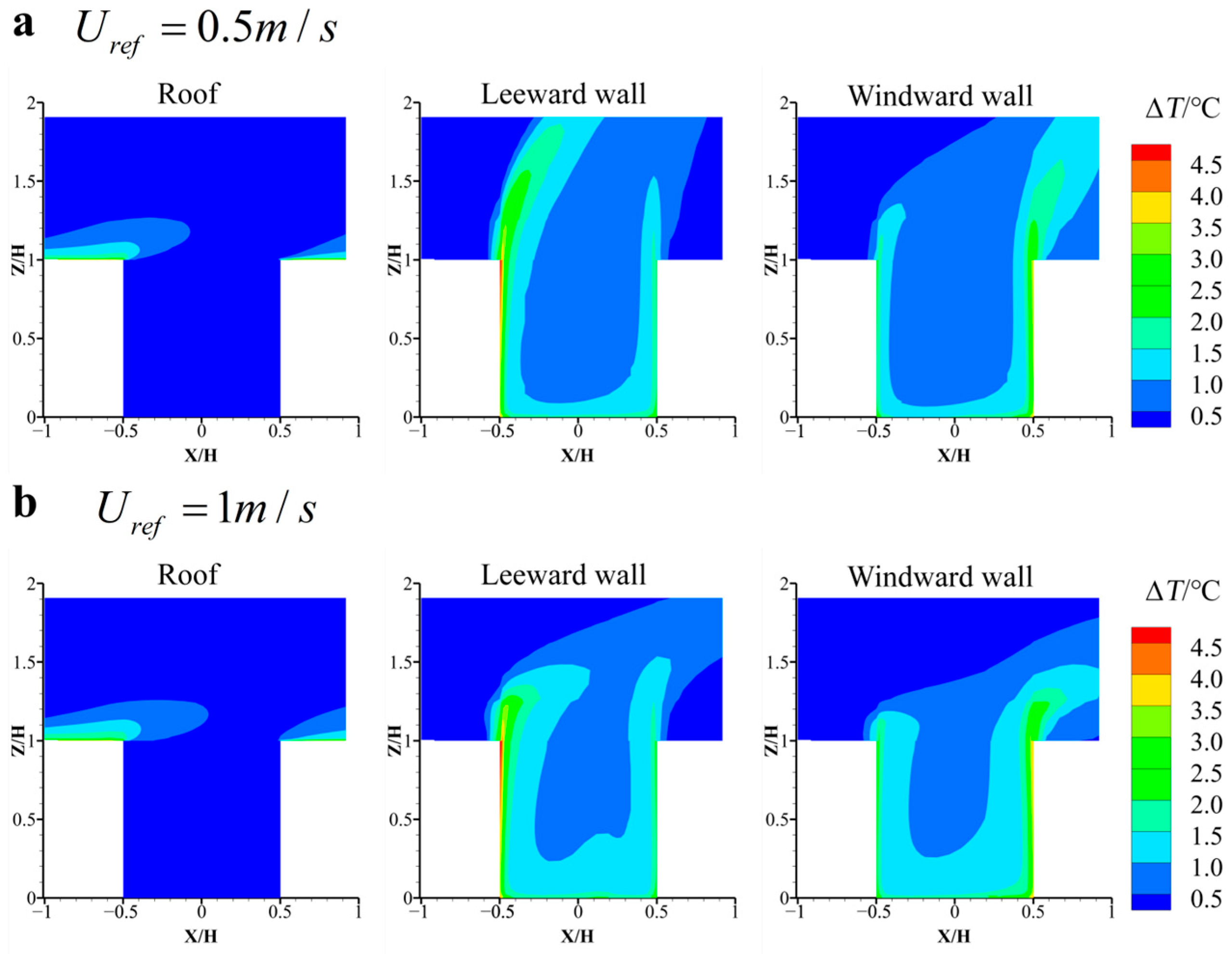
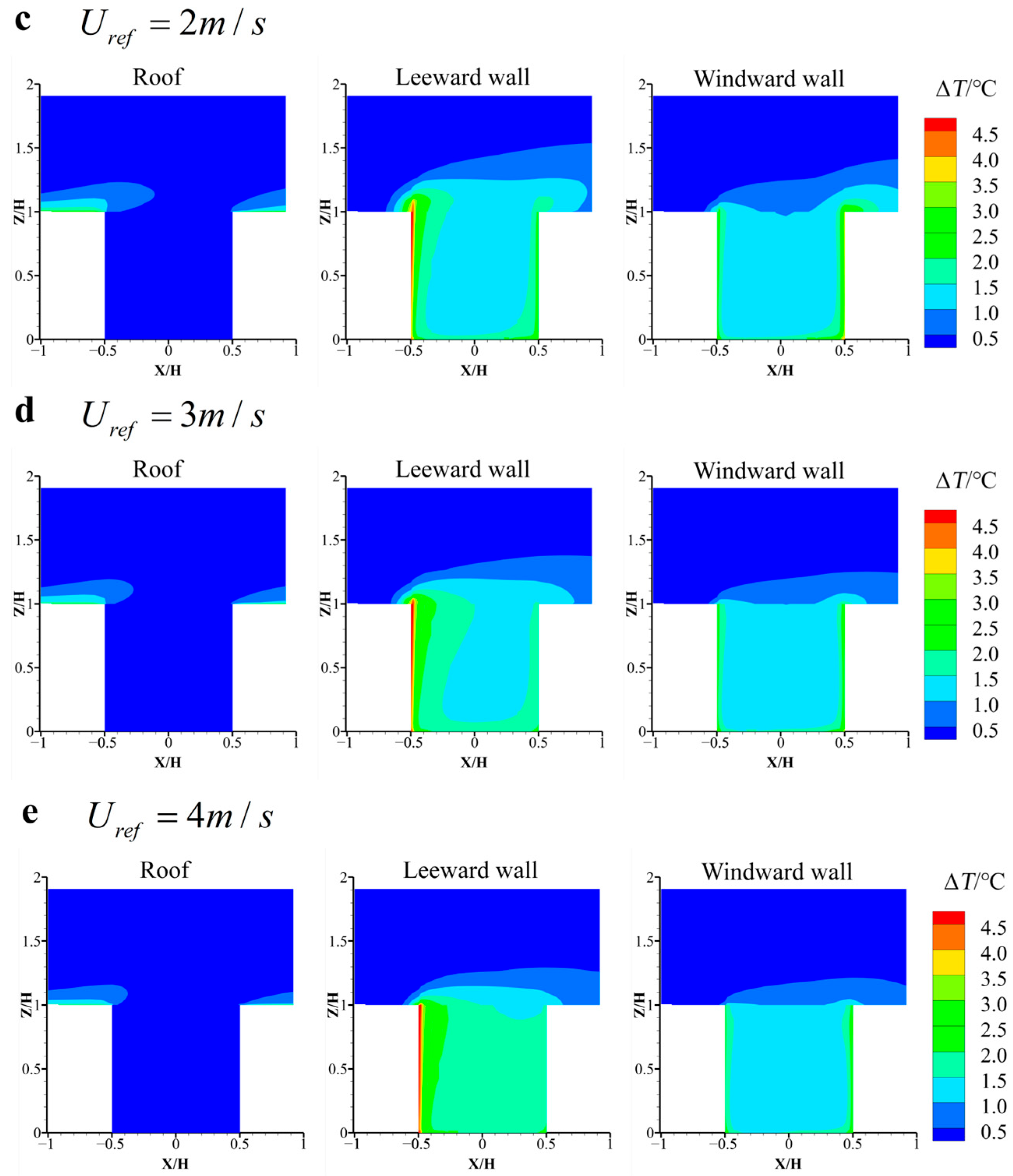
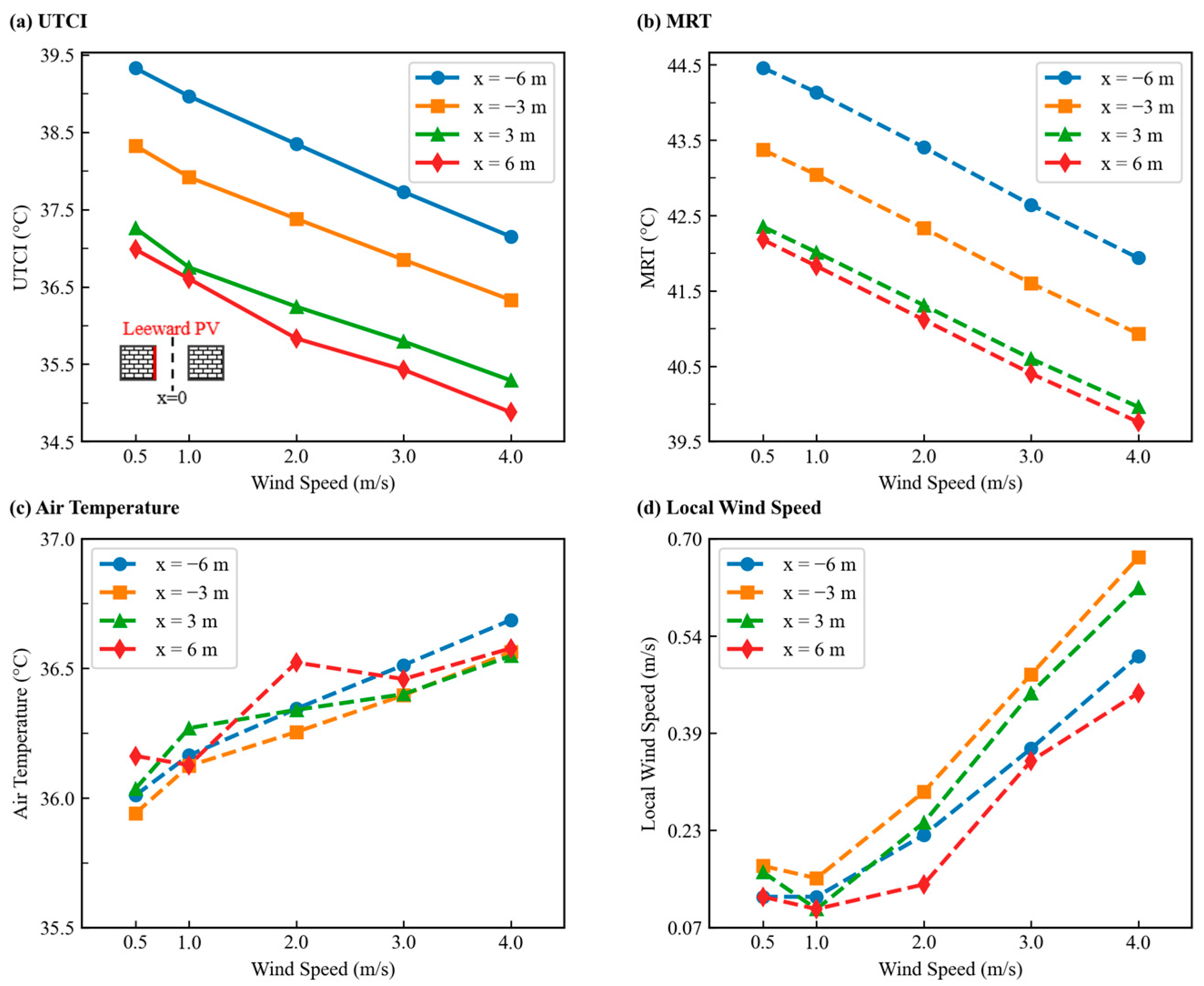
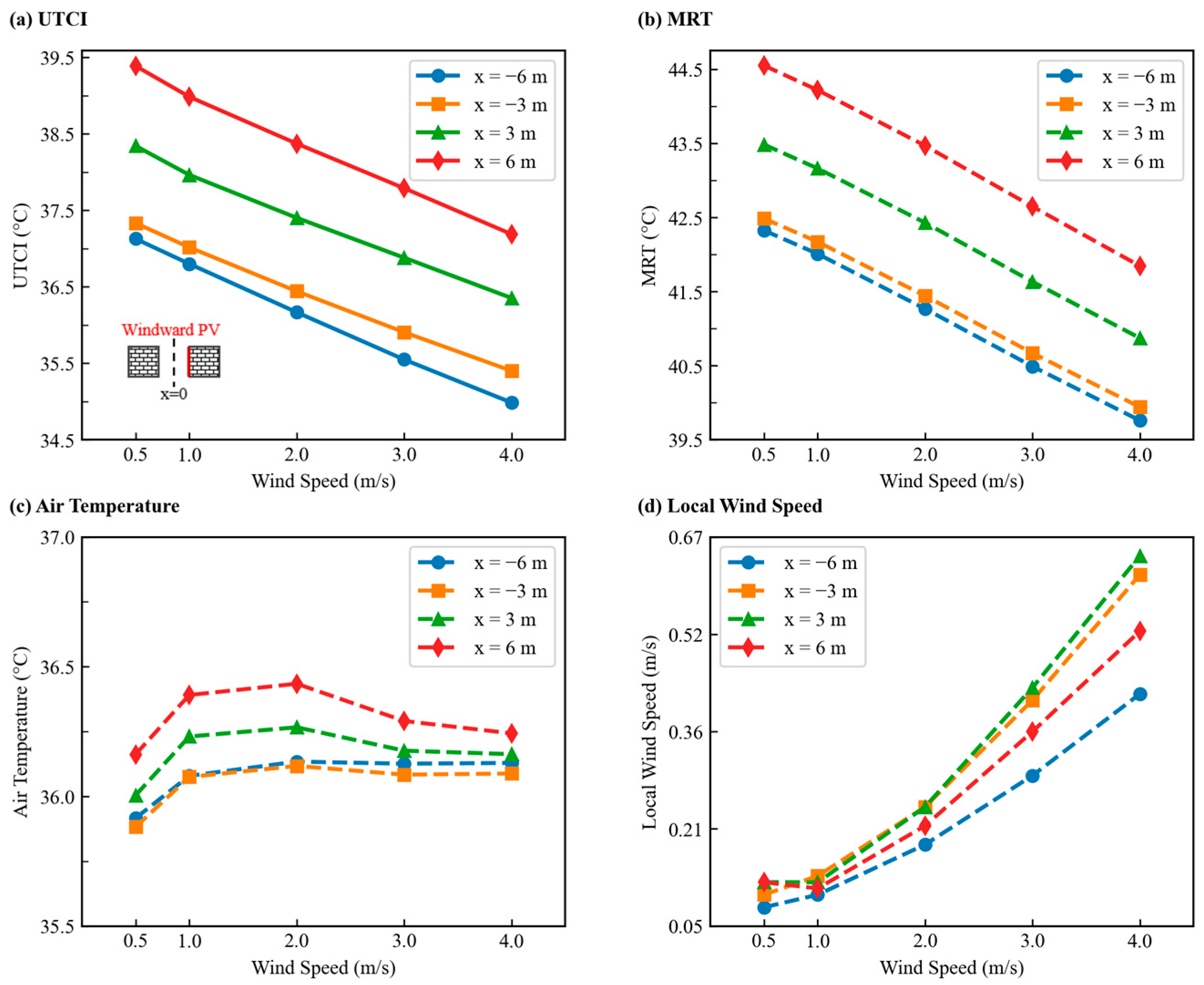
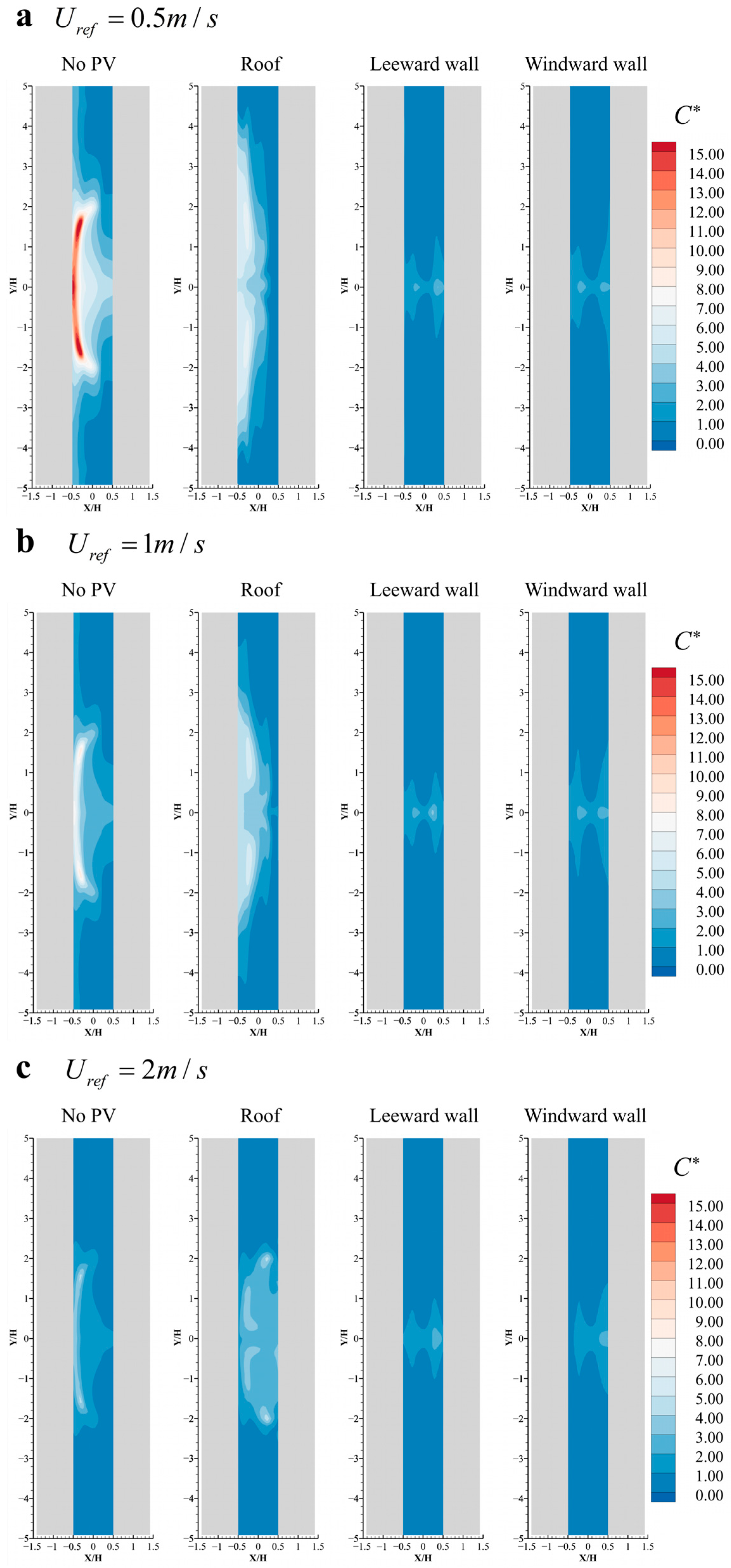
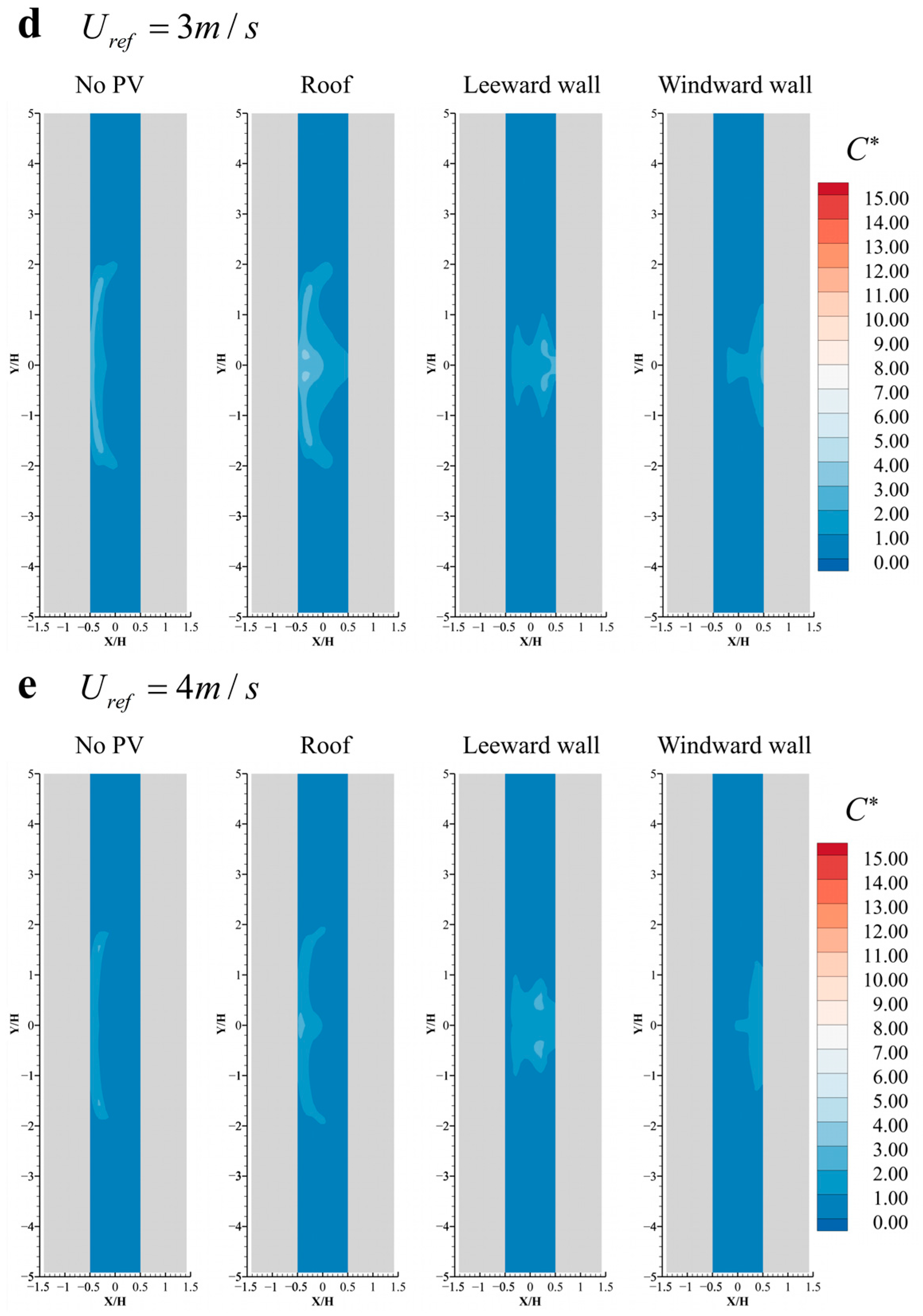
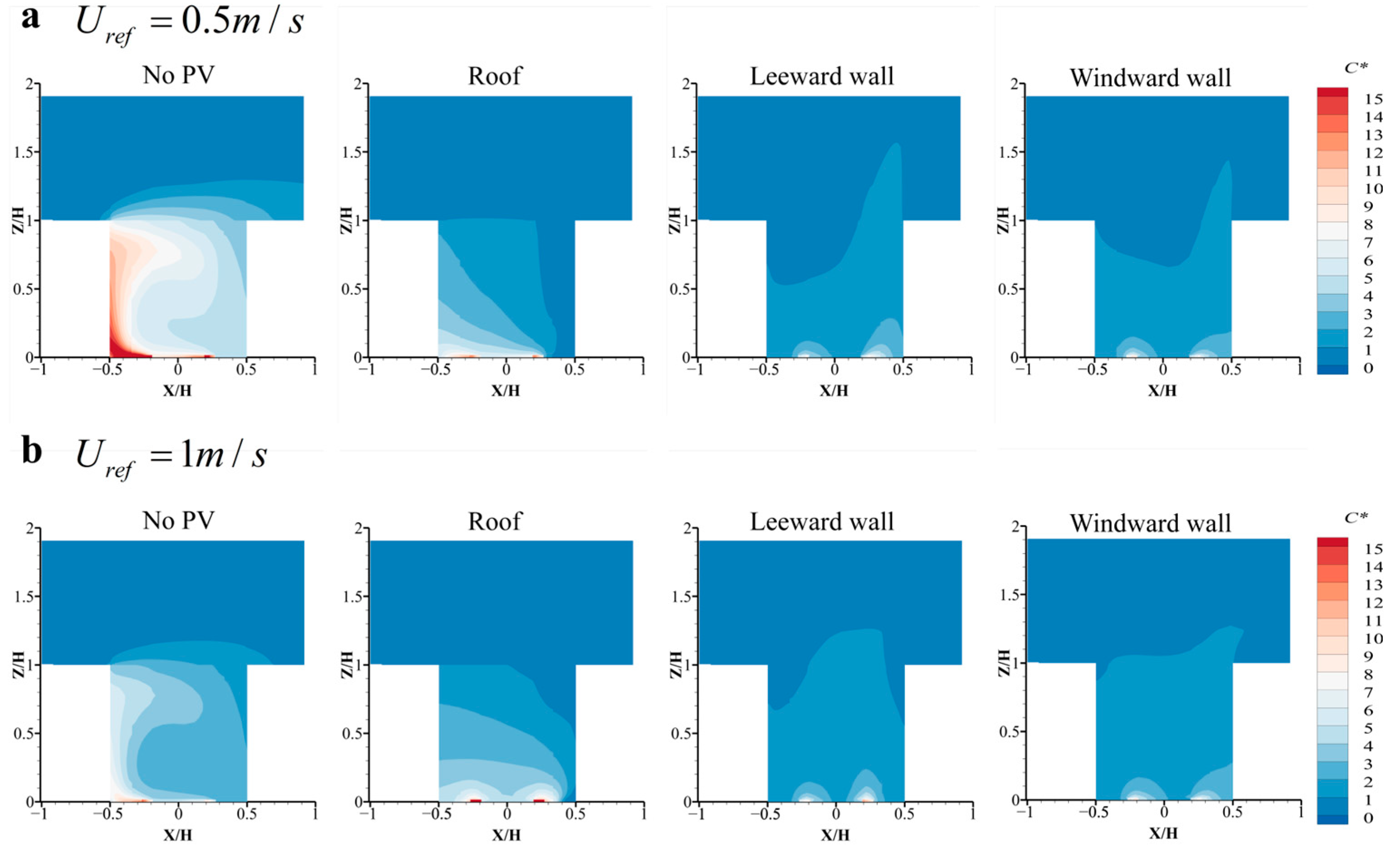
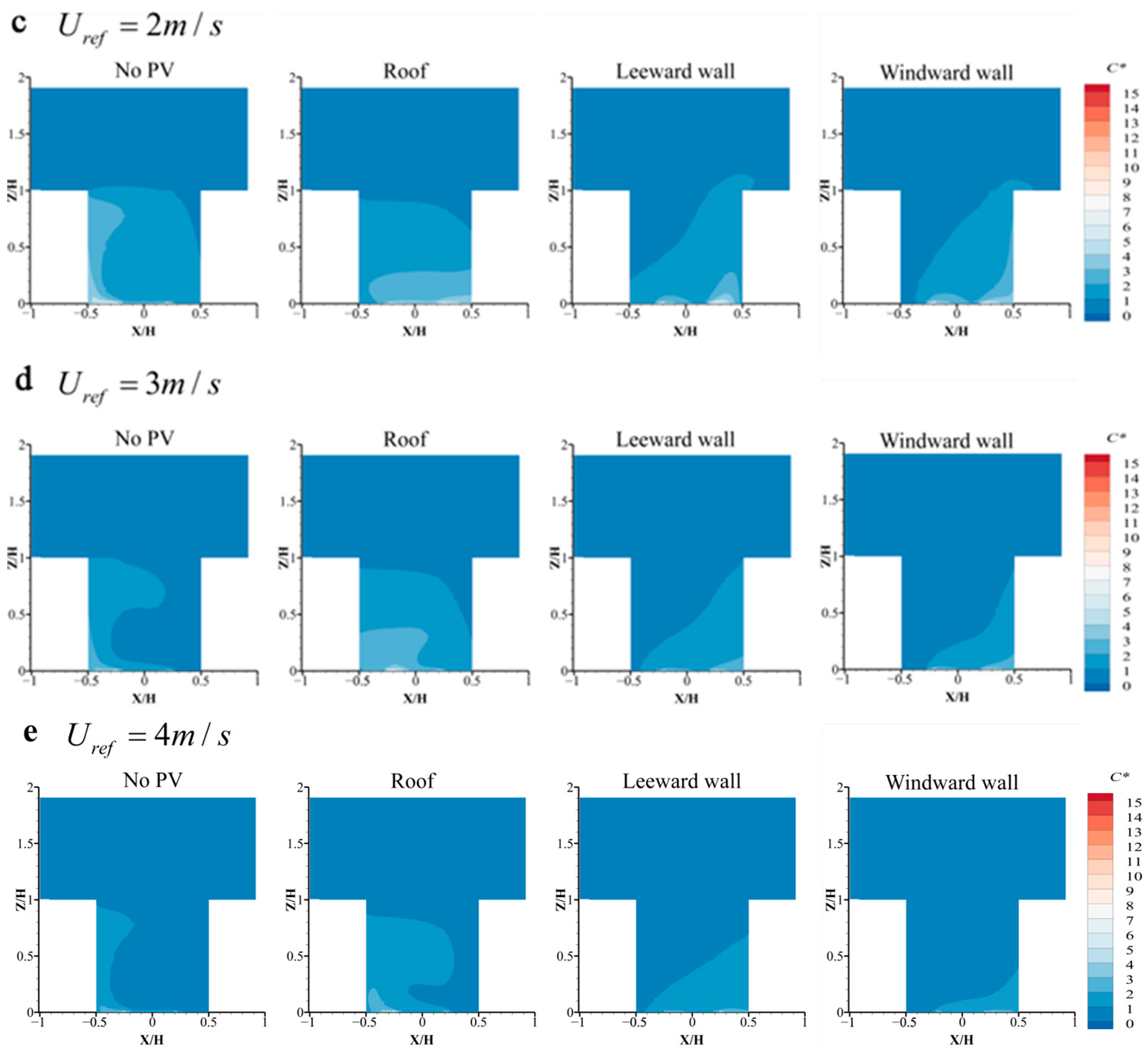
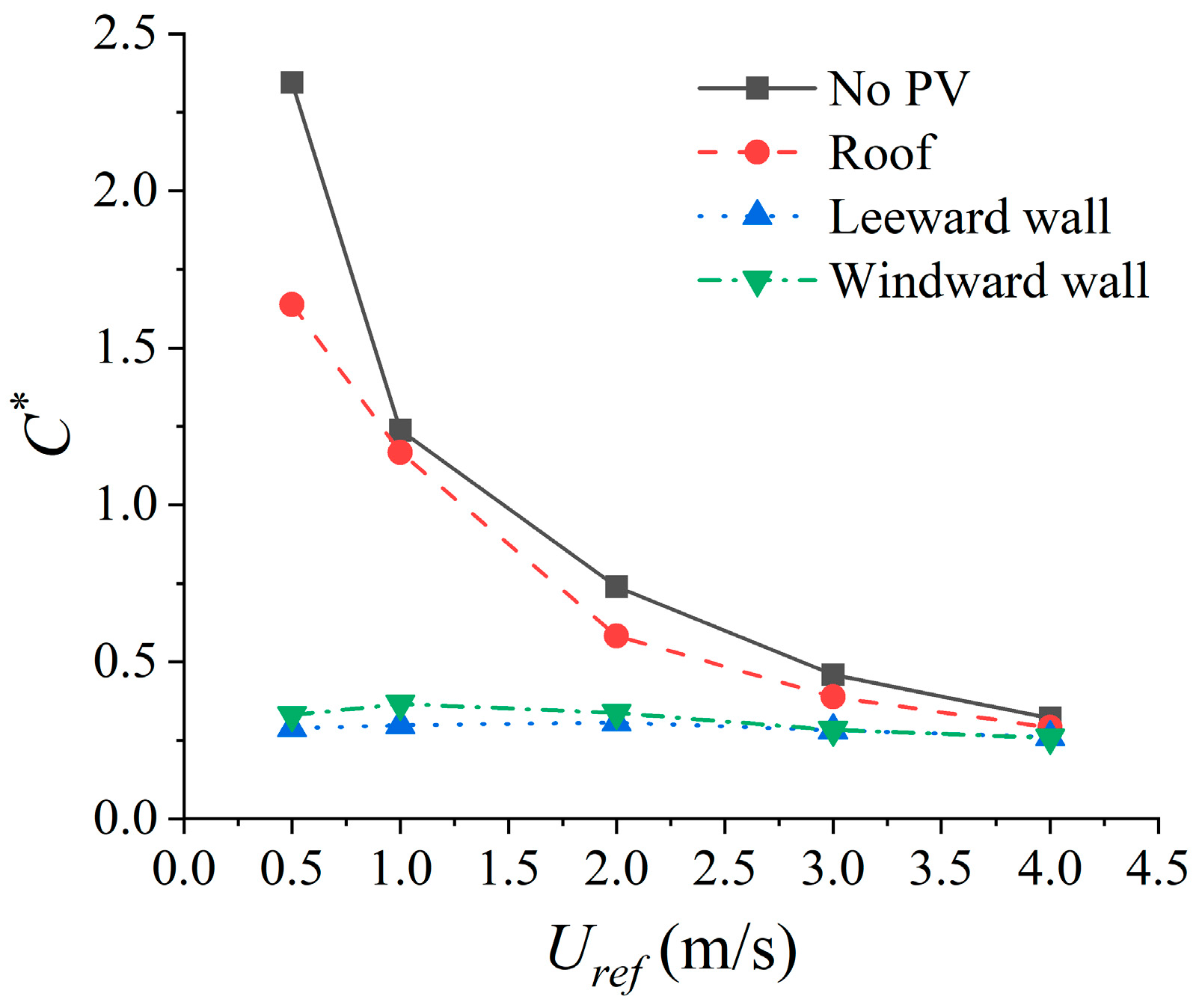
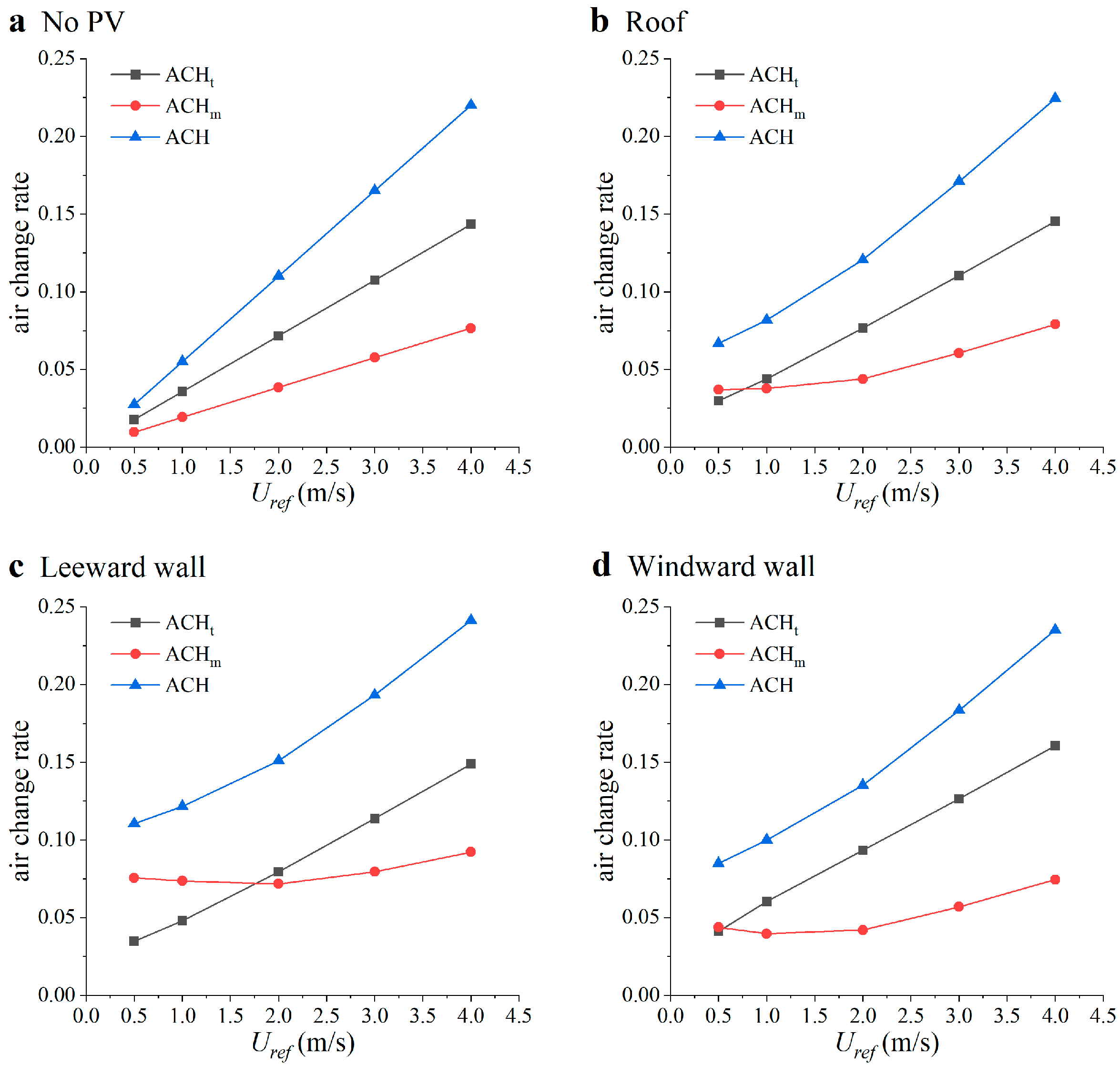
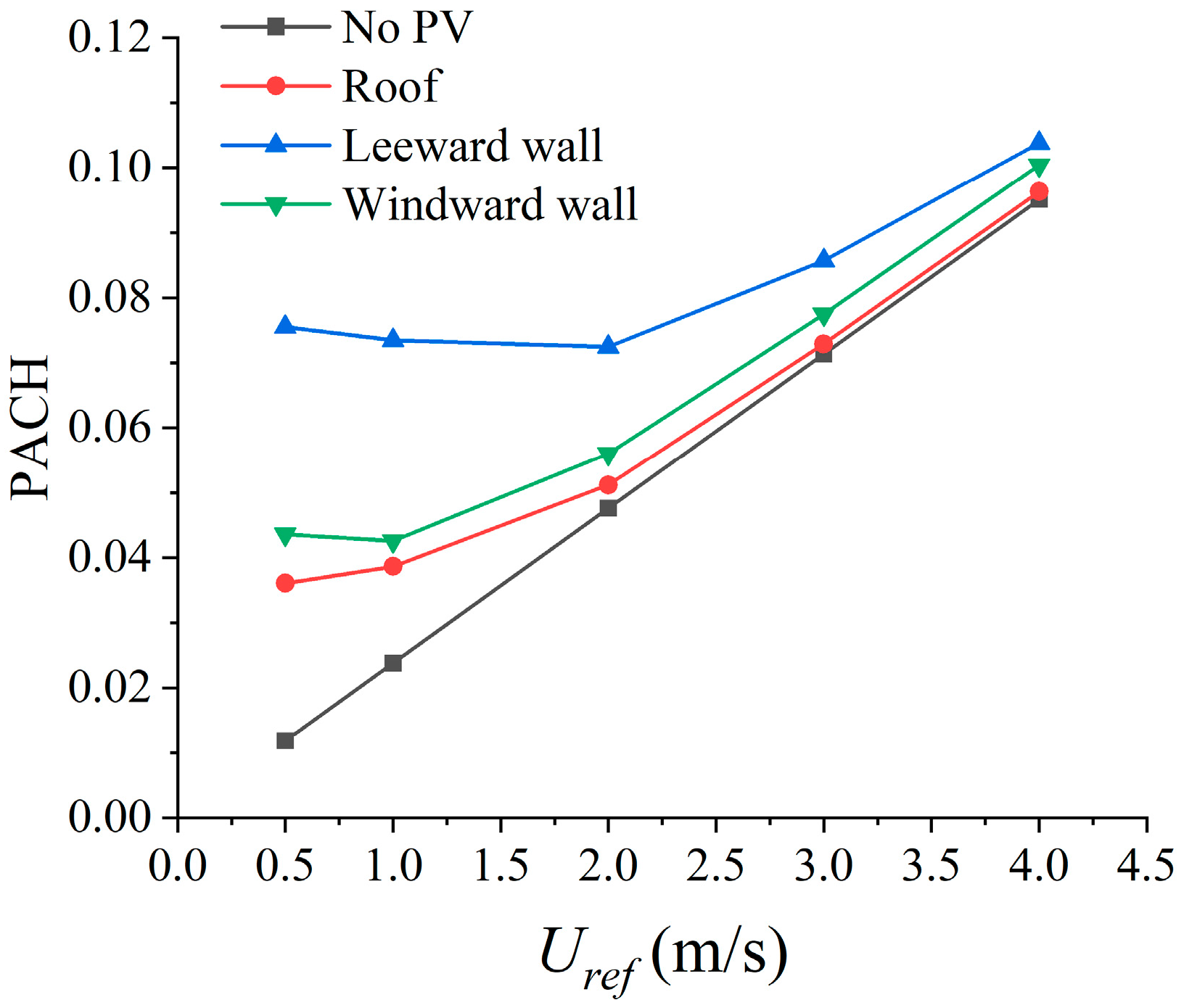
Building-integrated photovoltaic (BIPV) systems play a pivotal role in advancing low-carbon urban transformation. However, replacing conventional building envelope materials with photovoltaic (PV) panels modifies heat transfer processes and airflow patterns, potentially influencing urban environmental quality. This study examines the impacts of BIPV on building energy efficiency, PV system performance, and street canyon micro-climates, including airflow, temperature distribution, and pollutant dispersion, under perpendicular wind speeds ranging from 0.5 to 4 m/s, across three installation configurations and three installation positions. Results indicate that rooftop PV panels outperform facade-mounted systems in power generation. Ventilated PV configurations achieve optimal energy production and thermal insulation, thereby reducing building cooling loads and associated electricity consumption. Moreover, BIPV installations enhance street canyon ventilation, improving pollutant removal rates: ventilation rates increased by 1.43 times (rooftop), 3.02 times (leeward facade), and 2.09 times (windward facade) at 0.5 m/s. Correspondingly, canyon-averaged pollutant concentrations decreased by 30.1%, 87.7%, and 85.9%, respectively. However, the introduction of facade PV panels locally reduces pedestrian thermal comfort, particularly under low wind conditions, but this negative effect is significantly alleviated with increasing wind speed. To quantitatively evaluate BIPV-induced micro-climatic impacts, this study introduces the Pollutant-Weighted Air Exchange Rate (PACH)—a metric that weights the air exchange rate by pollutant concentration—providing a more precise indicator for evaluating micro-environmental changes. These findings offer quantitative evidence to guide urban-scale BIPV deployment, supporting the integration of renewable energy systems into sustainable urban design.
Keywords: BIPV; energy consumption; urban micro-environment; street canyon; CFD BIPV; energy consumption; urban micro-environment; street canyon; CFD
Graphical Abstract