Article

Exploring Critical Success Factors of AI-Integrated Digital Twins on Saudi Construction Project Deliverables: A PLS-SEM Approach


by
Aljawharah A. Alnaser
1,* and
Haytham Elmousalami
2
1
Department of Architecture and Building Sciences, College of Architecture and Planning, King Saud University, Riyadh 11421, Saudi Arabia
2
Infrastructure Department, Faculty of Engineering and IT, University of Melbourne, Melbourne, VIC 3052, Australia
*
Author to whom correspondence should be addressed.
Buildings 2025, 15(19), 3543; https://doi.org/10.3390/buildings15193543

Submission received: 2 September 2025 / Revised: 23 September 2025 / Accepted: 26 September 2025 / Published: 2 October 2025
(This article belongs to the Special Issue The Power of Knowledge in Enhancing Construction Project Delivery)

Abstract

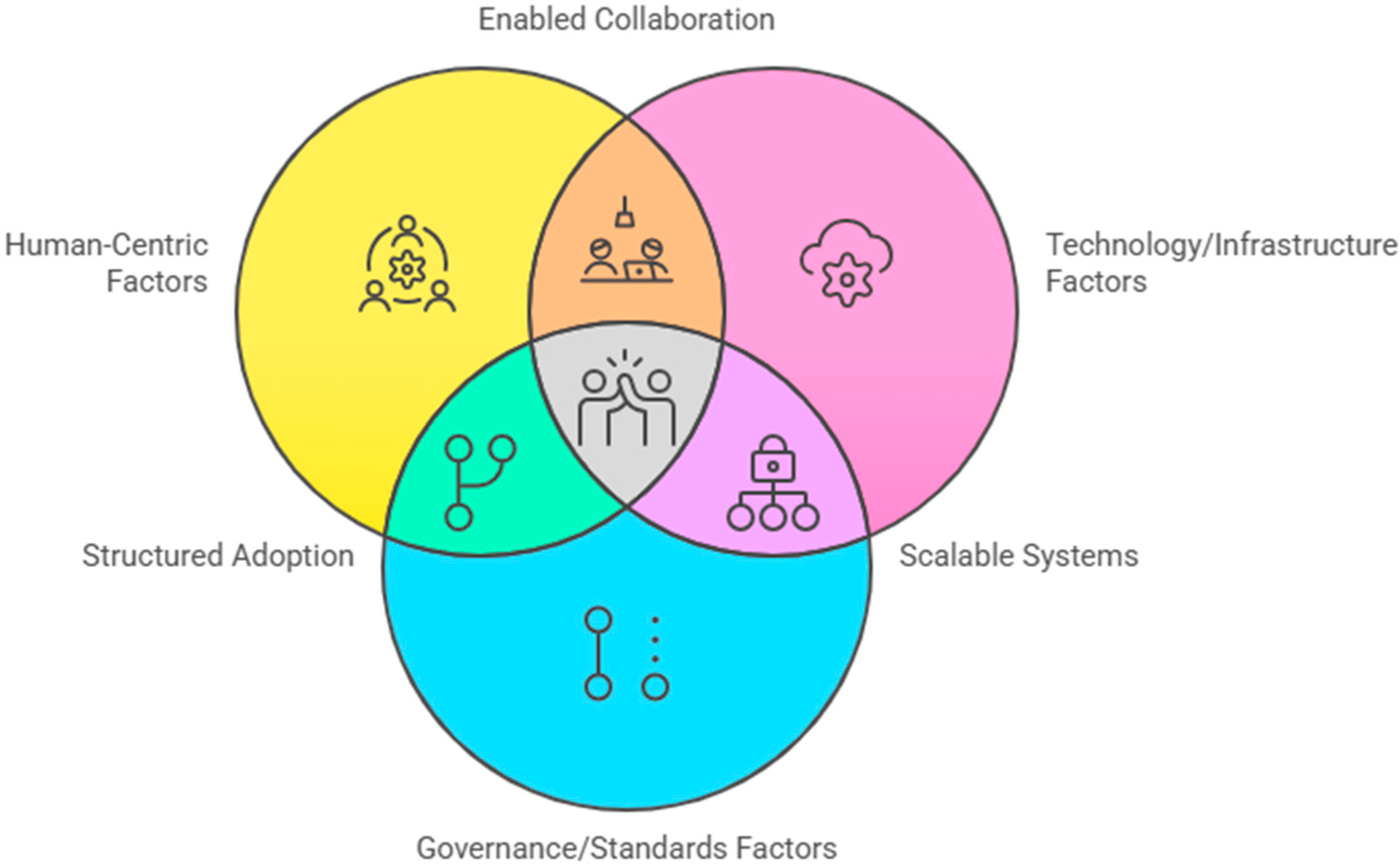
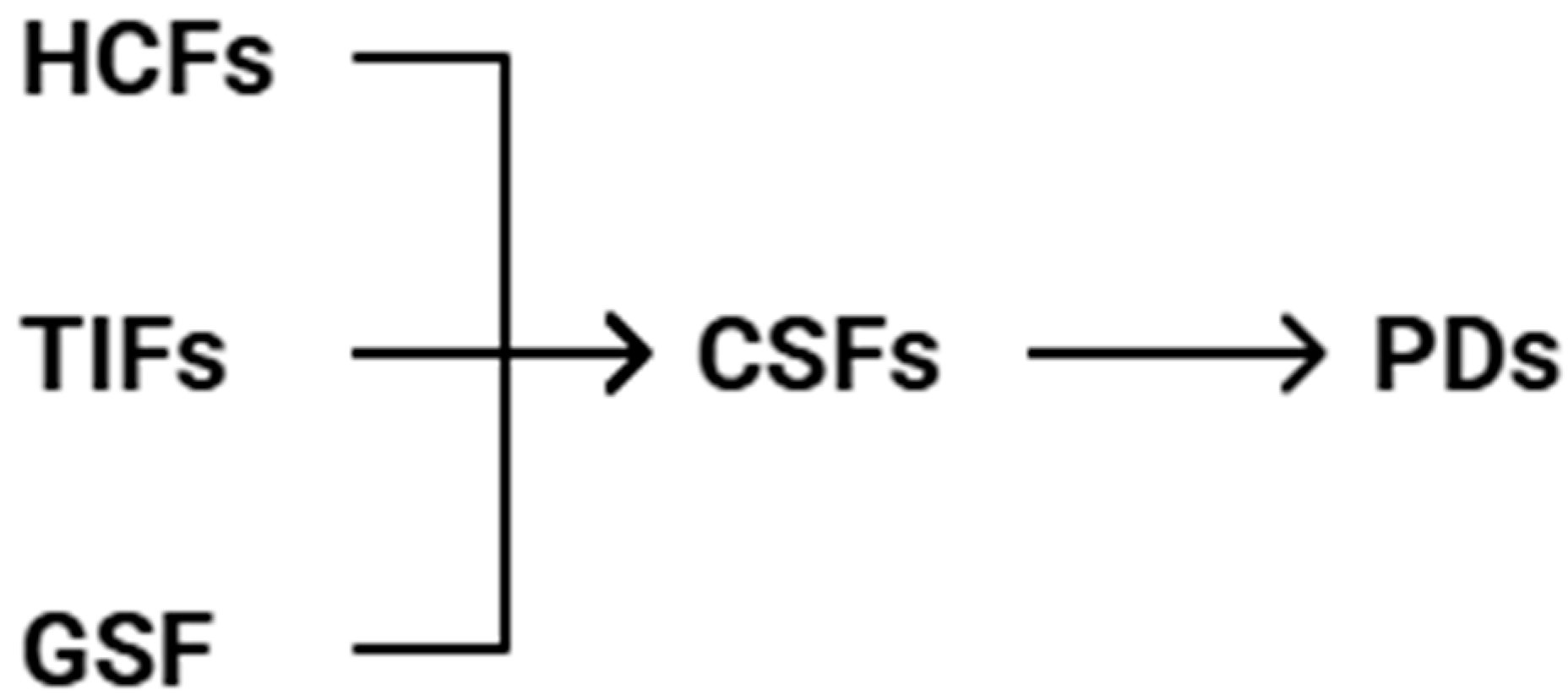
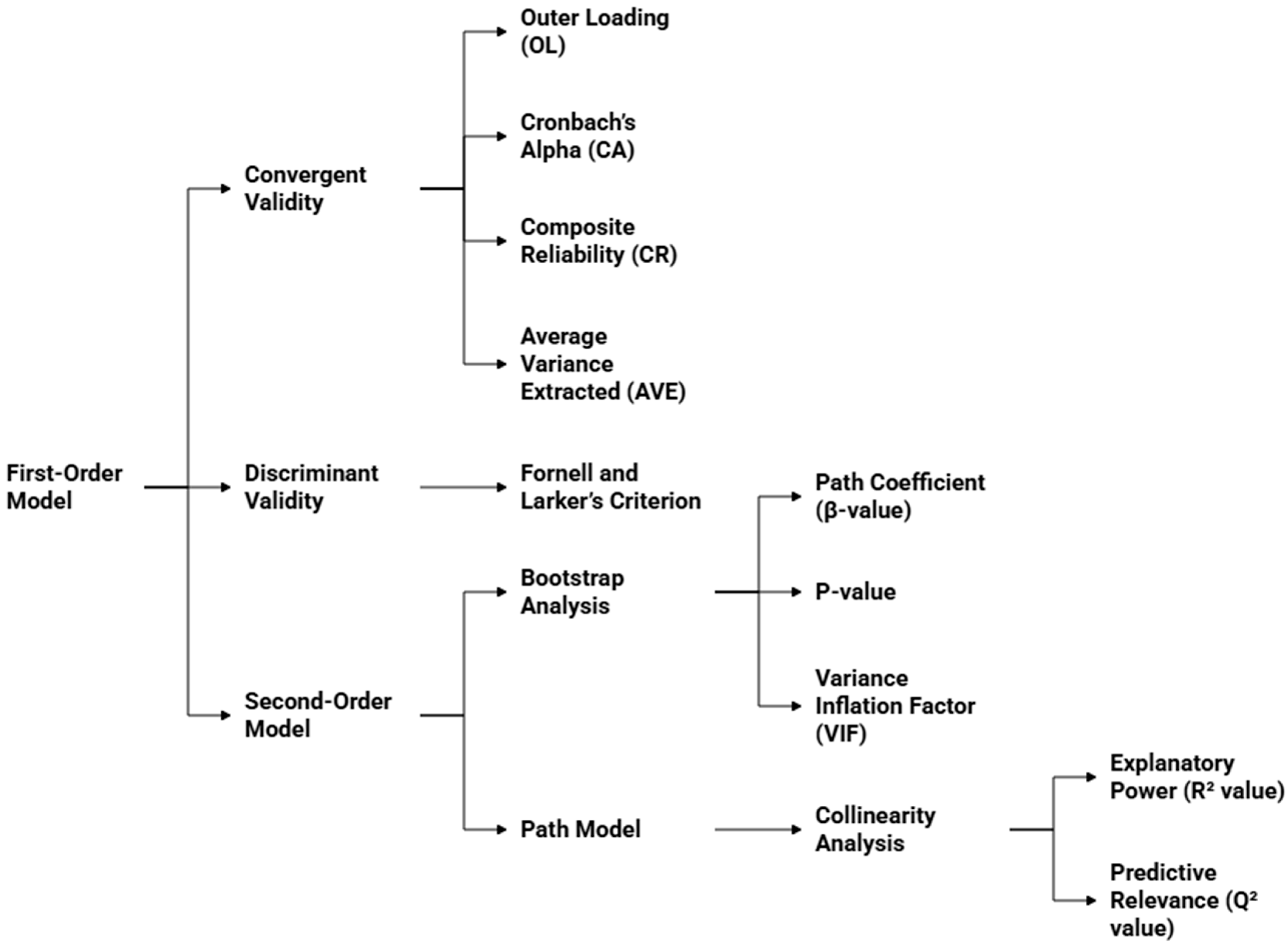
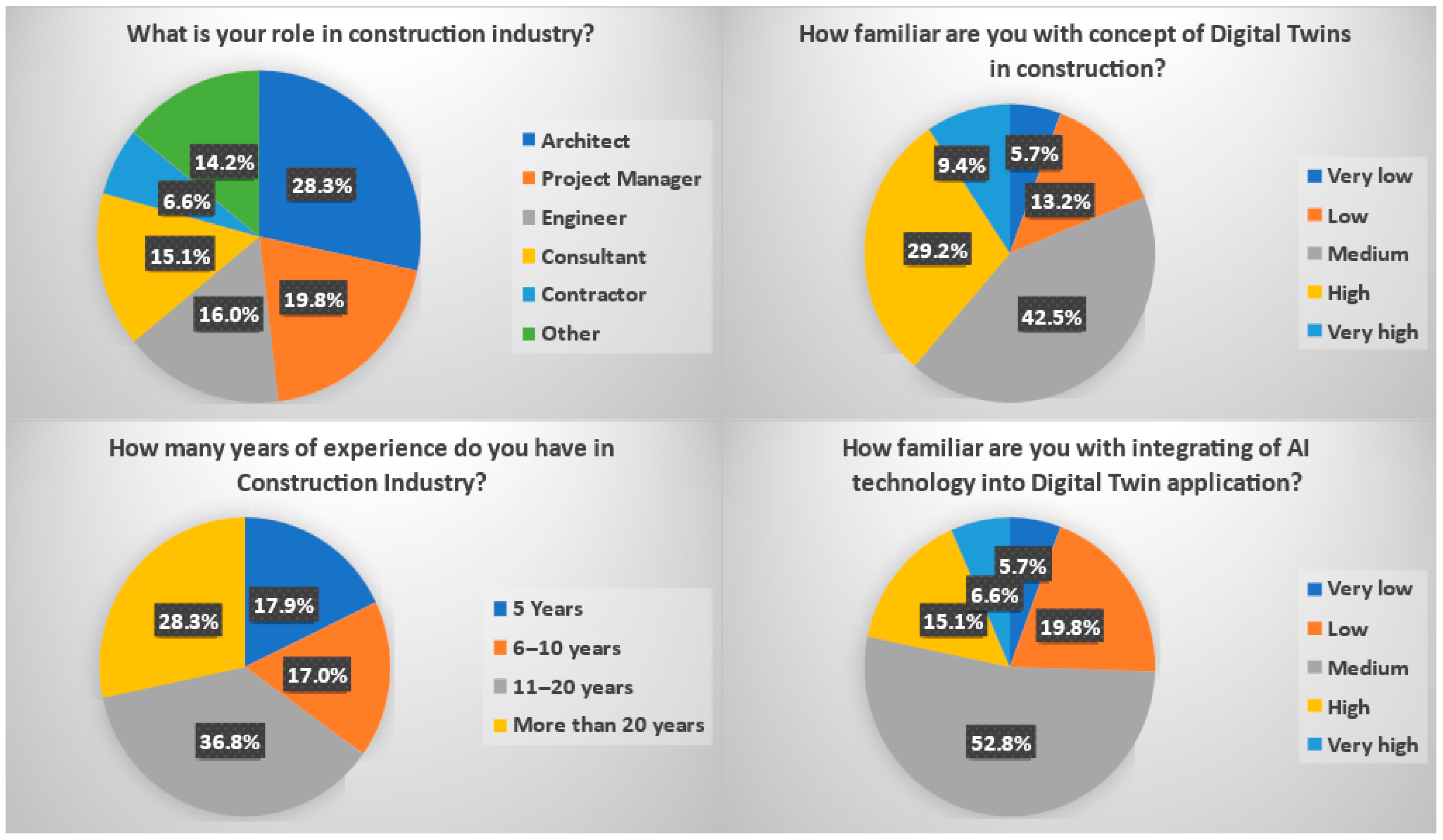
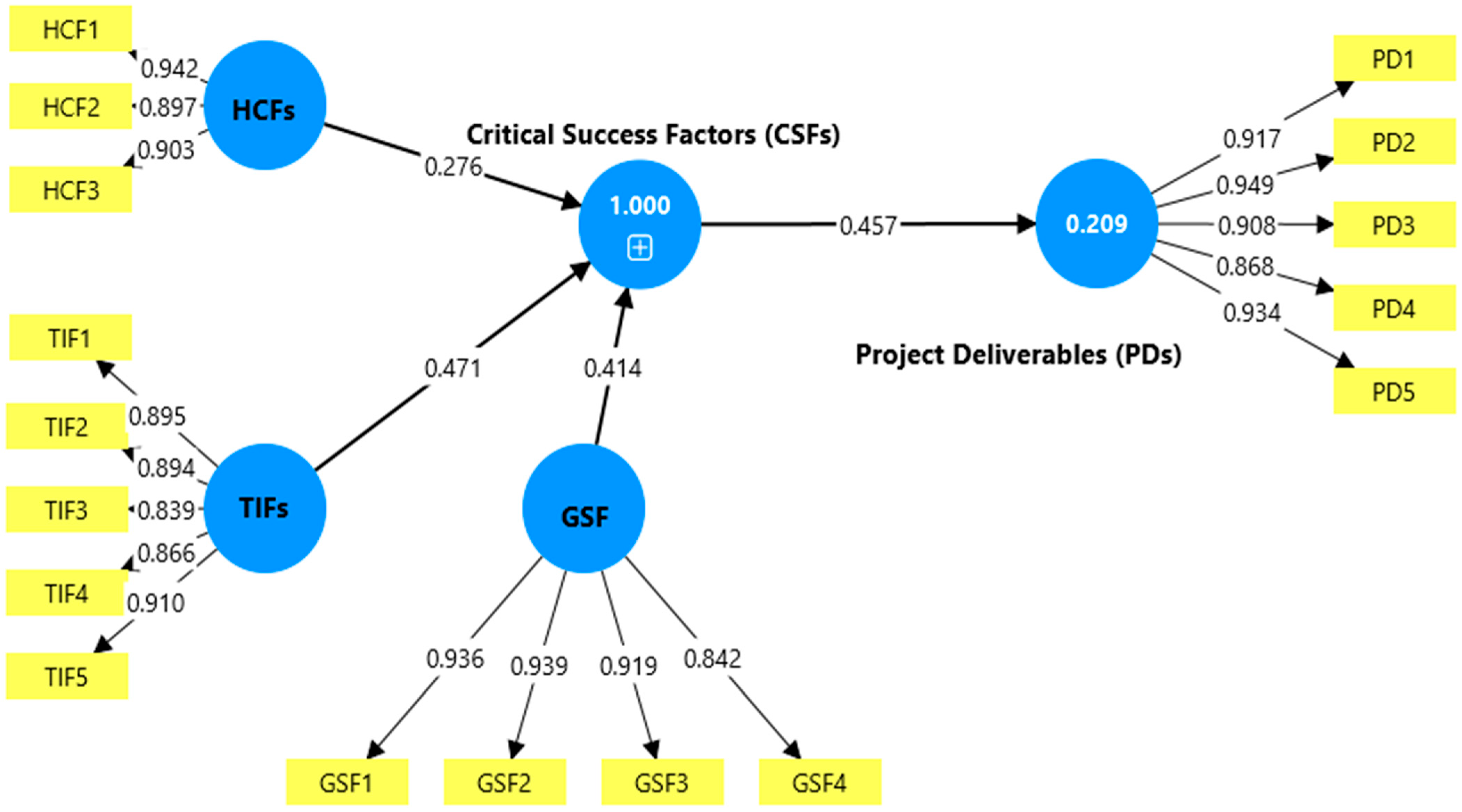
Artificial intelligence-enhanced digital twins are widely acknowledged as effective instruments for facilitating digital transformation in the building industry. Nonetheless, their implementation remains uneven, with little knowledge regarding the organizational conditions that convert these technologies into enhanced project outcomes. This study investigates the critical success factors (CSFs) that shape the effectiveness of AI-integrated digital twins in Saudi Arabia’s construction industry. A hierarchical structural equation model was developed to capture three dimensions of CSFs, including human-centric, technological, and governance-related, and to evaluate their impact on project deliverables, including time, cost, resource utilization, quality, and risk. Data from a survey of 120 industry professionals were assessed utilizing a PLS-SEM approach, incorporating rigorous measurement and structural assessments. Results indicate that technology and infrastructural factors have the most significant impact on critical success factors, followed by governance and human-related enablers. Consequently, CSFs substantially forecast project outcomes, mediating the influences of all three domains. These findings underscore the importance of investing in data quality, scalable infrastructure, and governance frameworks, complemented by workforce training and incentives, to realize the benefits of AI-enabled digital transformations fully. The study presents a validated paradigm that elucidates how enabling conditions enhance performance improvements, providing practical direction for industry players and policymakers.
Keywords: digital twins (DTs); artificial intelligence (AI); Saudi’s construction industry; critical success factors; project deliverables; PLS-SEM approach digital twins (DTs); artificial intelligence (AI); Saudi’s construction industry; critical success factors; project deliverables; PLS-SEM approach