Article

A Machine Learning Framework for Regional Damage Assessment Using Multi-Station Seismic Parameters: Insights from the 2023 Kahramanmaraş Earthquakes


by
Ömer Faruk Nemutlu
1,
Salih Taha Alperen Özçelik
2 and
Mohamed Freeshah
3,4,*
1
Civil Engineering Department, Faculty of Engineering and Architecture, Bingol University, 12000 Bingol, Türkiye
2
Electrical-Electronics Engineering Department, Faculty of Engineering and Architecture, Bingol University, 12000 Bingol, Türkiye
3
Civil and Environmental Engineering Department, College of Engineering, UAE University, Al Ain 15551, United Arab Emirates
4
Geomatics Engineering Department, Faculty of Engineering at Shoubra, Benha University, Cairo 13511, Egypt
*
Author to whom correspondence should be addressed.
Buildings 2025, 15(18), 3326; https://doi.org/10.3390/buildings15183326

Submission received: 5 August 2025 / Revised: 4 September 2025 / Accepted: 10 September 2025 / Published: 14 September 2025
(This article belongs to the Section Construction Management, and Computers & Digitization)

Abstract

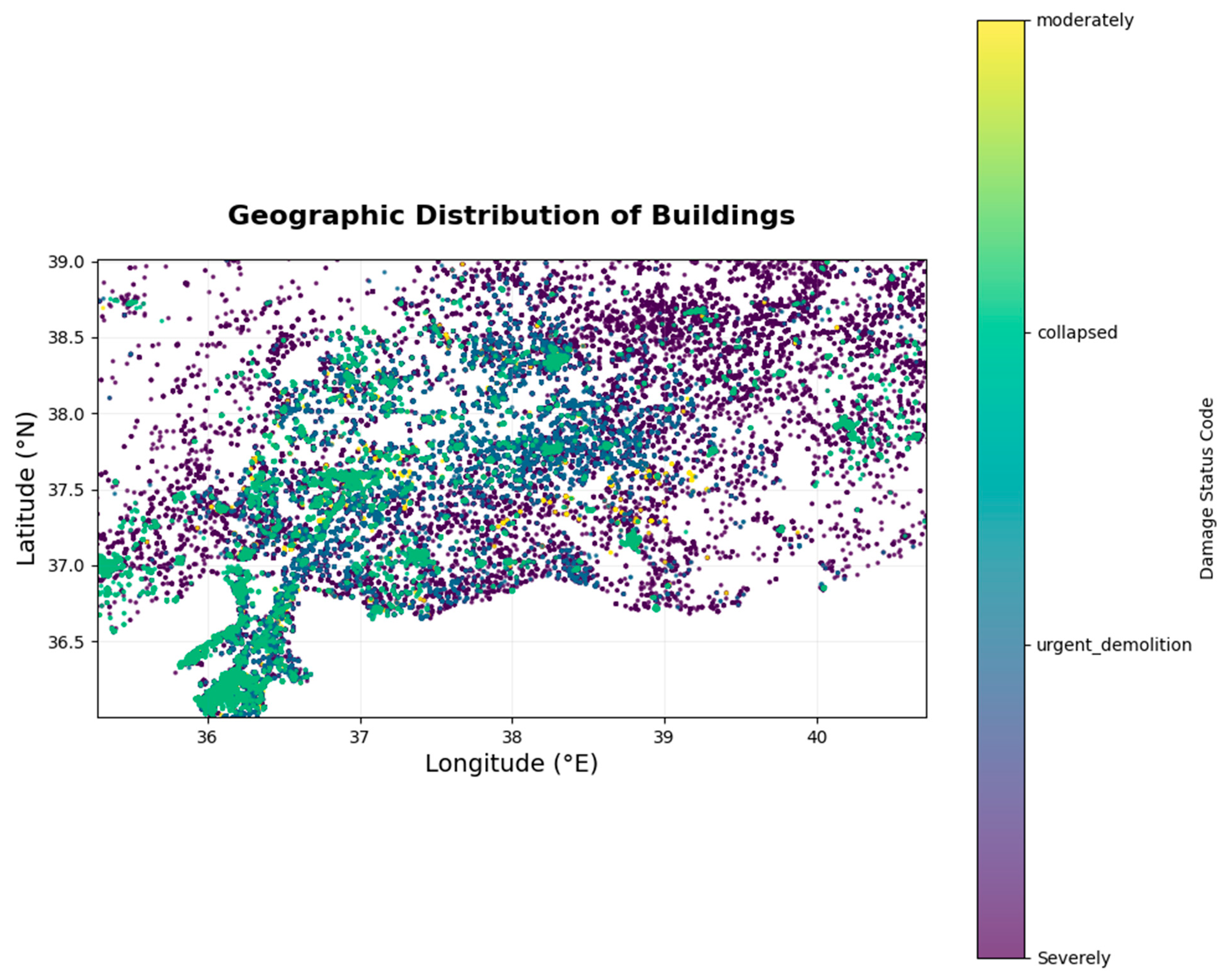
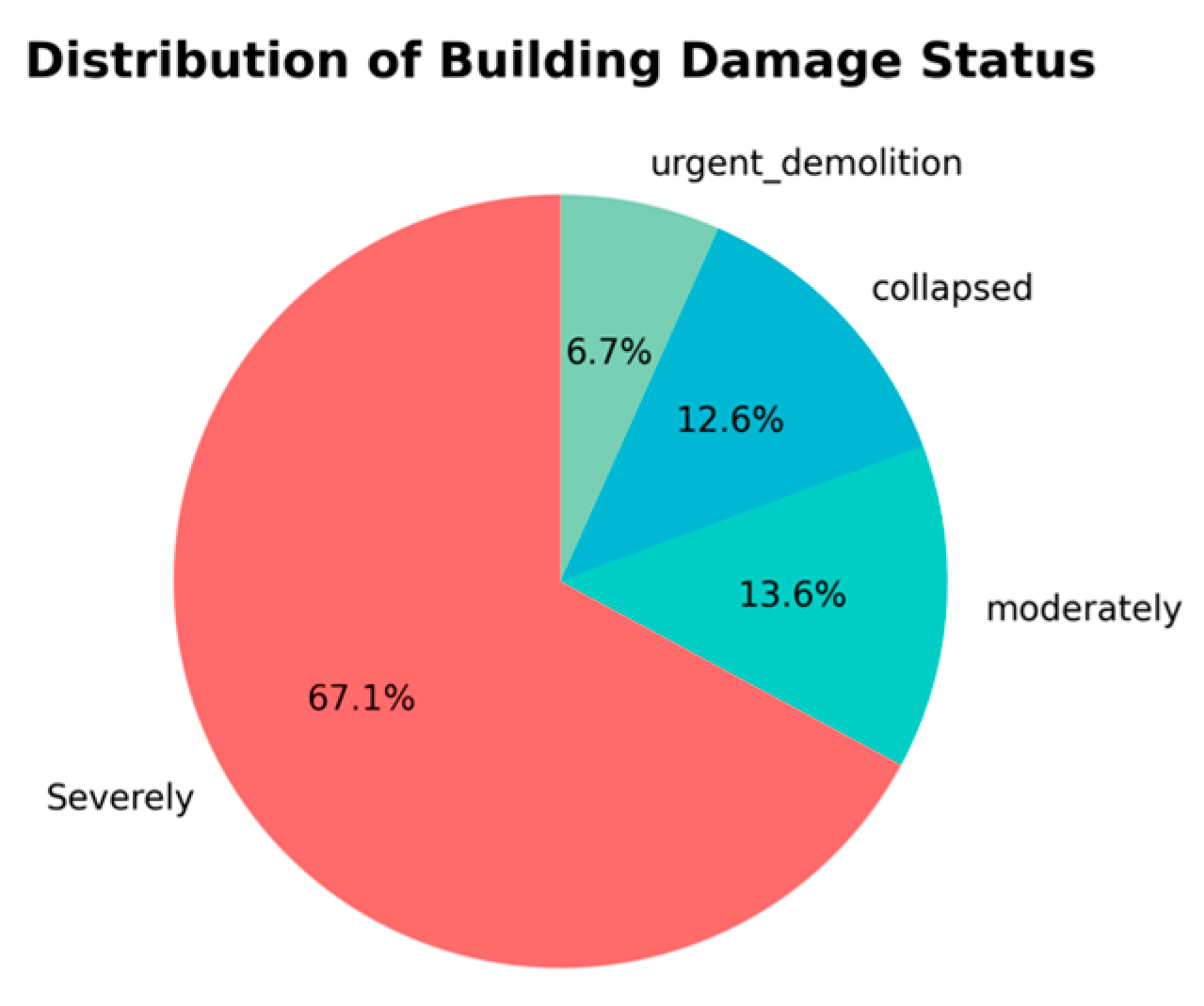
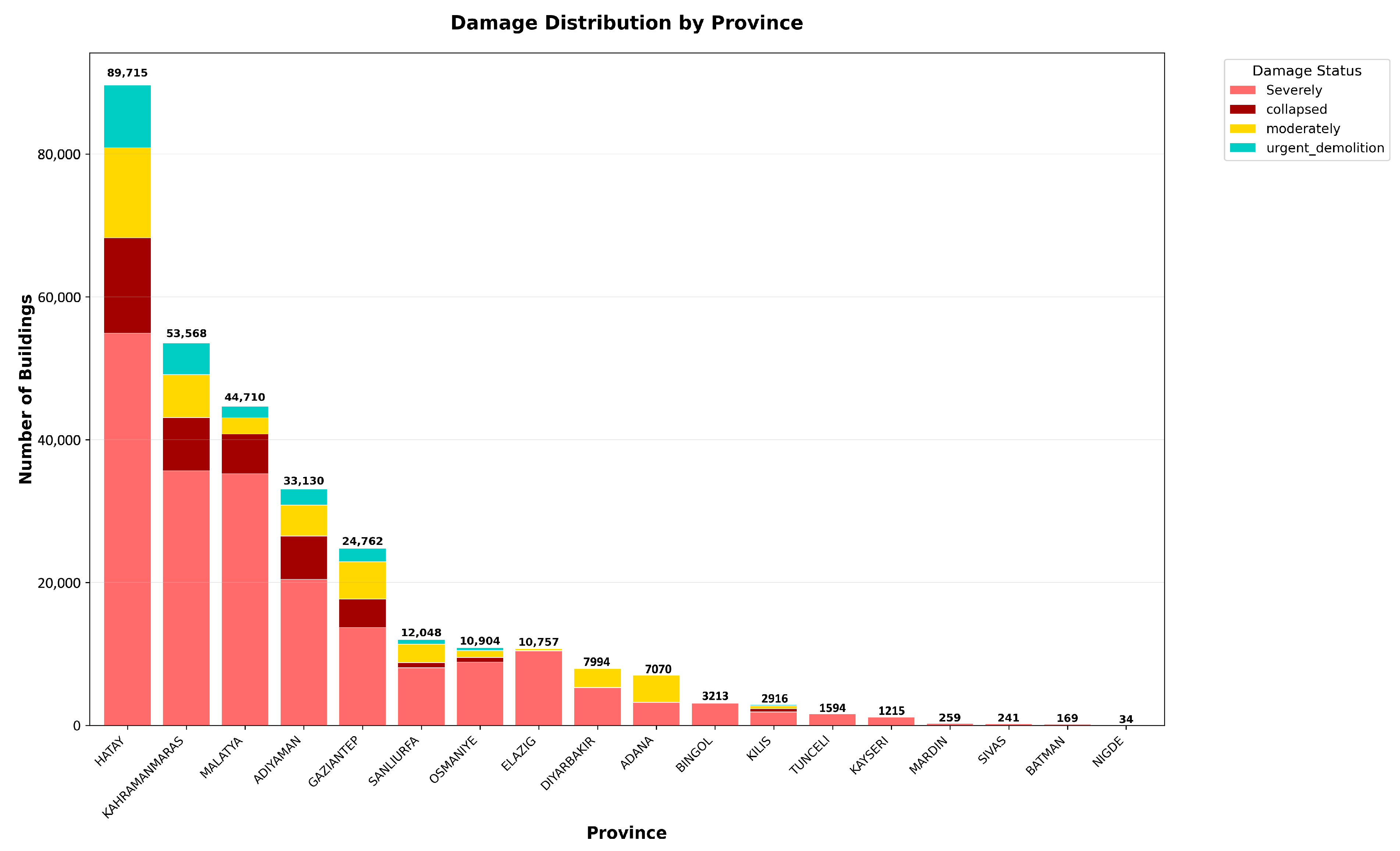
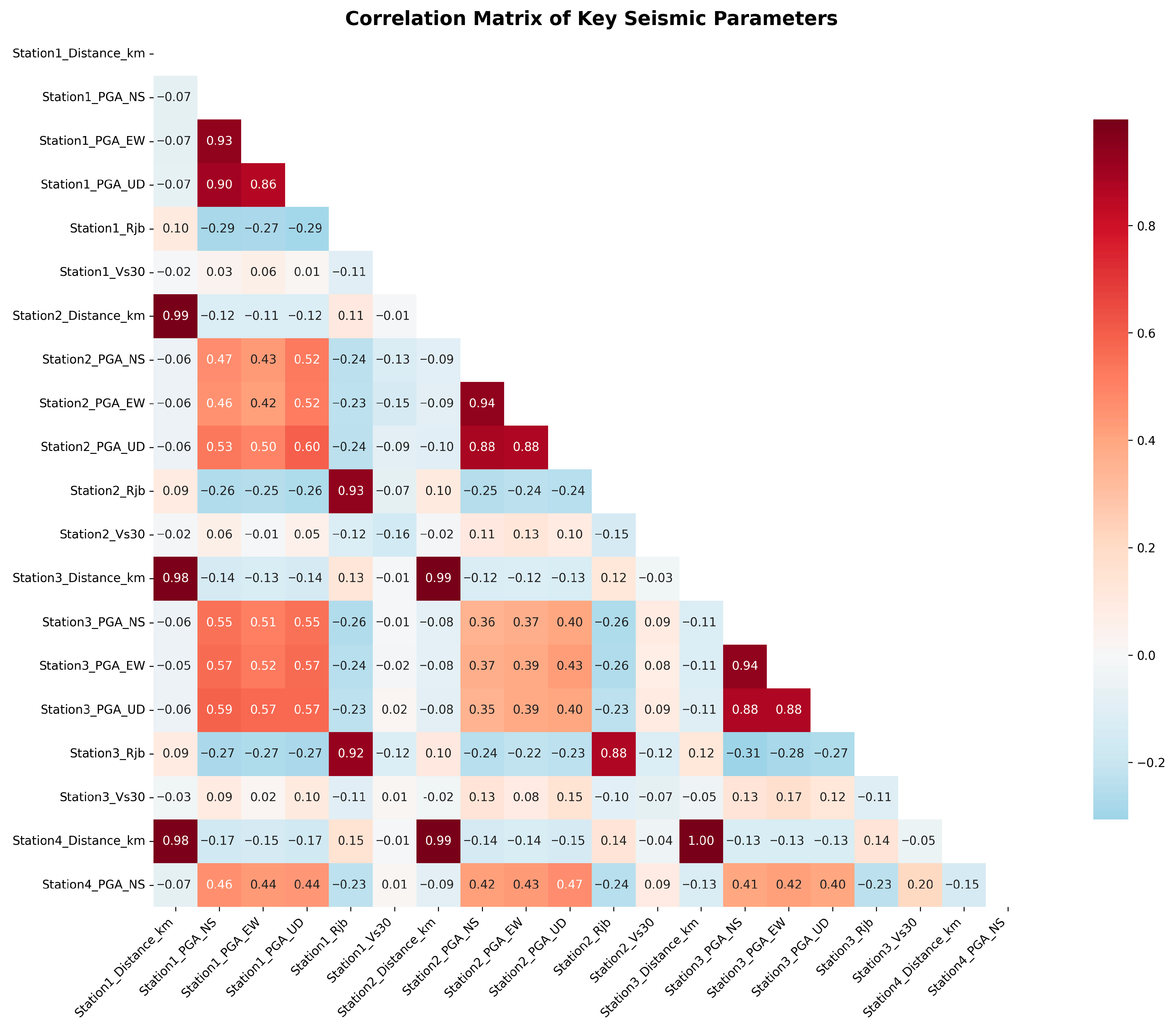
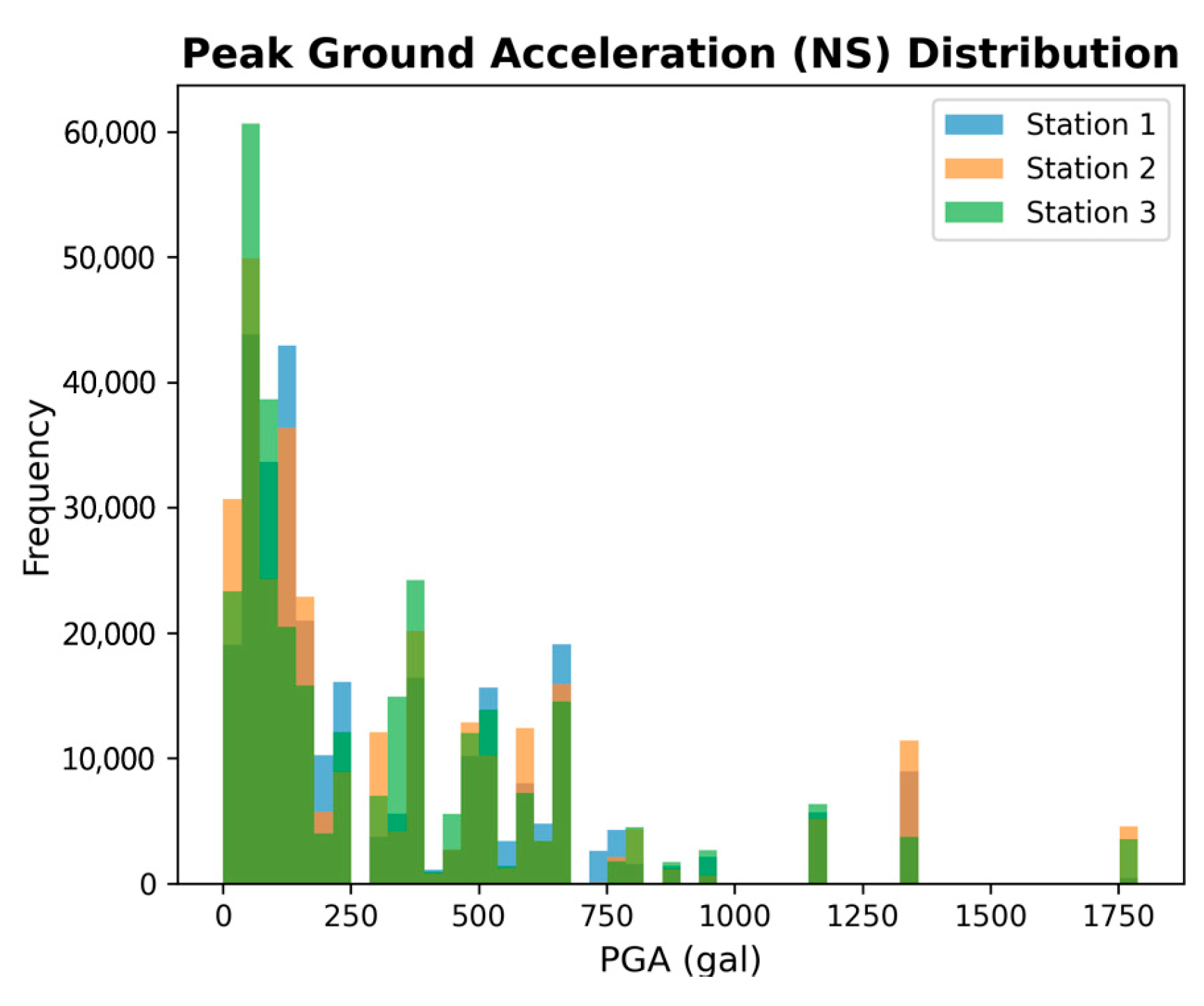
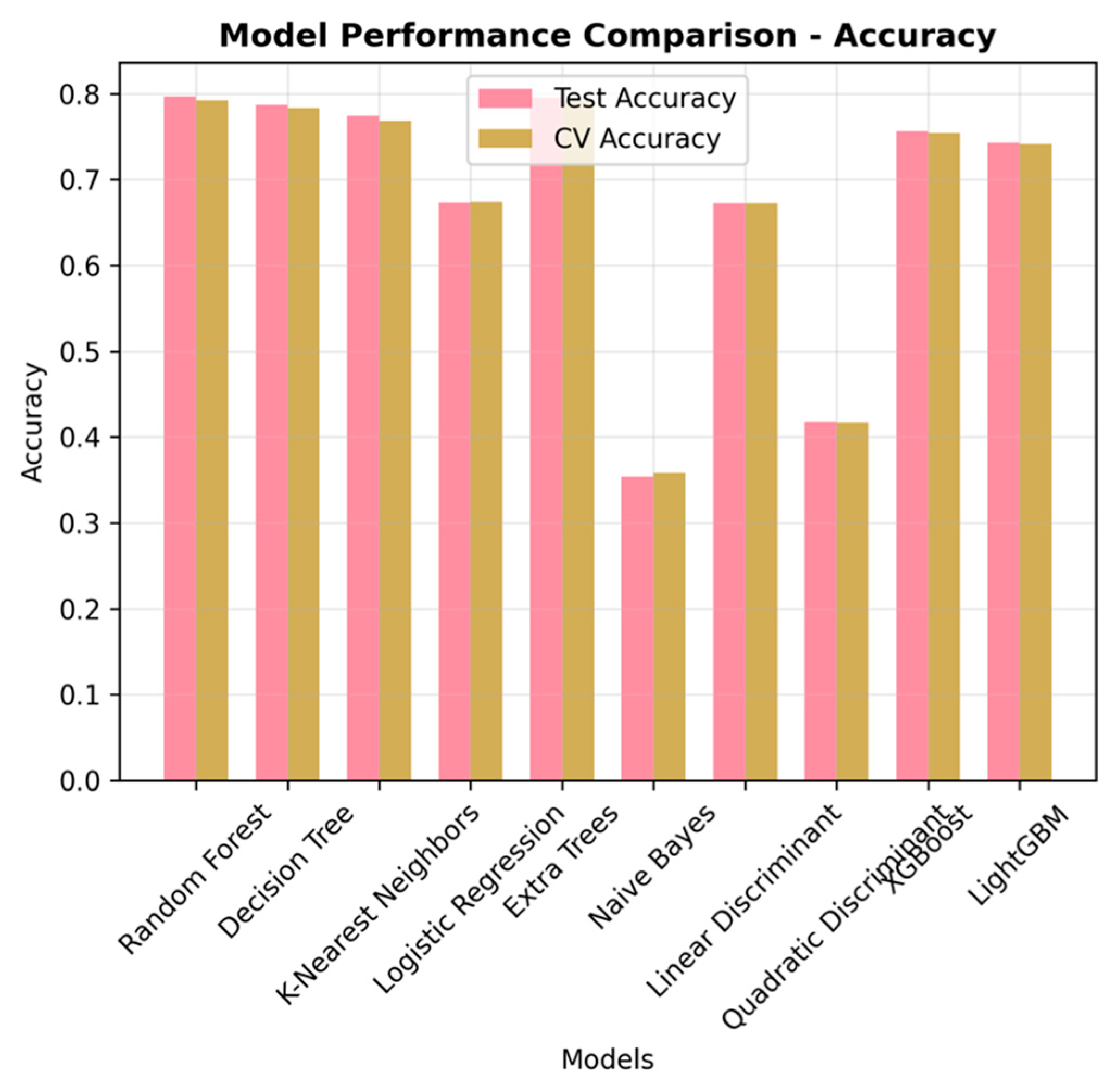
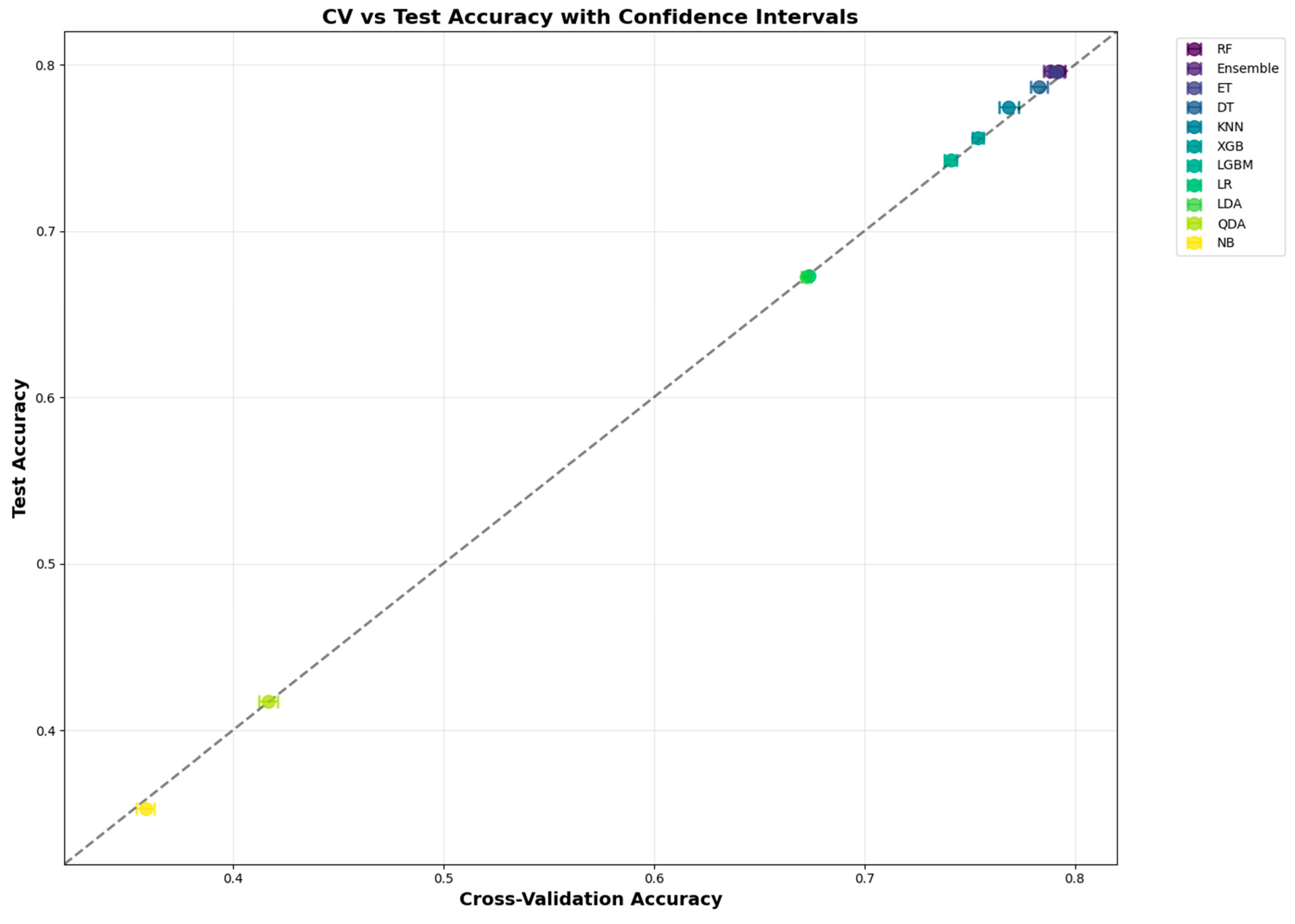
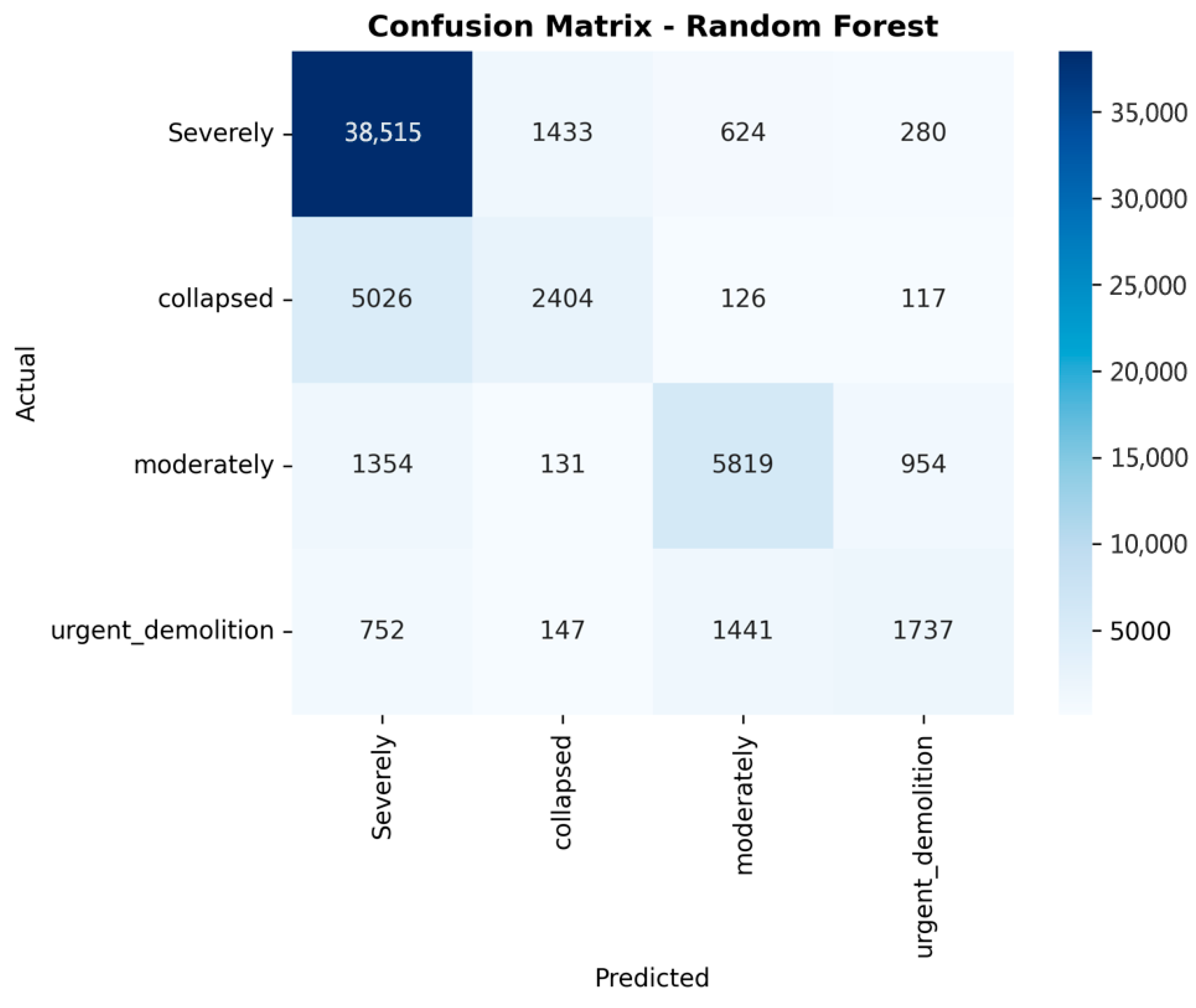
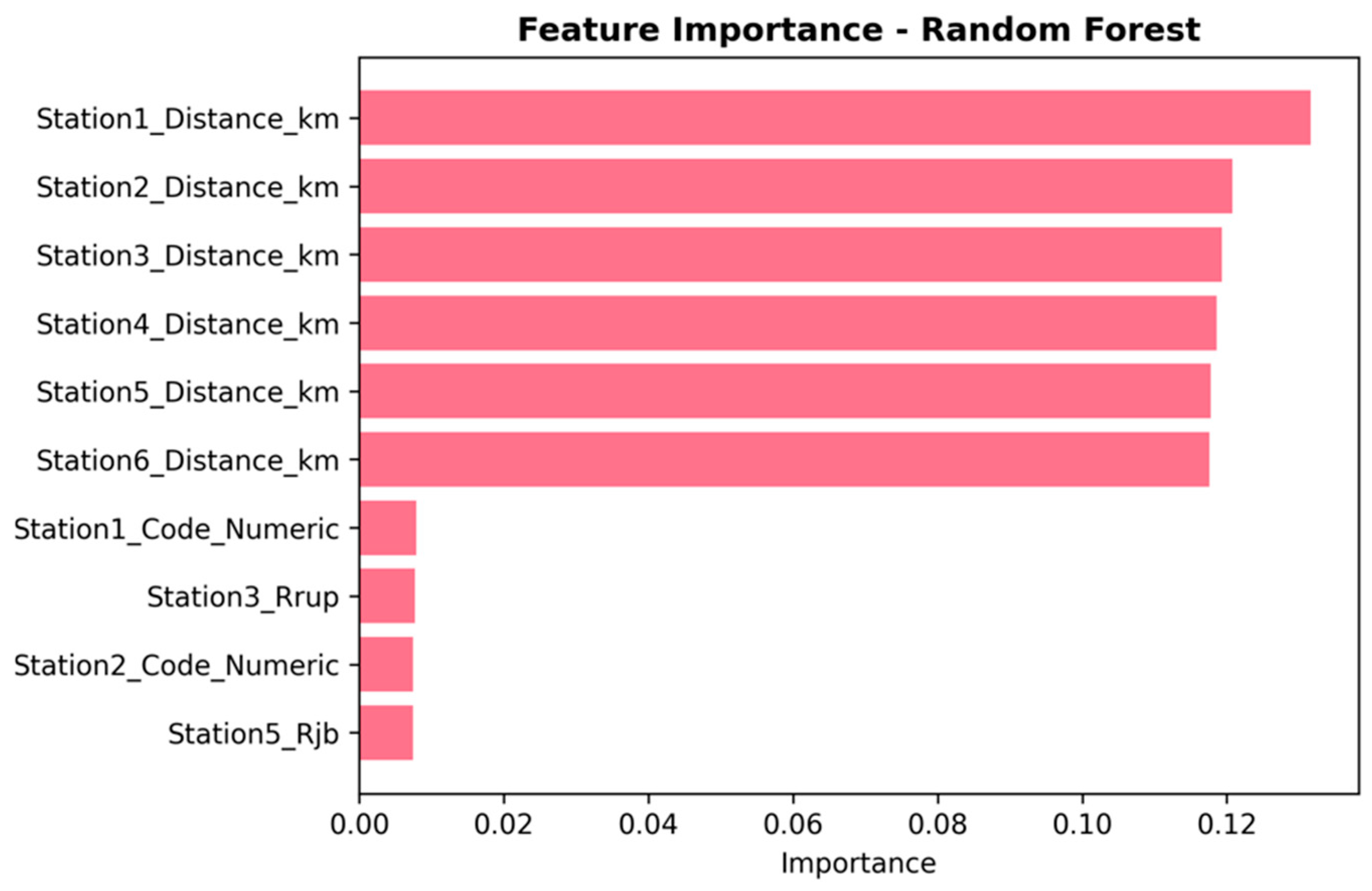
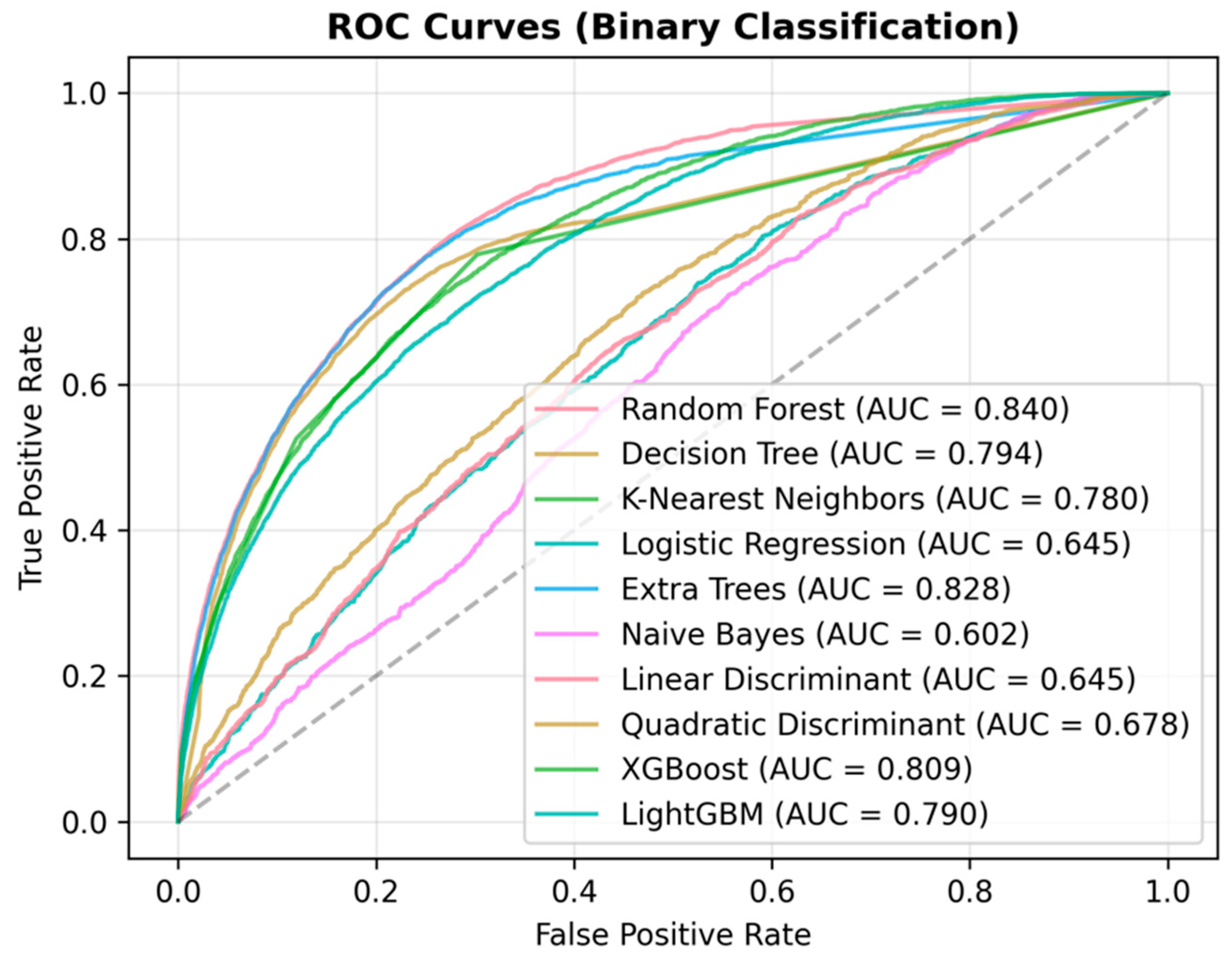
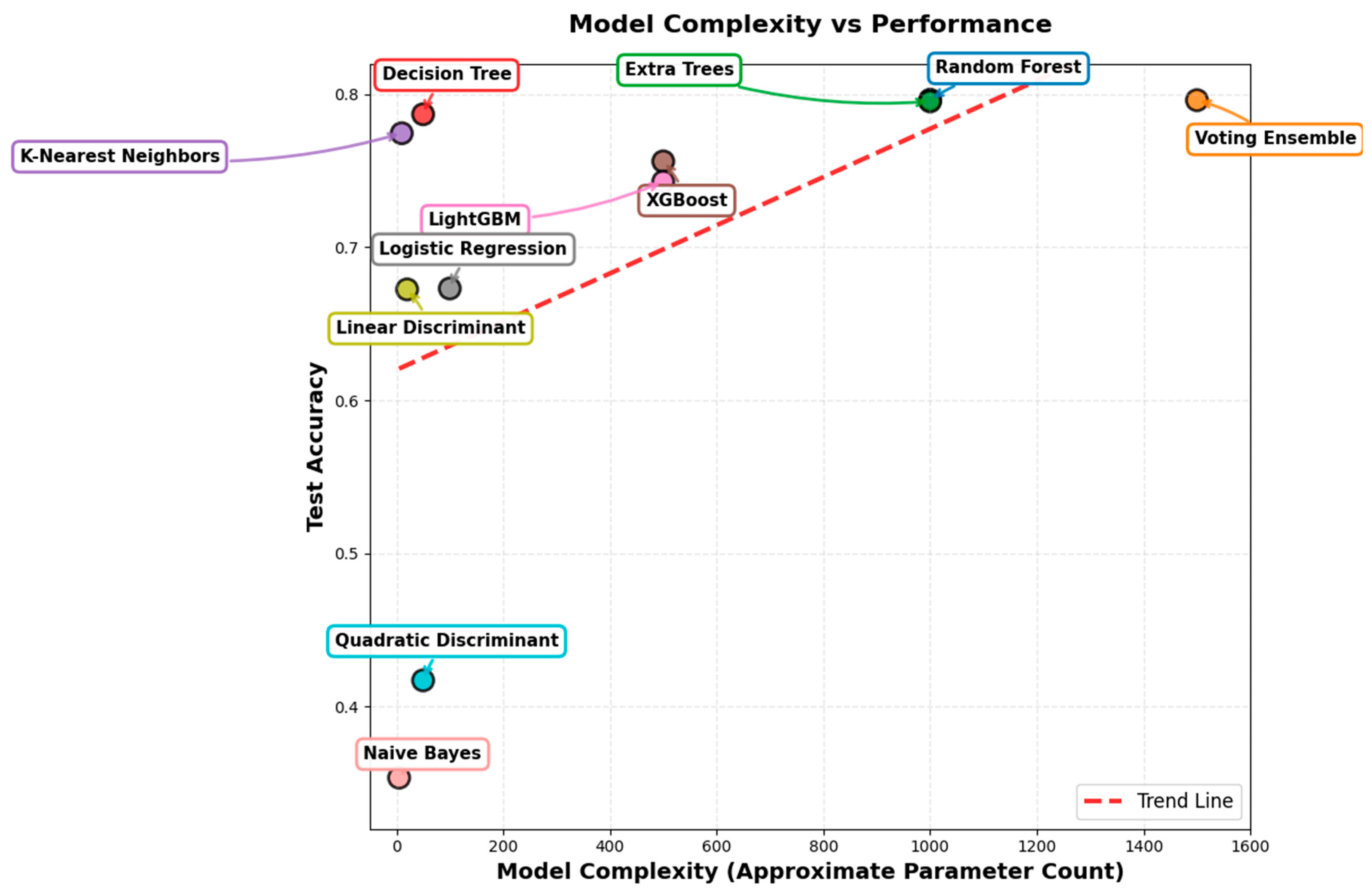
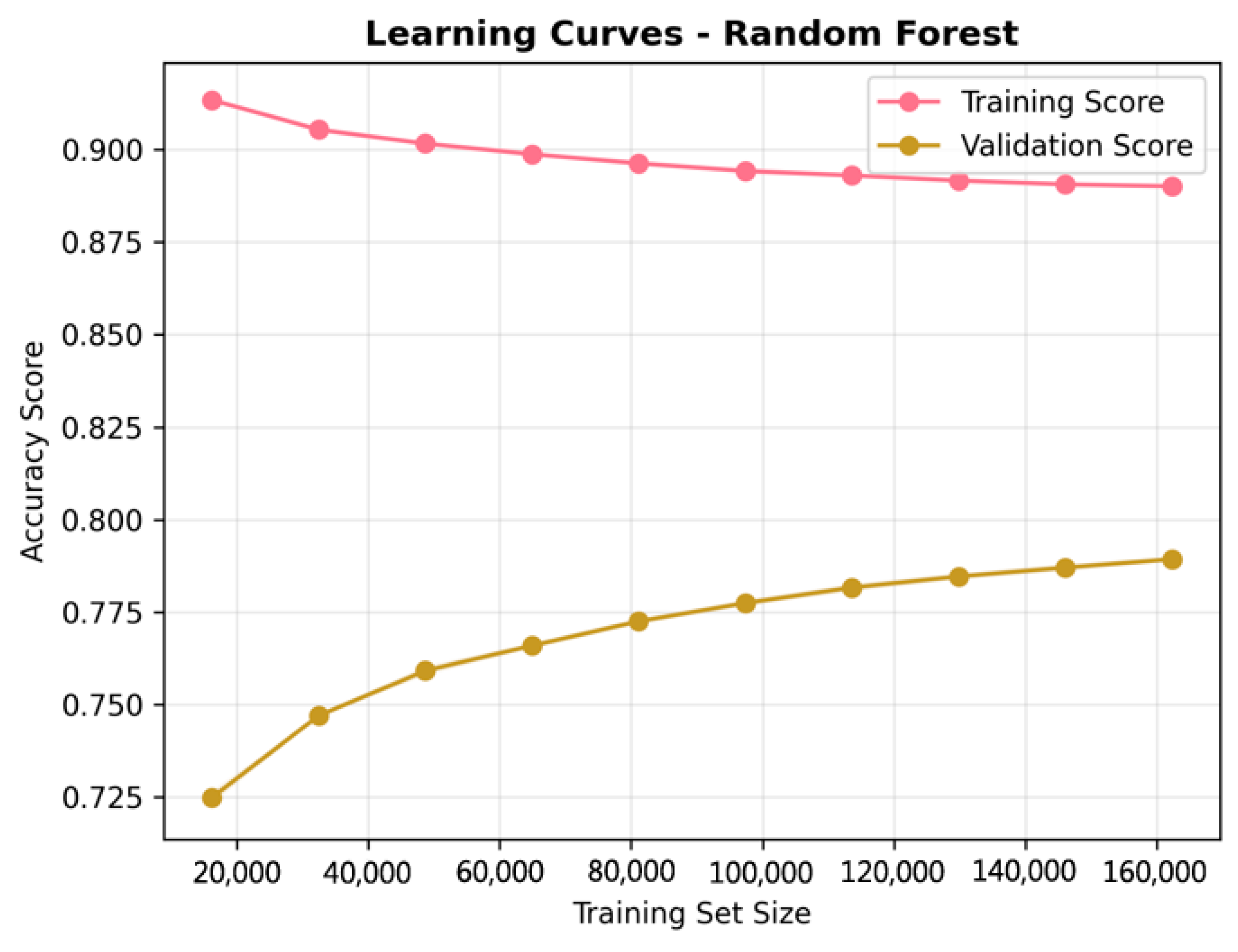
The twin earthquakes that struck Kahramanmaraş in 2023 (Mw 7.7 and Mw 7.6) caused widespread structural destruction across southeastern Türkiye, underscoring the need for more refined approaches to seismic damage assessment. In this study, a large-scale machine learning (ML) analysis is conducted to identify and classify damage patterns among 304,299 buildings across 11 cities. Ten ML algorithms are implemented, and their performance in the multiclass classification of damage severity is comparatively evaluated (collapsed, urgent demolition, moderately damaged, and severely damaged). Unlike conventional methods that rely on single-station data, the proposed approach integrates ground motion parameters from the six seismic stations closest to each building. These parameters include peak ground acceleration, several distance measures (Joyner–Boore, rupture, and epicentral distances), and site condition indicators such as mean shear wave velocity in the upper 30 m and soil classification, yielding 60 engineered features per building. The analysis reveals that ensemble learning models, particularly the random forest and a voting ensemble, achieve the highest classification accuracies (79.65% and 79.62%, respectively). Moreover, classification performance varies across damage categories: severely damaged structures exhibit the highest F1-score (0.891), whereas collapsed buildings exhibit lower accuracy (F1-score: 0.408). These findings offer practical value for post-earthquake emergency operations. Furthermore, the methodology establishes a precedent for future seismic risk assessments and supports data-driven decision-making.
Keywords: seismic damage evaluation; machine learning; seismic risk; random forest; ensemble learning; Kahramanmaraş earthquake; earthquake observation; damage classification seismic damage evaluation; machine learning; seismic risk; random forest; ensemble learning; Kahramanmaraş earthquake; earthquake observation; damage classification