Article

Real-Time Service Life Estimation of Vacuum Insulated Panels via Embedded Sensing and Machine Learning Models


1
Faculty of Civil Engineering, Warsaw University of Technology, 00-661 Warsaw, Poland
2
Faculty of Technology, Isparta University of Applied Sciences, Isparta 32260, Türkiye
3
Turkish Aerospace Industries, Ankara 06980, Türkiye
*
Author to whom correspondence should be addressed.
Buildings 2025, 15(16), 2879; https://doi.org/10.3390/buildings15162879

Submission received: 20 June 2025 / Revised: 23 July 2025 / Accepted: 11 August 2025 / Published: 14 August 2025

Abstract

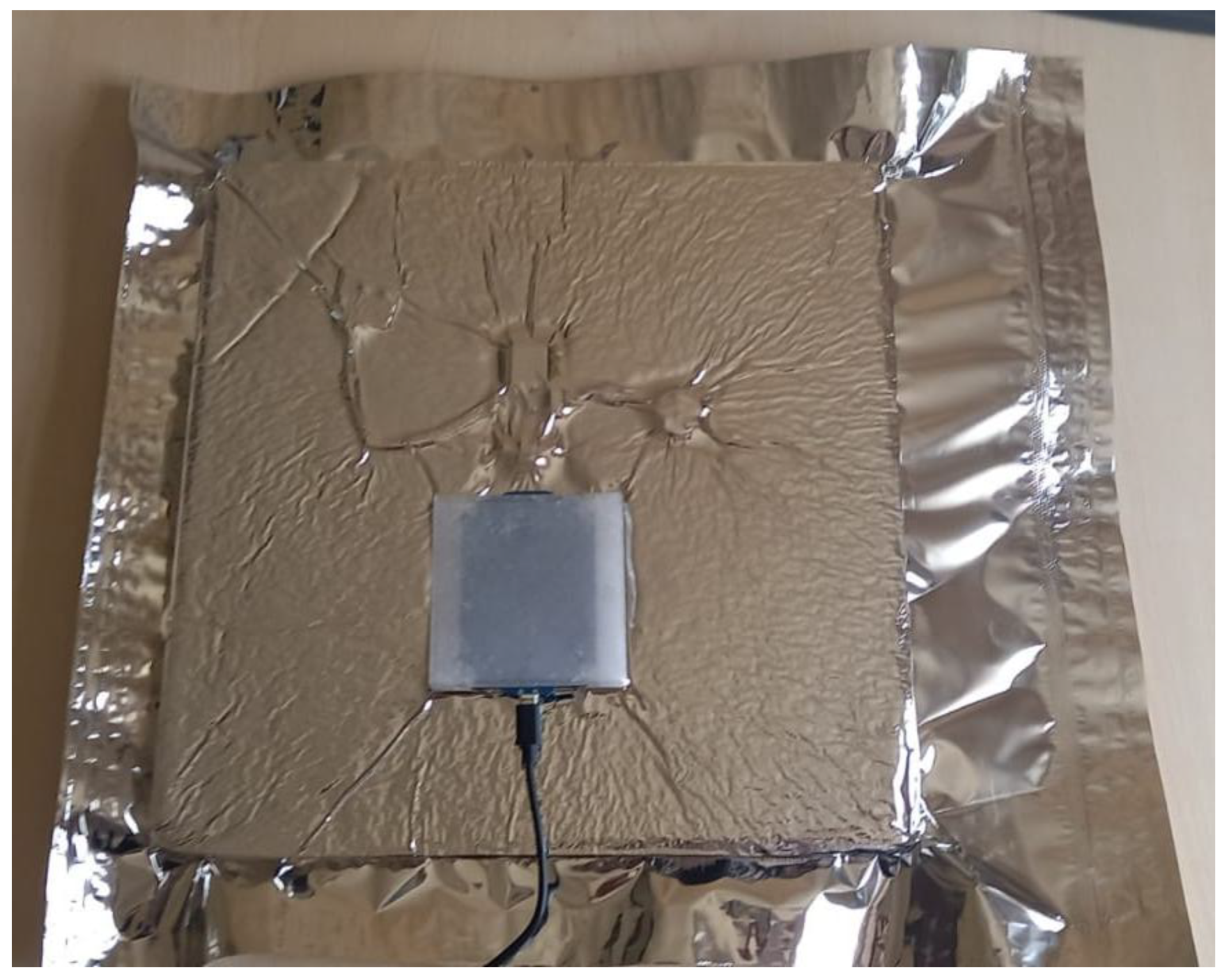
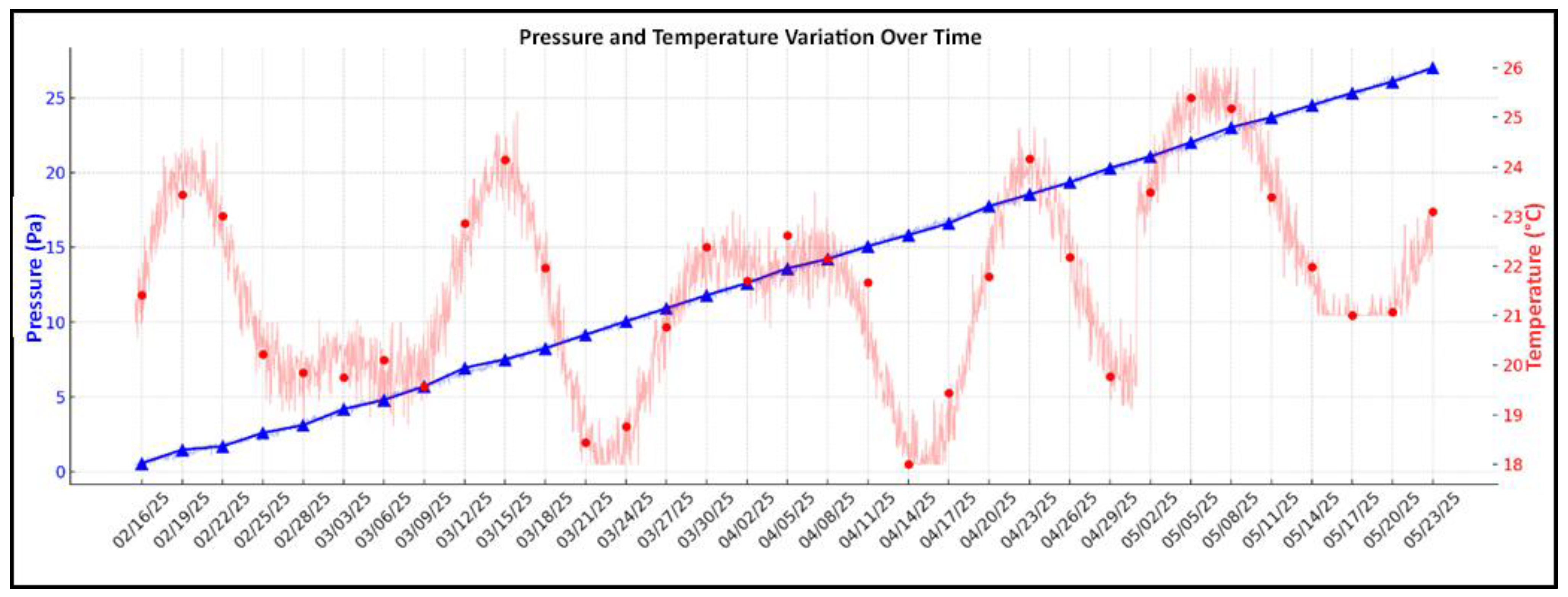
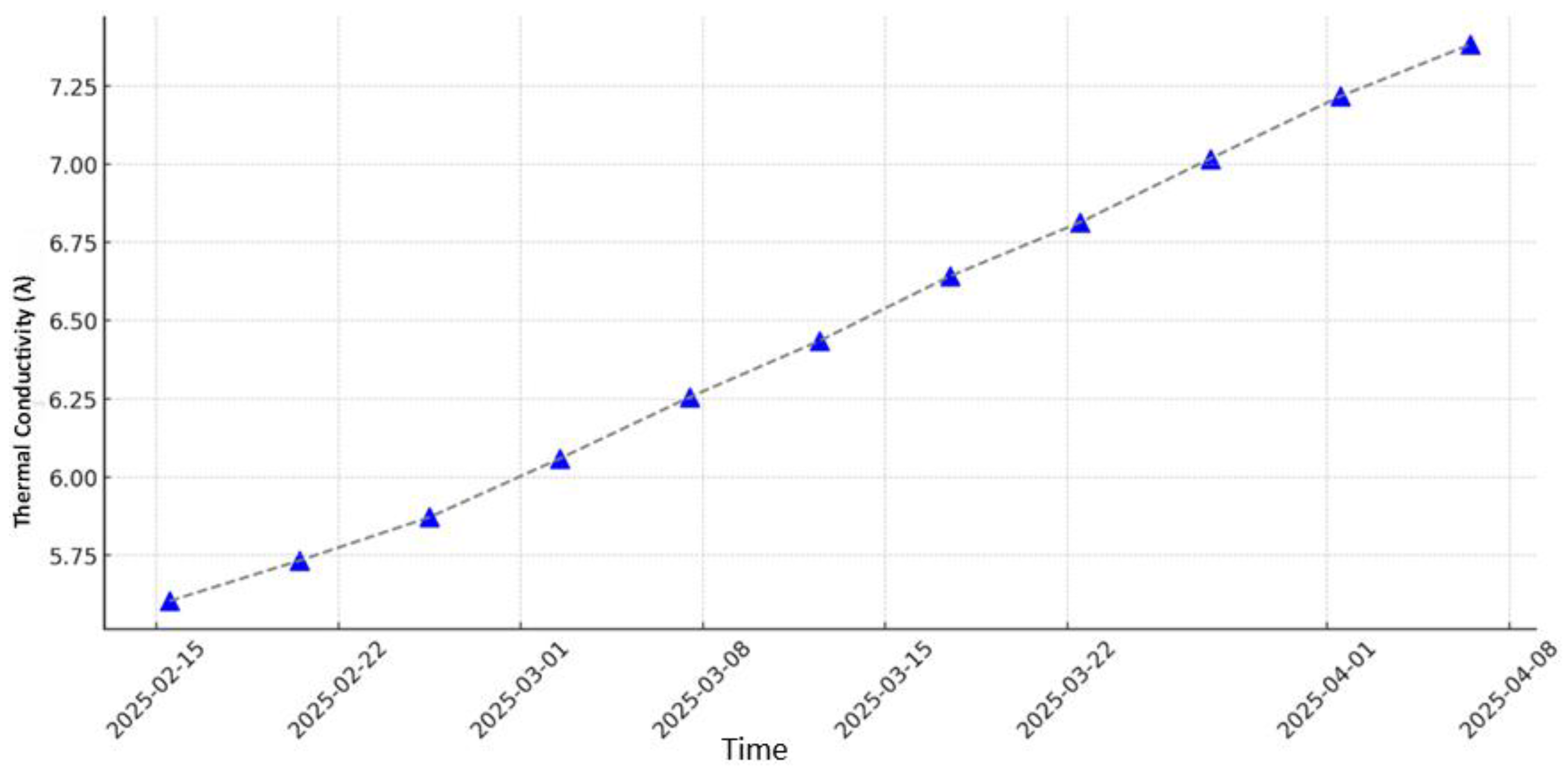
Although vacuum insulated panels (VIPs) are known for their exceptional thermal insulation capabilities, their service life is limited due to an increase in internal gas pressure and material aging. In this study, an innovative monitoring system incorporating embedded sensors was developed to estimate the lifespan of VIPs in real time. A test panel was specifically selected to degrade its thermal conductivity over a shortened timeframe to facilitate validation and optimize the experimental duration. Hourly pressure and temperature data collected from the sensors embedded within the panel were analyzed using established pressure–thermal conductivity (λ) relationships from the literature. Based on the time-dependent λ values, a machine learning model employing a random forest regressor was trained to predict the panel’s lifetime. The model demonstrated high accuracy with R2 = 0.9999 and RMSE = 0.0017 mW/mK. During the test period, the panel maintained acceptable performance, and the model projected that the critical thermal conductivity threshold of 8.0 mW/mK would be reached at day 66.9. This approach enables continuous, in situ field monitoring of VIP service life without the need for laboratory infrastructure and offers a scalable and practical solution for assessing long-term energy efficiency.
Keywords: vacuum insulated panels (VIP); thermal conductivity; embedded sensor system; real-time monitoring; pressure-induced degradation; service life prediction; machine learning; random forest; indirect thermal assessment; energy-efficient building materials vacuum insulated panels (VIP); thermal conductivity; embedded sensor system; real-time monitoring; pressure-induced degradation; service life prediction; machine learning; random forest; indirect thermal assessment; energy-efficient building materials