Article

A Study on the Driving Factors of Resilience in the Carbon Footprint Knowledge System of Construction Companies

1
School of Business Administration, University of Science and Technology Liaoning, Anshan 114051, China
2
School of Economics and Management, Liaoning University of Technology, Jinzhou 121001, China
*
Author to whom correspondence should be addressed.
Buildings 2025, 15(16), 2856; https://doi.org/10.3390/buildings15162856

Submission received: 13 July 2025 / Revised: 8 August 2025 / Accepted: 9 August 2025 / Published: 13 August 2025
(This article belongs to the Section Construction Management, and Computers & Digitization)

Abstract

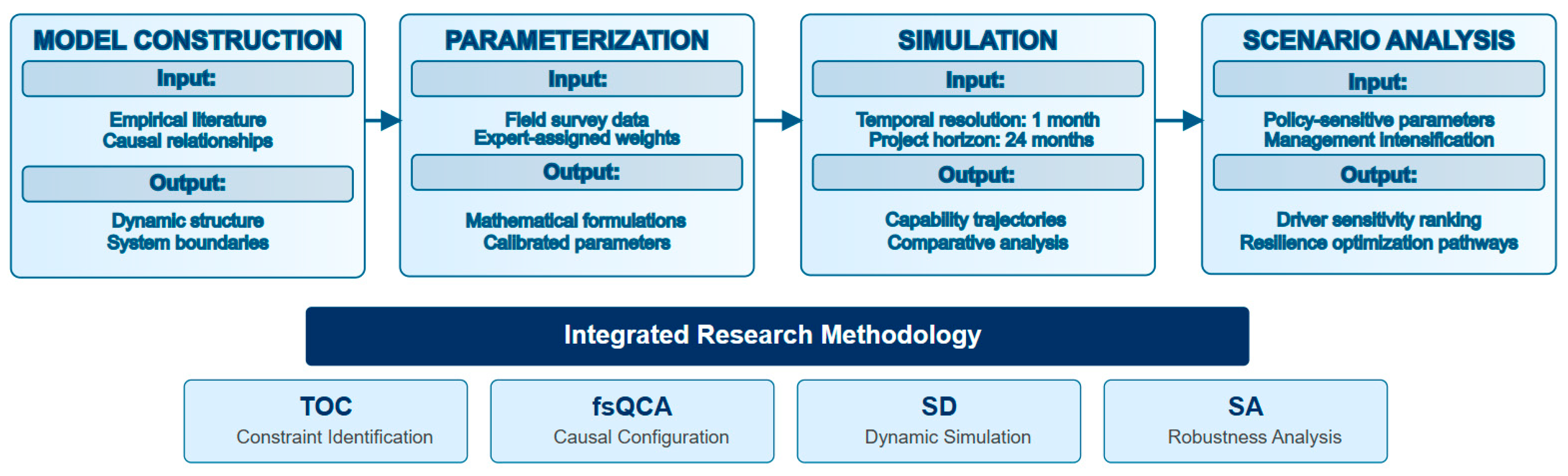
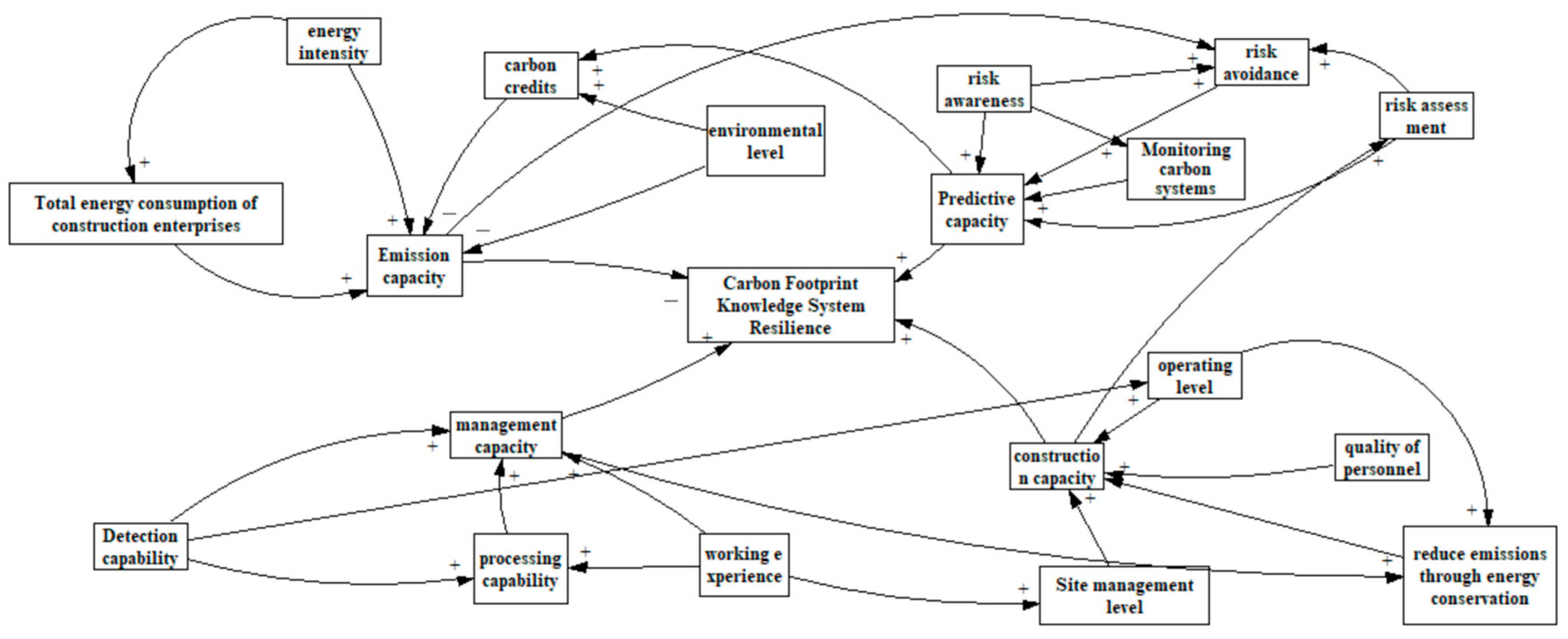
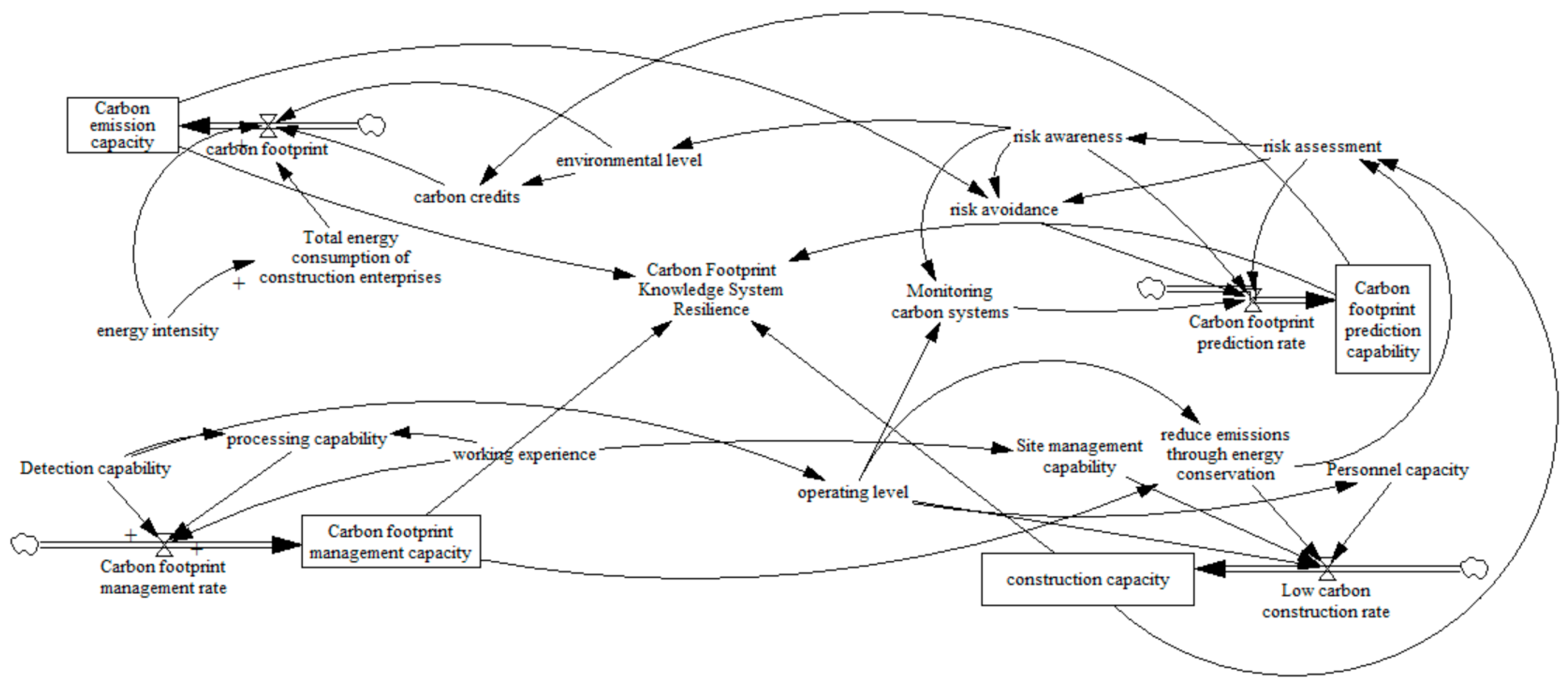
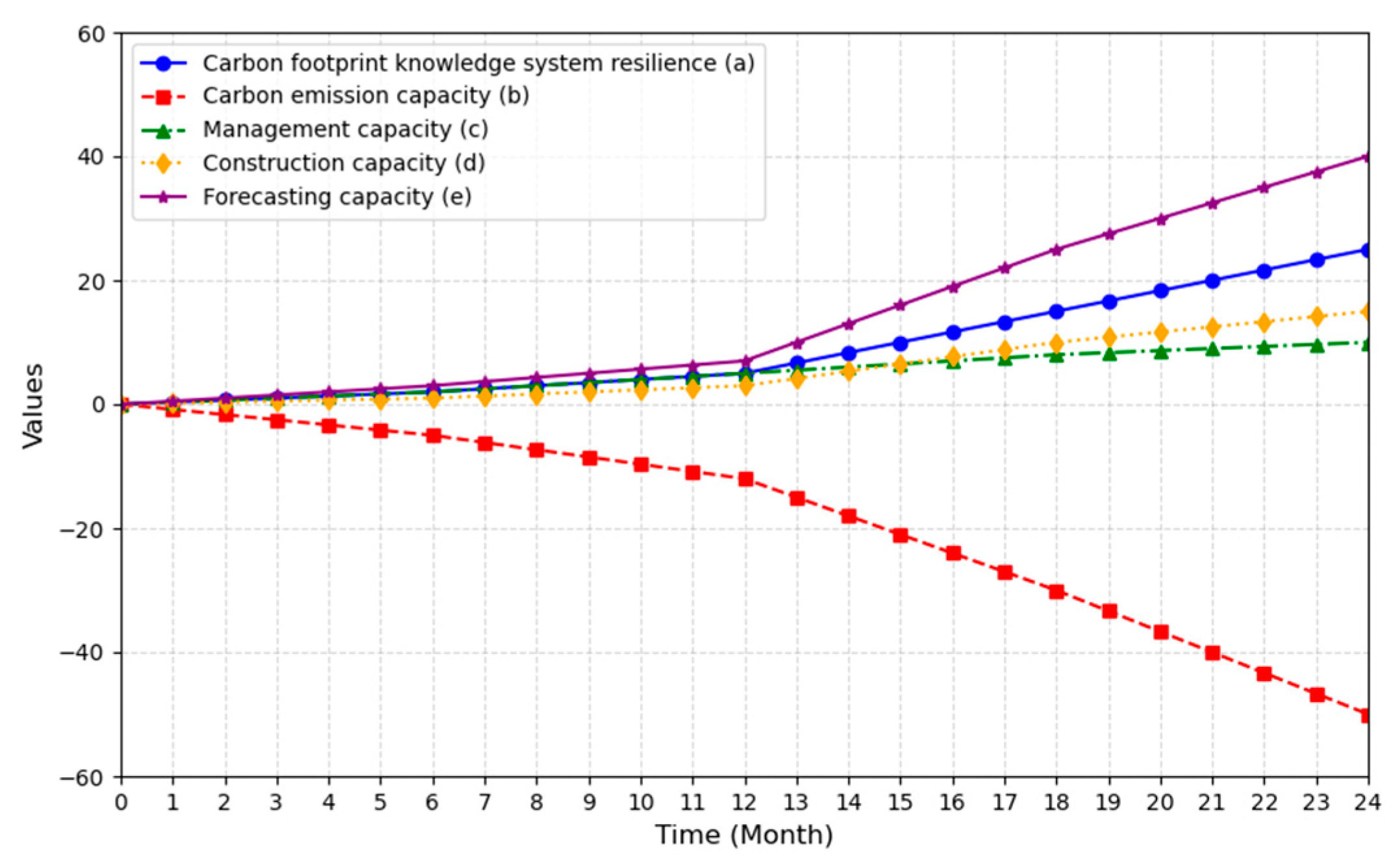
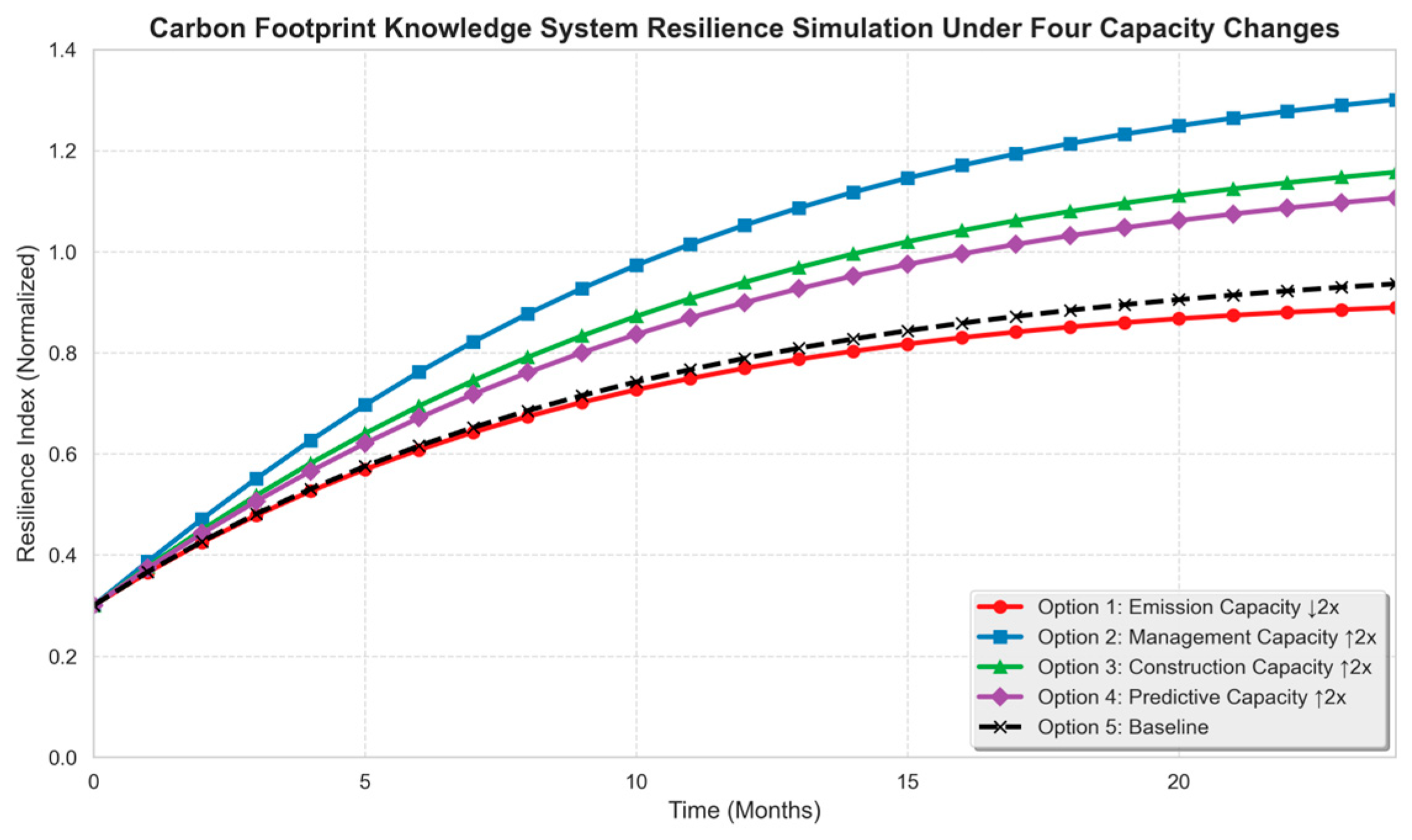
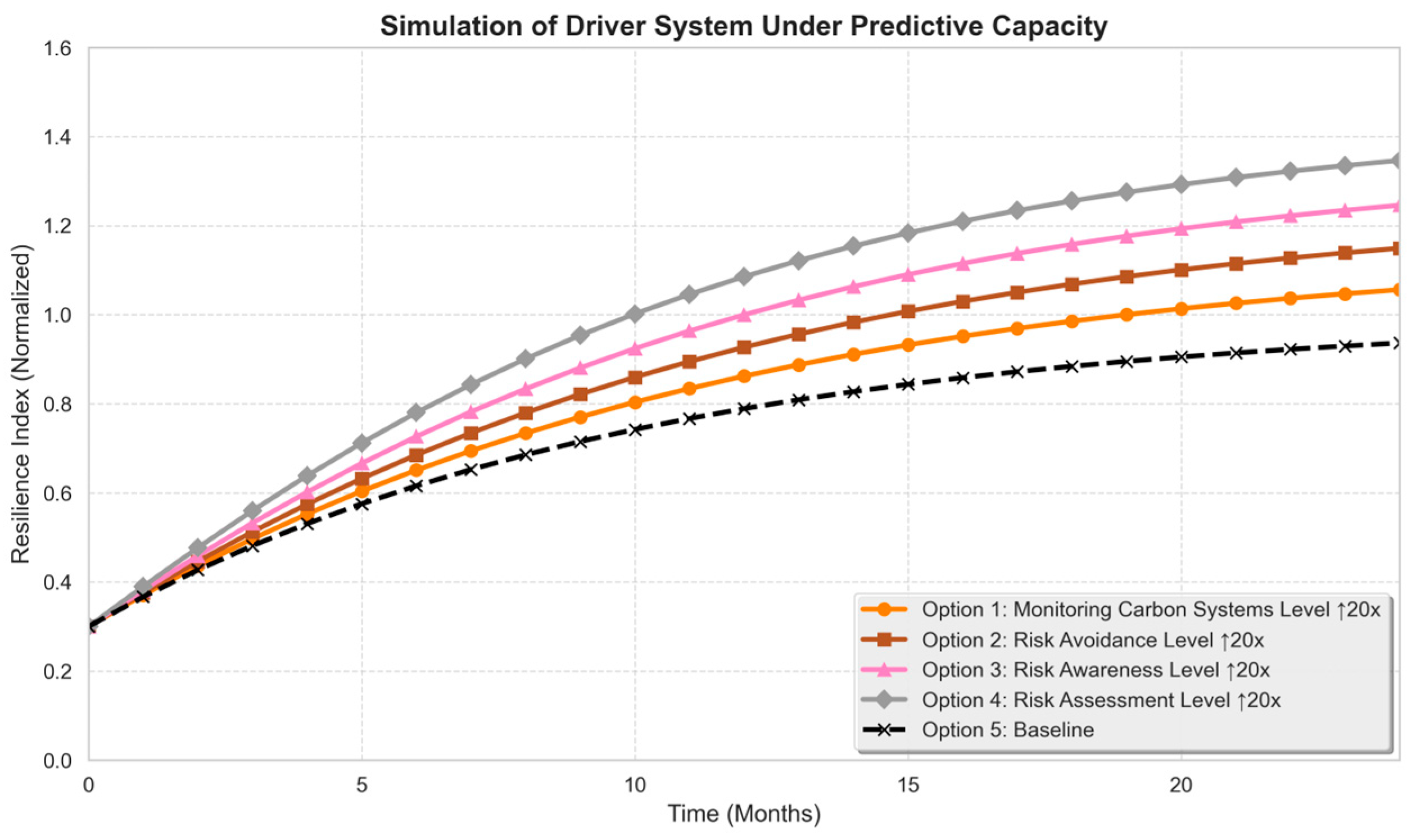
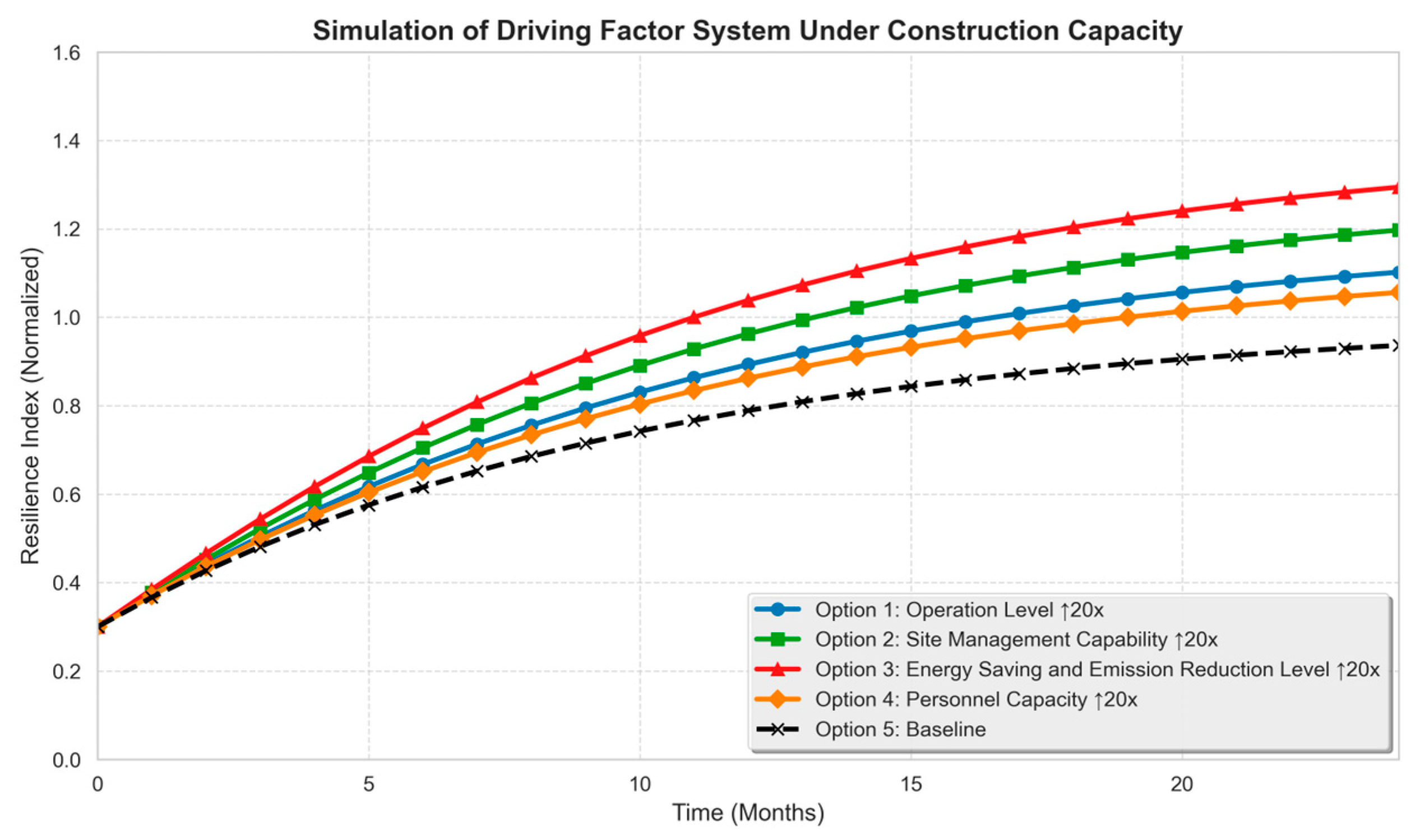
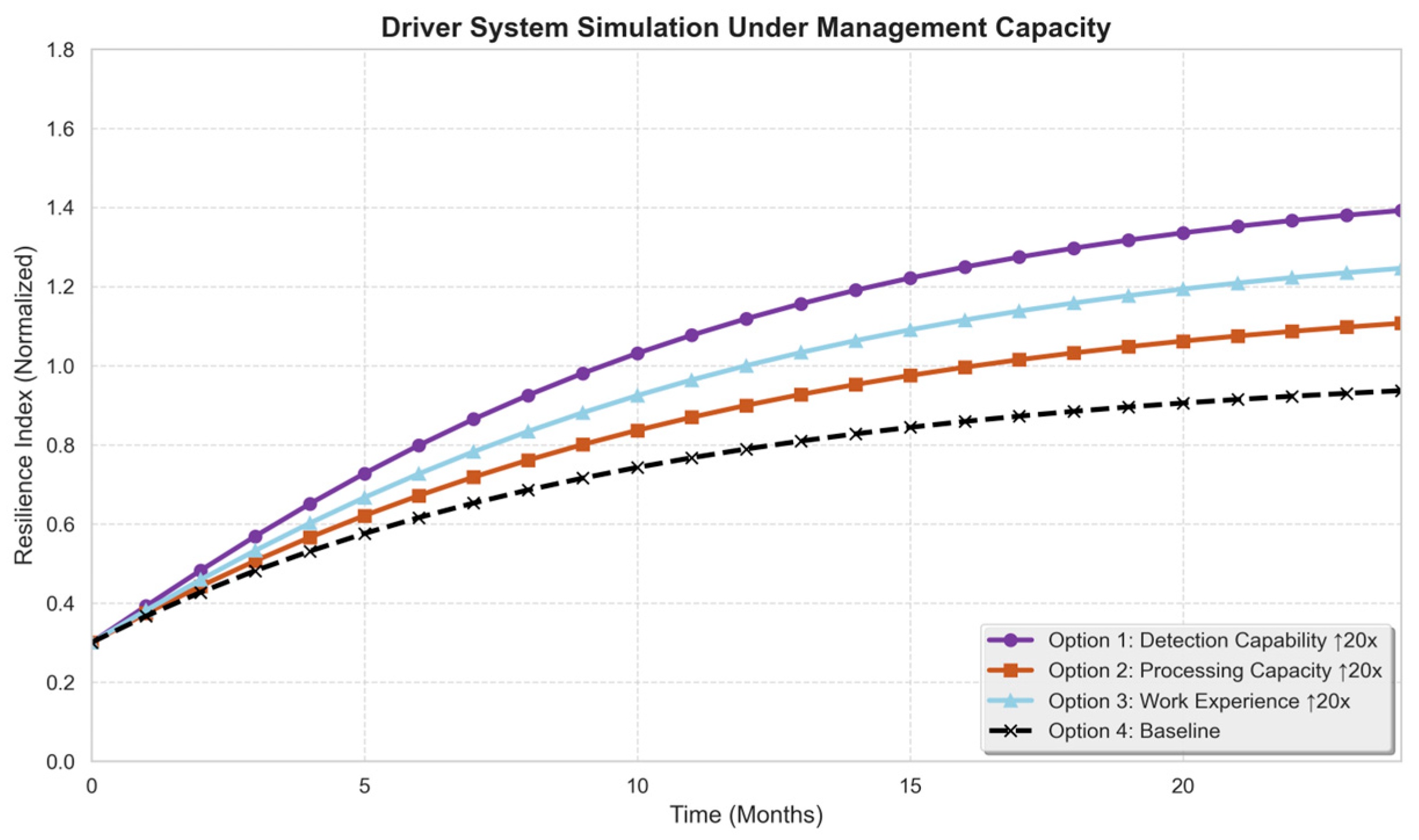
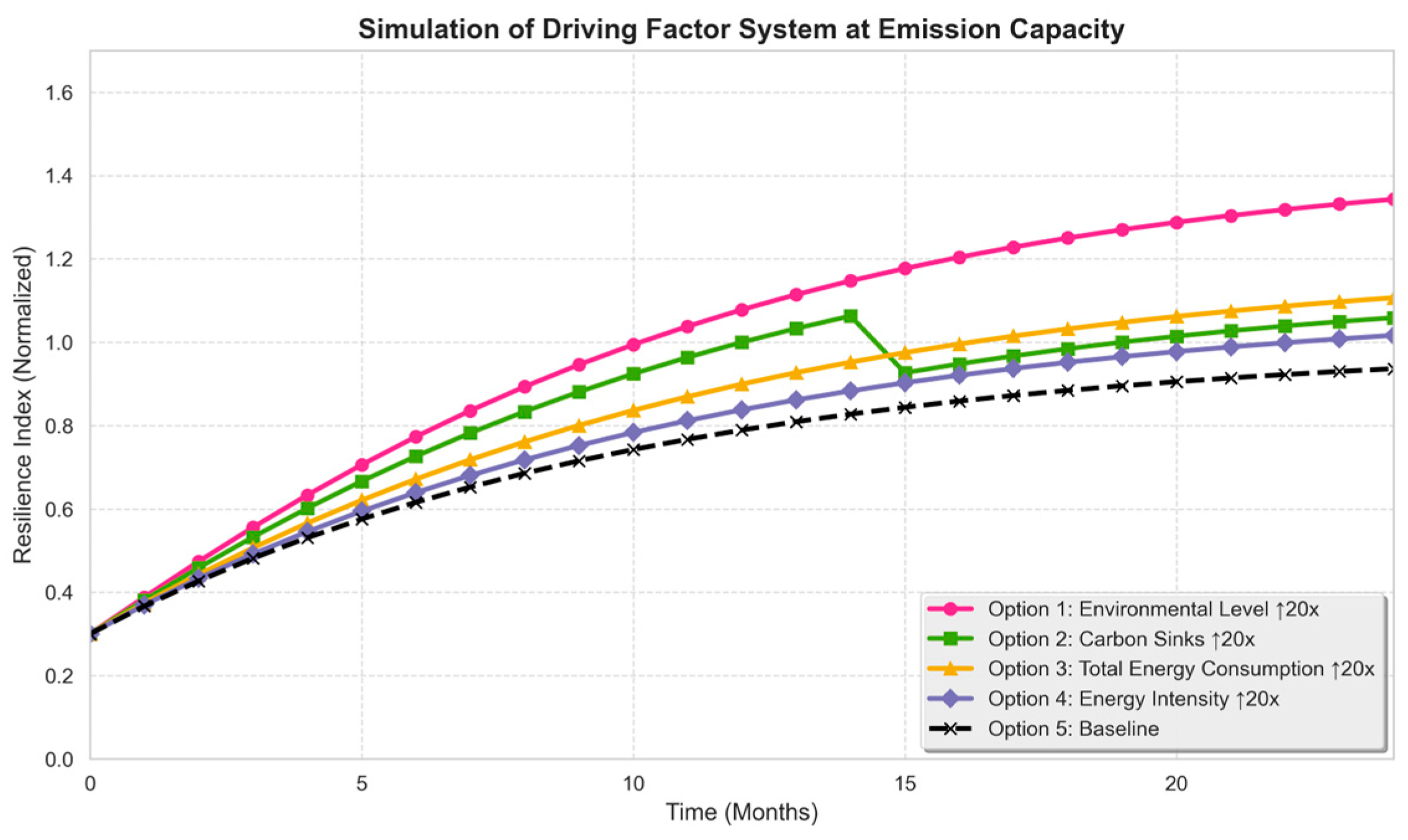
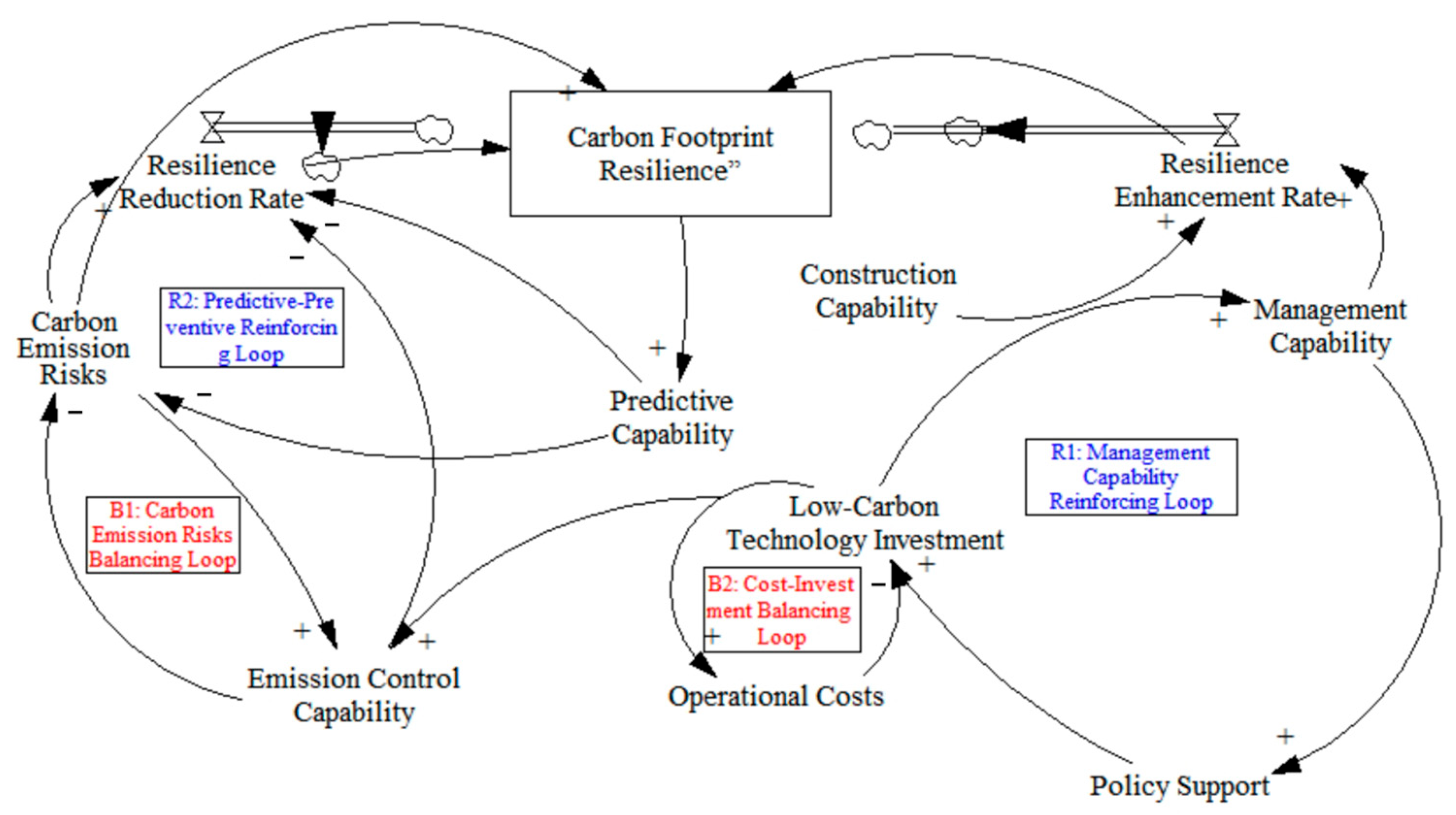
Against the background of carbon emission reduction, this paper explores the driving factors of carbon footprint knowledge system toughness for building construction enterprises through the theory of constraints (TOC) and optimises the carbon footprint knowledge system toughness under static and dynamic perspectives, respectively. Under the static perspective, the fuzzy set qualitative comparative analysis method (fsQCA) is used to explore the development path of the carbon footprint knowledge system toughness for building construction enterprises, and the study finds three kinds of grouping paths. Under the dynamic perspective, system dynamics is used to analyse the causality of the driving factors of the carbon footprint knowledge system toughness and draw the causality diagram. The stock flow diagram is drawn according to the relationship between the factors, and G1 method is combined with the expert distribution to determine the weight of each factor, and then, the model equation is established to complete the construction of the system dynamics of the carbon footprint knowledge system toughness based on the control variable method of the four capabilities under the influence of the factors to simulate the comparison and to explore the extent of the influence of different factors on the carbon footprint knowledge system toughness. Through the two-dimensional analysis framework, we provide an integrated solution for path selection and dynamic regulation for building construction enterprises to help them achieve the adaptive optimisation of the carbon footprint knowledge system and promote the low-carbon transformation and sustainable development of the construction industry. Qualitative results show that three configuration paths affect resilience, with core factors including management, emission, predictive, and construction capabilities. Quantitative results indicate fsQCA overall consistency (0.861) and coverage (0.808); system dynamics simulation shows that management capability has the highest impact weight (0.355).
Keywords: carbon footprint; knowledge system resilience; theory of constraints; fuzzy set qualitative comparative analysis; system dynamics carbon footprint; knowledge system resilience; theory of constraints; fuzzy set qualitative comparative analysis; system dynamics