Article

LLM and Pattern Language Synthesis: A Hybrid Tool for Human-Centered Architectural Design

by
Bruno Postle
1 and
Nikos A. Salingaros
2,3,*
1
Union Street Research, 18-20 Union Street, Sheffield S12 JP, UK
2
Department of Mathematics, The University of Texas, San Antonio, TX 78249, USA
3
Thrust of Urban Governance and Design, Hong Kong University of Science and Technology (Guangzhou), Guangzhou 511453, China
*
Author to whom correspondence should be addressed.
Buildings 2025, 15(14), 2400; https://doi.org/10.3390/buildings15142400

Submission received: 18 June 2025 / Revised: 1 July 2025 / Accepted: 6 July 2025 / Published: 9 July 2025
(This article belongs to the Section Architectural Design, Urban Science, and Real Estate)

Abstract

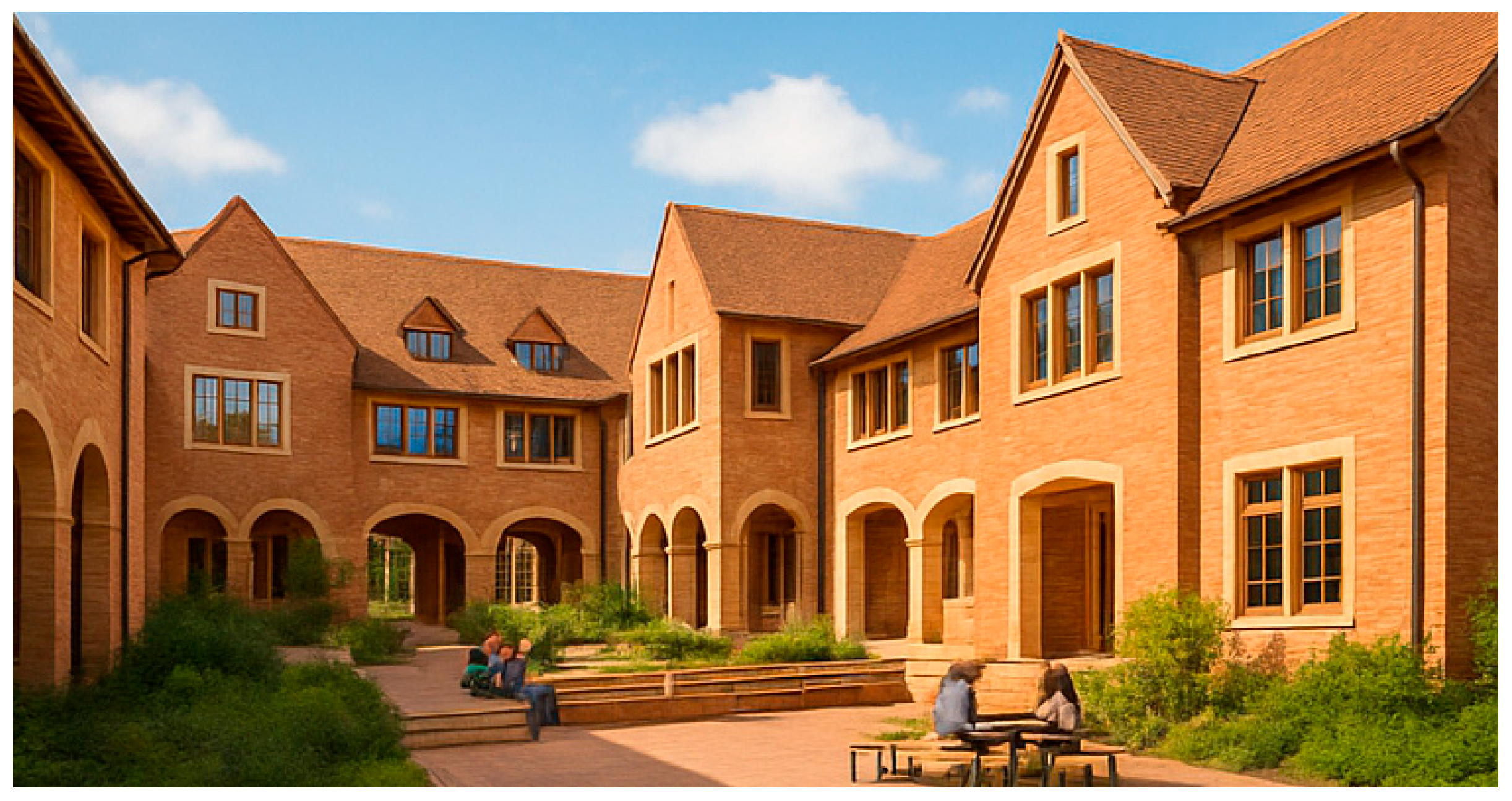
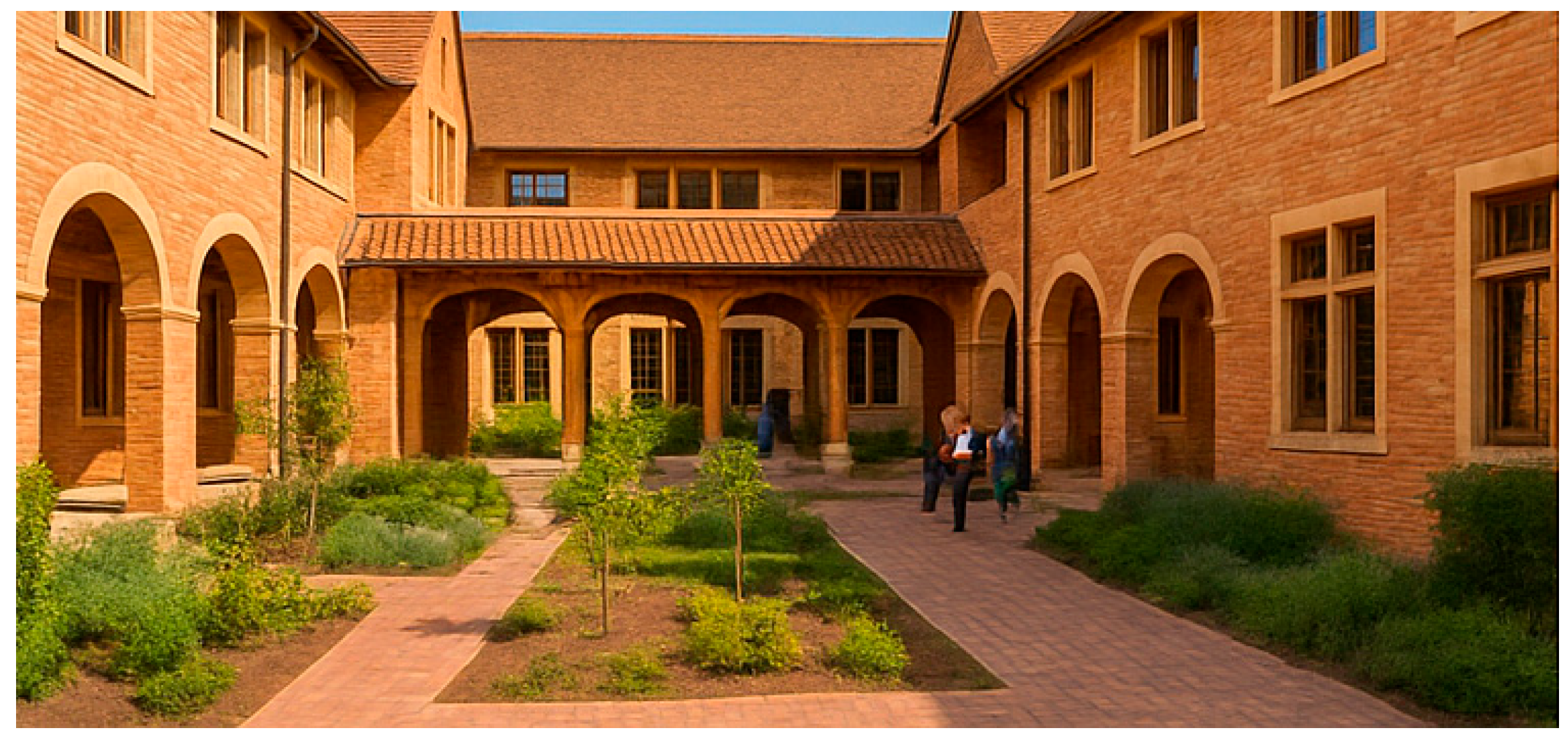
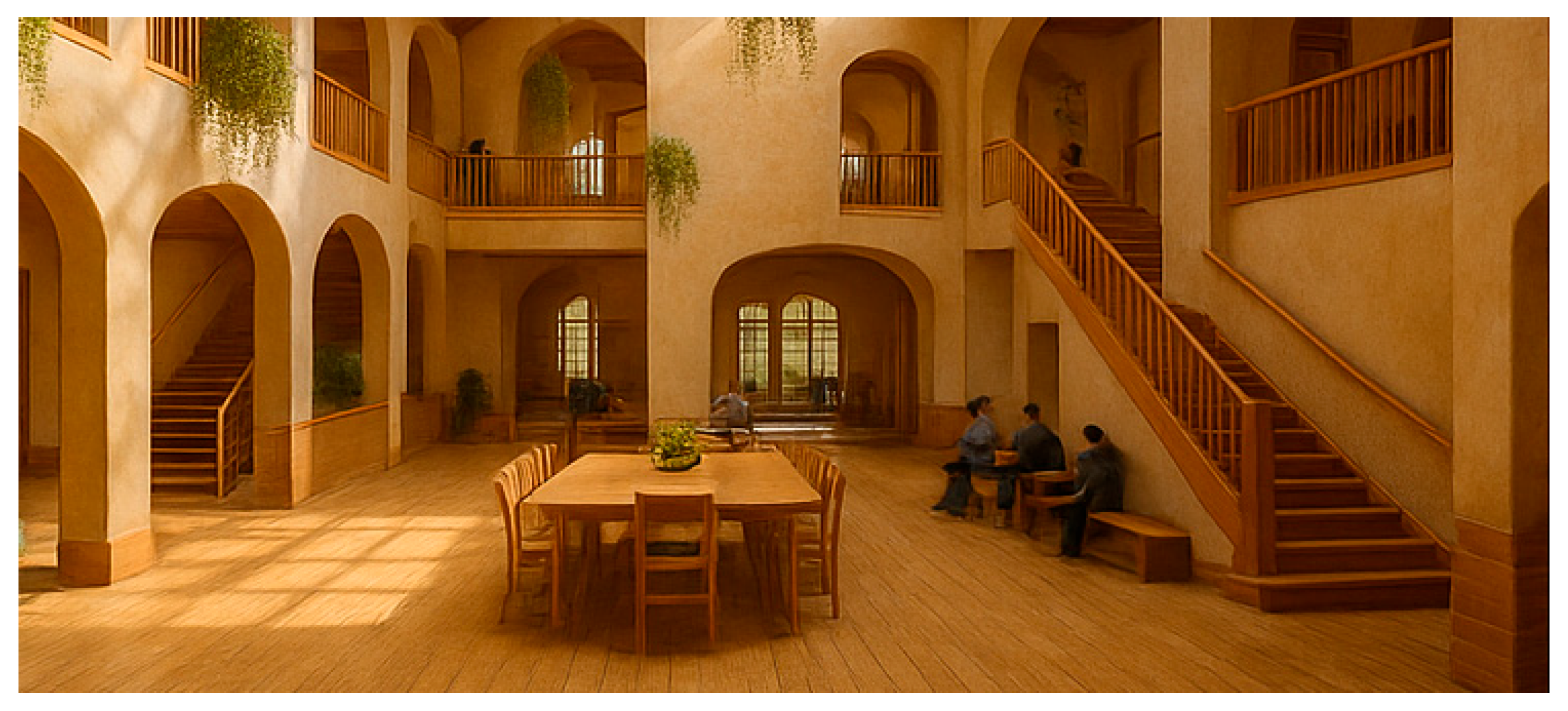
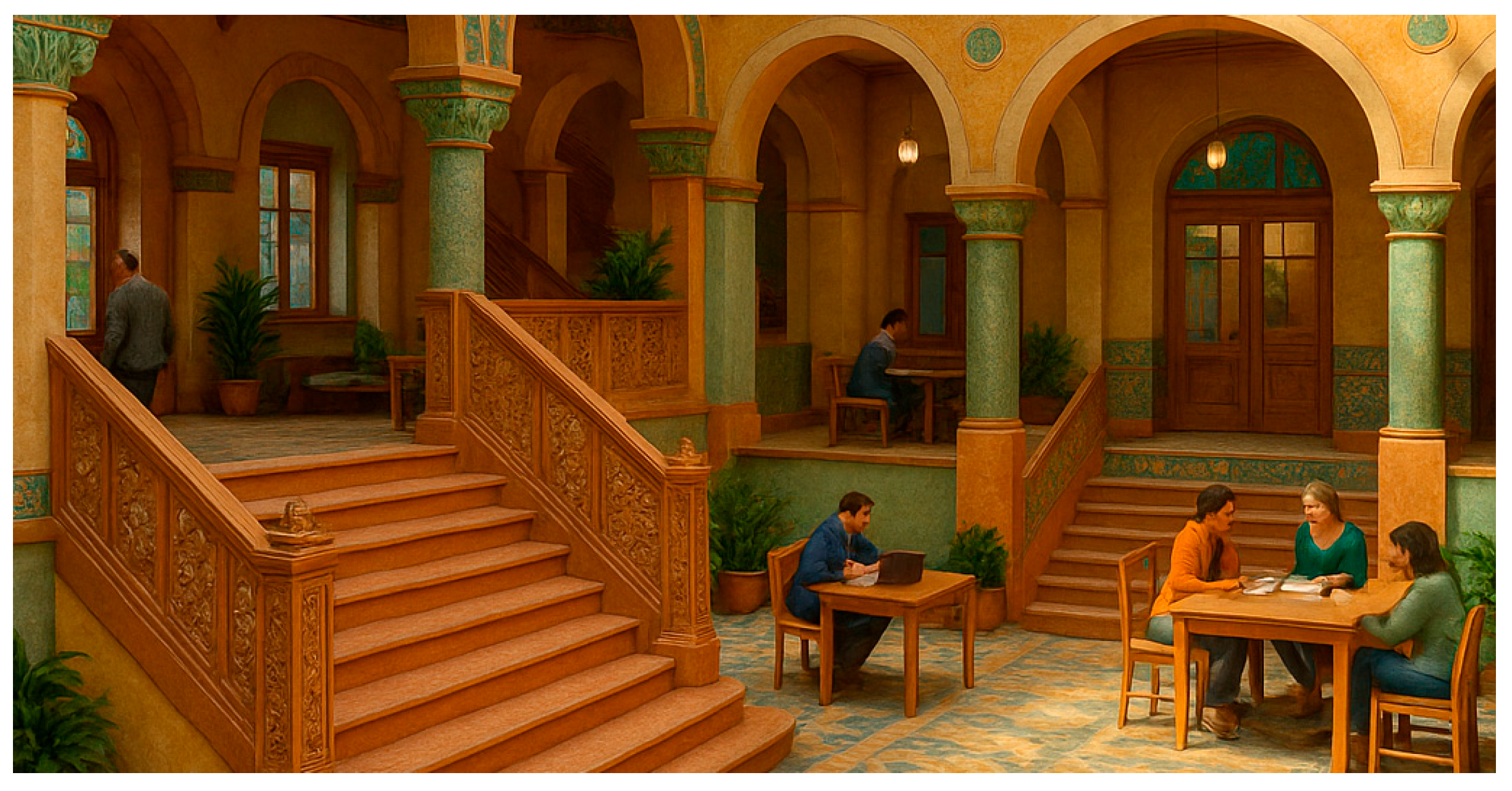
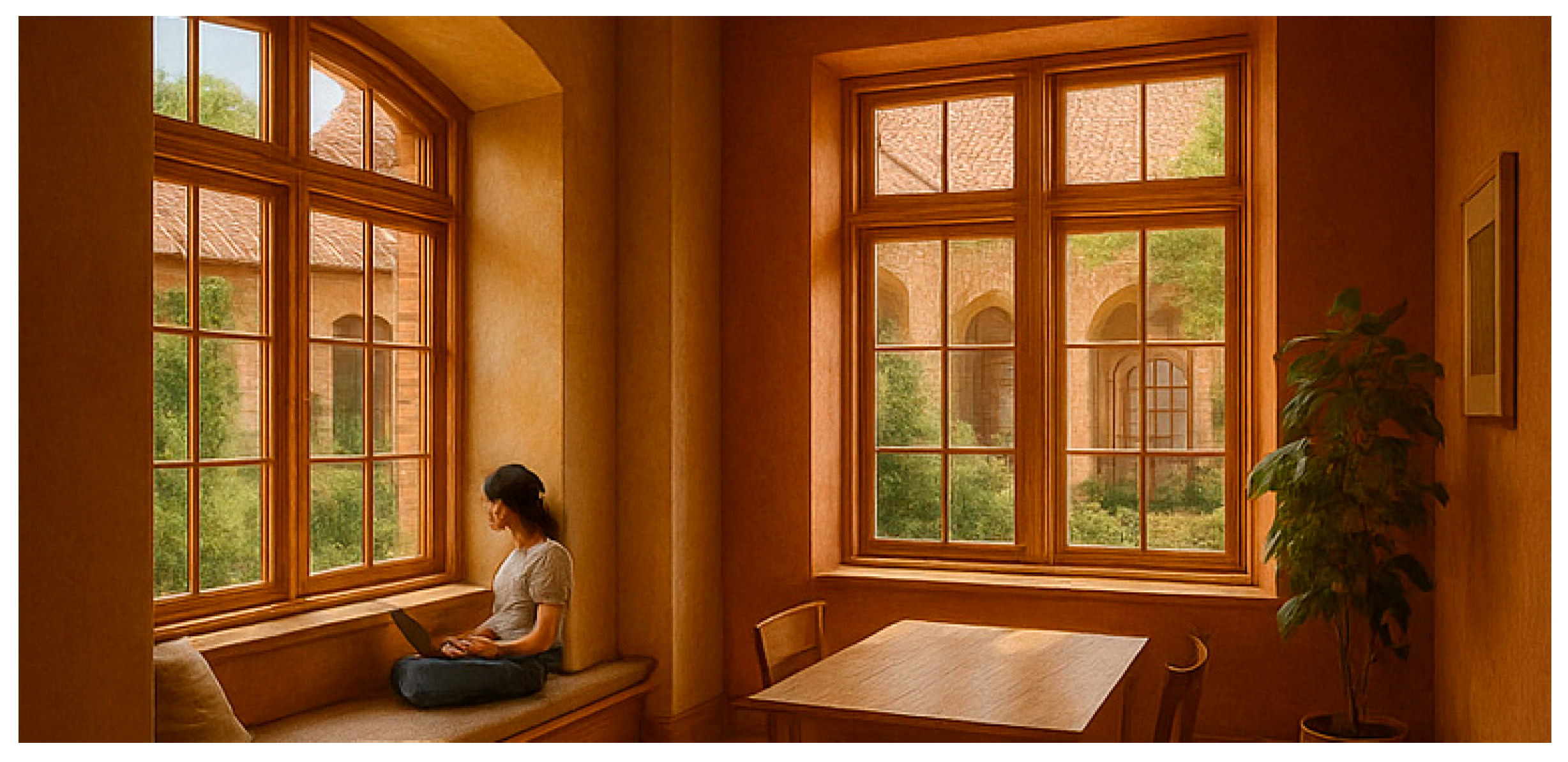
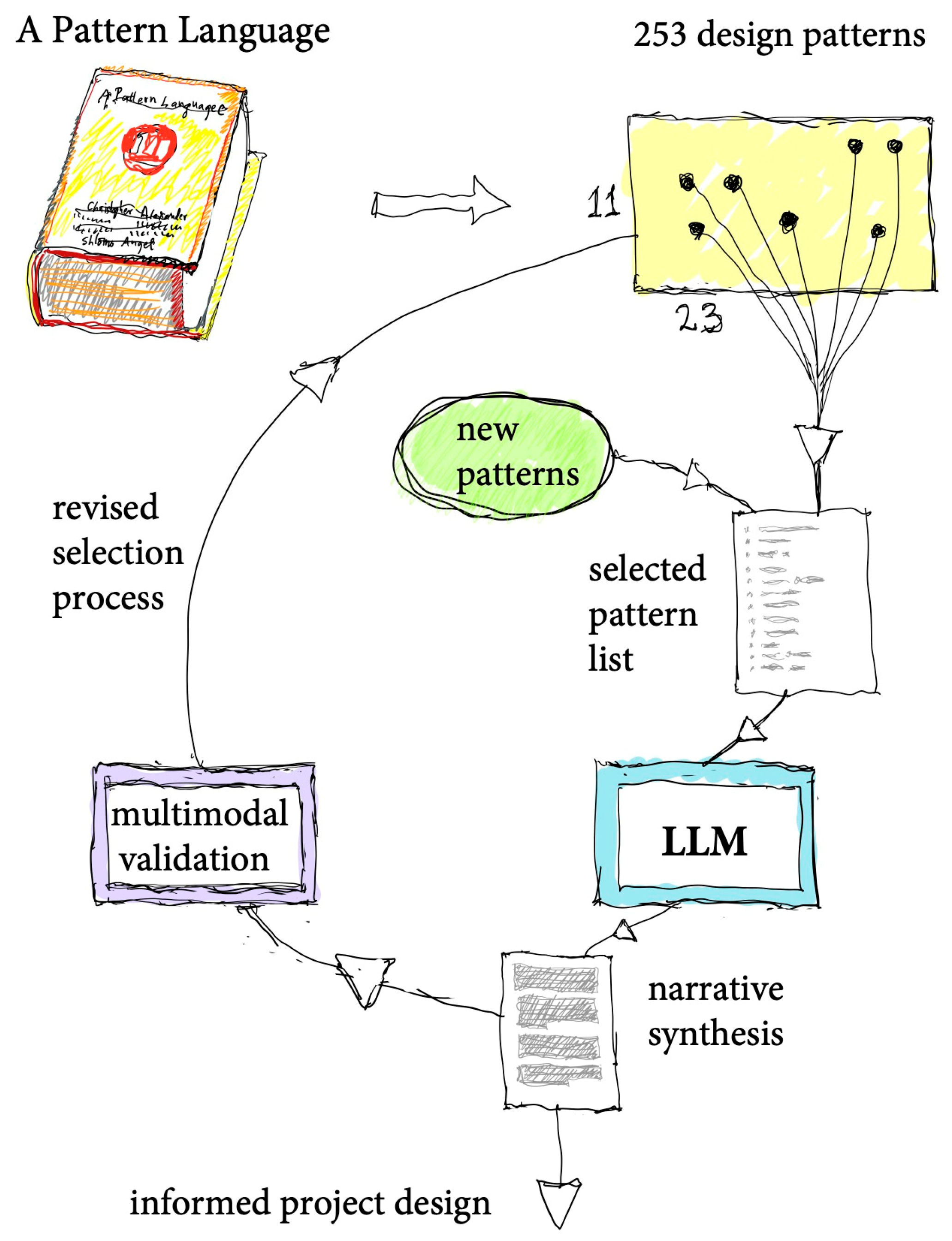
This paper combines Christopher Alexander’s pattern language with generative AI into a hybrid design framework. The result is a narrative synthesis that can be useful for informed project design. Advanced large language models (LLMs) enable the real-time synthesis of design patterns, making complex architectural choices accessible and comprehensible to stakeholders without specialized architectural knowledge. A lightweight, web-based tool lets project teams rapidly assemble context-specific subsets of Alexander’s 253 patterns, reducing a traditionally unwieldy 1166-page corpus to a concise, shareable list. Demonstrated through a case study of a university department building, this method results in environments that are psychologically welcoming, fostering health, productivity, and emotional well-being. LLMs translate these curated patterns into vivid experiential narratives—complete with neuroscientifically informed ornamentation. LLMs produce representative images from the verbal narrative, revealing a surprisingly traditional design that was never input as a prompt. Two separate LLMs (for cross-checking) then predict the pattern-generated design to catalyze improved productivity as compared to a standard campus building. By bridging abstract design principles and concrete human experience, this approach democratizes architectural planning grounded on Alexander’s human-centered, participatory ethos.
Keywords: adaptive design; AI-driven architecture; Christopher Alexander; evidence-based design; human-centered architecture; large language model; pattern language adaptive design; AI-driven architecture; Christopher Alexander; evidence-based design; human-centered architecture; large language model; pattern language