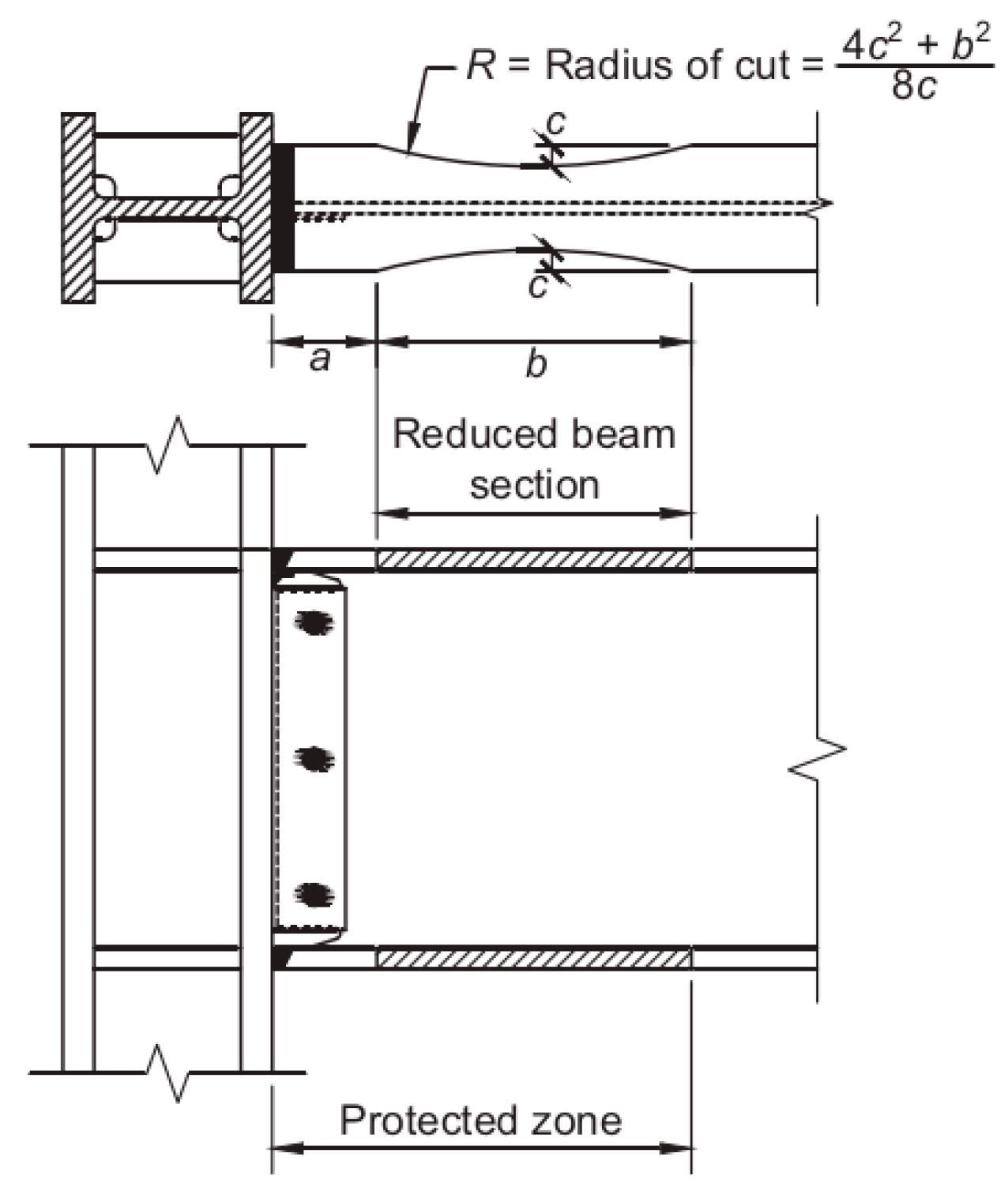
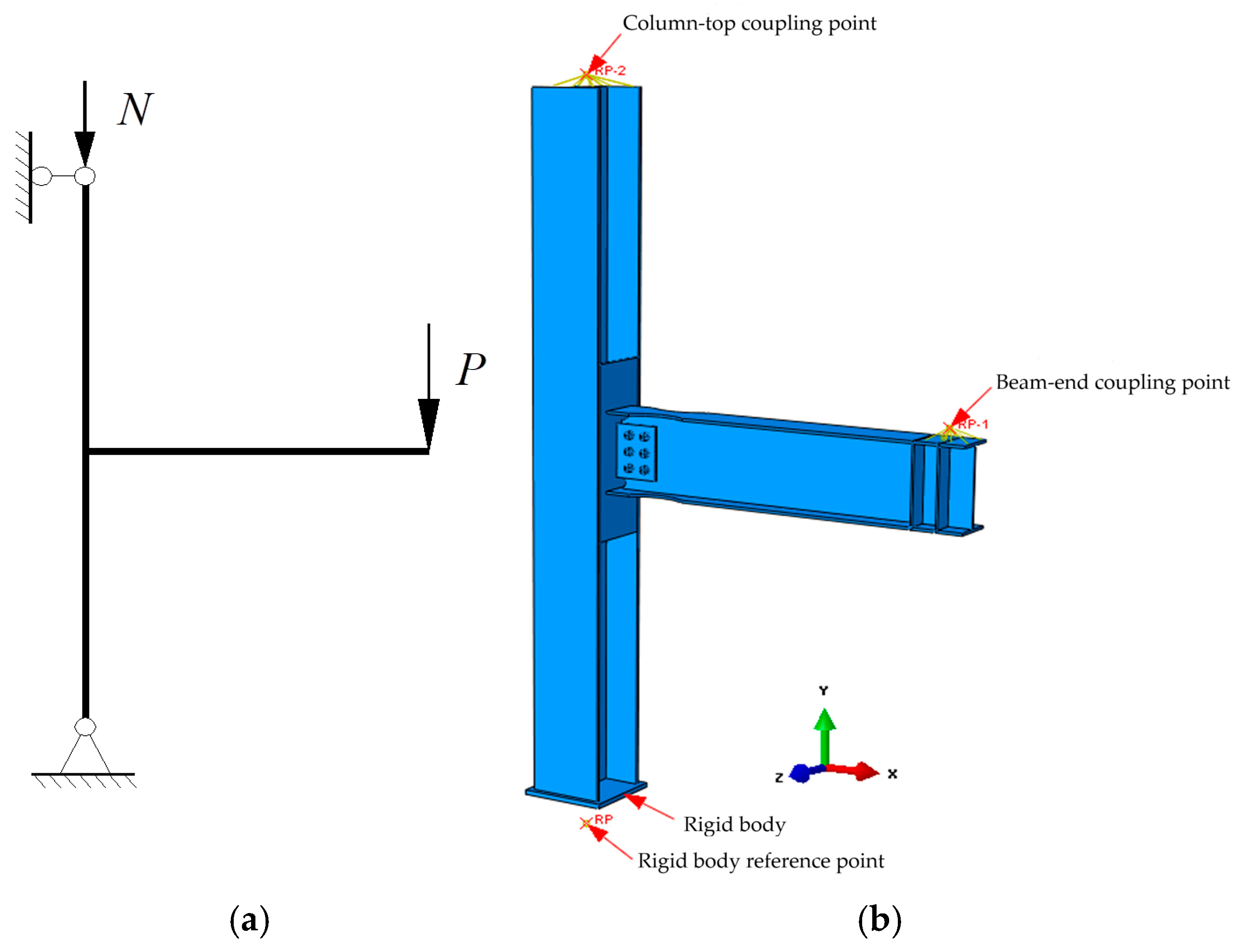
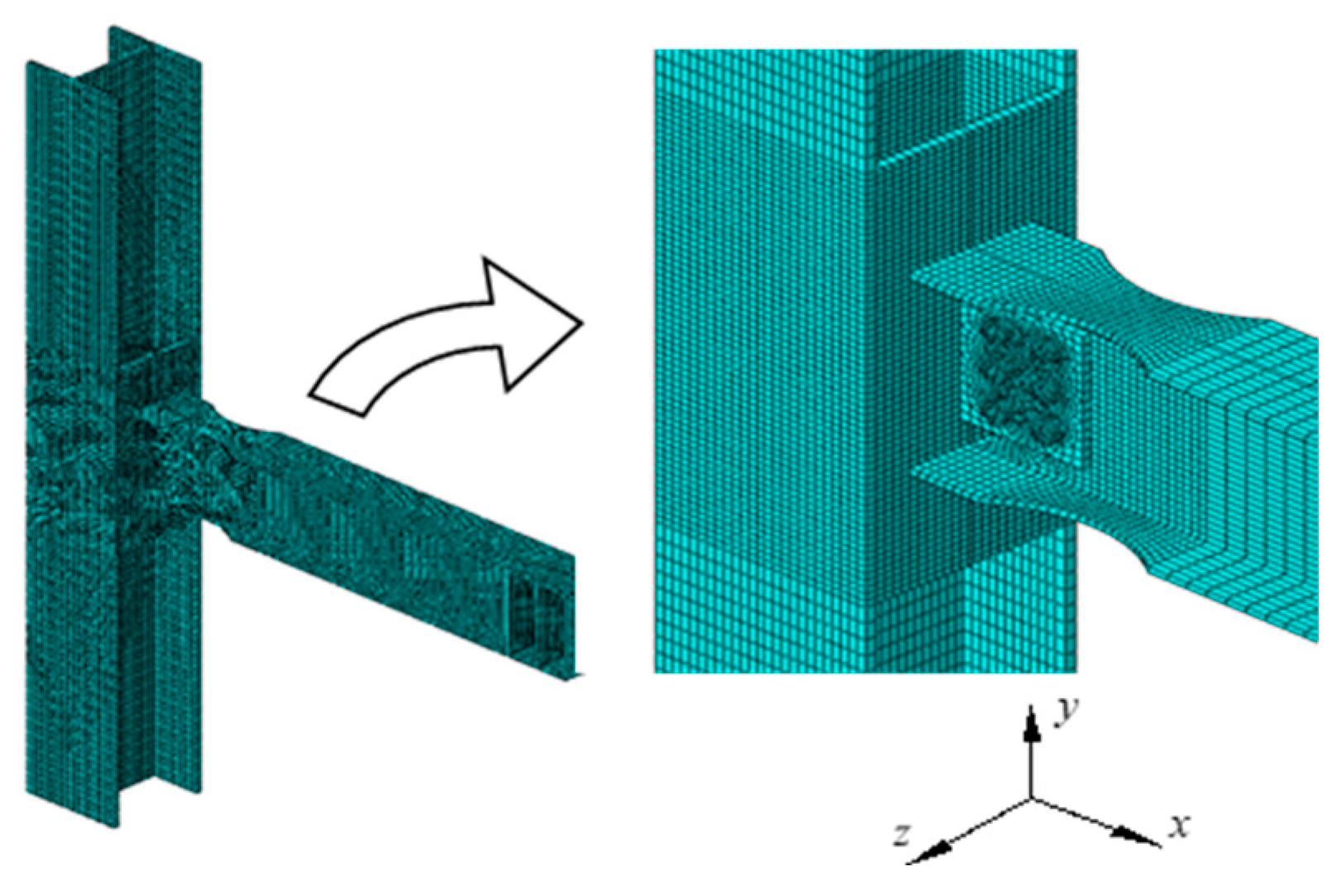
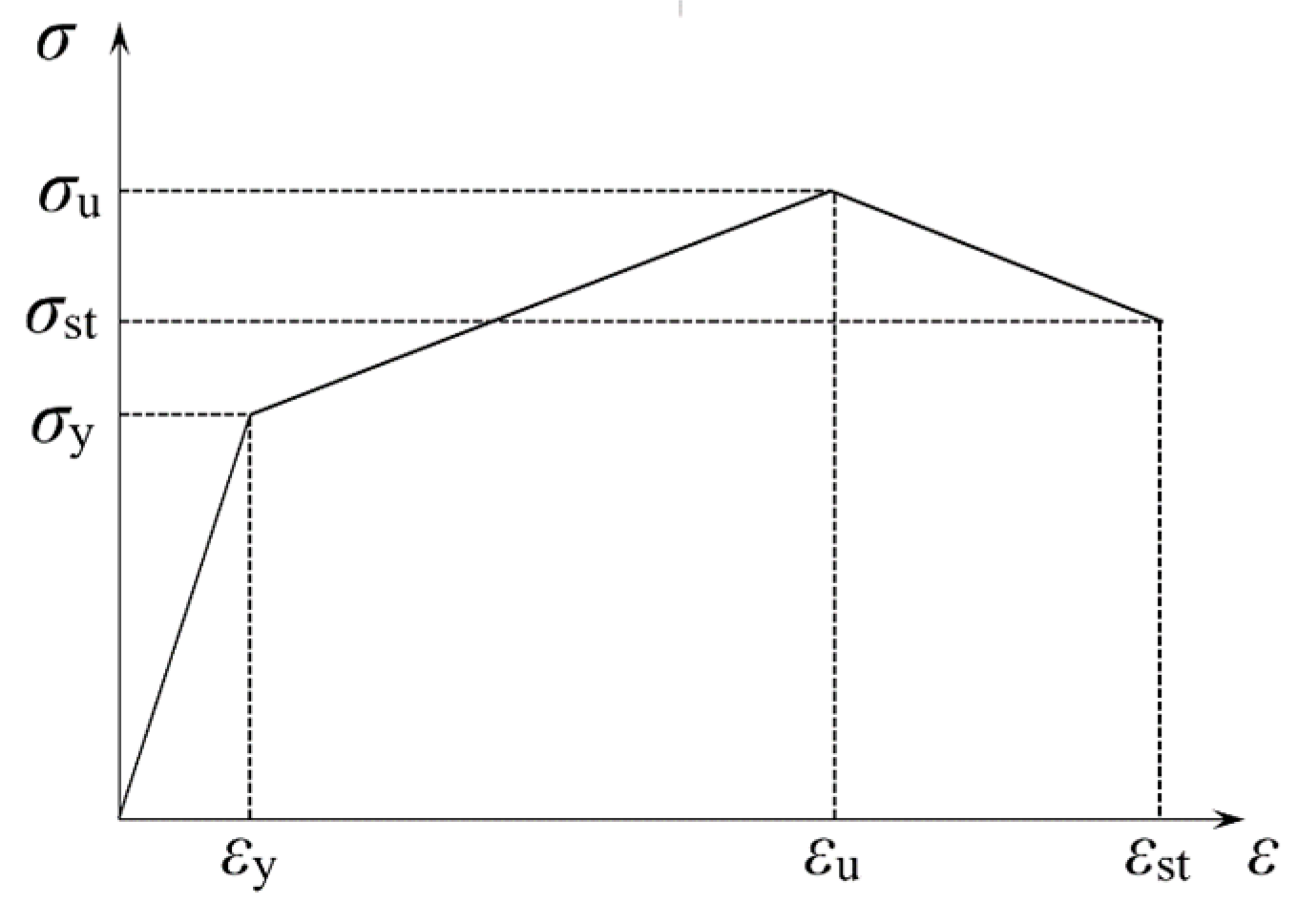
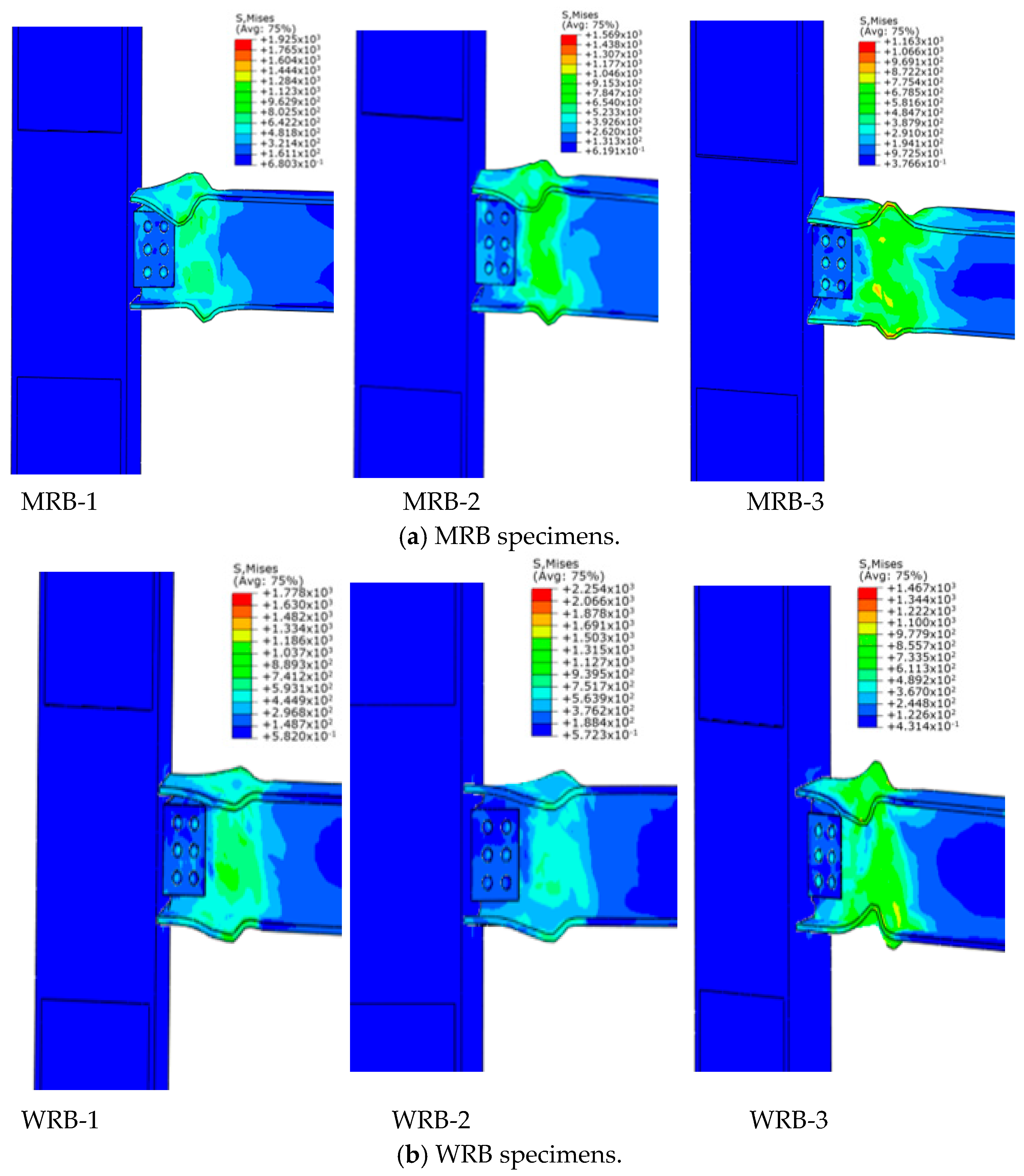
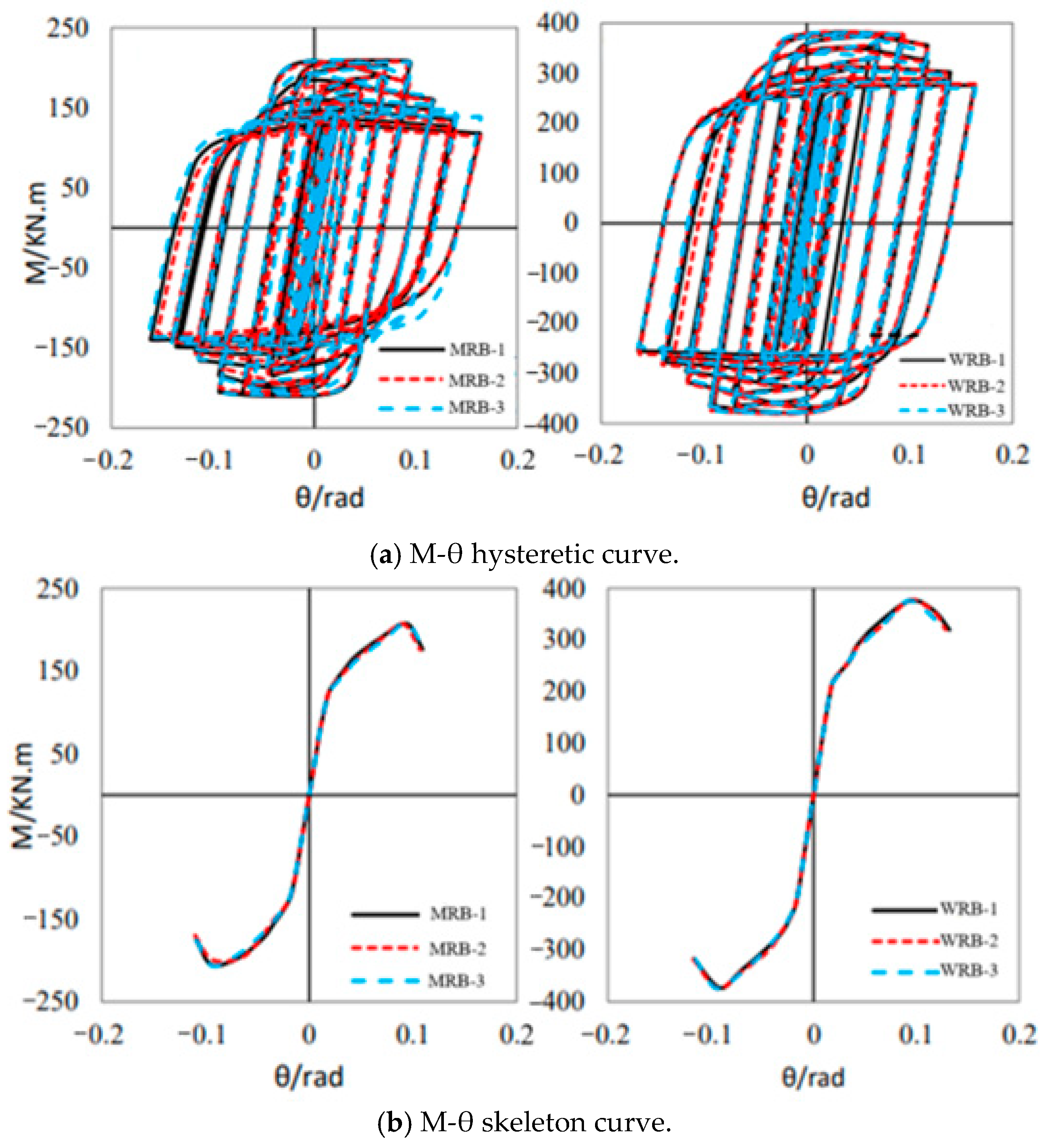
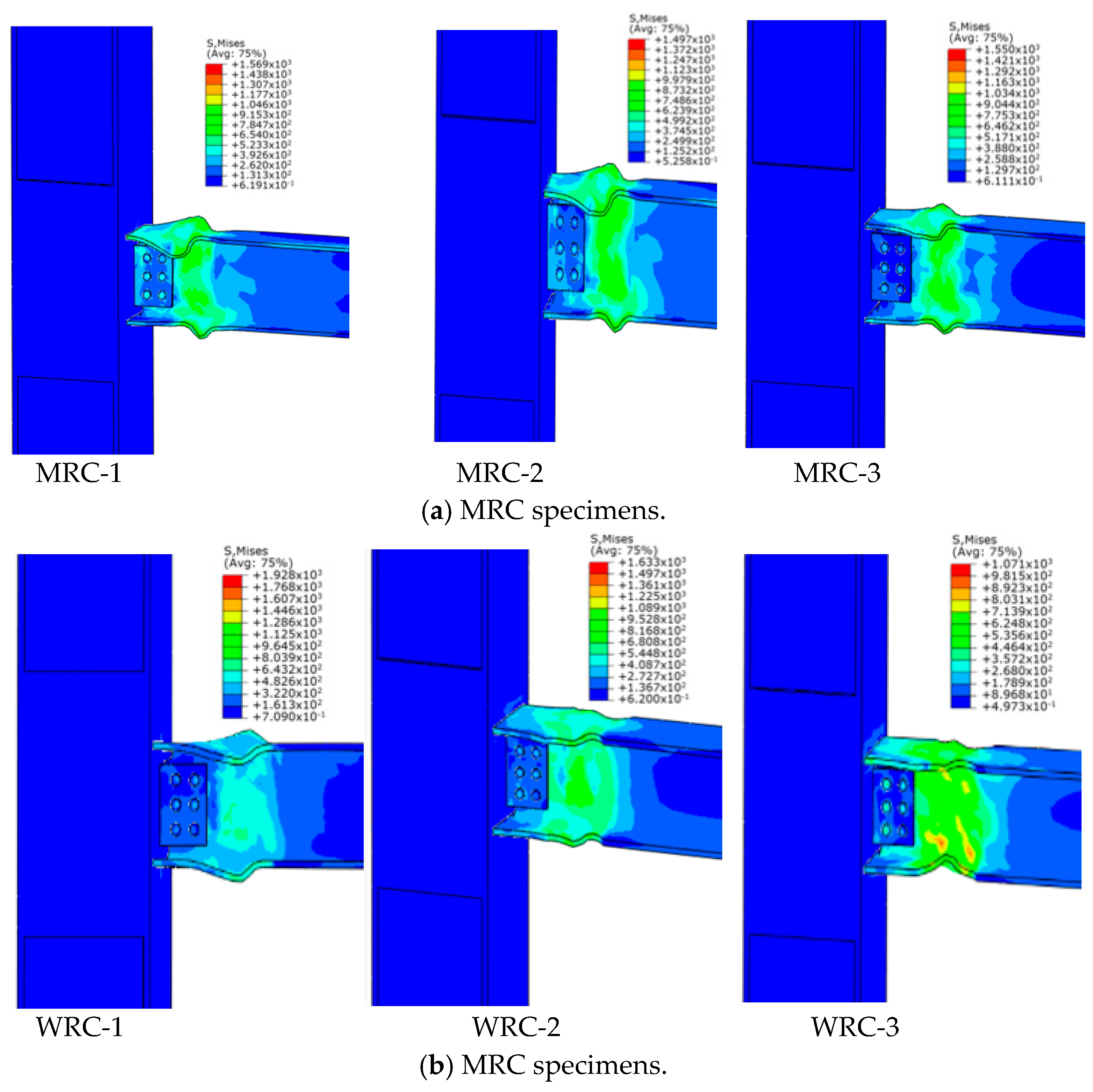
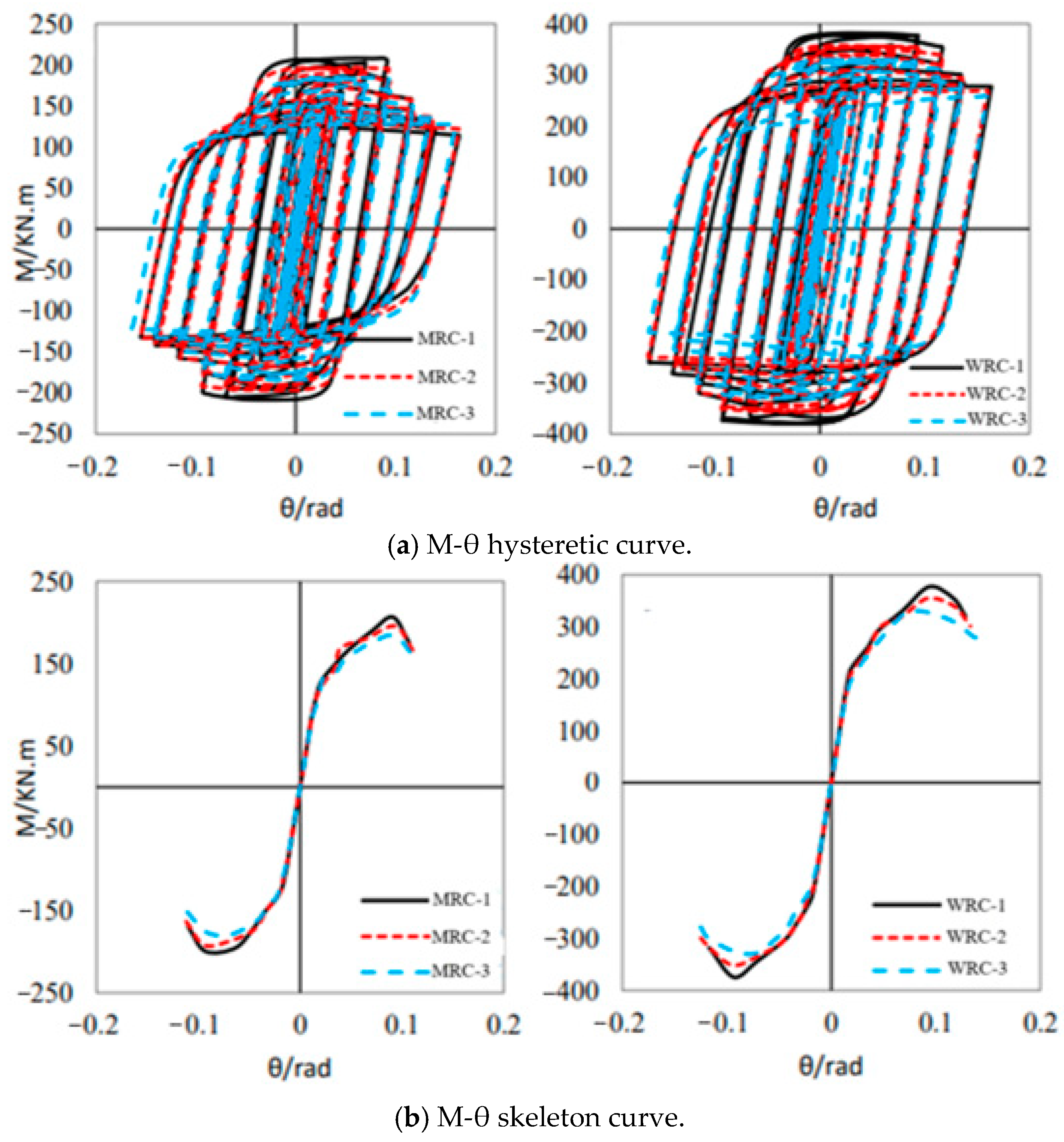
Hysteretic Behavior Study on the RBS Connection of H-Shape Columns with Middle-Flanges or Wide-Flange H-Shape Beams



Abstract
Share and Cite
Al-Saeedi, S.M.A.A.; Lu, L.; Al-Ansi, O.Z.Y.; Ali, S. Hysteretic Behavior Study on the RBS Connection of H-Shape Columns with Middle-Flanges or Wide-Flange H-Shape Beams. Buildings 2025, 15, 147. https://doi.org/10.3390/buildings15010147
Al-Saeedi SMAA, Lu L, Al-Ansi OZY, Ali S. Hysteretic Behavior Study on the RBS Connection of H-Shape Columns with Middle-Flanges or Wide-Flange H-Shape Beams. Buildings. 2025; 15(1):147. https://doi.org/10.3390/buildings15010147
Chicago/Turabian StyleAl-Saeedi, Saleem Mohammed Ali Ahmed, Linfeng Lu, Osama Zaid Yahya Al-Ansi, and Saddam Ali. 2025. "Hysteretic Behavior Study on the RBS Connection of H-Shape Columns with Middle-Flanges or Wide-Flange H-Shape Beams" Buildings 15, no. 1: 147. https://doi.org/10.3390/buildings15010147
APA StyleAl-Saeedi, S. M. A. A., Lu, L., Al-Ansi, O. Z. Y., & Ali, S. (2025). Hysteretic Behavior Study on the RBS Connection of H-Shape Columns with Middle-Flanges or Wide-Flange H-Shape Beams. Buildings, 15(1), 147. https://doi.org/10.3390/buildings15010147