Article

Life Cycle Assessment of a Structural Insulated Panel Modular House in New Zealand
1
School of Engineering, University of Waikato, Hamilton 3240, New Zealand
2
School of Civil and Environmental Engineering, Harbin Institute of Technology, Shenzhen 518055, China
3
Guangdong Provincial Key Laboratory of Intelligent and Resilient Structures for Civil Engineering, Harbin Institute of Technology, Shenzhen 518055, China
*
Authors to whom correspondence should be addressed.
Buildings 2025, 15(1), 146; https://doi.org/10.3390/buildings15010146

Submission received: 21 November 2024 / Revised: 25 December 2024 / Accepted: 4 January 2025 / Published: 6 January 2025
(This article belongs to the Special Issue Cold-Formed Steel Structures)

Abstract

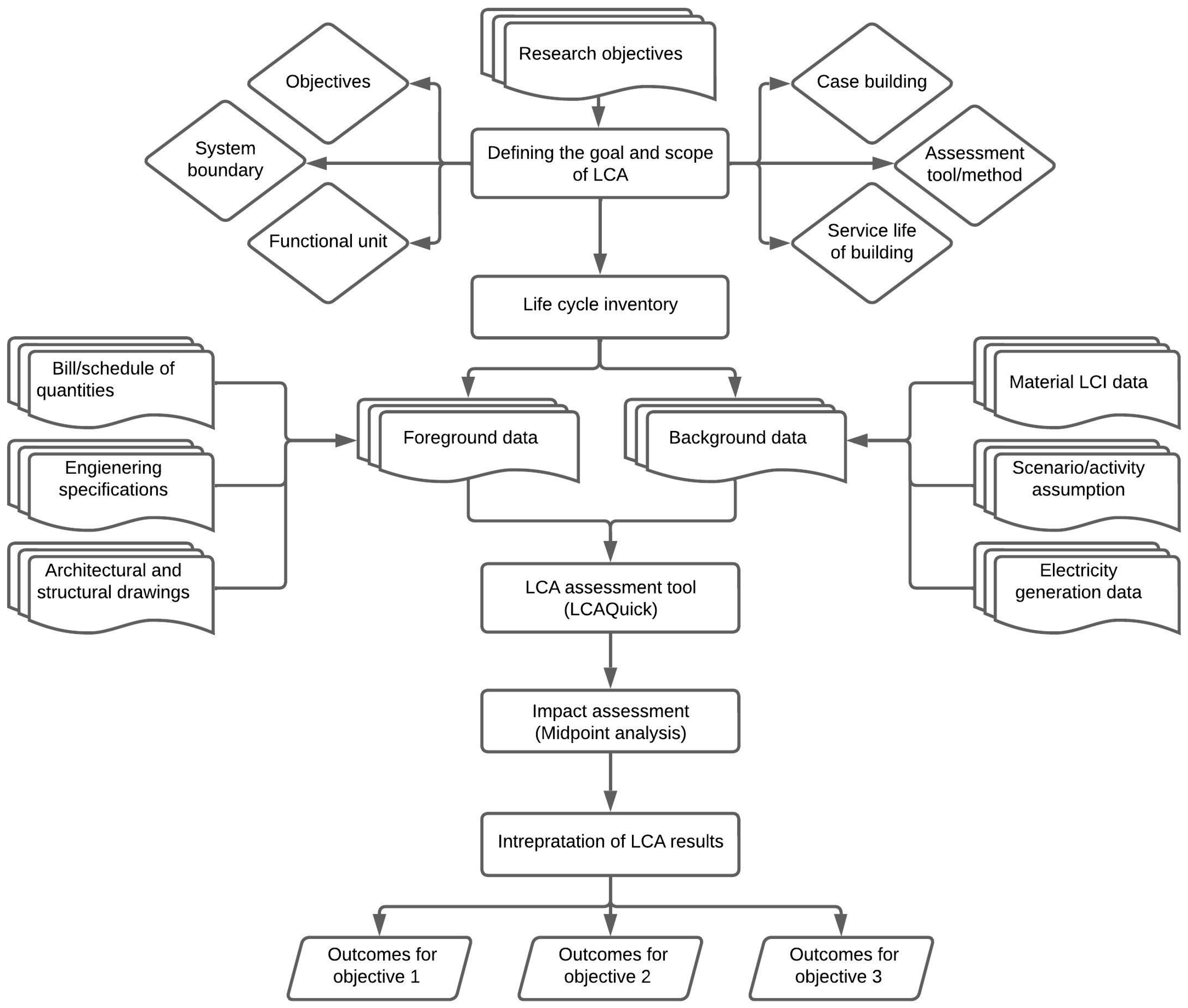
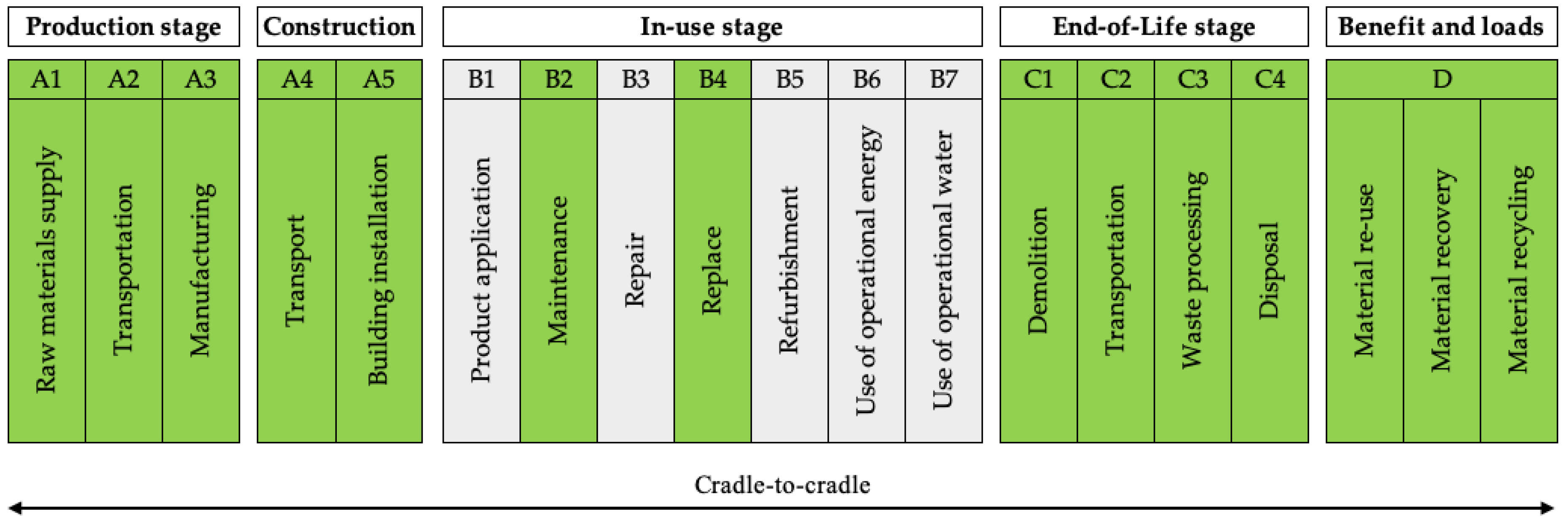
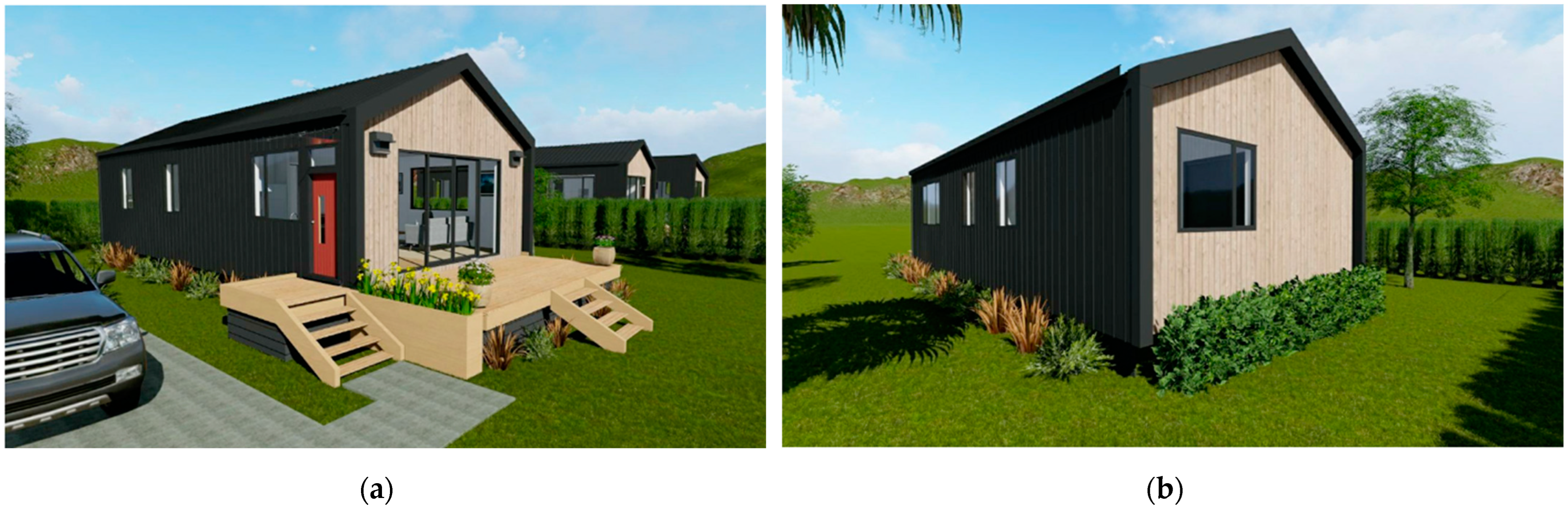
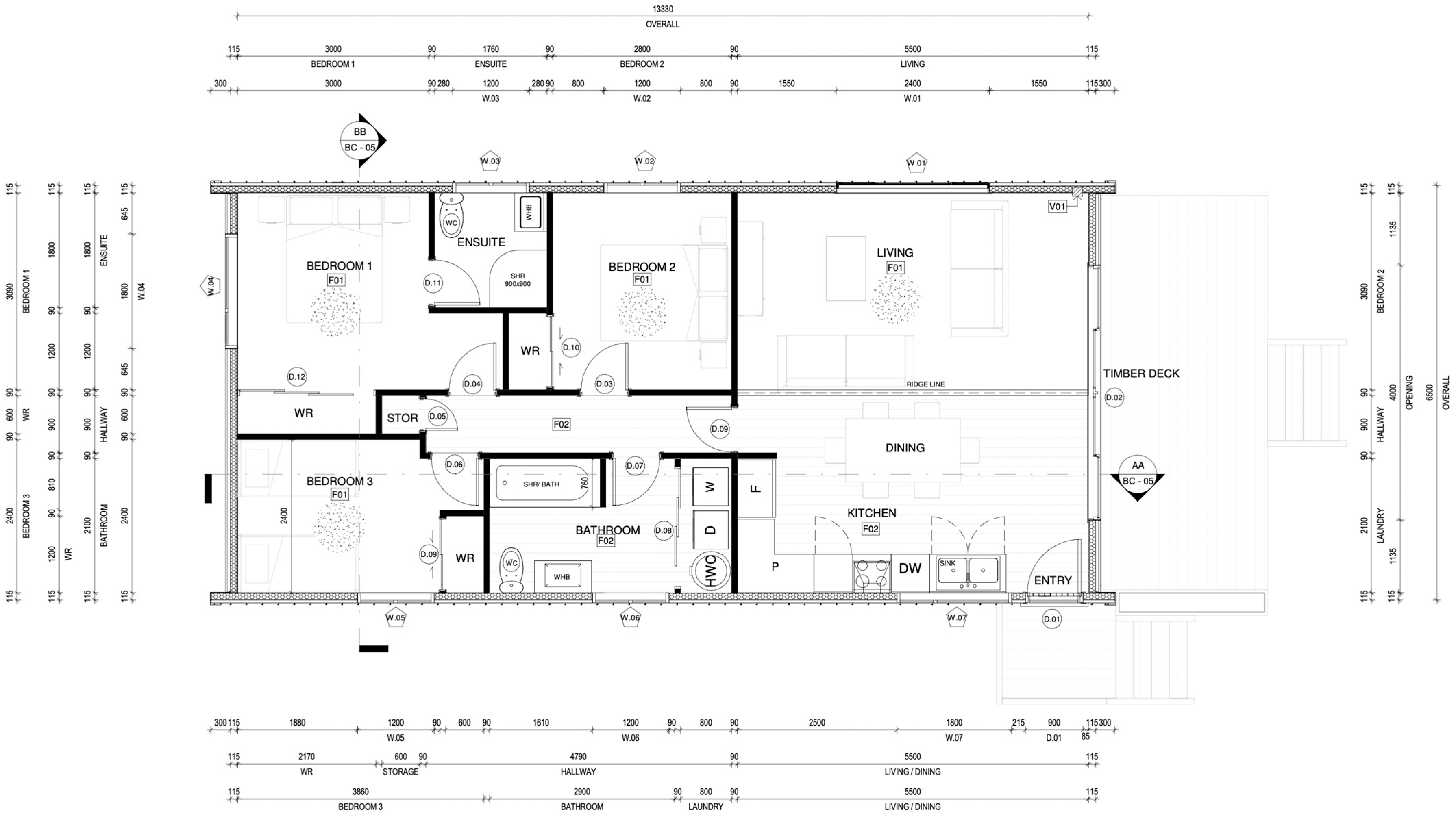
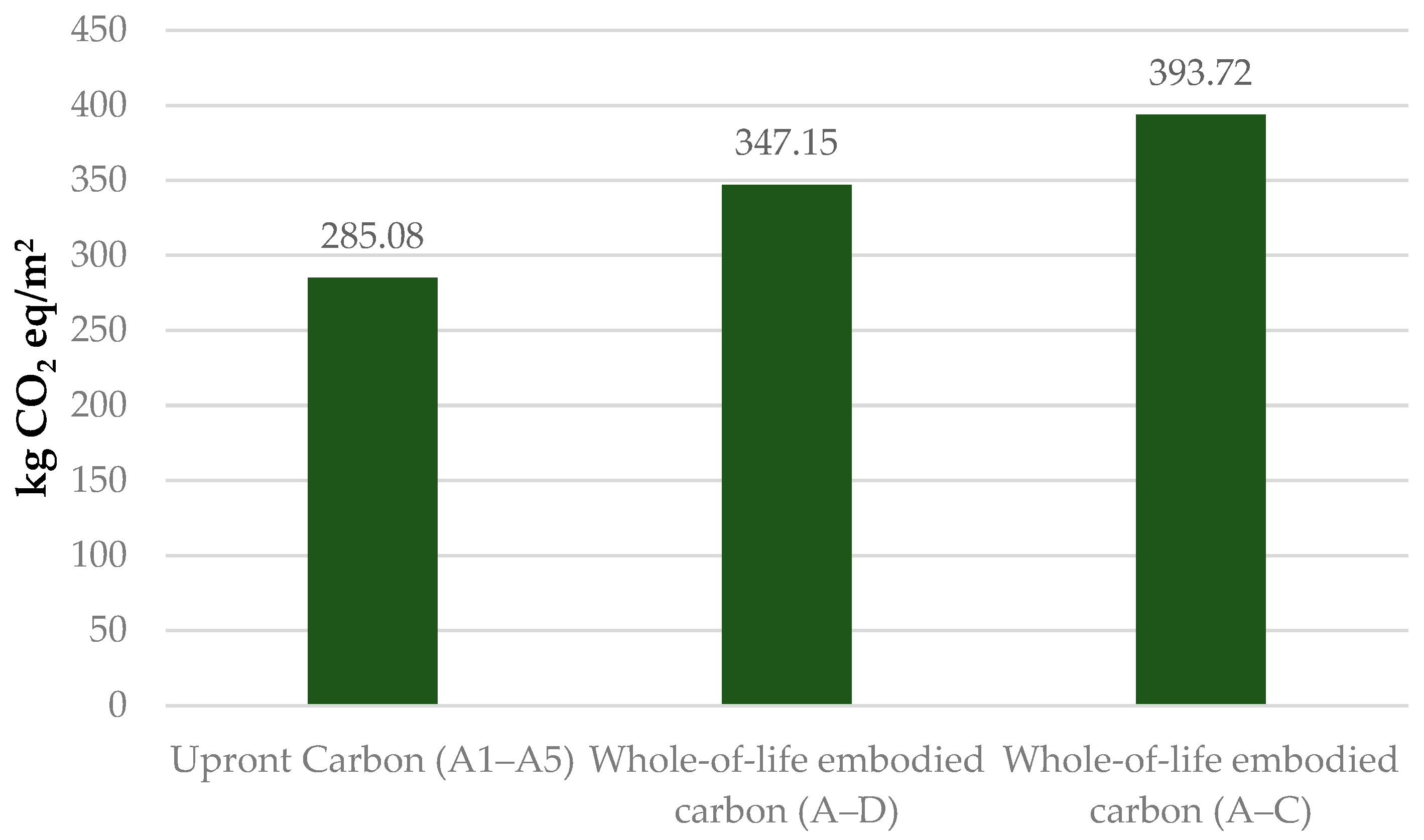
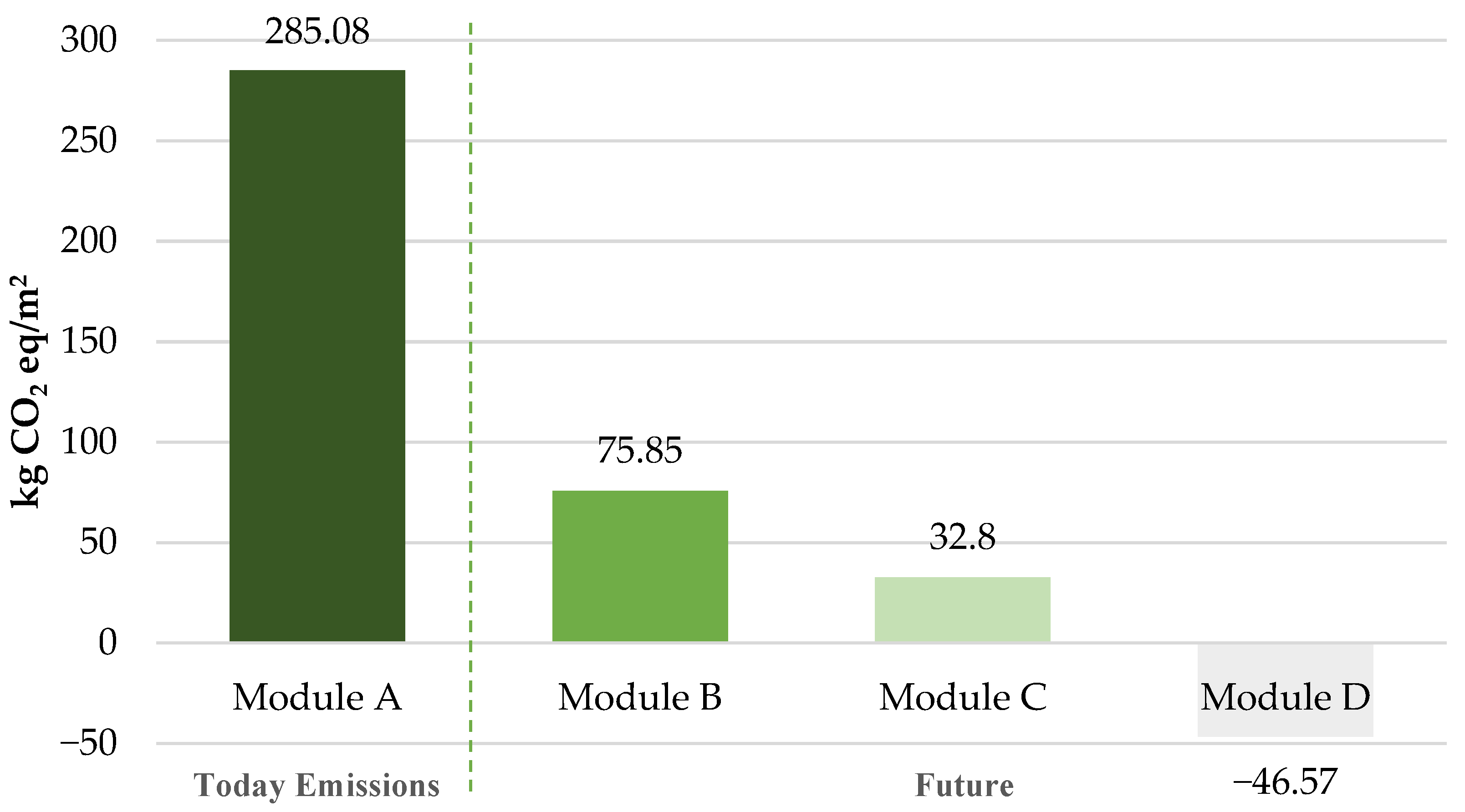
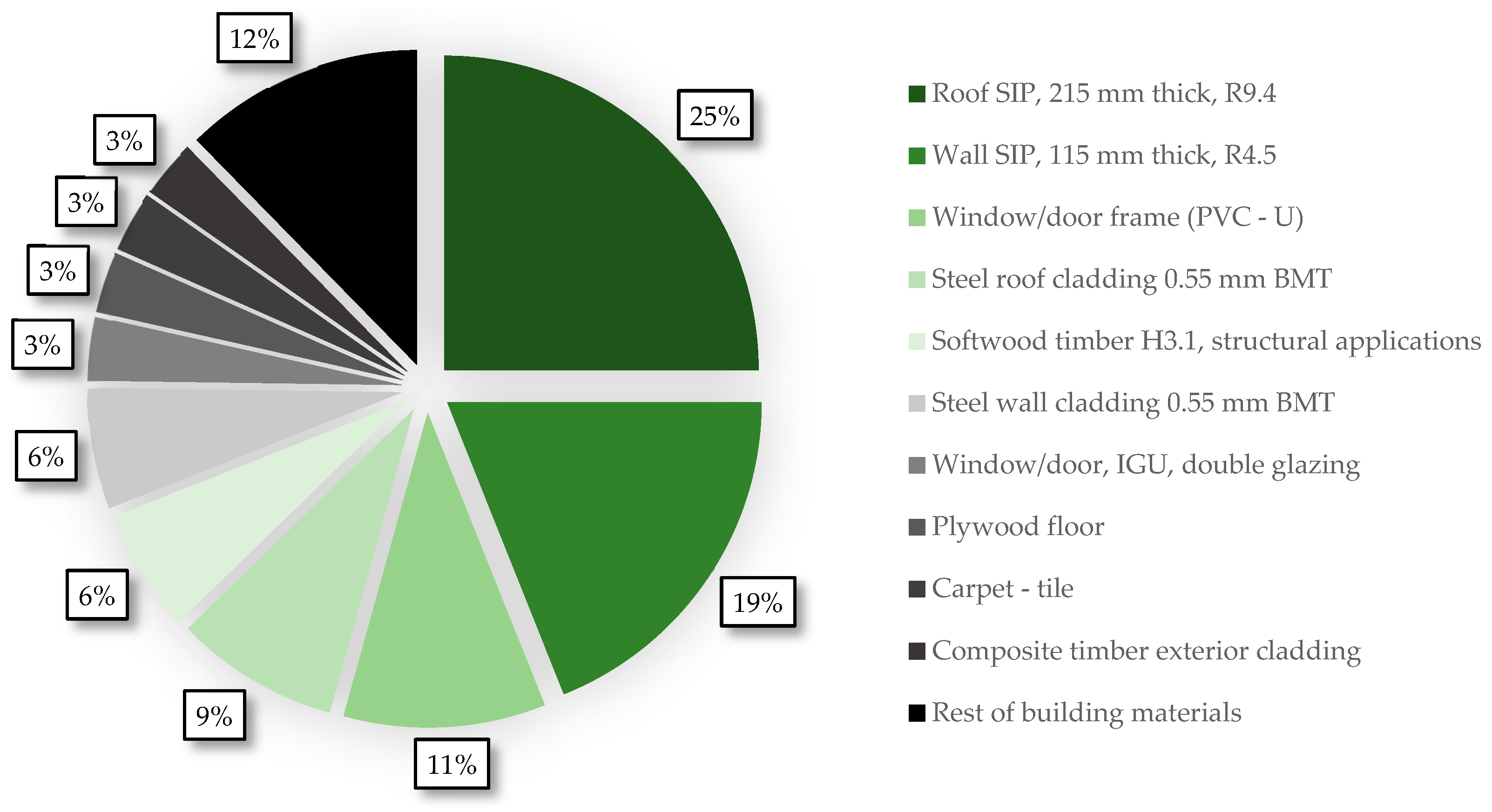
Innovative solutions are essential to meet the increasing demand for housing in New Zealand. These innovations must also be sustainable, given the significant contribution of the building and construction sectors to global carbon emissions (25–40%) and, specifically, to New Zealand’s gross carbon emissions (20%). This research aims to analyse the environmental impacts of a structural insulated panel (SIP) modular house and evaluate this innovative approach as a sustainable solution to the current housing issue. A life cycle assessment (LCA) was conducted using the New Zealand-specific tool LCAQuick V3.6. The analysis considered seven environmental impact indicators, namely, global warming potential (GWP), ozone depletion potential (ODP), acidification potential (AP), eutrophication potential (EP), photochemical ozone creation potential (POCP), abiotic depletion potential for elements (ADPE), and abiotic depletion potential for fossil fuels (ADPF), with a cradle-to-cradle system boundary. Focusing on the embodied carbon of the SIP modular house, the study revealed that the whole-of-life embodied carbon was 347.15 kg CO2 eq/m2, including Module D, and the upfront carbon was 285.08 kg CO2 eq/m2. The production stage (Modules A1–A3) was identified as the most significant source of carbon emissions due to substantial energy consumption in activities such as sourcing raw materials, transportation, and final product manufacturing. Specifically, the study found that SIP wall and roof panels were the most significant contributors to the house’s overall embodied carbon, with SIP roof panels contributing 25% and SIP wall panels contributing 19%, collectively accounting for 44%. Hence, the study underscored the SIP modular house as a promising sustainable solution to the housing crisis while emphasising the inclusion of operational carbon in further research to fully understand its potential.
Keywords: life cycle assessment (LCA); structural insulated panels (SIPs); modular house; embodied carbon emissions; New Zealand life cycle assessment (LCA); structural insulated panels (SIPs); modular house; embodied carbon emissions; New Zealand