Article

A Comparative Study to Assess the Energy Efficiency of Temporary Structures to Guarantee Emergency Basic Healthcare in Italy


Department of Architecture, University of Ferrara, 44121 Ferrara, Italy
*
Author to whom correspondence should be addressed.
Buildings 2024, 14(8), 2295; https://doi.org/10.3390/buildings14082295

Submission received: 25 June 2024 / Revised: 8 July 2024 / Accepted: 13 July 2024 / Published: 24 July 2024

Abstract

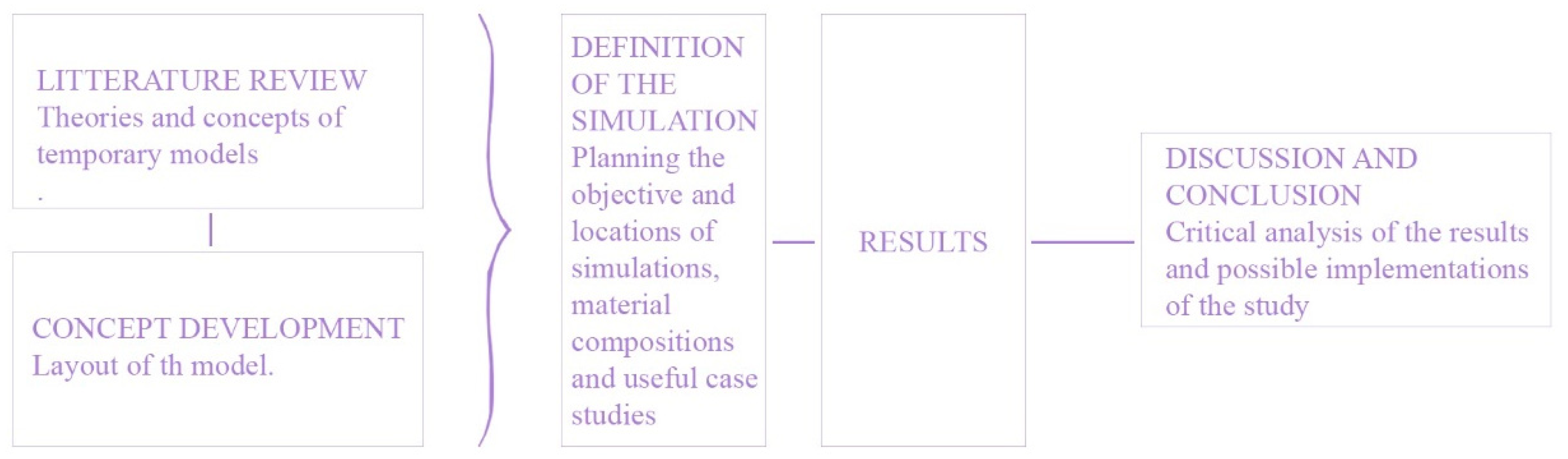
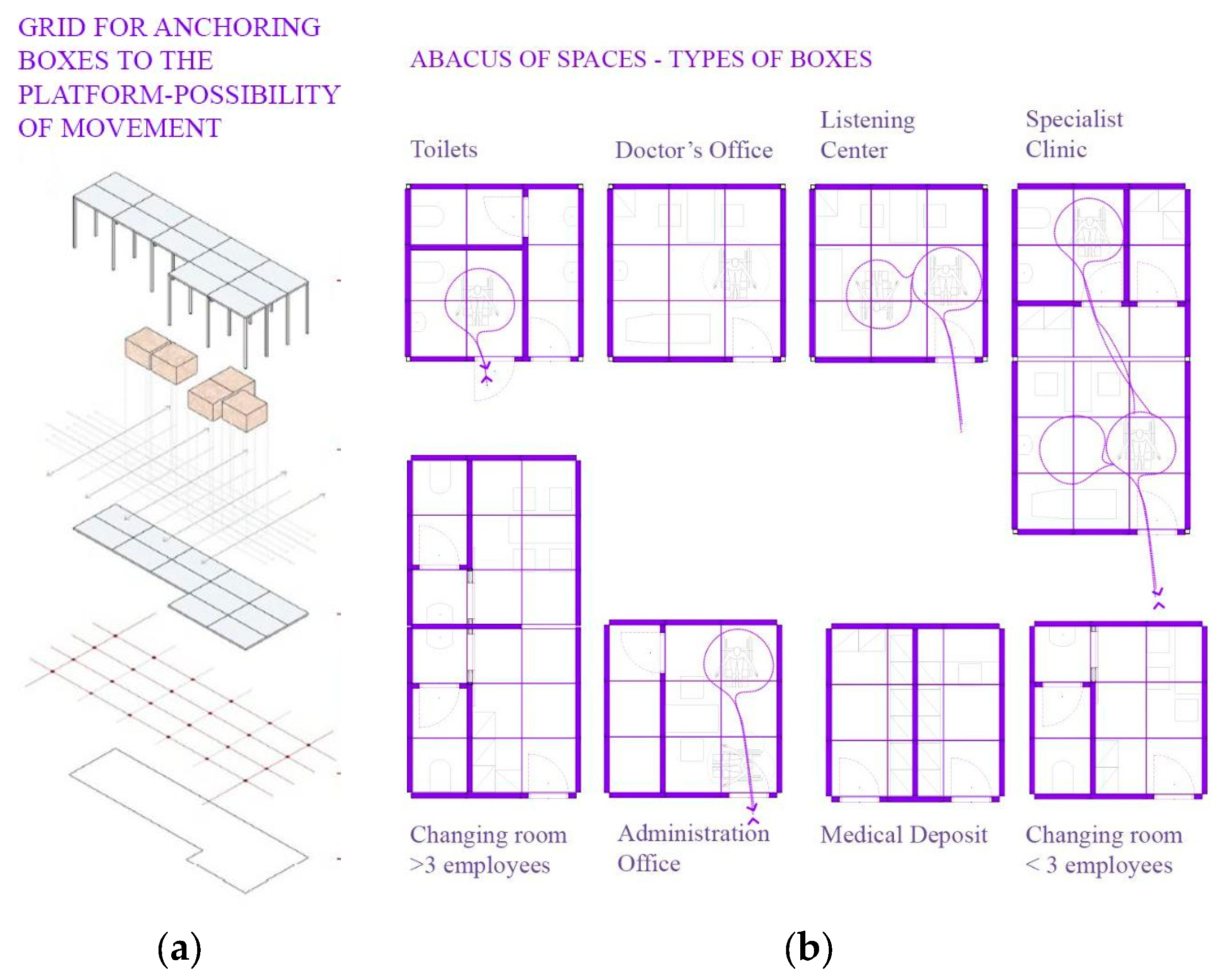
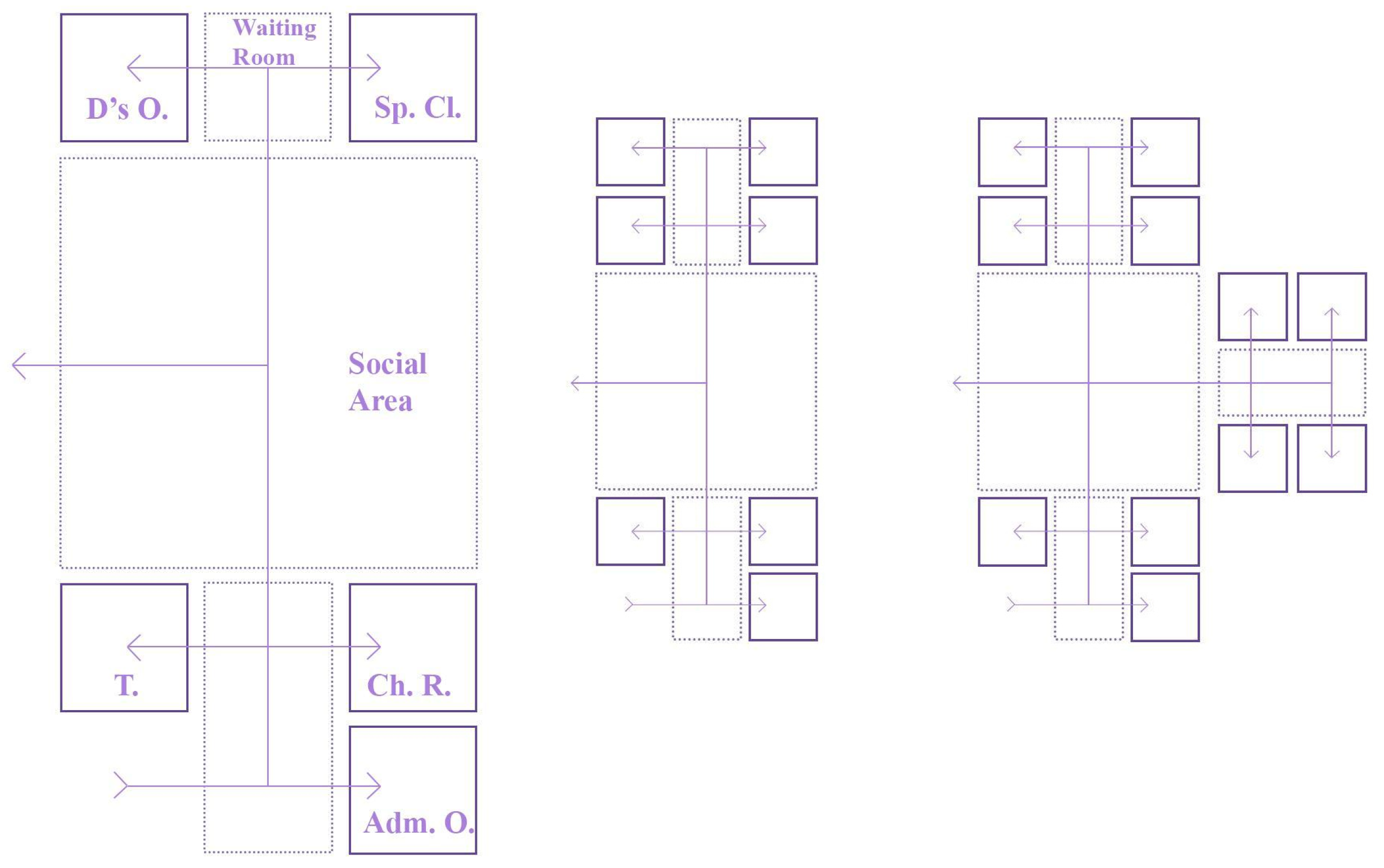
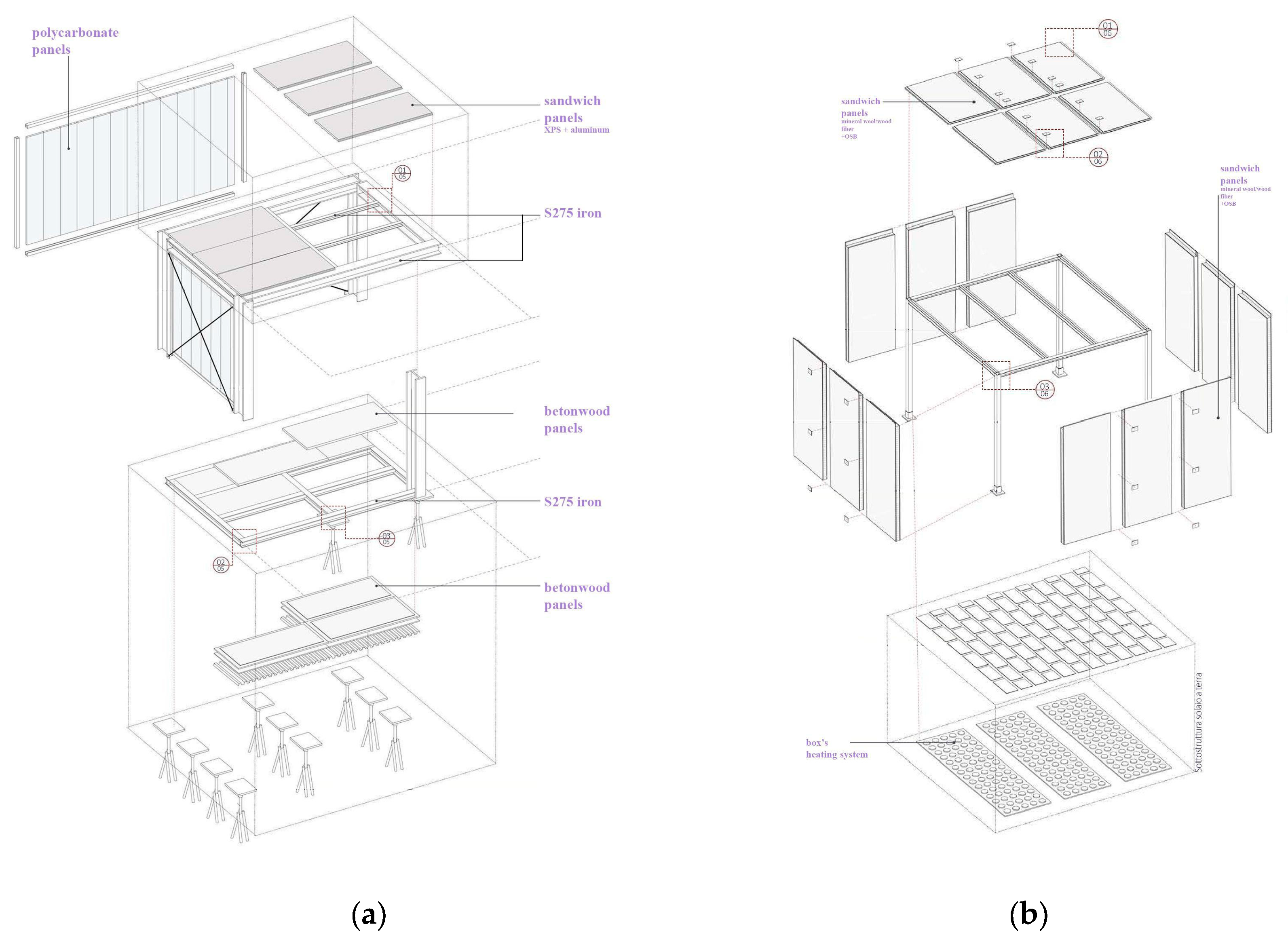
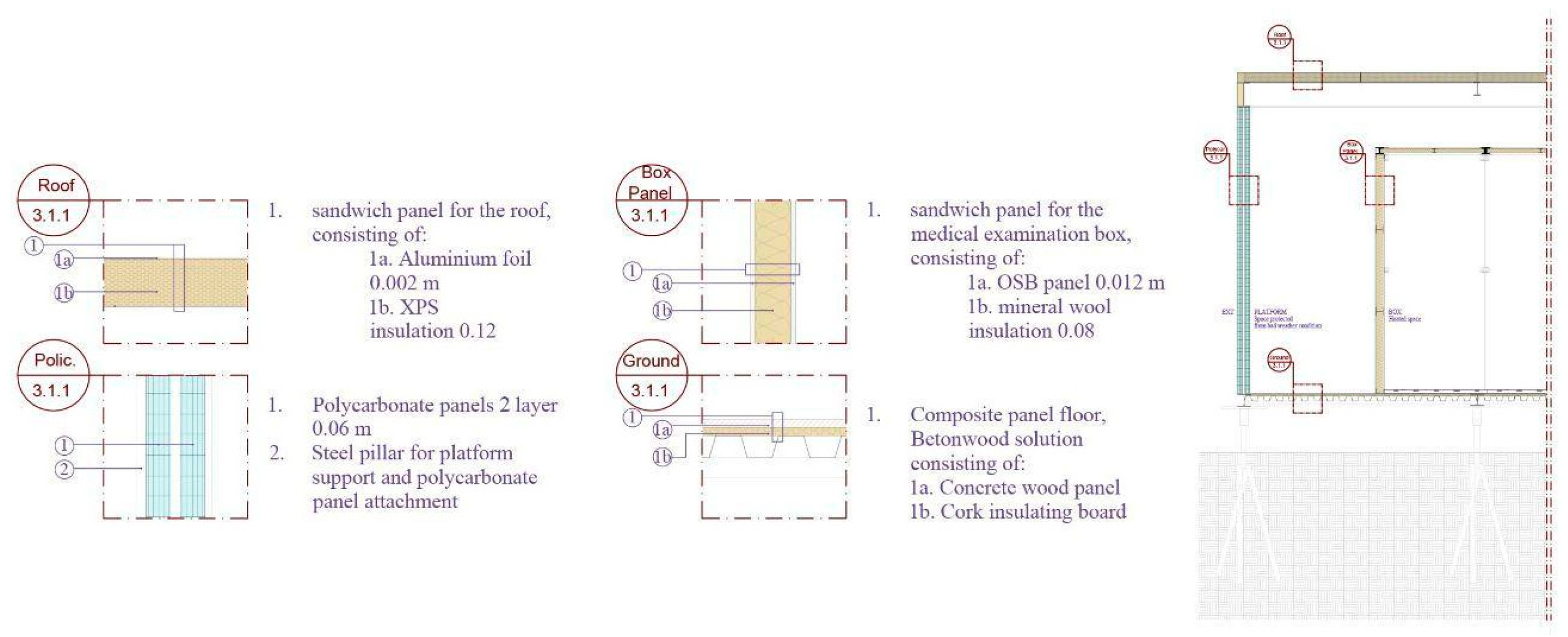
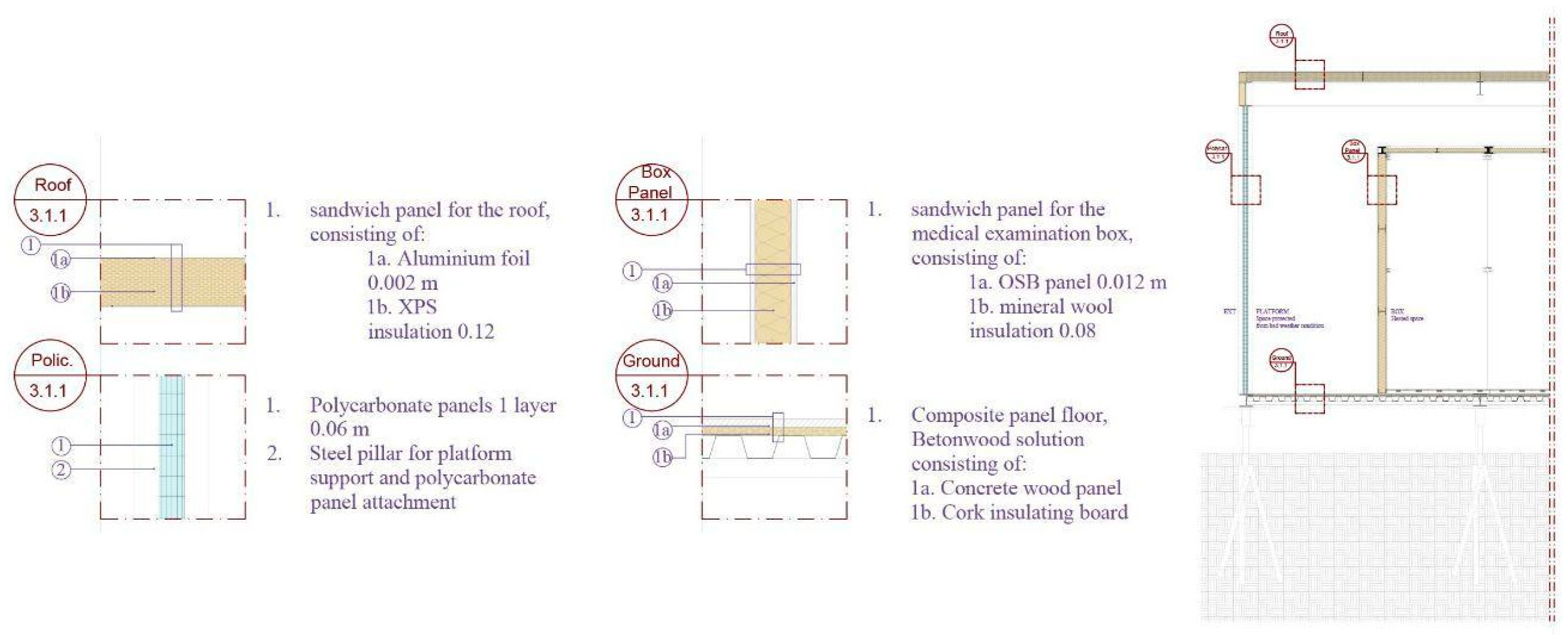
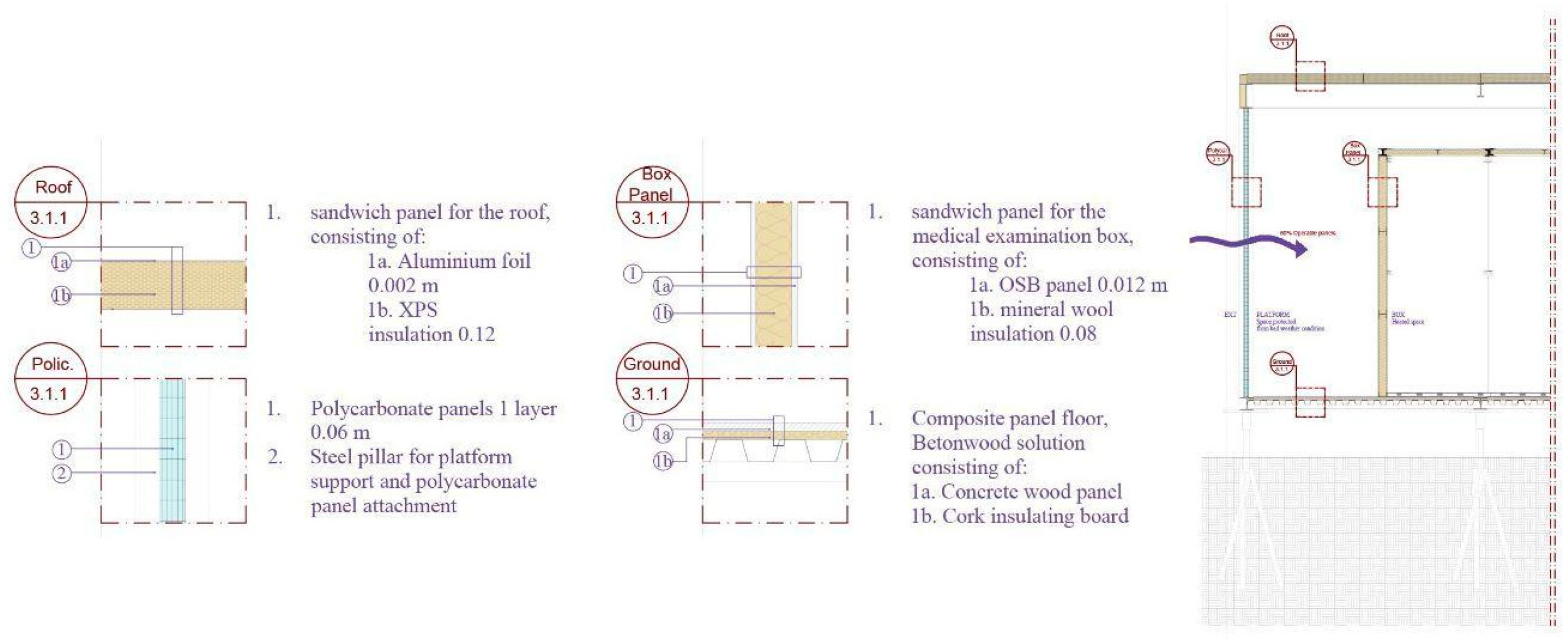
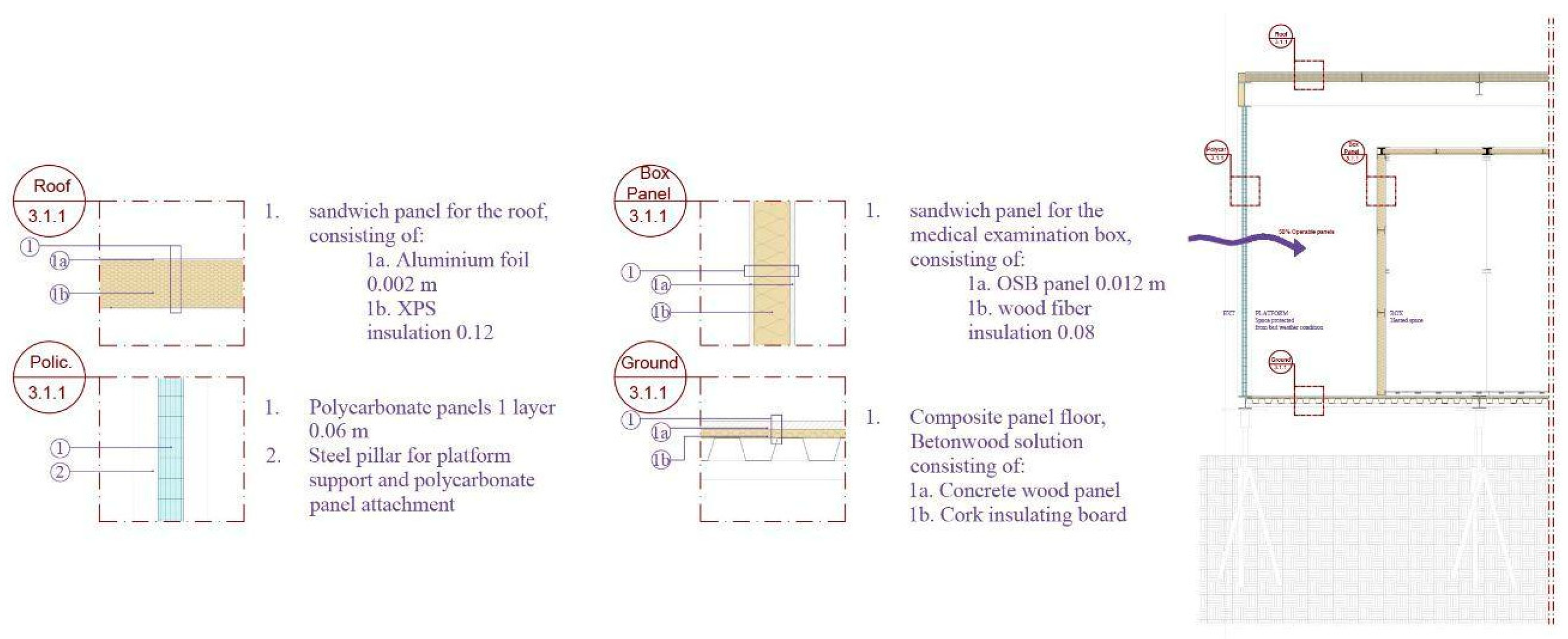
During emergencies, healthcare is generally provided by tents and temporary shelters, without considering the environmental and social impact of the structures as a priority, in favor of swift response. The resultant constructions intended as a temporary solution often persist for a long time. This paper aims to analyze an alternative and innovative modular structure designed as a transitory solution in emergencies and everyday life. The aim of this study is to assess and compare the energetic performance of a modular adaptive model for basic healthcare for people who are not subscribed to the Italian National Health System. The main goal is to challenge standard models by proposing a new model able to diminish the weaknesses of the current sanitary models, to improve the social conditions, flexibility and energy efficiency, and the thermal comfort of the occupants. In the first part of the paper, the conceptual framework and the preliminary design of the model are described by investigating the benefits of a safe space as a generator space for care services and the community. In the second part, the technological requirements of the system are defined by comparing the use of different panel structures and low-impact technologies. The energy efficiency and environmental impact of the model are assessed by comparing several panel structures in two different climatic areas in Italy (northern and Mediterranean areas) using SketchUp and EnergyPlus simulation. As a result, different configurations of the model are proposed according to the different climatic areas in order to optimize the model, from both an architectural and a technological point of view (box and panel composition).
Keywords: emergency buildings; sustainability; energy simulation emergency buildings; sustainability; energy simulation