Article

Evaluation of Critical Thresholds for Surrounding Rock Stability in TBM Tunnels Utilizing Limit State Analysis

1
Power China Guiyang Engineering Corporation Limited, Guiyang 550000, China
2
School of Civil Engineering, Tianjin University, Tianjin 300072, China
3
Key Laboratory of Coast Civil Structure Safety, Tianjin University, Ministry of Education, Tianjin 300072, China
4
Power China Renewable Energy Development Co., Ltd., Beijing 100101, China
*
Author to whom correspondence should be addressed.
Buildings 2024, 14(6), 1838; https://doi.org/10.3390/buildings14061838

Submission received: 17 April 2024 / Revised: 30 May 2024 / Accepted: 6 June 2024 / Published: 17 June 2024
(This article belongs to the Section Building Structures)

Abstract

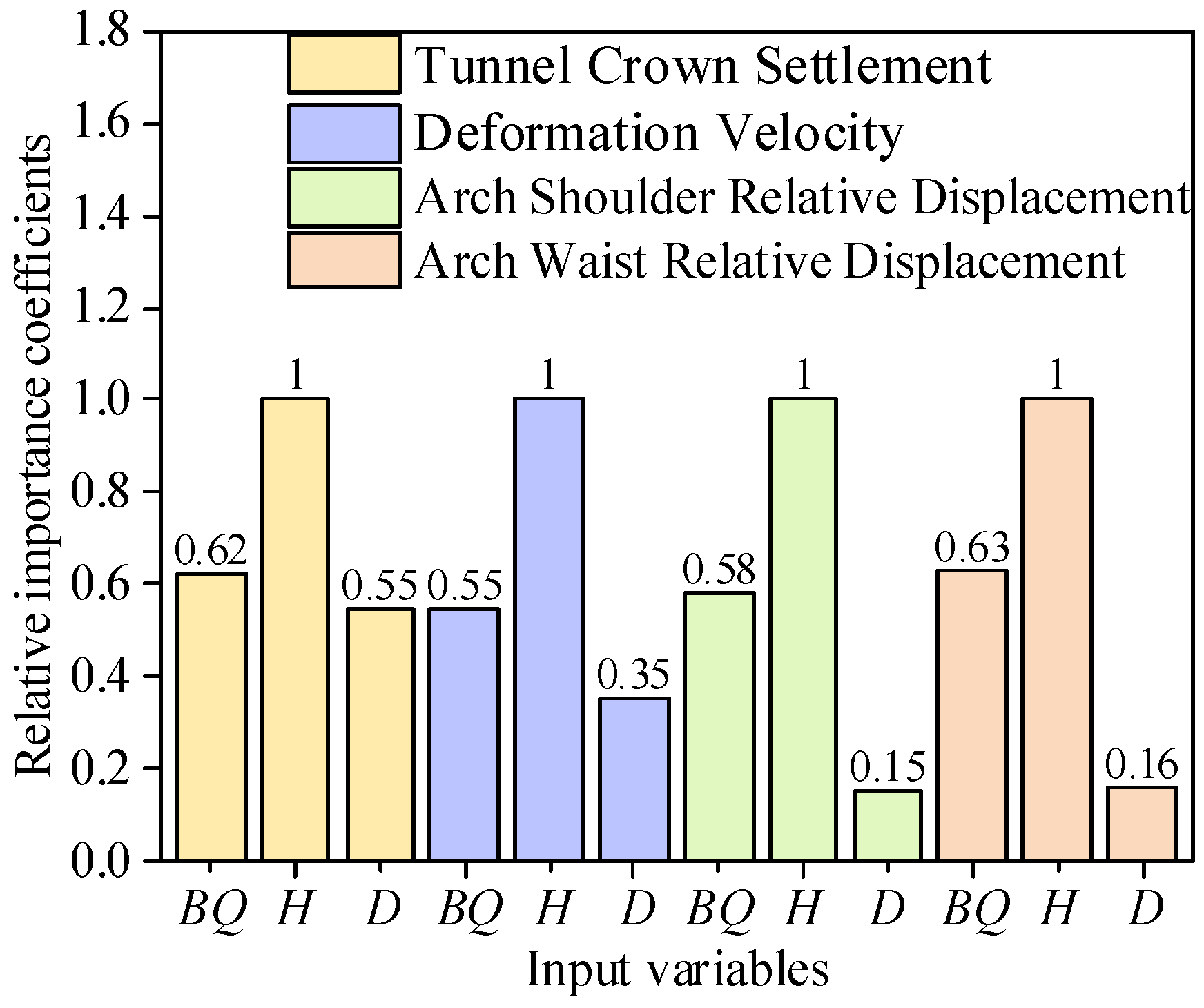
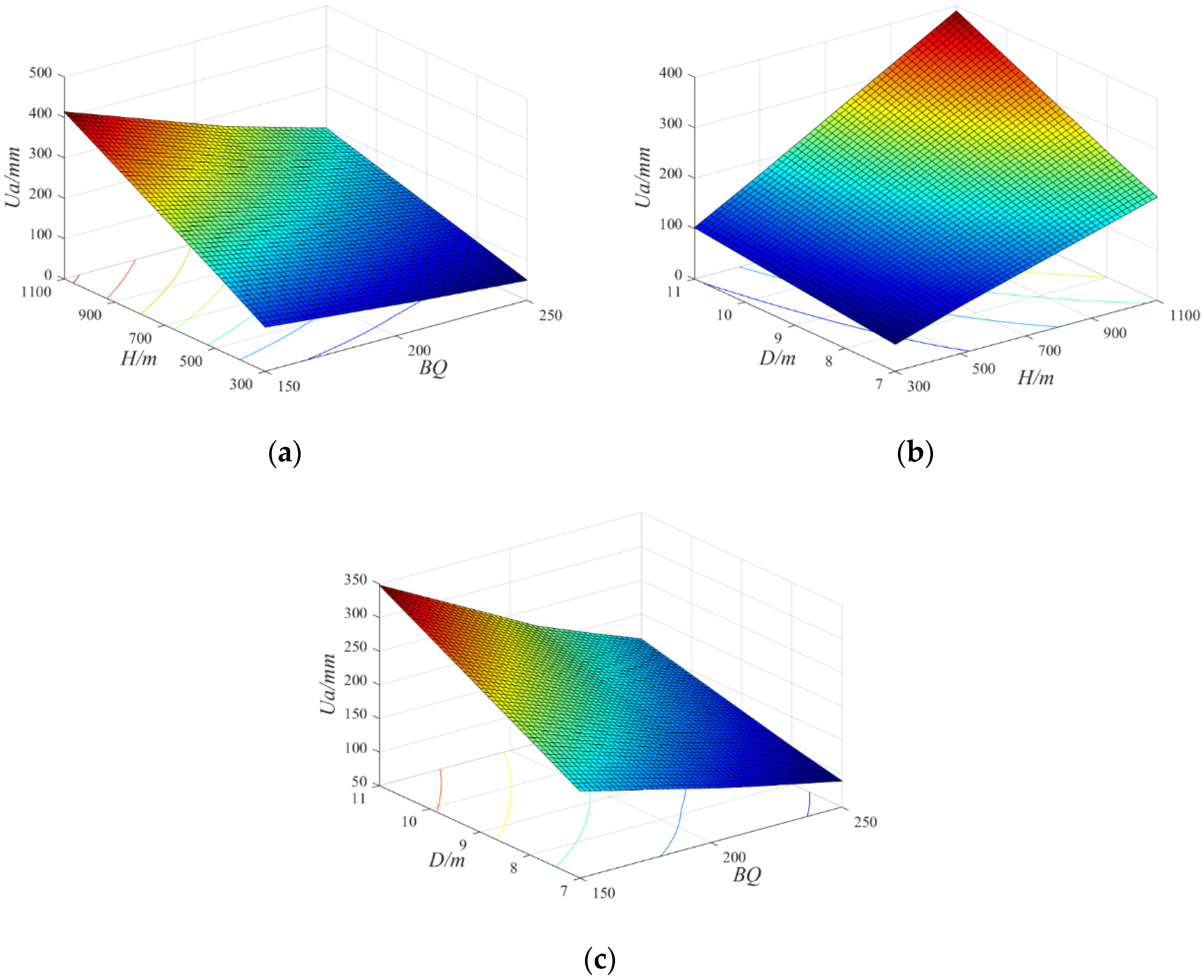
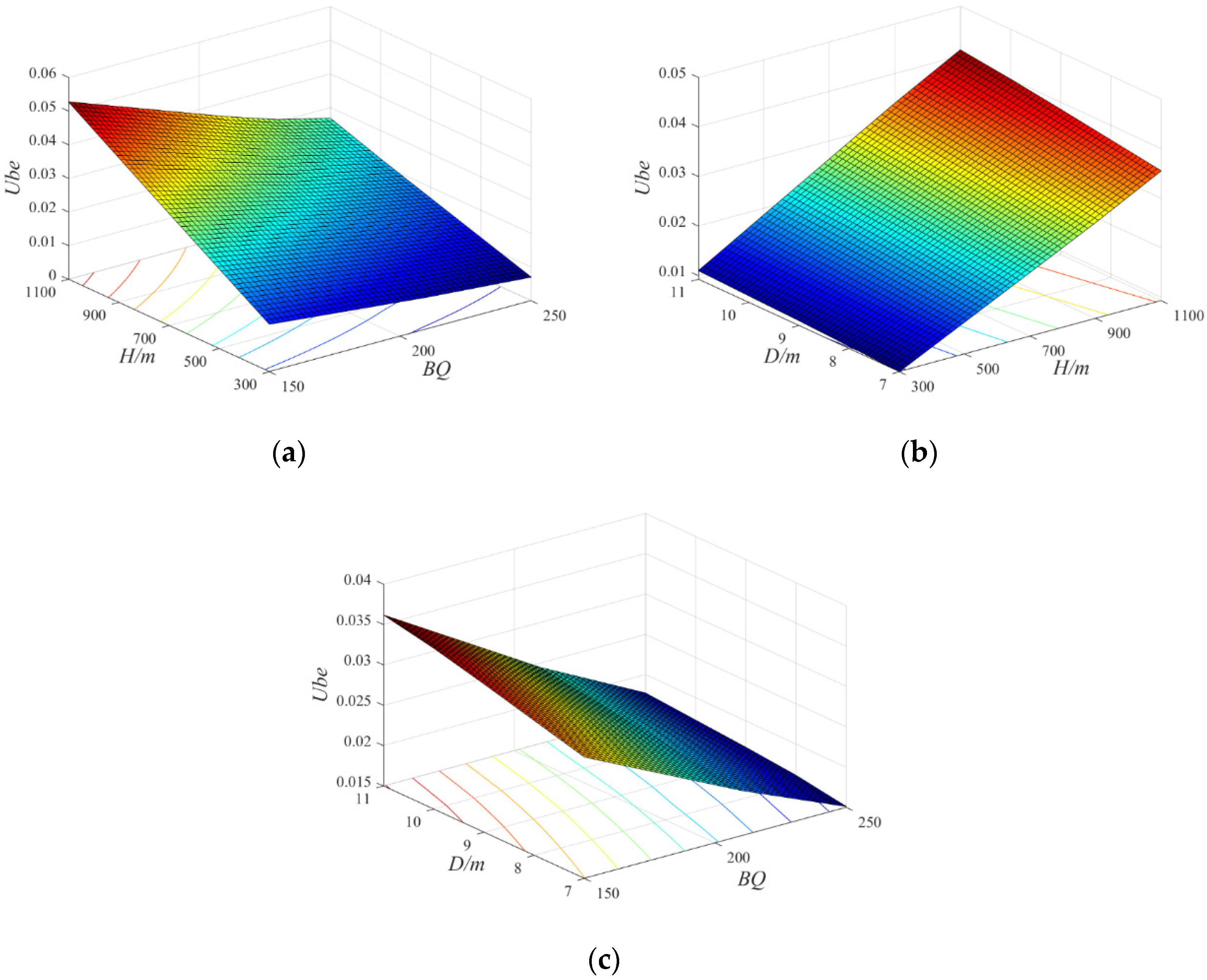
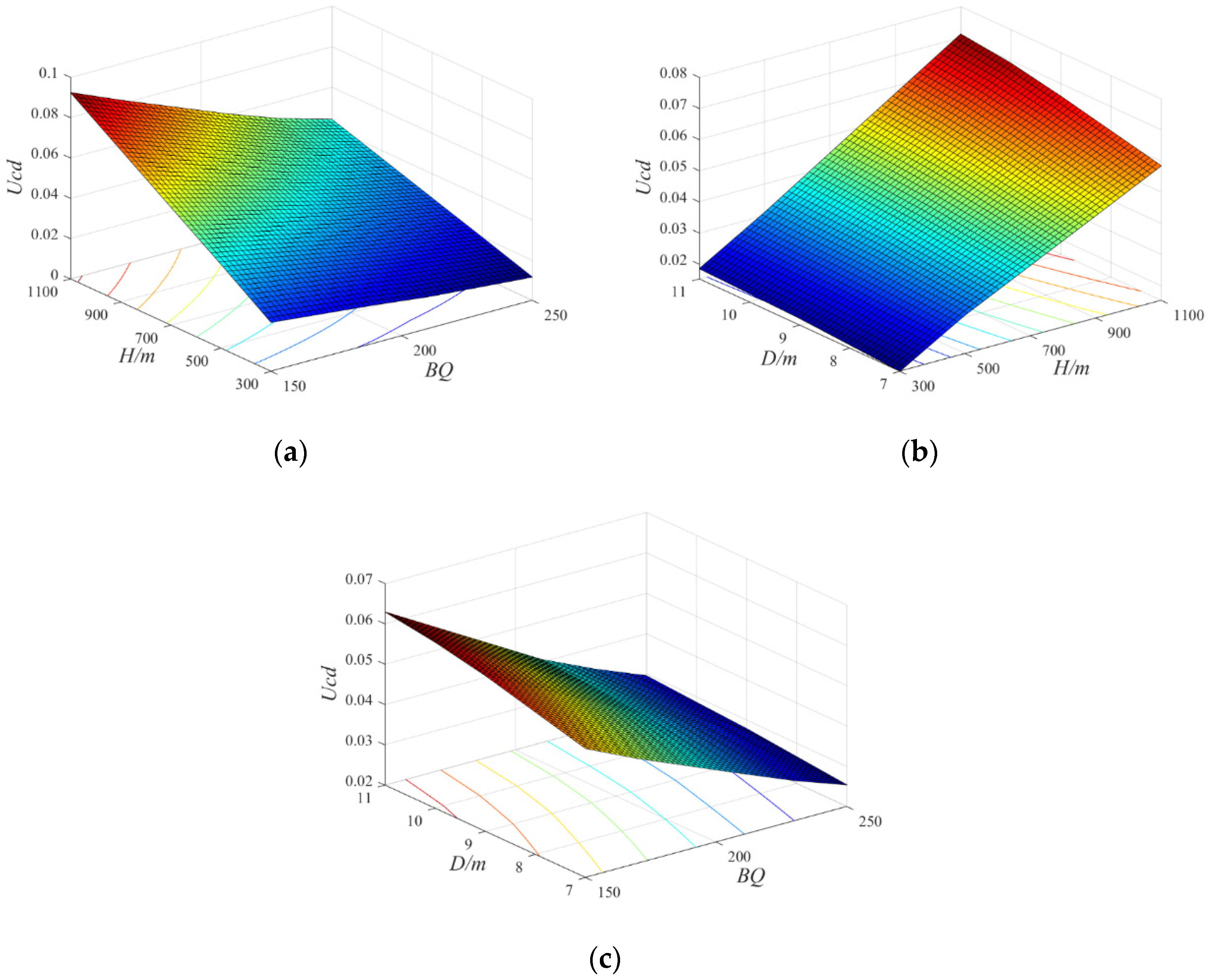
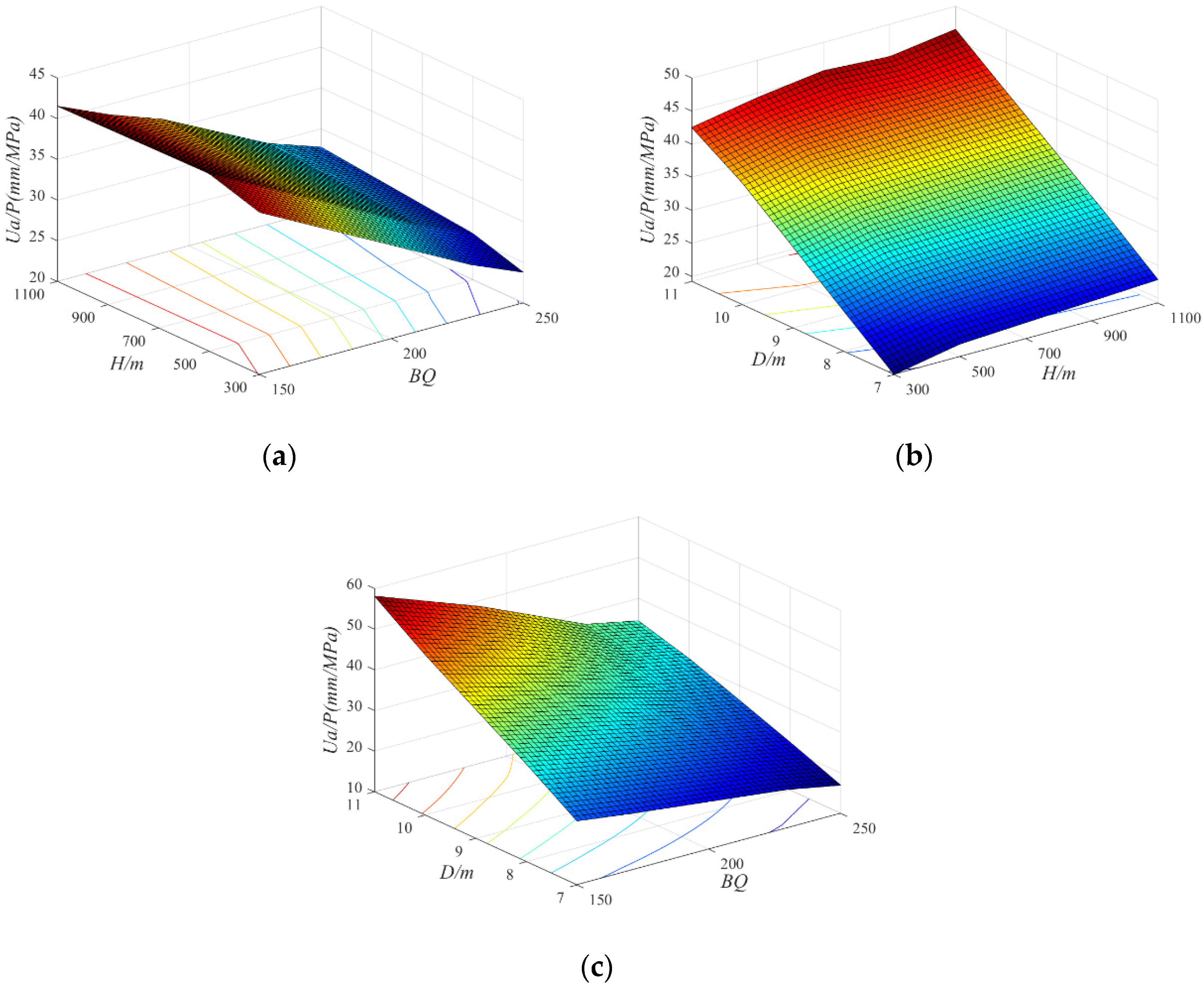
The safety and stability of tunnel construction are paramount concerns in tunnel engineering. Traditionally, the assessment of tunnel stability involves evaluating whether tunnel displacement and deformation velocities exceed acceptable thresholds, using specifications and analogical reasoning. However, standardized cautionary indicators often lack adaptability and can result in unnecessary reinforcement and increase economic costs. This study presents a method for determining limit displacement and deformation velocities based on tunnel deformation limit states. Based on the finite difference method, which considers the quality of surrounding rock mass and tunnel geometric configuration, a parametric analysis of these velocities is presented. The vault settlement, relative spandrel displacement, relative hance displacement, and deformation velocity are investigated to establish the thresholds for displacement and deformation velocities. Furthermore, a sensitivity analysis using a multivariate adaptive spline regression model is performed to measure the parameter effects on the early allowance values. Finally, a response surface method is developed to estimate the indicators in order to provide criteria for assessing and warning about surrounding rock stability. The obtained results show that the proposed limit state analysis method is effective for providing a standardized criterion for tunnel excavation, and the sensitivity analysis indicates tunnel depth as the most influential factor on tunnel reliability.
Keywords: pre-warning index; multivariate adaptive sample regression; mathematical statistics; limit displacement; tunnel stability pre-warning index; multivariate adaptive sample regression; mathematical statistics; limit displacement; tunnel stability