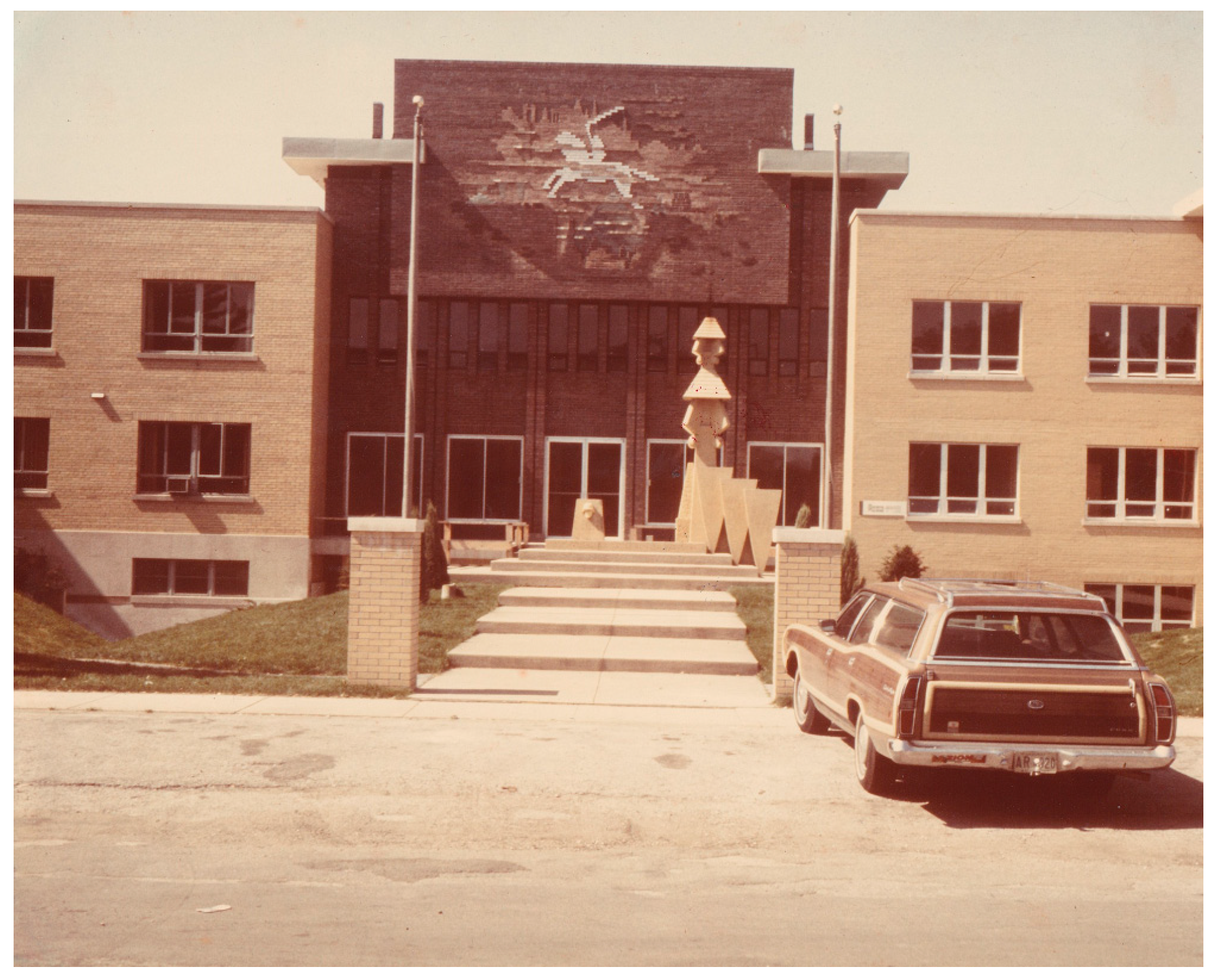
The Architectural Legacy of Lithuanians in the United States during the Post-World War II Era: A Monument to the Cold War


Abstract
Share and Cite
Petrulis, V.; Tranavičiūtė, B.; Laurinaitis, P.T. The Architectural Legacy of Lithuanians in the United States during the Post-World War II Era: A Monument to the Cold War. Buildings 2023, 13, 3138. https://doi.org/10.3390/buildings13123138
Petrulis V, Tranavičiūtė B, Laurinaitis PT. The Architectural Legacy of Lithuanians in the United States during the Post-World War II Era: A Monument to the Cold War. Buildings. 2023; 13(12):3138. https://doi.org/10.3390/buildings13123138
Chicago/Turabian StylePetrulis, Vaidas, Brigita Tranavičiūtė, and Paulius Tautvydas Laurinaitis. 2023. "The Architectural Legacy of Lithuanians in the United States during the Post-World War II Era: A Monument to the Cold War" Buildings 13, no. 12: 3138. https://doi.org/10.3390/buildings13123138
APA StylePetrulis, V., Tranavičiūtė, B., & Laurinaitis, P. T. (2023). The Architectural Legacy of Lithuanians in the United States during the Post-World War II Era: A Monument to the Cold War. Buildings, 13(12), 3138. https://doi.org/10.3390/buildings13123138