Article

The Potential of Using Passive Cooling Roof Techniques to Improve Thermal Performance and Energy Efficiency of Residential Buildings in Hot Arid Regions


1
Laboratory of Design and Modeling of Architectural Ambiances and Urban Forms (LACOMOFA), Department of Architecture, Mohamed Khider University of Biskra, BP 145 RP, Biskra 07000, Algeria
2
Department of Urban Studies, Malmo University, 21119 Malmö, Sweden
3
Department of Buildings & Urban Environment, JUNIA HEI 13, Rue de Toul, 59000 Lille, France
*
Authors to whom correspondence should be addressed.
Buildings 2023, 13(1), 21; https://doi.org/10.3390/buildings13010021

Submission received: 15 November 2022 / Revised: 28 November 2022 / Accepted: 20 December 2022 / Published: 22 December 2022
(This article belongs to the Special Issue Computational Fluid Dynamics Modeling for Smart Buildings Design)

Abstract

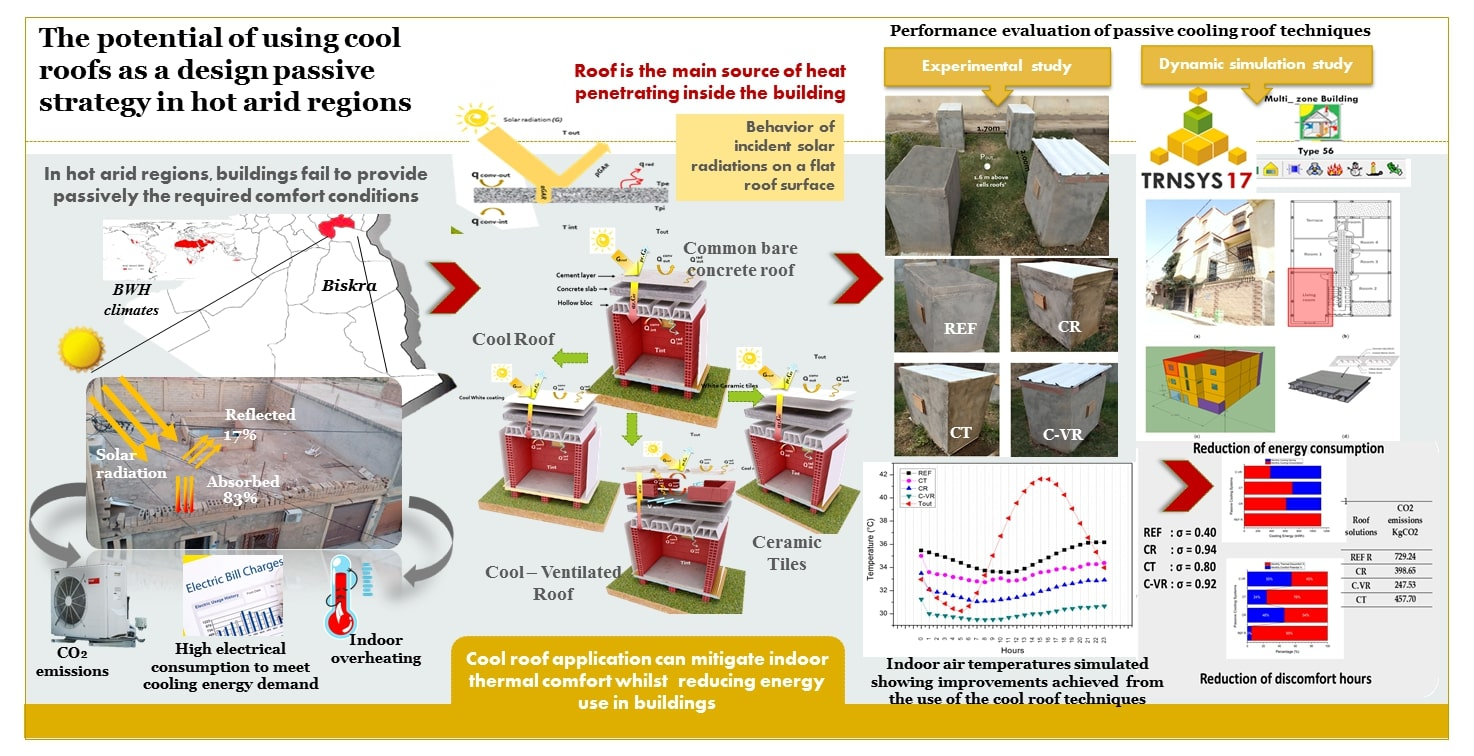
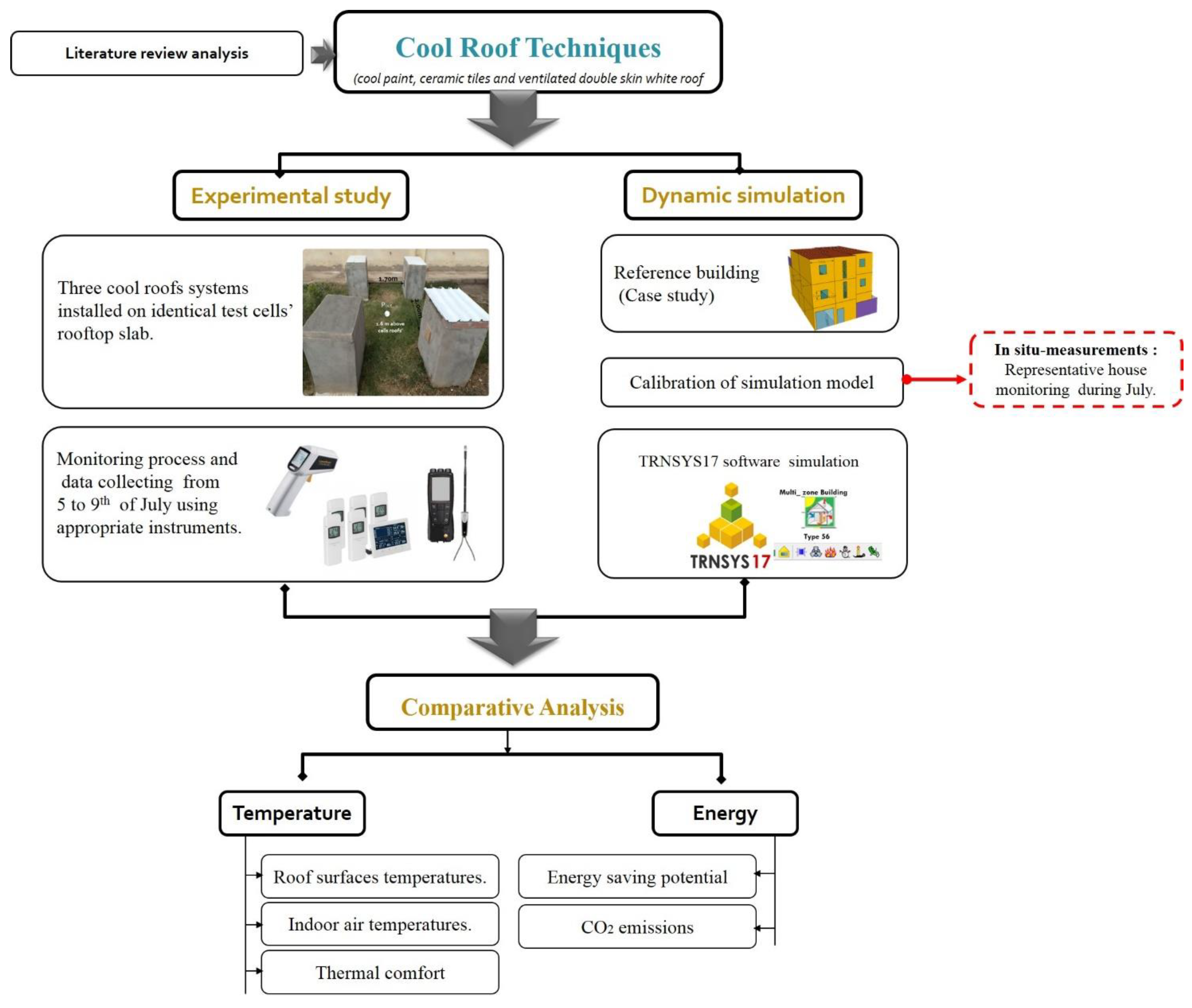
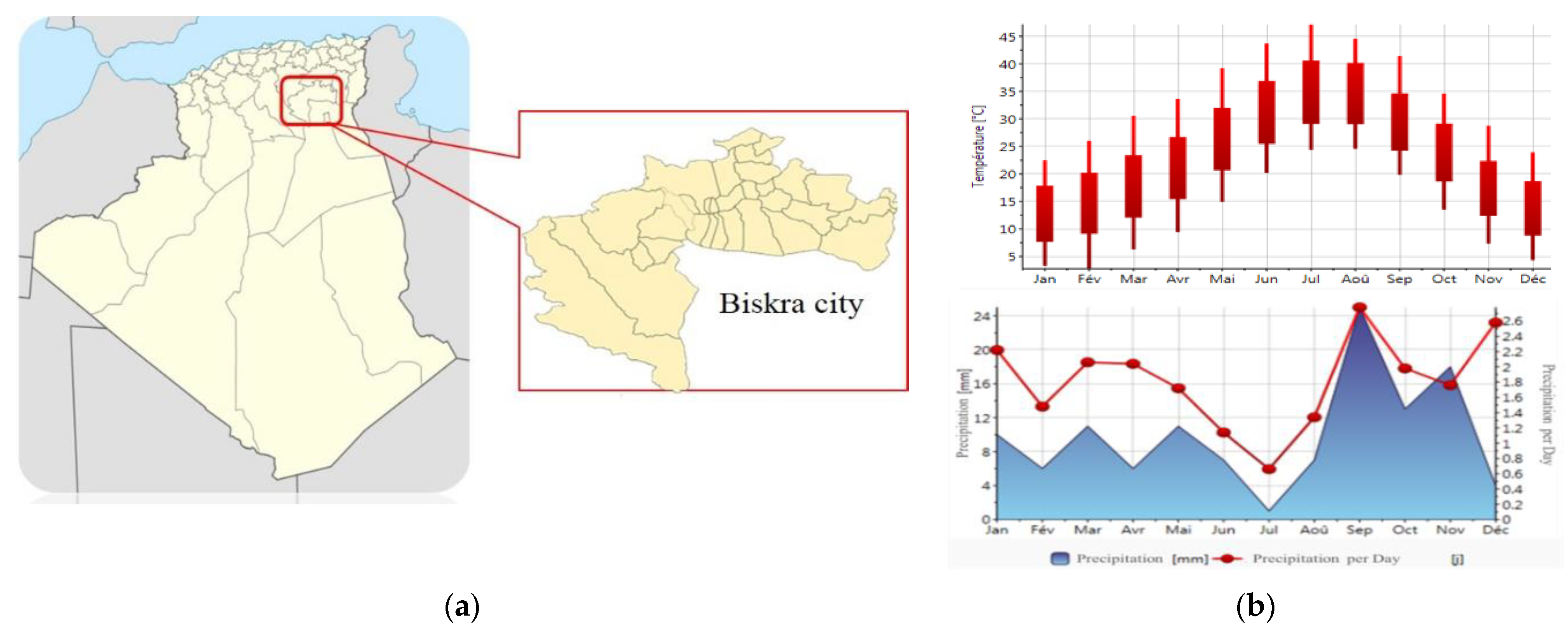
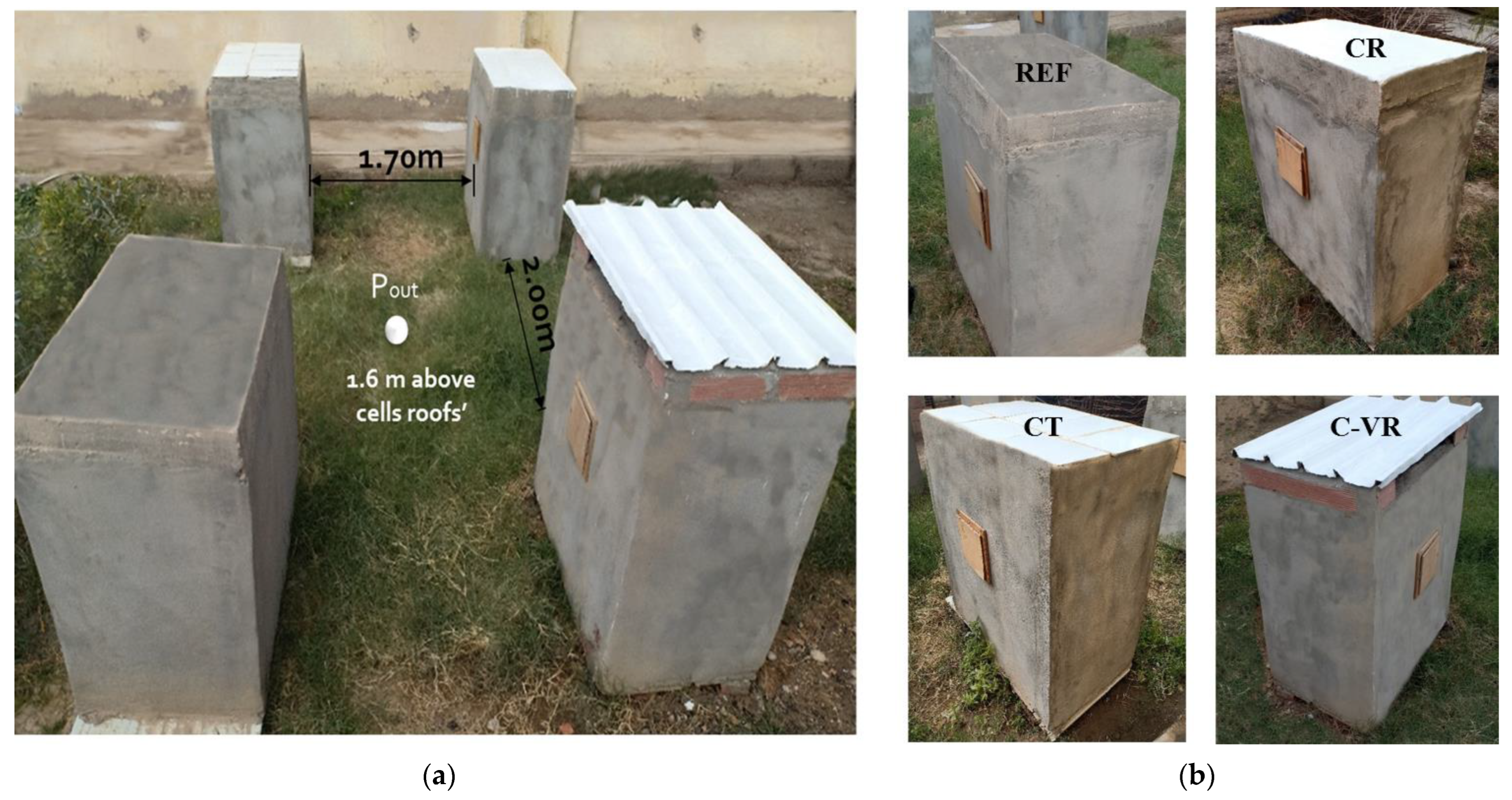
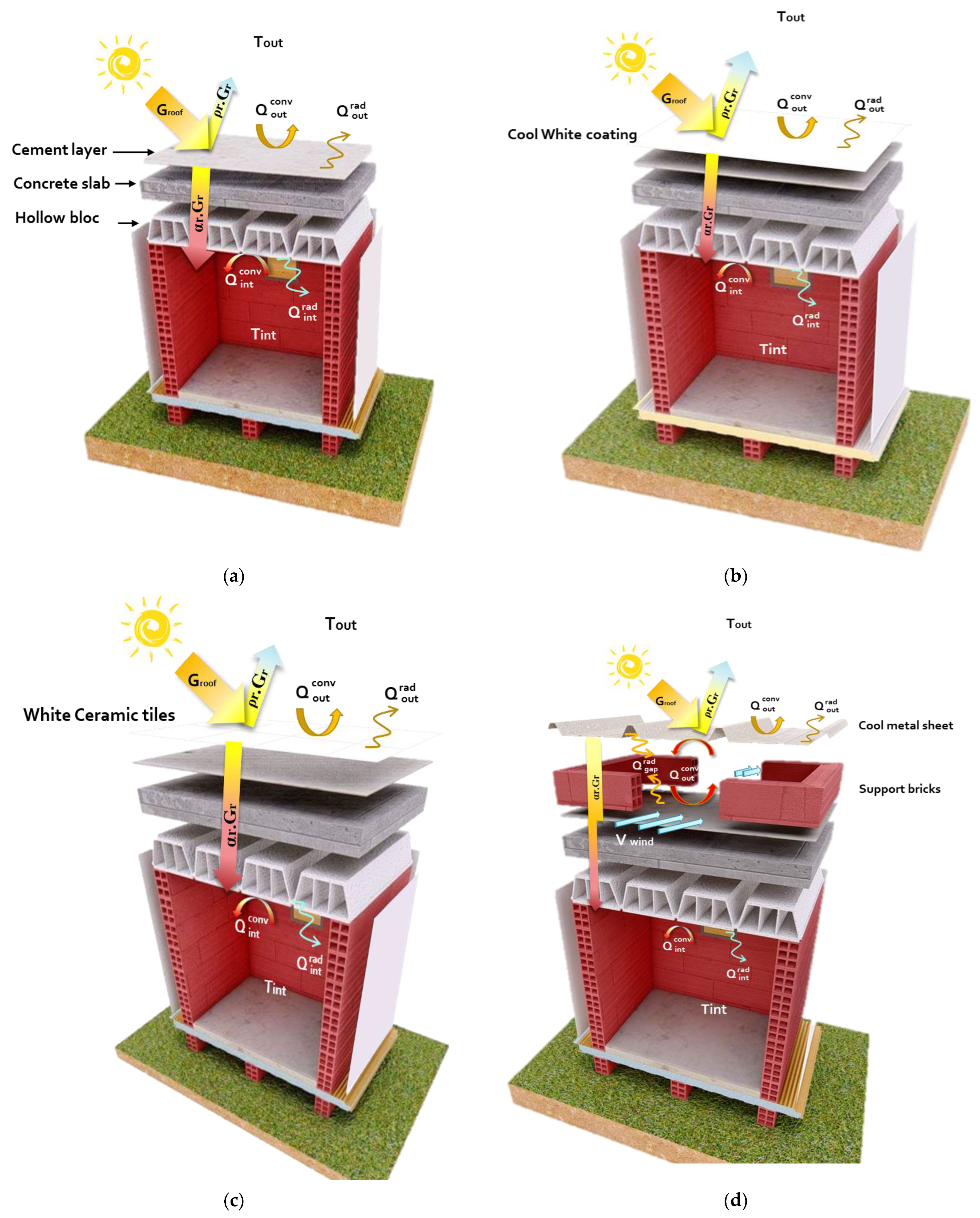
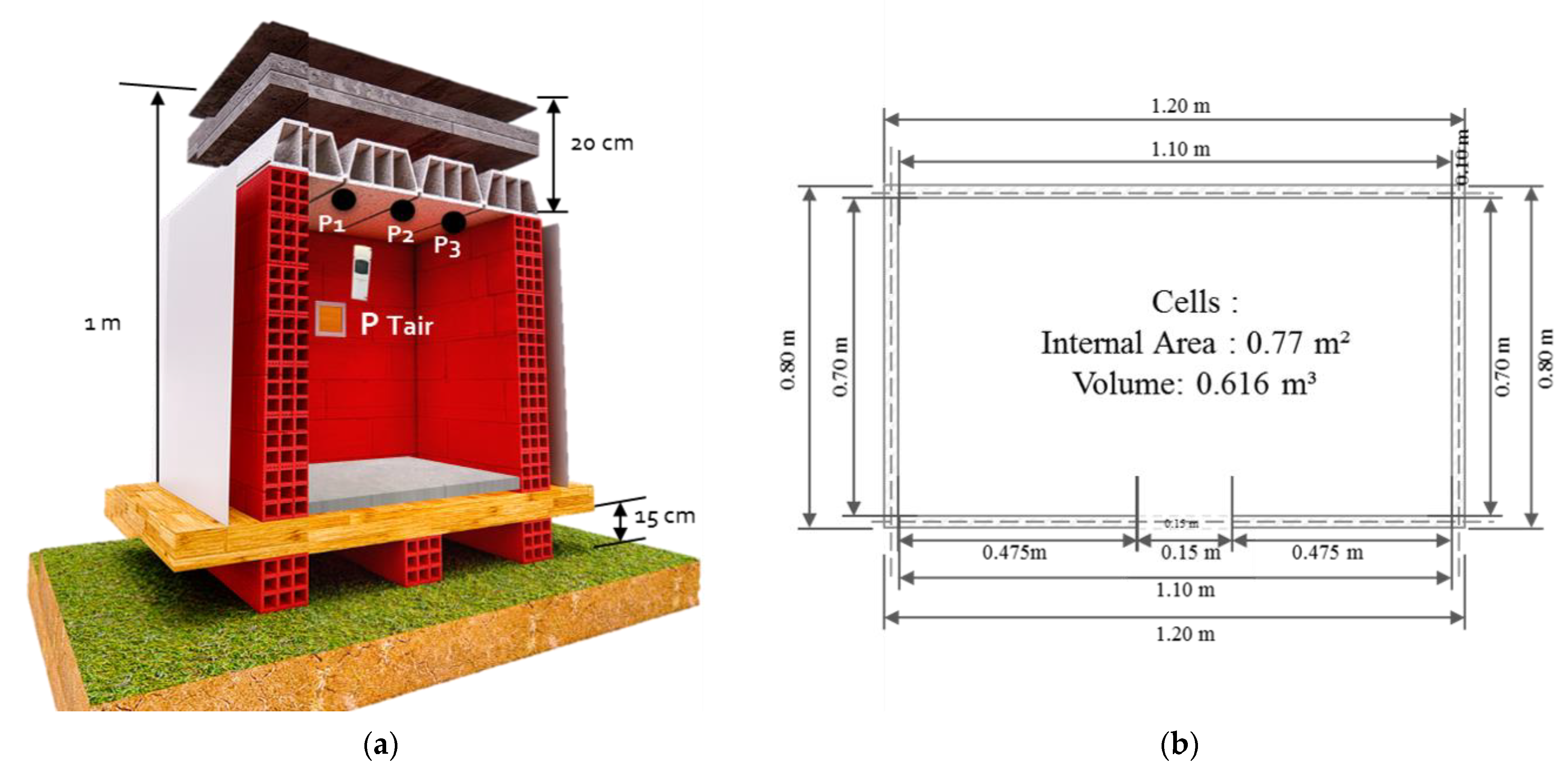
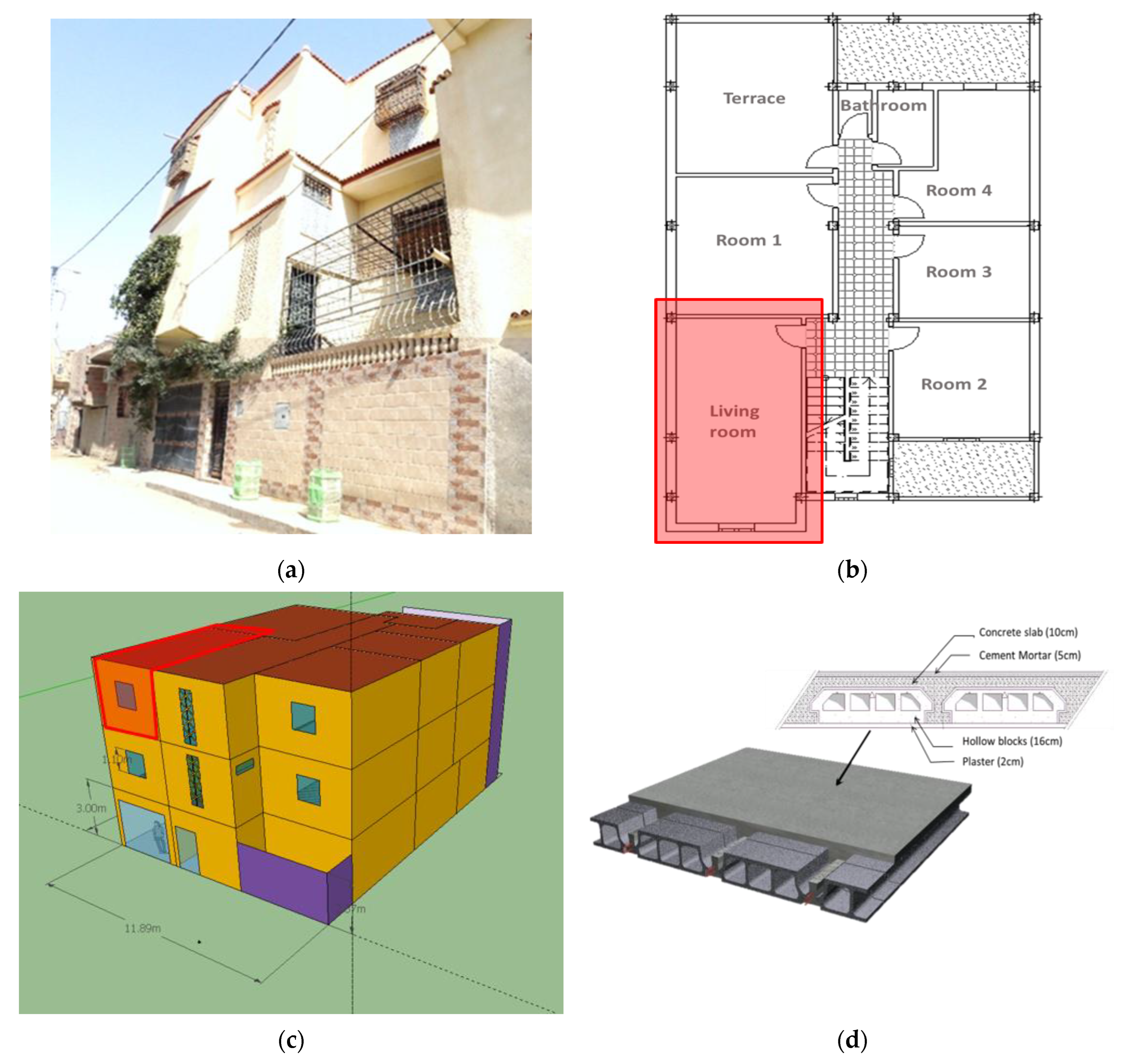
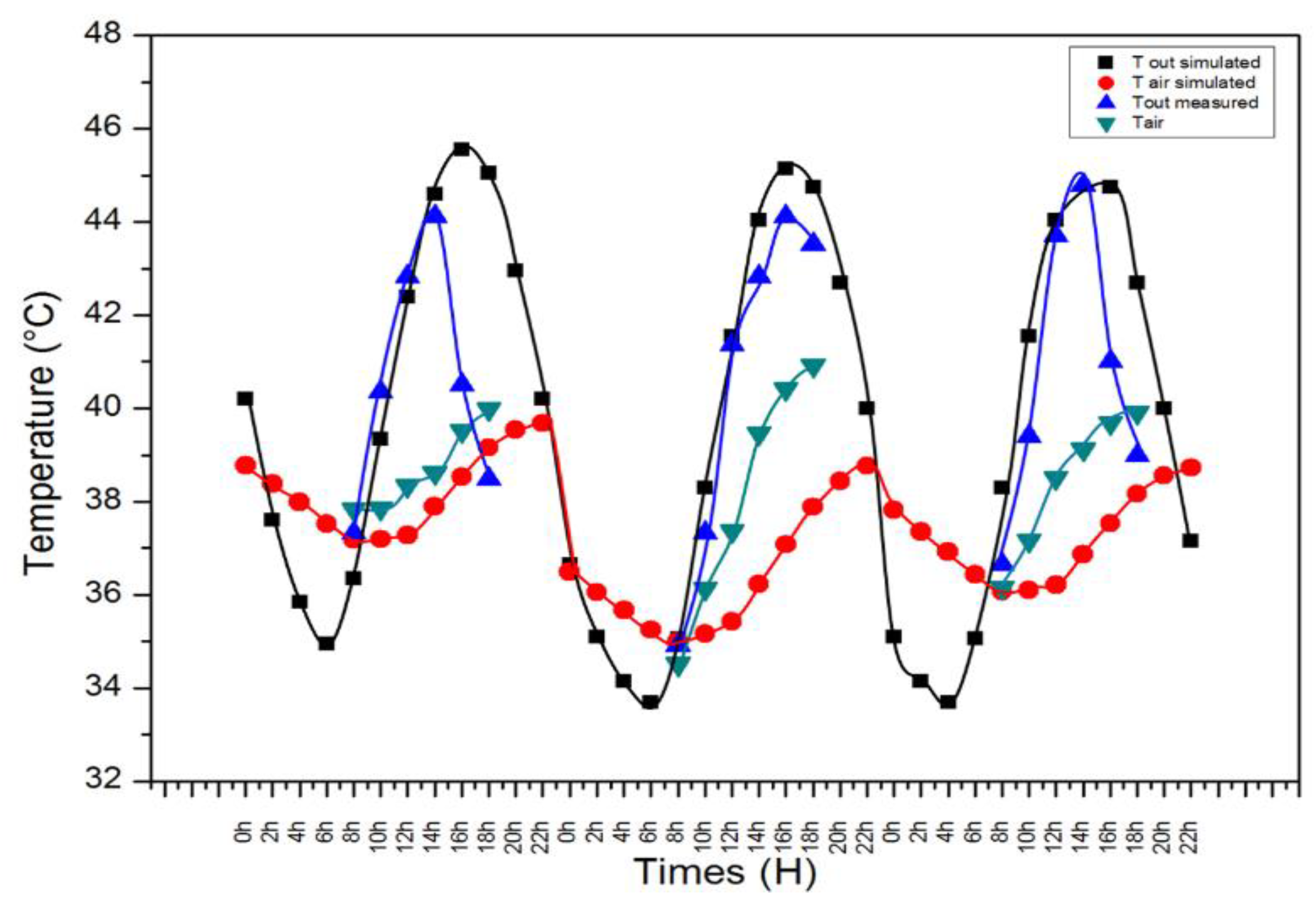
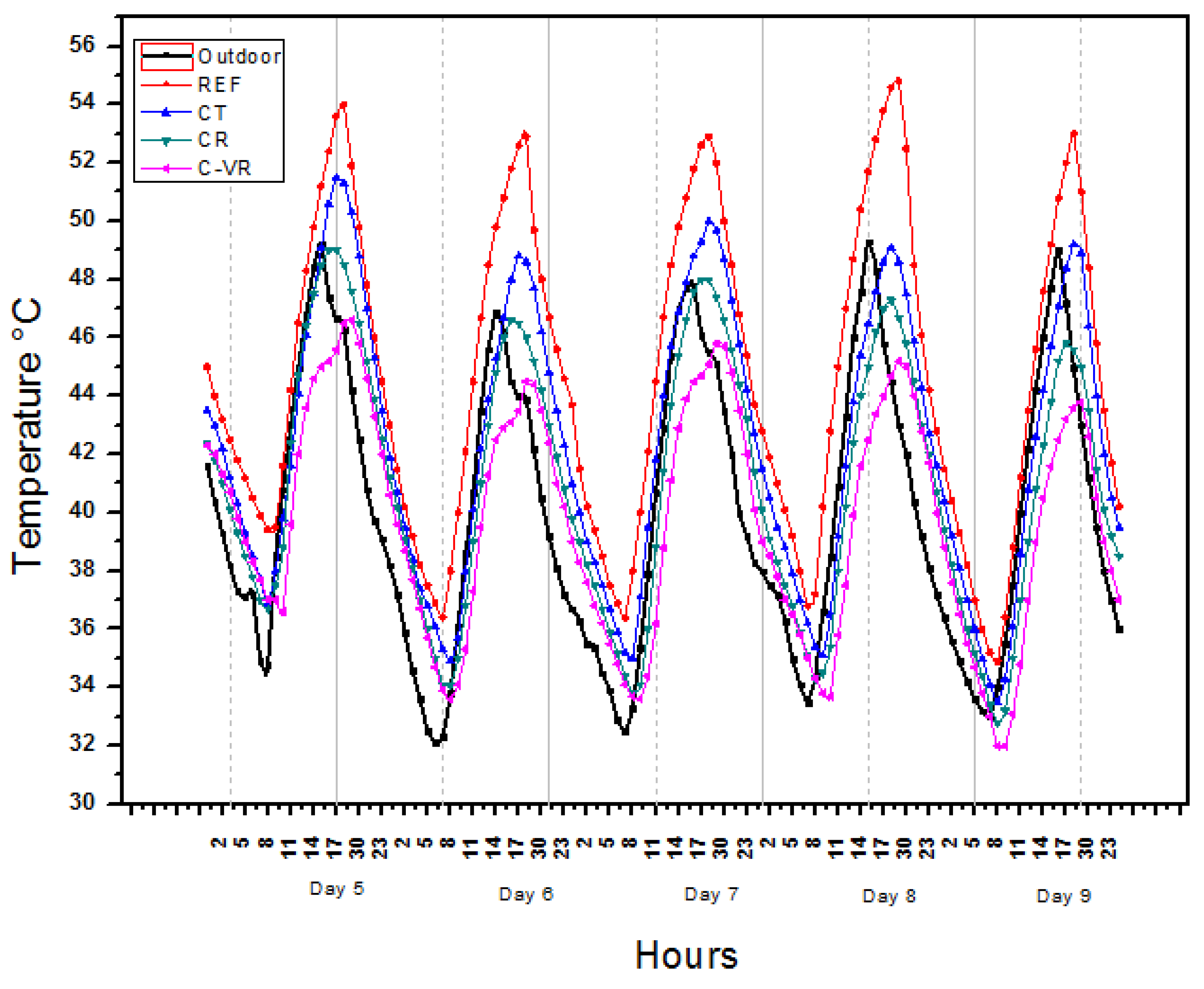
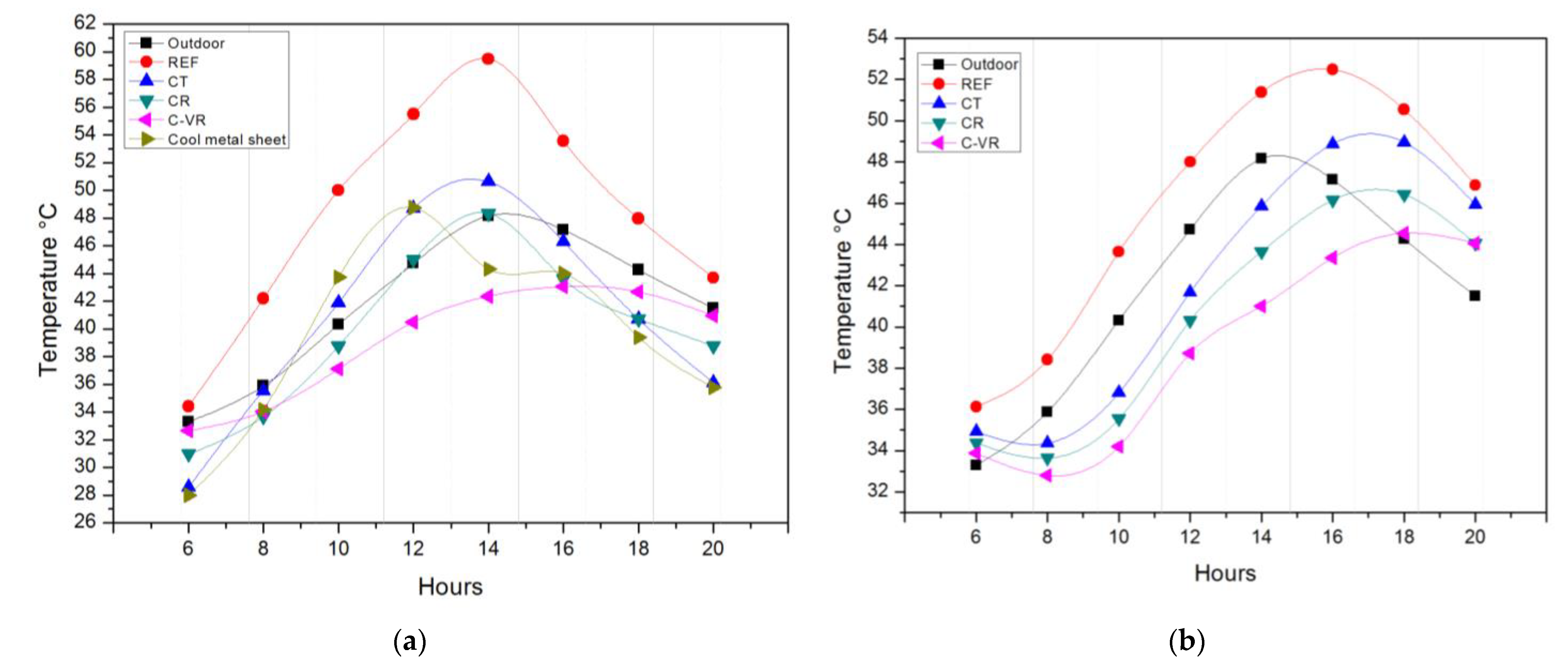
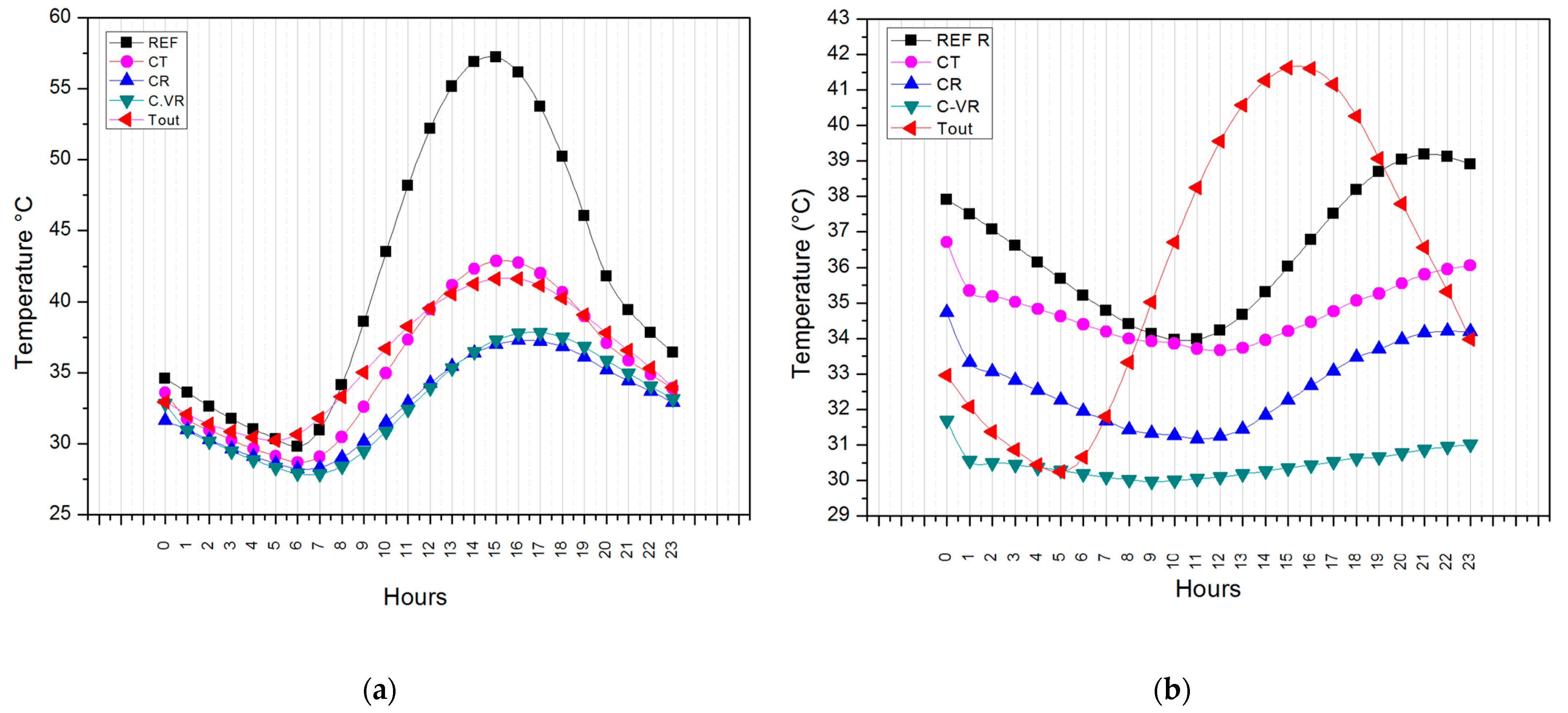
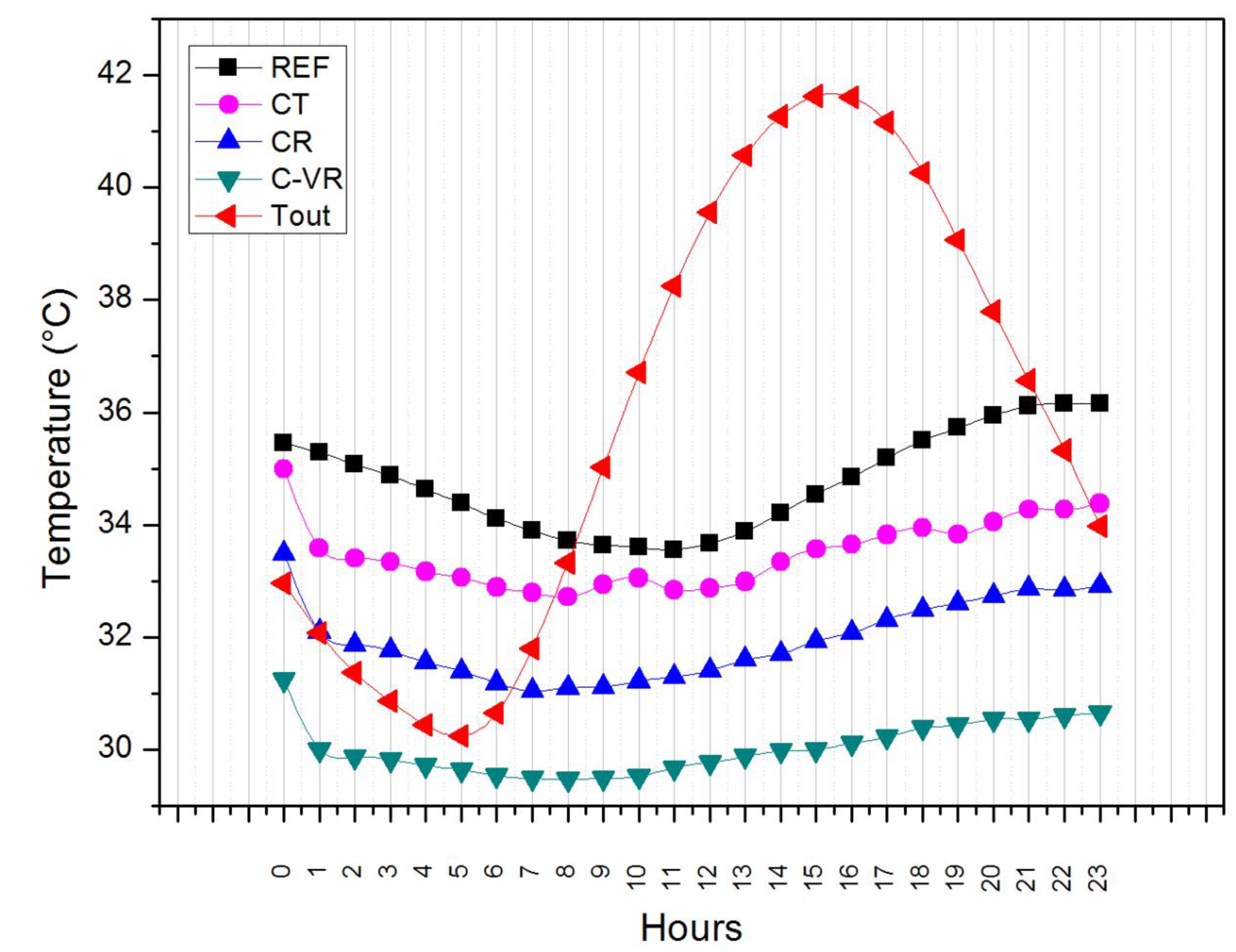
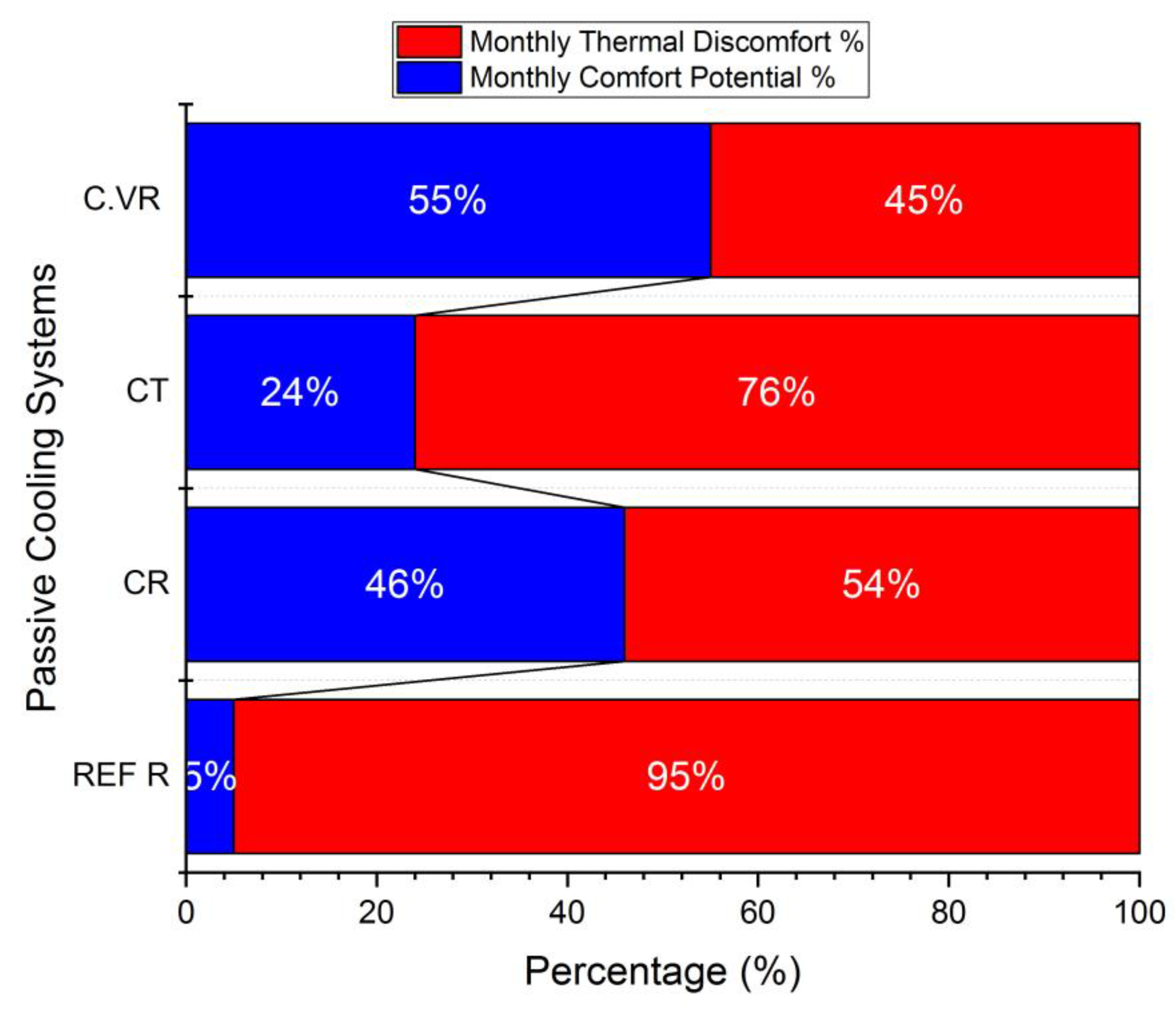
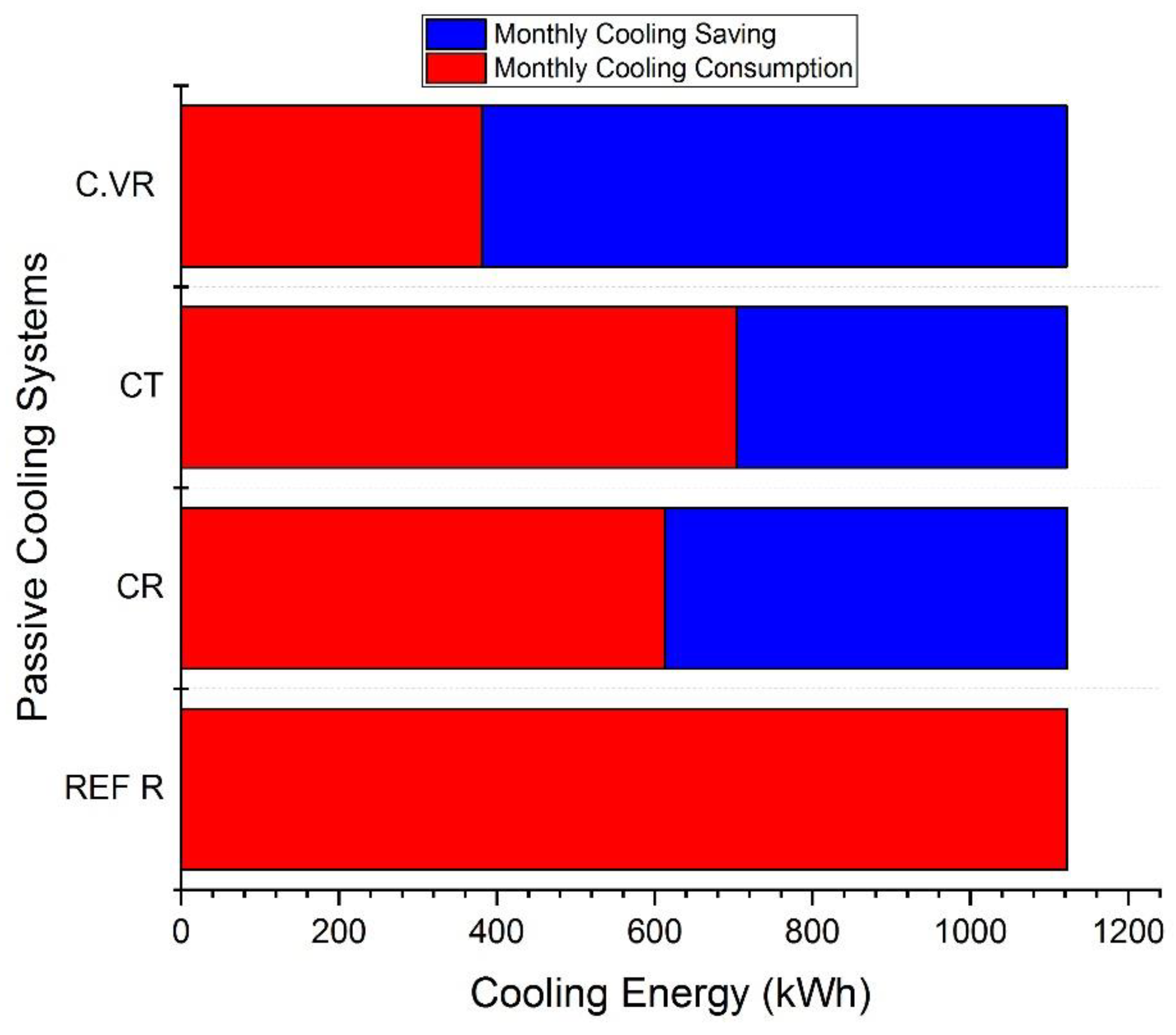
In hot dry regions, the building envelope receives abundant solar radiation, which contributes to heat stress and indoor thermal discomfort. To mitigate overheating inside spaces, cooling is the main basic requirement during most of the year. However, due to the harsh climatic conditions, buildings fail to provide passively the required comfort conditions. Consequently, they are fully dependent on-air conditioning systems, which are huge energy consumers. As roofs are exposed to the sun throughout the daytime, they are estimated to be the main source of heat stress. In return, they can contribute significantly to achieve optimum comfort and energy savings when efficient design strategies are used in an early design stage. To examine the potential for cooling load reduction and thermal comfort enhancement by using cooling roof techniques in residential buildings, a study was performed in the city of Biskra (southern Algeria). Accordingly, an in-field measurement campaign was carried out on test-cells during five days in summer. Three different cooling roof techniques were addressed: (a) cool reflective white paint (CR), (b) white ceramic tiles (CT) and (c) a cool-ventilated roof (C-VR). These roofing alternatives were investigated by monitoring both roof surface temperatures and indoor temperatures. Comparative analysis showed that a cool-ventilated roof is the most efficient solution, reducing the average indoor temperature by 4.95 °C. A dynamic simulation study was also performed based on TRNSYS software to determine the best roofing system alternatives in terms of thermal comfort and energy consumption, considering the hottest month of the year. Simulation tests were run on a base-case model representing the common individual residential buildings in Biskra. Results showed that a double-skin roof combined with cool-reflective paint is the most efficient roofing solution. By comparison to a conventional flat roof, meaningful improvements have been achieved, including reducing thermal discomfort hours by 45.29% and lowering cooling loads from 1121.91 kWh to 741.09 kWh.
Keywords: cooling roof techniques; thermal comfort; energy efficiency; test cells; dynamic simulation; residential buildings; hot arid climate cooling roof techniques; thermal comfort; energy efficiency; test cells; dynamic simulation; residential buildings; hot arid climate
Graphical Abstract