Article

Transit-Oriented Development in New Towns: Identifying Its Association with Urban Function in Shanghai, China


1
College of Architecture and Urban Planning, Tongji University, Shanghai 200092, China
2
Key Laboratory of Ecology and Energy-Saving Study of Dense Habitat, Tongji University, Shanghai 200092, China
*
Author to whom correspondence should be addressed.
Buildings 2022, 12(9), 1394; https://doi.org/10.3390/buildings12091394

Submission received: 26 July 2022 / Revised: 27 August 2022 / Accepted: 1 September 2022 / Published: 6 September 2022

Abstract

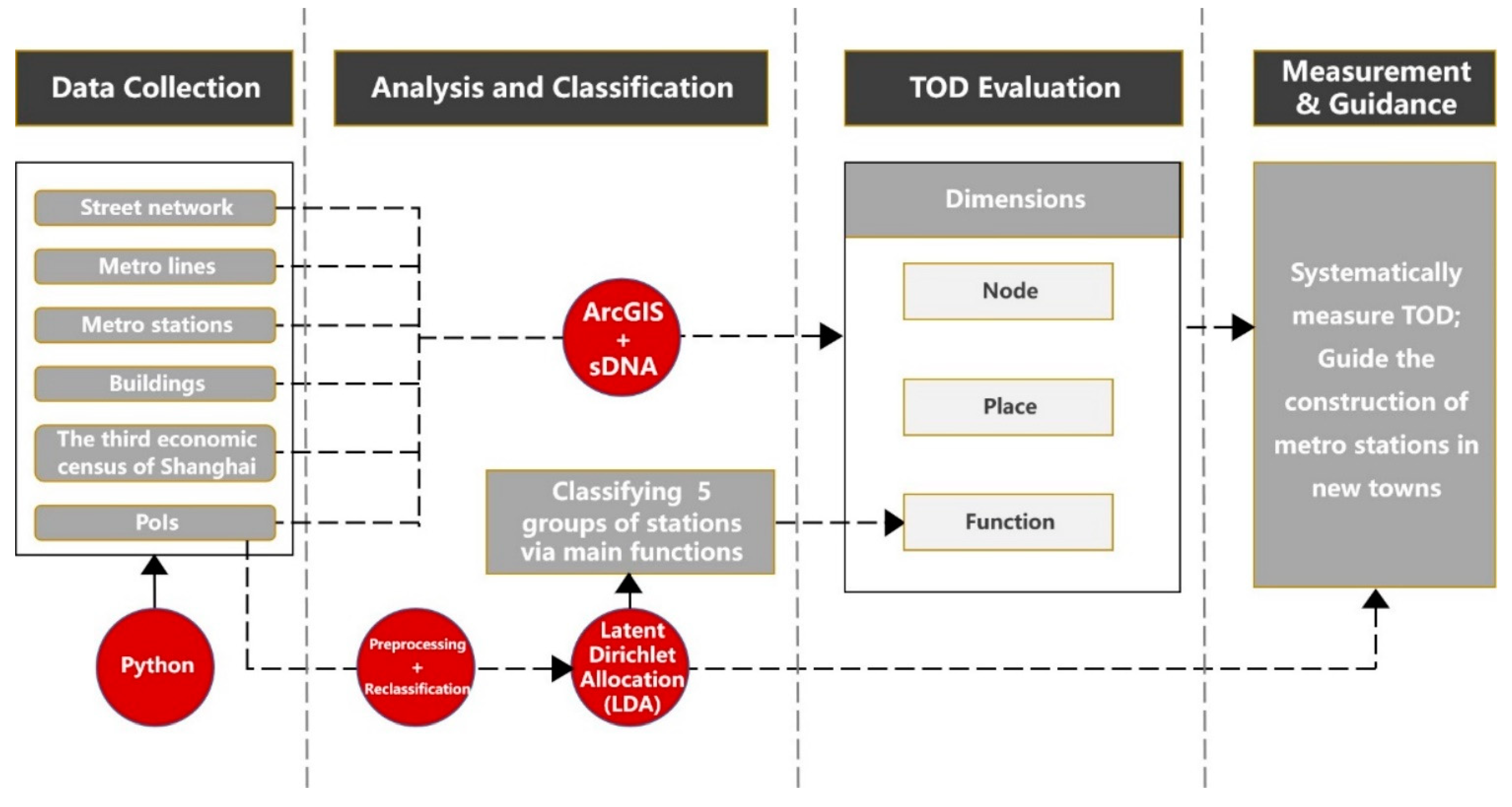
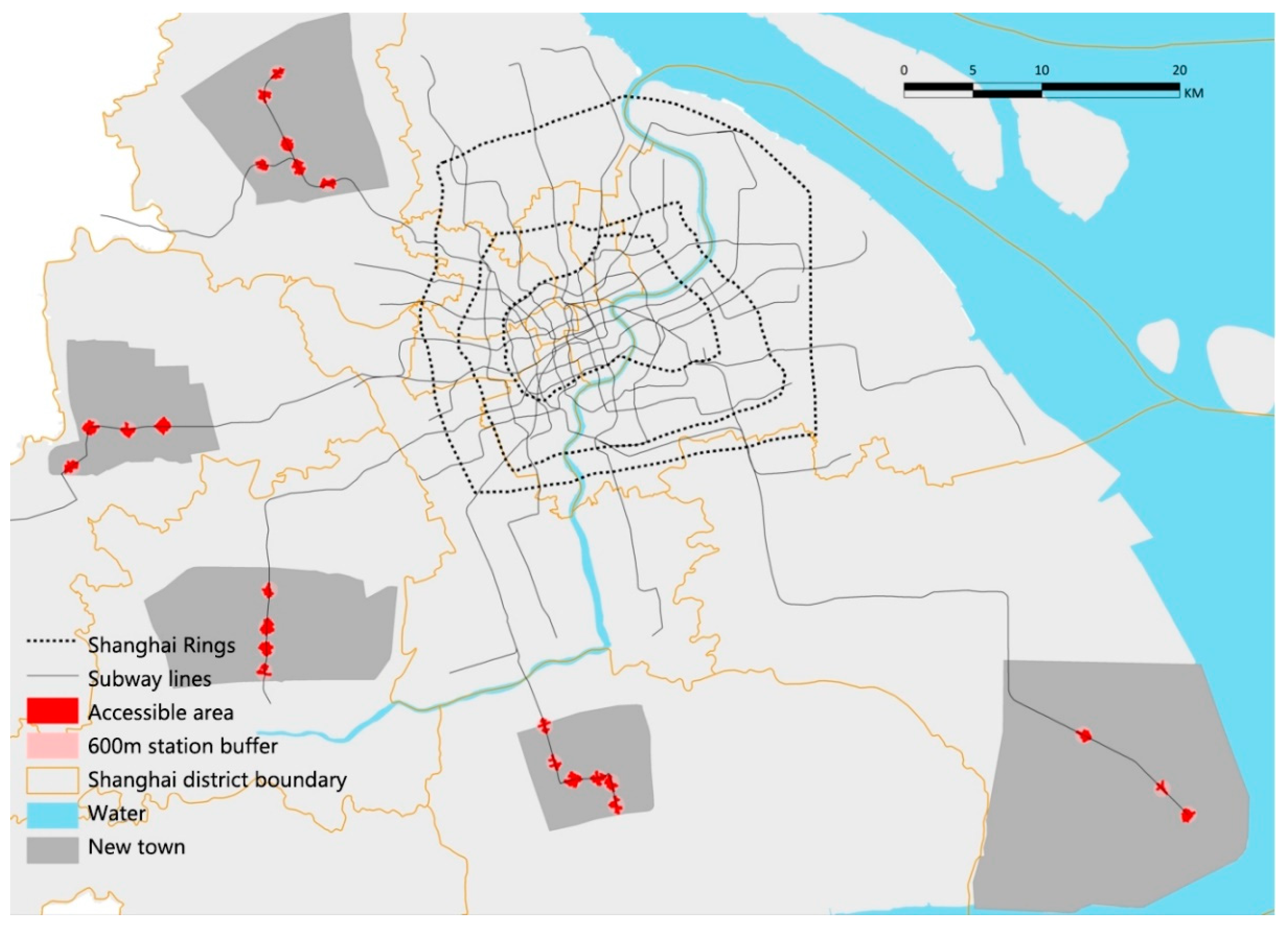
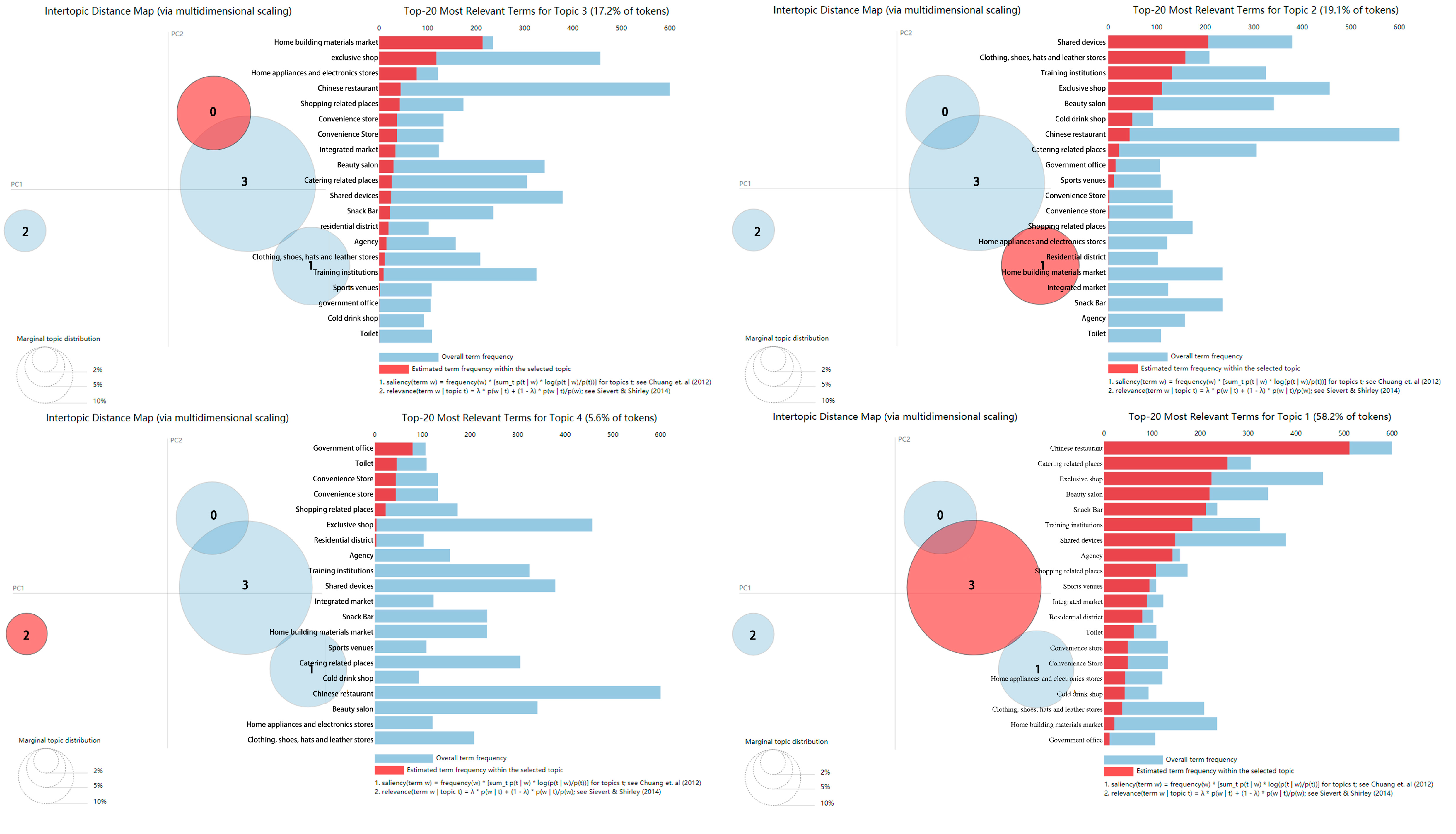
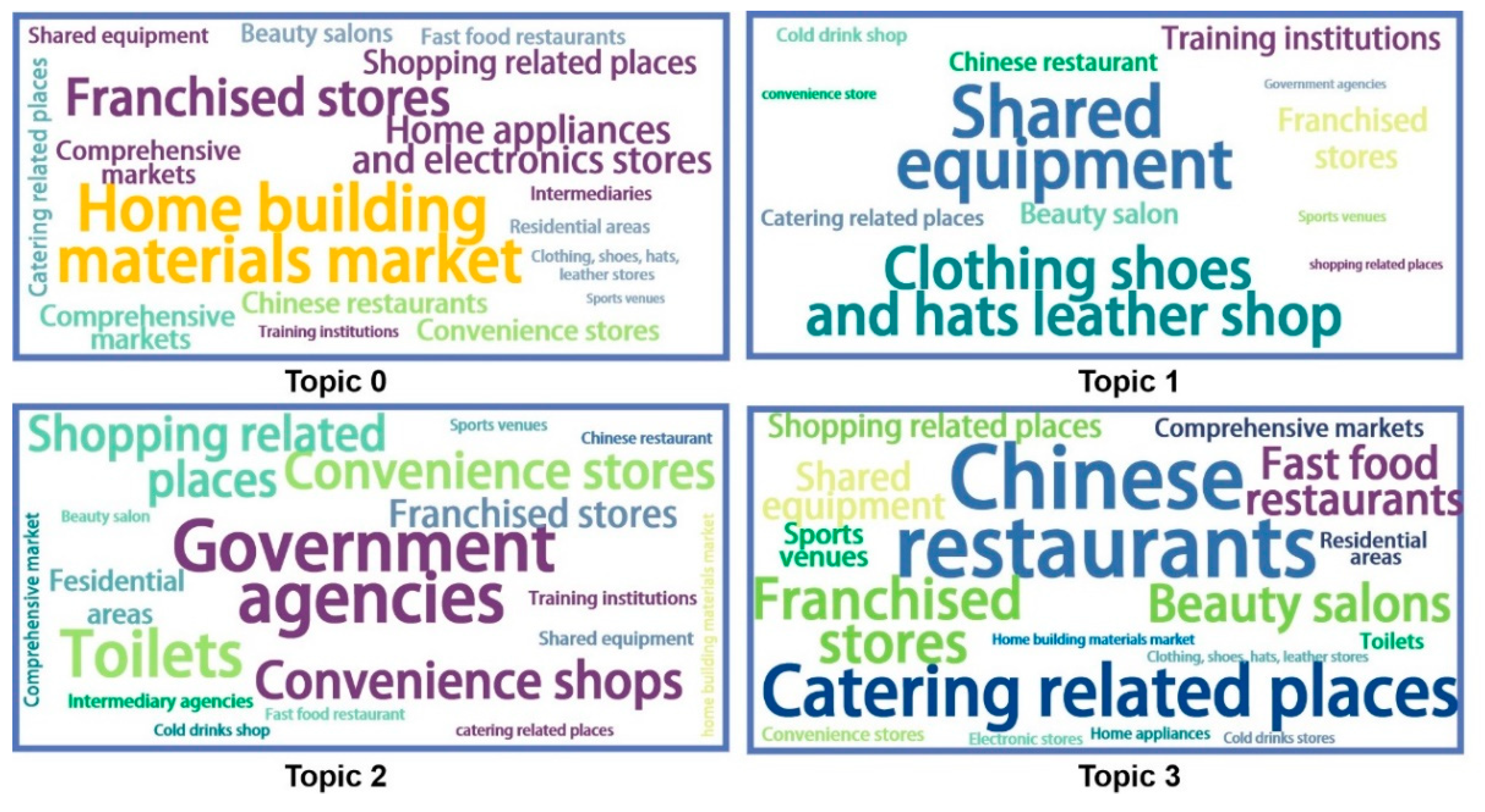
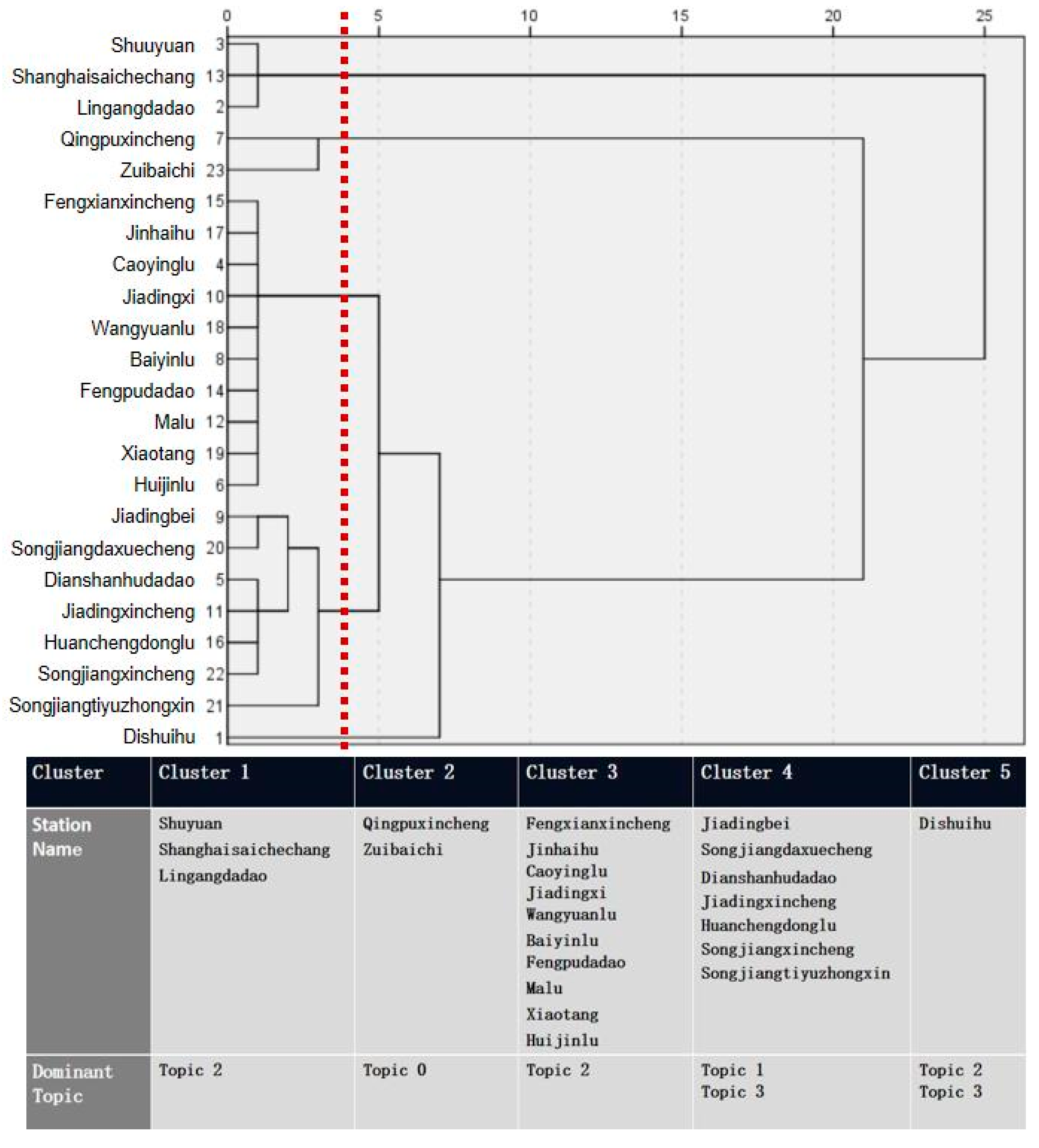
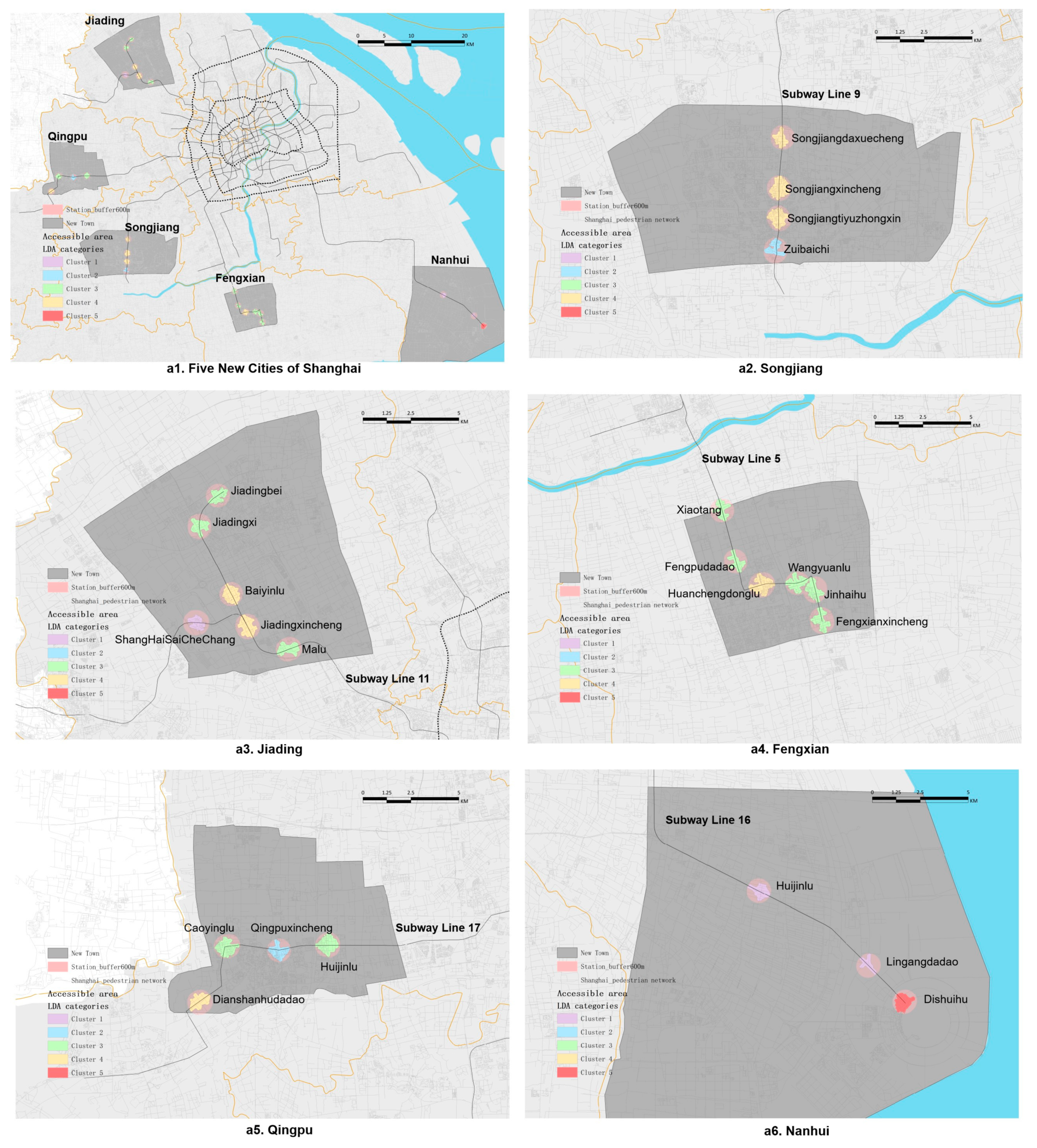
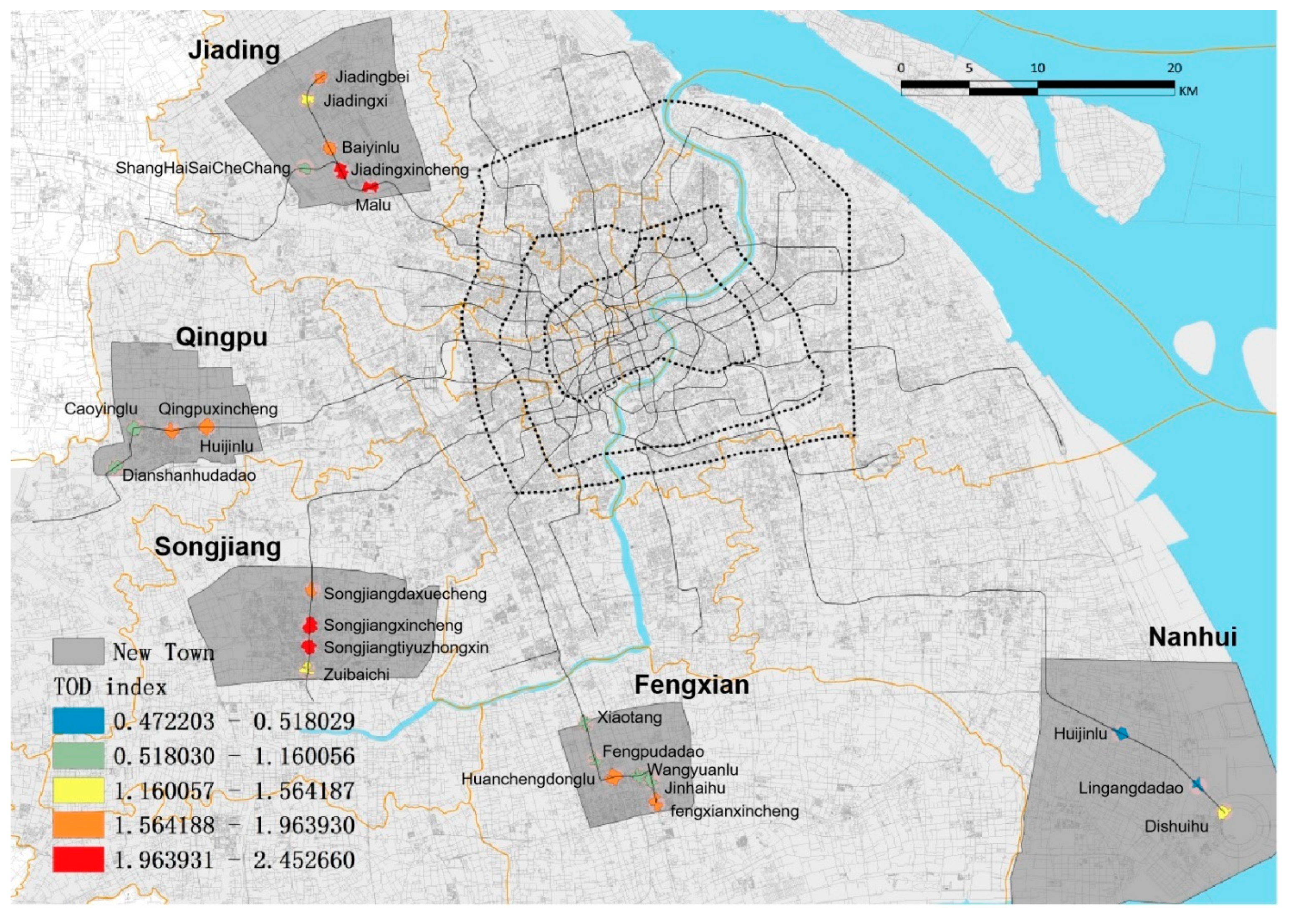
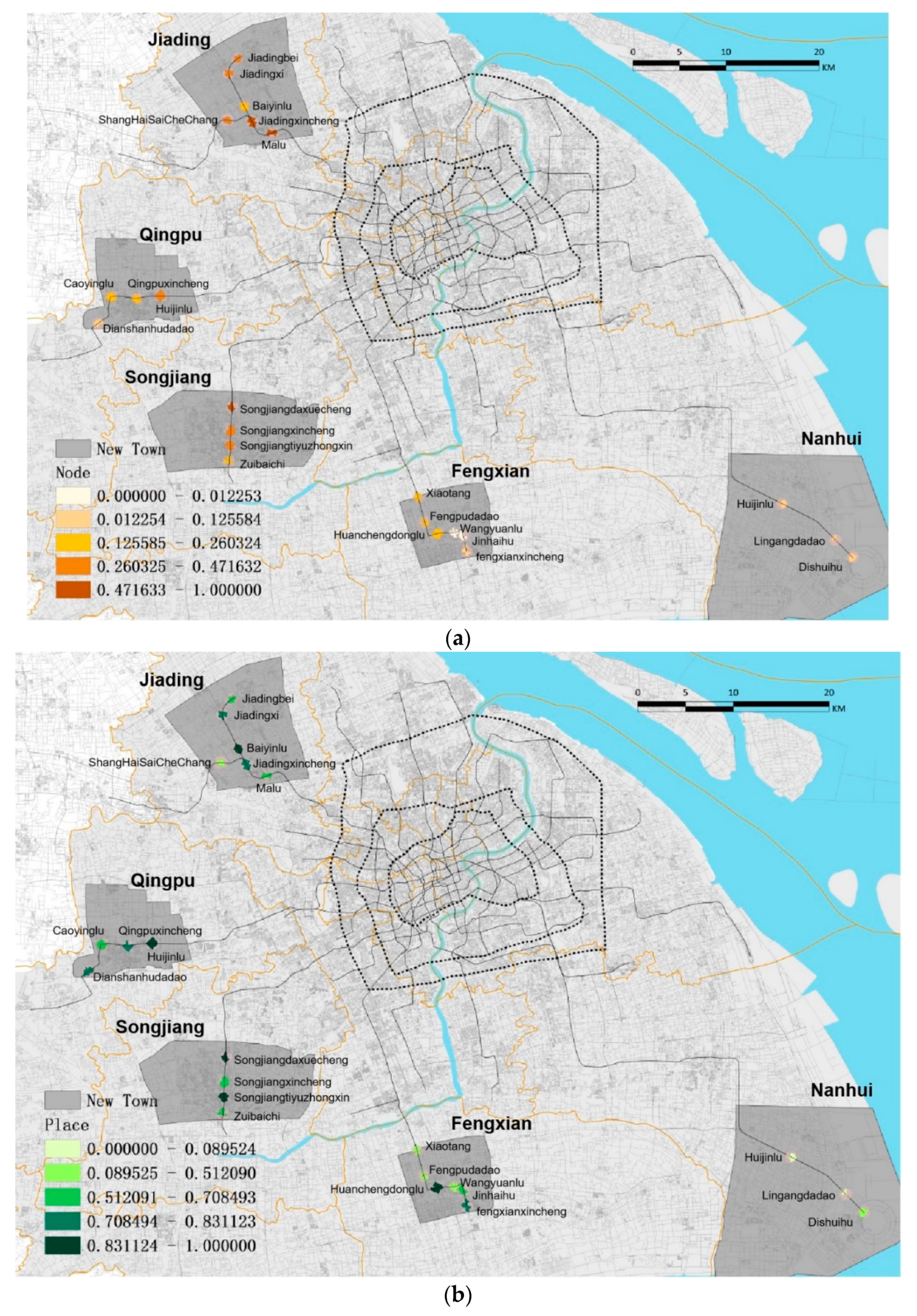
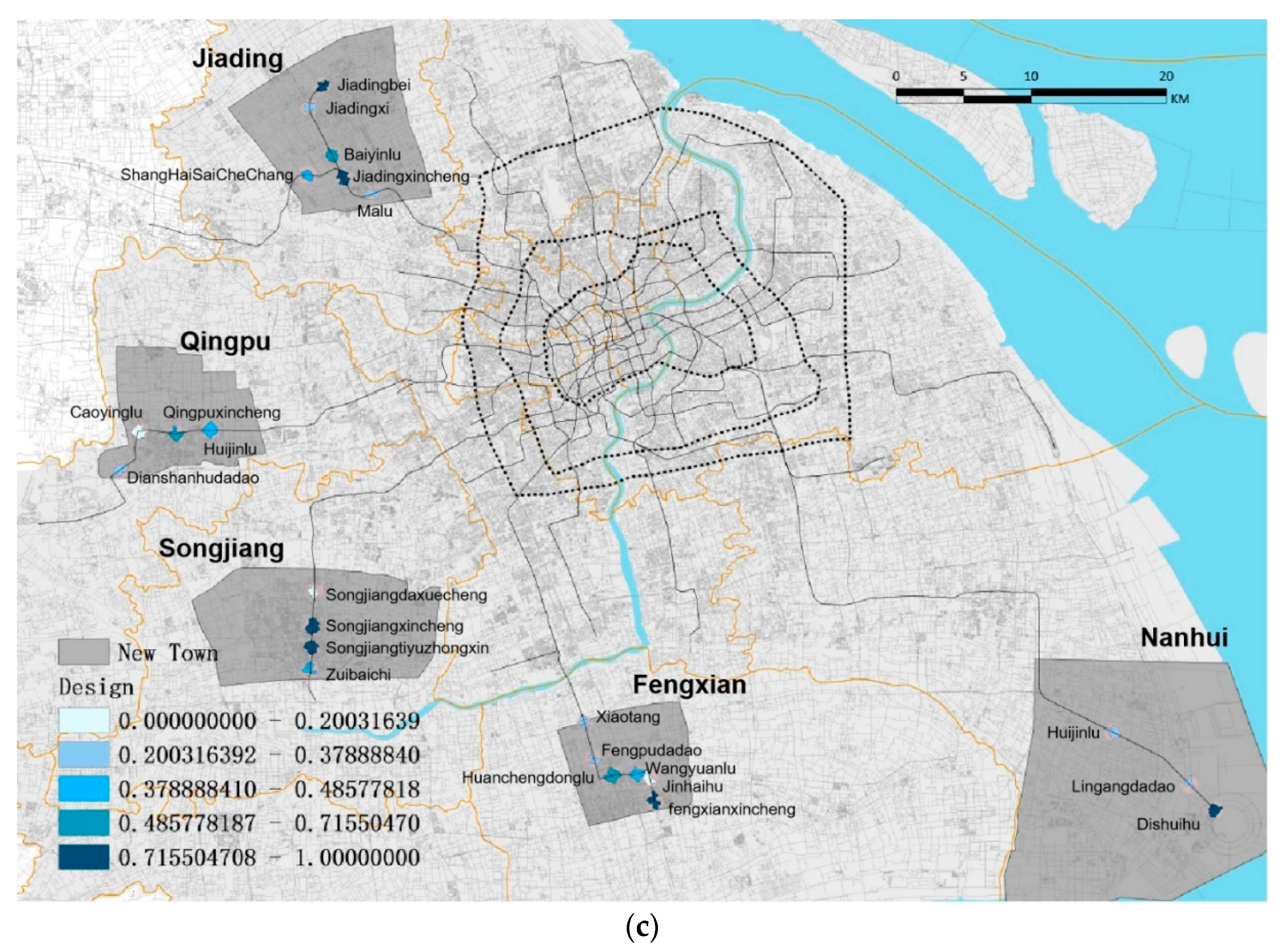
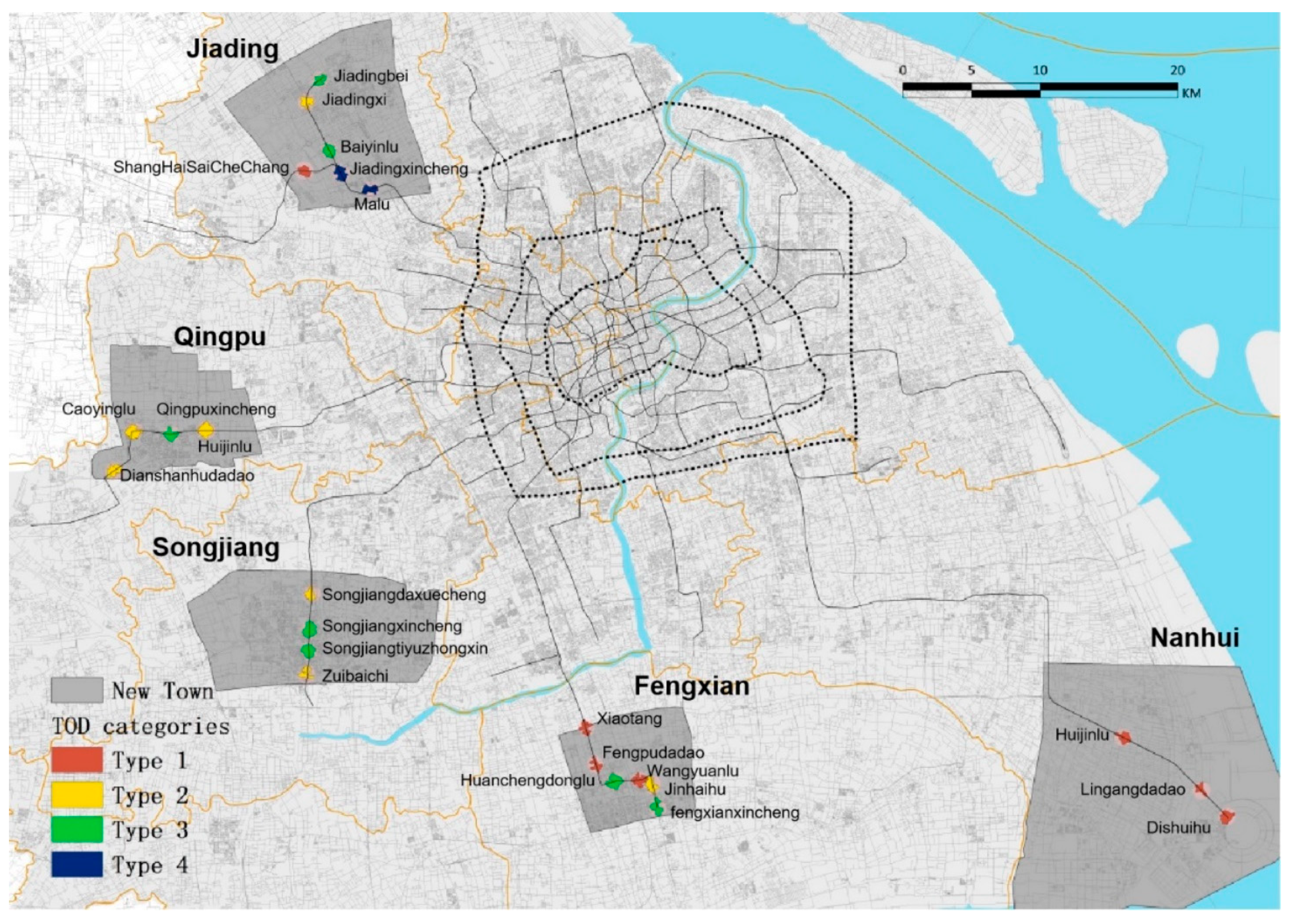
Transit-oriented development (TOD) construction is considered critical for economic growth and the population’s daily well-being in suburban development. However, there are few empirical evaluations of TOD performance and typology in suburban areas of high-density cities. In this study, we selected 23 metro stations in the five new towns in Shanghai as research objects to understand their TOD characteristics. By proposing a data-driven framework built on points of interest (PoIs) to characterize urban functions of metro stations in new towns, four thematic topic functions were extracted by implementing Latent Dirichlet Allocation (LDA) topic modeling. Five types of stations were revealed through a hierarchical cluster analysis based on their main functions. Then, an extended “Node-Place” model with a third “design” dimension was applied to classify TOD typologies. After establishing an evaluation framework by calculating the results of 15 indicators, five TOD topologies were identified through hierarchical cluster analysis. In addition, results from the ANOVA analysis showed that the classification according to thematic topics changes according to the “place” dimension indicators. Ultimately, the identified urban thematic function types and TOD types provide a useful tool for planners and governors to diagnose common problems and design targeted strategies in new towns.
Keywords: transit-oriented development (TOD); new town; urban function; multi-sourced urban data; metro station transit-oriented development (TOD); new town; urban function; multi-sourced urban data; metro station