Article

Predicting and Improving the Waterlogging Resilience of Urban Communities in China—A Case Study of Nanjing


1
Department of Engineering Management, School of Civil Engineering, Nanjing Forestry University, Nanjing 210037, China
2
Department of Construction and Real Estate, School of Civil Engineering, Southeast University, Nanjing 210096, China
*
Author to whom correspondence should be addressed.
Buildings 2022, 12(7), 901; https://doi.org/10.3390/buildings12070901

Submission received: 18 May 2022 / Revised: 17 June 2022 / Accepted: 19 June 2022 / Published: 25 June 2022
(This article belongs to the Collection Buildings, Infrastructure and SDGs 2030)

Abstract

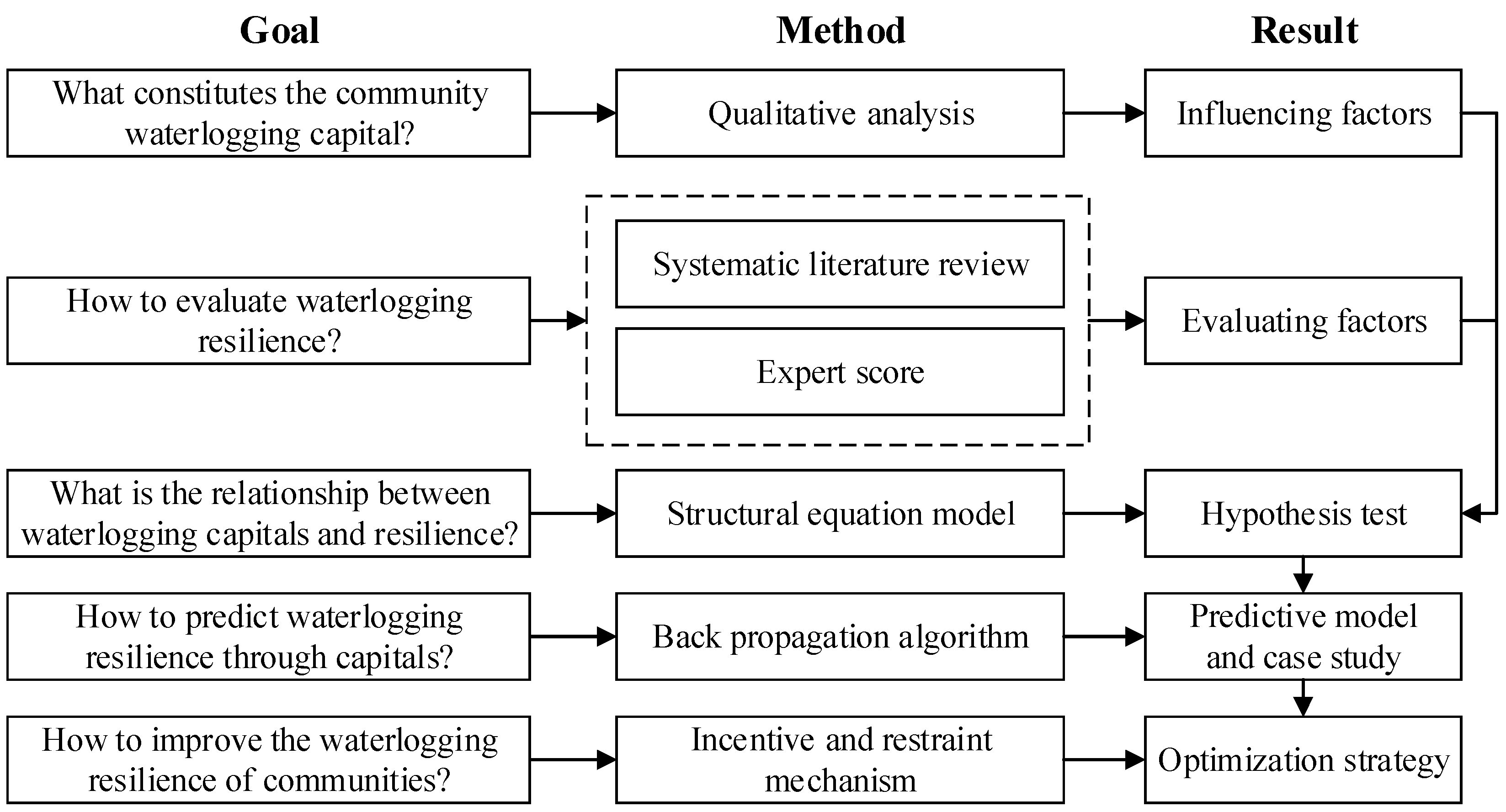
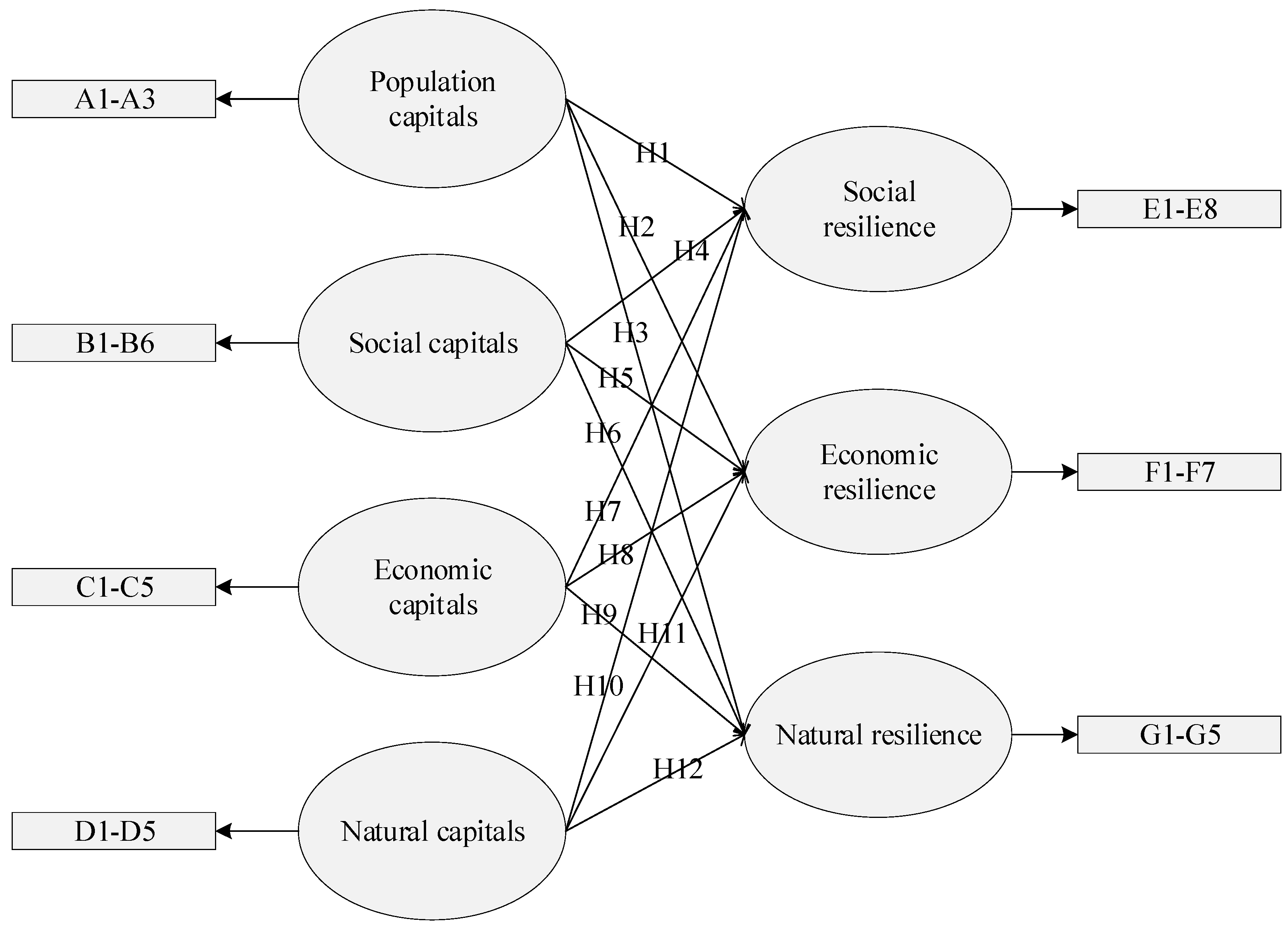
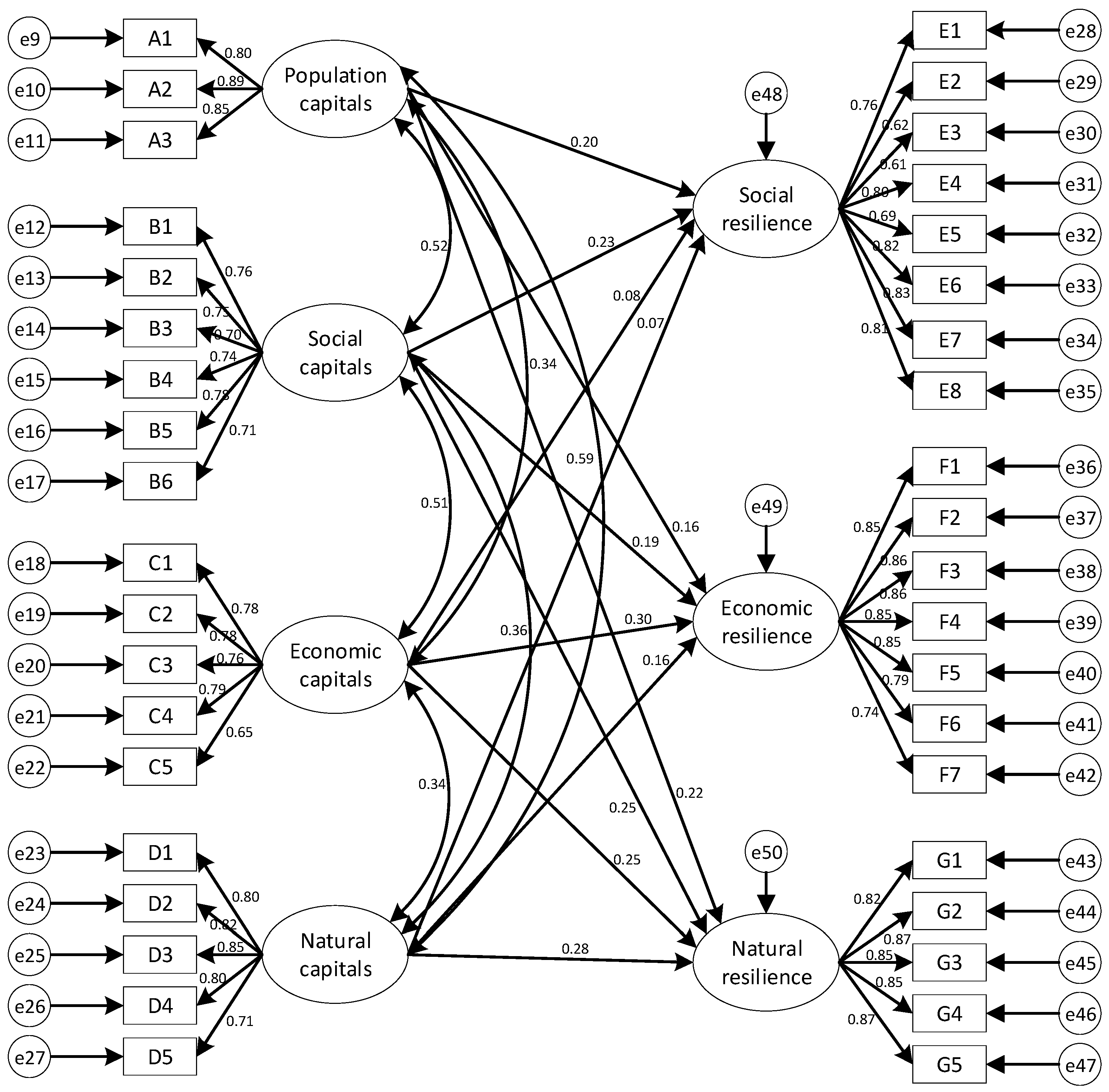
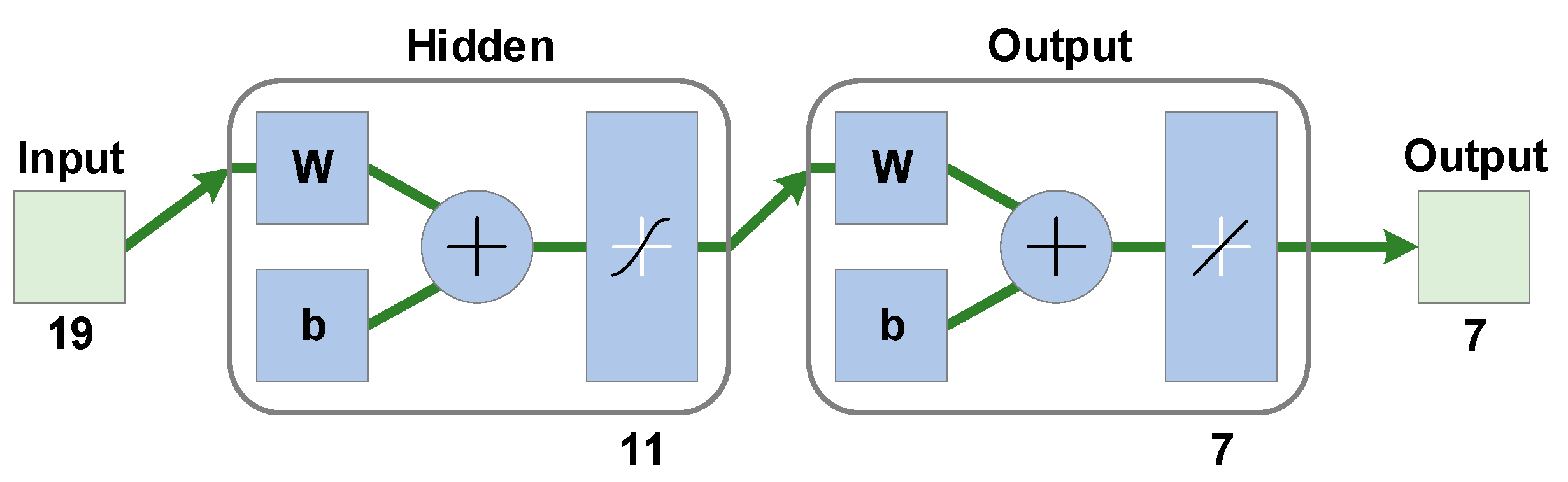
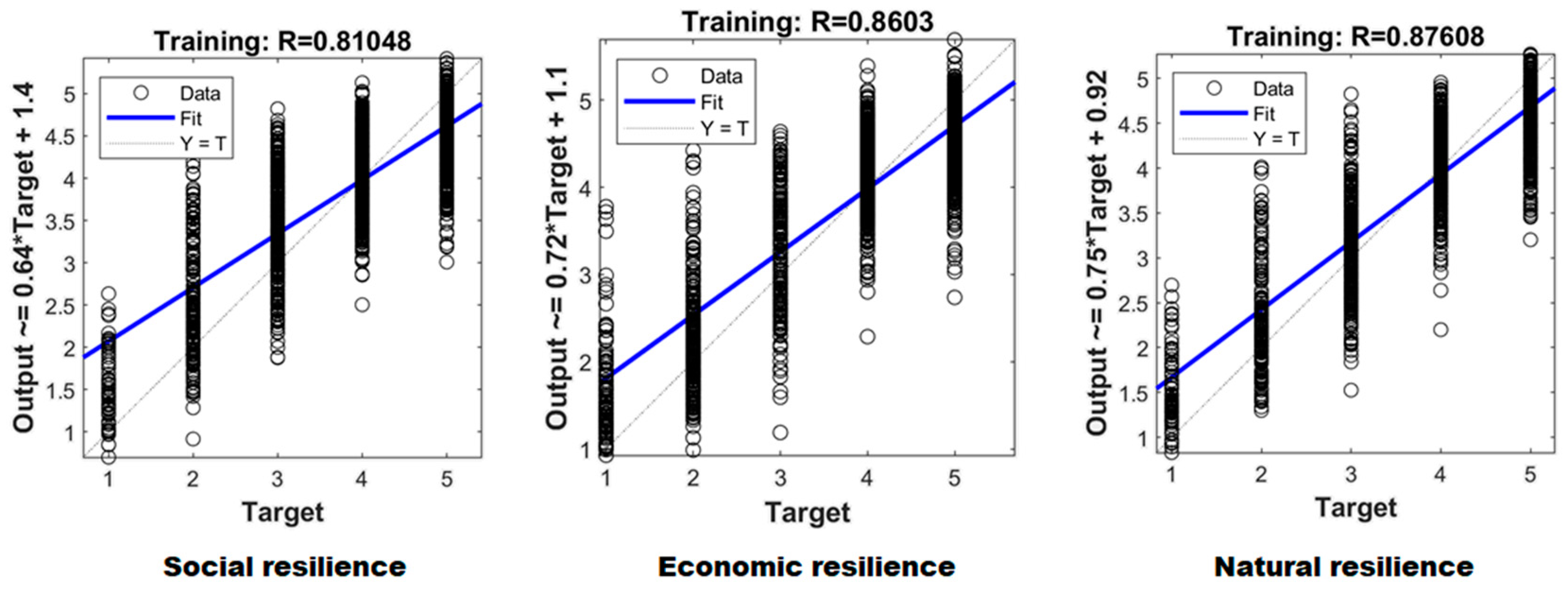
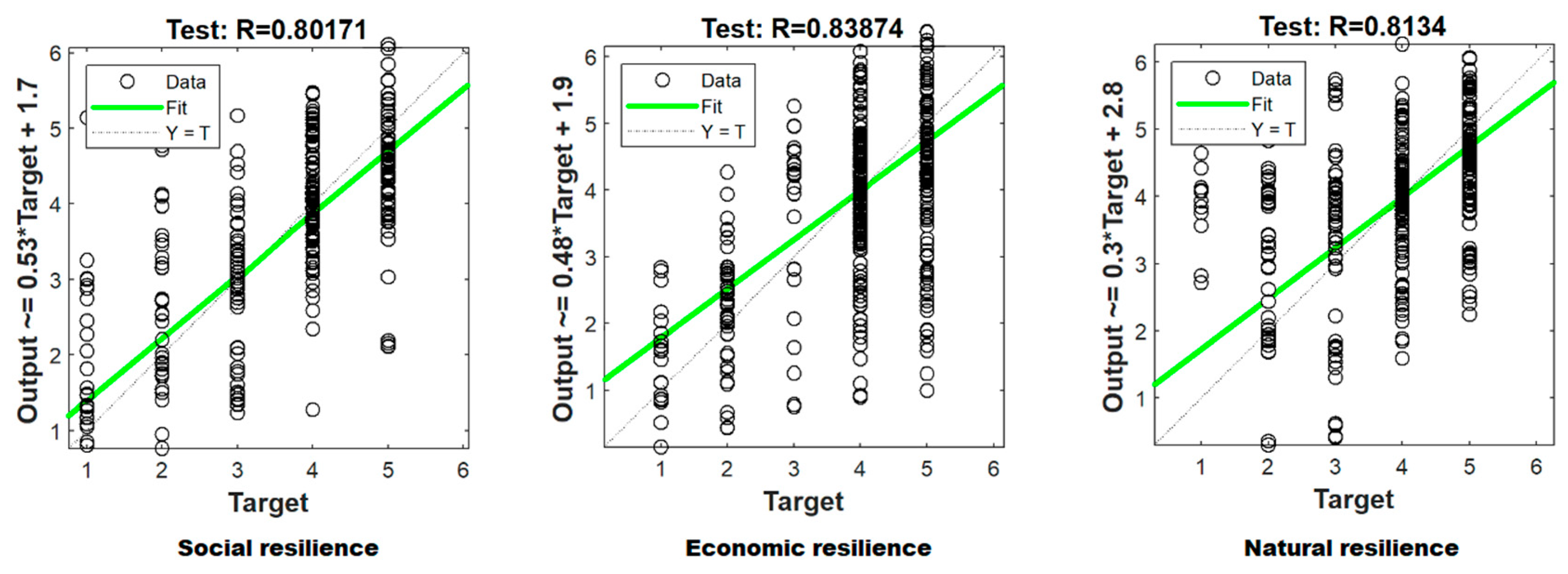
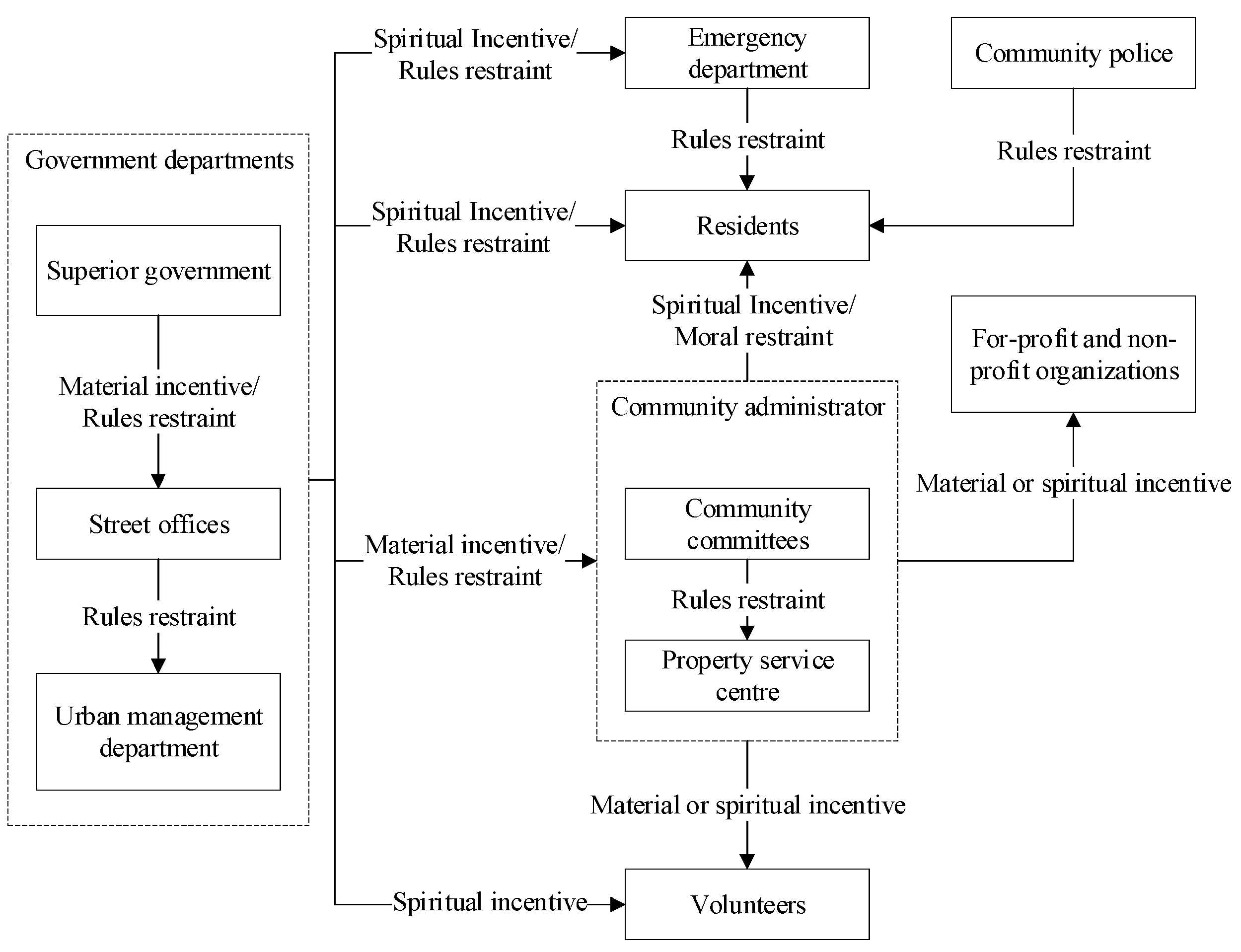
In recent years, urban communities in China have been continuously affected by extreme weather and emergencies, among which the rainstorm and waterlogging disasters pose a great threat to infrastructure and personnel safety. Chinese governments issue a series of waterlogging prevention and control policies, but the waterlogging prevention and mitigation of urban communities still needs to be optimized. The concept of “resilience” has unique advantages in the field of community disaster management, and building resilient communities can effectively make up for the limitations of the traditional top-down disaster management. Therefore, this paper focuses on the pre-disaster prevention and control of waterlogging in urban communities of China, following the idea of “concept analysis–influencing factor identification–evaluation indicators selection–impact mechanism analysis–resilience simulation prediction–empirical research–disaster adaptation strategy formulation”. The structural equation model and BP neural network are used by investigating the existing anti-waterlogging capitals of the target community to predict the future waterlogging resilience. Based on this simulation prediction model, and combined with the incentive and restraint mechanisms, suggestions on corrective measures can be put forward before the occurrence of waterlogging.
Keywords: communities’ resilience; waterlogging; BP neural network; systematic literature review; incentive and restraint mechanism communities’ resilience; waterlogging; BP neural network; systematic literature review; incentive and restraint mechanism