Article

Generative and Evolutionary Techniques for the Process of Creating Architectural Objects on the Base of a 3D Prototype Model

by
Ewa Janina Grabska
Faculty of Physics, Astronomy, and Applied Computer Science, Institute of Applied Computer Science, Department of Design and Computer Graphics, The Jagiellonian University, 30-348 Kraków, Poland
Buildings 2022, 12(7), 899; https://doi.org/10.3390/buildings12070899

Submission received: 17 March 2022 / Revised: 20 June 2022 / Accepted: 22 June 2022 / Published: 25 June 2022
(This article belongs to the Special Issue Computer Aided Architectural Design)

Abstract

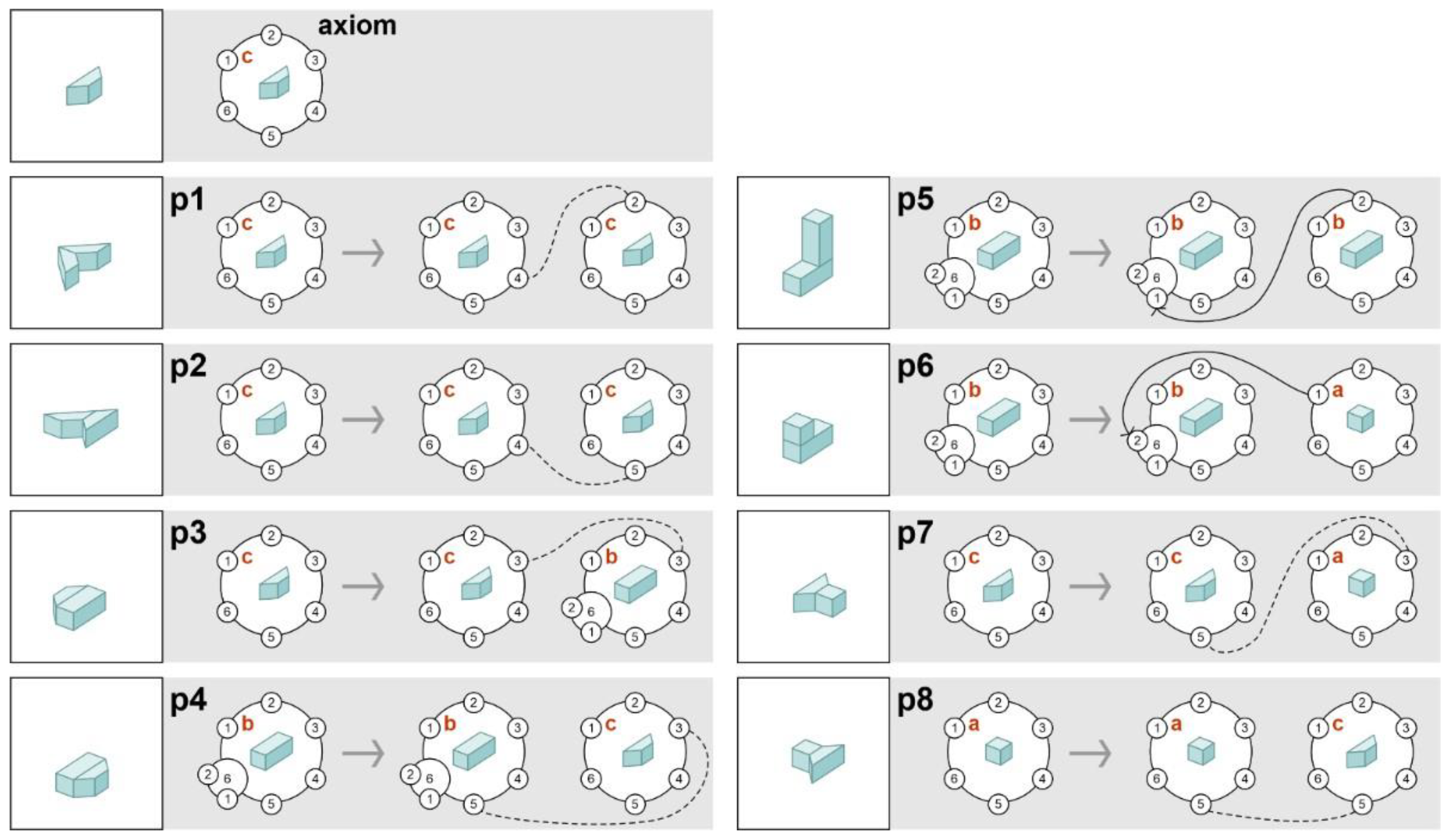
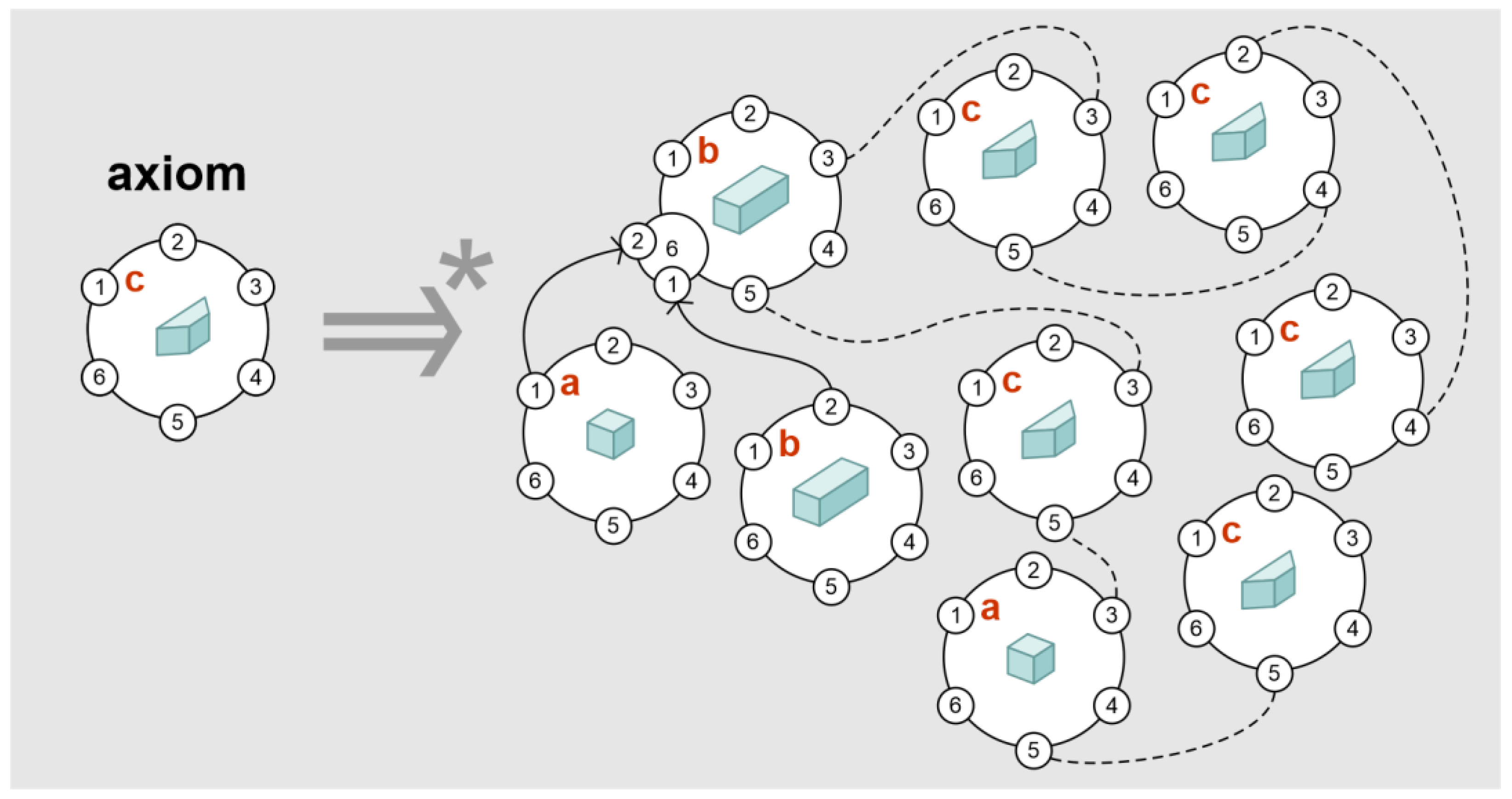
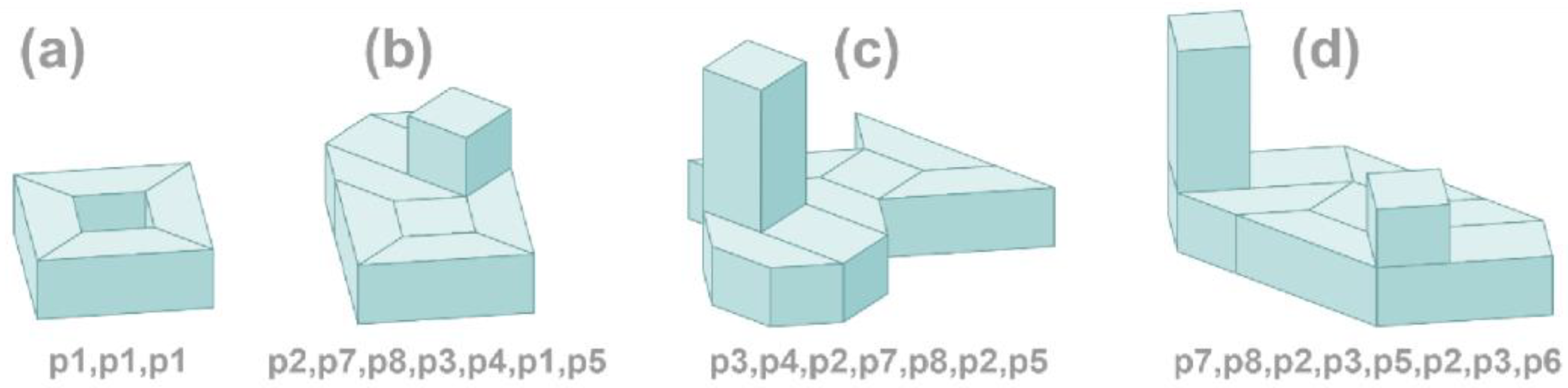
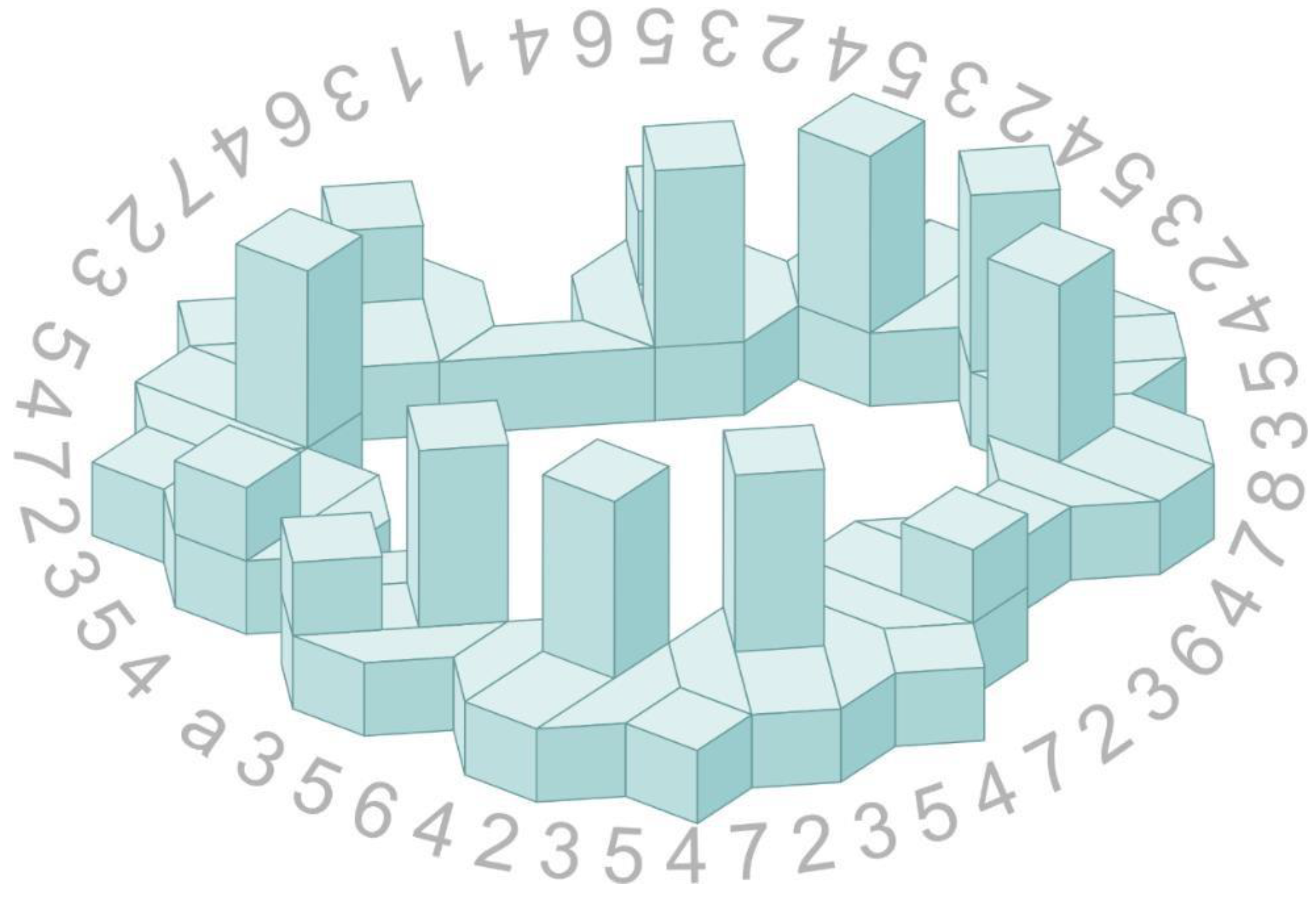
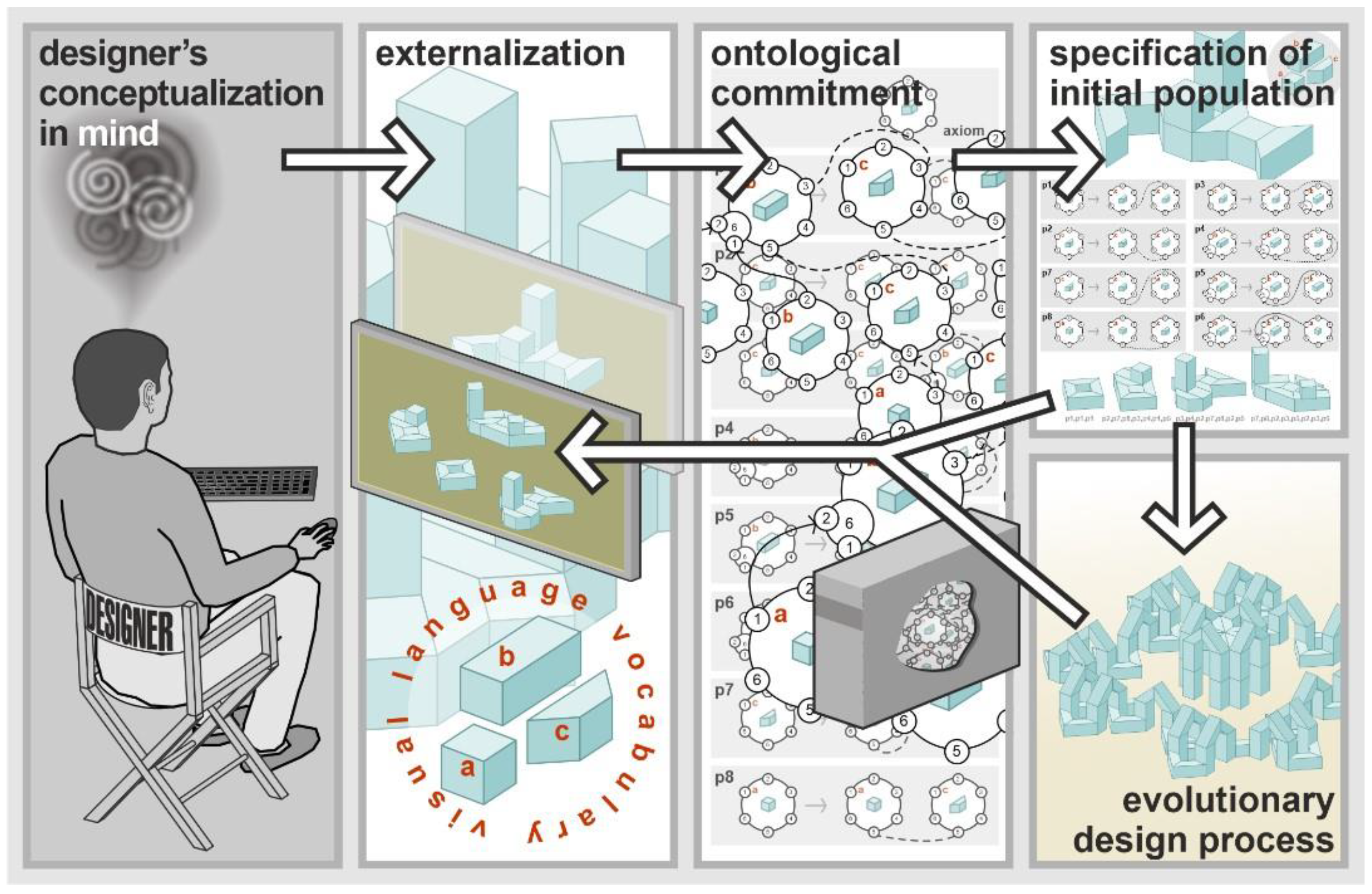
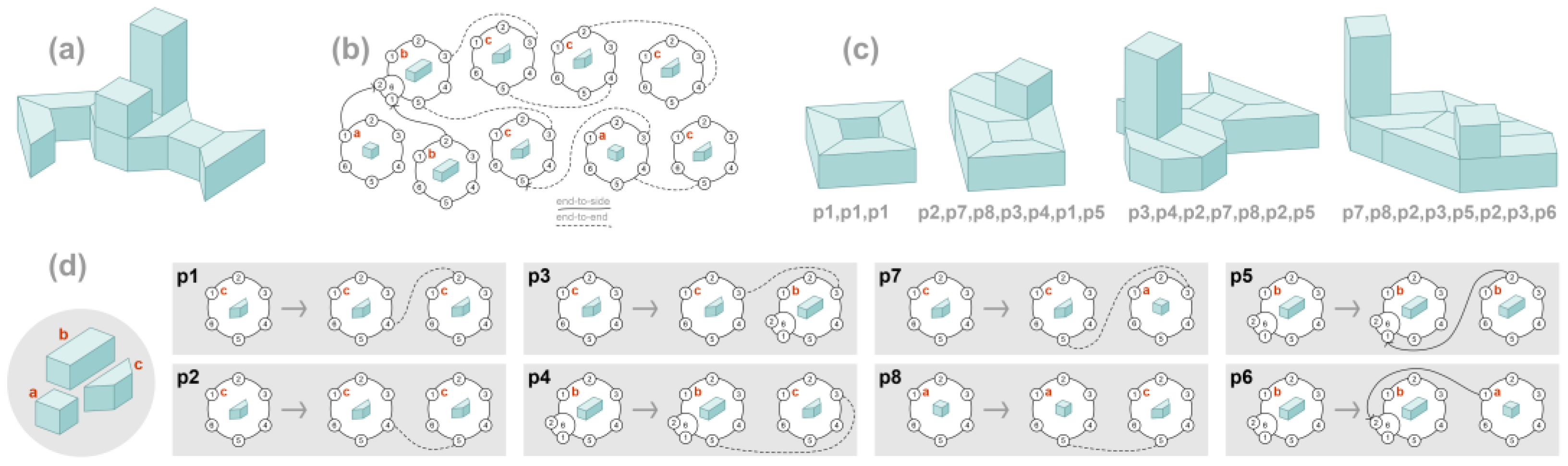
The use of a genetic algorithm in evolutionary design is one of the major generative approaches for synthesis and evaluation during the design process. The process stimulates creativity in generating new, unexpected artifacts and aiding in their evaluation. We analyze the subject of the evolutionary design of building form styling following the aesthetic preferences of the designer. Component types and connection patterns characterize the building form and the rules of its composition. The designer using a graphics editor creates a 3D prototype model of a building form representative of his/her stylistic preferences by selecting different types of components and patterns of their connections. In the proposed evolutionary design, how the designer prototype model is organized, processed, and manipulated in generating buildings is based on the special graph structures. The research question addressed in this paper is, “How can a designer-defined 3D prototype model along with non-numerical graph calculations, influence computational creativity?” The main aim is to contribute to a better understanding of the non-numerical graph calculations describing the design process where visual perception is the driving force of creativity. Utilizing the developed formal description of the design synthesis, methodological contributions to generative and evolutionary techniques for computational creativity are presented.
Keywords: evolutionary design; computational creativity; visual perception; style; 3D prototype model; CP-graph; rewriting rules evolutionary design; computational creativity; visual perception; style; 3D prototype model; CP-graph; rewriting rules