Article

Has China’s Construction Waste Change Been Decoupled from Economic Growth?
1
School of Architecture, Southeast University, Nanjing 210096, China
2
College of Civil Engineering and Architecture, Jiaxing University, Jiaxing 314001, China
3
College of Architecture and Urban Planning, Lanzhou Jiaotong University, Lanzhou 730070, China
*
Author to whom correspondence should be addressed.
Buildings 2022, 12(2), 147; https://doi.org/10.3390/buildings12020147

Submission received: 10 January 2022 / Revised: 25 January 2022 / Accepted: 27 January 2022 / Published: 31 January 2022

Abstract

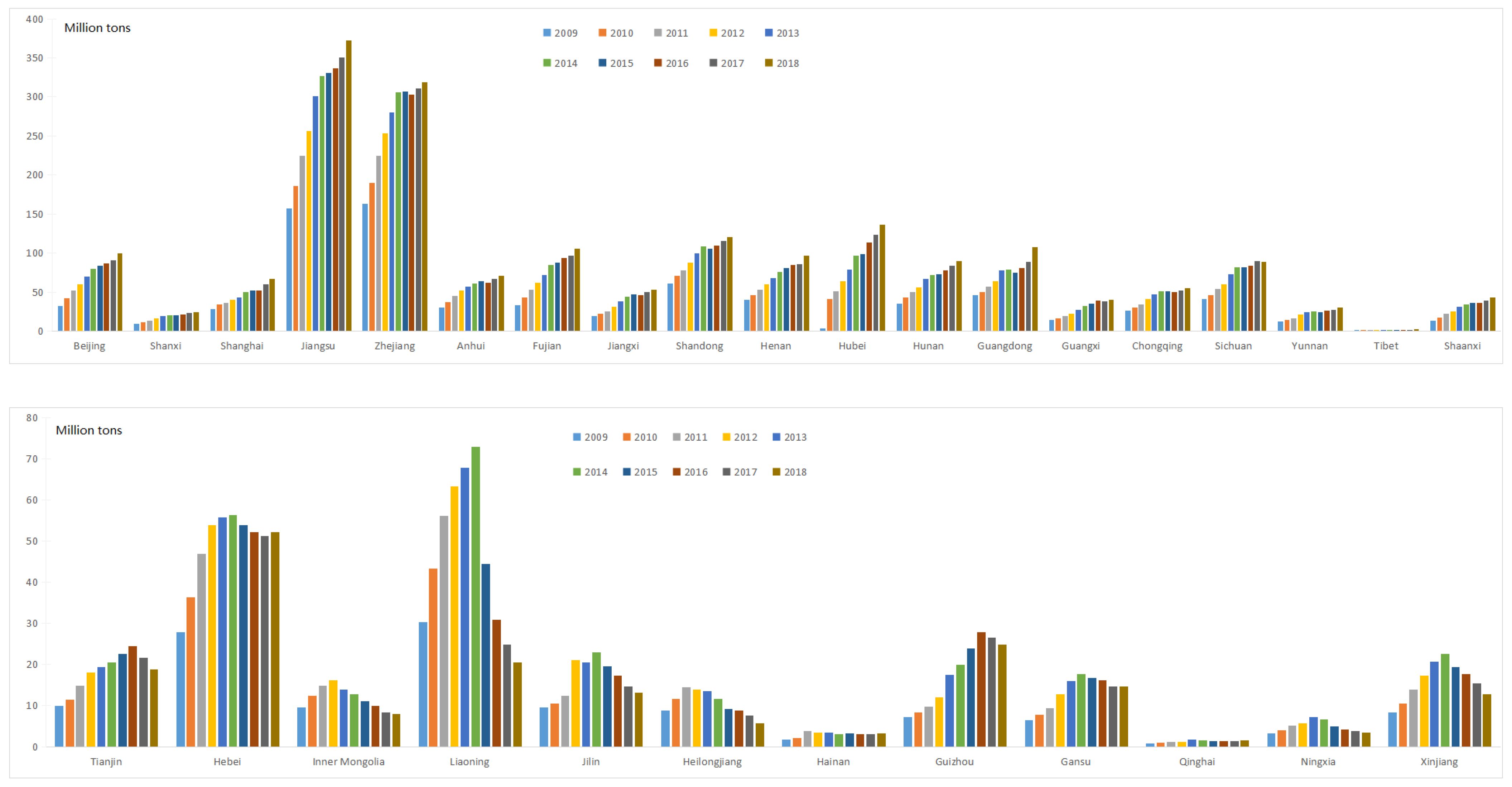
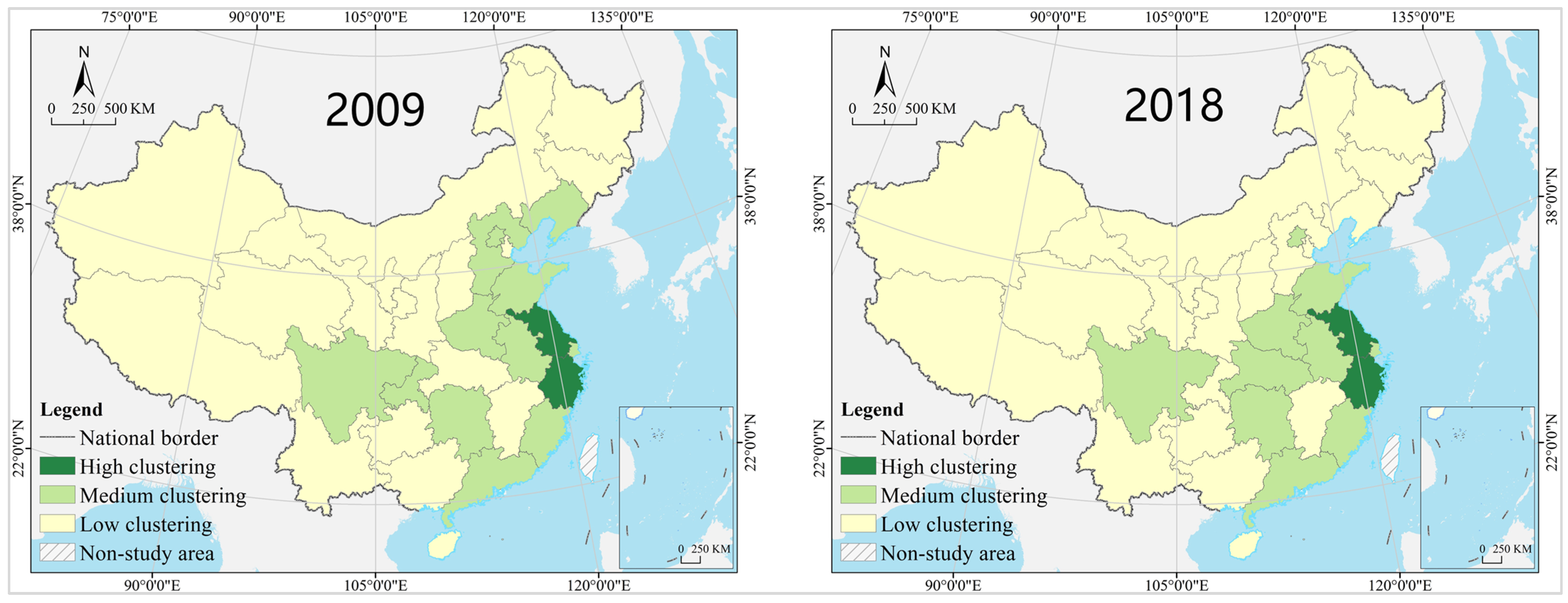
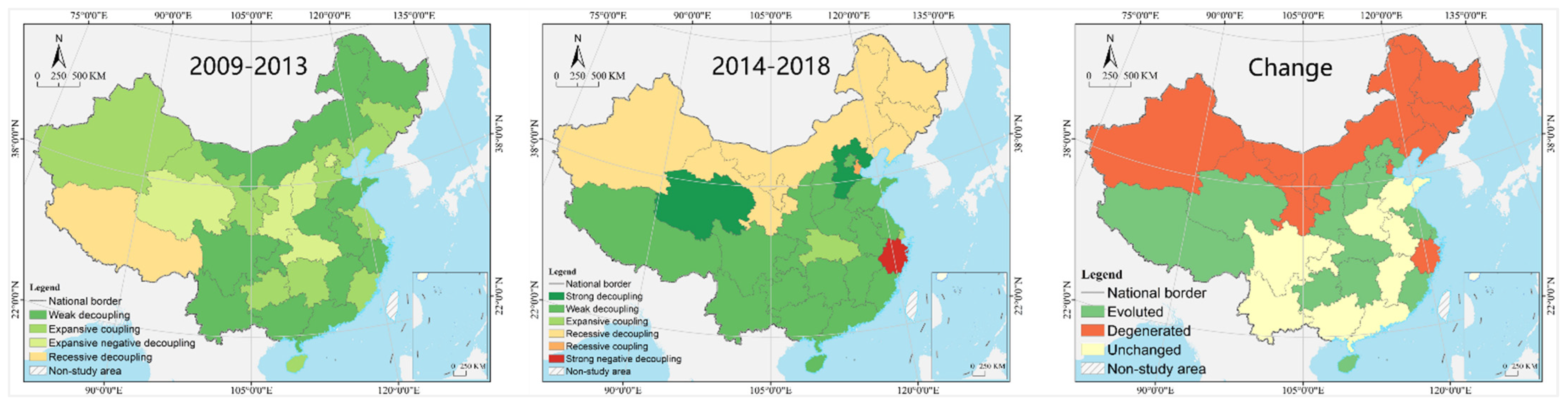
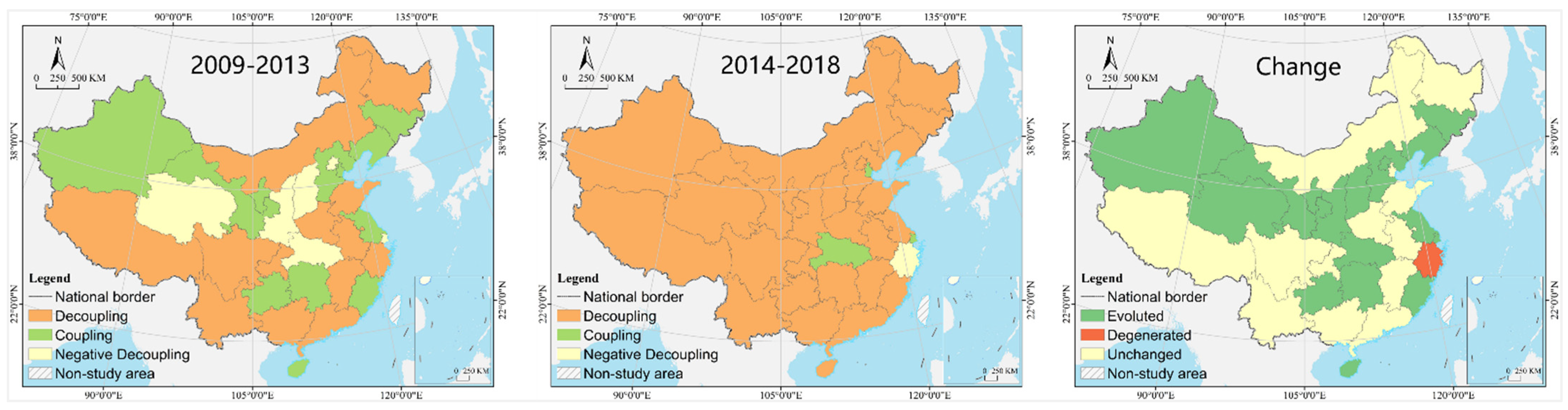
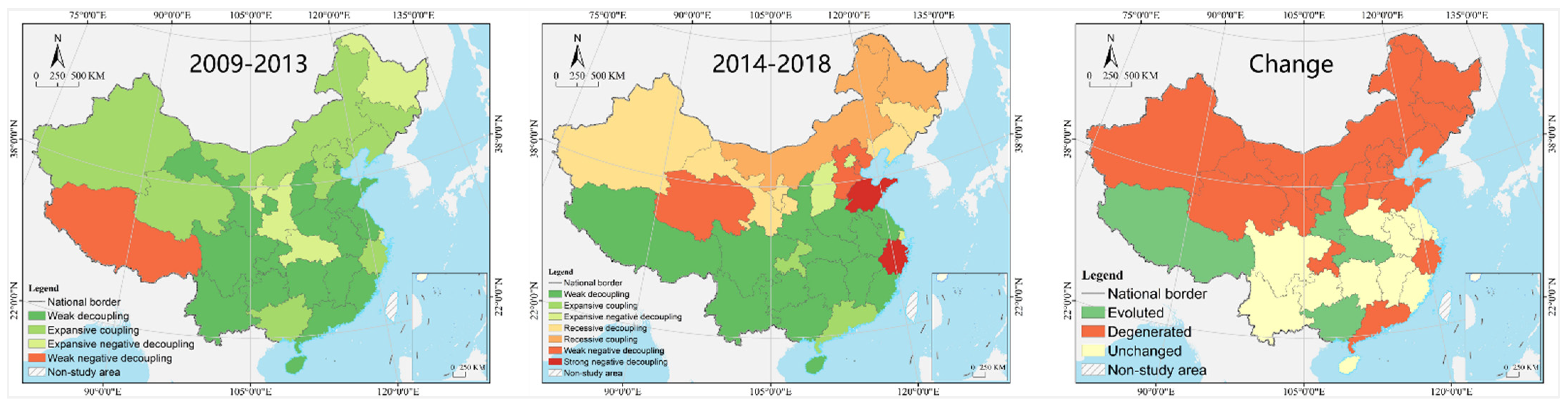
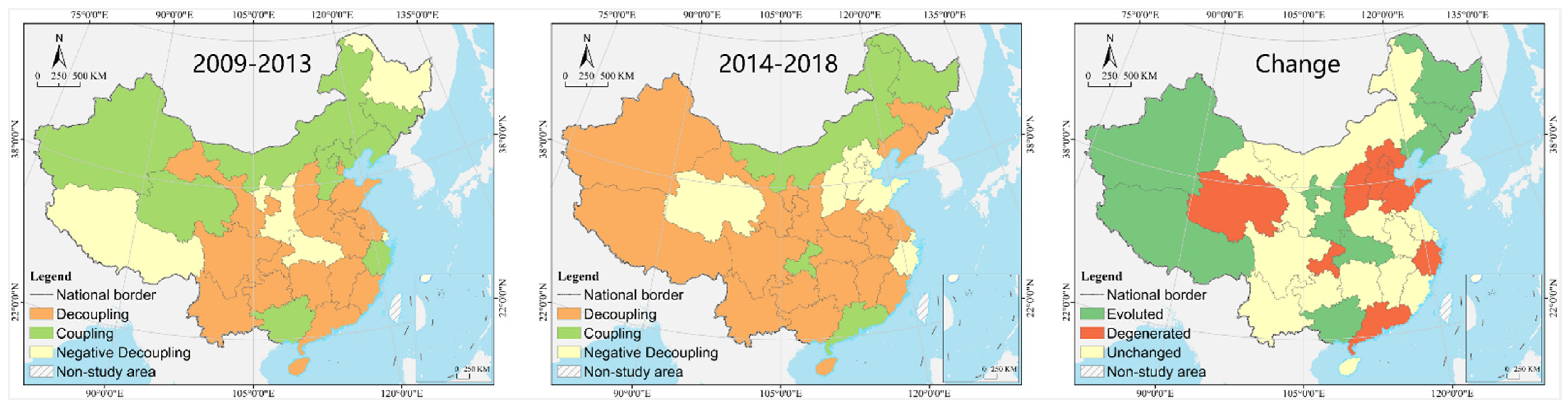
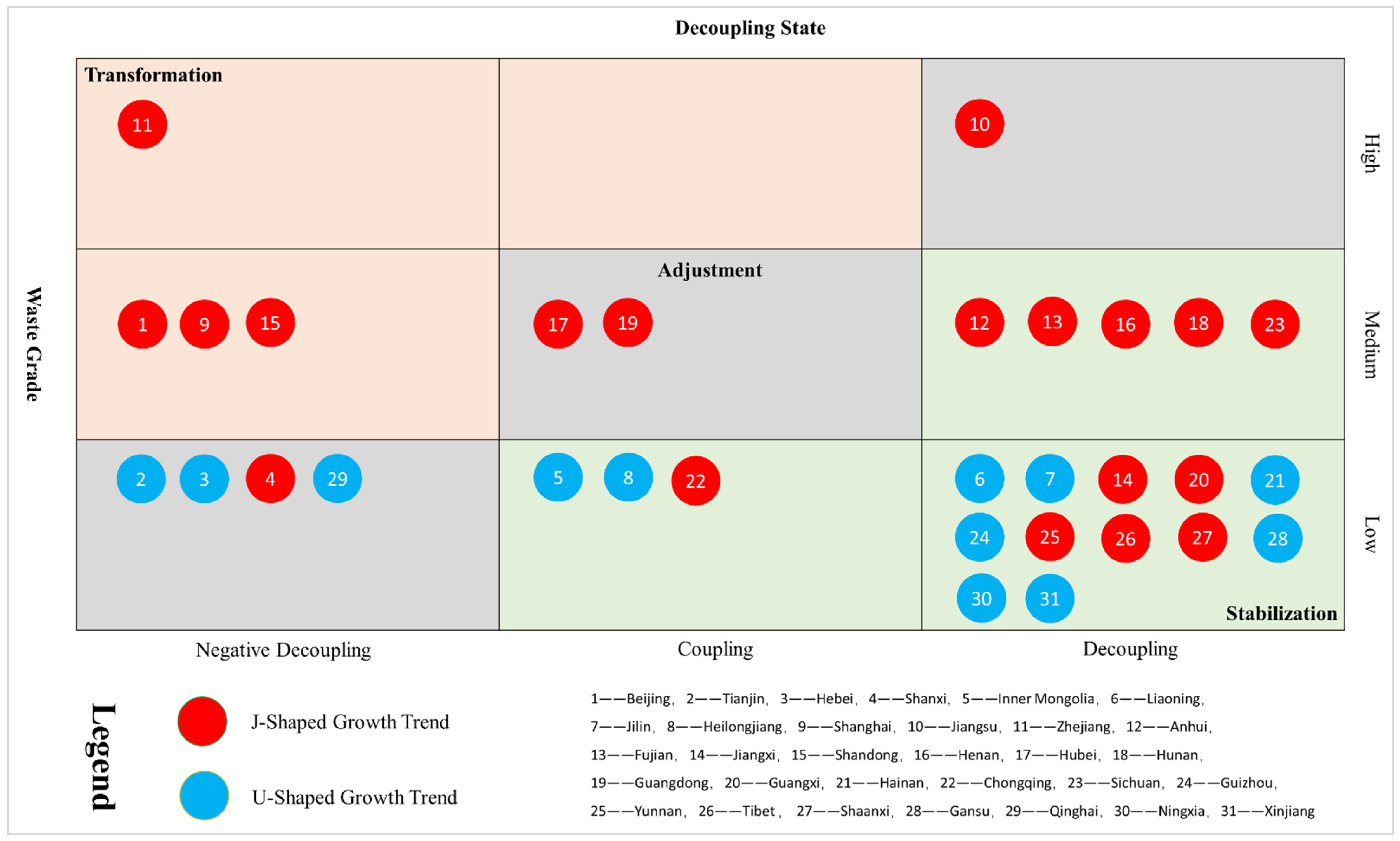
Construction waste management is crucial to the sustainable development of the construction industry and environmental management, and China has the highest construction waste emission in the world, making it typical and representative globally. In this paper, we conducted an empirical study on the relationship between the change in construction waste and economic growth at the provincial level in China from 2009 to 2018 based on a decoupling model and spatial analysis methods, and we reached the findings as follows. (1) Most provinces in China are still in the stage of continuous growth of construction waste emissions, and about 30% have reached the peak (inverted U-shaped), prominently characterized by inter-provincial spatial heterogeneity and agglomeration. (2) The decoupling types between inter-provincial construction waste and construction economic growth in China are dominated by weak decoupling, expansive coupling, and recessive decoupling, and they are changing in general with positive signs but in a more diversified and complex trend. (3) Based on the analysis results, this paper classifies China into three types of policy zones, namely transformation, adjustment, and stabilization, and proposes differentiated and targeted recommendations to provide an important decision basis for the design of construction waste management policies in China and similar countries and to help achieve a “zero waste society” in early global development.
Keywords: construction waste; waste management; decoupling model; spatial analysis; China construction waste; waste management; decoupling model; spatial analysis; China