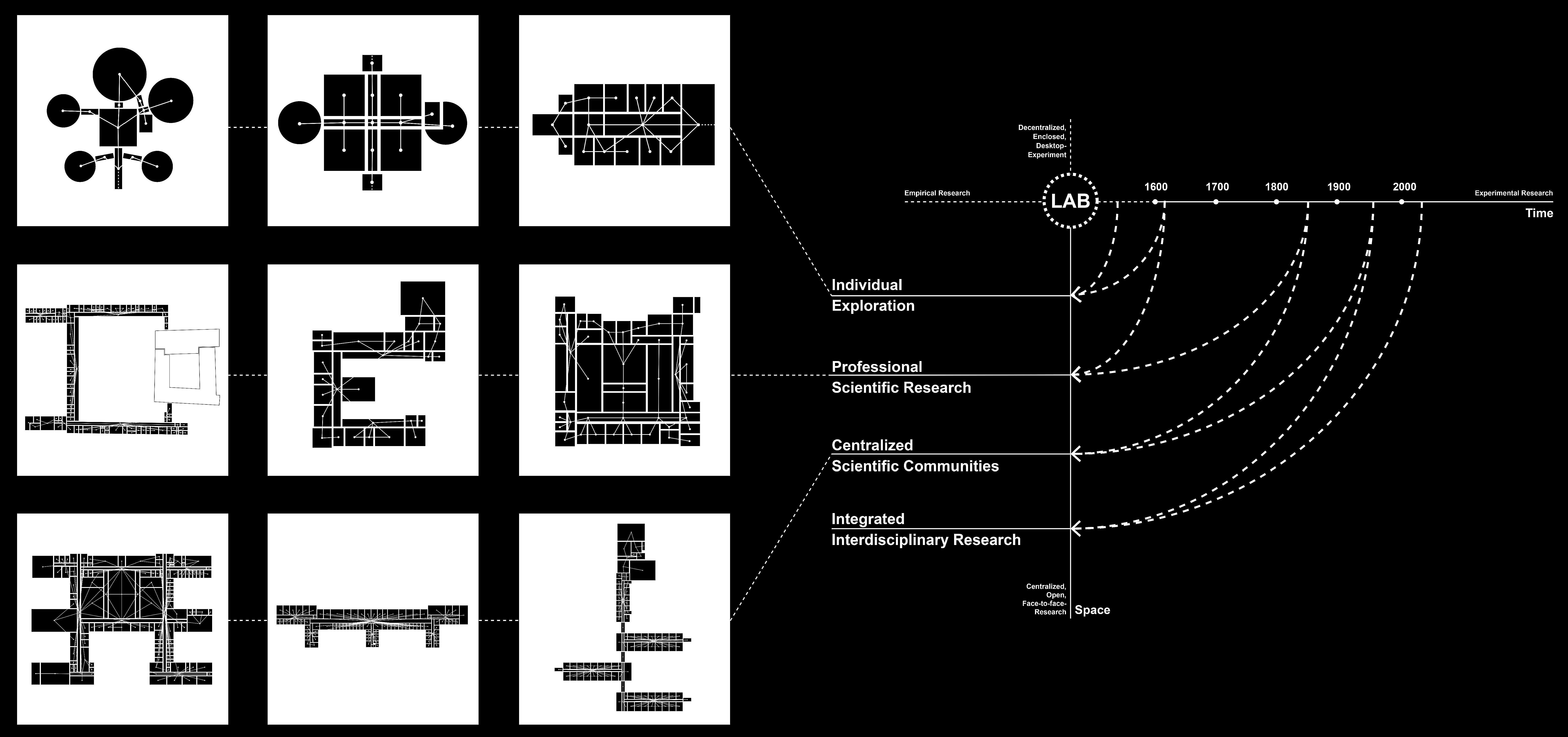
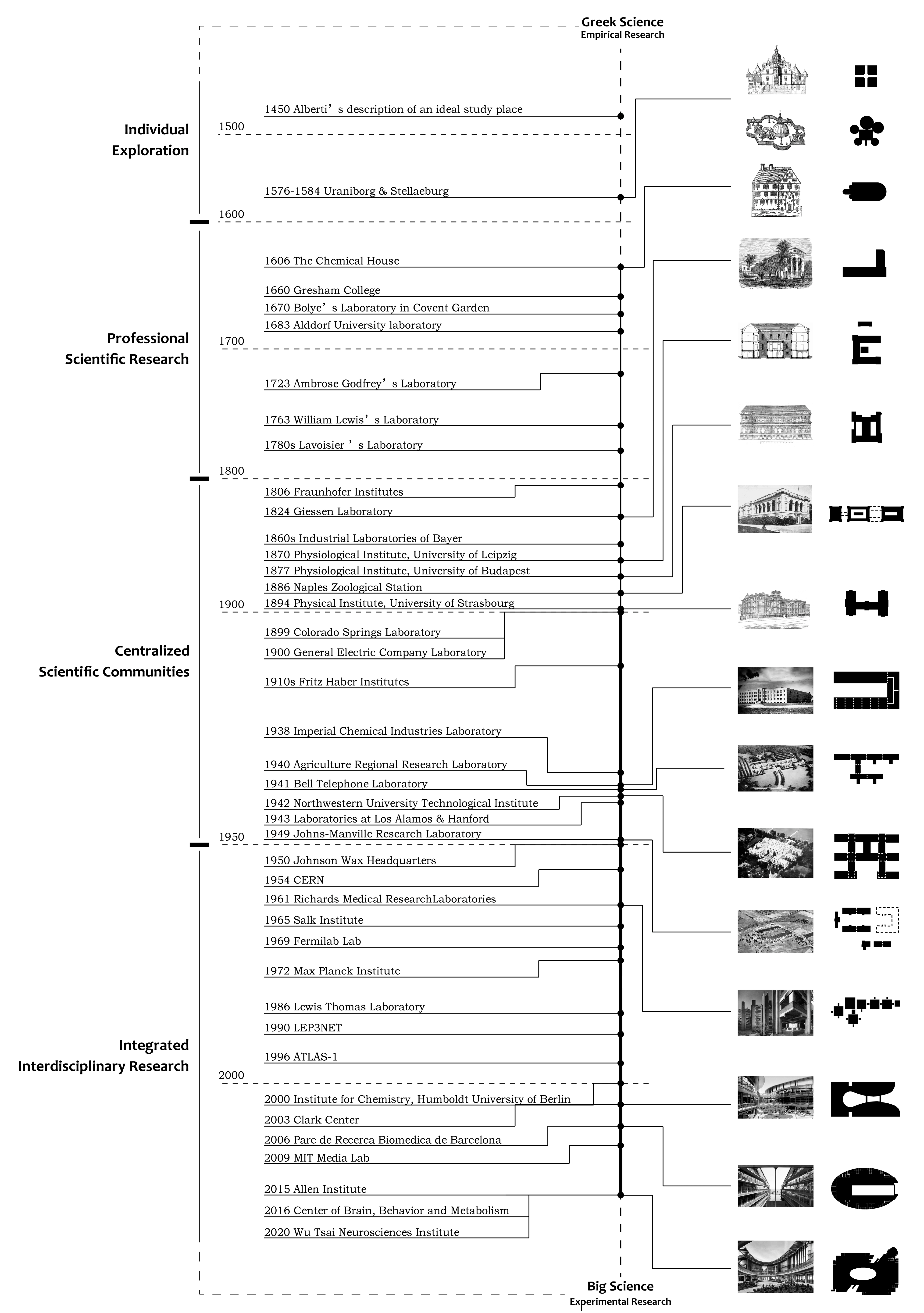
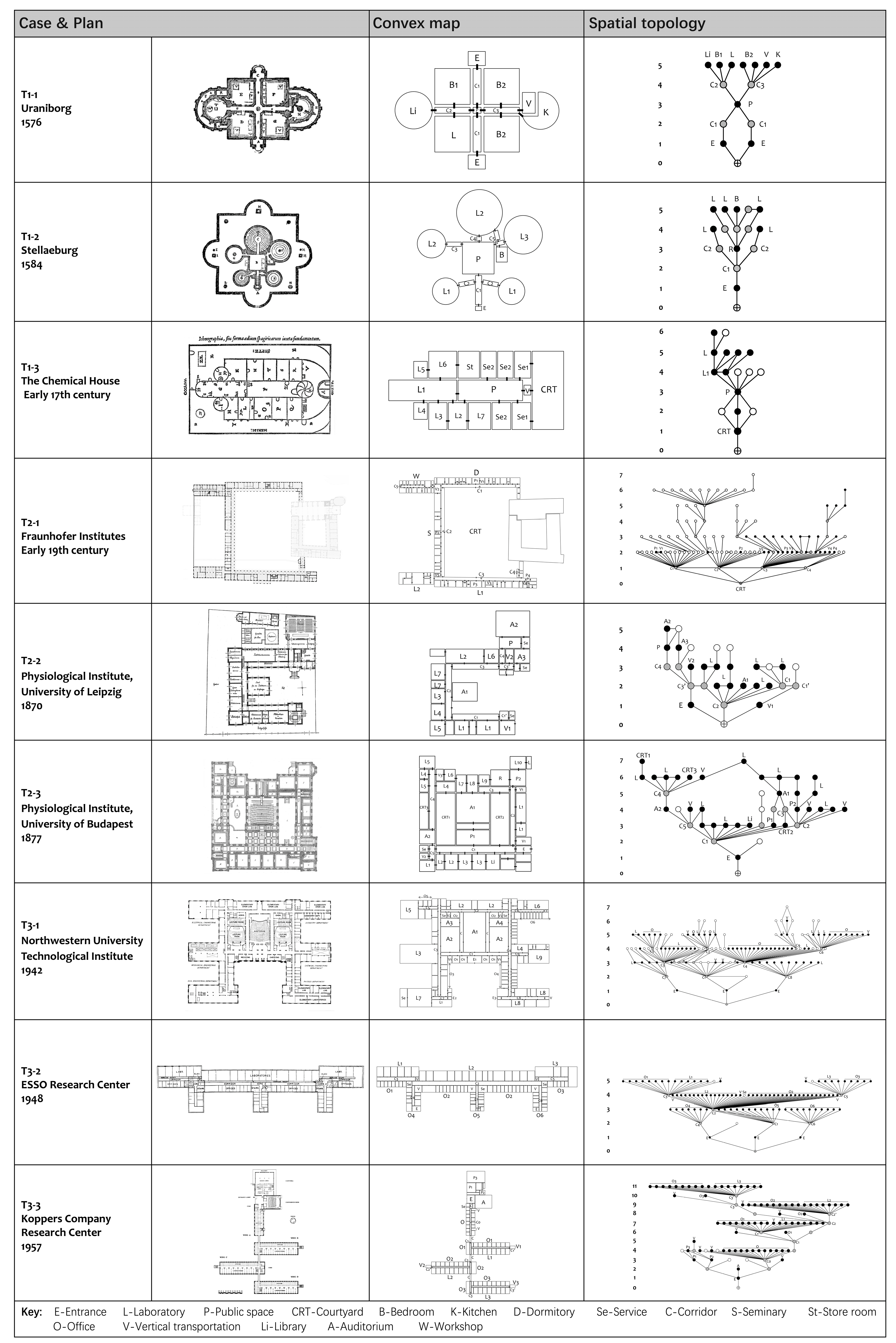
Evolution Process of Scientific Space: Spatial Analysis of Three Groups of Laboratories in History (16th–20th Century)


Abstract
Share and Cite
Zhang, X.; Cui, T. Evolution Process of Scientific Space: Spatial Analysis of Three Groups of Laboratories in History (16th–20th Century). Buildings 2022, 12, 1909. https://doi.org/10.3390/buildings12111909
Zhang X, Cui T. Evolution Process of Scientific Space: Spatial Analysis of Three Groups of Laboratories in History (16th–20th Century). Buildings. 2022; 12(11):1909. https://doi.org/10.3390/buildings12111909
Chicago/Turabian StyleZhang, Xinwei, and Tong Cui. 2022. "Evolution Process of Scientific Space: Spatial Analysis of Three Groups of Laboratories in History (16th–20th Century)" Buildings 12, no. 11: 1909. https://doi.org/10.3390/buildings12111909
APA StyleZhang, X., & Cui, T. (2022). Evolution Process of Scientific Space: Spatial Analysis of Three Groups of Laboratories in History (16th–20th Century). Buildings, 12(11), 1909. https://doi.org/10.3390/buildings12111909