Review

Characterizing Positive Energy District (PED) through a Preliminary Review of 60 Existing Projects in Europe


1
School of Technology and Business Studies, Dalarna University, SE-79131 Falun, Sweden
2
Department of Energy and Community Building, Dalarna University, SE-79188 Falun, Sweden
3
Center for Energy, Environmental and Technological Research (CIEMAT), Department of Energy, 28040 Madrid, Spain
4
IREC—Catalonia Institute for Energy Research, 08930 Sant Adrià de Besòs, Barcelona, Spain
5
Faculty of Architecture and Design, Norwegian University of Science and Technology, NO-7491 Trondheim, Norway
6
VITO—Flemish Institute for Technological Research, BE-2400 Mol, Belgium
*
Author to whom correspondence should be addressed.
Buildings 2021, 11(8), 318; https://doi.org/10.3390/buildings11080318

Submission received: 24 May 2021 / Revised: 19 July 2021 / Accepted: 20 July 2021 / Published: 24 July 2021
(This article belongs to the Special Issue Net-Zero/Positive Energy Buildings and Districts)

Abstract

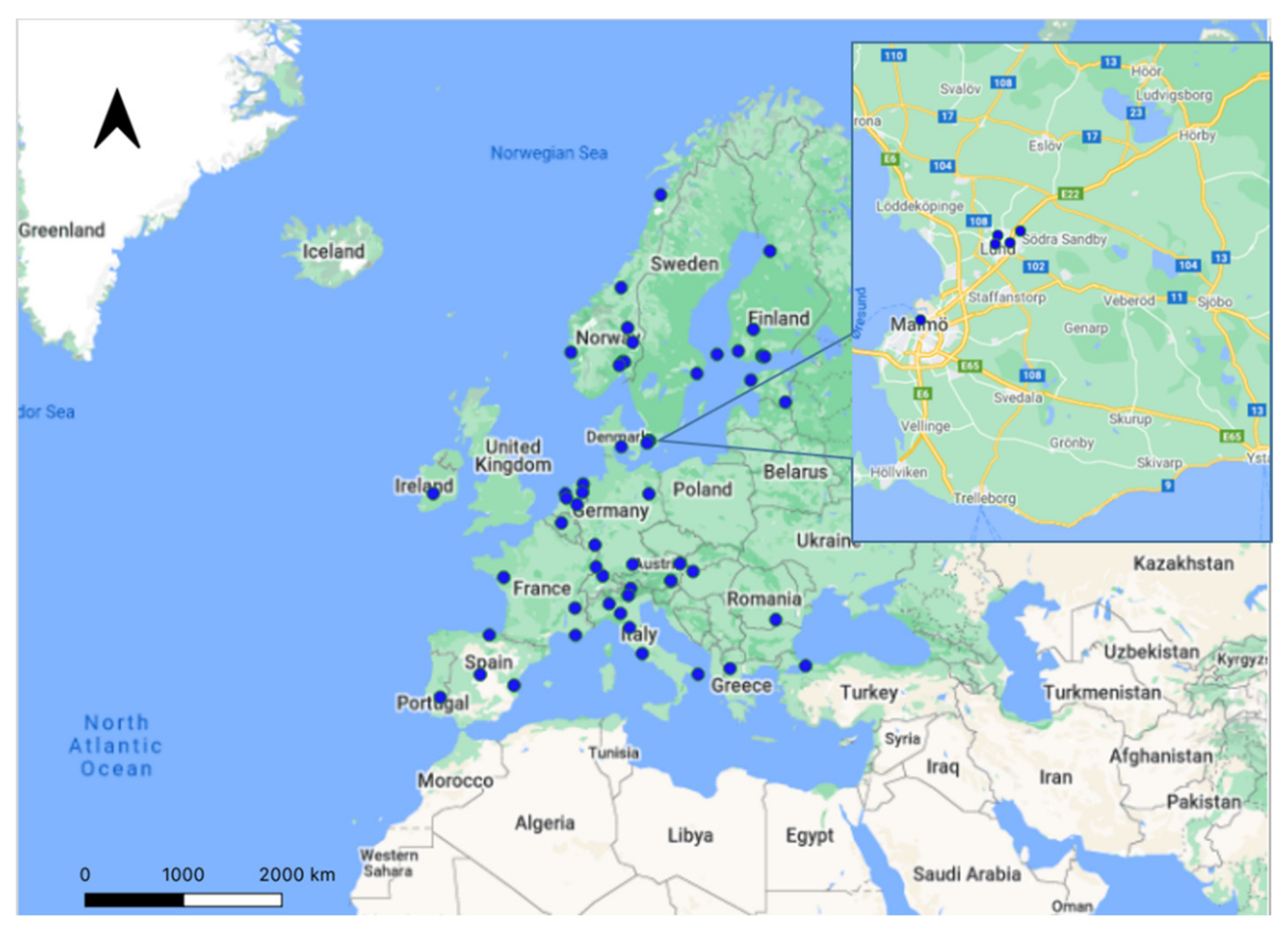
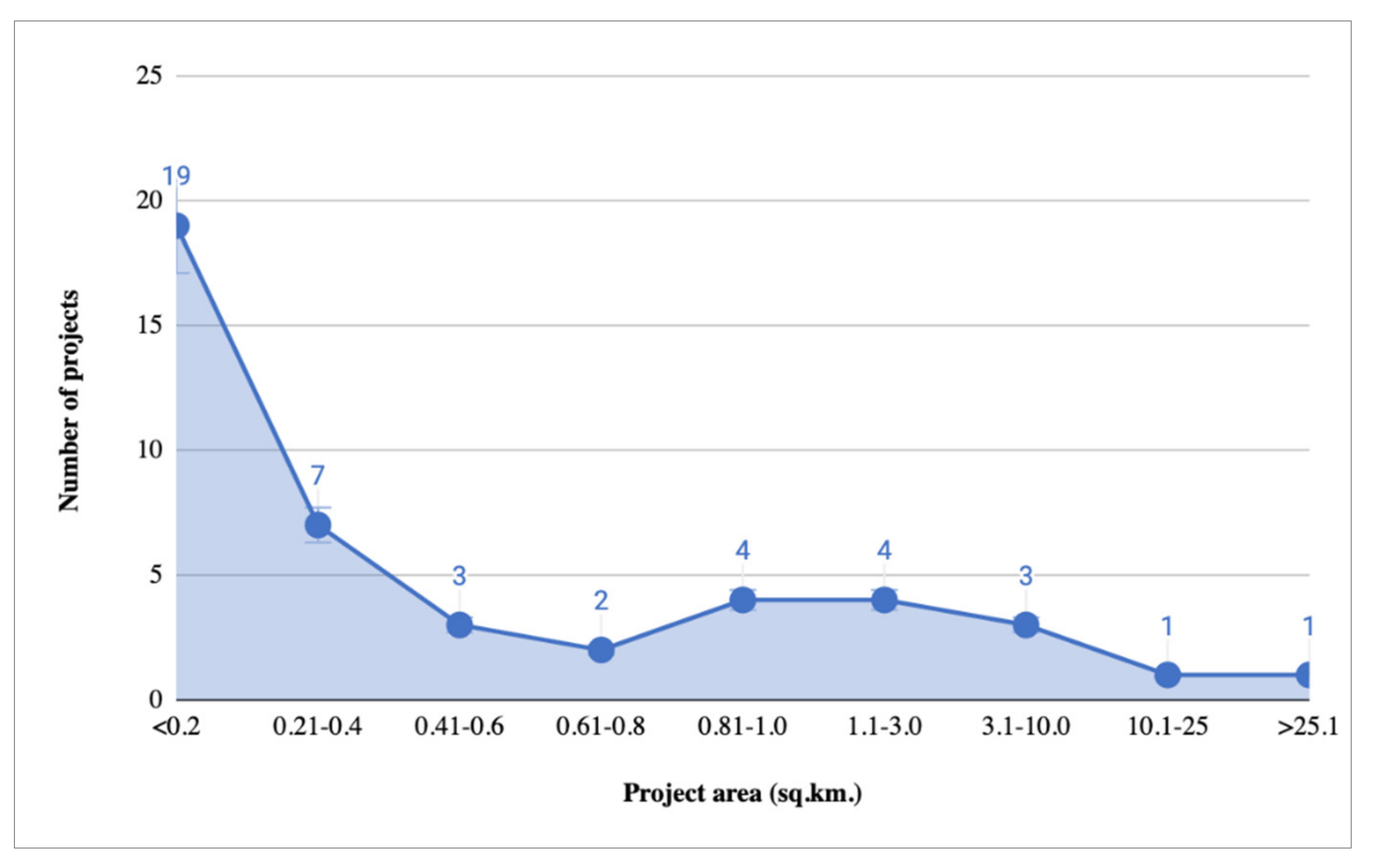
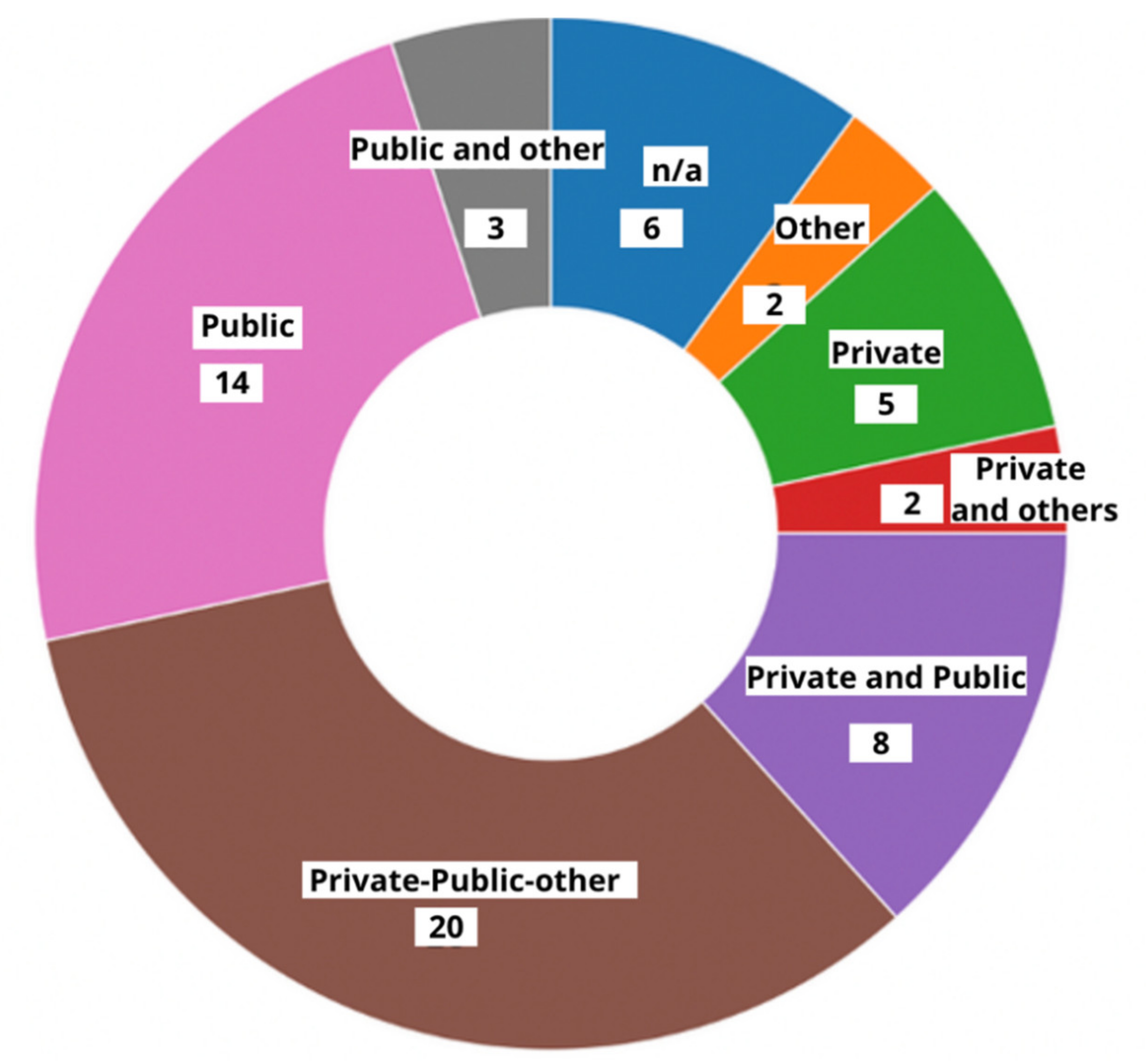
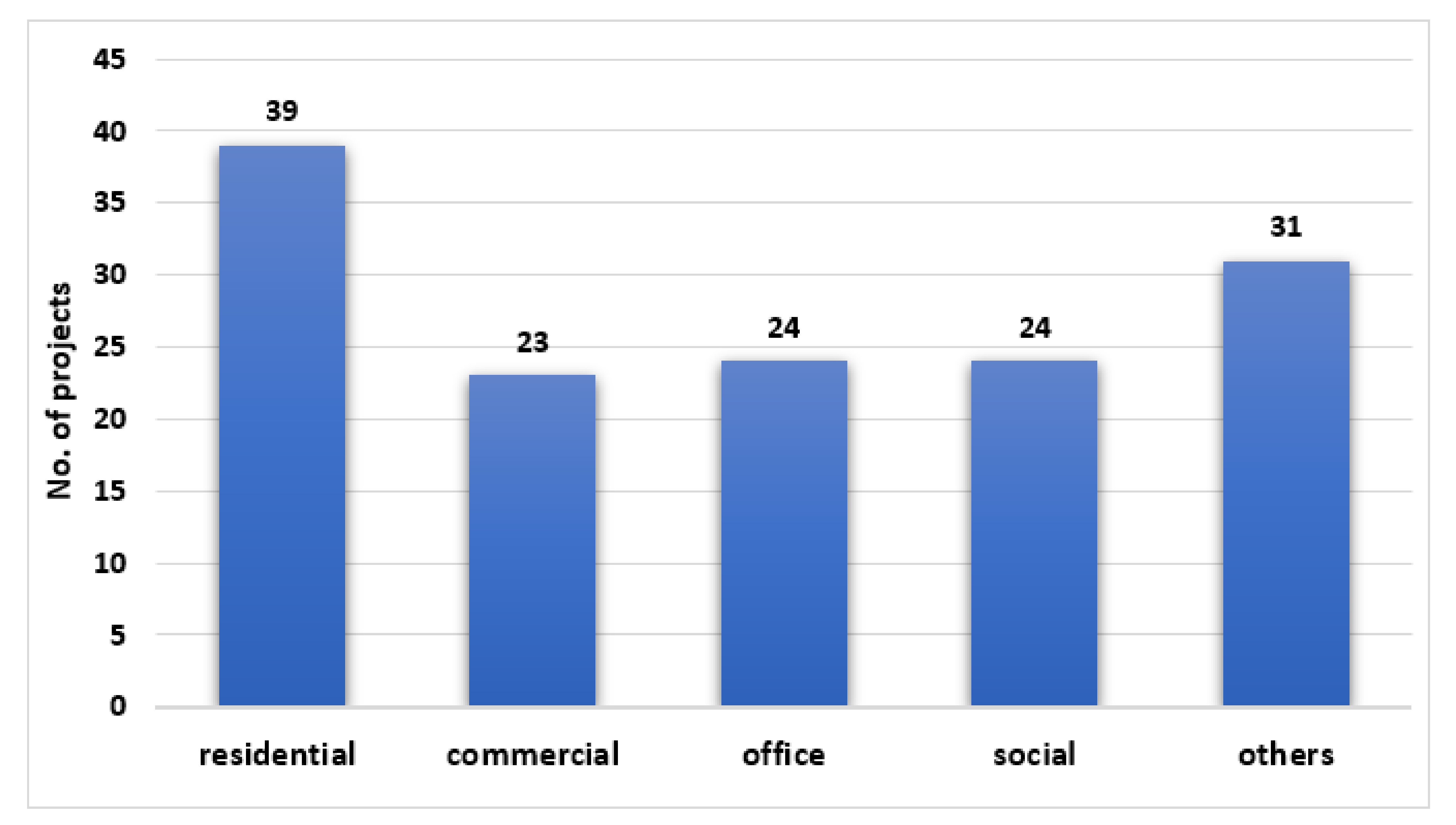
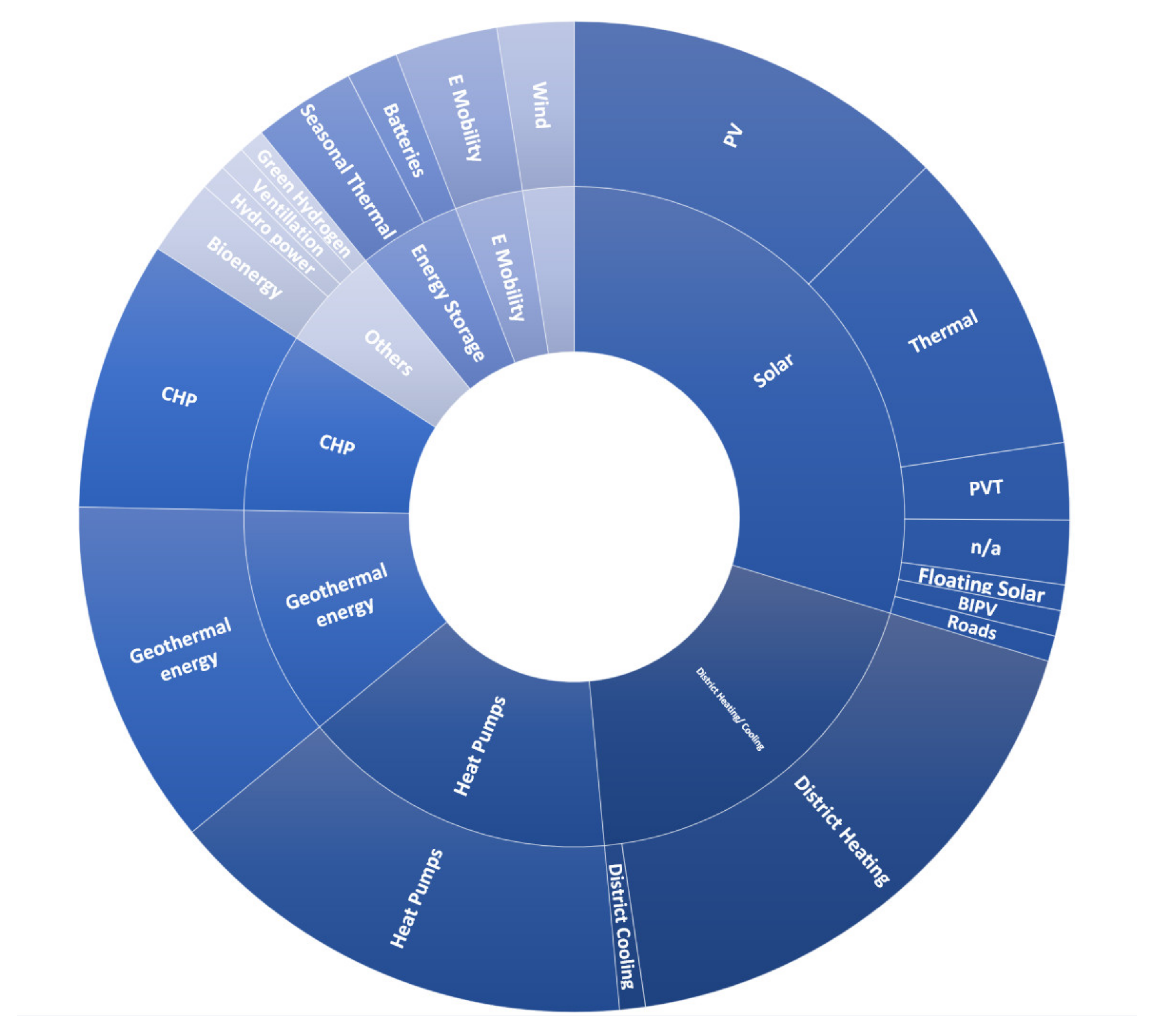
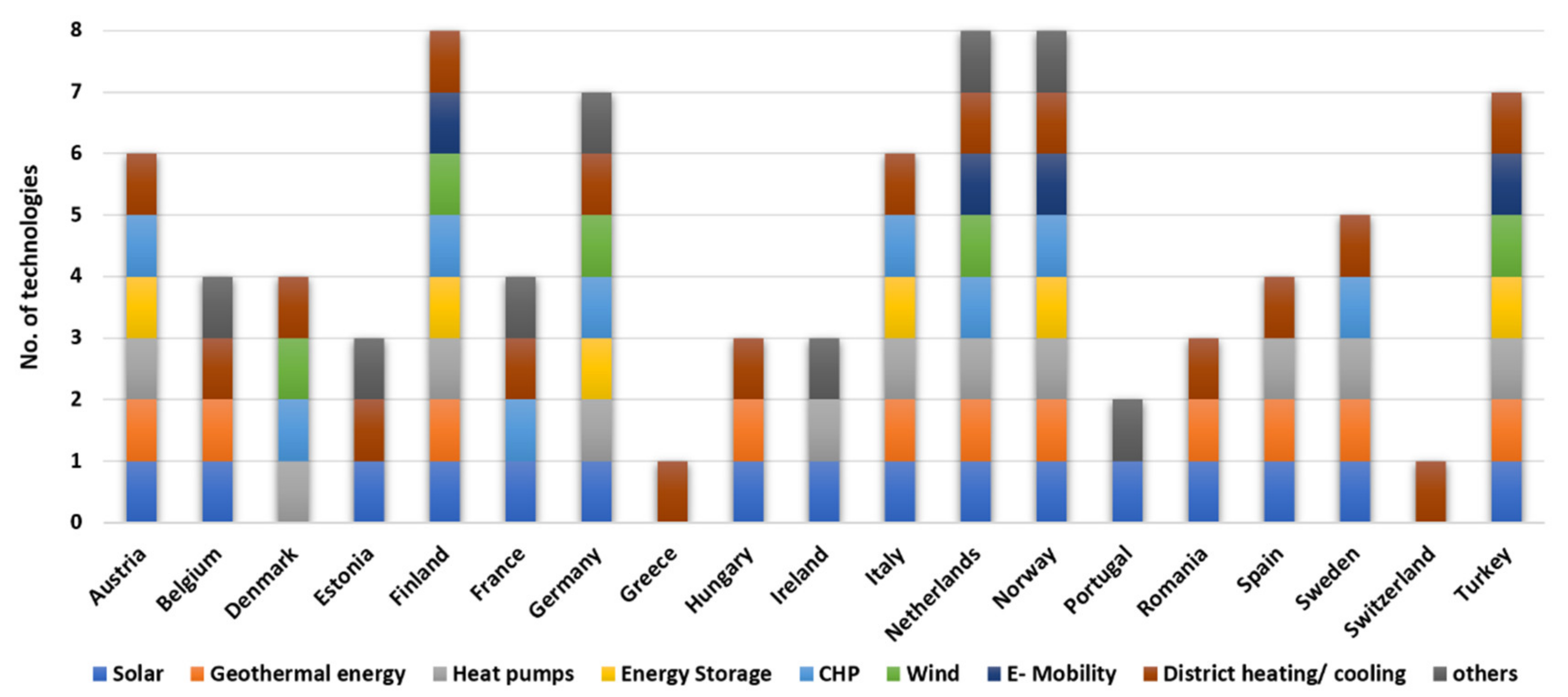
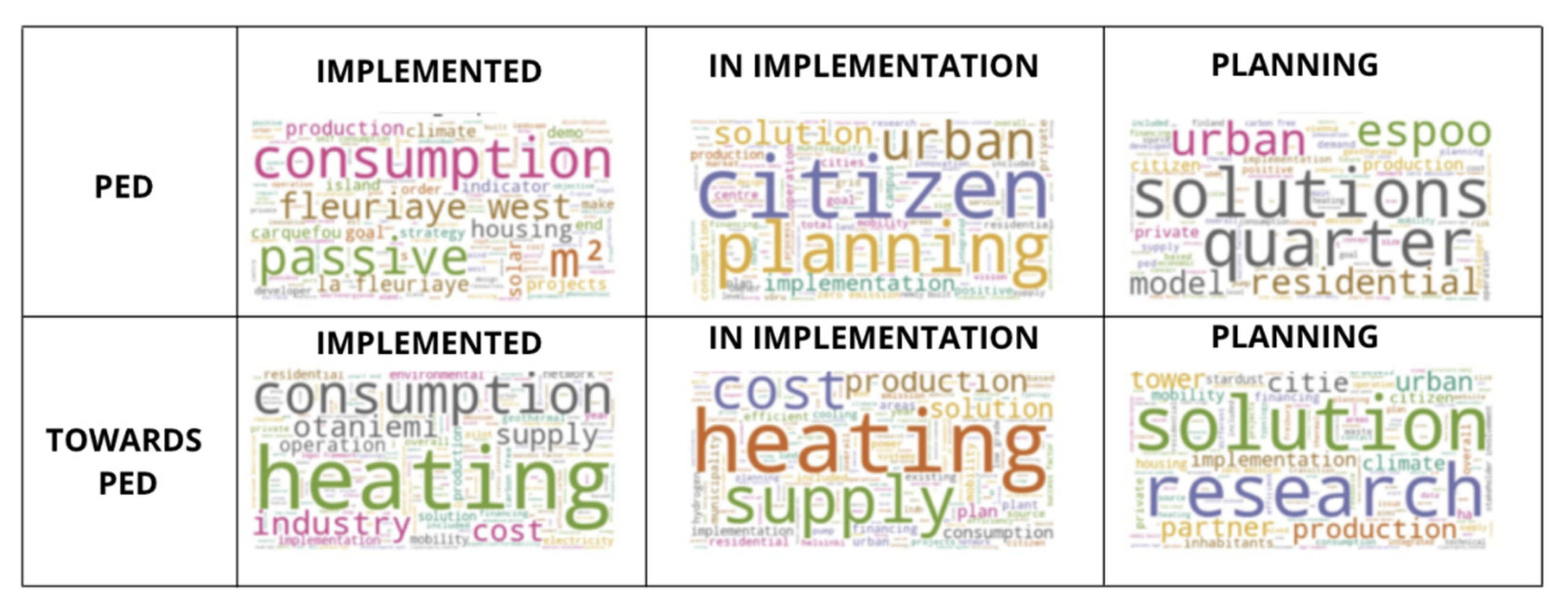
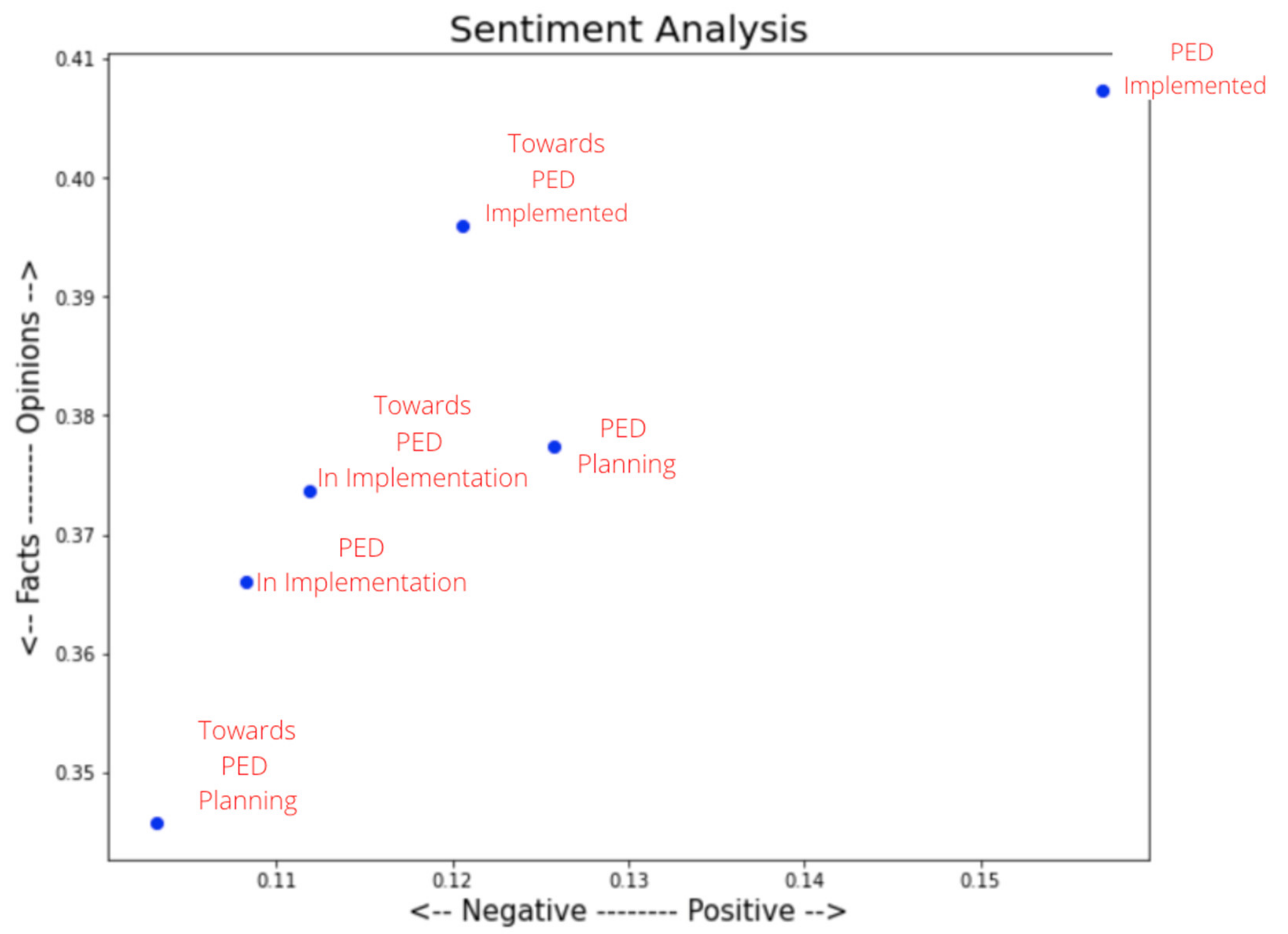
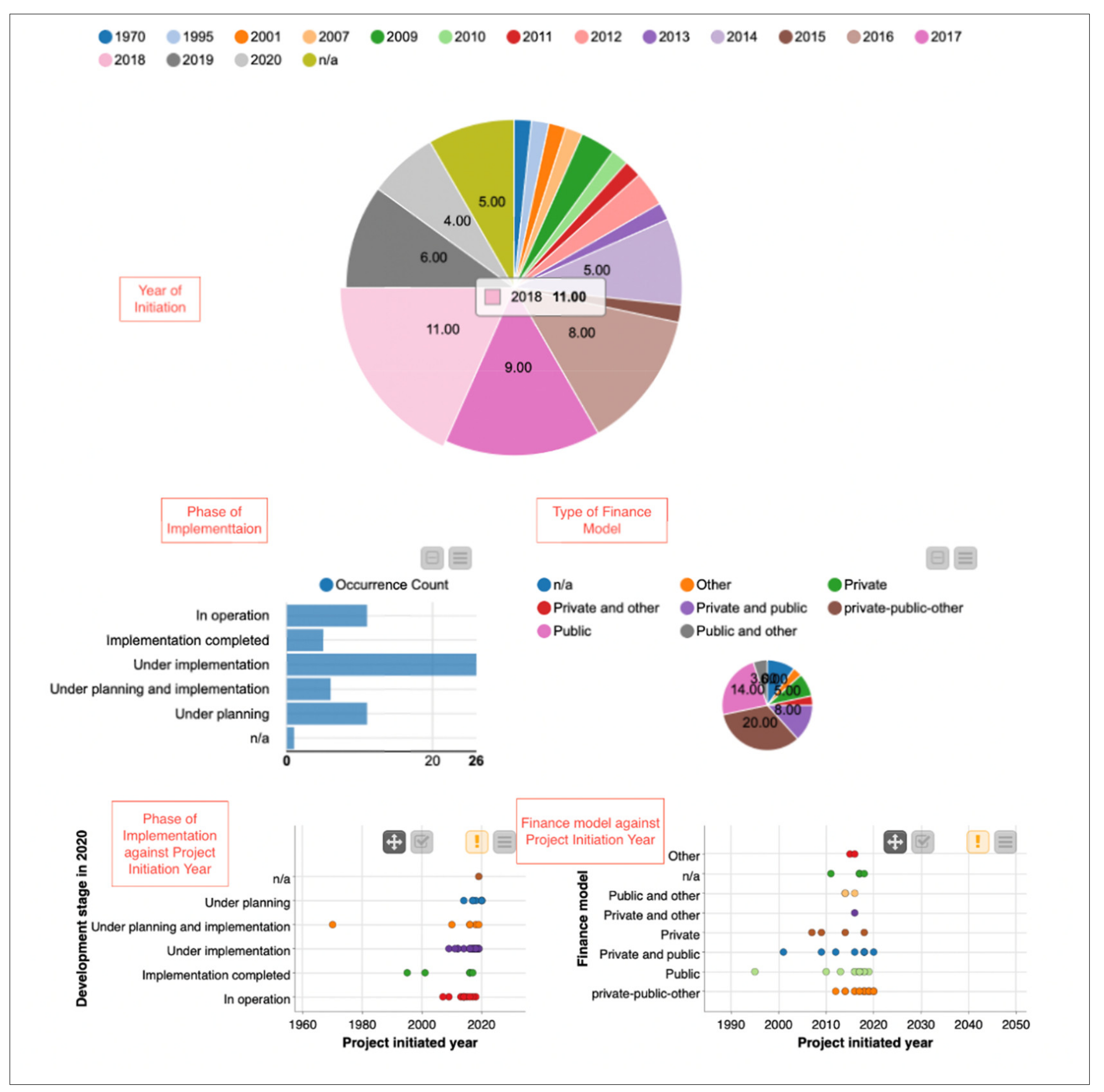
Positive Energy District (PED) is recently proposed to be an integral part of a district/urban energy system with a corresponding positive influence. Thus, the PED concept could become the key solution to energy system transition towards carbon neutrality. This paper intends to report and visualize the initial analytical results of 60 existing PED projects in Europe about their main characteristics, including geographical information, spatial-temporal scale, energy concepts, building archetypes, finance source, keywords, finance model and challenges/barriers. As a result, a dedicated date base is developed and it could be further expanded/interoperated through an interactive dashboard. It is found that Norway and Italy have the most PED projects so far. Many PED projects state a ‘yearly’ time scale while nearly 1/3 projects have less than 0.2 km2 area in terms of spatial scale. The private investment together with regional/national grants is commonly observed. A mixture of residential, commercial and office/social buildings are found. The most common renewable energy systems include solar energy, district heating/cooling, wind and geothermal energy. Challenges and barriers for PED related projects vary from the planning stage to the implementation stage. Furthermore, the text mining approach is applied to examine the keywords or concentrations of PED-related projects at different stages. These preliminary results are expected to give useful guidance for future PED definitions and proposals of ‘reference PED’.
Keywords: PED; characterization; review; text mining PED; characterization; review; text mining